RSS
 

Posts Tagged ‘Photography’

How to Alienate Photography Models in Five Easy Steps

22 Aug

Back in June, I decided to try my hand at modeling. Now, this is not completely new — I’ve been modeling for myself (with my mom pressing the shutter button, as I don’t have a remote and have never mastered the self-timer) for about six years now, on and off since I got my first (and only) DSLR. I’ve modeled Continue Reading

The post How to Alienate Photography Models in Five Easy Steps appeared first on Photodoto.


Photodoto

 
Comments Off on How to Alienate Photography Models in Five Easy Steps

Posted in Photography


Getting Started Guide to Macro or Close-Up Photography

22 Aug
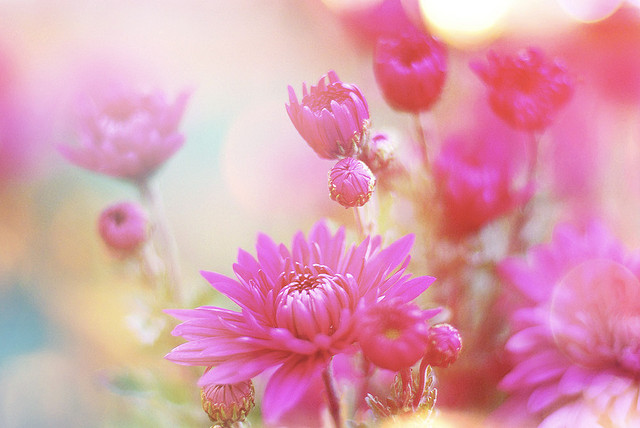
Close up photos of flowers can make for interesting colours and shapes

Close-up photos of flowers can make for interesting colours and shapes

There is something magical about seeing a subject up close and personal. This opens up a whole new world of options for you as a photographer. Close-up photography, or macro photography, can be a very rewarding form of photographic expression. The great thing about it is that you can do this from your basement at home, if necessary. Of course you can, and should, go outdoors too and setup shots in a forest or at the sea, but you can also setup shots of everyday subjects and shoot them up close.

Think of an old watch, a flower or even some food items that could be shot on your kitchen table. The shapes, textures and colours come to life in the world of macro photography, but it can be tricky and fidgety. Sometimes beginners are put off by this aspect and assume they need specialist skills to make close-up images. This is not necessarily true. Like any other aspect of photography, you need to understand how your camera works, and work within the limits of the equipment you have. Do you NEED to have a macro lens? In short, no. There are a few other cheaper options that you can experiment with before investing in a macro lens. Let’s take a look at how you can get going in close-up photography. This is really an introduction article, and I will be putting together some more detailed articles on the various aspects of macro photography, but first, let’s start with the basics.

Sometimes overexposing or underexposing can add to the image

Sometimes overexposing or underexposing can add to the image

1. Get as close as you can

This sounds obvious, but try it. Set your camera up on a tripod, choose a subject (anything will do really) and get your camera up close to the subject. Switch your camera to Manual focus. You can try autofocus, but generally you will be able to focus a little closer on manual focus. If you are using manual focus, the tripod will be important. There is nothing worse than trying to get your subject in focus when you are off balance, or you keep moving, so use the tripod. Once you have your subject in clear focus, look at the composition, just as you would with any other image. Use the various composition guidelines to put your image together and take the shot.

This is just the beginning, you will find that you will make minor adjustments and shoot another shot and so on. I find that when I do close-up or macro photography I get lost in this small world of intimate details. When you look through the viewfinder, try and visualize it as a small world or a small landscape scene. Pretty soon you will find that you will be totally swept up in it and that is the fun part.

Getting in close will help to isolate the subject and throw the background out of focus

Getting in close will help to isolate the subject and throw the background out of focus

2. Do I need a macro lens?

To do some great close-up shots, you won’t need a macro lens. You can use almost any lens to make close-up images. Bear in mind that each lens has a minimum focusing distance. This can range from a few centimetres (1-3″) to half a meter (20″) depending on the lens. Telephoto lenses will have a longer minimum focusing distance, while medium range lenses (24-70mm) will have a closer focusing distance. The difference between macro lenses and non-macro lenses is that a macro lens has a much shorter focusing distance (30cm/1 foot or closer) in most cases.

Also, a macro lens has a magnification ratio of 1:1. What that means is that the lens can reproduce the subject onto the sensor at it’s actual life size. So if your subject is 20mm in size and it is captured as 20mm on the sensor, that means it has a 1 :1 ratio.  Some lenses can only reproduce a 1:2, or 1:3, ratio which means that the subject will be half the size or less, on the sensor, relative to the size of the subject. I would suggest that you try close-up photography with the range of lenses you have. See which one works best. Prime lenses are usually a good place to start as they have great clarity and sharpness. I used my 50mm f/1.8 for a long time before I invested in a macro lens. Once you feel that you are limited by your lenses or that you think macro photography is a genre you want to expand on, only then consider buying a macro lens.

This image was shot with an old 70-300mm lens at F4

This image was shot with an old 70-300mm lens at f/4

3. What can I photograph?

The beauty of close-up photography is that – when one properly, a shot of a cup of coffee can be fascinating.  Suddenly the pattern in the latte cream looks amazing, the bubbles and cup shape become very intriguing. We very rarely look at everyday subjects up close and when we do, they can be really interesting. The same is true for flowers, an aged piece of wood, electronic goods, even a knife and fork, just about anything can become a subject for macro photography.

Some of the more challenging subjects are those that move. Subjects like insects, flowers, leaves, grasses and any other subject that is outdoors. For these, you will need more patience and better timing. Photographing a close up of a flower on a windy day will be really tough. If you want to do macro photography outdoors, maybe start off doing it on a windless day or in a sheltered area. Alternatively, you could go and buy some cut flowers and set them up in a vase, setup the shot and take a few images. The controlled environment of the flowers in a vase will make things much easier. Insects are even more challenging. They sit still for very short periods and move very quickly.

The name of the game to get good insect macro shots, is to be patient. To get some honeybee images in the past, I have set up my camera on a flower and attached my cable release. I then manually focused the lens to the flower and simply waited until a bee or another insect was in the right place and snapped off a few shots. Generally one in ten shots were usable and I was pretty happy with that, but they take time and patience.

Be patient and set up your shot beforehand when shooting insects

Be patient and setup your shot beforehand when photographing insects

4. Where to from here?

I found that I really enjoyed close-up photography. Once I got into it, I spent many hours trying to get some unusual images of flowers or insects. You may find this too. Get your tripod, cable release, choice of lens and set up a scene either indoors or outdoors. Get in a close as you can and start working with the scene. Change your depth of field until you are happy with what is in focus and what is out of focus. If you are using a macro lens, be careful about shooting with a very shallow depth of field. F/2.8 will mean that a VERY thin sliver of your scene is in focus, and that can be difficult to work with at first. Start at f/8 and work from there.

Experiment with different exposures, sometimes a slightly overexposed macro scene can look good, so play around with that. Above all, have some fun. Use it as an exercise in learning more about photography, and try and get some dynamic images too! In a future article, I will go into more details about settings and exposure modes. In the mean time, start shooting some close up images and let’s see how things look.

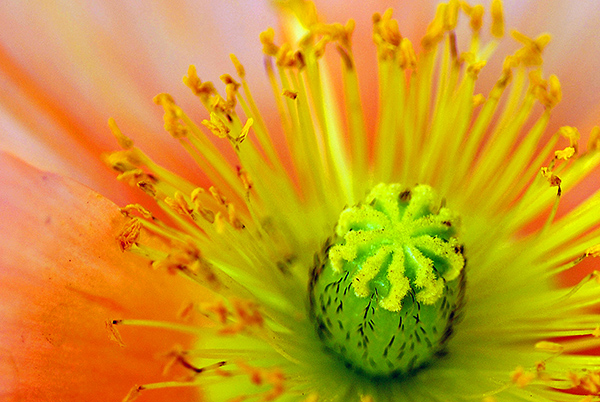
A close up of a poppy flower, the details are what is mesmerising!

A close-up of a poppy flower, the details are what is mesmerising!

For more information on macro or close-up photography check out these dPS article:

  • Equipment for Macro Photography – Video Tips
  • 6 Tips for Near-Macro Photography with a Telephoto Lens
  • How to Focus-Stack Macro Images using Photoshop
  • The Wonderful World of Macro Lenses: Close-Up Photography Lesson #4
  • Reverse Lens Macro: Close Up Photography Lesson #3
  • Extension Tubes: Close Up Photography Lesson #2
  • Getting Up Close with Close-Up Lenses

The post Getting Started Guide to Macro or Close-Up Photography by Barry J Brady appeared first on Digital Photography School.


Digital Photography School

 
Comments Off on Getting Started Guide to Macro or Close-Up Photography

Posted in Photography


20 More Photography Tips Every Travel Photographer Must Know

21 Aug

Pick up Oded’s new SnapnGuide (a dPS sister company) Snapn Travel here for only $ 7, a lifetime of travel memories in a snap. Traveling is fun and rewarding, but sharing memories of your journeys with friends, family, and the world through your own beautiful images can be even better.
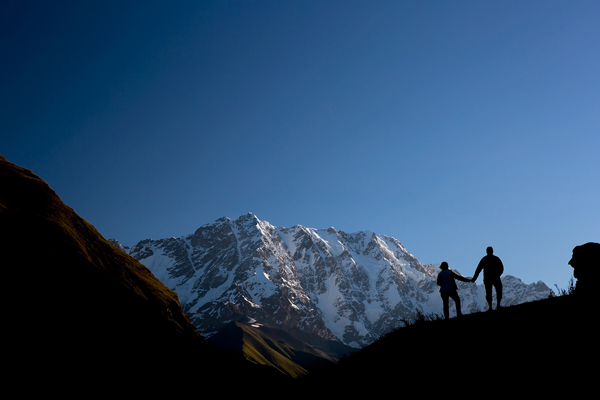
Traveltips Georgia 2

Georgia (the country)

Here are 20 more tips for great travel photography:

(You can read Part One 20 Photography Tips Every Travel Photographer Must Know here)

Before you go:

1. Make the visual decisions

For most of us, deciding where and when to go is based on many decisions, not necessarily related to photography. But there are some small decisions you can make to turn an ordinary trip into a photo-worthy one. For example, let’s say you are going on a business trip. You can squeeze a few hours of photographing between meetings. But a much better option would be to take a day or two off and spend this extra time photographing on location.

Or when planning your next family vacation, add a little visual research before the trip. Is there a nice festival or a market worth visiting at your destination? Is there something unique like an interesting ethnic group or unusual landscape that’s worth documenting? These small visual decisions can make a huge difference in your photographic experience during your trip.

2. Build a shot list

A “shot list” is a term from the movie industry. It’s a list of shots that are planned for a specific day. Want to come back home with better travel photography results? Then the shot list is your tool for the job.
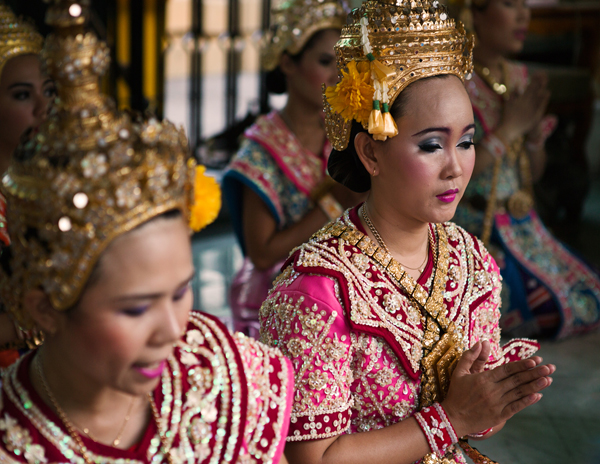
Traveltips thailand 2

Thailand

First, make a list of visual ideas as your “I won’t come home without” image list. Combine the iconic images with more creative ideas. For example, if you’re going to Paris, don’t skip the Eiffel tower. As a true symbol of Paris, it should be on your list. But make sure to add creative visual ideas, such as boutique wine shops, farmers markets, or anything to your liking. The shot list is there to help you, not restrict you. When you’re on the road, with so many new sights and smells competing for your attention, the shot list will keep you organized and be a continual inspiration for creating the next shot.

3. Smart gear choice

Don’t take all of your equipment with you! Match the gear to the destination. Do you really need that flash on the beaches of Thailand? Or that 50 mm prime lens for the safari trip to Tanzania? Choose wisely and you’ll worry (and carry) a lot less.

4. Photo boot camp

If you’re not making images on a daily basis, it will probably take you a few days on location just to “get in shape”. Get a jump-start by warming up at home by creating a daily photography routine at least one week before departure. This will make sure you’re at your best as soon as you step off the plane.
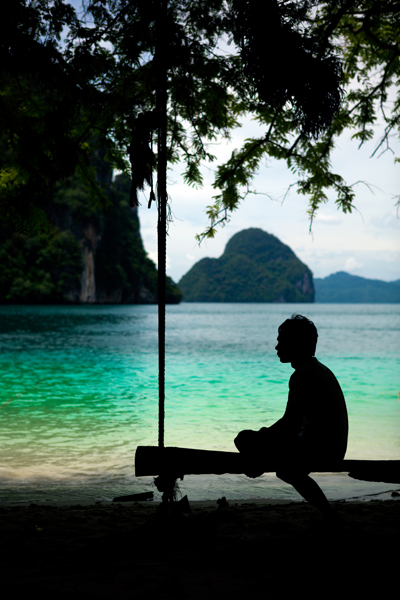
Traveltips thailand 1

Thailand

5. Coordinate expectations

Apart from our photographer’s “hat”, we all wear other hats, such as “father,” “spouse,” or “friend”. When traveling with others, we must wear many other “hats”. You must coordinate expectations with your travel partners to make sure the importance you’re placing on your photography during the trip won’t cause problems. Think and plan together about places you all can visit that would be great for even those who don’t take pictures: vantage points with scenic views, colorful markets, religious centers, etc.

When you get there

6. Location scouting

This is another movie industry term. It means that before even taking out your camera, it is wise to get familiar with your surroundings. Take at least a few hours to learn the area. Understand if there are any interesting places around your hotel, visit one or two places that are on your shot list and adjust it accordingly.
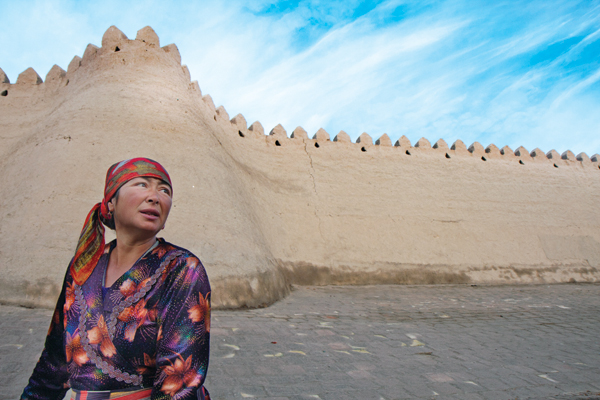
Traveltips Uzbekistan

Uzbekistan

7. Get up early

Yes I know, this one is a crazy ratings downgrade. But hey, travel photography is not for the lazy! The most precious thing on a trip is your time. Do not waste the hours of golden light of morning (or afternoon) on sleeping. Especially if you are traveling with non-photographers, it’s your time to do your best shots. You can save sleeping in for weekends at home.

8. Markets first!

Colors, food, local people, culture; markets are a photographer’s paradise. It’s always better to visit open markets (for the daylight) rather than covered ones. Some of the best markets I visited happen only once a week, be sure to be there.
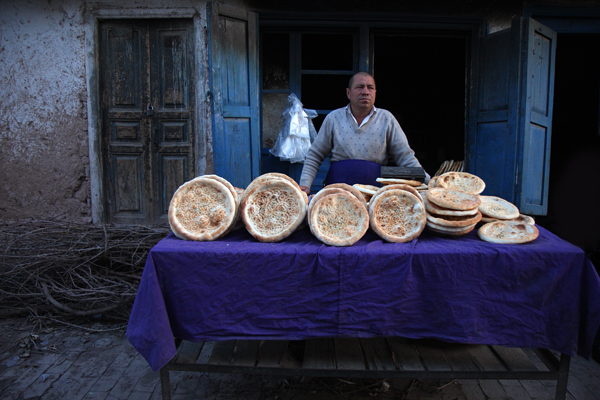
Traveltips china

China

9. Diversify your shoots

You took a landscape photo with a wide lens? Excellent, now do it again with a telephoto lens.

You’ve got the main square in daylight? Wonderful! Come back at night with a tripod and shoot long exposures. Make the most out of your once-in-a-lifetime trip as your diversify your shoots and portfolio.

10. Get out of your comfort zone

We all have places that are less comfortable for us, but visiting a new place is an excellent opportunity to get out of your comfort zone. Do you not have the courage to approach strangers in the street in order to take their portrait? This is an excellent opportunity. You might be surprise how easy and fun it is to do this with strangers.
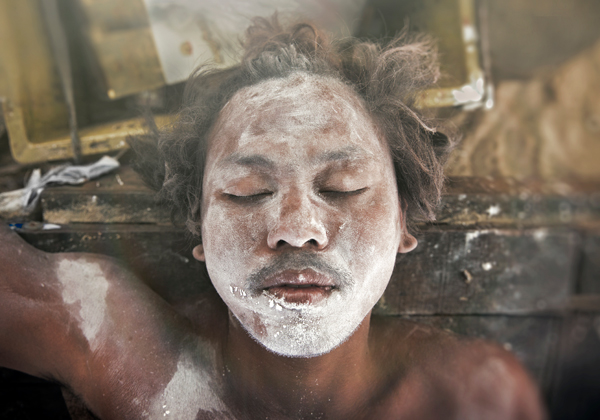
Traveltips thailand 3

Thaliand

11. Go iconic – but from a different point of view

We all know how Times Square, The Taj Mahal, and the Eiffel tower look. Don’t come back with the same, “we’ve seen it all before” images. You don’t have to skip those iconic places, they usually are truly worth the visit. But think of new and fresh ways to feature them. Try using a fish-eye lens, creative editing process, or reflections – the sky is the limit.
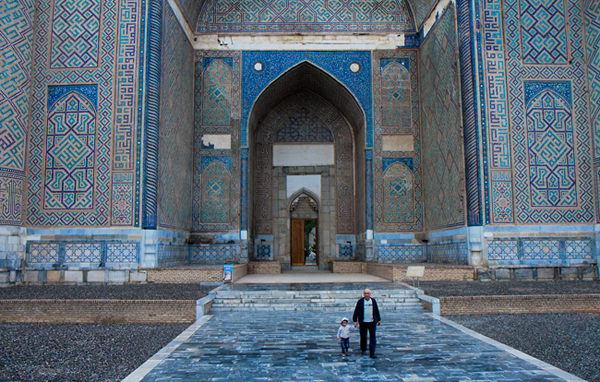
Traveltips Uzbekistan 2

Uzbekistan

12. Get inspired!

When I’m on a photography assignment, I always try to pay a short visit to a local gallery. Yeah, it sounds bit snobbish, but seeing the photography, paintings, or any other local art forms acts as a huge inspiration for my travel photography. We all want to create different and unique images. This is great way to do just that.

13. Setting a trap

I love this technique. Instead of jumping from place to place, looking for interesting subjects to photograph, I suggest to stay put and start building your frame with the background. Find an interesting vantage point on the street. You can even do this sitting at a sidewalk café. Establish your frame by determining the composition and exposure setting. Then wait for something interesting to enter your frame.
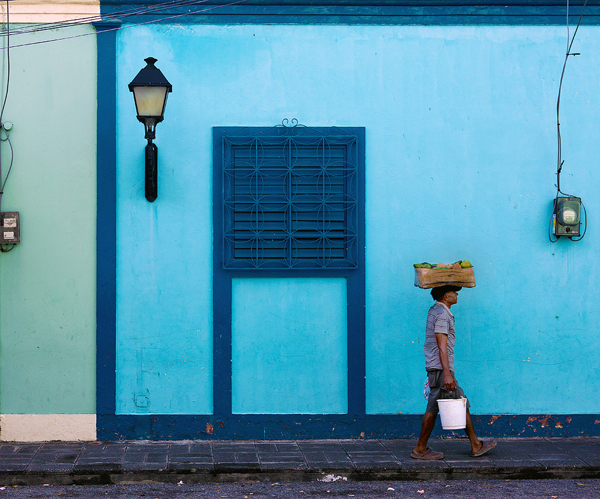
Traveltips Dominican Republic 4

Dominican Republic

14. Join forces with a local

From experience, in travel photography, there is nothing like working with a local photographer. Use a social platform (Facebook, Flickr, couchsurfing) and find a local photo enthusiast like yourself, who can show you all the best places to photograph. Of course, there are always risks when meeting strangers from the internet. Use your common sense and don’t meet them somewhere secluded at first.

Coming back home

15. Backup

I cannot stress how important this tip is. Don’t wait until it’s too late. Laptop, hard drive, cloud storage, you name it. Backup your images on more than one source.

16. Clean your gear

Before you store your stuff, you should clean it. Sea salt, sand, or even just fingerprints on the lens, can damage your gear. Keep your equipment in good shape and you will enjoy it for many years.
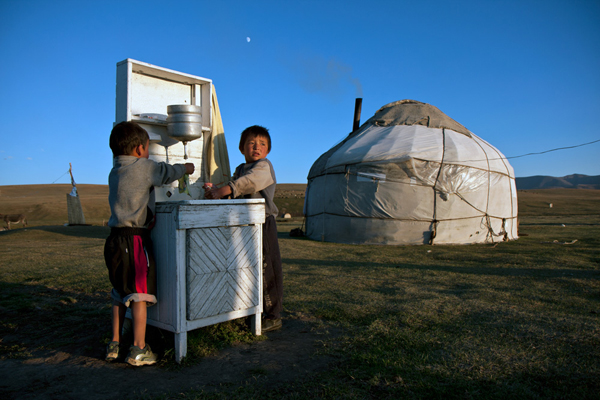
Traveltips Kyrgyzstan 3

Kyrgyzstan

17. Have a successes and misses notebook

In the past, I was recording a notebook of all my “almost got it” frames. Those fuzzy, overly bright, and “what the heck is this thing in the background” images.

I kept this notebook in order to learn how to not repeat my mistakes (and because we photographers like to be angry at ourselves from time to time). Then, I realized that it is just as important to understand why I failed as it is to understand why I succeeded. So, even today, after every assignment, I write ten things to keep and ten things to work on until the next trip.

18. Rest from it

I know it’s tempting, but resist the urge to filter, edit, and post-process your images the minute you get home. Give yourself at least a week before you do so. We tend to emotionally connect to our images, usually by the degree of investment and hard work we put into creating them. Give yourself time to disengage yourself from the experiences of your journey. This will help you see your images with less bias.
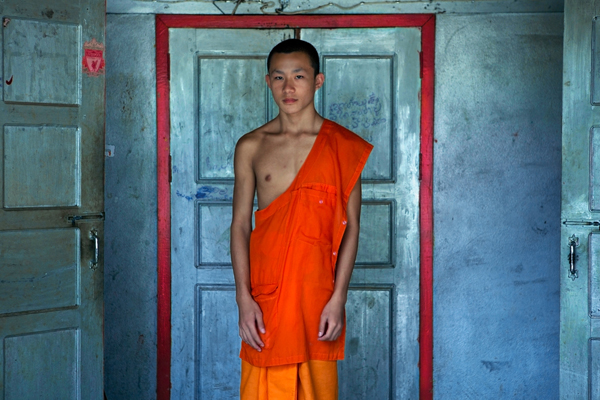
Traveltips laos 2

Laos

19. Get feedback

After learning from your successes and mistakes by yourself, use the help of someone else. Choose a friend, (preferably one with tact) and get his/her opinion on the images. It doesn’t matter if they’re a photographer or not. They should be honest, sincere and non-competitive with you.

20. Get it out to the world

Now, after resting from it, seeing it again with a new perspective, and hearing someone else’s advice, it’s time to get your art out to the world.

Choose up to 15 photos (not more). It is important to pay careful attention to the opening and closing images. Each image must stand on its own and together as a set. Add some text and post it to the world.

Note: the author would like to thank Nicholas Orloff for his help in writing this article.
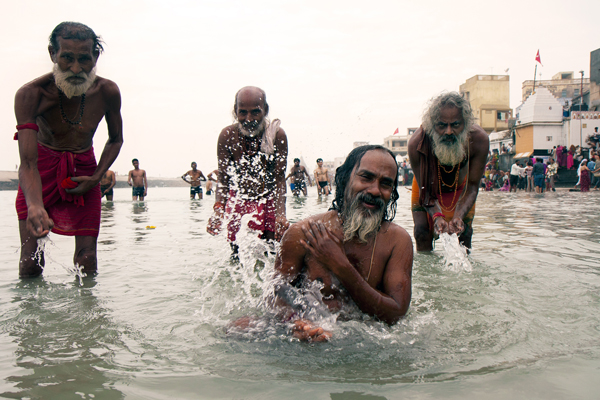
Traveltips India

India

The post 20 More Photography Tips Every Travel Photographer Must Know by Oded Wagenstein appeared first on Digital Photography School.


Digital Photography School
 
Comments Off on 20 More Photography Tips Every Travel Photographer Must Know

Posted in Photography


The Insightful Landscape – A New Landscape Photography Book

21 Aug

The Insightful Landscape - A New Landscape Photography Book

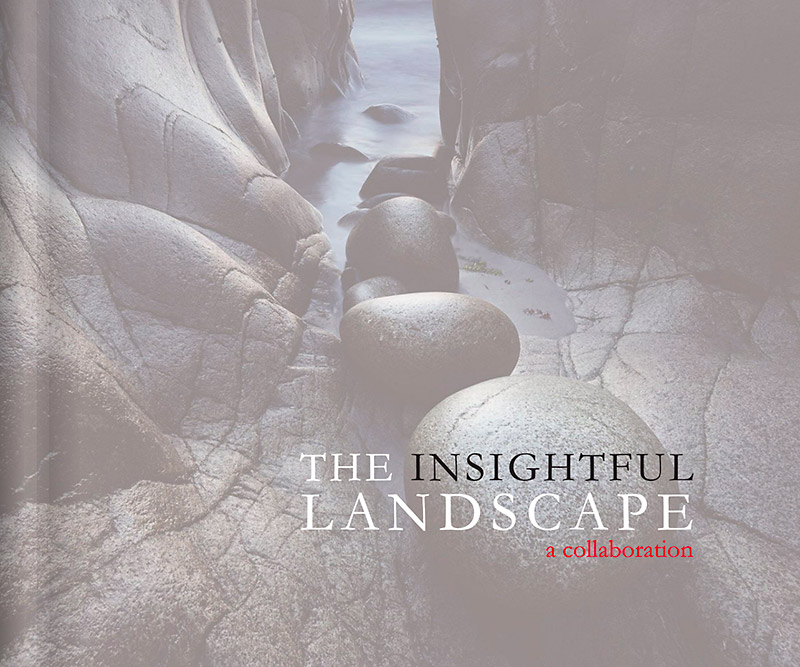
Announcing a new landscape photography book: The Insightful Landscape

A very special collaboration has been made by 26 highly talented landscape photographers including Guy Tal, Michael E. Gordon, Andy Biggs, Tim Parkin, Gary Crabbe, Floris van Breugel, Richard Wong, Alister Benn, myself and many more. (see the complete list below)

If you love Landscape Photography then you’ll want to pick up a copy. This book was put together to share our passion for nature and help make a chartable donation to the Cystic Fibrosis Foundation on behalf of a participating photographer’s son, who is fighting the disease.

Purchase The Insightful Landscape in print or digital format today


Complete Contributing Photographer List:

Dan Ballard

Alister Benn

Andy Biggs

Floris van Breugel

Peter Carroll

Bill Chambers

David Chauvin

Gary Crabbe

Ken Cravillion

Matthew Cromer

David Fantle

Jim Goldstein

Michael E. Gordon

Jack Graham

David Leland Hyde

Youssef Ismail

Joseph Kayne

Chuck Kimmerle

Colleen Miniuk-Sperry

Lon Overacker

Tim Parkin

Rafael Rojas

Jim Sabiston

Scott Schroeder

Guy Tal

Richard Wong

Copyright Jim M. Goldstein, All Rights Reserved

The Insightful Landscape – A New Landscape Photography Book

The post The Insightful Landscape – A New Landscape Photography Book appeared first on JMG-Galleries – Landscape, Nature & Travel Photography.


Related Stories

  • 101 Landscape Visionary Insights Not To Miss – A New eBook & Video Series
  • 101 Landscape Visionary Insights Not To Miss – A New eBook & Video Series – Enclosure
  • Wilderness Protection – Only As Strong As The Wilderness Act
Feed Ads by FeedBlitz
powered by ad choices


JMG-Galleries

 
Comments Off on The Insightful Landscape – A New Landscape Photography Book

Posted in Equipment


Weekly Photography Challenge – Flowers

20 Aug

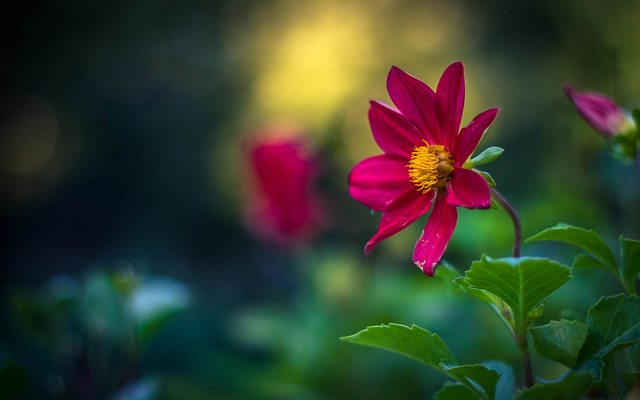
Earlier today I shared a bunch of flower photos to brighten your day. I can’t think of anyone who doesn’t like flowers, even the roughest toughest guys can appreciate nature’s beauty and splendour.

By Michael J. Moeller

The weekly photography challenge is flowers.

Now of course it’s your turn. Go find some flowers and photograph them. Go for a walk, find some wild flowers, or visit a garden. You could even think outside the box and make paper flowers or draw some on the sidewalk in chalk. Perhaps you could set up your tripod and do some macro shots and wait for a bee or bug to come along. Try some creative depth of field using a large aperture, or some multiple exposures.

The key of course is using light to your advantage. Show the flower off by backlighting it with gentle evening light. Or use side lighting to pick up extra texture. You’re only limited by your imagination.

Here are a few flowers to get you started:

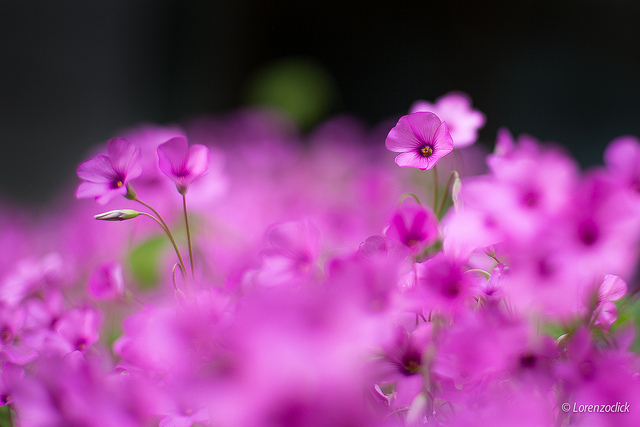
By Lorenzoclick

By aussiegall

By @Doug88888

By aussiegall

By Theophilos Papadopoulos

By @Doug88888

By Alex Dram

By Sorin Mutu

By Richard Taylor

By Louise Leclerc

Now it’s your turn!

Share your flower photos

Simply upload your shot into the comment field (look for the little camera icon in the Disqus comments section as pictured below) and they’ll get embedded for us all to see or if you’d prefer upload them to your favourite photo sharing site and leave the link to them. Show me your leading lines using pathways and roads in this week’s challenge.

The post Weekly Photography Challenge – Flowers by Darlene Hildebrandt appeared first on Digital Photography School.


Digital Photography School
 
Comments Off on Weekly Photography Challenge – Flowers

Posted in Photography


5 Actionable Tips to Get More Word-of-Mouth for Your Photography Brand

18 Aug

Finding clients for your professional photography can be a challenge. That’s why your photography business, as with any other type of business, needs some promotion. Word-of-mouth marketing techniques are as old as the world itself, and it really works! In this article, we’re going to talk about the importance of personal style, which photo portfolio format works best for your Continue Reading

The post 5 Actionable Tips to Get More Word-of-Mouth for Your Photography Brand appeared first on Photodoto.


Photodoto

 
Comments Off on 5 Actionable Tips to Get More Word-of-Mouth for Your Photography Brand

Posted in Photography


Weekly Photography Challenge – Blue

16 Aug

Earlier I rounded up a set of blue images to inspire you. And as you may have guessed it’s that time again – the weekly challenge.

I was feeling a little blue this week myself after hearing about the passing of Robin Williams. Sad that someone who brought so much joy to so many, had so little in his own life. But I don’t want you to be that kind of blue!

Weekly photography challenge – blue

This week I want you to get out and notice anything and everything around you that is blue. Then – photograph it and share it with us here. Nature provides lots of things that are blue for you, try there and also look for man made things too like bicycles, cars, homes, you name it. Here are a few more ideas for you:

By Eric Bégin

By Raj Stevenson

By Syd Phillips

By Éole Wind

By Francisco Antunes

By Will Montague

By Yannis

By amira_a

Now it’s your turn!

Share your Blue photos

Simply upload your shot into the comment field (look for the little camera icon in the Disqus comments section as pictured below) and they’ll get embedded for us all to see or if you’d prefer upload them to your favourite photo sharing site and leave the link to them. Show me your leading lines using pathways and roads in this week’s challenge.

The post Weekly Photography Challenge – Blue by Darlene Hildebrandt appeared first on Digital Photography School.


Digital Photography School
 
Comments Off on Weekly Photography Challenge – Blue

Posted in Photography


How to Create Amazing Urban Landscape and Street Photography Images

15 Aug
A stitched panorama in a city can make a great scene!

A stitched panorama in a city can make a great scene!

Many of us live in cities nowadays, in fact almost 80% of the world’s population lives in, or near, a large city. While it is fantastic to be out in nature, photographing the remote seascape scenes or the snow capped mountains, that is not possible for most photographers, everyday. That might mean that you don’t photograph for weeks at a time. As you probably know by now, to make big improvements in your photography you need to practice, practice, and practice some more.

Living in a city has its own scenes that are great to photograph, this is why street photography is such a popular genre of photography. These urban landscapes can not only be interesting, but you can make some very powerful images in an urban or city setting. Here are some pointers on how to create amazing urban landscape and street photography images.

1. Urban landscapes are the same as rural landscapes

Ok, not visually maybe, but in the way you approach them. In traditional landscape photography you will use a leading line to draw the eye into the scene. You will make sure that there is foreground interest that holds the viewers eye. You will use composition guidelines to set up your shot. This is all true for urban landscapes too. Visually design your scene as you would when you photograph a landscape scene. Be sure that the scene has a good background, a strong mid ground and a compelling foreground. This is not a rule, but it will help when you set up your shot.

2. The mundane becomes unusual

We have all seen pretty much all the objects in a city. The fire hydrants, the mailboxes and the scenes all look familiar to us city dwellers. In urban landscapes it’s not only about the architecture or the street scenes, it is about making those well know objects look different or interesting. Think of the time of day that you photograph. Late afternoon sunlight, warm light can make a fire hydrant or mailbox look somehow magical. Graffiti can look gritty, textured, and interesting in the soft light. Look at how you can change the angle or lines in a normal scene. Come from a different angle and see how that change makes all the difference to making mundane objects seem different.

Look for a way to make mundane scenes look different

Look for a way to make mundane scenes look different

3. Textures and close up

Every city has literally thousands of different textures, including: walls of buildings, cobbled streets, paved walkways, wooden walkways, benches, grass, the list goes on. Each of these surfaces has texture which are great for urban landscape photography. To emphasize texture, you will want to be shooting in side light conditions. The side light will emphasize the granularity of the surface of the street, or the grain in the wooden bench. Textures can be a whole theme on their own. Think of the textures on the sidewalks, the brick walls, the concrete buildings, the glass surfaces (reflections are amazing too).

Try this, go out into your city and try and shoot 24 photographs of different textures, at different times of the day. The range of different images will amaze you, and it will open up your eyes to what is possible when you focus on just one theme. Secondly, try and isolate some subjects in the scene. Get in closer to what you are shooting. By doing this, you will isolate part of the scene and make it look more intriguing.

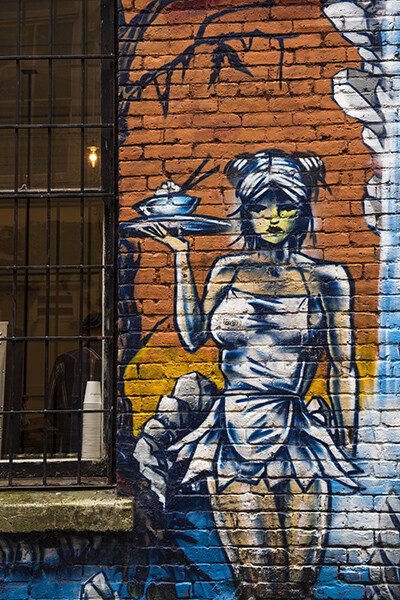
This graffiti art looks amazing, but the textures and grittiness make the image more impactful

This graffiti art looks amazing, but the textures and grittiness make the image more impactful

4. Use colour

We all photograph in colour nowadays, and then convert that image to black and white (if you don’t, you should!) but shooting for colour in your city can be a lot of fun. Decide on a colour you want to photograph and go out and look for all the different scenes you can find that contain your colour. To make it more challenging, try and isolate that colour to make 80% of your image the chosen colour. This will help you see beyond subjects and look at colour in a whole new way. You can also try and get the different colours in a scene into a cohesive arrangement, your primary colours (reds, yellows and blues) will be immediately powerful in a shot. A fire hydrant can become more interesting because of the redness of it. A blue wall becomes an abstract image, colour is a good theme to use in your urban images.

Vibrant colours can make your image pop!

Vibrant colours can make your image pop!

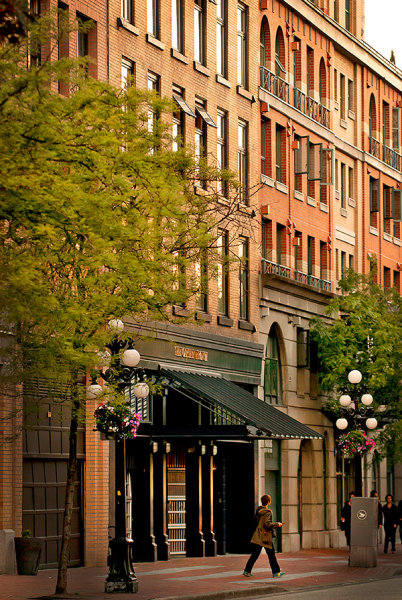
5. Photographing people

Cities are built for people, there are lots of them in any city.  It is always fun to see how people interact with the city. Do they use the park benches, do they take time to look around them in the city or do they simply march on to work. Look for opportunities to capture photos of people doing everyday stuff, but try and find a great backdrop to shoot against. A graffiti wall or a moving bus can make the perfect setting, good architecture too! Always be aware of people’s reaction to being photographed. I generally try and photograph people when they are not camera aware. If they spot me taking the shot, I will walk over to them, show them the image and explain why I shot it. Sometimes, people are not happy to be photographed, be respectful of this and be friendly. It’s amazing what a smile and a relaxed attitude can do.

Use the city buildings as a backdrop to the people in the image

Use the city buildings as a backdrop to the people in the image

Your turn

Photographing in your city can be fun. Of course, always be aware of your surroundings. Be careful not to step off the sidewalk into the street without looking at the traffic (trust me, this happens). Also, be aware of where you are wandering. You may have innocently wandered into the “rough” neighbourhood which might be a bad idea with a large SLR around your neck.

Apart from being aware of your safety, photograph with abandon. Try and capture the essence of the city. Try and photograph the well known places in a new and fresh way. Above all, get out and photograph. As I said earlier, it may not always be possible to go out and shoot in some amazing natural setting, but you can get some really great images just outside your front door, in your home city.

Here is a fun exercise, choose a time to go out and get some urban shots. Select a theme and shoot five images, choose another theme and shoot another five, and so on. Once you have done this a few times, upload your favourite image to the comments below and let’s see how creative the shots are. I look forward to seeing your city through your eyes!

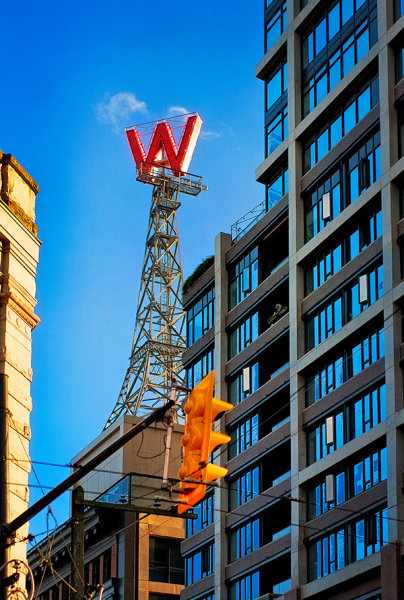
Look for refections, shapes and everyday life!

Look for refections, shapes and everyday life!

The post How to Create Amazing Urban Landscape and Street Photography Images by Barry J Brady appeared first on Digital Photography School.


Digital Photography School
 
Comments Off on How to Create Amazing Urban Landscape and Street Photography Images

Posted in Photography


The Essential Guide to Black and White Photography

14 Aug

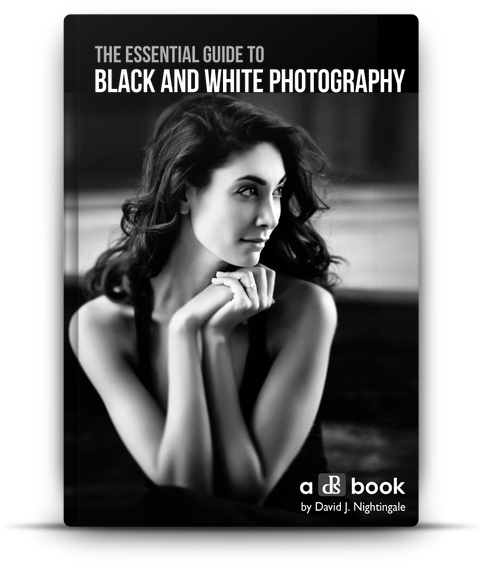
There has been a real buzz of excitement around dPS headquarters this past week because today we’re launching a new eBook that we’re really proud of – The Essential Guide to Black and White Photography – an eBook that will walk you through everything you need to know to take beautiful black and white images!

Blackandwhitephotographycover

My first love with photography was with black and white photography. It was in a high school. The class that I remember sitting in a darkroom with two friends, watching images appear in front of me on paper, sitting in a chemical bath.

At first they were faint grey outlines of the image, but as the chemicals did their work, tone, shade and contrast were added to the image until it had fully appeared.

While our family photos were all shot in colour from the time I was born, as a teenager I would spend hours gazing into those first black and white images that I’d shot and developed. I’m not exactly sure what it was about them but there was a timeless, classic and magical quality to them that I still love today.

It turns out that many of us here at dPS have similar memories and love for the black and white image, and so when we started to talk about putting together this new eBook on the topic we did so with real anticipation and energy.

We looked around for a photographer to author this guide 12 months ago and came across the work of David Nightingale. David not only shoots beautiful images but he’s the creator of one of the most successful courses on the topic so we knew we’d found our dream author and set out to convince him to partner on the project.

Thankfully he agreed and after many months of preparation today we’re excited to announce The Essential Guide to Black and White Photography is available for you to purchase with a very special Early Bird Offer.

The eBook walks you through everything from learning to ‘see’ and take beautiful black and white images, to advice on gear right through to processing your images to perfection.

NewImage

Early Bird Special

NewImageWhen you purchase The Essential Guide To Black And White Photography you’ll also receive a free copy of 10 Recipes for Amazing Black And White Photography.

This bonus eBook contains all the ingredients you’ll need for shots such as an Ansel Adams Landscape right through to vintage images and classic black and white portraits.

These recipes helps you take the amazing teaching in the essential guide, and put it into action in a variety of situations – it’s the perfect companion!

Normally this would cost you $ 9.99 USD, with our new essential guide it’s FREE – but for a limited time only.

Grab Your Copy Today

These two eBooks are yours today to download for just $ 19.99 USD.

They have straight forward explanations and tricks for all skill levels. Anyone wanting to take better black and white photos will get something out of this book.

Pick up yours here today.

The post The Essential Guide to Black and White Photography by Darren Rowse appeared first on Digital Photography School.


Digital Photography School
 
Comments Off on The Essential Guide to Black and White Photography
Posted in Photography


Event Photography: How To Take Electric Photos of Rock Bands

13 Aug

Do you remember the photographs that inspired you to want to take photography more seriously? If so, you must have a better memory than me. 😉 I don’t remember the specific photographs that made me want to keep me camera with me at all times. Maybe it was Henri-Cartier Bresson’s street photography, or maybe it was Andreas Gursky’s Rhine which Continue Reading

The post Event Photography: How To Take Electric Photos of Rock Bands appeared first on Photodoto.


Photodoto

 
Comments Off on Event Photography: How To Take Electric Photos of Rock Bands

Posted in Photography