RSS
 

Posts Tagged ‘Photography’

Fall Foliage Photography Guide for Taking Better Autumn Photos

29 Oct

The world is filled with Red and Gold…Get out there and Shoot!!! So, as many of you know, I have never actually lived in a place with true fall. I’m from Los Angeles, lived in Hawaii, both of which basically are perfect always, did an eight year stint in North Dakota, where it’s frigid for ten months, then there’s a Continue Reading

The post Fall Foliage Photography Guide for Taking Better Autumn Photos appeared first on Photodoto.


Photodoto

 
Comments Off on Fall Foliage Photography Guide for Taking Better Autumn Photos

Posted in Photography


Interview: Anne Geddes on photography and philanthropy

29 Oct

We recently had the opportunity to sit down with one of the most recognizable names in photography – Anne Geddes. In our interview, recorded in partnership with CreativeLive, DPR’s Barney Britton talks with the photographer about how her career started, the transition from film to digital, and her efforts as a global advocate for children. See video

Articles: Digital Photography Review (dpreview.com)

 
Comments Off on Interview: Anne Geddes on photography and philanthropy

Posted in Uncategorized


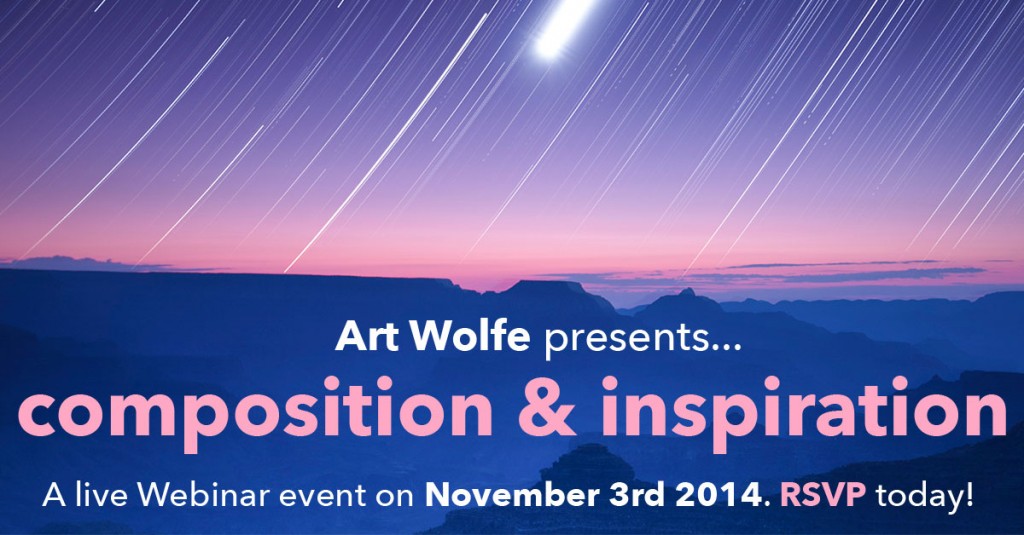
An Opportunity Not To Miss: Art Wolfe Photography Webinar

28 Oct
Register today for $  7 using code: JMG7 (normally $  25)

Register today for $ 7 using code: JMG7 (normally $ 25)

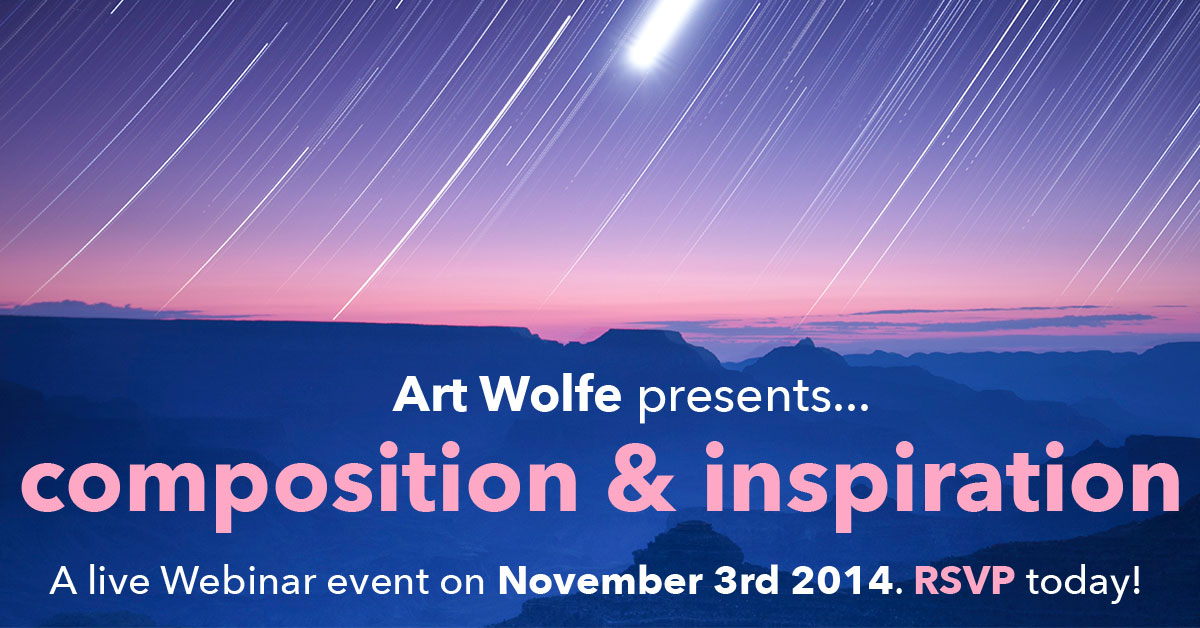
Friend and photographer Art Wolfe is hosting a “Composition & Inspiration” webinar November 3rd, 2014 at 6pm.

Register today for $ 7 using code: JMG7 (normally $ 25)

If you’ve yet to hear Art  present now is your chance. Having attended their presentations in the past I’ve always found their insights and experience incredibly valuable. The webinar will be held on November 3rd, 2014 at 6pm PST / 9pm EST. Don’t miss out.

Copyright Jim M. Goldstein, All Rights Reserved

An Opportunity Not To Miss: Art Wolfe Photography Webinar

The post An Opportunity Not To Miss: Art Wolfe Photography Webinar appeared first on JMG-Galleries – Landscape, Nature & Travel Photography.


Related Stories

  • An Opportunity Not To Miss: Art Wolfe & Rick Sammon Webinar – Enclosure
  • An Opportunity Not To Miss: Art Wolfe & Rick Sammon Webinar
  • Blood Moon Eclipse: Mark Your Calendar 10.8.14
Feed Ads by FeedBlitz
powered by ad choices


JMG-Galleries

 
Comments Off on An Opportunity Not To Miss: Art Wolfe Photography Webinar

Posted in Equipment


Readers’ Showcase: Documentary and Street photography

27 Oct

With all the talk about new equipment at this time of year it’s worth remembering why we buy that gear – to make great photos. What better way to do it than to showcase the excellent work of our own community? This week we asked users of our Documentary And Street photography forum to submit their favorite shots for inclusion in our Readers’ Showcase. Click through to take a look at our favorites

Articles: Digital Photography Review (dpreview.com)

 
Comments Off on Readers’ Showcase: Documentary and Street photography

Posted in Uncategorized


Essential Photography Business Kit: 5 Things to Keep Handy at All Times

27 Oct

Even if you don’t have a business plan, or much of a business to speak of, if you’re going to be or already are a professional photographer, there are certain things you will need and often will be asked for over and over again. Luckily, you don’t have to do extra work every time to meet these needs — instead, Continue Reading

The post Essential Photography Business Kit: 5 Things to Keep Handy at All Times appeared first on Photodoto.


Photodoto

 
Comments Off on Essential Photography Business Kit: 5 Things to Keep Handy at All Times

Posted in Photography


10 Tips to Help You Grow as an Artist in Photography

27 Oct

UmbrellasinTokyo

Over the past few days, I’ve thought about what’s helped me become a better photographer over the years. It’s a constant journey, and developing as an artist is a never ending pursuit that extends beyond owning any camera. In addition to practicing as much as possible with your camera, here are 10 tips to share that you may wish to consider while you continue on your own path in photography to help you grow as an artist.

1. Wait to look at your photos

I discovered this piece of advice over time, though a number of other photographers have suggested the same thing. Wait to look at your photographs if that’s possible. I know after a shoot you may feel anxious to go through and edit your pictures, but your anxiety and perception will often skew how you see your photos because this is at the height of your emotional attachment to your images. I’ve found that waiting a few days or better yet a couple of months to really go through a batch of photographs will be enough time to break down some of that attachment and reduce any biases you may carry.

2. Only delete the obviously bad shots

Some photographers even argue not to delete any of your shots because in the future, software developments may actually exist to fix super blurry or unfocused images. It’s your call, but if you see an image that you just don’t like, consider waiting a bit before you delete it. I’ve come across images that I marked with an X in my Lightroom, but interestingly, I’ve found that sometimes my perception of what I think is “good” changes. Photography is a learning experience as you expose yourself to other work and different styles. Down the road, you may rediscover some of your images in light of new ways you learn how to see. Besides, it’s always good to keep some of the bad shots around to really get an idea of the progress you make through the years.

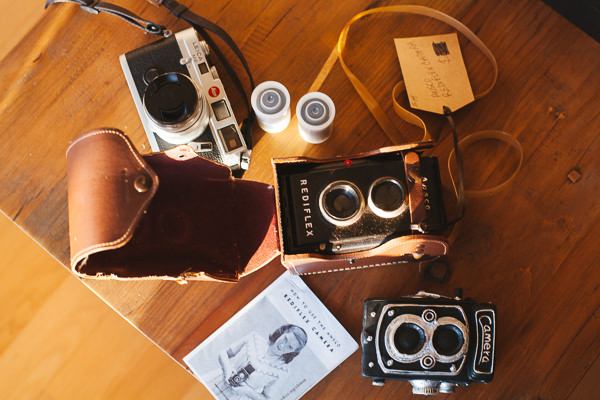
3. Shoot some film

Shooting film can be more expensive, but it’s a great tool in becoming a better artist and photographer. With only a fixed number of exposures, you’re more selective of the images you shoot and the cost of developing film will keep you from shooting hit or miss style which forces you to think more. When shooting film, you’re in a different state of mind because of its limitations which challenge you to become more selective and refined before you press the shutter button.
Shootfilm

4. Study other artists’ work

You have no idea how good your stuff is until you have something to compare it to. You can shoot a ton and feel pride in your images, and as you grow, you should feel good about this progress. Studying from great artists and photographers you admire is really the best way keep you humble; but it also prevents you from falling into creative stagnation. I find this to be one of my biggest sources of inspiration, and it’s a great motivator for when you start to feel a little bored with your images.

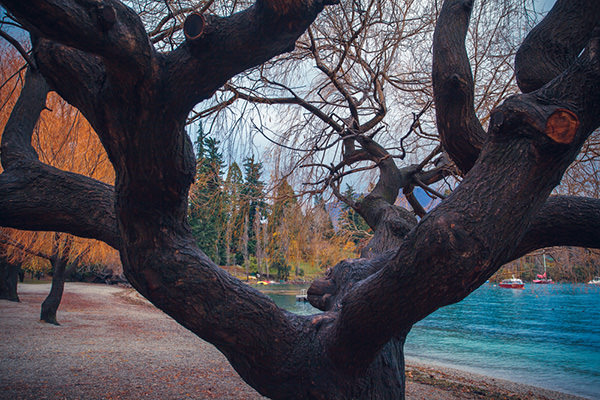
5. Take a drawing or painting class

Years ago, before I ever even picked up a camera, I wanted to learn how to paint. I loved mixing colors and the thought of learning how to compose a scene and conveying my own impressions upon a subject interested me. So I enrolled in a class at a local art college which served as the foundational cornerstone as my development in photography. My teacher sat with us intimately every class and taught us about reading light and composition. She told us flat out at the beginning of the class that we would never see the same way again, and she was right! She taught us about negative space, composition, and all the basic concepts that artists are supposed to know, things which photographers should know too. My teacher was right and I did learn to see for the first time. If you have the time or haven’t been through art school already, consider signing up for a drawing or a painting class. It will take you a long way toward your artistic growth.
Tree

6. Don’t listen to your friends and family

I come across this advice often and it’s useful. Your friends and family are your biggest supporters, but because of this, they make it hard to get an objective, unbiased, perspective on your work. They all love your photos and they’ll even like or love all your pics on every social media site. But I’ve found that so much praise can become counterproductive or even misleading when you put too much stock into their opinions. Instead, you can join critique forums online or contact artists you admire to get them to review your work, as in my next point.

7. Ask for a portfolio review from a professional artist that you admire

This can often have an associated fee, but it’s a great way to get some professional feedback on your images. You can even seek help in sequencing the photographs in your portfolio as well. Better yet, join a workshop with a photographer you really admire and they’ll surely give you some substantial feedback.

8. Capture the essence of a place

Capturing the essence of a place in a photograph is its soul and without this connection, it’s hard to connect the story behind your images. It’s easy to get sidetracked or overwhelmed with seizing photo opportunities on a trip or when you’re traveling somewhere. But before you get too carried away with shooting, let your senses rest a little and try to feel the essence of the place and connect with it. Sometimes it takes a couple days or so to slow down and catch on to its vibe. When I went visited Sydney for the first time, I shot this photo of the ice cream truck on the beautiful day because I felt it perfectly captured both the beauty and the pace of life in the city.

Sydney

9. Fall in love with photography

Becoming a photographer can feel downright intimidating in a world full of talent. If you’re running a full-time business then it’s easy to lose sight of why you fell in love with photography in the first place. Don’t forget to continue to immerse yourself in other people’s work, indulge in the history of photography, and enjoy the art of photography for its own existential reasons.

10. Focus more on books and less on gear

It’s impossible not to appreciate the craftsmanship of a nice camera or a beautiful lens, but fixating upon having the latest and best gear won’t make your photos any better if you have a limited artistic vocabulary. Instead, invest in some inspirational photography books from a variety of different artists; look at the sequencing and learn from their styles. I feel this is even more important if you are self-taught. Learning what a good photograph looks like can’t be accomplished by just shooting alone. There’s a rich number of artistic styles you can potentially gain inspiration from. Even more important, brushing up on color theory, composition and lighting techniques will take your photographs to a whole new level. You don’t need to follow these rules all the time, but it’s important to know they exist so you can manipulate your camera and subject matter with more purpose in mind. I like the image below because it uses a simple compositional technique of aligning the foreground with the background. But without first reaching out and learning these kinds of ideas, you most likely won’t even know they exist.

Yokohamabridge

In the end, Mark Twain gives some excellent advice, “You cannot depend on your eyes if your imagination is out of focus.” I’d love to hear about your tips as well for honing your own artistic side as a photographer.

The post 10 Tips to Help You Grow as an Artist in Photography by Stephanie Huynh appeared first on Digital Photography School.


Digital Photography School
 
Comments Off on 10 Tips to Help You Grow as an Artist in Photography

Posted in Photography


An Introduction to DSLR Photography, the Canon EOS 70D and EF-S 18-135mm f/3.5-5.6 IS STM Lens

26 Oct

Just Wait Until Midnight

The very first Canon DSLR I ever purchased, about a decade ago, was the Canon EOS 10D. The very first Canon lens I bought was the EF 28-135mm f/3.5-5.6 IS USM zoom lens.

While my photography has advanced considerably over the past decade, this was an excellent starter set up for me. It was a decent DSLR for me (for the time) with a lens, which gave me a very wide range. Ultimately I upgraded bodies and got into more expensive Canon L series prime lenses, but this early set up gave me an opportunity to really experiment and try to figure out if this was a pursuit that I was going to invest more time and energy into.

About the same time I bought my original EOS 10D and EF 28-135mm lens I also purchased a set of Ping golf clubs. I thought golf was going to be something that I’d end up being interested in. I paid too much for what at the time were top of the line clubs. Unfortunately, I never did take up golf seriously and I have a very expensive set of unused Ping golf clubs that sit in my basement today. Maybe someday one of my children will take up golf.

The point of that story is, that if you are starting out with digital photography, you need something that is solid and good enough to take awesome photos, without investing $ 10,000 into your new hobby. This is why I suggest the EOS 70D and EF-S 18-135mm STM lens as an entry point for people starting out. The EOS 70D is one of Canon’s most popular DSLRs, but it’s much cheaper than the primary body I use, my EOS 5D Mark III. Although I do encourage people to use prime lenses, most people starting out don’t want to buy 5 different prime lenses with 5 different focal distances — that can get very expensive quickly.

The EF-S 18-135mm lens is a strong, high quality lens that you can use with the EOS 70D and shoot everything from wide angle landscapes, to telephoto shots of your kid’s baseball game or school play. With just a bit more range than my first EF 28-135mm lens, it’s a great way to start out. Although I don’t personally shoot a lot of DSLR video, many people do and it’s nice to have such high quality video as another option with this set up.

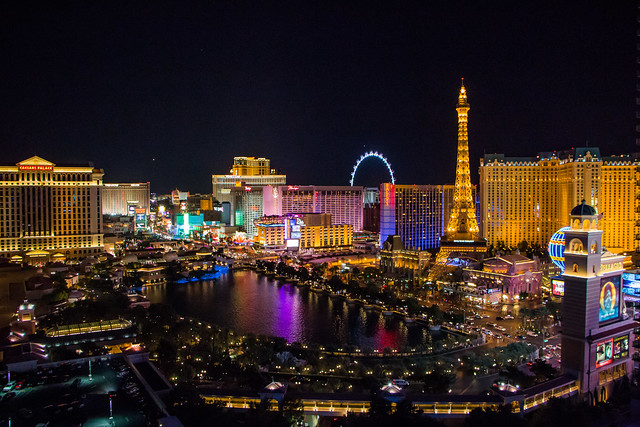
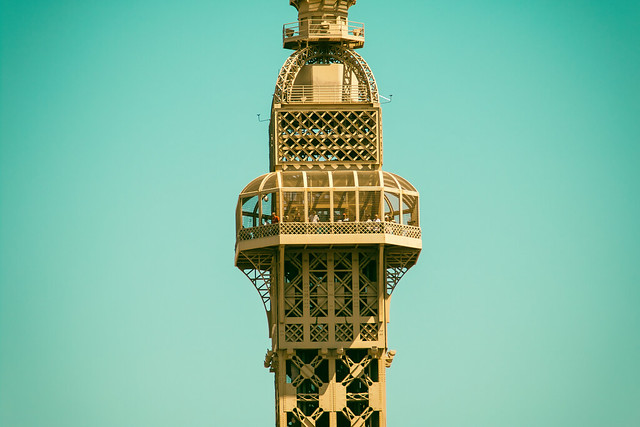
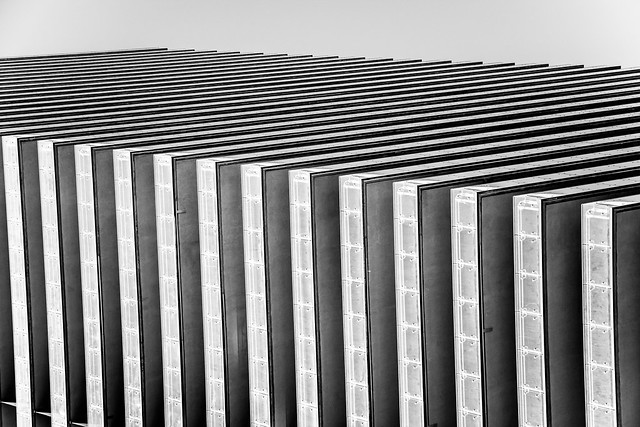
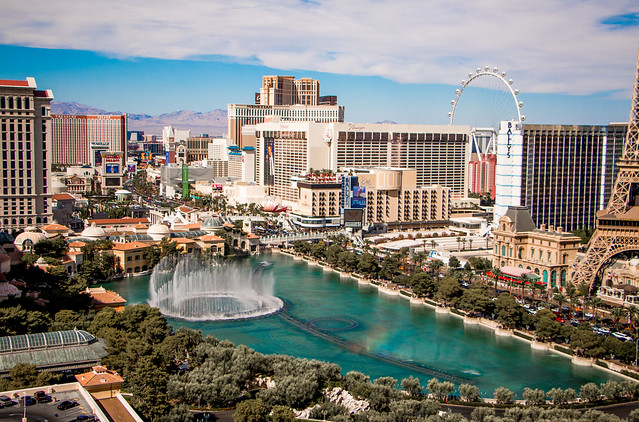
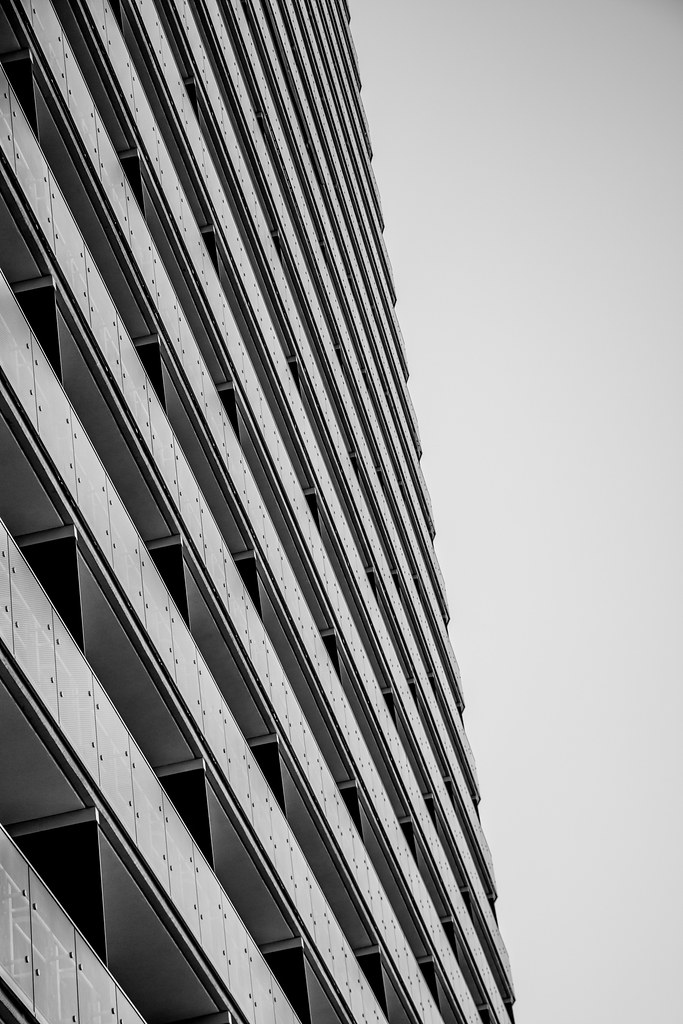
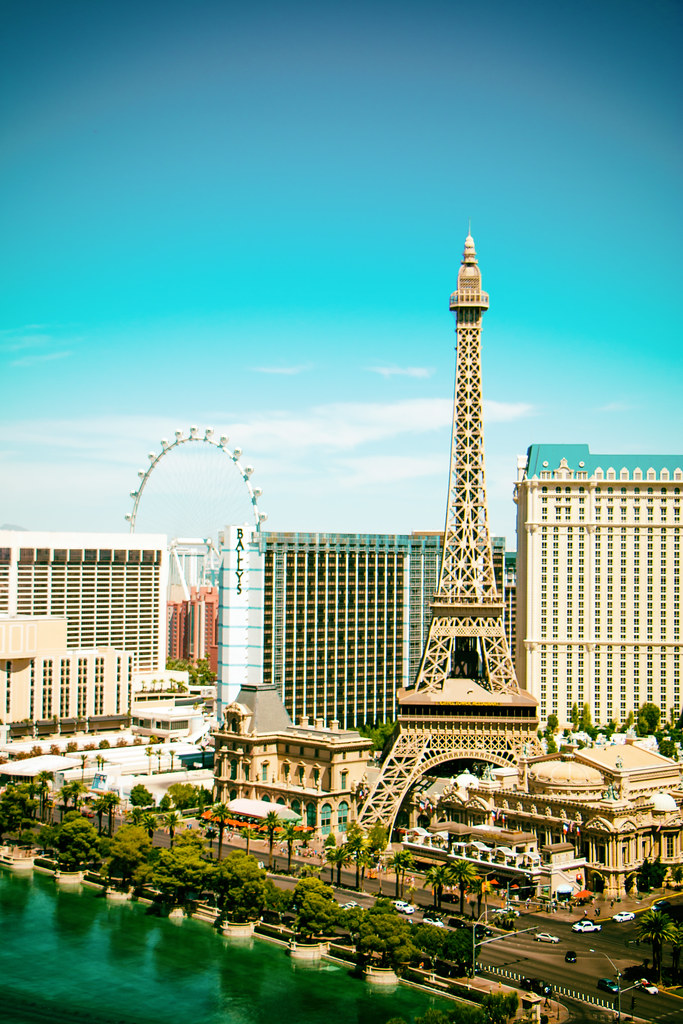
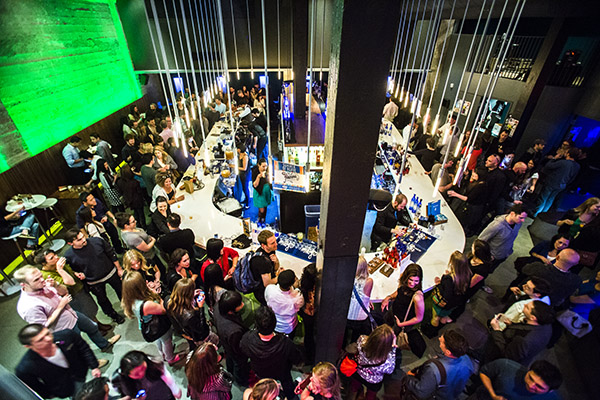
The photos in this post were all taken with this camera and this lens on my recent trip to Las Vegas.

A Joy You Could Not Measure

Through the Years

Because the EOS 70D is a cropped sensor, this lens actually has even more reach than a 135mm lens on a full frame. A cropped sensor is 1.6x times smaller than a full frame sensor — full frame sensors are the same size as traditional 35mm cameras.

Practically speaking, what you see when you look through a camera with a cropped sensor at 50mm would be equivalent to what you would see at 80mm on a camera with a full frame sensor. For this reason, if you are shooting sports or wildlife or other subject matter where you want longer reach, the cropped sensor delivers more reach.

Full frame sensors, in my opinion, do better in low light and at high iso settings and are preferable, but they are also more expensive and might not be as necessary for someone starting out.

Sunrises Are Best in Las Vegas

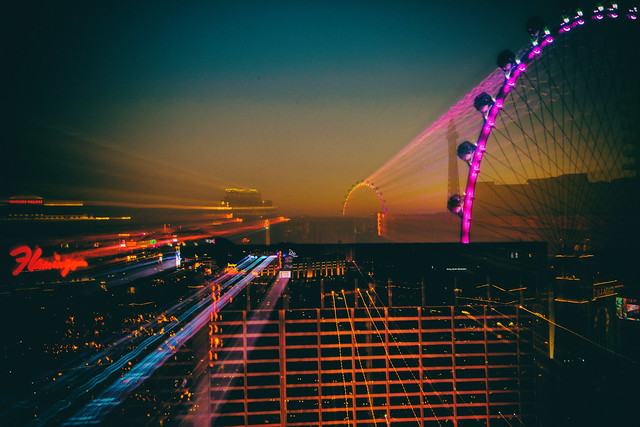
One of the fun things that I like doing with a zoom is zooming while my shutter is open on a long exposure shot. This creates an interesting double exposure zoom sort of effect that I use in some of my photographs. The disadvantage of this zoom is that it is not as fast (low aperture number) as some of the prime lenses.

If you end up starting with this sort of a combo, you might also want to consider the excellent value you get from a Canon EF 50mm f/1.8 II or EF 50mm f/1.4 USM prime lenses. Both of these lenses represent excellent value and are some of the least expensive prime lenses you can buy. You’ll have no problem using the EF-S 18-135mm lens during the day, but at night, or in a much lower light situation, you’ll appreciate being able to put on a faster 50mm prime lens that will work better in less light.

For many photographers the EOS 70D is all the camera you will ever need. Some of the best photographers I know are content to shoot with this body and never upgrade from here. To see some of the best work done with this camera body, check out these photos on Flickr all taken with the EOS 70D. Because this camera will be enough for some folks, I think this is a good place to start.

I personally use my EOS 70D as a second camera — a good backup to use in case something goes wrong with my EOS 5D Mark III and a camera I can keep at my office in case I feel like taking a break during the day and walking around town and shooting. I think it works especially well for street photography given the range you can get with the EF-S 18-135mm lens.

As your passion for photography grows though you will want to consider upgrading to a Canon EOS 5D Mark III and some of the prime lenses that I will review in some upcoming blog posts.

As a reminder, my analysis of my Canon gear is being done in partnership with Canon and I am receiving compensation for this work with them.

Better Lines

Boulevard Poolside

Lay Out

Just Wait and See

A Joy You Could Not Measure

A Joy You Could Not Measure

Through the Years

Through the Years


Thomas Hawk Digital Connection

 
Comments Off on An Introduction to DSLR Photography, the Canon EOS 70D and EF-S 18-135mm f/3.5-5.6 IS STM Lens

Posted in Photography


5 Tips for More Successful Event Photography Using a Shot List

26 Oct

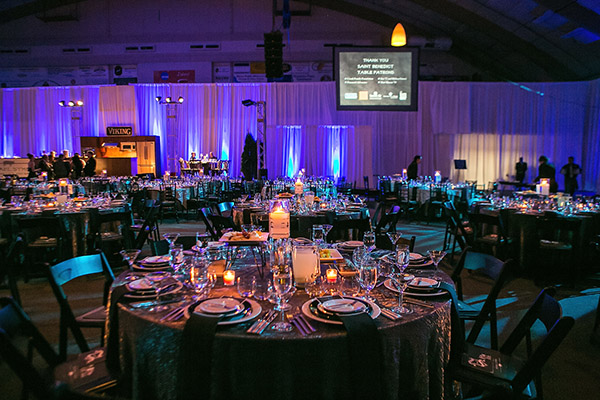
Company parties. Special galas. Nonprofit fundraisers. When someone asks you to shoot one of these events, you aren’t exactly leaping for joy, right?

Event Photo 04

Corporate event photography can get a bad reputation among creatives, mostly because it sounds like an unglamorous style of photography. While it is true that many aspects of corporate event photos can be very rote, these events actually a huge advantage that can lead to even more creative expression. Here’s why: There is almost always a set structure and schedule to corporate events that rarely deviates, meaning it is incredibly easy to build a shot list to get your essential shots out of the way very quickly. That means you have more time on your hands at the event to get creative with the way you choose to take these shots. Whether you’re a budding event photographer, or taking on an event as a favor, use these tips to build an effective event photography shot list that will make your clients happy and maybe even lead to other photography opportunities with them down the road!

Fact: Most corporate clients will not know what kind of photos they need.

At least in my experience working with west coast corporate clients, most of them can’t give me a clear answer when I ask how many photos they need, what they need shots of, etc. While this may seem frustrating at first, bear in mind that this vagueness from your client gives you the perfect opportunity to shine by filling in the blanks for them, because in general, most corporate clients want the same types of event photos.

So what kinds of photos do corporate clients want?

To answer this question, put yourself in the shoes of the branding or marketing coordinator who put the event together. Often, their whole purpose to having you there to is capture images that show that they did their jobs right by properly setting up the space and making sure the people they invited showed up and had a good time. They want shots that capture:

1. Setup shots of empty rooms, trade show booths, promotional items, signage, etc.

Event Photo 02

Be sure to arrive early to capture any event setup shots. It was someone’s job to put everything together, so he or she will definitely want images that show off all of the hard work that went into it. Generally, setup shots should be taken before guests arrive so that everything is still intact.

2. Candid and posed shots of VIPs or executives that are deemed important by the company.

Event Photo 01

This can be extremely tricky because often times, you won’t have any idea who the company CEO or big wigs are, even if the event coordinator hands you a sheet with all of their names on it. The best way to handle this is to ask the coordinator ahead of time if there is someone from the company who can accompany you and point out their VIPs and executives on site. Don’t be afraid to ask for help so that you can get your job done right.

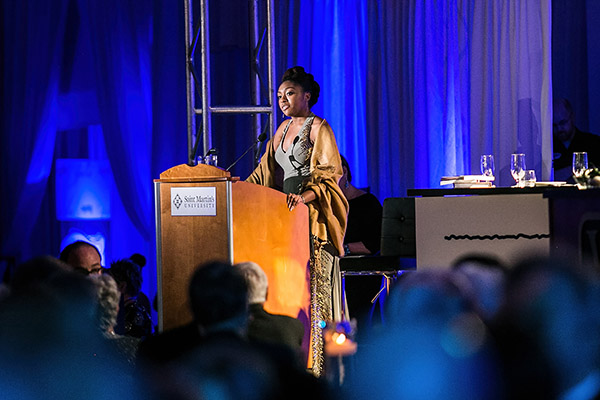
3. Closeups and wide angle shots of any speakers.

Event Photo 03

As much as possible, get shots of speakers that include branding and signage somewhere in the photo. Also bear in mind that you will not always have a designated spot to shoot from, so bring a telephoto lens and prepare to possibly shoot from farther away. If you’re shooting from up close, make your shots quick so that you don’t block the view of guests.

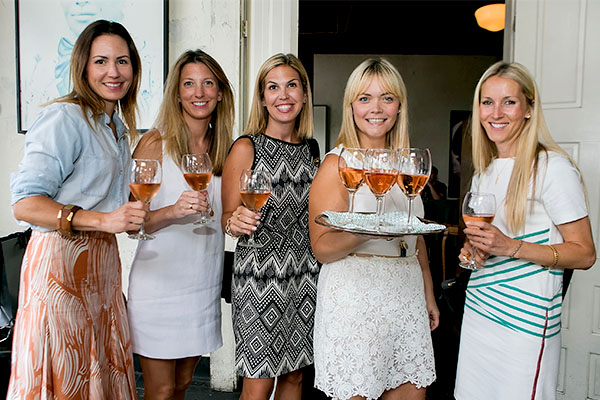
4. Guests looking engaged and interested at the event.

Barneys New York And The Parkinson's Project Host A Luncheon In Support Of The Parkinson's Project At The Kingfish Cafe

Try not to capture photos of people (especially VIPs and executives) making unflattering expressions or gestures. It can take some patience, but make sure you get images that indicate everyone was having a good time. If you captured any goofy expressions or moments, you might be able to submit them, but be sure to flag them as optional outtakes.

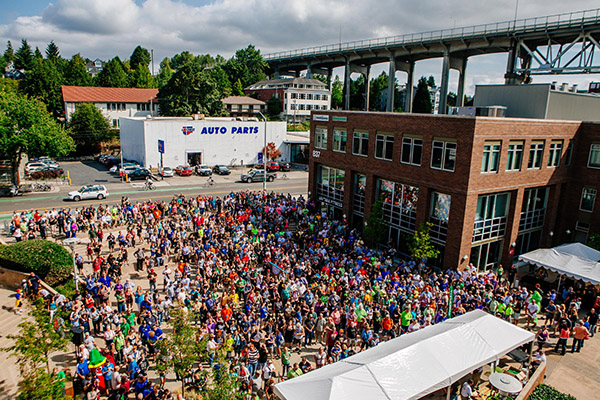
5. Shots that indicate the event was well attended, such as full room shots with lots of people.

Event Photo 07

While it might still be valuable to include full room shots where only half of the seats are filled, you’ll want to pull out your zoom lens and focus in on larger clumps of people to provide shots that indicate the event was well attended.

The photos that corporate clients DON’T want

While event photography can in many ways feel like photojournalism, this is not the time to take too many images that are overly honest. Bear in mind that many times the photos are intended to be used for marketing purposes, so the last thing your clients want to see are ugly, unfavorable photos. Even though events might be poorly attended and the attendees might not be the most interesting people, it’s your job to make the event look and seem as fun as possible, even if you have to act like a hype person or stage photos to do so.

While there are many lessons and creative inspiration that can be obtained by winging it and thinking quick on the spot, professionals know there is generally more value to preparing ahead of time. One way to effectively do this is to think out every aspect of the shoot beforehand and great a comprehensive shot list. This will help you picture the finished shoot even before you step foot on set, greatly reducing any last minute issues that might arise, and giving you more freedom to take your necessary shots with creativity.

Do you photograph events? Do you have any other tips you’d like to share? You could also read 5 Tips for Special Event Photography here on dPS for more tips on covering events.

The post 5 Tips for More Successful Event Photography Using a Shot List by Suzi Pratt appeared first on Digital Photography School.


Digital Photography School
 
Comments Off on 5 Tips for More Successful Event Photography Using a Shot List

Posted in Photography


5 Tips for Underwater Photography Without Spending a Fortune

26 Oct

Underwater photography is so much fun that it will take you to the farthest reaches of the world, inspire you to buy thousands of dollars of dive gear, and thousands of dollars more worth of underwater photography gear. It can also make you want to throw your underwater camera rig against the side of the dive boat, then into the water, then dive down and get it just so you can throw it to the bottom again. Spending six hours of planning and preparation just to find out the water is murky or that the fish aren’t there, or that the manta rays aren’t at their feeding station is incredibly frustrating.

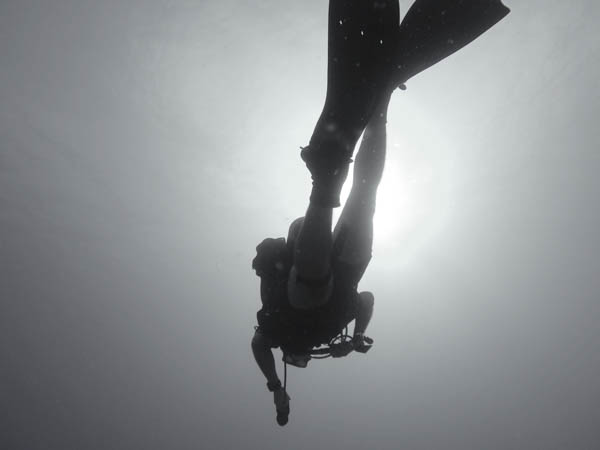
Diver Swimming

On the other hand, you can see such beautiful things, experience such euphoria when everything stays in place long enough to compose your shot properly, and discover the joy of finding out that it was all wonderfully in focus when you review your images on the computer. You can capture some of nature’s finest and most majestic moments in a way that most people will never see. You can open your audience’s eyes to the beauty of nature from a perspective that those who don’t SCUBA dive may never be able to experience.

There are many hurdles to being an underwater photographer. The first is the diving skill. There is no substitute for being a proficient and safe diver. You must be able to maintain neutral buoyancy and safely complete all dives.

The next challenge is the gear. As if photography wasn’t a gear intensive enough activity, to do it underwater you need special housings, dome ports, and even strobes.

Bridge 2

Don’t let these hurdles stop you. Underwater photography is worth every bit of pain and sacrifice when you become proficient.

The problem most beginners face is that there’s really no good ambient light because the colors are filtered by the water. In my
experience, around 10 feet, you’ve lost any good color of light and you get the characteristic baby blue, boring pictures. So, you’re left with a conundrum – buy expensive strobes or have your pictures stink … or are you?

What if there was a better way to get underwater images without a strobe; one that didn’t require an expensive setup and the risky
business of bringing your DSLR into the water? What if you could learn a few simple but powerful techniques to let your underwater
images sing without a strobe?

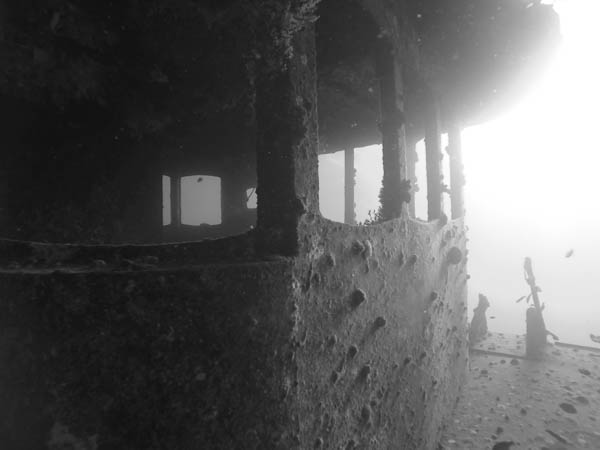
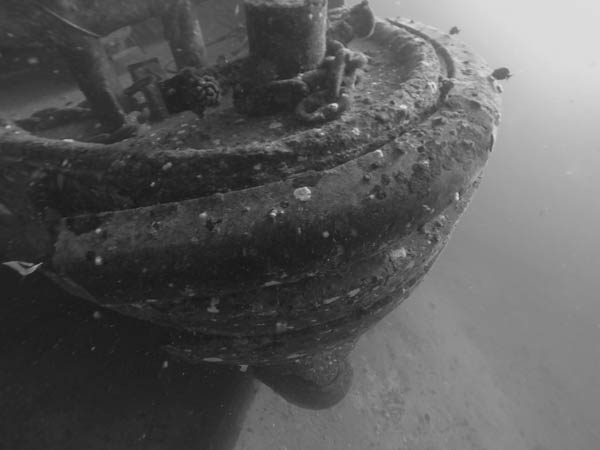
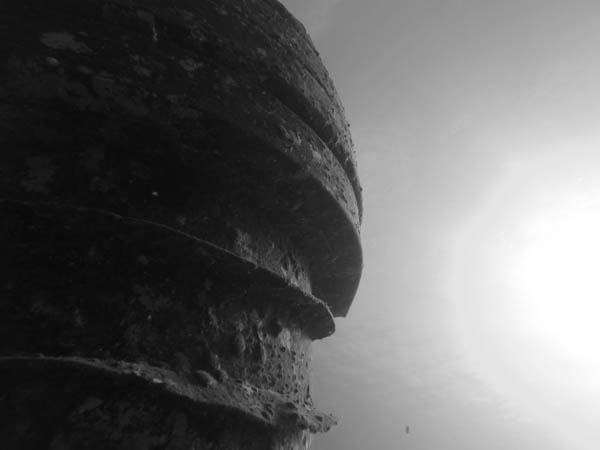
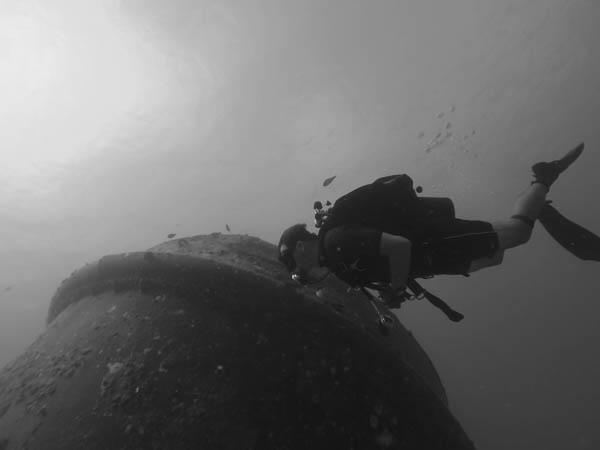
Here’s what I recommend, go big or go black and white. Go big means dive into the deep end (pun intended) and buy the housings and strobes (you’re not planning on using just one are you?). This is an expensive but professional option. The second option is to go black and white.

Bow Looking Down

If you compose and think about getting good black and white images your underwater results will be very compelling, easy to post-process, and simple to take. Some rules to live by include:

  1. Safety first (enough said)
  2. Don’t try for little fast moving, colorful fish – these won’t turn out without a strobe
  3. Look for compelling images of your dive buddies or large objects (like wrecks, turtles, and sharks – but no touching please)
  4. Get close
  5. Look for long lines (like a descent line) and compose them across the screen (not vertical please) with a good subject (like other divers)

Bow Crowss View

If you start with these five simple rules you’ll be able to shoot hang-it-on-the-wall quality images without an expensive strobe or underwater-housing. Who knows, you may even like shooting underwater so much you get a full setup one day. If you do, remember, throwing your gear never solves anything – expect exposure problems with your strobes, rig floods, focus problems, corroded buttons, cracked seals, or backscatter from murky water.

Now you’re ready to take your camera and start shooting underwater. Using a fisheye lens will make your life much easier when you start out. It makes issues like focus and composition much easier to get right. It also lends itself very well to black and white images.

Bow and diver

The post 5 Tips for Underwater Photography Without Spending a Fortune by Jon Haase appeared first on Digital Photography School.


Digital Photography School

 
Comments Off on 5 Tips for Underwater Photography Without Spending a Fortune

Posted in Photography


Elevate Your Landscape Photography Skills To The Next Level With These Easy Tips

25 Oct

My experience has taught me that landscape photography is great for everyone who’s just starting out with photography because landscapes give you the chance to improve your photography skills without annoying a model or someone else. This is how I started with photography after all. Ladscapes are also great for learning the basics of photography, since you have all the Continue Reading

The post Elevate Your Landscape Photography Skills To The Next Level With These Easy Tips appeared first on Photodoto.


Photodoto

 
Comments Off on Elevate Your Landscape Photography Skills To The Next Level With These Easy Tips

Posted in Photography