RSS
 

Posts Tagged ‘Photography’

Weekly Photography Challenge Worm’s Eye View

15 Nov

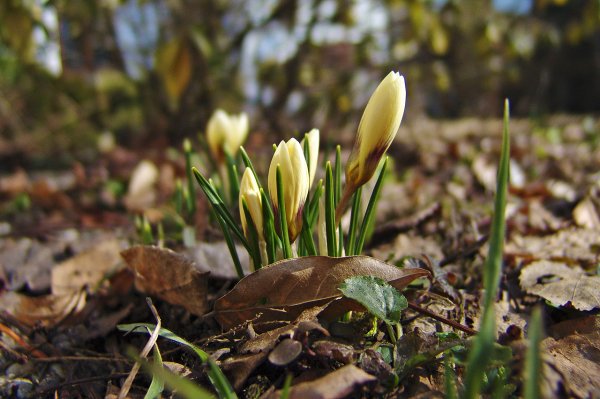
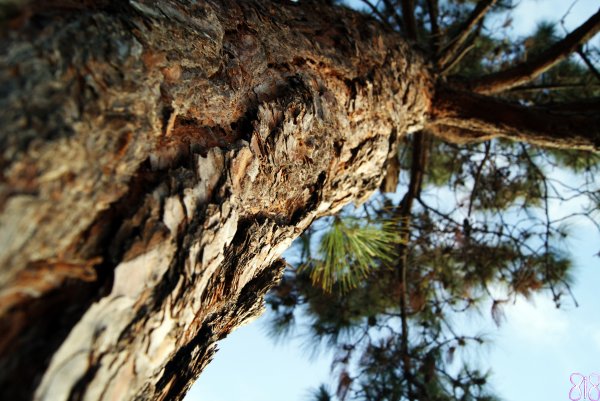
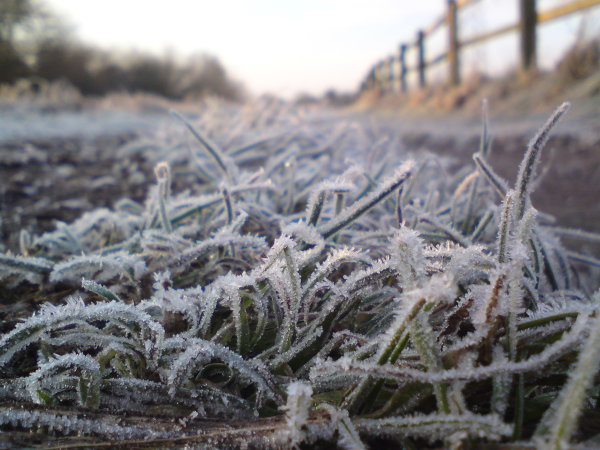
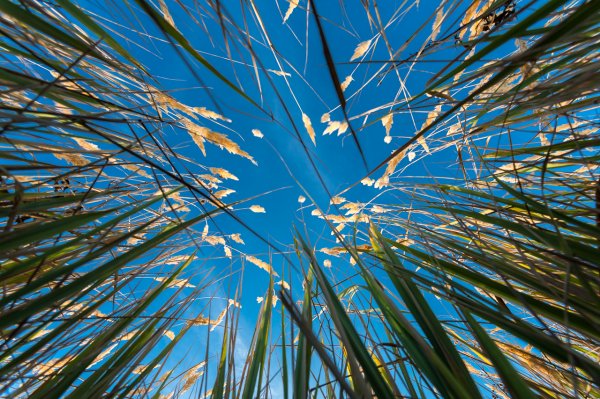
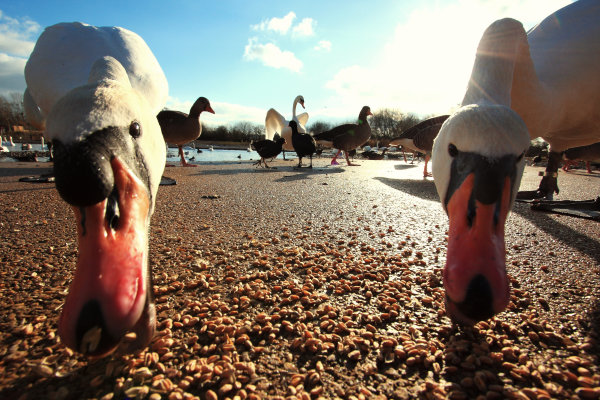
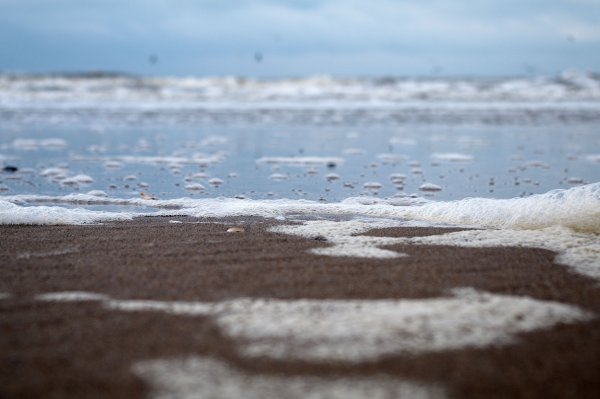
This week I rounded up a bunch of images taken low to the ground, otherwise known as worm’s eye view. It’s not a common view that people see, so images you create shot from this angle have a unique look and pique interest with viewers. Your job is to take on this low down task and shoot from the ground level. Here are some examples for you:

Stephan Rebernik

By Stephan Rebernik

Stephan Rebernik

By Stephan Rebernik

Stephan Rebernik

By Stephan Rebernik

Tim Hamilton

By Tim Hamilton

Dr. Motte

By Dr. Motte

AJ Mangoba

By AJ Mangoba

There’s no special equipment needed to do this, or magical subject matter. Even the most ordinary objects can be made to look interesting when photographed from the worm’s eye view. So it’s your turn.

Weekly photography challenge – worm’s eye view

So get down on your hands and knees, don’t be afraid to get dirty, and get as low to the ground as you can (and still be able to get up again). You might find things down there you haven’t noticed before, perhaps even in your own home or back yard. Like macro photography that makes you look for tiny subjects, getting down on the ground has a similar benefit and you start to see things you’d otherwise miss. Give it a try.

Share your worm’s eye view images here:

Simply upload your shot into the comment field (look for the little camera icon in the Disqus comments section) and they’ll get embedded for us all to see or if you’d prefer upload them to your favourite photo sharing site and leave the link to them. Show me your best images in this week’s challenge.

Here are some more  images to give you ideas:

Weegeebored

By weegeebored

Christophe / Saturnino Iaïchouchen

By Christophe / saturnino Iaïchouchen

Ken Owen

By Ken Owen

André Hofmeister

By André Hofmeister

Kennysarmy

By kennysarmy

Gabrijel Gavranovi?

By Gabrijel Gavranovi?

The post Weekly Photography Challenge Worm’s Eye View by Darlene Hildebrandt appeared first on Digital Photography School.


Digital Photography School

 
Comments Off on Weekly Photography Challenge Worm’s Eye View

Posted in Photography


Improve your Images with Photography Projects

14 Nov

Photography project

Have you ever been in a situation where you are stuck for ideas about what to take photos of? I certainly have, and a lot of it comes from being so familiar with my surroundings that it’s hard to see the photographic potential in anything. A newcomer to my local area would probably see it completely differently, and find lots of inspiration.

Given that most of us spend the majority of the year at home, is there an easy way to find inspiration? There is – the secret is to get in the habit of setting yourself photography projects.

Projects are a way of giving yourself something to aim for, and developing a thematically linked body of work. Professionals set themselves projects to learn new skills, make new contacts and give themselves something creative and positive to do in quiet times. But you don’t have to be a pro to benefit. Projects can help you become a better photographer, no matter what your level.

Photography project

Benefits of projects

Here are some of the practical benefits of projects.

Projects help you develop new skills.

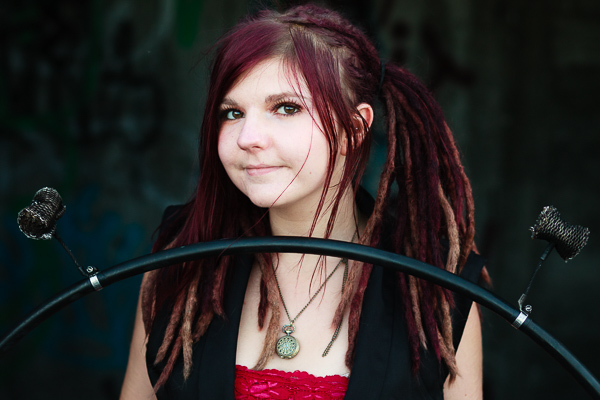
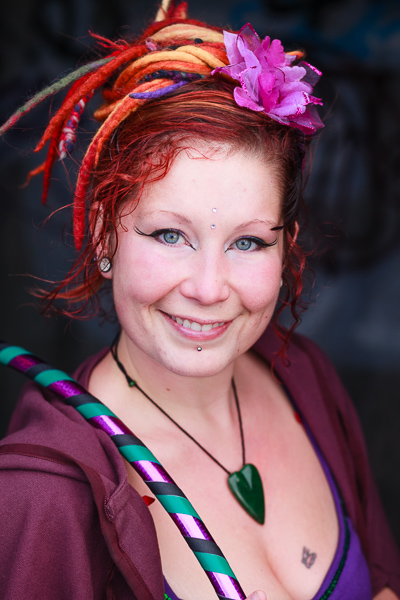
For example, the photos illustrating this article were taken as part of a personal project photographing circus performers. The aim of the project, apart from creating an interesting set of portraits, was to improve my portrait taking skills. Setting myself a project with a specific theme allowed me to hone in on a group of interesting people. Circus is a tight-knit social group, so once I’d got started it was easy to meet more performers by asking the ones that I’d photographed if they knew anybody else who would be interested.

Best of all I got to meet and get to know a new group of people. It has been great fun and opened my eyes to a way of life and outlook different to my own. The project has fuelled personal growth as well as helping me become a better photographer.

Photography project

Projects give you something to aim for.

Once you’ve committed to a project, and the idea of taking a series of photos over a period of time, you get to compare your newest work with previous photos. You  will see how your skills and ideas progress over time.

Projects can last for years.

That’s right, there’s no need to work on one project at a time, or to work on a project with a finite time span. There’s no reason why you can’t have several ongoing projects, each with an indefinite time span, that only come to an end when you feel that your time with the project is done.

Projects let you explore a subject in-depth.

One way of taking photos is to visit somewhere for a day or two, taking photos of the scenery and anything else that catches your eye. That might help you take photos of landmarks and other well-known scenes, but it’s not an in-depth exploration of a subject. I’m aware of this because I’ve just returned from a trip exploring New Zealand’s South Island. I spent no more than two days in any location, photographing the most obvious (and sometimes not so obvious) landmarks and scenery. But that’s only a shallow coverage.

Imagine how much more depth you can get if you have time to explore a place on a deeper level. If you live somewhere with beautiful landscapes, you can go beyond the more obvious scenic spots and find photogenic but little known places. Or you could photograph the lives of the people who live and work there.

This isn’t easy to do when you’re visiting a place for a short period, but it’s something that’s much easier when your subject is closer to home. That’s why projects are such a good way of getting more out of your home town, or places nearby within a convenient travel distance.

Photography project

Project ideas

Here are some ideas for projects to get you started:

365 project

This has become a classic – take a photo a day for a year, publishing the best photo from the day or your blog or Flickr photostream. The idea is that the discipline of taking a new photo every day pushes you to explore new subjects and encourages you to take your camera out with you to find things to take photos of. Your photography skills should improve immensely over the year.

10o strangers project

I love this concept (written about on Digital Photography School a few months ago by Matt John Robinson). The idea is to take photos of 100 strangers. Not candid photos taken without their knowledge, but by approaching your potential subject and asking if you can take their photo. Not only will you become a better portrait photographer by doing so, but you will meet some new and interesting people along the way.

Photography project

Night skies project

I’ve been very impressed by the work of Wellington based photographer Mark Gee. He has built a reputation taking photos of the night sky, principally in the southern part of New Zealand’s North Island. This is a great example of a long-term project that anyone who lives outside a heavily built-up urban area can undertake. Not only will you learn a new skill (taking photos at night) but it will encourage you to go out and explore your area and appreciate its natural beauty during the night hours.

Garden flowers project

Mandy Disher is another photographer whose work I admire greatly. She takes photos of flowers and insects, the majority created within her own garden. This is a long term project that anybody with a garden can undertake, and it’s a great example of something you can do close to home.

Photography project

Your turn

Have you ever undertaken a photography project, and do you have ideas for projects other than the ones I’ve mentioned here? Please let us know in the comments. I’m looking forward to reading about what ideas you come up with.


Mastering Photography

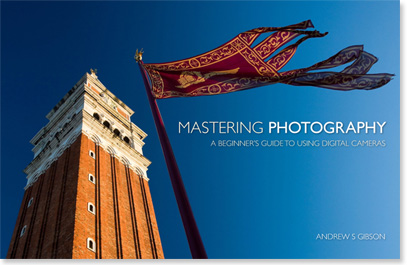
Composition and lineMy latest ebook, Mastering Photography: A Beginner’s Guide to Using Digital Cameras introduces you to digital photography and helps you make the most out of your digital cameras. It covers concepts such as lighting and composition as well as the camera settings you need to master to take photos like the ones in this article.

The post Improve your Images with Photography Projects by Andrew S. Gibson appeared first on Digital Photography School.


Digital Photography School

 
Comments Off on Improve your Images with Photography Projects

Posted in Photography


Europe’s Landscape Photography Event of the Year – Streamed Live

13 Nov


Image By Joe Cornish

onLandscape magazine’s landscape photography conference takes place amongst some of Britain’s most dramatic countryside in the English Lake District on 22nd and 23rd November 2014.

Billed as Europe’s biggest landscape photography event of the year it brings together some of the continent’s best known and loved photographers and the entire weekend is to be beamed out live via satellite and streamed around the world by StreamScape.

Luminous-Landscape is happy to announce that our readers can stream the video from the conference or download segments all for a special price. (see below)

Speakers

The Swedish photographer Hans Strand tops the bill talking about the opportunity and inspiration Iceland has given him in his photography. Rafael Rojas the Spanish photographer, now living in Switzerland, who runs whytake.net, a massively popular photographic website, will be looking at which ingredients are needed to produce fine art landscape photographs.

While Britain’s best loved landscape photographer Joe Cornish pushes photographers to think at a higher level about their photographs, discusses some lesser known works and provides some thought provoking concepts for landscape photographers to take on-board.

Other speakers include the critically acclaimed Jem Southam whose work has been displayed in the Victoria & Albert Museum, Alan Hinks OBE, the only British photographer to climb all 14 of the world’s mountains over 8,000 meters.

The list goes on with David Ward, Paul Gallagher, David Clapp and Paul Wakefield all offering inspiration and insight any landscape photographer would love to hear.

Streamed Live

The streamed event will give internet viewers the opportunity to question the speakers in special internet only “Green Room” interviews after each of their presentations. Particular need to viewers who are in different time zones has also been taken into account with special DVR functions allowing viewers to tune in at any time and rewind to the start of the day.

For those who are unable to watch over weekend all the videos will be available to watch on-line or download for at least 1 year after the event.

The cost of the streaming weekend pass with the Luminous-Landscape discount code is £12.95 – just over US$ 20 and offers amazing value. Tickets to actually attend the event are still available at £225 (US$ 375). 

The Luminous-Landscape discount code is LL35 and active till the end of the conference.

To book your weekend pass and for more information visit streamscape.uk


The Luminous Landscape – What’s New

 
Comments Off on Europe’s Landscape Photography Event of the Year – Streamed Live

Posted in News


Breakthrough Photography launches ultra-slim UV and ND filters

11 Nov

Breakthrough Photography has introduced its X-Series lineup of ultra-slim UV and ND filters, which are available for pre-order now through the company’s Kickstarter campaign. The series consists of three filter models, the X3 Traction Filter, X2 Traction Filter, and the X1 Black Filter, with pre-orders set to start shipping next month. Read more

Articles: Digital Photography Review (dpreview.com)

 
Comments Off on Breakthrough Photography launches ultra-slim UV and ND filters

Posted in Uncategorized


Weekly Photography Challenge Generations

08 Nov
Georgie Pauwels

By Georgie Pauwels

In this earlier collection of images I found some fantastic photos that represent generations. In this challenge your job will be to capture the idea of generations. You could take that literally and use your own family, or friends, or step out of the box a little and try something a little different.

  • Animals
  • An old and new vehicle side by side
  • An antique record player and an MP3 player
  • Old TV and new plasma screen
  • Bicycles
  • Crumpled old weather paper and smooth, new paper

Getting some ideas?

Here are a few images to get you started.

Hartwig HKD

By Hartwig HKD

Andrea Costa

By Andrea Costa

Robert S. Donovan

By Robert S. Donovan

Nathan O'Nions

By Nathan O’Nions

Fouquier ?

By Fouquier ?

Florian Meinhardt

By Florian Meinhardt

Hamed Saber

By Hamed Saber

Simon

By Simon & His Camera

Ian Sane

By Ian Sane

Share your images of generations

Simply upload your shot into the comment field (look for the little camera icon in the Disqus comments section as pictured below) and they’ll get embedded for us all to see or if you’d prefer upload them to your favourite photo sharing site and leave the link to them. Show me your best images in this week’s challenge.

Here are some more  images to give you ideas:

Xflickrx

By xflickrx

Westkeasman69

By westkeasman69

Shena Tschofen

By Shena Tschofen

Khánh Hmoong

By Khánh Hmoong

The post Weekly Photography Challenge Generations by Darlene Hildebrandt appeared first on Digital Photography School.


Digital Photography School

 
Comments Off on Weekly Photography Challenge Generations

Posted in Photography


Photography Workflow Tips – From Memory Card to Computer and Beyond

06 Nov

Discover the best workflow protocol for safe long-term file storage, and efficient file retrieval.

“Be willing to give that extra effort that separates the winner from the one in second place” – H. Jackson Brown Jr.

MemoryCards 1

All images copyright Gina Milicia – Playing your cards right means having a consistent workflow, which leads to safer long-term file storage and efficient file retrieval. Photo credits: Promo shoot for Fat Tony and Co. Image courtesy Nine Network Australia

“Respect your efforts, respect yourself. Self-respect leads to self-discipline. When you have both firmly under your belt, that’s real power.” – Clint Eastwood

It’s very easy to become lazy and a bit sloppy with post-production workflow protocols. If you are like many people I know, then you are currently downloading your files to a folder marked “downloads” or “photos” or “John”. Inside this folder you may have hundreds, perhaps thousands of images with file names like 5U9D2496.jpeg or 5U9D2497.CR2. This is all perfectly fine if you never want to see those images again but what if in five years time you need to find those images again?

Following a constant workflow protocol will save you hours of valuable time and also prevent potential heartbreak caused from lost files.

MemoryCards 2

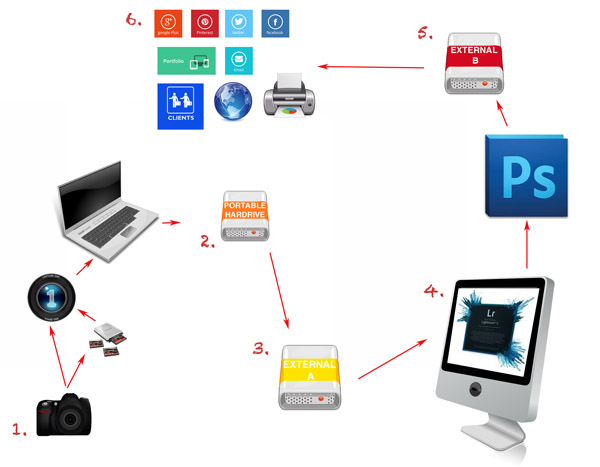
An overview of the workflow tips:

  1. Import the images from your camera (first backup)
  2. Backup to portable hard drive (second backup)
  3. Backup to external hard drive (third backup)
  4. Editing
  5. Final backup
  6. Delivery

Workflow tips – step by step

“Success is the sum of small efforts, repeated day in and day out.” – Robert Collier

Step 1: Import the images from your camera (backup #1)

You can get the images off the memory card in a few different ways. Here are the pros and cons of each method.

Memorycards 3

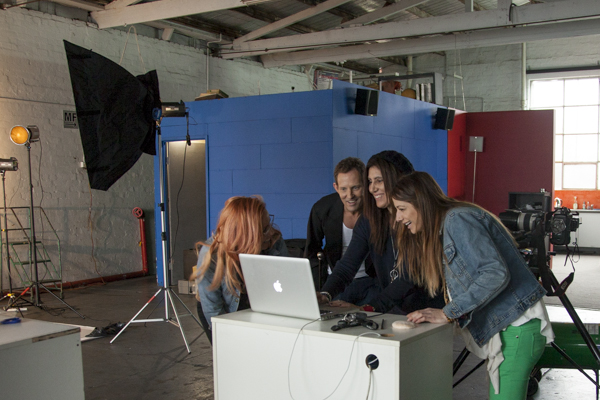
Instant gratification: In this image I’m shooting tethered on a photo shoot for Australian entertainer Todd Mckenney (pictured second from left) and makeup artist extraordinaire, Fotini Hatzis (far right) with stylist to the stars Louise Petch (far left).

Shooting tethered to your laptop

I shoot about 70 percent of my work tethered (connected to my laptop) and it’s my preferred way of shooting. I have a memory card in the camera but the images are being downloaded straight to my laptop via image capture software. The memory card is just a backup.

My preferred software for viewing images as I shoot is Phase One Capture One. I use Capture One to view my files because it’s very fast and I’ll often have several people crowded around the computer waiting to see the image. In these cases a couple of seconds can make all the difference.

Shooting straight to memory card

MemoryCards 5

This shoot with Australian model, Mimi Elashiry was shot on location in Paris. It was photographed at dawn to avoid the crowds and I needed to work quickly in order to get all my shots done before the light became too hard and the crowds became an issue. This is a perfect situation for me to shoot straight to card.

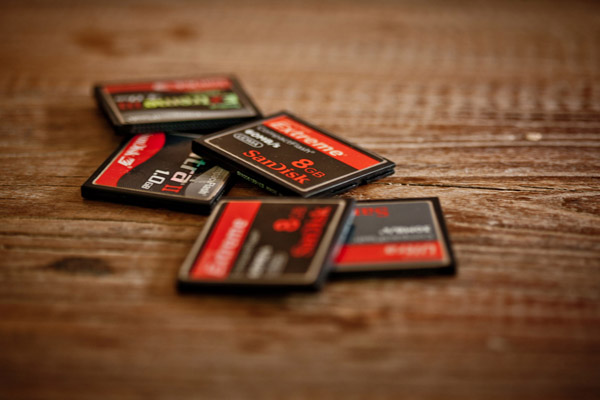
I will shoot straight to a memory card when I can’t have my laptop with me. Like, on remote locations, in extreme weather conditions, at press conferences, at events where I need to be mobile or I’m on stage photographing someone.

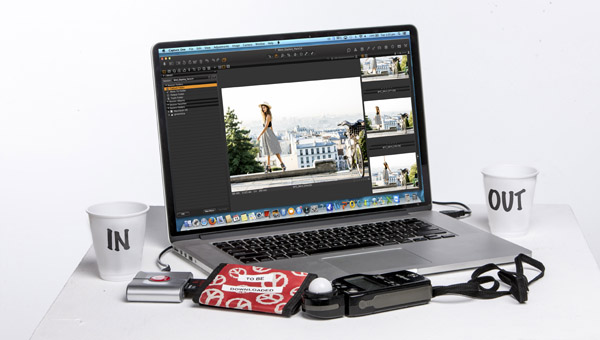
I carry a special cardholder that is clearly marked “To be downloaded” and stored away from my gear. This way, if my camera bag is lost or stolen (or the day gets a bit frantic) before I’ve downloaded all the memory cards, I won’t lose my files.

The images are then downloaded to my laptop using a memory card reader via Capture One.

I use RAW capture software at this stage because it’s crucial to check my exposures and expressions as I work. I’m also often working with art directors, magazine editors, fashion designers or publicists who want to view the images straight away.

All images stay as RAW files. This step is simply for checking, viewing and selecting (tagging) images.

MemoryCards 4

Some people will prefer to copy the images directly onto their computer desktop and use other software. I choose Capture One because for most of my shoots, my clients are right next to me and we’re making sure we’ve got the shot. I’ve also got an assistant double-checking the technical aspects of the shots.

Capture One lets me handle the process simply and quickly, and the software is easy enough for clients to use. Lightroom works just as well but when I’m shooting thousands of images, I don’t like the interface. It’s a personal preference, that’s all.

As long as you can organize, select and name your files at this point in the workflow – use whatever works for you.

The memory card that has just been downloaded to my laptop is then put aside and not reused that day. This works really well when I’m shooting across multiple cards as it prevents any card being wiped, accidentally.

I never leave a memory card in the camera, always removing the last card at the end of a shoot. This is another way of protecting my files and prevents me, or anyone else assistants, from accidentally deleting files.

Renaming images

Now back to all those images you have sitting in a folder marked “Photos” or “John” or they may be roaming free across your desktop and stored wherever they happen to land when you download them. I call this the “shoebox file storage system”. Everything gets stuffed in one place without any thought to ever having to retrieve the information again.

For the sake of your own sanity, I beg you to not ignore this section.

I rename images when I download the files from the camera to my laptop.

My shoots often have very fast turnaround times with art directors, publicists, or clients choosing their images during or at the end of a shoot. Having the files already in an organized and consistent structure saves everyone a lot of time and hassle.

  • Images for private clients are renamed as:
    Folder name: Client name + year
    Filename: Client surname_first initial+last 2 digits of year_4 digit counter
  • So my shoot for James Brown in July 2014 would be named:
    Folder name: James Brown 2014
    Filename: Brown_J14_0001.CR2
  • Images for companies are renamed as:
    Folder name: Company + job + year
    Filename: Company_job+last 2 digits of year_4 digit counter
  • So when I shoot the next Nutella® Winter campaign (Dear Nutella® I’m available and will work for product. Call me.) I would create the folder and files as follows:
    Folder name: Nutella Winter 2014
    Filename: Nutella_Winter14_0001.CR2

This naming system allows me to search by folder or file and find shoot quickly and efficiently.

Step 2: Backup to portable hard drive (backup #2)

I backup my RAW files onto a portable external hard drive every hour. During a full day shoot I may end up with 3000-5000 files so I need to make sure they are secure as I go.

Step 3: Backup in the office (backup #3)

When I get back to my office, I copy the images from the external portable hard drive I used at the shoot onto one of three working hard drives. In this case, I copy them on to working hard drive A.

At this point in my workflow I have the entire shoot in three locations: my laptop, an external portable hard drive and working hard drive A. The shoot stays in all three locations until the job is delivered.

I only use hard drives that are two or three terabytes in size because I don’t want everything on one single hard drive.

I don’t use cloud storage mainly because my files are just too big. My website has storage for my final processed images and I use my website to deliver images to my clients. I trust the business hosting my website but if anything should happen, I still have the files on two other hard drives.

Step 4: Editing

I edit my images using Adobe® Photoshop® or Lightroom, or a combination of both, and the edited versions are saved to working hard drive A.

Step 5: Archiving

Memory6_11

Once post-production is complete I copy all my files onto working hard drive B, which is stored in an off-site location for safety.

If you think this is overkill, remember: memory cards corrupt, laptops crash and hard drives fail. Protect your work with as many backups as you can.

As a minimum, save your images in two different locations. Keep one with you, and store the other in a safe location off site. This way if disaster strikes you will still have a backup copy of your precious files.

Step 6: Deliver

Nearly all my jobs are delivered as electronic files with the exception of a small percentage of clients (about 5%) who require prints.

The images they have selected are delivered via file transfer protocol (FTP), my website image archive (I use Photoshelter), DVD or an external hard drive.

Editor’s note: your version of “deliver” might look like sharing photos online in social media, emailing a couple to friends, or making prints for yourself.

What are some of your favorite workflow protocols? Do you have any great workflow, storage and delivery techniques you’d like to share? How do you safely store your memory cards before you download them? I’d love to hear about them.

The post Photography Workflow Tips – From Memory Card to Computer and Beyond by Gina Milicia appeared first on Digital Photography School.


Digital Photography School

 
Comments Off on Photography Workflow Tips – From Memory Card to Computer and Beyond

Posted in Photography


Overcoming Fear in Photography

06 Nov

Fear. It’s an emotion to which we all can relate. Luckily, nervousness or fear in photography can be overcome with practice and patience. After speaking with a few fellow photographers and borrowing from my own experiences, I have listed some shared fears among photographers and ways you can learn to overcome them.

Overcome Fear

1. The fear: I’m afraid I don’t know what I’m doing.

Every photographer at some point feels a little out of their depth when encountering a new situation or problem. Whether it’s learning to use a new piece of equipment, a lighting conundrum, or simply making a careless mistake during a shoot – we all can feel a little lost from time to time. This is especially true when a person first begins to learn the art. There’s a lot of somewhat technical information to absorb and it can be frustrating to understand new things. I recall shooting my first large wedding. I was so nervous that I was sweating more than the groom. There were some hiccups but overall the shoot went smoothly and the client was pleased.

How to beat it:

Acceptance. That’s the best way to overcome your fear of being inexperienced. The most effective thing you can do as an aspiring photographer is to constantly remind yourself that we all start somewhere. At some point, even the most celebrated of photographers didn’t even know how to operate a camera. You will learn as you go and you will make mistakes. You will also have successes. The key to beating the fear is the determination to keep going.

2. The fear: I’m afraid people won’t like my work.

The fear of rejection is a biggie. We all feel it to some extent and we all struggle with the fact that some people simply will not like the work we produce. This is the beauty and the bane of any art form. Art, by its very nature, is extremely subjective. Each person will view a piece with there own eyes and make judgements based on their experiences.

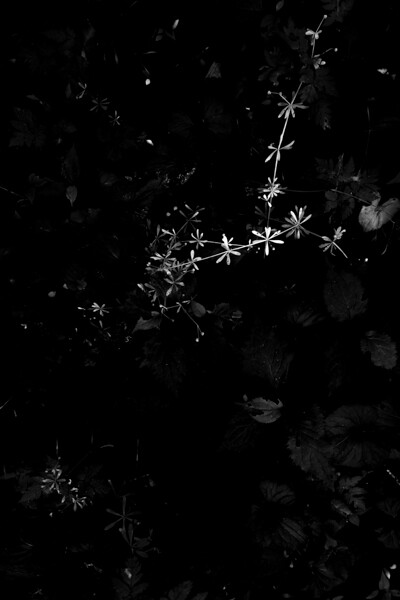
Here is one of my personal favorite images and one of the least liked by the public.

Ferns

How to beat it:

When I first began my photographic journey I was easily discouraged. It seemed that for every roll of film I used there would be only one or two decent exposures. I would get so frustrated to point I would just put down my camera. Fortunately for me, I stumbled upon this quote from Ansel Adams:

“Twelve significant photographs in any one year is a good crop.”

That sentence hit me hard. I realized that if one of the most influential American photographers of all time was happy with twelve good images in an entire year, then I should be thrilled of the progress I was making! As painful as it can be, failure is an essential learning tool. Seldom do we gain new knowledge only from our success. Do your work as best you can and show it to the world. The rest is out of your control.

3. The fear: I’m afraid to photograph people.

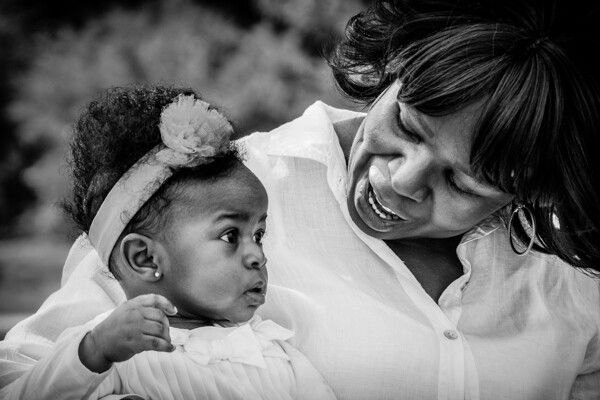
Making photos of people can be compared to public speaking. Very few people (I haven’t met any) are able to hit the ground running when it comes to street or event photography. It’s just not easy. Anxiety is a constant, at least it was for me. I would worry about how the subject might react to being photographed or if I looked strange photographing a stranger on the street. Even the act of carrying my SLR around in public made me feel out of place.

Child and Grandmother

How to beat it:

The short answer – just do it. Go out and confront your fear. It sometimes helps to begin in a place where other people will likely be carrying cameras such as a public park, farmers market, or other large gathering. You will feel more at ease knowing that you aren’t the only one making photos. As you become more relaxed, begin taking your camera with you on a daily basis.

Practice short excursions around your street or neighborhood and get used to being around people while using your camera. The more you do something the less frightening it will likely become.

Boston Common

Before you know it, you will be able to approach public situations with confidence.

Party

4. The fear: I’m afraid my gear isn’t good enough.

Gear envy. That nagging notion that if you only had this lens or that filter or if you could afford the newest whatever – we all experience it to some degree. It’s a basic condition of humans to want what we don’t have and photographers (most, not all) are notorious for never having enough. We can sometimes let ourselves be afraid that our gear just isn’t up to the task and become convinced that all we need is more and better equipment.

Gear

How to beat it:

The best way to overcome the fear of gear inadequacy is to understand that you will never have the best gear because the best gear hasn’t been made yet. Everything is evolving and you only have to do a quick internet search to realize most camera gear updates every couple of years. Stop focusing on what you don’t have. Instead, learn to make the most of what you do have. Study the capabilities of your gear and know what it can do. More importantly, understand what it can’t do. Constantly I see eager photographers become disappointed and discouraged because their expectations grossly overwhelm the capability of their gear. If you have realistic expectations then you won’t be so prone to doing the worst thing a photographer can do – which is quit.

Do you suffer from any of these fears? Do you have others not listed here? Share with us in the comments – we’re all friends here and support each other in getting over our fears.

The post Overcoming Fear in Photography by Adam Welch appeared first on Digital Photography School.


Digital Photography School

 
Comments Off on Overcoming Fear in Photography

Posted in Photography


Weekly Photography Challenge – Brown

01 Nov

Brown is an unassuming and subtle color. For examples see the set of brown tone images I shared earlier.

When I say the word “color” I’m guessing that brown isn’t likely the first one that comes to your mind. But there is so much of this color all around us in the world, in nature. Many animals are brown. Many people have brown hair. It’s a natural and comfortable color, it feels warm.

So your challenge this week is to photograph the color brown. This could be a brown item, or maybe even a black and white image that you make into a sepia tone. Here are a few ideas for you how to incorporate this tone into your images:

Oliver Hammond

By Oliver Hammond

Julie Falk

By Julie Falk

Johnson Cameraface

By Johnson Cameraface

Andy Li

By andy li

Rjabinnik And Rounien

By Rjabinnik and Rounien

David Jenkins

By David Jenkins

Lotte Grønkjær

By Lotte Grønkjær

Algiers Photography

By Algiers Photography

Eirasi

By eirasi

Erica Annie

By Erica Annie

Now it’s your turn to go take some images of brown things, or tone them brown in post-processing.

Share your images of brown

Simply upload your shot into the comment field (look for the little camera icon in the Disqus comments section as pictured below) and they’ll get embedded for us all to see or if you’d prefer upload them to your favourite photo sharing site and leave the link to them. Show me your best images in this week’s challenge.

Here are some more brown images to give you ideas:

Pieter Musterd

By pieter musterd

Jan Fidler

By Jan Fidler

Eric Vondy

By Eric Vondy

The Wandering Angel

By The Wandering Angel

Jairo

By Jairo

Okay, what you got?

The post Weekly Photography Challenge – Brown by Darlene Hildebrandt appeared first on Digital Photography School.


Digital Photography School

 
Comments Off on Weekly Photography Challenge – Brown

Posted in Photography


5 Fears to Overcome When Starting a Photography Business

31 Oct

As you enter the field of professional photography, there is one thing that will become immediately clear. One of your biggest obstacles will be fear. You will worry that you are not prepared for a job, that you are not experienced enough, that something will go wrong, or that they will not like your images.

Business Portrait

Business Portrait.  Each photography job will have a different makeup and you should create a game plan going in.

This is normal and I have bad news for you; the fear will never fully go away. It will get easier however, and you will become better at pushing through it. As time progresses you will find yourself confidently going into jobs that you used to make you petrified. But even then, a whole new set of fears will arise as you move into more advanced jobs.

This can paralyze you, especially as you are starting out. It is the biggest obstacle that will stand in your way towards becoming successful. But fear not, because you are not alone. Even the more experienced photographers stay up sleepless the night before jobs.

The key is to harness that fear and understand that it is normal. It is good in fact, because it means that you are progressing and trying new things. It means you are doing something interesting that you will be proud about afterwards. As you learn, you will make mistakes, but it is how you deal with those mistakes, how you learn from them, and how you push through the fear that will be the impetus for your success.

Here is a list of my toughest fears to push through as a professional starting a photography business, and how I deal with them.

1. Is my work good enough? What if I’m not experienced enough for a job?

When you begin to think about starting a business the scariest question is whether your work and your abilities are good enough. You may have heard you are talented or that you have a gift for image making, but the reality is that being a good photographer is based on your experience and the amount of effort, thought, and study that you put into your work. Anyone can take a good photograph, but professionals learn to do it day in and day out in a variety of circumstances.

If you are starting out, no matter how good you are, you will have a lot to learn. It is important to know this. Everyone started somewhere. Spend time researching people who do the type of work that you want to do and figure out how they do it. Learn from them. Read about photography and settings and situations. Use websites like dPS to improve your skills. Before you do a job research what you want the photographs to look like and plan out how you will pull them off. Go into the job with a plan.

Portraiture

Environmental Portrait. If you are an introvert like me, interacting with subjects to get them in the right mindset will make you nervous. This will improve with experience and you should study other photographers to pick up tips on how to best interact with subjects.

If you treat your image making like this and put the work into it, even if you are not currently ready, you will be soon. The more prepared you are, the more confident you will be when going into jobs and marketing yourself. All of the information is out there for you to prepare yourself, it is just a matter of doing it.

You will most likely look back on your work two years from now and see how much better you have become, and that is the point. Everyone had to start from somewhere and it is the prepared and thoughtful photographers who ultimately become successful.

2. Am I charging the right amount of money?

Pricing is an artform based on experience. At first it can be scary because you will not have any experience with it. Also, if you are not confident in your work or your ability, then how can you be confident in pricing your work?

If you are entering the professional world you have to understand that you are starting a business. You need a business plan. You have to charge enough to make a living. If you are making the commitment to do this, even if you are not fully comfortable yet, you still have to make a living.

Research other photographers in your area or field and figure out what they are charging. Put yourself in the customer’s shoes and think about what they might be willing to pay. Create a pricing structure based on this and raise your prices as you become more experienced. Some jobs you will lose because you are too expensive. No matter what you charge, there are always people who will think you are too expensive. Do not let these people affect your opinion of what you charge. Other customers will pass you by because you are not expensive enough! That happens.

Portraiture

Environmental Portrait. Some jobs will be much easier than others but always plan for the worst.

Imagine you are hiring a wedding photographer with a budget of $ 5,000 and you like two photographers who seem like they have fairly similar experience, but one charges $ 2,000 and the other charges $ 4,500.  Which one will you hire? Some might hire the $ 2,000 photographer but many would hire the $ 4,500 photographer because they would assume that this photographer was more experienced solely based on the price they command. They would not want to risk hiring the cheaper photographer for the most important day of their lives.

Also, if people tell you your prices are too high, educate them on why you charge what you do. Many people who hire you will not understand photography. There are a lot of people out there who think photography is just about getting a camera, showing up for an hour, going home, and sending the photos. That is so, so far from the truth. Explain what you will be doing for them, the time and knowledge that goes into the job, and why it is priced where it is. Some people will understand, be happy that you explained it to them, and will then hire you. Some will not, but then you don’t want to work with those people in the first place.

Do not be afraid to lose a job because of price. That will inevitably happen and it should not dictate your pricing strategy.

3. Will my equipment break?

This one scares the heck out of me. What if something breaks while I am on a shoot? If you are creating a photography business, you need to have backups in place. A photographer plans based on contingencies. This is not only a vital business practice, but very important for your peace of mind and confidence.

Have an organized system for your equipment and bags and a consistent way of packing them for jobs. Have a backup of everything. If you do the same job regularly, then it is worth it to purchase two of everything that you use regularly. You can consider renting equipment for jobs that you do not do as frequently.
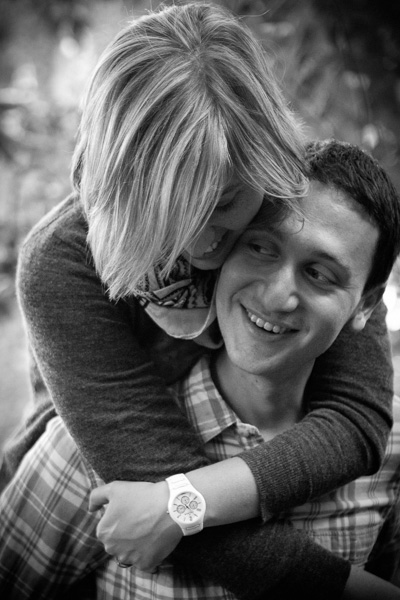
5-engagement

4. The neverending job and difficult clients

I used to have a big problem taking jobs that I shouldn’t have gotten involved in. I would be flattered that someone wanted to hire me and I hated to turn down income, particularly during the lean times. This became a huge problem, especially with the difficult clients who kept changing the job parameters and asking for more. This mistake cost me a lot of time and ultimately money.

Your time is valuable and certain jobs, particularly when you are starting, will not be worth your time. If you are starting a photography business you need to build up a steady stream of clients and having one take up an inordinate amount of your time, particularly if they are not paying you well, is just not worth it. You could be spending that valuable time marketing yourself and building your knowledge and business.

Always get all of the information up front from the client before you quote a price and size them up. It can be obvious, sometimes right away, when a client will be difficult. When you get all of the details stated up front, if the parameters of the job happen to change later in the process, then you will have the grounds to ask for more money for the extra work they are asking you to do. This will keep clients from taking advantage of your time and asking for more than what was agreed upon. Sometimes they will not even remember what they had asked for at the beginning.
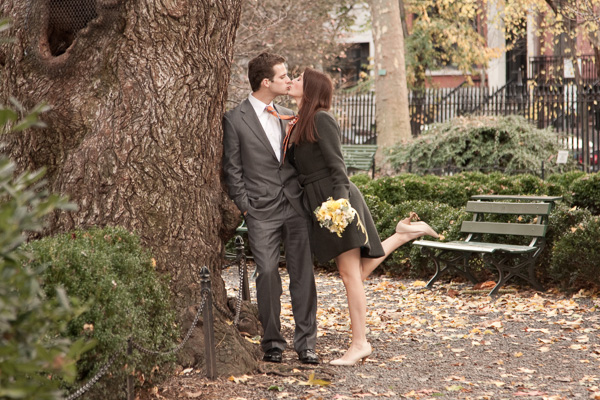
An engagement portrait. Some clients will prefer more posed portraiture that looks like it came out of a magazine. Some will want both. The better you know your clients the better you can anticipate what the will want.

An engagement portrait. Some clients will prefer more posed portraiture that looks like it came out of a magazine. Some will want both. The better you know your clients the better you can anticipate what the will want.

5. Will the client like my work?

I have been doing photography jobs for a decade now and I still get nervous every single time I have to press the send button for the final images. No matter how confident I am in them, that fear is never going to go away for me. It might be the same for some of you.

However, it used to be more debilitating than it is now. At the beginning it would cause me to procrastinate and it would cause me to take so much longer editing the images than it should have. I notice that this happens to a lot of photographers. Newer photographers often spend much more time on the editing than the more experienced photographers. Some of this is based on speed and experience, but I find that the biggest factor is that the experienced photographers have their editing process down to a science. There is a structure to the way they do things that makes everything more efficient and having this structure also helps reduce the fear.

Create a consistent structure for how you edit jobs. Here is mine:

  • I first start by choosing my final selection of RAW negatives that I will send to the client. I go through all of the images in Adobe Lightroom and star everything that I think is decent as three stars.
  • I then take a break to clear my head and eyes and go through the three star images and make the best of that bunch four stars.
  • The four starred images will be the ones that I will send the client.
  • I do a second and sometimes a third round through, moving some of the four starred images back to three stars and making the best images five stars. The five starred images are in case I want to send a small edit of the top photos or if I want to access them later for my portfolio.

    Business Portrait

    Friendly and natural business portraits. When you need to create images that feel natural you need a game plan for how you are going to make the subjects feel relaxed. Think ahead of time about what you can say or do to achieve this relaxed environment.

Once I have this done, the path to the finished product is laid out before me. I then go through all of the negatives and get them to the exact crop that I want. I do this because I want to see the whole sequence of images that I will be sending to the client before I start editing the final look of them.

Finally, I go through and edit the images. The hardest aspects for me are getting the color balance, contrast, and exposure to be perfect. Also, one of the toughest things to do is to make all of the photos feel consistent. This is why I like to have the final edit of negatives chosen and cropped before I begin to work on the aesthetics. It gives me a clear path to get to this endpoint.

Do you see how an efficient system can cut out hours and even days of editing time? It keeps you organized and this organization is meant to break through any procrastination and worry about the final photographs. Then, all you have to do is stand up for a second, take a deep breath, close your eyes, and hit the send button.

Take yourself seriously, especially when you are starting out. If you are starting a photography business, commit to it. You are a photographer, you don’t do photography. You have a product that takes a lot of effort, knowledge, and skill. Your product has a lot of value and not everyone with a DSLR can do what you do.

Need more help with business? Try these other dPS articles:

  • 30 Things you Should Know to Help you Start a Photography Business
  • 36 of the Best Online Tools to Boost Your Photography Business
  • 5 Things to Consider Before Starting Your Photography Business
  • 5 Tips to Expand your Photography Business Skills
  • 5 Ways to Dip your Toe into the Business of Photography
  • The Ultimate Guide to Going Pro as a Photographer

The post 5 Fears to Overcome When Starting a Photography Business by James Maher appeared first on Digital Photography School.


Digital Photography School
 
Comments Off on 5 Fears to Overcome When Starting a Photography Business

Posted in Photography


10 Hot Photography Tutorials: October 2014

30 Oct

Who else is slightly freaked out by the fact that we’re about to move into November? Where did the year go!

Anyway – it’s time to look back on the hottest tutorials for October.

This past month saw a few of our posts go a little viral. Here are the top 5!

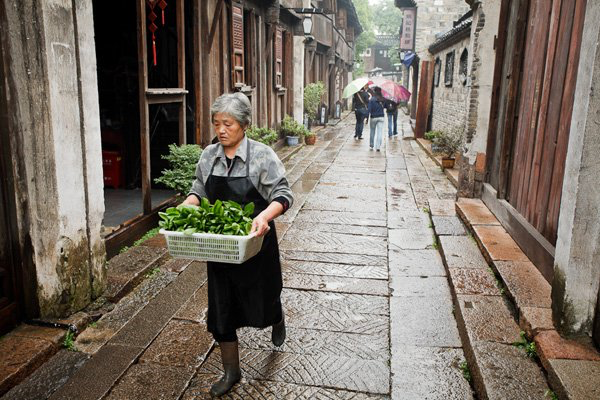
1. 10 Common Mistakes Made by New Photographers

A post by Jame Mahaer that many of us can relate to and that many new photographers found helpful!

NewImage

2. 3 Simple Ways to Create Stunning Eyes in Your Portrait Photography

Gina Milicia did it again with this helpful tutorial on giving a little extra attention to your portrait subjects eyes in post production.

NewImage

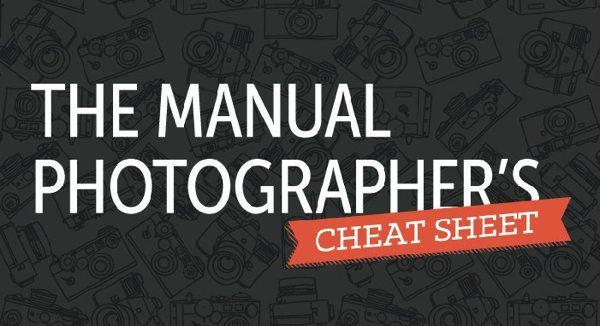
3. 3. Cheat Sheet: Getting Control over Your Camera in Manual Mode

dPS readers love infographics – here’s the hottest one for this past month!

Screen Shot 2014 10 30 at 1 57 50 pm

4. Five Ways to Improve Your Eye for Composition

Andrew Gibson hit the mark with many dPS readers with this post with 5 simple suggestions on improving your composition.

NewImage

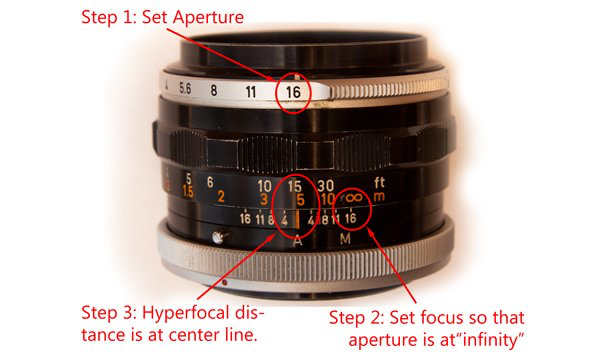
5. How to Find and Use Hyperfocal Distance for Sharp Backgrounds

Jim Hamel gives us the low down on finding and using Hyperlocal distance!

NewImage

5 More From This Time Last Year

In the last 12 months we’ve had a LOT of new readers to dPS who have missed some of our older tutorials. So for you – here’s our top 5 most read posts from last year!

1. The 3 Biggest Kid Photography Mistakes

NewImage

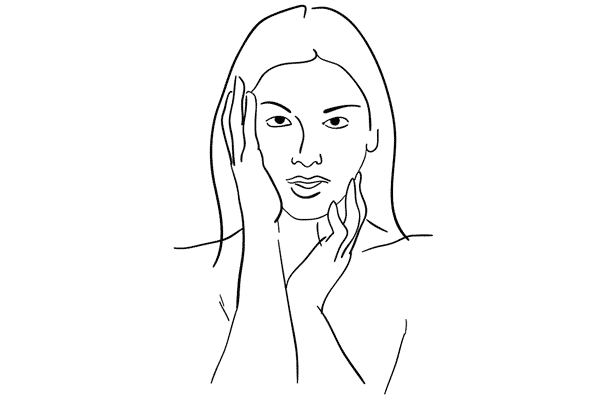
2. Posing Guide: 21 Sample Poses to Get You Started with Photographing Women – Part I

NewImage

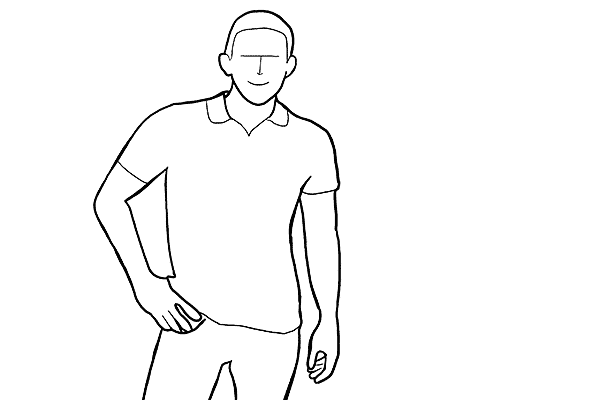
3. Posing Guide: 21 Sample Poses to Get You Started with Photographing Men

NewImage

4. How to Photograph Dramatic Clouds at Sunset

NewImage

5. Reflectors: Your Secret Weapon for Amazing Portrait Photography

NewImage

The post 10 Hot Photography Tutorials: October 2014 by Darren Rowse appeared first on Digital Photography School.


Digital Photography School
 
Comments Off on 10 Hot Photography Tutorials: October 2014

Posted in Photography