RSS
 

Posts Tagged ‘Photography’

8 Quotes From Master Photographer Ansel Adams and How You to Apply Them to Your Photography

22 Jan

The technology of photography has been evolving at a very rapid rate. Most of our cameras are almost obsolete by the time we purchase them! But one thing about photography hasn’t changed over the years and that is the art of photography. We can learn so much about the that from the masters of yester-years. Ansel Adams was one of these great masters, best known for his iconic black and white images of the American West. Let’s review some quotes from Mr. Adams and consider how we might apply them to modern day photography.
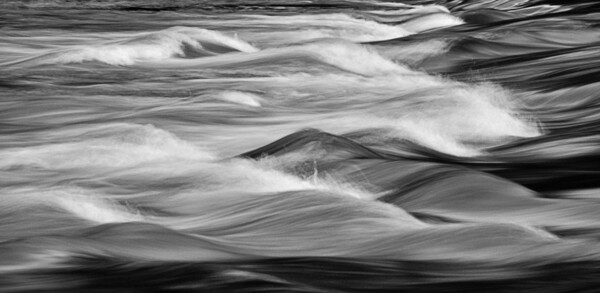
This image was part of a digital display that ran alongside the temporary exhibition, Ansel Adams: Photography from the Mountains to the Sea on at the National Maritime Museum, Greenwich from 9 November 2012 - 28 April 2013.

This image by Bruce Wunderlich was part of a digital display that ran alongside the temporary exhibition, Ansel Adams: Photography from the Mountains to the Sea on at the National Maritime Museum, Greenwich from 9 November 2012 – 28 April 2013.

“Expressions without doctrines, my photographs are presented as ends in themselves, images of the endless moments in the world.”

You surely have heard the expression, “A picture paints a thousand words.” Ansel thought of his images as expressions of how he felt in the moment he released the shutter. These expressions require no words of explanation. He was also quoted as saying “A true photograph need not be explained, nor can it be contained in words.” Likewise, we should look for moments in the world around us worthy of a captured image, which affects us emotionally before we click the shutter.

“Twelve significant photographs in any one year is a good crop.”

It is always a good idea to keep your portfolio up-to-date. A yearly inventory of your work, examining what you captured well and what you need to improve upon will help keep you focused on your artistic expressions. Photographers with digital technology have the tools to take many more images than Adams could with film and plates, so here’s a suggestion: Perhaps the number 12 suggests aiming for one memorable image each month. Take these most significant images and create a calendar featuring your art that you can give to friends. Regardless, keep your favorite images, your “crop”, organized and ready to share.
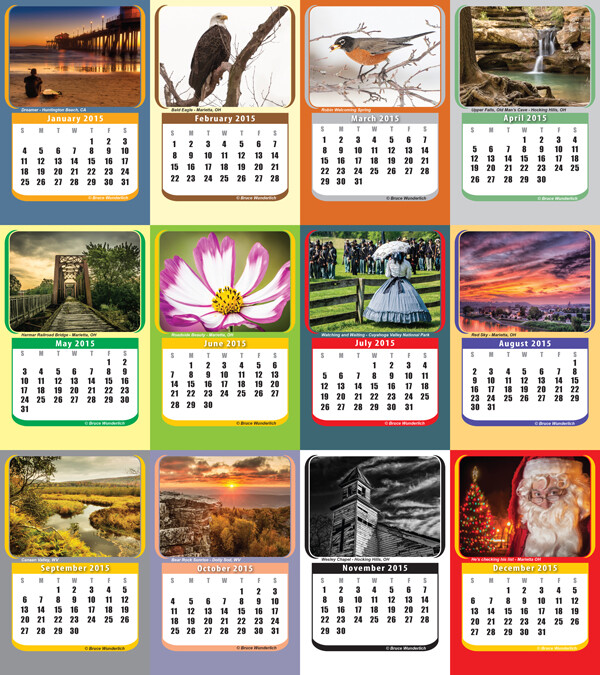
My 2014  "crop" in my 2015 desk calendar

2014 “crop” presented in a 2015 desk calendar.

“Sometimes I do get to places just when God’s ready to have somebody click the shutter.”

One favorite story about Ansel Adams centers around the circumstances of one of his most iconic images, “Moon rise over Hernandez”. As he was driving from what was described as a very unsuccessful day of shooting in New Mexico, suddenly Ansel pulled the car off the road when he saw the now famous subject. The light was changing so quickly that he was only able to get one exposure before the light was gone. Never think a day of shooting is a waste, that iconic image might just be around the next bend.

“There are no rules for good photographs, there are only good photographs.”

In a statement for a 1932 exhibit in San Francisco, Ansel listed his two “rules” of photography:

  1. The completed image must directly reflect how the subject appeared in the camera.
  2. He had to see the finished photograph in his mind before the shutter was released.

One of the most important things Ansel Adams left with us was this principle of pre-visualization. This mental vision of what he was expecting to communicate with the images he created is what makes them so prominent even today, some three decades after his death. We see too many photographers out in today’s world just aiming and shooting, not taking the time to think about the subjects before them and how the resulting image will speak to (or not) the viewers of the image.
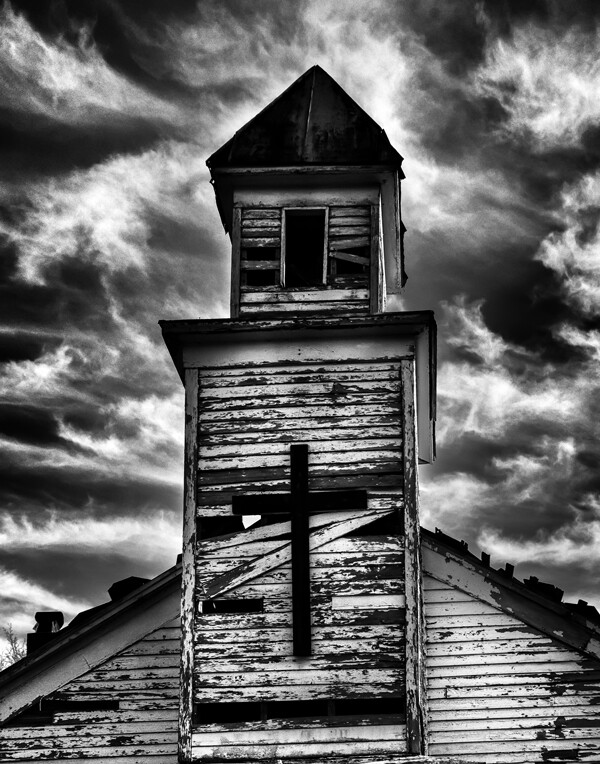
Using Ansel's previsionalization method, When approaching this image I immediately visualizied this image as a black and white by adding a polarzing filter I was able to make the blue sky more saturated which can in handing later during processing to create dark and contrasting sky. I also intentionally under-exposed the image to ensure that the white boards of the abandon church are not to bright, to help convey the abandon feeling of theimage.

Using Ansel’s pre-visualization method when approaching this shot, I immediately visualized this image as a black and white. By adding a polarizing filter, I was able to make the blue sky more saturated which helped later during processing to create a dark and contrasting sky. I also intentionally underexposed the image to ensure that the white boards of the run-down church would not appear too bright, to help convey the abandoned feeling.

 “Ask yourself, “Why am I seeing and feeling this? How am I growing? What am I learning?” Remember: Every coincidence is potentially meaningful. How high your awareness level is determines how much meaning you get from your world. Photography can teach you to improve your awareness level.”

What a powerful quote! “Every coincidence is potentially meaningful”. To develop the creative eye that it takes to create great photos we need to be on the constant lookout for unexpected opportunities. So, must we carry our camera at all times? How many times have you come across a great scene only to find you do not have your camera ready and available? It happens to all of us, but don’t get caught up in the fact that you don’t have your camera with you. Instead, use this opportunity to think about the shot and visualize how you would have shot it, how you would compose it, and what camera settings and filters you might have used to capture the scene. Even though you may have missed the shot, you can use this as a learning experience to be prepared in the future.
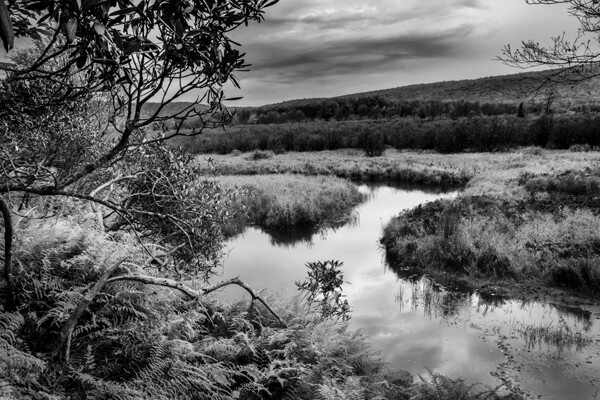
By studying the images of great photographers of the past and present we can learn how to approach our own images. This image, captured in the Canaan Valley Resort State Park in West Virginia, reminded me of Ansel's image The Tetons and Snake River.

By studying the images of great photographers of the past and present we can learn how to approach our own images. This image, captured in the Canaan Valley Resort State Park in West Virginia, reminded me of Ansel’s image The Tetons and Snake River.

 “The machine-gun approach to photography – by which many negatives are made with the hope that one will be good – is fatal to serious results.”

With the new digital age of photography it is so easy to take the “spray and pray” approach to photography, but we must learn to slow our approach and think about every piece of the image that we are capturing. One way to take a more deliberate approach with a landscape shoot is to place your camera on a tripod, which will allow you to concentrate more on the composition of your image. There are plenty of situations where the machine-gun approach to photography can be helpful, for example, action subjects such as sports or wildlife, but in other areas this approach can be fatal.

“A photograph is never finished until I burn the corners.”

Ansel considered it important to keep the viewer’s eye in the frame of his images, so he would burn (darken) any light areas near the edges of the image. These adjustments were quite time-consuming and tedious to produce in the darkroom of Adams’ era. Today, however, we can easily accomplish these steps in Photoshop or Lightroom. Be careful not to overdo it, as these changes should be made in a way that is completely imperceptible to the viewer of the image.

“I am sure the next step will be the electronic image, and I hope I shall live to see it. I trust that the creative eye will continue to function, whatever technological innovations may develop.”

Many fans of Adams’ photography ask, “Would Ansel Adams have shot digital?” This quote indicates he would have! Ansel was never overly concerned about the process of taking photos as much as he was about the creative experience and how a photograph made him feel. Ansel Adams would not only be shooting digital, but also he would be a Photoshop guru, probably working closely with Adobe to develop and improve the photographer’s experience.

Where do we go from here?

So in conclusion, has photography changed over the years? Yes, the process has changed, but the art of photography remains the same. By studying the guiding principles of great photographers of previous generations, like Ansel Adams, we can sharpen our skills to become the best photographers of our day. Please leave a comment below: What is your favorite photographer’s quote and how has it inspired you?

googletag.cmd.push(function() {
tablet_slots.push( googletag.defineSlot( “/1005424/_dPSv4_tab-all-article-bottom_(300×250)”, [300, 250], “pb-ad-78623” ).addService( googletag.pubads() ) ); } );

googletag.cmd.push(function() {
mobile_slots.push( googletag.defineSlot( “/1005424/_dPSv4_mob-all-article-bottom_(300×250)”, [300, 250], “pb-ad-78158” ).addService( googletag.pubads() ) ); } );

The post 8 Quotes From Master Photographer Ansel Adams and How You to Apply Them to Your Photography by Bruce Wunderlich appeared first on Digital Photography School.


Digital Photography School

 
Comments Off on 8 Quotes From Master Photographer Ansel Adams and How You to Apply Them to Your Photography

Posted in Photography


5 Tips for Using Pinterest for Photography Inspiration

19 Jan

Untitled-1

Let me just come right out and say it – I think Pinterest is amazing. Not only is it a wealth of information when it comes to recipes and easy craft projects for my two kids, but it is also an incredible source for both photography instruction and inspiration. As a photographer, I am constantly inspired by the images that I see while browsing the “Photography” category on Pinterest, and I think it can be a really valuable tool in terms of identifying your personal style in photography as well as pushing yourself as a photographer.

That said, I think it goes without saying that Pinterest is not always used appropriately. We’ve probably all had a prospective client email us asking, “Can you do this?” with a link to a particular pin on Pinterest, where the client means that exact pose, backdrop, and that exact style of post processing. This isn’t inspiration, it’s flat-out stealing. But Pinterest really can be a great resource when used correctly, so here are some tips on the best way to use Pinterest for photography inspiration:

1. Don’t (Only) Browse Your Favorites

If you’re a newborn photographer, don’t just search Pinterest for newborn photos. Rather, try browsing the general photography category, or searching for more general terms like “golden hour” or “high contrast photos”. I’m a firm believer that portrait photographers can be inspired by landscapes, and vice versa. There’s no good reason to limit yourself!

2. Click Through

Once you find an image that you love, take the time to click through the link and make sure that (a) the pin leads to the proper photograph or specific blog post, (b) the correct photographer is credited (Google is not a photographer), and (c) that the photographer wants the image to be pinned. Many photographers pin their own photos and encourage others to repin, or include “pin now” buttons on their blog, which generally makes me feel comfortable with repinning their work. Others install a script that will not allow images from that website to be pinned, which is pretty self-explanatory that they’d prefer their work did NOT appear on Pinterest. If you’re not sure whether or not it’s okay to pin an image after visiting the original website, it’s a good idea to shoot the photographer a quick email or leave a comment asking if they’re open to their images being pinned. This is really new territory without much legal precedent, so I just think it’s better to be safe than sorry!

3. Caption Everything

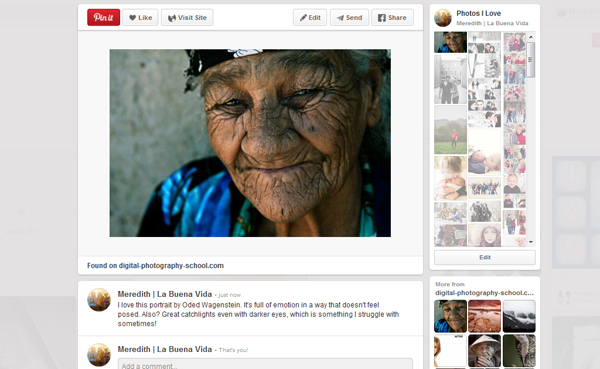
Leave yourself thoughtful and detailed comments about what, specifically, you love about the photo. Is it the lighting, the pose, the processing, the coordination of outfits? Or is it the emotion behind the image? Whatever it is, try to identify something concrete that speaks to you about each and every image that you pin. I also think it’s good practice to include the photographer’s name in your caption, especially if the image isn’t watermarked, not only to help ensure that the images are properly attributed, but also to begin to identify who inspires you as a photographer.  Here’s an example of how I captioned one image that I pinned as inspiration, coincidentally from this article by Oded Wagenstein about using reflectors here on dPS.

Pinterest2

Text Reads: “I love this portrait by Oded Wagenstein. It’s full of emotion in a way that doesn’t feel posed. Also? Great catch lights even with darker eyes, which is something I struggle with sometimes!”

4. Reflect Regularly

Every couple of months, be sure to go back and look at the images that you’ve pinned, and see if there’s anything that you can glean from what they have in common. Are you noticing a lot of photos with a particular style of processing, or that you’ve pinned many images from a different genre of photography that perhaps you’d like to try? Are you noticing that you’ve selected lots with strong posing, which is something that you could possibly brush up on a little? Try to identify at least one theme across the images that you’ve pinned.

Several years ago I realized that nearly every photography blog I followed was written by a newborn photographer. After months of admiring from a far, and soaking up everything I could read about newborn photography, I finally decided to ask a couple expecting friends if I could come over and take some pictures of their new babies, “just for fun”. My first time photographing a newborn certainly wasn’t perfect, but it ignited a love of a whole new genre of photography that I may never have pursued otherwise. I’m sure this won’t be the last time that I discover a love of something new photographically!

Pinterest3

This is an image from that very first time photographing a friend’s newborn. Years ago, I never would have guessed that this would be a genre of photography that I now love!

5. Put it into Practice

Once you’ve identified some common themes about images that you admire, carve out some time with your camera to put it into practice. Are you a portrait photographer who was pinning lots of images of food? Make some time in your schedule to read about techniques for food photography, and then give it a shot.

Here’s a personal example: one area that I’m not as confident in is posing several people together. I recently did a session for a friend’s family, and checked out several of her Pinterest boards before the session. I noticed that many of the captions on the images that she had pinned were about how she liked how the siblings were posed in the portraits – arms wrapped around each other, holding hands, etc. So, I made it a personal goal to really spend some time looking at small group posing before their session, which made me more confident in posing in general. I think that I was more able to encourage her daughters into a pose that would emulate the feel that their mom liked, while also being more natural for them than it would have if I had tried to recreate one specific pose that I’d seen on Pinterest.

Pinterest1

 Do you use Pinterest to find inspirational images? Any dos or don’ts you’d like to add to the list?

googletag.cmd.push(function() {
tablet_slots.push( googletag.defineSlot( “/1005424/_dPSv4_tab-all-article-bottom_(300×250)”, [300, 250], “pb-ad-78623” ).addService( googletag.pubads() ) ); } );

googletag.cmd.push(function() {
mobile_slots.push( googletag.defineSlot( “/1005424/_dPSv4_mob-all-article-bottom_(300×250)”, [300, 250], “pb-ad-78158” ).addService( googletag.pubads() ) ); } );

The post 5 Tips for Using Pinterest for Photography Inspiration by Meredith Clark appeared first on Digital Photography School.


Digital Photography School

 
Comments Off on 5 Tips for Using Pinterest for Photography Inspiration

Posted in Photography


5 Quick Reasons to Use the Nifty Fifty for Landscape Photography

17 Jan

The 50mm prime lens, or as it’s more commonly known, the Nifty Fifty; we all know the name, even inexperienced photographers have likely heard of it. Most of us know it for its outstanding qualities; an inexpensive, quality, prime lens that is in plenty of photographers’ bags around the world, and one of the most popular lenses of all time.

What we might NOT think of it as, however, is a lens normally used for landscape photography. The zoom is tight, and doesn’t possess a field of view wide enough to usually be considered proper for this sort of work.

But I have. For four years, the 50mm f/1.8 has been my workhorse for portfolio building (which is primarily nature and landscape), and even though I’m branching off with other lenses, I can’t stress the usefulness of the Nifty Fifty. And I’m not alone.

50mmLens

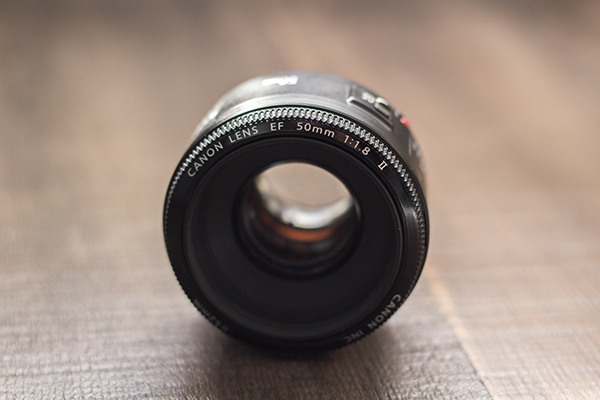
My primary reasoning for using the 50mm instead of going out and buying a proper wide angle lens such as a 35mm or even wider? Cost. I was delving back into photography, and was on an extremely tight budget. After buying my camera, spending $ 500 on a lens simply wasn’t an option. It didn’t take long for me to hear my fellow photographers sing the praises of this wonderful lens; cheap, fast, and sharp. Right up my alley.

There are no tricks or immaculate revelations here, and you won’t likely become famous for taking only landscape shots with 50mm lenses – but there are a few reasons why shooting landscapes with a 50mm lens can produce great results. Giving it a try can only improve your photography and make you a better observer of the world around you.

Focus on What’s Important

We think of landscapes as sprawling, wide shots, that include many elements in one frame, but does it have to be that way? Can we not capture the beauty of the area around us, in a tighter package? The rolling hills and an interesting tree in an outdoor scene are more than enough to create a photo that provokes thought.

The Nifty Fifty makes it easier to focus on whatever is most important in your photo, while still capturing enough around the subject to lend it scope.

The Nifty Fifty makes it easier to focus on whatever is most important in your photo, while still capturing enough around the subject to lend it scope.

Shooting at this focal length forces us to focus on the most important parts of what we’re seeing around us. Trimming the fat, as they would say. In doing this, we’re also training ourselves psychologically to do the same in all of our shots.

Quality

Landscapes usually require very good sharpness, and the 50mm prime lenses excel at that. No extra moving parts normally required for varied focal lengths (zooms) mean a crisper, sharper result. As with most lenses, its sweet spot isn’t wide open, but more in the f/4 to f/5.6 range. Even narrower apertures will still yield excellent results.

The 50mm prime allows you to capture very sharp images

The 50mm prime allows you to capture very sharp images.

Take Your Time

Since the 50mm is a prime lens, you’ll get an added benefit (or detriment, depending on how much you care for walking); the single focal length means you can’t just shoot from anywhere, you’ll need to move around to find the best angle and distance. This automatically forces you to think about your shot a bit more, which is always a good thing.

The 50mm allows you to think differently about the landscape or subject you're framing, and to make more creative choices.

The 50mm allows you to think differently about the landscape or subject you’re framing, and to make more creative choices.

With a zoom, you’d adjust focal length without even thinking, until the scene is framed in a way that looks good. But what if that isn’t the best angle or distance? The Nifty Fifty will give you incentive to take a chance and try something different, whether it be an angle, a distance, or even perspective.

No Wide Angle…or Can There Be?

Of course there can! The 50mm gives you a gentle push into playing around with some panoramic shots. Three, four, five, or more shots can be stitched into a flattering wide angle composite, sometimes with even more dramatic results than a single wide angle shot.

By stitching together shots, we can create a panorama that gives us the wide field of view we're looking for

By stitching together shots, we can create a panorama that gives us the wide field of view we’re looking for.

Lightweight is King

If you’re serious about landscape photography, you’re probably already lugging around a considerable amount of gear; camera bodies, other lenses (you don’t go out with just one lens, do you?), tripods – the list goes on. The last thing you need are more heavy lenses when you’re out and about, right? Do you know what the Canon 50mm f/1.8 weighs? 4.6 ounces (130 g). It’s short, sweet, and light to boot.

At the end of the day, all lenses and focal lengths have advantages and disadvantages, and the case can certainly be made for using glass with wider angles. But as a teaching tool, the 50mm prime lens is a great option for your landscape photography; it will make you think a bit differently about those types of shots and easily provide you with clear, sharp images.

What are your experiences with this lens? What images have you captured? Tell us your opinion below, and show us those Nifty Fifty shots!

googletag.cmd.push(function() {
tablet_slots.push( googletag.defineSlot( “/1005424/_dPSv4_tab-all-article-bottom_(300×250)”, [300, 250], “pb-ad-78623” ).addService( googletag.pubads() ) ); } );

googletag.cmd.push(function() {
mobile_slots.push( googletag.defineSlot( “/1005424/_dPSv4_mob-all-article-bottom_(300×250)”, [300, 250], “pb-ad-78158” ).addService( googletag.pubads() ) ); } );

The post 5 Quick Reasons to Use the Nifty Fifty for Landscape Photography by Tim Gilbreath appeared first on Digital Photography School.

Digital Photography School

 
Comments Off on 5 Quick Reasons to Use the Nifty Fifty for Landscape Photography

Posted in Photography


Weekly Photography Challenge – Music

17 Jan

This week the theme of the image collection was music – view the 35 magical musically inclined images here.

Phil Hilfiker

By Phil Hilfiker

Carrying forward, naturally your challenge this week will be involving music as well. That could look a few different ways depending on your own situation, what you have access to, and what’s in your area, including:

  • photos of musical instruments (check with stores, they may be willing to lend you one to photograph or find a friend who has one)
  • photos of people actually playing an instrument
  • a rock concert
  • a marching band or parade
  • music CD, DVDs or old-time LPs
  • a singer
  • street musicians

What other ideas can you come up with for music?

Weekly photography challenge – music

Here are a few ideas to get you started:

Martinak15

By martinak15

Caroline

By Caroline

Francesco ?2015?

By francesco ?2015?

Adrien Sifre

By Adrien Sifre

Tanakawho

By tanakawho

Michael Kötter

By Michael Kötter

Fabrizio Lonzini

By Fabrizio Lonzini

Jorge Américo

By Jorge Américo

Georgie Pauwels

By Georgie Pauwels

JH Images.co.uk

By JH Images.co.uk

Share your music images here:

Simply upload your shot into the comment field (look for the little camera icon in the Disqus comments section) and they’ll get embedded for us all to see or if you’d prefer upload them to your favourite photo sharing site and leave the link to them. Show me your best images in this week’s challenge. Sometimes it takes a while for an image to appear so be patient and try not to post the same image twice.

googletag.cmd.push(function() {
tablet_slots.push( googletag.defineSlot( “/1005424/_dPSv4_tab-all-article-bottom_(300×250)”, [300, 250], “pb-ad-78623” ).addService( googletag.pubads() ) ); } );

googletag.cmd.push(function() {
mobile_slots.push( googletag.defineSlot( “/1005424/_dPSv4_mob-all-article-bottom_(300×250)”, [300, 250], “pb-ad-78158” ).addService( googletag.pubads() ) ); } );

The post Weekly Photography Challenge – Music by Darlene Hildebrandt appeared first on Digital Photography School.

Digital Photography School

 
Comments Off on Weekly Photography Challenge – Music

Posted in Photography


Fashion Photography Lighting Is Overrated

14 Jan

Fashion Photography Lighting


 Hi FashionPhotograhyBlog.com readers, 

We have a contributed post by fashion photographer, Per Zennstrom on FPBlog today. Based in Berlin Per had worked for recognizable brands such as Absolut Vodka, Bentley, Bon Magazine, Dior, Elle, Guy Laroche, H&M, Marie Claire, Porsche, Rolling Stone, Schwarzkopf and Toni & Guy. Per shares his thoughts about lighting and how dramatic affects can be created through simple techniques and by understanding the basics of lighting. Let’s not keep you waiting! Here’s Per…


Fashion Photography Lighting – I’m going to stick my neck out a bit here – Drum roll… Fashion Photography Lighting is overrated!


This might sound like blasphemy, especially since this article is a basic introduction to fashion photography studio lighting, but bear with me just for a moment. In photography, circles we’re inundated with statements and ideas such as “a photographer is a painter using only light” or blatantly cheap flattery such as “your light is beautiful” (If you really want to get on a photographers good side just tell him/her that his/her light is beautiful).


I actually don’t buy any of this and I say it again, I believe lighting is overrated (especially if you come at it from a fashion photography perspective) and in this article I will tell you why.


If you’re a fashion photographer I believe speed and flexibility are much more important than lighting. What really matter is not the lighting but what is in front of the camera. Well, after this preamble let me jump straight into the basics of studio lighting because even after having said all that I believe you need to know the basics of lighting. Learn it and then unlearn it. Make lighting become part of your photographic reflexes.


There are only 3 things you need to understand to really get lighting. If you master this you can reverse engineer any images to understand how they were lit. Any changes to these three things will change the character of your lighting, so pay attention please:


– Relative size of Light source

– Ambient Light

– Color of Light source


And even if you do become a master of lighting there is something very important that I’d like to underline – If it looks good, just shoot! 


That sounds pretty simple but you would not imagine how many photographers that drag on the session, endlessly making minuscule adjustments to the lighting that don’t actually make a difference and, in the process, losing what’s in front of the camera; the model. So again, if it looks good, just shoot it!


Relative Size Of Light Source


The relative size of the light source is the most important aspect of the character of the light. By character, I mean that we say “that’s a really hard light” or “that is very soft and flattering light” and “the relative size of the light source determines how the edge of the shadow will look”.  


It is the relative size of the light source that will decide this. Look at the edge of the shadow; if the edge is sharp and hard we have what we call a hard light if the edge of the shadow is soft we have a soft light. It is the relative size of the light source that gives us a either hard or soft light. A big light source gives a soft light. A small relative light source gives a hard/sharp light.


Character of Light – Hard Light

A good example to use is the sun on a cloudless day. The size of the sun is enormous but because of the distance the sun appears very small in the sky, ergo a hard light!


Character of Light – Soft Light

Now think of the same scenario, but this time on an overcast day with clouds filling the entire sky. In this case, the relative size of the light source is very big; the overcast sky (which takes up 50% of your total field of vision). The light on a day like this is very soft and the edges of the shadows are super soft – in fact, there are no real shadows actually. An even softer light would be inside a white room with all white walls, ceilings and floor.


Ambient Light


Ambient light is any light that you don’t actually control. You can also think of it as “junk light” – the unintended light which is left over or just bouncing around in the studio. Examples of ambient light are reflections off studio walls or floor or ceiling, or stray light creeping out from umbrellas or soft boxes. Ambient light is very important because it fills in the shadows and decreases the contrast of the image; it makes the shadows brighter. 


Learn to control the ambient light. In a studio situation, this is typically done by using black & white polystyrene flats “killing” off reflections from walls and ceilings; usually with the intention to darken and deepen the shadows. “The ambient light determines the “fill” in the shadows… If the ambient light is strong enough = no shadows”.


Color of Light


This is easy, no need to really talk about it actually… 


Fashion Photography Is Overrated


I also would like to give you a tip on an interesting studio lighting simulation software – set.a.light 3d by Elexxier. I used this software to build the 3D models to illustrate this video and article. If you’re interested in taking it for a test spin it’s free to use for 15 days – pretty good!


Thank you very much,

Per


Did you find this lighting post by Per Zennstrom useful? Leave your comments below in the comment section. We would like to know what you thought about the post.


MEDIA SOURCE: 

Feature image, video & image 1: contributed by Per Zennstrom. To view more of his work visit his website.


Fashion Photography Blog

 
Comments Off on Fashion Photography Lighting Is Overrated

Posted in Uncategorized


Photography Will Sell Anything Except For Photography

14 Jan

Photography Network Economy

Per Zennstrom Photography Network Economy

  Hi FashionPhotograhyBlog.com readers, 

Today, we have a contributed post by, Berlin-based fashion photographer, Per Zennstrom on FPBlog. Per had worked on campaigns for recognized brands like Absolut Vodka, Bentley, Bon Magazine, Dior, Elle, Guy Laroche, H&M, Marie Claire, Porsche, Rolling Stone, Schwarzkopf and Toni & Guy. In this post, Per shares his thoughts about the photography network economy and surviving the changes in the digital age. Let’s get started! Here is Per…


IMGembed recently launched a project on Kickstarter attempting is to end the “war” between image owners and image users.


“Image owners are having their online content infringed without attribution, permission or payment 85% of the time. Content users are liable for up to $ 30,000 per infringed use, according to US Copyright Law. IMGembed can solve that! With our proprietary technology, IMGembed helps owners control where/how their images are being used and lets content users embed images for free, or at affordable impression based rates, with peace of mind!”


This is a really interesting project and an even more interesting problem. How are we to approach IP rights in the Digital Network Economy? We all are on both sides of this (who hasn’t had their images used online without permission?) and at the same time I’m very sure that most of us has engaged in unauthorized use of copyrighted material right?


We are at a crossroads here. Should we embrace the older pay-for usage-model or should we go for a use-your-content-to-sell-other-things model?


Using images (or other content) as a platform to sell other products


Here is an excerpt from a great article by Kwindla Hultman Kramer on what on the surface seems to be about Apple acquiring Beats by Dre, but in reality it’s really about content in the cloud and how artists (and consumers) can finally get to some sort of agreement on how to use and pay for digital content.


Just replace the word “music” with “images”:


“I’m old, so I still think about music as something I want to buy and own. For a century, we’ve lived in a technological and economic “moment” where it made sense for us to own copies of recorded music for personal use. Before about 1890, this was impossible. After about 2010, it was no longer necessary. People younger than I am expect to be able to access any music, instantly, from anywhere, and listen to it however they want. They don’t expect to pay for it, generally speaking. They don’t care about “owning” a copy of it, generally speaking. The ramifications of these changes in technology and in peoples’ expectations are enormous. So how, in this new world, do artists get paid for making music? How do people find music they want to listen to? How do artists get exposure to people who might like what they’re doing?”


And as I proofread this I wonder maybe this question is too narrow? Shouldn’t the question rather be “how do we adapt to a situation where everything is upside down and no one knows what really works”


It’s in this context You have to consider the news of how fashion photography duo Ineez & Vinoodh just launched a jeans capsule collection in collaboration with Frame Denim.

Ineez & Vinoodh fashion shoot for jeans capsule collection with Frame Denim

Photography will sell anything!


OK, Ineez & Vinoodh are extremely successful as photographers but don’t you agree that this is an interesting thought experiment? Looking at your images as a platform to launch other-than-photography-businesses. This could be information products, webinars, marketing courses, Photoshop tutorials – the list goes on and on.


IMGembed is trying to “fix” the problem by improving on the older model slightly, by harnessing the power of big data but I’m not sure that this is the solution. Why not just go ahead and accept the inevitable; stuff that has been let loose out there will get copied and used by people and we photographers have to roll with the punches and become smarter, more lean and switch from looking at this as a problem to looking for opportunities!


Thank you very much,

Per


Did you find this article by Per Zennstrom interesting? Leave your comments below in the comment section. We would like to know what you thought about the post.


MEDIA SOURCE: 

Feature image, image 1 & 2: contributed by Per Zennstrom. To view more of his work visit his website.


Fashion Photography Blog

 
Comments Off on Photography Will Sell Anything Except For Photography

Posted in Uncategorized


10 Quick Photography Business Tips to Kickstart 2015

13 Jan

It’s that time of the year – everywhere you turn, people are talking about new year resolutions, goals and targets. Be it health related, relationship related or even business related. If you have a professional photography business or even if you are an serious enthusiast who has thought about becoming a professional photographer, here are some business tips to help kickstart 2015.

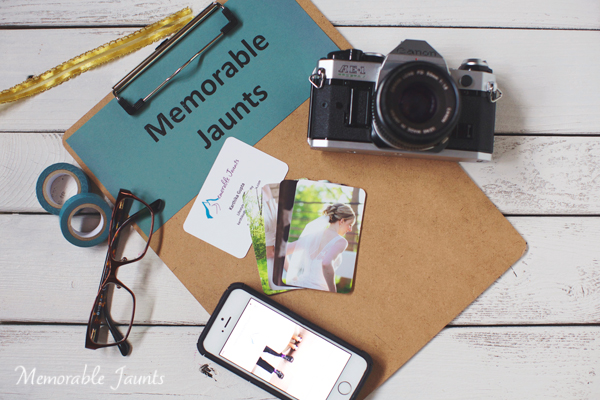
Memorable Jaunts Writing Business Goals Article for 2015

A new year is the perfect time to set up new goals for your business.

#1 Legitimize your business

This can mean different things in different parts of the world. But the end result is almost always the same. Take whatever steps needed to ensure you are following the law in setting up your business the right way legally. In most countries, that means registering your business name, getting a tax ID number, and filing the appropriate paperwork with the local government. When you are legitimate, clients will appreciate and respect you even more.

General Photography Business Tips From Memorable Jaunts for DPS

Becoming a legit photography business goes beyond business cards, gear and website.

#2 Create tangible, measurable and achievable goals

I cannot stress enough the importance of creating professional goals. They form the anchor for your business and help you navigate the waters when things are going great, and when the waters turn rough. When you have a clear vision of where you want to go, nothing can stand in your way. When you are having a bad photography day where everything seems to be going wrong, revisit your goals and they will help you correct your course.

Writing Goals for Your Photography Business

Glitter glue and Shinny Stars are a must for any goal writing exercise – puts you in a good mood!

#3 Invest in education

The photography industry, like most industries, is constantly changing and evolving. As professionals we often forget to take the time to update our own skills and knowledge. Luckily there are many different avenues to get an update on what is the latest and greatest in the industry. There is no lack of online classes, articles, or even YouTube videos. Or if you are like me, sign up for a workshop or two – it is a great way to not only polish your skills, but also meet other photographers and make a connection or two.

Memorable Jaunts Photography Education

#4 Showcase your brand

I really believe in the adage that there is only ‘One’ you. What makes your brand unique is you and your personality. There are millions of photographers out there, but there is only one you!  Differentiate yourself by showcasing your unique personality in your brand. You can do that in many different ways in your business – through videos, your interactions with your clients, the content on your website, and your images. My love for nature and the outdoors is very apparent in my images and my website. Travel is my inspiration and has its own page on my website. I love clean and fresh images and my editing style is minimalist – that is who I am, and my clients appreciate that and have come to expect it.

#5 Streamline your workflow

This was a great eye opener for me. Recently I sat down and documented my workflow from start (initial client inquiry) to finish (delivering products and getting paid). There was such an imbalance of time spent across various activities. Documenting the process not only helped me understand where I was wasting precious time, but also where I was spending too little time. I was able to automate some processes and streamline my workflow.

Another personal tip – I turn off the internet and shut off my phone when I am editing a family session or a wedding. This really helps me focus and manage my workflow.

Documenting your photography business workflow process

#6 Differentiate yourself from the crowd

Follow other photographers and gain inspiration from their work. But don’t imitate them – imitation stifles personal growth. Let your individuality shine through your own work. Not only will this help you stand out from the rest of the crowd, but it will also help you find your own voice and give you the confidence to take your art to the next level.

Memorable Jaunts General Photography Business Tips for DPS

My favorite motivational quote sits on my desk reminding me everyday why I do what I do.

#7 Spruce up your blog

We all know that having a blog is like having a voice on the internet. A blog helps clients interact with you. Make a conscious decision to update your blog regularly. Most people believe that updating your blog three times a week is really beneficial for SEO. If that is something that you can commit to, more power to you. Keep content fresh and exciting – don’t just blog about your sessions and post a bunch of images about the session. I categorize my blogposts as ‘Weddings’, ‘Portraits’, ‘Inspiration’ and ‘Personal’. Use your blog to showcase other aspects of your business – products you provide, gear that you love and why, or even who are you as a person – the face behind the camera.

#8 Maintain your gear

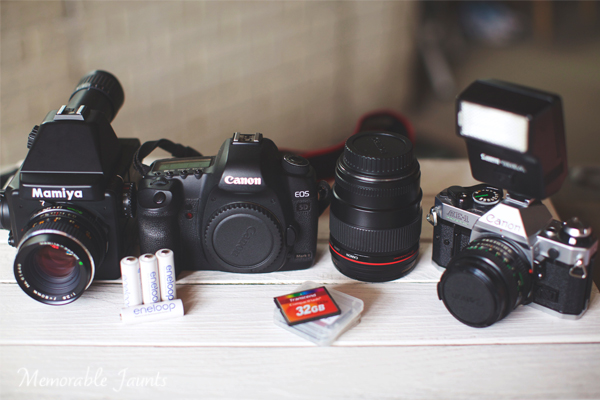
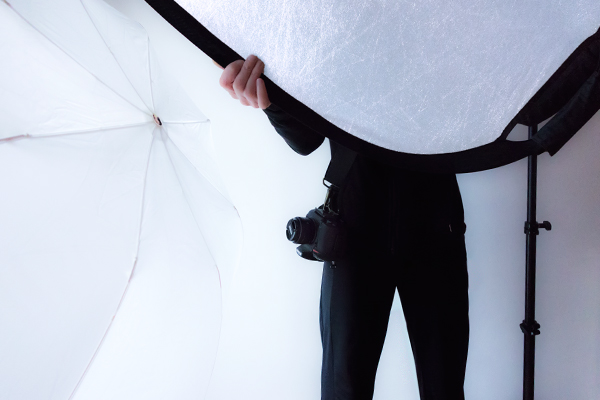
Check your equipment. This includes your primary camera, backup camera, and flash. Get cameras and lenses cleaned and serviced so that they are in top working order when you need them. I use Canon Professional Services Membership, which is a great service that is quick and efficient. Don’t forget the accessories – check reflectors for tears, missing tripod attachment plates, old batteries, and faulty memory cards. Keep everything ready for your photography season.

Memorable Jaunts General Photography Business Tips for DPS

I use a myriad of digital and film cameras – all my gear gets the same care and maintenance.

#9 Update your website with your latest work

I will be the first to admit this is generally one of the things I put on the back burner many times. However this is a key piece of the puzzle to attracting new clients. Showcase your best work on your website, blog, and other social media channels. Let your pictures speak volumes and keep the content fresh. Often times you are so busy photographing and managing your current clients, you forget about the new potential clients out there. Give those clients something new to look at so they keep coming back for more.

#10 Maintain your health and general well being

Perhaps this should be the first tip on the list. This is one of the most important things you can do for yourself and your family. Managing a photography business is hard and exhausting – both mentally and physically. I love photographing weddings but after every wedding, I feel like I have been run over by a truck! Set aside time to exercise, eat healthy, and schedule ‘retreat time’. Time away from the computer and camera to enjoy the other finer things in life! After all what good is a great photographic career, numerous awards, and accolades if you are not able, mentally or physically, to enjoy the glory.

googletag.cmd.push(function() {
tablet_slots.push( googletag.defineSlot( “/1005424/_dPSv4_tab-all-article-bottom_(300×250)”, [300, 250], “pb-ad-78623” ).addService( googletag.pubads() ) ); } );

googletag.cmd.push(function() {
mobile_slots.push( googletag.defineSlot( “/1005424/_dPSv4_mob-all-article-bottom_(300×250)”, [300, 250], “pb-ad-78158” ).addService( googletag.pubads() ) ); } );

The post 10 Quick Photography Business Tips to Kickstart 2015 by Karthika Gupta appeared first on Digital Photography School.


Digital Photography School

 
Comments Off on 10 Quick Photography Business Tips to Kickstart 2015

Posted in Photography


Per Zennstrom’s Fashion Photography Tips

12 Jan

 Fashion Photography Tips


 Hi FashionPhotograhyBlog.com readers, 

Today, we have a video by, Berlin-based fashion photographer, Per Zennstrom on FPBlog. Per had shot for brands such as Absolut Vodka, Bentley, Bon Magazine, Dior, Elle, Guy Laroche, H&M, Marie Claire, Porsche, Rolling Stone, Schwarzkopf and Toni & Guy. In this video, Per shares his experiences as a fashion photographer as well as providing some answers to questions. Let’s jump right into it! Take the stage, Per…


Fashion photography tips – I’m always very happy to answer questions about my work in fashion photography and this time around Ophelie, from Canada wrote me with questions about my background, schooling, influences, hardships etc… One of the more interesting (and terrifying) aspects of working today is the change and the relentless speed of change, that we all are exposed to. I took a moment to expand on that.


Another aspect of having a digital mindset is the notion of  “finding and exploring hidden value in your organization”.  For me, in this case, it meant that I took  an email from a photo student and I turned that into a marketing opportunity. This is based on the fact that everything you do has a potential value to someone else. My answer to Ophelie has a value, for example, I could have just sent of a quick email back to Ophelie and that would only have benefited her but instead I recorded a screen capture and leveraged the power of YouTube to get my story out to a much broader audience.


Thank you very much,

Per


Did you find the fashion photography tips with Per Zennstrom useful? Leave your comments below in the comment section. We would like to know what you think of the video.


MEDIA SOURCE: 

Feature image & video: contributed by Per Zennstrom. To view more of his work visit his website.


Fashion Photography Blog

 
Comments Off on Per Zennstrom’s Fashion Photography Tips

Posted in Uncategorized


Winter Wedding Photography Tips: All You Need to Know

12 Jan

Winter weddings bring a lot of photography challenges because of weather, chilly winds and dark skies even in the day time. But still, many couples decide to have a winter wedding to enjoy the special discount on venues, catering and inexpensive honeymoon. The first thing that comes to our mind with winter weddings is bad weather– snowfall, temperatures below zero Continue Reading

The post Winter Wedding Photography Tips: All You Need to Know appeared first on Photodoto.


Photodoto

 
Comments Off on Winter Wedding Photography Tips: All You Need to Know

Posted in Photography


How a Step Ladder is Useful for your Photography

11 Jan
An-assistant

The invaluable photography assistant

Normally assistants play a key role on commercial shoots. They are integral to the team effort that is required to ensure a photo shoot goes as planned. They do a lot of the donkey work; moving lighting gear from one position to another; lugging camera gear around in general, and much more. The work of an assistant is unglamorous, tedious, and the hours are long.

Assistants salaries will vary according to their level of skill, experience and employer, and they generally work freelance.

When you are starting out in your photography career/hobby, a lot of time you are working solo trying build a nice portfolio, be it portraits, stock, etc. You don’t need to hire an assistant but an extra pair of hands is always welcome.

I’ll paint a scenario. You have enlisted a family member or friend to volunteer for some portrait shots outdoors. You’ve also got another friend to help out as you need that extra pair of hands to hold a reflector. This is great way to keep costs down.

However, such is life, your friend can’t make it on the day planned for the shoot. He/she has been struck down with a tummy bug! Blast, now what do you do? I’ve yet to work out how to hold a reflector and press the shutter button at the same time.

Here are some of your options:

  1. You can still go ahead and work solo – you may not get the required lighting on your subject but you are getting the shooting practice which is always a good thing.
  2. Use your cell phone to call yet another friend.
  3. Ask a blank stranger who happens to be walking by.

The first option is probably the safest. The other two require potentially losing a friend and trusting a blank stranger is risky.

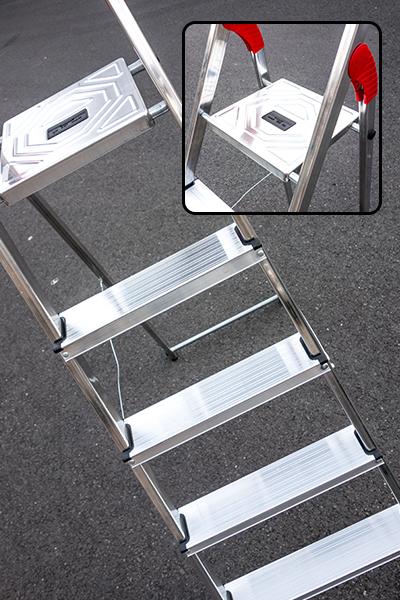
Let me introduce you to the 5-step aluminium ladder. This is by no means a replacement for an actual pair of hands. But I have found it quite useful, and anything that helps is better than nothing at all.

5-Step-Aluminium-ladder

This 5-step aluminium ladder is very versatile and extremely lightweight.

 5 tips for using a step ladder in photography

  1. Portability – This particular ladder that I have weighs only 4.2kg/9.2Ibs. It can fit into my Volkswagon Golf car on the inside. If you have a roof rack, this is a better option, as it is so light to put it up and take it down. It is extremely easy to move it around with one hand.
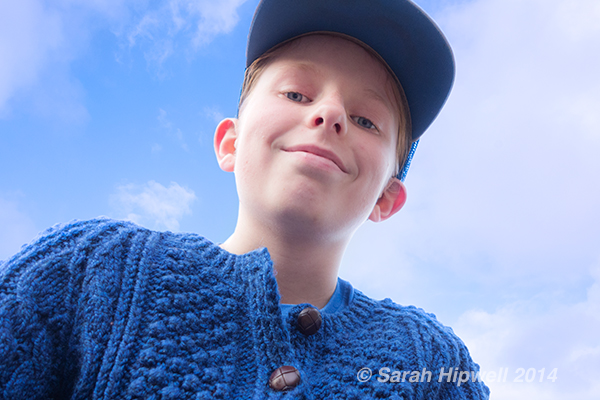
  2. Point of view – Getting that extra height for an overhead shot by standing on the fourth step and resting your knee on the top platform gives you more stability. A small child could sit on the top shelf and you could get a nice shot from underneath with a blue sky as the background.
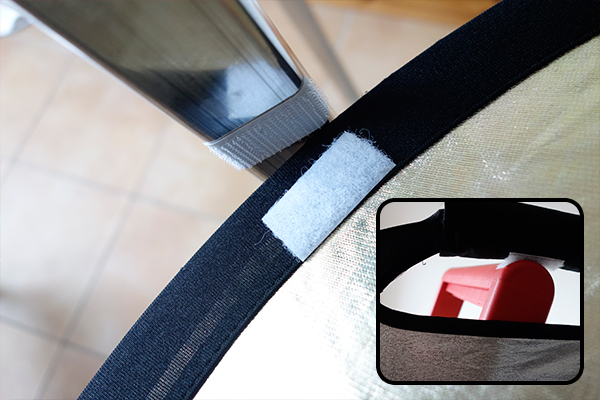
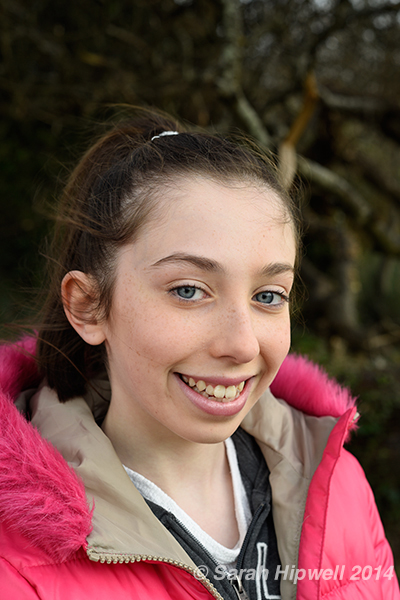
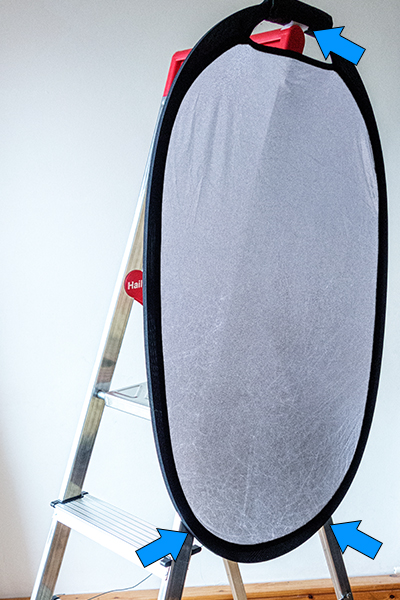
  3. Reflector holder – I find using reflectors for taking portrait shots indispensable, especially outdoors. For my reflector, I cut three self-adhesive velcro strips and attached them to the reflector and to the corresponding areas on the ladder. Once in place, you can then direct your subject from behind the camera on how far or near they stand next to the reflector. I tried it out on a really windy day. The day was overcast and I chose a spot under a tree to really test out the reflector. The reflector was securely attached using the velcro strips but as the ladder is so light, it was inclined to take off in the wind. I placed my camera bag on the top rung of the ladder which acted like a sandbag to stabilize it. Although crude, it did work.
  4. Helps eliminate camera shake – Hand holding your camera and resting your elbows on the top platform helps to reduce camera shake and provides added stability when holding your camera.
  5. As a make-shift light stand – You want to use one of your flashes off-camera but you have forgotten your light stand. Light stands can topple over if there is a gust of wind. Although, you could use sand bags arranged around the base of the stand to make it more stable. But, that is assuming you have such an item(s) or thought to bring them in the first place! This is where the extra pair of hands is great to hold the light stand.
POV_worm_eye_view

The top rung of this ladder is quite narrow, so there is only room for a small child.

Velcro_strips_on_reflector_and_ladder

Velcro self-adhesive strips on the reflector and on one of the ladder legs.

Shot_reflector-in-place

The reflector is attached to the ladder on left of the subject.

reflector_ladder_self-adhesive_velcro-tape

The reflector is attached to the ladder using three self-adhesive velcro strips.

The design of this ladder is very stable considering how light weight it is.

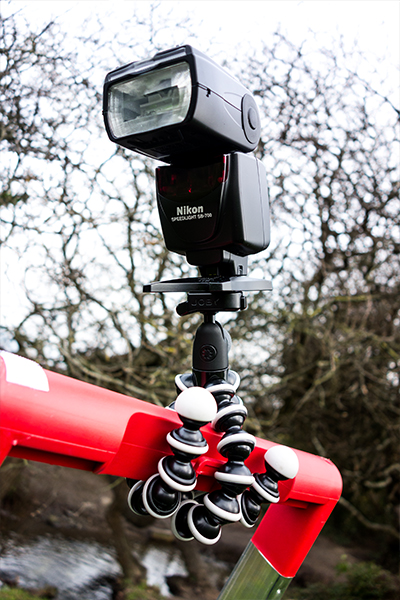
I really love this Joby tripod where you pop on your flash and wrap it around the top part of the ladder. It is then easy to move the head of the flash in the direction you want.

Flash_on_ladder

Flash attached to the ladder using a Joby tripod.

This type of ladder can be found in most people’s garages. Even if you don’t use it for your photography, it is still a very useful item to have. At this time of year, if you buy fir trees to decorate with baubles, tinsel and fairy lights, a step ladder is handy to put that star or whatever on top. In a few weeks time, you’ll need that step-up to take it down.

googletag.cmd.push(function() {
tablet_slots.push( googletag.defineSlot( “/1005424/_dPSv4_tab-all-article-bottom_(300×250)”, [300, 250], “pb-ad-78623” ).addService( googletag.pubads() ) ); } );

googletag.cmd.push(function() {
mobile_slots.push( googletag.defineSlot( “/1005424/_dPSv4_mob-all-article-bottom_(300×250)”, [300, 250], “pb-ad-78158” ).addService( googletag.pubads() ) ); } );

The post How a Step Ladder is Useful for your Photography by Sarah Hipwell appeared first on Digital Photography School.


Digital Photography School

 
Comments Off on How a Step Ladder is Useful for your Photography

Posted in Photography