RSS
 

Posts Tagged ‘Photography’

7 Travel Photography Tips Your Tour Guide Won’t Tell You

14 May

This article is sponsored by the New York Institute of Photography. NYIP offers high-quality online photography courses that are affordable, convenient, and accredited.

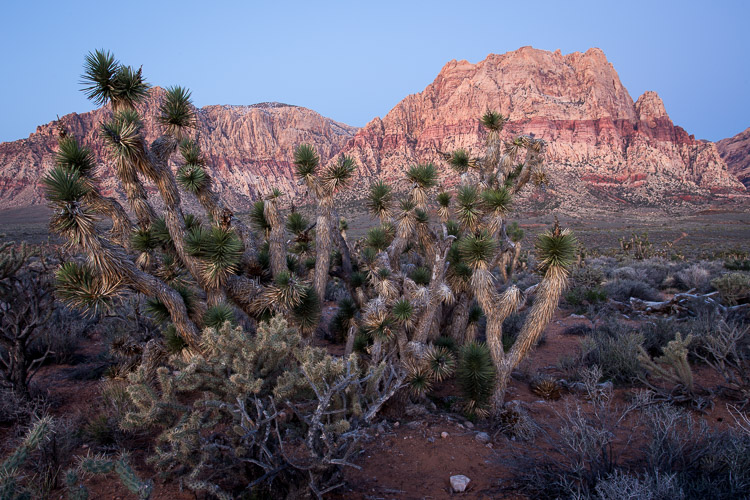
Beauty is hiding in plain sight, but only for those who learn to see beyond the obvious. To capture the heart of a region through your lens, you must connect with a place on a deeper level. This often involves slowing down and immersing yourself in the culture of those who call it home. By doing so, you become more than just a tourist with a camera, but a participant searching for truth and understanding. Every corner of this earth has its own unique characteristics, and the successful travel photographer exposes these differences in a way that others can relate to.
chris_corradino_travel_1

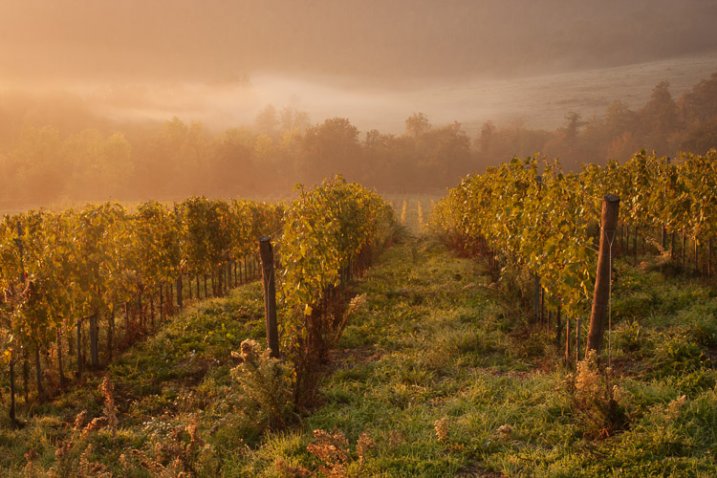
1) Search for Simplicity

It seems counterintuitive, but in searching for clean, simple compositions, your photos will benefit from a new level of sophistication. As Paulo Coelho said,

“Elegance is achieved when all that is superfluous has been discarded and the human being discovers simplicity and concentration: the simpler and more sober the posture, the more beautiful it will be.”

When visiting new places, sensory overload can overwhelm even the most deliberate photographers. This is where a slow, methodical pace will have a big impact on your work. Large bus tours with heavy agendas don’t typically allow the necessary time to capture the look and feel of a place. Instead, try a self guided tour, or a small group that caters to photographers.
chris_corradino_travel_2

2) Include a Human Element

Many photographers struggle with the idea of adding people to their compositions. After all, it can be unnerving to include a stranger in your composition. Yet, by working a human element into your travel work, your photography will become more visually engaging. Not only does it create a sense of scale, but they become more salable for stock photography. You’ll just need to secure a model release in order to do this. With a number of smart phone and tablet apps for releases, this no longer needs to be an awkward exchange of actual paper documents. For the participant’s cooperation, you can offer to send a high resolution copy of the image.
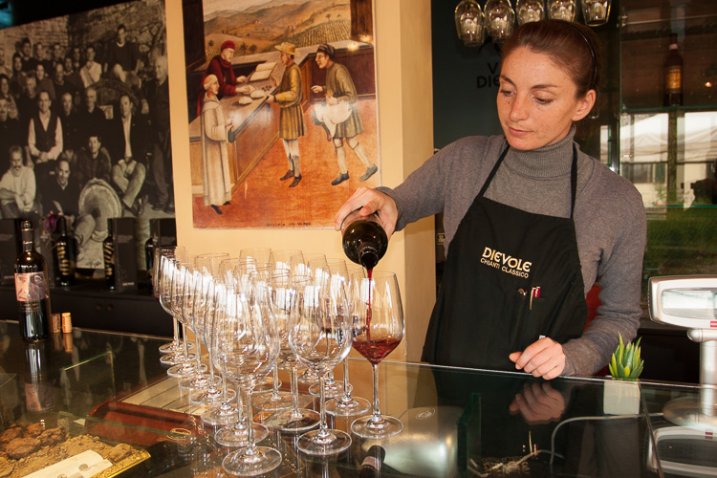
chris_corradino_travel_3

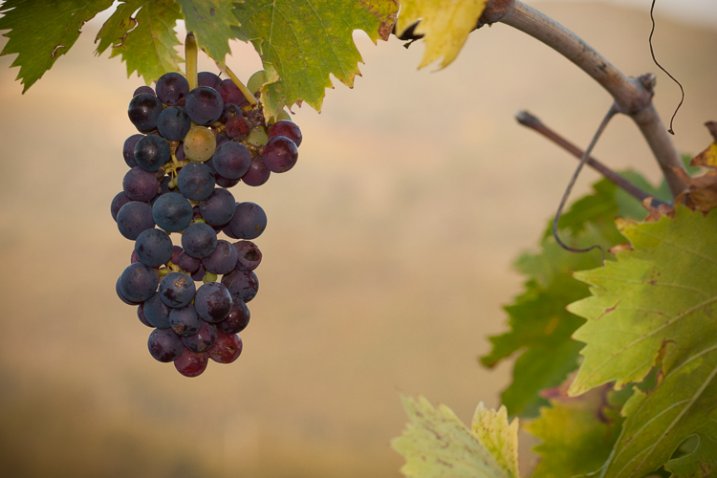
3) Think Small

We all love to shoot scenic vistas bathed in the golden light of magic hour. While these dramatic landscapes can certainly round out a portfolio, it’s what you do with the remainder of the day that sets your collection apart. As you explore a location through your lens, think of yourself as a visual detective. No detail is too small. It’s the little things that ultimately add up to form the bigger picture.

chris_corradino_travel_4

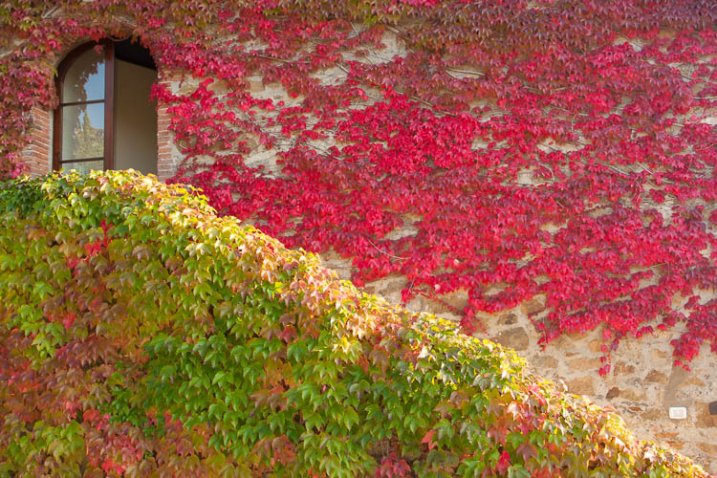
4) No Rest for the Weary

Anyone who says you should pack your camera away midday is doing you a disservice. Contrary to what many suggest, the light is good all day, even at high noon. The trick is to best match the various qualities of light to your subject matter. A rolling green landscape can appear lush and vibrant with the simple twist of a circular polarizing filter. Why limit your photography to the hours around sunrise and sunset?
chris_corradino_travel7

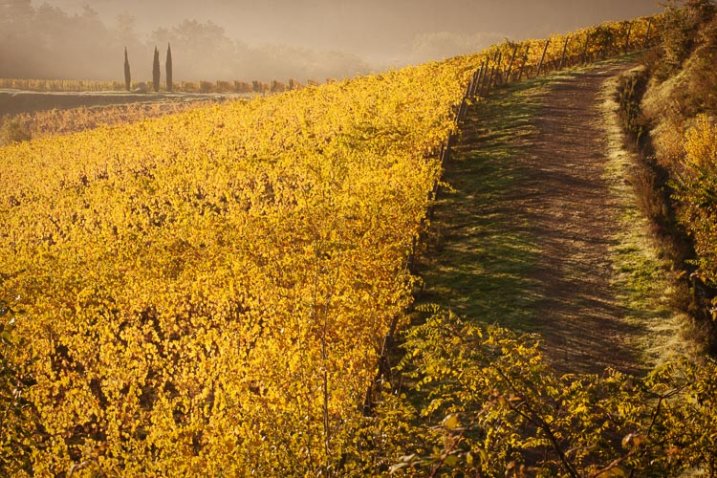
5) Plan on Getting Lost

Researching potential shooting locations on the web is an essential part of any pre-trip preparation. With tools like the Photographer’s Ephemeris, you can study the precise time and locations of sunrise and sunset, along with with the moon phase. While this is helpful to create a basic shot list, remember to leave some time for unexpected adventure. Recognize that things will not always work out as planned. Getting lost is sometimes the only way to find what you’re looking for.
chris_corradino_travel5

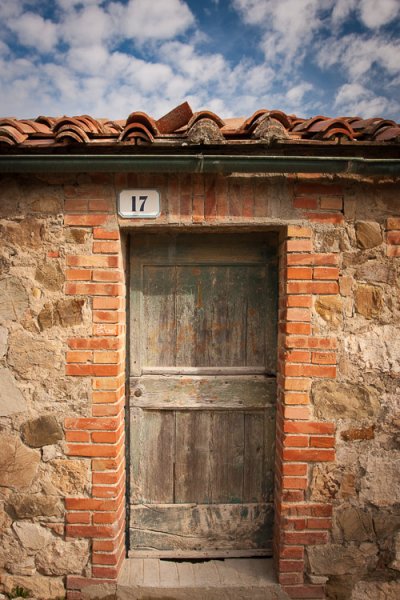
6) X Does Not Always Mark the Spot

It seems that even the most remote destinations have been photographed from nearly every perspective. This doesn’t mean you shouldn’t shoot them however. Instead, consider it a personal challenge to go one step further and create something unique. How can you take what’s already been done, and make it yours? It’s this vision that separates your work from the masses.
chris_corradino_travel_6

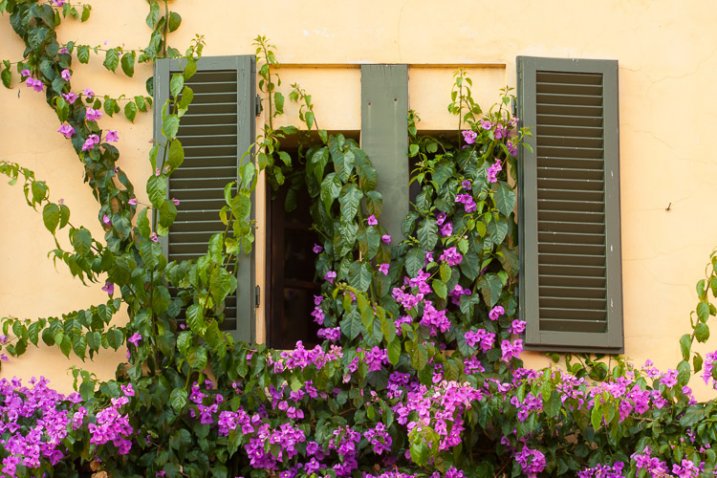
7) Explore Beyond Your Zoom’s Range

Zoom lenses give you the ability to change your focal length with a flick of the wrist. This is indeed convenient for many types of photography including travel work. Yet, if you limit your perspective to what the lens provides, you’ll miss out on a number of great opportunities. Travel photography calls for us to explore beyond the end of our zoom range. Let curiosity guide your compositions and the nature of a place will reveal itself.
chris_corradino_travel 8

This article is sponsored by the New York Institute of Photography. NYIP offers high-quality online photography courses that are affordable, convenient, and accredited. Chris Corradino is a paid instructor with NYIP. 

googletag.cmd.push(function() {
tablet_slots.push( googletag.defineSlot( “/1005424/_dPSv4_tab-all-article-bottom_(300×250)”, [300, 250], “pb-ad-78623” ).addService( googletag.pubads() ) ); } );

googletag.cmd.push(function() {
mobile_slots.push( googletag.defineSlot( “/1005424/_dPSv4_mob-all-article-bottom_(300×250)”, [300, 250], “pb-ad-78158” ).addService( googletag.pubads() ) ); } );

The post 7 Travel Photography Tips Your Tour Guide Won’t Tell You by Chris Corradino appeared first on Digital Photography School.
Digital Photography School

 
Comments Off on 7 Travel Photography Tips Your Tour Guide Won’t Tell You

Posted in Photography


Building Cultural Friendships with Photography

13 May

As a photographer you’re probably always looking for ways to expand your subject range, or trying to find new ways to shoot your favorite genre with a twist. That means your neighborhood has been thoroughly explored, your family has seen less of you in person, and more of you behind a lens and any event, big or small, is an opportunity. One great solution is to travel!

But translating your passion from your local environment that you know so well, to a place that you have never been, much less don’t speak the language or have any idea about their culture, can be intimidating to say the least. Even more, travelling is expensive so making the most of it is now more important than ever. Don’t worry, your camera can be a great tool to help you integrate into a situation that will give you great shots, and wonderful memories that may last long after your holiday ends.

Do you wish you had that one photo of those people that you just missed? Do you remember a moment which gave you the desire to return one day, but it is only a memory? Or do you want a more personal touch to your travel photos? Well, let’s put an end to travel photos which are simply full of famous towers, museums and oh so many food photos, and start bridging the gap between people using our camera and photography.

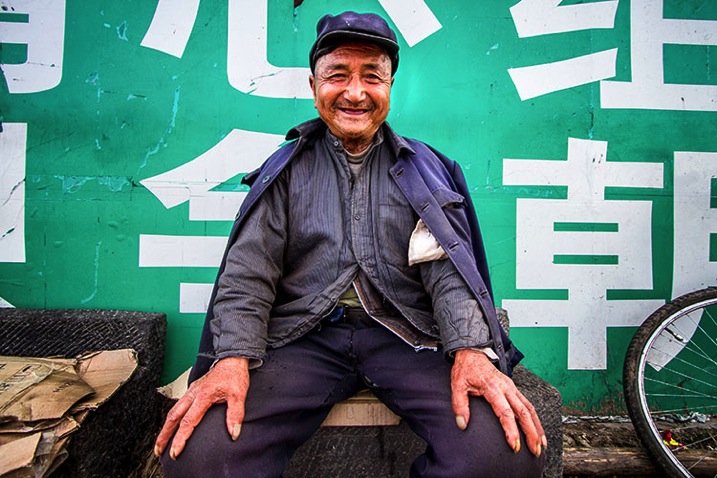
Show your camera but make eye contact first

001 Eye Contact IMG 6746 2 resized

Using good eye contact I was able to approach this man with a wide angle lens.

This lets people know that you care for them first and the photo second. Showing a commitment to the person validates them, shows respect, and begins a level of trust. With these three elements you have created the foundation for friendship, and also opportunities for photography. It also allows them to duck out of the way if they don’t want to be photographed. Let your first impression to them be as a person and second as a photographer.

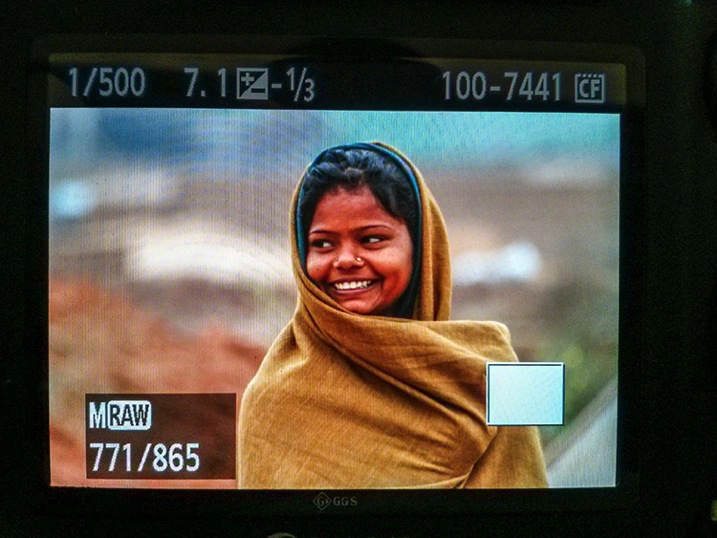
Chimp the photo, for others

Chimping is the act of looking at your LCD screen checking exposure, your histogram, etc., which is often accompanied by a short monkey like chirp in response to the image and thus the verbiage chimping. This is usually done for yourself, the photographer, but when you are travelling this a great communication technique. It immediately allows you to connect with the people around you. This is a great way for you to share the moment, especially with one person whom you would like to develop a better friendship, or to show more compassion. In many developing nations people have never seen a photo of themselves and the excitement is overwhelming. These moments can be the beginnings of longer term relationships, or at a minimum great photo opportunities.

002 Chimp IMG 20140124 192620 2 resized

This young laborer had never seen a photo of herself before she saw the back of my LCD screen.

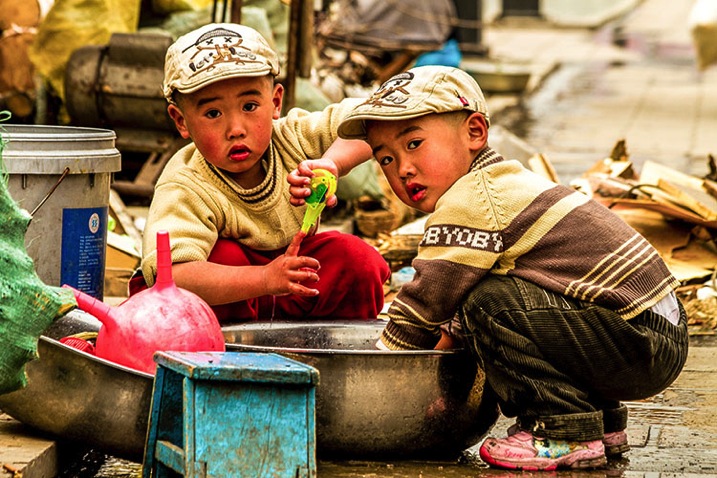
Let the scene develop

The Decisive Moment is a frequently used term in photography that suggests quick action, or always being ready as the moment presents itself. That the moment is fleeting. But, when developing relationships in different cultures, being patient is a virtue, thus, striking a balance between the two is to your advantage. In many cases some of the most interesting subjects may be more shy, reserved, or even curiously suspicious. After all you are on holiday -relax and enjoy the moment.

003 Scen Dev IMG 4911 2 resized

So many toys and one little boy suggested a friend must be near. Who knew it would be his twin.

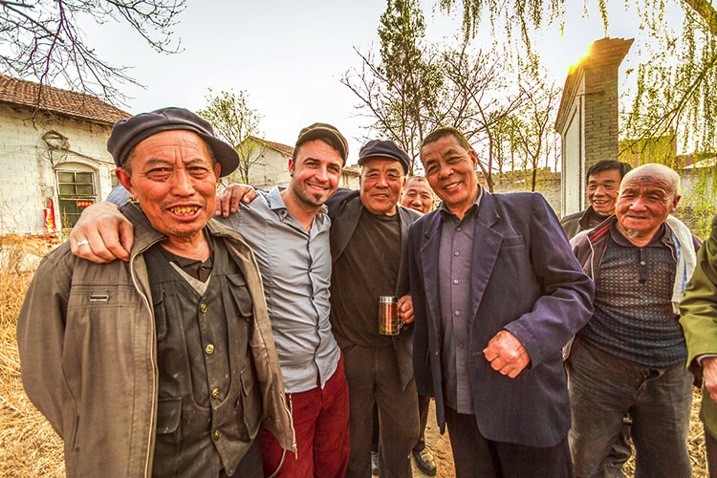
Get rid of the voyeur attitude

You are a person and so are they; all the cultural bells and whistles are just add-ons. Yes, the costumes and customs make for great photos, but to them you have a costume too, so use this to your advantage. In some corners of the world you will definitely become the subject of the photo, or even the whole village. Wealth can be measured in many ways, so while poverty deserves empathy, pity could take away from possible friendships.

004 Voy Att IMG 4271 2 resized

Someone sticks out like a sore thumb, just so happens to be the traveler, use that to your advantage.

Be adventurous and push your boundaries

Don’t be afraid to get out of your element. After all, that is why you are travelling and not watching a travelling program on the TV. Jumping on a camel cart or venturing into a local market are the norms for where you have travelled. It may be strange to you, but what is stranger, from their perspective, is why you wouldn’t get on, or go in. These places are great photography opportunities because the local people see you less as a tourist and more integrated into the everyday normal routine. They go about their business and you can go about your photography.

005 Push Bound IMG 1529 2 resized

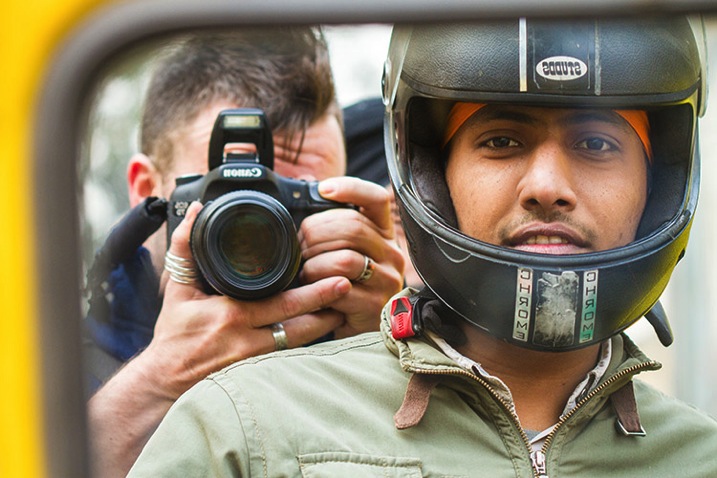
On the back of a moped with a local is a great way to see a city that is not documented in the guidebook.

Stick to your word

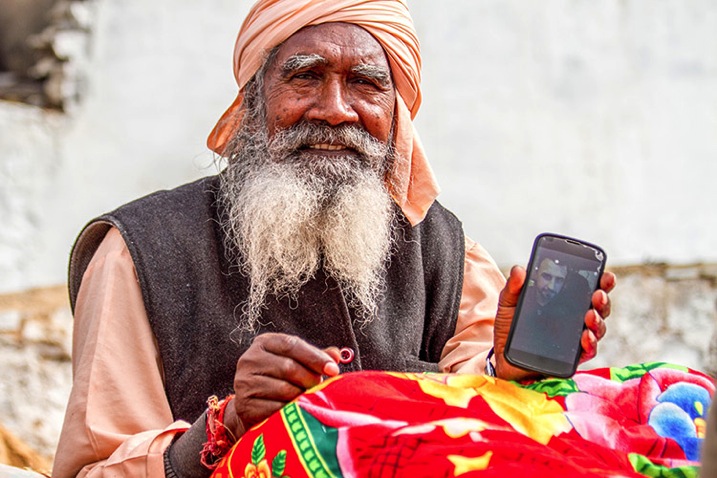
If you say you will send a picture, send the picture. That’s easier than ever now with email and mobile devices. There are so many social media platforms that sharing is almost hard not to do. Find out what is the popular social media in the area where you are travelling. Download the app back at the hotel over Wi-Fi and send out the photo. Even taking a picture of the back of your LCD screen with your smart phone and sending it that way shows that you care.

006 Your Word IMG 7661 2 resized

Mobile devices are pervasive and extremely important even in rural communities.

Wait, there is more! The really great news is that not only do you come home with some distinct and unique photos AND potential long term friendships from abroad, you will also gain fresh ideas about your own area which you knew so well. Why? When you have a cultural experience outside of your norm, it creates contrast to your normal life, and therefor can inspire you to see more creatively into what was your daily routine. This will open new opportunities for photography that you didn’t previously see. So, rediscover the uniqueness of your own culture when you return home.

Today with social media and modern technology, long distance friendships can be pursued more easily and cheaply than ever before. A single photograph can be the beginning of a long term friend. So share your photos, ideas and tips below.

googletag.cmd.push(function() {
tablet_slots.push( googletag.defineSlot( “/1005424/_dPSv4_tab-all-article-bottom_(300×250)”, [300, 250], “pb-ad-78623” ).addService( googletag.pubads() ) ); } );

googletag.cmd.push(function() {
mobile_slots.push( googletag.defineSlot( “/1005424/_dPSv4_mob-all-article-bottom_(300×250)”, [300, 250], “pb-ad-78158” ).addService( googletag.pubads() ) ); } );

The post Building Cultural Friendships with Photography by Branson Quenzer appeared first on Digital Photography School.

Digital Photography School

 
Comments Off on Building Cultural Friendships with Photography

Posted in Photography


10 Tools to Make Your Photography Blog Rock

13 May

These days blogging is not only a tool to share your thoughts and tips with the public, but is also a tool through which to promote your products and services, attract new clients and increase conversions. It’s an easy and low cost method to get your brand noticed. Moreover, for photographers, it’s a great opportunity to get on the top Continue Reading

The post 10 Tools to Make Your Photography Blog Rock appeared first on Photodoto.


Photodoto

 
Comments Off on 10 Tools to Make Your Photography Blog Rock

Posted in Photography


5 Reasons You Should Learn Long Exposure Photography

12 May

Long exposure imagery is an interesting and highly satisfying technique of creating images. It requires you to use the manual mode or sometimes shutter priority mode to control your shutter speed.

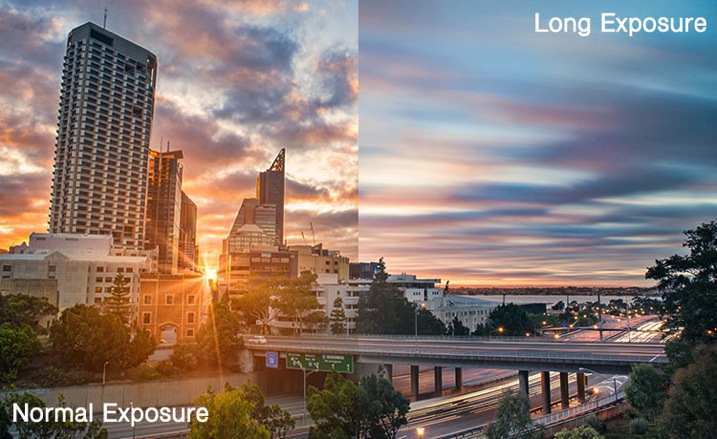
Normal vs Long exposure

Shutter priority mode is marked on Nikon camera with ‘S’ and on Canon systems with ‘Tv’. They mean the exact same thing. When you switch to shutter priority mode you can select the shutter speed while the camera selects the appropriate aperture.

Obviously if you need a bit more flexibility, you should use the manual mode, where both shutter speed and aperture value are in your control. That helps you to maintain a long shutter speed while also controlling the depth of field.

At this point you would probably be asking yourself why you would need to shoot long exposure images. Wouldn’t shooting such exposures risk your images to be washed out? This is because there are some other tools and techniques involved in the process as well. Such as using ND filters or using exposure compensation to find the right aperture / shutter speed combination that allows sufficient light over a long period of time without risking a washed out image.

So why should you learn how to shoot long exposure images?

1. You can record an image over a long period of time.

Something that evidently means an action is recorded as it unfurls in front of the camera. For example, clouds moving across the sky in a landscape image creates a beautiful blurred effect that gives the hint of time passage. The same thing happens when you shoot an image of a pier and the surf coming back and forth is recorded over a long period of time. The final result will be a beautiful misty look.

2. You can make waterfalls become silky.

Water fall

If you love nature photography there are probably a million different subjects that you could shoot using the long exposure technique. Waterfalls are often shot using a slow shutter speed which basically results in a long blurred line of water and accentuates the overall surreal look of the image. I call this “silky waterfalls”.

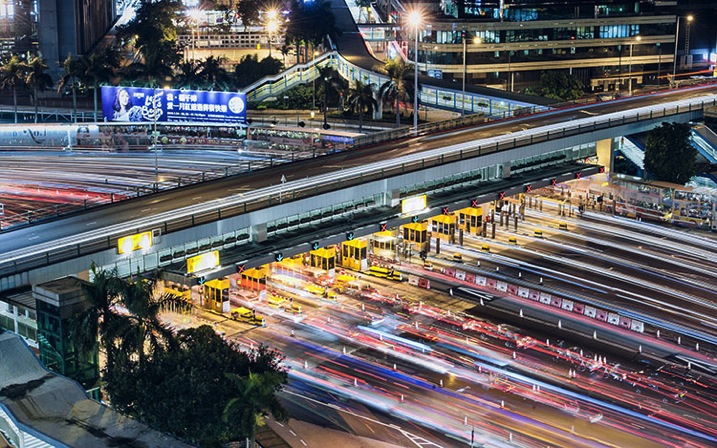
3. You can capture trails of lights.

Light trail

Long exposure technique is perfect for night time photography as well. You can shoot star trails, light trails, light painting, or even fireworks. All of these subjects require a long shutter speed which allow the sensor to be exposed to the light movement. These topics, when doing right, can capture a beautiful pattern of light in the final image easily.

4. You can make the annoying pedestrians disappear.

There are certain unique perspectives to get if you are prepared to use the long exposure technique in broad daylight. It is not difficult, you will just need an ND filter. What I have in mind primarily is street photos. Let’s say you are photographing a busy street at noon. You want a look when nobody is around. On a busy street right in the middle of the day, it is seemingly an impossible task. Not if you know how to use an ND filer.

A ten stop ND filter, something like a Lee big-stopper, is what you need. You can first meter for the scene, then attach the filter to the front of the lens. A ten-stop filter will allow you to use a shutter speed of up to 10 stops slower than what you metered initially, without the filter. That will make everybody simply disappear. If you do it the right way, what you will get in your image is a city completely devoid of people! Like a postapocalyptic
scene, it will be an amazing image.

5. You can easily create B&W fine art photographs.

Another reason you would want to shoot long exposure photos is to enhance your black and white compositions. Black and white images are somehow more powerful than color images.

Sydney bridge

It is the contrast, the different shades of grey, ranging from pure white to pure black, the shapes, the forms, everything seems to appear more interesting. The greatest disadvantage of B&W images is that, well, they are devoid of color. That, however, is also the greatest advantage. Because without color, the essential aspects of composition and the underlying story comes to the forefront.

Do you have any other compelling reasons to do long exposure photography? Please share in the comments below.

googletag.cmd.push(function() {
tablet_slots.push( googletag.defineSlot( “/1005424/_dPSv4_tab-all-article-bottom_(300×250)”, [300, 250], “pb-ad-78623” ).addService( googletag.pubads() ) ); } );

googletag.cmd.push(function() {
mobile_slots.push( googletag.defineSlot( “/1005424/_dPSv4_mob-all-article-bottom_(300×250)”, [300, 250], “pb-ad-78158” ).addService( googletag.pubads() ) ); } );

The post 5 Reasons You Should Learn Long Exposure Photography by Kevin Choi appeared first on Digital Photography School.

Digital Photography School

 
Comments Off on 5 Reasons You Should Learn Long Exposure Photography

Posted in Photography


How to do More Unique Flower Photography

10 May

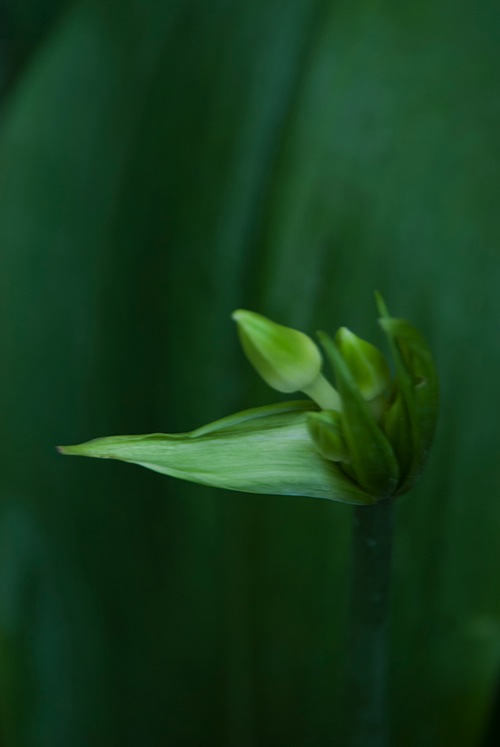
Do you love to photograph flowers? Flowers are the most beautiful things to photograph. They have texture, color and come in wonderful shapes.

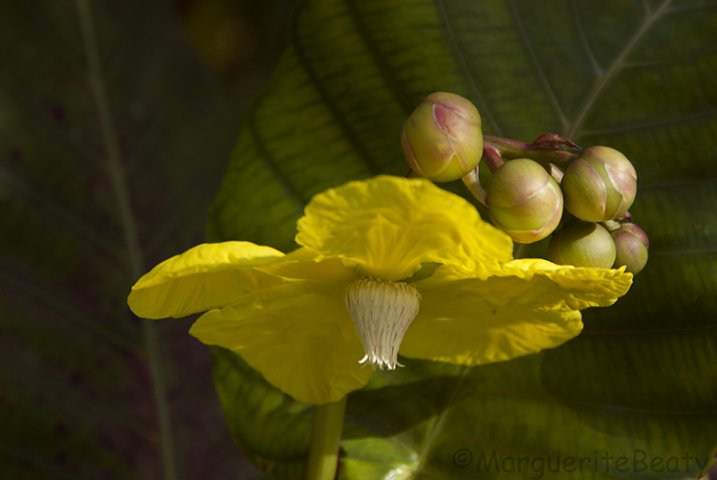
MBeaty 2

To create unique flower photography:

  • Use a 50mm or a telephoto lens.
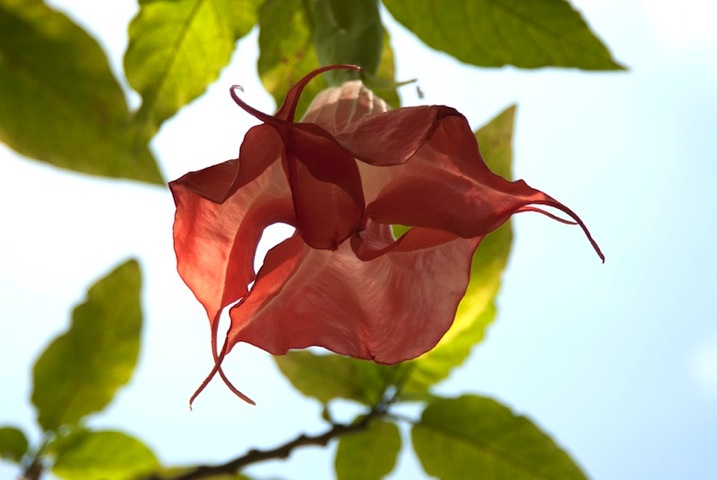
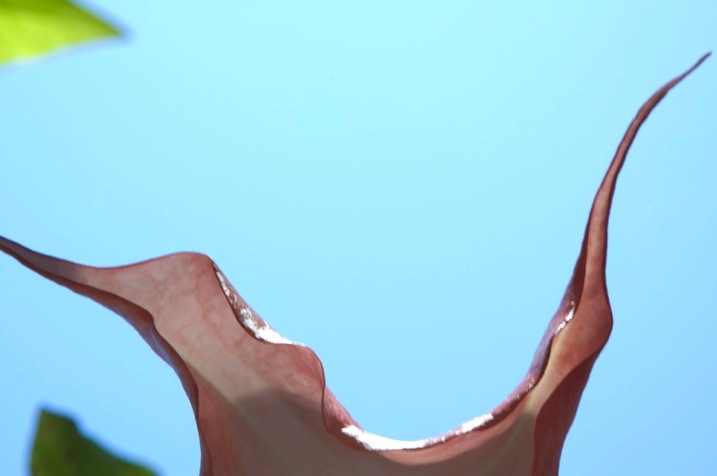
  • Photograph with backlighting to enhance the transparency of the petals.
  • Choose camera angle carefully – photograph from below to obtain unusual shapes, photograph at eye-level to create a realistic look.
  • Get closer – try making an abstract
  • Look for great backgrounds – declutter the is using bokeh and a shallow depth of field.
  • Quality and color of light – photograph under diffused lighting, during the golden hour, or with the sun at an angle to enhance color, texture and depth.

MBEATY 6

About lenses

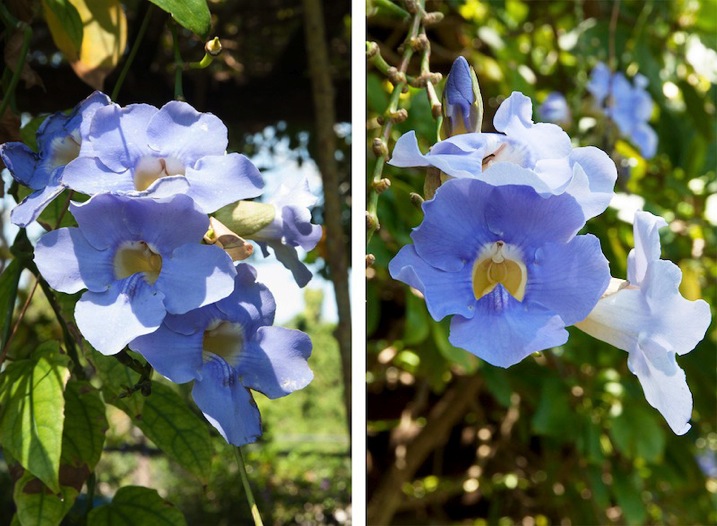
A wide-angle lens will allow you to add more background and may distort a bit depending on the camera angle. You will have more details in your photograph. A 50mm or a short telephoto will allow you to show the flower with little environmental information. It will not distort the flower.

Backlight it

MBEATY Photo 1

Use back lighting to enhance the petals. Some petals have a beautiful translucence. You will see the awesome veins and their designs. Shoot your photos of flowers towards the sky. If the sky is blue it will add a nice contrast and if it’s cloudy it will add drama to your photograph. Be aware that the sun needs to be on either side of your flower. The sun should not be pointing towards your camera or you will get a silhouette or lens flare.

Choose your camera angle

Photograph from below the flower and you will see unusual shapes. Many people forget to shoot from this position. It may not be the most comfortable one (you might find yourself flat on a pebbled ground) but it’s worth a try. You will find very original views and shapes from this viewpoint.

MBEATY photo 7

Change the camera position often. Photograph with the camera at eye level for a more realistic look and then photograph from above and below.

When you find a flower, move around and look for a good angle. If the background has too many things going on you will need to change the camera height or the position.

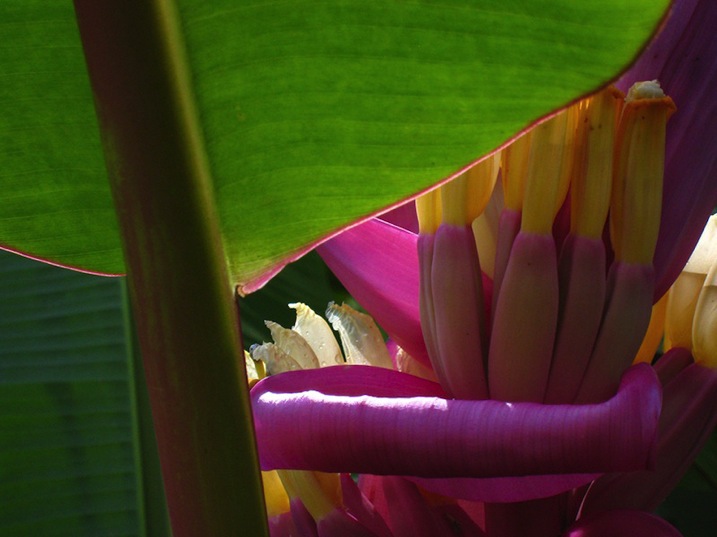
Get close – make an abstract

Get close to the flower. Make your photograph about texture and color. Have you thought about how to extract and abstract your flower? Photograph parts of the flower with parts of background details. The closer you get the more abstract your image will become. You will eventually start to show lines or just color.

MBEATY photo 4

When you dissect an object, it will appear in a very different way than when you originally saw it. You will be showing your point of view. Your unique creativity will be taking over the composition. Study your flower and change its look with your framing.

The Background

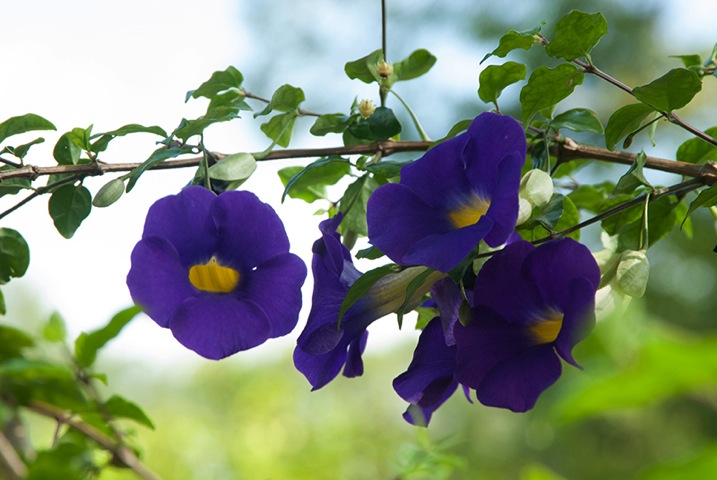
Have you noticed that when the background looks good, everything will look good? This is why it’s a good idea for you to photograph with a large aperture. You will be able to soften up the background and make the composition exclusively about the flower.

Make sure to declutter your background so that your flower will be the center of attention. You can declutter by using a shallow depth of field and by moving around until you find a suitable background. Use the stems and leaves to frame the flower. They will add an interesting design to your image.

MBEATY photo 3

A good way to declutter the background is to shoot with a large aperture. This means that you can use f/1.4, f/2.0, f/2.8, etc. Bokeh is also a great way to declutter the background. It will add a surreal look and make the flower stand out.

If you who have a zoom lens with the largest aperture of f/4.0 or f/5.6: Set your lens to 50mm or 70mm. To blur the background nicely, the flower needs to be far away from the background. Make sure that you are close to the flower and the flower is at least three to five feet away from the background.

If you are photographing with backlight it’s not crucial to have a blurry background because the sky will provide for the background.

MBEATY  photo 2

How to show texture

Photograph when the sun is at a low angle to enhance texture. Late afternoon or early morning will provide for a good sun angle. You will obtain great texture when you photograph under diffused light. This can be in the shade, or on bright, but cloudy days. The diffused light will provide for even lighting and the textures and details of the flower will be enhanced.

If you want to show the leaves and parts of the flower an f-stop of f/8 will be good.

Light – quality and color

The color of your flower will be subject to the quality of the light you are shooting under. You will like the effect that you get when you work under a nice soft and diffused light. The nuances of the colors will show up more. You will see more tone variations. Depth will be more visible. When you add that to the shallow depth of field technique, your flower will have an artistic and special look.

MBEATY photo 5 Bad light and good light2

Photograph during the golden hour (early morning and sunset) to achieve a lovely warm tone on your flower. This light is a soft light. It will show depth and dimension and give it a realistic look. It is best to have the sun coming from either side. It’s very flattering to the flower.

The worst type of light is midday sunlight, and when the sun is hitting the subject directly (from the camera angle not the side). These two lights will make the flower look flat and the whole photograph will lack depth. Avoid midday sunlight and direct light.

Do you have any additional tips for doing more unique flower photos? Please share in the comments below.

googletag.cmd.push(function() {
tablet_slots.push( googletag.defineSlot( “/1005424/_dPSv4_tab-all-article-bottom_(300×250)”, [300, 250], “pb-ad-78623” ).addService( googletag.pubads() ) ); } );

googletag.cmd.push(function() {
mobile_slots.push( googletag.defineSlot( “/1005424/_dPSv4_mob-all-article-bottom_(300×250)”, [300, 250], “pb-ad-78158” ).addService( googletag.pubads() ) ); } );

The post How to do More Unique Flower Photography by Marguerite Beaty appeared first on Digital Photography School.

Digital Photography School

 
Comments Off on How to do More Unique Flower Photography

Posted in Photography


15 Cheap Yet Fabulous Gifts for Your Photography Clients

09 May

If you’re in the photography industry, leaving your clients with a good impression at the end of a job is very important. The best way to show your clients that you enjoyed working with them is a small gift which you can give them as part of your photo delivery package. Giving a pen with your logo on it is Continue Reading

The post 15 Cheap Yet Fabulous Gifts for Your Photography Clients appeared first on Photodoto.


Photodoto

 
Comments Off on 15 Cheap Yet Fabulous Gifts for Your Photography Clients

Posted in Photography


Weekly Photography Challenge – Places of Worship

09 May

Today I rounded up some images of some special places. Some architectural wonders, many full of history – all special to the people who visit them. This is various places of worship.

Neil Howard

By Neil Howard


That could mean a number of different types of buildings and places including:

  • Small home town churches
  • Basilicas
  • Mosques
  • Synagogues
  • Temples
  • Wats
  • Even cemeteries

Weekly Photography Challenge – Places of Worship

In my quest for example images I found a lot of HDR images of interiors – many that were quite a bit over done, at least for my tastes. I even found some of my own images dating back to 2010 when I first started experimenting with HDR and they were making my eyes bleed – my own images! See this article on the stages of HDR photographers, see if you can relate.

So I redid a few from the Montreal Notre Dame Basilica, an amazing thing to see and photograph. I used the new Lightroom 6 (CC) Merge to HDR feature – see what you think.

churches-dps717px-01

churches-dps717px-02

churches-dps717px-03

Just for comparison here are my old versions, my first attempts from 2010. Even pros and teachers make mistakes but we aren’t too big to admit them.

Multiple image HDR

churches-dps717px-05

churches-dps717px-06

“Ewww” right? I agree – let’s move on!

Okay here are some other good examples (in my opinion) of places of worship.

Darlene Hildebrandt

By Darlene Hildebrandt (also my image from Salt Lake City)

Michael Caven

By Michael Caven

Stròlic Furlàn - Davide Gabino

By Stròlic Furlàn – Davide Gabino

Forest Wander

By Forest Wander

Jeff Wallace

By Jeff Wallace

Matthias Rhomberg

By Matthias Rhomberg

Kah-Wai Lin

By Kah-Wai Lin

Now it’s your turn. Think outside the box to other places besides those listed about that might be considered for worship. A quiet outdoor coffee shop, how about sunrise on a deserted beach? What places do people go to find solice and think, or pray (if so inclined)?

Note: please be respectful of people inside places or worship. Those are NOT public areas and you do not have free rights to photograph them. By all means photograph the architecture if you’re allowed but always ask before taking someone’s photo inside. 

Share your images here:

Simply upload your shot into the comment field (look for the little camera icon in the Disqus comments section) and they’ll get embedded for us all to see or if you’d prefer upload them to your favourite photo sharing site and leave the link to them. Show me your best images in this week’s challenge. Sometimes it takes a while for an image to appear so be patient and try not to post the same image twice.

A couple more ideas from my own image collection. Keep in mind you can do bits and pieces of places too, not just grand sweeping wide angle shots. How quiet is this shot of the candles? How meaningful is it though, and does it tell a story of the place?

churches-dps717px-07

OLYMPUS DIGITAL CAMERA


googletag.cmd.push(function() {
tablet_slots.push( googletag.defineSlot( “/1005424/_dPSv4_tab-all-article-bottom_(300×250)”, [300, 250], “pb-ad-78623” ).addService( googletag.pubads() ) ); } );

googletag.cmd.push(function() {
mobile_slots.push( googletag.defineSlot( “/1005424/_dPSv4_mob-all-article-bottom_(300×250)”, [300, 250], “pb-ad-78158” ).addService( googletag.pubads() ) ); } );

The post Weekly Photography Challenge – Places of Worship by Darlene Hildebrandt appeared first on Digital Photography School.

Digital Photography School

 
Comments Off on Weekly Photography Challenge – Places of Worship

Posted in Photography


Exploring Abstract Photography: History, Philosophy, Inspiration

07 May

How do you as an artist express an emotion, an idea or a concept without referring back to something already loaded with meaning? How can you explore new visual territory hidden within old subjects you know well? Or what can you do to find some new inspiration and break out of your photographic rut? Abstract photography has the potential to be Continue Reading

The post Exploring Abstract Photography: History, Philosophy, Inspiration appeared first on Photodoto.


Photodoto

 
Comments Off on Exploring Abstract Photography: History, Philosophy, Inspiration

Posted in Photography


7 Landscape Photography Mistakes That Could be Ruining Your Photos

06 May

If your photos aren’t turning out the way you expect them to, new gear is not necessarily the answer. In fact, chances are you are making one of these seven common mistakes. Don’t be discouraged though; just as a musician needs time to refine their skills, so does a photographer. Once you recognize where the problem lies, it’s easy to make adjustments and achieve better results the next time out.

1) Shooting at the Wrong Time of Day

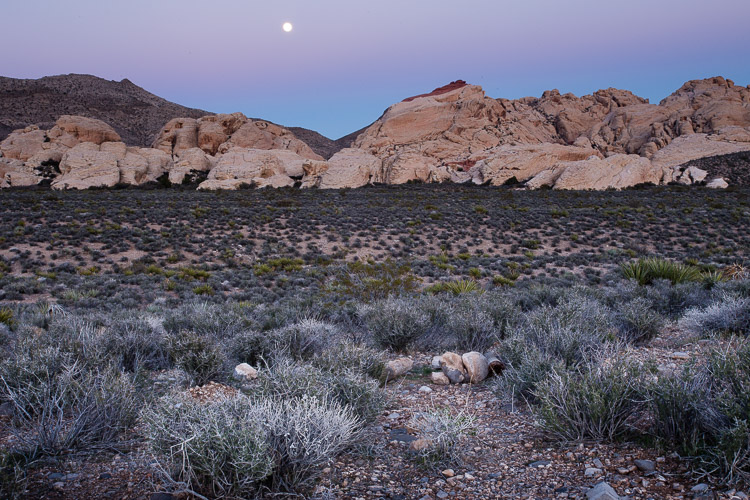
Harsh afternoon sunlight can wreak havoc on a landscape photo. With bright highlights and dark shadows, the contrast makes for especially difficult exposures. For truly dramatic scenic opportunities, dedicate the hours around sunrise and sunset to photography. You’ll be amazed at how few people are there to clutter your composition. With the soft light and colorful skies, your photos will take on a new level of natural beauty.

1_moonrise_red_rocks

2) Your Images Lack a Clear Subject

When you experience something grand, it’s tempting to try and include it all into one frame. The expansive landscape is undeniably beautiful but it’s lacking in any one point of importance. Before pressing the shutter, ask yourself “What is my subject?” If you’re able to provide an answer, you can learn to see like a camera. The human eye interprets a scene differently, heavily influenced by our peripheral vision and ability to scan from left to right. The camera however sees in a much simpler way, only able to record a small portion onto the sensor. By determining what the subject is, you can take the necessary steps to make an effective photo.

2_fire_wave

3) No Foreground

The gentle hues of dawn are worth getting out of bed for, but color alone won’t hold the viewer’s interest. To make a dramatic impact on your scenic and travel images, find a strong foreground element. This can be a field of flowers, a boulder, tree, or even a man-made object. The idea is to add visual interest all the way through the frame. As you explore various options, try several perspectives including ground level. By having this location worked out in advance, you’ll be ready to capture the fleeting light.

3_cactus

4) Lazy Composition

At nearly every scenic vista or photographic landmark, you’ll notice a definitive dirt spot where grass once grew. This well-worn spot is the final destination for scores of tourists who shoot the same photo year after year. Rather than following the crowd, take a quick loop around the area and search for unique perspectives. To more effectively communicate your vision, check all four corners of your viewfinder, and either zoom or physically move to make a stronger image. Do you need the fence in the bottom corner, or the tree that seems to enter the frame from nowhere? This type of attention to detail will help strengthen the composition in-the-camera which saves you time at home trying to clone out unwanted objects.

4_lake_louise

5) It’s Been Done Before

Automatic modes were designed to provide average results under a variety of conditions. While this can be effective on occasion, it’s fundamentally opposite of what you’re trying to achieve with your art. Do you really want your images to be just average? In order to go beyond the safe shot, creative photographers will push the boundaries to explore their own vision. Rather than trying to recreate what’s already been done, find your own twist on it. This may not always be in line with current trends, but who’s to say you’re attempts won’t cause their own stir.

5_brooklyn_bridge

6) There’s Too Much Contrast

One of the most common issues with scenic photos is the huge contrast difference between the foreground and the sky. The solution is not a new camera or complicated software. Actually, a simple tool known as the graduated neutral density filter is all you need. These commonly come in strengths of two (0.6), three (0.9), and four (1.2) stops. While HDR is another effective method, these filters allow you to achieve your vision in the camera at the time of exposure.

Start by manually spot metering the foreground. The goal is to expose in such a way that the foreground is not black, leaving some detail in the shadow areas. This could be at “-1″ on your meter, or “0”, or even “+1″. Of course if you are not sure which foreground looks best, bracket. Take a quick test shot and notice how the foreground looks well exposed but the sky is overexposed. The next step is where the magic happens.

6_without_filter

Get out your graduated neutral density filter and position the dark portion over the top part of the lens. This will darken the bright sky while leaving your foreground properly exposed. You can fine tune the effect by adjusting the filter placement up or down in the mount.

7_with_filter

7) Fear of High ISOs

You may be surprised to learn that a high ISO can be helpful for landscape photography. This is particularly true when shooting without a tripod or including a person in the frame. In these instances, the shutter speed can be no slower than about 1/125 to prevent camera shake and/or subject motion. Then, to achieve great depth of field and keep everything sharp from near to far, your desired aperture would be f/11 or f/16. With these two decisions made, you may take your photo only to find that it’s too dark. This is where the ISO comes into play. Simply double the ISO number and watch as the photo gets brighter.

Many photographers are overly sensitive about high ISO noise and refrain from using anything over 800. Instead they’ll slow down the shutter speed, rely on image stabilizers, or open the aperture wider. The results may look acceptable on the small LCD only to appear soft when viewed or printed larger. Like most aspects of photography, there is always a tradeoff to consider. Would you rather have a blurry, but noise-free photo, or a sharp image with a bit of noise? Considering that most image editing programs now offer terrific noise reduction options, the ISO noise isn’t as harmful as it once was.

8_tunnel

googletag.cmd.push(function() {
tablet_slots.push( googletag.defineSlot( “/1005424/_dPSv4_tab-all-article-bottom_(300×250)”, [300, 250], “pb-ad-78623” ).addService( googletag.pubads() ) ); } );

googletag.cmd.push(function() {
mobile_slots.push( googletag.defineSlot( “/1005424/_dPSv4_mob-all-article-bottom_(300×250)”, [300, 250], “pb-ad-78158” ).addService( googletag.pubads() ) ); } );

The post 7 Landscape Photography Mistakes That Could be Ruining Your Photos by Chris Corradino appeared first on Digital Photography School.


Digital Photography School

 
Comments Off on 7 Landscape Photography Mistakes That Could be Ruining Your Photos

Posted in Photography


Video Share – Travel Photography Hacks and Gear Tips

03 May

In these two videos travel photographers Brendan van Son shares some of his hacks for travel photography gear – how to go lighter and spend less money.

In this first one he offers eight photography hacks to help you while you’re out on the road:

  1. Welding glass as a neutral density filter
  2. Macro extension tubes instead of a macro lens
  3. 2x teleconverter to extend the range of your lenses
  4. Tripod/monopod combination (he mentions he uses one of the 3-Legged Thing models)
  5. Trigger Trap remote release
  6. Camera cap case
  7. WiFi EyeFi memory cards
  8. The Crop Sensor advantage

Watch the whole video to see how you can use those tips to your advantage when travelling.

In this second video he talks about different camera strap options and which is the best for travel photography.

The strap he mentions is the Indigo Marble designer sling.

Some other options are:

  • imo Camera Straps: Review – for a bit more fashionable and stylish strap.
  • Black Rapid RS-7 Camera Strap Review
  • Peak Design Capture Camera Clip v2 review
  • Preview of the Slide and Clutch Camera Carrying System from Peak Design
  • Spider Camera Holster Review

Do you have any other tips for hacking your travel photography bag? Please share with us in the comments below. What goodies have you found?

googletag.cmd.push(function() {
tablet_slots.push( googletag.defineSlot( “/1005424/_dPSv4_tab-all-article-bottom_(300×250)”, [300, 250], “pb-ad-78623” ).addService( googletag.pubads() ) ); } );

googletag.cmd.push(function() {
mobile_slots.push( googletag.defineSlot( “/1005424/_dPSv4_mob-all-article-bottom_(300×250)”, [300, 250], “pb-ad-78158” ).addService( googletag.pubads() ) ); } );

The post Video Share – Travel Photography Hacks and Gear Tips by Darlene Hildebrandt appeared first on Digital Photography School.

Digital Photography School

 
Comments Off on Video Share – Travel Photography Hacks and Gear Tips

Posted in Photography