RSS
 

Posts Tagged ‘Photography’

The Secret to Great Photography Portfolio

30 Jul

Secret to a better portfolio 4147

If you’ve been around the photography world for a short time, you probably have at least a basic grasp of the technical skills. You know how to manipulate depth of field with aperture, where to focus in a portrait, and how to compensate your exposure for extremes in shadows and highlights. Even knowing things like that, you’ve probably stumbled across some incredible portfolios or magazine spreads and asked, “How did they do that?” Or even “What’s their secret?”

The secret to a great photography portfolio is simple. It isn’t even a secret at all, although it’s not often talked about in photography communities. Simply put, the secret is:

Master the technical skills until they’re automatic, then go out and endlessly make photographs, a lot of photographs. Only a handful should ever be shown to anyone.

Photography is easy; at least the technical side. Yes, that’s a quite a contentious statement, but I’m not the one who said it. It was David Bailey being interviewed by Rankin and answering the question, “What makes a good photographer?” His answer was:

“You can learn to take pictures in three months. You can learn to draw in three months, but only technically. It’s where you go from there.”
Secret to a better portfolio 2266

The critical point is that it’s not the technical skills that make good photography. They’re vital ingredients but it’s how they’re put together with your subject to create an end result that is most important.

Think of it like cake. If you’re digging in to a piece of cake and you actually notice any of the individual elements of eggs, flour, butter or sugar, something’s gone horribly wrong in the baking process.

What comes after the technical skills?

There are two elements to consider when thinking about what to do next:

  • First, creating a lot of images and showing only a few.
  • Secondly, giving your subject comprehensive coverage.

Create many, show few

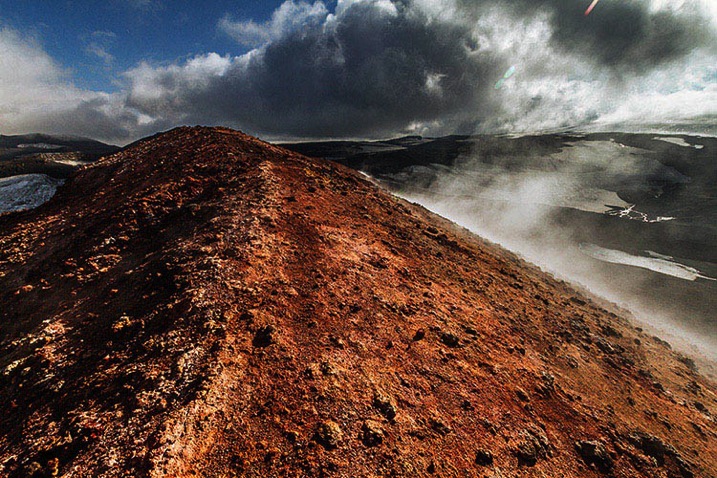
In an article, that I read a few years back, a National Geographic photographer said that they use to go through 1500 rolls of film to create a single set of 10 to 20 images for an article.
Secret to a better portfolio 4641

To translate that, assuming they used 120 film in a 6×9 medium format camera; that yields eight frames per roll of film. That’s 12,000 photographs. Also assume that those photographers would have bracketed one or two stops on either side. (Bracketing is the practice of taking a normally exposed photograph, then taking two more – generally one overexposed, one underexposed. This was useful in the days of transparency film which offered very little in terms of exposure latitude.) That brings the number to 4000. Finally, say 50% of those weren’t good enough to show the editor.

That leaves 2000 photographs that most people would probably be more than happy to have taken. The final spread used about a dozen of the very, very best or 0.6% of all of the images taken.

To apply this concept to your own portfolio, you have to learn how to be ruthless. If it isn’t your very best, scrap it. It can be hard work, especially considering the emotional connections we, as photographers, have with our work, but if you can learn to turn that off then your portfolio will be better for it.

Comprehensive coverage
Secret to a better portfolio 3347

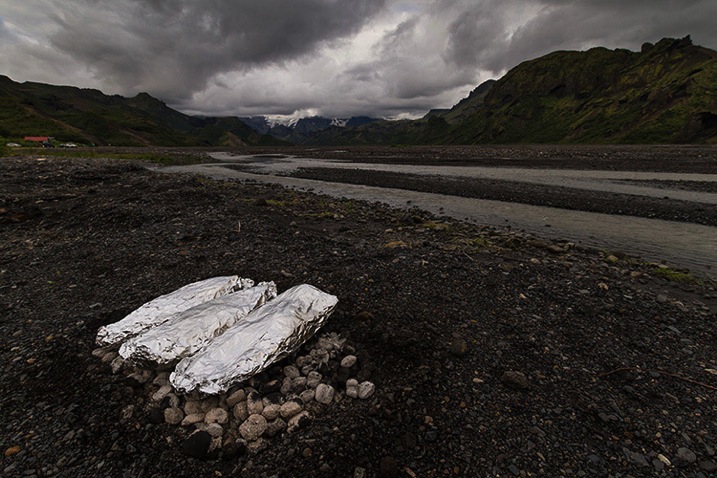
Back to dissecting National Geographic, my favourite article is one that covers the glamorous topic of caffeine. This one is a large spread and is made up of 23 photos.

Breaking it down: nine images are environmental portraits, six are classical reportage, six are still-lifes, and two are landscapes.

The set of photos also covers five countries and five US cities; all within 23 photos.

To cover every possible aspect associated with caffeine, the photographer for that piece documented several facets of the human element of the topic, from production workers, to scientists in labs, as well as the consumers. The landscape images in the article showed the environmental impact of caffeine.

Hopefully you’re starting to see what comprehensive means in this context. Of course, very few people have the kind of resources to approach a subject so thoroughly, but if you take the extra time to consider and follow through on other possible aspects of your subject matter, you may be surprised with the results.

Icing on the cake
Secret to a better portfolio 4944

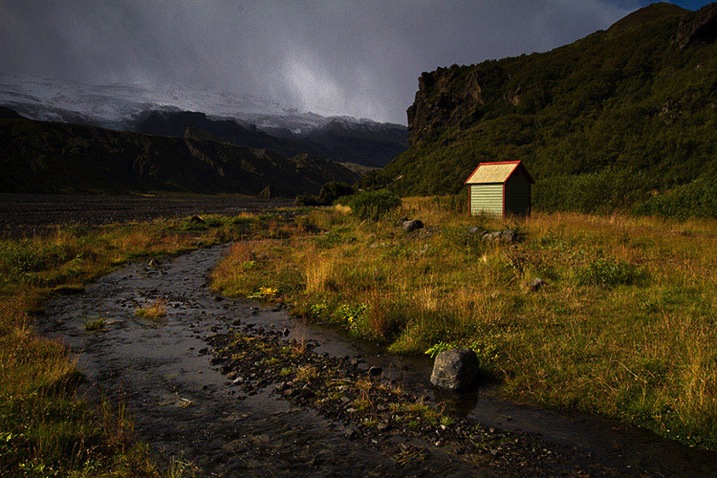
To return to the cake metaphor: when you’re at a bakery, you only see the shop floor, with the well presented finished products. You don’t see the chefs slogging through hours of batter and hot ovens. You don’t see the logistics of bringing chefs and ingredients together in the right place. You just see cake.

Hopefully, you now have a little more insight on what may have gone on behind the scenes, albeit a simplified interpretation, when you look at a photo that you admire, and what steps you can take to push yourself in that direction.

Just remember: get the technical skills mastered and out of the way, then go wild.

googletag.cmd.push(function() {
tablet_slots.push( googletag.defineSlot( “/1005424/_dPSv4_tab-all-article-bottom_(300×250)”, [300, 250], “pb-ad-78623” ).addService( googletag.pubads() ) ); } );

googletag.cmd.push(function() {
mobile_slots.push( googletag.defineSlot( “/1005424/_dPSv4_mob-all-article-bottom_(300×250)”, [300, 250], “pb-ad-78158” ).addService( googletag.pubads() ) ); } );

The post The Secret to Great Photography Portfolio by John McIntire appeared first on Digital Photography School.
Digital Photography School

 
Comments Off on The Secret to Great Photography Portfolio

Posted in Photography


Photo History Club: Pop Art Photography

29 Jul

I believe one could argue that the general population as a whole has historically had a messy, sometimes turbulent, relationship with art. As artists throughout time have sought to interpret their different realities and experiences as a human being, the end results we call “art” have, at times, ventured into increasingly esoteric realms. That is to say, difficult to understand Continue Reading

The post Photo History Club: Pop Art Photography appeared first on Photodoto.


Photodoto

 
Comments Off on Photo History Club: Pop Art Photography

Posted in Photography


10 Items You Need for Your Night Photography Kit

29 Jul
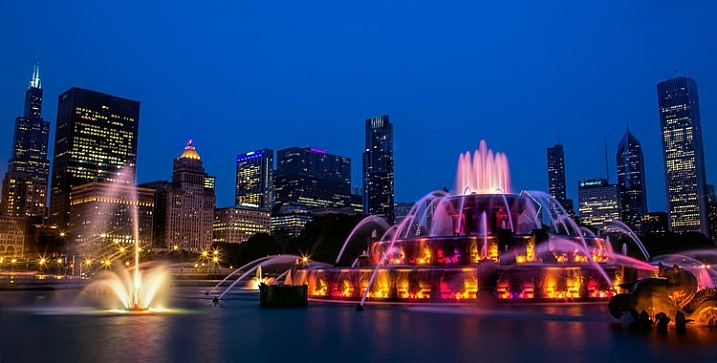
Night Photographers Toolbox - Buckingham Fountain in Chicago

Buckingham Fountain, Chicago (Shutter Speed: 10 seconds; Aperture f/18; ISO 100; focal length 21 mm)

Louis Pasteur famously said that “chance favors the prepared mind.” This statement definitely applies to photography, as there is always an element of chance, with the odds of success growing with preparation. The quote seems particularly applicable to night photography, which has unique requirements for exposure and stability. Preparation is everything.

Your odds of getting a great night photograph are greatly improved if you have taken the time make sure you have the tools needed to get the job done. In this article, you’ll learn the tools of the trade for the night photographer. You many not need all of these, but you will find most of them helpful – and some essential – for getting great pictures at night.

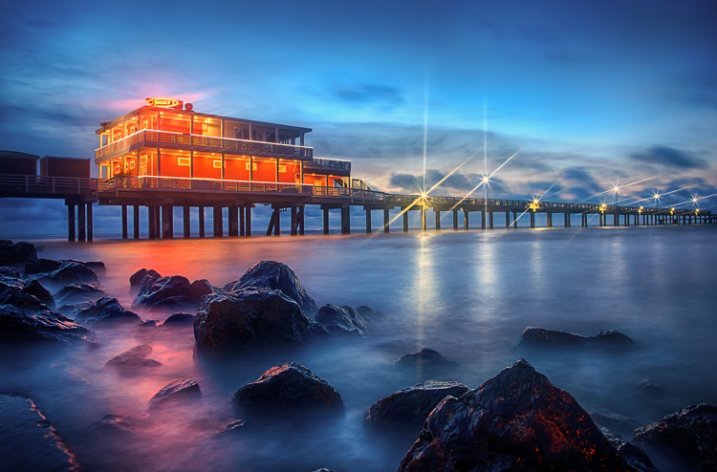
Night Photographer's Toolkit - Galveston fishing pier photo

Fishing Pier, Galveston, Texas (Shutter Speed: 3 image bracketed HDR of 5, 13, and 30 seconds; Aperture f/16; ISO 200; focal length 24 mm)

1. The Right Camera

It is perfectly obvious that you will need a camera for your night photography. But not just any camera will do. The adage that “the best camera is the one you have with you” does not apply to night photography. The first part of making sure you have the right camera is ensuring that it gives you the right amount of control. You will need one that:

  • Is capable of Raw capture, so that you can get the best image quality possible and keep digital noise to a minimum
  • Has manual controls, including manual exposure settings and manual focus, as sometimes it will be too dark for your camera’s auto-focus to work
  • Has Bulb mode for taking super-long exposures.

Beyond that, you will need a camera with good low-light performance. How do you tell that? It isn’t really that simple, and there is no particular specification you can check. Even if your camera is capable of shooting at high ISOs, that doesn’t necessarily mean that your pictures will look good at those levels. In other words, it doesn’t matter if your camera is capable of shooting at ISO 25,600 if pictures shot at ISO 1600 are full of digital noise.

Fortunately, there has been some testing done of cameras and their low light performance. Check out the testing done by DxO mark and DP review (check the review on their site for your particular model) to make sure your camera measures up.

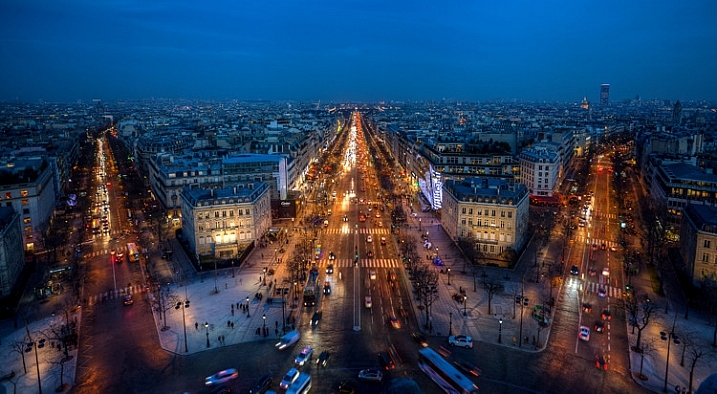
Night Photographers Toolkit - Champs Elysees from the Arc de Triomphe

Champs Elysees from atop the Arc de Triomphe, Paris (Shutter Speed: 3 image bracketed HDR of 1/4, 1/15, and 1 seconds; Aperture f/5.6; ISO 200; focal length 17 mm – note that these settings were used only because tripods are not allowed here)

2. A Small Flashlight

The next thing you’ll need is a flashlight. This will serve many purposes, one of which is helping you see your camera’s controls. That said, you should become extremely familiar with your camera before heading out, such that you can use the controls without even looking. You might even test yourself in a dark room before going.

In any case, having a flashlight with you will help with a variety of things, whether it be finding something in your bag, setting up your tripod, dealing with straps and other attachments, etc. There is no end of uses for a small flashlight, and flashlights are cheap, so you should definitely stash one (or perhaps a few) in your bag.

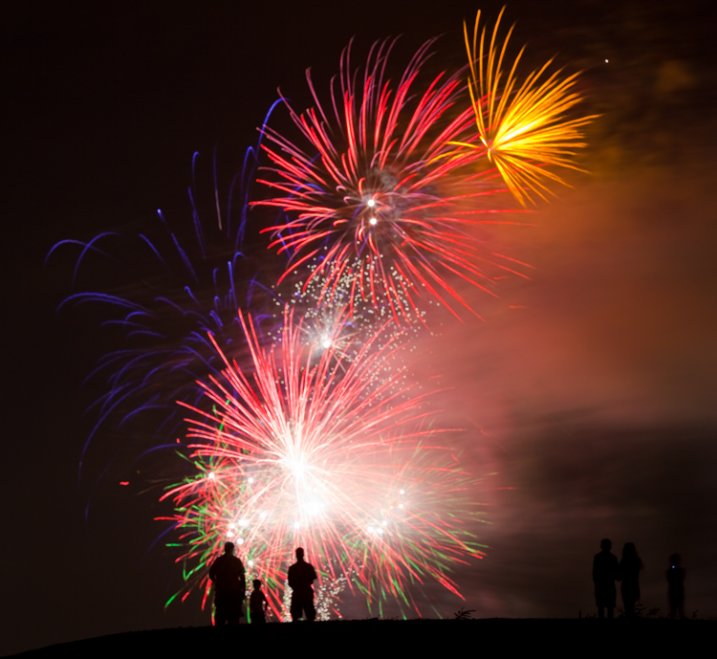
Night Photographer's Toolkit - fireworks picture

Fireworks in Southlake, Texas (Shutter Speed: 8 seconds; Aperture f/14; ISO 100; focal length 135 mm)

3. Spare Batteries

The long exposures that are inherent in night photography drain your camera battery at an alarming rate. In addition, when photographing at night, quite often you will be shooting using Live View, which will cause batteries to drain even faster. If you are dealing with cold temperatures, the battery power will be further limited. Therefore, night photography always calls for spare batteries.

Even if you have a battery grip with two fully-charged batteries, bring a couple of spares. Don’t take any chances. There is no getting around dead batteries – it means your night is over.

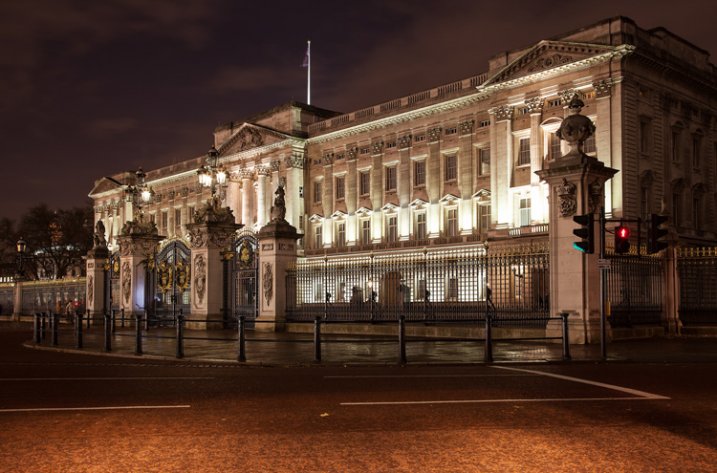
Night Photographer's Toolkit - Buckingham Palace picture

Buckingham Palace, London (Shutter Speed: 3 image bracketed HDR of 1.3, 5, and 20 seconds; Aperture f/8; ISO 400; focal length 35 mm)

4. Tripod

It is probably already obvious that you will need a tripod for your night photography, in order to keep the camera steady during the long exposures necessary due to the low light conditions. But what kind of tripod?

Most will recommend that you buy a very expensive, large, carbon-fiber tripod to keep your camera as steady as possible. To be sure, those sorts of tripods work great. In fact, if you aren’t going to do much walking – and you can afford it – you should definitely invest in a tripod like that.

Oftentimes, however, night photography involves a lot of walking around. Lugging around a big tripod when you are walking for miles is difficult, and limits your mobility as well. Why not start out with a lightweight, smaller, cheaper tripod? Check out something like a Me-Foto travel tripod or a Manfrotto BeFree. Unless you are using big, heavy lenses, they will hold your rig steady and are supremely portable. They don’t cost that much either. If you later decide you need a bigger, more substantial tripod (and you might) one of these smaller models will still make a great travel tripod.

Night Photographer's Toolkit - Times Square picture

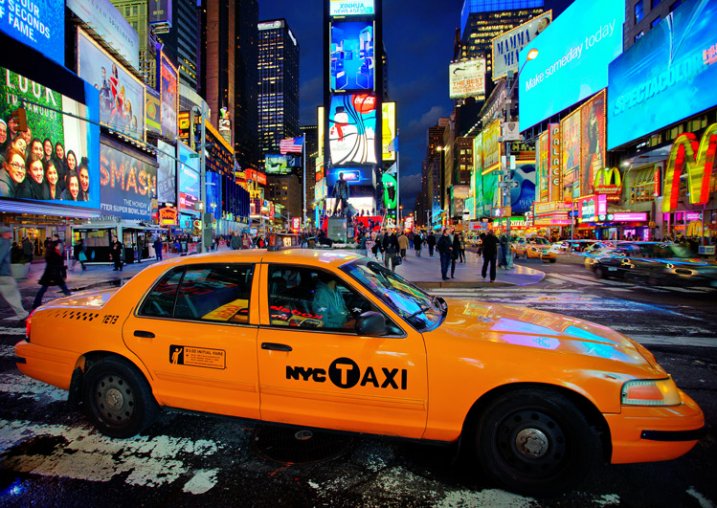
Times Square, New York (Shutter Speed: 1/100 seconds; Aperture f/4; ISO 800; focal length 17 mm – note that I used these settings only because I was forced to hand hold during this picture)

5. Remote Shutter Release (or intervalometer)

The idea behind a remote shutter release is that you are able to trigger the shutter without touching the camera, thereby avoiding shaking the camera during the exposure. They are a necessity for many photographers – especially night photographers.

The good news is that these are relatively cheap (really cheap if you don’t buy the Canon or Nikon models). What’s more, while they used to be nothing more than a way to click the shutter, there are models available now with many additional features, such as:

  • Timers and Exposure Length: These are useful when shooting in Bulb mode, which does not have a timer for shutter speed.
  • Intervals: Most models provide for shooting at intervals, which will also allow you to do time-lapse and star trails photography.
  • Delay: They will allow you to set delays (besides the 2 and 10 second delays built into most cameras).

6. Lens Hood

Night photography often involves harsh lights coming from different directions. Light hitting the front lens element from the side can lead to unwanted lens flare. A lens hood is designed to avoid this problem.

Many lenses came with a hood, but some do not. If your lens did not come with one, you can order one from the manufacturer or pick one up at a camera store. They are not too inconvenient to carry because you can store them on the lens by attaching it in a reverse position when you are not using it. When it comes time to shoot, turn the lens hood around to its proper position.

In addition, remember that a lens hood may do more to protect your lens than a UV filter. They protect the lens in the event that it is dropped or you bump into something.

7. Neutral Density Filters

googletag.cmd.push(function() {
tablet_slots.push( googletag.defineSlot( “/1005424/_dPSv4_tab-all-article-bottom_(300×250)”, [300, 250], “pb-ad-78623” ).addService( googletag.pubads() ) ); } );

googletag.cmd.push(function() {
mobile_slots.push( googletag.defineSlot( “/1005424/_dPSv4_mob-all-article-bottom_(300×250)”, [300, 250], “pb-ad-78158” ).addService( googletag.pubads() ) ); } );

The post 10 Items You Need for Your Night Photography Kit by Jim Hamel appeared first on Digital Photography School.

Digital Photography School

 
Comments Off on 10 Items You Need for Your Night Photography Kit

Posted in Photography


Photography Magazines: Why Print Is Losing To The Internet

28 Jul

Fashion Photography Magazines: Why Print Will Lose To The Internet

Hey there FashionPhotographyBlog.com readers. Recently, I received a request from a student fashion journalist on our FPBlog Facebook page asking me to offer opinions to help her out with her latest assignment. The question she posed was “Why online is overtaking print as the medium for hobby and trade magazines?” and more specifically those around the photography field. 


I was really glad to have been asked this question, because, not many people are aware that I have been involved in the digital space for almost a decade and have observed communication trends evolve over this time. I’ve made predictions over the years that have since came true, funnily enough. What this means is that I’m able to share my insights in regards to why the internet is steamrolling print and other traditional forms of media and what this means for photography as an industry.    


What we tend to forget as photographers is that photography as a craft, has always evolved with the technology at the time. It came into this world when painting was the respected art form, but gained its popularity after. From black and white film to photographs in color; from film to digital; from handheld cameras to smart phone photography. As you can see, the medium of photography is a product of human evolution.


The print industry, that includes book, magazine and newspaper publishing, are also susceptible to technological changes. Look how we read text these days; it’s through Kindles, smart phones, tablets, laptops and desktops. It’s how you are viewing this website :). This is why there are at least 3 reasons why I see photography trade and hobby magazines, jumping ship over the online threshold and providing their circulation on the web. These include being reachable, affordable and measurable.


Reachable:


– People can purchase and view hobby magazines online from the comfort of their homes anywhere in the world. Online publications are portable and accessible with the growth of smartphone usage.


– Nowadays anyone can access the internet in the palm their hands wherever they are.


– Online has a significant advantage in terms of reach, compared to products that are bound to physical locations, because consumers do not need to be in a specific location to purchase and interact with the product.  


Affordable:


– The cost of production and distribution is significantly less in creating digital products than it is with physical products.


– Overheads such as warehousing and transportation logistics, are no longer expense factors and replaced with the price of portable hard drives and cloud hosting.


– The price tag on technology-based services continue to trend down making it even more possible for consumers to have access to household internet, and digital product creators can create virtual products, such as online magazines, at much lower costs than manufacturing these products in physical form.    


Measurable:


– Interactions consumers make with online magazines or any virtual product, can be tracked. This means that data is more easily collected and decisions about the product can be made based on statistics rather than guess work.


– By analyzing the behavior of their customers, online magazine creators can evaluate what actually worked and what didn’t worked and make improvements based this feedback in time for the next issue, therefore continually improving and making changes in real time.


– With physical magazines, customer interaction and engagement is a lot harder to track.


The purpose of this article is not to discredit print mediums like photography hobby and trade magazines, or film. To this day I still love the smell of books and the feel of a glossy magazine in my hand, however as technology continues to evolve new doors open. Technology will make advancements whether we like it or not, so we should embrace it rather than trying to resist it and remember that, as photographers, we are participating in an art form that was born out of new technologies and innovation.


So what do you think of this discussion? Do you have an opinion on the future of printed photography hobby and trade magazines? Where do you see technology taking photography as a craft? Make your predictions the comment section below.


Fashion Photography Blog

 
Comments Off on Photography Magazines: Why Print Is Losing To The Internet

Posted in Uncategorized


4 Tips on How to Be Creative in Undesirable Photography Conditions

27 Jul

How many times have you arrived at a place and it just is not up to your expectations? There is nothing worse than wasting your time, especially when it was all planned out to be a good day. What a letdown. But, what if you could turn that around and produce something amazing? What if you can do it, and make a great photographic experience out of it? Well you can and it doesn’t take a lot of work, or a lot of camera equipment.

When We Were Young 717px

There are likely many times as a photographer where you have prepared all your gear and scouted your location, only to arrive at your destination and find that it was not all what you thought it was going to be. Maybe the light is not what you imagined, maybe the building was demolished, or maybe there are numerous people when you thought you would be the only photographer there. Many scenarios could come up, and that is why as a photographer you need to think on your toes and improvise.

So, how do you make a bad day of photography, turn into something meaningful that you can still be proud of? Unless you are in a studio, photography is a balance between action and inaction. What are the things you can control and what are the things out of your control? And in the moment of interaction between the two, how do you see and create your vision? The best photographers in the world don’t control more in the situation, they SEE more. So how do you see more in a bad situation?

1. Flip the script

Be flexible in your photographic visions. You may have a favorite type of photography like landscapes or portraiture, but that shouldn’t prohibit you from enjoying other aspects as well. If you expected to shoot people and the streets are empty, then shoot the buildings. If you expected sun and it rains, then shoot the boy playing in the puddles. Don’t struggle to create what the place or situation is not. Change your own narrative to fit the situation. This mindset means you are not always reacting, rather that you can be proactive in a new direction and creative in your story.

001 IBQ 3729 RESIZED

A rainy day in the famous Glockenspiel square of Munich. From the tower above you get a very different feel of the space.

2. Get up close

When you change your perspective there is a new world to be discovered. The easiest way to do this is by getting close, and that means to get down on your knees and elbows. There are always amazing creatures, delicate flowers, and wildly uncommon structures in tiny forms below our feet. So, when heading into unfamiliar environments bring your macro lens. In cases where the scenery or situation is really unappealing, something on the micro level will surely amaze you. The opposite of this would be to get further away to obscure the subject and give it a new setting. The point is to change the perspective.

002 When We Were Young  6 RESIZED

Macro photo of a sunflower in the mountains of NE China. You would never know how awful the weather was for the whole week.

3. Get in touch with your reaction

Allow yourself to feel the letdown or disappointment between what you originally hoped to find and what you are actually presented with. But, don’t let it decide your photographic destiny. This means do find creativity in the presented emotions. What are the emotions that are being portrayed in the scene? This could actually be done figuratively in an abstract way by photographing negative space to define your images. Or it could be done by finding images that literally match your mood. What is most important is that you are open to opportunity, not confined or limited by what your expectations were. By getting in touch with your photographic feelings you are freeing your photographic expressions.

003 IMG 3087 RESIZED

A splendid view of the Taj Mahal from Fort Agra was closed for cleaning. A real disappointment or an opportunity for a new story to be told?

4. Experiment

If you are not working professionally, and don’t need to get a specific shot that your customer has commissioned you to do, then you are free to experiment. When doing so, will you come home with some images that are going straight to the recycle bin? Yes. But, you will also learn something in the process. Thus, you will be increasing your photographic experience, discovering new techniques, and pushing your creative self.

Experimenting might mean going from Aperture Priority mode to fully Manual. Or it may mean that you will take some bracketed exposures even though you really don’t know how to combine them in an HDR software (yet). Or how about focus stacking? It could mean that you are adding light by using a flash. Whatever level you are at, or whatever gear you have purchased, think about how it could be used. When conditions don’t present themselves perfectly, it is a perfect situation to experiment.

004 IBQ 4683 Edit Edit 2 RESIZED

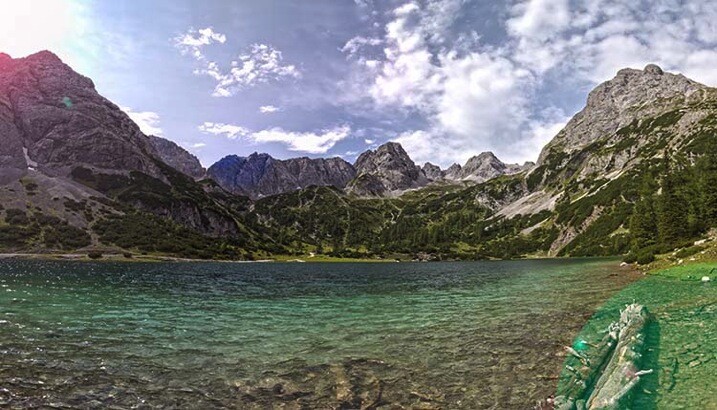
An HDR panoramic in the midday sun in the Austrian Alps. The sun was behind the mountains and high noon is not the best time for landscapes, so HDR was a possibility. A sun flare was also added in post-processing to experiment more with the image.

IMG 3836 Edit 2 Double Dip 717px

Double exposure experimentation

The grass is always greener on the other side of the fence. But that doesn’t mean you must be in the green pasture to get great results. There will always be conditions that are not ideal, and as alluded to above, great photographers don’t see constraints in difficult situations they see creative opportunity. So can you. Creativity is not spontaneous; it is habitual. Any creative person will tell you that their successes are predicated upon effort; so too, is much of photography. There are so many variables, that each time you go out with your camera, you really never know what you will get.

Stop thinking about how lucky you are if you get a perfect sunset, but how incredibly lucky you are when you need to be a constructively creative photographer and how you can turn a bad day of photography into a great series of images. So, no more excuses — go out and be the great photographer you are.

googletag.cmd.push(function() {
tablet_slots.push( googletag.defineSlot( “/1005424/_dPSv4_tab-all-article-bottom_(300×250)”, [300, 250], “pb-ad-78623” ).addService( googletag.pubads() ) ); } );

googletag.cmd.push(function() {
mobile_slots.push( googletag.defineSlot( “/1005424/_dPSv4_mob-all-article-bottom_(300×250)”, [300, 250], “pb-ad-78158” ).addService( googletag.pubads() ) ); } );

The post 4 Tips on How to Be Creative in Undesirable Photography Conditions by Branson Quenzer appeared first on Digital Photography School.

Digital Photography School

 
Comments Off on 4 Tips on How to Be Creative in Undesirable Photography Conditions

Posted in Photography


Weekly Photography Challenge – Ordinary Objects

25 Jul

The grass is always greener on the other side of the fence. There are always more interesting photography subjects somewhere else other than the place we live. Or are there?

Now is your chance to make photos from ordinary things you find in and around your own house and neighborhood.

Darwin Bell

By darwin Bell

Eduardo Mueses

By Eduardo Mueses

Weekly Photography Challenge – Ordinary Objects

So go find some old shoes, bottles, bottle caps, string, tools, kitchen utensils – anything that might make an interesting photo. The key to making great a photo of something you see every day is to use good lighting, camera angle, choose the right lens, and camera settings.

Perhaps you could try some macro photography, or black and white, or a new post-processing technique. The more you shoot near home and practice and experiment – the better you’ll be equipped for situations that present themselves later. Only putting in your 10,000 hours will get you to “expert” status.

Marco Monetti

By marco monetti

Nic Taylor

By Nic Taylor

YJ Khaw

By YJ Khaw

JD Hancock

By JD Hancock

JD Hancock

By JD Hancock

Caroline

By Caroline

Share your images below:

Simply upload your shot into the comment field (look for the little camera icon in the Disqus comments section) and they’ll get embedded for us all to see or if you’d prefer upload them to your favourite photo sharing site and leave the link to them. Show me your best images in this week’s challenge. Sometimes it takes a while for an image to appear so be patient and try not to post the same image twice.

googletag.cmd.push(function() {
tablet_slots.push( googletag.defineSlot( “/1005424/_dPSv4_tab-all-article-bottom_(300×250)”, [300, 250], “pb-ad-78623” ).addService( googletag.pubads() ) ); } );

googletag.cmd.push(function() {
mobile_slots.push( googletag.defineSlot( “/1005424/_dPSv4_mob-all-article-bottom_(300×250)”, [300, 250], “pb-ad-78158” ).addService( googletag.pubads() ) ); } );

The post Weekly Photography Challenge – Ordinary Objects by Darlene Hildebrandt appeared first on Digital Photography School.

Digital Photography School

 
Comments Off on Weekly Photography Challenge – Ordinary Objects

Posted in Photography


4 Steps to Help You Start a Documentary Photography Project

24 Jul

The thing you need to do for getting good ideas which are actually possible, is to weigh the game in your favour.

You need to be selective in your project choices, research well, and demonstrate an intense curiosity when pitching your project idea.

The four steps in this article will help you:

  • Use your interests to research and learn about a subject.
  • Demonstrate your curiosity to those who hold the key. These are the gatekeepers.
  • Gain access.
  • Start a documentary photography project.

Peter David Grant dps submission 1 of 7
Primarily a street photographer, using this method I transitioned into documenting places hidden behind closed doors, as you can too.

Step #1. What are you interested in?

The first thing to ask yourself is, what are you actually interested in? Grab your pen and pad, write down “What Interests Me?”, then number lines, 1 to 20.

Without thinking too much, fill in all the way down to the bottom of the list. The goal here isn’t to think about where your interests might go, but rather to give you a reference from which to work.

Peter David Grant dps submission 2 of 7
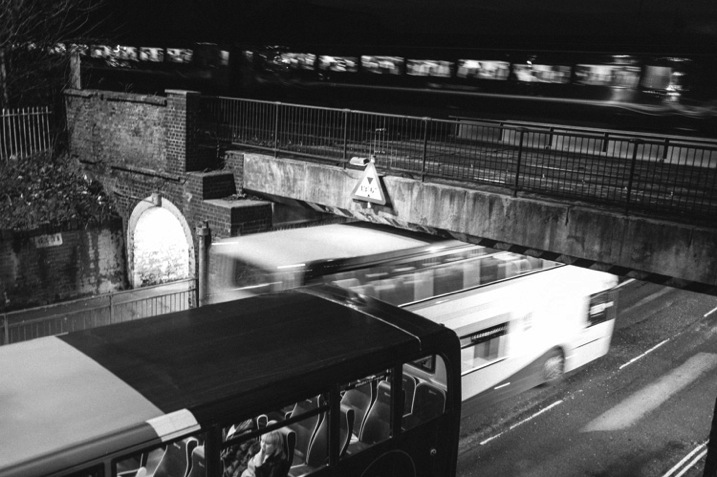
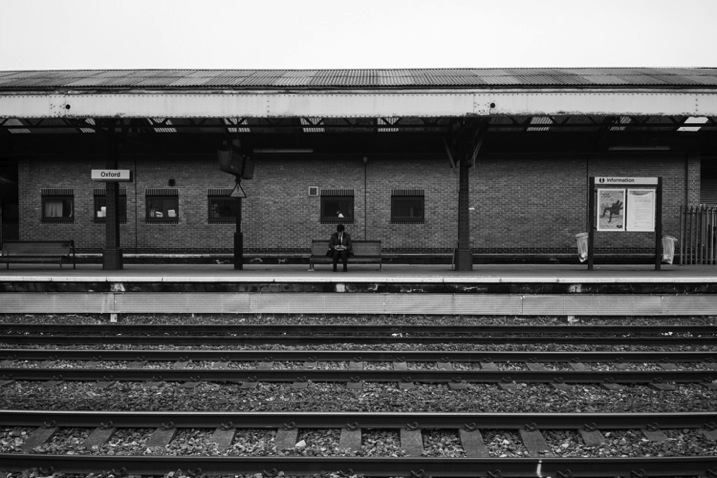
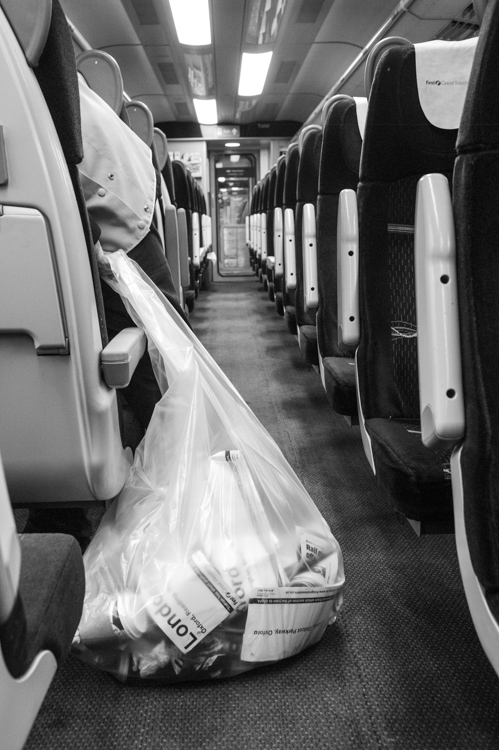
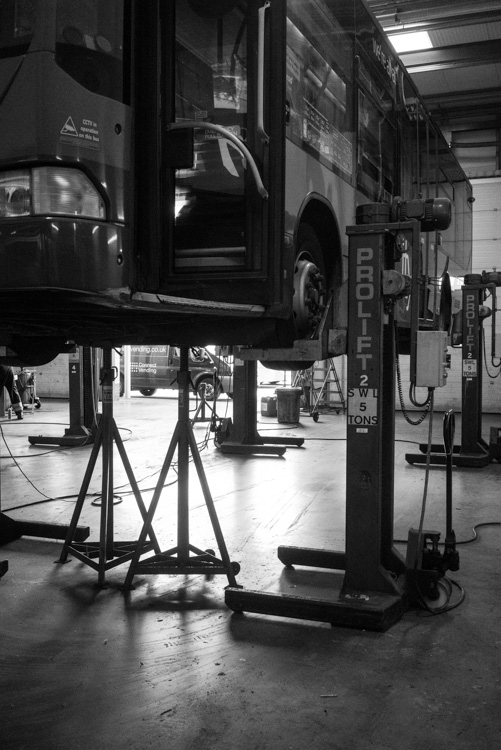
Look back at your photographs and see what you like to capture. Lots of street photographs like these were coming about due to my interest in transport. I’ve now started projects about the local train station, and a local bus company.

Step #2. Whittle down your list

Now that you’ve got your list of 20 interests, the next thing you need to do is get rid of those which are not visual in nature, or are impractical. For example, you should cross off astronaut training from your list, or following your favourite sports star around the world, as they do their thing. It just isn’t realistic, at least not in the early days.

Your goal here is to have a list of potentially visually stimulating interests which are readily accessible (assuming you gain access) to go back to over many visits. A key part about documentary photography is understanding what is going on, and picking up on the subtleties of the situations. You need to be able to go back again and again, build rapport, and blend in – because it is at that point that you’ll start producing quality photographs.

With the list reduced to those that are practical, which also have a visual interest, you should select three that you believe will be most interesting to others. This is important for a couple of reasons:

  1. You’re starting to think about what your audience will be thinking. This will be useful when it comes to talking to the gatekeepers, to use as a reason why you should document the subject.
  2. You’re thinking about what the gatekeepers find interesting. You need to be able to demonstrate empathy with the people you contact.

Finally, of those three interests, which one do you feel you know the most about? This makes the next step easier.

Peter David Grant dps submission 3 of 7
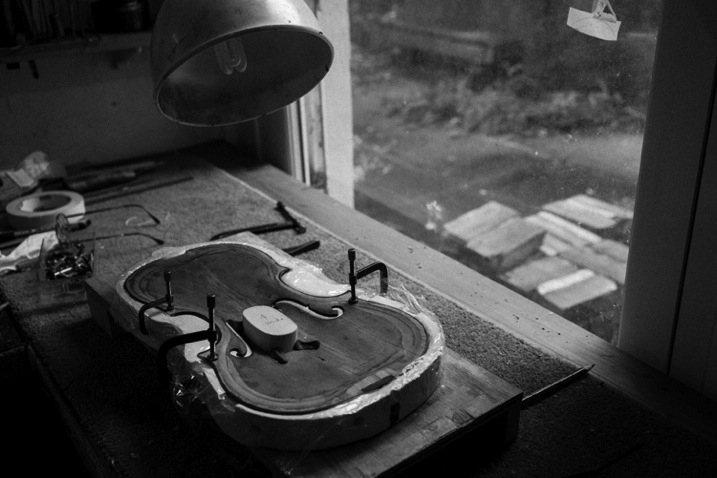
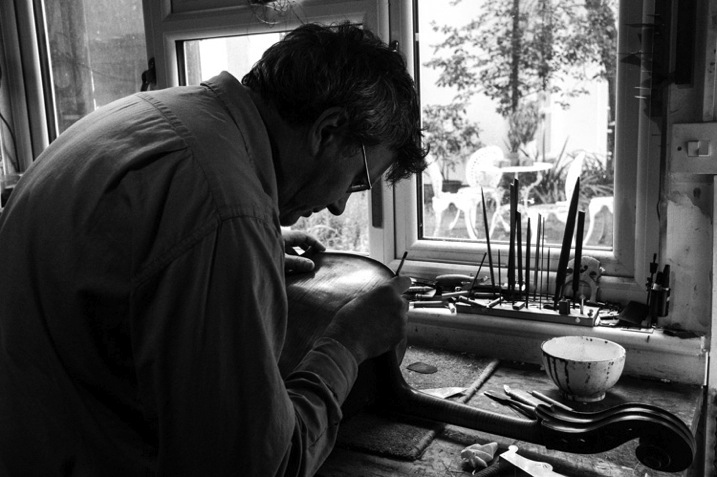
Don’t forget to think laterally. While I’m as musical as a crumbling wall, being an engineer, I could appreciate the design and material aspects of violin making.

Step #3. Research your interest and finding out who to contact

Once you’ve chosen your interest, you should further your understanding. Get your notebook again, start researching and make notes. Some suggestions:

  • Google your interest, and read the top three or four links.
  • Read the related Wikipedia article, making sure you follow any links that stand out.
  • If you’re researching a company, devour their website. Click every single page. Read everything.
  • Search on Google News for your interest.

While reading, in addition to anything that grabs your interest, keep an eye out for:

  • A name for someone you might be able to contact.
  • Something time sensitive which is changing. Part of documentary photography is recording something for historic purposes.

All of this collected information will form ammunition for your first contact, showing your knowledge, interest, and understanding of the subject. Remember this should be interesting stuff to you. If it feels like a chore, you’ve probably chosen the wrong interest as a subject, or aren’t connected with it.

Peter David Grant dps submission 4 of 7
You should be deeply interested in the subject. I had no problem spending hours, upon hours, researching the local train station, because I wanted an all-access pass so badly.

Next, you should consider your close friends and family. Do any of them have links to your interests? Those who do, are they in a position to give you the access you’re after? If so, great! They’re going to be who you contact. If they’re not, you should still talk with them about your interests, and desires. They might be able to put you in contact with a connection.

After you’ve found the person you’re going to contact, you should look for their details. It might be as easy as looking at their contact page online, or through finding someone else’s email address at the company, working out their structure, and taking a punt.

For example, if you wanted to contact John Doe to ask about documenting Company XYZ, through some Googling, or looking at XYZ’s PR or HR page, you might find an email address like john.doe@XYZ.com. It wouldn’t be too difficult to imagine john.doe@xyz.com. I’ve used this in the past to great success.

Peter David Grant dps submission 5 of 7
Guessing an email address allowed me to access the Oxford Train Station which I’m currently documenting as they redevelop.

In large organizations, you might find the assistant to the gatekeeper is the person you’re going to be contacting. LinkedIn is also a brilliant resource.

One final piece of research to do, is to look for example photographs you can show the person you’re making contact with. These can either be your own work, or the work of other photographers (be sure to credit them though). What you’re looking for is something that visually explains the kind of thing you’re seeking to achieve.

At this point, you should have a chunk of research about the organization, relevant news articles, an idea of who you’re going to contact, and some example photographs to show them.

Step #4. Making contact – demonstrating your interest and knowledge

It is now time for you to put it all together in an email. Your email should include:

  1. Why you’re emailing that particular person. This is about understanding why they are the gatekeeper to the project, showing that you care about the subject, and demonstrating your understanding.
  2. Show your curiosity and understanding of their role within the organization.
  3. Tell them what you want to do. Make your request clear and straightforward. Note: don’t ask for everything at once. If you think what you want to ask is too much, dial it down, and ask for something smaller. Once you’re in, and have gained their trust, they’ll open things up for you. As well as explaining what you want to do, you should also explain why you want to produce and show your audience the photographs at all. Mention the examples you’ve attached.
  4. Tell them what they can do with the photographs. Give them permission to use those that you’re going to take. It is the least you can do. Make suggestions where they can use them, for example in their monthly newsletter (if you can somehow find out what they call the newsletter, make sure to include that too) or on their social media.
  5. Tell them what you want to do. Explain your intentions for the photographs, e.g., are they for an exhibition (don’t worry if you’ve not arranged one, if the work is good that will sort itself out later), a book, or just your website. Be honest about your intentions.
  6. Understand the difficulties. This will impress them. You’re once again demonstrating your understanding of what they do. You’re effectively saying, “I know there are problems that me being there will bring, but I think they’re worth overcoming”. Bring it back to why you want to do the project in the first place, so that they can see the benefits, and why they outweigh the difficulties.
  7. Summarize all of the above and suggest what the next action step. You could say something like, “If this sounds interesting to you Mr. Doe, it would be great to discuss this further when it suits you sometime”.

Peter David Grant dps submission  6 of 7
Don’t be scared to chase emails either. If you don’t hear from them within the week, send a follow up email or phone call. Without it, I wouldn’t have shot at Oxford Violins.

In addition, you should make it clear that none of your ideas are set in stone, and that you’re open to their input (remember, it is highly likely that they are more knowledgeable than you are).

Finally get someone to check it. Before you do though, make sure you don’t prime them as to your intentions. You’re looking to find out if your request is obvious, clear, straightforward, that you’ve demonstrated your curiosity, and that there is a single next step that is easy to understand.

Now send it.

Step #5. What do you do next?

Once you’ve got your foot through the door, you need to show your face, be confident, demonstrate your knowledge, ask questions, and show your curiosity. Assuming that all goes well, the rest should pan out nicely. Start shooting, see how the project develops, and learn as you go.

This is where the joy starts. You’ve used your interest, and your camera, to get into somewhere that is fascinating to you. Enjoy yourself. Make friends, and click that shutter.

Peter David Grant dps submission  7 of 7
Before you know it, you’ll be behind the scenes in places you couldn’t have imagined yourself being.

Bio: Peter David Grant has produced an exclusive ebook of the emails he’s used to get access to many of his projects for dPS readers. He’s deconstructed them, explaining why each bit is in there, and provides templates for you to use. You can get it here.

googletag.cmd.push(function() {
tablet_slots.push( googletag.defineSlot( “/1005424/_dPSv4_tab-all-article-bottom_(300×250)”, [300, 250], “pb-ad-78623” ).addService( googletag.pubads() ) ); } );

googletag.cmd.push(function() {
mobile_slots.push( googletag.defineSlot( “/1005424/_dPSv4_mob-all-article-bottom_(300×250)”, [300, 250], “pb-ad-78158” ).addService( googletag.pubads() ) ); } );

The post 4 Steps to Help You Start a Documentary Photography Project by Peter David Grant appeared first on Digital Photography School.

Digital Photography School

 
Comments Off on 4 Steps to Help You Start a Documentary Photography Project

Posted in Photography


How to Use Your Tablet or SmartPhone as a Light Source for Photography

23 Jul

In the early 90s I was just a kid, and I remember watching a VHS tape about photography lighting with the great Dean Collins. I was truly amazed with the way things were arranged in the studio and how he placed the light. This was magic to me, and Dean Collins was the magician.

I watched it over and over, trying to find the little tricks behind everything he was doing. Since that day, every time I see a picture, I try to understand how it was done and how the light was placed, the quality of the light, the reflections, and the shadows it casts. What I’ve learned along the way is that a lot of the commercial images you see are done with some really simple lighting setups, and not in the big studios with the big production sets that you might imagine.

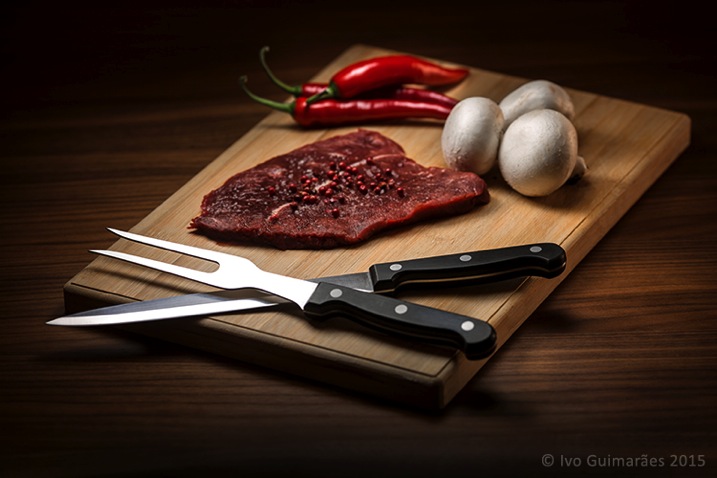
The next image is an example.

01

This image might look like a complicated and high-end lighting setup, but in fact, the only light sources used here were simply a tablet and a smartphone.

02

This is a typical light painting image, where the camera is placed on a tripod and the image shot at ISO 50, f/5.6 and a 4 second exposure time. I used the lowest ISO so I could make the image as clean and noiseless as possible. F/5.6 was the chosen aperture to give me the depth of field effect I was looking for, and after a couple of test shots, I realized that 4 seconds was the correct exposure time for the light I was using. It also gave me a comfortable time-frame in which I could move the light around and create the desired effect. An infrared remote shutter release was used to avoid touching the camera and keep it as steady as possible.

Light painting is a technique I use a lot in my work. I used to do it mostly with small lanterns and led light panels, but I realized that a tablet screen light and a smartphone camera led light are fantastic tools to use as light sources in this type of images. There are a few apps that can help to control what shows up on the screen, and transform your device into a mean light-painting machine, but you don’t really need them.

What I’ve done is to create my own masks in Photoshop which I have in my iPad Mini Retina’s camera roll to use when I need. Here are some examples of masks I’ve created.

03

These masks control the shape and colour on the screen, and the brightness can be easily controlled in the device’s screen definitions.

I took some readings with a colour meter. The iPad screen is around 5,500k and the iPhone camera LED light is around 6,500k, so it’s easy to adjust your camera to match the light source’s colour temperature or use different colours on the device’s monitor to create colour effects in the image.

The light from these screens is usually soft; you can make it even softer with some tracing paper in front of the screen and you can control the spread of light with some black card flags.

In this case I was holding the device by hand and moving it around, but you can buy cheap tablet and phone holders with ¼” thread connectors that can be mounted onto tripods, magic arms or even handles that make it easier to hold.

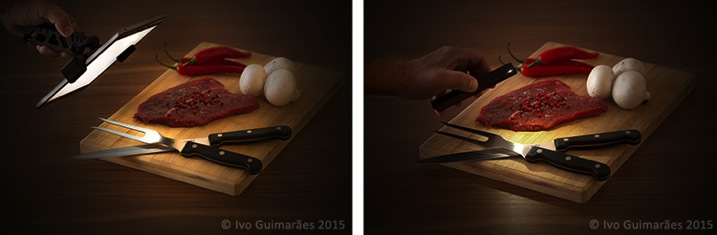
This particular image could have been done with only one exposure, but I decided to take it a bit further with a composition of three images with three different types of light.

04

04a

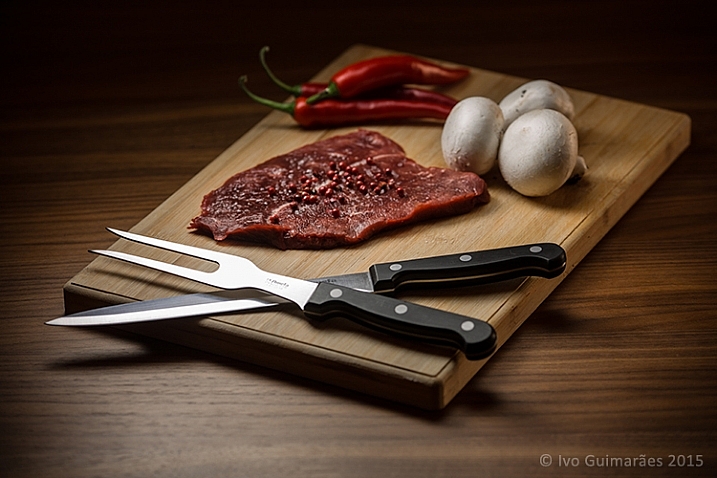
The first image (above) was created with perfect light on the knife and fork, with the iPad positioned at an angle, and with a white screen for a nice light reflection.

The second image (below) has the perfect light on the steak, chilies and mushrooms, with a circular faded mask on the iPad screen.

04b

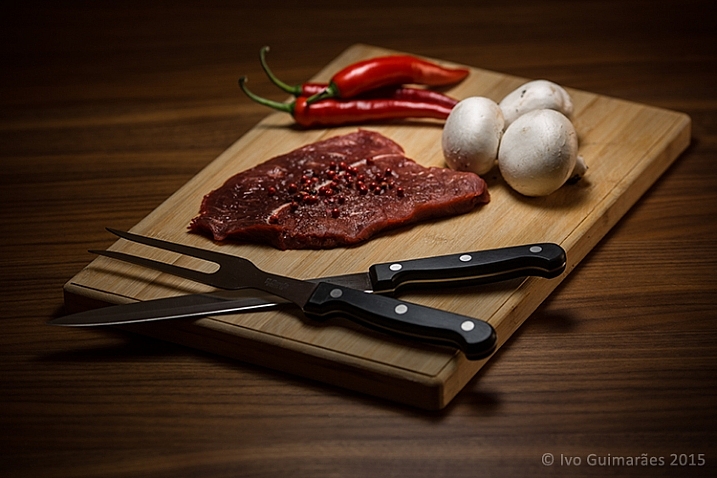
The third image (below) gives a vignette effect and some dramatic light with the LED camera light of the iPhone which is a much harder (smaller) light and therefore casts harder shadows.

04c

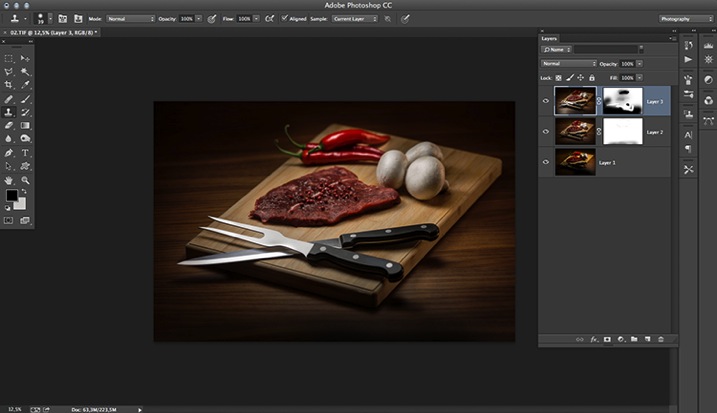
Now it’s just a matter of composing the final image in Photoshop using the best that each of these images has to offer.

05

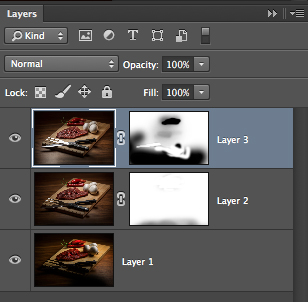
The idea here is to stack the three images and use layer masks to show the good light spots and hide the bad ones. Here is a closer look at the layers with associated masks for each one.

06

These lighting and composition techniques are not exactly new. This was done long before Photoshop and digital photography were around. Film with multiple exposures or darkroom masking techniques were used with similar effects a long time ago. Nowadays, things are just a lot easier with the digital advent, but the fact is that the basics and references are still there, and understanding this puts you on the right path to be a better photographer.

Have you tried this technique before? Give it a go and post any comments or questions you have below.

googletag.cmd.push(function() {
tablet_slots.push( googletag.defineSlot( “/1005424/_dPSv4_tab-all-article-bottom_(300×250)”, [300, 250], “pb-ad-78623” ).addService( googletag.pubads() ) ); } );

googletag.cmd.push(function() {
mobile_slots.push( googletag.defineSlot( “/1005424/_dPSv4_mob-all-article-bottom_(300×250)”, [300, 250], “pb-ad-78158” ).addService( googletag.pubads() ) ); } );

The post How to Use Your Tablet or SmartPhone as a Light Source for Photography by Ivo Guimaraes appeared first on Digital Photography School.

Digital Photography School

 
Comments Off on How to Use Your Tablet or SmartPhone as a Light Source for Photography

Posted in Photography


Taylor Swift’s photography contract revised following criticism

23 Jul

Following several weeks of controversy involving pop singer Taylor Swift and a growing number of music photographers and news publications, Swift’s management has revised the terms of its photo contract. Read more

Articles: Digital Photography Review (dpreview.com)

 
Comments Off on Taylor Swift’s photography contract revised following criticism

Posted in Uncategorized


Weekly Photography Challenge – Shadows

18 Jul

To have a strong shadow you must have a hard light source, one that is small and harsh. That includes:

  • Direct sunlight
  • A spotlight
  • A bright flashlight
  • Streetlights

Have a look on an overcast day – you cannot see your own shadow.

Oiluj Samall Zeid

By Oiluj Samall Zeid

Weekly Photography Challenge – Shadows

This week it’s your job to find and photography some shadows (like these). Keep in mind what a good shadow photograph is:

  • Shows the shape of something easily identifiable
  • Dramatic
  • Graphic
  • About shapes and form
  • Often found late in the day or early morning when the sun is low and the shadows are longer

On the other side of the coin also consider what is not a shadow:

  • A silhouette
  • A reflection
Hernán Piñera

By Hernán Piñera

The image above is a silhouette not a shadow. The light is coming from behind the subject and while there is a shadow the outline of the subject is the actual person not a shadow. This is the key difference.

Stefano Corso

By Stefano Corso

In the image above the outlines are reflections, not shadows.

Be clear on the difference between the three when you head out to shoot your shadows like these:

Marina Del Castell

By Marina del Castell

TumblingRun

By TumblingRun

Loren Kerns

By Loren Kerns

Shadow selfies work great sometimes too. Watch for them as you go about your day:

KimManleyOrt

By KimManleyOrt

Todd Lappin

By Todd Lappin

Hernán Piñera

By Hernán Piñera

John Sonderman

By John Sonderman

Scott Schiller

By Scott Schiller

Ian Sane

By Ian Sane

Share your images below:

Simply upload your shot into the comment field (look for the little camera icon in the Disqus comments section) and they’ll get embedded for us all to see or if you’d prefer upload them to your favourite photo sharing site and leave the link to them. Show me your best images in this week’s challenge. Sometimes it takes a while for an image to appear so be patient and try not to post the same image twice.

Stefano Corso

By Stefano Corso

Kumar's Edit

By Kumar’s Edit

Evelyn Berg

By Evelyn Berg

Ruben Steeman

By Ruben Steeman

googletag.cmd.push(function() {
tablet_slots.push( googletag.defineSlot( “/1005424/_dPSv4_tab-all-article-bottom_(300×250)”, [300, 250], “pb-ad-78623” ).addService( googletag.pubads() ) ); } );

googletag.cmd.push(function() {
mobile_slots.push( googletag.defineSlot( “/1005424/_dPSv4_mob-all-article-bottom_(300×250)”, [300, 250], “pb-ad-78158” ).addService( googletag.pubads() ) ); } );

The post Weekly Photography Challenge – Shadows by Darlene Hildebrandt appeared first on Digital Photography School.


Digital Photography School

 
Comments Off on Weekly Photography Challenge – Shadows

Posted in Photography