RSS
 

Posts Tagged ‘Photography’

Five Techniques for Creating Impressionist or Abstract Photography

25 Oct

Whether you are new to photography, or have been photographing for a while, I’m sure you’ve gone through times when the ideas weren’t flowing, and inspiration was nowhere to be found. This happens to all of us. So how do you find ways to stay inspired and get the creative juices flowing again? Try abstract or impressionist photography. Finding inspiration isn’t about stepping outside of your box, it’s about stretching your limits, and abstract photography is the best way to learn to see things in a completely new and different way.

1 Look for shapes Irys by Eva Polak

Abstract and impressionist photography leave things to the imagination and help you concentrate on texture, form, and colour. Instead of making everything look real, I invite you to use bold colours, shapes, and lines to make exciting images.

So let’s start exploring the creative process of abstract photography. Here are five easy techniques that will help you to learn new skills and get your creative juices flowing.

1. Look for shapes, patterns and textures

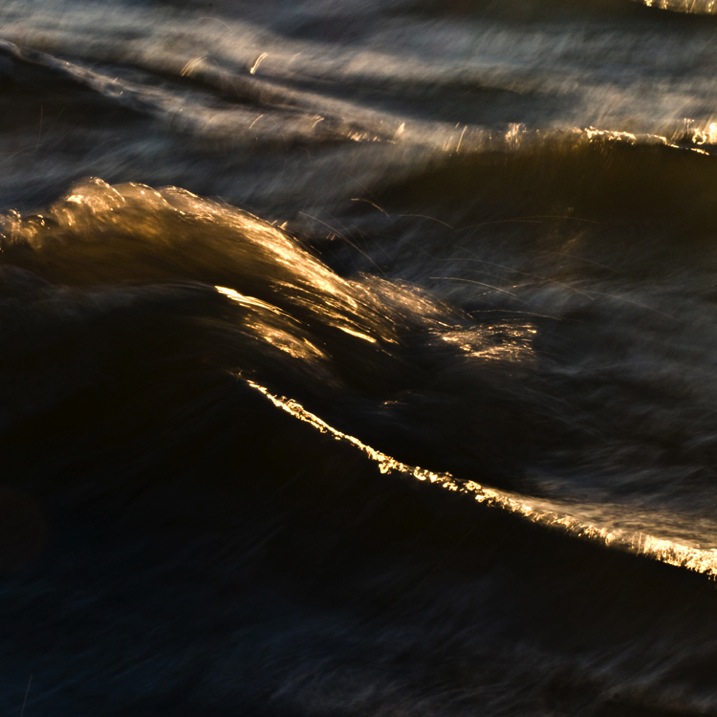
As you go about your daily activities, notice the shapes around you. Your house is full of interesting shapes, patterns and textures that can be used to make abstract photos. Look closely at different objects around you and consider whether there are any reoccurring shapes or themes within the object – then use them to your advantage. Lines can be used very effectively in a photograph, as the eye will tend to follow a line through a shot. Look at the undulating pattern the wave makes (see below), as it breaks into shore. In the city, look for patterns formed by the buildings. Discover different textures in flowers arrangements in the park (see photo above).

1 Look for shapes Waves by Eva Polak

2. Look for reflections

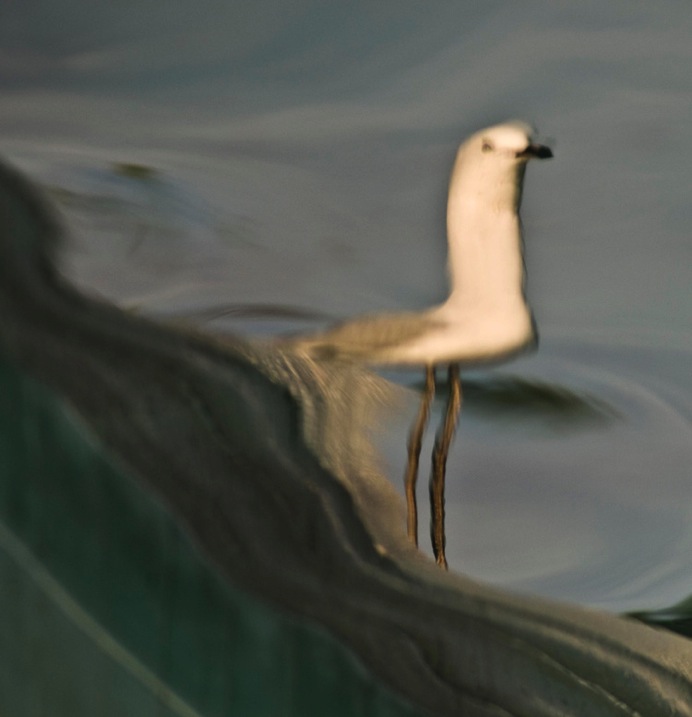
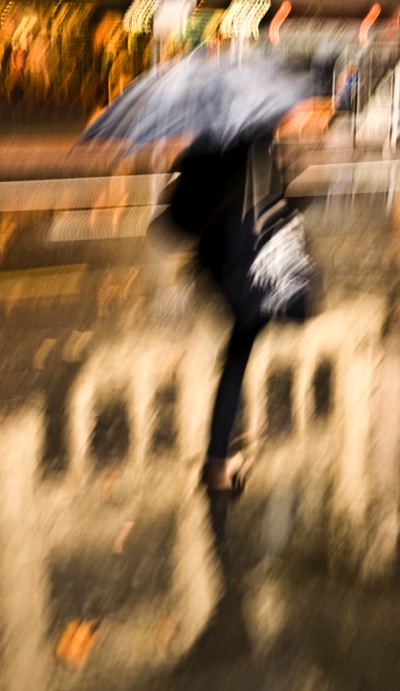
Reflections are one of the best ways to create abstract and impressionist photography. If you look carefully, you’ll see they are everywhere. As you walk around, look for smooth surfaces. Think about how you can use reflections to capture a viewpoint that you simply couldn’t have shot otherwise. Pay attention for colourful reflections in rain-soaked streets, they will create shimmering images with an impressionistic quality. Also, still lakes and rivers can create some wonderful reflective surfaces. When a surface is textured or shaped, unusual and interesting reflections can appear.

2 Reflection Seagull by Eva Polak

2 Reflections Rainy streets by Eva Polak

3. Defocus

Pulling the lens out of focus is a quick way to give a scene an impressionistic look. Use Aperture Priority mode that allows you to set your lens to the widest aperture (small numbers such as f/2.4 or f/4). This is critical because you want a very shallow depth of field. Switch your lens to manual focus and start looking at things through the camera. Turn the focus ring until everything is blurry. Try varying the focus on the same scene to find out how much blur suits your subject best.

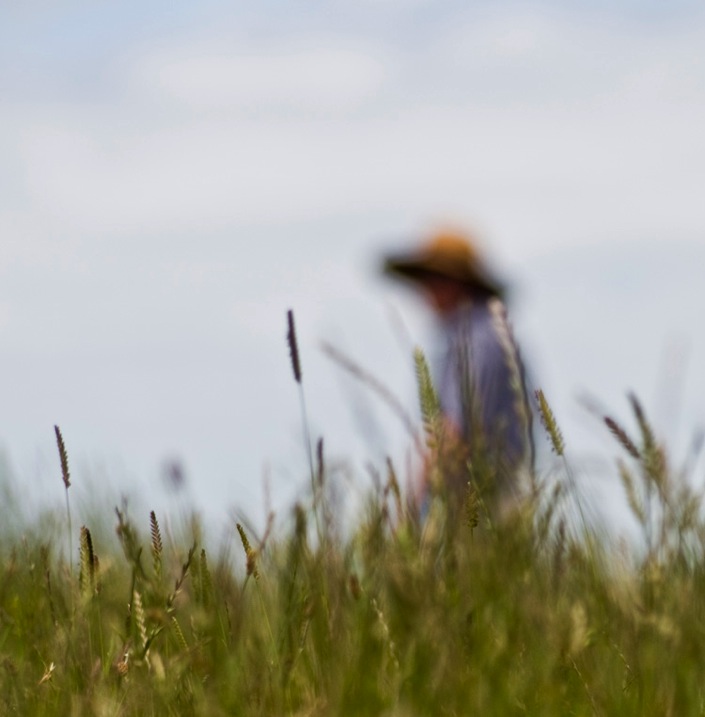
3 Defocus Lonly  by Eva Polak

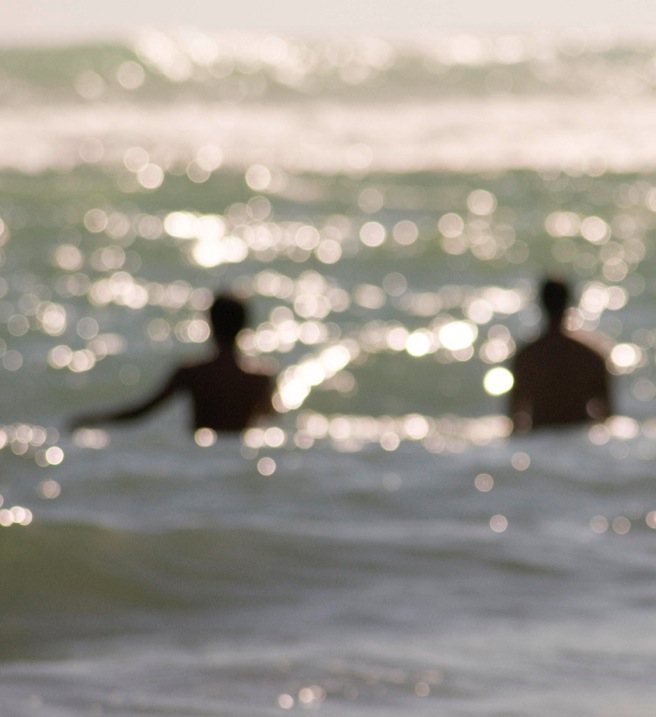
3 Defocus Swimmers by Eva Polak

4. Pan your camera

Panning is a fun technique to learn, and although it takes some practice, it is relatively easy to get started. You can pan running people, bicycles, cars, or just about anything that is moving. Once you have your subject, set the camera to shutter priority with the shutter speed between 1/10th and 1/60th of a second. As your subject approaches, focus on it and start tracking with your camera until you are confident that you are moving in sync with the subject.

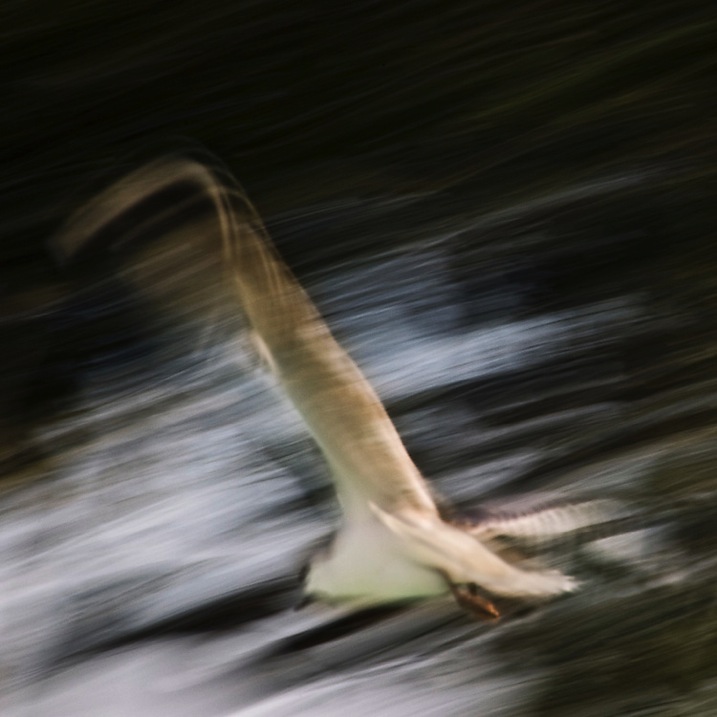
4 Pan your camera Flight by Eva Polak

The trick to a successful camera-panning image is in finding a suitable subject. Strong vibrant colours are ideal, and lines through the frame will keep the colours distinct and separated. Apart from panning moving subjects you can use this technique to create beautiful seascapes and landscapes. The subject distortion will emphasize horizontal lines when panning horizontally, and vertical lines when panning vertically.

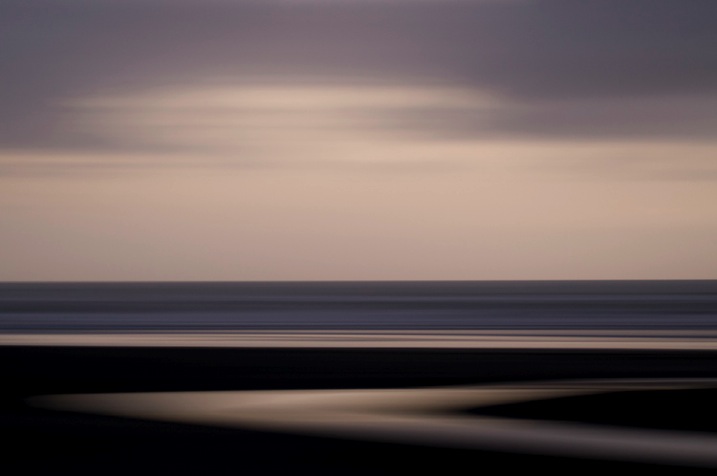
4 Pan you Camera  Wattle Bay  Eva Polak

5. Zoom

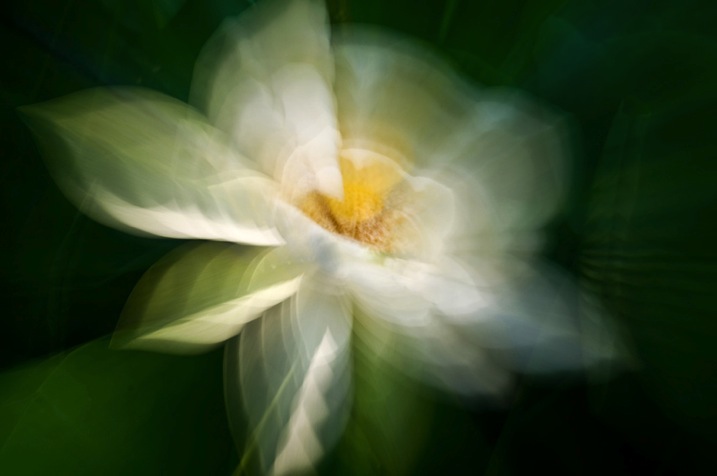
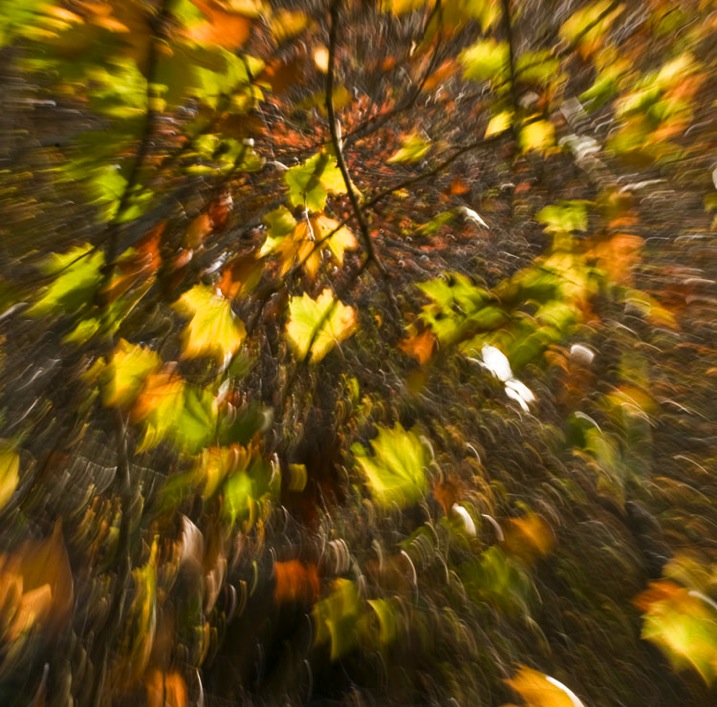
A zoom burst, or zoom blur, is another technique which is simple, fun, and easy to achieve. It involves changing the focal length of your lens (zooming in or out) while you take a photo, causing the shot to blur from the centre outwards, as if the scene is bursting towards you.

5 Zoom Water lily by Eva polak

To use this technique you’ll need a DSLR (or mirrorless camera) with a zoom lens. Set your camera to Shutter Priority. A shutter speed of 1/10th of a second is a good starting point. Compose your photo as you normally would, then just zoom the lens as you press the shutter. The key to success with this technique is to get the amount of zoom burst right. Experiment with zooming speed and direction.

5 Zoom Autumn Leaves by Eva Polak

Spend some time with each technique to discover its full potential. Photograph a lot and often. Don’t judge what you do. Analyze your images and try to improve upon them. But, most of all, have fun!

Tips to remember:

  • Keep an open mind; abstract photography is about seeing the potential in things that other people miss.
  • Spend time exploring everyday subjects and scenes; it’s surprising how many interesting abstracts you will find.
  • Look at familiar things from unfamiliar angles, and you will see them in a completely different light.
  • Forget about what something really is and concentrate on its shape and colour.

googletag.cmd.push(function() {
tablet_slots.push( googletag.defineSlot( “/1005424/_dPSv4_tab-all-article-bottom_(300×250)”, [300, 250], “pb-ad-78623” ).addService( googletag.pubads() ) ); } );

googletag.cmd.push(function() {
mobile_slots.push( googletag.defineSlot( “/1005424/_dPSv4_mob-all-article-bottom_(300×250)”, [300, 250], “pb-ad-78158” ).addService( googletag.pubads() ) ); } );

The post Five Techniques for Creating Impressionist or Abstract Photography by Eva Polak appeared first on Digital Photography School.


Digital Photography School

 
Comments Off on Five Techniques for Creating Impressionist or Abstract Photography

Posted in Photography


Weekly Photography Challenge – Spooky

24 Oct

Ooh scary – it’s halloween and time to get scared. See if these images give you a fright.

Howard Ignatius

By Howard Ignatius

Paul Gorbould

By Paul Gorbould

Weekly photography challenge – spooky

Your job this week to go shoot some scary stuff. Make us quiver in our boots, cry like babies, scream like a little girl.

Maybe you can find a creepy ghost town and do a shoot at night. Or get your kids to help you with some light painting and make some spooky patterns. Set up a jack-o-lantern, or do some funky make-up, get creative with it.

Tommy Clark

By Tommy Clark

Howard Ignatius

By Howard Ignatius

Tim Simpson

By Tim Simpson

Christi Nielsen

By Christi Nielsen

Steve Corey

By Steve Corey

Share your images below:

Simply upload your shot into the comment field (look for the little camera icon in the Disqus comments section) and they’ll get embedded for us all to see or if you’d prefer upload them to your favourite photo sharing site and leave the link to them. Show me your best images in this week’s challenge. Sometimes it takes a while for an image to appear so be patient and try not to post the same image twice.

googletag.cmd.push(function() {
tablet_slots.push( googletag.defineSlot( “/1005424/_dPSv4_tab-all-article-bottom_(300×250)”, [300, 250], “pb-ad-78623” ).addService( googletag.pubads() ) ); } );

googletag.cmd.push(function() {
mobile_slots.push( googletag.defineSlot( “/1005424/_dPSv4_mob-all-article-bottom_(300×250)”, [300, 250], “pb-ad-78158” ).addService( googletag.pubads() ) ); } );

The post Weekly Photography Challenge – Spooky by Darlene Hildebrandt appeared first on Digital Photography School.


Digital Photography School

 
Comments Off on Weekly Photography Challenge – Spooky

Posted in Photography


PhotoShelter releases free professional food photography guide

22 Oct

PhotoShelter has launched ‘The Professional’s Guide to Food Photography,’ a new free guide dedicated to the art and business of photographing food. The guide includes tips for breaking into the industry, in-depth interviews with food photographers and a how-to on building a portfolio. Read more

Articles: Digital Photography Review (dpreview.com)

 
Comments Off on PhotoShelter releases free professional food photography guide

Posted in Uncategorized


10 Crucial Things You Need to Think About for Portrait Photography

20 Oct

Darlene’s Portrait Fundamentals course is on sale for $ 75 (50% off) now until November 3rd only. Find out more or grab the deal over at Snapndeals.com.


There are many pieces to doing a portrait – it’s not easy. You have to think about the technical stuff like exposure and focus, as well as the non-technical stuff like composition and working with a live subject. It can be daunting if you’re just starting out doing portrait photography so let’s break it down into all the pieces so you can work on one at a time, then put it all together.
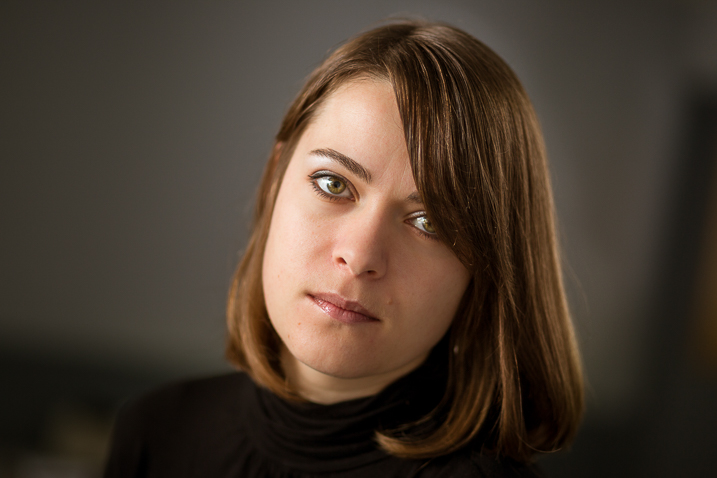
Portrait tips dps717px 04

Here are the 10 crucial elements you need to think about when doing portrait photography:

  1. Lighting Pattern
  2. Lighting Ratio
  3. Quality of light
  4. Lens selection
  5. Background
  6. Exposure/metering
  7. Sharpness – getting it in focus
  8. How to position the subject (posing)
  9. Facial view and camera position
  10. Expression

THE TECHNICAL STUFF

#1 Lighting pattern

This is how the light falls on the subject’s face. How you set up the light will determine the mood of the final portrait and whether or not the subject is flattered. Lighting partner is a critical piece to get right. There are four main type of patterns and two styles, they are:

  • Split lighting
  • Loop lighting
  • Rembrandt lighting
  • Butterfly lighting
  • Short lighting
  • Broad lighting
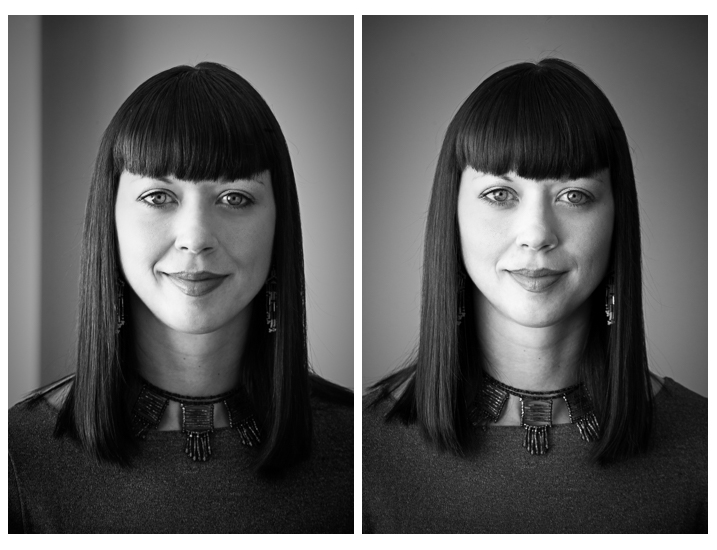
Portrait tips 02

Left – Split lighting. Right – Loop lighting.
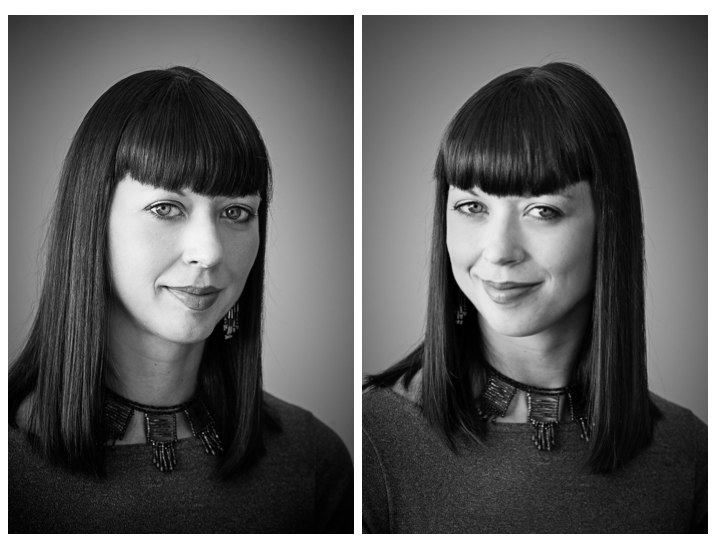
Portrait tips 01

Left: Broad lighting. Right: Short lighting. Notice how different she looks in each image, particularly her nose!

Knowing what each looks like and when to use them is very important. Read more here: 6 Portrait Lighting Patterns Every Photographer Should Know.

#2 Lighting ratio

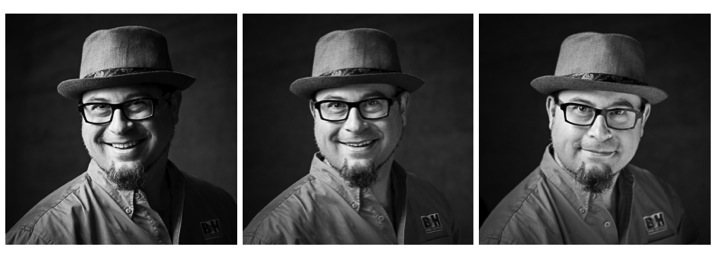
A ratio is a comparison of one thing to another and in terms of lighting it is comparing the dark and light sides of the face. How much difference is there is from the shadow, to the highlight side? The greater the ratio, the more contrast the image will have, and the more moody the portrait will become. The lower the ratio, the less contrast, and the portrait will have a lighter, fresher feeling.

Look at the following examples:
Portrait tips 03

In the images above the ratio on the left is very strong, about 16:1 or four stops. The missing is about 4:1 or two stops, and the right is almost 1:1 or even. The only difference from one to the next is use of a reflector. Notice how the mood and feel of the portrait changes, as the contrast is adjusted.

For more detail on ratios read: Lighting Ratios to Make or Break your Portrait

#3 Quality of light

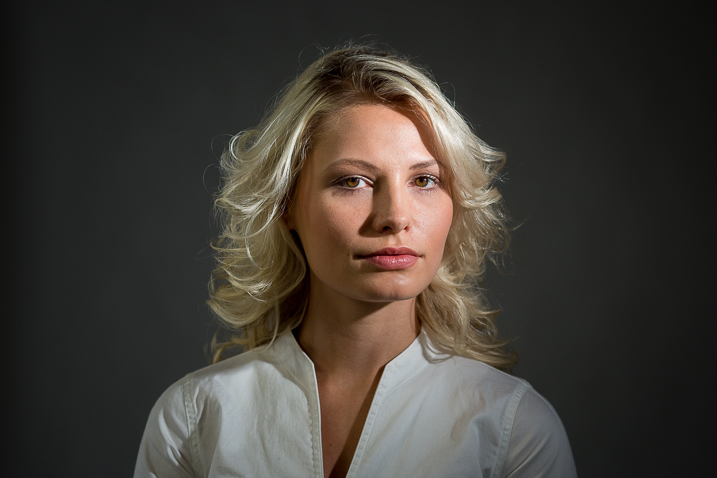
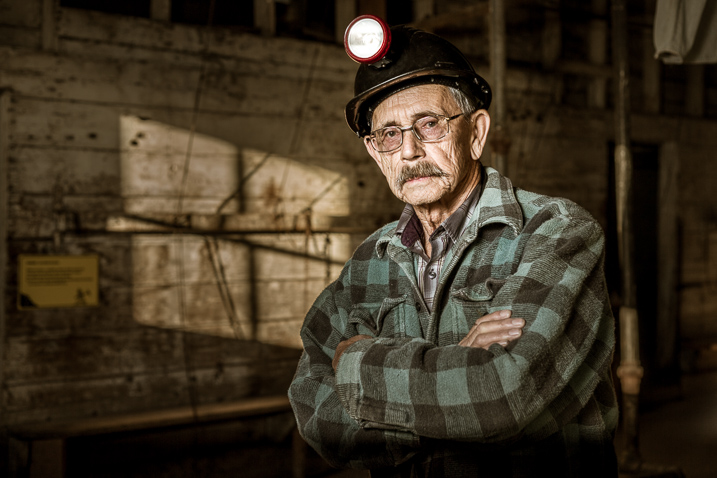
Another aspect of lighting you need to decide is whether you will use hard or soft light.

Hard light is produced by a small light source and is characterized by high contrast, enhanced texture of the subject, added drama, and harsh well edge-defined shadows. Examples of hard light sources are:

  • The sun (even though it is large, it is far away so its relative size is small)
  • A bare light bulb
  • The small built-in flash on your camera (including your speedlight without modifiers)

Here are two portraits done using hard light. Which is more appropriate use of this type of lighting for the subject?
Portrait tips dps717px 08

Portrait tips dps717px 05

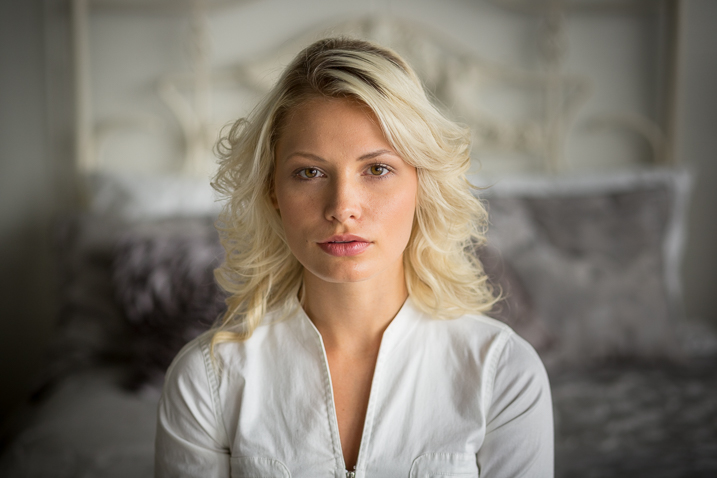
Soft light is produced by a very large light source. It is low contrast (or can even be quite flat), less textureenhancing, and is more forgiving and flattering for people photography. Examples of soft light sources are:

  • The sky on an overcast day
  • Large studio softboxes
  • A large reflector like 42” or 52”
  • An on-camera flash that has been bounced off a ceiling or wall

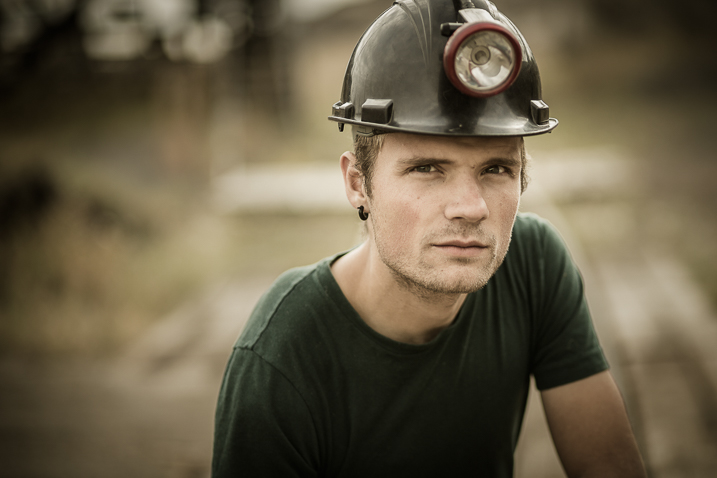
Here are two portraits done using soft light. Which is more appropriate use of this type of lighting for the subject?
Portrait tips dps717px 09

Portrait tips dps717px 07

So along with the ratio, the quality of light will have a great affect on the mood and feeling of your portrait. Choose soft light for portraits that flatter the subject, and choose hard light for an edgier look with more grit and drama.

#4 Lens selection

The lens you select will change the appearance not only of the subject, but the background as well.

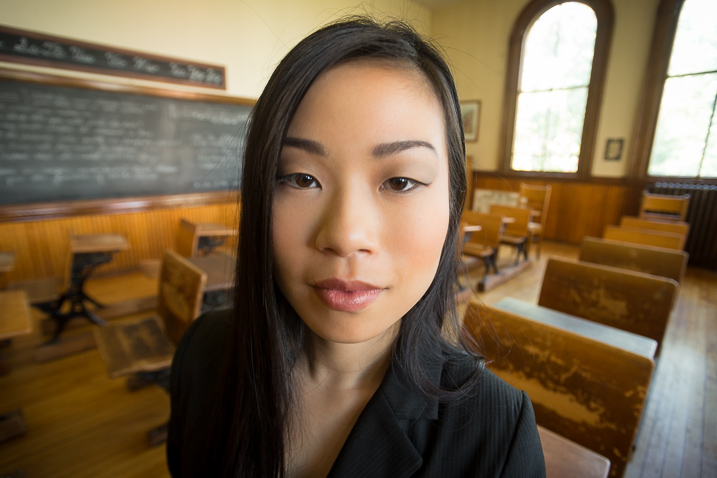
Using a wide angle lens will introduce distortion and cause the subject’s face to look abnormal, sort of stretched. It will also allow you to see a large sweeping view of the background behind them.
Portrait tips dps717px 13

Notice how the shape of her face and her features are distorted? This is not something most people will desire.

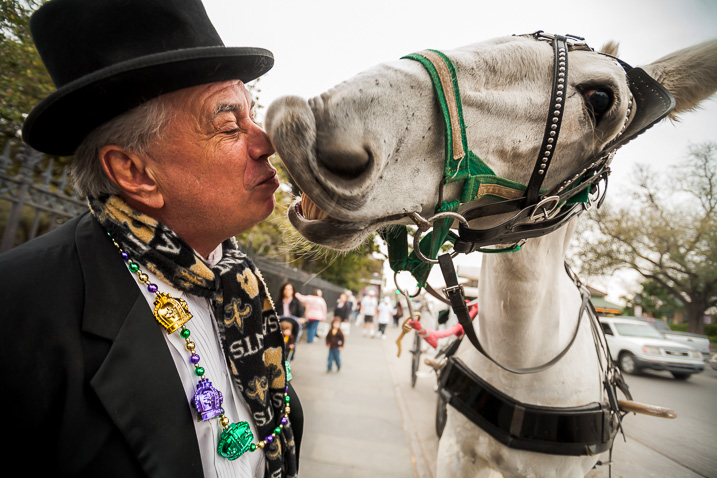
However, there may be instances where you want this look such as a humorous portrait, kids, or an editorial style portrait of a street vendor at a market where you want to see his environment.
Portrait tips dps717px 12

The wide angle view adds to the comical nature of this portrait.

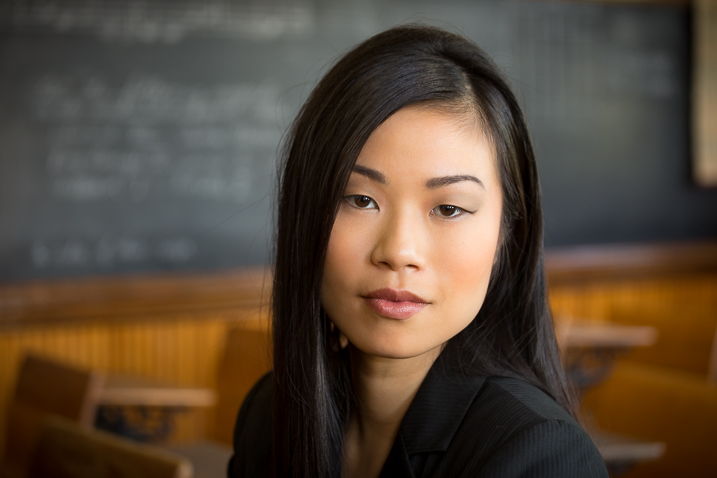
Telephoto lenses compress perspective – this does two things. First it is usually more flattering to the subject, their facial features look less distorted. Second, it simplifies the background by seeing less of it, and often it’s less in focus as well (dependant on distance to the background) putting more emphasis on the subject, which is what you want. Read more at: How to Achieve Blurred Backgrounds in Portraits.
Portrait tips dps717px 14
Same girl as the portrait above. Compare her face in the two images, and take note of the background as well. See how much less of the room, and how it is more out of focus than the wide image above?
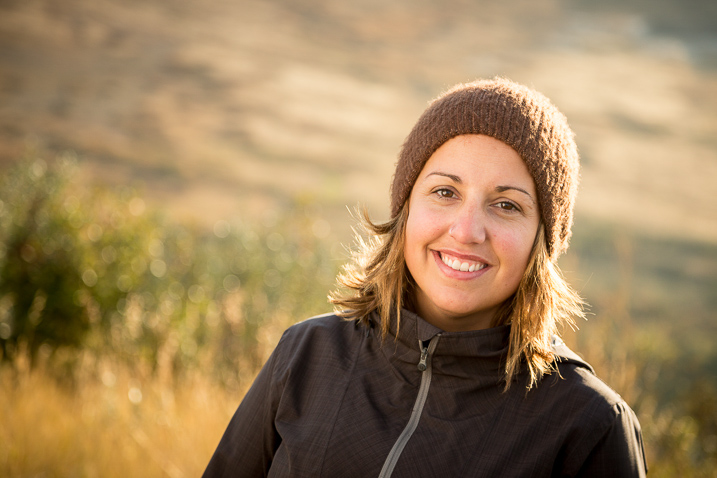
Portrait tips dps717px 11
The long lens used for this image has compressed the background and because it is so far away (across the river on the other side) it is really out of focus and provides a soft background to enhance the portrait, not take away from the girl.

#5 Background

One thing many of my students forget to control and think about is the background. It’s so easy to be focused on all the other stuff and working with your subject that you forget to even look at the background.

Two things you want to make sure about for the background are: it makes sense with the portrait, and doesn’t distract the viewer from the subject. There are four things that can do that, watch for them in your background and adjust your camera position or composition accordingly if they show up:

  • Contrast
  • Bright colours (warm tones are the worse for distraction like red and yellow)
  • Sharpness
  • Bright areas
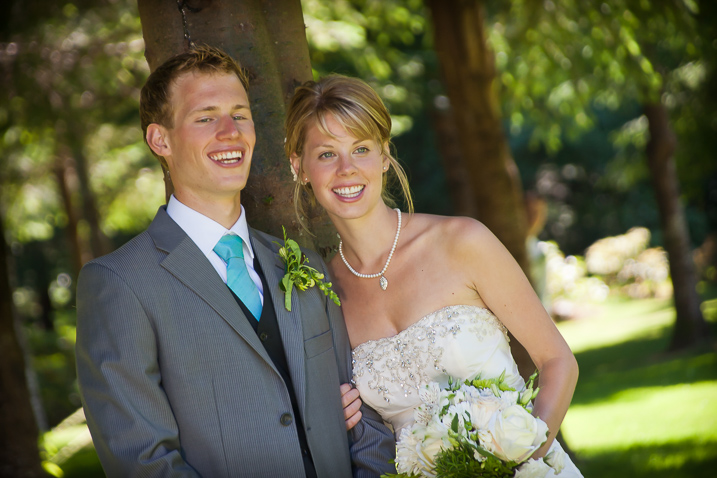
Portrait tips dps717px 15

See how the bright areas, which are also high contrast, in the background draw your attention away from the wedding couple?

Any or all of those can draw the eye away from the subject if they are in your background. The eye is attracted to the brightest area of an image, as well as the sharpest. So get your portrait subject away from the background far enough to get it out of focus, and watch for hot spots that grab the eye. Sometimes simply moving your camera a foot or two to the left or right can eliminate trouble areas and give you a cleaner background – allowing the subject to be the star.
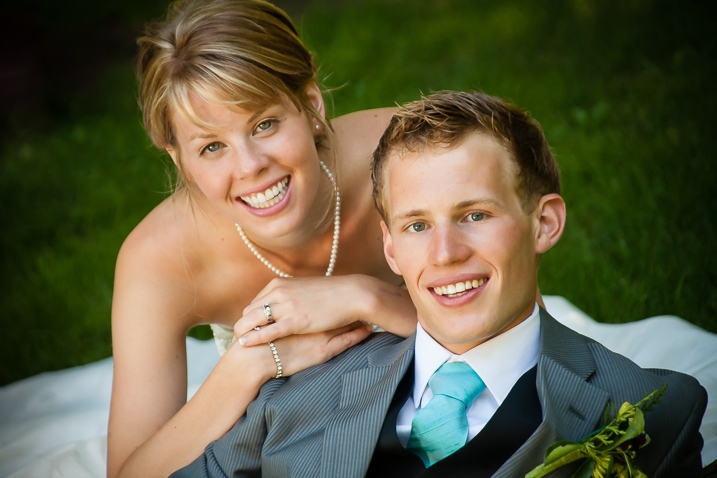
Portrait tips dps717px 16
Use of multiple techniques here have drastically improved this portrait over the one above. The background is now solid, out of focus, and it does not take your eye away from the couple but rather compliments the overall portrait.

#6 Exposure and metering

For a portrait where the subject is not moving, I almost always use the following camera settings:

  • Manual shooting mode
  • Single shot drive mode (when I press the button it takes one image only)
  • Single point focus (not multi or zone)
  • One-shot or AF-S focus mode to focus and lock (not continuous)
  • Shade White Balance preset (as I am usually working in the shade, if you’re in the bright sun choose that – but pick one that matches your lighting condition and leave it, anything but AWB!)
  • Shoot in RAW

That gives me the most control over doing one very important thing – having a consistent exposure from one frame to the next. That may not seem like a bit deal but if you ever decide to do portraits for a friend or have real paying clients – you want to be able to show them the images on the back of the camera and not worry about the one in the middle that was black cause you forgot to adjust the exposure.
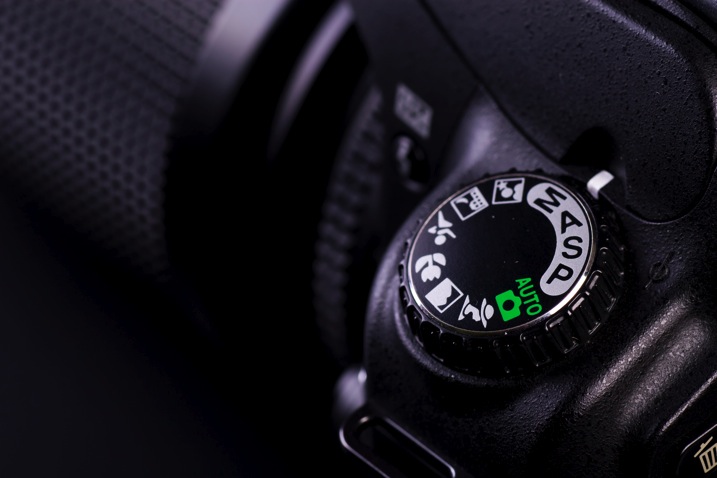
Photodune 1733468 camera controls m

The other thing it does is makes editing in the post-production stage much faster.

So basically set your exposure, do a test shot (review it for exposure using the histogram), then don’t touch it unless you either move to a new location, or the light changes.

#7 Sharpness – getting it in focus

I already mentioned the settings I use for focus above. Back button focus is something I highly recommend as well. It allows me to lock focus on the subject, precisely on their eye if I’m in close enough, and then recompose my portrait and shoot away. Unless the subject or I move, changing the distance between us, there is no need to refocus.

Here are a few more focus tips from a past article I did: 5 Tips for Getting Sharper Images. Obviously if you’re shooting a moving target, like kids in action, you’ll want to choose different focus settings. Try Continuous focus (Servo or AF-C) and burst mode (continuous shooting mode or drive).

THE AESTHETIC STUFF

#8 Posing the subject

Getting your subject or model into a comfortable, yet flattering pose can be tricky. People are generally nervous when being photographed and will look to you for guidance on how to stand, hold their body, turn their head, and adjust their hands. So you need to have a few ideas ready for them, making sure they can hold it comfortably and they look good at the same time.

Here are a few tips:

  • You’ve likely heard this before, but if it bends – bend it. Meaning get them out of a stiff body position bending one leg slightly, and bending elbows and wrists.
  • Get them to shift their weight away from the camera (hip away) it will be more flattering that way.
  • Add a slight head tilt for ladies to add a touch of femininity.
  • To get people to turn their body when standing – tell them to turn and point their feet, the body will follow naturally.
  • Turn shoulders slightly to narrow the body width, which is more flattering for most people.
  • Let them pose naturally and just make slight tweaks or adjustments. Watch how they move on their own so it still looks like them.
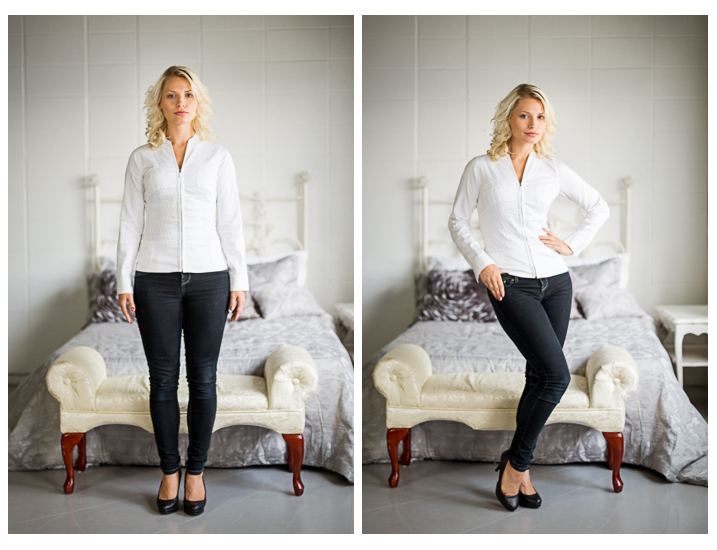
Portrait tips dps717px 17

Left – stiff and boring. Right – bend the parts that bend and make a more dynamic pose, it’s also more flattering, and in this case feminine.

For more tips on posing read these dPS articles:

  • Portrait Posing Tips- How to Help People to Relax and Take Better Photos
  • Tips for Posing Men
  • Posing Guide for Photographing Women: 7 Poses to Get You 21 Different Photos
  • Or grab the dPS ebook Portraits: Strike the Pose

#9 Facial view and camera position

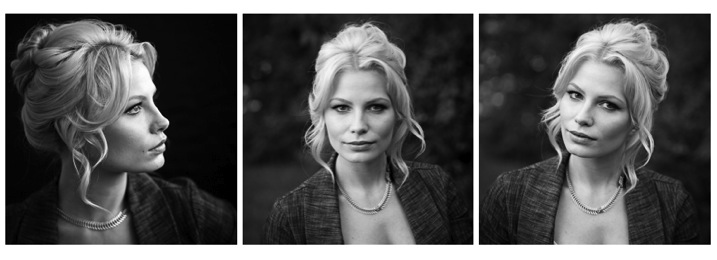
How you position the subject’s face is another factor that determines how flattering the portrait will be, and the mood. Some people look really great in full face view (facing the camera directly) while most benefit from turning slightly to one side, thus narrowing the face a little.

Profile view is something people cannot see in the mirror, so many have never seen theirs, and have no idea what they look like from the side. Only by trying it out will you see and know if it’s flattering for them.

The key to choosing the right angle for their face is to observe them. Do they tend to turn slightly when talking to you? Take note – that is probably the side the subconsciously prefer.
Portrait tips dps717px 18
Three different views of the same girl’s face (above). She has a really gorgeous profile and a square jaw. I think the profile and last image (¾ face view) are the most flattering for her but she looks great in any image. Not all your portrait subjects will have that, so you have to help them look their best by making choices like this. If in doubt, shoot all three and choose later, or let them pick. You’ll learn from the subject what they like and what they think looks flattering.

Tip: for people who have a bump on their nose that do not want it to show – try photographing them facing both ways. One way will show the bump, the other it will be hidden. How you do that is shoot one way with the light say off to camera right. Then trade places with them so the light is coming from the other way and do a second shot. See which shows, and which hides the bump – then you’re ready to go.

What camera position you choose will decide what you’re emphasizing on the subject. A low camera angle can show height (especially if shooting full body) and make someone look taller, but it also emphasizes the body more. Not a good choice if someone wants to appear slimmer. Getting low down near kids level puts you closer to the action and makes them appear less small.

A slightly above eye level camera angle will emphasize the face and minimize the body, a good choice for most people. It also makes kids look smaller and can be effective if that’s the look you want. A really high angle will make the forehead prominentant (perhaps not the best choice for a receding hairline).

Just be conscious that where you place your camera will affect the final look of the portrait.

#10 Expression
Portrait tips dps717px 20

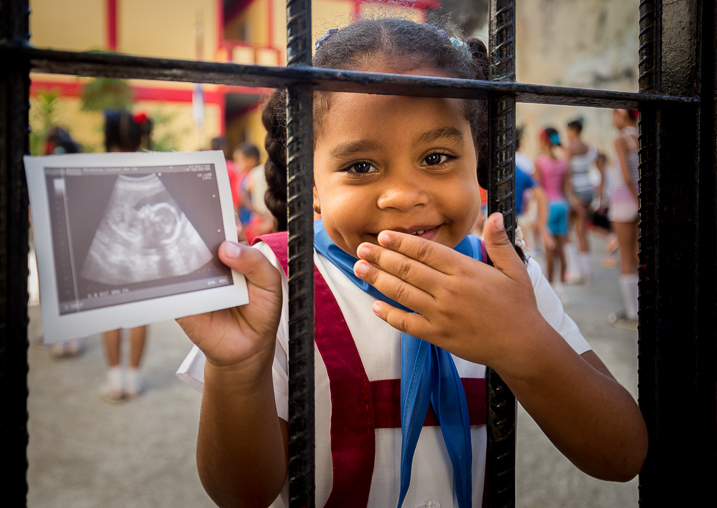
Even though my Spanish is limited I was able to talk to this little girl and got this reaction and expression. She is holding a photo of her auntie’s ultrasound and her new baby cousin to be that she was really excited about. I just asked her to show me her baby primo (cousin) and she did this.

Okay, this is the ultimate thing you need to get right for great portraits. You can nail all nine points above, but if the subject has a bad expression, they will not like the image. There is one big tip I have for getting the best expressions in your portraits – talk to the subject and interact with them. There is one huge barrier to doing that which I see happen all the time.

There is a big black thing in between you and the real person sitting in front of you!

Yes, I mean the camera. Try this exercise if you dare:

Get a friend, or one of your kids or grandkids, to pose for you. Now put the camera up to your eye and take a few shots. How did it feel to you? Did you feel connected to your subject? Ask them how they felt?

Now put the camera on a tripod – yes the dreaded beast we all hate but it a necessary evil – and take a few shots using a remote trigger to fire the camera. How did you feel then? What about your subject? Were you able to make them laugh or smile? I’m going to go out on a limb and guess that you both had a better experience the second time and you got better expressions in the photos.

The key to expression is eye contact and you cannot do that with a camera between you.
Portrait tips dps717px 21
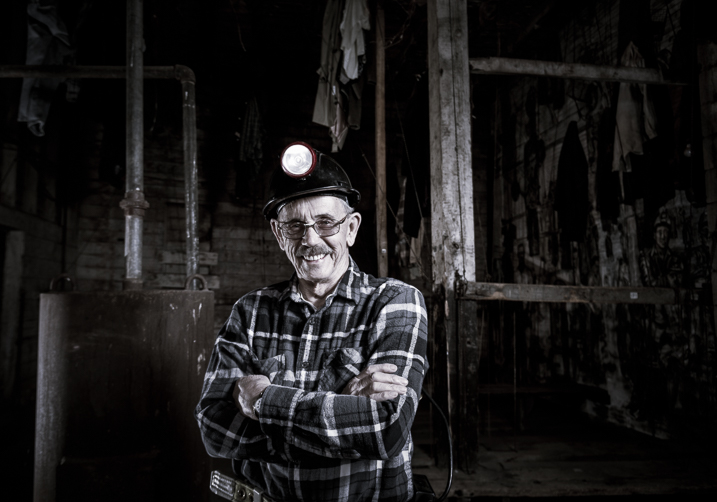
I’ve photographed Bob many times. He is a volunteer at an old coal mine where I do a workshop twice a year. He was a miner way back in the day and is as spry in his 70s as many people who are 40! He loves telling stories about the mine and ghosts so I just get him talking and let him go. We have fun, he loves being a “model” for a day, and it shows in the images.

Try it and see if it doesn’t make a difference. The tripod will also make you slow down and think about your camera, settings, and everything. Your tripod is not evil, it is your friend. Make friends with your tripod and use it.

Putting it all together

Whew! See I told you doing portraits is a lot to think about. But you can do this, you got this. Just take it one step at a time. If you aren’t at the stage of getting all 10 of these things yet, just pick one at a time and work on that. Choose patient models that will help you and practice. The only way to get better is by doing.

My students often ask me, “How do you make it look so easy?” – then answer – I’ve been doing this a really long time and it becomes instinct and subconscious after so many hours. Put in your 10,000 hours and we’ll talk!

If you have any questions or want to share your images – please do so in the comments below.


snapdeal-330-x-220Darlene’s Portrait Fundamentals course is on sale for $ 75 (50% off) now until November 3rd only. Find out more or grab the deal over at Snapndeals.com. Take more professional looking portraits in 30 days! The Portrait Fundamentals course covers everything you need to know, from camera basics to using a multi-flash set-ups. Over 6.5 hours of video lessons with two experiences instructors.

googletag.cmd.push(function() {
tablet_slots.push( googletag.defineSlot( “/1005424/_dPSv4_tab-all-article-bottom_(300×250)”, [300, 250], “pb-ad-78623” ).addService( googletag.pubads() ) ); } );

googletag.cmd.push(function() {
mobile_slots.push( googletag.defineSlot( “/1005424/_dPSv4_mob-all-article-bottom_(300×250)”, [300, 250], “pb-ad-78158” ).addService( googletag.pubads() ) ); } );

The post 10 Crucial Things You Need to Think About for Portrait Photography by Darlene Hildebrandt appeared first on Digital Photography School.


Digital Photography School
 
Comments Off on 10 Crucial Things You Need to Think About for Portrait Photography

Posted in Photography


10 Photography Website Mistakes That Might be Repelling Your Potential Clients

19 Oct

If you are serious about your photography business, then you most likely have your own photography website already (if not, you should set one up right away). You are probably really proud of it and consider it the best website under the sun. However, numerous mistakes can be found on almost every photographer’s site. These mistakes could be fatal for your business, since they can easily repel your potential clients. We are talking big agencies, companies and even government organizations, not just regular consumers who want you to be their wedding photographer.

Here’s some good news: these mistakes can be fixed easily once you know what they are based on.

We have recently researched thousands of photographers’ websites when looking for professional vacation photographers for our new project. We were quite surprised by the number of mistakes we had encountered on them. On top of that, several particular mistakes kept constantly repeating!

Some seem obvious, some of them not, but almost every photographer’s website is guilty of at least one or two of these mistakes. So, here comes the checklist of some of the most common photography website mistakes that might save some of your serious assignments:

1) Your name is missing

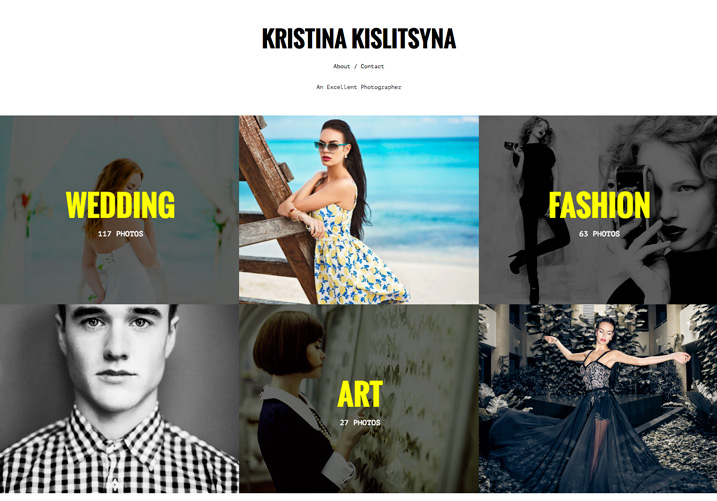
This is probably the most obvious mistake. However, you would be really surprised how many websites are anonymous. A nickname may be great, it might help you look like a mysterious artist, but it definitely won’t help you to get new inquiries.

Your name is your only brand. You should be proud of it and present it to the public as much as you can. So put your name out there! Visibly! And buy yourself a domain with your name if possible.

1 example of good website be proud of your name

Example of good website, be proud of your name: Kristina Kislitsyna

2) You’re using cheap web templates

Do you want to run a successful photography business? Then you have to invest in it, at least a little. Start with investing in a decent website. A few hundred bucks and a skilled friend will have the work done in a blink of an eye, you’ll have a nice, basic, yet original website.

However, I implore you, do avoid those cheap template websites with the provider‘s logo all over the place.

3) Your contact information is missing

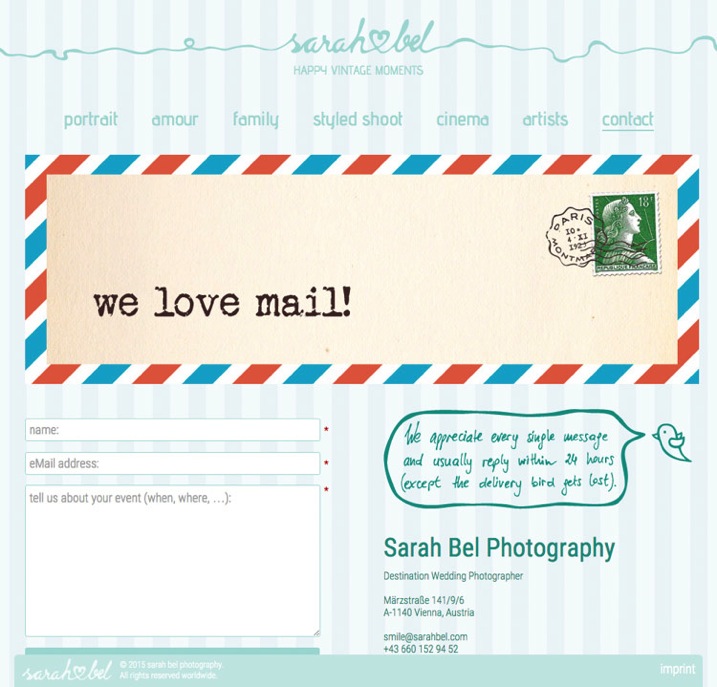
Email address is the key. Your client needs to find it quickly and easily. Contact forms might not seem like a bad choice at first, however, they most certainly are. Lots of big clients prefer to contact you via email, because they want to have a copy of the email that they send to you.

If you insist on having a contact form, put your email address next to it and let your client decide. Here’s a secret tip – insert your email address as an image with your email on it so bots cannot find it and you save yourself from getting tons of spam.


2 example of good website put your email address next to the contact form and let your client decide www sarahbel com

Put your email address next to the contact form and let your client decide: Sarah Bel Photography

4) Check your spam box

This one is closely connected to the previous point. Inquiries from agencies, companies, and other projects often end up in the spam box or junk folder. It doesn’t matter which email service you use to communicate with your client, but it is essential to check your spam box every few days. This is the only way to avoid those embarrassing moments when you respond to an important inquiry after several months, and indeed, it is usually too late at that point.

5) There’s music playing on your website

Do I have to add anything else? Hello, it’s 2015! Everyone is listening to Spotify or YouTube while browsing the internet. The last thing people want is to be interrupted by the blasting of your favourite music.

6) Your pricing is hidden

It’s okay if you don’t want to share the pricing on your website, it’s also okay if you want to share it, but you definitely need to decide which way you want to go! If you want to show your prices, do so visibly, clearly, and in a special menu category. If you don’t want to share them, then say so clearly (and add your email address at that point, so that the client can contact you regarding the pricing details right away).

There’s nothing weirder and more suspicious than a small hidden grey link to a PDF pricing guide that cringes at the bottom right corner of an About Me page.

3 example of good website clear statement about where to find pricing www verapavlovaphotography com

Example of what to do – clear statement about where to find pricing: Vera Pavlova Photography

7) Your website is too slow

On photography websites, this is most often caused by high-resolution and uncompressed photos. I know, we are photographers and we are proud of our latest cameras with great dynamic range and stuff. Still, these things are usually not that important for our potential clients. You need your website to be fast! And because of that, you need to compress photos for your website – compress them big time (150-200kb is a good maximum file size for website images, any bigger will slow your site down). Speed is the king in the realm of photography websites.

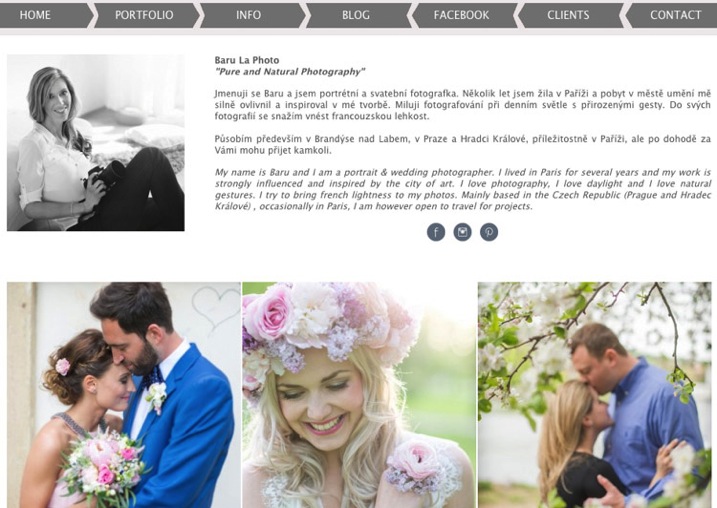
8) There’s no English version

This one is for photographers from non-English speaking countries. Yes, English is the most important language in the business world nowadays, so you need to have an English version of your website if you want to target the worldwide market. If you don’t have the time, or the resources, to prepare two language versions, then go for an English only site.

4 example of good website two language versions including English www barulaphoto com

Example of a website with two language versions including English: Baru la Photo

9) Your location is missing

Lots of (semi)professional photographers try to target the whole world, thus the only location info that you can find on their website is “available worldwide”. Okay, it’s great to know that you’re willing to travel, but clients are sometimes looking for local know-how. Always specify your location (at least by the city).

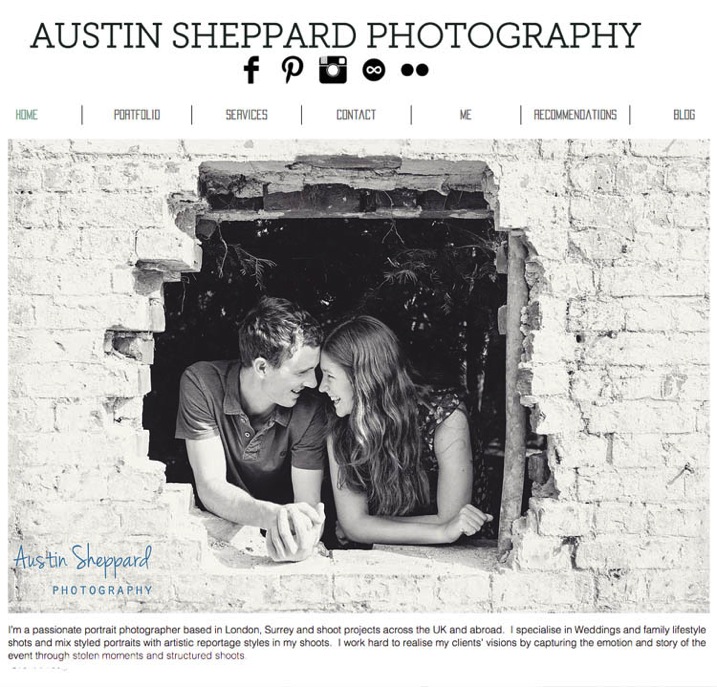
10) There are no links to social media

Social media is the new place to check testimonials and references to your work. It is crucial for your potential clients to be able to quickly find their way to your profiles on social media. The rule “the more, the better” applies here 100% – Facebook, Twitter, Pinterest and Instagram are necessary. You name the others…

5 example of good website clearly visible links to social media www austinsheppardphotography com

Example of clearly visible links to social media: Austin Sheppard Photography

Summary

You put a great amount of energy and time to build up your website. It would be pity to reduce the possibility of attracting potential clients just by making some small mistakes that you can get rid of quite easily. I hope that this article will show some practical examples of such possible changes.

We would also love to hear from you! Are there any other mistakes that you suggest avoiding on photography websites?

googletag.cmd.push(function() {
tablet_slots.push( googletag.defineSlot( “/1005424/_dPSv4_tab-all-article-bottom_(300×250)”, [300, 250], “pb-ad-78623” ).addService( googletag.pubads() ) ); } );

googletag.cmd.push(function() {
mobile_slots.push( googletag.defineSlot( “/1005424/_dPSv4_mob-all-article-bottom_(300×250)”, [300, 250], “pb-ad-78158” ).addService( googletag.pubads() ) ); } );

The post 10 Photography Website Mistakes That Might be Repelling Your Potential Clients by Matej Slezak appeared first on Digital Photography School.


Digital Photography School

 
Comments Off on 10 Photography Website Mistakes That Might be Repelling Your Potential Clients

Posted in Photography


Weekly Photography Challenge – Negative Space

17 Oct

Composition is one of the keys to creating a strong and effective image. One compositional element you can use is negative space. Basically simplification to the highest level, and making the subject isolated with lots of empty space around it. Here are a few examples.

I tell my students all the time – get closer, simplify!

David

By David

ELKayPics / Lutz Koch

By eLKayPics / Lutz Koch

Weekly photography challenge – negative space

Often I see new photographers trying to cram too much stuff into their images, and they just end up being confusing, and ineffective. By simplifying and removing everything except the subject the viewer has no choice but to see it. Taking it a step farther and composing so as to have space around the subject, room for it to move or breathe, allows the image to take on a feeling.

Negative space can add a feeling of loneliness, solitude, quiet, peace, serenity, or even movement. What do these say:

Fran Parra Carrión

By Fran Parra Carrión

Pedro Fernandes

By Pedro Fernandes

John Mcsporran

By john mcsporran

FUMIGRAPHIK-Photographist

By FUMIGRAPHIK-Photographist

Carlos Galeano

By Carlos Galeano

Israel Gutiérrez

By Israel Gutiérrez

Ivan Malkin

By Ivan Malkin

Share your images below:

Simply upload your shot into the comment field (look for the little camera icon in the Disqus comments section) and they’ll get embedded for us all to see or if you’d prefer upload them to your favourite photo sharing site and leave the link to them. Show me your best images in this week’s challenge. Sometimes it takes a while for an image to appear so be patient and try not to post the same image twice.

googletag.cmd.push(function() {
tablet_slots.push( googletag.defineSlot( “/1005424/_dPSv4_tab-all-article-bottom_(300×250)”, [300, 250], “pb-ad-78623” ).addService( googletag.pubads() ) ); } );

googletag.cmd.push(function() {
mobile_slots.push( googletag.defineSlot( “/1005424/_dPSv4_mob-all-article-bottom_(300×250)”, [300, 250], “pb-ad-78158” ).addService( googletag.pubads() ) ); } );

The post Weekly Photography Challenge – Negative Space by Darlene Hildebrandt appeared first on Digital Photography School.


Digital Photography School

 
Comments Off on Weekly Photography Challenge – Negative Space

Posted in Photography


The Fine Line Between Travel Photography and Having a family Vacation

15 Oct

A simple Google search for travel inspiration yields thousands of beautiful images and motivational quotes. Words like, “The Best University is to travel”, “We must take adventures in order to know where we truly belong” and “To travel is to live a full life” flash across your computer screen amidst jaw-dropping travel photography imagery. It brings forth such great feelings of wanderlust and longing to hit the road.

However, for those of us who travel with families and/or young kids there is a nagging voice somewhere in the back of our heads that speaks up and says, “Be practical, can you really make this journey with the kids?”. Then if you add to this mix, a parent who is very emotionally attached to his or her camera, you have just stirred up a pot full of trouble for yourself.

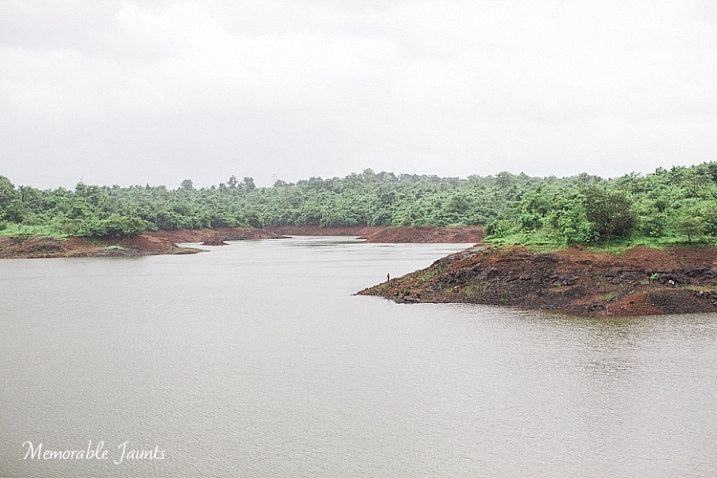
Landscape Image Near Bombay Memorable Jaunts for DPS

Being my family’s designated photographer, and having spent the past two months traveling across my home country of India, I experienced much of these same emotions on a day to day basis. India is a country like no other, where every part of the country has such a strong impact to the senses. It is big, busy, loud, and colorful – and is a photographer’s delight. The parent in me wanted to experience this magical journey with my family, and see my beautiful country through their eyes. Whereas the photographer in me was on a creative high and I wanted to document each and every thing I was seeing through my mind’s eye, and my camera’s viewfinder. I constantly struggled to find the right balance between being a mom, and being a professional photographer. 4000+ pictures later, I feel like I finally figured out what worked for me!

Memorable Jaunts Finding Balance as a photographer Article for DPS-1-2

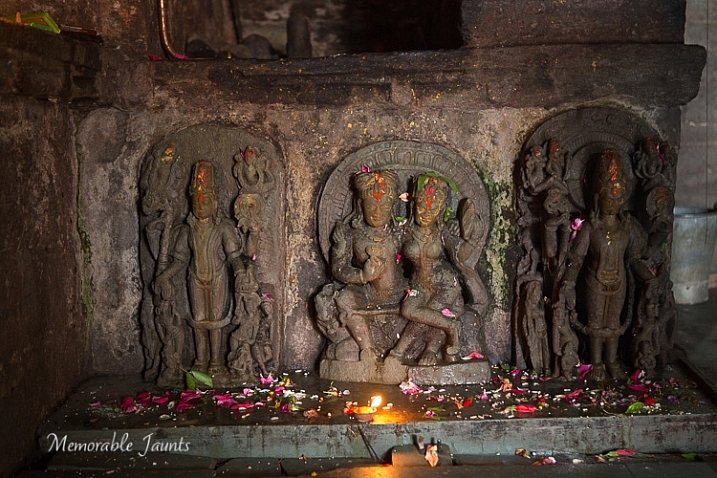
A quick detour on our road trip led to an ancient temple where I was able to take some amazing and interesting pictures inside the inner sanctum.

Research locations for photo opportunities ahead of time

Just like kids, we adults too crave structure and routine, especially when it comes to photography assignments. Just like you would carry a shot list for a wedding photography gig or a commercial assignment, knowing what to expect with every place you visit gives you a certain peace of mind. This is particularly true if you are visiting famous locations and monuments. I found that often in such places photography was not allowed, or you needed special permission, or had to pay a fee.

Research your travel destination as much as you can. Look for information online, or even ask in photography forums specific to your needs. I learned early on in my trip, that most religious monuments and places of worship don’t allow any type of photography. Even cell phones are not permitted. So I would often leave my gear at home, or in the car, and just enjoy the location with my family.

Minimum gear for maximum effect

Packing for months on the road is never easy, especially when you have a ton of equipment, and suffer from an acute case of separation anxiety with your gear. Once you have researched your travel destination and know what types of imagery to expect, only pack the appropriate gear. Maybe even challenge yourself to only use certain types of lenses and cameras. The more practical you are about your gear, the less frustrated you will be for taking stuff you don’t end up using. My goto setup was my Canon EOS 5D MK III and Canon 24-70mmL lens. I used that combination 75% of the time when I was traveling. I found that I could switch easily from photographing wide angle landscape shots, to narrowing in on my kids playing effortlessly with my zoom lens. I also carried my Canon 70-200mmL lens, but found it was very impractical in terms of its weight. Additionally, professional DSLRs and multitude of lenses tend to get heavy and uncomfortable to lug around for a 20 day road trip, and several flight journeys. If you are going off the grid, or visiting remote places, err on the side of caution, and perhaps travel with minimal gear like a small point and shoot camera.

Set aside some “me” time with just with your camera

Memorable Jaunts Finding Balance as a photographer Article for DPS-1

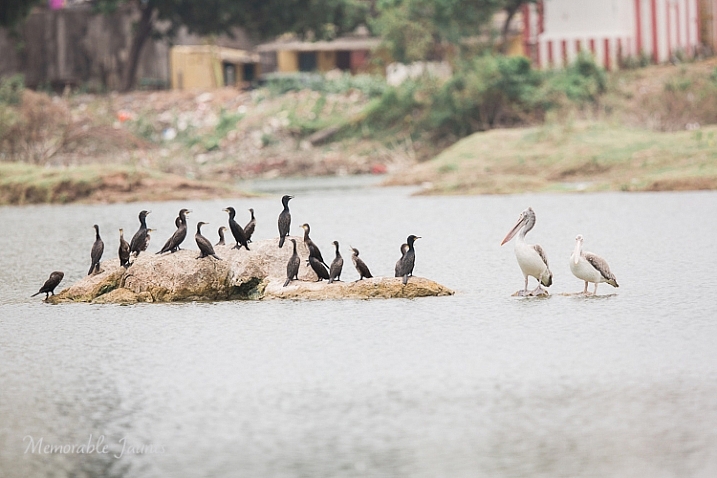
During a ‘me’ time photowalk close to my home in Chennai, I spent 30 minutes photographing these birds without any interruptions or disruptions!

The deal I stuck with my family is that at every new place we visited, I would get one hour just to be with my camera. Any photography assignment specific pictures would be taken at that time. The rest of the day was time spent with my family, and capturing those moments on camera sparingly. There were times when the camera was completely banned because I really wanted to treasure the moments, and not just focus on documenting the experience. And guess what, I found I was a much happier, and nicer person, at the end of the day!

Engage your family in your photo trips

Do you have old outdated gear sitting in your gear cabinet? You know those old first generation DSLRs that you will probably have to pay someone to take off your hands? Use them to get your family engaged in photography. My kids share my old DSLR with a kit lens, and they love it. They love playing photographer, and some of the images they capture are so adorable. I always make it a big deal to praise their budding photography skills, and in turn, they are generally more tolerant when mom wants to spend an extra 10 minutes photographing the waves crashing against the rocks at sunset (because it is the most magical sunset ever!)

Memorable Jaunts Finding Balance as a photographer Article for DPS-1-3

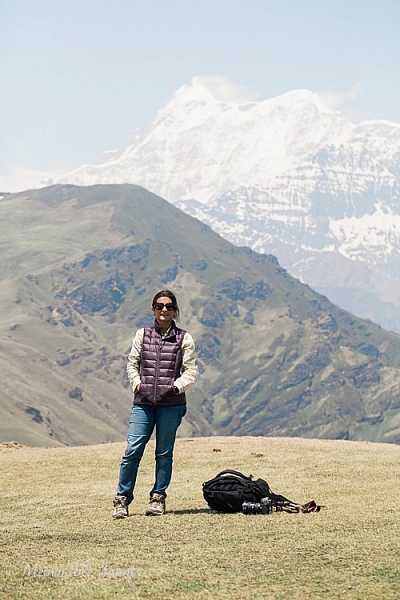
A rare image of me as taken by my daughter! – this was during a four day hike in the mountains, and it’s the only picture I have to prove that I was there too!

Memorable Jaunts Finding Balance as a photographer Article for DPS-2

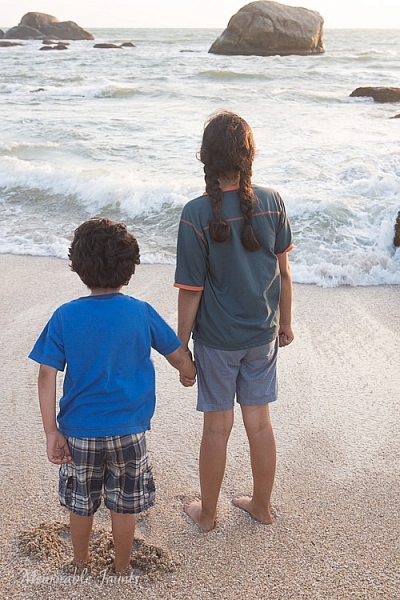
But 10 days later, this was the best I could get of them! – No amount of negotiation could get them to turn around and face me.

Make memories and not pictures

Give yourself permission to not take any pictures occasionally. Put the camera away and just enjoy the experience of being on vacation. After all, you have probably spent a lot of money, and precious time, to get to your destination. Soak in the essence of the space and place, and make memories that will last a lifetime.

After my long summer break, I still felt that I never really had any time off. To me, every minute was a working one, whether was I being a full-time mom, or a travel photographer. While I did walk away with some amazing imagery, a part of me regretted not spending more time with my family. What are some of your strategies for finding a good balance?

googletag.cmd.push(function() {
tablet_slots.push( googletag.defineSlot( “/1005424/_dPSv4_tab-all-article-bottom_(300×250)”, [300, 250], “pb-ad-78623” ).addService( googletag.pubads() ) ); } );

googletag.cmd.push(function() {
mobile_slots.push( googletag.defineSlot( “/1005424/_dPSv4_mob-all-article-bottom_(300×250)”, [300, 250], “pb-ad-78158” ).addService( googletag.pubads() ) ); } );

The post The Fine Line Between Travel Photography and Having a family Vacation by Karthika Gupta appeared first on Digital Photography School.


Digital Photography School

 
Comments Off on The Fine Line Between Travel Photography and Having a family Vacation

Posted in Photography


Photography Tips for Absolute Beginners

12 Oct

So you have decided you might like to try getting into photography, you have either just acquired a new camera or are about to, where do you begin?

Here are some photography tips for absolute beginners to help get you started:

absolute-beginner-photography-tips-1r

Buying gear

Your gear does not make you a good photographer. If you are just starting out, a top of the line camera is likely to not ony be be a waste of money for you, but also make your learning process a bit trickier. A bit like buying a formula one race car to learn to drive.

When you do want to buy gear, research first. It’s really helpful to take a look at some photography forums or articles here on dPS to find tips on beginner cameras. Once you find something that sounds viable and fits your budget, read reviews, and again look to forums such as Flickr, where there is a chat group for nearly every brand or model of camera, and they are often more honest about any issues.

The same applies to other gear like lighting. You don’t need to set yourself up with professional soft boxes to try studio lit portraits, you can try some of these DIY lighting tips, or find some cheap beginner setups on Amazon or Ebay.

Take lots of photographs

“Your first ten thousand photographs are your worst” – Henri Cartier-Bresson

As with any skill, the more you use it, the better you get. As you progress with your photography and look back on those early beginner shots you thought were fabulous, you’ll be able to see Mr. Cartier-Bresson was very right.

Read the manual

Camera manuals are at best, the most boring thing you have ever read in your life, with the possible exception of that friend that wanted you to read all 600 pages of their poetry about love and skin rashes.

Wile not an exciting read, going over the manual is very helpful.

Camera manuals are not exactly a riveting read.

It’s a good thing both in the beginning, and to refresh down the track, to know how this wonderful instrument (your camera) actually works. Even if you don’t recall all of it, that doesn’t matter, you will learn or be reminded of something helpful.

Yet it’s such a hard thing to read that manual! So it’s best to place it somewhere where you can push through it in small instalments while you are passing some time such as: the bathroom, in the car if circumstances have you often sitting there waiting for the kids, or at work during lunch break. Just as long as you give that thing a good going over.

Workshops and courses

So you’ve got the photography bug. You might be thinking, “Ooooo! I’ll sign up to a bunch of courses, workshops, buy online courses.” It might seem like a good idea and while they can be fantastic, I don’t recommend going nuts with your enthusiasm, and signing up for courses and workshops the moment you get the photography buzz.

You are currently reading one of the most useful photography sites on the entire internet. There is more information, tips and tutorials on this site, and others, than you will ever need to get you started and beyond. Once you get the hang of things, then you will have a better idea of the type of courses and workshops that would suit you. So I’m not saying don’t take a course – just wait until you know what suits your needs.

Connect with other photographers

This is invaluable, whether you sign up to an online group that use your brand of camera, or join a local camera club, your photography will progress faster, and it will be more fun with the help of fellow shutterbugs.

Even other beginners can help you learn new photography skills.

Connecting with other photographers is a great way to learn more and get inspired.

Camera clubs often have monthly competitions to practice with and sometimes organize photo tours, exhibitions and other activities. Talking with knowledgeable photographers or even fellow beginners can not only inspire, but also keep you motivated.

Sign up to some reputable photography newsletters and Facebook pages, or even approach photographers you admire to ask questions. Most professional photographers don’t mind answering a few questions, as long as you are respectful and polite, and don’t demand too much of their time.

Try everything

You may have taken up photography with a certain style or subject in mind, but it can be helpful to try all styles. You never know what you might have a knack for, or what you will learn along the way.

Getting feedback

Your friends and family may love you but they will lie to you about your photography. Unless you have a very honest friend or family member who actually knows a bit about photography, it’s often more beneficial to get feedback from strangers.

Signing up to a photo sharing site where others can comment on your work will get you mostly honest feedback, sometimes brutally so. I posted the image below on a feedback site some years ago. Aware the image had faults, I was keen to hear what someone else could point out for me, that I might not have seen after working so closely on the image.

72102_442536687028_1346935_n

A fellow submitted a lengthy comment , basically pulled it apart, pointing out several (million it seemed) faults, he really went to town on it. But while the comments were brutal and borderline unkind, it was useful advice. All of which I ignored in regards to that image, but was useful for later attempts.

Enter free competitions

If you have loads of money to spend, and confidence in your work, by all means as a beginner enter some of the big competitions. You wouldn’t be the first to take out a major prize in the first few months of picking up a camera. But there are loads of free competitions out there for you to throw some images, at and see how they go. Have a read of this helpful guide to entering competitions.

Aim to get off Auto settings

If you really want to be a good photographer, this is vital. No rush though! Just enjoy photographing in Auto Mode, and experiment with the settings as you go. Manual settings are not nearly as difficult as some beginners think. It can be a bit like learning to drive. In the beginning, it can be challenging to manage gears, indicators, and steering, all the while trying not veer off the road. But, with a bit of patience and practice, it becomes second nature. When you are ready to try manual settings there are plenty of beginner guides and cheat sheets here on dPS.

The digital darkroom

If you are really into your photography, you will need some sort of editing program. In the days of film photography you needed a darkroom and the use of heavy chemicals. But these days, thanks to modern technology, you can edit almost anywhere.

With today's digital darkroom you can edit your photo's pretty much anywhere and chemical free.

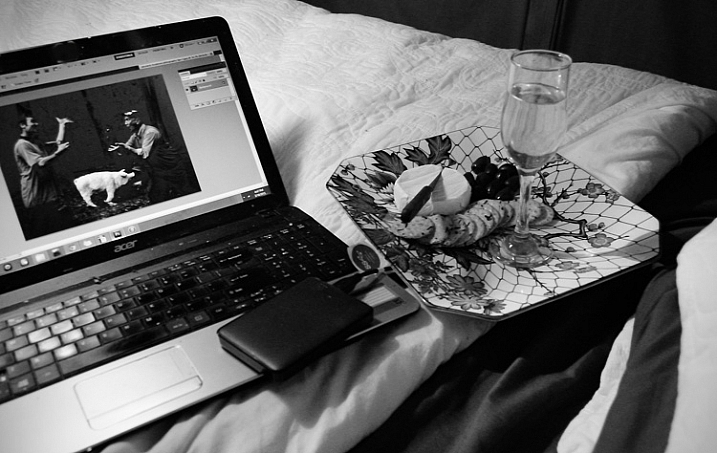
These days your darkroom can even be in bed with some accompaniments.

There are free and simple programs like Picasa, which have their limits, but are good for those just starting out. Then there are the big guns like Photoshop and Lightroom, which can be daunting for beginners, but it’s worth learning even just the basics of these programs, if you intend to get serious about your photography at some point. As with getting off Auto settings, it’s not as difficult as it may seem at first, and the internet is bursting with free tutorials on pretty much any program you choose.

Have fun

This is the best and most important part of photography, the enjoyment of it.

Don’t get bogged down by unsuccessful attempts, or by comparing yourself to professionals. Even the best photographers in the world were beginners at some point. Just keep taking photographs, keep learning, keep challenging yourself, and above all keep enjoying the fun you can have with photography.

googletag.cmd.push(function() {
tablet_slots.push( googletag.defineSlot( “/1005424/_dPSv4_tab-all-article-bottom_(300×250)”, [300, 250], “pb-ad-78623” ).addService( googletag.pubads() ) ); } );

googletag.cmd.push(function() {
mobile_slots.push( googletag.defineSlot( “/1005424/_dPSv4_mob-all-article-bottom_(300×250)”, [300, 250], “pb-ad-78158” ).addService( googletag.pubads() ) ); } );

The post Photography Tips for Absolute Beginners by Lea Hawkins appeared first on Digital Photography School.


Digital Photography School

 
Comments Off on Photography Tips for Absolute Beginners

Posted in Photography


How Zack Seckler Uses Humor and Style in Photography

12 Oct

Zack Seckler 2015 15


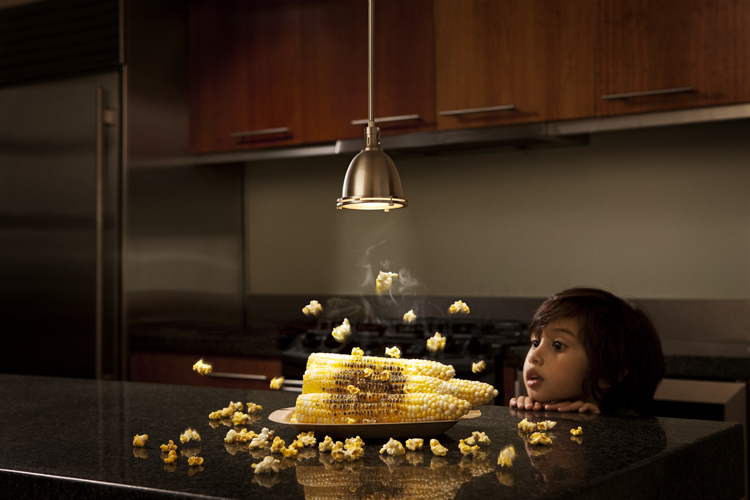
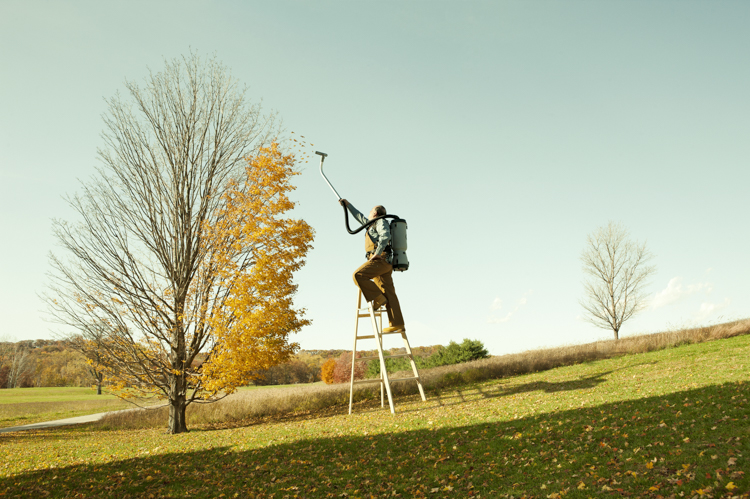
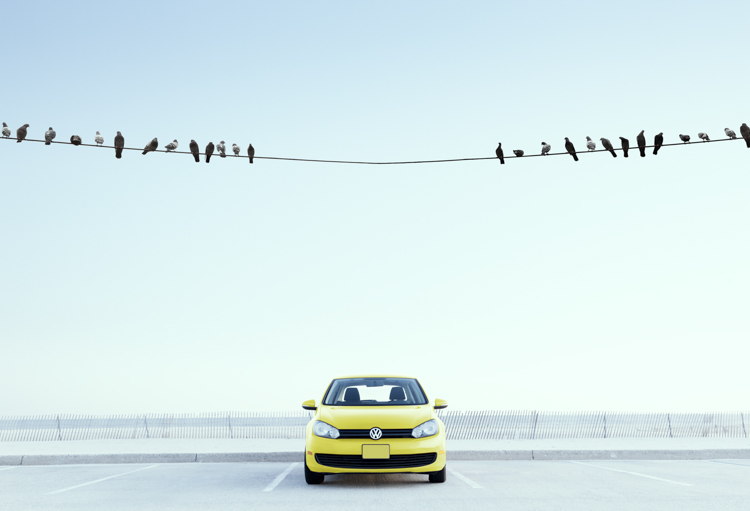
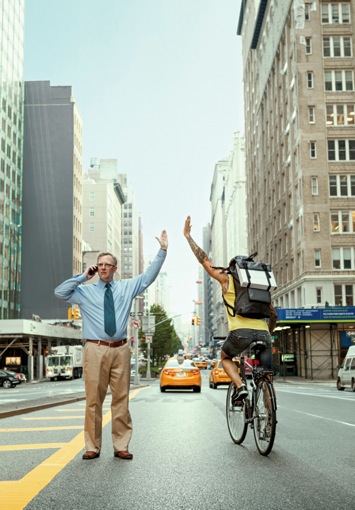
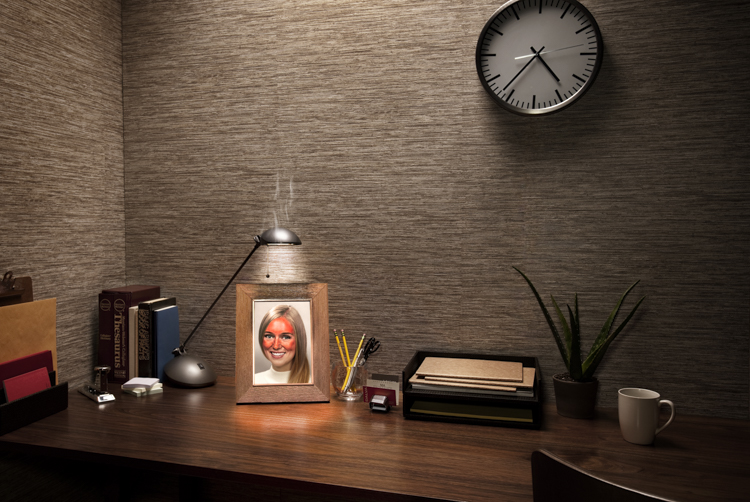
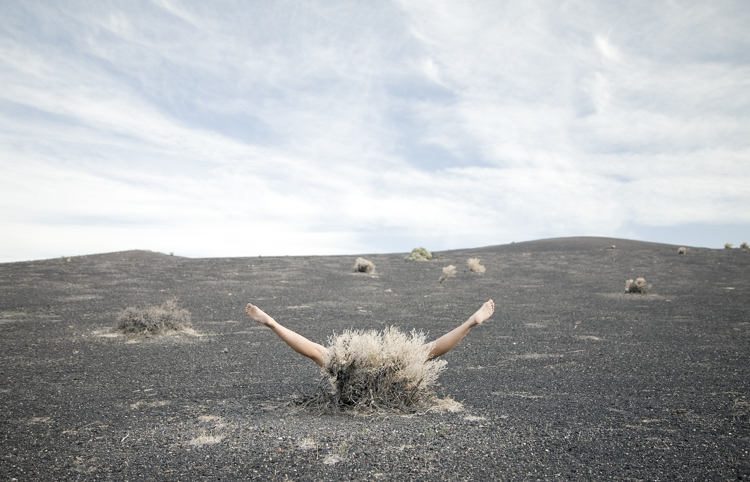
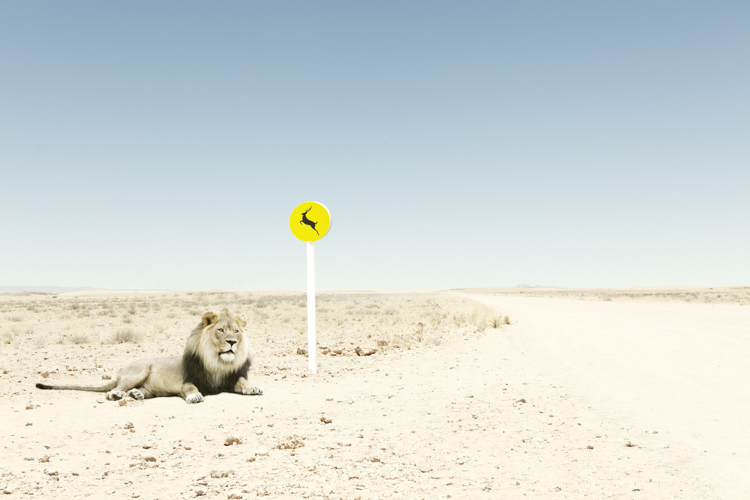
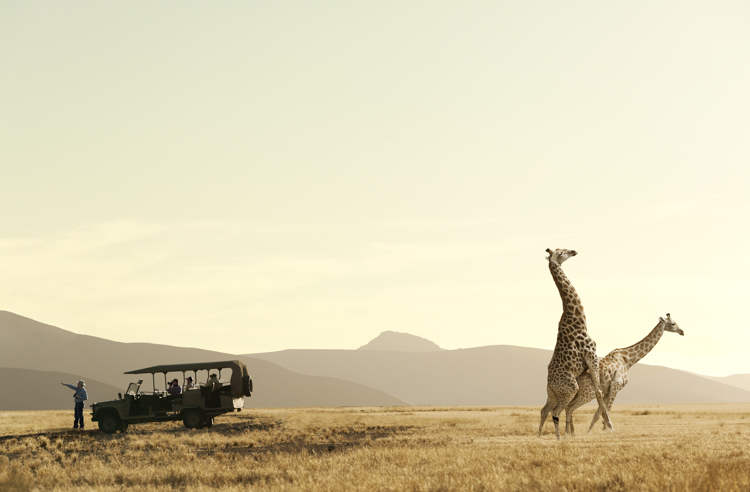
When dPS first heard about Zack Seckler’s unique style and perspective on photography, we thought you might like to hear about his though process and see some of his work here. So I did an email interview with Zack to ask him a few questions:

#1 – Your work is very unique with a particular sense of humor. Can you tell us a little about your thought process? How do you come up with the ideas for them? What steps do you follow to make them reality?

Whether it be written, drawn, spoken, or televised I have a deep appreciation for humor. I like to laugh, sure, I mean stating the obvious here. But what I love is that humor can push me to see, or think, differently. Like a camera lens, humor can refocus the way we see the world.

I enjoy showing an amusing version of the ordinary. I try not to take life too seriously, to always see the positives in things, and I want my work to reflect these sentiments.

Zack Seckler 2015 14


I shoot humor-based work for clients and I also shoot for myself. When beginning a new personal project it can be a bit overwhelming because it’s not about finding inspiration, but about sifting through the zillion ideas, pictures, thoughts and ideas I’ve had; and trying to select just one. I have a Word doc dozens of pages long, with single line ideas in it. I have folders with hundreds of screenshots, and iPhone snaps that inspired a funny thought. I do this not as a job, but as a passion. When I have time to shoot a new personal piece it’s like trying to pick between my babies.

Eventually, I settle on something that I love, which is unique to what I’ve done so far. I like trying to push my body of work in new directions and to not repeat myself.

Zack Seckler 2015 20


#2 – What is your workflow for your images? Do they mostly consist of single images or also some composites? If you don’t mind, can you walk us through the process from camera to finished image?

Once an idea is in play, I think “Okay, now how am I actually going to shoot this.” I think like a producer – where will I shoot this? Where will I cast the talent? How large a crew will be necessary? What type of gear will I need? What props will I use? Are there permitting and logistical issues I need to consider?

If I’m doing a personal project I’m always on a budget, and that forces me to be creative with my production. I frequently rely on compositing if the locations are exotic in anyway (and by exotic I mean anywhere outside my front door). Oftentimes I’ll shoot the background separately and then shoot the talent in a studio, or in a location that I don’t have to pay for.

Zack Seckler 2015 07


Zack Seckler 2015 02


#3 – What has the response to your images been? Have you seen doors opened due to your unique style?

I’ve been fortunate to have multiple bodies of work go viral, including my humor and aerial fine art work. I’ve been seriously humbled by the response. It’s a bit surreal to see all these people discussing my work; and it sets the bar high for future projects. That said, having my work out there is fulfilling, but the best part is when I get emails from people saying that my work inspired them in some way. It means so much to me to hear from people who’ve been influenced in some way, great or small, by my imagery.

Doors have opened for me partly because of my style but more importantly doors have opened for me because of hard work. I spend a tremendous amount of time shooting, marketing, working on personal projects and networking. I love what I do so much, and so it doesn’t seem like work. But it’s a helluva a lot of work. The secret to success as a photographer is to work your butt off.

Zack Seckler 2015 01


Zack Seckler 2015 03


#4 – What do you suggest to a new photographer that can help them develop their own photographic style? How long did it take you to find your groove?

Zack Seckler 2015 06

Being a professional photographer is one of those super competitive businesses. I think to be successful you absolutely must have a unique style. This is something that a lot of photographers starting out can have trouble grasping. I didn’t fully understand this at first either. When you pickup a camera and have a certain way of arranging the frame, the composition, the lighting, the mood – all without thinking – then you’re on your way to finding your own personal style. Then, when you combine these aesthetic aspects of photography with the actual content you like to photograph; you most likely already have a style. Ultimately, it’s all about practice.

Shoot, shoot, shoot! It’s common advice, but there’s a good reason for it. Practicing your craft is, bar none, the best way to get better; and to allow your own style to shine through. It’s common sense, sure, but just get out there and do it. That’s the most difficult thing about starting a journey: taking that first step. Then taking the next one and the next, and always looking forward.

I also recommend immersing yourself in the visual arts a much as possible. Go to museums and gallery shows – even if they’re not photography related. If you find yourself drawn to a particular painter, or period, ask yourself what it is that compels you. Look for similarities in your own work.

Zack Seckler 2015 08

Be sure to keep up on all the current photography out there in magazines, advertising and the arts. Collect a visual library of things that inspire you. I still do this all the time! Then look back through the library and look for trends. You’ll find that you gravitate towards certain aesthetics. Identify those and see if you find parallels in your own work. If not, try using those as points of inspiration on your next shoot.

#5 – what is your one must-have piece of gear? What can you not live without?

I love geeking out over gear as much as the next photographer. “Ooh checkout the pixel pitch on that sensor!” However, I must say that my one indispensable piece of gear is – drumroll please – Photoshop. On any shoot, we photographers are limited by the scene in front of us. But once we take that image into Photoshop, the only limitation is our imagination.

Zack Seckler 2015 05

Zack Seckler 2015 16

Zack Seckler 2015 17

Zack Seckler 2015 19

Zack Seckler 2015 11

Bio:

Zack Seckler Portrait 2014 cropBoston born photographer Zack Seckler took to his craft after graduating from Syracuse University in 2003. He began his career as a photojournalist but in 2008, Seckler found his true passion to be creating imagery from scratch. This transition has been rewarding, resulting in over a dozen major industry awards, a distinguished client list and a budding fine art career. He lives with his wife and two young sons in the suburbs of New York City.

I hope you’ve enjoyed Zack’s images and words of wisdom. You can see more of his work on his website and his Instagram profile.

If you have any questions or comments for him, please leave them below and I’ll make sure that he gets them.

googletag.cmd.push(function() {
tablet_slots.push( googletag.defineSlot( “/1005424/_dPSv4_tab-all-article-bottom_(300×250)”, [300, 250], “pb-ad-78623” ).addService( googletag.pubads() ) ); } );

googletag.cmd.push(function() {
mobile_slots.push( googletag.defineSlot( “/1005424/_dPSv4_mob-all-article-bottom_(300×250)”, [300, 250], “pb-ad-78158” ).addService( googletag.pubads() ) ); } );

The post How Zack Seckler Uses Humor and Style in Photography by Darlene Hildebrandt appeared first on Digital Photography School.


Digital Photography School
 
Comments Off on How Zack Seckler Uses Humor and Style in Photography

Posted in Photography


Dreaming for a living: The conceptual composite photography of Colin Anderson
12 Oct

Australia-based conceptual artist Colin Anderson is re-defining what it means to be a modern photographer. An early adopter of Photoshop, Anderson creates complex allegorical images from a number of visual elements, including stills captured with a medium format camera and 3D elements created from scratch. Find out what he’s learned from a long career in editorial and commercial photography. Read more

Articles: Digital Photography Review (dpreview.com)

 
Comments Off on Dreaming for a living: The conceptual composite photography of Colin Anderson

Posted in Uncategorized