Emerald Expositions, the company that owns PhotoPlus Expo and the WPPI Wedding and Portrait Photography Conference, announced today the formation of a new association – the Professional School & Sports Photographers Association. The group will exist under the company’s Photo+ umbrella, alongside properties that include PPE, WPPI, PDN and Rangefinder magazine. Read more
Tag: Photography
-
6 Tips on How to Make More Time for Photography
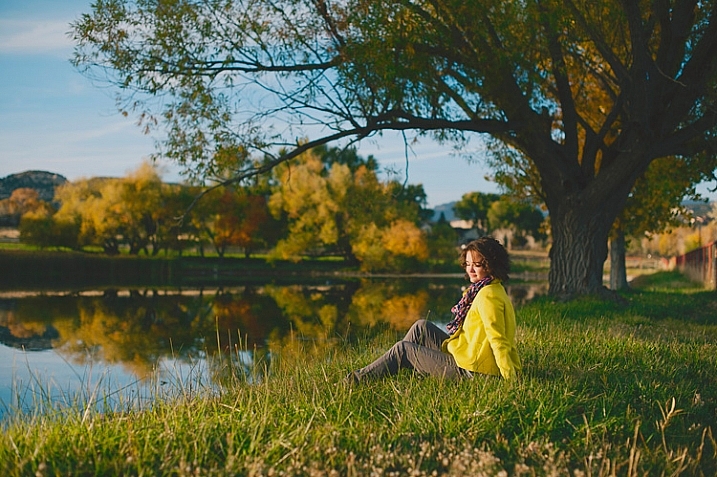
YOU have time for photography!
How does that statement make you feel? Does it ring true to you? If you are thinking, “That might be true for others, but not for me and my busy life.”, this article may change your mind.
We would all love to have the luxury of doing whatever we want, whenever we want to do it, but that’s not how life works for most of us. We have jobs, family, kids, homes, yards, church responsibilities, community obligations, the list goes on and on. If you really want to use your camera more, learn more about photography, and practice your skills on a regular basis, maybe the following tips will help.
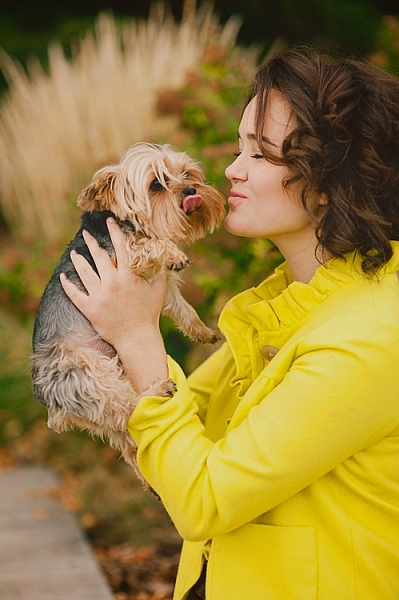
1 – Schedule it in
Sometimes we know we want to photograph something, and we figure that sometime during the day we’ll grab our camera and it will happen. If we’re being realistic, we know that the chances of that happening are pretty slim.
If you really want to get more photography into your life, you have to make it a priority. We know that priorities get scheduled in first. You’ve probably seen the object lesson where you fill a jar with sand and then try to pack the rocks into it. Of course the rocks don’t fit; the jar has already been filled with little pieces of sand. If you put the rocks in the jar first, and then shake the sand in around the rocks, you can fit both of them in there. Priorities are your rocks. They have to fill your jar of time first, and then the other little things that don’t matter as much will find a way to fit in where they can.
Write your photography plan for the day down on your calendar. In pen. Then treat it like any other important appointment. If it’s not written down, it’s much easier to push it aside for other things that happen to come up. Also, remember that it doesn’t have to be a long session every time. Sometimes five minutes is enough to capture something fun.
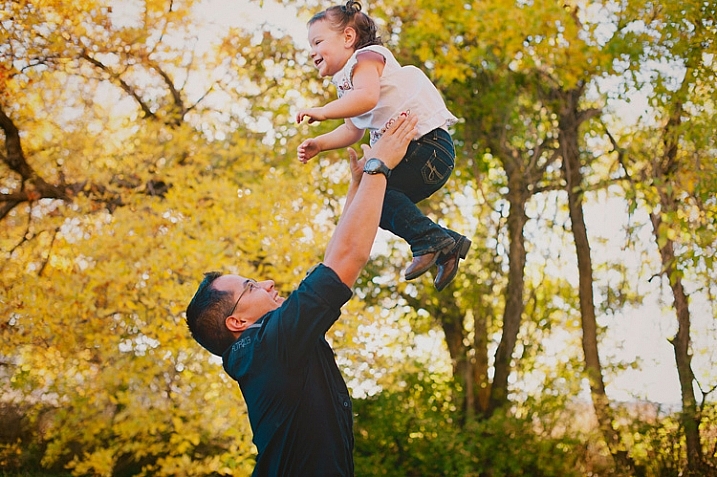
2 – Let go of perfection
You may have it in your mind that you need to photograph an elaborately staged fairy tale story, or that you must photograph a mountain scene at precisely 6:30pm on a foggy day, or that your little girl has to have perfectly curled hair and perfectly matched clothes, without a speck of dirt.
If you are always waiting for the perfect conditions to happen, chances are you won’t get much photography done. Sometimes those perfect conditions happen, and it’s magical, but sometimes magical photos happen when you least expect them.
You may have to drag your night-owl self out of bed at sunrise to fit photography time into your day. You may have to snap a photo of your daughter with messy hair and mud pies on her face, because that’s when the opportunity presents itself. You may have to bring your camera to work, and find a moment in midday bright sun to explore your surroundings with your lens.
Don’t get too hung up on everything being just right. Sometimes you actually learn more when you have to deal with less-than-ideal circumstances, then you are even more appreciative of the times when everything falls into place perfectly.
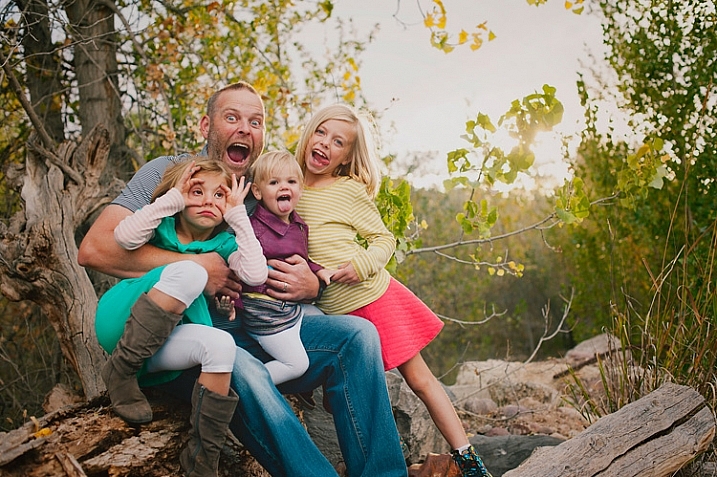
3 – Keep your camera with you
We’ve talked about scheduling quality time with your camera into your day, but sometimes you may find yourself with a pocket of time you aren’t expecting. If you have your camera close by, you can take advantage of that time.
As much as possible, have your camera with you. If the weather is mild, keep it in your car. Take it to work with you. Bring it along to family functions, or parties. You don’t have to be that person who always has a camera up to your face, but have it available, just in case. There have been too many times where I’ve been in a situation where I wished I had my camera with me, and everyone around me wished I did too. But sadly, I had forgotten to bring it, or hadn’t thought I would need it. Unless you are worried about the temperatures you will have to leave it in, or about it being stolen, just bring it.
You may want to consider your smartphone, or a small pocket camera, as legitimate options also. You can get pretty great photos, even without your DSLR, so use whatever camera you have with you to create art, and capture beautiful things around you.
4 – Combine photography with other activities
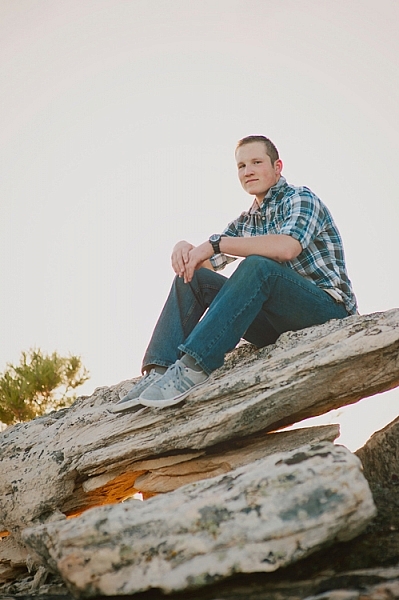
Going camping in the mountains? Make it a double-duty activity of camping and nature photography. Play date at the park with friends and kids? Bring your camera along for a fun session with lots of cute faces to photograph. Business trip for work? Your camera can be your travel companion, and help you explore a new city.
Find opportunities to work photography into the things that you are already doing. You don’t have to drop everything you’ve planned to find time to take a few photos. Look at the week ahead of you, and see how many already-planned activities you can fit photography into. It might surprise you how many activities will open up exciting photography opportunities, without adding any extra time to your already busy day.
5 – Find your motivation
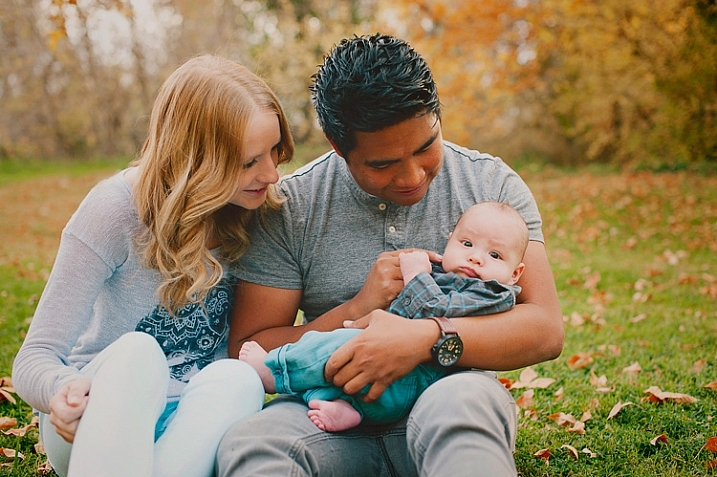
We all are motivated by different things. Some of us are very goal-oriented, and some are not. Some of us thrive on challenges, and some of us get motivated by something fresh and new. Find what motivates you, and apply it to your photography.
If you like challenges, you could try a 365 Photo a Day Challenge, or make a list of objects to find and photograph, and see how fast you can check them all off. When I was new to photography, I was part of an online group called Mission 24. Each week we would take turns choosing a subject to photograph, and everyone in the group had 24 hours to interpret the subject in their own way, photograph it, and post it to the blog. Then we’d vote on which image was the winner each week. It was all in fun, and really helped us to get our cameras out, and encourage one another.
If big goals are your thing, maybe you’d like to set a goal of starting a portrait business, or selling prints of your landscapes or wildlife photography. It will take lots of time and effort to build a business, but that goal may be just what you need to make you really prioritize your photography time.
You might even find that purchasing something like a brand new awesome photography bag, or the new lens you’ve been dying to get, will motivate you to get your camera out more often.
6 – Give it a rest
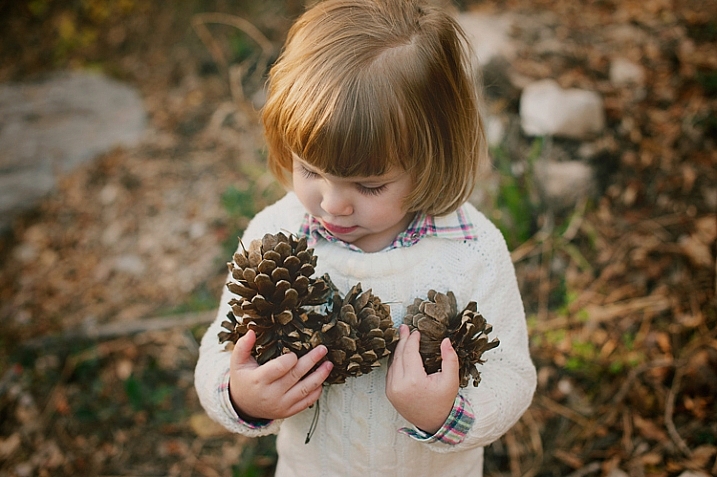
This may sound like the exactly wrong advice for this article, but sometimes you need to put your camera aside, and not worry about photographing anything for a while.
If you feel like trying to fit photography into your day is stressing you out, and you’re not finding joy in it, then it may be time to take a little break. Forcing yourself will only make things worse. Put your camera in your bag, zip it up, and put it away. Don’t get it out until you WANT to.
You will most likely find that after a short break, you can’t wait to get your hands on your camera again, and it’s back to being a joyful, fun activity. Absence makes the heart grow fonder, right?
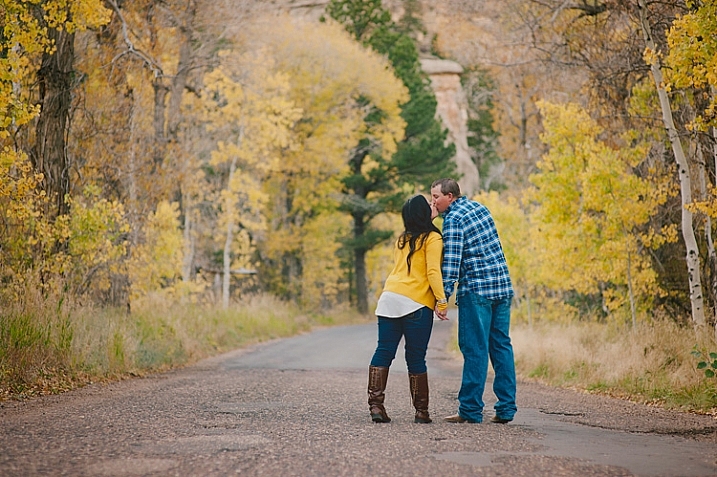
What are your best tips for fitting photography into a busy schedule? I’d love to hear them, please share in the comments below.
googletag.cmd.push(function() {
tablet_slots.push( googletag.defineSlot( “/1005424/_dPSv4_tab-all-article-bottom_(300×250)”, [300, 250], “pb-ad-78623” ).addService( googletag.pubads() ) ); } );googletag.cmd.push(function() {
mobile_slots.push( googletag.defineSlot( “/1005424/_dPSv4_mob-all-article-bottom_(300×250)”, [300, 250], “pb-ad-78158” ).addService( googletag.pubads() ) ); } );The post 6 Tips on How to Make More Time for Photography by Melinda Smith appeared first on Digital Photography School.
-
7 Benefits of Doing Microstock Photography
I have to confess, it took me a while to get myself to do the exercise of actually sitting down and filtering through my old photos, to find those suitable to submit to a microstock agency to start selling. Finally, I did it, but boy how I wished I did it much earlier, back when I heard about microstock photography, the very first time.
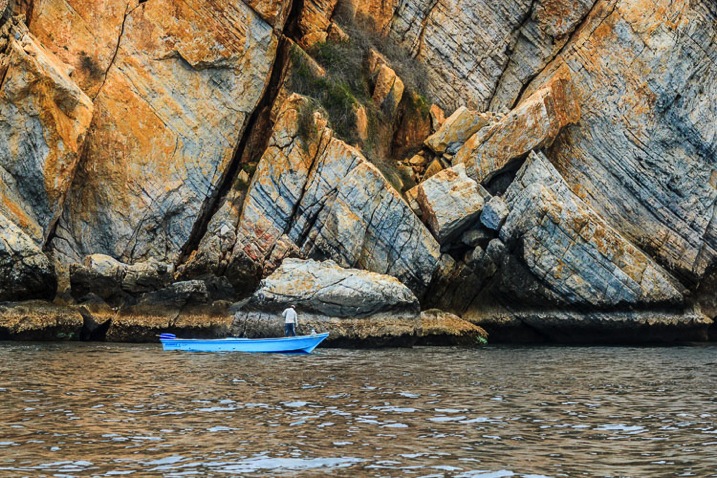
But wait a minute, what’s microstock?
Unlike large stock photo agencies like Getty, microstock agencies are where photographers can license their photos to be sold as royalty-free images. This means buyers can use the photos they bought, without having to pay a royalty (or licensing fee) every time they use them. I won’t get into much detail on this, as you’ve probably heard of thing called “Google” by now, go ahead and read more about it.
For us as photographers, what are the real benefits to selling our work as microstock? Below are seven benefits from my own experience. However, you may find even more benefits yourself. So here we go:
1. It improves the overall quality of your photography
The reason for this is simple: Microstock agencies have strict guidelines for accepting submitted photos, in order to maintain quality. Guess what that means? Yep, you will have to actually put some efforts into taking those photos.
Every microstock agency is different, but generally speaking, things like noise, bad composition, bad lighting, weird color cast (wrong White Balance), out of focus, and blurry are pretty common reasons of rejection. This will definitely keep you on your toes as a photographer, and will force you to pixel peep your images carefully before submitting them. If that’s what the reviewers do, why waste time submitting a photo that won’t get approved? I can’t tell you how much it improved me as a photographer.
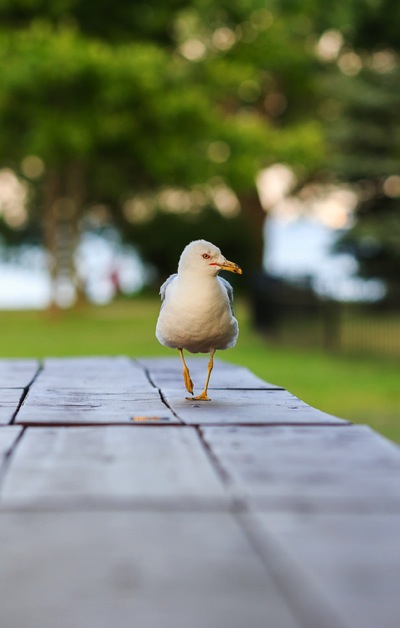
2. It pushes your creativity to new levels
There comes a point as you go through a microstock website, searching for similar photos when you think, “oh man, is there any idea that’s not thought about already?” This will make force you to actually brainstorm more creative ideas, to come up with images that no other contributor has submitted yet. Do I have to tell you how drastically this will improve your overall photography thinking process? Forget stock, this trains your eyes to see differently, and your brain cells to sprint a little harder.
3. It makes use of unused photos
While some shots you will need to purposely take for stock, others are just what you can find in your archives. If you are anything like me, you probably have hundreds, if not thousands, of unused photos laying around, taking up more disk space, let alone backup drives and cloud services. While these extra hard drives and backup services are becoming cheaper every day, the cost still adds up with time. It won’t be long before you realize you have terabytes of RAW and JPEG files, not to mention the hassle of fiddling with many hard disks.
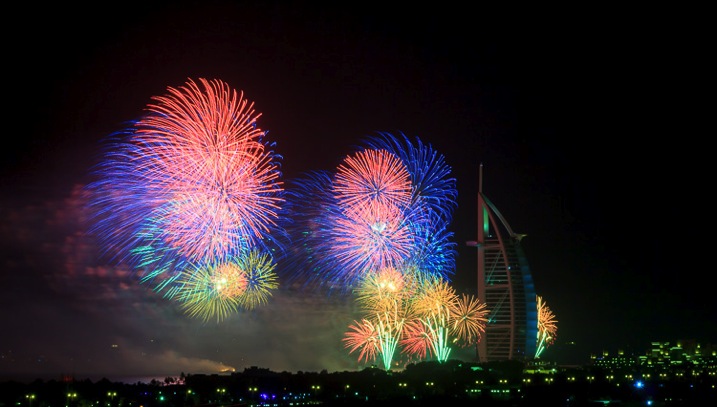
Have you ever thought about putting your unused photos to a good use? Well, you know the saying, “One man’s trash is another man’s treasure”. You won’t believe how many of those photos can be used by others. They could save someone’s day somewhere on this planet. So, instead of keeping them buried down in the hard drives, dust them off, polish them a little, and if you think they meet the criteria, put them to a good use. Who knows, they might end up paying for their own recurring cloud backup expenses.
4. It gives your hobby a purpose
Hobbyist or not, you are likely into photography because it’s what you love to do. If you are not a pro who is getting paid to do photography, justifying staying up late editing your photos to your non-photographer spouse, or explaining slowing down on that family dream vacation to your kids, can be a little too difficult to do.
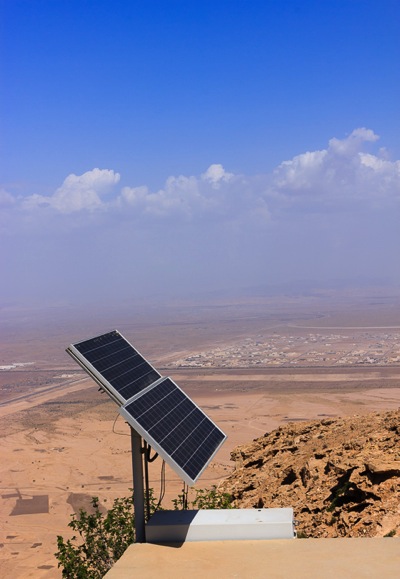
Let’s be honest, this is an expensive hobby, so selling your photos to microstock agencies is probably the easiest way to not only make a few extra bucks on the side, but to add a goal and purpose to your photography. On the other hand, if you are a pro, I’m sure those extras shots that you couldn’t sell and don’t need anyone’s approval to use, will hold some commercial value, so why not?
5. It is as demanding as you want it to be
Selling your photos as microstock is, well, almost like running your own mini-business, minus all the struggles that come with a full-blown business, while keeping some of the advantages. As is the case with running your own business, it’s up to you how much time and effort you want to pour into it, and subsequently, how much return you will get. The good news is, you can speed up or slow down as conveniently as you want. You are in complete control of the process, especially when this is not your main income. What’s not to like about it?

6. It can bring you satisfaction and fame
Have you heard of Google Images search? Once you started selling your photos, go ahead and search on Google using one of your images and see for yourself where, and how many times those photos of yours are being used. Your mind will be blown away by the places that your photo might end up. Don’t be surprised if a friend one day sends you a snap of a famous magazine with your photo beautifully used in it. Go ahead and brag about that to your heart’s content, use it to your advantage, and show the world that you have published work.
7. It gives you a little bit of extra cash on the side, almost indefinitely!
I kept this for last for two reasons:
- I didn’t want you to just focus on the money part and miss the other amazing benefits.
- I wanted to keep the best for last! Not only will selling your photos as microstock make you a better photographer and bring you satisfaction, it will also give you a few extra bucks on the side.
Did you notice how I bolded and underlined the word “few”? Unless you have a big team of professional models, makeup artists, wardrobe artists, and are doing this as your main job, you will probably not make that much money, because after-all, microstock agencies in general don’t pay very much. For instance, as a contributor to shutterstock.com, I only get paid 25 cents per download. Don’t get me wrong, I’m not complaining, in fact, if you think about it, this is only per download per image. If you have enough high quality images, with high commercial value, you will soon witness the numbers add up.

To put things in perspective, if those few extra bucks at least pay the cloud backup charges instead of draining you, or give you some extra cash to buy some accessories online, then this whole thing is very much worth it. Here’s the good news, your portfolio will continue to grow over time and with that, your photos will continue to bring you cash during your sleep almost indefinitely.
Why almost, you ask? Well, because some photos may go out of style, or will be overused by so many designers, blogs, and publications, so you will need to keep updating and adding more photos to your portfolio to keep it fresh. This should keep the income flow somewhat steady, if not improve it over time, especially when you start to analyze and learn the ins and outs and what sells more than others.
Conclusion
I wish I had someone open my eyes to these benefits a long time ago – so here you go, I hope I’m opening yours. If you are already a microstock photographer, or can think of other benefits, I would love to hear and discuss them with you in the comments section below, maybe you will open my eyes to something I’ve not seen before myself.
googletag.cmd.push(function() {
tablet_slots.push( googletag.defineSlot( “/1005424/_dPSv4_tab-all-article-bottom_(300×250)”, [300, 250], “pb-ad-78623” ).addService( googletag.pubads() ) ); } );googletag.cmd.push(function() {
mobile_slots.push( googletag.defineSlot( “/1005424/_dPSv4_mob-all-article-bottom_(300×250)”, [300, 250], “pb-ad-78158” ).addService( googletag.pubads() ) ); } );The post 7 Benefits of Doing Microstock Photography by Momen Khaiti appeared first on Digital Photography School.
-
Trashing the Dress: The anti-bridal wedding photography of John Michael Cooper
John Michael Cooper is not your standard wedding photographer. Credited with starting the ‘trash the dress’ trend, his portfolio of high-fashion bridal photography contains the standard bread-and-butter wedding portraiture alongside more experimental images. Read more
-
3 Body Language Hacks to Improve Your Portrait Photography
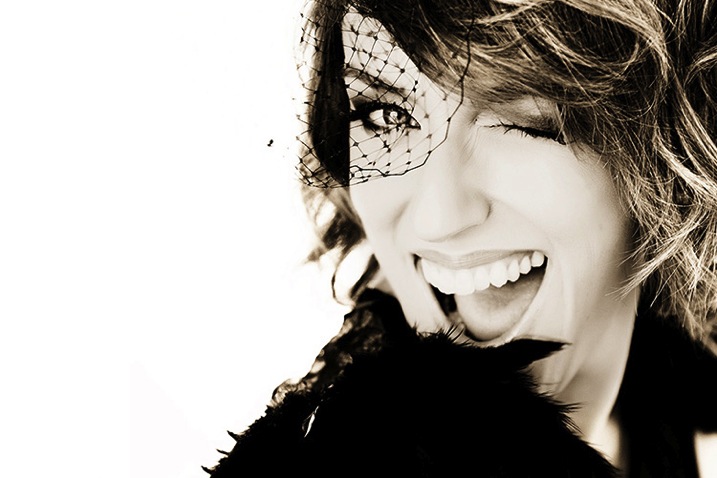
I’m going to ask you to put your camera down for now. I know it’s a lot to ask, but the secret I’ve discovered to better portrait photography has, in fact, very little to do with your camera.
One of the most common mistakes budding portrait photographers make is to be so focused on getting the technical aspects right, they completely forget about the most important feature of a portrait – the person standing in front of their lens.
I’m not saying that your camera and technique aren’t important, they absolutely are. But even when you have the best technique in the world, you will not have a good portrait if your subject feels, and looks, uncomfortable.
The secret to helping your subject be relaxed and look good in pictures is body language – both yours and their’s.
Body Language
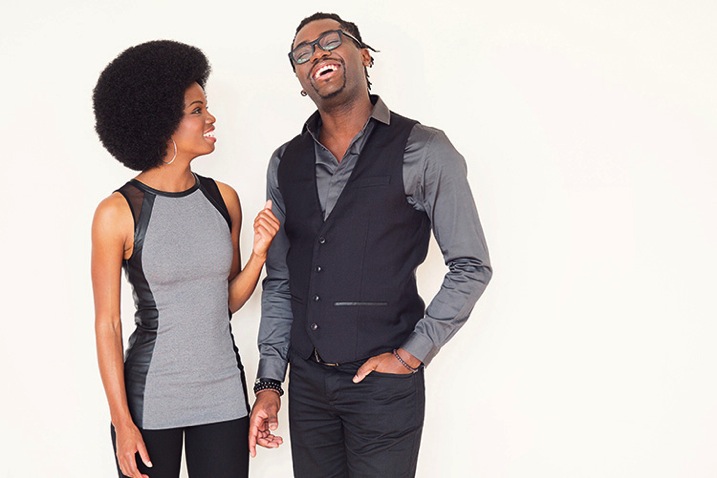
Body language is how our bodies communicate our feelings and intentions, and it makes up for a majority of how we communicate. Some studies found that as much as 92% of our communication is nonverbal, and experts all agree that, as humans, we rely first on what we see and feel, before believing any spoken word.
Why is this important in portrait photography? Because body language is the language spoken in our portraits.
Within one second of seeing a photograph, we make a snap judgment about the person – or people – in the image, and what our brain relies on to make this judgment is their body language. Big cues like slouched shoulders or crossed arms are obvious, but it’s also the small cues like a fake smile, tense hands, slightly pursed lips, or squinting eyes, that tell our brains on an instinctive level, how that person is feeling. Furthermore, if the feelings are negative, it can ruin your portrait.
So, what can you do? Let’s look at three things you can start doing right now to help your subject settle into relaxed and positive body language.
1. Identify discomfort
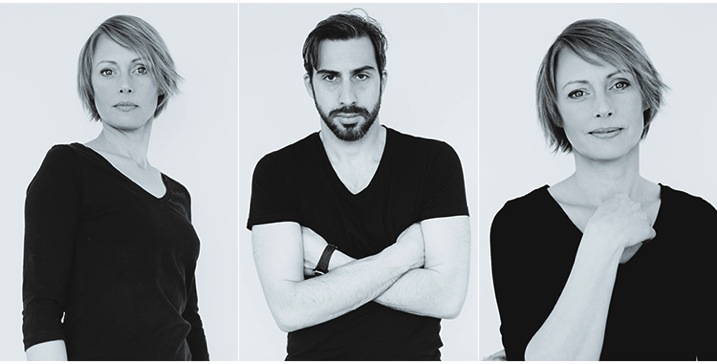
It’s pretty uncomfortable for most people to have their portrait taken, even if they are really looking forward to it. This tension appears mainly through blocking and pacifying cues.
Blocking gestures occur when we put something between ourselves and an uncomfortable situation. Crossed or closed arms are the most obvious signs, but the person may also be holding something like a bag or a laptop in front of them, turning their bodies away from you, and even crossing their legs tightly when standing.
Rubbing or pressure movements are called pacifying gestures. You will observe this when she’s playing with her necklace, rubbing her arms or legs, or he’s playing with his clothes, or squeezing his fingers together. Another place to look for pacifying gestures is the mouth. Lip pressing and licking, and tongue movements pressing inside the cheeks or lips show high levels of stress.
When you see this happening before or during the shoot, your subject is feeling uncomfortable and it’s going to show up in your portraits. Let’s look at how you can help them relax.
2. Show, don’t tell
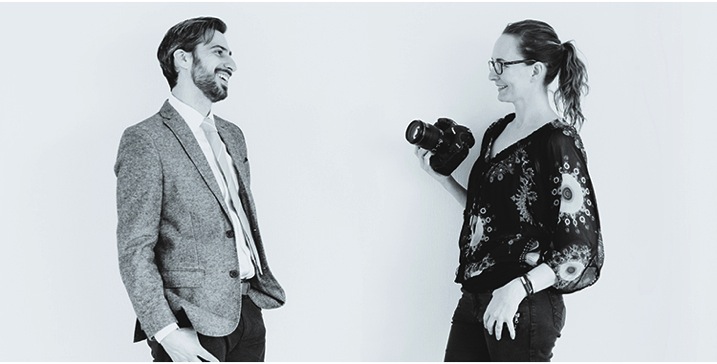
People feel uncomfortable during a photo shoot mostly because they don’t know what to do. It’s really stressful to be in front of a lens and be told to pose or act natural. They have no idea what you want from them, and telling them doesn’t help.
A client of mine shared this story with me;
At my last photo shoot, the photographer asked me to smile. So I smiled. “No! Not like that!” he said “you know, relax and smile!” All I could think is “Damn, I’m not relaxed, how do I relax?” which made me stress even more, and the more he was telling me to relax, the less I was! It was horrible! I look like I’m growling in all the photos. I hate them!
So if telling them what to do doesn’t help, what can you do? Show them! People can easily mirror what you want them to do. Ask them to mirror you, and show them exactly the pose you want them to take. Not only this will help them relax, it also allows you to get them into the right body language for the picture. When working with children, you can turn this into an imitation game, and they will be playing along with you in seconds.
Mirroring is a key bonding behavior in human body language. This interaction creates an immediate connection between you and your subject, and allows them to shift their attention away from the lens and focus on you instead.
3. Be in control -even when you’re not
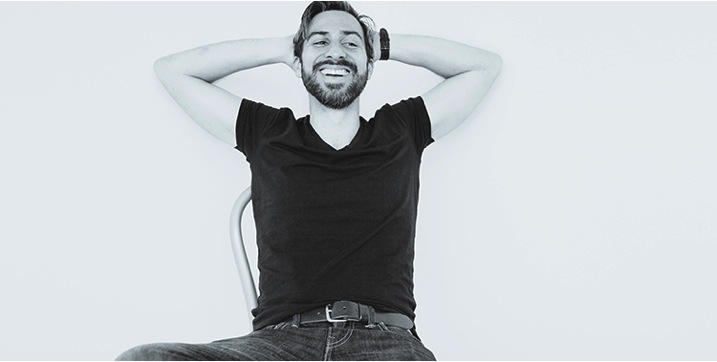
From the minute you meet your subject, until they walk away from the session, it’s vital that you appear in control by using confident body language, keeping your energy up, using positive words, and never showing any signs of stress – even when you’re freaking out because the settings you’re trying aren’t working.
I know this one is tough when you’re starting out, and you have to think of a million things – camera settings, composition, lighting, backgrounds, etc., and now I’m asking you to also think about what your client’s body is saying! But let’s think about this for a minute. How do you think your subject feels when they are working with a silent, stressed out, and fidgety photographer who is focusing all their attention on the camera or the lights? Not so great right? Guess where that’s going to show up? In your pictures.
They need to know that you’re in control, even when you’re not! This is a, “fake it until you become it” moment in your life. Talk to them. Explain what you’re doing. You might be concerned that they won’t take you seriously, but really, they are just curious about what’s going on. If they feel that you’re in control, that you know what you’re doing, you will keep the connection with them and help them to relax.
The best part is that you’re also going to feel more in control. Recent studies on body language have found that by changing our posture and behavior, we actually change our feelings too. Not only will you appear more confident, you’re actually going to feel more confident.
What’s next
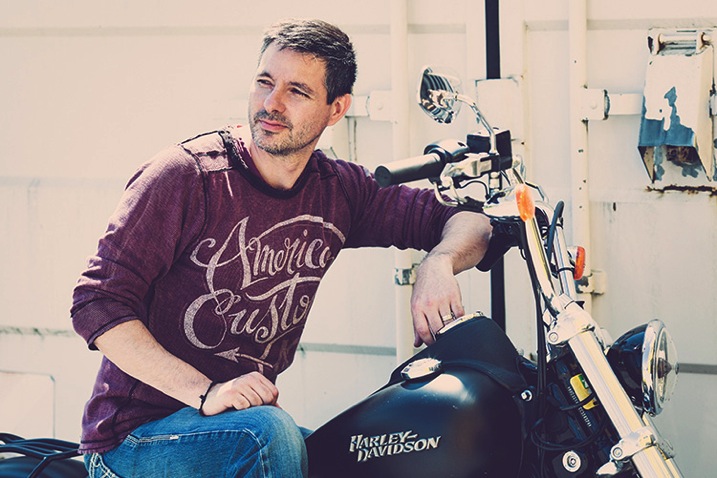
This is really just the very beginning of how body language can help you with your portrait photography. The choice of body language cues you’re going to use in your portraits will also have a huge impact on the feeling and quality of your images, and your relationships with your subjects.
Understanding body language is not just an option if you want to be a portrait photographer, it’s a vital skill; as vital as breathing is to a singer, or taste is to a chef. You will not be able to consistently create beautiful portraits of people, or create a fun experience for them if you ignore it.
The good news is that this is a skill you are born with, and have unconsciously practiced since your youngest age. However, most of us simply don’t pay attention to it because nonverbal communication is not part of our training curriculum, at school or later. Just like a musician will be more alert to sounds through practice, and a chef to taste through experience, I’m confident that you will soon become attuned to your subjects body language if you put in a little work.
Soon you will have mastered an amazing skill that will not only be useful in your work as a photographer, but also in everyday life.
Do you have another other tips about body language? Please share in the comments below along with any images demonstrating body language in your portraits.
googletag.cmd.push(function() {
tablet_slots.push( googletag.defineSlot( “/1005424/_dPSv4_tab-all-article-bottom_(300×250)”, [300, 250], “pb-ad-78623” ).addService( googletag.pubads() ) ); } );googletag.cmd.push(function() {
mobile_slots.push( googletag.defineSlot( “/1005424/_dPSv4_mob-all-article-bottom_(300×250)”, [300, 250], “pb-ad-78158” ).addService( googletag.pubads() ) ); } );The post 3 Body Language Hacks to Improve Your Portrait Photography by Dee Libine appeared first on Digital Photography School.
-
PIX 2015: Connecting kids with nature through photography
We’ve already introduced you to David FitzSimmons, so the topic of his PIX 2015 talk shouldn’t be a big surprise. The author of three photography-based children’s books about creatures of the natural world spoke on the importance of introducing children to the natural world. Read more
-
Weekly Photography Challenge – Light Trails
This week since it is the week of goblins and ghouls and spooky things, let’s do some photography in the dark! You can check out these image of light trails to get some ideas.

By Vida Dimovska
Weekly Photography Challenge – Light trails
Light trails is about long exposures in the dark, capturing something that is illuminated and moving. The result is a trail of light through your image, without seeing the original subject.

By nicolas michaud
That could be cars moving along a darkened city street, sparklers, a flashlight, or anything that lights up. You could even get creative and try moving the camera to create light trails from a stationary object.
Here are some articles to help you out:
- How to do Long Exposure Photography and Light Trails at Night
- 5 Advanced Tips for Light Trail Photography
- Photographing Light Trails
- How to Make Unique Portraits Using Light Painting
- 13 Great Subjects for Urban Night Photography
- A Fun Light Painting Project – Parabolas

By Caffeinatrix

By Darlene Hildebrandt (I made this image by rotating my tripod side to side during the exposure)

By William Greene

By i am dabe
Share your images below:
Simply upload your shot into the comment field (look for the little camera icon in the Disqus comments section) and they’ll get embedded for us all to see or if you’d prefer upload them to your favourite photo sharing site and leave the link to them. Show me your best images in this week’s challenge. Sometimes it takes a while for an image to appear so be patient and try not to post the same image twice.
googletag.cmd.push(function() {
tablet_slots.push( googletag.defineSlot( “/1005424/_dPSv4_tab-all-article-bottom_(300×250)”, [300, 250], “pb-ad-78623” ).addService( googletag.pubads() ) ); } );googletag.cmd.push(function() {
mobile_slots.push( googletag.defineSlot( “/1005424/_dPSv4_mob-all-article-bottom_(300×250)”, [300, 250], “pb-ad-78158” ).addService( googletag.pubads() ) ); } );The post Weekly Photography Challenge – Light Trails by Darlene Hildebrandt appeared first on Digital Photography School.
-
6 Ways to Skill Up Your Night Photography on Halloween
Lights, camera, action. Photography is often referred to as painting with light, and one of the more enjoyable ways to experiment with photography is to grab your camera and capture the lights of the night. Halloween offers a unique opportunity to have fun photographing the lights and colors of the season while honing your nighttime skills. 1. Have fun with Continue Reading
The post 6 Ways to Skill Up Your Night Photography on Halloween appeared first on Photodoto.
-
3 Tips for Waterfall Photography Beyond Just Using a Long Exposure
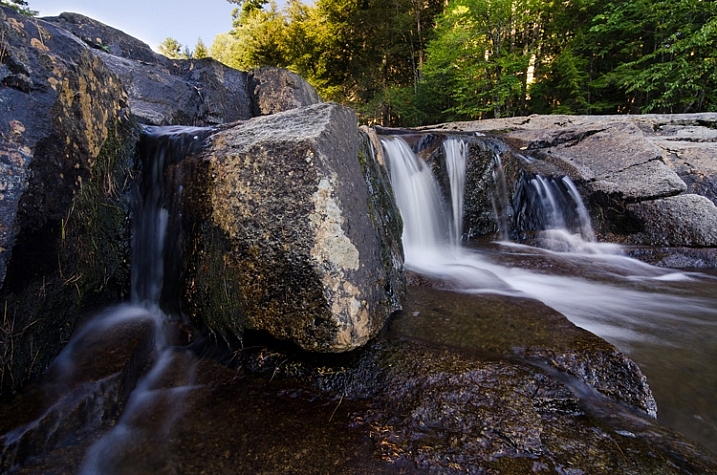
Of course, shutter speed plays an essential role in creating silky smooth waterfall photographs, but does it get a little too much attention in tutorial articles? I think so.
In this article you’ll learn about three other key elements to creating a successful silky smooth waterfall photograph, and when you put it all together, all you’ll need to do next is find a waterfall to photograph.
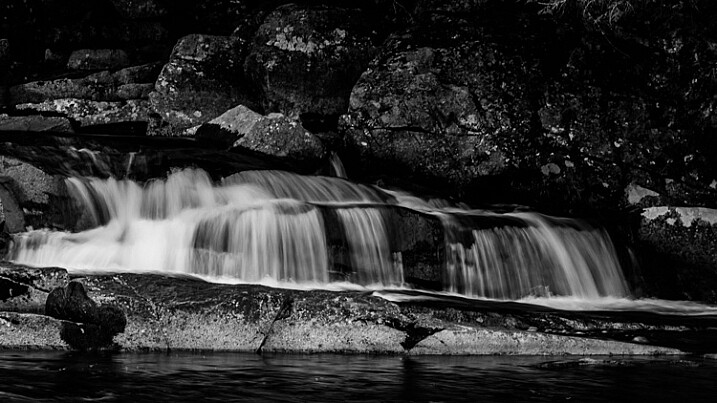
ISO 100 | 62mm | f/16 | 1/3
Composing waterfall photographs
Like many landscape photographs, composition plays a huge role in whether or not the final photograph you capture is more than just a snapshot. Even if you nail the shutter speed, have perfect lighting, and just the right amount of depth of field, a poorly composed image will still fall flat.
In the video below I take you through the thought process behind a waterfall photography session I went on last year. I try to drive home the point that getting the best composition of a scene involves more than just moving the camera, but also includes thinking about why the choices you make matter to the photograph itself.
When composing a waterfall scene you’ll have to take into account not just the waterfall itself, but the direction of water flow, the rocks and debris that make up the foreground, the trees in the background, and everything in-between. Next time you’re photographing a waterfall, try just moving the camera around, get high, get low, pay attention to what you see through the viewfinder, and take as many different photographs as you have time for.
Importance of light in waterfall photography
As with most photographs, light is key in setting a tone or mode of the scene, however with waterfalls it can arguably be even more important.
Not only does light determine the mood of the scene you’re photographing, but it may downright determine whether or not you can get a slow enough shutter speed on your camera for the silky smooth water that you want to create. On top of that, you’ve got to absolutely watch out for photographing on a sunny day or this might happen – look at all those hot spots!
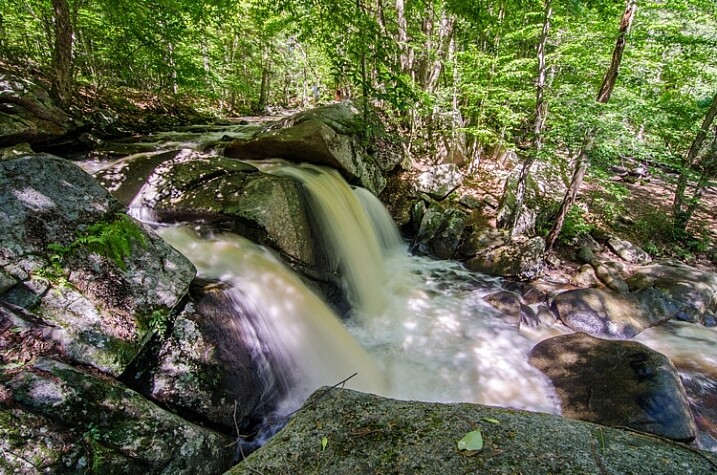
ISO 100 | 11mm | f/11 | 0.5 sec
There’s no amount of highlight recovery or post production magic that will bring this image back, and give it a more refined tone. The light simply makes the photograph feel harsh, and while the snapshot showcases the falls, it does little to make the photograph interesting.
Due to the nature of waterfalls often being off the beaten path, and being dangerous to get to, it can be difficult to photograph at sunrise or sunset if you’re not a seasoned hiker. Therefore, as a second best option, I’d highly recommend planning your waterfall adventures for cloudy day. At the very least this will reduce the occurrence of hot spots on the water, and at best it will give you a few extra stops of shutter speed to work with if you need it.
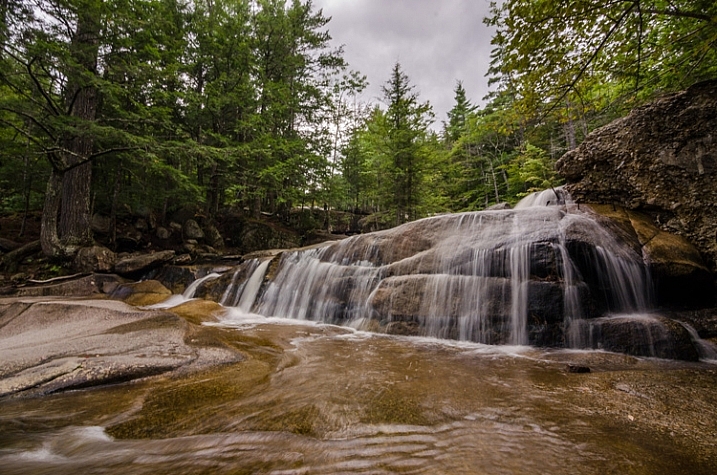
ISO 100 | 11mm | f/14 | 0.4 secs
Don’t forget about water flow
When it comes to creating the silky smooth waterfall effect, the amount of water actually flowing through the waterfall plays an important role in the end result. A powerful current has more movement to it than a small stream, and as a result this high flow waterfall may not require an exposure as long to achieve the desired result.
Take a look at the following two photographs, they are from the same waterfall one year apart. the first image is during a drought resulting in a waterfall that had almost no water flowing over it, while the second image was taken after Hurricane Irene came through the area dropping more than 10 inches (25cm) of rain in some locations. As you can see, the two images offer quite a different view of this waterfall.
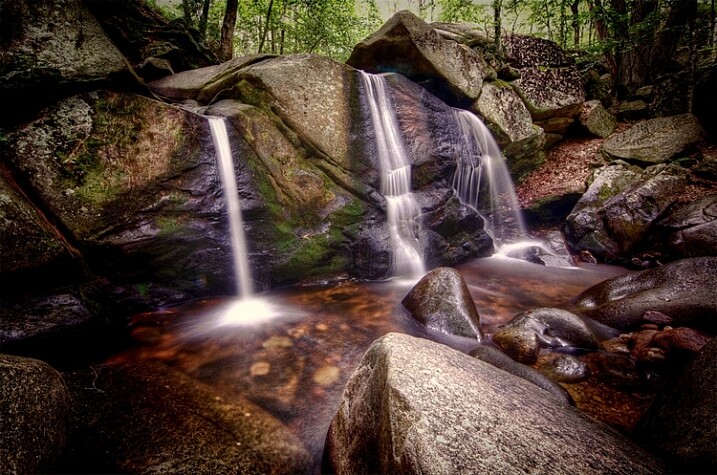
ISO 100 | 11mm | f/11 | 5 seconds
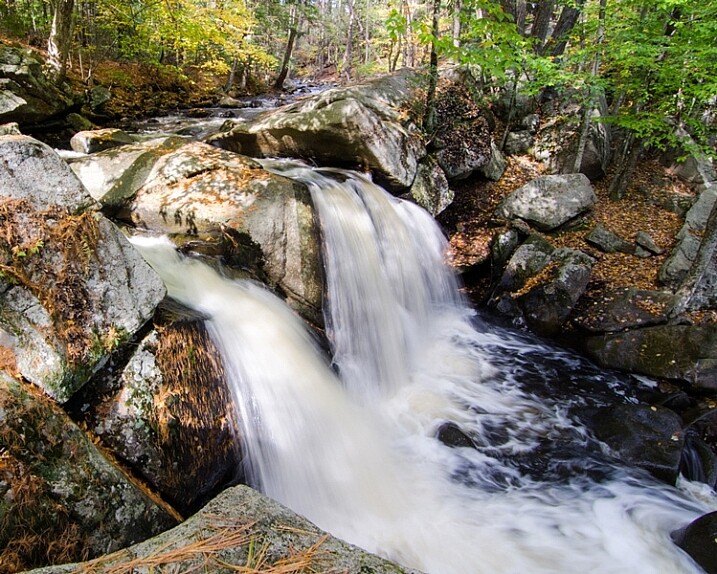
ISO 100 | 11mm | f/11 | 0.5 secs
In most cases it’s probably better to photograph smaller waterfalls with a light flow of water when you’re looking to create the silky smooth waterfall effect, as it tends to work best with those. Often, high flow waterfalls, will simply overpower the look that you’re trying to achieve, and as a result are often better photographed at a faster shutter speed in order to freeze the motion, and showcase their power.
Overall, waterfall photography is a lot of fun, the experience of hiking to the waterfall is often just as rewarding as the photographs themselves, so be sure to enjoy the entire experience.
googletag.cmd.push(function() {
tablet_slots.push( googletag.defineSlot( “/1005424/_dPSv4_tab-all-article-bottom_(300×250)”, [300, 250], “pb-ad-78623” ).addService( googletag.pubads() ) ); } );googletag.cmd.push(function() {
mobile_slots.push( googletag.defineSlot( “/1005424/_dPSv4_mob-all-article-bottom_(300×250)”, [300, 250], “pb-ad-78158” ).addService( googletag.pubads() ) ); } );The post 3 Tips for Waterfall Photography Beyond Just Using a Long Exposure by John Davenport appeared first on Digital Photography School.
-
Tips for Pre-Planning City Photography When Travelling
You have finally arrived. After all the planning and decisions you are in one of the most beautiful places in the world. You have rested, and now you’re ready to go out to see what you can photograph.
You look around and realize you’re overwhelmed, and you’re experiencing sensory overload. You can’t figure out what to photograph, as there are too many options, and you don’t know what will make a good image.
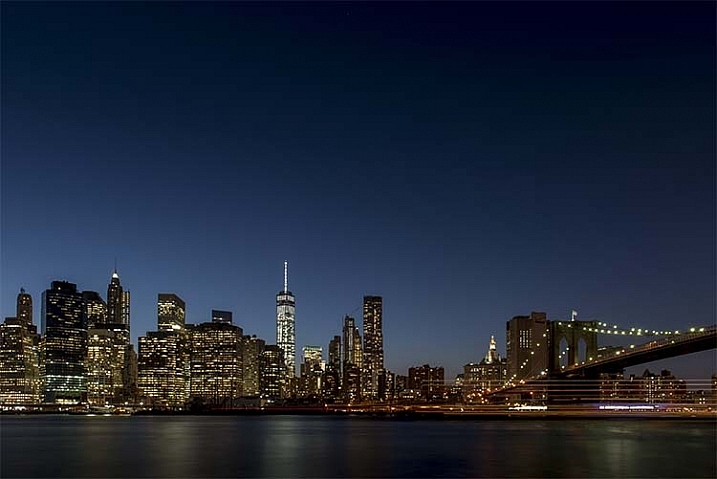
Manhattan at dusk from Brooklyn Park
This is a common problem when you find yourself somewhere that has so many amazing places to look at, and to photograph. It happened recently in New York to someone I was travelling with. She couldn’t work out what to do and how to approach where she was. She felt lost in a world of so many beautiful things to take photos of.
If you find yourself in a similar situation, here are some tips to help you get past that.
Figure out what you want to see
Think about why you have travelled to this destination. There have to be reasons why you wanted to go there. It might be a good idea to do some research and get an idea of what you would like to see ahead of time.
Make a list
Once you have that, the next thing to do is to make a list of the places you want to visit. For example let’s say you are in New York City. Some examples of places to visit and things to do include:
- Empire State Building
- The Flatiron Building
- Walk over the Brooklyn Bridge
- Times Square
- Take a ride on the subway
- Explore Central Park
- Pay your respects at the 9/11 Memorial
Of course a city like New York is full of amazing places to go and photograph, these are just a few.
Work out on a map, or, if you have internet access, Google Maps, where they all are and how many of them are near one another. You don’t want to see them all on the same day, so divide them up over a few days.
What is the best time of day to shoot your chosen locations?
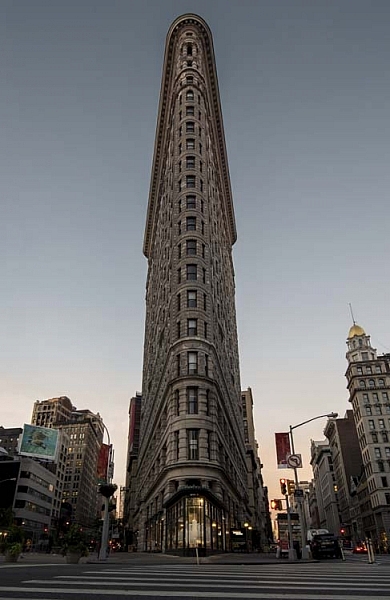
The Flatiron Building in New York just after sunrise.
It’s good to see where they are on the map as well for orientation. Can you see where they will be according the position of the sun each day? Take the Flatiron Building for example, would it be better to photograph it in the early morning, or in the late afternoon. Early morning during the sunrise could give you a lovely colour in the sky, but it will also mean that there will be less people around. If you are anything like me and don’t like people in your photos, then early morning can be the best time to see and photograph places.
Then again, if you want to photograph Manhattan after walking over the Brooklyn Bridge then late afternoon is going to be a better time. You get the sunset and then the lights coming on in the city.
The number of people at these places is also something to consider. New York is full of tourists, though many popular cities around the world are the same, so you need to think about whether or not you want them in your images. You can get photos without them, but that can take patience.
How are you going to photograph your chosen spots?
This is the part that can baffle a lot of people. Once you have narrowed down what you want to take photos, next you have to decide how to do it. There are several options, these might help you decide.
It is very easy to walk up to a building, hold the camera up to your face, click, and then you’re done. That is often what you see tourists doing, the “I’ve been here and done that” type of image, but as photographers we usually want more than that. You can get a lot more from a location- here are some tips to help you get better images:
1 – Photograph everything
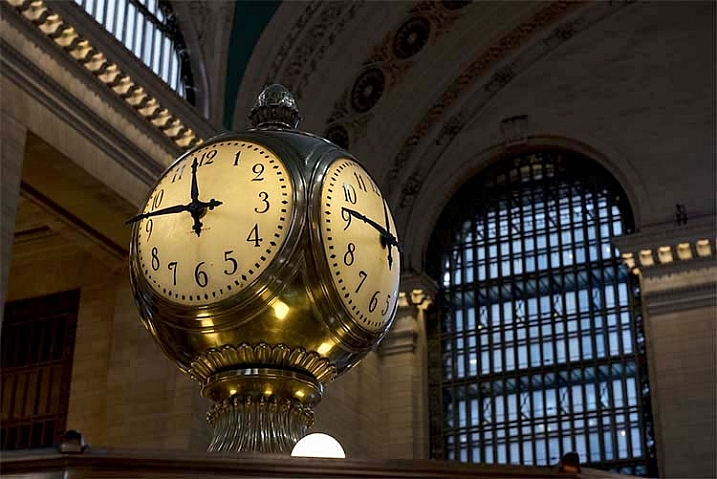
A close-up of the clock at Grand Central Station or Terminal
With the age of digital, not having to worry about how much film is going to cost to buy or process, you really can photograph everything. If something catches your eye, then take a photo of it.
Don’t analyze why, just do it. You can think about things too much, but keep in mind that you are there to take photos and it doesn’t matter, just snap away.
2 – Focus on the details
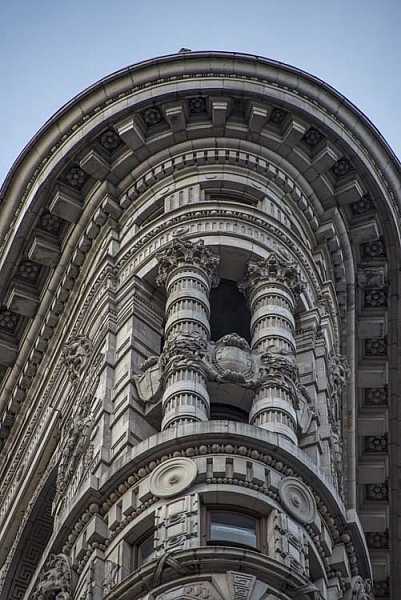
Detail of the Flatiron Building in New York.
Sometimes if you just look for the little things, the shape of a door, or some ornate decoration above a window, it can make a big difference.
Old buildings are great for giving you lots of details. They were often built using heaps of ornamental decorations around doors or windows. Besides taking photos of the whole building or location, think about smaller things, and how a close-up of a certain aspect can help give more of an idea of what it looks like.
If you look at the Flatiron Building, first you see the oddity of its shape, how it is placed within its environment, and then you start to see the stonemason’s work on the sides. It is covered in lacework and small sculptures.
New buildings don’t have the type of stonework as the older ones, but you can still get some interesting images. Often instead of small things, the buildings themselves are one large shape. It can be good to find that shape and the best way to take an image of it.
Take the new World Trade Centre, or, as it is commonly called, the Freedom Tower. It is an incredible shape which stands out all over the city. There is no denying it when you see it. Look at its form, and see if there is anything unique about it.
3 – Consider its position in the environment
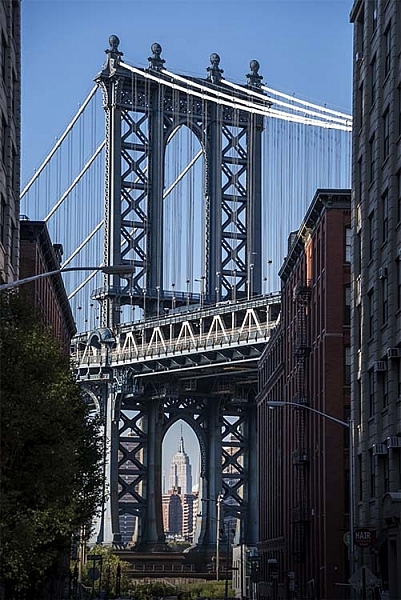
Looking through Manhattan Bridge to the Empire State Building.
The situation of the object you are photographing can help tell the story of it. Look around and see what else is there. Is it a busy street? Do people use it a lot? Is there a strange juxtaposition of what it is and where it is located?
Central Park is so big, yet it seems almost a contradiction to see it inside a city of steel and glass. It can be seen as an escape, yet in certain places you can see the city above the line of trees.
4- Look inside
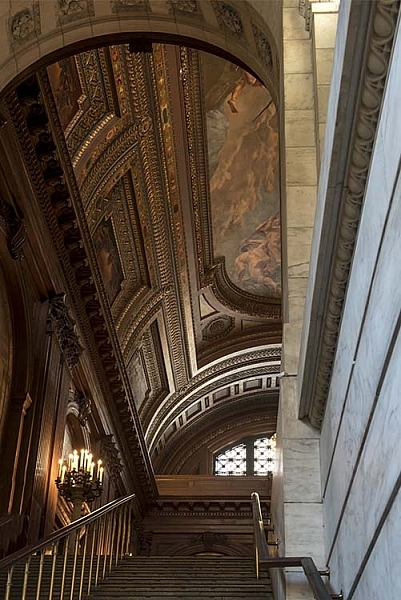
The staircase and ceiling in the New York Public Library.
There are many buildings that you can also photograph inside. Just make sure you have permission to do so first.
Once inside don’t use the flash on your camera, it will give your a strange look and, if it is a big room, will have little affect. Most public buildings frown on the use of flash as well.
Once you go into a building you will need to make your ISO higher, so don’t forget to raise it when you go inside.
Staircases are wonderful to photograph in both directions. Old buildings often have wonderful light fittings and very ornate ceilings, try to capture those.
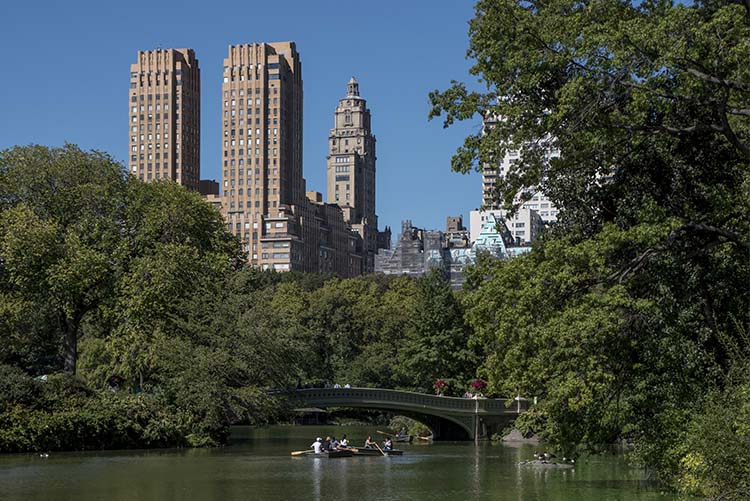
New York appearing above the trees in Central Park and the Bow Bridge.
Before you head out the door
Remember what you want to do when you are out taking photos. If you make a list of what you want to photograph, or a summary of this list, then you will get what you want.
If you are going to the Flatiron Building your list might look like this:
- From across the street and straight on
- From the left looking down the side street
- Do the same on the right
- Stand at the bottom and look straight up
- Zoom-in on some of the different details on the building
- Move to one side and have the building on the left or right and then show the street it is on
This can be a good way to get the shots you want. You don’t want to get back home and wish you had done something else.
If you think about all of these aspects of travel photography then it should help you to get over your feelings of being overwhelmed. It will help you focus on what you want to photograph, and how you want to see the city through your camera.
googletag.cmd.push(function() {
tablet_slots.push( googletag.defineSlot( “/1005424/_dPSv4_tab-all-article-bottom_(300×250)”, [300, 250], “pb-ad-78623” ).addService( googletag.pubads() ) ); } );googletag.cmd.push(function() {
mobile_slots.push( googletag.defineSlot( “/1005424/_dPSv4_mob-all-article-bottom_(300×250)”, [300, 250], “pb-ad-78158” ).addService( googletag.pubads() ) ); } );The post Tips for Pre-Planning City Photography When Travelling by Leanne Cole appeared first on Digital Photography School.