Landscape photography is a very popular genre and many amateur photographers start their hobbies doing it. There is, however, a lot more to it than just going out somewhere beautiful, putting your camera up to your face, and clicking the shutter button.
Have you gone out and taken some landscape photos, then found that they didn’t look that good when you got home? Do you get lost when you go out, and don’t know what to photograph, or how? Here are 10 tips to help you get you do better landscape photography.
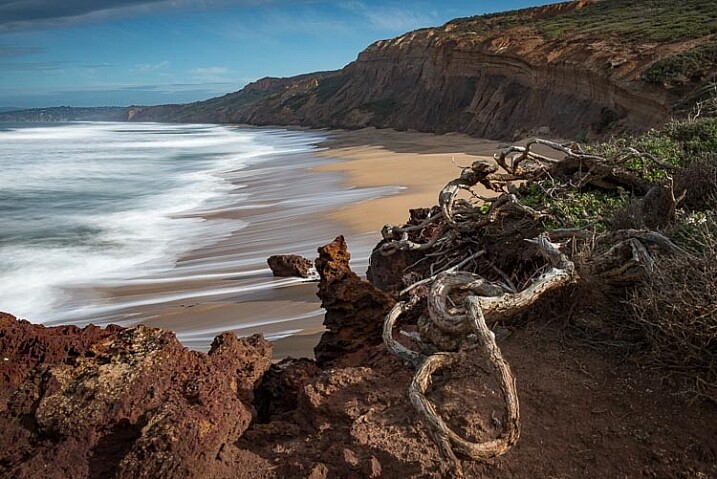
A bush trying to grow on the edge of some cliffs show how harsh the environment is and leads you to the cliffs.
1 – Work the scene
One thing you see a lot of new photographers doing is walking up to a scene, taking one photo, and think they are done. However, a more experienced person will take a lot more photos, and spend time walking around and seeing what they can get from that scene.
Think about different angles, and different heights. With digital you can take so many photos, and it won’t cost you anything, other than a few minutes. So work the scene, and see what else you can get.
2 – Leading lines and patterns
This is something that we all learn from the beginning, find a leading line that will take your viewer into the image. Fences, roads, or anything that is like a line, that starts at the side of the frame, and takes people into your image. It is the invitation to look at the photo.
Patterns can be a great way attracting attention. If you notice a pattern somewhere, and take a photo of it, there is a good chance that your audience will also find it interesting. Patterns can be anywhere, in the ground, on the bark of trees, how they are planted. They can be fascinating.
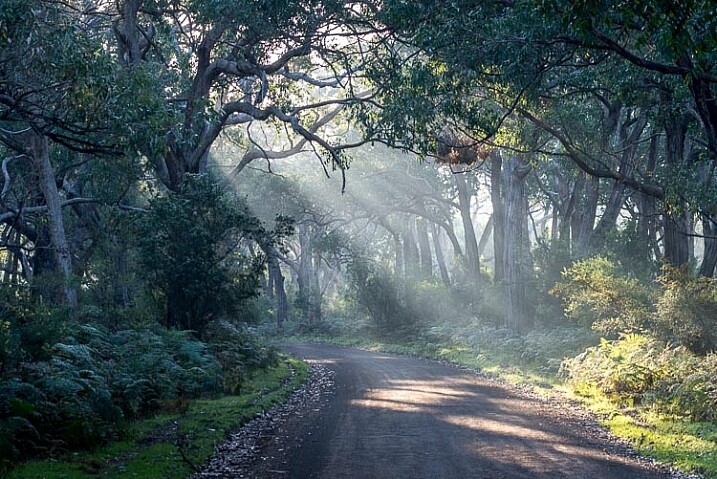
Roads can be great leading lines to take your viewer into your image.
3 – Time of day
This is something that we all learn at the beginning, time of day is important. It is also dependent on the time of the year. Here in Southern Australia you can shoot all day long in winter. The sun is never high in the sky, the shadows are soft, and it is a great time of the year to take photos. On the other hand, summer is terrible. It is hot, the light is harsh, the shadows are sharp, and often the colors in your images can look bleached.
Think about where you are, and what time of the day is best where you want to take photos. Some people prefer early morning, there aren’t many people around, and you can get what you want before the day starts. Others prefer later in the day, and don’t mind sharing their location.
Some areas that you want to photograph will be better for sunrise, as you may not be able to get a sunset there. Or it could be the other way around. Many coastal areas on the east coast of Australia mean that is it almost impossible to get a sunset, so you need to get up early and aim for sunrise instead.
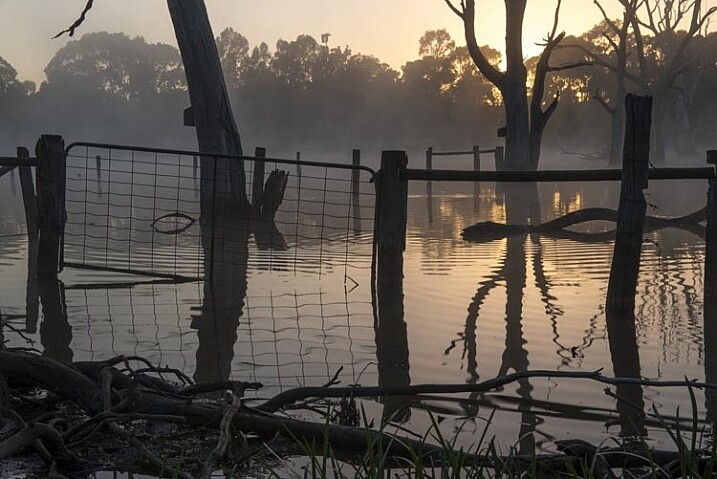
Early morning can mean sunrise, but at certain times you can also get mist on water.
4 – Look at your foreground
The foreground is often forgotten when taking landscape photos, but sometimes what is right in front of you is exactly what you need to make your image stronger.
Some images of landscapes can be a bit more interesting by adding a small plant or something that is in the front, close to the camera. It can also be a leading point to the scene at the back of the image.
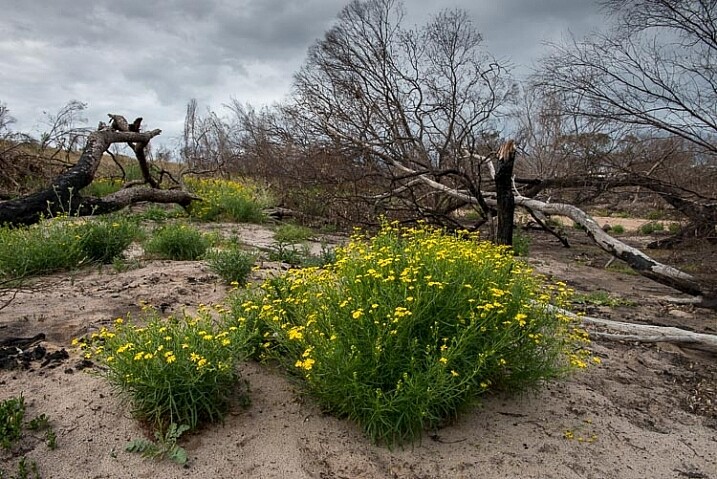
The foreground plants give interest to the landscape behind.
5 – Look at what other photographers do
Without a doubt, one of the best things you can do is to look at other photographers, and take note of what they do. Don’t underestimate how much you can learn by looking at the work of others. Not just good or professional people, but also amateurs, you can see the good and the bad.
Look work that you like and determine why you like it, exactly what it is that you think makes it work. Can you pinpoint what it is about that image that makes you jealous that you didn’t take it?
Take notes of images that you don’t think are very good. Analyze them and see what it is that you find isn’t working. Learn from them, and make sure you don’t make the same mistakes.
6 – Think about the seasons
It’s very easy to go out one day and take photos of a particular place, then forget it exists, but what about thinking about other times of the year. Some places will look better in summer than they do in winter. Spring could be a time with lots of flowers, while autumn will give you colourful trees.
Photographing the same place throughout the year can give you a different feeling to your images every time you go there.
It is also a good idea to think about where you want to take photos, then consider what will be the best season to show it off. The mountains can look sparse and uninspiring in the summer, but in winter they are covered in snow; it adds a different dimension.
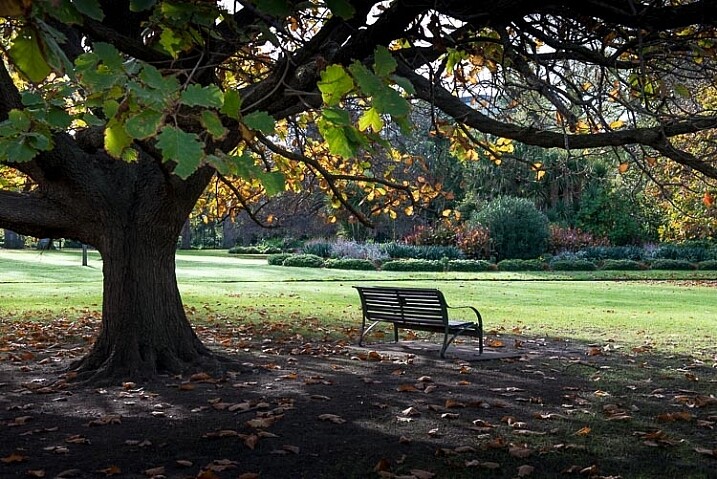
Autumn can bring lots of color to your landscape photography.
7 – Look for the smaller landscape
When you are out, it is very easy to put on a wide angle lens, and take all your photos with it. Most landscapes are wide vistas showing the scene that is before you. But, there are other ways to show what is there. Look around for objects or flora that you can use in the foreground. This is especially good if the subject is in the distance. It can give something interesting in front of your image.
Try taking a zoom or macro lens with you. You might be able to photograph something like the flora. Don’t just zoom right in on flowers that may be growing on it, try considering the whole plant and where it is situated. It can you give it some context as to its environment. This can help you tell a whole other story at times.
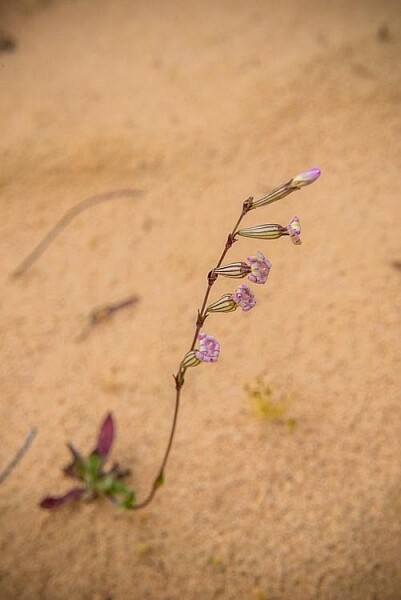
Flowers trying to grow in sand helps to tell the story of the location.
8 – What equipment do you need
You don’t need anything special to photograph landscapes, a camera with a decent lens is enough. You can use a compact camera just as well as a DSLR, it is really up to you.
If you are using a DSLR then you probably want a wide angle lens, or something a bit longer. Landscape photographers tend to use wide angles more, though many also use up to 200mm lenses as well. You don’t need the best camera that is available, and often it’s the lens choice that will give you the best results.
A sturdy tripod is good to have. The best advice is to get the best you can afford, don’t skimp on the price, you will regret it later if you do. A remote shutter release is a great piece of kit to have as well, or you can use the self-timer on your camera.
When you progress, and as you get more skilled at landscapes, the equipment list tends to grow. You will find yourself wanting items like filters for long exposures or better lenses. The list can be endless.
9 – Tripod: when to use or not
There is an opinion that if you are a serious landscape photographer, then you will always use a tripod, no matter what. If you are not, then you can’t be sincere about your craft.
It’s one way of looking at it. But, so many new and experienced photographers, find it can be limiting, or stifle your creative flow; that you can’t move around easily when taking your photos.
The short answer to this is that you have to feel comfortable when you are doing photography, so there is nothing wrong with not using a tripod. Though you also have to accept that, at times, you may not get the sharpest images – so it’s a trade-off.
If you are shooting at night then a tripod is a must, especially if you don’t want noisy photos. A tripod means you can use the best settings on your camera to get the highest quality image.
10 – Look for the story
There is no denying that some places you go to will seem boring, and you will wonder why on earth you went there. It’s one of those times when you will want to consider other tips here, but one tip that can really help is to find the story of the area.
Consider where you are, and why you went. Is there some history that you can see that still remains? How can you incorporate that into the image to show the story?
In many places in Victoria, Australia, you can travel to a town and find very little there. The only thing there might be grain silos, and fields of crops in various stages of growth. Look at the silos up close, and see if you can photograph how long they have been standing there. Look for how they are used. There will always be railway tracks next to them, so shoot how they lead you to the silos (see tip #1 above). Maybe do one from a distance showing the silos standing tall in a flat country. The story becomes all about the silos and that countryside.
Landscape photography is wonderful, and what you can take photos of is endless. Think about all the tips here and they should help you do your best landscape photography.
Please share any other tips you have for landscape photography, and your images in the comments below. If you use some of the tips, let me know how they worked out for you.
googletag.cmd.push(function() {
tablet_slots.push( googletag.defineSlot( “/1005424/_dPSv4_tab-all-article-bottom_(300×250)”, [300, 250], “pb-ad-78623” ).addService( googletag.pubads() ) ); } );
googletag.cmd.push(function() {
mobile_slots.push( googletag.defineSlot( “/1005424/_dPSv4_mob-all-article-bottom_(300×250)”, [300, 250], “pb-ad-78158” ).addService( googletag.pubads() ) ); } );
The post 10 Tips for Better Landscape Photography by Leanne Cole appeared first on Digital Photography School.

Digital Photography School


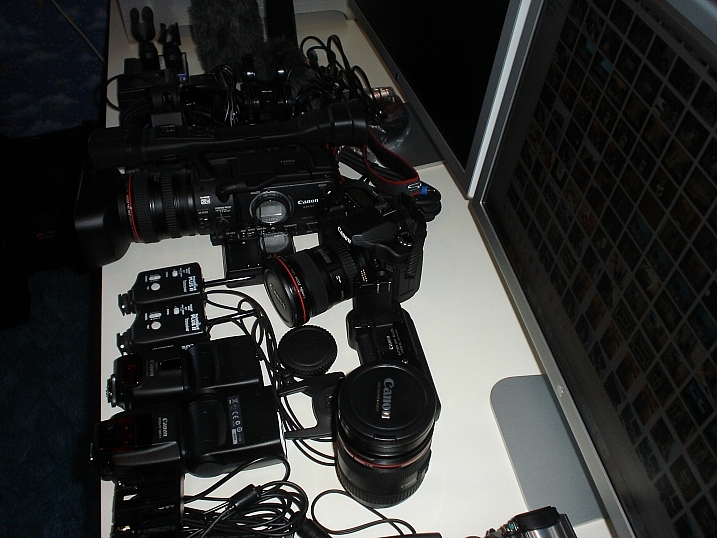

 – A little $ 7 remote that works for the Sony Alpha line. Great alternative to the expensive Sony option, and it hasn’t let me down yet. Great for long exposures whether it’s 30 seconds or 30 minutes.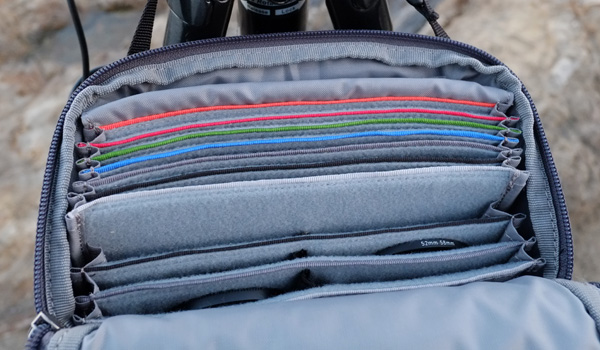
 – The best flashlight you’ll find for light painting. Puts out a clean, daylight balanced, light source at 339 lumens and runs on AA batteries. Push/pull focus mode let’s you easily focus the beam, or scatter it, and has two brightness modes (full power and low at 56 lumens).
 – When I first started and only had a Rebel XS and a kit lens, the Lightscoop was amazing for taking photos inside our house. It was a big improvement over the camera’s flash, and the $ 30 price tag felt do-able even when we were broke newlyweds.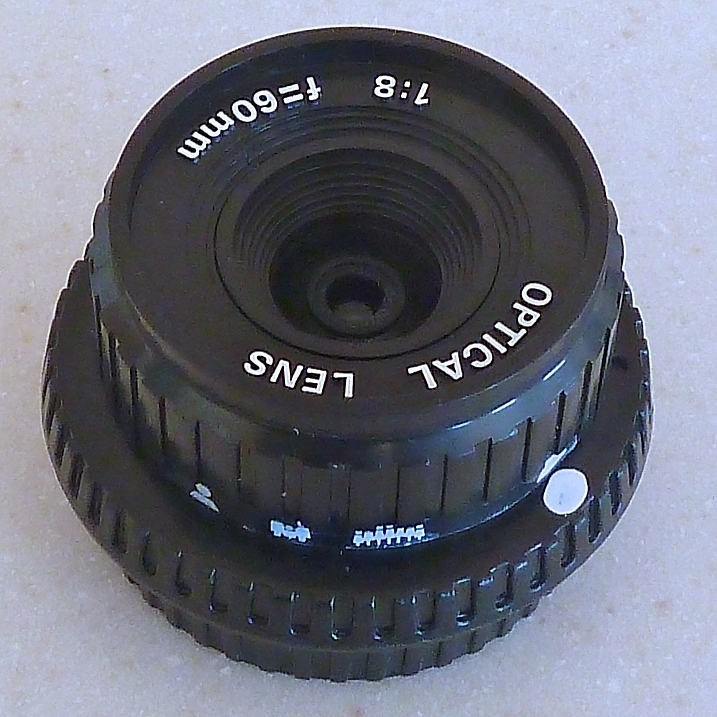
 – The only gadget thing I can think of is the plastic hoya lens I bought which I have some fun with from time to time.
 – a reflector is just incredibly useful.
 – a multi tool has proven itself invaluable over the years for all sorts of tasks.
 – proper pegs: they’re not only great for pinning clothes but also hanging backgrounds, reflectors etc.
 Tim Gilbreath
 – I use these mainly for off-camera flash support and I really like their portability and lightweight.
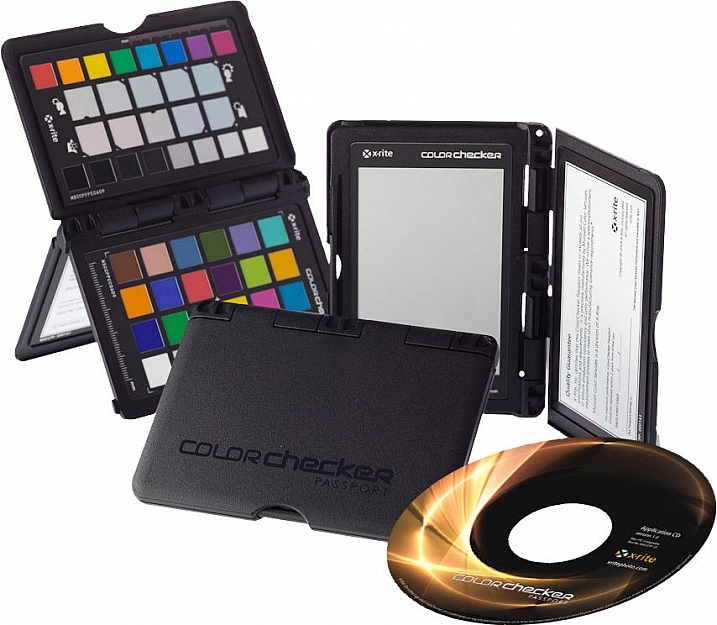
 – Color Checker Passport – I use it mainly for portrait photography, it’s a great help to correct skin tones.
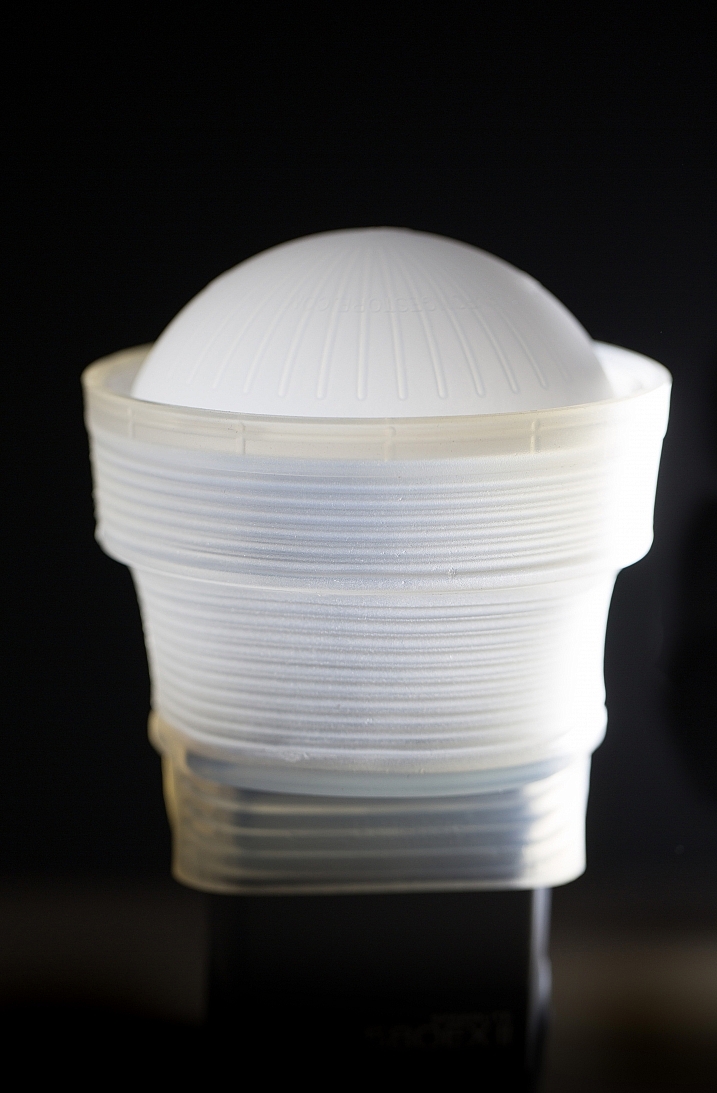
 – I use it for on camera flash diffusion and avoid harsh shadows.
 – Somebody else mentioned micro-fiber clothes, but I like the clip-on ones because you can attach them to your camera strap so you never have to hunt through your bag to find it.
 – 10 stop ND filter: Whenver there is water in the scene, it is a safe bet I have this filter on my camera to smooth it out. Even when there is not water, it creates movement in the skies.
 – Well, I’m not really into gear or gadgets. The only gadget I have is a remote shutter release, or “The Clicky Thingy” as we refer to it in the studio. Mainly used to avoid camera shake on long exposures, and occasionally to amuse/relax portrait subjects by telling them I am so confident in them as a portrait subject that I don’t even need to look as I click over my shoulder, with my back to them and the camera.
 – I don’t use a lot of gadgets or filters but I always have this one in my bag. I use it to shoot waterfalls, or to get a larger aperture in bright sunlight.
 – this thing is a life saver! It is a battery charger on steroids because it has an internal battery itself. Plug it in and charge it up, and you can then charge about 4-5 batteries on the road, while driving, or away from electricity. Great for travellers or back country hikers.
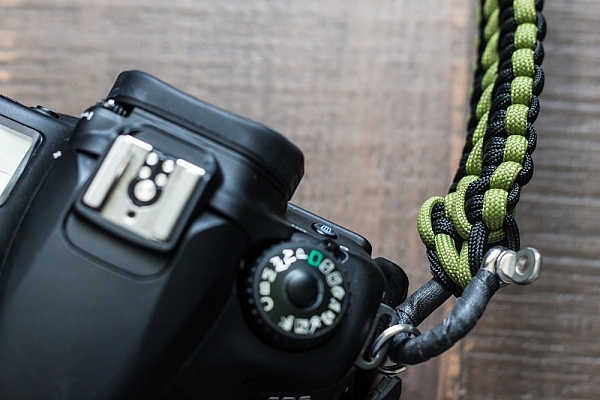
 – Another travel must have item, especially if you visit third world countries where your camera is equal to a year’s salary for some people. This strap is slash proof, and locks so they can’t just slide it off without your knowledge. Keeps your camera safe – I have a purse made by the same guys too!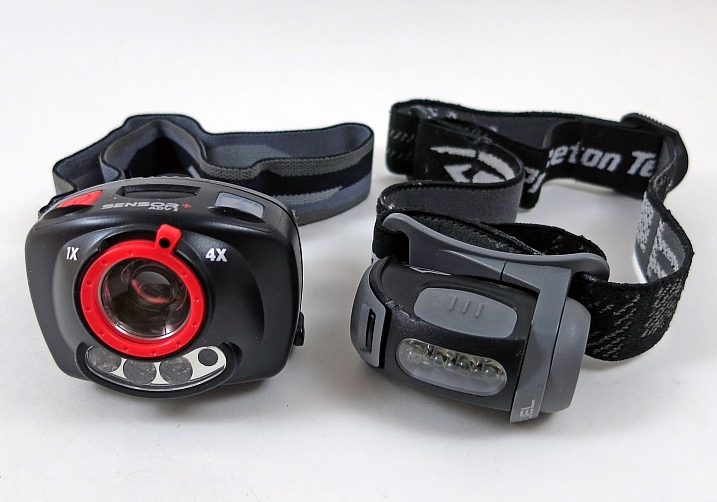
 – Great for quick access to the camera on the go. I can attach it to the strap of my shoulder bag, a belt, or to the straps of a backpack. It can be easily attached to almost anything and your camera is always handy.
 – One the most clever ways to attach diffusers to any flash without being cumbersome, and they are always ready. I particular use the grids, the color gels and… MagBounce
 – Never did I think I would be known as The Lollipop Lady more than a photographer, but the promise of one of these gets me a lot of street creed in the 3-8 year old group.
 I still have a love affair with Polaroids, so I bring this for me when I see something and want it NOW, plus kids LOVE this if I can’t win them over with lollipops.
 – I don’t want to make anyone uncomfortable when the goal is for them to be comfortable, and offering someone a Kleenex seems a lot nicer than saying, “Hey, you totally have something in your nose!”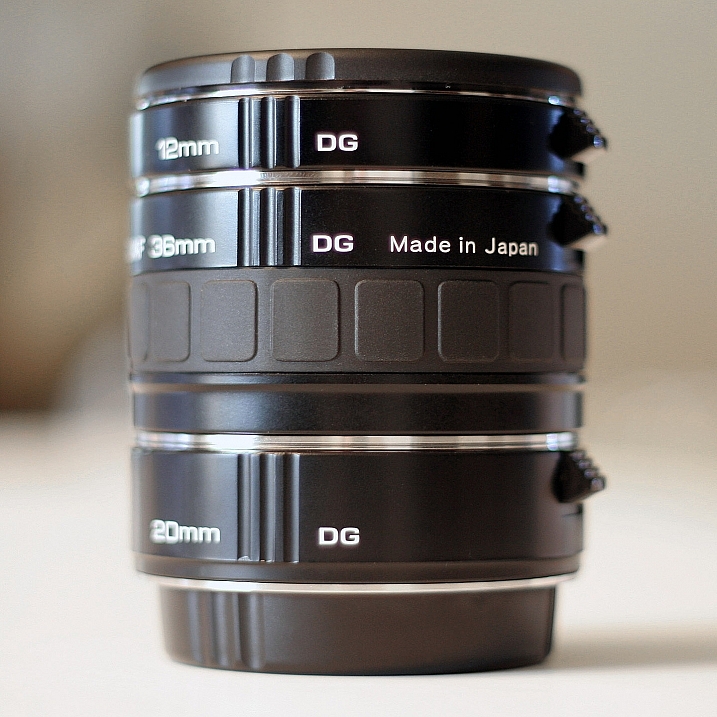
 – Non-mechanical Extension Tubes: They can be a bit finicky since you’re stuck with your lens’ widest aperture and only manual focus but they’re really cheap and so much fun to use.


 – I’m normally not a big fan of off-brand stuff, but Amazon Basics is almost always really good quality. So far this remote is no exception.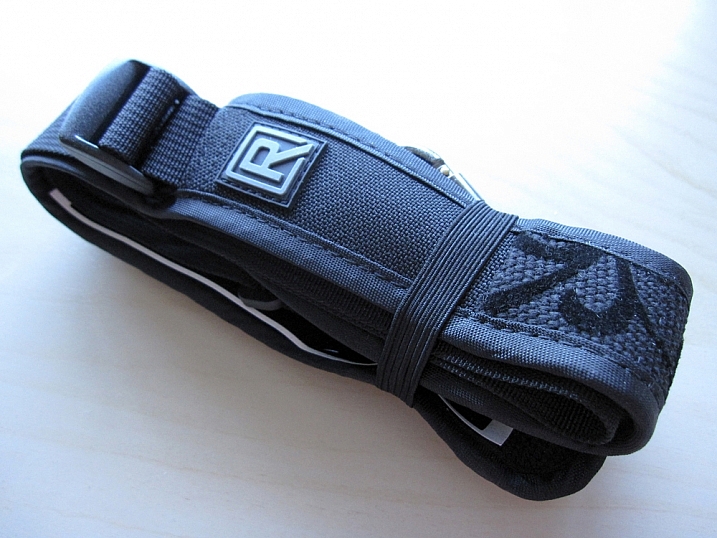
 – This camera strap is a life saver. It keeps your camera secure to your hip, easy to bring up to your face without getting tangled, and you can drop it and it slides right down by your side. It keeps the camera out of your way when not using it, plus your neck will be happy that it’s not sore from shooting and traveling all day long
 – I didn’t want a permanent leg wrap for my tripod, and when I found these I was pleasantly surprised by their comfort and easy of adjustment.


