RSS
 

Posts Tagged ‘Photography’

Tips for Using Flash to Enhance Outdoor Nature and Landscape Photography

13 Dec

Late on a winter evening, I was photographing atop a ridge in Colorado’s Front Range. I had been working on some landscape shots, but with the light fading from the sky, the thought of beer and food was beginning to overwhelm my desire to stay out. The colors were shifting to the deep tones of blue hour, and the light was long gone from the hills. About to give up and head home, I spotted a lone juniper atop a rocky outcrop, perfectly silhouetted against the deep blue of the mountain sky. I sighed, tempted to ignore the scene, but instead put my camera back on the tripod, walked over and composed a shot. With a click, I snapped the shutter.
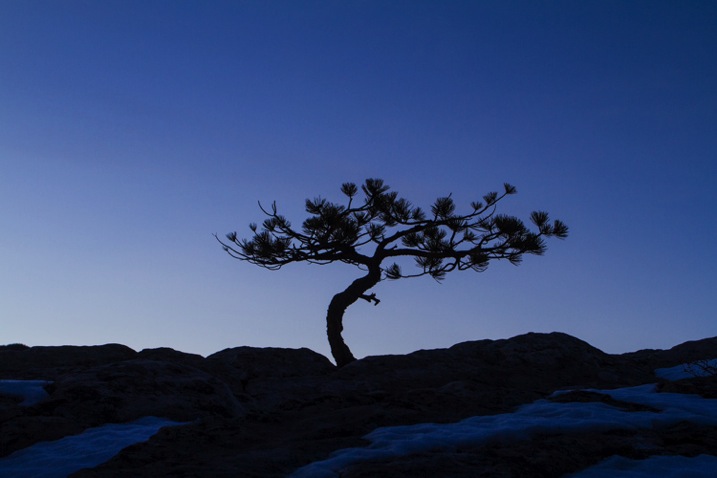
CO KenCaryl evening 30Dec2011 6

The image was decent, nice blues with a clean black foreground, but it needed some warmth, an element to contrast with the abundant cool tones. “If only I could get a beam of sunlight to reach back above the horizon…” I thought to myself.

Wait a second… I didn’t need the sun, I had a flash and a remote trigger in my bag. I pulled it out, all thoughts of beer and food forgotten, and placed the flash on a boulder a few feet to my left. I set it low, to 1/4 of full power, then took a shot.

Better, I thought, looking at the image glowing on the back of my camera, but still not right. The light coming from the flash was too cool, lacking the warmth I wanted. Digging back in my bag, I emerged with a pack of gels and slapped a half cut of CTO (color temperature orange) over the flash, and clicked off another.
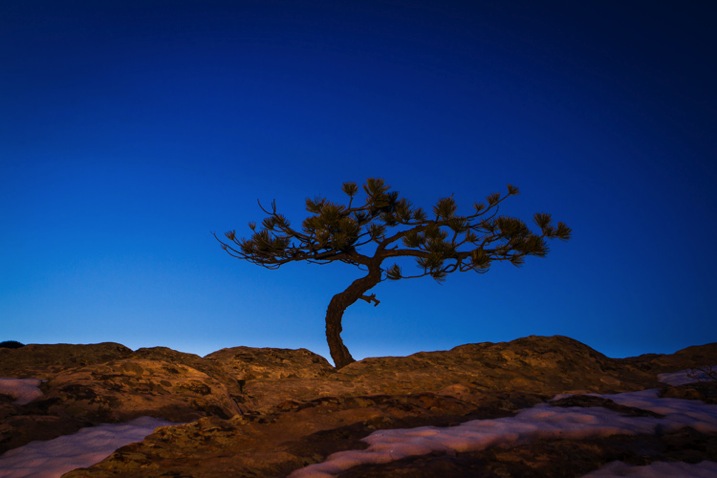
CO KenCaryl evening 30Dec2011 7

“Now we’re talking”, I muttered. A warm beam of light crossed the rocky foreground to light up the tree. Never mind that the actual sunlight disappeared 45 minutes before, I could re-create it with a little artificial light trickery. A few adjustments to the flash’s positioning and brightness, and I had my keeper shot. Finally, I could go home.

Using Flash Outdoors

For most photographers, flash is relegated to the studio, and if used outside it is usually restricted to portraiture. But there is so much more potential for artificial light. Landscape and wildlife photography can often benefit from a little flash, and with some creativity, it can bring out the best in your images. Here are a few tips to help you get using flash for your outdoor nature and landscape photography.

To get started, you’ll need a few things in your bag:

  • At least one flash
  • Some kind of remote trigger (I use cheap and simple wireless triggers I found on Amazon for a few bucks)
  • A selection of multi-colored gels
  • A flash stand or assistant
  • For night photography, a strong headlamp or hand-held flashlight is a good addition to the kit
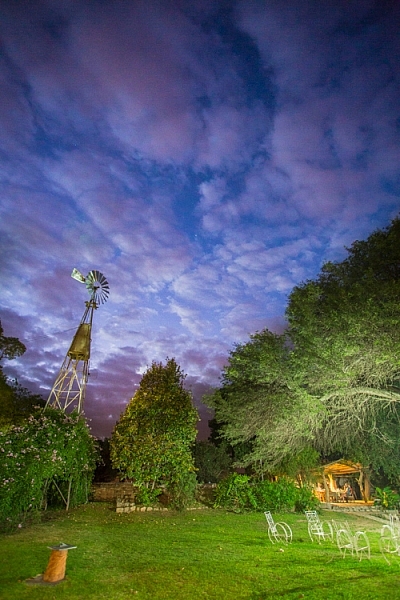
A windmill stands in the garden of the Finca Santa Anita in Salta Province, Argentina.

A windmill stands in the garden of the Finca Santa Anita in Salta Province, Argentina.

General Guidelines

As with almost all flash use, for best results, you’ve got to get the light off your camera. On-camera, straight flash, looks weird and unnatural. I like to say that photographic rules are meant to be broken, but this one seems universal: get the flash off your camera.

Get the flash off your camera

Direction of light, and how much to use it, is a matter of your personal vision, but here are my thoughts: Artificial light should either look so natural, you don’t notice it comes from a bulb, or so obvious, that it’s clear the scene was lit for artistic reasons. Anything in between usually doesn’t work.

As with all successful photography, you need to think through your image, and the story you are trying to tell. Do you want a natural-looking scene or are you aiming for an artistic portrayal of your subject? Once you have an answer to that question you can move forward.
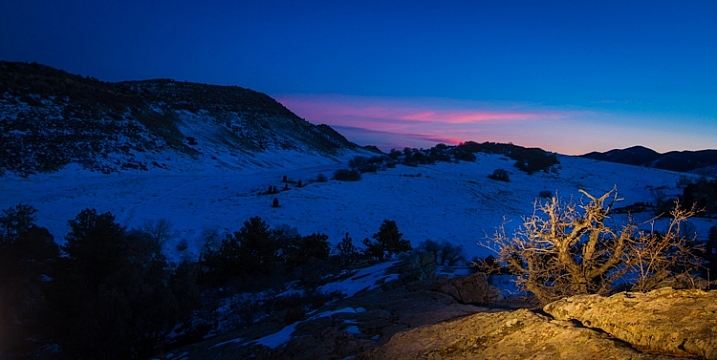
Scrubby pines grow from the rocks of the Dakota Hogback in the foothills of Colorado outside Denver, late evening.

Scrubby pines grow from the rocks of the Dakota Hogback in the foothills of Colorado outside Denver, late evening.

Imitating Natural Light on the Landscape

The near-dark hours before dawn and just after sunset, or full night, are the most suitable times to add a bit of light to a scene. A natural look is usually subtle and may rely heavily on the light that is already available to you. In my example of the juniper tree, I kept the flash setting low, and warmed the light with a gel to get a sun-like look. Finding the right balance between flash and ambient light is critical.

The further you get from the flash, the dimmer, and harder the light becomes. A flash aimed toward the ground will be very bright close to the strobe, fading quickly to invisibility. When setting your scene, use the test button to look at the throw of light across your subject. Aim it carefully, and take advantage of the flash’s zoom to consolidate the beam just where it is needed.
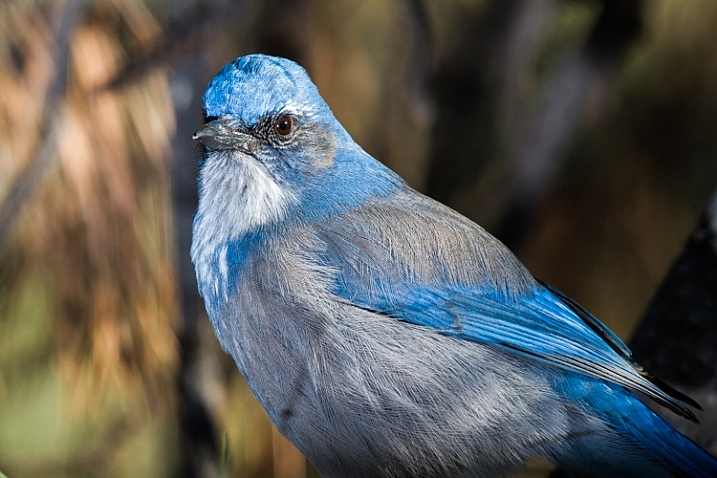
A Western Scrub Jay perches in a tree in the foothills of the Rocky Mountains outside Denver, CO, USA.

A Western Scrub Jay perches in a tree in the foothills of the Rocky Mountains outside Denver, CO, USA.

Adjusting Exposure

Once set, pop a shot or two, and check the results on your LCD. Almost always, you’ll find you need to adjust the flash brightness, placement, or the ambient light exposure.

When using flash remember this: adjust ambient light with the shutter speed, and flash with the f-stop (aperture).

For example, if you want to bring out more brightness in the sky, lengthen your shutter speed, if you want to increase the apparent brightness of your flash, open up the aperture. This is effective for small adjustments in camera, and keeps you from having to constantly readjust flash settings.

Lighting Your Vision – Artistic Styles

An artistic look is more straight forward, but light direction, intensity, and color are just as important. I often photograph the northern lights around my home in Fairbanks, Alaska. Often the moon, stars, or aurora itself, are sufficient to illuminate the foreground, but at times, it fades to black as you can see below.
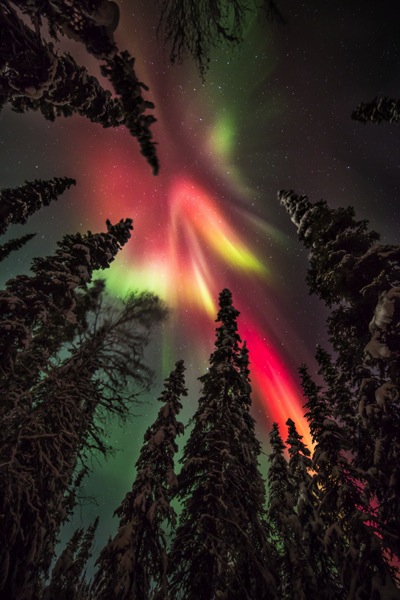
AK FAI aurora 112073 17

In such cases, a splash of light is just what I need. When photographing the aurora, or the night sky in general, I rarely carry an actual flash, but I’m always wearing a headlamp. During a typical 5-10 second exposure, if I need a little extra texture or warmth, I can pan the beam quickly over the foreground, “painting” it with light as I did in this image.
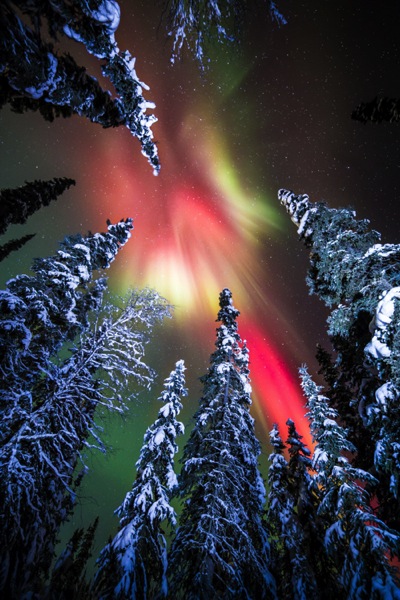
AK FAI aurora 112073 18

Light from a typical LED is very cool, but cover it with CTO gel, and nice warm tones result. Light painting is a popular technique, but one that requires some practice to make sure your subject is evenly lit, and not too bright. Mixing light painting and ambient can be very effective to even out brightness in an image, and compensate for highlights. In Argentina, a few years ago, I was shooting a historic farmhouse during the late evening. Bright porch lights on the house needed to be evened out, so I painted some key parts of the scene.
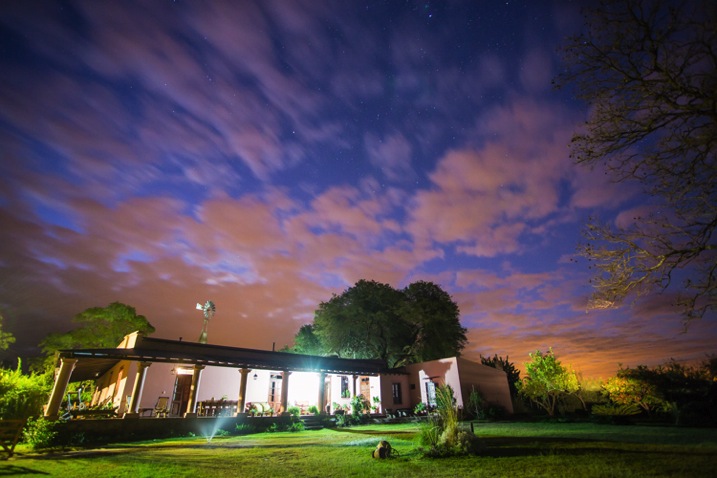
Arg Salta SantAnita house night 104133 18

A warning: painting light can mess with the color of a digital image. If you use your camera’s automatic settings, as I do, light painted images will often require some color correction in post-processing. Shoot in RAW to be sure you retain this flexibility.

Wildlife

Flash can also play an important role in wildlife photography. Birds in particular are often down low in dark forests, where natural sunlight is rarely found. The flat, boring light beneath the foliage can be replaced by the directional light of a flash.
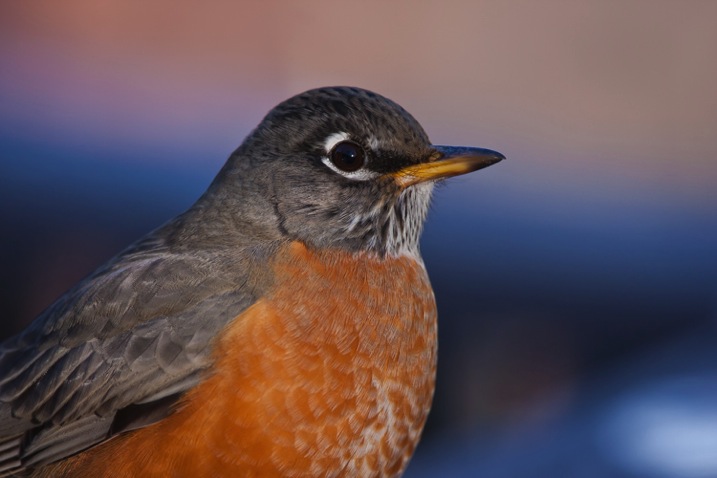
CO Dec2009 AMRO 3

When using flash with a long telephoto, you can often get away with on-camera, or bracket-mounted flash, as I did of the portrait of the American Robin above. Using camera-mounted flash is easy with TTL (Through The Lens) compatible strobes. In fact, this technique is so easy, that I’m not even going to go into it, because more interesting possibilities exist.

Where I live in Alaska, the winters are long, and during the few hours of daylight, the sun is often hidden behind trees or clouds. The birds I love to photograph are usually stuck in flat, gray light. There are a few trees in my yard that the birds prefer. By setting up a flash (or two), gelled with CTO to emulate the absent sun, I’ve managed to create some well lit portraits of these guys.

RBNU 21Dec2011 2

The method is similar to lighting a landscape. You’ve got to choose your flash placement to avoid shadows, and since there is rarely a chance to replicate a poorly exposed shot, it’s best to get your settings right and then leave them in place throughout the shoot. In this case, I was going for an almost studio-like look, so I took advantage of the white snow as a background, making the final image appear almost as a cut-out.
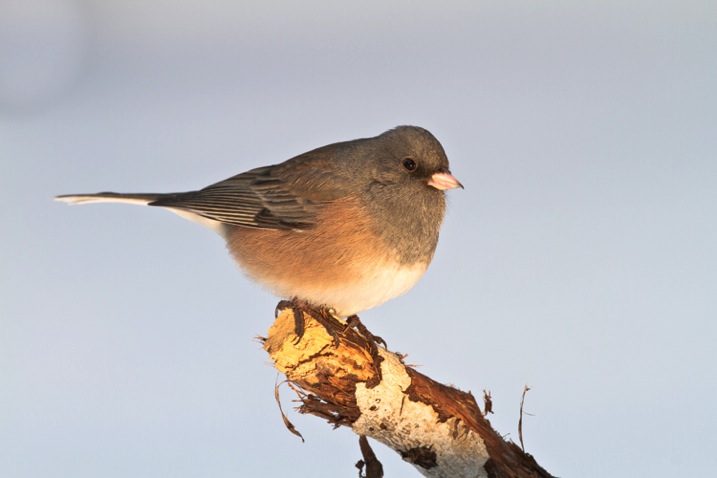
ORJU 22Dec2011 2

I like to put my flashes atop a tall stand to get them over my head like a low angle sun. Done right, the set up and exposure takes only a few moments, and the results can be great.

Conclusion

Artificial light in the outdoors offers a great opportunity to create unique images. Think through your shots, consider where extra light can be added, and what role it will play in the final image. Not every situation requires it, in fact, most don’t. But there are times when that extra pop of light can take a photo from mundane to extraordinary.

Have you tried using flash with your nature or landscape photography? Please share your tips and images in the comments below.

googletag.cmd.push(function() {
tablet_slots.push( googletag.defineSlot( “/1005424/_dPSv4_tab-all-article-bottom_(300×250)”, [300, 250], “pb-ad-78623” ).addService( googletag.pubads() ) ); } );

googletag.cmd.push(function() {
mobile_slots.push( googletag.defineSlot( “/1005424/_dPSv4_mob-all-article-bottom_(300×250)”, [300, 250], “pb-ad-78158” ).addService( googletag.pubads() ) ); } );

The post Tips for Using Flash to Enhance Outdoor Nature and Landscape Photography by David Shaw appeared first on Digital Photography School.


Digital Photography School

 
Comments Off on Tips for Using Flash to Enhance Outdoor Nature and Landscape Photography

Posted in Photography


Weekly Photography Challenge – Snow White

12 Dec

Check out these images of snow I rounded up earlier today.

Thomas Hawk

By Thomas Hawk

Weekly Photography Challenge – Snow White

This week your challenge is to go photograph something snow white – so what that means is that if you do not live in a place where it snows you can still shoot based on the theme white. Try doing a white subject on a white background, something high-key.

Howard Ignatius

By Howard Ignatius

Howard Ignatius

By Howard Ignatius

Sheree Zielke

By Sheree Zielke

Thomas Hawk

By Thomas Hawk

Rene De Paula Jr

By rene de paula jr

Will Montague

By Will Montague

Ben Raynal

By Ben Raynal

Share your images below:

Simply upload your shot into the comment field (look for the little camera icon in the Disqus comments section) and they’ll get embedded for us all to see or if you’d prefer upload them to your favourite photo sharing site and leave the link to them. Show me your best images in this week’s challenge. Sometimes it takes a while for an image to appear so be patient and try not to post the same image twice.

Francisco Gonzalez

By Francisco Gonzalez

Randi Hausken

By Randi Hausken

Jérémy Lelièvre

By Jérémy Lelièvre

googletag.cmd.push(function() {
tablet_slots.push( googletag.defineSlot( “/1005424/_dPSv4_tab-all-article-bottom_(300×250)”, [300, 250], “pb-ad-78623” ).addService( googletag.pubads() ) ); } );

googletag.cmd.push(function() {
mobile_slots.push( googletag.defineSlot( “/1005424/_dPSv4_mob-all-article-bottom_(300×250)”, [300, 250], “pb-ad-78158” ).addService( googletag.pubads() ) ); } );

The post Weekly Photography Challenge – Snow White by Darlene Hildebrandt appeared first on Digital Photography School.


Digital Photography School

 
Comments Off on Weekly Photography Challenge – Snow White

Posted in Photography


California dreaming: The zen of photography with Rinzi Ruiz and Jonathan Alcorn

11 Dec

Street photographer Rinzi Ruiz and photojournalist Jonathan Alcorn are both based in the Los Angeles area, but their personal photography takes them to very different places. Ruiz thrives in the bustle of downtown L.A., while Alcorn loses himself photographing skateboarders and surfer-types at Venice Beach. They each find their zen in these environments, shooting until the sun is low in the sky, letting everything slip away except for the shot. Take a look at what zen means to these photographers, and let us know in the comments where you find yours.

$ (document).ready(function() { SampleGalleryV2({“targetContainerClass”:”sampleGalleryImageViewerContainer”,”galleryId”:”1437225618″,”isEmbeddedWidget”:true,”selectedImageIndex”:0,”startInCommentsView”:false,”isMobile”:false}) });


This is sponsored content, produced with the support of Samsung. What does this mean?

Articles: Digital Photography Review (dpreview.com)

 
Comments Off on California dreaming: The zen of photography with Rinzi Ruiz and Jonathan Alcorn

Posted in Uncategorized


Tips for Getting Started with Still Life Photography

07 Dec

breakfastW

When photographing a still life subject, you are creating an image rather than capturing a moment. You are constructing your photograph; from background, to subject, to lighting. With the subject matter being inanimate objects, their tendency to stay very still allows you to take time to refine your lighting, and experiment with your composition. It’s a very pleasant way to photograph, and you don’t need any fancy gear. It’s also a great way to learn about lighting and composition, the key elements to any photographic style.

Here are some tips to get you started on still life photography:

Subject matter

Subject matter doesn’t really matter. Generally the words “still life photography” conjures the image of traditional paintings of a vase of flowers, and a few carefully arranged items. But essentially as long at it stays still, it is a still life.

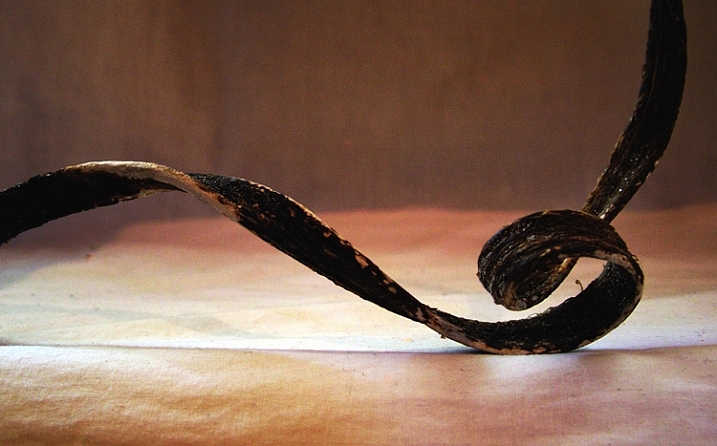
Still life photography

As long as it is still, technically it is a still life. This is a piece of dried seaweed on some calico.

You could group a bunch of items together simply because you like them, or they look pleasing, or you can gather related items to tell a story. The image at the beginning of this article tells the story of my breakfast.

Or you can find still life arrangements that already exist, their story or mood already set up for you.

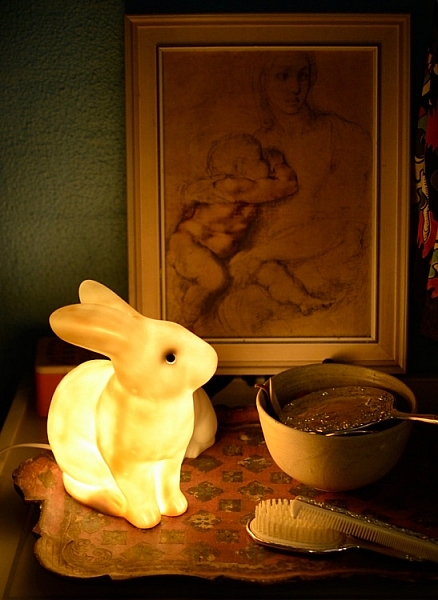
Still Life Photography

A arrangement on a friend’s bedside table of heirloom items, made for an already set up still life image.

You can use things that are simply visually pleasing, or you can make it personal. If you’re stuck for a still life subject, I suggest finding some things that are personal and important to you, give the photograph some meaning. Plus, then you’ll have a photograph of this important thing. Bonus!

Backgrounds

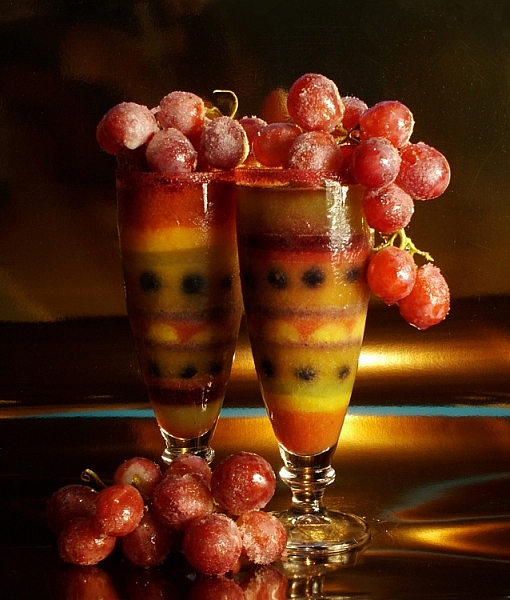
A good background can really make a still life. Fabric, cardboard or paper, or an existing wall, are all easily accessible backdrops. For the image of my breakfast I used old potato sacks. Just make sure whatever you use is not too distracting from your subject matter. Keep it simple. If you’re using fabric, make sure you iron it first! Few things are more distracting than a wrinkled backdrop.

Still Life Photography

I like to call this one, Still Life With Slightly Wrinkly Backdrop.

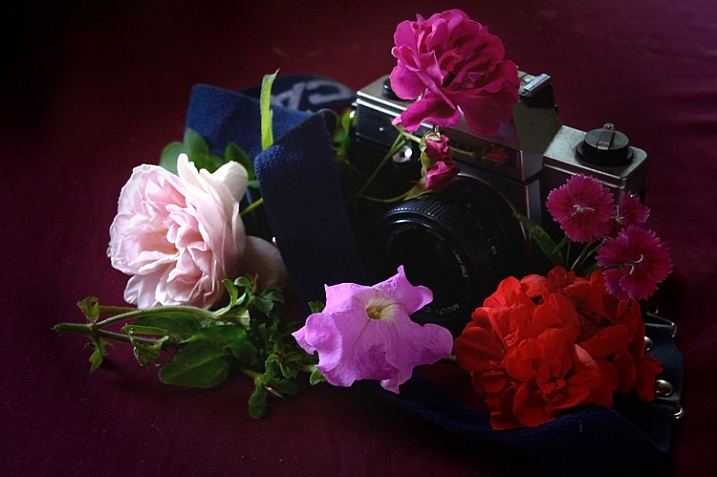
A bright color, or busy backdrop, can pull too much attention away from your subject matter. Plain, neutral-toned, backdrops are a good place to start, then experiment from there. You may be surprised what backdrop will end up making your image really pop.

Still Life Photography

After trying different colored, plain backdrops for this image, I experimented with some reflective cardboard, which worked much better.

You can also experiment with focus and depth of field, having the whole image completely sharp or certain elements, such as the background, in soft focus. A blurry background could help out, should you not have an iron handy, or if you are not handy with one and need to knock back that wrinkly background.

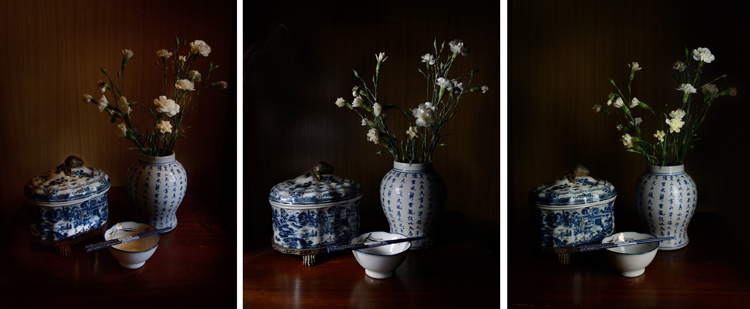
Lighting

You don’t need anything fancy to light a still life. Natural light from a window will do the trick. A lamp, light painting with a torch, or a makeshift soft box are great fun to experiment with. A bunch of tips on these lighting methods and more in my DIY  lighting using household items article.

Still life photography works well for longer exposures, allowing you to use a really subtle light source, such as single candle. You’ll need a tripod, or to steady your camera on a solid box, or pile of books. You can literally paint your still life with light using light painting, and all you need is a small flashlight.

Still Life Photography

A quick setup of different lighting. From left: Natural light from nearby window, light painting with a flashlight, and lighting from a single soft box.

Your subject matter is still life, it’s not going to dash off on you, so take your time here and really play with your lighting.

Try out different intensities of light, by either a curtain if using window light, or moving your light source in and out. You can also combine different light sources such as a small flashlight to fill in any dark spots when using natural light, or perhaps use both a lamp and a candle. (Just be aware of different colors of light each may produce)

How you angle your lighting is important. Experiment with different positions for your light source. If you’re using natural light you’ll obviously have to move your subject to change angles, much easier than rebuilding your window! With a movable source, start with some side lighting, and then try a few different angles. Pay attention to where the shadows fall, as well as what happens with any reflective surfaces. You don’t necessarily want to turn your still life into a self-portrait, with a reflection of yourself and your camera staring back at you.

Composition

Good composition skills go a long way with still life, and is as important as good lighting. There are many wonderfully informative articles here on dPS on the basics, and sometimes not so basics of composition. Understanding things like the rule of thirds can be very helpful, even if you choose to then ignore it.

With still life photography, if you just keep moving your arrangement around, you will find one that works. Don’t just settle on the first one you set up. Keep your eye out for overly empty gaps, or too much going on. Placing an item on an angle will lead the eye in that direction, does the item lead the eye nowhere, out of the frame, or subtly towards another part of the arrangement? A small tweak of the angle of your subject’s placement can make all the difference.

Also try photographing from different angles, even if you need to shoot directly front on, try raising or lowering your camera for a few shots, then zoom in or out a bit and see what happens. It might work, it might not, you won’t know until you try.

Editing

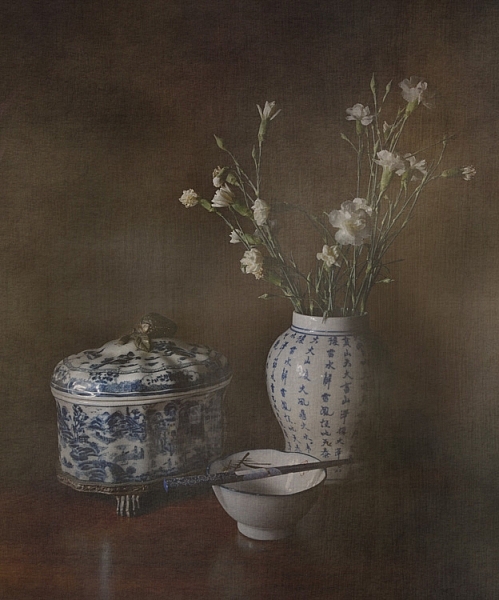
There is loads of fun to be had in the editing stage. Different processes can completely change your still life image. HDR is a popular process for still life photography, and can be very effective. Or you could play with layer masks with a couple of different exposures, and paint in and out certain areas of your image. I like to add a texture to give the image a painting-like look. Here’s a link to a beginners guide to applying textures.

Still Life Photography

Adding a texture in the editing stage can give a painting like effect

Experiment and enjoy

Unlike most other forms of photography, when photographing still life you can really slow down and take your time, and enjoy the process . You don’t have to limit yourself  to the traditional still life, experiment with subject matter as well as your lighting and editing. Indulge in a little photographic play time!

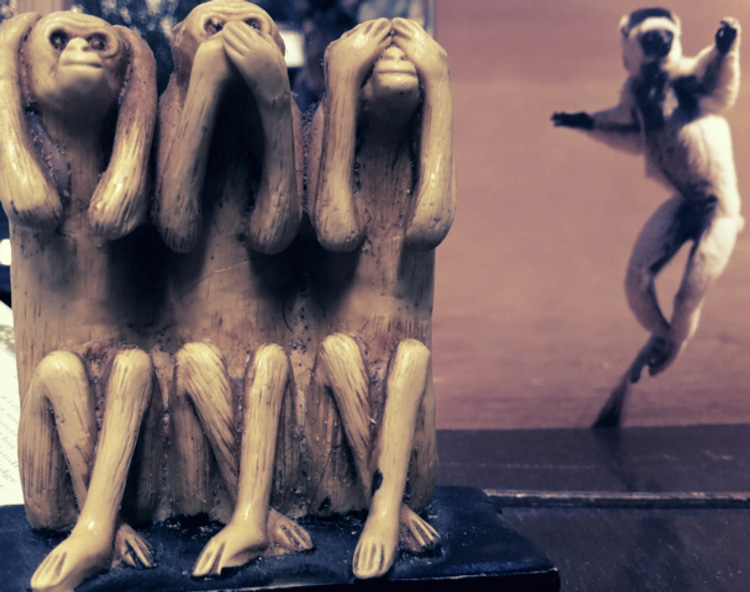
Still Life photography

An arrangement of this monkey sculpture next to a post card made for an interesting still life image.

Try a still life today. Share your photographs or any further still life tips you’ve learned along the way in the comments below.

googletag.cmd.push(function() {
tablet_slots.push( googletag.defineSlot( “/1005424/_dPSv4_tab-all-article-bottom_(300×250)”, [300, 250], “pb-ad-78623” ).addService( googletag.pubads() ) ); } );

googletag.cmd.push(function() {
mobile_slots.push( googletag.defineSlot( “/1005424/_dPSv4_mob-all-article-bottom_(300×250)”, [300, 250], “pb-ad-78158” ).addService( googletag.pubads() ) ); } );

The post Tips for Getting Started with Still Life Photography by Lea Hawkins appeared first on Digital Photography School.


Digital Photography School

 
Comments Off on Tips for Getting Started with Still Life Photography

Posted in Photography


Your Guide to Creating Unique Conceptual Photography

06 Dec

What is conceptual photography? Have you heard about it, but not been able to work out what it is? Who are the artists doing it? How can you do it? If you have asked yourself any of these questions, then read on and see if they can be answered for you.

Conceptual photography is a type of fine art photography. Like the latter, everyone you ask will give you a different definition. It is an art form that has been around for as long as people have been making art. It seems to be something that people have only started talking about in the last 10 years or so.

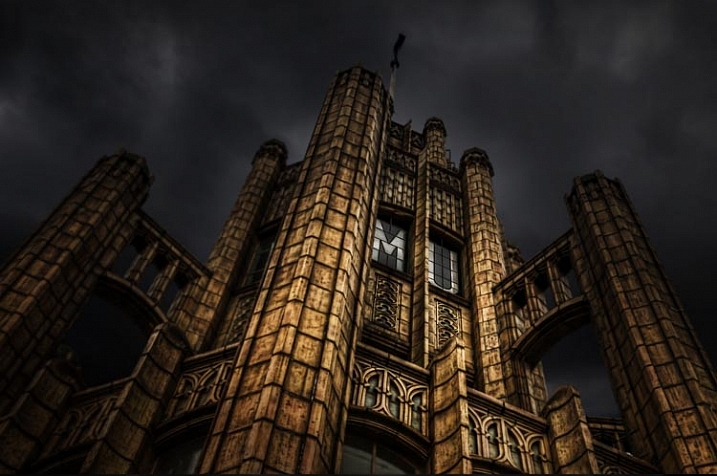
leanne-cole-conceptual-photography-046

The Tower of the Manchester Unity Building where the brief was to make it look like Batman lived there. So the sky was replaced and a lot of processing was done.

What is Conceptual Photography?

When I tell people about work that is conceptual the first thing many ask is, “What is it?”

Conceptual photography is often very imaginative. It seems unreal. Often reality in the photos is distorted, and what you know as normal, is completely changed. Then there are also some people who are doing things that aren’t as imaginative. They are changing some things, or exaggerating reality to a lesser degree.

Conceptual photography is about work that starts with a concept or an idea. In many instances, photography normally starts with an image or a place. You go out somewhere that you think will be interesting and take photos. Once you get home you put the photos on your computer, and for a lot of people, that is all besides some basic post-processing. There is nothing wrong with working that way, but conceptual photography starts out differently.

In conceptual photography you start with an idea, or the concept, of what you want to do. At this stage you start working out what you want your final image to be about. You are working in the dark so to speak, as you won’t know the final result until you have processed it.

leanne-cole-conceptual-photography-045

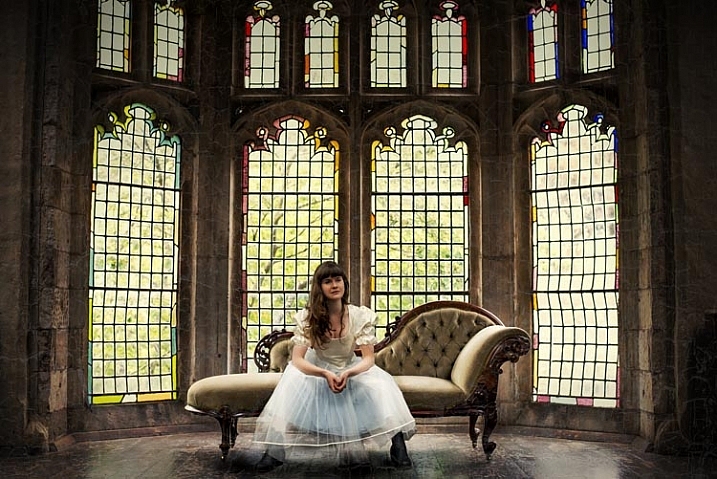
A popular place in an artist retreat, but you can’t take photos with models. So this image was composited from the original, and one of the girl taken at a different time and place.

Artists working conceptually

Other artists (who aren’t photographers) often work this way. Sculptors have an idea of what they want to sculpt, but it isn’t until it is completed that they know if it will be any good. Many painters work the same way, especially abstract artists. The way they work can be fluid, but they have an idea of what they are trying to achieve. Again, it isn’t until the painting is finished, that the artist can judge whether it was successful.

There is no reason why photographers cannot work the same way. Many photographers do, and if you like that kind of work, you can as well.

It is about using your imagination, and seeing what you can envision. If you search Conceptual Photography in Google Images you will find many examples. There are some inspirational photos there as well. They are often clever, and usually highly processed. That does not mean you have to be really good at photo processing, but you do need to have a good imagination.

Adobe Photoshop used to say, “If you can dream it you can create it with the software”. I don’t know how true that is, but you can do a lot in Photoshop, and if you can imagine it, then you should try to create it.

leanne-cole-conceptual-photography-043

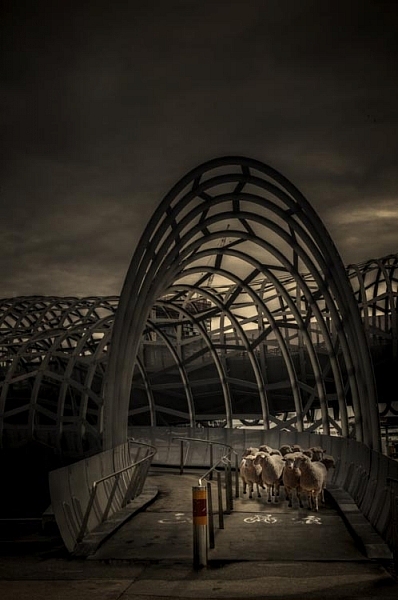
Another composite of a popular walking bridge in the city and some sheep. The sheep were placed on the bridge in Photoshop.

It’s all about imagination

That is a big part of this type of photography. It is about imagination and ideas, planning and getting what you need to create the image, and finally the creation of the image.

Most conceptual work you see is created around portraits. There are many photographers in the world who specialize in fine art portraiture. They would also be considered conceptual artists. You can’t take a person out and simply take their portrait, you need to plan the whole session. Long before you have your model, you need to have an idea of what you want to do; what costumes you may need, and where you want to take the photos. That is how it starts.

leanne-cole-conceptual-photography-044

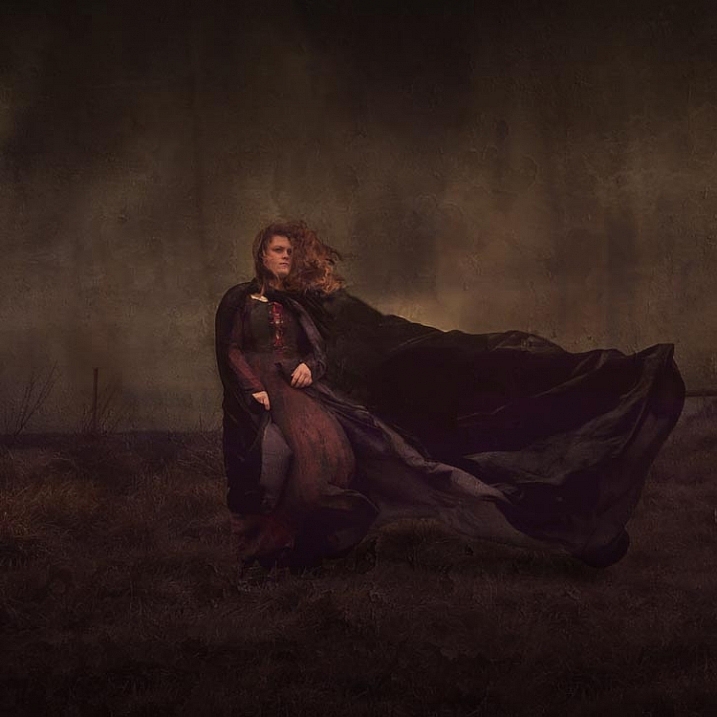
Trying for a Wuthering Heights look. A hill was found on a windy day and the model put into a costume. The cloak was made to look larger as it blew in the wind.

Not all conceptual work is portraiture though. There are many photographers working in landscape or architecture who are creating their own realities.

You might want to put your cat on top of a large building, so it looks like King Kong. You may have seen images where there is a house floating in the air, or someone is put inside a glass jar. These all started with the artist thinking about “what if”.

Some specific conceptual photographic artists

There are some incredible conceptual photographers and artists who are working now.

Rick Amor is an Australian painter. He often paints his environment around him, but not as we see it. He visits places and takes lots of photos. When he gets back to his studio, he goes through those photos to work out which ones he can paint. He will take a little from one image, and something from another, to create a new scene or a new reality. They aren’t straight copies, and he often distorts the sizes and views as well. A statue that is normally six feet tall might appear to be 30 feet tall in one his paintings.

Brooke Shaden is a fine art photographer whose work also fits into the category of conceptual art. She does portrait style images, but they are all more than a portrait of a person sitting in front of the camera. Before she starts, she plans what she wants first. She works out: what the colour scheme will be, what props she will need, if any, and then the location. The model is also important, and has to be someone that will fit the mood of the image she wants to create. Finally, she finishes the image by using Photoshop to give it her unique look.

Canadian Photographer Renee Robyn is also a conceptual artist. She does a lot of fantasy or ethereal images. Again, they would be images that start with an idea or concept. If you look at her website, you can see the before and after photos which makes it is clear that she works with a plan in mind. The models are photographed in a way so that they can then be put into other scenes on the computer.

leanne-cole-conceptual-photography-048

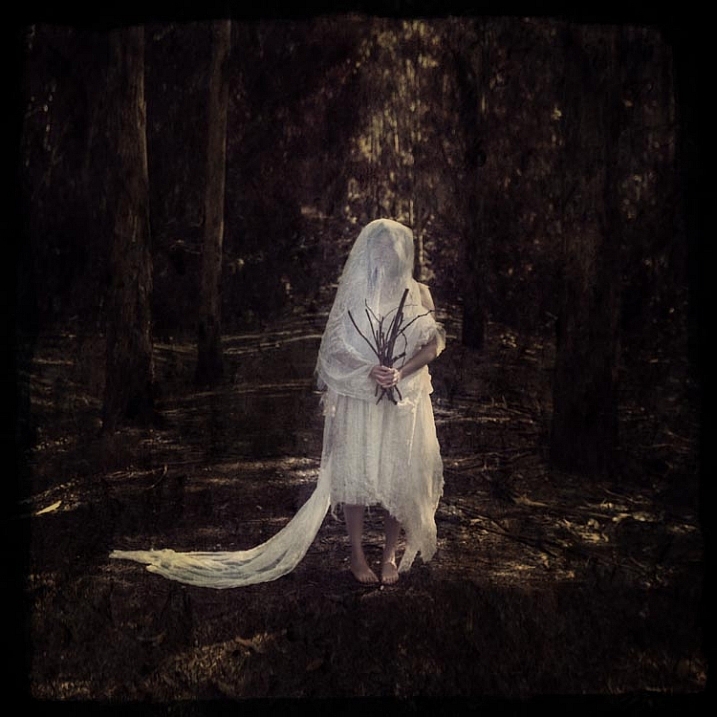
The Woodland Bride – Started with the idea of a bride dressed in rags in the forest. The bouquet of sticks came later.

Another artist that is gaining popularity for his incredible conceptual images, is Erik Johansson. He has an amazing ability to turn the world around him upside down. He manages to turn the ordinary into something extraordinary, to make you see the world in a new way. His imagination is amazing. The ideas he comes up really show how talented he is.

All these artists work differently. You may identify with one of them. You may want to find your own conceptual artists that work in a way that you admire, who you can gain inspiration from. It is important to find other photographers that give you motivation, to work and try new things. You shouldn’t copy them, except to learn, but look at the work and see if you can find your own style.

How can you do conceptual photography?

You need to start thinking conceptually. If you want to create images like the ones mentioned and shown here, then you need to start using your imagination. Think about how you can twist the world around you, or finding some interesting things you can do with it.

Think about how you are going to achieve the final result that you are after. Do you have to take specific photos for it? You need to make sure when you are taking the photos that everything will work together. It should look like it really is possible.

For most images you have to know how to composite. How to take something from one scene, then place it into another. As you put everything together, you start to see whether or not it has worked.

leanne-cole-conceptual-photography-047

Flinders Street in Melbourne Flooded. A process done on the computer to make a place look like water is everywhere.

Working conceptually

Making conceptual images can be a rewarding way of working. It can help you stand out from many other photographers. It is not easy to do, and patience and time are often needed to learn it. However, if you have the drive, then a whole new world could be there for you.

Are you interested in learning more about how to do conceptual photography? What would you like to learn? Have you done any or have any favorite conceptual photographers you’d like to share? Please do so in the comments below.

googletag.cmd.push(function() {
tablet_slots.push( googletag.defineSlot( “/1005424/_dPSv4_tab-all-article-bottom_(300×250)”, [300, 250], “pb-ad-78623” ).addService( googletag.pubads() ) ); } );

googletag.cmd.push(function() {
mobile_slots.push( googletag.defineSlot( “/1005424/_dPSv4_mob-all-article-bottom_(300×250)”, [300, 250], “pb-ad-78158” ).addService( googletag.pubads() ) ); } );

The post Your Guide to Creating Unique Conceptual Photography by Leanne Cole appeared first on Digital Photography School.


Digital Photography School

 
Comments Off on Your Guide to Creating Unique Conceptual Photography

Posted in Photography


Weekly Photography Challenge – Kids

05 Dec

Kids! Gotta love them. I don’t have any myself but I enjoy being around them, and taking in their energy and freedom they exhibit. They say what’s on their mind and aren’t afraid of what other people think when they dance, sing, do art, etc. We adults can learn a lot from them.

Jessica Lucia

By Jessica Lucia

Weekly Photography Challenge – Kids

So how can we capture the essence of what being a kid is all about in our photographs? These recent dPS articles may help you:

  • 5 Tips for Photographing Your Own Children Stress-Free
  • Tried and Tested Tips for Photographing Kids
  • 4 Tips for Connecting and Photographing Kids More Naturally
  • 10 Tips for Taking Stunning Winter Portraits of Your Kids

Now go photograph some kids. Your own, or borrow the neighbor’s kids.

Note: be very conscious of photographing kids in a public place, especially if you are male. It could be seen as creepy and you could get in big trouble. Make sure you have a parent’s approval first if you do so. 

Motiqua

By motiqua

Paolo Marconi

By Paolo Marconi

Rafal Zych

By Rafal Zych

Susana Fernandez

By Susana Fernandez

Toni Verdú Carbó

By Toni Verdú Carbó

Rakesh JV

By Rakesh JV

Share your images below:

Simply upload your shot into the comment field (look for the little camera icon in the Disqus comments section) and they’ll get embedded for us all to see or if you’d prefer upload them to your favourite photo sharing site and leave the link to them. Show me your best images in this week’s challenge. Sometimes it takes a while for an image to appear so be patient and try not to post the same image twice.

Fergus Macdonald

By Fergus Macdonald

Tony Alter

By Tony Alter

Clappstar

By clappstar

googletag.cmd.push(function() {
tablet_slots.push( googletag.defineSlot( “/1005424/_dPSv4_tab-all-article-bottom_(300×250)”, [300, 250], “pb-ad-78623” ).addService( googletag.pubads() ) ); } );

googletag.cmd.push(function() {
mobile_slots.push( googletag.defineSlot( “/1005424/_dPSv4_mob-all-article-bottom_(300×250)”, [300, 250], “pb-ad-78158” ).addService( googletag.pubads() ) ); } );

The post Weekly Photography Challenge – Kids by Darlene Hildebrandt appeared first on Digital Photography School.


Digital Photography School

 
Comments Off on Weekly Photography Challenge – Kids

Posted in Photography


Vallerret Photography Gloves are designed for outdoor winter shooting

03 Dec

Vallerret, a Norway-based startup, is looking for funding on Kickstarter for some cold weather photography gloves. Currently in prototype form, the Vallerret Photography Gloves are designed for adventurous photographers who shoot outside in cold temperatures, aiming to eliminate the hassle that comes with bulky, cumbersome gloves while protecting hands from snow and ice.

Vallerret’s gloves are made with ‘flip-tech’ finger caps that can be peeled back when it is time to adjust dials and change settings. The knuckles and cuff are made of neoprene, the interior features a merino wool liner and the palm and inner fingers are coated with a non-slip grip, though there’s no mention of capacitive touch screen capability, which is increasingly common. Catering specifically to photographers, the design includes an SD card pocket just above the cuff and a microfiber strip for cleaning a lens. Vallerret has partnered with a ski glove manufacturer, hoping to tailor the gloves to active photographers who might also wear them snowboarding.

The campaign has raised more than half its funding goal, and offers a pair of Vallerret Photography Gloves for a pledge of 550 kroner, or about $ 64. Shipping is estimated to start in March 2016, assuming the campaign and manufacturing progress as planned.

Articles: Digital Photography Review (dpreview.com)

 
Comments Off on Vallerret Photography Gloves are designed for outdoor winter shooting

Posted in Uncategorized


How to Get the Most out of Membership in Facebook Photography Groups

01 Dec

You can’t avoid them. Photography Facebook communities are everywhere now. Most photographers belong to at least one. You don’t even get a choice – people just add you to groups, and before you know it your newsfeed is just one long stream of photography chatter. And, let’s face it, the quality varies!

Becoming an active member of a great Facebook group can be a fantastic source of inspiration, support, motivation and friendship. It can be a wonderful, life-enhancing experience. I have met true, like-minded friends via these groups over the years.

04

I used to be a member of a zillion Facebook groups. I tried to engage with all of them before realizing that I was losing weeks of my life interacting with stuff that didn’t really add any value to my photography, or to my life in general. So, I made the decision to cull the groups that I didn’t get much from, and just removed myself without a second thought.

Out of the groups that remained, I chose just three in which to be active. These were the groups I felt strongly connected to. I had become a core member of each and truly enjoyed the people and the chats.

This left a small number of groups in which I decided to become a silent member. I didn’t feel a bond with the group, but I was still getting value from the content. Yes, in some groups, I am one of the lurkers.

I don’t contribute. I might click Like occasionally if I see something wonderful, but I don’t post, but I am not alone. In larger Facebook groups the majority of members are silent. However, you are looking and reading, this doesn’t make you any less important. In fact, nothing could be further from the truth. I am admin for a fabulous Facebook group of learning photographers, and I often get private messages of thanks from members who have never once contributed to a thread. These lurkers are actually very important to me. I know they are quietly consuming the content in the background.

01

But there is another type of member. They attempt to engage but others don’t respond. They post sporadically in different groups, get dejected, and sometimes even defensive when their posts do not get the engagement that other active members enjoy. No one commented. No one even pressed Like.

Some will grump in silence and decide never to post there again. Some are a little noisier about it…

It is human nature to feel this way. If we go to the effort of putting ourselves out there, then of course we hope for a positive response. When we don’t get one, we feel disappointed, or even rejected. They may think:

  • They are cliquey.
  • They are unfriendly.
  • They have not accepted me.

Sometimes stuff just gets missed. People are busy, posts get buried – that’s life. However, often the reason for the lack of response (or maybe the negative response) is much more to do with you than you might want to believe.

Let’s say you have found a photography Facebook group that you like. It just ‘fits’. You feel an affinity with the other members, the ethos of the group works for you and the content is pitched at your level. Maybe you have just joined or maybe you have been lurking for a while and now you would like to enter the fold.

How do you go about doing that? Especially in a well established group?

06

I have seen many newbies join Facebook groups and become much-loved members within a few weeks. However, I have also seen others try, only to crash and burn. Here is what I have learned from those who manage to succeed.

1. Take your time. Don’t ask for something straight away.

I see this all the time. A newbie’s first ever post is asking for something from the other members. It might be a request for critique, or a question about a challenge they are having.

Asking for something at this point is not ideal. The other members don’t know you. They don’t feel compelled to help you yet. Not because they don’t like you, but because you haven’t given them a reason to want to help you.

So how do you make people want to help you?

2. Introduce yourself (but your life story isn’t necessary).

Tell everyone who you are, that you are glad to be there, and that you’re looking forward to getting involved. Don’t post an image. Don’t ask for anything at all.

Keep it short and sweet. No one wants to read a random stranger’s autobiography on their newsfeed, however interesting you may think it is.

05

3. Give of yourself and watch it come back.

If you don’t take the time to respond to others, why would you expect them to respond to you?

Find images you genuinely like and compliment the photographer, or ask them a question about how they achieved it. Photographers love to be congratulated on their work and they enjoy talking about how it was created.

If there was a question posted that you know the answer to, then take some time to craft a response.

If you can identify with a challenge someone else is having, say so. Empathize. The person on the receiving end of your time will be grateful, and they will remember.

4. Engage selectively.

Don’t misinterpret number three above. I am not saying that you should hop onto every thread gushing about everyone’s images, answer every question, and agree with every statement. People-pleasers never win. Not only would other members see right through this, but you would also have no time left in the day for anything else.

Engage with posts which add value to the group and ignore the nonsense (there will be some). Be present in interesting discussions, and frame your responses with respect and intelligence.

You will be remembered.

02

5. Reach out to like-minded individuals.

We live in a new world. A world where it is actually possible to have good friends you have never met in person. Making friends online can be similar to making friends the traditional way, in that we gravitate towards those we have something in common with.

Look for those people in the group. Maybe they have a similar style to you, or they seem to get your dry sense of humour. Perhaps, like you, they love to geek out on equipment specifications, or they are struggling with the same issues that you are.

Connect with them within the group at first (in a non-stalker way) then later send them a friend request.

6. When posting or commenting, consider motive, wording and tone.

So let’s say you have done everything in numbers 1-6 above. Now your fellow members are much more likely to respond positively to you! They have seen your name pop up for some time now, alongside your considered comments. Maybe they have even been on the receiving end of some of your genuine praise.

They still have to feel inclined to engage with you though. Your motive, wording and tone will all contribute to whether other members interact positively with you.

That, however, is a whole other article…

03

Do you belong to a Facebook photography group? What makes you decide whether to become a part of that group, whether to remain a lurker or whether to leave?

googletag.cmd.push(function() {
tablet_slots.push( googletag.defineSlot( “/1005424/_dPSv4_tab-all-article-bottom_(300×250)”, [300, 250], “pb-ad-78623” ).addService( googletag.pubads() ) ); } );

googletag.cmd.push(function() {
mobile_slots.push( googletag.defineSlot( “/1005424/_dPSv4_mob-all-article-bottom_(300×250)”, [300, 250], “pb-ad-78158” ).addService( googletag.pubads() ) ); } );

The post How to Get the Most out of Membership in Facebook Photography Groups by Julie Christie appeared first on Digital Photography School.


Digital Photography School

 
Comments Off on How to Get the Most out of Membership in Facebook Photography Groups

Posted in Photography


8 Creative Ways to Make Money with Your Photography

30 Nov

Photography doesn’t just have to be a hobby, in fact, it can be a brilliant way to gain some extra money – and quite a lot at that! I’ve put together a list of my favourite ways of making money through photography, and with the ideas ranging from a couple of hours a week to a part-time project, you may find something that catches your eye.

1. Shoot Microstock

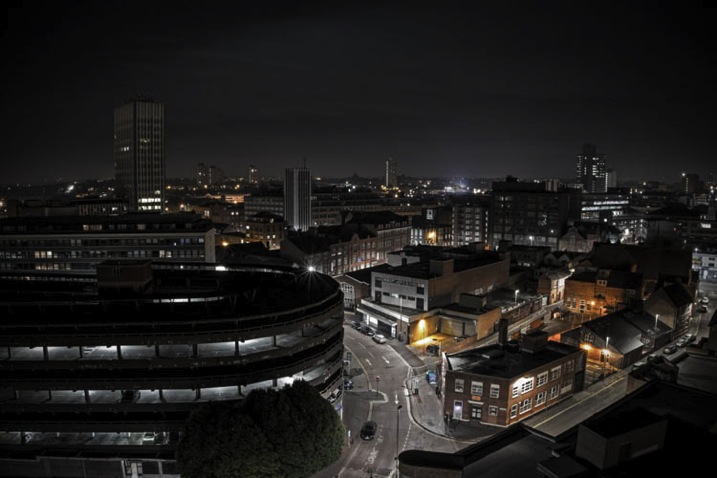
Picture 0

Stock image – © Olly Stabler

There are many different microstock sites out there, including Shutterstock and iStock Photo, and by uploading your images you may well be able to earn some extra money. If you excel at taking commercial images, this will be a great idea for you as these are the types of photographs that sell the most. If you are considering this option, make sure you don’t let your passion for photography die out, through a focus on sales statistics and selling stock shots.

2. Network to be a Second Shooter

Through networking using social media, events, and photography clubs, you can build relationships with other photographers. Opportunities will often arise through the relationships you have built, such as requests to work as a second shooter on a project. It may be that a fellow photographer is working an event, and needs you to join them to take photos to build a complete portfolio of photographs from the day. Weddings are probably the most common occasions that require second shooters, so keep an eye out for these jobs.

Picture 1

Me as a second shooter – © Scott Choucino

Alternatively, those you have networked with may have to turn down work that is too low-budget for them, and will ask you to work on them instead. Never underestimate the job opportunities that will become available to you through networking. This article tells you everything you need to know about the importance of being a second shooter.

3. Sell Prints

Picture 2

The first of my photos to make it to print – © Olly Stabler

There are many different ways you can sell prints; choose framed copies for larger amounts of money, print on canvases to create a professional look, or prints on their own for those who want to spend less. This will also open up the opportunity to place your work in stores and exhibitions. Having hard copies of your photographs will prove helpful whether you have already received sales, or are searching for prospects.

If you shoot in a studio, I would advise hanging your prints on display, and the larger the prints, the better. Your clients will always take note of them hanging in your studio and these prints will showcase the work you can create, encouraging sales. Upselling to your clients can create big money, with bigger prints bringing in big profit margins. To ensure that your photos print perfectly, check out Image Size and Resolution Explained for Print and Onscreen.

4. Become a Photo Booth Service

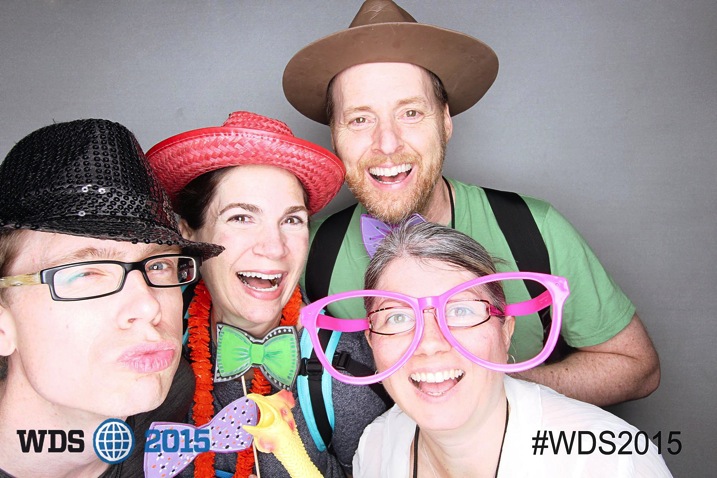
Photo booths are a similar price to a full frame DSLR body plus lens, and are extremely easy to operate. There are an unlimited amount of events and options available if you choose this route including parties, weddings, corporate affairs and events. Offering a photo booth service might not be the best option for a budding photographer as artistic photo opportunities are extremely limited, but nevertheless, it is a surefire way to earn money through photography.

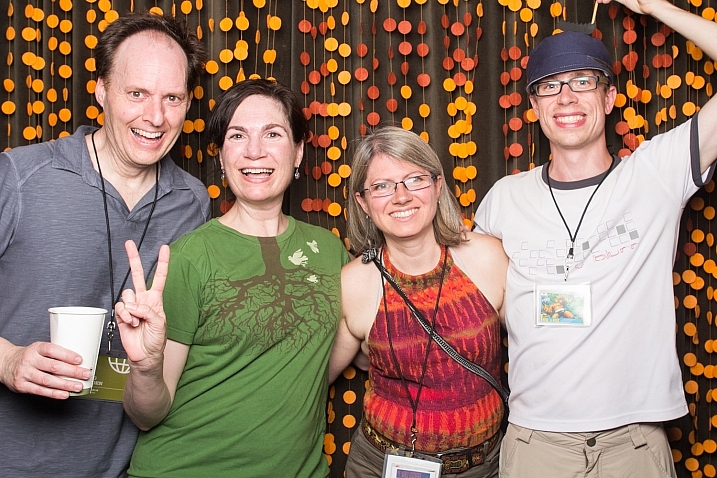
Chris Guillebeau

By Chris Guillebeau – Yes that is your very own Managing Editor Darlene Hildebrandt in a Photo Booth at an event in Portland in 2012

IMG 0653

Same group, same event – 2015!

5. Sell an eBook

If you want to share your passion with others by talking about your experiences and discussing hints and tips, creating an eBook may be the way forward for you. This idea will involve little costly investment, but will require a lot of time. There are many benefits of writing an eBook including the fact that it will help you to make a name for yourself within the industry. The best way to encourage the success of your publication would be to outreach to bloggers and ask for reviews; the power of word of mouth is invaluable.

6. Hold a Portrait Party

Picture 3

A headshot taken in my studio – © Olly Stabler

The idea is simple. Invite friends, bloggers, colleagues, and clients to your studio and tell them to bring a couple of friends. This concept will also work in your lounge, your friend’s front room, or pretty much any location you fancy. Shoot portraits of them all throughout the night, you can even put on a show with entertainment and food.

You can then give them the option to buy their photographs, or book a session. Giving out a few free prints will also work in your favour, as you are thanking them for their time; this will also give them examples of your work to show people they know, and could end up resulting in a lot of business.

7. Photograph in Nightclubs

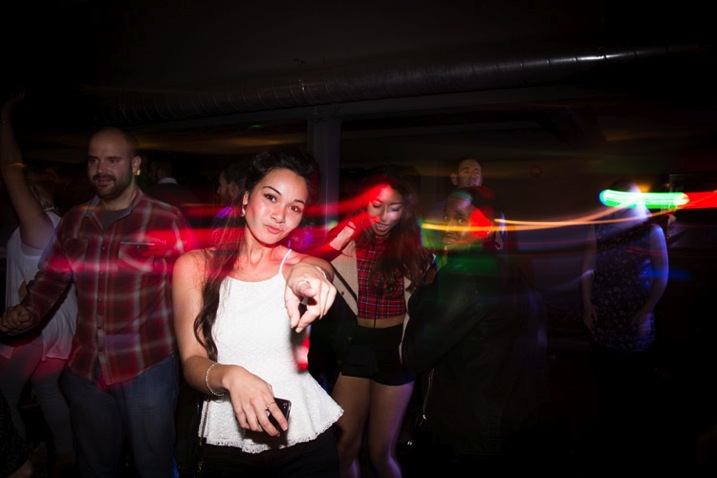
Picture 4

A photograph taken from my nightclub days – © Olly Stabler

Photographing in clubs will help you to learn a lot of skills that you will need for higher paid and more complex jobs. If you are reasonably new to photography, and want to earn extra money as well as build your skill set, this is the one for you. Although the pay isn’t brilliant, you can end up earning a decent amount if you photograph a few student nights a week in university towns and cities. This will also help you to build confidence as a photographer as you will be forced to interact with a lot of people at the same time – an essential quality for a photographer.

Becoming a nightclub photographer is extremely easy to get into, you just need to make sure you have a flash – you can find my recommended products on Amazon.com. The cheaper versions of these flashes do not work with ETTL, which means you will learn how to control flash manually, giving you a full understanding of how flash lighting works – something that is essential if you want to move into higher paying work.

8. Enter Competitions

There are plenty of photography competitions floating around, all with various prizes dependent on those running the feature. Try looking for those that offer a cash prize and enter as many as you can. If you are regularly photographing, you should have a portfolio of images you can enter into competitions. You only need to spend an hour each day searching and applying for these, which may make this option a favourite if you only have a small amount of time to spare. A good place to start is by utilizing databases such as this photo competition website. Remember though, this idea does not guarantee a payout and can be an unpredictable way of making money.

Editor’s note: be sure and read How To Evaluate Photo Contests Before Submitting Your Images And Cash before you enter any contests.

So those are just a few ways you could use your photography to make a little extra money, or start to make the move towards full-time professional. Do you have any other ideas or things you’ve tried? Please share in the comments below.

googletag.cmd.push(function() {
tablet_slots.push( googletag.defineSlot( “/1005424/_dPSv4_tab-all-article-bottom_(300×250)”, [300, 250], “pb-ad-78623” ).addService( googletag.pubads() ) ); } );

googletag.cmd.push(function() {
mobile_slots.push( googletag.defineSlot( “/1005424/_dPSv4_mob-all-article-bottom_(300×250)”, [300, 250], “pb-ad-78158” ).addService( googletag.pubads() ) ); } );

The post 8 Creative Ways to Make Money with Your Photography by Olly Stabler appeared first on Digital Photography School.


Digital Photography School

 
Comments Off on 8 Creative Ways to Make Money with Your Photography

Posted in Photography


Weekly Photography Challenge – Circles

28 Nov

Do you see circles everywhere?

The world itself is a circle, they naturally occur in nature, and man-made objects are full of them.

Andreas Jalsøe

By Andreas Jalsøe

Weekly Photography Challenge – Circles

Your assignment for the weekly challenge is to actively look for them and photograph circles. When you train your focus, attention and eye on one thing you will see more of them than ever before.

Take a photo walk and see how many circles you can photograph!

Chechi Peinado

By Chechi Peinado

The Idealist

By the idealist

Darren Hester

By Darren Hester

Stanley Zimny (Thank You For 15 Million Views)

By Stanley Zimny (Thank You for 15 Million views)

Andrés Nieto Porras

By Andrés Nieto Porras

Share your images below:

Simply upload your shot into the comment field (look for the little camera icon in the Disqus comments section) and they’ll get embedded for us all to see or if you’d prefer upload them to your favourite photo sharing site and leave the link to them. Show me your best images in this week’s challenge. Sometimes it takes a while for an image to appear so be patient and try not to post the same image twice.

googletag.cmd.push(function() {
tablet_slots.push( googletag.defineSlot( “/1005424/_dPSv4_tab-all-article-bottom_(300×250)”, [300, 250], “pb-ad-78623” ).addService( googletag.pubads() ) ); } );

googletag.cmd.push(function() {
mobile_slots.push( googletag.defineSlot( “/1005424/_dPSv4_mob-all-article-bottom_(300×250)”, [300, 250], “pb-ad-78158” ).addService( googletag.pubads() ) ); } );

The post Weekly Photography Challenge – Circles by Darlene Hildebrandt appeared first on Digital Photography School.


Digital Photography School

 
Comments Off on Weekly Photography Challenge – Circles

Posted in Photography