RSS
 

Posts Tagged ‘Photography’

5 Tips for More Professional-Looking Food Photography

01 May

In an age where iPhones are shooting stellar images and high quality DSLRs are coming down in price, it’s becoming increasingly challenging for food photographers to make a living as professionals. As a food photographer in Seattle, I’ve noticed that many of my clients have become opinionated about what makes a good photo, and in many cases are shooting right next to me with their iPhones. I take it as a positive sign that clients, and most people with smartphones, are becoming more informed and educated about photography, but there is of course the notion that this could very soon make professional photography even more undervalued.

So, what’s a professional food photographer to do? Here are some tips to help make sure you capture quality food photography images that attest to the value of paying you, a professional, to do the job.

Tip #1: Don’t use natural lighting

Food photography tips

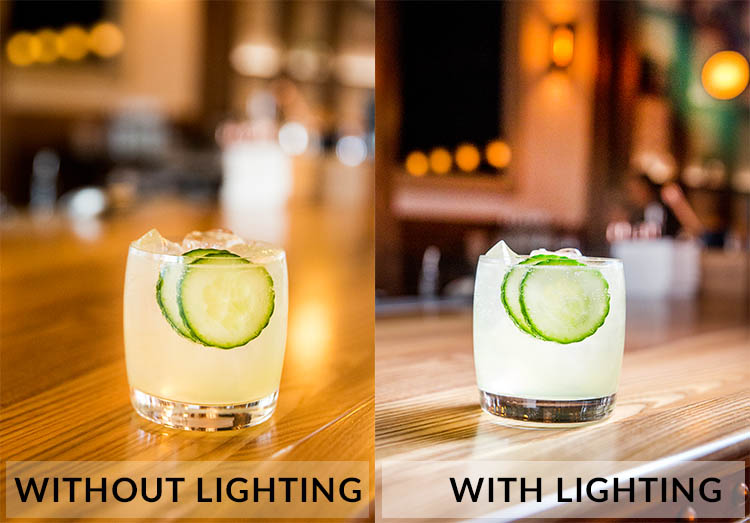
Natural lighting is fantastic, and I still try to use it as often as possible. However, many of my clients have realized the value of using natural lighting and tend to shoot their iPhone photos in naturally lit areas. Taking into account the quality of iPhone photos these days, it’s not unusual that their cell phone photos look pretty darn good, even compared to my DSLR shots. To make sure your photos always look unquestionably better than those taken with a cell phone, use natural lighting less and do some experimenting with strobes and off-camera flash.

Tip #2: Shoot in dark spaces

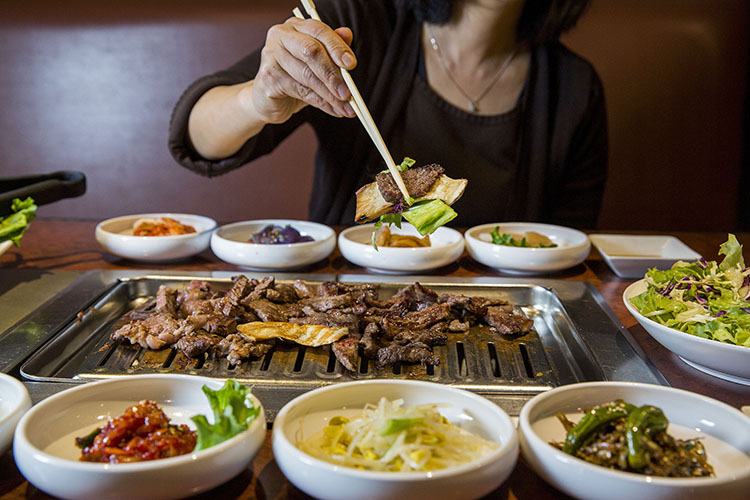
Taking tip #1 into consideration, take full advantage of your professional-grade camera’s low lighting capabilities, and/or your strobe lighting knowledge, by shooting dishes of food in spaces where iPhones have a slim chance of performing well. This is also a good opportunity to incorporate some of the unique features of the restaurant’s interior spaces, into your main shot.

Food photography tips

Photographed in an extremely dark space, this photo wouldn’t have been possible without a DSLR and strobe.

Tip #3: Use a macro lens

While cell phone cameras are becoming equipped with better features with every new release, many still can’t shoot quality macro photos the way that DSLRs can. Use this fact to your advantage and make a macro lens your best friend when shooting food photos. Don’t be afraid to get up close and personal, and capture the details of the dishes you’re shooting. These photos may not be exactly what your clients have in mind, but at the very least it’s always a good thing to show them an alternative perspective that reminds them why they hired you.

Food photography tips

Tip #4: Be a creative director and/or food stylist

Most amateurs approach food photos very statically, opting to shoot dishes from a seated position or overhead. Very few will get creative and incorporate people, props, or activity in their shots. This is your opportunity to shine as a food photographer. Move beyond standalone food photos and use your creativity to make a more dynamic shot. Ways to do this might be capturing action shots, adding a beverage or extra silverware in the shot, or even working with chefs to help them plate dishes in ways that will be photographically appealing. These skills are also part of the reason your client is hiring you, so don’t be afraid to exert your creative authority.

Food photography tips

Tip #5: Shoot tethered

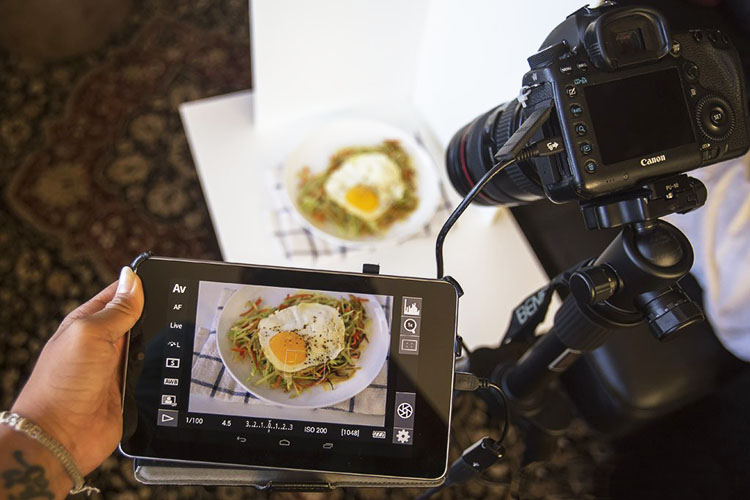
A very simple, yet highly effective, way to come off as a polished, professional photographer is to shoot tethered. If you’re unfamiliar with tethered shooting, it is basically the act of connecting your camera to a computer or tablet, which allows your clients to see your shots on a screen just seconds after you’ve pressed the shutter. This might sound intimidating, but it’s a very simple way to make sure that you and your client are on the same page throughout the photo shoot. It also invites your client to actively participate in the shoot and give you feedback and their own ideas. Tethered shooting is very easy to do using a USB cord or even Wi-Fi technology if your camera has this capability. If you have the means to shoot tethered, definitely consider offering this service to your clients.

Food photography tips

Tip #6: Transmit photos via Wi-Fi

If you have a client who is shooting alongside you with their iPhone, chances are it’s because they want access to photos for immediate posting on social media. Do yourself and your client a favor and offer to send them images on the spot using in-camera Wi-Fi, or do a few quick edits and transmit some shots directly from your computer if you’re shooting tethered. Depending on your agreement with your client, you could even charge a little extra for these services.

Over to you

Do you have other tips for offering more professional-looking food photography that outperforms iPhones and other amateur cameras? Let me know in the comments below!

googletag.cmd.push(function() {
tablet_slots.push( googletag.defineSlot( “/1005424/_dPSv4_tab-all-article-bottom_(300×250)”, [300, 250], “pb-ad-78623” ).addService( googletag.pubads() ) ); } );

googletag.cmd.push(function() {
mobile_slots.push( googletag.defineSlot( “/1005424/_dPSv4_mob-all-article-bottom_(300×250)”, [300, 250], “pb-ad-78158” ).addService( googletag.pubads() ) ); } );

The post 5 Tips for More Professional-Looking Food Photography by Suzi Pratt appeared first on Digital Photography School.


Digital Photography School

 
Comments Off on 5 Tips for More Professional-Looking Food Photography

Posted in Photography


Weekly Photography Challenge – Urban Decay

30 Apr

If you live in a city now is your chance to get out and hunt for some run down, dilapidated, crumbling buildings that say urban decay to you.

Thomas Hawk

By Thomas Hawk

Weekly Photography Challenge – Urban Decay

You can handle this challenge and subject however you wish to approach it. Shoot or convert to black and white, try some HDR, how about doing some light painting at night? The choice is yours. Go find a good subject, take a friend along too, and shoot away!

NOTE: As always though – please put your safety and taking the proper precautions to ensure you aren’t trespassing on private property or endangering yourself or anyone else in the process of getting your photos. Safety and getting proper permissions come first!

Pelle Sten

By Pelle Sten

Louis Du Mont

By Louis du Mont

Babak Fakhamzadeh

By Babak Fakhamzadeh

Toby Bradbury

By Toby Bradbury

Neal Wellons

By Neal Wellons

David Barnas

By David Barnas

Share your images below:

Simply upload your shot into the comment field (look for the little camera icon in the Disqus comments section) and they’ll get embedded for us all to see or if you’d prefer upload them to your favourite photo sharing site and leave the link to them. Show me your best images in this week’s challenge. Sometimes it takes a while for an image to appear so be patient and try not to post the same image twice.

Julian Lennon

By Julian Lennon

Freaktography

By Freaktography

David Barnas

By David Barnas

Darkday

By darkday

googletag.cmd.push(function() {
tablet_slots.push( googletag.defineSlot( “/1005424/_dPSv4_tab-all-article-bottom_(300×250)”, [300, 250], “pb-ad-78623” ).addService( googletag.pubads() ) ); } );

googletag.cmd.push(function() {
mobile_slots.push( googletag.defineSlot( “/1005424/_dPSv4_mob-all-article-bottom_(300×250)”, [300, 250], “pb-ad-78158” ).addService( googletag.pubads() ) ); } );

The post Weekly Photography Challenge – Urban Decay by Darlene Hildebrandt appeared first on Digital Photography School.


Digital Photography School

 
Comments Off on Weekly Photography Challenge – Urban Decay

Posted in Photography


How to do a Simple Inexpensive Setup for Newborn Photography

28 Apr

When I first started taking on clients, as a new photographer I thought newborns would be my favorite. They seemed so easy, lying around, ready to be molded into any pose I desired, nothing to it. Fast forward five years and hundreds of dollars later, they are still my favorite, but I’ve wasted a lot of money, sweat, and tears trying to figure out how to do it correctly. If you are just starting out, either with new clients, or your own baby, this article is for you, before you throw away a lot of money.

How to get started doing newborn photography

Newborn

Keep it simple with props

I figured to get the cutest newborn portraits I needed lots of hats, bows, blankets, and baskets. Then I needed colors that worked for boys, and ones that worked for girls. I bought tiny cribs, and big wooden letters to match the baby’s first initial of his or her first name. My house was so cluttered with photography gear we weren’t able to house our guests in our guest room, and I’m not even done.

I had a fake wood floor that was made of paper so I also had a pull out shelf from our armoire that was big enough to support the fake floor on the carpet. I had heaters, and backdrop stands, and so many blankets and backdrops they over took me. Every time I read an article about a photographer and what gear she used to get ONE specific photo, I would hunt down those items for myself. They mentioned she used rolled up receiving blankets under the baby’s head? Fire up Amazon, I need to get myself some of those. When would I be satisfied? I wanted to spend money on lenses, and photography classes, but I was so sure one more prop would produce the most amazing baby portrait, so that’s where all my money went.

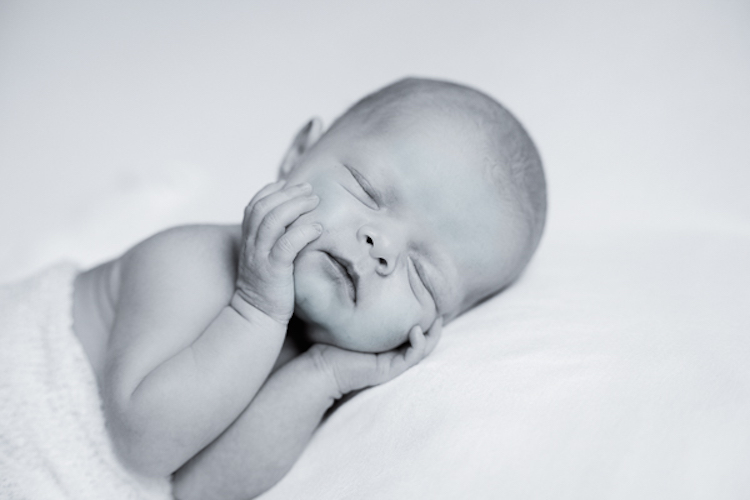
Last year I read a photography article called, Less is More. It opened my eyes. It struck me that the baby is the art, not the props. The props will probably date your photograph (have you seen the photos that are black and white except for a red rose in color?). But a baby, on a simple background, with only the simplest of accessories, will be stunning, because of the baby. That is why I’m here to tell you, save your money, especially if you’re just starting out. You can achieve phenomenal photographs of babies with only the very basics, and it’s so much easier than trying to fit her into that basket while trying to keep her asleep!

Scarf

Setup

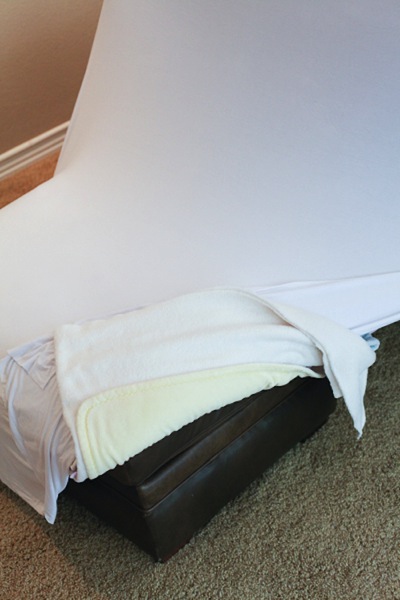
First of all, you need something to put the baby on. If you are working on posing the baby (versus lifestyle photography which requires no posing), you need something that is slightly malleable. Many professional photographers buy expensive beanbags, but you don’t need that. I actually use a leather ottoman we have here in our house, and when I do sessions at client homes I bring it with me.

Of course, last week I forgot to load it in my car for a newborn session. I got to the house and realized it was missing. They didn’t have any ottomans of their own, so instead I pulled the two large bottom cushions off their couch and stacked them on top of each other. For both the cushions and the ottoman I layer multiple blankets on top of each other. In between the blankets I have a few layers of waterproof sheets that are leftover from my own children, and a heating pad. The multiple layers of blankets make it soft and pliable, and the top few layers are the various backdrops I use to photograph the babies on, so I just keep removing layers for the different backgrounds (see below).

Ottoman

I only shoot on black, white, and cream. I have gotten away from colored blankets, but that’s my choice. I used to have colored blankets as well, and you may still want that, but don’t buy the expensive options off of etsy, use blankets you already own. I do recommend neutral colors though because bright reds, pinks, and greens can cause colorcasts on baby’s skin.

Positioning the baby

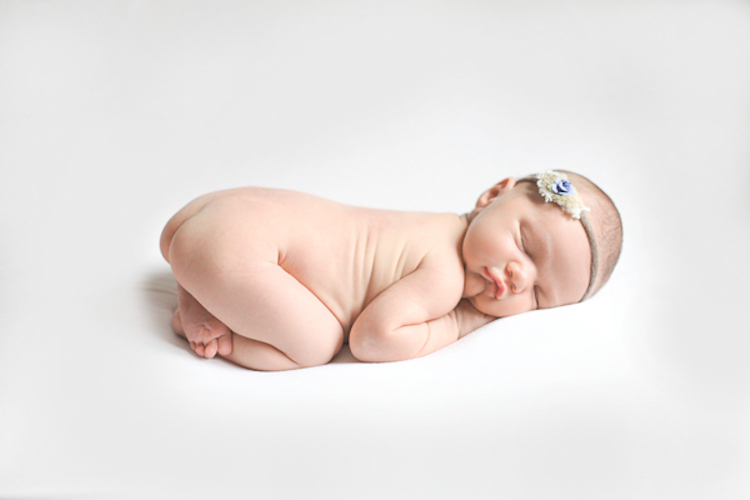
The stack of blankets help the baby to sink down a little bit if you want her to, and I also bought a stack of white washcloths from Costco, that I bring with me to roll up and stick in between the blankets and the baby to get her propped and curled exactly how I want her. A boppy (feeding pillow) under a blanket may be a good way to get some of the poses you want, and I’ve found that if you can’t use a boppy, another good option is a neck pillow like you’d use on the plane. I actually prefer that to the boppy because it’s small, and perfectly sized for a baby’s body, so it helps keep the baby propped in place if you lay her on her belly with her arms and head resting on the pillow.

Gear

Background

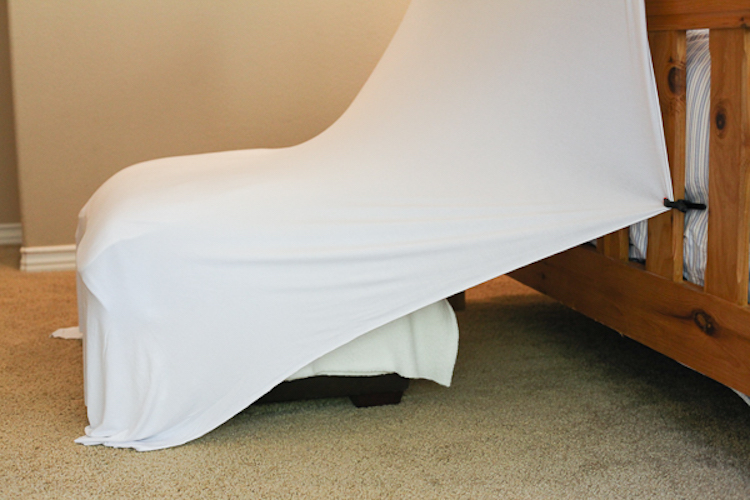
I like a continuous look for my backdrop, so I use the same material under the baby and stretch it up to create the background behind the baby. I own a stand that I bought for the purpose of holding up backdrops (or you can make your own), but you don’t need one of those. Invest in some heavy-duty clips, and you can pin up the material or blanket to anything above the baby. I’ve used bed frames, chair backs, stepladders, tables, etc., it’s just a matter of looking around you to see what will work. When I’m at a client’s house I pull stuff from all over the house to use during the session. I always put it all back the way I found it, and no one has ever had any issues.

Setup

Lifestyle or unposed photography

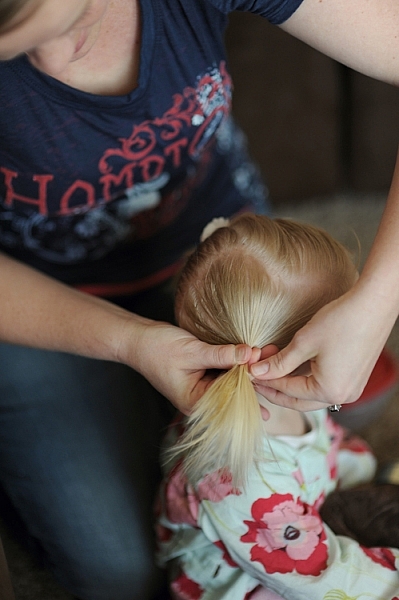
So I mentioned lifestyle photography. It’s something that is becoming ever more popular. Essentially, it’s about capturing photos without posing the family too much. Of course you will set the scene. You might move some furniture around, lay a blanket on the ground, and tell the family members where to sit or stand. But beyond that, you let them sort of do their thing. The photos are natural, realistic, and lovely. But I think lifestyle alone is not enough when we’re talking about newborn photos. Of course they are easier, and require almost no additional props at all, but most people want at least two or three posed photos of the baby alone.

Details

Accessories

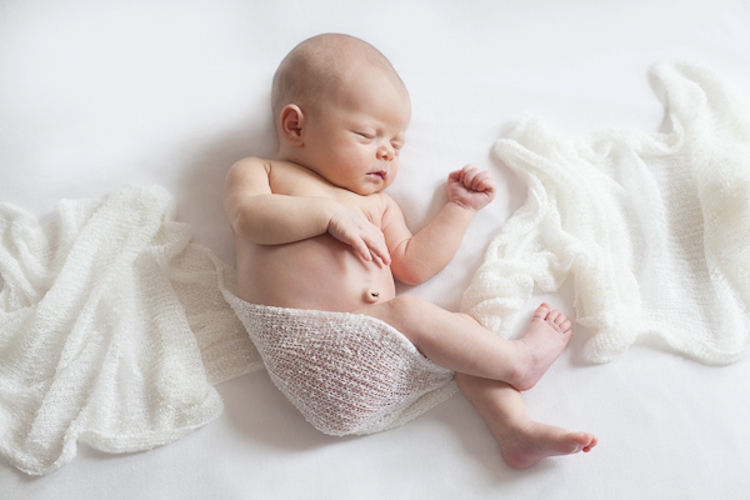
Now for the accessories. Again, you don’t have to spend a ton of money on this stuff, and believe me, it’s easy to rack up a pretty big bill once you start purchasing. My favorite backdrop is a stretchy knit fabric that when smoothed over my blankets, has no wrinkles. I bought it at a craft store. I also bought an extra, smaller piece of the same fabric to wrap the babies in. I love the continuous look. But if you don’t want to buy anything at all, look around – you probably have some scarves, shawls, or small baby swaddling blankets you can use. I’m not a huge fan of big bows, but I do like small tiebacks. You can purchase one of two of them, or make your own with some twine and pretty beads.

Tieback

Once you start looking around at what you already own, I bet you can find many different options for positioning, backdrops, and wraps. To add some variety you can purchase some scarves, head ties, or small pieces of material at the fabric store that won’t set you back a lot of money, but will bring the needed variety in your photos.

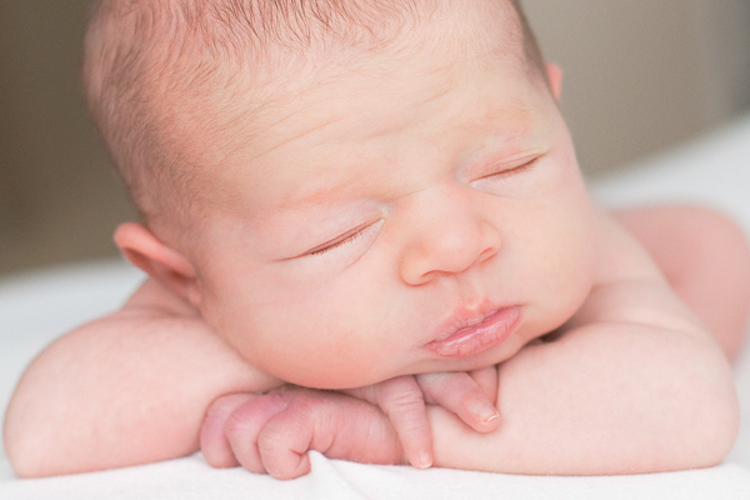
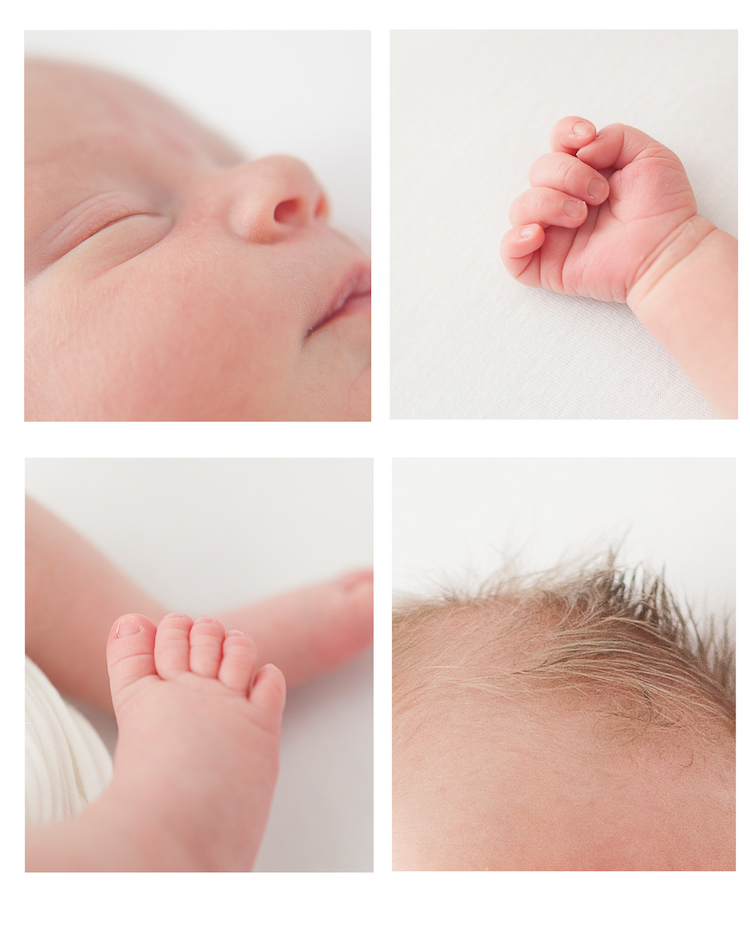
Good luck, and remember it’s the baby you’re trying to capture, not the props. Don’t forget those long eyelashes, those tiny toes, and those perfect pouty lips.

Small details

People photography week

This week on dPS we’re featuring articles all about different kinds of people photography including portrait, event and travel photography. See all the previous ones below, this article is the last one in the series.

  • How to Take Low Key Head-shots
  • How to Do a One Light Portrait Setup and Use it as Your Back-up Plan
  • Travel People Photography – Tips and Pitfalls
  • 8 Tips for Photographing Men
  • 24 Diverse Images That Showcase People Photography
  • Weekly Photography Challenge – People Photography
  • Tips for Getting Yourself to Relax as a Photographer and Have More Successful Portrait Sessions
  • 5 Good Reasons to Add People into Your Landscape Photography
  • 6 Must-Have People Shots to Capture When Photographing Corporate Events
  • 4 Tips to Help You Get Started Doing Lifestyle Photography
  • 3 Tips for Photographing Children Without Losing Your Mind

googletag.cmd.push(function() {
tablet_slots.push( googletag.defineSlot( “/1005424/_dPSv4_tab-all-article-bottom_(300×250)”, [300, 250], “pb-ad-78623” ).addService( googletag.pubads() ) ); } );

googletag.cmd.push(function() {
mobile_slots.push( googletag.defineSlot( “/1005424/_dPSv4_mob-all-article-bottom_(300×250)”, [300, 250], “pb-ad-78158” ).addService( googletag.pubads() ) ); } );

The post How to do a Simple Inexpensive Setup for Newborn Photography by Kim Kelley appeared first on Digital Photography School.


Digital Photography School

 
Comments Off on How to do a Simple Inexpensive Setup for Newborn Photography

Posted in Photography


Revisiting Film Photography After 10 Years: The Readjustment

28 Apr
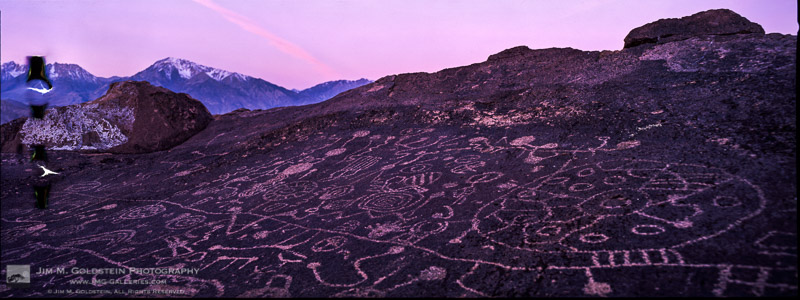
Early morning light illuminates Skyrock and the eastern Sierra Mountains

Early morning light illuminates Sky Rock and the eastern Sierra Mountains

This is the 1st of a 3 part series on my experience jumping back into film photography after a 10 year hiatus focusing purely on digital photography.

The Camera
10 years ago I vowed I’d never shoot film again. I enjoyed shooting film to a degree, but compared to digital it became unnecessarily onerous. Back in the day I was shooting 35mm and medium or large format photography was both imposing and expensive. As much as I said “never again” to film there was a 0.01% chance I might jump back in, but it would only happen if I ever landed a very special camera. In the late 90’s I always dreamed of owning Fuji 6×17 medium format film cameras. They were used by top landscape photographers and produced amazing panoramic photos. These cameras and their lenses are so good it’s one of the few film camera systems that have held their value the longest. Fast forward to 2013, I set up an eBay alert for GX617 cameras in the event the right camera at the right price surfaced. It only took a couple of years but earlier this year the right camera finally surfaced. I found someone selling a pristine Fuji GX617 with a 90mm lens (20mm equivalent for 35mm cameras) and 50 plus roles of 120 film. Even still it was a bit of a hit to my budget, but I finally took the plunge.


A photo posted by Jim Goldstein (@jimgoldstein) on

Fundamentals
This Fall when I decided to dedicate a trip to using my new 6×17 camera I started to wonder if I’d be able easily transition back to film photography. On one hand I didn’t want to waste any of the film I acquired (Fuji Velvia 50 & 100) and on the other I was concerned I’d take a hit to my pride feeling like a beginner again. As I dove in using the camera it became clear that my nerves were unwarranted in this area. A firm understanding of photography fundamentals will take you far no matter what system you use.

That said the Fuji Gx617 is very different than a modern DSLR and if there was anything that made me feel like a beginner again it was my lack of familiarity with how this camera functioned. The camera doesn’t have a mirrored viewfinder to preview your composition. Instead it has a dedicated viewfinder for each lens to approximate what will be exposed. The lenses are focused based on the approximate distance of your subject from the camera. Aperture is set manually with levers. A roll of 120 film produces 4 exposures and changing lenses mid-roll is not an option as it will expose the entire roll of film. Becoming reacquainted with manual photography versus relying on a variety of automatic systems we take for granted every day with 35mm DSLRs was quite eye opening.

Methodology
If any one thing tripped me up in my use of the Fuji GX617 it was establishing a routine to avoid basic mixups on selecting my camera settings. Even compared to my 35mm film SLR this was quit an adjustment. Film and digital SLRs enjoy a certain degree of automation where as a camera like the GX617 requires every setting to be made manually. After a couple slip ups I finally established a routine of composing my subject with the “external” viewfinder, check distance, set lens focus, using a light meter to determine exposure settings, set aperture, set shutter speed, and finally tripped the shutter via a cable release.

It all sounds logical, but being new to the camera it took some time to get this routine down. Distractions were plentiful so more than a few exposures were lost as a result of breaking from this routine. Sometimes the basic step of recomposing my next shot was enough for me to miss a basic setting adjustment. Complicating things further was retraining my brain to visualize how each focal length and aperture setting will translate to the medium format look versus 35mm. As an example 300mm on this system equates to 73.5mm on a 35mm system. Also depth of field is different for equivalent aperture settings.  The fun was in the discovery.

Intent & Purpose
One thing that I found incredibly refreshing while using the Fuji GX617 was how the manual settings helped me slow down and connect with my subject more. The manual operation of the camera granted me time to take in my surroundings, more thoroughly observer my subject and feel more connected with Nature.  I was far less prone to jump into a scene, rapidly setup & fire off shots and then bolt to the next location. The combination of camera adjustments taking time and only having 4 exposures to a roll put me in a mindset of wanting to get the most out of the location I was photographing. If I was going to use a precious frame of film and devote the time to set up I made sure that my image was going to not just expose correctly, but connect with viewers & myself. The end result was a much more thoughtful effort with less wasted time and film that produced higher quality results.

Continue on to Part 2 in this series – Revisiting Film Photography After 10 Years: Composing Through New Eyes

The post Revisiting Film Photography After 10 Years: The Readjustment appeared first on JMG-Galleries – Landscape, Nature & Travel Photography.


JMG-Galleries – Landscape, Nature & Travel Photography

 
Comments Off on Revisiting Film Photography After 10 Years: The Readjustment

Posted in Equipment


Revisiting Film Photography After 10 Years: Composing Through New Eyes

27 Apr
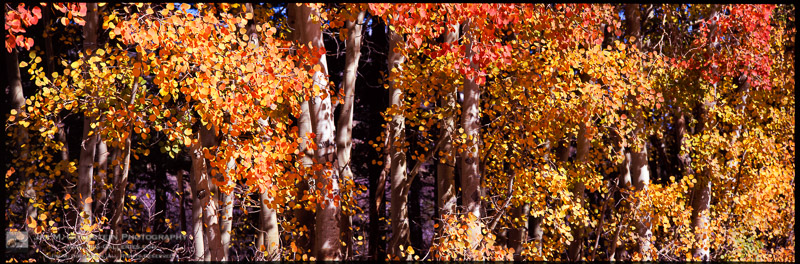
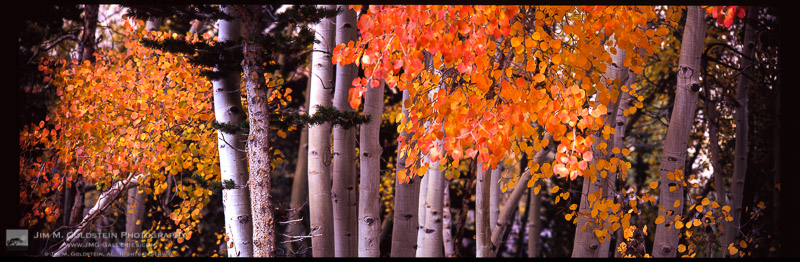
Aspen Tree Fall Color in the Eastern Sierras of California

Aspen Tree Fall Color in the Eastern Sierras of California

This is the 2nd of a 3 part series on my experience jumping back into film photography after a 10 year hiatus focusing purely on digital photography. You can start here at Revisiting Film Photography After 10 Years: The Readjustment if you missed it.

Mental Math & Visualization
As I’ve been shooting with the Fuji GX617 I’ve had to make a bit of a mind-shift in my approach. On one hand I have to account for slightly different mental calculations regarding how medium format focal distance, depth of field and vignetting might impact my composition. This is rooted with the fact that medium and 35mm formats follow the same mathematics, but the calculations for similar units (focal length, aperture, etc.) result in different visual aesthetics. 90mm focal distance on the GX617 equates to 20mm on a 35mm camera and a 300mm lens on the GX617 equates to ~70mm on a 35mm camera. f/8 on the GX617 is shallow for closer subjects while not so for most images on a 35mm camera. It’s an interesting adjustment, but frustrating if you forget or don’t fully make the right mental calculations as you’re taking photos. After all mistakes on film have a financial cost.

Volume versus Quality
Back in October when I took out the Fuji GX617 and the Canon 5DS R on a trip I found it notable how different my approach to shooting was with each camera. Unsurprisingly I shot less with the film camera and was much more generous in my shooting with my DSLR.  I spent a lot more time on my film shots to focus on correct exposure and composition. With 4 exposures to a roll I took greater care to work a scene by walking around, looking for different angles, check focus, check settings, double check settings and account for various lighting conditions before triggering the shutter. The net result was feeling more connected to the scene I was photographing.

My efforts with the DSLR were much quicker and as a result I took more photos. Shooting RAW affords you to work fast and loose. It was eye opening to see how fast and loose normal shooting has become for me. Jumping back to film made that all too clear. The digital format affords you the ability to:

  1. Salvage an image with +/- 2 stop latitude (potentially more if you use a newer digital camera)
  2. Have virtually no exposure (image count) limitation creating an “insurance” mentality where you take additional photos to account for lighting or weather variations or just to cover lazy technic
  3. Change ISO or lenses during a single composition on a DSLR in the event you realize your initial approach isn’t working


In the end the ratio of digital versus film photos taken on my trip was 1:20. For every film photo taken I took 20 digital photos, but that said I utilized my DSLR to experiment and photograph a much broader array of subjects. As for the photos I considered keepers and worth sharing the ratios broke down as follows:

  • 1 out of every 9 film photos taken was sharp enough and composed well enough to share and/or print.
  • 1 out of every 7 digital photos taken was sharp enough and composed well enough to share and/or print.


Seeing photos that didn’t work out on film were much more painful. Psychologically I felt more angst either because of lost opportunities or the cost associated with a blown roll of film. I’m not sure if my history of shooting film makes me more or less prone to take extra digital photos for insurance than the average photographer, but it certainly has an impact on my emotional state.

Emotive Photographs
Beyond concerns about technical proficiency and productivity I was most concerned about being able to capture images that deeply resonated with me. It’s one thing to say that I got 5 or 100 publishable photos and it’s another to state that they’re photos I think will resonate with others let alone me. Sharp photos, well composed photos, etc. don’t always equate to a great photo.  Images that resonate more deeply are not just about sharpness and composition, but atmosphere, artistic presentation and often “je ne sais quoi”. I’ve yet to compile stats for this as I’m still evaluating images from this trip, but if history is a guide the volume is always low.

The jump back into film has been interesting, fun and even anxiety provoking at times. Most of all it’s been eye opening in how I work, compose and think about photography in general.

Continue to Part 3 in this series – Revisiting Film Photography After 10 Years: Development & Post

The post Revisiting Film Photography After 10 Years: Composing Through New Eyes appeared first on JMG-Galleries – Landscape, Nature & Travel Photography.


JMG-Galleries – Landscape, Nature & Travel Photography

 
Comments Off on Revisiting Film Photography After 10 Years: Composing Through New Eyes

Posted in Equipment


Magnum launches Photography Awards competition to celebrate its 70th birthday

27 Apr
Image © Martin Parr/Magnum Photos

The Magnum Photos agency has announced $ 18,000 worth of prize money for its first photography competition open to anyone 18 years or older. Launched as part of 2017’s celebrations to mark 70 years since the agency was established, the Magnum Photography Awards hopes to ‘discover the best photographers from all over the world.’ The agency has partnered with LensCulture and has set categories for Documentary, Street, Portrait, Fine Art and Photojournalism, as well as an Open section. The jury will look for a winning series and single image in each section, with the best series winning $ 2000 and the best single shot $ 1000. Additional images will be highlighted as finalists, Jurors’ Picks and Editors’ Picks, while five students will also be singled out for praise.

Cash prizes await the winners of the sections and those picked for other awards will be included in an online exhibition and a book, while all series entrants can request a review of their submission by an ‘industry expert’.

The deadline for entries is Tuesday May 24th 2016, and it costs $ 20 to submit a single image, with further submissions costing $ 10. Entering 5 single images as a group costs $ 50, while a series of 10 photos costs $ 60. For more information see the Magnum Photography Awards page on the LensCulture website.


Press release:

Call for Entries: Magnum and LensCulture Photography Awards 2016

Magnum Photos and LensCulture have joined forces to create one of the best new opportunities for photographers to be recognized and rewarded for their talent.

2017 marks a significant year for Magnum as we celebrate 70 years since our founding photographers toasted the conception of an independent photo agency. Ahead of these anniversary celebrations, Magnum Photos and LensCulture invite submissions to the inaugural Magnum and LensCulture Photography Awards, an international call to discover the best photographers from all over the world.

Our distinguished jury will select 12 Winners and 20 Finalists from Documentary, Street, Portrait, Fine Art, Photojournalism and Open categories. In addition, the jury will select 7 photographers as “Jurors’ Picks” and give out 5 “Student Spotlight” awards to young, up-and-coming talents. Winners, finalists and top-rated photographers will enjoy gain access to an unprecedented level of global exposure and recognition from two of the largest organizations in the photo industry, as well as cash funding and career support.

“Magnum Photos is delighted to be working with LensCulture on this exciting new competition, which we hope will attract diverse photographic practices from all over the world. 2016 marks a significant juncture for the agency as we launch a new, stories-first website, in the lead-up to our 70th anniversary. We view this new award as an opportunity for our dedicated audience — and the photography community at large — to share in our celebrations.” – Martin Parr, Magnum Photographer and President.

Articles: Digital Photography Review (dpreview.com)

 
Comments Off on Magnum launches Photography Awards competition to celebrate its 70th birthday

Posted in Uncategorized


4 Tips to Help You Get Started Doing Lifestyle Photography

27 Apr

135

People are my favorite subject to photograph, and one of my favorite ways to capture them is through lifestyle photography. I love documenting a day in the life of a family, student, or child. I love making beautiful photos out of real life happenings; the everyday stuff that we forget to treasure. Some moments are perfect and gorgeous, and other moments are more ordinary, and sometimes even unattractive; but I love every one of those moments, and I find joy in looking for the beauty in everything.

If you would like to get started with lifestyle portraiture, maybe these tips and photos will inspire you to jump right in. These photos are from a day in the life session with a sweet family. I wanted to document what a normal, ordinary day is like for them, and give them photos that they would treasure forever. We had a lot of fun together, and not only do they love the photos, but I ended up being inspired by them as I spent a little time getting to know who they are.

1 – Set yourself up for success

160

If you decide to do a lifestyle session and just show up without a plan, you may get exactly what you planned for – nothing. I asked the B family to tell me some of the things they enjoy doing together as a group, and we chose some that would photograph well, and represent their life right now.

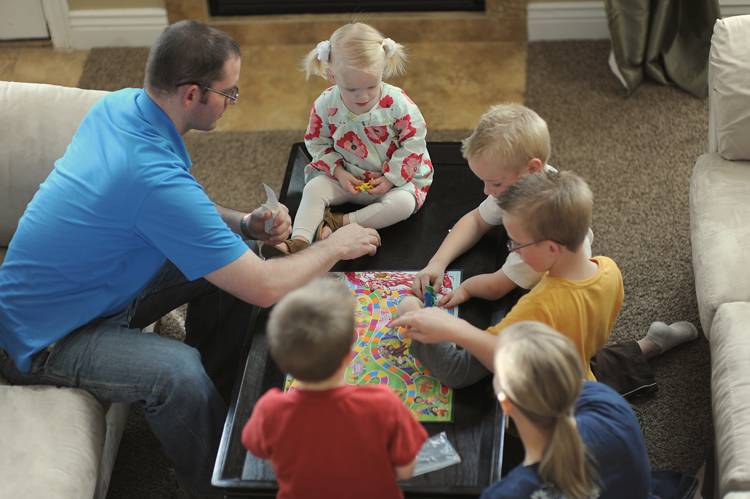
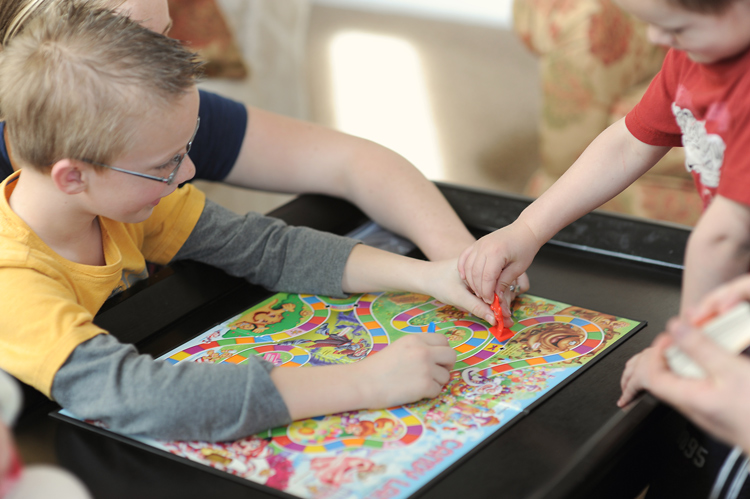
We took photographs of snack time, with kids helping prepare and eat the peanut butter and apples. We took a few photographs of them jumping on the trampoline, and then we came inside while they played games together. We ended the session with something that they do every single day, and is a huge part of the fabric of their family. They read scriptures together, and prayed as a family. It was important to me to capture the essence of their family, so we planned, ahead of time, the things that would best show who they are.

There are so many scenarios that could be planned and prepared. Families are fun, because there is a lot of interaction. You could have them bake cookies together, or go for a picnic in the park. A family hike might be the perfect thing to photograph if they love the outdoors. It’s so much fun to do sessions on the lake with the family’s boat, or at home with their pets.

168

Although families are fun, they’re definitely not the only group of people who lifestyle photography lends itself to. A group of tweens painting fingernails together, or some kids playing a game of basketball could make great lifestyle sessions. A day in the life of a college student, or a documentary style session with an elementary school teacher could also be amazing. People are involved in so many great things, whether it be their hobbies, work, or recreation. It’s a wonderful experience to capture them in action, doing the things that they love.

As long as you don’t get too attached to it, it can be helpful to create a shot list. This could be a list of all the photos that you are hoping to capture during your session together. If all the things on your list don’t happen, don’t fret about it, but it can give you some ideas to get going.

2 – Be ready for the unexpected

180Now that you’ve planned and prepared, and set yourself up for success, loosen up and go with the flow. If you try to manage every moment, or even direct too much, you lose the realness of a lifestyle session. Things just happen during your time together, and sometimes those things are what make your most memorable photos.

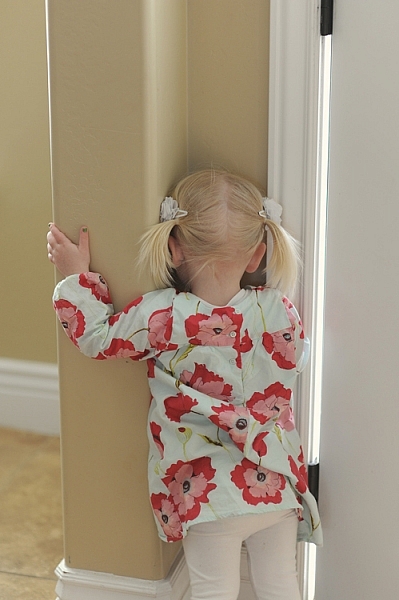
In the photo to the right, the little one got quite upset over something that happened in the game, and she knew right where she had to go, and exactly what she had to do; standing with her nose in the corner was the standard procedure in her family. Although it wasn’t her finest moment, and she probably wasn’t enjoying it very much, I’m pretty sure this photo will be one that she will love when she grows up, and her parents will cherish forever.

These moments are the ones that aren’t on your shot list, because you can’t foresee them happening, but you need to be ready to capture them and include them as part of the story you are telling. You may even have days where you don’t capture one thing that you had planned, and nothing on your shot list is even available to shoot. If that happens, just go with it, and know that you may create something even better than you could have planned. If you have a calm mindset, knowing that you are prepared, but you are ready to roll with the punches, you’ll be just fine.

3 – Capture the story details

181

Some of your photos may not even have your human subjects in them. A lot of your photos might not show any faces or expressions. These detail shots can create interest in the group of photos chosen to represent their story, and tell the story even more deeply than if all the photos were of their faces.

For each scene you are photographing, you might consider taking the “big picture” with lots of the surroundings, and all of the participants visible in the photo. This will provide context, and help your viewer understand the setting, and exactly what is going on. Then you might want to break it down a little further, showing a close up of one or two of the people, or a close up of their hands, or the activity. You could then break it down even further, and take detail shots of what is going on, and the objects that are part of your subject’s story.

100

As you break down these little details, you’ll enrich your story by showing emotions, interactions, and the things that are most important to your subject. Be careful not to get too sidetracked. If you start photographing anything and everything that is in the room, your story becomes muddied, and it won’t be clear what you are trying to portray. Have a clear vision of the story you are telling, and keep that focus as you shoot.

4 – Consider different perspectives

200

Be creative as you figure out how to best tell the story you are trying to portray. Perspective is a great way to add interest to your photos, and show a unique point of view. There are two different types of perspective to consider.

Your perspective

Where are you located when you are taking the photograph? Try shooting from above, or below. Try shooting from behind curtains, or stair railings. Sometimes having something in the foreground makes the viewer feel like they are really seeing into the heart of someone’s life, and seeing something they wouldn’t normally see. Move closer, move back, move around. Be creative.

Their perspective

How does your subject view this activity? What might the little girl be feeling? How could you portray that in a photograph? What does the mother see when she looks at her family? Can you capture her feelings and perspective? When you are creating lifestyle portraits, your vision will definitely be part of the process, but trying to capture your subject’s perspective can add a whole new dimension to your photographs.

196

One of the best things about lifestyle portraiture is that there really are no rules. This opens up so much more room for fun and creativity, and takes a lot of stress off of you as a photographer. Have fun with it, and get you and your camera out there to tell a really great story. I’d love to see your lifestyle photographs in the comments below!

People photography week

This week on dPS we’re featuring articles all about different kinds of people photography including portrait, event and travel photography. See all the previous ones below, and watch for more people photography articles over the next few days.

  • How to Take Low Key Head-shots
  • How to Do a One Light Portrait Setup and Use it as Your Back-up Plan
  • Travel People Photography – Tips and Pitfalls
  • 8 Tips for Photographing Men
  • 24 Diverse Images That Showcase People Photography
  • Weekly Photography Challenge – People Photography
  • Tips for Getting Yourself to Relax as a Photographer and Have More Successful Portrait Sessions
  • 5 Good Reasons to Add People into Your Landscape Photography
  • 6 Must-Have People Shots to Capture When Photographing Corporate Events

googletag.cmd.push(function() {
tablet_slots.push( googletag.defineSlot( “/1005424/_dPSv4_tab-all-article-bottom_(300×250)”, [300, 250], “pb-ad-78623” ).addService( googletag.pubads() ) ); } );

googletag.cmd.push(function() {
mobile_slots.push( googletag.defineSlot( “/1005424/_dPSv4_mob-all-article-bottom_(300×250)”, [300, 250], “pb-ad-78158” ).addService( googletag.pubads() ) ); } );

The post 4 Tips to Help You Get Started Doing Lifestyle Photography by Melinda Smith appeared first on Digital Photography School.


Digital Photography School

 
Comments Off on 4 Tips to Help You Get Started Doing Lifestyle Photography

Posted in Photography


Revisiting Film Photography After 10 Years: Development & Post

26 Apr
Brightly colored Aspen leaves cling to branches as Fall comes to an end in the Sierra Nevada mountains.

Brightly colored Aspen leaves cling to branches as Fall comes to an end in the Sierra Nevada mountains.

This is the 3rd of a 3 part series on my experience jumping back into film photography after a 10 year hiatus focusing purely on digital photography. You can start here at Revisiting Film Photography After 10 Years: The Readjustment if you missed it.

Withering Vine of Development vs Hipster Revival
These days you hear a lot about how film development has withered away to virtually nothing and I even wrote Film is Dead. No Really! back in 2009 . Depending where you are this may indeed be true. Long gone are the days of having easy access to development at a corner store. In that regard my post from 2009 still holds true. Luckily for me I live near San Francisco and the hipster revival of film has helped keep a few developers, like Light Waves Imaging, alive and kicking. Before finally going to Light Waves I did call around for other alternatives and the few mom and pop stores remaining ship their customers positive film to larger developers elsewhere in California. Rather than wait I opted to drive to Light Waves and pick up my film in 24-48 hours.

Pains of Review and Scanning
It took a while to get used to waiting to see the outcome of my Eastern Sierra shoot on film. It didn’t help that I had immediate access to images I took in parallel on a DSLR. This heightened my interest in seeing my film exposures because I wanted to see how the two formats compared. The last time I shot film side by side with a DSLR it was with an 8.5 megapixel sensor (1.3x crop) Canon 1D Mark II. On this trip I was shooting with a Canon 5DS R which utilizes a 50 megapixel sensor.

When the time came to pick up my film I brought my 5 year old son along and he had plenty of questions at the store counter as to what film was and why it was different than my digital camera. That in itself was a surreal experience as he has only seen digital photographs to this point. I had fun showing him how the images looked on the store light box, but it was still a fairly abstract concept for him to absorb. After spot checking a couple frames on each roll to see if there were any absolute failures (luckily there were not) we headed home. That evening I quickly learned that my old light box was missing a power cord and in a fit of impatience I started using my iPad as a light box. Considering this worked relatively well, but with a loop you see pixels behind your film and I found it distracting. I priced light boxes to buy, but opted to hold off and scanned each frame on my Epson V700 photo scanner.

Am I A Film Worthy Photographer?
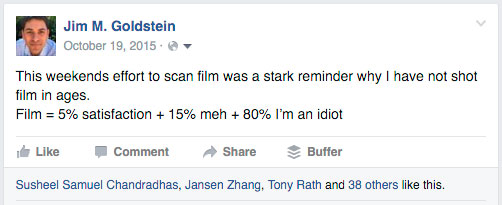
I have to admit I was nervous about jumping back into film after 10 years because I wasn’t sure how well I’d hold up to a very unforgiving format. You have a finite number of frames to expose, limited latitude in dynamic range, and a variety of ways to mess up an exposure. I wasn’t a bad film photographer back in the day, but I forgot how bad failed film images made me feel. It’s a miracle I stuck it out with photography. One of the nights I was scanning film I summed up my feelings about film photography on Facebook with the following update:

Film = 5% satisfaction + 15% meh + 80% I’m an idiot

Film = 5% satisfaction + 15% meh + 80% I’m an idiot

In the end I turned out to be a “worthy” film photographer. The stats turned out as follows:

  • 29% (13/45) are worthy of working further on (sharp, decent composition, etc.)
  • 11% (5/45) are likely worthy of sharing/printing from the 6×17.
  • 7% (3-4) are likely worthy of sharing from my pinhole camera.
    Note: Each roll of film was comprised of 4 exposures.

The numbers weren’t super impressive, but having >10% of my exposures being worthy of sharing and printing surpassed my expectations. Knowing that while using a new camera system for the first time I could get decently sharp exposures balanced the horrible dread I felt looking at each exposure where I didn’t advance the film properly, under/over exposed, mis-focused, and/or made poor composition choices.

Post-Production
One thing that remained universal 10 years on was how frustrating the results are from scanning film. Whether using a negative or flatbed scanner the resulting scan is soft and looks like a muted version of the film itself. One good thing about the downfall of film is that drum scans are much more reasonably priced. That said for my first time out, flatbed scans were good enough for sharing online.

Looking at my film to edit in Lightroom and Photoshop I felt as though I was transported back in my frustrated younger self 10 years earlier. Other than the interface of the software nothing had changed in the sense that I was color correcting, spotting and sharpening my scans. I found myself meticulously removing color casts with curves adjustments in Photoshop, spotting my image to remove dust spots created by dust on the scanner glass or film itself and trying to resurrect the sharpness of my image after being softened in the scanning process. It made me want to jump ship again to digital… until I saw how final 6×17 image came out.

One other thing that was surprisingly refreshing was once again enjoying the look of Fuji Velvia. In an age where presets are obsessed over as much if not more than cameras I liked seeing a defined look of a particular film. One could argue that the look of film is in itself a preset, but my point here is that it’s a distinct style I long missed seeing. No attempt at a recreated look via a digital preset compares.

Concluding Thoughts
Film photography is both an exhilarating and frustrating experience. Working with a film camera in the field was refreshing. Slowing down and taking in the scene while composing & setting up was incredibly refreshing. I instantly realized how much this had been missing from my digital shoots. On the other hand waiting for my film to be developed, taking a hit to my ego each time I viewed a failed exposure and dealing with the hassles of scanning & post-processing was enough to make me unconsciously start pulling out my hair. If I wasn’t so in love with the 6×17 format I’d likely revert back to shooting digital 35mm exclusively. Luckily for my remaining rolls of 120 film I’ll be taking them out again soon. I’ll keep plugging away with 6×17 film work over the next few years for select personal projects. Film lives after all.


The post Revisiting Film Photography After 10 Years: Development & Post appeared first on JMG-Galleries – Landscape, Nature & Travel Photography.


JMG-Galleries – Landscape, Nature & Travel Photography

 
Comments Off on Revisiting Film Photography After 10 Years: Development & Post

Posted in Equipment


Winners of 2016 Sony World Photography Awards announced

25 Apr

$ (document).ready(function() { SampleGalleryV2({“containerId”:”embeddedSampleGallery_5299746697″,”galleryId”:”5299746697″,”isEmbeddedWidget”:true,”standalone”:false,”selectedImageIndex”:0,”startInCommentsView”:false,”isMobile”:false}) });

An Iranian photographer has won the $ 25,000 top prize in the 2016 Sony World Photography Awards with a collection of portraits taken to highlight the horrors of acid throwing and the plight of its victims. Asghar Khamseh, a photojournalist with Iran’s Mehr News Agency, was given the title L’Iris d’Or Photographer of the Year a ceremony in London last week, at which he was also named the winner of the Contemporary Issues prize. His ‘Fire of Hatred’ project portrays the shocking injuries that acid throwing inflicts and the mental trauma it can create, but also the pride, strength and dignity of the mainly women and children affected by these too-common attacks.

The ceremony also honored 15 other category-winning photographers across 14 professional competitions, an Open section for amateur photographers as well as student and youth contests. The Open winner, Kei Nomiyama from Japan, won a prize of $ 5000, and all category winners won trophies as well as Sony camera equipment. For the first time a photographer won two categories, with Canada’s Kevin Frayer coming out on top in both the Environment and People competitions.

The prize for Outstanding Contribution to Photography went to a Chinese and Japanese couple, RongRong and inri for their promotion of, and influence on, contemporary photography in China.

The ninth Sony World Photography Awards received 230,103 entries from photographers in 186 countries, and category winners, shortlisted and commended images will be exhibited in Somerset House in London until the 8th May. A book of images is also available.

For more information on the awards visit the Sony World Photography Awards website.


Press release:

Grand prize winners announced for the world’s largest photography competition – 2016 Sony World Photography Awards

Iranian photographer Asghar Khamseh wins L’Iris d’Or Photographer of the Year and $ 25,000 prize for powerful portraits of acid attack victims

London, 21st April 2016: The overall winners of the world’s largest photography competition, the 2016 Sony World Photography Awards, are named today by the World Photography Organisation. An exhibition of all the winning and shortlisted work will run at Somerset House, London from 22nd April – 8th May.

Following a record-breaking 230,103 submissions to its ninth edition, the awards’ Honorary Judging Committee has selected Iranian photojournalist Asghar Khamseh as the recipient of its most coveted prize, the L’Iris d’Or Photographer of the Year.

Chosen from the winners of the awards’ fourteen Professional categories, the winning work, ‘Fire of Hatred’, is a powerful portrait series tackling the social issues around the violent act of acid throwing. Khamseh was announced as the winner of the $ 25,000 (USD) prize at an awards ceremony in London in front of industry leaders. The winners and finalists of all fourteen Professional categories were also announced at the ceremony.

At the ceremony, the World Photography Organisation announced Kei Nomiyama, Japan, as the Open Photographer of the Year and recipient of $ 5,000 (USD). In addition, the organisation announced the winners of the Youth and Student Focus Photographer of the Year titles. All winners of the night received the latest Sony digital imaging equipment.

Scott Gray, CEO, World Photography Organisation comments: “The awards consistently provide an incredible array of work, from a multitude of countries, and most importantlyprovide the chance for photographers to be discovered and extend their careers. I hope that the winning work this year can provide an inspiration to other photographers, helping to push their creative boundaries, whilst also serving to build the wider appreciation of photography.”

The Sony World Photography Awards annually recognises the world’s best photography. Free to enter and open to all photographers, the awards are an authoritative voice in the photographic industry that has the power to shape the careers of its winning and shortlisted photographers.

L’IRIS D’OR PHOTOGRAPHER OF THE YEAR – ASGHAR KHAMSEH
Born in Tehran in 1963, Asghar Khamseh is a photojournalist with Mehr News Agency, Iran, whose work focuses on social issues.

The winning series ‘Fire of Hatred’ is a powerful series of portraits of the victims of acid attacks. This beautiful yet thought-provoking work examines the social issues around this violent crime – looking past the physical and psychological damages suffered, and towards the social stigma and blame the victims, who are mainly women and children, suffer.

Dominique Green, Chair, Documentary Jury said of the work: “Portraits of disfigurement resulting from social violence are undoubtedly a hard-hitting subject, and one which the longstanding tradition of documentary photography does not shy away from. The power of Asghar Khamseh’s imposing series ‘Fire of Hatred’ is such that he enables the viewer to face head-on intimate images, which could be testing to examine closely, with empathy and respect which in turn allows the viewer to become a witness and not just a spectator. The Jury were united in their admiration of this work and the light it shed on the tragic practice it exposes.”

PROFESSIONAL CATEGORY WINNERS AND FINALISTS
The winners of the seven Documentary and seven Art categories hail from 10 countries and, for the first time, two Professional categories have been won by one photographer in the same year. Photographers were judged on a body of work.

ART CATEGORIES
Architecture winner: Amélie Labourdette, France
2nd – Hui Zhang, China / 3rd – Stephan Zirwes, Germany
Candid winner – Kirstin Schmitt, Germany
2nd – Nick Ng, Malaysia / 3rd – Andrea Rossato, Italy
Conceptual winner – Julien Mauve, France
2nd – Alejandro Beltran, Venezuela / 3rd – Barbaros Kayan, Turkey
Landscape winner: Maroesjka Lavigne, Belgium
2nd Maoyuan Cui, China / 3rd Stefan Schlumpf, Switzerland
Portraiture winner: Marcello Bonfanti, Italy
2nd Fauzan Ijazah, Indonesia / 3rd Rubén Salgado Escudero, Spain
Staged winner: Alberto Alicata, Italy
2nd Cristina Vatielli, Italy / 3rd Kristoffer Eliassen, Norway
Still Life winner: Francesco Amorosino, Italy
2nd Oliver Schwarzwald, Germany / 3rd Hiroshi Watanabe, Japan

DOCUMENTARY CATEGORIES
Campaign winner: Jetmir Idrizi, Kosovo
2nd – David Chancellor, UK / 3rd – Antoine Repessé, France
Contemporary Issues winner – Asghar Khamseh, Iran
2nd – Kevin Frayer, Canada / 3rd – Simona Ghizzoni, Italy
Current Affairs winner – Angelos Tzortzinis, Greece
2nd – Andrea and Magda, Italy & France / 3rd – Andrew Burton, USA
Daily Life winner: Espen Rasmussen, Norway
2nd Sandra Hoyn, Germany / 3rd Stephanie Sinclair, USA
Environment winner: Kevin Frayer, Canada
2nd Li Feng, China / 3rd Lucy Nicholson, UK
People winner: Kevin Frayer, Canada
2nd Filippo Venturi, Italy / 3rd Alessandro D’Angelo, Italy
Sport winner: Nikolai Linares, Denmark
2nd Jens Juul, Denmark / 3rd Annick Donkers, Belgium

OPEN PHOTOGRAPHER OF THE YEAR – KEI NOMIYAMA, JAPAN
“Enchanted Bamboo Forest” by Kei Nomiyama was selected as the single best image in the world by a panel of judges chaired by Jael Marschner, former picture editor Time Out London / Sunday Times Travel. The photographer was awarded $ 5,000 (USD) at the London ceremony.

A Ph.D. Associate Professor in Environmental Chemistry at Ehime University, Japan, Nomiyama is keen wildlife and underwater photographer. His photograph was shot in the mountains of Shikoku Island and captures the Luciola parvula firefly at the beginning of the rainy season.
The photograph was selected from 10 Open category winners announced on 29th March. The Open competition asks for a single image and is open to all photographers.

YOUTH PHOTOGRAPHER OF THE YEAR – SAM DELAWARE, US
A beautiful portrait of the photographer’s sister won 18 year old student Sam Delaware the Youth Photographer of the Year title. Born in Freeport, Maine and currently attending school in Angwin, California, Delaware is a self-taught photographer who has been shooting since the aged of 12. The photographer was flown to London to attend the awards ceremony as part of his prize.

The winning image was selected from three Youth category winners announced on 29 March, the Youth competition is open to all photographers aged 12-19.

STUDENT FOCUS PHOTOGRAPHER OF THE YEAR
Sofia Jern, aged 23 of Novia University of Applied Sciences, Finland, secured the Student Focus Photographer of the Year title. She collected €30,000 worth of Sony photography equipment for her university at the awards ceremony in London. Jern’s winning work follows the lives of ‘glue boys’, young male drug users escaping reality on the streets of Kitale, Kenya.

Student Focus works worldwide with over 400 educational institutions with photography courses and is one of the world’s leading programmes for photography students. It is supported by the British Journal of Photography. www.worldphoto.org/student-focus

OUTSTANDING CONTRIBUTION TO PHOTOGRAPHY – RONGRONG & INRI
RongRong & inri, the influential photographic husband and wife team who have shaped contemporary photography in China and beyond, collected their Outstanding Contribution to Photography prize at the London awards ceremony. They were recognised by the World Photography Organisation for both their careers as artists and their significant impact on Asian photography.

RongRong & inri’s photography reflects the intimate world that they have created together and pushes the boundaries of traditional black-and-white darkroom techniques. Together they founded China’s first contemporary art space dedicated to the medium, the Three Shadows Photography Art Centre, and the 2015 Jimei x Arles Photo Festival in partnership with Les Recontres d’Arles.

The first major European showing of RongRong & inri’s work, celebrating their careers will be presented at Somerset House as part of the Sony World Photography Awards Exhibition.
The Outstanding Contribution to Photography prize has previously been awarded to Mary Ellen Mark, William Eggleston, Eve Arnold, Bruce Davidson, Marc Riboud, William Klein, Elliott Erwitt and Phil Stern.

EXHIBITION AND BOOK
All the winning and shortlisted images will be exhibited at Somerset House, London from 22nd April – 8th May. The exhibition will also include a special dedication to Outstanding Contribution to Photography recipients, RongRong & inri.

The exhibition is accompanied by a book of the winning and selected shortlisted works, available to buy from www.worldphoto.org

Articles: Digital Photography Review (dpreview.com)

 
Comments Off on Winners of 2016 Sony World Photography Awards announced

Posted in Uncategorized


Create a Photography Business Marketing Plan in 3 Days (+ Save $30 Instantly)

25 Apr

Starting a photography business these days is quite a challenge. It takes courage. You need to push yourself constantly to go out of your comfort zone and learn a whole pack of new things. While there are no shortcuts to success, there are accelerated ways. Read on to learn about one of them and build a photography business marketing plan Continue Reading

The post Create a Photography Business Marketing Plan in 3 Days (+ Save $ 30 Instantly) appeared first on Photodoto.


Photodoto

 
Comments Off on Create a Photography Business Marketing Plan in 3 Days (+ Save $30 Instantly)

Posted in Photography