RSS
 

Posts Tagged ‘Photography’

How Using Your Smartphone Camera Can Help Improve Your Photography

12 May

One of the triumphs of digital photography is that it has become accessible to more people, across more and more devices. Cameras are no longer standalone devices; as the technology allows the camera to be smaller and smaller, it can be built in to other devices that you may have on you more often than a dedicated camera, such as a smartphone. Cameras in smartphones, and other devices like tablets for example, are producing images of an increasingly higher standard. Their low-light performance is improving, and manufacturers are constantly improving upon the dynamic range, autofocus, and lens quality.

Photographer Chase Jarvis said that, “The best camera is the one that’s with you” – so why not use your smartphone or tablet camera more often? There are restrictions on smartphone cameras over their DSLR or mirrorless camera brethren – their low light and AF performance still have quite a lot of catching up to do, the lenses cannot be changed, and you also have far less control over what settings (ISO, shutter speed, aperture) are used. But it is also these very restrictions that can help you improve your photography when you are using your DSLR, mirrorless, and even compact cameras.
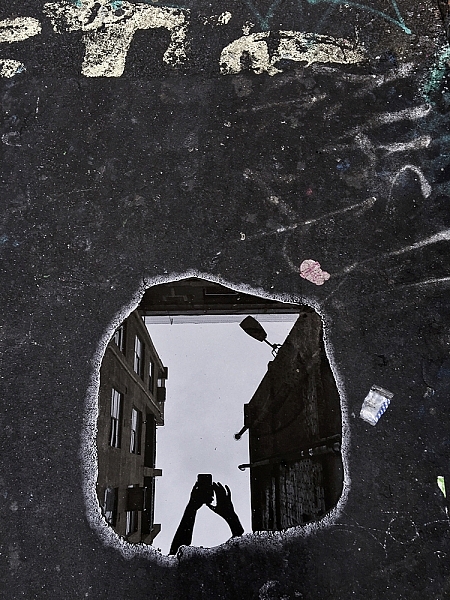
Puddles, and other reflections, can make for interesting subjects.

Puddles, and other reflections, can make for interesting subjects.

So how can these restrictions help your photography? Simple, you have less to think about! You no longer have to worry if you have the correct settings dialled into get the exposure you want – you’re phone will work that out. You do have some say in the overall exposure; you can control how bright/dark the image turns out, but that’s it! Worried you don’t have the right lens for the photo you want? Too bad. With your phone you can’t change it, even if you wanted to. There’s another thing you don’t have to worry about.

You can’t control the camera settings. You can’t change your lens, and you generally have poor Autofocus (at least, poor continuous AF). So how can you take great photos with a smartphone? You need to think less about what you cannot control and more about what you can control. For example, no matter what camera you have, you can always control the composition. You can decide from which angle you take a photograph – will you take it down low, looking up or up high, looking down – and which direction you stand in relation to the light. Photographing toward the light can create stunning silhouettes, so looking for striking shapes will help here. You have full control over how close, or how far, from the subject you stand. You dictate what you include in the frame, and what you omit. All of these elements work to make images more interesting, and by removing the control over some of the more technical features as mentioned earlier, you now have more time to consider the compositional elements.

Controlling Focus and Exposure
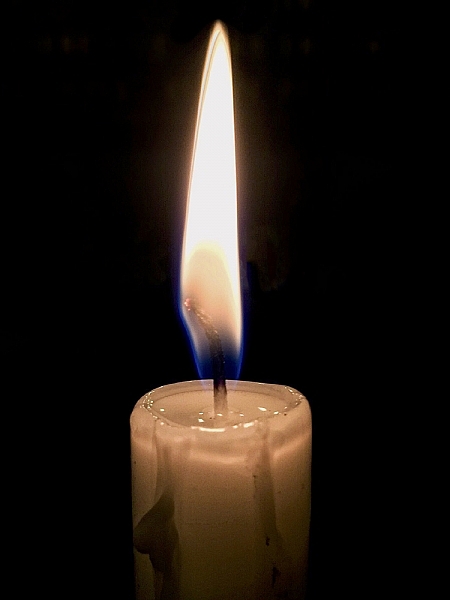
Focussing and exposing on the candle has made the background go very dark. This works well to isolate the subject more.

Focussing and exposing on the candle has made the background go very dark. This works well to isolate the subject more.

Across most smartphones, touching the screen on the area you want in focus, will make the phone focus on that area. In addition, this is also where the phone will take its exposure reading. There are some camera apps available that will allow you to focus on one area and have the phone take its exposure reading elsewhere. You may also be able to increase or decrease the exposure of the image. How to do this will depend on the phone you are using, but for iPhone users, after tapping the screen to focus, sliding your finger up/down will alter the exposure compensation.
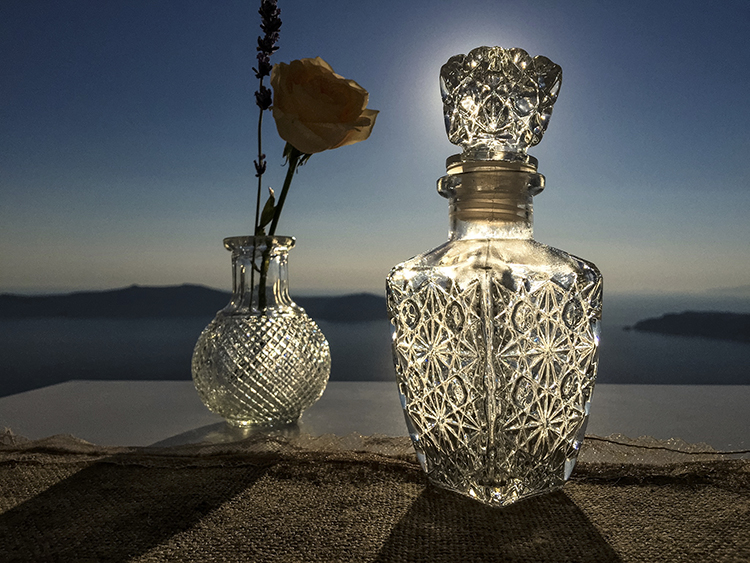
Another image taken with the sun behind. This time, the light makes the bottle glow.

Another image taken with the sun behind the subject. This time, the light makes the bottle glow.

Creating Shallow Depth of Field

Despite many newer smartphones having fast apertures (the iPhone 6 and 6s use an f/2.2 lens), their tiny sensor sizes make getting that nice creamy background bokeh a little more challenging, than with other cameras. If you’re unaware, generally the larger the sensor, the easier it is to create stunning bokeh. However, if you have a little understanding of depth of field, then you can create images from your smartphone with a blurry background. You can achieve this by reducing the distance between your subject and the phone, and increasing the distance from your subject to the background.

Make Your Images Pop

Post-processing is another tool that we have in our arsenal as photographers to make an image more striking. Introduce that to your phone photos. There is a plethora of apps available that give you varying levels of control with the post-processing phase.

Some apps, like VSCO, have a vast range of filters that you can apply to images, and allow you to tweak areas, such as highlights and shadows, to get a different look. Other apps like Adobe’s Lightroom works much like the desktop variant, allowing to develop your images with a more natural touch. Photoshop and Photoshop fix (Note: it is called Photoshop Mix for Android) are both from Adobe and offer varied editing options that are fantastic at polishing up images in the final stages. Personally, I use Lightroom and Photoshop fix on my content now. However, in the past I used SnapSeed and found that to be great fun to use, too. It’s up to you which editing app you decide to employ, and how involved with it you become.
Smartphone-17

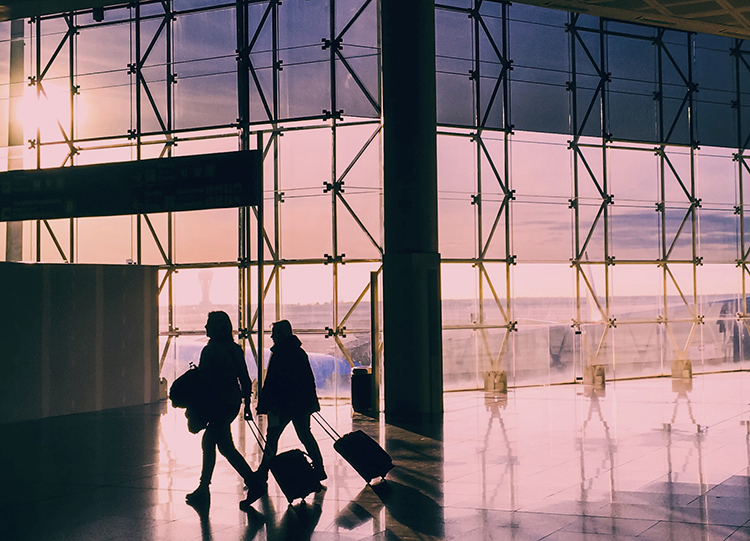
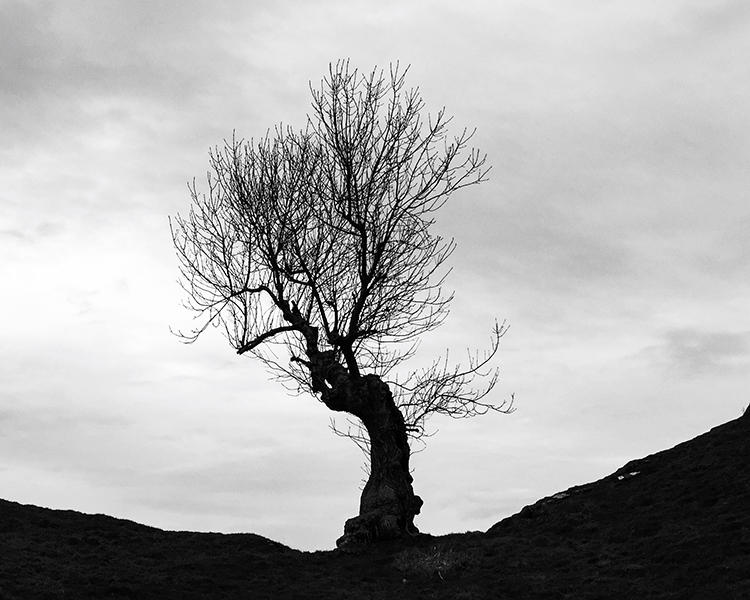
Again, looking for clean shapes to create a striking silhouette in an airport.

Looking for clean shapes to create a striking silhouette in an airport.

Other Tips to Consider

  • Take a lot of photos: Sometimes things happen fast. Don’t be afraid of taking a lot of photos. The perfect shot isn’t going to come with every single click. The trick is to take more photos than what you really need, then pick the best one from the bunch. If you do this, then you will have more to choose from, and a higher chance of getting one that stands out.
  • Learn how to see light and how it interacts with its environment: Light is the most important object in a photograph. It doesn’t matter what camera you’re using, how well you know how to use it, or how amazing your subject is; it all counts for nothing without light. You’ll often hear photographers talking about the Golden Hour, which is early in the morning and again in the evening when sun is lower, softer and the light is more directional.
  • If you’re photographing with the sun behind you, know how that will make your subject look. Do you want to light up their entire face, for example? Or do you want to shoot from the side? If you move so the sun is behind the subject, then consider photographing them silhouetted. If the light source is behind the subject, the foreground will always be darker than the background. The way you position your subject – or wait until the light is right for your subject – is how you make an image more creative and stand out.
  • Watch your background: Something that is often overlooked in an image is the background. A bad background can bring a great subject down. You need to think about your photo and what makes it interesting. If the subject you’re photographing is to be the only thing in the photo, then you should use a nice clean background, that isn’t going to draw away people’s attention from the main subject. However, backgrounds can also add to an image, and are great for environmental portraits.
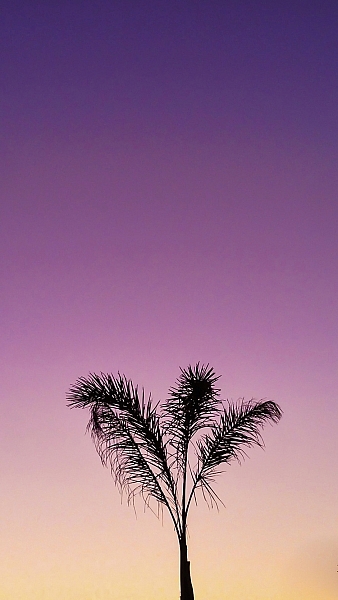
I loved the peacefulness of the light here and the silhouette of the palm tree.

I loved the peacefulness of the light here and the silhouette of the palm tree.

Here, I photographed toward the light and decided to include the flag on the right to add a little more interest.

Here, I photographed toward the light and decided to include the flag on the right to add a little more interest.

Conclusion

Whilst there are many limitations to using the camera in your smartphone, or indeed a tablet, it can help teach you how to work around limitations, and still create striking images. Their quality is clearly not going to be as high as a dedicated camera’s quality will be, however, it’s still a lot of fun to be able to capture a great image on a device with such limitations.

Below are some more images that I have taken with my iPhone. Feel free to share some images you’ve taken on your smartphone or tablet in the comments below, as well as your favorite camera and processing apps.
Smartphone-2

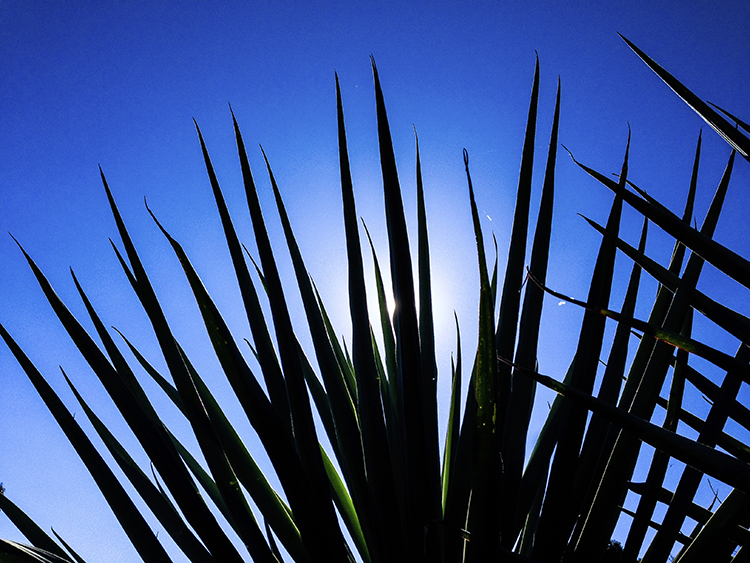
I found the leaves of this plant to be quite striking. By photographing from a very low perspective, I was able to make my subject pop out more against a plain blue sky. The position of the sun also creates interest as the light kicks off edges.
Smartphone-5

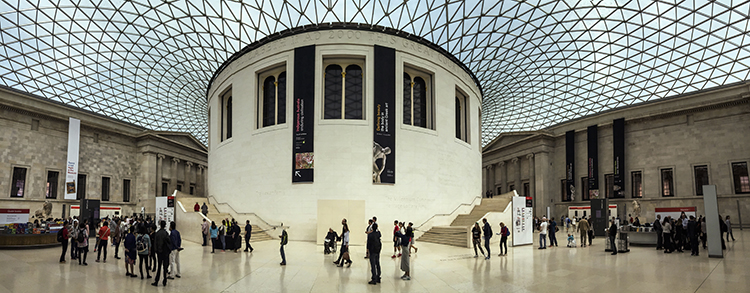
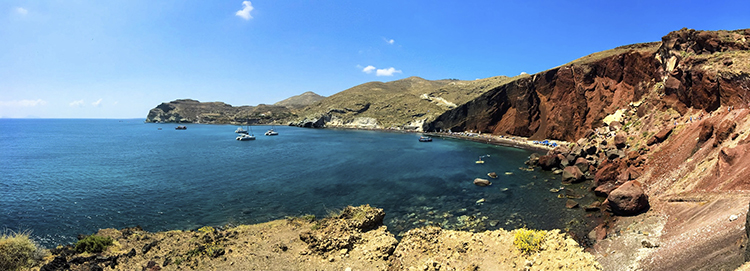
The in-built panorama feature of my phone worked well to create this image.
Smartphone-8

Another image where the panorama mode worked quite well.
Smartphone-9

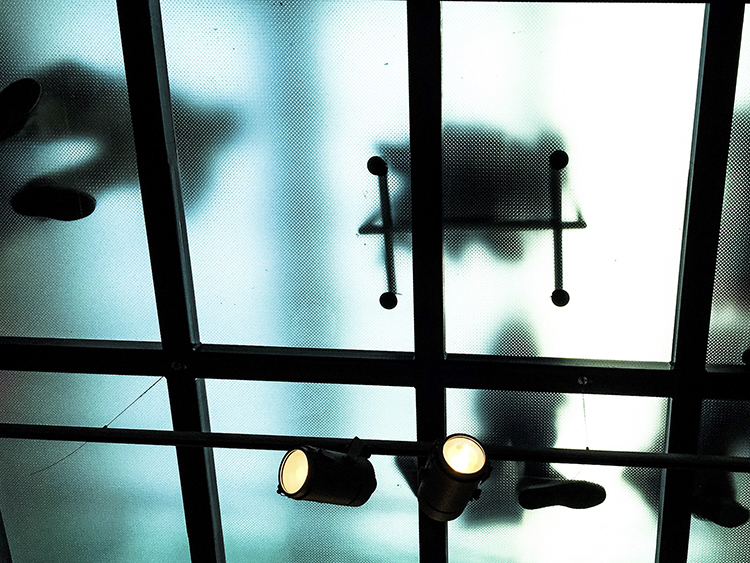
Don’t be afraid to look up! In this image, the floor above me was frosted glass and made for some interesting shapes.
Smartphone-10

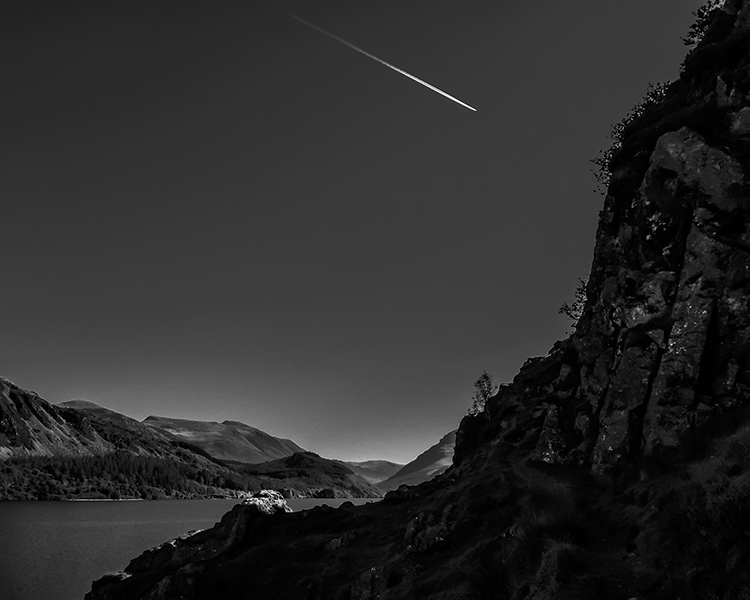
Converting this image to black and white has given it an almost unearthly feel to it.

Smartphone-12

Photographed looking straight down. Simple images often work best not just with smartphones, but in photography in general.
Smartphone-13

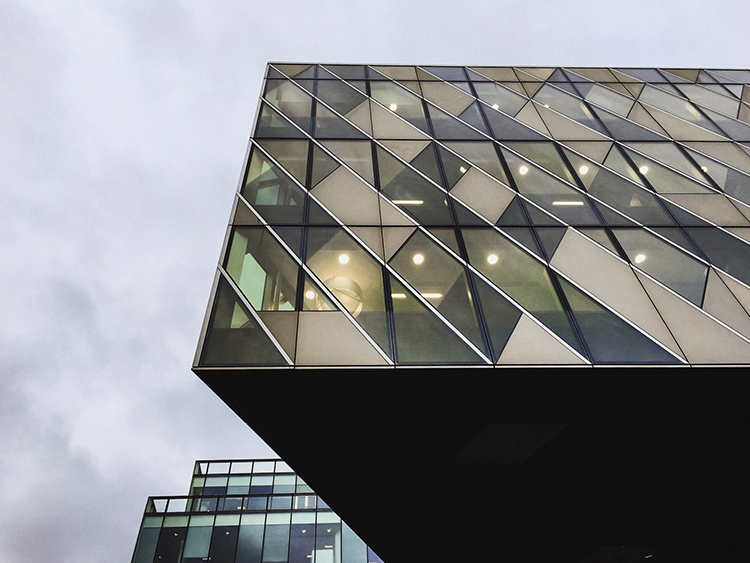
The clean lines of these buildings create some interest.
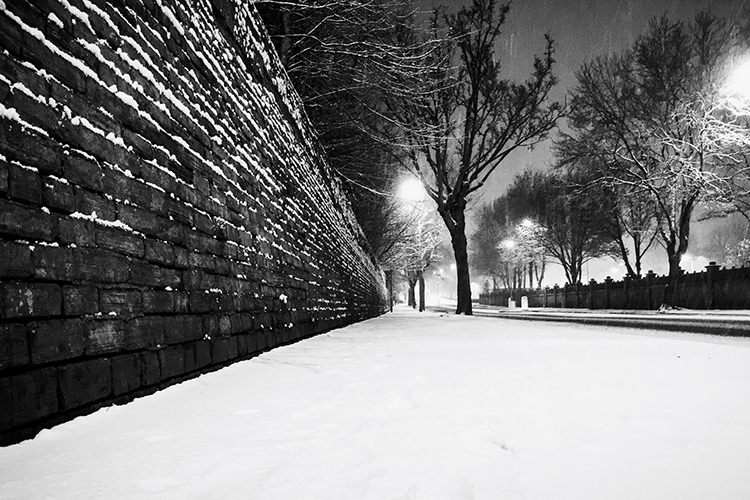
Smartphone-14

Again, photographing down low I was able to show an every day scene from a different perspective.
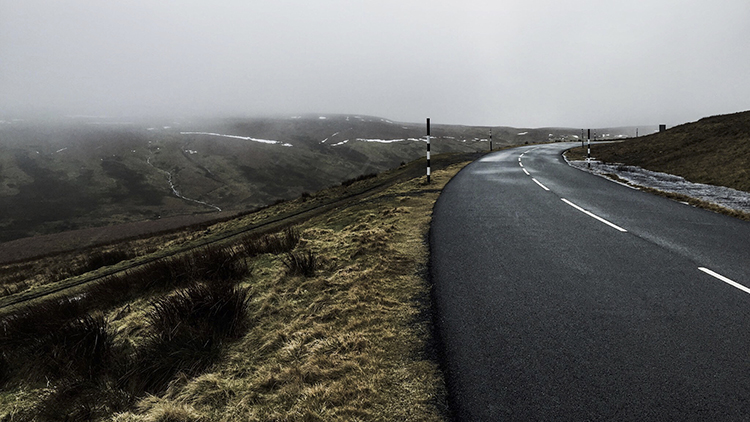
Smartphone-19

The same principles used in this image will work very well on any camera. The road in this image creates a sense of depth.
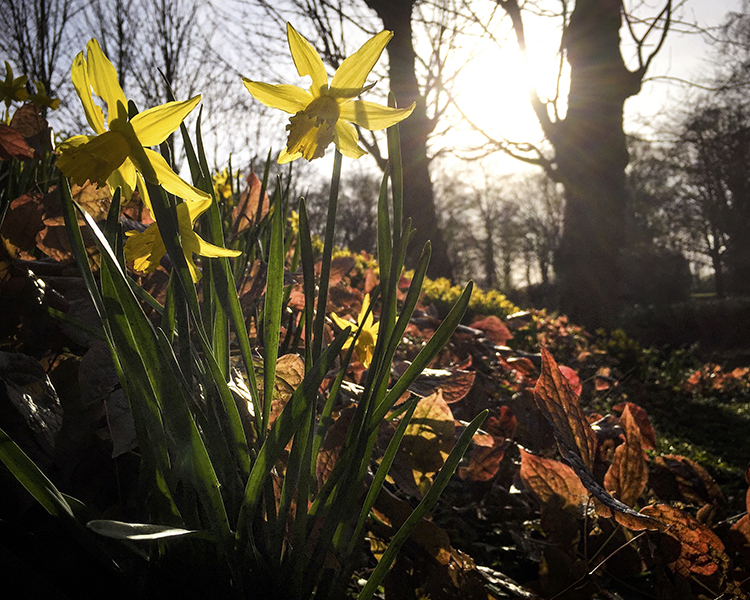
Smartphone-20

The quality and direction of light help make this image. These are qualities you should always look for; no matter what camera you are using.
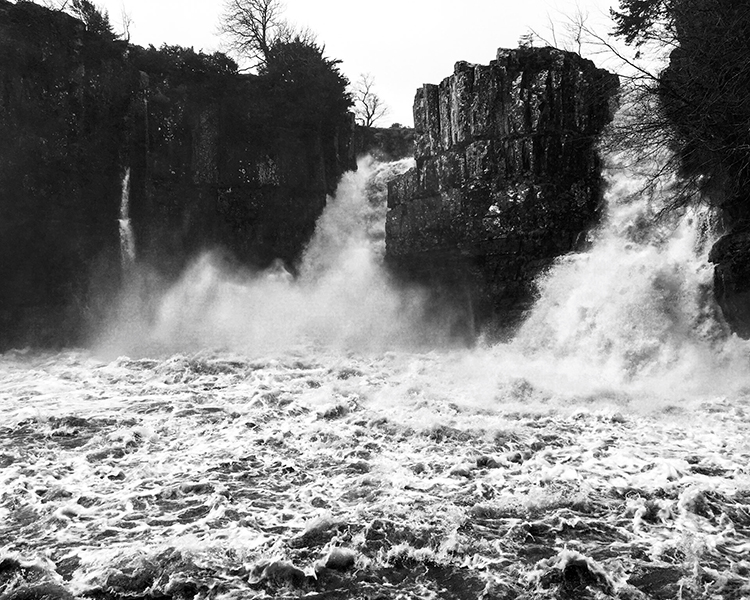
Smartphone-18

googletag.cmd.push(function() {
tablet_slots.push( googletag.defineSlot( “/1005424/_dPSv4_tab-all-article-bottom_(300×250)”, [300, 250], “pb-ad-78623” ).addService( googletag.pubads() ) ); } );

googletag.cmd.push(function() {
mobile_slots.push( googletag.defineSlot( “/1005424/_dPSv4_mob-all-article-bottom_(300×250)”, [300, 250], “pb-ad-78158” ).addService( googletag.pubads() ) ); } );

The post How Using Your Smartphone Camera Can Help Improve Your Photography by Daniel Smith appeared first on Digital Photography School.

Digital Photography School

 
Comments Off on How Using Your Smartphone Camera Can Help Improve Your Photography

Posted in Photography


Win One of Three Lenses from Tamron – Enter the Sunshine Photography Contest

09 May

Win one of THREE lenses from Tamron! Enter the “Sunshine” photography contest today.

Win one of the following:

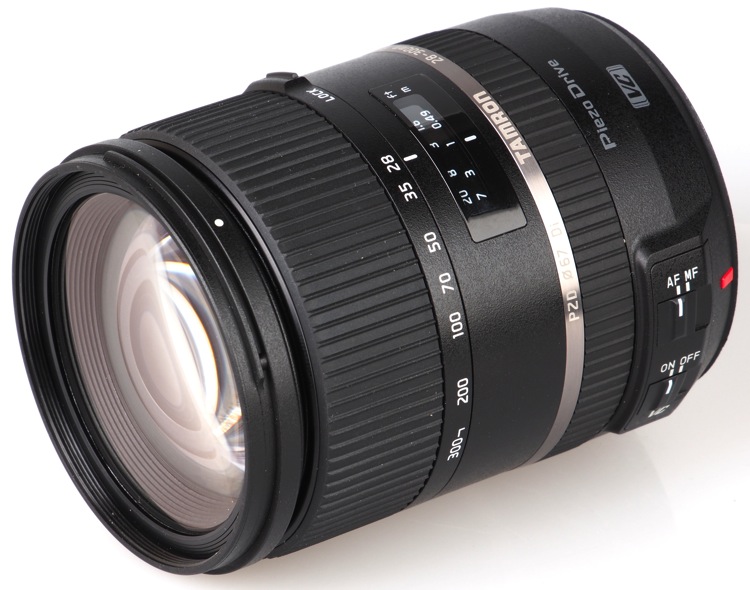
  • A Tamron 28-300mm Di VC PZD lens
  • A Tamron SP 90mm F/2.8 Di VC USD lens
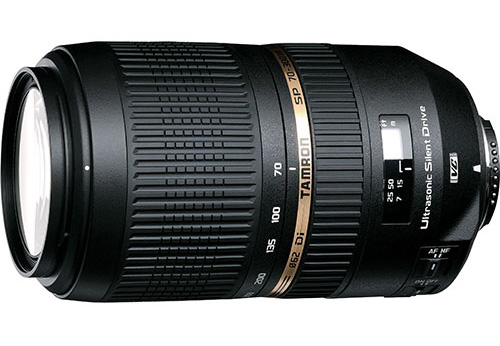
  • A Tamron SP 70-300mm Di VC USD lens

Over the last few years here at dPS, we’ve run very some very popular competitions with our partners, to give away to lucky dPS readers some of their great photographic products. We are lucky enough to be able to do it again.

For this contest, Tamron is giving away three lenses!

These three unique prizes are designed to help every level of photographer create better pictures. Tamron is the world’s most awarded photographic lens line. Each will be won by a different dPS reader. Here’s what you could win:

Our First Prize Winner will receive:

A Tamron 28-300mm Di VC PZD (model A010) – $ 849 value, for canon, Nikon or Sony cameras.

Tamron 28 300mm

The Second Place Winner will receive:

A Tamron SP 90mm F/2.8 Di VC USD Macro Lens (model F017-new) – $ 649 value, for canon, Nikon or Sony (without VC) cameras.

Second Prize SP 90mm

The Third Place Winner will receive:

A Tamron SP 70-300mm Di VC USD Zoom Lens (model A005) – $ 449 value, for canon, Nikon or Sony cameras.


Tamron-70-300

Learn a little more about Tamron here: Tamron USA

How to win

To win this competition you’ll need to:

  • Visit the above lens information pages and learn more about the lens and its core use.
  • Post your sunshine photo, along with a few words on how you feel one of the above Tamron lenses would help your photography. It’s as easy as that!
  • Do this in the next 21 days and after June 1st, 2016, the team at dPS will choose the best three photos and we will announce the winners in the following days.
  • The deadline to enter is May 30th at 11:59pm PST (UTC-7). Photos and comments left after the deadline will not be considered.

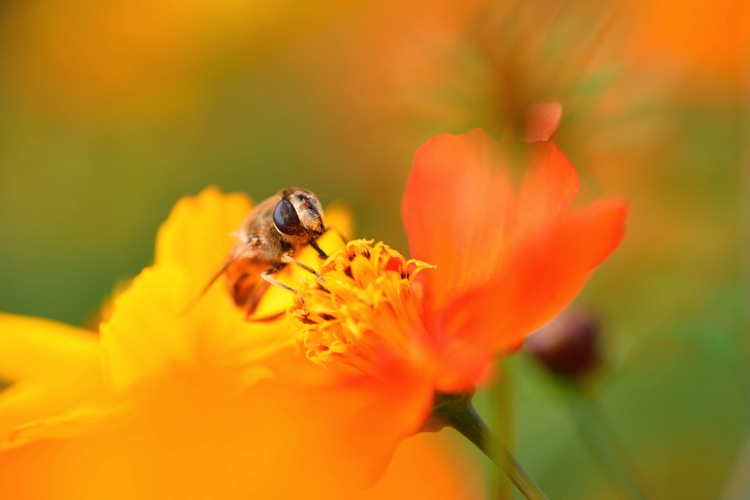
Bee Image

By best – we’re looking for people who have an understanding of photography, the role of lenses, and how they will best suit your needs. So you’ll need to check out the product pages to put yourself in the best position to win.

There’s no need to write essay length comments to win – but we’re looking to hear what you like about the lens, and how it would help your development as a photographer. Don’t forget to include your favorite sunshine themed photo. We encourage you to have fun and be creative.

This competition is open to everyone, no matter where you live – but there is only one entry per person. To enter – simply leave your photo and comment below.

Tamron logo

Disclaimer: Tamron is a paid partner of dPS

googletag.cmd.push(function() {
tablet_slots.push( googletag.defineSlot( “/1005424/_dPSv4_tab-all-article-bottom_(300×250)”, [300, 250], “pb-ad-78623” ).addService( googletag.pubads() ) ); } );

googletag.cmd.push(function() {
mobile_slots.push( googletag.defineSlot( “/1005424/_dPSv4_mob-all-article-bottom_(300×250)”, [300, 250], “pb-ad-78158” ).addService( googletag.pubads() ) ); } );

The post Win One of Three Lenses from Tamron – Enter the Sunshine Photography Contest by Darlene Hildebrandt appeared first on Digital Photography School.

Digital Photography School

 
Comments Off on Win One of Three Lenses from Tamron – Enter the Sunshine Photography Contest

Posted in Photography


4 Questions to Ask Yourself Before You Shoot to Help Improve Your Photography

09 May

One of the nice things about mobile phones is that virtually all of them have cameras built in, which means almost anyone can be a photographer and has at their disposal quite an advanced piece of technology, capable of creating stunning images with the tap of a button. Some people prefer dedicated cameras like a DSLR or mirrorless model, and others like to carry a small point-and-shoot or even use good old-fashioned film. However, good photography has much less to do with the gear and is more about the person taking the image.

With that in mind, here are four questions to ask yourself the next time you take out your camera and start snapping away. If you stop and think about these, it will help improve your photography and you will take better photos:

  1. What is the purpose of the picture?
  2. What do I want my viewers to see or feel?
  3. How can I use my surroundings to create the image I want?
  4. How can I control my camera to get the image I want?

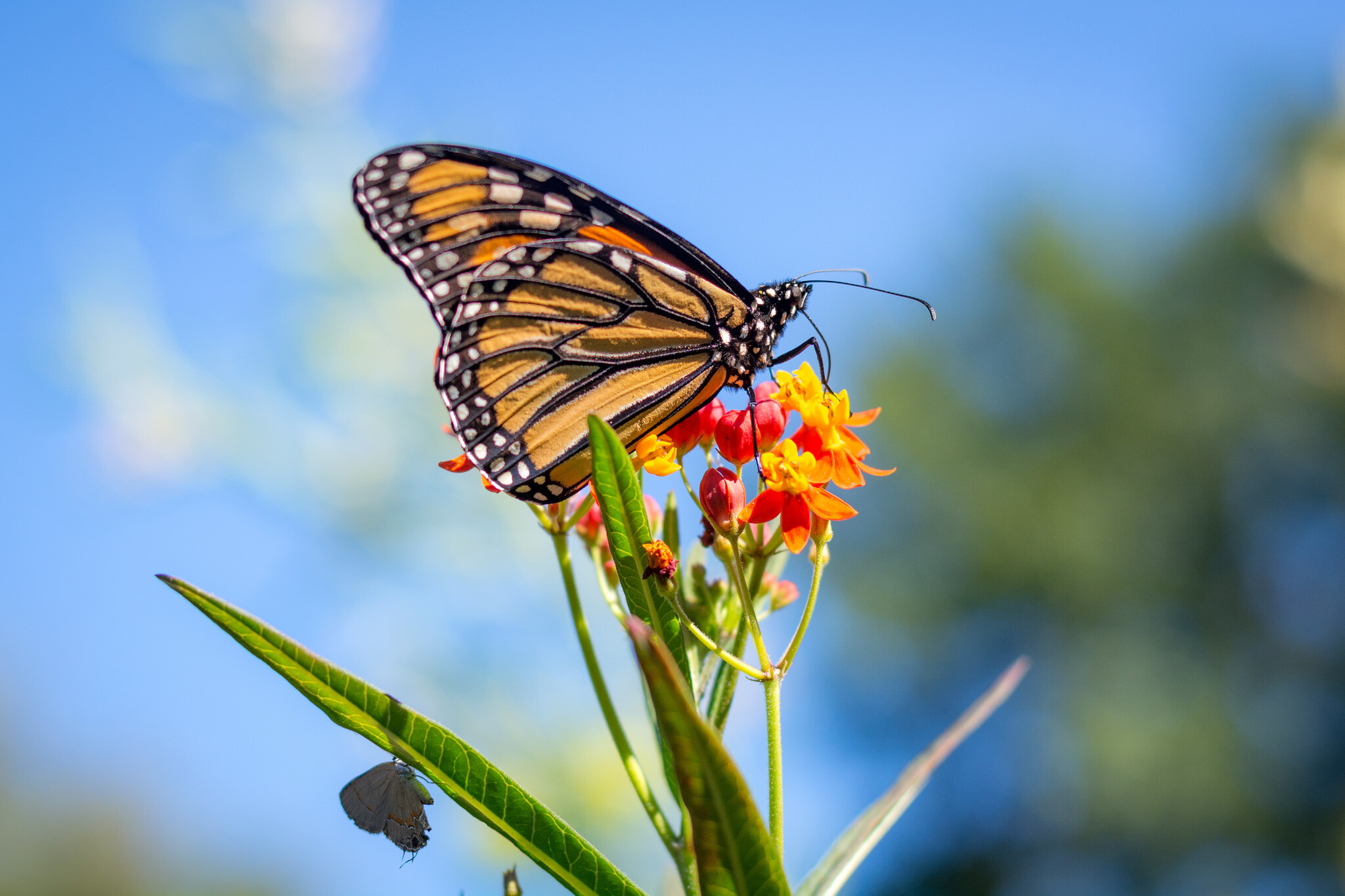
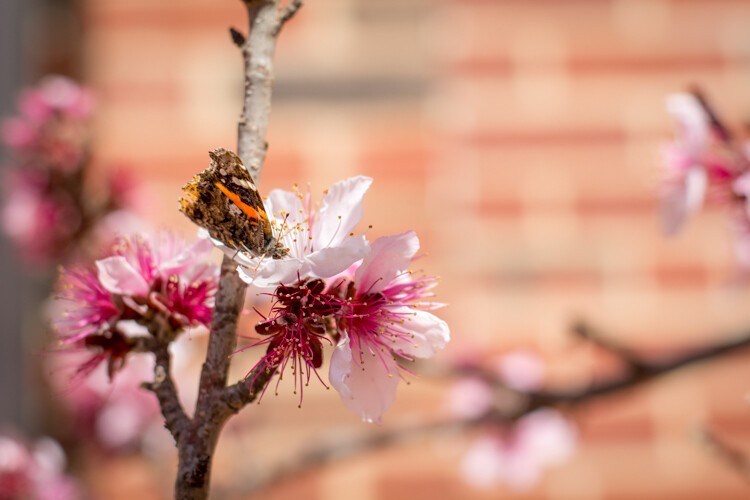
five-questions-before-photos-butterfly-flower

You could stop reading right now after seeing those questions and get to work on improving your photos, but I want to dig a little deeper into each one, to see how answering them can help you improve as a photographer and artist.

1 – What is the purpose of the picture?

Think back to the last time you sat scrolling through images on Instagram, Facebook, Flickr, or another image sharing site. Perhaps you just looked through some pictures at random, and maybe you even gave a precious few the much-coveted like, double-tap, or star rating. What was it about those photos that caught your eye and made you pause for a second or two? Recently a study carried out by Microsoft found that, thanks to smartphones and the rapid pace of our modern tech-infused lifestyles, people have an average attention span of only eight seconds. That’s shorter than a goldfish! A similar study carried out in the year 2000 found that attention spans then were roughly 12 seconds, which means things are only getting worse as we become more and more connected via technology.

You might very well have a shorter attention span than this infant. And it's a good bet your audience does too.

You might very well have a shorter attention span than this infant, and it’s a good bet your audience does too.

This has profound implications for photographers because it means that in the already-crowded landscape of digital pictures, your photos are not only vying for attention among thousands or millions of other images, but you have even less time to grab the viewer’s attention than ever before. To combat this, you need to make it abundantly clear to your viewers just what precisely is the point, of any given picture you take. In other words, your photos should have a clear subject – whether it’s a person or people, a flower, a kitten, a plane, a train, or even an automobile.

Look through your own pictures and ask yourself, “What’s the point?” If you can’t answer that question, then chances are that the photos won’t mean much to anyone else who sees them either. When I first got into photography I took all kinds of pictures of things that I thought might be interesting at the time, but looking back on them I honestly can’t tell you what is the purpose of many of those images. If I had taken the time to make sure the images had a clear purpose, instead of just pointing my camera at whatever I thought might look cool, I would have more important photos and much richer memories too.

I shot this photo about 10 years ago, and while I'm sure I had some kind of purpose I honestly can't remember what the point of it was supposed to be.

I shot this photo about 10 years ago, and while I’m sure I had some kind of purpose, I honestly can’t remember what the point of it was supposed to be.

2 – What do I want my viewers to see or feel?

So now you have a clear subject in mind for your picture, and you’re all ready to snap the shutter on your DSLR, mirrorless, or even mobile phone. But wait, there’s more to consider before you start eating up that memory card, and flooding your favorite social networks with more photos. Now that you know what the purpose of your photo is, take the concept one step further and ask yourself what feelings, symbols, or other elements you want to impart on your viewers.

Do you want them to feel happy, sad, curious, introspective, or nostalgic? Do you want to stir them up so as to take action for a particular cause? Do you want them to notice things other than what might be the main subject of the image, and spend time digesting and interpreting your photos to gain a deeper understanding of the world around them?

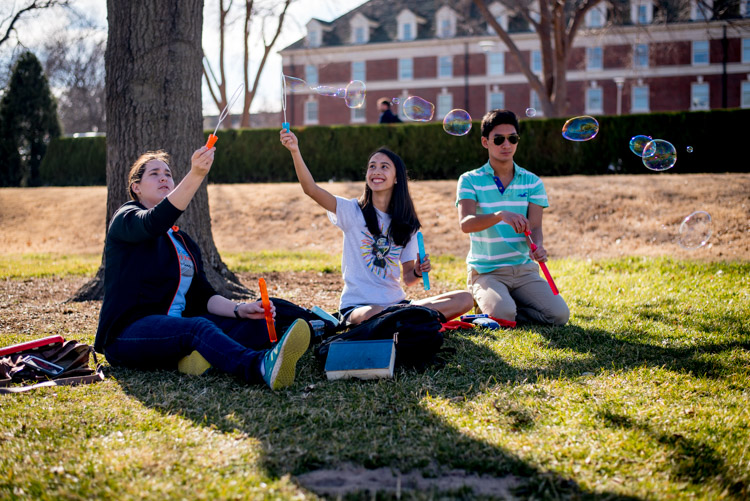
five-questions-before-photos-bubbles

I didn’t just want those who saw this picture to think “Oh, some students playing with bubbles.” I wanted people to smile and feel the same sense of delight as the girl in the middle.

Humans are visual creatures, and as a photographer you are in the unique position of using a visual artistic medium to transmit thoughts and emotions. In this sense, photography is a form of one-way communication as you invite your viewers to engage with your images, and take something away from them. For example, here’s what might appear to be a rather mundane picture of a plastic duck:

Is it a duck...or is it something more?

Is it a duck…or is it something more?

My goal in taking that picture was to have my viewers see more than just a basic rubber duckie. I specifically chose the time of day, angle of my camera, foreground and background elements, and exposure settings (i.e. f/1.8 aperture) to create this image, so that my viewers might see more than a kid’s bath toy. Perhaps they would think back to their own childhood, or maybe even invent a fantasy backstory for this duck standing guard at the edge of a precipice. It might seem like a simple image, but to me there was a lot more going on here, and by asking myself some deeper questions before I took the picture I got a better image as a result.

The same lesson applies to photography in general, and you have a powerful image-capturing tool at your disposal, to not just make snapshots, but tell stories and communicate with your audience. Going through some of these questions might seem like a lot of work when all you want to do is just pull out your camera and snap a few photos. But, as you work on doing this more and more, it will soon become second nature and you will see a noticeable increase in the quality of even your most mundane images.

This picture is just a quick snapshot that's not going to win any awards, but I shot it in such a way so as to provide context, invite the viewer to feel slightly squirmy, and hopefully see more than just the some kids in a room.

This picture is just a quick snapshot that’s not going to win any awards, but I specifically took it in such a way so as to provide context, invite the viewer to feel slightly squirmy, and hopefully see more than just some kids in a room.

3 – How can I use my surroundings to create a better photo?

One of the easiest ways to create a more compelling, interesting, and visually appealing photograph is to take a few seconds and examine the context in which the picture is being taken. Then try to position yourself, your subject, or even just your camera in such a way as to create maximum visual impact, and help you get precisely the photo you are trying to capture.

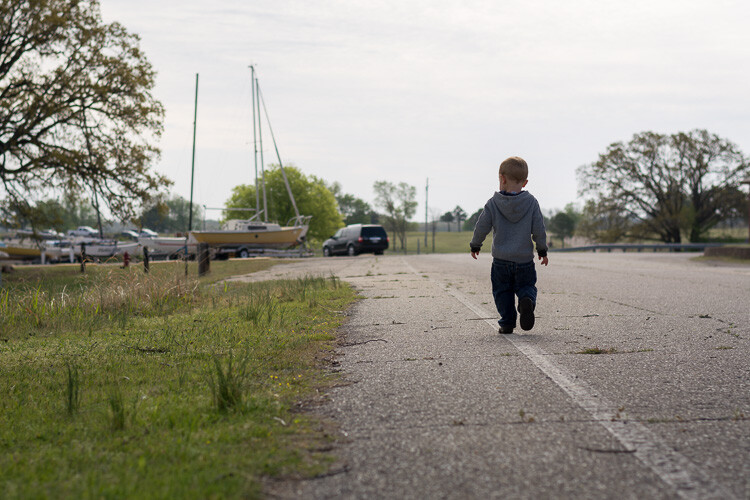
As an illustration of this take a look at the photo below. When I took it, I made several quick decisions with regard to my surrounds in order to get a better picture, than if I had just settled for a quick snapshot. As the child was walking down the street I followed from a short distance in order to get a photo of him, and adjusted my viewpoint so the sailboats would occupy the left side of the frame. I crouched down low to get a better angle, and positioned myself so that the boy’s head and shoulders were above the horizon and showing through a clear portion of sky instead of a tree or building. I also scooted over so the white paint line was leading towards the center of the picture, rather than off to the side. All this was done in a matter of seconds, since I knew this particular moment would be quite fleeting.

five-questions-before-photos-marina

The result is a picture that, in my opinion, is elevated several notches above what otherwise might be a quite ordinary picture of a kid walking down the street. It also provides clear answers to the two previous questions:

  1. What is the purpose of the picture? To show a child walking down the street.
  2. What do I want my viewers to see or feel? A bit of nostalgia, a connection to the boy, perhaps a bit of hopefulness for the future.

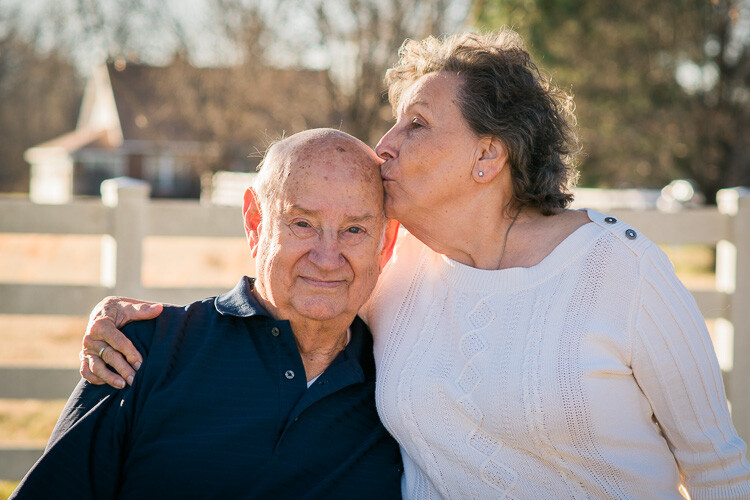
Recently I had the privilege of photographing four generations of one family, so I chose a location that would evoke feelings of a certain time period and place my subjects in a very specific context. What you see below is the direct result of me choosing to use the environment to elevate the impact of the photo. In order to create a sense that the couple had a long and rich history together, I placed them a few meters in front of a white fence, with an old farmhouse occupying the top-left portion of the frame. I could have taken the picture from many other angles, with very different scenery around them, but what you see here is the result of a very specific artistic choice on my part, in order to get precisely the photo I wanted.

five-questions-before-photos-couple-barn

You can do the same thing, and it doesn’t require any special equipment or educational training. All you need is to keep your eyes open, examine the world around you when you take photographs, and use the environment to give your images a richer sense of time, place, and context.

4 – How can I control my camera to get the image I want?

Many people take great pictures without ever straying from the Auto option on their camera dial, and if you have a mobile phone or point-and-shoot you may not have any other options besides Auto. I know from personal experience how scary it can be to move away from Auto. For years I wondered why I would ever bother leaving that safe little green option when it did a pretty good job – especially since every time I ventured into another mode such as Aperture Priority, Shutter Priority, or (gasp!) full Manual, I never seemed to get the results I was looking for. What you may not realize if you stick with Auto, is that a whole new world of photography wonder is right in front of you, just waiting to be discovered if you can learn how to control your camera a bit more.

It's virtually impossible to get pictures like this using the Auto mode.

It’s virtually impossible to get pictures like this using the Auto mode.

Learning to control the aperture of your lens, the shutter speed of your camera, and the ISO sensitivity of your image sensor can make all the difference between a forgettable snapshot, and a wall-worthy masterpiece. It takes a little while to learn the fundamentals, but once you get the hang of it you will find yourself asking technical questions in order to solve artistic problems. I am constantly pressing buttons and flipping dials when I take pictures (even if it’s just my kids in the back yard) so I can get exactly the image that’s in my head, and not the picture that my camera thinks I want to take.

If this sounds hopelessly complicated, look down at the keyboard the next time you are at a computer. Remember when it took you agonizing minutes just to peck out a few words or sentences? Now you probably don’t look at the keyboard at all, and typing isn’t something you really think about anymore. You think of the words you want to appear onscreen, and your fingers naturally move to the right letters on the keys. The same thing happens with practice when you learn to use other modes on your camera, and your pictures will be much improved as a result. The bottom line is that if you, not your camera, decide which aperture, shutter speed, and ISO to use, you will get better pictures.

five-questions-before-photos-butterfly

Now that you have read my four questions, I’m curious to know your side of things too. Are there any tips you have found that work well for you to get better images? What are some of the best practices you have learned over the years? Share your thoughts in the comments below.

googletag.cmd.push(function() {
tablet_slots.push( googletag.defineSlot( “/1005424/_dPSv4_tab-all-article-bottom_(300×250)”, [300, 250], “pb-ad-78623” ).addService( googletag.pubads() ) ); } );

googletag.cmd.push(function() {
mobile_slots.push( googletag.defineSlot( “/1005424/_dPSv4_mob-all-article-bottom_(300×250)”, [300, 250], “pb-ad-78158” ).addService( googletag.pubads() ) ); } );

The post 4 Questions to Ask Yourself Before You Shoot to Help Improve Your Photography by Simon Ringsmuth appeared first on Digital Photography School.


Digital Photography School

 
Comments Off on 4 Questions to Ask Yourself Before You Shoot to Help Improve Your Photography

Posted in Photography


5 Tips for Doing Photography from a Hot Air Balloon or Biplane

08 May

Do you do most of your shooting with your feet firmly planted on the ground? Camera shake is a basic concept that directs you to take a strong stance, brace your elbows, and keep that camera as still as possible. But what if you are not on the ground? What if you are up in the air? For myself, I would say that 95% of my photography happens on land, and while I get to do some underwater scuba photography sometimes, and that shooting from the sky is something I have only done a couple of times. But I hope that the lessons I have learned will help you, when and if you have that rare opportunity to get up off the ground and photograph the world from new heights.

001 Title

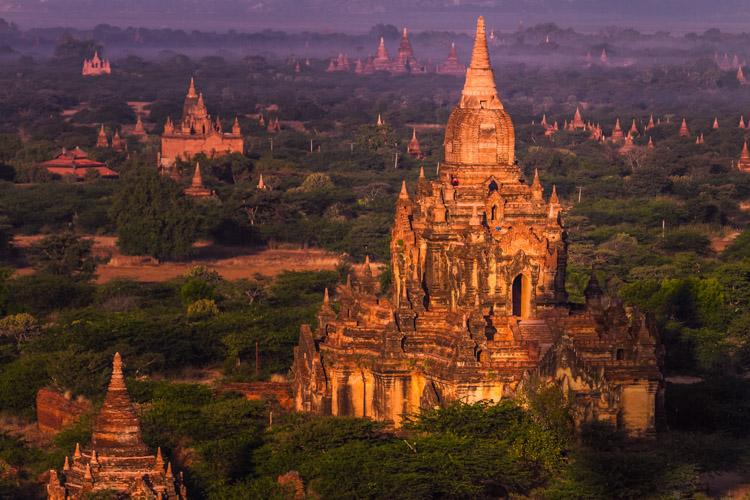
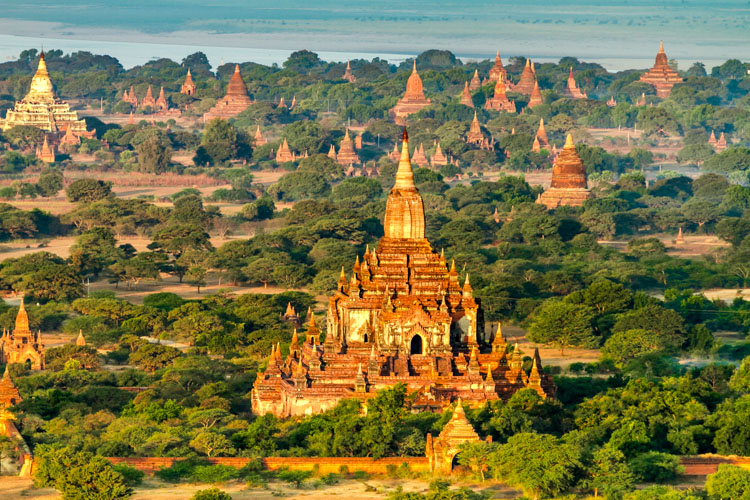
These tips are inspired by a balloon flight that I had in Bagan, Myanmar. Despite growing up with one of the world’s largest balloon festivals in my backyard (Albuquerque, New Mexico), I had never been in one. I have helped many land, but never been up in a balloon. So in Bagan, when an opportunity presented itself, I couldn’t think of a better way of seeing the over 2,000 temples of the area from the air. Also, I will show some photography examples from a single engine prop plane flight over the Bay Area, California.

So here are my five tips for doing photography from midair:

1. There’s limited space – so chose wisely

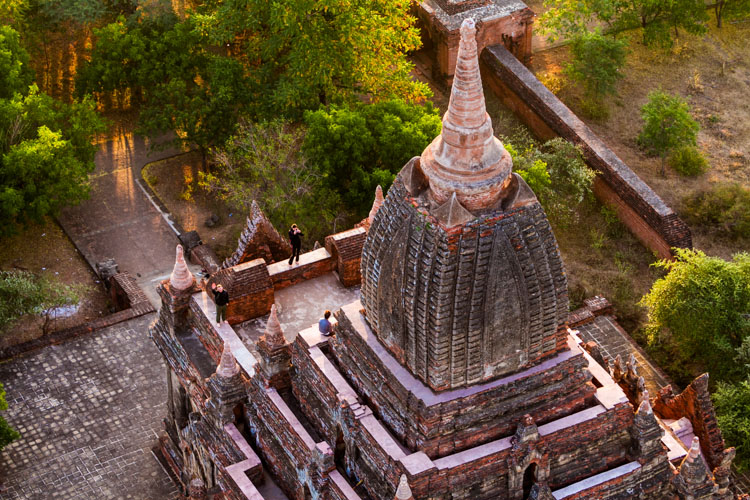
In anything defying gravity, whether it be a balloon or a plane, space is always limited. Before going up, there should be a safety briefing, and the pilot has the final say. So talk to the pilot and see if you can get a spot on the corner, or if he knows the best place from which to get a photos. It may not even be where you expect.

002 Limited space

2. The changing light conditions – be prepared

Most balloon flights start before sunrise, for both romantic notions, along with better flying conditions. But for a photographer that makes our job all the more difficult to capture the early morning darkness, turning into blue, then golden hour, and finally full daylight. So we have four different lighting conditions that need to be captured. If you bring a tripod leave it on the ground. It may be good for a sunrise picture, but getting the balloons or airplanes ready requires work. So there are lots of moving parts, and when you are in the air, you will definitely not need it.

The tip is really that there are many variables regarding light conditions.  I know it is a little obvious, but in a balloon (or airplane) you are not in a stable environment.  You will be dealing with multiple light conditions in a limited time and it is not so easy to just wake up the next day and fly again, so you need to be prepared for anything.

Bring a flash for fill. Use a gel on your flash to balance the blue or orange natural light. The fill flash is for the people in the balloon. During flight the balloon rotates, thus there are many times when the sun is at your back, being able to fill the shadows with some light is beneficial.

003 Changing light 2

003 Changing light

3. Camera – bring a second one along if possible

While I am not a gear junky, this is one place where it is nice to have another camera on hand. The confining space and the dynamic conditions (take off, spinning, turning, landing, etc., along with the changing light) make an extra camera really handy to have to be able get a range of shots in a limited space, in a limited amount of time. There are really not many options for doing that without having multiple cameras.

4. Lenses – take a long one

So what lenses to put on your cameras, is the next logical question. My first tip with lenses would be to bring a long telephoto. I have seen too many people with a 16-35mm lens try get the whole landscape, but when you are up high, you can get everything in frame with a longer lens. At 16mm the features of the landscape become minuscule from the air. It may seem strange to you to use a longer focal length lens for landscapes, but they are your good friend when floating or flying.

004 Lens 150mm

150mm lens

5. Don’t forget to just enjoy the trip

Balloons are to airplanes, as sailboats are to motorboats – they are quiet and hover calmly. It’s a bit surreal that it’s just a pocket of air that so delicately hoists you off the ground and drifts with the wind. It’s so smooth, so enjoy it!

Let me give you a breakdown of what I found worked for me, and if you have your own ideas please share them in the comments below.

004 Lens 200mm

My two cameras where a Canon 7D and a G-12. I brought two lenses with me, an equivalent 16-35mm lens, which stayed in my bag once we loaded up, and a 70-200mm. I brought a Canon 430ex II flash that was mounted on the hot shoe of my Canon G-12 (no need for it to be on the 70-200 when you are floating way up in the air). The flash was used primarily as fill light when the balloon would spin into the sunset with the sun behind. Thus, the basket, pilot and other passengers wouldn’t be black silhouettes or the background being totally blown out. I used a ¼ CTO gel to balance the orange morning sun.

Using my 70-200mm lens I was able to compress the background while still encompassing the landscape. In this case using a higher f-stop could help for clarity of both foreground and background. However, depending on when you actually get up in the air, you might want some more speed while keeping your ISO down. You also need to remember that you are moving. On the other hand, while directly over a subject a little less depth of field can be used, so a larger aperture. Takeoff and landing would be the best times to get some nice landscapes, but inside the balloon safety is first, and we were instructed to have our cameras secured. Thus, after takeoff get ready to start shooting before you are just way too high.

005 Zoom in

While having coffee and getting instructions from our pilot I asked a question, made a joke (that was not about safety), and hinted at a corner spot. The pilot, in my case, goes up every day during the winter months, and was no fool when it came to understanding my intention. So what do you know, he assigned me first, right in the corner. Whether he did it for a tip or for photography sake, I have no idea, but it worked in my favor. Instead of only a 180 degree view, I saw more like 270 degrees and that was 25% more options. I took it.

So go out there and get up in the air, land safely, and see the world from a new perspective. After all, photography is about perspectives and new horizons. Change your perspective of the world down here.

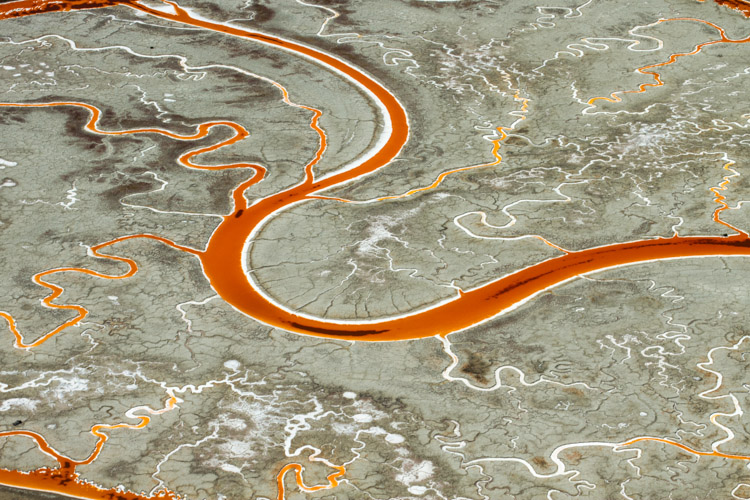
006 Salt Ponds of San Fransisco Bay Areal Photo from Single Engine Prop Plane

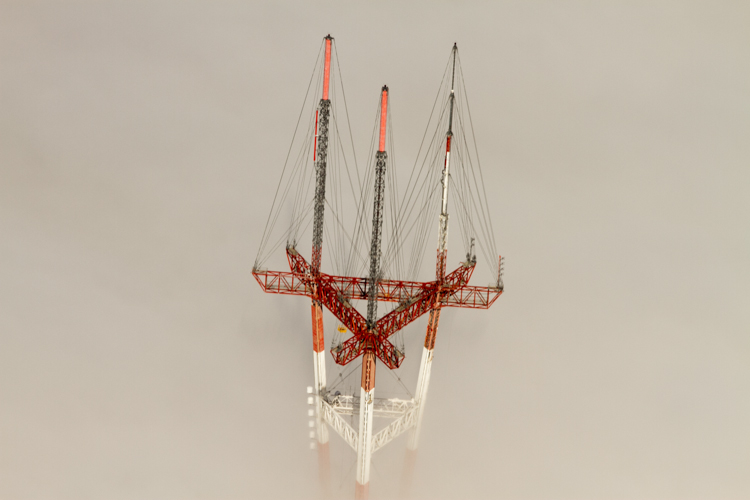
007 Sutro Tower San Fransisco 170mm from Single Engine Prop Plane

Seeing things in a new way can only make you understand your time on the ground that much better. As photographers a common goal we all share are the amazing visuals that we capture and create. So create from above, and share your thoughts in the comment section below.

googletag.cmd.push(function() {
tablet_slots.push( googletag.defineSlot( “/1005424/_dPSv4_tab-all-article-bottom_(300×250)”, [300, 250], “pb-ad-78623” ).addService( googletag.pubads() ) ); } );

googletag.cmd.push(function() {
mobile_slots.push( googletag.defineSlot( “/1005424/_dPSv4_mob-all-article-bottom_(300×250)”, [300, 250], “pb-ad-78158” ).addService( googletag.pubads() ) ); } );

The post 5 Tips for Doing Photography from a Hot Air Balloon or Biplane by Branson Quenzer appeared first on Digital Photography School.

Digital Photography School

 
Comments Off on 5 Tips for Doing Photography from a Hot Air Balloon or Biplane

Posted in Photography


Weekly Photography Challenge – Reflections

06 May

First have a look at these: 24 Reflective Mirror Images to Make You Look Twice, then think about how you’re going to tackle this week’s challenge:

Javier Díaz Barrera

By Javier Díaz Barrera

Weekly Photography Challenge – Reflections

Reflections can be made by anything that is smooth and glasslike: water, glass, windows, a puddle, plastic, etc. Look for unlikely sources and different camera angles, make your own puddles – get creative. Wander around your area and look for things that reflect.

But – remember to still keep in mind all the things that make a good photo:

  • Good composition
  • Good light
  • A clear subject
Gary Ullah

By Gary Ullah

Eduard Díaz I Puig

By Eduard Díaz i Puig

Tanyanat Pichitwong

By Tanyanat Pichitwong

Roman Boed

By Roman Boed

Share your images below:

Simply upload your shot into the comment field (look for the little camera icon in the Disqus comments section) and they’ll get embedded for us all to see or if you’d prefer upload them to your favourite photo sharing site and leave the link to them. Show me your best images in this week’s challenge. Sometimes it takes a while for an image to appear so be patient and try not to post the same image twice.

Wolfgang Staudt

By Wolfgang Staudt

Danna § Curious Tangles

By danna § curious tangles

googletag.cmd.push(function() {
tablet_slots.push( googletag.defineSlot( “/1005424/_dPSv4_tab-all-article-bottom_(300×250)”, [300, 250], “pb-ad-78623” ).addService( googletag.pubads() ) ); } );

googletag.cmd.push(function() {
mobile_slots.push( googletag.defineSlot( “/1005424/_dPSv4_mob-all-article-bottom_(300×250)”, [300, 250], “pb-ad-78158” ).addService( googletag.pubads() ) ); } );

The post Weekly Photography Challenge – Reflections by Darlene Hildebrandt appeared first on Digital Photography School.


Digital Photography School

 
Comments Off on Weekly Photography Challenge – Reflections

Posted in Photography


8 Reasons to Love Long Exposure Photography

06 May

Long exposure photography is not a new type of photography, but it is one that is gaining in popularity. Many photographers are buying Neutral Density filters (ND Filters – more on them below) to capture their own long exposures. It is quite an addictive form of photography. Over the last couple of years I have added many different ND filters to my kit. I use Formatt Hitech filters, though there are other brands that have them as well. Here are some reasons why I love this type of photography.

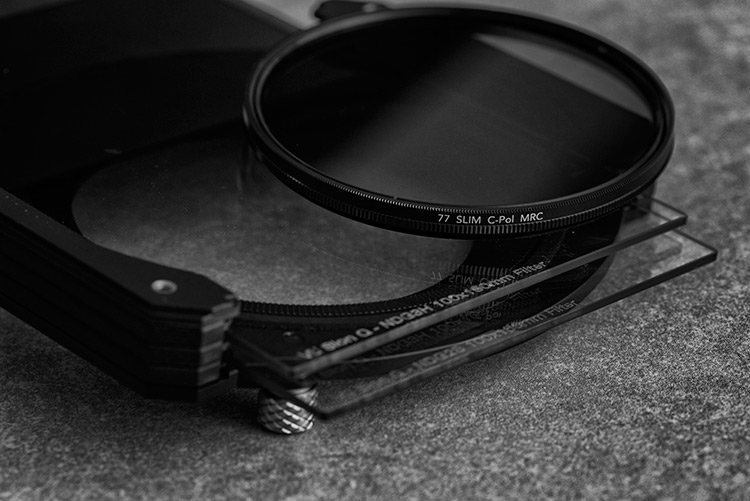
Drop-in and screw-in filters

Note: Neutral Density filters or ND Filters are designed to restrict the amount of light that enters the lens and camera. They can either screw onto the end of the lens or you can buy brackets that will fit square ones. They came in different densities, and how dark they are is referred to by how many stops of light they block. The most common ND filter is the 10 stop which many brands make. The neutral refers to them having no colour, supposedly. They are meant to have no colour and cause no colour cast in your images, though the more stops the filter has, often the more likely you are to get some colour cast. Cheap ND filters always have a colour cast, usually magenta. If you want to get serious about doing long exposure photography, then purchasing good quality filters from the start is something you will never regret.

1 – Get a smooth look to water, or show how the water moves

One of the more popular ways of using long exposures is to smooth out water to make it look still or frozen. This can be done with the ocean, rivers, and lakes. It can make the water in a scene less distracting because the water doesn’t have any movement in it. The image is then more about the sky, the rocks or whatever else is there.

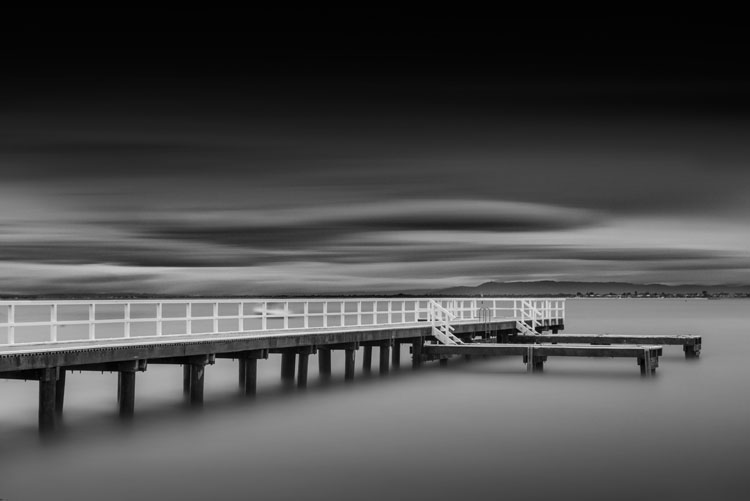
LeanneCole-7reasons2lovelongexposures-daveysbag

A pier at Davey’s Bay, the long exposure has blurred the clouds and smoothed the water – 5 minute exposure.

Another alternative is to do long exposures of around a second, so you can see the movement of the water. As the tides come in and out on the beach, you can see where it has been, it almost looks like a slow motion capture. It’s a wonderful effect and we are seeing it a lot more. Though water moving on the beach isn’t the only way to use it, water falling over rocks can be just as engaging.

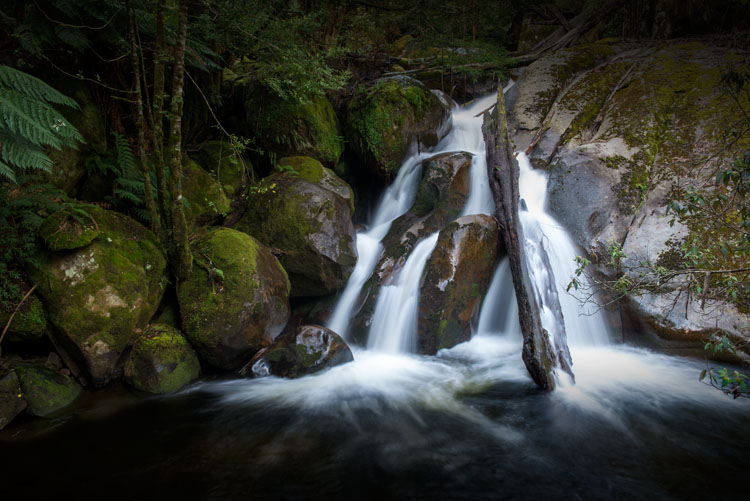
Waterfalls are another type of long exposure that people love. Though many waterfalls are down in canyons, you still need a ND filter to get that smooth marshmallow effect with the water as it flows down. Though, you don’t often need a multi-stop one like you would for the previous water examples.

LeanneCole-7reasons2lovelongexposures-taggertycascades

Adding a few seconds (1.33 seconds) to an image of a waterfall gives it a lovely marshmallow effect. You can also see the movement of the water.

2 – Get blurred clouds

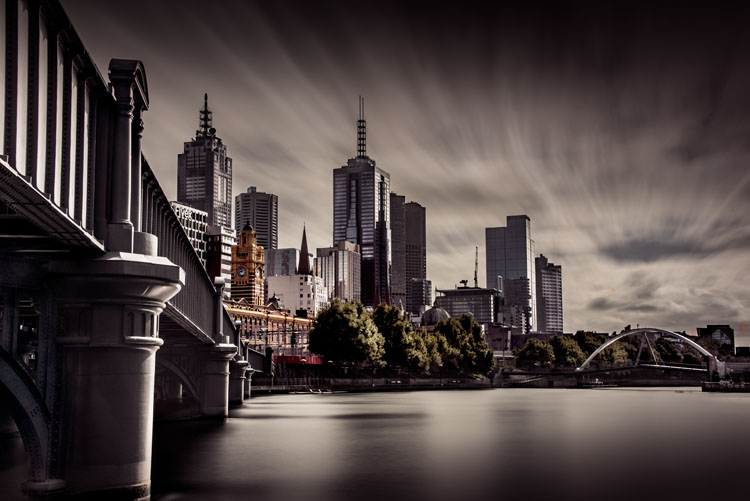
Architecture is a very popular subject for long exposures because you can blur the clouds. It gives the image a different look, and it almost seems like your subject is lost in time. With blurring the clouds, it also makes the building(s) you are photographing your main focus point, and gets rid of any distractions.

LeanneCole-7reasons2lovelongexposures-melbourne

Melbourne from across the river. The long exposure (4 minutes for this shot) gives the view a different feel to what we normally get.

3 – You can clear spaces of people and traffic

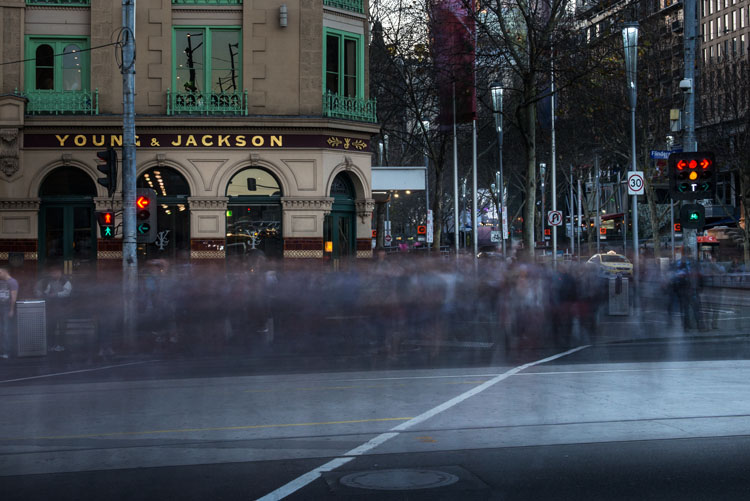
If you love photographing areas in towns and cities, but one of the challenges of that type of photography is that people are always around, long exposures using filters will help you clear those distractions. Exposures of several minutes can almost clear a scene of people, though it depends on the density of them. A scene where there are only a few people walking around can come out with the appearance of being empty with a long exposure. However, where there are many people you will find that they just blur, though this can be a great effect as well.

LeanneCole-7reasons2lovelongexposures-youngandjacksonscorner

Photographing a busy intersection with a ND filter makes people look like ghosts – 30 second exposure.

4 – There is a quietness about the work

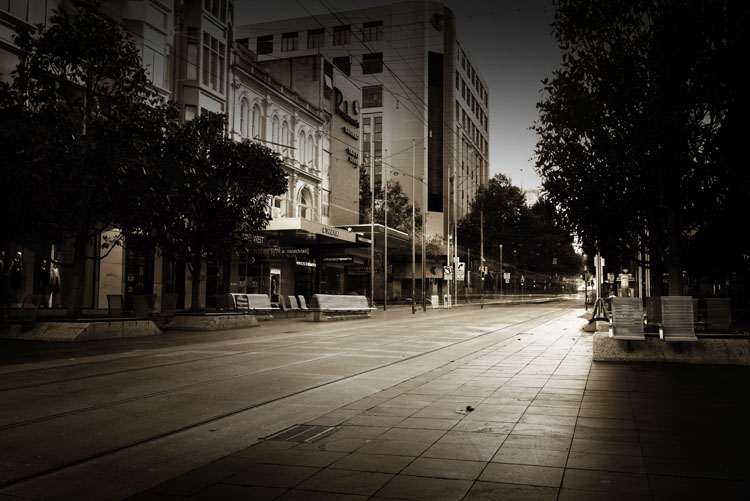
Once people are introduced into a scene that you are photographing, it brings with it noise, as in how people see the images. They can be noisy, and whether people looking at the images realize it or not, they hear what they would hear if they were actually there. Vehicles can have a similar effect.

LeanneCole-7reasons2lovelongexposures-bourkestmall

Bourke Street Mall at peak hour, a 10 minute exposure has removed the people and given it an empty feeling.

If you do a long exposure of the same thing, that noise is gone. Often when you see a long exposure image it has a quietness to it. Fill a room with images done this way and put people in it, they will feel as though they have to be quiet.

5 – Take photos of a common subject and give it a completely different feel

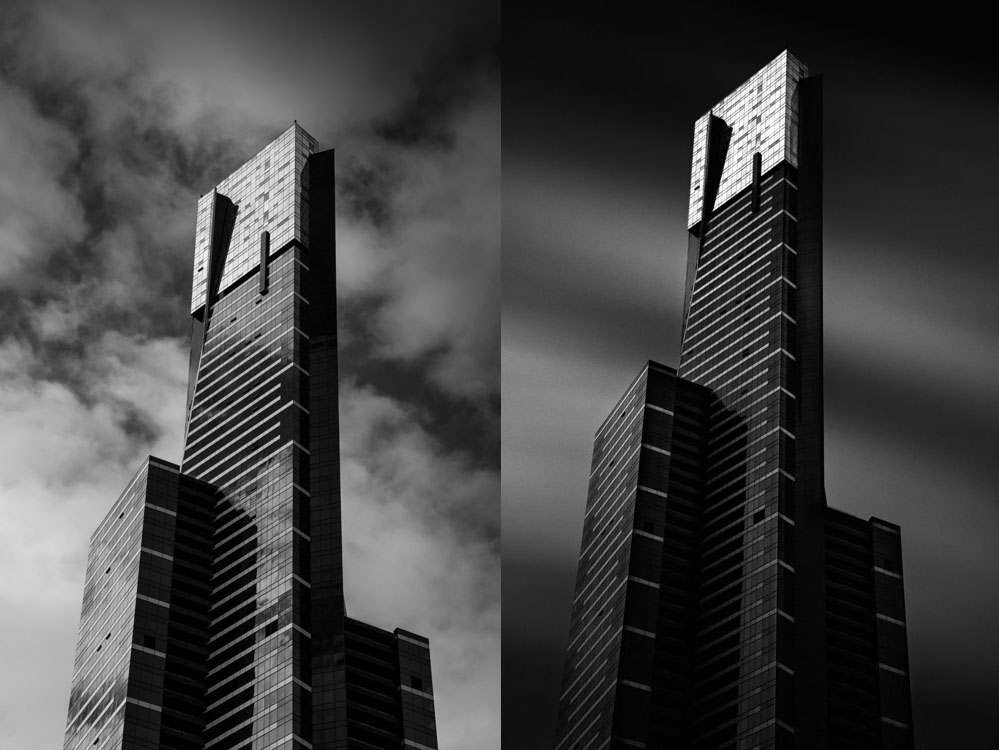
In every city around the world there are iconic places and scenes that everyone is trying to photograph differently than others. If you have some ND filters and your tripod, you can create an image that not many others get. Especially when travelling, not many people have filters with them. You would have an opportunity to get something quite different to the thousands of other photos that are taken in those places. Of course it is a given that they are places where you can set up a tripod.

LeanneCole-7reasons2lovelongexposures-eurekatower

Eureka Tower is a very photographed building in Melbourne, the image on the right is similar to what most people get, but by adding a ND filter you give a well photographed building a different look. Left image: 1/200th – Right image: 6 minutes.

6 – Give a landscape a sense of time, or time passing

When you have images of clouds being blurred as they go over the top of a building or a landscape, it seems like you have captured time. Many people feel like they are looking at time passing. The long exposure is taken over a period of time, so it makes sense that you would get that feeling when you look at those images.

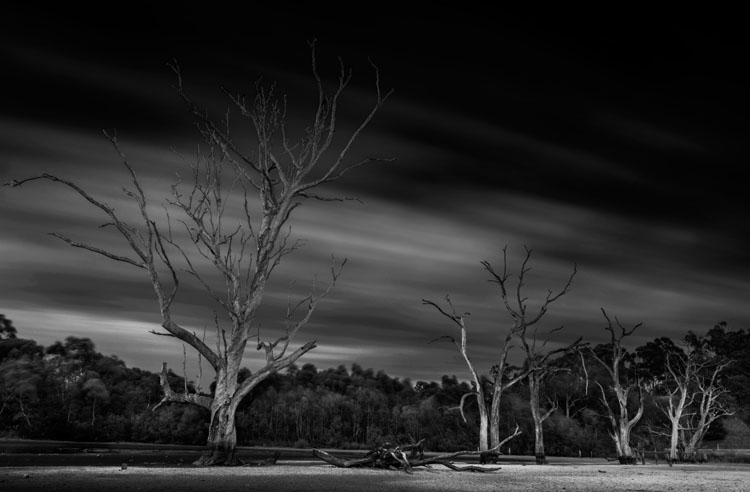
LeanneCole-7reasons2lovelongexposures-banyuleflats

Dead trees in a dried out swamp, and the moving clouds give the impression they have been there for an eternity – 3 minute exposure.

7 – Images have a surreal look and give you a different perspective

One of the great aspects of long exposure photography is that you can set up your camera, your tripod, and slot in your neutral density filter, but you won’t know what you will get until the image is taken. It will give you an image that is nothing like what you can see with your eyes. When you get the images onto your computer it is always a surprise to see exactly what you have captured.

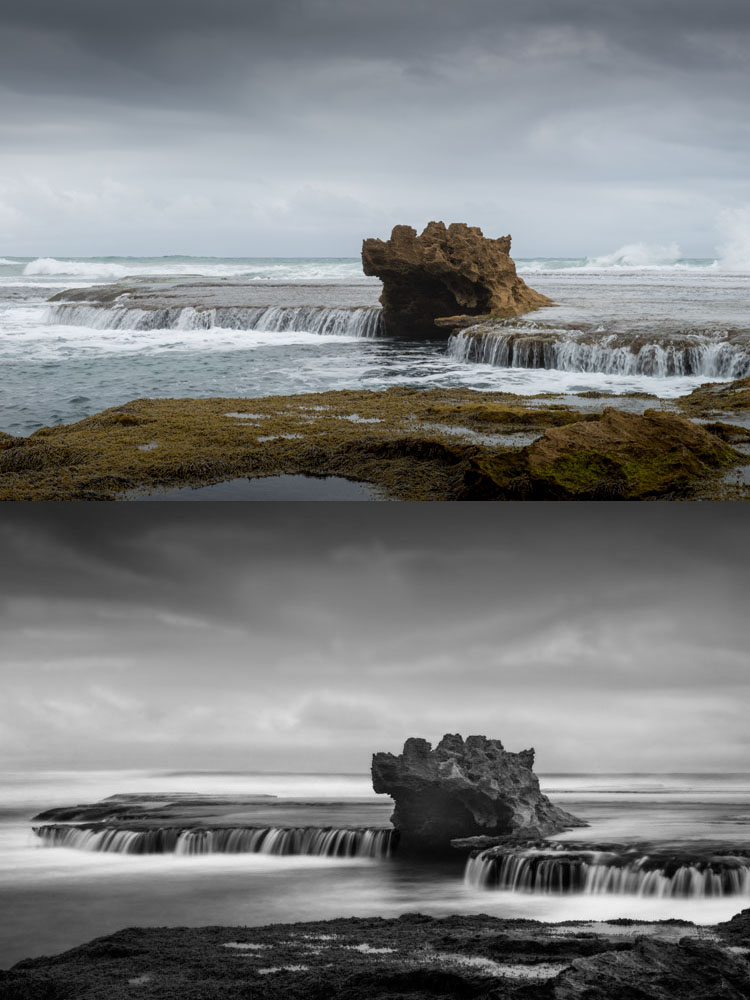
LeanneCole-7reasons2lovelongexposures-dragonshead

The same image, one take without the ND Filter and the second one with it. It gives the scene a completely different feel. Top image: 1/50th – Bottom image: 13 seconds.

8 – Night Photography is great for the same reasons

Night photography gives you an opportunity to take photos and not have to worry about filters. You can expose for however long you need. If it;s a windy evening and there are clouds in the sky, you will get movement in your images. If you are taking photos across a water way, then the water will be smooth, and you will get reflections of the lights if there are some on the other side. For all the reasons stated for long exposures, night photos have the same effect.

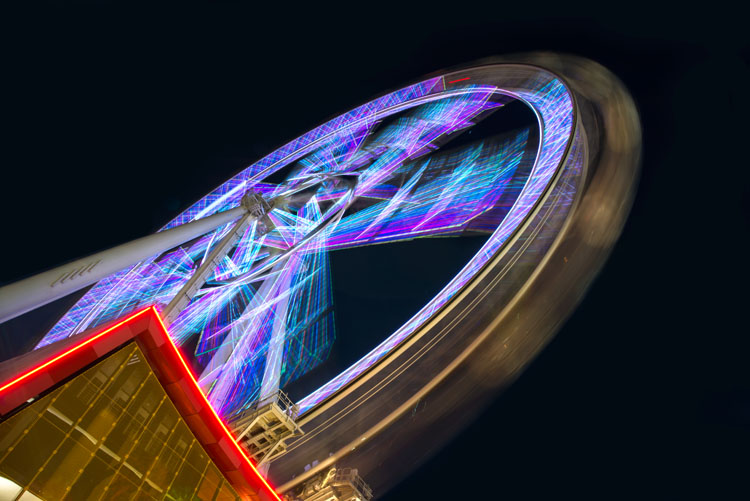
LeanneCole-7reasons2lovelongexposures-melbournestar

A night long exposure makes the Melbourne Star blurred and you can see how it moves – 2 minute exposure.

These are the reasons why I think long exposure photography is wonderful. If you are curious and want to try doing these then I am sure you will become addicted like many others. If you already do them, you might have your own reasons and perhaps you would like to share with us what they are in the comments below as well as your long exposure images.

googletag.cmd.push(function() {
tablet_slots.push( googletag.defineSlot( “/1005424/_dPSv4_tab-all-article-bottom_(300×250)”, [300, 250], “pb-ad-78623” ).addService( googletag.pubads() ) ); } );

googletag.cmd.push(function() {
mobile_slots.push( googletag.defineSlot( “/1005424/_dPSv4_mob-all-article-bottom_(300×250)”, [300, 250], “pb-ad-78158” ).addService( googletag.pubads() ) ); } );

The post 8 Reasons to Love Long Exposure Photography by Leanne Cole appeared first on Digital Photography School.


Digital Photography School

 
Comments Off on 8 Reasons to Love Long Exposure Photography

Posted in Photography


A Landscape Photography Tutorial (from a Portrait Photographer Trying Something New)

06 May

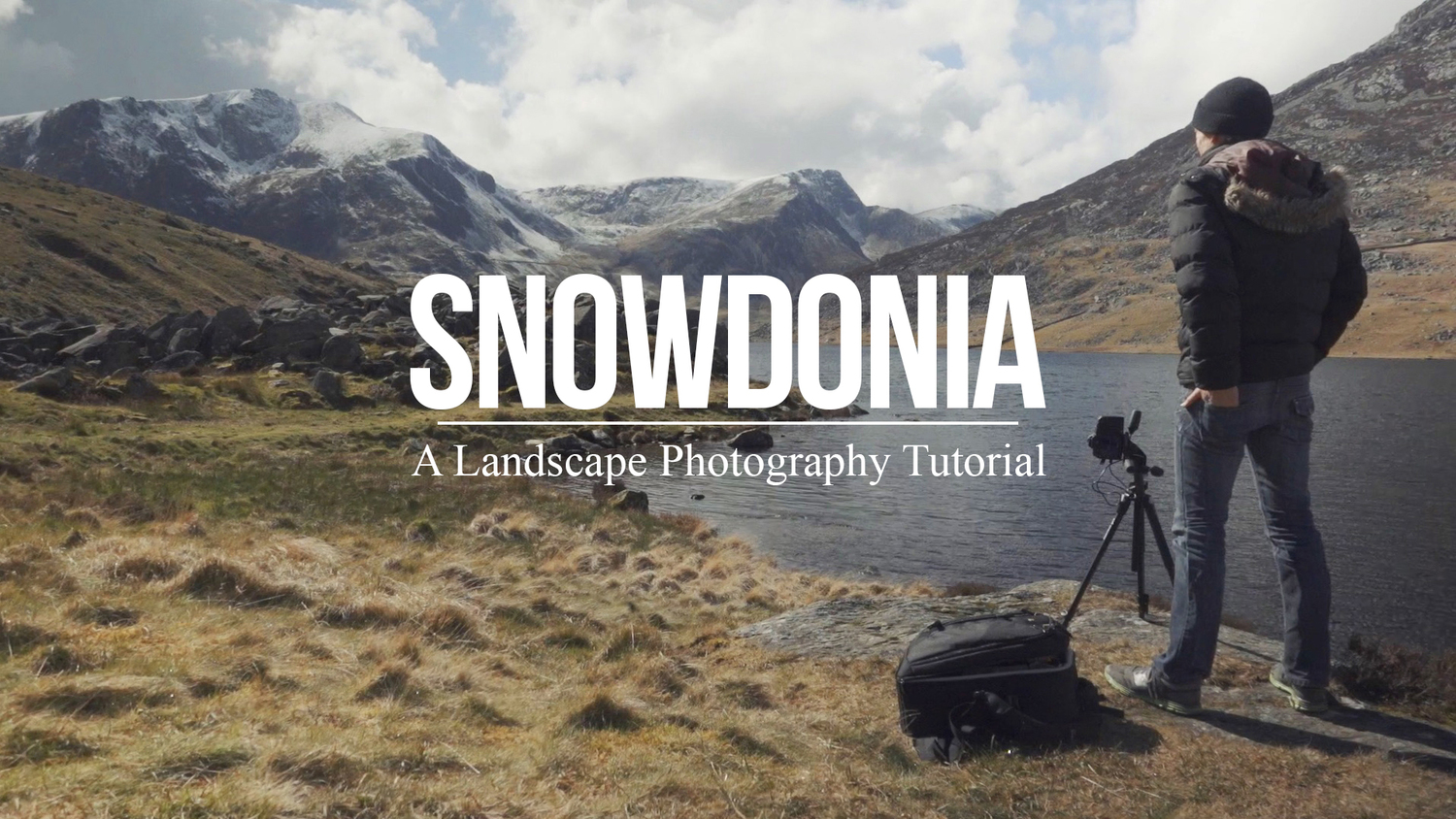
landscape-photography-tutorial

Sometimes when you’re in a rut the best way to get out of it is to do something completely out of the box and try something new – something a little risky.

Portrait photographer Sean Tucker changed things up recently but setting out on a landscape photography road trip.

He videos the experience and I think the result is fascinating – both to see how he approached his landscape photography but also to hear his insights on stepping outside his comfort zone to approach a new type of photography for him.

I like what he wrote in his blog about the experiment:

“There was no guarantee the trip wouldn’t be a waste as I’m not a professional landscape photographer by any means, but I think the best creativity will always come out when you are taking risks.”

Grab a cup of your favourite beverage and settle down to journey with Sean. The end results are at the end of the video.

Have you ever stepped out of your normal type of photography to try something new like Sean did?

Further Reading for helping you to break out of a photography rut:

  • 10 Tips to Motivate You out of a Photography Rut
  • 5 Ways To Break Out of a Creative Photography Rut
  • Are You in a Photography Rut? 11 Tips to Get Out of It!

googletag.cmd.push(function() {
tablet_slots.push( googletag.defineSlot( “/1005424/_dPSv4_tab-all-article-bottom_(300×250)”, [300, 250], “pb-ad-78623” ).addService( googletag.pubads() ) ); } );

googletag.cmd.push(function() {
mobile_slots.push( googletag.defineSlot( “/1005424/_dPSv4_mob-all-article-bottom_(300×250)”, [300, 250], “pb-ad-78158” ).addService( googletag.pubads() ) ); } );

The post A Landscape Photography Tutorial (from a Portrait Photographer Trying Something New) by Darren Rowse appeared first on Digital Photography School.

Digital Photography School

 
Comments Off on A Landscape Photography Tutorial (from a Portrait Photographer Trying Something New)

Posted in Photography


5 Tips for Thinking Out of the Box to Inspire Your Photography at Home

05 May

Have you ever felt like the inspiration well is running dry ?

You carry your camera with you everywhere you go, day in and day out, but you just don’t see Kodak moments any more? If you know that feeling, than you must have been around shutters and lenses for some time now, and can’t wait to see something new.

Wait no more! here are some ideas that will inspire you, and help you get rolling again.

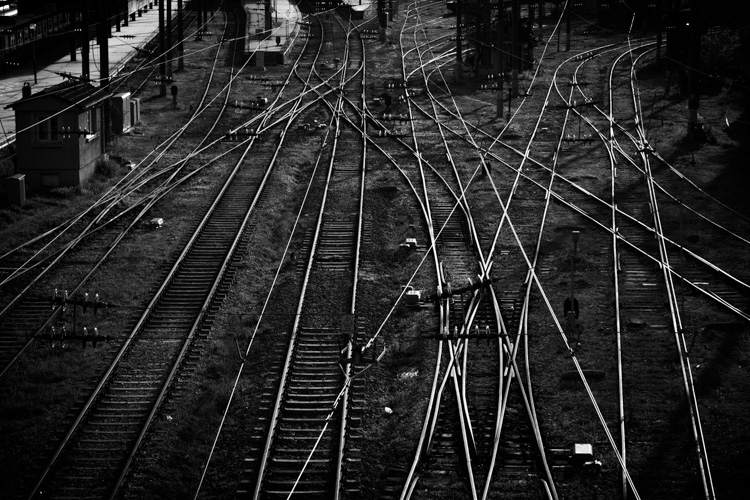
Istanbul railway station

1 – Understanding the box in order to think out of it

Photography can be a very technical act; operating your camera in a scientific way, following exact rules that will bring the wanted results. Or it can be the act of an instant emotional reaction to the world, you see a moment and click, you grabbed just it before it’s gone forever, thinking can be done afterwards. Both ways are good and every photographer is captivated by a different mix of both.

Thinking out of the box requires a box to begin. If you find yourself uninterested in doing things that you already know and have done, that is your box. Underneath it is the magic that made you grab the camera for the first time, the thing that got you excited when you held your eye to the viewfinder. On your first encounters with the camera you fell in love with a simple magic that the camera can do, it is now the time to go back to that magic and do it all over again.

The hunt for an interesting texture photo while on a short brake from computer work, led me to this photo out of my studio’s window.

texture out of the window at home

2 – The routine dichotomy

Routine is often thought to be a major enemy of creativity. You walk by the same corner every day for years, and you get used to it so much that you stop seeing its potential to make great photos. On the other hand, routine is the frame in which you create. Once you get used to the background noise, you can pay attention to the little changes in light, color, and small details that are never the same as the day before.

Make routine your friend by focusing your attention on smaller details every time you walk by the same scene. Look out of your window at different hours of the day, over and over again until new details start popping up in your viewfinder.

look for details out of your window

3 – Shoot without a camera

You may put the blame for the drought on your camera, and go look for the latest pixel beast to get you all excited again, or you can try something new, you can try seeing pictures without a camera.

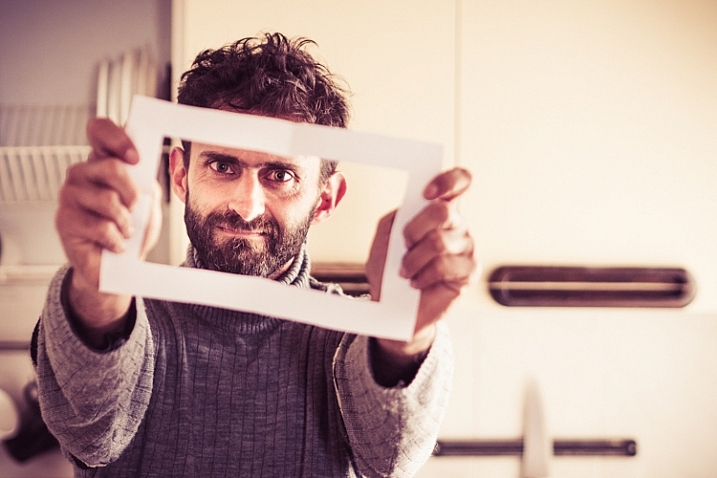
As you do things during your day, try to imagine what they would look like in different photos, with different focal lengths or different exposure values. You may also look at things through a paper cut frame. Hold the frame at a different distance from your eye to zoom in and out, think of your composition, and move on.

Using your imagination instead of a camera will ignite a new spark in the way you see photography. Then, next time that you want to take a photo, you will see it before even having the camera up to your eye.

think-out-of-the-box-photo

4 – The Dead End

Back in the days before smartphone and GPS, you had to find your way around when driving in a new place, and once you faced a dead end street, you had to u-turn and find a new way. That’s when you had to be creative and come up with an inventive solution. That leads to thinking out of the box.

That survival skill is still there and can be kicked in by defining small boundaries in which you photograph, limiting yourself to taking pictures in uncomfortable conditions. For example, do portraits with just a wide angle lens, or look for triangle shapes only with a telephoto lens. Creating dead ends for your photography will force you to find creative solutions, which will lead to new and exciting photographs of the same old world.

The Fuji X100's fixed lens has made me cross the street to get closer to this group of boys and created a strong feeling of speed. Photo by Ouria Tadmor

The Fuji X100’s fixed lens has made me cross the street to get closer to this group of boys and created a strong feeling of speed.

5 – Experiment with home made light

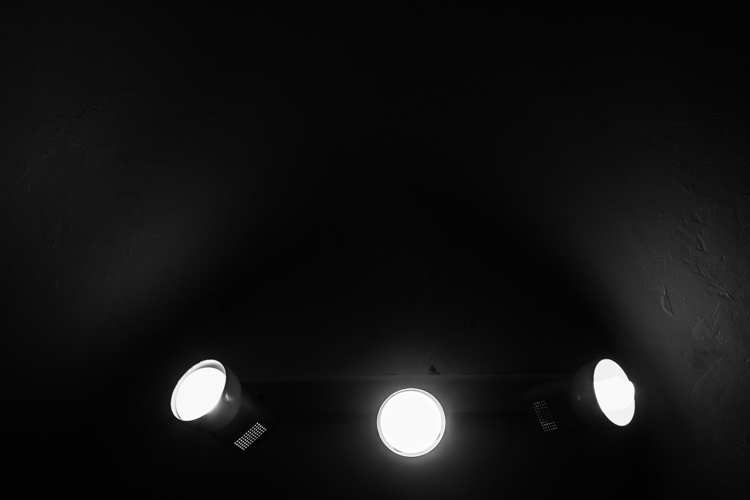
In your home there are many different light sources that would make a good starting point for a photo session, they can be the subject of your photo and the light source at the same time. When you start from the light source and challenge yourself to see where you can go with it, you challenge your creative mind to take a different path than the more common way of seeing something you want to photograph, and thinking how to light it. Mastering this thinking technique can be of use later when you might need to photograph a subject that is not talking to you, just go for the light.

Home lights as photo inspiration

Conclusion

It is not always possible to stay creative and inspired in photography, but the innovative side of your brain can be kept in shape by repeating these small exercises regularly, at home with any type of camera. Do so and you are promised to come home with better photos next time you go on a photographic vacation.

googletag.cmd.push(function() {
tablet_slots.push( googletag.defineSlot( “/1005424/_dPSv4_tab-all-article-bottom_(300×250)”, [300, 250], “pb-ad-78623” ).addService( googletag.pubads() ) ); } );

googletag.cmd.push(function() {
mobile_slots.push( googletag.defineSlot( “/1005424/_dPSv4_mob-all-article-bottom_(300×250)”, [300, 250], “pb-ad-78158” ).addService( googletag.pubads() ) ); } );

The post 5 Tips for Thinking Out of the Box to Inspire Your Photography at Home by Ouria Tadmor appeared first on Digital Photography School.


Digital Photography School

 
Comments Off on 5 Tips for Thinking Out of the Box to Inspire Your Photography at Home

Posted in Photography


Feature Shoot announces Emerging Photography Award winners

04 May

$ (document).ready(function() { SampleGalleryV2({“containerId”:”embeddedSampleGallery_1073019103″,”galleryId”:”1073019103″,”isEmbeddedWidget”:true,”standalone”:false,”selectedImageIndex”:0,”startInCommentsView”:false,”isMobile”:false}) });

Feature Shoot has announced five winners in its 2016 Emerging Photographer Awards. Now in its second year, the awards hope to help jumpstart the careers of budding photographers, and entries are accepted from around the world. The five winners’ photos will be exhibited at United Photo Industries in Brooklyn next month. Each winning photographer also receives $ 500 cash, a Lomo’Instant Montenegro Camera and a Cecilia camera strap.

Take a look at some of the winning images above, and learn more about the competition at emergingphotographyawards.com.


Press release:

Developed: Five Emerging Photographers
Opening: June 2, 2016? 6:00-9:00 PM
United Photo Industries
16 Main St, #B, DUMBO, Brooklyn, New York

Spanning the globe and various genres within the medium, Developed: Five Emerging Photographers highlights some of the most surprising and excellent work produced by rising stars within the photographic world.

New York – April 28, 2016 Feature Shoot is proud to present the Second Annual Feature Shoot Emerging Photography Awards exhibition, showcasing the work of five diverse and exceptional fine art, documentary, and portrait photographers from around the world.

The Feature Shoot Emerging Photography Awards are given annually to a set of photographers whose voices are unique. The prize and subsequent exhibition, featuring five artworks from each winning artist, are geared not only towards jumpstarting the careers of promising new photographers but also towards contributing to fresh and forwardthinking discourse within the international photographic community.

This year, our jury of leading industry experts – Jessie Wender, Senior Photo Editor at National Geographic Magazine? Sarah Sudhoff, photographer and Director/Owner at Capsule Gallery? Kevin Wy Lee, photographer and Founder of Invisible Photographer Asia (IPA)? Liz Lapp, curator and Content Manager at Yahoo – selected five photographers from an estimated 1,000 submissions. The exhibiting photographers will be Marlena Waldthausen, Camille Michel, Mariya Kozhanova, Lissa Rivera, and Kimberly Witham.

Marlena Waldthausen was chosen for her intimate series Brothers, chronicling the lives and close relationship between two deaf twins, one of whom is also entirely blind, living in Germany. 

Camille Michel‘s series The Last Men tells the ancient tale of the Inuit fishermen of Uummannaq, Greenland, who are gradually losing their ties to the land in an increasingly globalized community. 

Mariya Kozhanova focuses her lens on Russian youth, who in a precarious political climate, have clung to and become a part of the Japanese subculture of anime cosplay.

Lissa Rivera was selected for Beautiful Boy, a series confronting gender roles and aesthetics, made in collaboration with her romantic partner after he told her about his habit of donning women’s clothes in college.

Kimberly Witham’s winning project On Ripeness and Rot takes inspiration from Dutch Golden Age paintings, incorporating fresh fruit and roadkill to create beautiful and disarming still lifes that speak to mortality, loss, and rebirth.

Articles: Digital Photography Review (dpreview.com)

 
Comments Off on Feature Shoot announces Emerging Photography Award winners

Posted in Uncategorized


Wedding Photography – Just How Specialized is it?

02 May

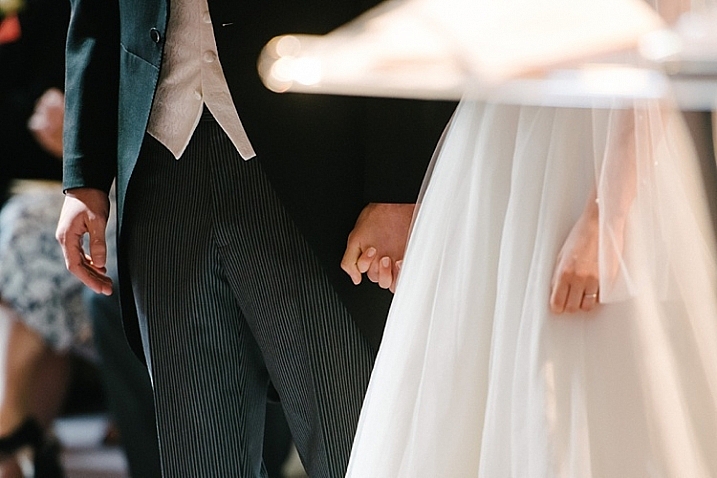
how-specialized-is-wedding-photography

Specializing in photography is all the rage right now. Being a specialist is synonymous to being an expert. Being an expert means you are more trustworthy, what you say and what you do carries more weight, and people can have deeper confidence in your knowledge.
A specialist focuses their ability on one area of photography, and concentrates growing their knowledge to a very detailed degree within that area. The words special and specific come from this word, and further drive home its meaning.

To specialize or not to specialize

wedding-photography-how-specialized-is-it

To specialize or not to specialize – that is the question. For many photographers wanting to stand out and be different, to be known and able to demand higher prices, this is a question they are facing. There are many genres of photography you can choose to specialize in such as: landscape, black and white, cityscape, macro photography, musicians and bands, portraits, people, events, weddings, baby, newborn, children, families, and fine art, just to name but a few. These areas vary in their specificity so that “people photography” can be as specific as it can be general – depending on how specialized you want to be. Nowadays, specialisms are being pushed into more defined niches such as…

Examples of niches

  • Weddings – outdoors only, city weddings, big weddings, intimate weddings, six hours wedding coverage only, add on a variety of wedding styles such as vintage, modern, contemporary, classic, chic, etc.
  • Family – lifestyle only, portraits only, everyday candid photography, black and white only, active families only, adventures only, sunset and golden hour only, etc.
  • Children – 0-3 years only, 4-11 years only, teens only, newborn, studio, etc.
  • Street photography – black and white only, daytime only, night time only, etc.
  • Portraits – natural light only, studio light only, on location only, etc.

wedding-photography-how-specialized-is-it

Just how much of a specialism is wedding photography?

Let’s deconstruct a wedding day to its main components in terms of the subject to be photographed, the skills that may be required, as well as the suggested lenses to use.

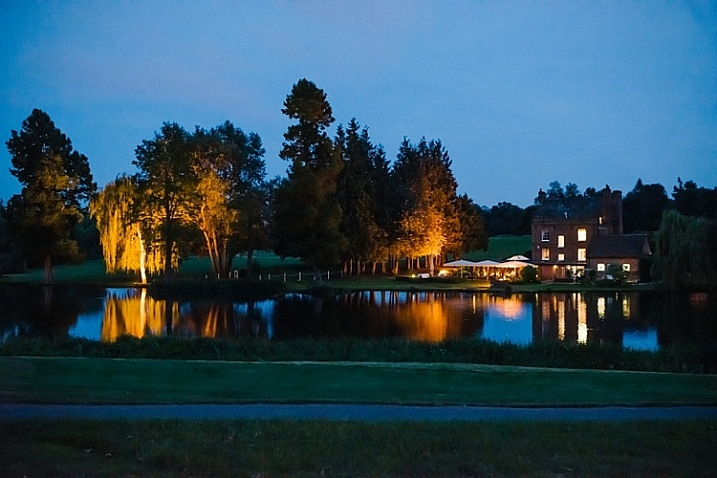
  • Subject: scenery and locations
  • Skills required: landscape
  • Lenses needed: wide angle zoom lenses, and fast primes; 16mm, 24mm, and 35mm

wedding-photography-how-specialized-is-it

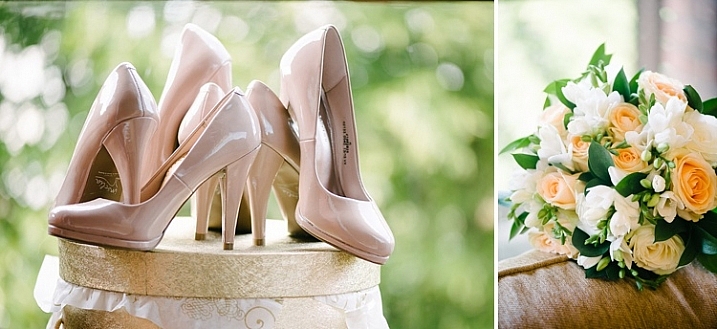
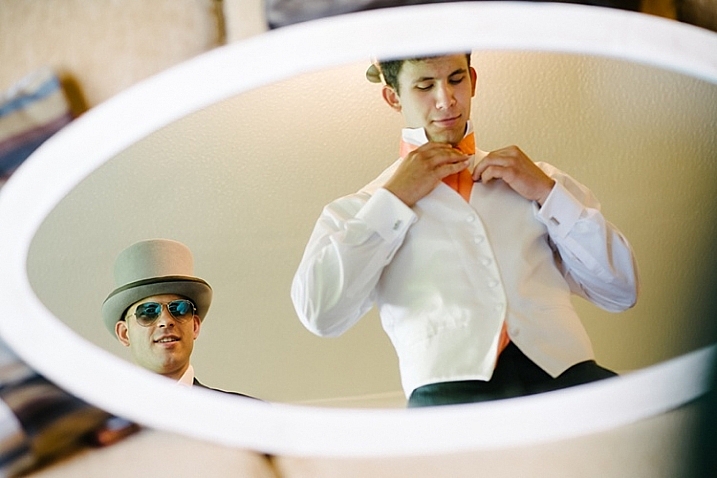
  • Subject: bride and/or groom getting ready
  • Skills needed: candid, reportage, portraits, macro for the accessories, people skills!
  • Lenses: 24-70mm, 35mm, a good macro lens

wedding-photography-how-specialized-is-it

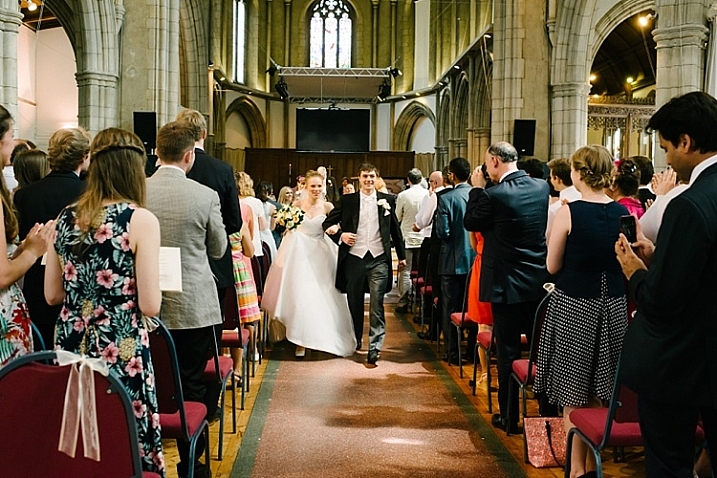
  • Subject: the wedding ceremony
  • Skills needed: documentary photography, creative, capturing emotions, special moments
  • Lenses needed: 70-200mm, 24-70mm, fast primes (working often in low light conditions)

wedding-photography-how-specialized-is-it

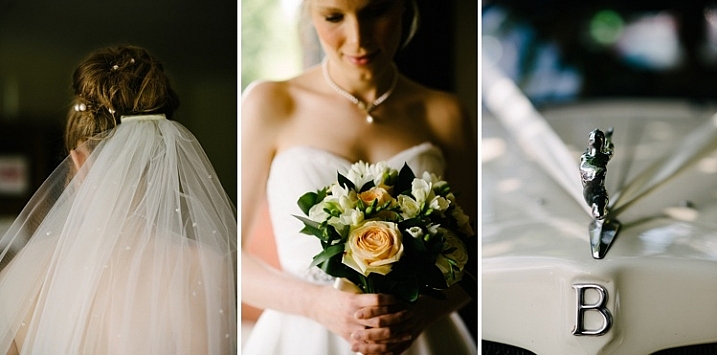
  • Subject: details of the wedding day
  • Skills needed: creativity, an eye for composition and colour, etc
  • Lenses needed: a macro lens, primes with large apertures

wedding-photography-how-specialized-is-it

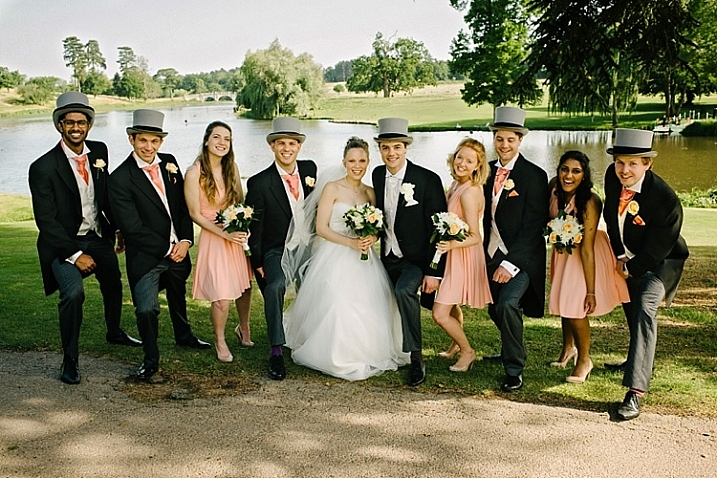
  • Subject: group portraits
  • Skills required: suffice to say you really need to have a solid understanding of the exposure triangle and depth of field
  • Lenses and gear needed: wide and zooms (you may also need speedlights and other lighting gear)

wedding-photography-how-specialized-is-it

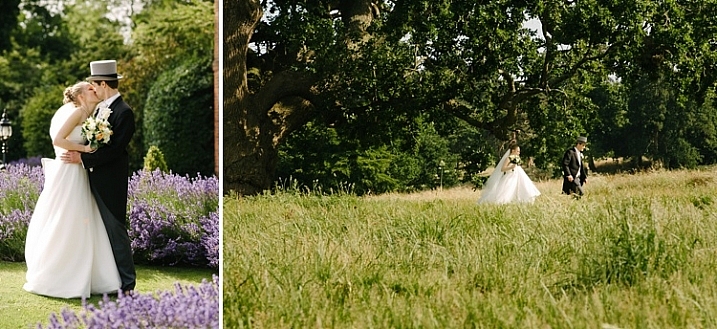
  • Subject: portraits of the bride and groom
  • Skills needed: portrait photography experience, creativity, wide scenes, night scenes, people skills
  • Lenses: 50mm, 85mm, 105mm, 70-200mm, wider primes and zooms

wedding-photography-how-specialized-is-it

  • Subject: reception and leaving
  • Skills needed: lighting and use of flash, cake and food photography, working in low light conditions
  • Lenses: 24-70mm, 70-200mm, macro, large aperture lenses like a 50mm f/1.8

wedding-specialist_0007

To be a good wedding photographer, at the very least, you need to know how to shoot each component mentioned above, to a degree better than the average person with a shiny new camera or DSLR can. You are being paid to do the job, and that’s the bare minimum expected of you. To be a great wedding photographer, you need to be confident in your skills to deliver amazing photos in all these areas.

wedding-photography-how-specialized-is-it

As a wedding photographer just how much of a specialist are you?

How many wedding photographers wake up one day, pick up a camera, decide to be a wedding photographer, and shoot an entire wedding knowing only one single thing? I would hazard a guess that many successful wedding photographers have spent hours behind the scenes, learning the ins and outs of various types of photography and the appropriate lens to use for each. Or they have done sessions in many, or all of the other areas of photography listed above, to get to a place where they can photograph a wedding and all the elements that come with it, and reach a very good, if not first-class standard.

wedding-photography-how-specialized-is-it

Wedding photography is a world of its own, and cannot be compared to something like purely wildlife photography or macro photography, and other highly specialized types of photography. Within the wedding photography world are various challenges, and you have to be a special kind of photographer to meet all those demands, while keeping cool and being on the ball throughout the entire day. Looking at this industry holistically, yes it is a specialism in itself given the amount of variety and skill required.

wedding-photography-how-specialized-is-it

But the deeper question is, do you think wedding photographers are specialists, or do they have to be a bit of everything to be considered good, high standard, or even an exceptional wedding photographer? Can someone be a specialist in all these areas and apply these specialisms into one global category such as wedding photography? Does knowing a bit of everything to fulfill the demands of wedding photography make a wedding photographer a jack of all trades, or a wedding specialist?

wedding-photography-how-specialized-is-it

wedding-photography-how-specialized-is-it

It would be interesting to know what you think. Share your thoughts here and let’s start a discussion!

googletag.cmd.push(function() {
tablet_slots.push( googletag.defineSlot( “/1005424/_dPSv4_tab-all-article-bottom_(300×250)”, [300, 250], “pb-ad-78623” ).addService( googletag.pubads() ) ); } );

googletag.cmd.push(function() {
mobile_slots.push( googletag.defineSlot( “/1005424/_dPSv4_mob-all-article-bottom_(300×250)”, [300, 250], “pb-ad-78158” ).addService( googletag.pubads() ) ); } );

The post Wedding Photography – Just How Specialized is it? by Lily Sawyer appeared first on Digital Photography School.


Digital Photography School

 
Comments Off on Wedding Photography – Just How Specialized is it?

Posted in Photography