RSS
 

Posts Tagged ‘Photography’

Logos for Photography Business: 5 Trends to Use

30 May

A well-designed logo is a must-have tool for any photographer and studio wants to be seen on the market. According to many analysts, a logo plays an important role in entrepreneur’s success. Especially, if it’s a part of a brand identity. Use the following trends and ideas to create a powerful logo for your photography business and grab the attention Continue Reading

The post Logos for Photography Business: 5 Trends to Use appeared first on Photodoto.


Photodoto

 
Comments Off on Logos for Photography Business: 5 Trends to Use

Posted in Photography


Weekly Photography Challenge – Flowing Water

28 May
Franck Michel

By Franck Michel

Start by viewing these 23 images of flowing water to get some inspiration.

Then read some articles on the subject:

  • 3 Tips for Waterfall Photography Beyond Just Using a Long Exposure
  • Simple Tips for Photographing Waterfalls
  • 7 Tips to Help Improve Your Seascape Photos by Controlling the Waves
  • How to Create a Silky Water Effect in Post-Processing without Using Filters or a Tripod
  • 9 Top Tips for Shooting Waterfalls, Creeks and Streams
Jacob Surland

By Jacob Surland

Jon Rawlinson

By Jon Rawlinson

Andy Rothwell

By Andy Rothwell

Weekly Photography Challenge – Flowing Water

This week your challenge is to find some running water and photograph it. Here are a few ideas, you don’t have to be near a waterfall:

  • River
  • Stream
  • Waterfall
  • Ocean waves
  • Fountain
  • Shower in your bathroom
  • Kitchen tap
James Niland

By James Niland

Tarek

By Tarek

Riccardo Cuppini

By Riccardo Cuppini

Share your images below:

Simply upload your shot into the comment field (look for the little camera icon in the Disqus comments section) and they’ll get embedded for us all to see or if you’d prefer upload them to your favourite photo sharing site and leave the link to them. Show me your best images in this week’s challenge. Sometimes it takes a while for an image to appear so be patient and try not to post the same image twice.

googletag.cmd.push(function() {
tablet_slots.push( googletag.defineSlot( “/1005424/_dPSv4_tab-all-article-bottom_(300×250)”, [300, 250], “pb-ad-78623” ).addService( googletag.pubads() ) ); } );

googletag.cmd.push(function() {
mobile_slots.push( googletag.defineSlot( “/1005424/_dPSv4_mob-all-article-bottom_(300×250)”, [300, 250], “pb-ad-78158” ).addService( googletag.pubads() ) ); } );

The post Weekly Photography Challenge – Flowing Water by Darlene Hildebrandt appeared first on Digital Photography School.


Digital Photography School

 
Comments Off on Weekly Photography Challenge – Flowing Water

Posted in Photography


How Two Weeks in the Wilderness with One Prime Lens Restored My Love for Photography

27 May

If you have read a few of my previous pieces here on the Digital Photography School like “5 Uncomfortable Truths about Photography“, or “How Making Horrible Photos Will Lead to More Keepers“, you’ll know that I have a much greater respect for learning, effort, and practice than I have for the latest and greatest gear. Good photography does not rely on equipment or rules.

But what happens if you lose your will to produce? What happens when the desire to make images simply slips away?

It happened to me last year, I just stopped wanting to make images. For most of the summer, my busiest and usually most productive season, I had no desire to shoot. Out of habit I still carried a camera on the wilderness trips I guide, and on personal trips across Alaska, but the images I made were few and lackluster. Now, a year later, I cringe to look through those, at the missed opportunities.

I broke out of the funk, but not the way I expected. Tired of carrying along gear I wasn’t using, for the final trip of my summer season, a 17 day pack-rafting trip in the Arctic National Wildlife Refuge, I carried only a camera body and one single 24mm f/2.8 prime lens.

AK-ANWR-Katakturuk-Canning-Packraft-1085-88

It wasn’t a creative decision, I took that combo because it was the best way to make my kit as light possible and still get the quality I wanted, and the lens and camera fit easily in a small holster style case that I carried, attached to the chest straps of my pack.

Toward the end of August my two clients and I flew from Fairbanks, Alaska north toward the Arctic National Wildlife Refuge. We passed little ranges of mountains in the interior, above the Yukon Flats, and over the rugged high peaks of the Brooks Range. Just to the north of the mountains on the arctic coastal plain of the refuge, the pilot descended, picked the unmarked strip out of the landscape, and settled the oversize wheels of the bush plane down onto the autumn tundra.

Within a few minutes of landing, we’d unloaded our heavy packs and the pilot was rocketing down the grass and into the air. He was the last person we’d see for more than two weeks.

The first 10 days of the trip were dedicating to hiking, though the mileage was such that we could take a day or two off periodically, which was good, because when the first snow storms of autumn hit a week into the trip, we were in no mood to walk.

AK-ANWR-Katakturuk-Canning-Packraft-1085-102

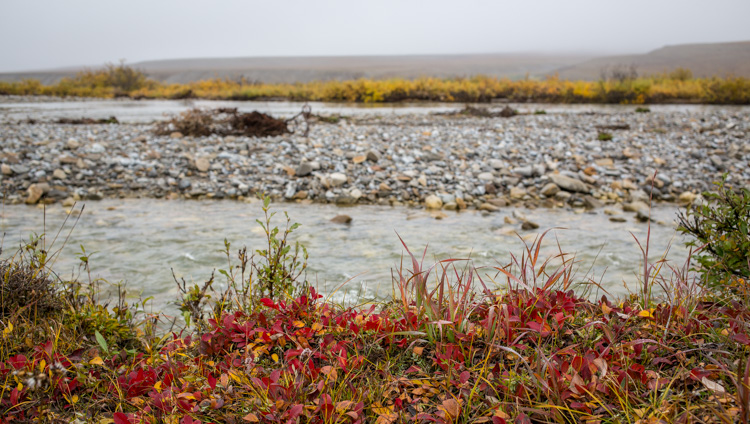
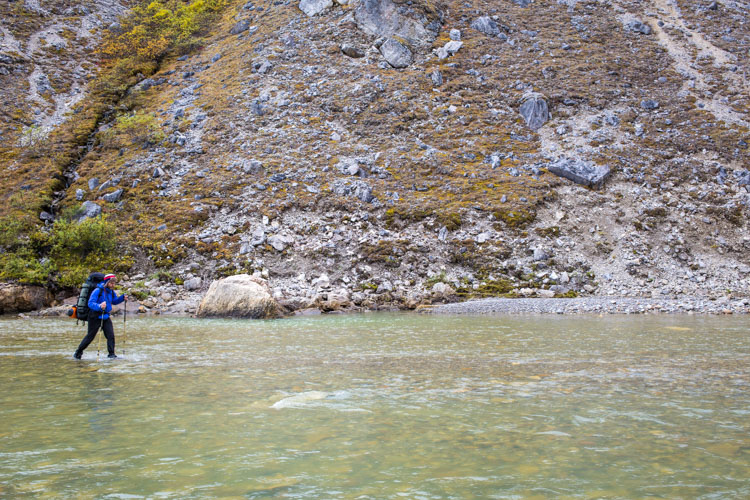
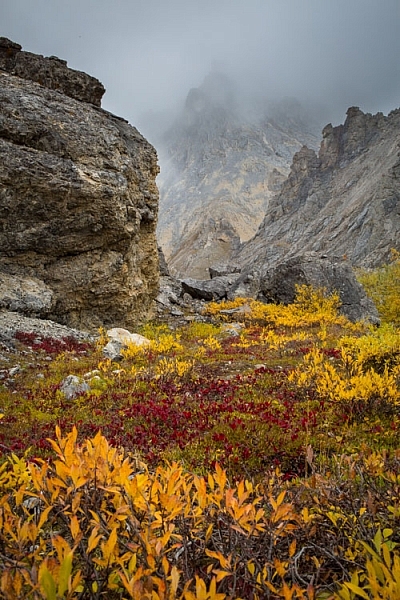
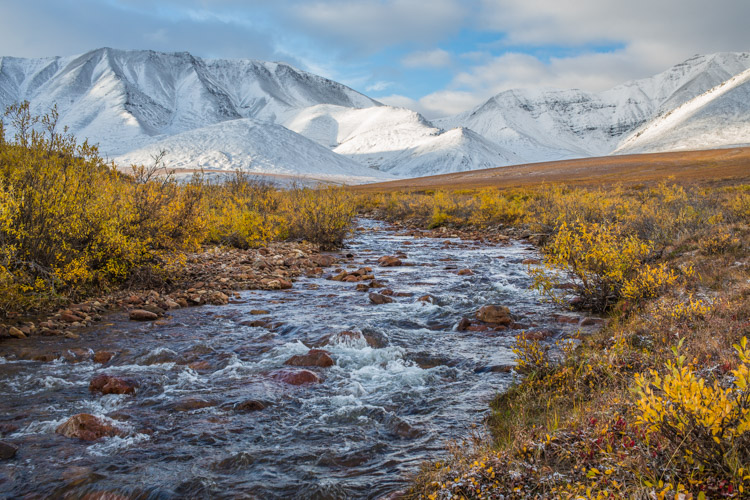
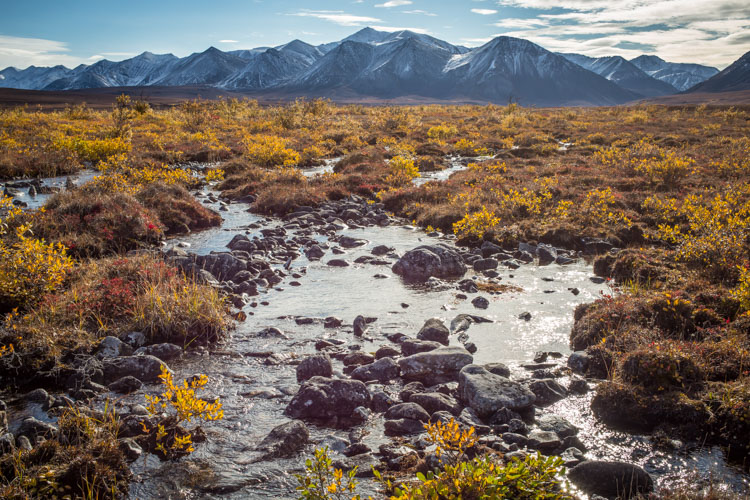
The route carried us through a narrow gap in the mountains cut by a small river. We walked through that gap on a cold, windy day when low clouds obscured the tops of the mountains. We had to criss-cross the river, and our feet were constantly soggy. But the willows along the creek and the small patches of tundra were bright with autumn colors, and a much-needed distraction from the cold.

Once on that first day, just once, I was stopped in my tracks by a scene that had to be photographed. I’d made photos earlier in the trip, but they’d been snapshots. This was a scene that inspired me; a rare thing.

The simple camera and lens setup removed much of the tedious decision making. There was no easy compositional escape in the form of a zoom lens, rather I had to move about to make the scene come together. I worked within the restraints of the lens (which were numerous), and it was utterly liberating.

AK-ANWR-Katakturuk-Canning-Packraft-1085-135

I gave the image five whole minutes before the chill forced us on, and for the first time all summer, five minutes wasn’t enough.

The following day, we woke to clouds, shredded by the previous day’s winds, and big patches of blue shone through, bright and optimistic. We hiked over a low pass, and watched a Grizzly sow and two young cubs graze in a sedge meadow a quarter mile and two hundred vertical feet below. My little lens didn’t have a prayer of making anything more than a token image of the brown specks on the tundra below. Instead I peered down through binoculars as the bears dug up sedges and combed berries from the bushes with their teeth.

AK-ANWR-Katakturuk-Canning-Packraft-1085-277

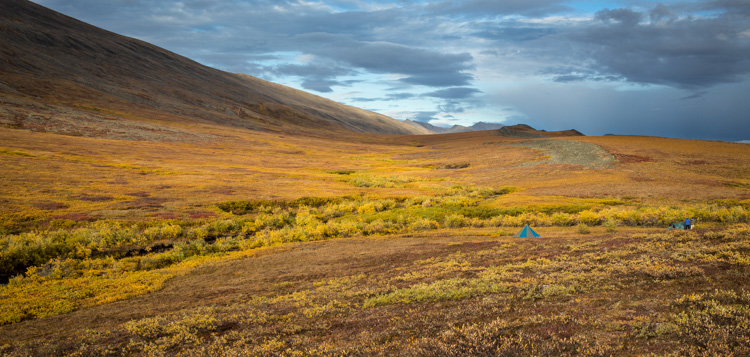
On the sixth day, the storm hit. We were camped on a meadow of soft, dry tundra above a small creek when the winds shifted from a pleasing breeze from the east, to a howling gale from the west. It happened in moments, the speed of the weather change taking me completely by surprise. Rain, then pelletized snow arrived, followed by a genuine snow storm in the night. For two solid days we were battered by the strongest winds and most intense storm I’ve ever experienced in the Brooks Range. Just keeping our tents standing was a constant battle.

AK-ANWR-Katakturuk-Canning-Packraft-1085-582

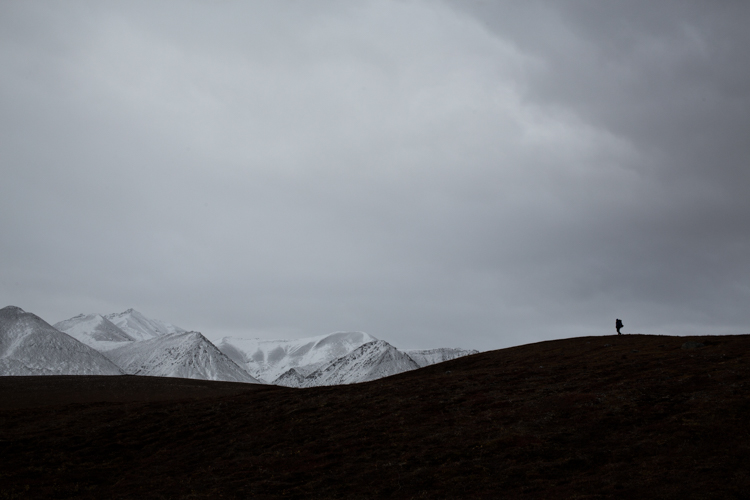
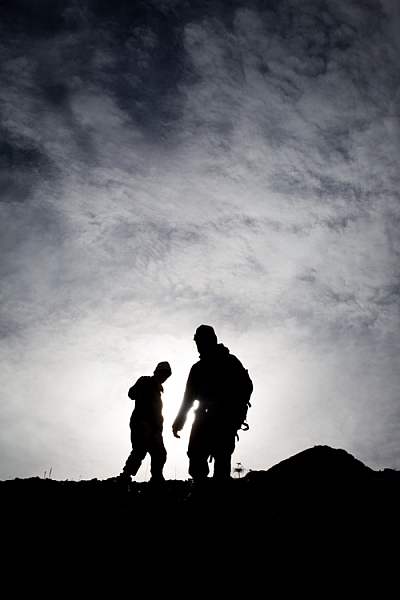
Yet in that time, my clients and I managed a few excursions away from camp. We climbed up to a low ridge where the full brunt of the west wind hit us hard. There, we leaned into the gale and watched the falling snow tear across the tundra.

It wasn’t a photogenic scene, at least not by traditional standards, and yet I made images because I wanted to. Creativity, quite suddenly, brightened up like a cartoon bulb over my head.

AK-ANWR-Katakturuk-Canning-Packraft-1085-504

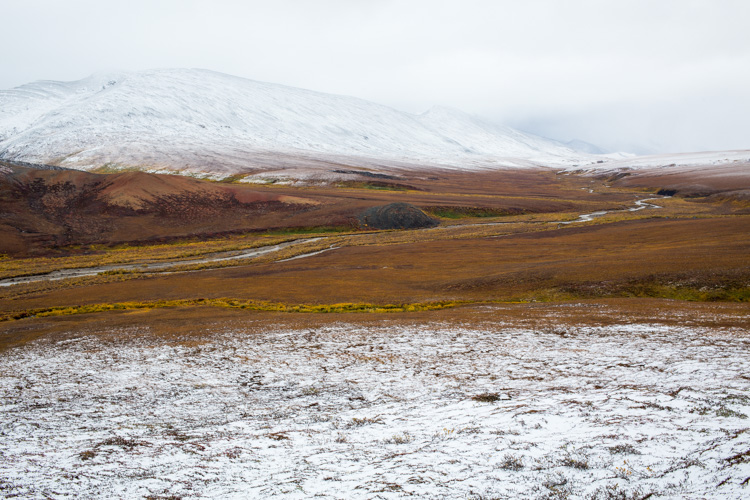
On the third morning, before I even opened my eyes, I knew the storm had passed. My tent wasn’t shuddering in the wind, and when I did lift my eyelids, I could see the day was too bright to be dominated by clouds.

Emerging from my tent, I saw that fresh snow cloaked the mountains and dusted the tundra around our camp, but blue dominated the sky above. I went for my camera and spent a happy hour making images as the drenched tents and rain gear steamed in the rising sun.

AK-ANWR-Katakturuk-Canning-Packraft-1085-556

Two days later we reached the river and our cache of food and boating gear that had been waiting for us. In those two final days before we traded in our hiking boots for pack-rafts, I think I made more images than I had in the previous three months combined. I couldn’t get enough of it.

AK-ANWR-Katakturuk-Canning-Packraft-1085-384

The 50 miles of paddling stole some of my photographic productivity. (It’s hard to paddle a small bouncing raft through swift, splashing water while taking photos). Nonetheless, as we descended the river out of the mountains and onto the coastal plain, my renewed love for photography stuck with me. Even when another storm hit and we were pinned down for two more days, even when the snow fell in heavy wet flakes, and when the wind tore the autumn colors from the vegetation and shifted the landscape from red and yellow to brown.

AK-ANWR-Katakturuk-Canning-Packraft-1085-643

Our final camp lay where the river met its coastal delta. Caribou criss-crossed the plain in small bands, and migrant birds were congregating in the many lakes. My little lens was no match for the distant wildlife, but it didn’t matter. I’d rediscovered photography, which meant that I was more aware of my surroundings, and the images that lay in it, than I had been for some time. Even if I didn’t have the right equipment to capture some of the photos I found, I recorded them mentally in sharp detail. As it turns out, those mental images are just as rewarding as the ones glowing on my computer screen.

Paging through the images from the trip, I see an interesting evolution. The first images are mostly snapshots, but as time passed, and my inspiration picked up steam, the images become more purposeful, more composed… better, even.

Conclusion

Purposefully restricting yourself can be a great tool to boost creativity. It’s a little like playing charades: using limited tools to effectively get your message across. It can be fun, and a bit frustrating. It forces your mind outside its comfortable box, and into a place where creativity is far more important than gear. When, and if, you return to your diverse array of lenses and cameras, you will no longer take all those compositional possibilities for granted.

If you are stuck in a rut, or just want to try something new, give up your zooms for a couple of weeks, only shoot black and white, use your camera exclusively in manual mode, or shoot some film. After, share your experiences in the comments below, I’d love to hear what happens.

googletag.cmd.push(function() {
tablet_slots.push( googletag.defineSlot( “/1005424/_dPSv4_tab-all-article-bottom_(300×250)”, [300, 250], “pb-ad-78623” ).addService( googletag.pubads() ) ); } );

googletag.cmd.push(function() {
mobile_slots.push( googletag.defineSlot( “/1005424/_dPSv4_mob-all-article-bottom_(300×250)”, [300, 250], “pb-ad-78158” ).addService( googletag.pubads() ) ); } );

The post How Two Weeks in the Wilderness with One Prime Lens Restored My Love for Photography by David Shaw appeared first on Digital Photography School.


Digital Photography School

 
Comments Off on How Two Weeks in the Wilderness with One Prime Lens Restored My Love for Photography

Posted in Photography


How to Clean Your Photography Gear and Keep it in Good Shape

23 May

A long time ago when I started my first steps into the photography world, a good friend of mine that worked many years as a photojournalist, told me:

“Treat your camera like a soldier treats his gun, keep it clean and ready to fire!”

I never forgot that advice from him, and I kept a Pentax K1000, my very first camera, in pristine condition to this day. Nowadays things are a bit different, and electronic digital equipment is not really built to last like in the good old days of mechanical equipment.

Modern cameras and lenses are built with a lot of sensitive electronic components, and are much more difficult to maintain. Most of the equipment I use is exposed to the elements, and to a lot of abuse during my shooting sessions, and to me it is fundamental to sometimes take a little bit of time off and make sure everything is clean, working properly, and ready to fire.
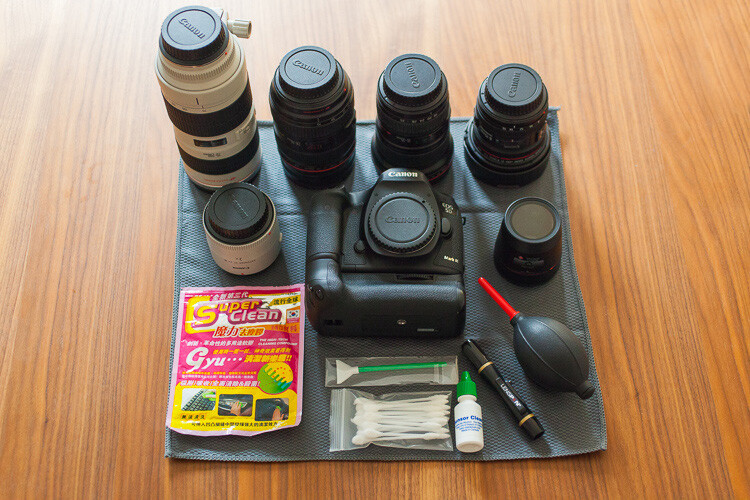
01

In this article I will guide you through the steps I usually take cleaning my photo equipment.

Like everything in life, everyone has their own method of doing things. The way I do this process might not be perfect, but it is the best method I have used so far, with all the tips and tricks I have been collecting along the years.

To start, I always try to be in a dust free environment, and have an anti-static microfiber cloth under the equipment I am cleaning. This is really important because your equipment is going to grab all the dust that is in the air like a magnet every time you try to clean it.

The way I do it is always to go from the outside to the inside, meaning I always clean the outer part of the lenses before I clean the glass, and I always clean the outside of the camera body before I clean the sensor. This way I gradually eliminate the dust that is stuck to the equipment.

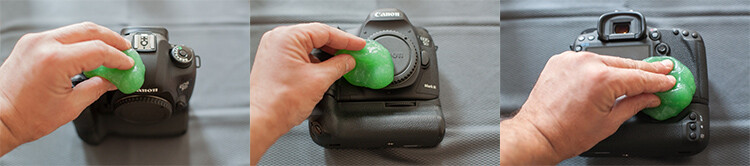
Starting with the lenses, I used to just clean the outside of the lens with a microfiber cloth, and use a blower to keep the dust away. But a few years ago I was introduced to a new product from Japan that was the answer to all the germophobes that were really concerned with all the germs computer keyboards collect.

02

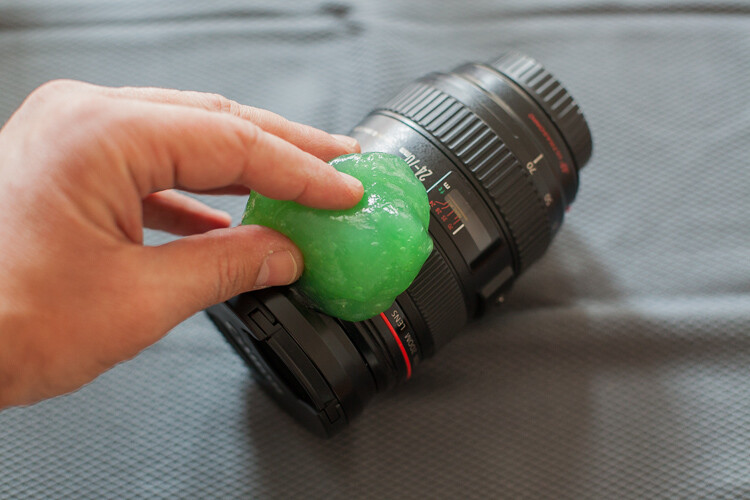
This cleaning compound is like a sticky jelly, with anti-bacterial properties that can be used on everything you want to keep clean and germ free.

I use it on the outside of my lenses and camera body, always with the caps on, because it is not supposed to be used on glass.
03

This product was expensive, and really hard to find when I first bought it, but nowadays it seems to be much cheaper and available in most stores online.

I find it really useful to clean the camera body in the buttons areas, where it collects a lot of dust that is difficult to clean.
04

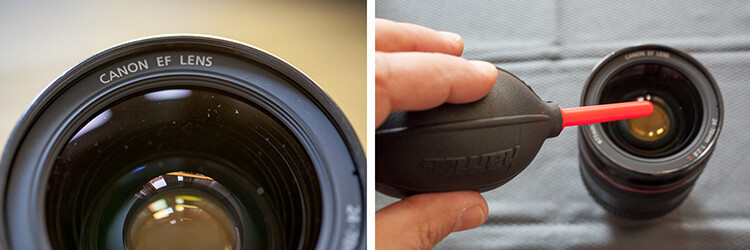
Next it’s time to concentrate on the glass

Dust specs are really difficult to keep away from your lenses, and you should never try to wipe the glass off with a cloth like most people do. Wiping off dust might result in scratching your lens. The correct process should always be to blow it off first. You can use a blower or a compressed air can, and this way you remove the dust but don’t touch the glass.
05

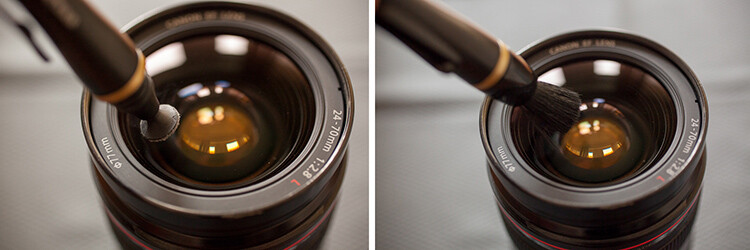
Now the dust is gone it is time to clean eventual smudges or fingerprints you might have on the glass. My favorite tool for this process is the Lens Pen. It has a tip with a soft compound that is made to safely wipe the glass, without damaging it.

After cleaning with the soft tip, you may use the anti-static brush on the other side of the pen to get rid of any dust that is still around.

I usually don’t use any lens cleaning fluid unless it’s really needed. Those kinds of chemicals are never good for your lens coating, but if your lens has grease smudges, then cleaning fluid and a soft cloth might be the only solution.
06

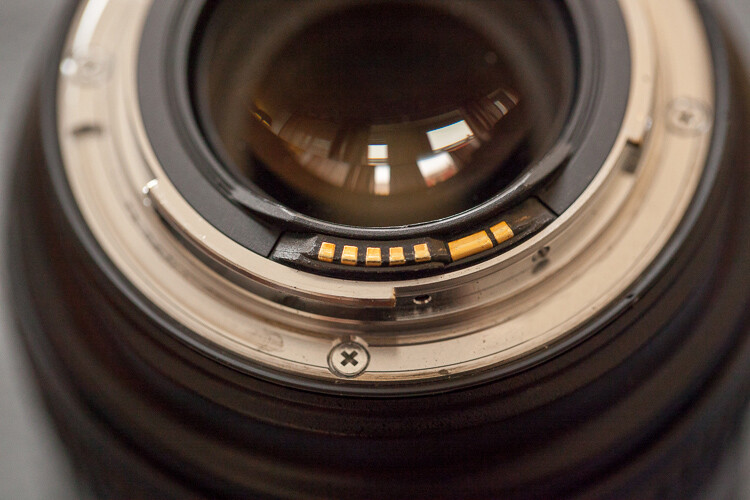
Repeat that process on the glass on the other side of your lens, and while you’re at it it’s also a good idea to check the electrical contacts of your lens (metal parts on the back). Dirty or oxidized contacts are most often responsible for camera malfunctions or errors, so I always clean them off with a soft cloth.

In extreme situations I have heard of people cleaning these contacts with a rubber or really fine sand paper, but I’ve never had to do anything like that.
07

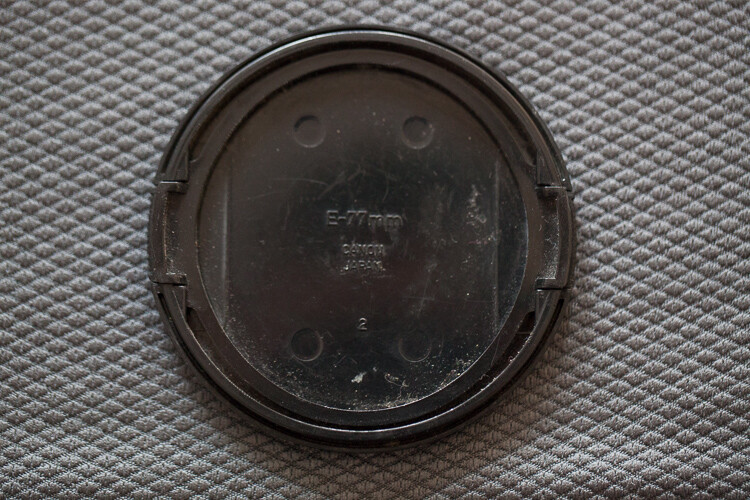
Dirty lens caps are also something to keep in mind to clean, as they always end up in your pocket or at the bottom of your camera bag while you’re photographing, so they collect a lot of dust. It doesn’t make sense to have your lens all cleaned up, then cover it with a dirty cap, the same applies to the body caps.

Replacing your caps with new ones from time to time might be a good idea, as they are not that expensive and give your equipment a newer look.
08

Now it is time to clean the camera body

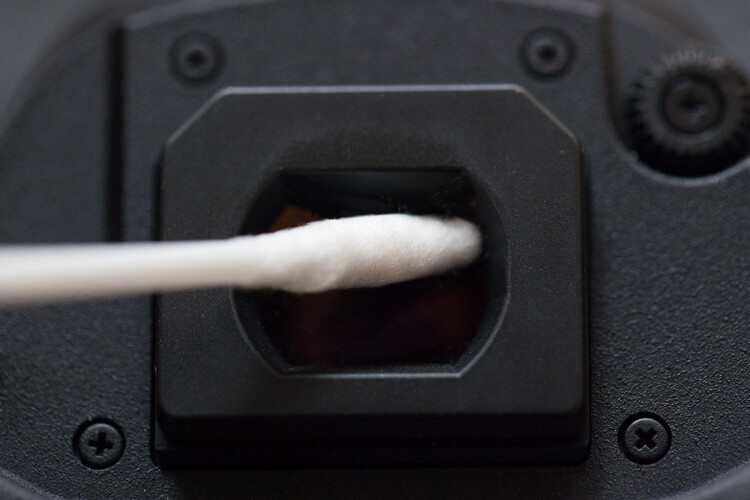
After cleaning the outside with the anti-bacterial jelly compound, I usually clean the viewfinder. That is a difficult operation as it is a small, deep, and difficult to reach area. My trick for it is Q-Tips, but not the regular ones. I use some special ones made for babies that have a smaller pointy tip, and are made from a softer cotton, which allows a deeper and more efficient cleaning.
09

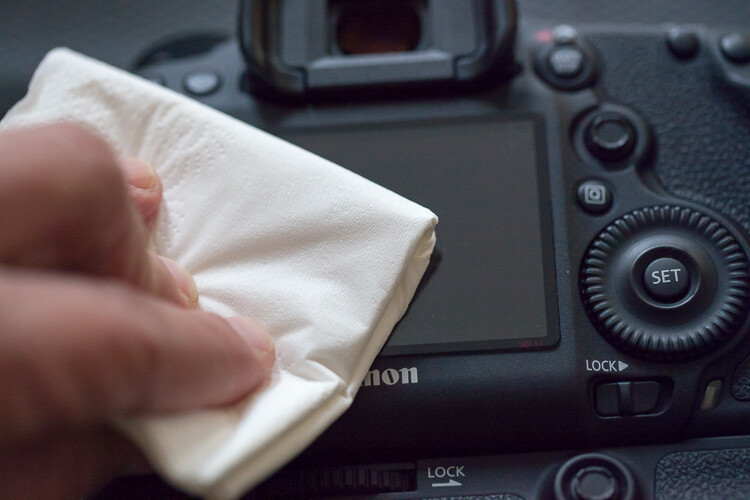
Next I clean the LCD screen glass with a little drop of glass cleaner and a paper tissue. This removes all the grease that the LCD screen gets from being stuck to my face all the time.
10

Cleaning the inside of the camera

As tempting as it might be I never try to clean the mirror of the camera. It usually seems to do more harm than good, and it usually sends more dust to the inside of the camera chamber, making it land on the sensor sooner or later.

We finish with the most complicated part of the whole process that is the sensor cleaning.

Camera makers always advise that this process should only be done in the brand’s technical assistance, by a trained technician, so if you are not comfortable with doing this yourself, please don’t try it.

I remember I was a bit scared the first time I tried to clean the sensor myself. But, the fact is that I have done it lots of times, with different cameras over the years, and it always worked out fine. You just have to be careful and do things slowly and steadily.

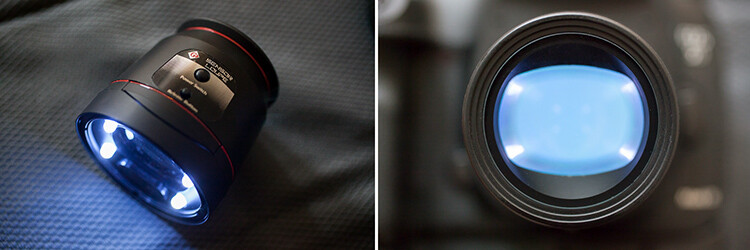
This is a totally optional step, but I usually use a sensor loupe to check the sensor before I clean it. It is a really nice device that illuminates and magnifies the inside of your camera, making it possible to see with good precision any dust that is on your sensor.
11

Now for the cleaning part itself, there are many different systems and brands out there for sensor cleaning. I have tried a few and my favorite is the Vswab by Visible Dust which consists of one time use soft-edge swabs, and a sensor cleaning fluid that you use to clean the sensor from any smudges or dust specs. There are specific swabs for different size sensors, so be sure to buy the correct one for your camera.
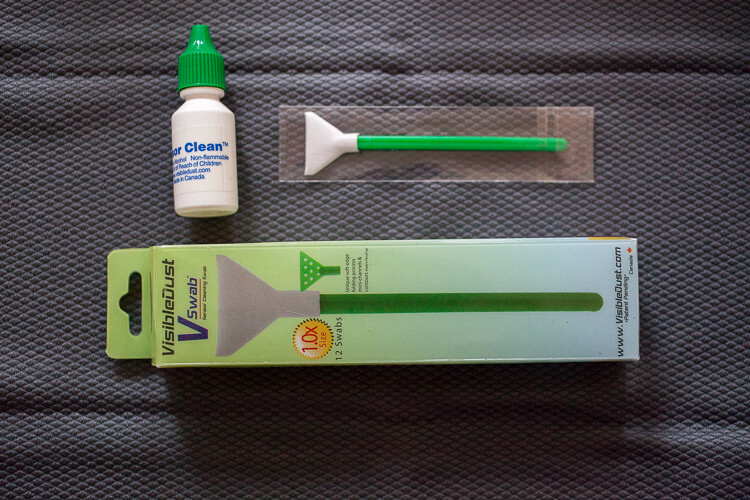
12

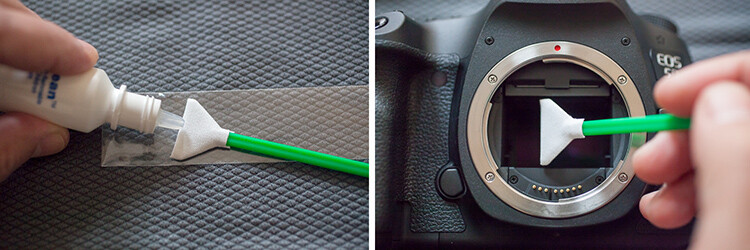
Just get the swab a little wet with the cleaning fluid (a drop or two is all you need) then activate the mirror lockup on your camera (or use the sensor clean setting – check your camera’s user manual if you aren’t sure how to lock it up for cleaning). Wipe your sensor from left to right, just one time, touching it but trying not to apply too much pressure.
Most of the times it works at first, but I always check it again with the sensor loupe after cleaning, and if needed I swab a second time.

Note: Keep it mind that these swabs can only be used one time, so if you go for a second clean use a new swab.

This allows the sensor to be clean all the time, avoiding spots on your images, caused by dust specs the get inside your camera every time you change your lenses.
13

These simple maintenance steps gives me confidence that my equipment is in top shape, and that I can be sure that it is going to work fine next time I pick it up.

Remember, keep it clean and ready to fire!

googletag.cmd.push(function() {
tablet_slots.push( googletag.defineSlot( “/1005424/_dPSv4_tab-all-article-bottom_(300×250)”, [300, 250], “pb-ad-78623” ).addService( googletag.pubads() ) ); } );

googletag.cmd.push(function() {
mobile_slots.push( googletag.defineSlot( “/1005424/_dPSv4_mob-all-article-bottom_(300×250)”, [300, 250], “pb-ad-78158” ).addService( googletag.pubads() ) ); } );

The post How to Clean Your Photography Gear and Keep it in Good Shape by Ivo Guimaraes appeared first on Digital Photography School.


Digital Photography School

 
Comments Off on How to Clean Your Photography Gear and Keep it in Good Shape

Posted in Photography


Weekly Photography Challenge – Signs

21 May

You only have to walk down the street to be bombarded with signs, advertising, street markers, building and business names and more. See some here: Sign of the Times – 27 Significant Images of Signage

Natasha Wheatland

By Natasha Wheatland

Natasha Wheatland

By Natasha Wheatland

Weekly Photography Challenge – Signs

So it’s time to take a walk and see what signs you can find. Maybe do some street photography!

Remember all the principals of good photography still apply: good lighting, good composition, a center of interest, sharpness, etc.

Elisa Greco

By elisa greco

Meena Kadri

By Meena Kadri

ACME

By ACME

Share your images below:

Simply upload your shot into the comment field (look for the little camera icon in the Disqus comments section) and they’ll get embedded for us all to see or if you’d prefer upload them to your favourite photo sharing site and leave the link to them. Show me your best images in this week’s challenge. Sometimes it takes a while for an image to appear so be patient and try not to post the same image twice.

googletag.cmd.push(function() {
tablet_slots.push( googletag.defineSlot( “/1005424/_dPSv4_tab-all-article-bottom_(300×250)”, [300, 250], “pb-ad-78623” ).addService( googletag.pubads() ) ); } );

googletag.cmd.push(function() {
mobile_slots.push( googletag.defineSlot( “/1005424/_dPSv4_mob-all-article-bottom_(300×250)”, [300, 250], “pb-ad-78158” ).addService( googletag.pubads() ) ); } );

The post Weekly Photography Challenge – Signs by Darlene Hildebrandt appeared first on Digital Photography School.


Digital Photography School

 
Comments Off on Weekly Photography Challenge – Signs

Posted in Photography


Which Filters Should You Use for Landscape Photography

19 May

Which filter should you use – if any – for Landscape Photography? It’s a question we hear all the time and one we’ve written about in our archives (we’ll link to some of our posts below) but today we came across this short video from Joshua Cripps where he tackles the question and shows some shots of images taken with the filters – to show what impact they have.

Find more from Joshua at his site here.

Further Reading on How to Use Filters in Your Landscape Photography

  • How to do Dreamy Landscape Photography with a Neutral Density Filter
  • Beginner’s Guide to Buying Filters
  • Polarizing and Neutral Density Filters: Essentials for Landscape Photography
  • Using Graduated Neutral Density filters for Landscape Photography
  • How to Use a 10 Stop Neutral Density Filter to add Drama to the Sky

Check out our Brand New Landscape Lightroom Presets

NewImage

googletag.cmd.push(function() {
tablet_slots.push( googletag.defineSlot( “/1005424/_dPSv4_tab-all-article-bottom_(300×250)”, [300, 250], “pb-ad-78623” ).addService( googletag.pubads() ) ); } );

googletag.cmd.push(function() {
mobile_slots.push( googletag.defineSlot( “/1005424/_dPSv4_mob-all-article-bottom_(300×250)”, [300, 250], “pb-ad-78158” ).addService( googletag.pubads() ) ); } );

The post Which Filters Should You Use for Landscape Photography by Darren Rowse appeared first on Digital Photography School.


Digital Photography School

 
Comments Off on Which Filters Should You Use for Landscape Photography

Posted in Photography


Long Exposure Fire Photography – 5 Tips for Beginners

15 May
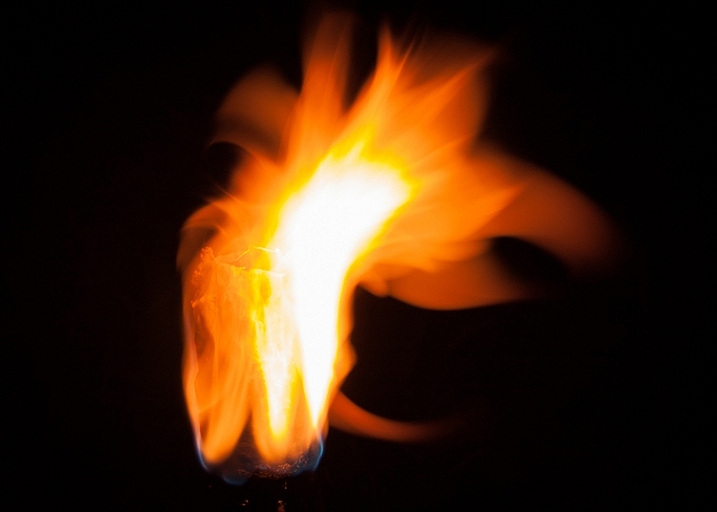
tips for long exposure fire photography

ISO 100, f/10, shutter speed 5.0 seconds

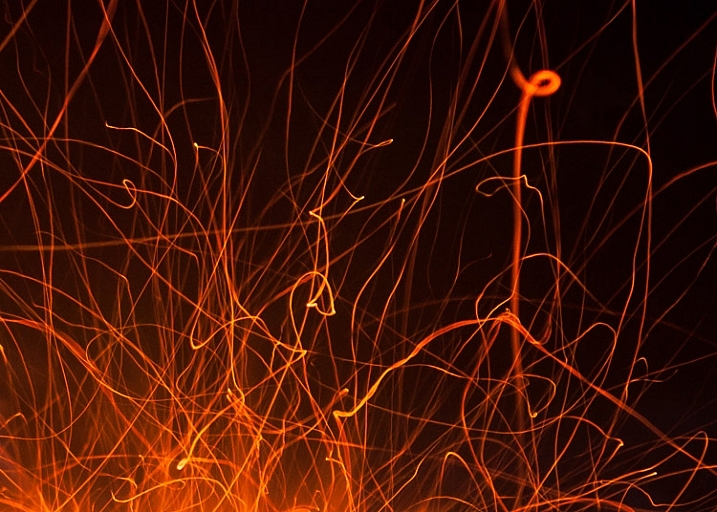
A long exposure photo can make flames look soft and feathery, capture spark trails, and be used to create a romantic or cozy mood. The tips in this article will help you get started with long exposure fire photography.

Long exposure fire photography: 5 tips for beginners

Remember to be careful as you practice your fire photography. Fire can be dangerous, and it’s easy to be careless when we’re thinking more about our photography than the fire. Maintaining a safe distance is important for you and your gear.

1. Use a slow shutter speed

To take a long exposure photo, the shutter in your camera needs to be open long enough to blur motion and light. Here are a couple of ways to ensure that the shutter stays open:

  • Shutter Priority: you choose the shutter speed
  • Aperture Priority: the camera chooses the shutter speed

Shutter Priority

Put your camera in Shutter Priority mode, choose your desired shutter speed, and let the camera do the rest.

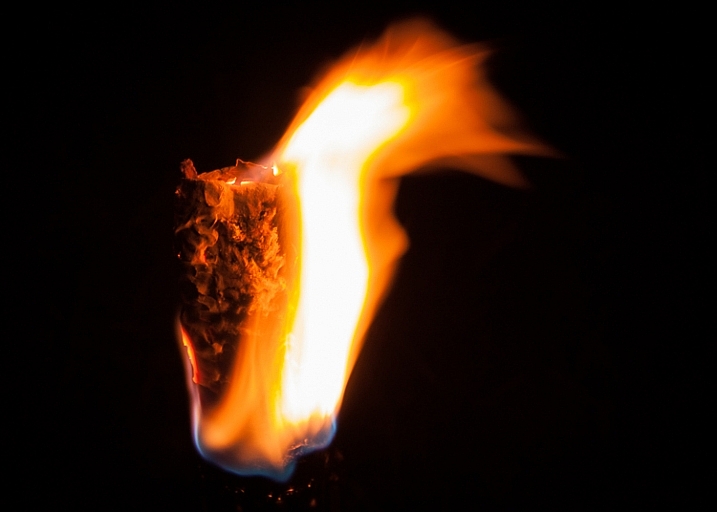
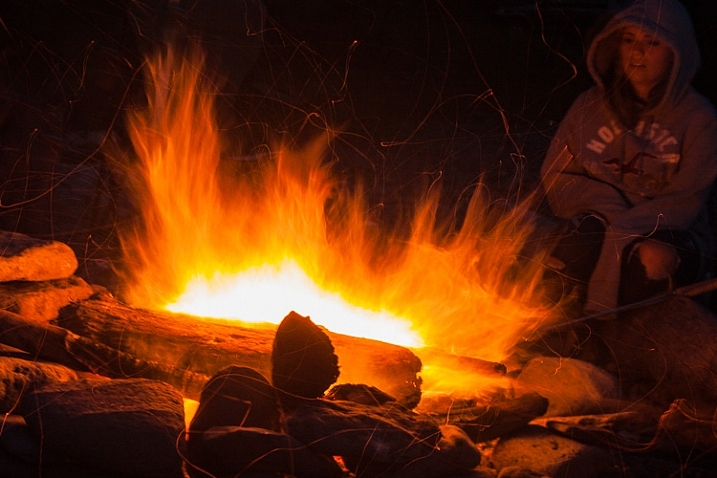
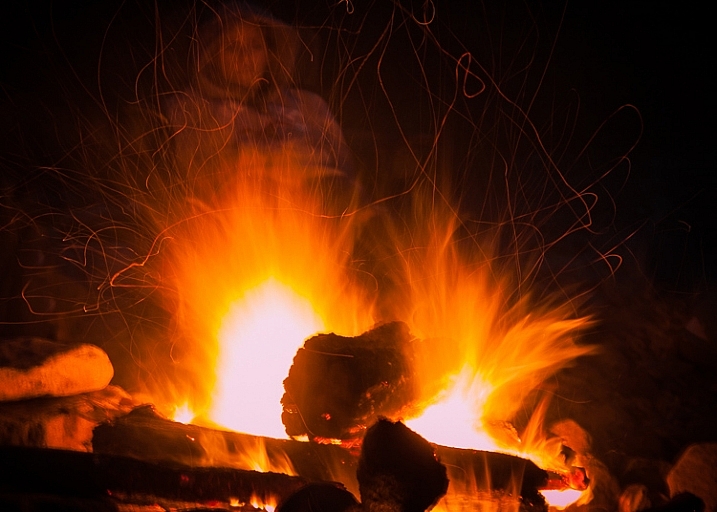
This will force your camera to let in light for the amount of time you’ve chosen. This means your camera will be choosing your ISO (if it’s set to auto) and your aperture. This will give you varied results depending on how much light is available. Using Shutter Priority in this way can be fun. When you choose a shutter speed of five or six seconds, you can capture interesting flame shapes, and lots of spark trails. The bonfire and torch photos in this article were captured in Shutter Priority mode.

long exposure fire photo

ISO 100, f/11, shutter speed 6.0 seconds

Aperture Priority

You could also put your camera in Aperture Priority, choose a mid-range aperture (f/8 – f/11,) set a low ISO (100 – 200,) and let your camera choose the shutter speed. If you’re shooting at night (when it’s really dark) and the fire is your light source, your camera will choose a slow shutter speed. This should give you a photo with large depth of field, relatively free of grain (noise).

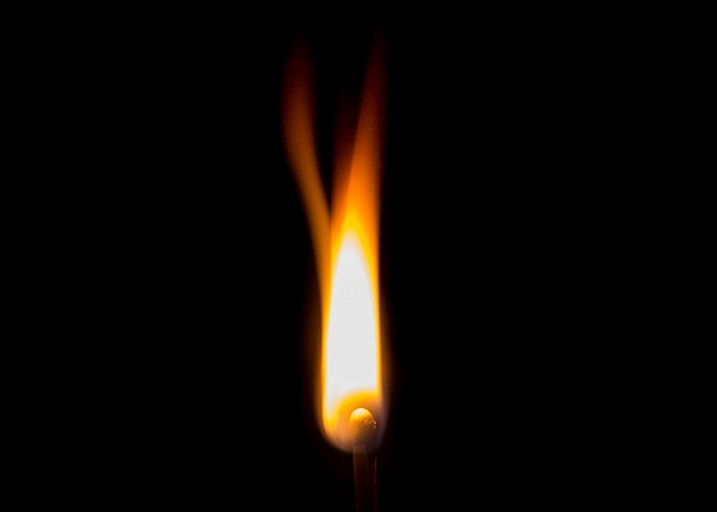
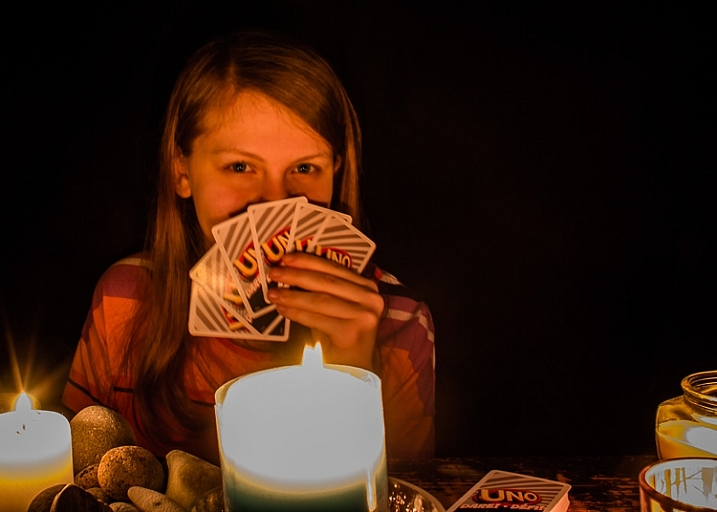
If this causes your shutter to be open for longer than you want, increase the ISO. This will start adding noise, which can be reduced during editing. The card game and match photos in this article were shot using Aperture Priority.

long exposure flame photo

ISO 100, f/11, shutter speed one second

Those are a couple of suggestions to get you started. Long exposure fire photography is all about playing around and having fun. Try lots of different apertures and shutter speeds. If you’re like me, you’ll get excited as you review each shot, and see the interesting shapes you’ve captured.

2. Set your camera on a tripod

When using a long exposure, you’ll want to reduce camera shake which results in blurry photos. Camera shake occurs when the camera moves while the shutter is open. Slow shutter speeds (of more than one second) make it impossible to hand-hold your camera, and still get sharp images. Using a tripod will keep your camera steady.

3. Use a remote shutter release or set the self-timer

Your remote (or the camera’s self-timed shutter release) can also help you cut down on camera shake. When you press the shutter release manually the camera moves a little, this could cause blur in your photo. But when you use a remote shutter release (or set your camera’s self-timer) you don’t have to worry about that. This may seem like a small thing, but it can make a big difference to your image sharpness.

long exposure fire spark trails

Spark trails. ISO 320, f/6.3, shutter speed 6.0 seconds

When capturing match flames the remote works best. It’s super frustrating trying to capture that flame burst while waiting for the camera’s self-timer.

4. Choose your subject

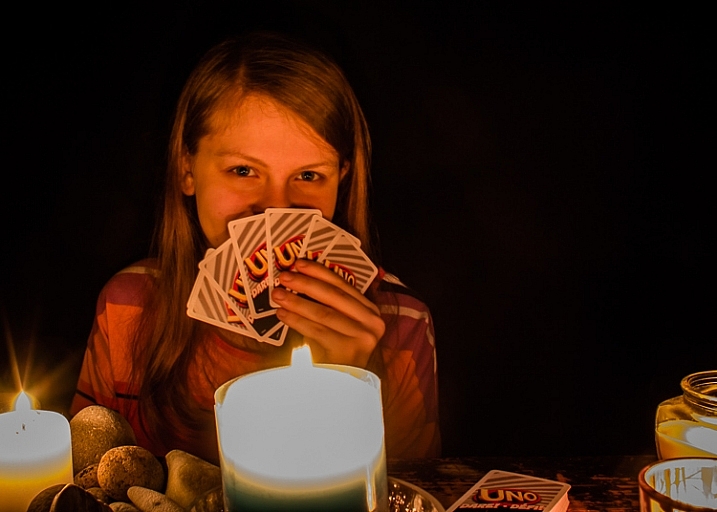
Do you want your main focus to be the fire itself? Or are you trying to capture more of the mood created by the fire? While capturing the mood, it can be tricky to focus on people. It’s not easy to sit still during a long exposure and any movement will create blur in your photo.

The following photos were shot in Aperture Priority mode, with an aperture of f/8. For the first photo, I set the ISO at 100, and my camera chose a shutter speed of 5 seconds. That was too long for my daughter to stay still, so the photo is blurry.

long exposure fire photography tips 3

ISO 200, f/8, shutter speed 5.0 seconds (blurry)

For the second photo, I set the ISO to 400 which cut the shutter speed in half = 2.5 seconds. That was a little easier for her, and the photo is clearer.

long exposure fire photography tips 2

ISO 400, f/8, shutter speed 2.5 seconds

5. Switch to manual focus

Sometimes auto focus doesn’t work well in the dark.

Here’s how to focus on something other than the fire: Shine your flashlight on the subject, and press the shutter release button halfway. When autofocus locks on, turn off the light and switch to manual focus. Without moving or adjusting anything on the camera, take your shot. Your camera will maintain the same focus point – as long as nothing is adjusted.

Note: you could also try back button focus.

Where will you practice?

Do you enjoy a cozy fire at your campsite, or having bonfires at the beach? Do you like candlelit dinners? Or what about backyard marshmallow roasts? All of these would be great places to practice long exposure fire photography.

long exposure bonfire

ISO 160, f/5.6, shutter speed 6.0 seconds

Experimenting with long exposures around a campfire can be a little addictive. I’ll bet the more you practice, the more fun you’ll have.

Don’t forget your flashlight! You’ll need it to see your camera controls, for help with focusing, and to get safely back to your car.

long exposure fire photography tips

ISO 100, f/16, shutter speed 5.0 seconds

Please share your tips and photos by commenting on this article.

googletag.cmd.push(function() {
tablet_slots.push( googletag.defineSlot( “/1005424/_dPSv4_tab-all-article-bottom_(300×250)”, [300, 250], “pb-ad-78623” ).addService( googletag.pubads() ) ); } );

googletag.cmd.push(function() {
mobile_slots.push( googletag.defineSlot( “/1005424/_dPSv4_mob-all-article-bottom_(300×250)”, [300, 250], “pb-ad-78158” ).addService( googletag.pubads() ) ); } );

The post Long Exposure Fire Photography – 5 Tips for Beginners by Dena Haines appeared first on Digital Photography School.


Digital Photography School

 
Comments Off on Long Exposure Fire Photography – 5 Tips for Beginners

Posted in Photography


Weekly Photography Challenge – Spiral Staircases

14 May

Fibonacci sequence, the golden mean, the golden ratio – a series of numbers recognized and named after an Italian mathematician. If you look around it’s everywhere, in nature and man-made things.

Mark Strozier

By Mark Strozier

Roger Jones

By Roger Jones

In this week’s challenge we’re going to concentrate on the latter, specifically spiral staircases.

Weekly Photography Challenge – Spiral Staircases

As you go about your daily life be on the lookout for spiral staircases. Got an appointment – take the stairs instead of the elevator and see what you can find. Look in historic buildings, museums, churches, on fire escapes, industrial buildings, and architecturally interesting structures.

Cleber Mori

By Cleber Mori

Mack444

By Mack444

Cornelli2010

By Cornelli2010

Read: Divine Composition With Fibonacci’s Ratio (The Rule of Thirds on Steroids)

Share your images below:

Simply upload your shot into the comment field (look for the little camera icon in the Disqus comments section) and they’ll get embedded for us all to see or if you’d prefer upload them to your favourite photo sharing site and leave the link to them. Show me your best images in this week’s challenge. Sometimes it takes a while for an image to appear so be patient and try not to post the same image twice.

Vincent Ferron

By Vincent Ferron

Sean_hickin

By sean_hickin

If you can’t find one – build your own!

Katie Walker

By Katie Walker

googletag.cmd.push(function() {
tablet_slots.push( googletag.defineSlot( “/1005424/_dPSv4_tab-all-article-bottom_(300×250)”, [300, 250], “pb-ad-78623” ).addService( googletag.pubads() ) ); } );

googletag.cmd.push(function() {
mobile_slots.push( googletag.defineSlot( “/1005424/_dPSv4_mob-all-article-bottom_(300×250)”, [300, 250], “pb-ad-78158” ).addService( googletag.pubads() ) ); } );

The post Weekly Photography Challenge – Spiral Staircases by Darlene Hildebrandt appeared first on Digital Photography School.


Digital Photography School

 
Comments Off on Weekly Photography Challenge – Spiral Staircases

Posted in Photography


Splash Photography: How to Capture Liquid Motion

13 May

Freezing motion using high-speed photography basically gives you magic powers!

It gives you the power to stop time and enables you to see what your eyes are otherwise unable to process.

Capturing these micro movements for a fascinating look into things happening too fast for our own vision to grasp, is simpler than you think.

We’re here to show you a simple setup for capturing the intricate and unique freeze frame drops created during a splash.

With a little patience and some help from a friend, you’ll be surprised at how easy they are to create.

(…)
Read the rest of Splash Photography: How to Capture Liquid Motion (585 words)


© laurel for Photojojo, 2016. |
Permalink |
No comment |
Add to
del.icio.us

Post tags:


Photojojo

 
Comments Off on Splash Photography: How to Capture Liquid Motion

Posted in Equipment


Transform Your Landscape Photography in a Click with our New Lightroom Presets (60% off Today)

12 May

NewImageDo you take landscape photos? Are you a Lightroom* user? Do you need a little help to lift your landscape shots to the next level?

Today we’re excited to announce the launch of our all new Adobe Lightroom® presets bundle: 101 Landscape Lightroom presets.

With our new presets pack, transforming your landscape shots is a breeze.

And for a limited time, the pack can be yours for the special introductory price of just USD $ 20 (that’s 60% off).

Check them out here.

In this massive pack of 101 presets you’ll get these 6 collections to suit all scenery seasons:

  • Spring / Summer collection
  • Fantastic Fall
  • Wonderous Winter
  • Stunning Black & Whites
  • Creative Horizons
  • Mono Toned
  • Plus you get a bonus Toolbox collection with 29 presets designed to be stackable for making simple adjustments.

Created by professional landscape photographer Sarah Sisson (co author of our best selling eBooks Living Landscapes which is all about how to take great landscapes and Loving Landscapes which is a guide to post processing landscapes), she’s done all the hard work for you so you can get the perfect edit for every photo without the fuss.

Simply apply the effect and adjust as desired… It’s that easy!

You’ll save a whole heap of processing time, while giving your images an instant “pop”. See Sarah demonstrate in the video below.

101 Landscape Lightroom Presets from Digital Photography School on Vimeo.

Transform your photos in just one click. Pick up our 101 Landscape Lightroom Presets today – while we’re still offering it at the introductory price.

*Please note: a copy of Adobe Lightroom is required to use these presets.

Also: Haven’t used presets before? No worries. Full instructions are included in the pack.

googletag.cmd.push(function() {
tablet_slots.push( googletag.defineSlot( “/1005424/_dPSv4_tab-all-article-bottom_(300×250)”, [300, 250], “pb-ad-78623” ).addService( googletag.pubads() ) ); } );

googletag.cmd.push(function() {
mobile_slots.push( googletag.defineSlot( “/1005424/_dPSv4_mob-all-article-bottom_(300×250)”, [300, 250], “pb-ad-78158” ).addService( googletag.pubads() ) ); } );

The post Transform Your Landscape Photography in a Click with our New Lightroom Presets (60% off Today) by Darren Rowse appeared first on Digital Photography School.


Digital Photography School

 
Comments Off on Transform Your Landscape Photography in a Click with our New Lightroom Presets (60% off Today)

Posted in Photography