RSS
 

Posts Tagged ‘Photographing’

Tips for Photographing Head Shots

13 Oct

I’m always amazed when I take professional head shots how every photo shoot presents different challenges. That’s the beauty, and sometimes frustrating part of being a photographer. No shoot is the same.

When you have a model as the subject in front of your lens, being able to nail that shot will be a lot easier. What do I mean by easier? Models know how to pose and appear more relaxed in front of the camera than others. Straight away, you can concentrate on taking photos with little or minimal direction of your model.

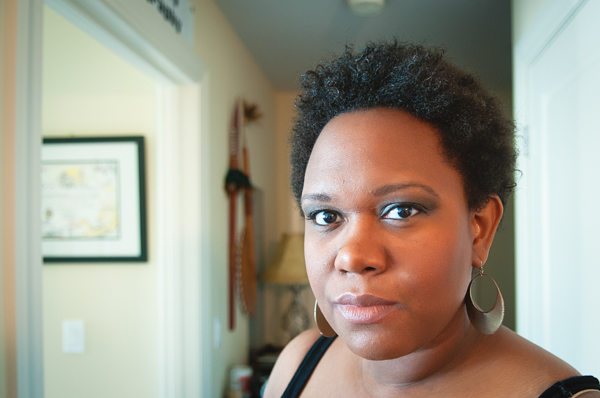
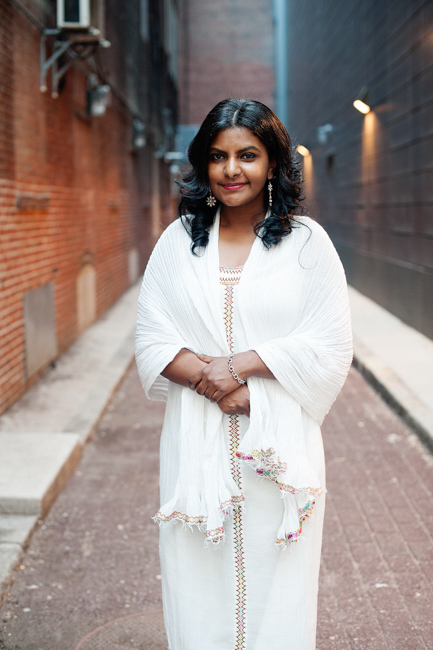
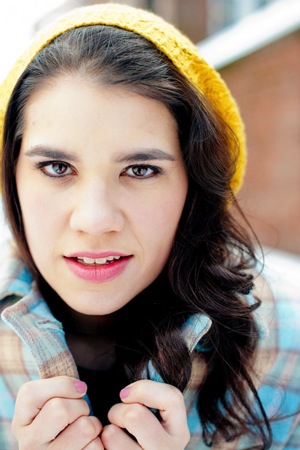
Didi

Each photographer has their own unique style and methods when taking head shots. But like any genre of photography, the methods used will differ within each speciality. In landscape photography, a wide angle lens is a must and shooting with a small aperture(f/16), plus you are outdoors. Whereas shooting head shots is normally done in a studio with continuous or strobe lighting using a portrait lens.

Technical bits:

My favourite focal length for head shots is 70mm lens on a cropped sensor (Nikon 1.5x) so the equivalent is a 105mm on a full frame sensor. A tripod is essential for studio work, and Lighting is key. They are many different setups depending on how you want to shoot your model and how many lights that you have. The background should be neutral if possible (e.g. white, grey, black). Please see the description below for how to practice head shots in your home.

Tips:

  • Play some music on low in the background to create a chilled atmosphere.
  • Your skill at interacting with people will be key in nailing the shot.
  • Get your subject to blink 10 times quickly. This is a fun way to get them to relax and it also creates fluid on the eye to get better catchlights. This is where the light source such as a beauty dish or umbrella causes a specular highlight in the subject’s eye. There are tutorials online for adding catchlights in post-production but I prefer to catch them in camera.
  • Get your subject to lick their lips. This really only applies to male subjects as they don’t normally wear lipstick. Similar to above, it causes specular highlights on the lips.
  • Tilting the head at an angle provides for a better composition. Normally, I would only get female subjects to tilt their heads. I did a corporate shoot awhile back and asked one of the guys to tilt his head and I felt it worked.

Corporate headshot

  • Talk to your subject throughout the shoot by directing them, as opposed to talking incessantly. Most people who are posing for a head shot do not know what to do. This is key as a portrait photographer to be able to instruct without ordering.
  • Tell your subject beforehand to dress in neutral clothing, avoid fussy or very patterned garments or too many layers. As in the case of Michael’s headshot, I got him to remove his waist jacket.

Animated

  • Similar to exercise, warming-up is important. This is where you can have some fun and get as many different expressions as possible. This will hopefully help to capture the shot. Usually, I get my best shots towards the end of the session.
  • Get your subject involved. Show them the shots, ask them for feedback.
  • Give as much direction and positive feedback as possible, for example use comments such as – hold that expression, great smile, excellent, now, I want you to turn a little more this direction – and so on. Use your hands to direct which way you want your model or subject to move, this avoids that left or right confusion.
  • Being comfortable and interacting with others is vital as a portrait photographer. Don’t be afraid to get your subject to talk to you while you photograph them. This gets rid of that mouth-closed-jammed-shut-look. This worked a treat for Michael’s shot.

Black and white headshot

Personally, I tend to work fast as I know most people’s span of attention for a photo shoot is limited before boredom sets in. There is nothing worse than seeing that bored expression on someone’s face reflected back at you on screen. Also no amount of photoshop can replicate someone’s expression or essence. I feel you have to master this technique in camera.

Easy headshot setup at home using one light off-camera

This setup can be easily done in your house beside a large window using one flash (speedlight) on a light stand. Have your subject sit facing towards the flash.
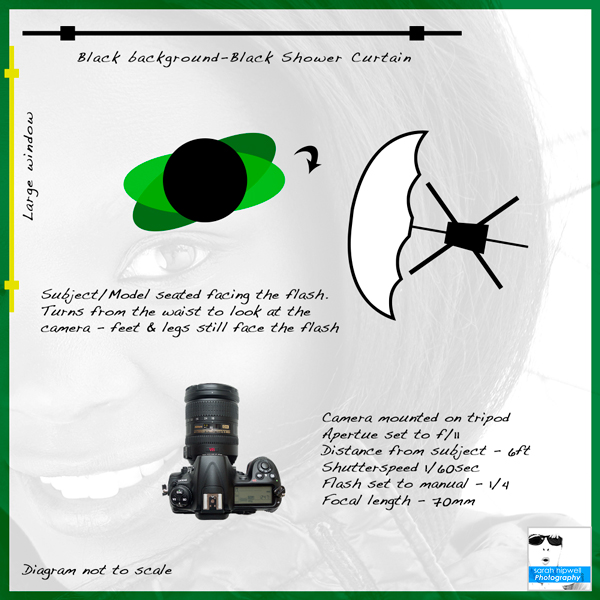
Headshot setup at home

Get the subject to turn from the waist towards the camera, so that their legs are still facing towards the flash. This will mean your subject’s form will not be square to the camera and their posture will be straighter. This makes for a more flattering pose. The eyes are the key feature to portrait shots. So they must be in sharp focus, and preferably have catchlights.

Conclusion:

Didi

I chose the photo of Didi as one of my favourite professional head shots for the following reasons. I was outdoors, which is always more challenging. The light is always changing and I was at the mercy of the weather (unlike a studio setting where the lighting is constantly the same and it doesn’t rain).

Just before I took this shot, it had started to rain – a light drizzle. I gave my jacket to Didi as she began to feel chilly. This was at the end of a long session. I got her to hold the white translucent umbrella that I brought with me. This was not for the rain but to block out the distracting background and it helped to bounce the natural light around her aided by the shiny material of the jacket – a sort of rim light. Her expression speaks for itself – she was happy and warm!

Do you have a favourite headshot or any other tips you’d like to share? Please do so in the comments below.

The post Tips for Photographing Head Shots by Sarah Hipwell appeared first on Digital Photography School.
Digital Photography School

 
Comments Off on Tips for Photographing Head Shots

Posted in Photography


5 Beginner Tips for Photographing Animals in the Wild

03 Oct

As I traveled through Africa, I learned many things about photographing animals while on safari. At first I knew absolutely nothing about it, but then with time and experience shooting in different conditions, I noticed certain factors that helped improve my photos. If you’re new to photographing animals, here are fire tips for photographing animals in the wild.

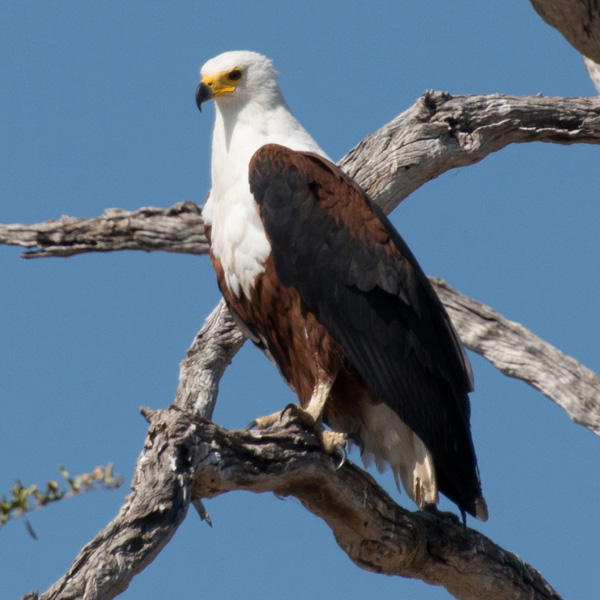
DSC 0887 eagle

1 – Use a zoom lens

Many wild animals stay away from people. As soon as they notice you, they might immediately run off. This is truer with birds that tend to fly away if you get too close. The larger animals might stay put, but then you put yourself at great risk by getting too close to them. Elephants and rhinos can weigh a couple tons and could easily overturn your vehicle. Therefore, the easiest way for you to photograph animals is with a zoom lens.

The photo above shows what a zoom lens can do. There is no way I would have been able to get close enough to that bird with a wide angle lens. This particular photo was shot at 300 mm, using my 28-300 mm.

Some photographers will tell you that using a lens of this range will give you poor photos. But as a beginner, who was just starting to photograph animals, I found that it was adequate for my first few animal photo shoots. It was also easier on my wallet. A lens with this range will allow you to photograph birds in far away trees as well as larger animals which may be closer to you.

Another benefit of a zoom lens is that you will not need to change your lens as frequently which will allow you to easily adjust your focal length as needed and quickly get the shot. Less lens changing will also help you to prevent the forest or jungle dust from entering your camera body and possibly dirtying your sensor.

Therefore, if you are new to photographing wild animals, I recommend that you utilize a lens with a longer range. The zoom lens will help bridge the visual gap between you and the animal, while keeping you safe and the animal at ease.

2 – Employ a faster shutter speed

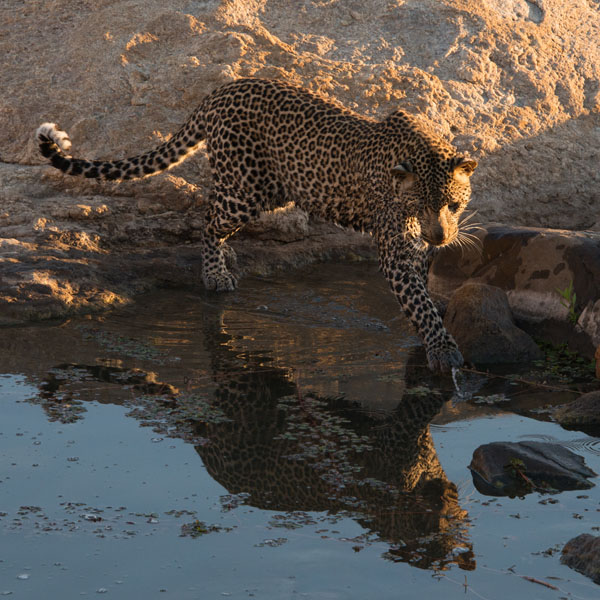
DSC 7131 leopard reflect

Because an animal may be constantly moving, you will want to use a faster shutter speed. Shutter speed is the amount of time your shutter is open. The faster or shorter this is, the less likely you are to blur the continuous movement of the animal in a single shot.

Notice the photo above where I used a shutter speed of 1/250th of a second. This was taken in the early morning. The leopard was especially active because he was hunting fish by the water. At no point did the cat ever stay completely still for more than a few seconds. Because it was always moving, at 1/250th of a second, parts of the leopard are still not as sharp as they could have been.

When photographing animals, you should try using a shutter speed of at least 1/500th of a second or faster, especially for more active or restless animals. This will help you freeze the animal’s motion and prevent parts of it from blurring.

3 – Don’t be afraid to increase your ISO

When you do use a faster shutter speed, you will notice that your exposure will darken since you are shortening the amount of time you let light onto your sensor. To balance this, you can increase your ISO. this is your camera sensor’s sensitivity to light. The more sensitive it is to light, the less exposure time you will need for light to hit your sensor.

As a caveat, when you increase your ISO, you amplify the image signal in your camera. This will in turn amplify and increase the amount of noise you capture in your photo. Fortunately, there are many methods that can help you reduce the noise in your image if you find it unbearable. Having a slightly noisier picture is small price to pay for a better-exposed photo with the details that you want.

Therefore, don’t be afraid to use a higher ISO. Play with the settings until you find that sweet spot. Yes, you may get a little noise, depending on your sensor, but that’s better than having an underexposed photo (or blurry), which may not capture all the detail.

4 – Shoot closer to golden hour

DSC 7849 elephant afternoon

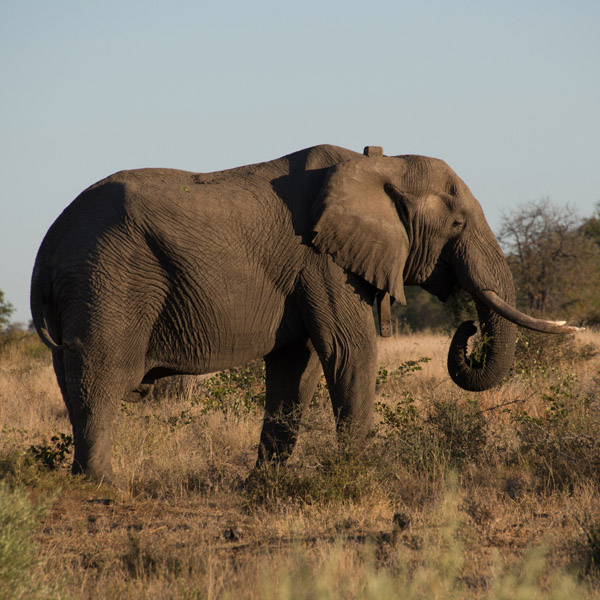
The best time to photograph animals is close to golden hour. If you shoot when the light is directly overhead you’ll end up with a very harsh, bright, light and consequently dark shadows in your photos. The closer you shoot to golden hour, the closer the sun is to the horizon. This will produce a much more diffused and better angle of light on your animal subject.

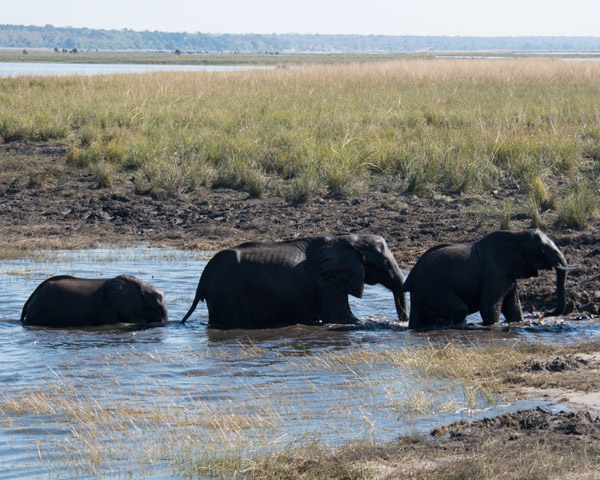
The photo above is an example of a photo shot closer to sunset. Notice how the shadows fall behind the elephant and less of its body is in shadow. You are able to see more of the elephant’s lines, wrinkles and texture. This photo has not been post processed using any filters, yet the light in the photo is warm and inviting. Compare this to the image below which was shot closer to noon. Notice how much harsher the shadows are on the elephants. Their bodies are almost covered entirely in shadows, and you are not able to see the texture of the elephants’ skin at all.

DSC 1177 elephant group

5 – Hire a capable tracker to easily identify animals

DSC 7895 leopard camo

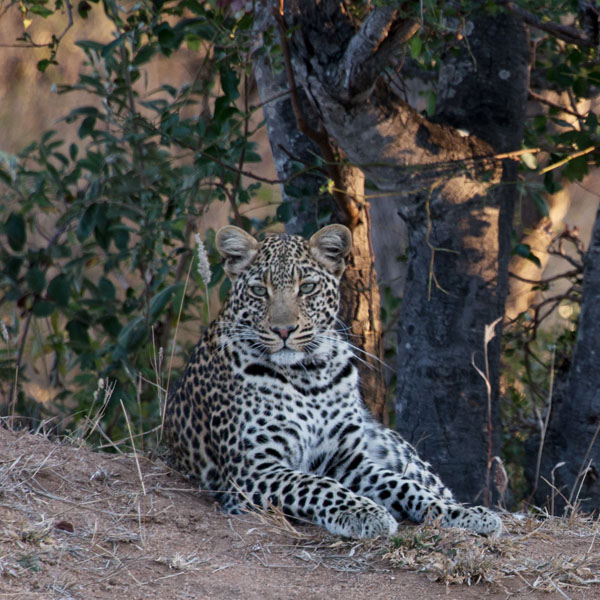
A good tracker will help you to see even the most camouflaged animals. As we were driving through the dense African jungle, our guide was able to spot this leopard, which to my eyes was hidden among the bushes. Without my guide I never would have photographed it.

You should hire a skilled tracker so that you don’t waste your time trying to find animals among the trees. Instead you can spend your time planning and improving your next shot. You can tell your tracker which specific animal you’d like to see. More than likely he will know where this animal prefers to roam. This will improve your chances of quickly finding your desired animal and getting your shot.

What other tips can you think of for photographing wild animals? Do you ever use a tripod to stabilize your shots? What’s your favorite animal photo you’ve ever shot and in what conditions? Share some examples with us and of course, if you have any other tips for better wild life photos that you think I’ve missed, please share those as well. Happy photo hunting!

The post 5 Beginner Tips for Photographing Animals in the Wild by Ry Sangalang appeared first on Digital Photography School.

Digital Photography School

 
Comments Off on 5 Beginner Tips for Photographing Animals in the Wild

Posted in Photography


A 10 Minute Lesson to Photographing Images with More Pizzazz

28 Sep

Photograph-plain-things-with-pizzazz-article-shadow-helping-an-image

Even the most seasoned photographer wants to continue to stretch their creativity. I know I do!

One simple activity you can do in your spare time is to find new ways to photograph everyday, plain things. Yup, the things you see or use every day; no models, no glamorous set-ups, no breathtaking locations. You don’t even need to do this with a fancy DSLR camera or have a significant amount of time. The lesson you learn can be achieved in 10 minutes once a week, using a $ 100 camera or a smart phone.

Your goal is to make something very plain look more interesting through your lens.

Tips:

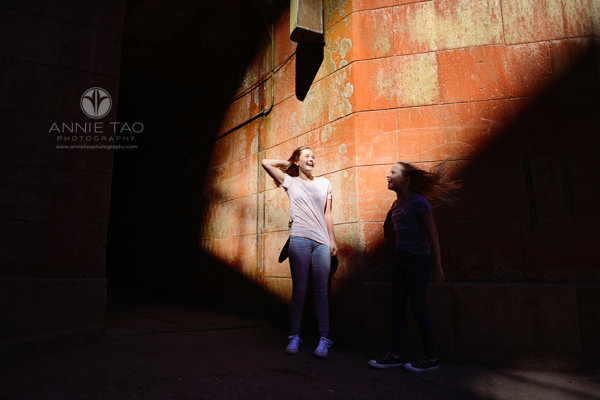
1. Pay attention to the shadows

If there is a lot of light, then there are probably shadows. Figure out if the shadows are helping the image or hurting it. If the shadows take away from the image, then make a change so that they don’t. The change could be a significant one, like moving your object altogether, or it could be a subtle one, like changing the angle you are shooting.

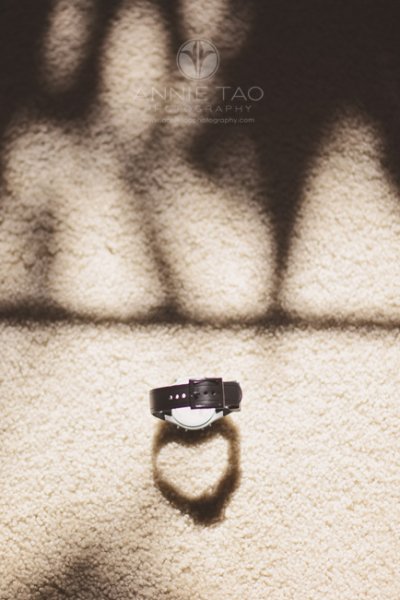
Annie-Tao-Photography-everyday-hearts-watch-shadow

2. Look for natural patterns and shapes

If you can locate natural patterns in your shot or interesting shapes within the object or everyday scene, then you can shoot it in a way that highlights this.

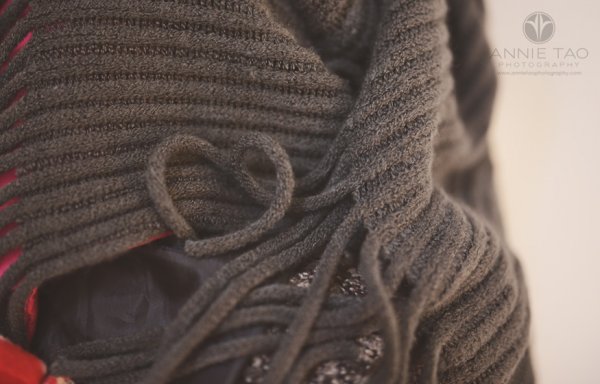
Annie-Tao-Photography-everyday-hearts-sweater-fringe

3. Know where there is good light

If you can move the object, then place it in the light you want. That could be near a window if you are indoors, or in the shade, if you are outside when the sun is too bright. If you can’t move what you are shooting, then re-position yourself or angle of your camera.

4. Take a close-up shot of one of the key details

You don’t always have to photograph the full object or the entire scene. Figure out what are the key details and consider photographing just that.

5. If it opens, open it – if it moves, move it

Is it a chest? A book? A cookie jar? Photographing it opened will show the content and make the image more dynamic.

Annie-Tao-Photography-everyday-hearts-music-book

Example:  Photographing plain things to create images with more pizzazz

I gave myself 10 minutes to walk around my house and find natural hearts. This lesson was easy and fun. More importantly, it let me see these plain, everyday objects differently (see three images above for more of the hearts I found).

Annie-Tao-Photography-everyday-hearts-scissors

Annie-Tao-Photography-everyday-hearts-leaf-of-green-plant

So, now what?

Doing this activity from time to time can help you discover new ways to photograph people, landscapes, or whatever makes your heart sing. You can give yourself a specific goal, like finding a particular shape, as I did in the example above, or give yourself a general goal of shooting an object with pizzazz in 10 minutes.

Over time, your eyes will be trained to do this on their own, and the results may surprise you.

How this activity translates into lifestyle shoots

Here are a few examples from my recent photoshoots:

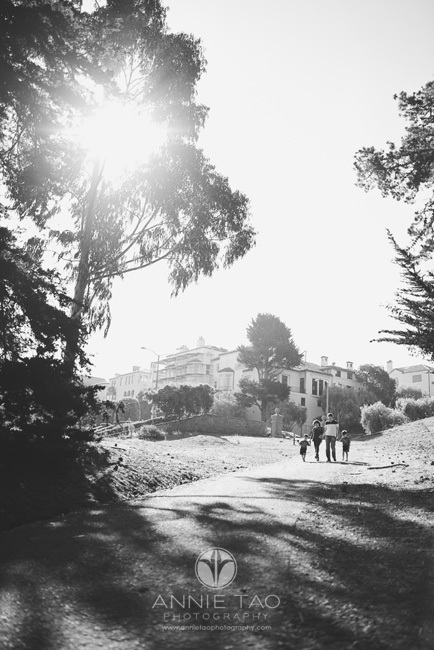
Annie-Tao-Photography-photograph-plain-things-with-pizzazz-article-natural-pattern

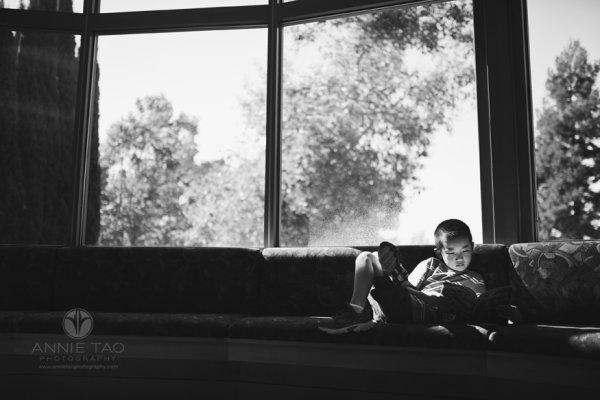
Photograph-plain-things-with-pizzazz-article-good-light

Photograph-plain-things-with-pizzazz-article-different-perspective

Photograph-plain-things-with-pizzazz-article-shadows-helping-image

Annie-Tao-Photography-Photograph-plain-things-with-pizzazz-article-light-and-shadows

How do YOU stretch your creativity? Share with us in the comments below, so we can all help each other grow.

The post A 10 Minute Lesson to Photographing Images with More Pizzazz by Annie Tao appeared first on Digital Photography School.

Digital Photography School

 
Comments Off on A 10 Minute Lesson to Photographing Images with More Pizzazz

Posted in Photography


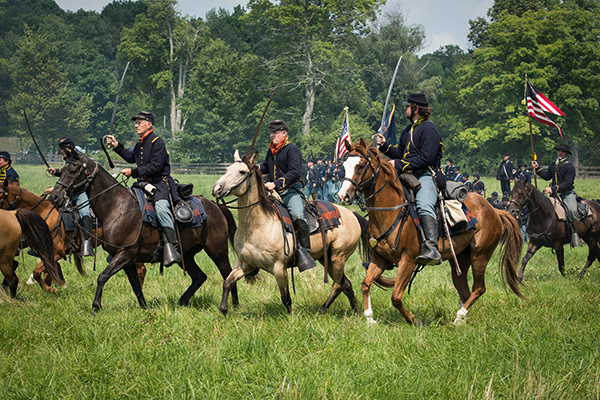
20 Tips for Photographing Historical Reenactments and Festivals

22 Sep

No matter what the season, people love to congregate in special places to celebrate or commemorate special events. Here are some tips that may help you take maximum advantage of the opportunities that festivals and historical reenactments present.

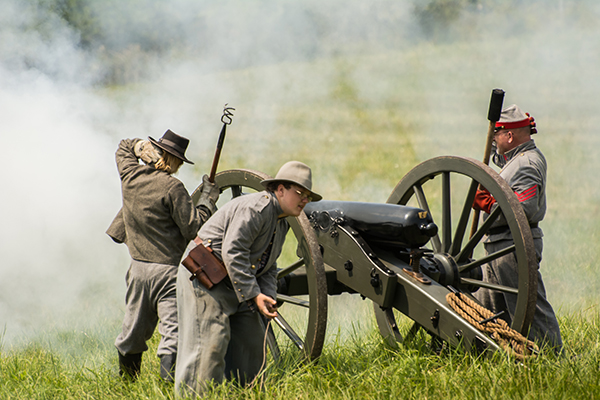
firing the canon

#1 Research the event before you go

Do some homework before you attend the event, to get an idea of the subject of the celebration, and something of its history. For example, if you are attending a battle reenactment, a little research before you arrive may give you an inside advantage as to how the battle may unfold in front of you. Even local street festivals exist for a celebration, so know what you can expect to experience, such as special displays, parades, entertainers, and fireworks.

#2 Know the rules of the event

For instance, some events may not allow you to bring coolers or large backpacks into a crowded venue, which could include your camera bag. Prepare accordingly to abide by the rules.

#3 Acquire a schedule of events and map of the venue before arriving

You’ll know ahead of time when to arrive and which locations you would like to shoot first.

#4 Develop a shot list

Preparing a shot list is a good way to help you to get all the images that you intend to capture. It is so easy to get caught up in a single attraction, then, when day is done, realize that you missed a lot of other shooting opportunities. So give yourself a game plan for the day, remembering that schedules can be flexible.

#5 Arrive early and stay late

The early bird gets the worm or the best parking place. Of course we know the best light of the day is during the early morning and pre-sunset, so arrive early and stay late to take advantage of it. Also, at many events the crowds don’t arrive until midday, and many who arrive early may also leave early.

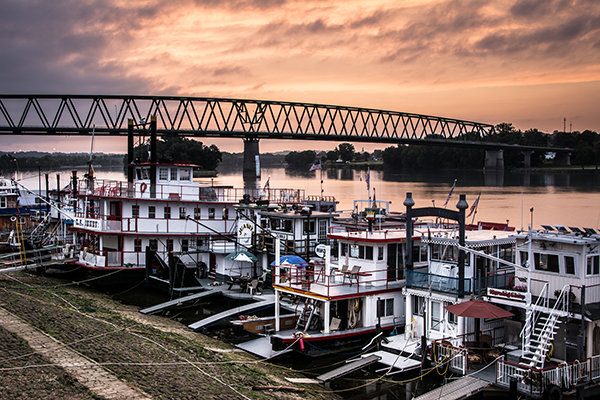
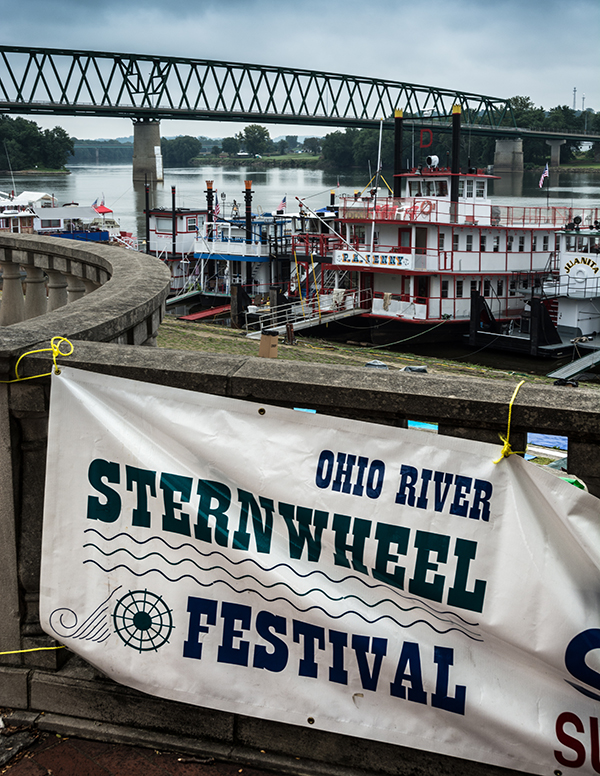
Sunrise at the Ohio River Sternwheel Festival gives a colorful view of the event before the crowds arrive.

Sunrise at the Ohio River Sternwheel Festival gives a colorful view of the event before the crowds arrive.

#6 Bring a compass

Upon arriving it is very important to get your bearings, which may require taking a compass reading. This becomes very important when looking to for the best lighting and vantage point from which to shoot.

#7 Meet the people involved with event logistics

Interaction with the event coordinators, staff, participants or re-enactors of an event can be very beneficial to you when it comes to getting inside information, and perhaps some behind-the-scenes shots. In some cases getting to know the right person might land you a unique vantage point, not accessible to the public. Offering to send photos to them can also be great way to get access to some great images. (Don’t forget to get contact information.)

#8 Be prepared

Always bring a spare camera battery. There is nothing worse than missing a great shot because your battery went dead. Spare memory cards are a must also, because you could be shooting thousands of photos each day and you want to have enough memory with you to hold all your images. For shooting in the middle of the day, in the harshest lighting conditions with deep shadows, consider using your pop-up flash to provide fill light for close-ups and portraits.

#9 Prepare for weather

Be prepared by checking the weather forecast ahead of time. You may find yourself standing for long periods of time in the direct sunlight, so sun screen is a must. Also bring plenty of water to stay hydrated. A wide brim hat can also be useful to keep the sun out of your eyes. Your equipment also may need protection from weather elements, especially moisture related.

#10 Be aware of the wind direction

Wind direction can be very important if you are photographing an event where there will be weapons (e.g. canons) fired. If your shooting location is downwind from the action, all you may get in your image is a lot of smoke. In some cases this could add some very interesting effects but, it is best to be aware of this ahead of time.

#11 Play nice with re-enactors and other photographers

Sometimes photographing these events can mean shooting in very crowded locations with everyone wanting to get that same great shot. Be courteous to your fellow photographers, interact with the people around you and work to help everyone have a great experience. Offer suggestions that might be helpful to those who are obviously less experienced. Also, remember festival workers are providing a service to you and in many cases it might be for very little or no pay, so be considerate of them.

#12 Choose an appropriate lens

A good walk-around lens, like a 28-300mm or 18-200mm zoom, is a desirable choice for these types of events and will allow you to use the same lens all day. However, if such an item is not in your arsenal, narrow your options down to just a couple of lenses, like a wide angle and a 200mm or 300mm telephoto.  If you choose to use multiple lenses, remember there can be lots of dust in the air at outdoor festivals, so you need to be careful while changing them not to get dust in your camera, which will find its way onto your sensor. If you must change lenses it would be a good idea to try to find a dust-free area, (your car would be a good spot, if parked nearby).

#13 Shoot with a higher ISO if necessary

Raising your ISO will allow the shutter speed to stop the action and aperture to maximize your depth of field. However, in some instances a narrow depth of field may be useful to make your subject stand out from the background.

#14 Watch your background

When you are shooting at a reenactment event, the last thing you want in an otherwise perfect image is a car or other object that will seem historically out of place in the background. In some cases you can remove these objects in post-production, but it is best to avoid them, and look for a different vantage point that allows you to exclude them.

DSC_9671-Edit-2

#15 Look for details

Be observant to discover details that may make your shots stand out from all the other photographers shooting at the same location. Look for expressions on the faces of participants and spectators, as well as interactions between them.

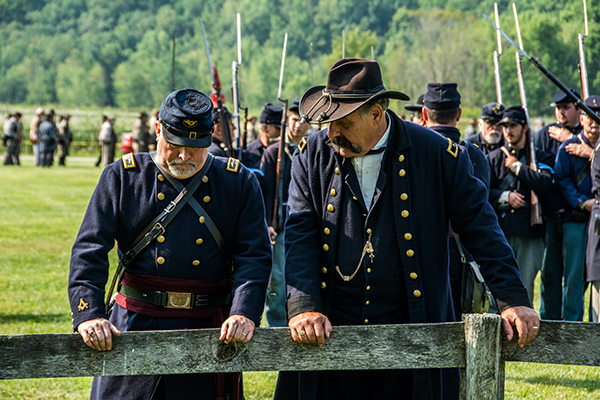
Two officers standing at the fence discussing battle strategy.

Two officers standing at the fence discussing battle strategy.

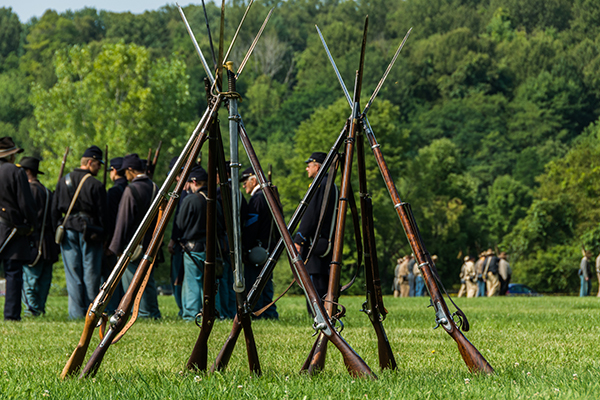
Look for detail

This image captured from ground level, features a unique detailed view of reenactment maneuvers.

#16 Think safety

Remember to keep in mind where you are, when you are looking through your lens for an extended period of time. It is easy to lose track of just how close to the action you might have become.

#17 Tell a story

You’ve heard it said that picture is worth a thousand words, so look for images that tell a story. It doesn’t make much difference how well the photo is composed, that your exposure is correct and image is in sharp focus, if the shot doesn’t communicate the event experience to the viewer.

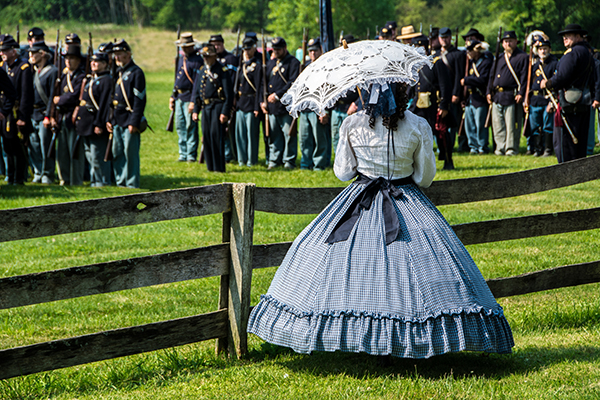
Lady in era dress watching and waiting, tells a story

Lady in period dress, watching and waiting, tells a story.

#18 Attend more than one day

If possible, returning for a second day can allow you to get some really great images. After attending the first day, it becomes easier to anticipate the action (especially in the case of a reenactment event), pick up other happenings missed the first day, or re-shoot favorite subjects with alternate lighting and camera settings.

#19 Capture images that may interest the event organizers

Often times festivals or events are looking for images to use for next year’s promotional material. Depending on the event’s budget, some might even offer to pay for desirable images, while others may not be able to offer more than a byline (it’s still very cool to see your images published). Many events hold a photo contest that pays prize money and features the winning image in promotional material. You should give such an opportunity your best shot.

Shoot images that might interest event organizers, such as this image from the Ohio River Sternwheel Festival held in Marietta, Ohio.

Shoot images that might interest event organizers, such as this image from the Ohio River Sternwheel Festival held in Marietta, Ohio.

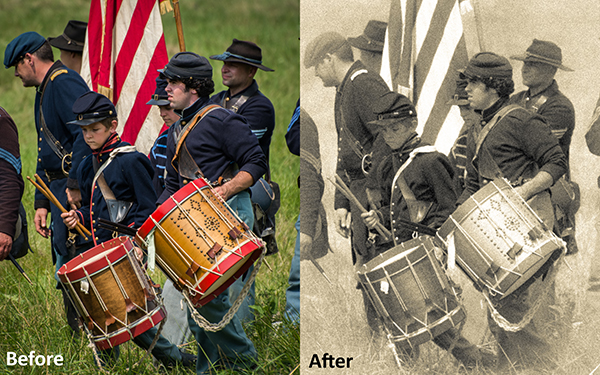
#20 Give your photos a vintage effect in post-production

Giving your image a nice sepia tone to match the photos of former eras can be an interesting way to present reenactment or old-time feeling events.  Click on this link to download an American Civil War Lightroom preset. This preset will give you the era’s sepia tone effect, with faded corners and added grain.

DSC_9684_rto

Remember to have fun when you are photographing events and festivals. It is easy to get so involved with getting that perfect shot that you don’t take the time to enjoy the experience. Please share some of your favorite reenactment or festival shots.

The post 20 Tips for Photographing Historical Reenactments and Festivals by Bruce Wunderlich appeared first on Digital Photography School.

Digital Photography School

 
Comments Off on 20 Tips for Photographing Historical Reenactments and Festivals

Posted in Photography


8 Tips for Photographing the Perfect Headshot – for Yourself

18 Aug

Having an awesome headshot is a great way to express yourself to your potential clients. You want your headshot to show a bit of your personality or something else special about you. The great thing about being a photographer is that you can create your own headshot. This article will give you some tips to create a headshot that’s perfect for you!

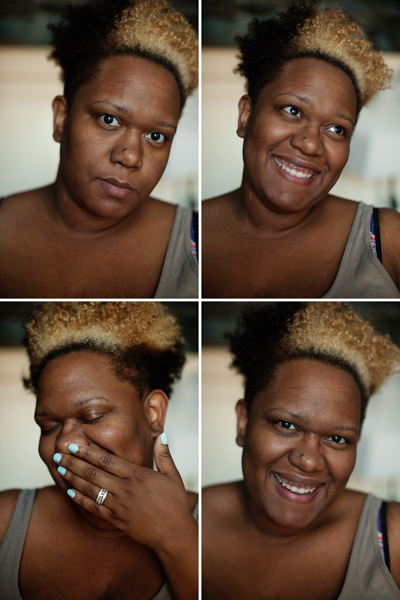
MonicaDayDPS 01

You want to approach creating your own headshot like you would approach any shoot. You need to make sure you have great lighting and great focus.

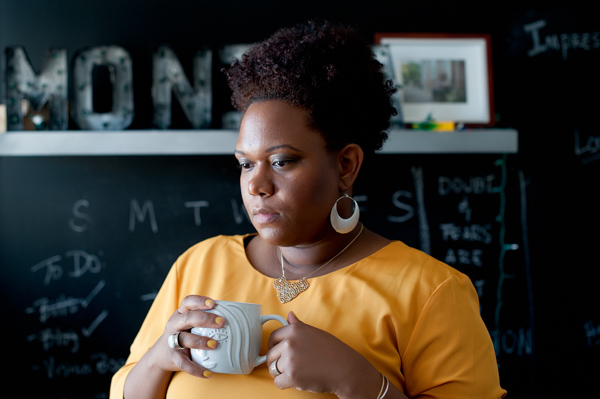
I created this headshot on my own. You can do this too. Here are my top tips for photographing the perfect headshot for yourself:

Tip #1 – Look great

Just because you’re your own photographer doesn’t mean you shouldn’t take this shoot seriously. Prepare for your headshot by making sure your hair is fabulous and that your makeup is done.

Tip #2 – Have great lighting

Whether you’re using available light or studio lighting, make sure you light your space well. If using available light, look for the light first. Find the best light in your home and make it work. Go outside if you need to. If you have strobes, flashes, or other light sources then make sure you’re set up with the most flattering light for your face.

MonicaDayDPS 02

Tip #3 – Shoot with a higher f-stop number

Getting sharp focus will be the most difficult part of photographing yourself. Instead of shooting at f/2.8 try shooting with a smaller aperture say, at f/11. This will give you a greater plane of focus to work with, and a greater chance of having sharp focus on you.

Tip #4 – Practice your posing

As a photographer, part of your job is to guide your subjects into the most flattering positions. Now it’s time to learn how to pose yourself. Get in front of the mirror and find the position that works best.

MonicaDayDPS 03

Tip #5 – Shoot tethered

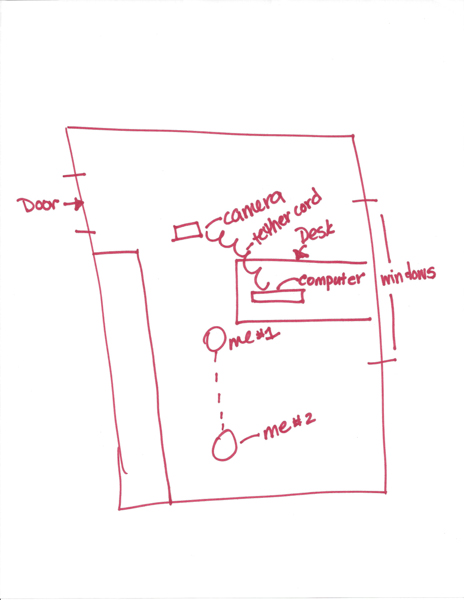
Shooting tethered is great for self portraits. This allows you to easily see what your camera is picking up without moving from your spot. Make sure your screen can be easily seen from where you’re standing. Here’s a diagram of my setup.

MonicaDayDPS 04

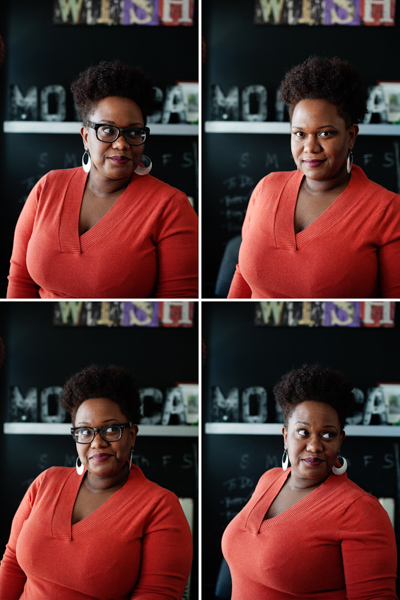
Tip #6 – Bracket your poses

Just like when bracketing for exposure, slightly alter your angles in a series of three to four shots at a time. If you’re shooting tethered, you can easily see what needs to be changed.

MonicaDayDPS 05

Tip #7 – Make it interesting

You’re a photographer so that means you know how to get creative. Make your headshot a representation of your personality. Include your hobbies, your favorite place, things you like to do or even your name. Your headshot is an extension of your brand. Make it great.

MonicaDayDPS 06

Tip #8 – Edit it

Make sure you edit your photo. Don’t forget this important step. Treat this photo like any other shoot. Take it from a snapshot to a professional photograph by adding your special touch.

Remember, shooting your own headshot gives you complete control over your shoot while saving you a few bucks in the process. Don’t worry about making a mistake. You can take as many shots as you need to get the perfect photograph.

The post 8 Tips for Photographing the Perfect Headshot – for Yourself by Monica Day appeared first on Digital Photography School.

Digital Photography School

 
Comments Off on 8 Tips for Photographing the Perfect Headshot – for Yourself

Posted in Photography


Photographing Thailand with the Nokia Lumia 1020

02 Aug

It would seem that a trip somewhere as exotic as Thailand would require a pro camera and a heavy bag of lenses. Photographer Jan Ras took a lighter approach on a recent trip to Thailand, photographing some of the native inhabitants of a village (monkeys, to be precise) with a Nokia Lumia 1020. He captures their expressive, curious nature in a documentary style, all while forgoing traditional photographic equipment. See gallery

Articles: Digital Photography Review (dpreview.com)

 
Comments Off on Photographing Thailand with the Nokia Lumia 1020

Posted in Uncategorized


Tips for Photographing in Different Weather Conditions

31 Jul

You’ve figured out that photography is awesome. You have your equipment. You’ve got the basics down. You know all about the “triangle” of ISO, shutter speed, and aperture. Now, you’re ready to put them to use. You’re ready to go outside and experiment. But wait. You haven’t yet considered the weather. This is a little side note to photography that we often forget about. If you’re not shooting in a studio, then the weather will definitely be a factor to consider when going out on a shoot.

MDWeather 01

There are a few basic weather scenarios that you will surely encounter as a photographer: cloudy or overcast, rain, bright sun, high temperatures, and snow to name a few. Each of these conditions has its benefits and limits. I’ll cover a few of those here as well as tips for photographing in different weather conditions.

Cloudy or overcast

These are some of my favorite conditions to shoot in for portraits. An overcast day brings about an amazing amount of diffused light. You can shoot in the middle of the day with little worry about harsh lighting or unwanted shadows. You do want to pay close attention to lighting the face. It’s great to have a reflector to bounce light into the face of your subject(s). Make sure you’re taking a look at the images, as this will help you know if you’re underexposing or overexposing. You’ll also be able to tell if you need to reflect more light on them. See portrait above.

Shooting landscapes in overcast conditions can also be challenging. Overcast skies are gray and don’t usually add a lot of interest to that mountainscape, or field of cows you want to photograph. Look for stormy weather clouds, that add a sense of place and dimension. You can also crop your shot so that you don’t get those unwanted gray skies, but still get great lighting.

Benefit: beautifully diffused lighting
Limit: ugly gray skies

MDWeather 02

Rain

So what happens when your cloudy day turns into a rainy shoot? Well, you make the most of it. A little rain never hurt anybody. One of the best ways to work with rain is to bring an umbrella. Try to keep a nice umbrella in your arsenal of supplies for shoots. Look for one of those clear umbrellas that comes down over your head. It looks amazing in photos. You can also get one that has a nice little pop of color. Try polka dots even. Make the umbrella part of the shoot. You don’t have to use it in every photo but don’t be afraid to incorporate it.

Also look for areas that are shielded from the rain. Overhangs, alleys, even coffee shops can provide you with great areas for your photos. The rain can help you tell a story if you let it. At the end of the shoot, ask your subject if they’re okay getting wet. Work with that and see what you get. Try out different things as you’re learning to work in this condition.

Of course the rain can work against you. You’ll want to make sure your equipment is protected. You don’t have to get fancy coverings if they’re not in the budget. Get a grocery bag and some tape and protect the main body of your camera. If the weather is horribly bad, reschedule your shoot for a less harsh day. Again, safety is key here.

MDWeather 03

Rainy landscapes tell an amazing story. Make sure you’re careful with setting focal points. Your camera will often try to focus on the rain drops and will blur out your landscape. This can be nice if it’s what you intended, if not, you’ll end up with a bunch of blurry photos.

Benefit: added dimension and sense of story and place
Limit: harsh on equipment and uncomfortable for subjects

Bright sun

Many people think that bright sun is the photographer’s worst nightmare for portraits. I beg to differ. Bright sun can create beautiful light and you can play with shadows if you wish. (Read Dispelling the Myth of Good Light and Bad Light for more on this topic.)

When shooting in bright sun, you will find that your camera meter will want to expose for the super bright background or the subject that’s in front of you. This causes your subject to be super dark or your background to be blown out. Try shooting in “open shade”. This means that you’ll place your subject in the shady part close to the light, and bounce light with a reflector back at them. You can also use a flash to make sure your subject is lit without blowing out the background. A flash in the sun? I know it sounds weird but it works. Use your flash to light your subject while exposing for the background. You can also look for natural reflectors around you. Look for a white building or even a white sandy beach. These help reflect light on your subject without blowing out the background too much.

Landscapes in bright sun are absolutely beautiful. Try shooting the beach in the full sun of the day. Practice exposing for the beautiful blue skies as well as the sand.

Benefit: tons of light and the ability to play with shadows
Limit: can create harsh lighting on your subject

MDWeather 04 MDWeather 05

High temperatures

A lot of us shoot in the summer months. This can be beautiful for the late sunsets and beautiful skies, but the temperature can be brutal. It’s great to shed the coats and heavy clothing but the heat isn’t always fun. You want to make sure that you and your subjects will be comfortable and safe. The most important thing is safety. I like to limit my shoots to when the temperature or heat index is below 90f (32c). This may vary depending on where you are shooting. In Puerto Rico, 90 on the beach feels great. In Boston, 90 in the city feels miserable.

Take note of how your subject is feeling on the shoot. If you notice that they’re becoming uncomfortable, ask them and schedule a reshoot if necessary.

Benefit: you and your subjects can come out of limiting coats and clothing
Limit: high temperatures can be draining and uncomfortable

Snow

Shooting in the snow is magical. It’s beautiful and the white stuff reflects light amazingly! Shooting in a blizzard, not so much. Shooting in 10f (-12c) degree weather, even worse. When shooting in the snow, pay special attention to ice and hazards under the fluffy stuff.

MDWeather 06

You can shoot while it’s snowing or once the snow has stopped falling. If you shoot while it’s snowing, treat your camera as if it is raining. The snow melts and water can get into the inner workings of your camera body and lens.

Don’t be afraid to ask your subject to shed that coat. If you’re in an area that gets a lot snow then you know that snow doesn’t necessarily mean unbearable cold. Have your subject shed the coat and shoot for a few frames and then warm up a bit.

Also, play around with capturing the falling snow. When it’s snowing, the sky is generally overcast. The white snow acts as a bit of a reflector so you’ll most likely be able to forgo that. Just go out and practice shooting and see what you’ll need. You probably don’t want to venture into a blizzard though.

If the snow has stopped you’ll need to watch out for ice and hazards under the snow. It doesn’t hurt to protect your camera just in case you take a little tumble. Again, the snow reflects beautifully. Make sure you’re metering for your subject and paying special attention to not blow out the white snow.

Benefit: it’s beautiful and shows a sense of time
Limit: it’s cold and damaging to your equipment

MDWeather 07

Remember, take special care to insure safety at all times. Safety of you, your subjects, and your equipment are all important. Use the weather to your advantage and work with the lighting you have. Don’t be afraid to bring in flash or reflectors. Finally, just have fun with whatever condition you’re shooting in.

The post Tips for Photographing in Different Weather Conditions by Monica Day appeared first on Digital Photography School.

Digital Photography School

 
Comments Off on Tips for Photographing in Different Weather Conditions

Posted in Photography


Photo Shoot Ride-along – Photographing Cocktails

05 Jul

In this article you are going to join me on a real client photo shoot photographing cocktails and learn how we created the final images. You can see a previous ride-along doing head shots on a white background here.

Hacking_Photography_cocktail_photos-8911

Client brief

The client is a 1960′s Tiki themed cocktail bar in downtown San Diego. They just revamped their cocktail menu and needed photos for advertising, marketing, social media, and PR.

Setting up

The bar is to the left of some foldable colored glass windows. I decided to open these windows to let in some natural light to the bar top. I didn’t get a photo with the windows open as I was in a rush, but here is the bar setup:

Hacking_Photography_cocktail_photos-8951

With these windows open there was nice soft, indirect lighting.  I decided quickly that I wanted to use the back of the bar as the background.

Selecting the aperture

I grabbed a glass with pineapple leaf garnishes for a quick test. I set my camera on the bar, selected aperture priority, set the glass in front of it, shot at f/20, and got this:

Hacking_Photography_cocktail_photos-8701

Meh. After seeing this I decided I didn’t want to see all the details in the background because it was competing with the glass. I dialled the aperture to f/3.5 and took another test shot:

Hacking_Photography_cocktail_photos-8700

Much better. The glass was being lit from the natural light coming through the windows to the right of the glass. The problem was that the back bar was too dark.

If I overexposed to get the background brighter then the glass would have been overblown. The solution? Use a strobe to light the background.

Lighting the background

Now that I had the cocktail the way I wanted it, I needed to throw some light on that background. I recomposed the photo and got this:

Hacking_Photography_cocktail_photos-8705

I grabbed an Alien Bee 800 strobe and popped on a 40 degree grid to keep the light beam tight.  I didn’t want the light to spread over the whole area, just the back bar. I placed the light on the far left side of the bar and popped the flash.  Note: I didn’t end up using that umbrella.

Hacking_Photography_cocktail_photos-8735

You can see the back bar was now lit up.

Hacking_Photography_cocktail_photos-8706

Much better! It wasn’t quite there yet, but we were getting closer.

The light from the strobe wasn’t evenly spread across the background. See the hot spot of highlights on the top left side in the photo above?  That needed to go.

I angled the strobe so the light would cast across the background instead of just the left side.  I grabbed another garnish glass and took a test shot:

Hacking_Photography_cocktail_photos-8711

Much better. Now I had the background the way I wanted it. From there it was simply a matter of composition.

Composition

I had been planning on filling the frame with each cocktail vertically until the client mentioned they wanted space to the side of each photo to write editorial content.

Instead of shooting with my 100mm f/2.8 macro lens I shot this all on a 24-70mm f/2.8 lens.

Hacking_Photography_cocktail_photos-8730

How cool is that garnish? A dolphin playing with a ball in its mouth – awesome. This left some room off to the right for editorial content.

Hacking_Photography_cocktail_photos-8751

I decided to switch this up and leave some space on the other side. This is helpful for magazines that alternate left and right pages.

Hacking_Photography_cocktail_photos-8847

Sometimes breaking the rules is fun.  Shooting this cocktail straight down the middle clearly makes it the focus but still leaves room off to the sides for editorial.

Hacking_Photography_cocktail_photos-8875

The “hero” shot

Sometimes shooting from a low angle and slightly angling the camera upward can give a cocktail a ‘big’ appearance.

Hacking_Photography_cocktail_photos-8876

 Wrapping up

All in all it was a pretty straight forward shoot. I had to do a little problem solving with balancing natural light and artificial light, as well as how to best compose the cocktails.

The client is happy with the images and so am I.

Did you find this helpful?

If so, let me know in the comments. I would love to take you on more client photo shoots with me and show you how they come together. Now I’m off to enjoy a nice Tiki cocktail!

The post Photo Shoot Ride-along – Photographing Cocktails by Mike Newton appeared first on Digital Photography School.


Digital Photography School

 
Comments Off on Photo Shoot Ride-along – Photographing Cocktails

Posted in Photography


Blast from the past: Photographing steam locomotives

04 Jul

Matthew Malkiewicz is what you might call a vintage train enthusiast. Fascinated with trains since his childhood, he’s been photographing steam locomotives since a trip to Colorado in 2005 reignited his interests in trains and photography. His photos capture the old-world charm and romanticism that these steam-powered machines evoke. He answered a few questions about his work – see more of his photos and learn about his process. See gallery

related news: Digital Photography Review (dpreview.com)

 
Comments Off on Blast from the past: Photographing steam locomotives

Posted in Uncategorized


Photographing UV Paints With Linh Le

23 May

Hong Linh Photography Tribal Shoot With UV Paints - Fashion Photography Blog (FashionPhotographyBlog.com)

When Linh Le from Hong Linh Photography told me that she was going to be shooting an Ethiopian inspired shoot with UV Paints, I thought what an unusual concept yet I couldn’t help wondering how it would turn out. Then she showed me the photos that she shot that weekend and I was drawn in by the beauty images that she achieved. I knew I had to speak to her about the images she created and hope that it would be able to inspire the fellow artists that follow this blog, to let imagination take over and to think outside the box.

Linh Le has remembered constantly taking photos, she explained that “I have always loved taking pictures, especially when on holidays, but they were more tourist pictures lol. Then in 2010, I went on a big Asia trip. It was my first time in Asia, (even though I’m Asian haha), and I wanted to capture the breathtaking landscape as well as the culture there in a deeper way than just with standard tourist pictures. This is when I bought my first DSLR camera. So, I started off with a lot of travel and landscape photography and when I moved to Cardiff, I decided to join Cardiff Camera Club to learn more about photography. The club offered a lot of practical opportunities, such as different projects and one of them was ‘people photography’. I have always loved fashion and beauty make-up, so I decided to do a beauty series with the theme colours. Luckily, I had a friend who was really into doing make-up (Sophie) and a friend who was a former model in Mongolia (Khaliun) and so, I set up my first studio shoot. From that moment on, I knew that this is what I wanted to do and I started learning more about fashion/beauty lighting as well as posing and I used all my friends as models to practice shooting as often as I could. Photography has become my passion and a very big part of my life. It is a way for me to express myself as well as to bring in different creative aspects of myself, for example, I love to play with fabrics and create my own outfits and accessories for photo shoots. I couldn’t imagine my life without fashion photography.”
Hong Linh Photography Tribal Shoot With UV Paints - Fashion Photography Blog (FashionPhotographyBlog.com)

I asked Linh about why she chose to start experimenting with UV paints for this beauty shoot, she replied “I love experimenting and trying out new things and shooting with UV paints was an opportunity for me to bring my creativity to a whole new level. In addition to that, UV paints are an exciting way to focus more on Make-Up art as well as lighting.” I was intrigued and asked Linh if she could elaborate on the inspiration for the shoot, “My inspirations always come out of nowhere at random times, but mostly before I go to sleep lol. I was thinking about doing a tribal inspired shoot for awhile and I was browsing through Pinterest when I came across some UV make-up shots and I thought it would look amazing with the tribal make-up. However, I didn’t want the UV paint to stand out so much that you don’t see any other details of her [the model’s] face any more, so it was then a long process of trying out the balance between the UV light and the ambient light.”

If Linh could summarize her style, she states, “I would describe my style is elegant, yet soft and dreamy. I try to tell a story with my image, visualising the kind of life that person might lead or the emotions they have in that situation. My concepts are often inspired by different cultures or social issues that I have experienced or encountered in my life. Therefore, the images are mostly a reflection of myself in some way.” To create this beauty shoot Linh detailed that, “I used my Nikon D7000 on a tripod. For the lighting, I used led fairy lights hanging on the backdrop and a 20W UV light tube on each side of the model.”

Hong Linh Photography Tribal Shoot With UV Paints - Fashion Photography Blog (FashionPhotographyBlog.com)

To find out more information and see all the images from Linh Le’s UV shoot as well as other shoots, you can check the blog on her website www.honglinhphotography.com

You can contact her via e-mail: mhlinh.le@gmail.com

message Linh on her website: www.honglinhphotography.com
or Facebook page (Hong Linh Photography).

Photo Credits:
Photographer: Hong Linh Photography
Make Up Artist: Sophie Le
Models: Wendy Ng & Ana Santos


Fashion Photography Blog

 
Comments Off on Photographing UV Paints With Linh Le

Posted in Uncategorized