RSS
 

Posts Tagged ‘Photographing’

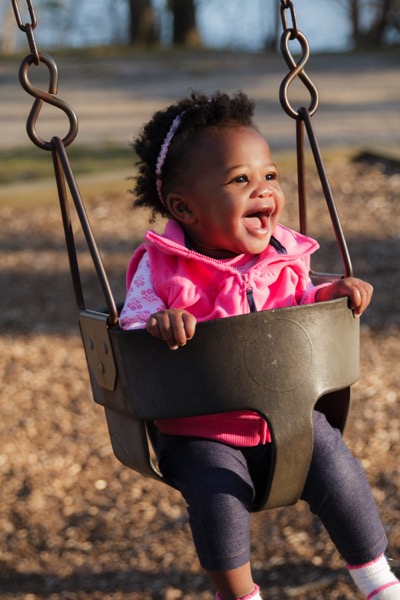
Tips for Photographing Your Child and Their First Moments

10 Aug

Seeing your little one begin to explore their world with their first solid food, crawl on the floor, or enjoy independent playtime is an amazing experience. But, photographing your child and capturing those moments to cherish forever is even more enjoyable!

While you may not always capture the exact the moment a “first” happens, as little ones can be full of surprises, these tips will help you to capture beautiful storytelling images of those moments to look back on for years to come.

Katenesi com 01

1. Be prepared

Anticipation of key moments in your child’s life will come naturally as they grow. An important piece of capturing those first moments is being prepared at all times, with a camera nearby. As they say, the best camera is the one you have with you. It doesn’t matter what camera you use, but having it on hand will be paramount to capturing those fleeting firsts.

Oftentimes, I keep my DSLR in my living room, on the mantel, where it’s easily accessible in a moment of activity or at feeding times. It is in the On position ,with ISO settings at the lowest, and the aperture at f/2.8 for a nice shallow depth of field, and one that works with the natural lighting in my living and dining rooms. In addition, my mobile device is always ready in my purse hanging in the living room, or generally nearby in any room I walk into as well.

child-photography-firsts-08

When something new happens, you can quickly grab your camera and capture the moment!

2. Get on their level

As adults, we often forget what it is like to live so low to the ground. You might find yourself capturing your child’s firsts from the high perspective of standing upright, or from above.

Katenesi com 10

While this isn’t a bad perspective, over time your little one will become aware of your paparazzi-like actions and shy away. Try to get down low while playing, with your camera nearby, and capture the moment from their perspective. Often, they are unaware you are photographing them if you’re on their level, as it doesn’t appear as obvious from a distance than when you might be hovering above.

Katenesi com 06

3. Find your light

If you are planning to take a few photos of your child when you know they might be headed into a first moment, or have done it maybe once before, scope out the scene. Where is the best light coming from? What time of day is best in that room or that location?

Katenesi com 05

You may want to position a toy, or your child, in a certain way to capture the moment with a better angle of light hitting their face for a smile, or backlight them for more of a story. Practicing often before those first moments, in your home with a camera and light angles, helps you to define the best locations and lighting, as well as camera settings to be prepared.

Katenesi com 02

4. Try new locations

Firsts come in all shapes and sizes, as well as for years beyond the first 12 months of life. While most firsts just appear without planning, there are many moments you can create, and prepare for ahead of time.

Katenesi com 09

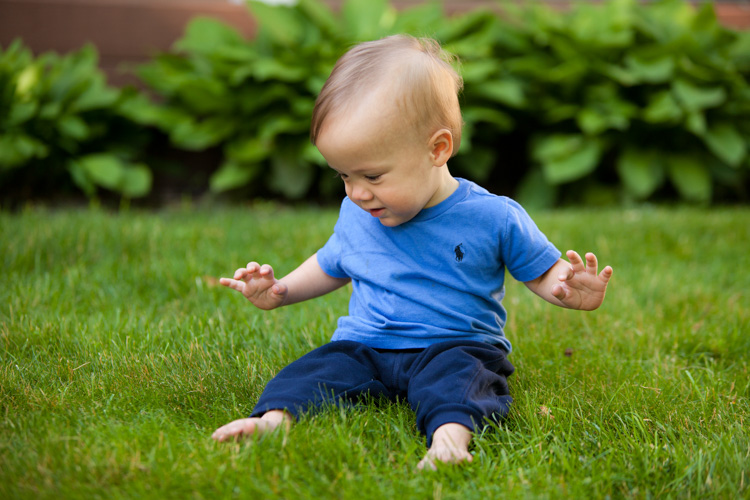
Eating their first solid food is one you can set-up and plan in advance, as well as capturing their reaction to the first time touching the beautiful plush grass.

Katenesi com 07

Plan to go to a new location and practice your photo, before you bring your child into the setting. Go to the beach at the best time for lighting, or for your child’s energy level, and prepare to photograph the first moment they set foot or fingers in the sand.

Katenesi com 04

5. Tell their story

You know your children the best. You have spent countless hours with them, at all times of the day and night, and can read their responses and personalities the best. As a new parent, you have those gut feelings when something new is about to happen.

Katenesi com 03

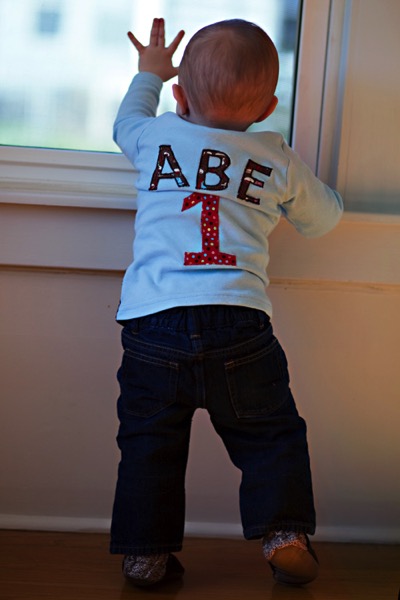
When you’re photographing those moments, take time to tell their story. That is the story you’ll want to remember. Their favorite toy, their first moment peeking out the window, or touching the sand or grass. Keep in mind your child’s story, and how you want to tell that story with your images.

In the end, firsts will come and go, but you’ll always have these beautiful storytelling images to share with them as they grow. Being prepared, change your position, lighting, or locations, and remember who your child is at heart, is the key to capturing those amazing moments in your heart and through your lens.

Share your child’s first moments in the comments below. We’d love to see them.

googletag.cmd.push(function() {
tablet_slots.push( googletag.defineSlot( “/1005424/_dPSv4_tab-all-article-bottom_(300×250)”, [300, 250], “pb-ad-78623” ).addService( googletag.pubads() ) ); } );

googletag.cmd.push(function() {
mobile_slots.push( googletag.defineSlot( “/1005424/_dPSv4_mob-all-article-bottom_(300×250)”, [300, 250], “pb-ad-78158” ).addService( googletag.pubads() ) ); } );

The post Tips for Photographing Your Child and Their First Moments by Kate Nesi appeared first on Digital Photography School.


Digital Photography School

 
Comments Off on Tips for Photographing Your Child and Their First Moments

Posted in Photography


10 Ideas for Photographing Nature in your Backyard

17 Jul

Have you noticed how many photographers are fascinated with the natural world? Even if we specialise in another genre, few of us can resist a gorgeous flower, or a branch of autumn leaves.

One of the best things about photographing nature is that it is so accessible. You needn’t travel far to find it, because it’s all around you. You may take it for granted because you see it every day, but your own backyard is treasure trove. Every hour of every day and every season, bring something new.
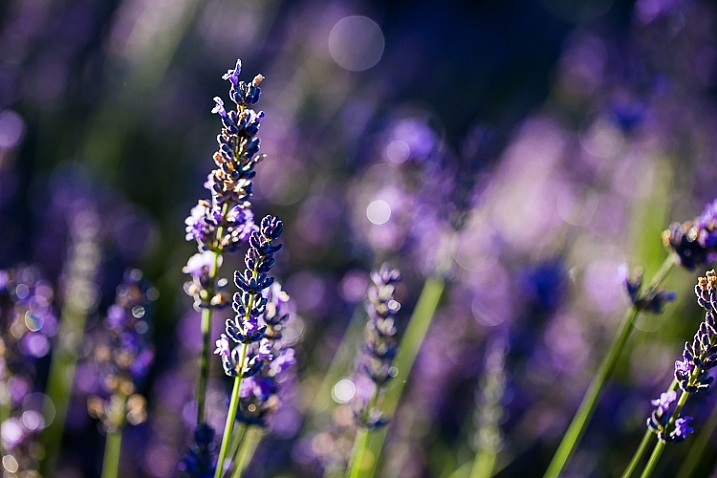
image showing photographing nature in your backyard

Summer lavender: ISO 100, f/3.5, 1/200th

Backyard needn’t be taken literally here. If you don’t have a backyard, you’ll find plenty of nature to photograph just by wandering the streets or public parks and gardens.

Tech details: All of the photographs in this article were shot on my Canon 5D Mark III. Unless otherwise stated, I have used my Canon macro 100mm f/2.8 lens. I have included details of ISO, aperture and shutter speed settings.

#1 – Flowers and leaves

Flowers and leaves are often the first things that come to mind when we look for subjects in our own backyards. They offer an endless variety of colours, shapes and textures for you to photograph. You could create a collection based on a single colour scheme, or try to find as many different leaf or flower shapes as possible.
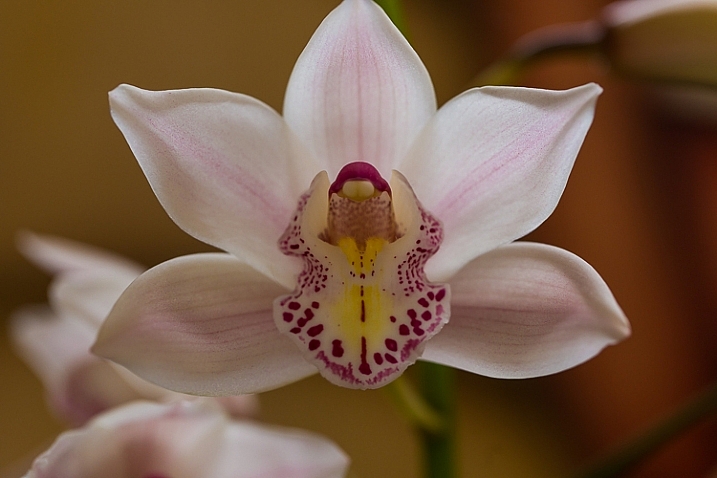
iso 640, f4, 1/100 sec

Cymbidium orchid: ISO 640, f/4, 1/100th
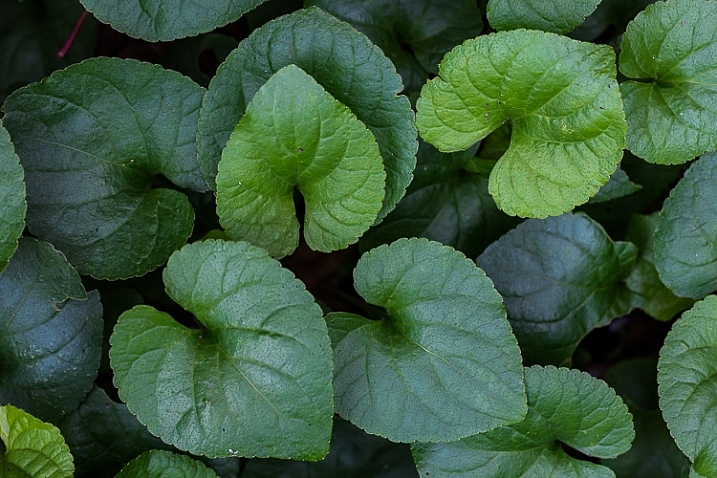
image showing photographing nature in your backyard

Violet leaves: ISO 800, f/8, 1/30th

image showing photographing nature in your backyard

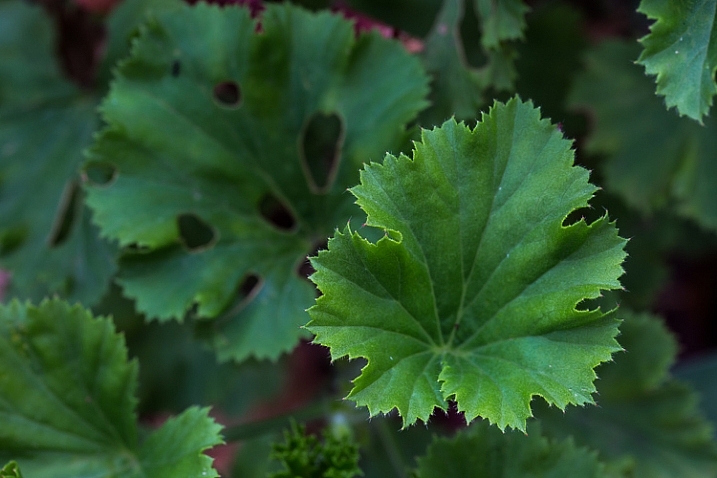
Geranium leaves: ISO 320, f/8, 1/40th

Experiment with different lighting and conditions. I love backlighting for leaves and flowers, as it creates a luminous, almost three-dimensional effect, and you can see details such as veins. Some shapes look better with strong, directional light, and I love how colours are enhanced in the wet.
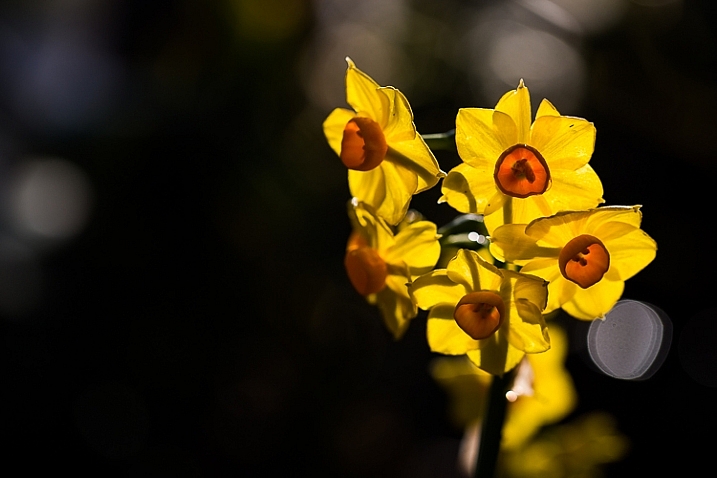
image showing photographing nature in your backyard

Erlicheer daffodils BACKLIT: ISO 100, f/4, 1/640th
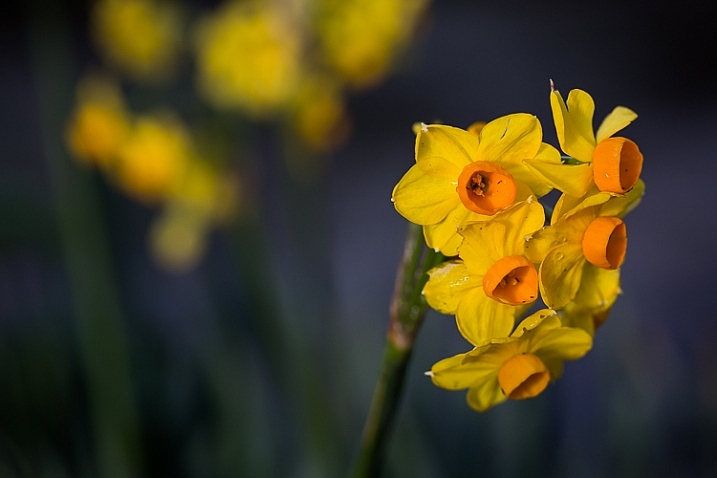
image showing photographing nature in your backyard

The same flower shot with the sun on my back: ISO 100, f/4, 1/800th
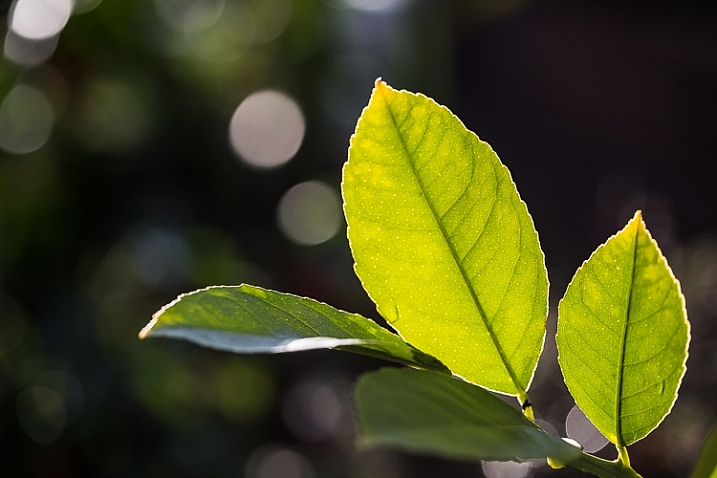
image showing photographing nature in your backyard

Backlighting a leaf reveals details you wouldn’t see if you lit it directly : ISO 100 f/4, 1/250th

Flowers are seasonal, and in temperate zones, spring and summer offer the widest variety. There are still flowers to be found in winter, although you may need to look harder. Don’t forget that weeds, such as dandelions ,are also beautiful! Autumn (fall) provides the greatest colour spectrum in leaves.
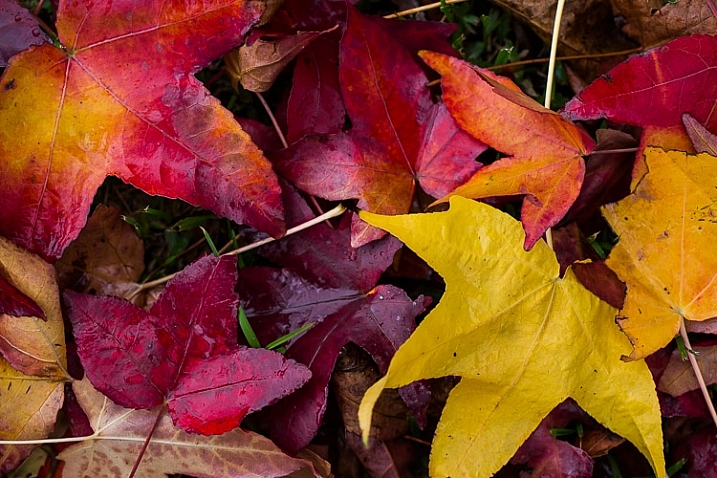
image showing photographing nature in your backyard

Liquidamber leaves photographed en masse: ISO 640, f/4, 1/80th
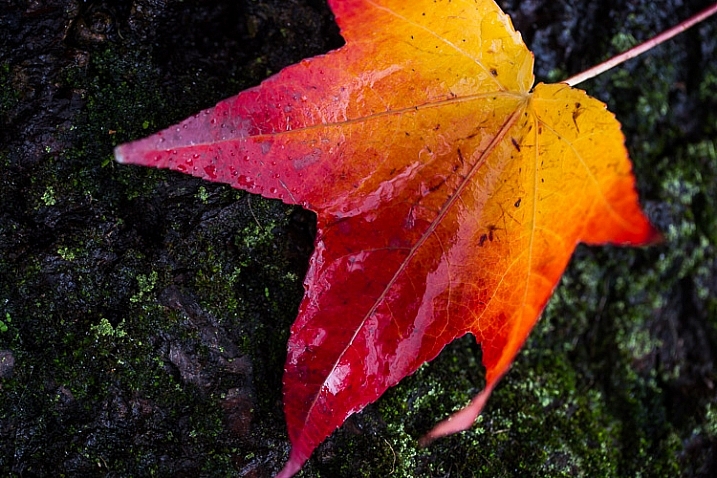
image showing photographing nature in your backyard

A single leaf isolated against a dark background: ISO 640, f/4, 1/30sec

#2 – Fruit, berries and seed pods

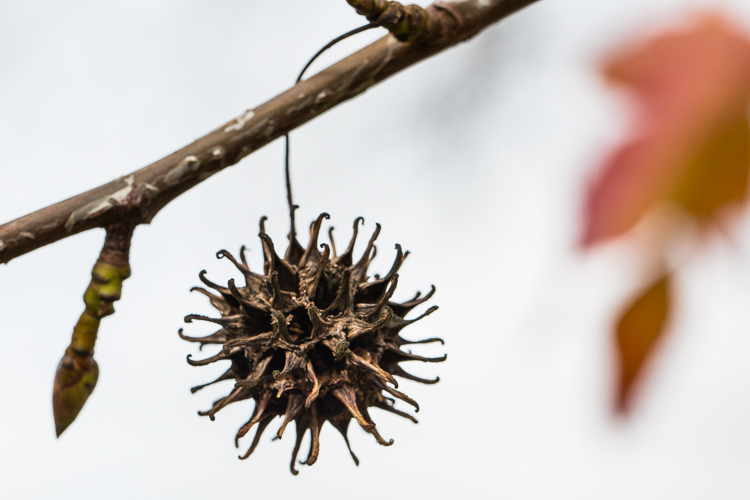
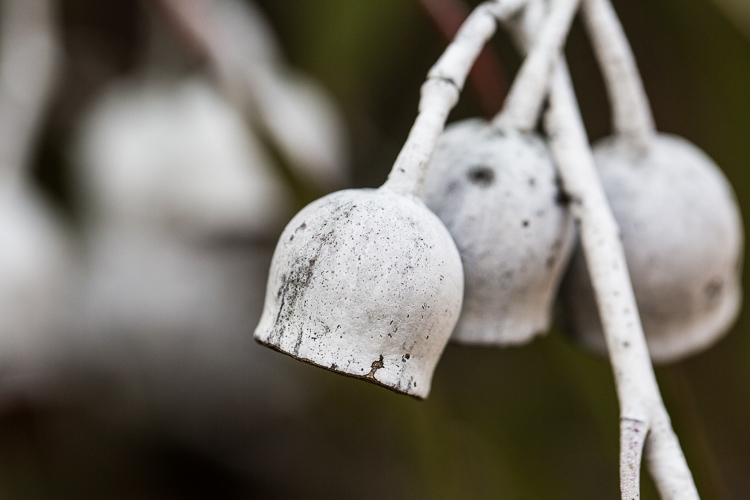
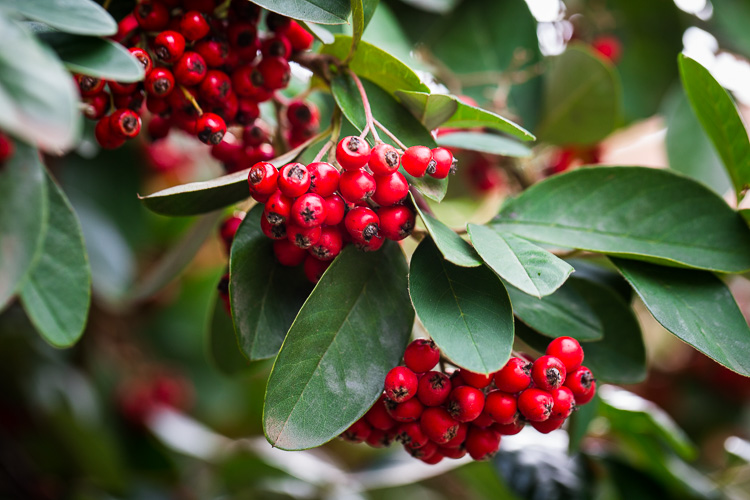
When the summer flowers disappear, fruits and berries are nature’s way of providing for birds and animals throughout the colder months. Many berries and seed pods ripen towards the end of autumn, bringing colour to the winter garden. Citrus trees bear fruit in winter, and persimmon trees lose their leaves to reveal branches of shiny orange fruits. Think also of acorns, pine cones, and nuts.
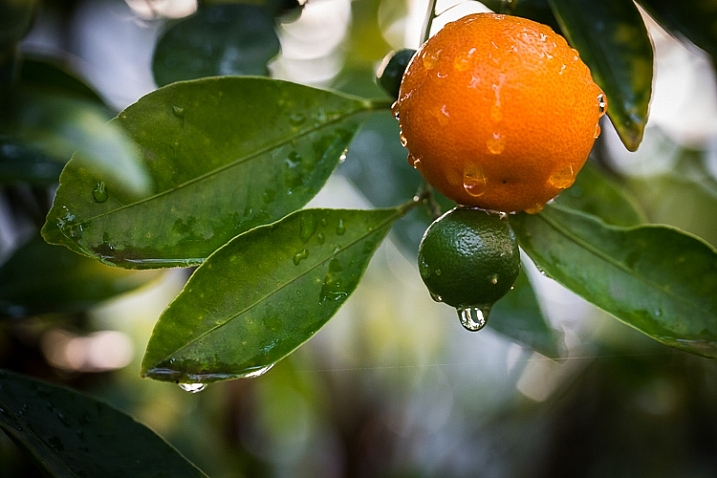
image showing photographing nature in your backyard

Kumquat: ISO 2500, f/4.5, 1/50 sec

photgraphing nature in your backyard

ISO 800, f/8.0, 1/500th.

photgraphing nature in your backyard-4

ISO 500, f/5.0, 1/1250th.

photgraphing nature in your backyard-3

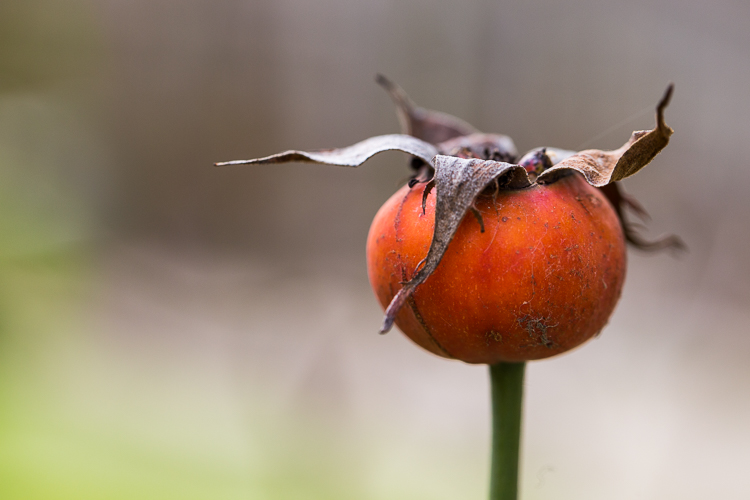
Orange rosehip: ISO 500, f/5.0, 1/160th
photgraphing nature in your backyard-2

Bunches of red berries: ISO 500, f/5.0, 1/100th.

#3 – After the rain

Raindrops are fascinating through the lens. Try photographing them from various angles, and in different lighting. When photographing a single droplet, or a string of them, isolate them by keeping the background uncluttered. You can do this by creating distance between the droplets and the background, and using a wide aperture to ensure it is blurred. Notice also how water sits in nice round droplets on some types of leaves, but on others it disperses.
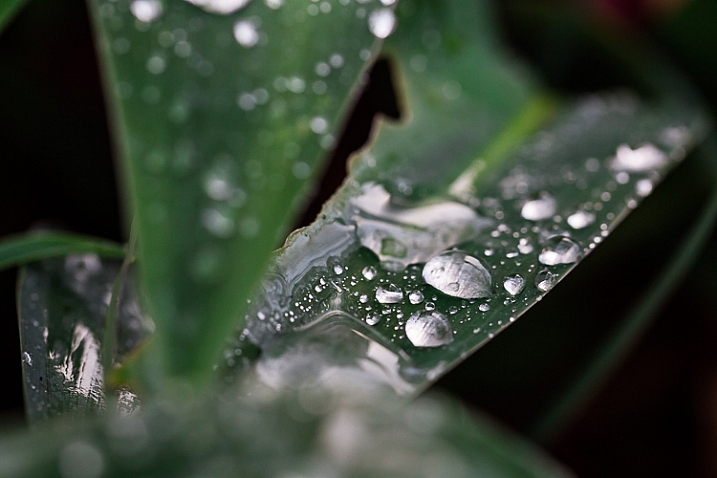
image showing photographing nature in your backyard

Arthrododium leaves after rain: ISO 800, f/4.5, 1/80 sec
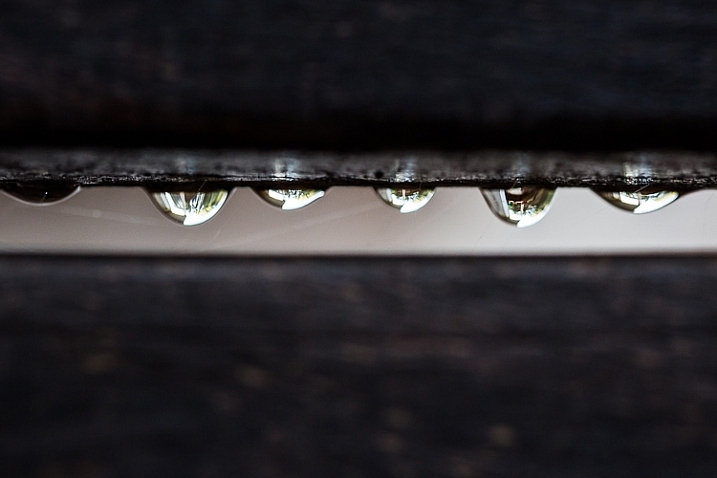
image showing photographing nature in your backyard

Raindrops hang from the slats on the back of a garden chair: ISO 1000, f/4, 1/125 sec

image showing photographing nature in your backyard

ISO 640, f/4, 1/125 sec

image showing photographing nature in your backyard

ISO 1000, f/4, 1/125 sec

#4 – Mushrooms, toadstools and fungi

These are abundant in autumn and winter, but some species pop up throughout the year after rain. Look in damp, mossy places, on the sides of trees and log piles for them.

My personal favourites are the red toadstools with white speckles. They are evocative of fairy tales and magic, and their colours are a nature photographer’s dream!

image showing photographing nature in your backyard

Toadstool: ISO 1000, f/6.3, 1/250 sec
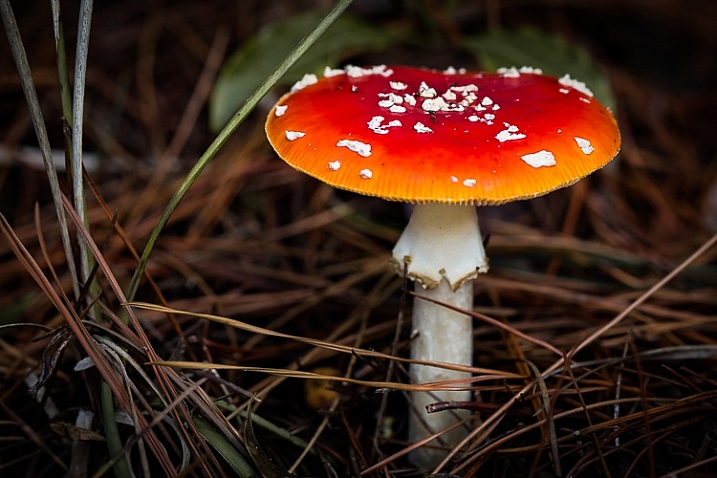
image showing photographing nature in your backyard

ISO 1000, f/6.3, 1/160 sec

Don’t ignore the tiny, dull-coloured mushrooms and fungi. The ones in the photo below were growing in a crevice in the side of my herb garden. You can see by the scale of the woodgrain how tiny they were. From above, they were nondescript, but when I lay on the ground beneath them and shot into the backlight, they became translucent and I could see their delicate structure.
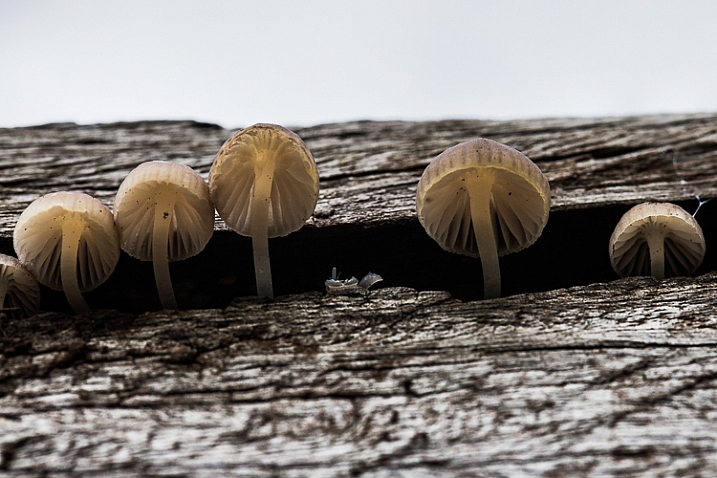
image showing photographing nature in your backyard

These tiny mushrooms were no bigger than the fingernail on my pinky finger! ISO 800, f/8, 1/160 sec

#5 – Look up . . . look down

We have a ginormous tree in our backyard. It was probably planted when our house was first built in the 1920s, and its canopy is as big as the footprint of the house. One of my favourite things to do in the warmer months is to put a picnic rug on the lawn, and lie on my back gazing up into its branches. It is free therapy!

Watching the leaves change from bright spring green through to darker green in summer, the first blush of colour in autumn, through to rich claret just before they drop, never ceases to delight me. I have photographed it time and time again through the seasons. Even lying on the ground with my 35mm lens, I can only capture a small portion of the canopy.
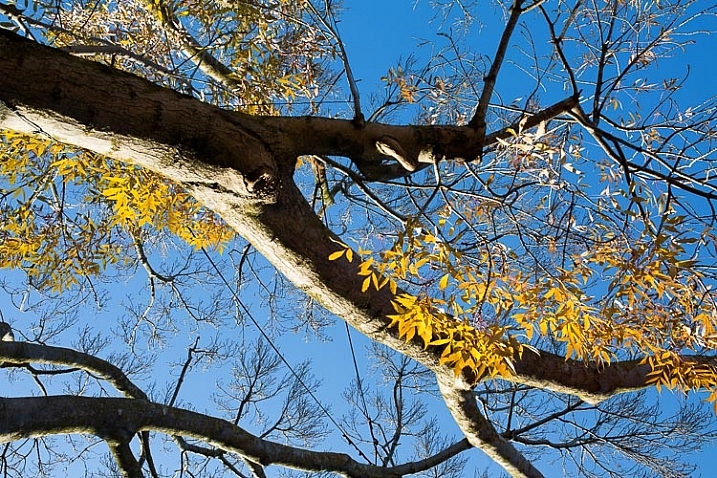
image showing photographing nature in your backyard

Sigma 35mm Art lens, ISO 160 f/11, 1/60 sec
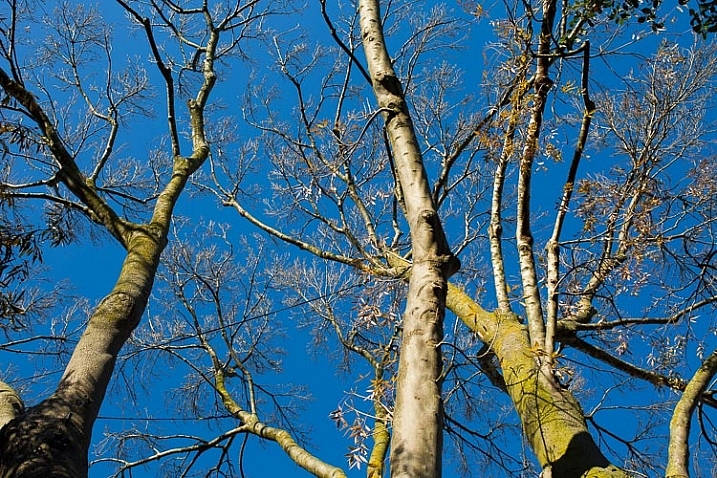
image showing photographing nature in your backyard

Sigma Art lens 35mm, ISO 160, f/11, 1/100 sec

If you are lucky enough to have trees in your garden, try standing or lying directly underneath them and shooting up into the branches. Notice how the light changes from early morning, throughout the day into late afternoon and evening. Branches, whether they are naked or covered with leaves, contrast beautifully against a blue sky. They are equally stunning at sunrise and sunset, and on a moonlit night.
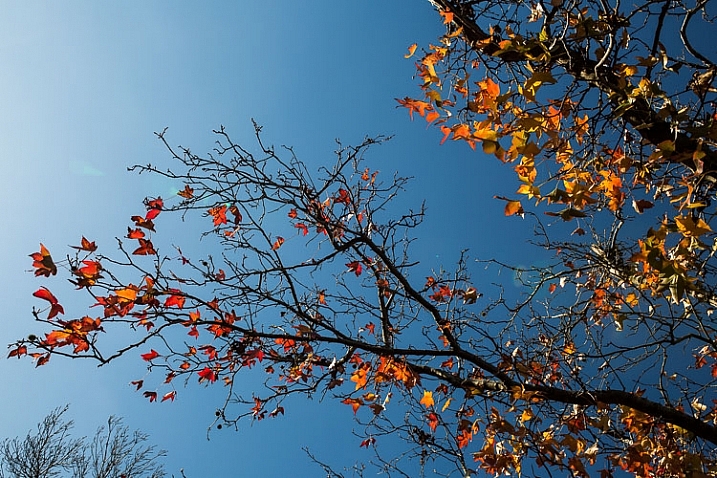
image showing photographing nature in your backyard

Sigma Art lens 35mm: ISO 200, f/11, 1/200

If you haven’t any trees, look for interesting cloud formations to photograph. You can create a collection of skies to use as Photoshop overlays, to add interest to other outdoor photos such as portraits. Look for vertical cloud formations, fat white fluffy ones, and those lovely soft colours around the edge of the clouds at dusk and dawn.

Down on the ground are a million microcosms in the moss, the lawn, between the paving stones, and the fallen bark and leaves. You won’t see them until you get down to ground level, so lie flat on your tummy and peer into another world.
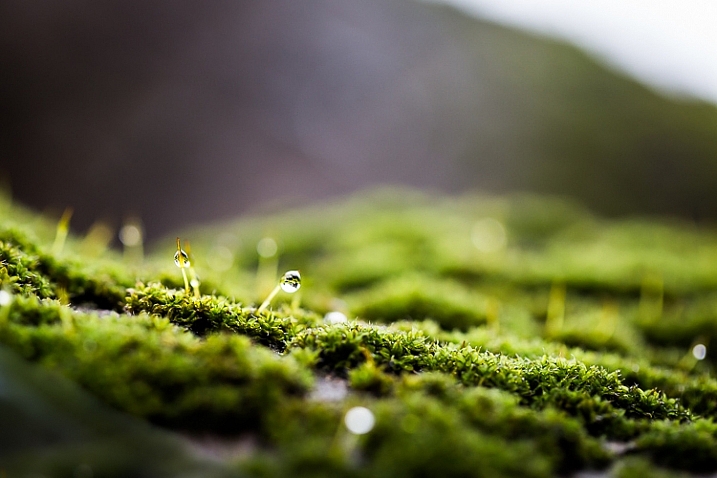
image showing photographing nature in your backyard

Macro world: the moss on a tree trunk. ISO 640, f/4, 1/40 sec

#6 – Black and white beauty

We tend to think of colour photography when we think of nature, but don’t dismiss the idea of black and white. Nature provides sculptural shapes and contrasting textures that make great black and white subjects. If you have succulents or cacti in your garden, they are often more interesting in black and white than they are in colour (except on those rare occasions when they flower). Ditto with white flowers against a dark background. Smooth pebbles, rough bark, snail shells, acorns and pine cones all look fabulous in black and white. Try strong, directional lighting, and a high contrast edit.
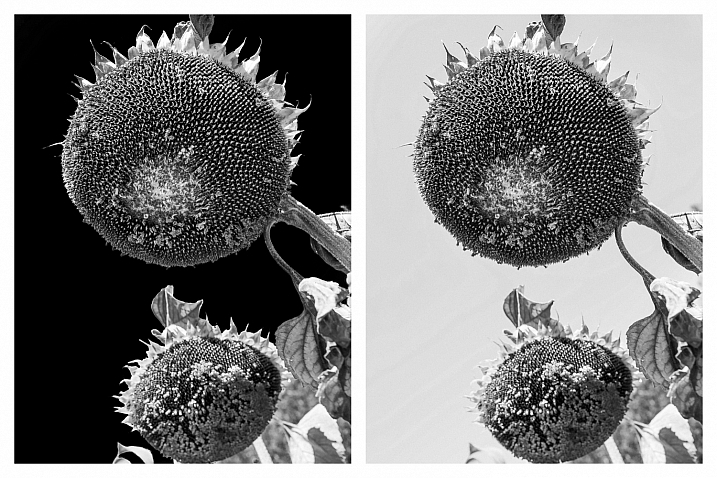
image showing photographing nature in your backyard

When I converted this file to B&W in Lightroom, I played with the sliders in the HSL panel. The photo on the left has the blue slider pulled all the way down to -100 to darken the blue sky. On the right, the blue slider is set to zero.
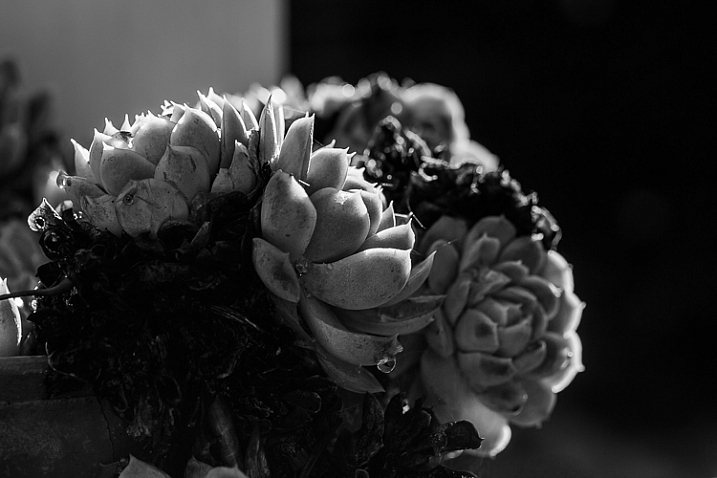
image showing photographing nature in your backyard

ISO 100, f/8, 1/100th. Converted to B&W in Lightroom.

#7 – Experiment with sun flare and haze

Your backyard is one of the best places to experiment with effects and new techniques. Firstly, you become familiar with how things look at various times of the day, and throughout the seasons. Secondly, you don’t need to travel far, so you can respond to anything on a whim. If you spot something amazing while you’re sipping on your morning coffee, you needn’t even get out of your pyjamas to capture it!

The subjects in the two photographs below are both visible from my desk. Every morning last summer, I noticed how this shaft of hazy sunlight would hit the planting of succulents on the pedestal, so I knew exactly what time to capture it at its best. Also sitting at my desk, I saw how the sun caught this spray of orchids just after the rain, and I rushed outside with my camera.
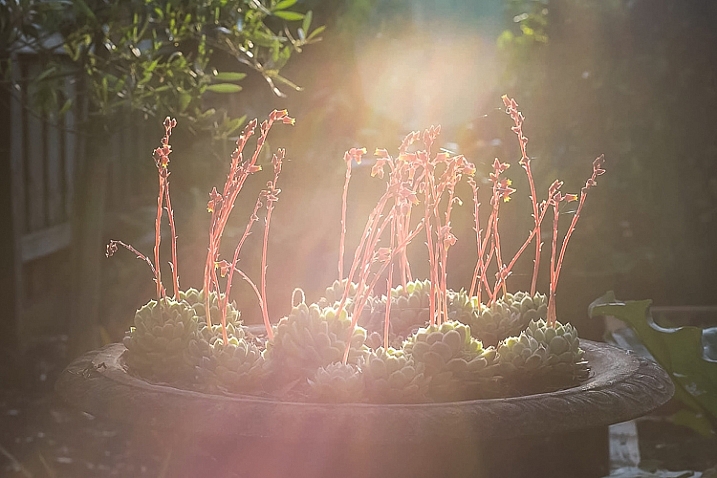
image showing photographing nature in your backyard

Canon 85mm lens, ISO 100, f/4, 1/800th.
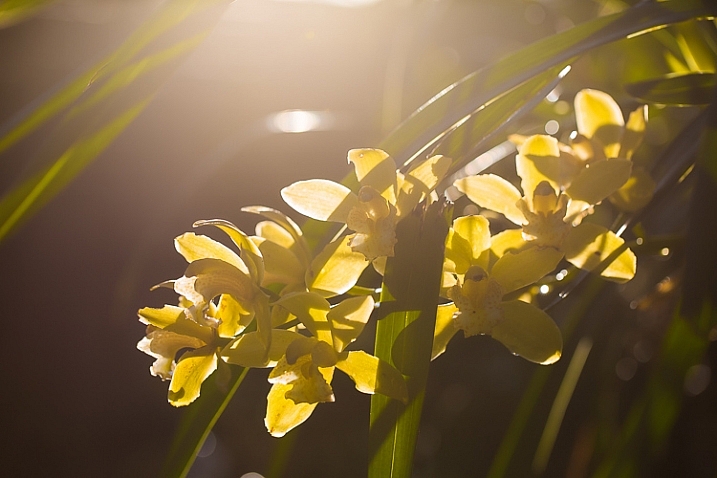
image showing photographing nature in your backyard

Shot with sun flare and no lens hood: ISO 100, f/4, 1/1000 sec
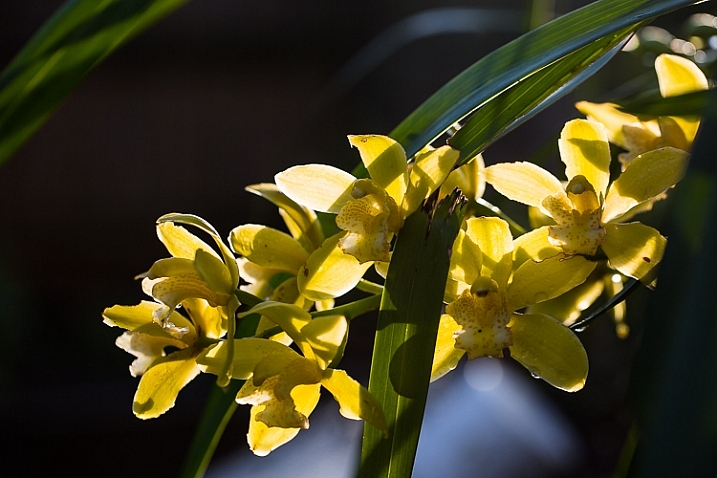
image showing photographing nature in your backyard

For comparison, this is the same scene shot with a lens hood to cut flare: ISO 100, f/4, 1/320sec

#8 – Snails, bugs and spiders

For nine months of the year, there are a million creepy-crawlies in my backyard. Butterflies, cicadas, crickets, praying mantis, caterpillars, moths, bees, wasps and spiders (I could happily do without the latter two). At the time of writing this article, it is winter in Melbourne, so most bugs are hiding or dormant.

#9 – Birds and other wildlife

I’m going to preface this paragraph with honesty. Confession #1: photographing wildlife of any kind requires more patience and a longer telephoto lens than I possess. Confession #2: I have the greatest admiration for those who do it. I have a Pinterest board just for animal photos (you’ll notice a clear bias towards squirrels) and on 500px I follow a number of photographers, one of whom only photographs squirrels!

Editor’s note: our own Will Nichols specializes in photographing squirrels.

The kinds of animals and birds you’re likely to find in your backyard obviously depends on which part of the world you live in, and how built-up your neighbourhood is. You will know which kinds of critters visit your backyard, and what their habits are. With that in mind, find a spot where you won’t be too conspicuous, and be prepared to wait. If you’re using a long lens, you might consider using a tripod or monopod to avoid camera shake. Have your ISO and aperture all set to go, with a fast shutter speed to freeze motion. If you have been watching the animal or bird’s behaviour over several days or weeks, it may be possible to focus roughly on the area you expect them to appear – for example, the birdbath.

Also read: Guide to Attracting Critters to Your Garden for Backyard Wildlife Photography

#10 – Portraits in nature

Nature provides us with the perfect canvas for portraiture. Look for a bank of flowers, a bed of autumn leaves, or just a green hedge – the colours in nature never seem to clash.

When photographing children and pets in particular, I almost always prefer an outdoor location over a studio. My eldest daughter usually runs a mile when she sees the camera, but the chance to roll around with the dog in these glorious leaves was clearly too much for her to resist.

I love how the soft hues flatter her skin tone. If you are shooting outdoors with lots of colours, such as flowers or autumn leaves, take care with your subject’s outfit. These portraits might been too busy if my daughter had been wearing a patterned outfit.
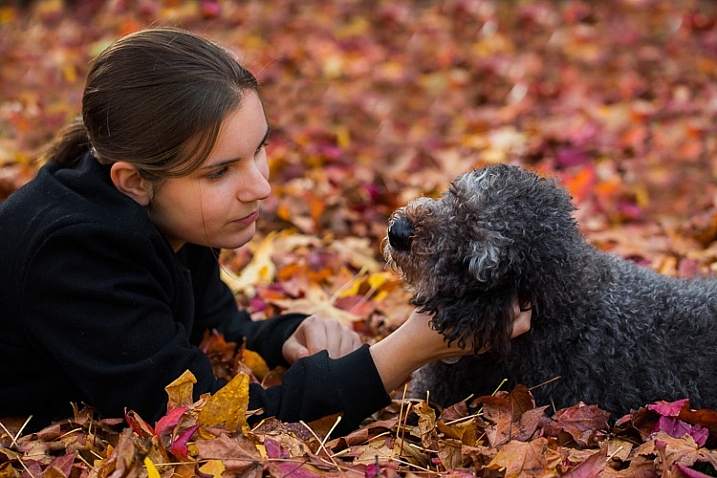
image showing photograph nature in your backyard

Not even teenage daughters can resist these leaves! ISO 320, f/4, 1/400 sec
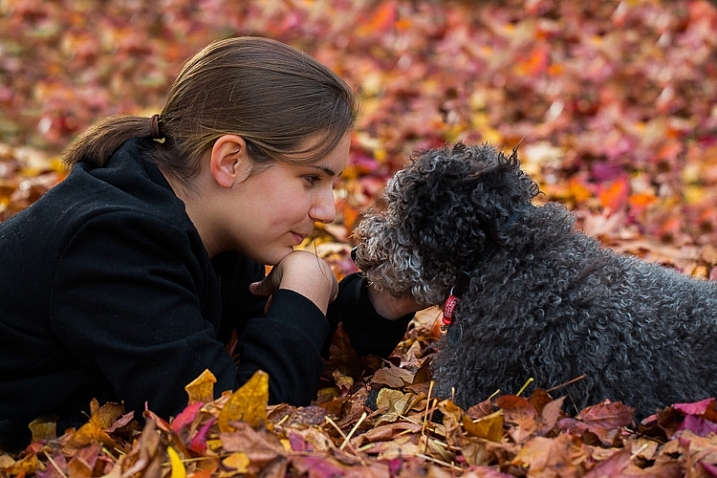
image showing photographing nature in your backyard

ISO 320, f/4, 1/320 sec

Let’s hear from you!

So there you have it – plenty of inspiration to get outdoors and photograph nature in your own backyard. It’s time to stop reading and get out there with your camera. Please share your backyard nature photographs in the comments below … especially if they involve squirrels!

This week we are doing a series of articles to help you do better nature photography. See previous articles here:

  • 3 Habits Every Outdoor Photographer Should Develop to Avoid Missing Shots
  • 5 Tips for Better Nature Photography
  • 27 Serene Images of the Natural World
  • Weekly Photography Challenge – Nature

googletag.cmd.push(function() {
tablet_slots.push( googletag.defineSlot( “/1005424/_dPSv4_tab-all-article-bottom_(300×250)”, [300, 250], “pb-ad-78623” ).addService( googletag.pubads() ) ); } );

googletag.cmd.push(function() {
mobile_slots.push( googletag.defineSlot( “/1005424/_dPSv4_mob-all-article-bottom_(300×250)”, [300, 250], “pb-ad-78158” ).addService( googletag.pubads() ) ); } );

The post 10 Ideas for Photographing Nature in your Backyard by Karen Quist appeared first on Digital Photography School.


Digital Photography School

 
Comments Off on 10 Ideas for Photographing Nature in your Backyard

Posted in Photography


Photographing fireworks: The basics and then some

04 Jul

Photographing fireworks

Here in the U.S. there’s a major summer holiday coming up – one that is celebrated with colorful explosions in the sky. The Fourth of July is traditionally celebrated with grilled meats, red-white-and-blue popsicles and of course, fireworks. If you’ve ever taken a terrible photo of a fireworks display and wondered what went wrong, we’ve got some ideas for you – from the very basics to some simple tips that will help you capture all the majesty of those ‘bombs bursting in air’.

Photographing fireworks

First things first: get your hands on a tripod. You’ll need to steady your camera by any means necessary otherwise the long exposures – anywhere from 2s to 10s or more – needed to capture the fireworks trails will just results in a blurry mess. Something else that can blur your photos is pressing the shutter release button, so a remote release of some sort, whether a cable, remote or smartphone will do the trick.

Next, you’ll want a lens or two that give you a variety of framing options. Depending on where you set up and what obstructions are in your path, a zoom lens will allow you to get your composition just right. It’ll also afford you variety with respect to story-telling: a telephoto focal length allows you to compress city elements with the fireworks as we’ve done here, while a wide-angle field of view will allow you to include different context in your framing, such as the viewers in this shot at the end of our slideshow.

Photographing fireworks

Shooting fireworks can be challenging from the perspective of camera settings. First, we recommend you place your camera on a tripod, so you can use the lowest ISO possible. This helps your camera capture as much light as possible, minimizing noise and maximizing dynamic range. Raising the ISO simply brightens tones so much as to often blow the fireworks to white. If you wish to raise dark tones, like the skies and cityscape, it’s better to selectively brighten them in post-processing, rather than increase the ISO which raises the exposure of all tones in your image.

Which gets us to our next point: shoot Raw. This affords you the most post-processing flexibility with respect to exposure of tones, and colors of various tones, including white balance adjustment.

Exposure latitude, and therefore dynamic range, is important when it comes to photographing fireworks. The fireworks are bright, so you don’t want to overexpose and blow them out, while the rest of the city and sky are dark, which you don’t want to clip to black. In fact, some lingering blue color in the sky adds a nice touch to the imagery. Larger sensor cameras, with higher dynamic range, allow you maximum flexibility in post, if you shoot Raw of course. This allows you to recover colors in the bright fireworks, brighten dark blue tones in the sky, and to set White Balance perfectly to balance the warm colors of the fireworks and the blue colors of the sky.

Photographing fireworks

But what settings should you shoot with? After setting your camera to the lowest ISO (usually ISO 100), set your Drive mode to Manual Bulb, then F8 (equivalent) for enough depth-of-field, and to ensure that the initial launch of the fireworks itself doesn’t register too brightly in your final photograph. Trigger the shutter with your remote when no action is occurring, to allow the camera to start accumulate background exposure to capture some of the sky blue and city lights. Once the fireworks explode, continue to capture some of the trails, then end the exposure with your remote. That’ll allow you to capture enough of the fireworks to get a pattern against a well exposed deep blue sky. Any other exposure adjustments to balance the sky, foreground, and fireworks can be saved for post-processing of the Raw.

This method will allow you to to capture just the right amount of fireworks for the effect you desire. Here, for example, we stopped the exposure rather early, to capture some of the interesting paths the fireworks initially took. When the finale rolls around and fireworks are going off all over the place, you’ll want to end the exposures earlier on (shorter shutter speeds), otherwise you’ll get a blown-out mess.

And by the way, the earlier you start shooting, the less mess of clouds and gas from previous explosions you’ll have in your final photograph – there’s already quite a bit of smoke in this photograph!

Photographing fireworks

Photo: Dale Baskin Photography

Move away from the show

Now that you’ve got a handle on the basic principles, here are a few easy tricks you can try out to bring your fireworks photo game up a level.

There’s a natural tendency to want to get close to, or directly underneath, a fireworks show. This works well if your goal is to capture closeups of the fireworks, but without other visual cues a firework over Seattle looks the same as a firework over London. Try moving away from the show and using a telephoto lens to frame fireworks against a city skyline or landscape to provide some context to your photos and to provide a sense of place.

Photographing fireworks

Photo by John Cornicello

Try something tricky

Racking the zoom or adjusting focus while shooting a longer exposure can offer up a creative and new way to photograph fireworks. One way to go about doing this is to throw the focus at the beginning of a 1 or 2 second exposure and quickly refocus after the initial explosion. This will give your images a flower or even sea creature-like look.

Photographing fireworks

Don’t forget video

You can also opt to forget stills for the night. Try shooting high frame rate video if your camera offers it and slowing it down later. Whether you’re watching professional fireworks or simply lighting off roman candles in your backyard, slow-motion video is a simple way to get some very cool shots. Many modern cameras can shoot video at 60 or even 120 fps. And still some cameras, like to Sony RX100 IV used to capture the video below, can shoot as fast as 960 fps.

Photographing fireworks

Capture the human element

For another view, think of capturing the human element instead of the action: Firework photos can frankly be a tad cliche. Don’t shoot the same boring shot as everyone else, instead turn your camera to 180 degrees and capture those watching. Try looking for people displaying an emotional response to the show. And because most folks will be mesmerized by what they’re watching, it should be pretty easy to go unnoticed while you shoot.

Photographing fireworks

Photo by Jonah Cohen

Move away from the show and capture the human element

Alternatively, take a step back and frame the human element, with the fireworks in the background. Here the people are an integral part of the framing, so a small aperture was used for loads of depth-of-field to get both the viewers and the fireworks in focus. You can also get closer to the viewers to create more separation between them and the fireworks, and use a fast aperture to throw either them or the fireworks out-of-focus for creative effect.

Either way, if you’re putting people into the frame, a wide-angle lens will allow you to include a large group of people, as well as create separation, or depth, between the people in the foreground and fireworks in the background. The shot above was taken at 26mm equivalent, for example.

Have any favorite tips or tricks for photographing fireworks? Share them in the comments!

Articles: Digital Photography Review (dpreview.com)

 
Comments Off on Photographing fireworks: The basics and then some

Posted in Uncategorized


Photographing surfers on Russia’s Kamchatka Peninsula

26 Jun

$ (document).ready(function() { SampleGalleryV2({“containerId”:”embeddedSampleGallery_1062980856″,”galleryId”:”1062980856″,”isEmbeddedWidget”:true,”standalone”:false,”selectedImageIndex”:0,”startInCommentsView”:false,”isMobile”:false}) });

The Kamchatka Peninsula, located in the far eastern portion of Russia, is home to a passionate surfing community. You read that right – Russian surf community. The peninsula boasts excellent conditions for surfing, and its towering volcanic peaks make for a fantastic backdrop.

Surf photographer Tania Elisarieva is well familiar with what she describes as the ‘cold and harsh landscapes’ of Kamchatka, having grown up in the far north of Russia. Her photos capture the striking beauty of the place, from its snow-covered peaks to icy volcanic craters, and show the world another side of Russia. Read her story and see more of her work on Resource Travel.

Articles: Digital Photography Review (dpreview.com)

 
Comments Off on Photographing surfers on Russia’s Kamchatka Peninsula

Posted in Uncategorized


3 Quick Tips for Photographing in the Harsh Midday Sun

15 Jun

One of the most important elements of photography is light. So it’s only natural that as photographers, one of the most important skills to have under your belt is the understanding of different kinds of light, and how to SEE it before taking a single shot. Every photographic frame needs some sort of light but the intensity, direction, and quality is always in question.

3 Quick Tips for Photographing in Harsh Midday Sun(1)

For natural light or outdoor photographs, early morning sunlight (when the sun is low in the horizon and has a soft quality), or beautiful golden light of the setting sun is ideal. However this is not always practical, especially when dealing with clients. Firstly, not all clients are open to early morning or sunset photoshoots. Secondly, particularly in wedding photography, timing is not something the photographer has much control over. Many wedding ceremonies are scheduled outdoors at noon, when the sun is the highest in the sky, and the light is the harshest.

As photographers we know that good quality light does wonders to an image, almost giving it an ethereal, magical look, but we cringe when we have to deal with harsh midday sun. Luckily there are a few tips and tricks to deal with this harsh light source, while still achieving beautiful images. In this article, my aim is to help explain some of these simple tips, using my newly purchased rose bushes that are waiting to be planted, and also prove that they will work for any subject, not just people!

Memorable Jaunts Tips for photographing in the harsh midday sun-2-2

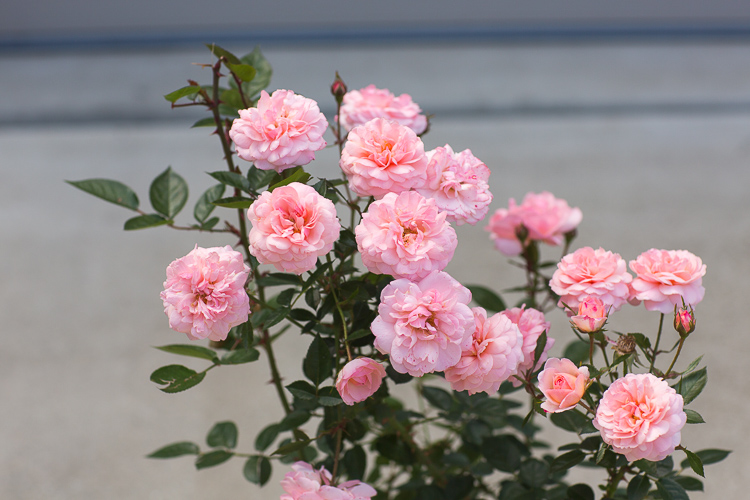
Beautiful roses photographed at noon, under the shade cast by the front of my home.

Please note – most of the images used in this article are SOOC (straight out of camera). I have applied minimal to no processing, because I want to show the direct results of shooting in harsh light, similar to what a photographer would experience, so as to fix as much as possible in camera, not via post-processing later.

#1 Put the subject’s back to the sun – backlighting

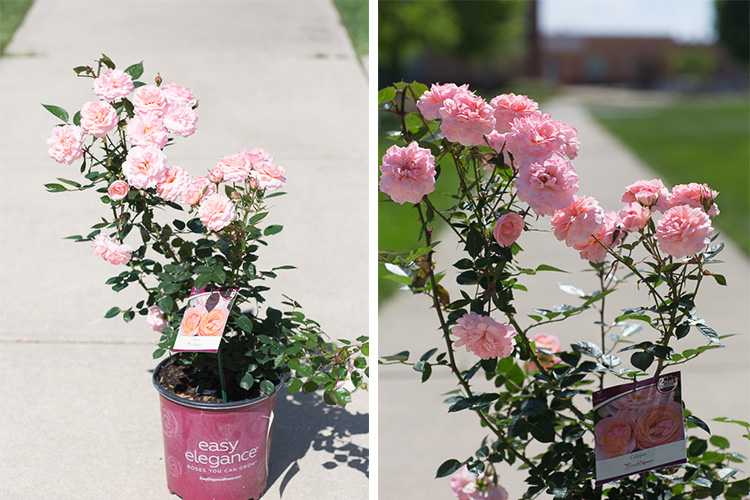
If there is no shade is available, and your only choice is to position your subject in full sun, an easy tip to follow is to position your subject with their back to the sun. This will help block most of the direct light from falling on their face, which causes them to squint their eyes. Instead, their face or the main part of the subject will be evenly shaded. This technique is called back lighting.

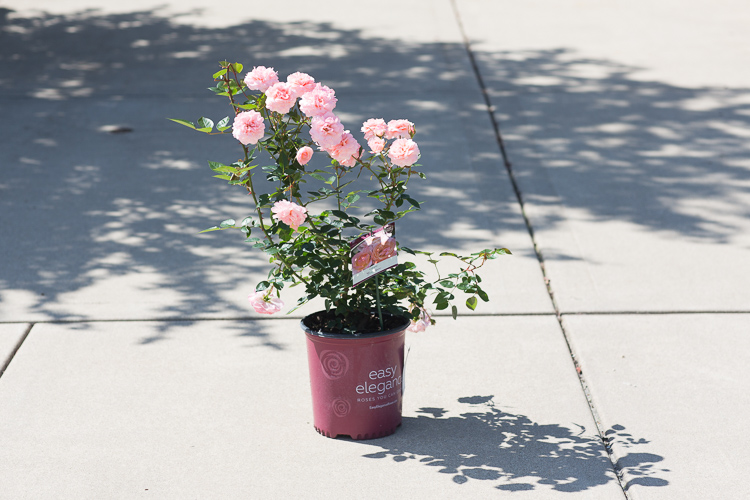
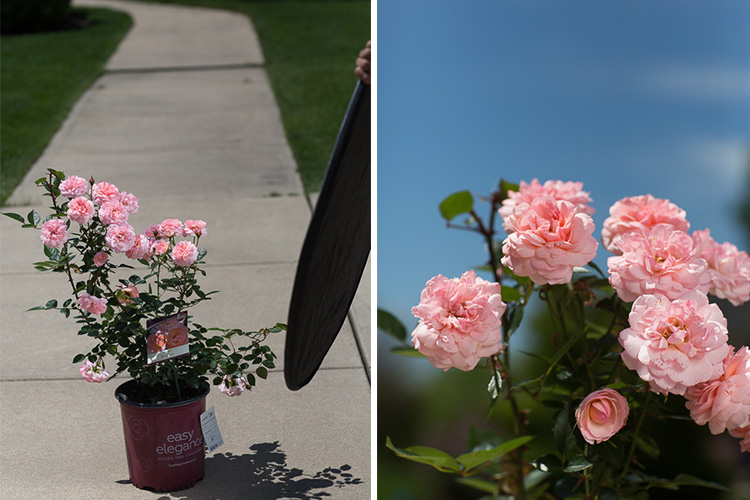
As you can see, in the first image below, the roses are in full sun. To backlight them, I simply moved the plant so that the roses I wanted to photograph, had their backs to the sun. This is sometimes easier to do with one subject because you can position them perfectly, to make sure no sunspots are making their way onto their face. If you are dealing with two or more subjects, particularly people, then have their faces closer together or even have them turn their bodies slightly inward towards each other. This helps eliminate any harsh light spots on their face.

Make sure to expose for the subjects’ faces or they will be too dark to see any detail. Something to note, is that when metering for the face in a situation like this, your background may be overexposed and may lose all the details, that’s okay.

Memorable Jaunts Tips for photographing in the harsh midday sun-1

Roses in full sun. You can see from the shadows that the sun was high in the sky, almost overhead at the time of these pictures.

Memorable Jaunts Tips for photographing in the harsh midday sun-5

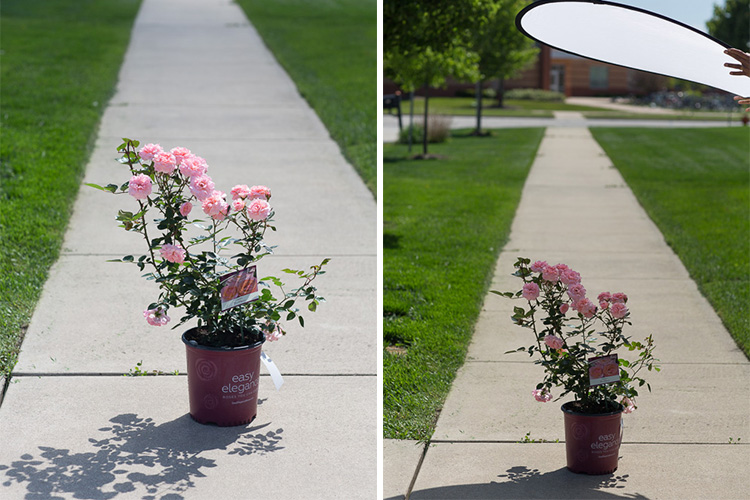
Image on the left – Roses are facing the bright sun and almost appear washed out. Image on the right – Roses are in shadow and are darker when backlit.

If you want to maintain detail in the background or sky in a backlighting situation, you should use a reflector to bounce some light back into the subject’s face. This eliminates the need to overexpose the background especially when metering for the face (or part of the subject in the shade). Depending on the strength of the reflector, and the position of the sun, you can even underexpose the image to retain more highlights in the background while evenly lighting the subject by way of the reflector.

Memorable Jaunts Tips for photographing in the harsh midday sun-7

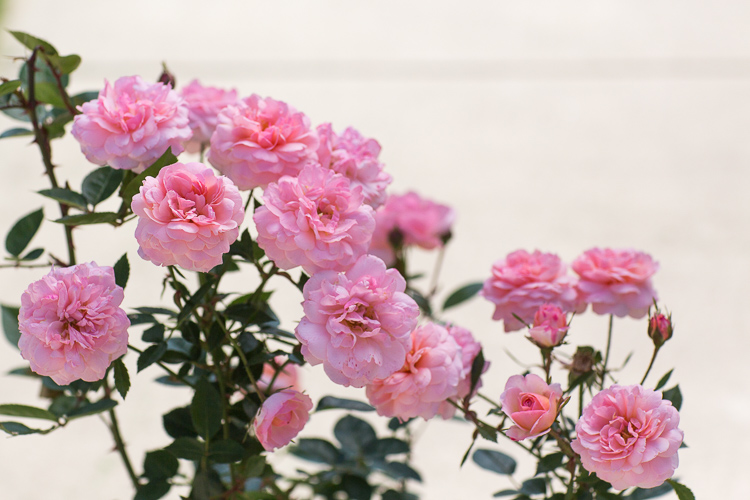
Left: A reflector with the silver side facing the roses is used to add more directional light on the flowers. Right: A close-up picture of the roses, slightly underexposed to maintain the clear blue in the sky, the light from the reflector is adding the pop of light on the flowers.

#2 Open shade or even lighting

The best way to avoid distracting facial shadows from midday lighting, is to bring your subjects into a shaded area. Shade can be provided by a large tree, an open garage, a building, an awning, or anything that casts a big enough shadow to cover your subject. The benefit of shade is that it creates even lighting where no direct sun is hitting the face or body, allowing the subject to be evenly lit. The key is to place your subject at the very edge of the shade, so that while they are evenly lit there is still enough light to illuminate them. If you place your subject in the darkest part of the shade, the light hitting them may be lost. Also make sure you are not using patchy shade, especially when subject is placed under a tree. This can cast what is called dappled light on your subject, causing uneven spots of light on their face and body.

Memorable Jaunts Tips for photographing in the harsh midday sun-8

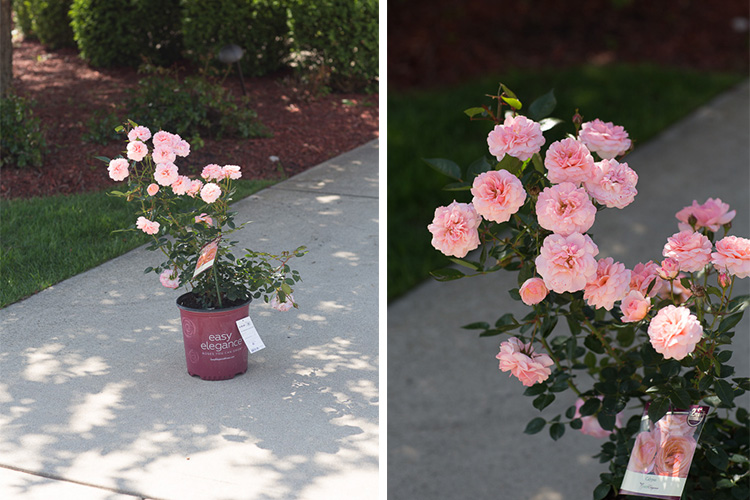
Left: Rose bush under the shade of a tree. Right: An example of dappled lighting on the roses. Notice how some roses are in the sun, while other are in the shade. This type of uneven lighting can cause undesired hot spots, especially on skin and hair.

Memorable Jaunts Tips for photographing in the harsh midday sun-10

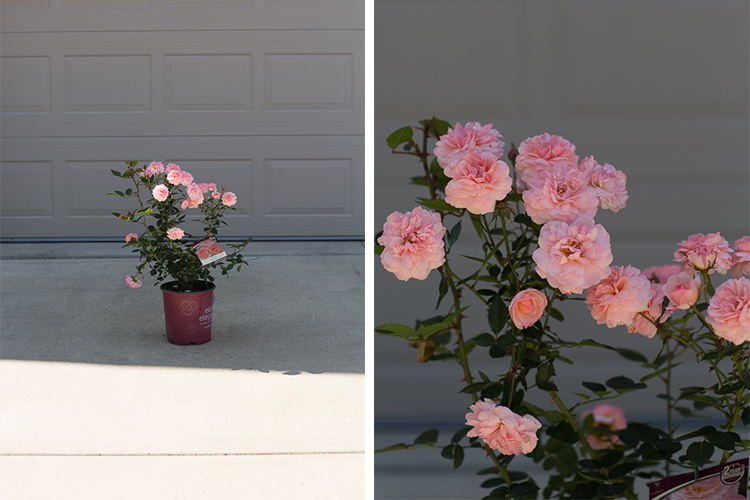
Left: Rose bush at the edge of the shadow cast by the front of the house. This type of open shade is more even and uniform. Right: Close-up of the roses in the shade.

Memorable Jaunts Tips for photographing in the harsh midday sun-11

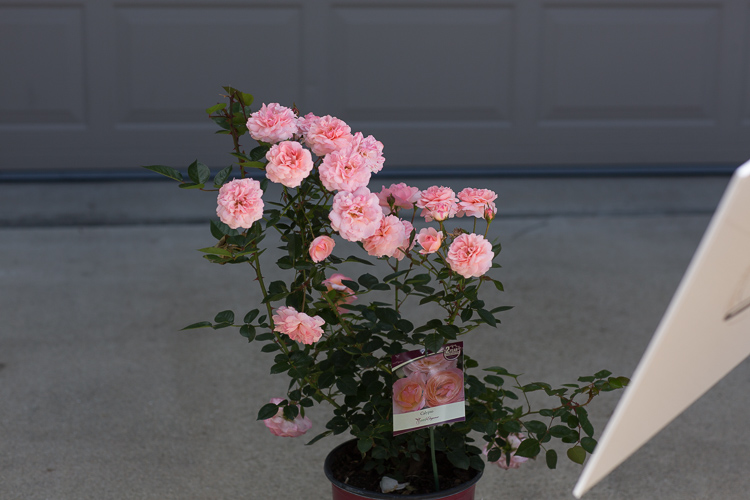
A simple white foam core board was used to add a little pop of reflected, directional light, onto the roses in the shade.

#3 Full sun with a diffuser

If all else fails, and you have no other alternative but to place your subject in the full, harsh sunlight, either because of location restrictions, or time of day limitations, then using a diffuser (translucent panel of your reflector) might be the next best option.

A diffuser takes in the harsh sunlight and spreads it evenly over your subjects. This also gives your subject some respite from the harsh sun, and casts a shadow on them so they are not squinting into the sun. In the simplest form a diffuser can be a piece of translucent white fabric (like a bedsheet). Of course, this does assume that you have an extra pair of helping hands to hold up the diffuser, when you’re shooting on location. I have been known to solicit the help of strangers, to help hold the diffuser for a quick minute or so while I take the shot – be resourceful!

Memorable Jaunts Tips for photographing in the harsh midday sun-16

Left: Roses in full sun. Right: A simple diffuser panel that casts even, soft light onto the flowers

Memorable Jaunts Tips for photographing in the harsh midday sun-15

Close-up of the roses with diffused lighting for a more even tone and color under harsh midday sun.

So the next time you have a client wanting to shoot in the middle of the day, don’t hyperventilate and come up with excuses to avoid the situation. Instead take up the challenge and try these techniques. If nothing else, it will make you more confident as a photographer, and also help you understand light a bit better.

For more reading check out: Portrait Photography: How to Photograph People in the Harsh Midday Sun or 5 Ways to Create Dramatic Landscape Photos at Midday.

What other tips do you have for photographing in the harsh midday sun? Please share in the comments below.

googletag.cmd.push(function() {
tablet_slots.push( googletag.defineSlot( “/1005424/_dPSv4_tab-all-article-bottom_(300×250)”, [300, 250], “pb-ad-78623” ).addService( googletag.pubads() ) ); } );

googletag.cmd.push(function() {
mobile_slots.push( googletag.defineSlot( “/1005424/_dPSv4_mob-all-article-bottom_(300×250)”, [300, 250], “pb-ad-78158” ).addService( googletag.pubads() ) ); } );

The post 3 Quick Tips for Photographing in the Harsh Midday Sun by Karthika Gupta appeared first on Digital Photography School.


Digital Photography School

 
Comments Off on 3 Quick Tips for Photographing in the Harsh Midday Sun

Posted in Photography


Sand and sky: Photographing Morocco

05 Jun

$ (document).ready(function() { SampleGalleryV2({“containerId”:”embeddedSampleGallery_1572122918″,”galleryId”:”1572122918″,”isEmbeddedWidget”:true,”standalone”:false,”selectedImageIndex”:0,”startInCommentsView”:false,”isMobile”:false}) });

Travel Resource Editor Michael Bonocore has been across the globe and back again to photograph exotic locations, but even he was unprepared for the experience he had in Morocco. From the clear nights with star-filled skies to the golden dunes of the Sahara, it was an otherworldly experience. See a few of his photos here and head to Resource Travel for more. Have you made a trip to Morocco? Share your story in the comments.

Articles: Digital Photography Review (dpreview.com)

 
Comments Off on Sand and sky: Photographing Morocco

Posted in Uncategorized


3 Tips for Photographing Children Without Losing Your Mind

27 Apr

photographing-children-9

Photographing children is one of my favorite things to do, but at times it can also be one of the most difficult. Sometimes with kiddos, there is a very thin line between capturing memories that will last a lifetime, and capturing tears, tantrums, and meltdowns. After years of photographing nieces, nephews, friends, and my own girls, I’ve made a whole lot of mistakes. But, I’ve also picked up a few tips and tricks that help things go a little more smoothly when it comes to photographing children, that will hopefully make your life a little easier as well.

1. Choose your location thoughtfully

photographing-children-8

When photographing children, heading to a park is a no-brainer, right? Well, maybe. Parks can be really great, free resources for photographers, but it’s important to think about them through the eyes of a child as well. As a photographer, if you take a young child to a park with a playground and then attempt to have them sit still on the grass directly across from the playground for a portrait, chances are that you’re creating an scenario that may not end well. If there’s a playground in view, you’d better be prepared that the kids will want to play on it.

photographing-children-7

Sometimes, letting kids play on the playground is a great way to capture some more candid moments, and other times it is a big distraction. More and more, I find myself scheduling sessions at hiking trail heads, covered bridges, and open fields, which still allow for plenty of room to run and play, but in a location that provides fewer distractions. In addition, I find these sorts of locations to be more aesthetically pleasing for capturing those candid moments, than playgrounds often are.

2. Find ways to make them laugh

photographing-children-6

Anyone who has photographed kids knows that most kids have a fake smile, that makes an appearance any time someone asks them to smile. That fake smile is fine, and may be unavoidable to some extent, but it is always better to get a real smile or laugh whenever possible. There are so many ways to do this, but I’ll share just a couple that I’ve found to be effective with lots of different children.

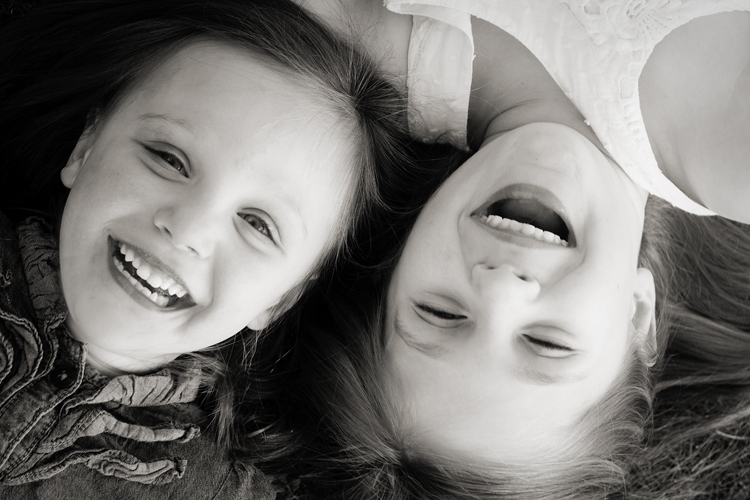
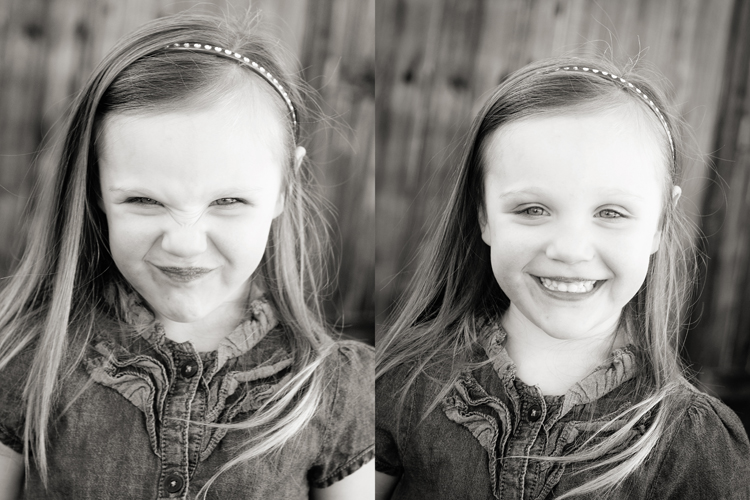
The first is simply to ask them to show you a variety of different faces. It’s fun to capture the silly faces that they make, but the point is really to capture their genuine smiles and laughs at your reaction to their silly faces. In the photo above, I asked my daughter if she would show me her angry face (left), and while I absolutely love that photo, and think it actually captures her slightly mischievous personality very well, my goal was really the more natural smile (right) that came after my laughter and exclamations that her angry face was absolutely terrifying.

In my experience, most kids think it’s hilarious to run through a whole string of different faces: angry, silly, dinosaur face, prince/princess face, hungry face, tired face, surprised face, and happy face all tend to be fun, and often result in lots of genuine smiles and laughs.

photographing-children-3

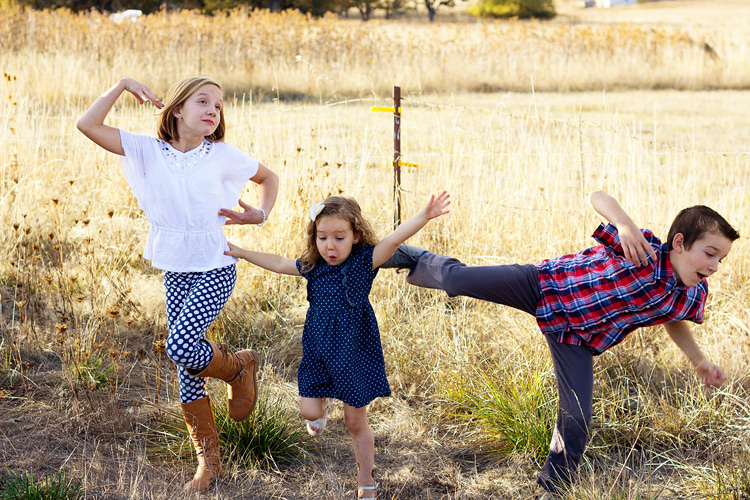
Another thing that seems to work well for most kids is to simply ask them to give you a funny pose. Be ready, because you may get anything from a stuck out tongue, to much more hysterical shenanigans. I truly never know what to expect, but always be ready to capture whatever it is. I often include a few of the most silly photos in the final images, because even if they aren’t 100% perfect or they don’t fit my normal aesthetic, they just plain make everyone happy, and I think there’s value in that. There’s also a practical value during the session as well, in that once again, being silly results in genuine smiles and laughs. Time and time again, my favorite images in a session are often the ones that come directly after the silliest images.

photographing-children-4

3. Be sensitive, and keep a sense of humor

My oldest daughter once cried for a half an hour because I made blackberry cobbler for breakfast, and she wanted toast instead. My youngest daughter laid on the floor, cried real tears, and screamed that I was ruining her whole life because I asked her to put on her shoes this morning. Moments like those are rarely funny at the time, but sometimes an hour or a day later, you find yourself laughing at the absurdity of the situation.

photographing-children-2

When it comes to kids, the reality is that even if you’ve been thoughtful about the timing and location of a session, sometimes meltdowns happen for no identifiable reason, and come from out of nowhere (sometimes they even happen mid-photo, as above). Photo sessions can be kind of stressful, and feel really high pressure for both kids and their parents. Sometimes with a little humor, distraction, or quick change of plans, everyone can get through a tantrum or minor meltdown just fine, and you’ll all laugh about it years later.  Sometimes, it’s more than that, and a child may be having a meltdown because of sensory issues that you are unaware of, or because they’ve been battling a cold or they’re teething and they just don’t feel good.

Regardless of the reason, sometimes it’s clear that the kiddo is genuinely upset, and isn’t going to calm down any time soon. If a child is genuinely upset, don’t force things. If it’s possible, offering to try again on a different day can be a really meaningful good-will gesture. After all, a parent saying, “Stop crying and smile” rarely (if ever) results in those genuine smiles that we so desperately try to achieve as photographers. It’s a fine line to walk sometimes, between being sensitive to the really legitimate feelings that kids may be having, and to also recognize that sometimes kids cry and get hysterical about really silly things, and then get over them equally as fast.  If things go south, just do your best to be sensitive, while also keeping a sense of humor about things. Life is messy sometimes.

photographing-children-5

Do you have any other tips that make photographing children just a little bit easier? Please share in the comments below, and I’d love to see your kid photos too.

People photography week

This week on dPS we’re featuring articles all about different kinds of people photography including portrait, event and travel photography. See all the previous ones below, and watch for more people photography articles over the next few days.

  • How to Take Low Key Head-shots
  • How to Do a One Light Portrait Setup and Use it as Your Back-up Plan
  • Travel People Photography – Tips and Pitfalls
  • 8 Tips for Photographing Men
  • 24 Diverse Images That Showcase People Photography
  • Weekly Photography Challenge – People Photography
  • Tips for Getting Yourself to Relax as a Photographer and Have More Successful Portrait Sessions
  • 5 Good Reasons to Add People into Your Landscape Photography
  • 6 Must-Have People Shots to Capture When Photographing Corporate Events
  • 4 Tips to Help You Get Started Doing Lifestyle Photography

googletag.cmd.push(function() {
tablet_slots.push( googletag.defineSlot( “/1005424/_dPSv4_tab-all-article-bottom_(300×250)”, [300, 250], “pb-ad-78623” ).addService( googletag.pubads() ) ); } );

googletag.cmd.push(function() {
mobile_slots.push( googletag.defineSlot( “/1005424/_dPSv4_mob-all-article-bottom_(300×250)”, [300, 250], “pb-ad-78158” ).addService( googletag.pubads() ) ); } );

The post 3 Tips for Photographing Children Without Losing Your Mind by Meredith Clark appeared first on Digital Photography School.


Digital Photography School

 
Comments Off on 3 Tips for Photographing Children Without Losing Your Mind

Posted in Photography


6 Must-Have People Shots to Capture When Photographing Corporate Events

25 Apr

Corporate events may not be every photographer’s dream, but they can certainly be interesting and maybe even fun depending on the assignment. As a freelance event photographer, about half of my shoots are corporate events, and they are among my favorite things to shoot. There’s always lots to learn from the speakers at these events, and they tend to be relatively easy gigs to shoot if you use a pre-planned shot list and know what to look for. This article details the six key people shots that you absolutely must focus on when photographing corporate events.

#1: Posed shots of VIPs

Every corporate event will have its own form of VIPs, and your client will definitely want lots of images of them. Larger events will typically have recognizable local or national celebrities as their designated VIPs, while smaller events may have harder to recognize internal executives as their VIPs. Either way, it’s important to check with your client ahead of time to get a list of their VIPs in attendance, and ideally someone on-site who will help you identify them. Always make sure you understand the perimeters of photographing these VIPs as some, particularly celebrities, can be image-conscious. Whenever possible try to get posed shots of these VIPs with signage in the background that shows proof that they were present at your particular event.

Seattle Corporate Event Photographer

Actor Billy Dee Williams posing at a step-and-repeat.

#2: Posed and action shots of keynote speakers

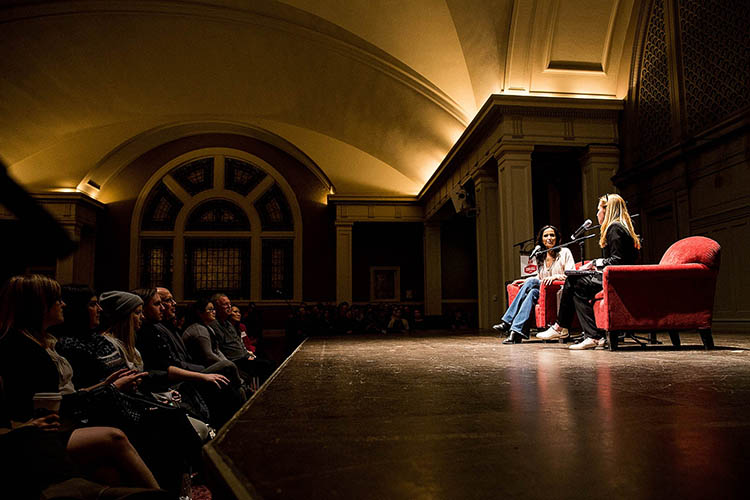
Corporate events typically include keynote speakers who may or may not be the VIPs described above. Before you start shooting, grab ahold of the event program, and find out who are the keynote speakers. Work with your client to arrange posed shots of the keynote speakers both alone and posed with VIPs. Also, don’t forget to get plenty of shots of the keynote speaker, from a variety of angles, giving his or her speech.

Sattle Corporate Event Photographer

Actor and activist George Takei giving a keynote address.

#3: Candid shots of VIPs and Keynote speakers

In addition to getting posed shots of VIPs and keynote speakers, it’s also important to get candid shots of them interacting with each other, or event attendees. Depending on the nature of the event, these opportunities could include book signings, meet and greets in the green room, or an organized step-and-repeat photo booth. These days, many candid shots of VIPs will include selfies with guests, which can be a challenge to capture, so be prepared for that!

Seattle Corporate Event Photographer

Seattle Seahawks quarterback Russell Wilson posing for a selfie with a fan.

#4: Posed shots of attendees

Depending on the type of event you’re photographing, most attendees will be looking their absolute best and will want photos of themselves. Always be on the lookout for well-dressed and energetic event attendees, and don’t hesitate to approach them to ask for a posed photo. Along these lines, it’s also not unusual to have at least one event attendee who doesn’t want to be photographed. Sometimes, you’ll be made aware of this by your client, and other times the attendee will explicitly tell you themselves. Either way, respect the wishes of the attendees, and definitely do not photograph someone who doesn’t provide consent.

Seattle Corporate Event Photographer

Corporate event party attendees.

#5: Candid shots of attendees interacting

Most corporate events are held for two main reasons: to give keynote speakers chances to educate and address an audience, and to allow for networking among attendees. Always be on the lookout for attendees chatting or interacting with each other, and get their reactions while they are listening to keynote speakers. Ideally, make sure these shots incorporate some form of your client’s branding materials, such as a brochure or sign, to give the photos context.

#6: Full room shots

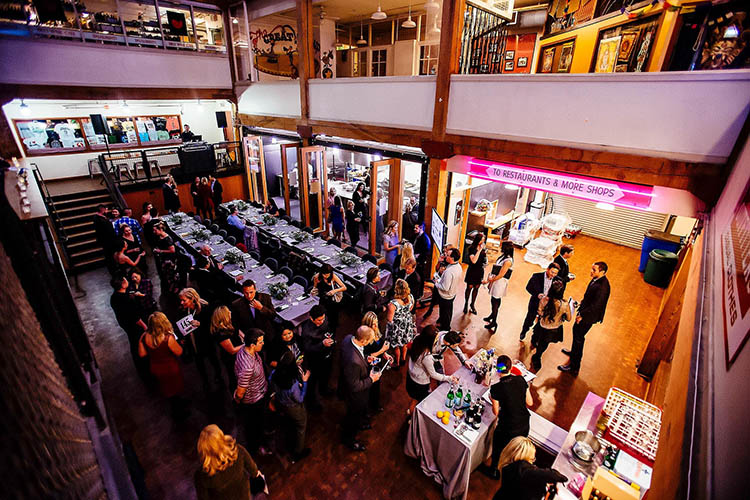
A final type of corporate event photo that almost every client will request are shots that show off how many attendees were present at an event. This can be tricky depending on the type of venue you are photographing at, and whether or not the event is actually well-attended. Addressing these two challenges can usually be solved in one of two ways:

a) Get a bird’s eye view

Try to get access to a ladder, stool, balcony, or some vantage point within the venue that will let you shoot from overhead and capture wide-angle shots showing a full room. If the room isn’t really that full, try to find angles or special crops that still hint at a room being moderately full. Your client will appreciate the extra effort.

Seattle Corporate Event Photographer

Shooting from up high to show a different vantage point.

b) Get up close and personal

Whenever possible, I always ask my client to make sure that the first several rows of seats or tables at an event are packed with as many people as possible. This way, I can always make an event feel well-attended, even when it’s not. The approach in this case is to avoid wide-angle shots and shoot as close to the stage or from wherever the keynote address is being made, including as many rows or tables of people as possible.

Seattle Corporate Event Photographe

This was actually a well-attended event, but an example of how to shoot up close with attendees in the frame.

In Conclusion

These are just several types of photos to always capture when photographing a corporate event. Above all, it’s important to understand why clients hire corporate event photographers in the first place. Typically, the reasons involve showing visual documentation of special people who were at the event, the fact that the event was well-attended, and the fact that event attendees were engaged and enjoyed themselves. Always keep these overall goals in mind when photographing an event and be sure to snap photos that help you and your client meet these overall objectives.

People photography week

This week on dPS we’re featuring articles all about different kinds of people photography including portrait, event and travel photography. See all the previous ones below, and watch for more people photography articles over the next few days.

  • How to Take Low Key Head-shots
  • How to Do a One Light Portrait Setup and Use it as Your Back-up Plan
  • Travel People Photography – Tips and Pitfalls
  • 8 Tips for Photographing Men
  • 24 Diverse Images That Showcase People Photography
  • Weekly Photography Challenge – People Photography
  • Tips for Getting Yourself to Relax as a Photographer and Have More Successful Portrait Sessions
  • 5 Good Reasons to Add People into Your Landscape Photography

googletag.cmd.push(function() {
tablet_slots.push( googletag.defineSlot( “/1005424/_dPSv4_tab-all-article-bottom_(300×250)”, [300, 250], “pb-ad-78623” ).addService( googletag.pubads() ) ); } );

googletag.cmd.push(function() {
mobile_slots.push( googletag.defineSlot( “/1005424/_dPSv4_mob-all-article-bottom_(300×250)”, [300, 250], “pb-ad-78158” ).addService( googletag.pubads() ) ); } );

The post 6 Must-Have People Shots to Capture When Photographing Corporate Events by Suzi Pratt appeared first on Digital Photography School.


Digital Photography School

 
Comments Off on 6 Must-Have People Shots to Capture When Photographing Corporate Events

Posted in Photography


8 Tips for Photographing Men

22 Apr

When I put my hand up to write an article about photographing men, it didn’t occur to me (until I sat down in front of a blank screen) just how big a topic it actually is. While much could be written about photographing men, from lighting ratios to posing, post-processing and more, there seems to be a drastic imbalance in the amount of material devoted solely to photographing men, as compared to women.

A guide to how lighting ratios can differ for men, women and children are covered in the article Lighting Ratios to Make or Break your Portrait, and  Tips for Posing Men offers suggestions, along with Posing Guide: 21 Sample Poses to get you Started with Photographing Men.

Image showing tips for photographing men

When it comes to context, men are photographed within the genres of photojournalism, fashion, sports, travel, wedding and family photography, and corporate portraiture to name a few. My primary genre is family photography, and I also shoot corporate portraits. There is a growing demand for more relaxed professional portraits for clients to use on their LinkedIn profiles, professional Facebook pages – even online dating sites. Clients want a portrait that flatters, showcases their personality or perhaps the type of work they do, without looking too corporate. For the purpose of this article, I’ll be talking about photographing men mostly within these two contexts.

Tip #1: Include him in the consultation process

This tips sits at number one with good reason. One of the most common complaints I hear in portrait photographers’ forums is that of the reluctant father/husband – the guy who turns up to the family portrait session, looking like it’s the last place on earth he wants to be. His crankiness is infectious, and makes your job of capturing all those joyful family connections close to impossible.

I confess, it was one of my bugbears also until I realized how often I’d been leaving male partners out of the consultation process altogether. In every grumpy dad case I encountered, I had mistakenly assumed that the women I spoke to during consultation would communicate everything to their partners, and in turn, share with me any concerns their partners had.

Following a major light-bulb moment, I started to include men in the process, and it made a world of difference. Turns out, they just want to be heard. The more you engage with a man before the shoot, the more comfortable he will be when you are wielding a camera, and the better the photos you will get. This applies whether you’re photographing a paying client, the guy next door, or your brother.

Ask him if he has any features he’s sensitive about. A prominent nose, a double chin, acne scarring and a bit of a tummy are common sensitivities. Allow him to express his insecurities without feeling silly, and reassure him that you can work around these with posing, camera angles, lighting, and post-processing.

Ask him what kind of clothes he feels good in, and make sure he understands how these may work for or against him in photographs. Tread gently; if it’s a family session, there’s a good chance his partner is already on his case.

Image showing tips for photographing men

If he has made the effort to look good, do him justice in the photographs by paying attention to detail.

If he makes the effort to dress well for your photo shoot, as most men will, show him the same respect by paying attention to detail in the editing process. Zoom in close and check for stray hairs the razor may have missed, a loose thread, or a smudge left by a child’s fingers.

Tip #2: Find purpose and meaning

Following on from tip#1, find out why he wants these photos taken. If it is an individual portrait, what is he using it for? If it’s for professional use, what kind of work does he do? What kind of look does he want? If he is a passionate kite-surfing instructor, he may not appreciate your moody black and whites – he is more likely to want something full of colour and action. However, a budding author may love them.

If it’s a family shoot, ask questions about his family. It sounds like a no-brainer, but you’d be surprised how often this important step is missed. What does the family like to do together? What is special about his partner? What does he love most about his child or grandchild? Dig deep, and listen to his answers. You’ll be surprised at what he reveals.

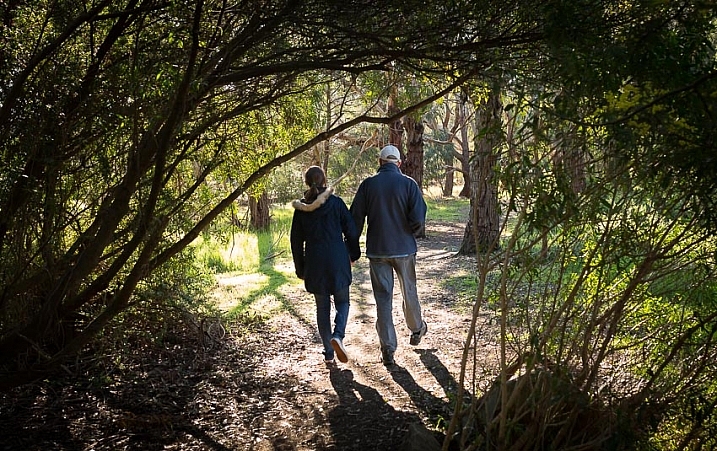
The photo below of my dad with my eldest daughter is one of my personal favourites. He told me he loves the fact that, even though she is a teenager, she still takes his hand or his arm, when they go for walks together through the forest near his home. I love how the arch of the trees frames them. To me, it suggests they are walking towards the future together.

Image showing tips for photographing men

Photograph the connections that are meaningful.

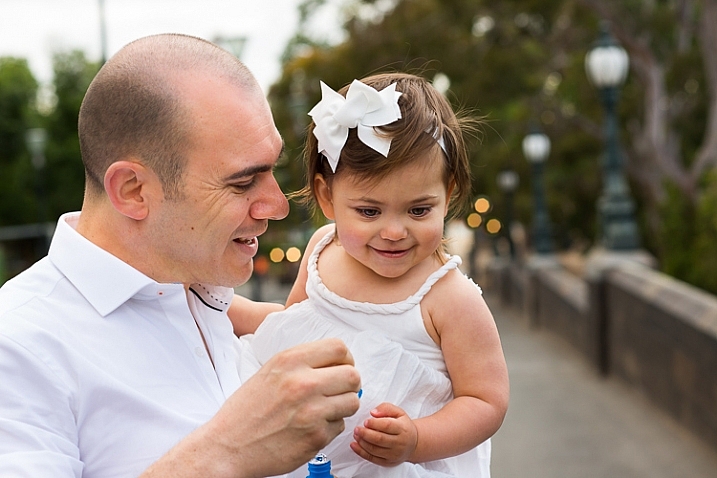
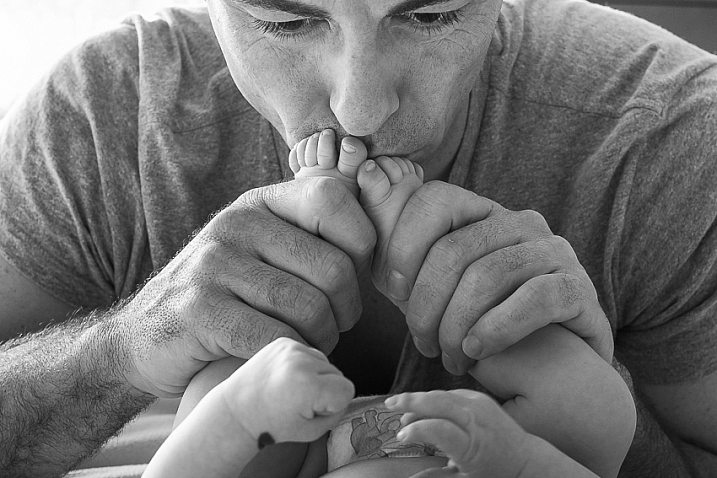
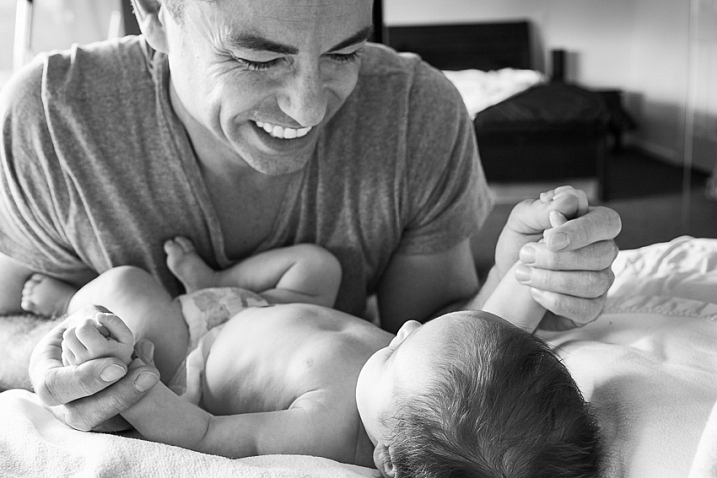
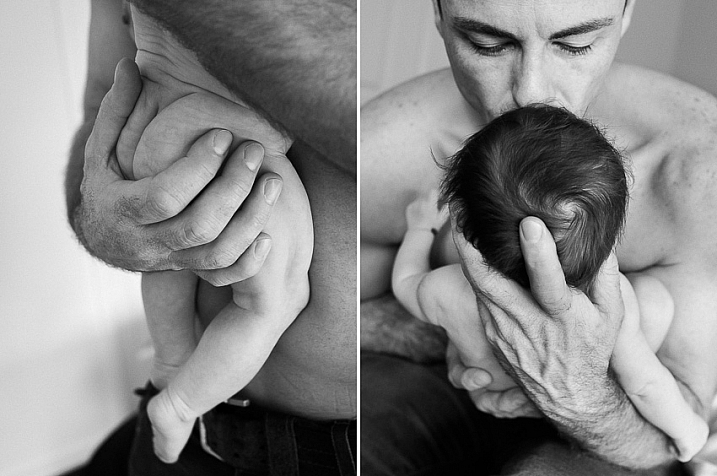
The man in the photos below told me how he marvels at the smallness of his new daughter’s hands and feet. Like many young dads, he is at a very busy stage in his professional life, securing a future for his family. Often his baby is asleep by the time he gets home at night, and so he cherishes the quiet moments they get to spend together.

Image showing tips for photographing men

Image showing tips for photographing men

Busy dads cherish those quiet moments with their little ones.

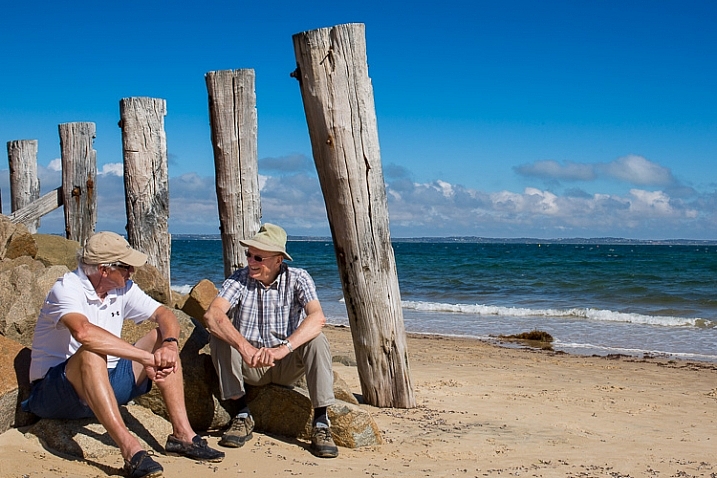
The photo below is of two male cousins. They played together as children, but have lived on separate continents since their families emigrated from their native country when they were young. Remarkable to me was how similar their gestures and body language were, despite having lived apart for most of their lives, and I wanted to capture that in a photograph. The ocean is symbolic in this photo, as it usually separates them. At this moment, they were both on the same side of it.

image showing tips for photographing men

I wanted to capture the similarity between these two cousins who have lived on separate continents most of their lives. The ocean is meaningful in this context: usually it separates them but, at the moment when this photo was taken, they were both on the same side of it.

Tip #3: Give him something to lean against or sit on

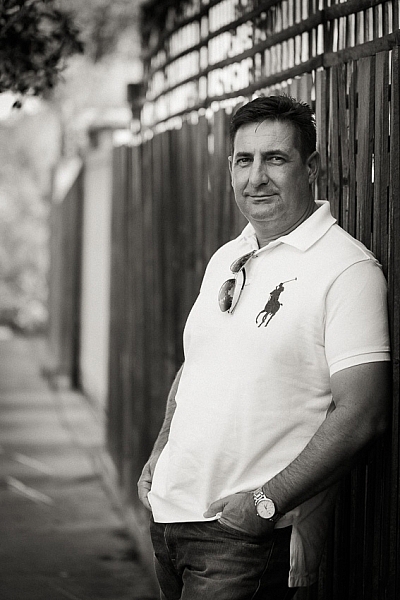
Regardless of how much prepping you’ve done, many people are profoundly uncomfortable in front of a camera, especially at the start of a shoot. If your subject feels awkward standing in front of the camera, ask him to lean against a vertical surface such as a wall, fence, lamppost, or car. It will help him feel anchored, and will allow him to angle his body without looking unnatural. If he is seated, you’ll be ready for the next tip.

Image showing tips for photographing men

Find a vertical surface for him to lean against.

Tip #4: Minimize a double chin, prominent nose, or heavy jowls

One way to minimize a double chin is to shoot from above eye level, with your subject leaning slightly forward. If he is seated, ask him to rest his forearms on his thighs, and angle his knees 45° away from you.

You can also use lighting to your advantage. Strong, directional light can visually slim a face, or a torso.

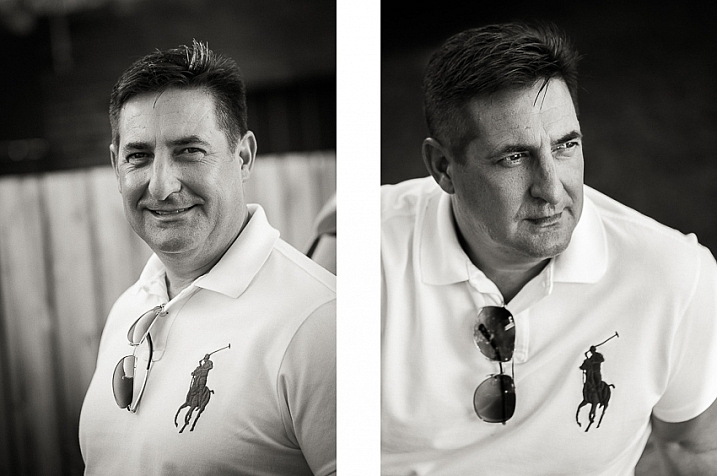
The photo below left was shot from below eye level (the subject was taller than me and was standing) and with light falling on both sides of his face. The photo on the right is more flattering. The subject is seated, leaning forward and angled away from the camera. Strong light reflected off a wall in the late afternoon casts his neck and left hand side of his face into shadow.

Image showing tips for photographing men

The use of shadow and angle in the photo on the right create a more flattering portrait.

Tip #5: If it bends, bend it

Bent arms and legs make your subject appear more natural and relaxed, and have the added advantage of making the body more compact for the sake of composition.

Tip #6: give him something to do with his hands

“What should I do with my hands?” is a question I am often asked during a session. People become suddenly self-conscious about their hands when they are facing a camera, and arms hanging straight down at the sides look awkward.

If he is standing, ask him to put one or both hands in his pocket(s), or loop his thumb over a belt. If he is sitting, he can interlink his fingers or clasp his hands together. In the case of a family photo, have him hold a baby, or a child’s hand.

Image showing tips for photographing men

Give him something to do with his hands.

Tip #7: Detail and contrast

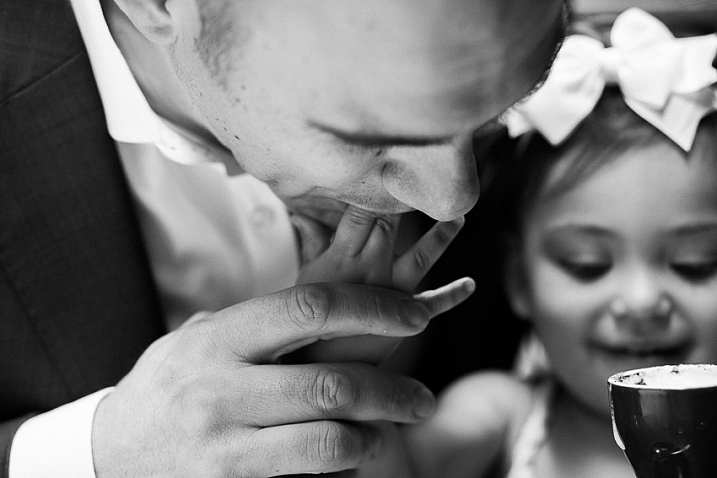
Details such as eyes, lips, and hands help tell a story, and depict the connections between people. Of all these details, hands are my favourite. Hands are a powerful expression of emotional connection and tenderness. Because of their size, men’s hands are visually striking to photograph in contrast to women’s and children’s hands.

The portrait below shows a tender and playful moment between father and daughter. His hand is large and strong next to hers, and she smiles as he kisses milk froth from her fingertips.

Image showing tips for photographing men

A father playfully kisses milk froth from his daughter’s fingertips.

In the photos below of a man with his baby daughter, the size and strength of his hands contrast against the baby’s soft skin and her tiny body. They show how small and vulnerable she is, and depict tenderness and trust.

Image showing tips for photographing men

The size of the man’s hands contrast against the baby, depicting protectiveness and care.

Tip #8: Post-processing

Let’s face it, digital cameras can be brutal. They capture in minute detail all those little imperfections the naked eye doesn’t see, and hold it in a static image for the eye to gaze over.

In some styles of portraiture, this is desirable. Elderly men with craggy faces are popular subjects for travel photographers and photojournalists. However, wrinkles and blemishes are not something you want to draw attention to in family photos or professional head shots, so be kind!

Men will give you clues during the consultation and the shoot. If he cracks jokes such as, “Can you Photoshop me to make me look 10 years younger?” or, “Can you make me look like George Clooney?”, he’s probably only half-kidding. Just because he’s a man doesn’t mean he’s okay with the zit that reared its head yesterday morning, or the hair poking out of his nostril that he missed with the trimmers.

When it comes to editing, much will depend on your personal style. While I’m not a fan of heavily edited portraits, I’ll still follow my basic Lightroom workflow as explained in my article 11 Steps for Basic Portrait Editing in Lightroom. With men, I use the brush tool sparingly to soften skin. The effect should be subtle, and his skin should never appear softer than a woman’s or child’s in the same photo.

When it comes to blemishes, my rule-of-thumb is to remove any blemish that is temporary. Pimples, scratches, stray hairs – if it’s going to be gone from his face in a fortnight (two weeks for you non-Aussies), I’ll remove it from his face in the post-processing stage. I wouldn’t remove a mole or birth mark unless the client specifically asked me to do so.

image showing tips for photographing men

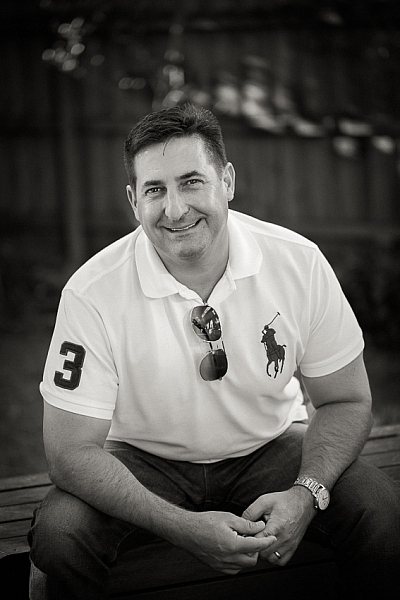
In this casual portrait of my father, I have removed some temporary blemishes, but the portrait retains its authenticity.

Over to you!

This article has only scratched the surface of what is a very broad subject. Tell us about your experiences photographing men. What are some of your triumphs or frustrations, your favourite tips and techniques?

People photography week

This week on dPS we’re featuring articles all about different kinds of people photography including portrait, event and travel photography. See all the previous ones below, and watch for more people photography articles over the next few days.

  • How to Take Low Key Head-shots
  • How to Do a One Light Portrait Setup and Use it as Your Back-up Plan
  • Travel People Photography – Tips and Pitfalls

googletag.cmd.push(function() {
tablet_slots.push( googletag.defineSlot( “/1005424/_dPSv4_tab-all-article-bottom_(300×250)”, [300, 250], “pb-ad-78623” ).addService( googletag.pubads() ) ); } );

googletag.cmd.push(function() {
mobile_slots.push( googletag.defineSlot( “/1005424/_dPSv4_mob-all-article-bottom_(300×250)”, [300, 250], “pb-ad-78158” ).addService( googletag.pubads() ) ); } );

The post 8 Tips for Photographing Men by Karen Quist appeared first on Digital Photography School.


Digital Photography School

 
Comments Off on 8 Tips for Photographing Men

Posted in Photography


10 Tips for Photographing Wide-Angle Landscapes

17 Apr

A wide-angle lens is considered an essential piece of gear for any landscape photographer because it gives you a perspective that you cannot achieve with any other lens. You’ll not only be able to photograph grand vistas, but you’ll see lines in a different way, and emphasize subjects by getting super close.

So if you haven’t tried one yet, borrow or rent a wide angle lens and get ready to make images with a different flavour using these tips.

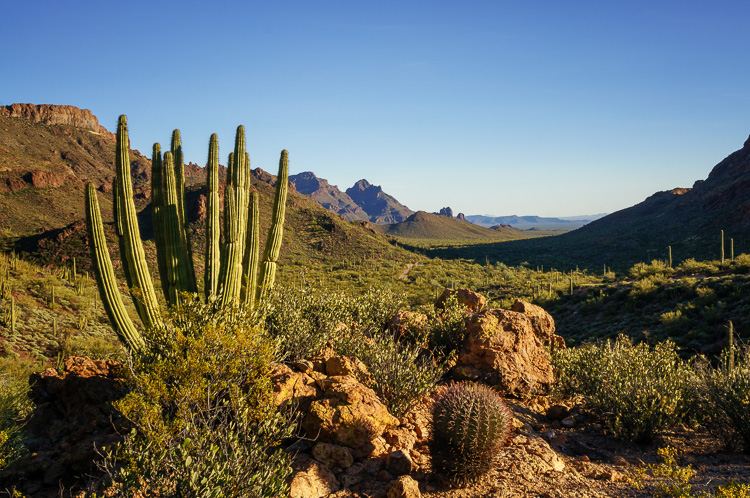
Organ Pipe Cactus National Monument, Arizona

21mm, ISO 100, f/18, 1/15 second

What is a wide-angle lens?

Camera lenses are defined by comparison to the field of view that the eye naturally sees – which is 50mm on a full frame camera or 35mm on a crop sensor camera. This is known as a normal focal length. Any wider than that is a considered wide-angle.

My favourite wide-angle lens is in the 10-20mm range on my crop sensor camera, or 16-35mm on a full frame camera.

When to use a wide-angle lens

Many people think the purpose of a wide-angle lens is to photograph grand vistas and get a lot in the frame. While that is one purpose for a wide-angle lens, its real power is in using its perspective to emphasize objects that are very close to you and de-emphasizing objects that are farther away.

1. Emphasize a foreground element

Wide-angle lenses allow you to get really close to something in the foreground, which will emphasize it and make it look larger and more important than the background elements. A wide lens has a way of changing the relative size of the objects in the frame, so that things that are closer to the lens appear larger, and things in the background appear smaller proportionally.

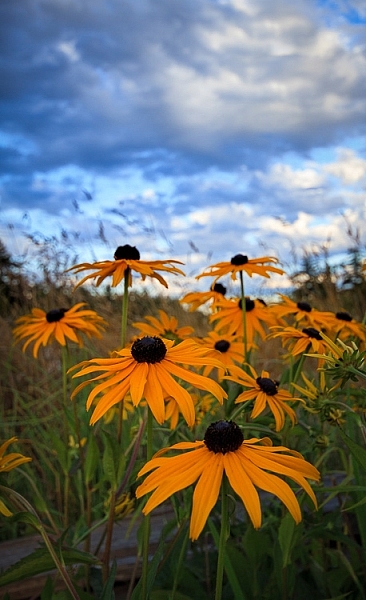
Black Eyed Susan by Anne McKinnell

20mm, ISO 200. f/5.6, 1/160 second

Try using a low angle and getting very close to your main subject. By close, I mean inches away. You’ll be surprised when you look through the viewfinder and discover that objects don’t appear quite so close through the lens.

2. Photograph your subject and its environment

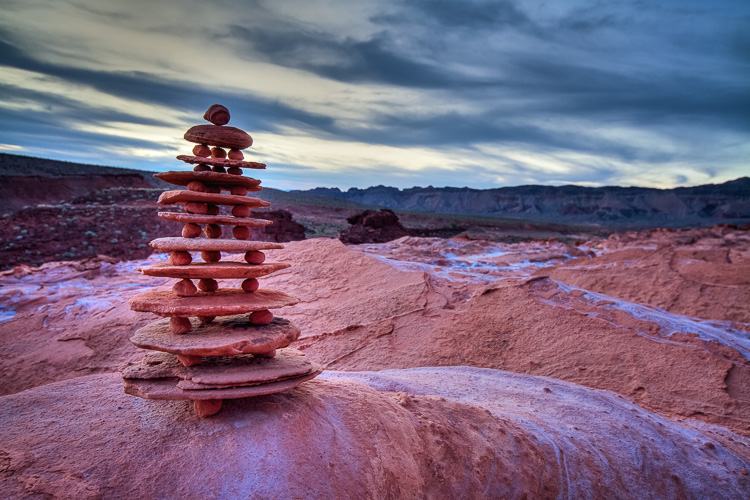
My favourite way to use the lens is to get very close to my main subject so it is large in the frame, as mentioned above, but also include other elements in its environment in the frame. This is a great way to create a story-telling image that provides context for the main subject.

Balancing Rocks at Little Finland, Nevada by Anne McKinnell

16mm, ISO 200, f/8, 1.3 seconds

3. Get everything in focus

Another great power of a wide-angle lens is its ability to have incredible depth of field. You can get everything from two feet away to infinity in focus. Of course, this depends on the exact lens and the aperture you choose, but all wide-angle lenses have a greater ability to get more in focus than a telephoto lens (which is excellent at shallow depth of field by blurring the background). You’d be hard pressed to blur the background with a wide-angle lens.

Whitney Pockets, Nevada by Anne McKinnell

19mm, ISO 100, f/20, 1/20 second

You can use a hyperfocal distance calculator to figure out exactly what will be in focus for your lens at the aperture you choose. But generally speaking, if you focus on something close to you and use a small aperture like f/18, everything from front to back will be in focus.

4. Watch out for distractions

Since wide-angle lenses include a lot in the frame, you’ll need to be extra vigilant to make sure there are no distractions. Everything that is in the frame should have a purpose.

Check your composition to make sure there is nothing in the foreground that you didn’t notice, since objects just inches away from you will be in the frame. As well, check the background to make sure there you haven’t included something unintentional.

Ideally, your composition should clearly show what the main subject is, what the supporting elements are using an interesting graphic design, and not include anything else. Simplify the composition as much as possible.

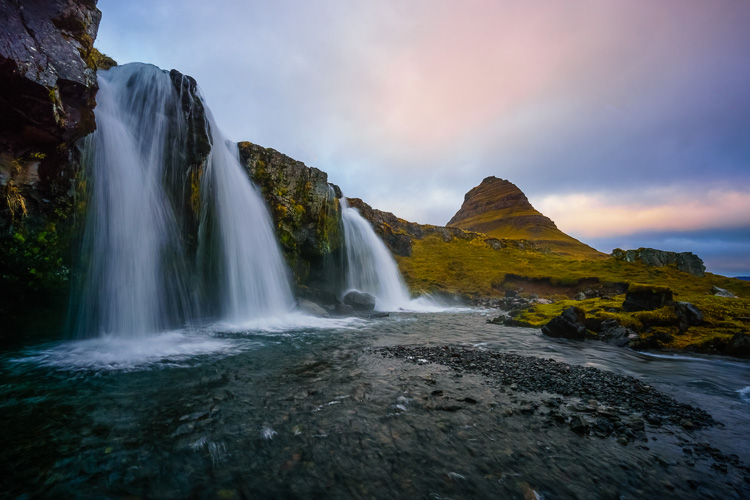
Kirkjufellsfoss, Iceland by Anne McKinnell

11mm, ISO 100, f/20, 1/6 second

Because the frame contains such a wide field of view, it will have a lot in it, so it is especially important that the main subject is obvious.

5. Keep the camera level

Wide-angle lenses are notorious for displaying distortion around the edges. Anything with straight lines at the edges of the frame will appear to lean inwards. To avoid or minimize distortion, keep the camera level with the ground and don’t angle it up or down.

6. Angle your camera upwards

On the other hand, you can use this distortion to your advantage! Just make sure it is intentional and you are using it to emphasize something. For example, by angling the camera upwards you can emphasize the sky, and any clouds in it will appear to point towards the center of the frame.

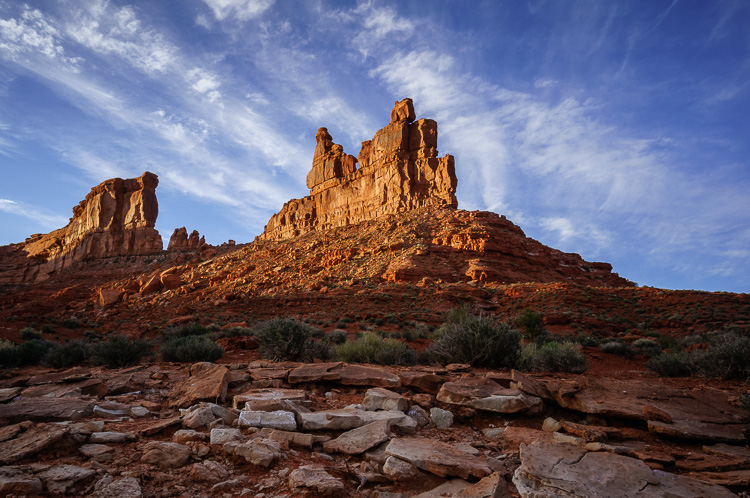
Valley of the Gods, Utah by Anne McKinnell

15mm, ISO 100, f/11, 1/60 second

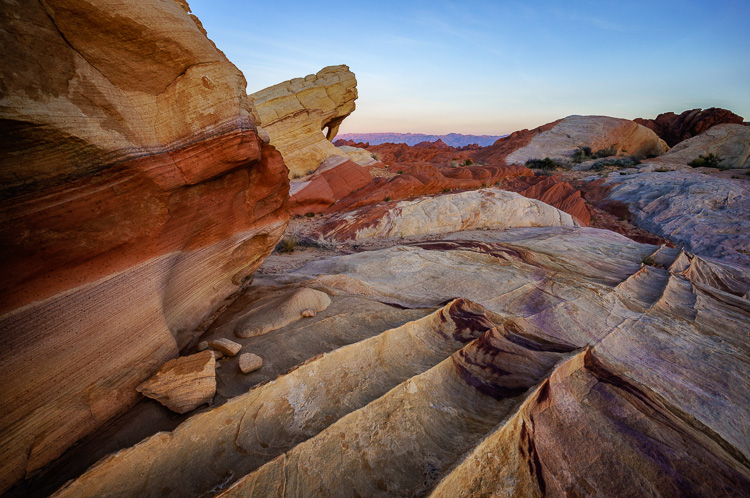
7. Angle your camera downwards

Similarly, if you angle your camera downwards you can emphasize leading lines on the ground and create a perspective that really draws the viewer in.

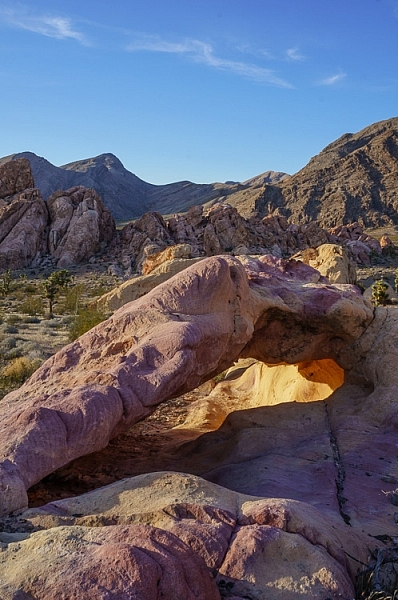
Fire Canyon Arch in the Valley of Fire State Park, Nevada by Anne McKinnell

10mm, ISO 200, f/11, 1/20 second

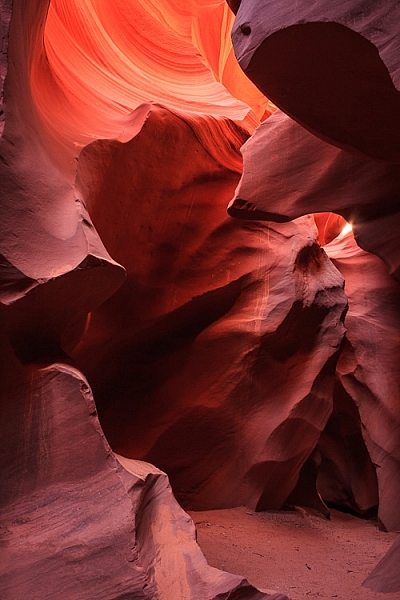
8. Make images in close quarters

Whenever you are in an enclosed space, making images with impact can become difficult, since you cannot get far enough away from your subject. If you are in a tight situation, a wide-angle lens is a necessity!

Antelope Canyon, Arizona by Anne McKinnell

21mm, ISO 100, f/11, 5.0 seconds

9. Beware of polarizing filters

You may already know that polarizing filters can darken skies, emphasize clouds, and saturate colours when you are photographing in a 90 degree angle to the sun. If you are photographing with the sun directly in front of you or behind you, the filter does not have this affect.

With a wide-angle lens, you may find that part of the scene in the frame is at a 90 degree angle and is affected by the polarizing filter, and the other side is not. When this happens, it is better not to use the polarizing filter at all (it will give you an uneven sky which is darker on one side).

10. Manage uneven light

When photographing landscapes with a wide-angle lens you’ll frequently encounter varying amounts of light in the frame. Often the sky in the background is much brighter than your foreground. When this happens, you can use a graduated neutral density filter to darken the top portion of your image and even out the exposure.

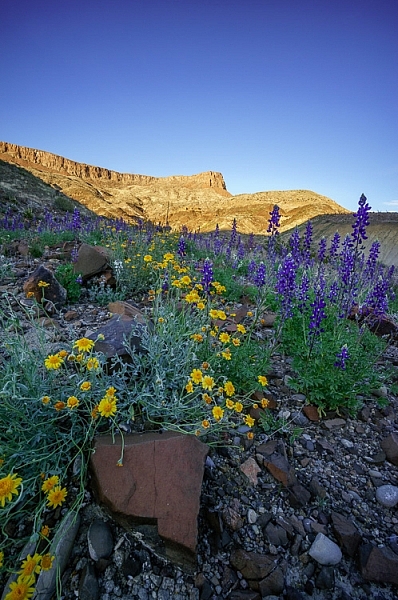
Wildflowers in Big Bend Ranch State Park, Texas by Anne McKinnell

10mm, ISO 200, f/11, 1/100 second

A wide-angle lens is often the favourite lens in the kit for landscape photographers and with these tips it may become your favourite lens too.

What do you like to shoot with your wide lens? Please share your tips and images below.

googletag.cmd.push(function() {
tablet_slots.push( googletag.defineSlot( “/1005424/_dPSv4_tab-all-article-bottom_(300×250)”, [300, 250], “pb-ad-78623” ).addService( googletag.pubads() ) ); } );

googletag.cmd.push(function() {
mobile_slots.push( googletag.defineSlot( “/1005424/_dPSv4_mob-all-article-bottom_(300×250)”, [300, 250], “pb-ad-78158” ).addService( googletag.pubads() ) ); } );

The post 10 Tips for Photographing Wide-Angle Landscapes by Anne McKinnell appeared first on Digital Photography School.


Digital Photography School

 
Comments Off on 10 Tips for Photographing Wide-Angle Landscapes

Posted in Photography