RSS
 

Posts Tagged ‘Photographic’

Seven photographic hacks, one short video

08 May

Screen_Shot_2014-05-07_at_10.08.35_AM.png

Photographers love simple solutions to challenging problems. How many of us have saved a shoot with a strip of duct tape and a piece of cardboard? This three-minute video shows seven clever photographic ‘hacks’ – from using an egg timer and GoPro for a panorama to creating a Gary-Fong style diffuser with a Tupperware container to creating a neutral-density filter out of welder glass and rubber bands. Learn more

News: Digital Photography Review (dpreview.com)

 
Comments Off on Seven photographic hacks, one short video

Posted in Uncategorized


Found film: Keep a lookout for photographic treasures

08 May

untitled-scanned-19-900.jpg

The next time you’re in a thrift shop or antique store, keep a lookout for photographic treasures. While old cameras are always eye-catching, the images captured with those cameras are often more intriguing as Mike Ames and Derek Wong discovered. Ames came across some tins of developed Kodak Panatomic film and Wong bought a roll of developed Kodak Super XX film. They both discovered an unexpected look back at history. Learn more

News: Digital Photography Review (dpreview.com)

 
Comments Off on Found film: Keep a lookout for photographic treasures

Posted in Uncategorized


Photographic treasure trove stored in former limestone mine

02 May

Screen_Shot_2014-04-30_at_2.12.04_PM.png

Where do you store your image archive? A file cabinet? Drawer? A documentary called ‘The Invisible Photograph’ created by the Hillman Photography Institute of the Carnegie Museum of Art explores an old limestone mine where Corbis Images keeps its Bettmann Archive, a collection of more than 11 million historical images. Learn more

News: Digital Photography Review (dpreview.com)

 
Comments Off on Photographic treasure trove stored in former limestone mine

Posted in Uncategorized


How to Improve Your Photographic Eye Super-Effectively

21 Apr

What does it mean to have an eye for photography? Is it something you are born with, or can you can learn? Besides taking pictures, our photographic eye lets us recognize situations, composition, subjects and then puts together all these elements in a frame that makes a great picture. Taking good pictures is not always easy, as there is a Continue Reading

The post How to Improve Your Photographic Eye Super-Effectively appeared first on Photodoto.


Photodoto

 
Comments Off on How to Improve Your Photographic Eye Super-Effectively

Posted in Photography


Chicago-based Calumet Photographic closes U.S. stores

14 Mar

CALUMET_LOGO_1797381_10151985242408785_332556189_a.jpg

Calumet Photographic announced today on Facebook that the company is closing all of its U.S. stores and has filed for Chapter 7 bankruptcy, effective immediately. According to the statement, posted below, European branches will continue to operate. Calumet’s website and Twitter account are no longer available. Learn more

News: Digital Photography Review (dpreview.com)

 
Comments Off on Chicago-based Calumet Photographic closes U.S. stores

Posted in Uncategorized


A Year of Photographic Lessons – Journey of a Novice Photographer

30 Jan

About a year ago I decided to try and take my photography to the next level – to go beyond basic snapshots and try and get the wow factor into my images. I hope this article covering my photographic experiences of 2013, and the lessons I’ve learned gives you some ideas for 2014.

This is the story of my year of photographic lessons – maybe you can relate, or are on a similar journey.

Note: the images in this article are in chronological order with my early work near the top, and my most recent images at the bottom. Hopefully you can see where I’ve started from and how much I’ve progressed in a year. You can do this too!

Photography lessons novice 01

STEP ONE: – join a photography club

The single biggest thing that made a difference to my photography in 2013 was joining a local club in Dublin, Ireland (www.offshoot.ie). This proved to be the turning point for a few reasons:

  • It was an opportunity to learn from like-minded, enthusiastic and friendly photographers; and a chance to be inspired by their stunning work.
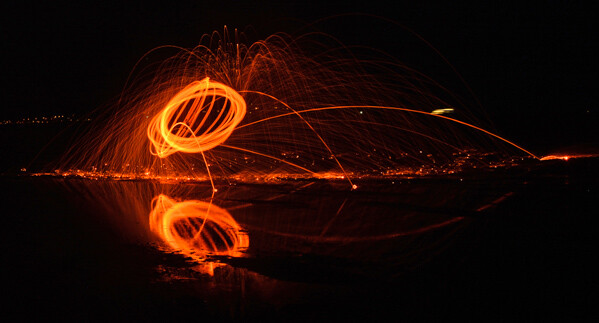
  • Organized field trips; providing some amazing photo opportunities including; a fire breather, light painting, model shoots, etc.
  • Learning by practical sessions – new techniques like portraits and lighting, or macro to introduce new areas of photography I had never explored previously.
  • Joining a club, above all, provided an opportunity to learn, as well as inspiration and motivation to get out taking photos more often, and to do it better.
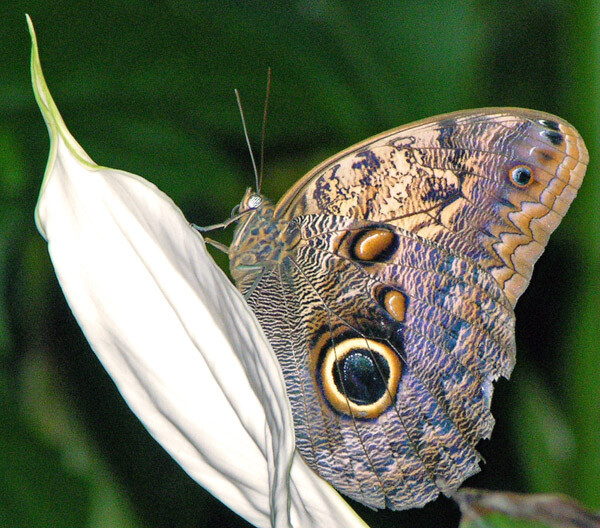
Photography lessons novice 02

STEP TWO – try entering competitions

Competitions are one aspect of photography clubs which tends to put a lot of people off. However, I found that the competitions are very useful to help concentrate the mind on a particular topic, or learn a new technique. For example: long exposure or macro photography, which I had never tried before.

Getting expert feedback from judges can be invaluable – usually they will want to help you improve, and will provide helpful feedback on your image, e.g.. exposure, cropping, etc. Competitions are also a chance to show your off your work, and let’s face it, we all like some recognition. So winning competitions doesn’t exactly do any harm.

STEP THREE – Learn the basics

It’s important to get to know the basics on the technical side. It’s no substitute for the photographer’s eye, but the lack of technical skills might prevent you from capturing the image that you want. The good news is there are loads of great sources from the photography club, great websites like dPS, flickr, books, and podcasts. The big lessons for me included:

  • Exposure and how to control it with aperture and ISO – is the image too bright or too dark
  • How to get sharp images by adjusting focus modes, shutter speed and using a tripod
  • Depth of field – controlling what is in focus
  • Composition – some of the classic components of a good image, like using the rule of thirds
  • Cropping images – using software to crop to the important part of the image, and remove distracting elements
  • How to do the basics in photo editing software like Lightroom or Photoshop to crop images, correct exposure, resize images and more importantly, to build and safely store your library of images

Getting a good understanding of the above should make a big difference in the quality of your images.

Photography lessons novice 03

STEP FOUR – know your camera

I try to consider the basics above and the results are improving. I generally manage to get a few images that I really like, and I think the occasional one at least that has the wow factor. With a modern DSLR you don’t need to understand all its complexities but you do need to know the key features, to get the most out of it. You don’t want to miss a shot of a spectacular sunset while you trawl through the manual, so understanding the main controls are essential including:

  • Focus – manual and auto focus modes
  • Image stabilization
  • Metering modes
  • Manual mode – controlling aperture, ISO, and shutter speed
  • Image file type – Jpeg or Raw
  • White balance

A big milestone for me as I got to know my camera, and got more confident, was stepping out of Auto mode and going Manual. I can attest, when you get it right, it really works. When you get it wrong, delete – it’s the busiest key on my keyboard. I still need to get my head around the focus modes, white balance and some of the more exotic possibilities like HDR.

STEP FIVE – get the right gear
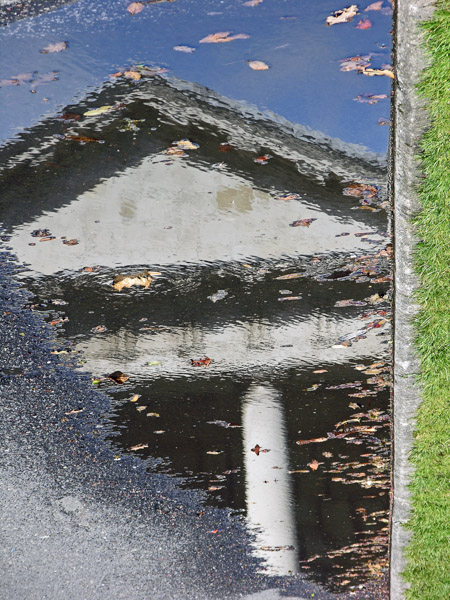
Photography lessons novice 04When I joined the club I must say I had a bit of camera envy – mine being a Nikon 8 megapixel E8700 bridge camera, of 2004 vintage, which had served me well. People in the club correctly told me that it’s not the camera that makes the difference but the photographer. My vintage Nikon was great for many situations, but couldn’t match the quality and versatility of a modern DSLR.

Unfortunately, when I bought it on a family visit to New York in 2004 I explained to my wife that this $ 1100 camera was a lifetime investment. After some negotiation with my wife, I made a new lifetime investment in 2013, and am delighted with my Nikon D7100, although I’m still trying to come to grips with its incredible capabilities. I would definitely recommend a tripod also as one essential piece of gear that will improve your results, and help you to with long exposure, night shots and getting sharp images in focus.

Don’t rush into buying a whole load of gear however, wait until you find that your current camera or lens is holding you back.

Note: the images below were all taken with my new D7100.Photography lessons novice 05

Photography lessons novice 06

WHAT’S NEXT – plan for 2014

So where to next? What does 2014 bring, I hear you ask. Now is the time to put a plan together!

  1. Make a calendar of the many sports and cultural events that might provide new and varied photo opportunities
  2. Projects – to develop your skills; e.g. one day in your city, monochrome (B/W), sports, nature, architecture
  3. New things to explore – some new techniques or skills to master to take you out of your comfort zone and try a new area such as long exposures or portraits
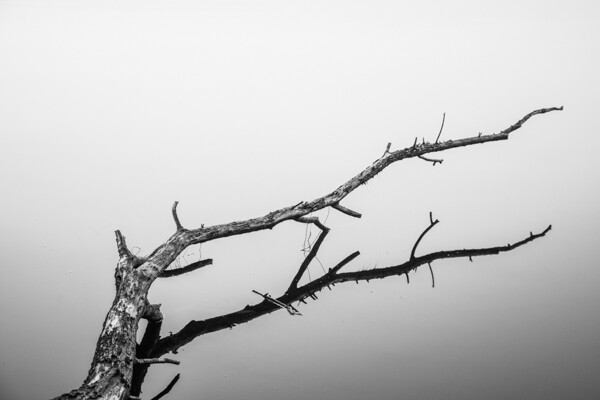
Photography lessons novice 07

Most of all – think before you shoot

This was the biggest lesson of all for me – use everything you have learned to get the best possible result. Use your knowledge of the exposure and composition. Try a different camera angle or point of view, depth of field, lens, or shutter speed to try and create an image with the wow factor.

Above all get out there taking photos and enjoy, there is no substitute for practical experience.
Photography lessons novice 08

Further reading

For more tips for beginners – head over here.

Photo Nuts and Bolts – know your camera and take better photos, a dPS ebook.

The post A Year of Photographic Lessons – Journey of a Novice Photographer by Rob Hackett appeared first on Digital Photography School.


Digital Photography School

 
Comments Off on A Year of Photographic Lessons – Journey of a Novice Photographer

Posted in Photography


26 November, 2013 – Miles Flint – My Photographic Journey

27 Nov

One of the benefits of leading workshops to various worldwide locations is you get a chance to meet exceptional people and photographers.  Miles Flint and I met in the fall of 2009 and over the last few years I have had the opportunity to see Miles at several PODAS workshops.  I had the chance to sit down with Miles on the Kimberley, Australia PODAS workshop and talk about his photographic growth over the years and to take a peek at his gear bag.  Luminous-Landscape will be doing more interviews and articles like this in the future.  Article and Video . . .


The Luminous Landscape – What’s New

 
Comments Off on 26 November, 2013 – Miles Flint – My Photographic Journey

Posted in News


The World’s Greatest Tip for Photographers: The Photographic Project

14 Oct

“Give a man a fish and you feed him for a day. Teach a man to fish and you feed him for a lifetime.” Being a photographer is a lot like being a writer; you have good days, and you have bad days. Some of those not-so-great days can bring a whole multitude of different annoyances: the weather, dead batteries, Continue Reading

The post The World’s Greatest Tip for Photographers: The Photographic Project appeared first on Photodoto.


Photodoto

 
Comments Off on The World’s Greatest Tip for Photographers: The Photographic Project

Posted in Photography


Defining Your Photographic Specialty

07 Oct

By Lori Peterson

Recently I came across a photography page and the photographer’s About Me said “I specialize in everything photography.” I couldn’t help but wonder how many other people had stumbled across that particular page and dismissed it because they wanted someone who had a more defined photographic specialty. When you are looking for a photographer to capture images of your newborn, family, or senior, aren’t you looking for someone who really knows how to take images that really grab your attention?

Photographers spend so much time trying to figure out what their style is and during those times they shoot whatever sessions are available to them. If you are shooting weddings, babies, seniors, products, and anything else you can, are you really defining your specialty?

The first thing you should figure out is what your favorite photo shoots have been. If you shot weddings and hated it, then you should reconsider booking them. If you think newborns and small children require too much time to be set aside and too much patience, then you should rethink advertising for newborns and children. It might take some time, effort, and networking, but finding your niche can be well worth the wait once you get your foot into that door.

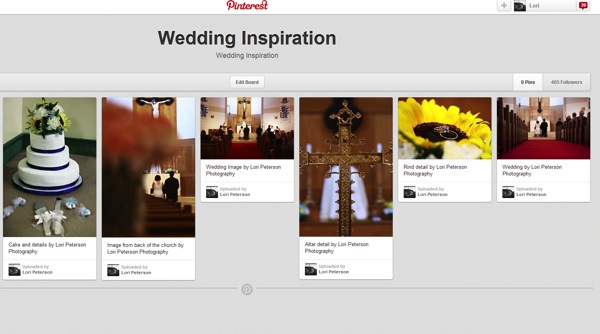
If you are new to the photography business and are considering shooting weddings you should find an experienced wedding photographer who would let you be their second shooter. (Yes, you should be paid for your time. Don’t spend hours and hours shooting for free!). Do your homework on wedding photography. Looking at wedding blogs and even Pinterest for ideas of shots that people frequently request can help you figure out if shooting weddings might be a good fit for you. Keep in mind that weddings are often long, long days and some photographers don’t really get breaks (or even meals). Meetings ahead of time with the bride and groom and a firm contract are always key items for weddings, even as a second shooter you will want to know ahead of time what the expectations they have of you are. Personally, I have shot weddings and realized that is not where I wanted to focus my time and energy and so I stopped booking weddings. You will know if it’s something you want to forge ahead with or not after a few under your belt.

Photographic Specialty

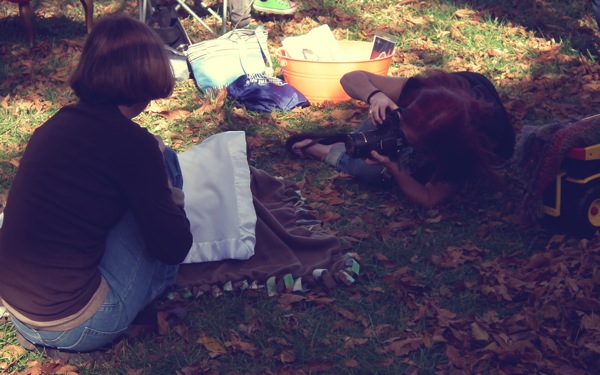
Newborns and small children require lots of patience and even though those shoots dates are not as extensive as shooting a wedding, you will still be working without a real break. Kids have those rare little ‘windows’ of time that are perfect for shoots and if you miss that it’s very hard to get it back. Talking ahead of time to the parents about naps and feeding schedules can help you get into that small window of time and help you to nail the shoot. Shooting newborns requires a lot of props (blankets, pillows, etc.). You will also be shooting in all sorts of odd angles that can be hard on your back and limbs.
Photographic Specialty

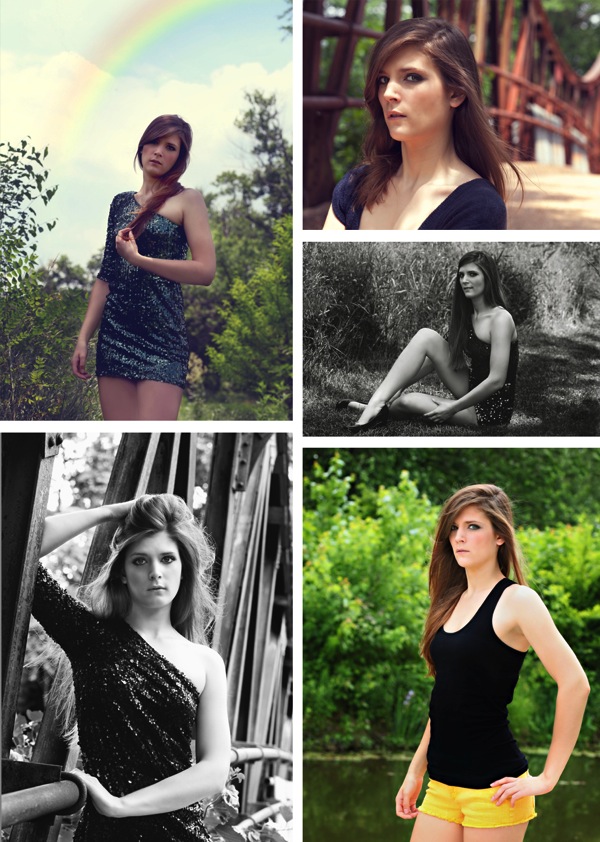
Adults (models, couples and seniors) are easier to work with because you don’t need to fine tune that window of opportunity for a good shoot. Their shoots don’t take as long as weddings and generally they can be scheduled any time that works around a school or work schedule. They can take direction easily and most of the time they are welcoming at getting their images taken.

 Photographic Specialty 1

Getting your contracts in order, meeting with your clients ahead of time to let them know how your shooting and editing works, and knowing what your client expects of you can all be huge factors in helping you figure out where your business heads. After shooting a few sessions you will get a general idea if those shoots are where you want to take the direction of your business. Don’t be afraid to stop shooting the things you don’t enjoy. A lot of photographers get nervous about turning away shoots when the reality is that when you really put your time into shooting what you love that you enjoy what you do more and that can only increase your business.

The areas that you specialize in should reflect your best work and it should make you want to get out your camera and shoot more. If you are finding it hard to get motivated or excited about shoots, then those shoots may not be where you need to be concentrating your energy and creativity. Ask yourself “If I could only take on one more photo shoot and then have to retire my camera, what would it be?” You might surprise yourself with your answer or you might really understand where you need focus more. It’s hard to specialize in everything, so find the things you love to shoot, the ones that feed your creative soul and run with it. You can do great things once you really start pointing yourself in the right direction.

Lori Peterson is an award winning photographer based out of the St. Louis Metro Area. Her dynamic work ranges from creative portraits to very unique fine art photography. Lori’s work can be seen at www.loripetersonphotography.com and also on her blog at www.loripetersonphotographyblog.com. You can follow her on Facebook at https://www.facebook.com/LoriPetersonPhotography.

Post originally from: Digital Photography Tips.

Check out our more Photography Tips at Photography Tips for Beginners, Portrait Photography Tips and Wedding Photography Tips.

Defining Your Photographic Specialty

The post Defining Your Photographic Specialty by Guest Contributor appeared first on Digital Photography School.


Digital Photography School

 
Comments Off on Defining Your Photographic Specialty

Posted in Photography


Photographic Lighting [Book Review]

23 Jul

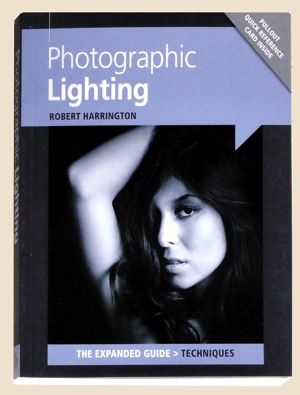
Photographic LightingIf you’re looking for a book that takes you through the mysteries of natural light, shadows and highlights … this is not the one.

Instead, it gives:

‘Expert advice on the basics of on-camera and off-camera flash photography. Professional guidance on choosing flash equipment and accessories. Advice on setting up a photographic studio in the home. Tips on postprocessing techniques to get the best results from flash photography.’

And not a moment too soon for many people. Let’s face it, flash is one of the most misunderstood and misused technologies in photography. Bar none!

And then again, you wouldn’t put a raw amateur into a situation where he or she has access to a battery of studio lamps. Even more chaos.

The book’s chapters:

  • The basics
  • On-camera flash
  • Off-camera flash
  • Using off-camera flash
  • The home studio
  • Putting it into practice
  • One speedlight, 13 looks
  • Postprocessing

The help begins in the first chapter by spelling out the basics of flash: Guide numbers; on camera TTL; the inverse square law explained; reading a histogram; white balance; the RAW format explained; using on-flash colour gels. And we’ve only touched on the basics.

Although the book is relatively small, I was surprised at the depth of info passed on within its pages.

By the time we reach the second chapter we begin to learn how an on-camera flash is set up, power output, battery needs, operational modes, use of diffusion and bounce operation, shutter sync etc.

Matters get even more serious when author Harrington explains ‘Getting the flash off your camera is one of the best things you can do to advance your photographic skills.’ Hear, hear! He goes on to describe the various accessories such as boom arms, flash umbrellas etc. One very useful section recommends using a dummy styrofoam head (purchasable from art supply stores) to run test sessions on how to light a portrait.

Actual off-camera flash shooting situations are discussed and mention is made of some interesting devices which may help: such as Radio Poppers and Pocket wizards that can fire your flash from a distance with no need to use a connecting PC cord.

Also touched on are convertible flash umbrellas: these can be used in a reflective style or in shoot-through style; when used as originally intended, the former can deliver ‘beautiful contrasty light …’, while the latter allows you to shape light ‘and add or subtract softness.’

The degree of detail in the book is admirable and, IMHO, would take the photographer up a notch or two in skills level.

With each chapter there are multiple illustrations to support the text of sufficient size and quality that you quickly see what the info is all about.

Another chapter on choosing lenses will be of help when expanding your optical arsenal. Take heed: ‘buy the best you can afford until you can afford better.’

And then, right in the middle of the book is the sage advice that ‘Film is not dead.’ This is supported by the advice to play around with fun film cameras like the Holga and its ilk.

Creativity is foremost in the book’s pages, with ideas on how to extract the utmost, even when flying with one engine, or even one flash and one reflector.

An important factor in any photography and most especially with flash is post processing; the book deals with file formats and software choices and then gets into detail on white balance as ‘one of the main reasons photographers shoot in RAW format.’

A pair of pop out hint cards at the back of the book suggest the maximum shooting range, f stop, shutter speed and ISO setting with varying flash Guide Numbers.

All in all, a very useful, pocketable guide book.

Author: R Harrington.
Publisher: Ammonite Press.
Size: 18x15x1cm.
Length: 192 pages.
ISBN: 978 1 90770 875 6.
Price: Get a price on Photographic Lighting at Amazon (currently 23% off).

Post originally from: Digital Photography Tips.

Check out our more Photography Tips at Photography Tips for Beginners, Portrait Photography Tips and Wedding Photography Tips.

Photographic Lighting [Book Review]


Digital Photography School

 
Comments Off on Photographic Lighting [Book Review]

Posted in Photography