RSS
 

Posts Tagged ‘Photographer’

8 Things You Should Know if You are Dating a Street Photographer

24 Sep

Let’s face it, photographers are a breed of their own. Street photographers may belong to an even more extreme category… so here are eight things you should know if you are dating a street photographer:

#1 You cannot walk where you want on your own

No matter which side of the street your favorite shops or restaurants are, you will be required to walk on the side that offers the best dappled light, long shadows, reflections, backdrops, etc. You may also occasionally be used as a decoy to approach a situation inconspicuously.

Date night often means going downtown and it's also my opportunity to explore areas I would go on my own. We have fun, even if I'm the only one with a camera! ©Valérie Jardin

Date night often means going downtown and it’s also my opportunity to explore areas where I would not go on my own. We have fun, even if I’m the only one with a camera!   ©Valérie Jardin

#2 You may visit a lot of back alleys

If you and your partner are on a shopping spree, you may often be required to exit a building through the back door. Back alleys hold secrets, interesting subjects and magical light that are too good to pass.

#3 Good luck having a romantic night just the two of you (without a camera)

Unless your street photographer date is blindfolded, you will rarely have a romantic night out in the city without a camera. Yes, we live and breathe street photography. The camera is an extension of ourselves. The temptation is too great and you might as well let us grab a shot or two to prevent mood-breaking frustration.

#4 Do not expect to have your date’s full attention

You will have a hard time spending an evening in public gazing into each other’s eyes. A street photographer is conditioned to be on constant alert to notice every gesture, expression and lighting in the immediate radius, with or without a camera. Hey, you knew all along you were dating a photographer…

#5 You can expect to meet lots of new people

Expect to stop often and talk with strangers of all walks of life, at any moment and on any given day. This can happen unexpectedly in the subway, at the bus stop, in the cab, at the coffee shop or while you are waiting to cross the street. Just know that the street photographer who shares your life has a keen eye at spotting interesting people from a mile away!

#6 You may temporarily lose your date at a moment’s notice

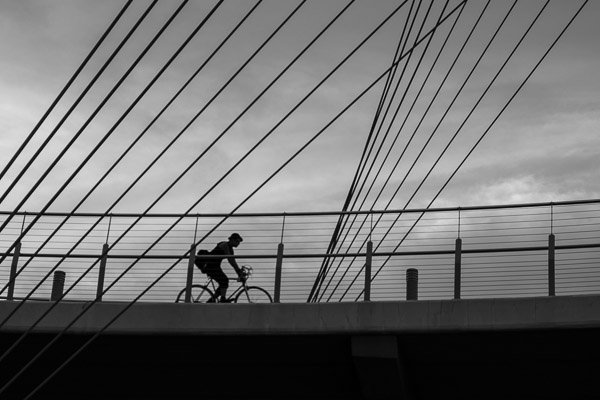
I must admit, I had an ulterior motive when I suggested that we go for an evening walk over a bridge, down next to a highway so I could get this shot... ©Valérie Jardin

I must admit, I had an ulterior motive when I suggested that we go for an evening walk over a bridge, down next to a highway so I could get this shot…   ©Valérie Jardin

Do not worry if your street photographer takes off in a hurry in the middle of a conversation. The right subject may be entering the perfect backdrop for the shot of a lifetime. Or maybe an interesting person just passed you on the sidewalk and your street shooter now needs to run the other direction, well ahead of the subject, to find the best way to frame the shot.

#7 You’ll need to have patience

Bring a book! Setting a stage and waiting for the story to develop may very well be your partner’s favorite pastime. This can take a few minutes, or a few hours…

#8 Your vacation destinations will be predetermined for you

If your significant other is a street photographer, do not be surprised if your next vacation destination has an ulterior motive. We much prefer to walk the streets of a large city than to lie on the beach of an exotic island.

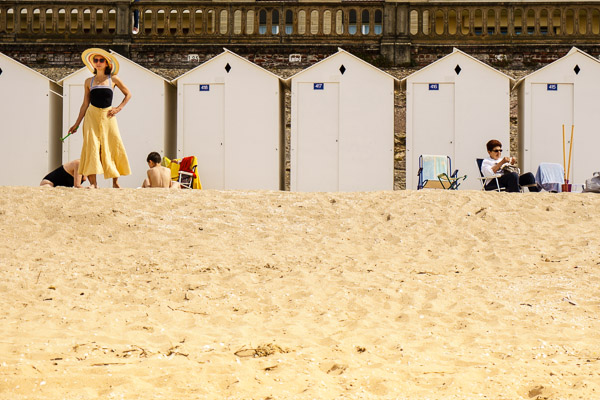
Vacation on the beach? Sure, as long as it's not too isolated and there are people to photograph! ©Valérie Jardin

Vacation on the beach? Sure, as long as it’s not too isolated and there are people to photograph!   ©Valérie Jardin

Conclusion:

Street photographers are not the easiest people to live with. Honestly I’m not sure I’d want to live with me if I wasn’t a photographer. We require a lot of patience. If you love one, don’t think for a second that you will be able to keep him/her away from that camera for more than a few hours. Be generous, give the street photographer in your life some time to pursue their passion on their own or with like-minded people. After all, wouldn’t you rather do your own things too? Look at it this way: We are the way we are because we have a true passion for people, it’s not such a bad thing.

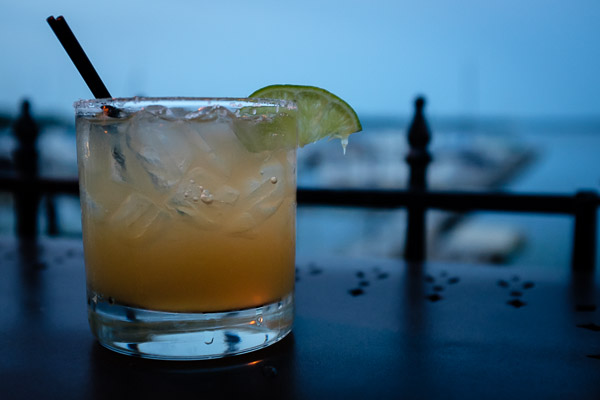
Blue hour by the lake? At the very least I'll get a shot of my drink, or his... Sometimes both.  ©Valérie Jardin

Blue hour by the lake? At the very least I’ll get a shot of my drink, or his… Sometimes both.
©Valérie Jardin

If you read this article, you’re probably a photographer. Please share with the non-photographer in your life. And if you plead guilty to any of the above, please share your experience.

The post 8 Things You Should Know if You are Dating a Street Photographer by Valerie Jardin appeared first on Digital Photography School.


Digital Photography School

 
Comments Off on 8 Things You Should Know if You are Dating a Street Photographer

Posted in Photography


Tips From a Landscape Photographer

21 Sep

B&H Photo Video is a huge mega camera store in New York City, but they also have a great selection of helpful videos. In this video Robert Rodriguez Jr. gives you some tips and insight into what it’s like to be a landscape photographer.

  • Capturing something that means something to you
  • Capturing emotion in photos is the essence of being creative
  • Compositions with layers to add depth
  • Why going back to one place again and again can help you take better photos of it
  •  The 4 a.m. filter
  • Printing your work, making it tangible

“Before you can think out of the box, you have to start with a box” – Twyla TharpThe Creative Habit: Learn It and Use It for Life

How will you get outside your box and be more creative?

Check out Living Landscapes and also Loving Landscapes, two dPS eBooks on this subject!

The post Tips From a Landscape Photographer by Darlene Hildebrandt appeared first on Digital Photography School.


Digital Photography School

 
Comments Off on Tips From a Landscape Photographer

Posted in Photography


6 Signs That You May be a Lazy Photographer

15 Sep

Photographers who are consistently producing stunning photographs don’t do so because they are lucky, observant, or even more skilled than the average photographer – they do so because they are not being lazy. Are you a lazy photographer?

lazyphotographer

6 signs you may be a lazy photographer

#1 – You’re lazy about composing your shots

You already know the basic rules of successful composition and you even know the rules for breaking those rules, but if you fail to put these rules into practice with every shot you take, then you’re being a lazy photographer.

Composition is potentially the most important tool you have within your arsenal for creating a powerful image. So it’s vital that when you compose your shots you aren’t being lazy about it, and instead compose with purpose.

To give you an idea of how I go about composing a scene I put together a short video that takes you through some iterations of a recent waterfall shoot. I hope this helps you see how composition is more than just knowing the rules, but it’s about putting them into action in the field, and thinking about the scene as a whole, over the course of a shoot.

#2 – You’ve uttered the words “I’ll fix that in post” as you begin to get frustrated about a scene or subject

Post production is always going to be there for you to use, but when you’re telling yourself that you’ll fix something in post when it could be fixed with another shot in less than ten minutes, then you’re being lazy. Whenever you have the time and ability to change, tweak, or otherwise improve a shot with a little effort you should take it. Otherwise you’ll spend more time fixing mistakes than making your images more powerful.

#3 – You’re full of excuses

Everything from sunrise being too early, to the weather being too cold, to your tripod being too heavy sets you back from someone who’s willing to go the extra mile to make the shot. Stop making excuses and get out and make photos instead.

#4 – You don’t do a proper assessment of the scene you’re photographing

It’s important to spend time to assess how the light is moving through your scene, and what kinds of perspectives and angles will suite your subject best. Rarely is the first idea that pops into your head going to be the best way to photograph a scene, so arrive early, scout out the various subjects and angles, then capture.

lazyphotographer3

#5 – You don’t venture more than a few steps from the parking lot

Simply put – get off the beaten path and discover something that someone else hasn’t.

#6 – You’ve had the thought, “If only I had this camera, or that lens I’d take better photos”

This kind of thinking will put you in debt faster than a gambling addition. Yes upgrading your gear will improve the quality of your images, but they won’t help you take better photographs, only you can do that.

lazyphotographer2

What else?

We’ve all been lazy from time to time and there’s nothing wrong with that, but it is important to know when we’ve been lazy in order to help prevent it from happening in the future. What other lazy photographer traits can you come up with? Comment below!

Please share any experiences where you weren’t lazy and you did get the shot too, give us a little inspiration and reason to get out of our chairs and go shoot.

The post 6 Signs That You May be a Lazy Photographer by John Davenport appeared first on Digital Photography School.


Digital Photography School

 
Comments Off on 6 Signs That You May be a Lazy Photographer

Posted in Photography


Cartier-Bresson and Stieglitz – Study the Masters of Photography to Become a Better Photographer

02 Sep

There is an unnervingly common trait among photographers, image makers, picture people, etc. Sometimes we forget that the reason we have access to such awesome gear and techniques, is because those who came before us in our trade figured them out, practiced them, advance them, and then left us a legacy of knowledge. The further we go back through the history of photography, the more prevalent this apathy becomes. What do you have to learn from someone who used a camera less advanced than a garage door opener? Well, as it turns out, we stand to learn a lot. Maybe not from a technological standpoint, but rather in a more intangible way that’s more difficult to appreciate, and easy to miss.

This is not to say that you can’t improve your photography from studying the methods of some of the masters. Their gear was varied and less advanced, but that only makes their work more extraordinary, and their skill even more humbling.

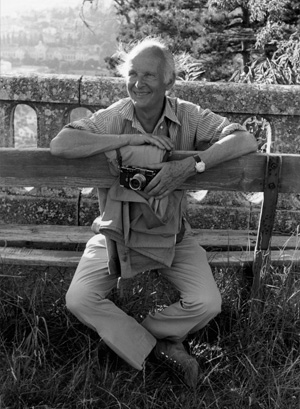
Henri Cartier-Bresson

Bresson

Image by Gertrude Käsebier

Even if the name doesn’t ring some little bell in your memory, chances are you most likely have viewed his work at some point. He was literally the inventor of the photojournalistic style… let that sink in for a minute or three. Before Cartier-Bresson, proper street photography as we know it and “still life reportage” as he called it was not a well practiced, or validated form of photography.

Born into a relatively well placed upper-class French family in 1908, Cartier-Bresson, like so many well known photographers, didn’t start out intending to be such. Painting was his major pursuit before picking up a camera. That all changed in 1931 when he set his eyes upon a photograph made by Hungarian photographer Martin Munkacsi. It was an image of three young boys in the surf of a lake in Africa. Cartier-Bresson said that he “couldn’t believe such a thing could be caught with a camera” and that he “suddenly understood that a photograph could fix eternity in an instant.” The photograph drove him to relinquish painting, and start making photographs. He was thoroughly a recorder of the spontaneity of human experience. There is much you can learn from Henri Cartier-Bresson to improve all aspects of your photo making.

Lessons you can learn from Henri Cartier-Bresson:

Strive to be invisible

When you’re working as a photographer it doesn’t take long to understand that humans tend to drastically change once they realize they are being photographed. Their mannerisms, expressions, and appearances all become noticeably different. Conspicuousness steals away realism very quickly if you are not careful. Cartier-Bresson understood this and moulded himself into somewhat of a photographic ninja. He shot with relatively small cameras, usually Leica 35mm Rangefinders. You have to understand that most photographers of his time were using larger format cameras which practically screamed “Hey, I’m making a photograph of you!!!” Anonymity allowed him to capture the essence of any scene in a way that was raw and unobtrusive.

Cartier-Bresson went so far as to conceal all the shiny surfaces of his gear with black paint to further decrease his footprint as a photographer. You might not want to go that far, but it will help you to capture better images if you blend into your surroundings. Plan for your sessions in a practical way. Don’t take more gear than you need, and keep a low profile. Try to wait until you’re ready to make an exposure before you raise your camera. Practice using your camera’s controls and memorize their placement. Also, avoid using a flash if it will likely interfere with your subject. Cartier-Bresson supposedly never used a flash for his images as he saw them as impolite and distracting. Photography, especially photojournalism, depends on the earnest capture of life in all its beauty, and regrettably, its occasional misery. Try to keep it real, literally.

Compose in camera

I know, I know. You’ve probably heard this before, and are most likely tired of having that phrase hurled at you. I feel your pain. I would always roll my eyes any time a seasoned photographer or well intentioned writer would talk about the importance of getting things right in-camera. Let’s be real here. It’s so easy to crop an image on the computer instead of using the camera’s viewfinder. It’s so much more convenient to salvage a less than correctly exposed image than to think through your aperture and shutter combinations.

Composeincamera

Post-processing photographs is a wonderful thing. Completely changing a photograph, however, is not always ideal. Cartier-Bresson was absolutely anti photo manipulation and believed any photograph should be cropped in the viewfinder before it was captured. Nearly all of his photographs were printed full-frame and even included about one millimeter of the unexposed negative so that his finished prints sported a thin black border to further prove the absence of cropping.

Any image is only as good as the ingredients put into its making. So try to put the best possible ingredients into your work so that your finished product will be something you will be proud to display and say “I made this”.

Focus as much on the art as the science

What we do as photographers would have been considered magic in an earlier time. Even at the basic level it is an amazing science. We record light that is completely unique and fleeting. You will never make the exact same photograph twice. The science of image making is an essential part of our creative process, but it must never be viewed as the only part.

Artandscience

Surprisingly, Cartier-Bresson expressed, on multiple occasions, his almost complete lack of interest in the more technical portion of making photographs. The developing and printing of his negatives, actions so carefully controlled and guarded by most serious photographers of the time, were valid only to him in the cases where they allowed more effective expression of his vision. He saw the camera as a tool, and development and printing as merely a means to a much anticipated end. He said “people think far too much about techniques and not enough about seeing”.

You can lose your direction during the of making an image. Sometimes we let technical perfectionism overshadow our initial vision. Thorough knowledge of your gear is essential to grow as a photographer. However, like Cartier-Bresson tells us, don’t allow yourself to become so focused on your tools that you forget your craft.

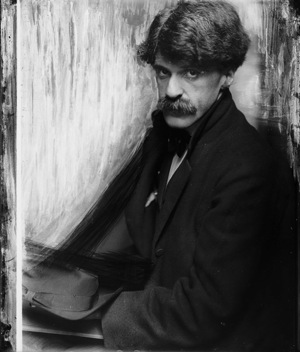
Alfred Stieglitz

Stieglitz

Alfred Stieglitz was born into this world on January 1, 1864 and left it on July 13, 1946. Anything else that I can tell you about the impact of man’s life upon the world of photography and creative art will fall unbelievably short of the full measure of gratitude we owe him as photographers. That’s not hyperbole. Before Stieglitz, photography was not considered a form of artistic expression. There were no real schools of photography, and it certainly was not considered high art on the level of painting and sculpture. Stieglitz gave artists an outlet to show their work to the public, and was the catalyst that helped begin the careers of many celebrated artists including the paintings of Georgia O’Keeffe, and the legendary photographs of the great Ansel Adams. Stieglitz was always open to new techniques and innovative thinking towards art.

His work is removed from our time by nearly a century, and many of the technical mechanisms he used are now obsolete. Still, there is much insight to be gained from Alfred Stieglitz, and his contributions. We can learn from his approach to the art world as a whole, to better ourselves as photographers.

Lessons you can learn from Alfred Stieglitz:

Express yourself when you can

Stieglitz created a series of images called “Equivalents”. It is a collection of photographs that show a variety of different cloud formations. Each image was a self-reflection of the thoughts, emotions, and experiences that he was feeling at the time the frame was exposed. That made each image unique to only him. He was the only person who truly understood how he felt during each release of the shutter. So go out and photograph something that makes you happy. Share it with others if you want, or just keep it for yourself. Go and make photos of something that is only beautiful, or meaningful to you. The act in itself is very freeing.

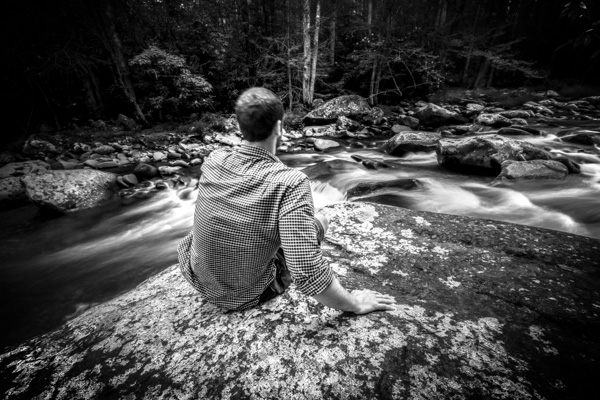
Expressyourself

This spot has special meaning only to me. I made this photo for myself and no one else.

You might be thinking “I express myself with all my work”, but really think about it for a moment. Do you ever make a photograph and immediately consider how it might be accepted or rejected by other people? Do you sometimes share an image that you personally think is outstanding but no one else seems to care about? We have all done it more often than we might comfortably admit.

Break the rules if you want

Simply put, any photograph that has ever been produced, resulted from of a combination of the following variables: size of aperture, shutter speed, depth of field, focal length, image receptor sensitivity and composition (film, digital sensor, ect) and that’s all. The key to making a great image is putting all those pieces together in such a way that they convert what was only visible within your own mind, into a photograph. Those are the only iron clad rules in photography. In the end it’s you who make the choices and operate the camera.

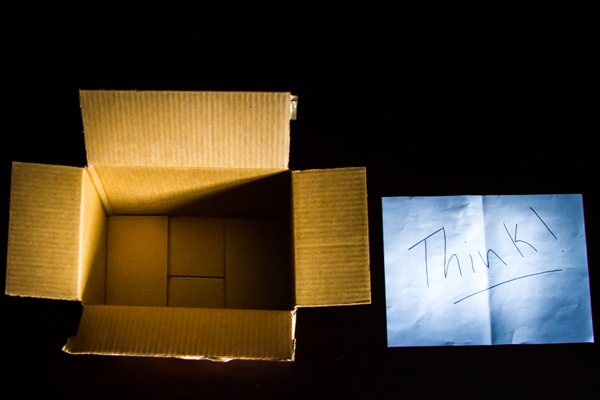
Bendtherules

Don’t be afraid to think outside the box!

Some really great work has resulted from stepping outside the mainstream. There are many stunning images that completely ignore the rule of thirds, leading lines, horizons, and so forth. Never completely cast aside guidelines, but don’t convince yourself that you are permanently tied to them either. Learning, and practicing, the tested and proven building blocks of strong photography will help you greatly. Just remember that ground breaking work often arises from the bending of rules.

Look for inspiration everywhere

Stieglitz promoted all art forms. He opened galleries to display the works of painters, sculptors, and of course photographers. He didn’t limit himself to only photography, or painting or to works fashioned from stone and clay. Instead, he drank it all in. He recognized that it was all tangled together and intertwined.

As photographers we are able to almost instantly project what sometimes takes other artists days or weeks, or even months to create. However, this relative ease of creation can gradually place blinders on our creative thinking. We can reach a point when we only look at other photographs for inspiration. That kind of thinking limits our scope as artists. This mindset is especially dangerous for new photographers and can lead to frustration, disappointment and even worse, emulation that festers into plagiarism.

Don’t let yourself have artistic tunnel vision. Begin to look for inspiration everywhere to fuel your photography. Black and white sketches, paintings, wood carvings, architecture, kids finger-painting – everything has the potential to give you a smack of creativity that you can mould into photographic inspiration. The truth is that you really never know what will inspire you.

Please share your questions and comments below. Have you heard of these two masters before? Have they influenced your photography?

The post Cartier-Bresson and Stieglitz – Study the Masters of Photography to Become a Better Photographer by Adam Welch appeared first on Digital Photography School.


Digital Photography School

 
Comments Off on Cartier-Bresson and Stieglitz – Study the Masters of Photography to Become a Better Photographer

Posted in Photography


Go Ahead And Call Yourself A Photographer, It’s All Right

01 Sep

In the short time since I went pro (read: started making money) with my creative work, I’ve experienced a truly disheartening amount of judgment — snobbish judgment, most of it full of contradictions designed to place some creatives above others based on entirely arbitrary criteria that benefit the speaker and put up a wall of mystery and privilege between people Continue Reading

The post Go Ahead And Call Yourself A Photographer, It’s All Right appeared first on Photodoto.


Photodoto

 
Comments Off on Go Ahead And Call Yourself A Photographer, It’s All Right

Posted in Photography


20 Awe-Inspiring Photographer Promo Videos to Create a Buzz Around Your Brand

29 Aug

The idea of this compilation  post was born while I was writing the article with tips for getting more word-of-mouth for photography brand. There, I told you that a promo video is one of the best ways to tell clients your story and to show yourself off while shooting and during the creative process. Moreover, a well-made promo clip can Continue Reading

The post 20 Awe-Inspiring Photographer Promo Videos to Create a Buzz Around Your Brand appeared first on Photodoto.


Photodoto

 
Comments Off on 20 Awe-Inspiring Photographer Promo Videos to Create a Buzz Around Your Brand

Posted in Photography


Watch Nature photographer Ian Shive, live, with CreativeLIVE

28 Aug

CreativeLIVE is hosting a three-day course on wildlife photography presented by Ian Shive. The course is free to watch live, and runs through August 29th. Shive will demonstrate techniques and give advice during three days of shooting, live from the Mt Rainier and Olympic National Parks in Washington State. Click through for a link to the course at creativeLIVE.

Articles: Digital Photography Review (dpreview.com)

 
Comments Off on Watch Nature photographer Ian Shive, live, with CreativeLIVE

Posted in Uncategorized


20 More Photography Tips Every Travel Photographer Must Know

21 Aug

Pick up Oded’s new SnapnGuide (a dPS sister company) Snapn Travel here for only $ 7, a lifetime of travel memories in a snap. Traveling is fun and rewarding, but sharing memories of your journeys with friends, family, and the world through your own beautiful images can be even better.
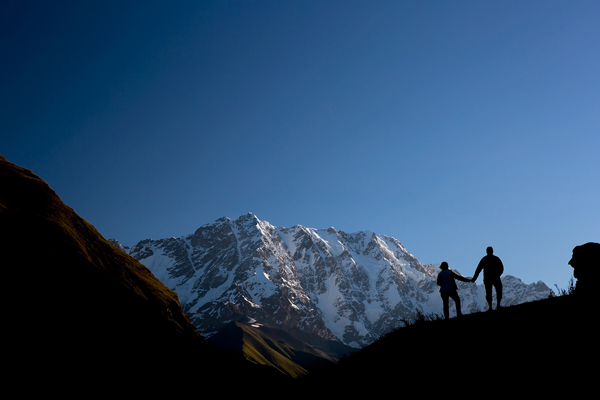
Traveltips Georgia 2

Georgia (the country)

Here are 20 more tips for great travel photography:

(You can read Part One 20 Photography Tips Every Travel Photographer Must Know here)

Before you go:

1. Make the visual decisions

For most of us, deciding where and when to go is based on many decisions, not necessarily related to photography. But there are some small decisions you can make to turn an ordinary trip into a photo-worthy one. For example, let’s say you are going on a business trip. You can squeeze a few hours of photographing between meetings. But a much better option would be to take a day or two off and spend this extra time photographing on location.

Or when planning your next family vacation, add a little visual research before the trip. Is there a nice festival or a market worth visiting at your destination? Is there something unique like an interesting ethnic group or unusual landscape that’s worth documenting? These small visual decisions can make a huge difference in your photographic experience during your trip.

2. Build a shot list

A “shot list” is a term from the movie industry. It’s a list of shots that are planned for a specific day. Want to come back home with better travel photography results? Then the shot list is your tool for the job.
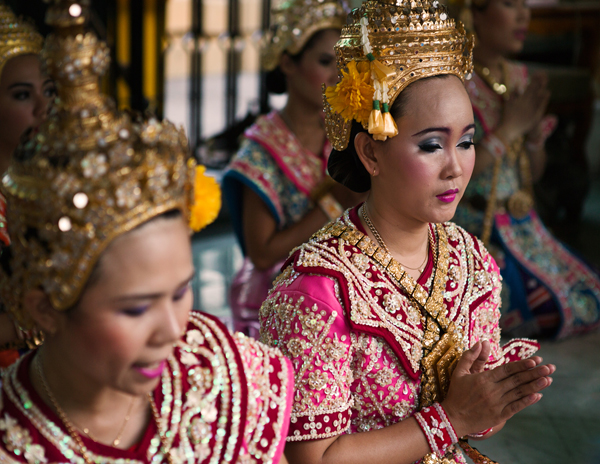
Traveltips thailand 2

Thailand

First, make a list of visual ideas as your “I won’t come home without” image list. Combine the iconic images with more creative ideas. For example, if you’re going to Paris, don’t skip the Eiffel tower. As a true symbol of Paris, it should be on your list. But make sure to add creative visual ideas, such as boutique wine shops, farmers markets, or anything to your liking. The shot list is there to help you, not restrict you. When you’re on the road, with so many new sights and smells competing for your attention, the shot list will keep you organized and be a continual inspiration for creating the next shot.

3. Smart gear choice

Don’t take all of your equipment with you! Match the gear to the destination. Do you really need that flash on the beaches of Thailand? Or that 50 mm prime lens for the safari trip to Tanzania? Choose wisely and you’ll worry (and carry) a lot less.

4. Photo boot camp

If you’re not making images on a daily basis, it will probably take you a few days on location just to “get in shape”. Get a jump-start by warming up at home by creating a daily photography routine at least one week before departure. This will make sure you’re at your best as soon as you step off the plane.
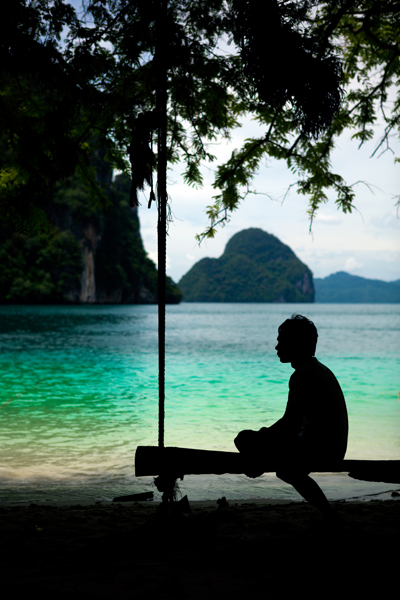
Traveltips thailand 1

Thailand

5. Coordinate expectations

Apart from our photographer’s “hat”, we all wear other hats, such as “father,” “spouse,” or “friend”. When traveling with others, we must wear many other “hats”. You must coordinate expectations with your travel partners to make sure the importance you’re placing on your photography during the trip won’t cause problems. Think and plan together about places you all can visit that would be great for even those who don’t take pictures: vantage points with scenic views, colorful markets, religious centers, etc.

When you get there

6. Location scouting

This is another movie industry term. It means that before even taking out your camera, it is wise to get familiar with your surroundings. Take at least a few hours to learn the area. Understand if there are any interesting places around your hotel, visit one or two places that are on your shot list and adjust it accordingly.
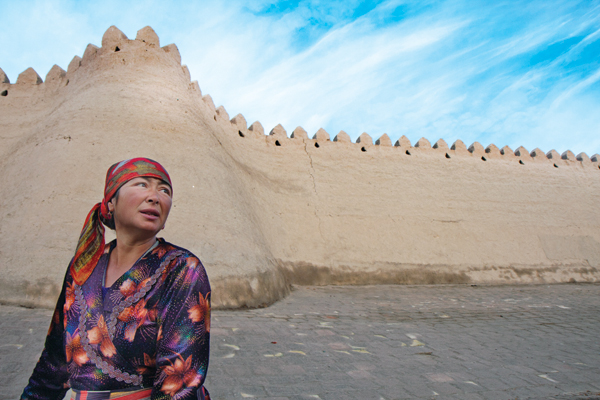
Traveltips Uzbekistan

Uzbekistan

7. Get up early

Yes I know, this one is a crazy ratings downgrade. But hey, travel photography is not for the lazy! The most precious thing on a trip is your time. Do not waste the hours of golden light of morning (or afternoon) on sleeping. Especially if you are traveling with non-photographers, it’s your time to do your best shots. You can save sleeping in for weekends at home.

8. Markets first!

Colors, food, local people, culture; markets are a photographer’s paradise. It’s always better to visit open markets (for the daylight) rather than covered ones. Some of the best markets I visited happen only once a week, be sure to be there.
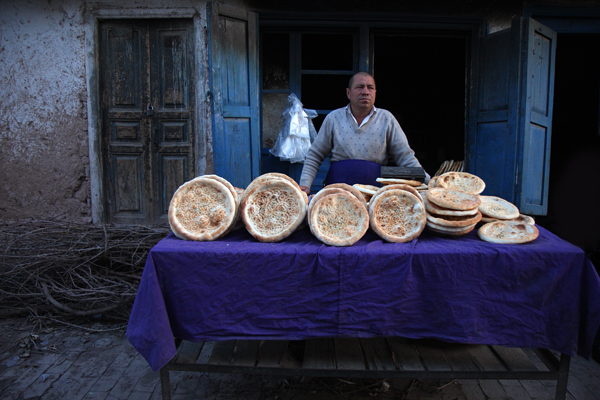
Traveltips china

China

9. Diversify your shoots

You took a landscape photo with a wide lens? Excellent, now do it again with a telephoto lens.

You’ve got the main square in daylight? Wonderful! Come back at night with a tripod and shoot long exposures. Make the most out of your once-in-a-lifetime trip as your diversify your shoots and portfolio.

10. Get out of your comfort zone

We all have places that are less comfortable for us, but visiting a new place is an excellent opportunity to get out of your comfort zone. Do you not have the courage to approach strangers in the street in order to take their portrait? This is an excellent opportunity. You might be surprise how easy and fun it is to do this with strangers.
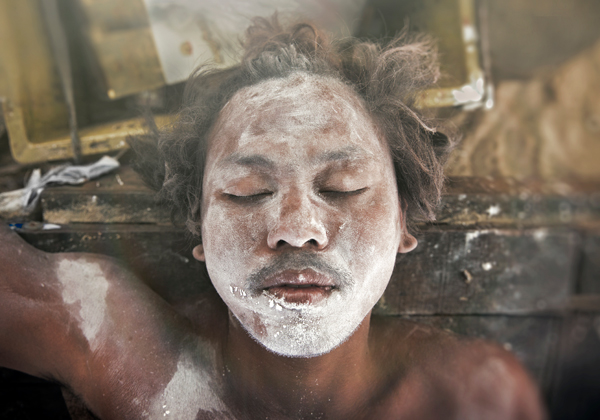
Traveltips thailand 3

Thaliand

11. Go iconic – but from a different point of view

We all know how Times Square, The Taj Mahal, and the Eiffel tower look. Don’t come back with the same, “we’ve seen it all before” images. You don’t have to skip those iconic places, they usually are truly worth the visit. But think of new and fresh ways to feature them. Try using a fish-eye lens, creative editing process, or reflections – the sky is the limit.
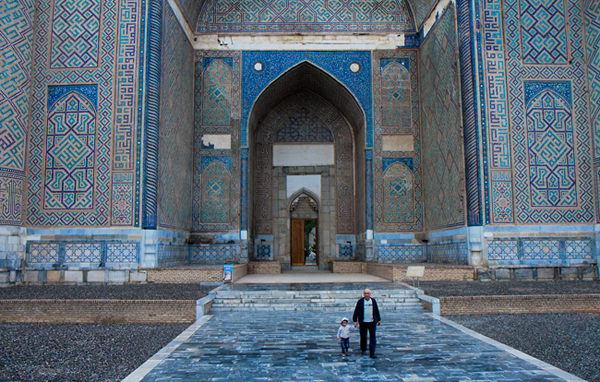
Traveltips Uzbekistan 2

Uzbekistan

12. Get inspired!

When I’m on a photography assignment, I always try to pay a short visit to a local gallery. Yeah, it sounds bit snobbish, but seeing the photography, paintings, or any other local art forms acts as a huge inspiration for my travel photography. We all want to create different and unique images. This is great way to do just that.

13. Setting a trap

I love this technique. Instead of jumping from place to place, looking for interesting subjects to photograph, I suggest to stay put and start building your frame with the background. Find an interesting vantage point on the street. You can even do this sitting at a sidewalk café. Establish your frame by determining the composition and exposure setting. Then wait for something interesting to enter your frame.
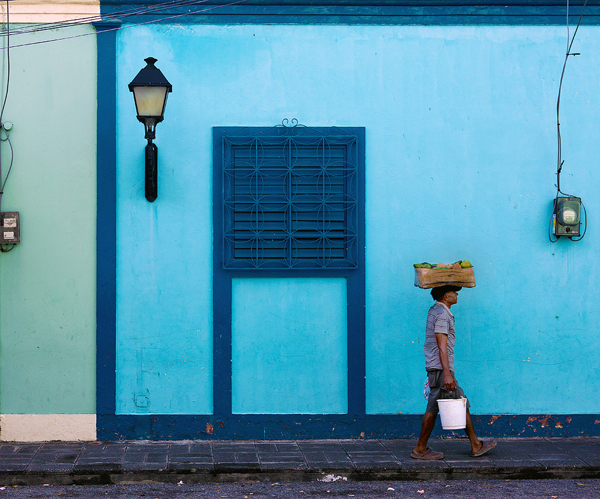
Traveltips Dominican Republic 4

Dominican Republic

14. Join forces with a local

From experience, in travel photography, there is nothing like working with a local photographer. Use a social platform (Facebook, Flickr, couchsurfing) and find a local photo enthusiast like yourself, who can show you all the best places to photograph. Of course, there are always risks when meeting strangers from the internet. Use your common sense and don’t meet them somewhere secluded at first.

Coming back home

15. Backup

I cannot stress how important this tip is. Don’t wait until it’s too late. Laptop, hard drive, cloud storage, you name it. Backup your images on more than one source.

16. Clean your gear

Before you store your stuff, you should clean it. Sea salt, sand, or even just fingerprints on the lens, can damage your gear. Keep your equipment in good shape and you will enjoy it for many years.
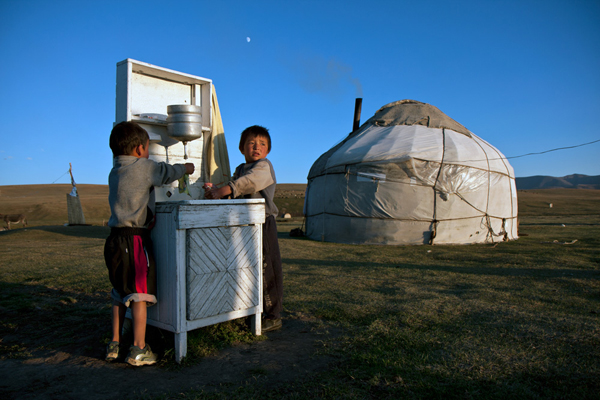
Traveltips Kyrgyzstan 3

Kyrgyzstan

17. Have a successes and misses notebook

In the past, I was recording a notebook of all my “almost got it” frames. Those fuzzy, overly bright, and “what the heck is this thing in the background” images.

I kept this notebook in order to learn how to not repeat my mistakes (and because we photographers like to be angry at ourselves from time to time). Then, I realized that it is just as important to understand why I failed as it is to understand why I succeeded. So, even today, after every assignment, I write ten things to keep and ten things to work on until the next trip.

18. Rest from it

I know it’s tempting, but resist the urge to filter, edit, and post-process your images the minute you get home. Give yourself at least a week before you do so. We tend to emotionally connect to our images, usually by the degree of investment and hard work we put into creating them. Give yourself time to disengage yourself from the experiences of your journey. This will help you see your images with less bias.
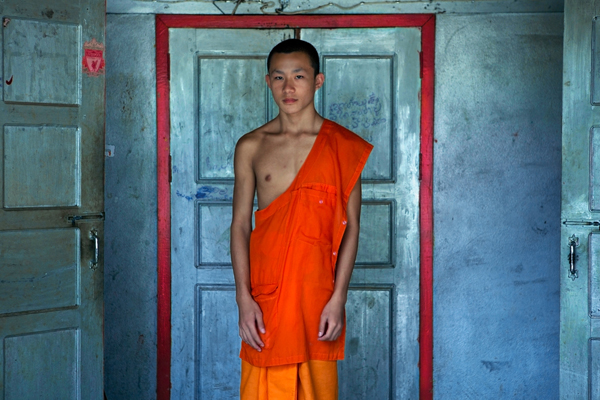
Traveltips laos 2

Laos

19. Get feedback

After learning from your successes and mistakes by yourself, use the help of someone else. Choose a friend, (preferably one with tact) and get his/her opinion on the images. It doesn’t matter if they’re a photographer or not. They should be honest, sincere and non-competitive with you.

20. Get it out to the world

Now, after resting from it, seeing it again with a new perspective, and hearing someone else’s advice, it’s time to get your art out to the world.

Choose up to 15 photos (not more). It is important to pay careful attention to the opening and closing images. Each image must stand on its own and together as a set. Add some text and post it to the world.

Note: the author would like to thank Nicholas Orloff for his help in writing this article.
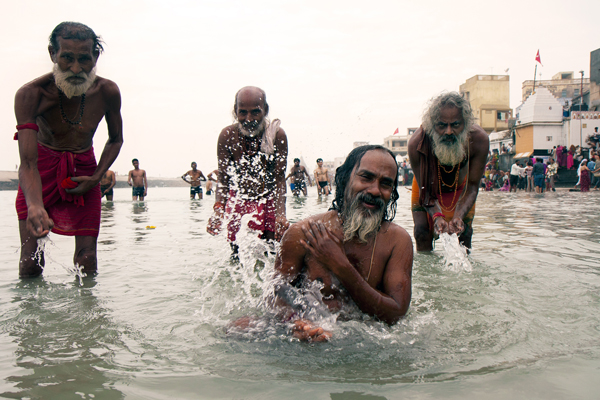
Traveltips India

India

The post 20 More Photography Tips Every Travel Photographer Must Know by Oded Wagenstein appeared first on Digital Photography School.


Digital Photography School
 
Comments Off on 20 More Photography Tips Every Travel Photographer Must Know

Posted in Photography


15 Inspiring Photographer Interviews to Make You Hungry for Shooting

20 Aug

Successful photographers become idols for newbies. It’s always interesting to see them in life, to take a glance behind the scenes, and hear their unique stories on how they got into photography. That’s the aim of the interviews. Each photography interview is a fascinating personal story of the photographer who shares his passion, tips, and advice on how to become Continue Reading

The post 15 Inspiring Photographer Interviews to Make You Hungry for Shooting appeared first on Photodoto.


Photodoto

 
Comments Off on 15 Inspiring Photographer Interviews to Make You Hungry for Shooting

Posted in Photography


How to Wake a PRO Photographer in You

11 Aug

Being a pro, full-time photographer takes courage. You should be pushing yourself out of your comfort zone all the time and do some new things. First things first: Becoming a full-time photographer means that you need to start a photography business. You should try new photography genres you never tried before. You should take photos at new locations. You should Continue Reading

The post How to Wake a PRO Photographer in You appeared first on Photodoto.


Photodoto

 
Comments Off on How to Wake a PRO Photographer in You

Posted in Photography