RSS
 

Posts Tagged ‘Photographer’

Photographer finds 1200 rolls of unprocessed film from 1950s

29 Jun
One of the 66 bundles of undeveloped film, which total an estimated 1,200 rolls, all shot by a single photographer in the 1950s. Far too much for Levi Bettwieser to develop himself.  

Levi Bettwieser is the founder and film technician for The Rescued Film Project – an archive of images from ‘lost and forgotten’ rolls of film, sourced from all over the word. Last year, Bettwieser acquired 66 packages of undeveloped film from the 1950s, totaling an estimated 1,200 rolls.

Each package is made up of several rolls of undeveloped film, meticulously wrapped in aluminum foil, newspaper and athletic tape and as Bettwieser explains, ‘this is way more film than I can process myself.’ The single roll that he has developed shows some degradation but has yielded usable images. 

Blue Moon Camera in Portland has agreed to take on the task of developing the rest of the unprocessed film, but even with a discount, processing so many rolls is going to cost a lot of money. Bettwieser has launched a funding campaign on Indiegogo.com, and at time of writing, his team has raised roughly a third of the total funding goal of $ 15,000.

If you’re interested in this project, you might enjoy reading a series of articles that we published in 2014. 

Articles: Digital Photography Review (dpreview.com)

 
Comments Off on Photographer finds 1200 rolls of unprocessed film from 1950s

Posted in Uncategorized


Brian “Babs” Babineau: Boston’s Premier Pro Sports Photographer

10 Jun

In 2008, just moments before the Boston Celtics defeated the Lakers to win the NBA Championship, Brian Babineau spotted Celtics All-Star Paul Pierce approaching Coach Doc Rivers with a cooler full of Gatorade.

Instinctively, he got up, backed off, lifted his camera and pressed the shutter.

The iconic shot of Rivers under a deluge of orange electrolytes is one that basketball fans will look back on years from now and treasure.

But today is just a regular day for the Celtics team photographer more commonly known as “Babs.” Read along as we follow Babineau for the day at a Celtics home game against the Utah Jazz and learn what it takes to be Boston’s go-to pro-sports photographer.

(…)
Read the rest of Brian “Babs” Babineau: Boston’s Premier Pro Sports Photographer (991 words)


© laurel for Photojojo, 2016. |
Permalink |
No comment |
Add to
del.icio.us

Post tags:


Photojojo

 
Comments Off on Brian “Babs” Babineau: Boston’s Premier Pro Sports Photographer

Posted in Equipment


How Limitations Can Help You Grow as a Photographer

07 Jun

142

Have you ever said to yourself, “If only I had that lens, or this camera I’d be an amazing photographer”? Or maybe you’ve thought that if only you had more time or money, your dreams of being the photographer you want to be, would finally be realized. Many times as photographers we will have limitations put on us. Sometimes we may set those limits on ourselves, and sometimes they are limits that can’t be helped. Either way, we can use those limitations to our advantage and become better photographers because of them.

Set aside those “if only” thoughts. Push away those feelings of inadequacy. Don’t let those limitations hinder your progress as a photographer. Once we have gone through some of those limitations that can help you grow, you might even decide to limit yourself on purpose sometimes, just for the challenge.

185

I don’t have an expensive camera

Do expensive cameras make a difference? Of course they do. There’s a reason some cameras cost more than others. However, the person behind the camera matters a whole lot more. If you’re looking at your favorite photographer’s work and thinking that their camera is amazing, you may be right. Their camera is possibly amazing, but the reason you love their photos isn’t because of their camera, it’s because of what they do with that camera.

If you constantly think that you can’t do what you want to because your camera isn’t fancy enough, then you’re probably right. With that kind of thinking, you’ll always be waiting for the next purchase before you even try to get better. If you can convince yourself that your camera is good enough, smart enough, and doggone it, people like it, then your photos will change with your perspective. Find out what your camera CAN do, instead of lamenting about what it can’t do. Pull out your camera’s user manual, and practice until you’ve truly worn out your camera. You might decide to get the next big thing then, or you might have fallen in love with your camera so much that you wouldn’t dream of trading it in for a newer model.

143

I don’t have the right lens

Want to know a secret? For a long time I used my kit lens, and a 50mm f/1.8 on my first camera body. That’s it. I made those lenses work for me, and I learned how to get the most out of them. Want to know another secret? Now I use a 50mm f/1.4 and 85mm f/1.4, and that’s it. Nothing else, ever. I’ve looked at other lenses, and thought about them a lot, but when it comes down to it, I really feel like I don’t want any other lenses.

I’ll often go through an entire session with only one lens on my camera body. I feel more free to concentrate on what’s going on in front of me, and capturing what I want. I’m completely comfortable and familiar with my lenses, and I know exactly what they can do. I don’t waste time switching to another lens, and risk getting dirt on my sensor. Your lens of choice may be different from mine, and that’s okay. If you are photographing other things besides portraits, you may very well need a different lens from what I have.

However, you don’t need EVERY lens. Figure out how to make the lens (es) you have work for you. Challenge yourself to work with the constraints of a 50mm prime, or even a kit lens. You might realize that you don’t need that expensive new lens after all.

1202

I don’t have ALL the equipment

It’s exciting to dream about all the photography equipment you could buy. All the different flashes, reflectors, tripods, timers, camera bags, diffusers, and straps are calling to your wallet, begging you to buy them all. Money is a real issue for me, and likely for many of you, too. If it’s not something that you are going to use on a regular basis, see if there are ways that you can work without it.

There are many DIY ideas that will stretch your creativity. You might find that you can make beautiful photos, even without all the extra equipment. Sometimes having a limit to what you are able to purchase can make your creativity grow, because creativity is free. You can use it abundantly without hurting your budget one bit. Cameras don’t care if they’re stored in a bag you’ve had for years, that is worn on the corners (at least that’s what my camera tells me).

194

I don’t have any pretty locations available nearby

Wouldn’t it be great if we always had beautiful waterfalls and trees and majestic mountains right there to photograph? Unfortunately life doesn’t work that way. I live in a place that is actually truly spectacular, but when I first moved here, I was quite underwhelmed. It’s one of those places that takes time to appreciate, and sometimes certain camera angles to hide the parts that aren’t so photogenic. Look at your surroundings with new eyes, and you might find that you actually have a lot of gorgeous views. You’ll not only be able to make some beautiful photos, but you’ll be happier with your life and surroundings.

Sometimes you might be at a location that you must shoot then and there, and there’s not much to choose from. A back deck at high noon can work in a pinch. This is where your creativity and resourcefulness can come in handy. Hone those skills, and you will find that you are never at a loss for great locations.

169

I don’t have enough training or knowledge

Every photographer has had to say this at some point, we all have to start somewhere. If you are turning down opportunities to take photos, or scared to try something new because you’re afraid you don’t know enough, you’re selling yourself short. The worst that could happen is that you could learn what not to do.

Find every opportunity to practice and learn. Don’t let a lack of knowledge stop you from trying, instead, let it motivate you to learn more. While you are in the process of learning, remember the saying, “Fake it until you make it”. If you pretend that you know what you are doing, that fake confidence can pull you through, and you’ll gain more real confidence for the future.

***However, I must insert a warning here. Don’t agree to be the sole photographer for a very important once in a lifetime event, like a wedding, if you aren’t knowledgeable and prepared enough. You’re welcome.

293

I don’t have good weather today

Suck it up and get out there. That may sound harsh, but unless the weather is going to ruin your camera, give it a try. Some of my favorite sessions have been in the wind, in light rain or snow, or in freezing temperatures. If you always seek out comfortable conditions, you won’t stretch yourself to find new ways to deal with things. You’ll miss out on some very compelling shots, because you won’t be forced to make something less than ideal work to your advantage. You might get dirty, cold, wet, hot, or sunburned. Don’t limit yourself when conditions aren’t perfect.

158

I don’t have time

Quality over quantity will help you here. Instead of thinking you have to take 1000 frames at a time, challenge yourself to capture something great in 10 frames. Instead of spending two hours on one session, see if you can get a handful of truly great images in fifteen minutes. Sometimes when we have more time, we don’t end up with more great photos, we just end up with a whole lot of mediocre photos. Use your time constraints to help you focus on capturing exactly what you want, and not wasting time with thoughtless clicking. Use the little time you have to your advantage, and make every click count. Read: 6 Tips on How to Make More Time for Photography

Summary – let’s hear from you

What limits do you think are holding you back? Could you find a way to make those limits benefit you and make you a stronger photographer? Change your perspective on your limits, and see if you can make your photography growth limitless.

How have you found limitations have helped, rather than hindered your own growth as a photographer? Have you tried any limitation exercises on purpose? If so please share your actions and results in the comments below.


Editor’s Note: This is one of a series of articles this week that are Open for Discussion. We want to get the conversation going, hear your voice and opinions, and talk about some possibly controversial topics in photography.

Give us your thoughts below on the article above on limitations and watch for more discussion topics this week.

See all the recent discussion topics here:

  • 7 Commonly Accepted Photography Beliefs Debunked
  • Is HDR dead? Some dPS Writer’s Thoughts on this Controversial Topic
  • How to Find your Personal Photographic Style
  • Why You May be Failing to Reach Your Potential as a Photographer
  • To Process or Not To Process? Let’s Discuss
  • How much do you process your images? – a dPS POLL
  • Does the Camera Matter? SLR versus Mirrorless versus Smartphone
  • Natural Light Versus Artificial Light: Which is Better?

googletag.cmd.push(function() {
tablet_slots.push( googletag.defineSlot( “/1005424/_dPSv4_tab-all-article-bottom_(300×250)”, [300, 250], “pb-ad-78623” ).addService( googletag.pubads() ) ); } );

googletag.cmd.push(function() {
mobile_slots.push( googletag.defineSlot( “/1005424/_dPSv4_mob-all-article-bottom_(300×250)”, [300, 250], “pb-ad-78158” ).addService( googletag.pubads() ) ); } );

The post How Limitations Can Help You Grow as a Photographer by Melinda Smith appeared first on Digital Photography School.


Digital Photography School

 
Comments Off on How Limitations Can Help You Grow as a Photographer

Posted in Photography


Nikon D5: A pro sports photographer gives us his opinion

05 Jun

Nikon D5: a pro photographer’s opinion

A Bahaman athlete, shot through the flame and heat haze in the Olympics Stadium in the 4 x 100m Mens Relay – London Olympics 2012.

Nikon D4, Nikon 300mm F2.8, 1/500 sec F4 ISO 800. Photograph by Mark Pain


The Nikon D5 has impressed us with its speed and reliability, and earned a gold award when we reviewed it recently. But we don’t pretend to represent the camera’s core market of sports professionals and photojournalists. That’s why we turned to Mark Pain, a UK-based sports photographer and Nikon shooter, to get his opinion on the D5. Click through this article to learn how Mark got started, what makes a good camera for his needs, and how the D5 is measuring up.

Nikon D5: a pro photographer’s opinion

Zara Tindall (Phillips) jumps the lake At Badminton, on her horse High Kingdom.

Nikon D5, Nikon 400mm F2.8, 1/3200 sec F3.5. ISO 320. Shot using AF-C in D25 area AF mode. Photograph by Mark Pain


Mark Pain:

The first thing you notice when you use a D5 is the blisteringly fast and accurate autofocus. Many cameras feel quick and responsive the first time you pick them up, but very few continue to fill you with more and more confidence every time you use them. But the D5 does just that. It takes everything the D4s did well and improves on it. But most importantly Nikon seemed to have listened to photographers’ feedback on what wasn’t so good about the D4s and transformed those areas of performance with a total redesign.

The new AF system is nothing short of sensational. If you set the camera up properly the D5 doesn’t miss a beat. User error is far more likely to be the reason for a missed shot than the camera letting you down, even for the best of photographers.

Nikon D5: a pro photographer’s opinion

David Weir celebrates winning his third gold medal in the 1500m – London Paralympics 2012.

Nikon D4, Nikon 300mm F2.8, 1/1250 sec at F2.8. ISO 2000. Photograph by Mark Pain


I’ve been shooting sport professionally for over 25 years now, since I was 22. But I got the bug for photography and especially for photographing movement just after I was given my first SLR for my 13th birthday. I loved my fully manual Fujica STX-1 when I was asked to shoot some pictures of my school Sportsday for the school magazine, I was hooked.

The Fujica STX-1 was a superb camera for a young photographer to learn with, fully Manual and extremely well built. It made me concentrate on and master all the fundamentals of photography, fundamentals that remain the backbone of my photography today.

Nikon D5: a pro photographer’s opinion

Mark’s kit-bag. Nikon D5, Nikon D4s, Nikon 70-200mm F2.8, Nikon 24-70mm F2.8, Nikon 14-24mm F2.8, Nikon TC14 1.4x converter MkIII, Nikon 16mm F2.8, Nikon SB-800 Flashgun inside a Think Tank Airport International rolling case.


There have been two huge developments in photography since I started out; the coming of autofocus and the move from film to digital. As a professional there have been times when these changes have caused major headaches. AF systems take time to get right and professional sports photographers tend to be on the receiving end of their failings or quirks. Often the technical ability of the cameras in the field (even the top end Pro SLRs/DSLRs ) has lagged behind what the manufacturers claim to have achieved on paper. Especially when it comes to autofocus.

Nikon D5: a pro photographer’s opinion

The British Mens Team Pursuit team on their way to breaking the world record at the Beijing Olympics 2008.

Nikon D3, Nikon 70-200mm F2.8, 1/15th sec at F8, ISO 200. Photograph by Mark Pain


A camera’s success is dependent on three crucial aspects of its design and spec coming together in harmony; sensor performance, the processor used in the camera and the firmware. For me, the first digital camera that married all these important factors together was the Nikon D3. The D3 changed my world and I switched from Canon to Nikon in the January of 2008 because of it, and I took the D3 to the Beijing Olympics later that year. To my mind the D3 was the best balanced professional sports camera. Until the D5.

Nikon D5: a pro photographer’s opinion

Zara Tindall (Phillips) jumps the lake At Badminton, on her horse High Kingdom.

Nikon D5, Nikon 400mm F2.8, 1/3200 sec F3.5. ISO 320. Shot using AF-C in D25 area AF mode. Photograph by Mark Pain


The D5 seems to have that same balance, ease of performance and feeling of class that the D3 had. It’s the camera the D4 and D4s so nearly were. Of course it’s early days and I’ve only been shooting with it for a month or so. A camera’s abilities can only be fairly judged over a much longer period of time in a far wider variety of conditions than I have used the D5 in so far. How the camera performs at a rain soaked night match at a dark non-league football ground in the early rounds of FA Cup at 8000 ISO is just as important as how it performs at 200 ISO in bright sunshine at the Final at Wembley.

But the Olympics is the ultimate test of any camera claiming to have a sports pedigree and I’m seriously excited to be heading to Rio in a couple of months time with a couple of D5s at my side. The huge variety of sports both indoors and outdoors and the technical challenges they present will push the camera to its limits.

Nikon D5: a pro photographer’s opinion

Jesse Lingard celebrating his winning goal in the FA Cup Final.

Nikon D5, Nikon 70-200mm F2.8, 1/2000th sec at F2.8, ISO 2000, Shot using AF-C in D25 area AF mode. Photograph by Mark Pain


The sequence of 28 consecutive Raw frames I recently took of Manchester United’s Jesse Lingard celebrating his winning goal at the FA Cup Final confirmed the true AF performance of the D5. Every frame was sharp and in focus. Every frame. Camera manufacturers show sequences of sprinters running towards the camera in their brochures to try and sell the AF tracking performance of their new equipment. But that kind of movement has been easy for cameras to track for a long time.

Nikon D5: a pro photographer’s opinion

The next day’s papers!


In the real world of top professional and dynamic team sport with lots of random movement, AF systems inherently struggle. But the D5 has proved to be extremely capable and with a Nikon 70-200mm F2.8 the Lingard celebration was technically faultless.

Nikon D5: a pro photographer’s opinion

Saracens v Harlequins at Wembley Stadium in the Aviva Premiership Championship.

Nikon D5, Nikon 400mm F2.8, 1/2000 sec F2.8 ISO 1100. Shot using AF-C in D25 area AF mode. Photograph by Mark Pain


Even at ISO 2000 the files look sharp with a complete lack of noise or signs of in camera over-processing. Now that the D5 has 20.8 megapixels a shutter speed of at least 1/2000th is needed to freeze most fast moving sport. What many people don’t realise is that the more megapixels you have the faster shutter speeds necessary to freeze the same action. In real camera terms, six years ago I would have been shooting the whole of this year’s FA Cup Final on a D3s on a shutter speed of 1/800th sec. This year I was shooting the match at 1/2000th sec on a D5 – to freeze the very same type of images.

Mark Pain is a multi-award winning UK-based sports photographer who covers major events worldwide from the Olympic Games to the Ryder Cup. Mark was the Chief Sports Photographer for The Mail On Sunday for more than 20 years, and was named Sports Photographer of the Year in 2005 and 2011 at the British Press Awards. Mark launched the first ever Sports Photography School in 2011, and was named the British Airways Olympic Photographer Of The Year 2012 at the prestigious UK Guild Of Picture Editors Awards.

Articles: Digital Photography Review (dpreview.com)

 
Comments Off on Nikon D5: A pro sports photographer gives us his opinion

Posted in Uncategorized


Why You May be Failing to Reach Your Potential as a Photographer

03 Jun

There are a number of reasons why someone might not succeed at reaching their full potential, more than I can cover in this article, so please feel free to add to this list by telling us what obstacles get in your way. If you have solutions to someone else’s problem, feel free to offer up some advice, and help out a fellow photographer.

reach-photography-potential

What does it mean to reach one’s potential?

Reaching your potential can be a bit arbitrary as everyone has different ideas of what success means. In order to simplify this article a little, let’s make a couple of assumptions to define the photographer we are talking about.

Assumption #1 – The photographer in question is someone who wants to improve their work through the long haul. This photographer may or may not want to become a professional, but they do want to look back on their portfolio and be proud of what they have accomplished.

Assumption #2 – For the sake of this article things out of the control of our make believe photographer – i.e. financial situation, health, and social/family aspects of life – are not the cause of their failure to reach their potential.

What then, are the obstacles that may be holding you back?

Lack of confidence

Think about learning a new skill. At the beginning you’ll most likely have a low level of confidence, but this is off-set by a high level of excitement to try something new. As time goes on though, that newness wears off and you’re left feeling like you’ve gotten yourself in over your head – does that sound familiar?

reach-photography-potential-2

With photography there is so much information available on the web, so many people to compare yourself to, so many clubs to join, and so many things to buy, that it can become overwhelming for you to figure out the right path to take forward.

This frustration can lead to confusion, or even doubt over the decisions you’ve made, making this a common question, “Did I buy the right lens/tripod/software?”.

The simplest advice that can be given in this situation is to try to block out the distractions around you. Try to focus on your own improvement, and benchmark your current photography against what you did last month, or last year. This will help showcase your personal triumphs, allowing you to stay confident in your progress.

Lack of Motivation

If there’s one thing that will stop you from reaching your potential, it’s lack of motivation. Photography requires a lot of time and energy. You have to plan shoots, find subjects, work with models or nature, often travel to a location – a lot goes into photography.

reach-photography-potential-4

To compound this, motivation will often peak when something is new, but as you visit the same location a few times, use the new lens repeatedly, or master the new technique you read about, the level of motivation you get from these things starts to wane.

In order to avoid stalling out due to lack of motivation, one thing you can do is to keep trying new things. One of the best ways to do this is to participate in themed challenges, like those here on dPS weekly. Another option would be to join a local photography club, or even an online community, to allow you to meet other photographers and share ideas.

Not investing in the right gear

You probably know that gear alone can’t make you a better photographer, but the wrong gear can certainly hold you back.

reach-photography-potential-3

Trying to cut corners on cheap tripods, poor quality bags, or inferior lens filters, will do more harm than good. One could argue that poor quality gear will actually hurt your photography, more than high quality gear will improve it. So invest wisely, but be careful not to fall into the next hurdle.

Relying on gear to carry you

As mentioned above, some investment is necessary in order to set yourself up for success. However, too much reliance on the gear you buy will only hold you back. Thinking that upgrading to full frame will improve your photography is not the right reason to buy a new $ 2,000 dollar camera.

When it comes to investing in new gear there are two questions you should ask yourself:

  1. What is the driving force behind your desire to upgrade?
  2. How will the desired upgrade fill a need in a way that your current gear cannot?

Hopefully by answering these questions you’ll be able to find out whether or not the gear that you’re inquiring about is a want or a need, and how big of an impact it will have on the photographs you produce.

What else stops you from achieving your potential?

Let us know in the comments what hurdles you face as a photographer. What stops you from achieving your potential, and maybe we as a community can help you find ways to tackle that challenge.


Editor’s Note: This is one of a series of articles this week that are Open for Discussion. We want to get the conversation going, hear your voice and opinions, and talk about some possibly controversial topics in photography.

Let’s get it started here – do you agree or disagree with the points in the article above? Do you have any others to add? Give us your thoughts below, and watch for more discussion topics each day this week.

See all the recent discussion topics here:

  • 7 Commonly Accepted Photography Beliefs Debunked
  • Is HDR dead? Some dPS Writer’s Thoughts on this Controversial Topic
  • How to Find your Personal Photographic Style

googletag.cmd.push(function() {
tablet_slots.push( googletag.defineSlot( “/1005424/_dPSv4_tab-all-article-bottom_(300×250)”, [300, 250], “pb-ad-78623” ).addService( googletag.pubads() ) ); } );

googletag.cmd.push(function() {
mobile_slots.push( googletag.defineSlot( “/1005424/_dPSv4_mob-all-article-bottom_(300×250)”, [300, 250], “pb-ad-78158” ).addService( googletag.pubads() ) ); } );

The post Why You May be Failing to Reach Your Potential as a Photographer by John Davenport appeared first on Digital Photography School.


Digital Photography School

 
Comments Off on Why You May be Failing to Reach Your Potential as a Photographer

Posted in Photography


Stormy weather: Photographer Mike Olbinski captures Oklahoma tornado

14 May

$ (document).ready(function() { SampleGalleryV2({“containerId”:”embeddedSampleGallery_8291029024″,”galleryId”:”8291029024″,”isEmbeddedWidget”:true,”standalone”:false,”selectedImageIndex”:0,”startInCommentsView”:false,”isMobile”:false}) });

After a 10-hour wedding shoot most photographers are ready to head home and put their feet up, but Mike Olbinski isn’t your average wedding photographer. In between portrait and wedding shoots, he drives from his home in Phoenix, Arizona to photograph the powerful tornados that rip through the Great Plains states every summer. So after a recent wedding gig with the threat of severe weather brewing, Olbinski hopped in his car and drove 15 hours to Oklahoma. 

You can see some of the photos from that trip here and read his account of tracking down a dangerous storm over at Resource Travel.

Articles: Digital Photography Review (dpreview.com)

 
Comments Off on Stormy weather: Photographer Mike Olbinski captures Oklahoma tornado

Posted in Uncategorized


A Landscape Photography Tutorial (from a Portrait Photographer Trying Something New)

06 May

landscape-photography-tutorial

Sometimes when you’re in a rut the best way to get out of it is to do something completely out of the box and try something new – something a little risky.

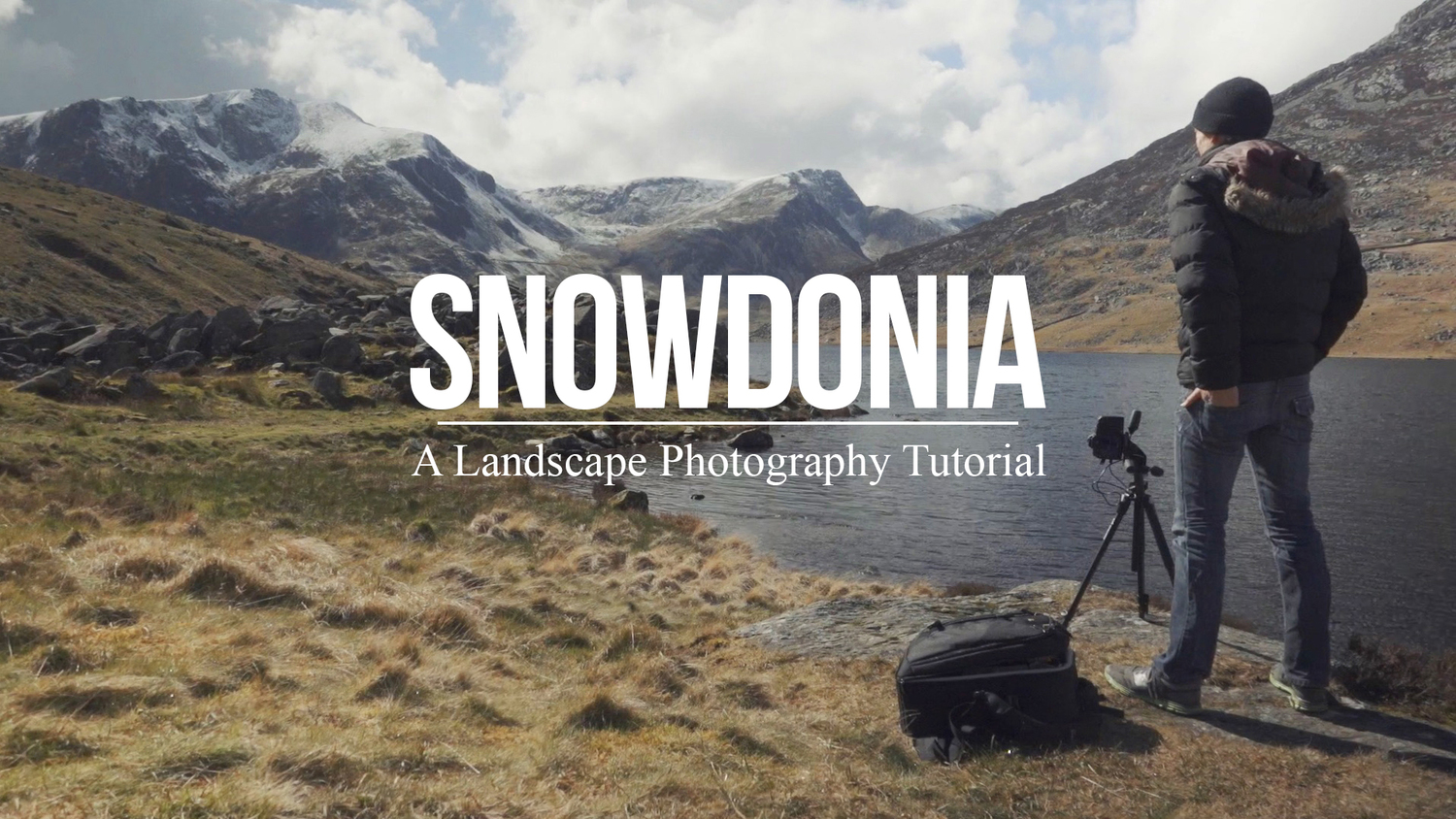
Portrait photographer Sean Tucker changed things up recently but setting out on a landscape photography road trip.

He videos the experience and I think the result is fascinating – both to see how he approached his landscape photography but also to hear his insights on stepping outside his comfort zone to approach a new type of photography for him.

I like what he wrote in his blog about the experiment:

“There was no guarantee the trip wouldn’t be a waste as I’m not a professional landscape photographer by any means, but I think the best creativity will always come out when you are taking risks.”

Grab a cup of your favourite beverage and settle down to journey with Sean. The end results are at the end of the video.

Have you ever stepped out of your normal type of photography to try something new like Sean did?

Further Reading for helping you to break out of a photography rut:

  • 10 Tips to Motivate You out of a Photography Rut
  • 5 Ways To Break Out of a Creative Photography Rut
  • Are You in a Photography Rut? 11 Tips to Get Out of It!

googletag.cmd.push(function() {
tablet_slots.push( googletag.defineSlot( “/1005424/_dPSv4_tab-all-article-bottom_(300×250)”, [300, 250], “pb-ad-78623” ).addService( googletag.pubads() ) ); } );

googletag.cmd.push(function() {
mobile_slots.push( googletag.defineSlot( “/1005424/_dPSv4_mob-all-article-bottom_(300×250)”, [300, 250], “pb-ad-78158” ).addService( googletag.pubads() ) ); } );

The post A Landscape Photography Tutorial (from a Portrait Photographer Trying Something New) by Darren Rowse appeared first on Digital Photography School.


Digital Photography School

 
Comments Off on A Landscape Photography Tutorial (from a Portrait Photographer Trying Something New)

Posted in Photography


Tips for Getting Yourself to Relax as a Photographer and Have More Successful Portrait Sessions

24 Apr

When I first got started in photography I thought I had things all figured out regarding cameras, lenses, exposure, and even some post-processing. However, the first time I greeted a client on location for an actual photo shoot, I realized just how clueless and ill-prepared I really was, and found myself nervous to the point of almost being nonfunctional. I was so uptight and anxious about the whole photo session, that I’m still not sure how I managed to get any good pictures, but thankfully things have gotten much better in the subsequent years.

Even though I have greatly expanded my knowledge and experience, I still get a little nervous when meeting with clients. I have found several tips that work well to calm the butterflies in my stomach and help make for much more enjoyable and productive portrait sessions, both for me and my clients. I’m going to share them with you.
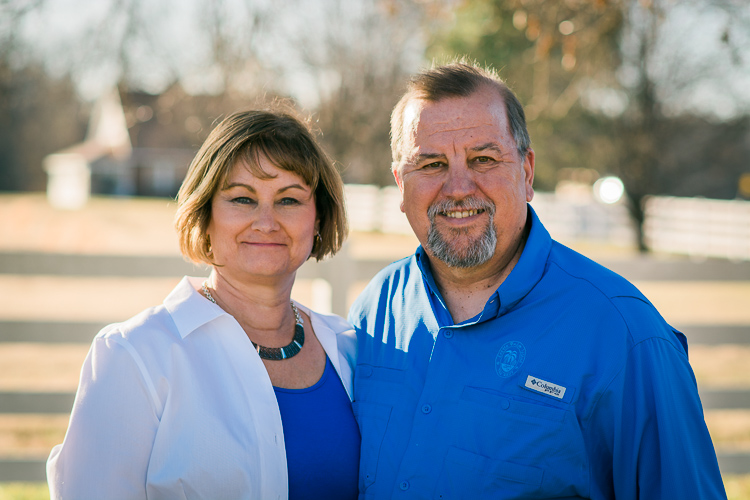
relaxing-for-portrait-session-couple-farm

Even after doing this type of work for years, I can still get nervous going into a photo session.

The Three Phases of Portrait Anxiety

While this triad of temporal distinctions is entirely nonscientific in nature, I have found that my stress and anxiety regarding a given portrait session generally can be divided into three discrete phases:

  • Phase 1 – The days or weeks leading up to a photo session. This lasts the longest, but thankfully doesn’t require impromptu decisions and instead gives you time to be thoughtful, analytical, and reflective. The downside is it lasts the longest! This unfortunately means you have way too much time to over-think and over-analyze everything.
  • Phase 2 – The short time before you start the session. This is usually five or ten minutes, interacting with the client at the session but before you start taking pictures. This period is brief but critical, as it can set the tone for the entire photo session and if you’re not properly relaxed things can go downhill quickly.
  • Phase 3 – The photo photo session itself, which usually lasts about an hour, unless you are doing a wedding or other type of protracted engagement. Things can get very tricky here, but if you have taken the time to properly relax during Phases 1 and 2 you will probably find Phase 3 to be smooth sailing.

Here are my tips for helping yourself relax, take things easy, and get mentally prepared for the photo session. While not all of these may apply to you, I do hope they are general enough to be useful to you in similar situations.
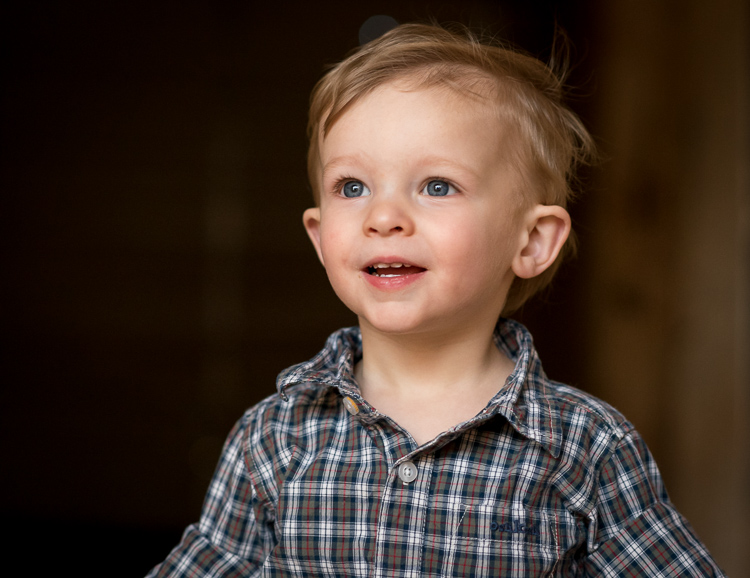
relaxing-for-portrait-session-child-looking-up

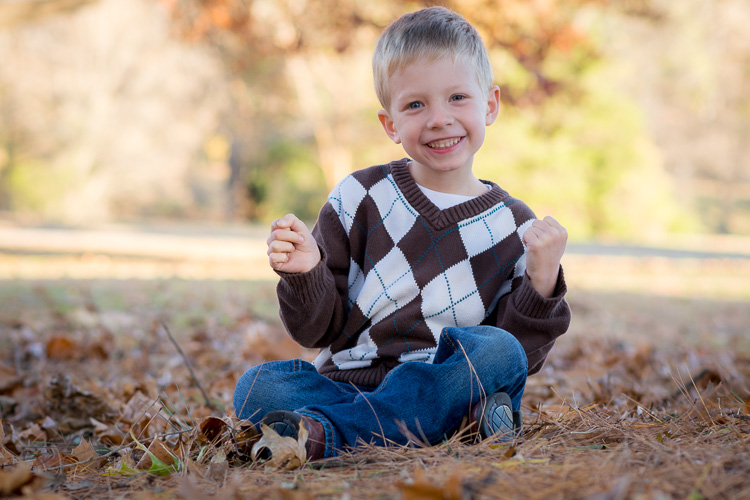
If you aren’t relaxed the kids won’t chill out either, and neither will their parents.

Phase 1: Preparing for the Session

Adele, one of the most popular singers in the world, recently told Rolling Stone that she gets stage fright. “I’m scared of audiences,” she said. “I don’t like touring. I have anxiety attacks a lot.” As a photographer this gives me some degree of comfort knowing that my nervousness leading up to a photo session is not all that different than world-famous singers and actor,s who perform in front of thousands of people every day. Even though I have done many portrait sessions, I still get nervous beforehand, but have found a few tips and tricks to help calm myself down and relax in order to clear my head and do the best job I can.

Talk to someone supportive

Whether it’s a friend, a coworker, a family member, or even a former client, spending time talking about the upcoming session is one of the best ways to clear my head and get some reassurance. For me it’s my wife, who is a solid rock and a constant reminder that I can do the job. She and I discuss my goals for the session, look at examples from other photographers, and talk about what has worked and not worked in past sessions. These conversations always help me calm down, while also giving me a big boost of confidence that goes a long way towards a successful photo session.
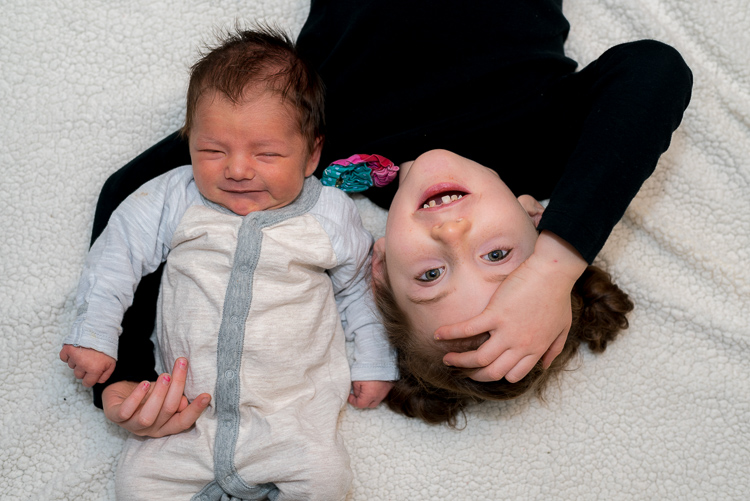
relaxing-for-portrait-session-baby-sister

In the days leading up to this session, my wife and I spent a long time discussing the shoot and planning things out. This did wonders to calm my nerves and helped me do a better job at the session.

Look at your own successful images

Look at your own past images as a reminder that you are fully capable of doing the job. Sometimes in the days leading up to a photo session I start to wonder if I really have what it takes to get the shots I want, but looking through my own portfolio always offers enough reassurance to bring me out of that funk and back to reality. Yes, each session has its own unique challenges, but reminding myself of what I have done before, is a great way to relax and prepare for what is about to come.

Have a plan

Have a plan for the session and make a list of poses and shots you want to get. It can be a mental list, but a physical list will help you be sure to get everything you want, and will allow your clients see that you are prepared if you cross items off it during the shoot. One of the last things you want is to get back to your computer and realize you forgot to get a shot of grandma holding her new grandbaby, the happy couple underneath their special tree, or little Timmy in his special new cowboy boots that his mother emailed you about the day before. Making a list will help you avoid this scenario while also helping you to de-stress before the session.
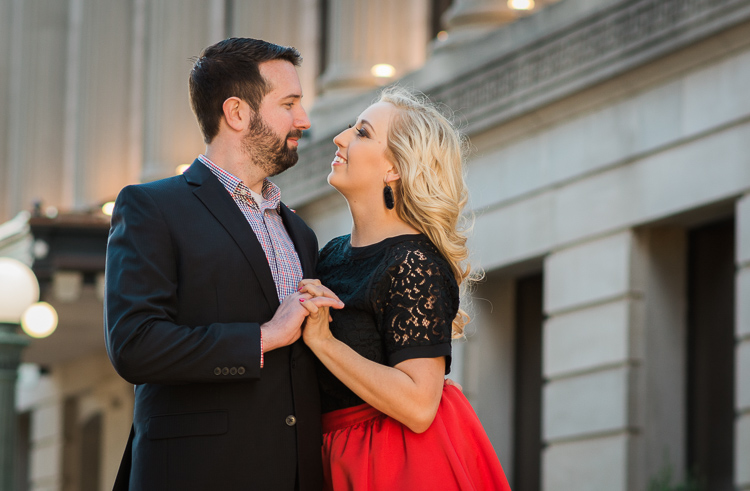
relaxing-for-portrait-session-couple-downtown

This couple sent me a few ideas for different shots, and since the location was 60 miles away I used Google Maps Street View to investigate things beforehand.

Scout the location ahead of time

Visit the location to make sure you know what it’s like, and how you can use it to frame your shots. Ideally this would be at the same time of day as your photo session, so you can make sure you know what the lighting will look like on the day of the shoot. This will help you see all sorts of things you might miss if you just show up the day of the session, and it will make you look like a confident professional as you direct your clients.

Know your gear

Know your gear inside and out. It sounds silly but you don’t want to freeze up in the middle of a session because you can’t find the menu that lets you change white balance, or you forgot which dial changes the shutter speed. If you find that you need a quick refresher re-read the manual, watch online tutorials, or just spend 15 minutes poring through the menus and buttons. When it comes time to do the photo session, you can rest assured that these planning efforts will have been put to good use.
You don't want to scramble trying to locate menu options and camera buttons. Make sure you know your gear beforehand so you can focus on your clients when you're on the job.

You don’t want to scramble trying to locate menu options and camera buttons. Make sure you know your gear beforehand, so you can focus on your clients when you’re on the job.

Practice with test subjects

If you’re going to do a newborn session, practice with stuffed animals. If you’re on location, get a friend or family member to go out with you a week beforehand and do some test shots, so there are as few surprises as possible when you go out there with the client.

Make a gear packing list

Make a list of all the gear you need and check it off one-by-one as you pack up for the session. You don’t want to get to the location and realize you forgot something at home, or left a battery on the charger. I once did an outdoor shoot and realized all too late that I forgot my lens hoods, and almost immediately started hyperventilating into my camera bag when the clients asked for some shots with the sun behind them, just out of the frame. Things ended up working out, but a simple list would have prevented a great deal of stress during the shoot.

Phase 2: On your mark, get set…
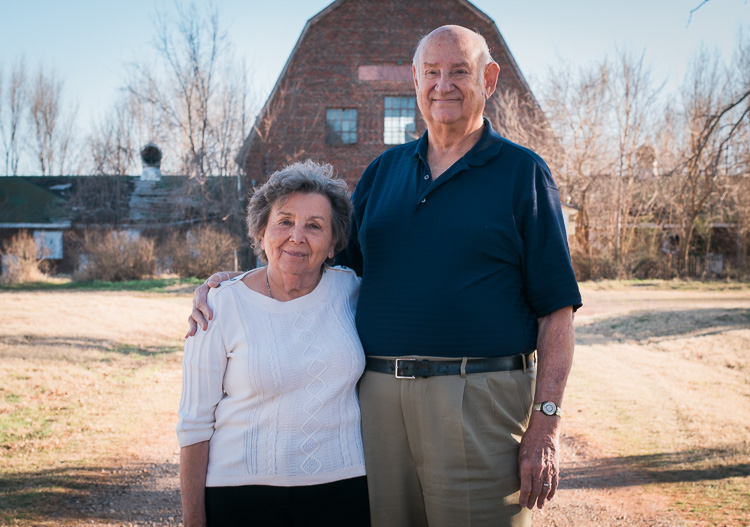
relaxing-for-portrait-session-couple-barn

Chatting with this couple as I set up my gear helped put everyone at ease, including myself.

One of the weirdest parts about a portrait session can be the few minutes when you are visiting with the client before you start actually taking pictures. What do you do? What do you talk about? How do you strike a balance between friendly and professional? It’s enough to send even the most seasoned photographer’s blood pressure to the top of the charts, and messing up this brief pre-session period can send the rest of the gig into a tail spin.

In my experience one of the best ways to help you and the client relax is to go on the offence instead of playing defence. Don’t stand around waiting for people to talk to you, as they are probably feeling just as awkward, and are likely waiting for you, the person in charge, to take the lead. Even if smalltalk is not your forté, you need to be willing to strike up a conversation and have a few things ready to talk about as you are getting set up. In a nutshell, make this time all about the client, and helping them feel comfortable.

As you are getting ready to start taking pictures talk to your clients about their life outside of the photo session, and find out what hobbies they have, what they like doing in their spare time, or even what they are doing over the coming weekend. Ask questions to show you are interested, and use this time to also run some ideas past the client in terms of what you will be doing. This helps build a sense of rapport and respect, and can go a long way towards putting everyone at ease. Your clients might be just as nervous as you, but getting the chance to get to know each other will help put everyone at ease and also help them feel comfortable if you have lots of lighting, lenses, or other gear. If there are kids involved, bring some toys or snacks (nothing crumbly as it will get on their clothes) to win them over. At my most recent family session I gave the two-year-old a fake toy camera and asked if he could help me get some photos. This not only won him over but his parents too, and a week later, before they had even seen their photos, they were telling some friends about how much they enjoyed the picture session.
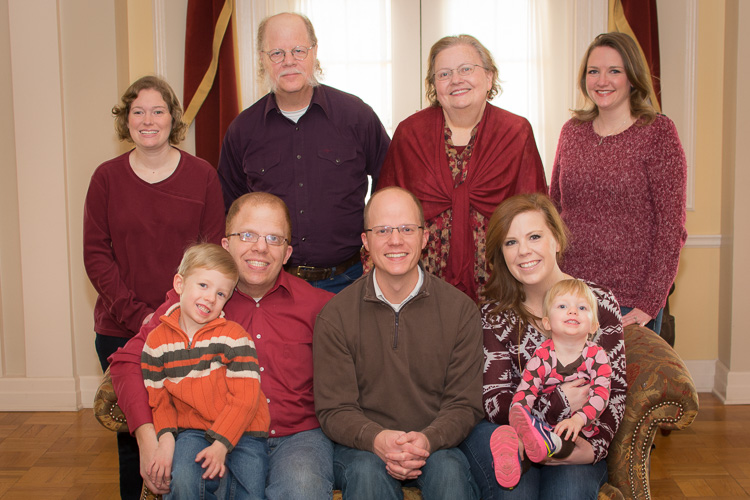
relaxing-for-portrait-session-family

A few minutes chatting sports with the grandparents and playing with the kids went a long way towards a more successful photo session.

Phase 3: Here we go!

Even though you have done everything in your power to chill out, relax, and put your mind at ease leading up to the photo session, things can still be a little nerve-wracking as you go about the process of actually taking pictures. At any moment there are a thousand decisions to be made, and trying to balance everything can be enough to make your palms sweat. My favorite trick for relaxing during a photo session is to simply make things fun. Don’t bark out orders, but instead have your clients do silly things like make faces or try just-for-fun poses. This will help you loosen up, and also give you a chance to build on the rapport you have already established at the beginning. Clients can tell if their photographer is wound up tight and needs to chill out, and if you make things more fun and lighthearted as opposed to all business, you will find yourself loosening up, relaxing, and getting much better results.

These are just a few of my favorite tips and tricks to help me calm my nerves before and during a photo session, but what about you? How do you approach your portrait sessions and what do you do to help yourself relax? Share your thoughts in the comments section below!

People photography week

This week on dPS we’re featuring articles all about different kinds of people photography including portrait, event and travel photography. See all the previous ones below, and watch for more people photography articles over the next few days.

  • How to Take Low Key Head-shots
  • How to Do a One Light Portrait Setup and Use it as Your Back-up Plan
  • Travel People Photography – Tips and Pitfalls
  • 8 Tips for Photographing Men
  • 24 Diverse Images That Showcase People Photography
  • Weekly Photography Challenge – People Photography

googletag.cmd.push(function() {
tablet_slots.push( googletag.defineSlot( “/1005424/_dPSv4_tab-all-article-bottom_(300×250)”, [300, 250], “pb-ad-78623” ).addService( googletag.pubads() ) ); } );

googletag.cmd.push(function() {
mobile_slots.push( googletag.defineSlot( “/1005424/_dPSv4_mob-all-article-bottom_(300×250)”, [300, 250], “pb-ad-78158” ).addService( googletag.pubads() ) ); } );

The post Tips for Getting Yourself to Relax as a Photographer and Have More Successful Portrait Sessions by Simon Ringsmuth appeared first on Digital Photography School.


Digital Photography School

 
Comments Off on Tips for Getting Yourself to Relax as a Photographer and Have More Successful Portrait Sessions

Posted in Photography


Purple Reign: Photographer Brian Ach shares his experiences of working with Prince

23 Apr

Purple Reign: Photographer Brian Ach shares his experiences of working with Prince

Paris, France. June 2011. Brian wanted to show what it was like to experience a Prince performance, so he decided to shoot in a more artistic and editorial way than is typical for concert photography. This is the first shot he showed Prince, which was the shot that defined Brian’s stint as Prince’s tour photographer. Photo by Brian Ach.

Celebrity and concert photographer Brian Ach was Prince’s European tour photographer during the artist’s 2011 “Welcome 2” tour through North America, Europe and Australia. Brian shared some of his tour stories with us in his closing talk at PIX 2015, and this morning he chatted again with us about his experience photographing and working with Prince, following the musician’s death this week, aged 57.

You were hired to photograph the European leg of Prince’s tour in 2011. As a huge fan of his music, and knowing his reputation for hard work and high expectations, how did you approach this job?

I didn’t get a chance to meet Prince before the first show in Paris. Since I didn’t have any direction from him about how or what I should shoot, I decided that I was going to be true to myself and shoot the show the way I thought it should be shot. I decided to go for broke and shoot it in an artistic way, to make it worthy of his art and his performance.

When I was ready to deliver the edits to Prince after the show, I opted not to show them to him in chronological order. Instead, I picked what I considered to be the most interesting 6 or 7 shots and put those first. Prince entered the room and said, “You have something to show me,” so I pulled the first picture up on the screen. He stared at it for 15 seconds in complete silence and then got up and walked out of the room. I assumed I was going to get fired after a single shot, but a minute later Prince walked back in with his whole band. He pointed at the screen and said, “Look at that,” and then stood back with a smile on his face. He asked his manager, “Where did you find this guy?” and I answered, “Queens.” He laughed, and from that moment we had an understanding. He expected the best, so as long as I did my best work, we’d work well together.

Purple Reign: Photographer Brian Ach shares his experiences of working with Prince

Gdynia, Poland. July 2011. Being Prince’s photographer gave Brian the opportunity to be more creative. Photo by Brian Ach.

You have a lot of experience photographing musicians, from U2 to Taylor Swift, Jay-Z, Kanye West and Bruce Springsteen. Was it different to photograph Prince?

The advantage of shooting for an artist is that you get to shoot the whole show rather than just the first 30 seconds of the first few songs. This gives you time to be more creative as long as you get the basic shots out of the way, and it gives you access to areas of the stage that you wouldn’t normally have.

Prince was an epic performer, so photographing his show meant going for the epic shots. I shot a lot of wide angles from behind the stage to bring people right into the performance, and I had the luxury to swap out different lenses to try different things. Normally I would never shoot a concert with a 50mm F1.4, but I used it during a few quieter moments to really capture the feeling of the moment. I had time to experiment, to catch a strobe, get him backlit, drag my shutter. Prince was an artist, so he was going to “get” it if I took some chances to be more creative. However it was still a huge risk if he didn’t like what I shot!

Purple Reign: Photographer Brian Ach shares his experiences of working with Prince

Rotterdam, Netherlands. July 2011. This shot was initially rejected by Prince because of his animated expression.  Brian argued that it was a powerful and emotive shot, and Prince eventually agreed. Photo by Brian Ach.

Prince owned his public image. He was one of the first artists to start buying out photographers and his music, to refuse to have his interviews recorded. He made sure there was nothing out there that he felt cheapened his image or his music. He had strong opinions about what he wanted, and over time I was able to learn what he was looking for. Sometimes I argued with him about shots that he rejected and sometimes he conceded. Because even though he knew what he wanted, he was also collaborative. His entire career was one risk after another, so he appreciated and respected when I took risks and challenged him.

Purple Reign: Photographer Brian Ach shares his experiences of working with Prince

Paris, France. June 2011. This shot was rejected by Prince because of the empty seats behind the stage. Photo by Brian Ach. 

When I took this shot [above], I thought, “Yes!  I got it!”  I showed it to Prince and he said no, we weren’t going to use it. It was a great shot of him walking on stage singing with the crowd bursting into applause, but it wasn’t going to work. I asked what was wrong with it and Prince said, “There are empty seats behind me.  It can’t look like there were empty seats at my show.” Those seats had to be empty because they were behind the stage, but even though there was a good reason, it told the wrong story. I agreed with Prince and that photo wasn’t used.

Purple Reign: Photographer Brian Ach shares his experiences of working with Prince

Rotterdam, Netherlands. July 2011. Prince didn’t choreograph his shows, so Brian had to be on his toes at all times. He couldn’t just sit back and shoot or he’d have missed shots like this one. Photo by Brian Ach.

Prince didn’t play a concert; he put on a show, and it wasn’t the same show every night. His band had to know at least 300 songs and they had to be ready to play any of them, as they would often see the set list for the first time when they walked on stage. Nothing was choreographed, so it kept you on your toes thinking, “Man, he’s never done that before.”

One time, Prince did a guitar solo, ripped off the guitar, and threw it into the audience. When I saw him after the show he smiled that little smile he’s famous for. “Did you get that guitar in the air?” “You know what?  I did.”  “Right on.”

Purple Reign: Photographer Brian Ach shares his experiences of working with Prince

Rotterdam, Netherlands. July 2011. Prince saw Brian about to take this shot, so he moved his guitar from behind the mic stand to make it a cleaner shot. Photo by Brian Ach.

Do you have a favorite photo you took of Prince?

Prince was an amazingly energetic performer, but this photo [above] was taken during a very calm, peaceful moment. He was completely in the zone, and it was rare to catch him like this. At the same time, even as he committed himself to this moment, he still knew what he needed to do. Before the shot, he saw me there so he pulled his guitar from behind the mic stand. He knew I was going to get the shot and that it would be good. It’s that kind of awareness that you don’t see in many musicians. So confident in his ability that he didn’t have to think about performing; it just came naturally.

I once commented that his guitar playing seemed so effortless for him. He told me, “Yeah, that’s from practicing so long that my fingers bled. I’d play 8 hours a day when I was growing up. That’s called putting in the work. You’ve gotta put in the work.” He said that a lot, that you have to “put in the work”. I’ve found that to be true for my own work as well. I can’t be free to be creative if I’m thinking about the settings on my camera. A violinist plays scales for hours until they can play music without thinking about the notes. You’ve got to put in the work if you want to be good at something, and Prince put in the work.

Purple Reign: Photographer Brian Ach shares his experiences of working with Prince

Rotterdam, Netherlands. July 2011. A photo from the last show Brian shot. Photo by Brian Ach.

What is your favorite memory from working with Prince?

Before the last show I photographed, I left a handwritten note for Prince on the table in his dressing room. I told him how I’d never have believed that the kid in Ohio watching Prince perform ‘Purple Rain’ at the 1985 American Music Awards on TV would some day be living his dream photographing Prince on tour. I thanked him for the opportunity.

Prince didn’t say anything to me before the show or after the show, so I was worried that he didn’t get the note. But at 4am as the night was winding down, he put his arm around me and said, “Thanks for your note; that put me right to go on stage tonight. You make art. These aren’t photos; it’s art.” That was the one of the best things anyone has ever said to me. As a photographer I don’t get feedback or validation very often, so to hear that from one of my heroes was huge for me.

Prince never shared most of the photos I took of him during this tour. By the third show, he said that he wanted to keep the photos for himself rather than send them out on Wire Image. At the end of the tour he told me that the photos were art and needed to be shared, so he picked a few from each show to send to Wire Image. By then the tour was already over so the photos weren’t seen by many people, and Prince kept the rest in his personal collection.

A number of news agencies have called me asking if I have unpublished photos of Prince. I do – I have tens of thousands of them.  But they aren’t mine to share.

Articles: Digital Photography Review (dpreview.com)

 
Comments Off on Purple Reign: Photographer Brian Ach shares his experiences of working with Prince

Posted in Uncategorized


6 Tips for How to be a Culturally Sensitive Travel Photographer

14 Apr

There is a little wanderlust in all of us. Everyone, at some point in their lives, wants to travel the world and experience all its beauty for themselves. Travel opens the mind to many different possibilities, and makes us more tolerant and conscious as humans. What might be simple, normal, and mundane to some, might be unique, challenging and exciting to another. In the words of Gustave Flaubert, “Travel makes one modest. You see what a tiny space you occupy in the world.”

Memorable Jaunts Ethical Travel Photography Article for Digital Photography School-5

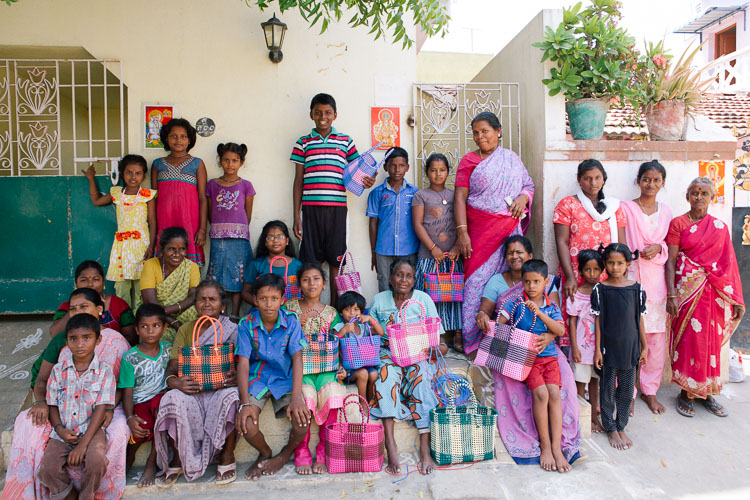
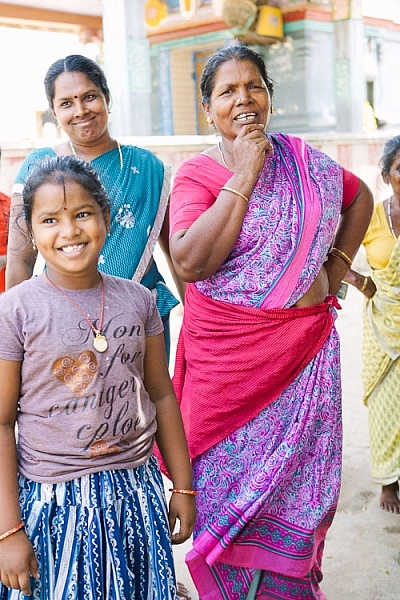
On a particular assignment in Chennai, India last year, the whole community came out to see what I was doing and soon I found 20+ willing subjects to photograph!

As photographers, travel and photography are very much intwined. Photography is a way to capture and communicate the sense of place and people. Our images help immortalize our experiences in travel. This is particularly important when we travel to places outside of our cultural comfort zones. Every moment and every experience is new, and the need to document and preserve them sometimes takes over simple basic common sense. I admit that there have been times when all I’ve done is experienced a place or an event through the back of my viewfinder. My camera has been strapped to my person like my life depended on it, and I have always come back feeling less than happy. The fact that I missed all the little nuances outside the line of vision of my viewfinder, weighs quite heavily on my mind.

Even beyond the obvious need to really experience a place, is the question on when is it okay to take photos of people and places, especially when traveling to other countries? Many times there are major cultural, social and economic differences between the photographer and the subject being photographed. Perhaps the best way to answer that question is that responsible photography is very much like responsible travel. Armed with a thorough knowledge of the place, an interest in cultural enrichment, an open mind, a pleasant attitude, some common sense and a smile, photography abroad—just like travel itself—can be a very fulfilling experience.

Here are some basic guidelines on how to be a culturally sensitive photographer when traveling

1) Knowledge is key

Invest time before traveling to research the customs, and photography norms of the place you will visit. Customs vary not only by country, but by region and religion as well. Understand and appreciate the diverse cultural context, and be respectful of these differences. A little research prior to your journey, goes a long way in avoiding disappointment and despair when you find out that certain photography restrictions exist in the places where you are traveling.

Memorable Jaunts Ethical Travel Photography Article for Digital Photography School-10

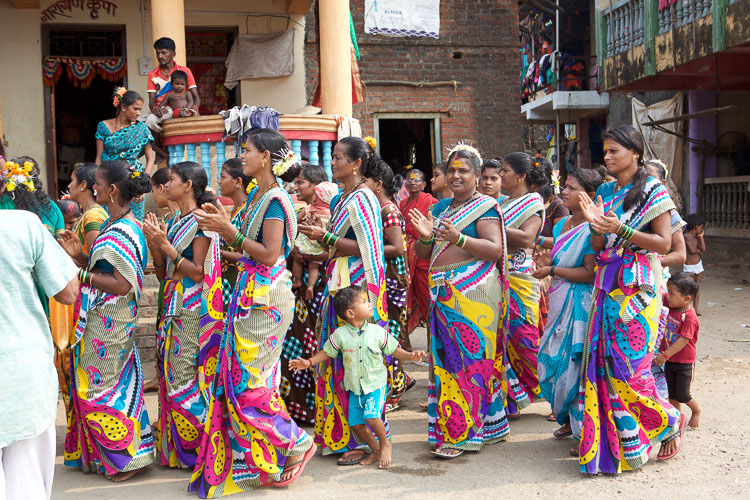
I stumbled upon a religious ceremony on a recent trip and soon found myself to be the official photographer of the ceremony – the cultural enrichment was unlike anything found in any guidebook!

2) Be personable and communicate your needs

Self confidence, an open attitude, and a genuine smile, are important wherever you travel. People will generally respond to you with the same attitude that you show them. Be open and honest about your need to photograph something or someone, and more often than not, people will respond positively to you. I have found that most people love to have their picture taken. If you are uncomfortable or nervous about something or someone, it’s best to just leave the camera in your bag.

Memorable Jaunts Ethical Travel Photography Article for Digital Photography School-9

I let my camera do the talking and was rewarded with one of the most genuine portraits I have ever taken.

Memorable Jaunts Ethical Travel Photography Article for Digital Photography School-14

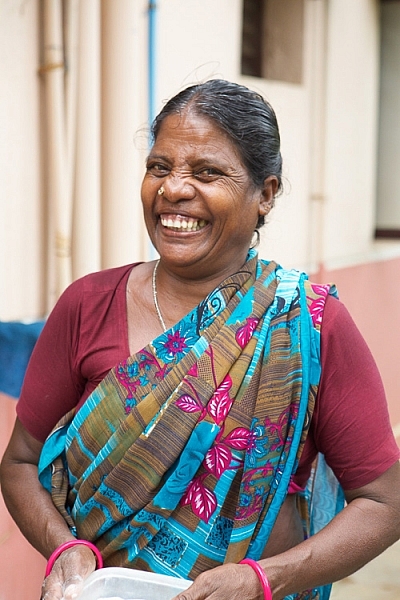
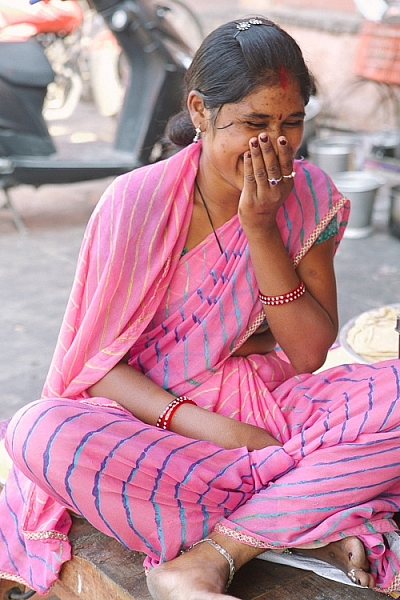
I was grabbing a quick meal before going to the airport in Jaipur, India and this lady was very curious about me and my gear. I promised her a photograph in exchange for a smile and I absolutely adore this image!

3) Get permission

Almost everyone around the world knows what a camera is, and what it can do. Even if you don’t know the language, simple hand gestures and pointing to the camera, can take you far in terms of communicating what is it that you are seeking.

Not understanding the language should never be an excuse to photograph an unwilling person. As a photographer, the responsibility of asking for permission before you click the shutter rests solely on you. If you have time, learn some simple phrases, related to photography, in the language of the country in which you are traveling. This will not only allow you to communicate more directly with your subject, explaining why you want to take a photograph, it shows your interest in learning at least some of the local language.

Sometimes use your camera as an ice-breaker. Take a picture and show people the photos you’ve taken of them, and you will find that photography instantly becomes more fun and less intimidating. More than anything, respect the fact that “No” really does mean NO. Yes, I understand that there is another school of thought of whether asking for permission will ruin the composition of an image. And while a lot of photographers will argue one way or the other, I am of the opinion that if you are taking a picture of a person, you should make every effort to ask permission – either before or after.

Memorable Jaunts Ethical Travel Photography Article for Digital Photography School-13

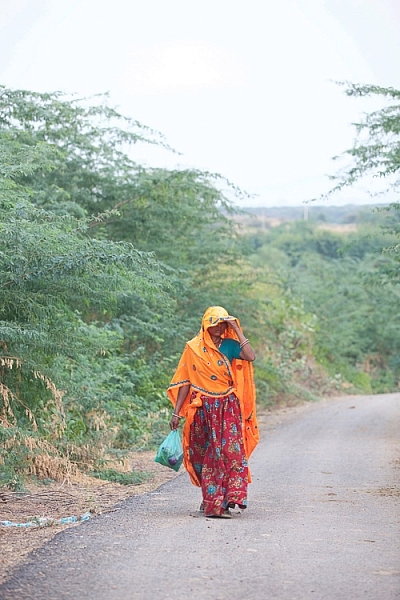
I made the mistake of not asking this lady before photographing her and as she walked by me, she yelled at me for being rude and taking her picture – lesson learnt!

4) Travel without taking pictures

Take the time to really travel without obsessing over capturing every minute of every day with your camera. Spend time exploring your surroundings, and your body and mind will thank you for it. Even if you are on assignment, build in some down time to your schedule. Not only does it help you relax, but also recharges those creative juices so you are more productive when you do get back to work!

5) Know your gear

This one is one of the basics of photography, no matter what your genre. You should know the workings of your camera inside and out. When you are traveling and have strangers pose for you, that is not the time to start trying out different settings and fidgeting with your gear. People begin to loose patience and often get leery of you and your abilities. They are more likely to simply walk away, rather than waste their time with a stranger who does not know how to operate his/her camera.

Memorable Jaunts Ethical Travel Photography Article for Digital Photography School-8

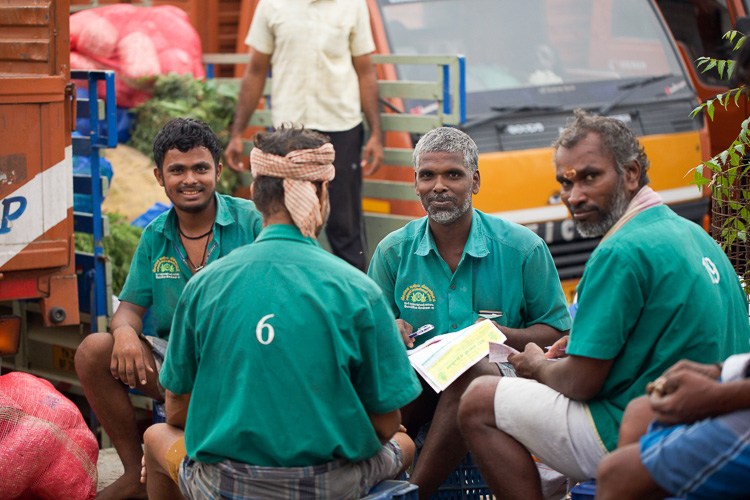
These men were intently discussing the price of wholesale fruits and vegetables at the Chennai Flower market and I had exactly two seconds to take this image – this image is literally SOOC (Straight out of the camera).

6) To pay or not to pay

Perhaps, one of the most controversial situations while traveling abroad, is the question of giving money to people you photograph. There is always that one uneducated, desperate tourist who gives money to get what they think is an award-winning prized photograph, and soon it becomes a lucrative business in the local community. This can get quite uncomfortable and unsafe for other photographers traveling through the same places.

I prefer engaging people openly, and sharing my story and my need for a picture. I find that in most cases people are more than happy to share their story, and to be heard. I too, walk away more culturally and emotionally enriched with the experience. However, if someone expects money for a photograph, then the decision becomes less of whether to pay and more of whether to take the photo. That is a judgement call that each of us needs to make on a case-by-case basis, while being mindful of the example we are setting for future travellers and photographers.

Memorable Jaunts Ethical Travel Photography Article for Digital Photography School-4 Memorable Jaunts Ethical Travel Photography Article for Digital Photography School-12

I remember one instance last year when I was traveling in India with my kids. We were visiting a temple in Southern India, and for some reason a lot of teenagers starting taking pictures of my five year old son. They would come and ask me if they could take a selfie with my son. Initially it seemed innocent enough, and my son posed with them. Soon it was getting to the point of being creepy, and I had to refuse. As a parent, I was extremely uncomfortable with having strangers take pictures of my kids. This experience taught me a very valuable lesson – value and respect people’s personal space and personal preferences.

What are your thoughts on this topic? Do you ask for permission before taking photographs of strangers when you travel? Or do you just take the picture and move on? What other things to you take into consideration to be a culturally sensitive travel photographer?

googletag.cmd.push(function() {
tablet_slots.push( googletag.defineSlot( “/1005424/_dPSv4_tab-all-article-bottom_(300×250)”, [300, 250], “pb-ad-78623” ).addService( googletag.pubads() ) ); } );

googletag.cmd.push(function() {
mobile_slots.push( googletag.defineSlot( “/1005424/_dPSv4_mob-all-article-bottom_(300×250)”, [300, 250], “pb-ad-78158” ).addService( googletag.pubads() ) ); } );

The post 6 Tips for How to be a Culturally Sensitive Travel Photographer by Karthika Gupta appeared first on Digital Photography School.


Digital Photography School

 
Comments Off on 6 Tips for How to be a Culturally Sensitive Travel Photographer
Posted in Photography