RSS
 

Posts Tagged ‘Photographer’

Croatia in 4K: travel photographer Max Lowe on location with Canon EOS 5D IV

24 Jan

The Canon EOS 5D Mark IV is Canon’s latest full-frame DSLR, aimed at enthusiast and professional photographers. As well as 30MP stills, the 5D IV can also capture HD and 4K video, at up to 60p. 

Late last year, we joined travel photographer Max Lowe on location in Croatia. Over the course of several days, Max documented the people and beautiful scenery of the Dalmatian Coast, while we filmed the experience entirely using the EOS 5D Mark IV.

Read our in-depth review of the Canon EOS 5D Mark IV


This is sponsored content, created in partnership with Canon. What does this mean?

Articles: Digital Photography Review (dpreview.com)

 
Comments Off on Croatia in 4K: travel photographer Max Lowe on location with Canon EOS 5D IV

Posted in Uncategorized


How to Stand Out as a Photographer in a Crowded Market

20 Jan

In today’s world of rapidly changing technology, there’s one big problem that you and every aspiring photographer must face; you are one among many. It no longer takes years of practice or even an expensive camera to make someone a talented, and in some cases professional, photographer. Whether you are an aspiring pro or just taking up photography as a hobby, here are five ways to challenge yourself and stand out as a photographer in today’s crowded market.

How to Stand Out as a Photographer in a Crowded Market

1. Keep evolving your craft

Let’s start with the good news; just because someone has a camera doesn’t mean they know how to take great photos. In fact, there are very few people who desire to shoot in anything other than the automatic program function of their cameras.

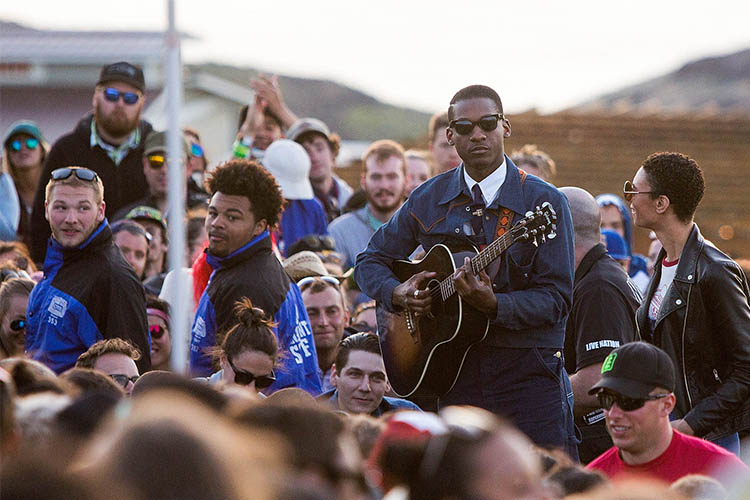
Dedicate yourself to mastering every aspect of photography. If you’re shooting in full auto, learn how to shoot in Aperture Priority, then Shutter Priority, and then finally Manual mode. If you’ve mastered natural lighting, move on to off-camera flash and other lighting techniques. Keep pushing forward and challenging yourself to master new aspects of photography, and you’ll always be a step ahead.

How to Stand Out as a Photographer in a Crowded Market

2. Focus on one area of expertise

Just as the photography market has become saturated, so has the industry for teaching photography skills. From websites like dPS to local workshops, there are many avenues to learn about every aspect of photography. In order to keep evolving your craft and not get overwhelmed by the plethora of information out there, focus your studies on one aspect of photography to start. Also, limit the resources you use for the sake of consistency.

This same strategy of limiting your areas of expertise is also true if you’re aiming to start a photography business. Narrowing your focus makes it much easier to grow your skills quickly, and also attract clients that you actually want to work with.

How to Stand Out as a Photographer in a Crowded Market

3. Only implement new technology if it’s working for you

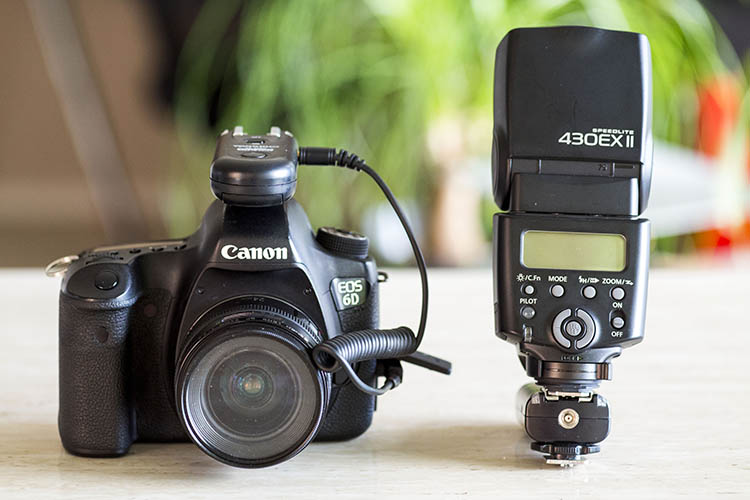
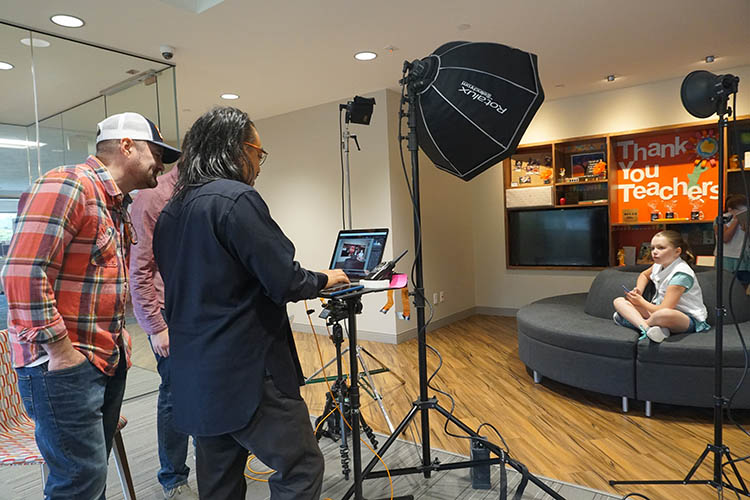
No matter how many features are packed into a camera, your job is ultimately about producing a good photo. Sometimes, having the latest camera packed with tons of fancy new high-tech features can actually overcomplicate your work. I remember the first time I tried shooting tethered for a new corporate client. It was only my third time using that process, and I was so overwhelmed by other factors on set that my attempt at using technology just caused more frustration.

If you invest in new technology, be sure it is actually enhancing your workflow and not holding you back. Take the time to practice using it over and over until it feels like second nature. And always have a fallback plan, since technology notoriously fails at one point or another.

How to Stand Out as a Photographer in a Crowded Market

4. Work your people skills

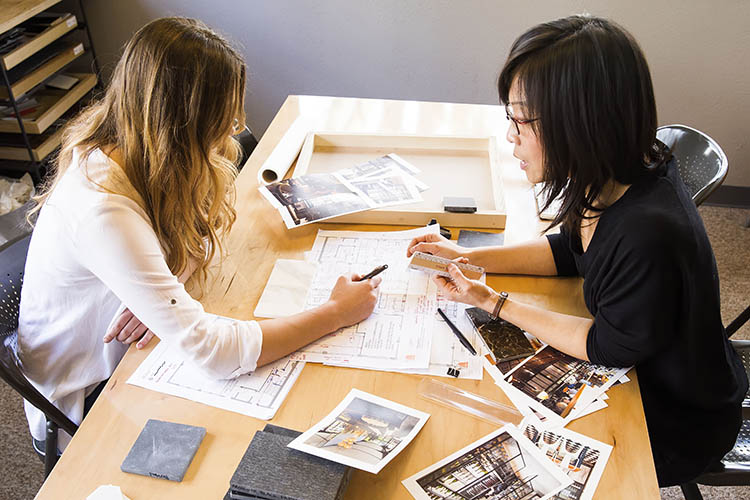
Being a skilled photographer isn’t just about growing your technical abilities. You should also have excellent people skills. As a professional photographer, it’s not uncommon to be hired for a photo shoot or complemented on my work before my client even looks at my photos. I’ve come to realize it’s all about people skills and making people feel comfortable even before delivering a service.

Even if you don’t photograph people, you still interact with them to set up photo shoots and sell your services. Practice your people skills and get good at putting a smile on someone’s face even when they’re not in front of your camera.

How to Stand Out as a Photographer in a Crowded Market people skills

5. Continue to network and put your work out there

Another positive aspect to a growing interest in photography is the huge uptick in communities for photographers. From Instagram and Facebook Groups to local Meetups, there are tons of places to meet fellow photography enthusiasts. Take part in communities such as the Digital Photography School Group. Check out the questions and conversations others are having. Put your work out there to get feedback from others and make improvements accordingly. Also, don’t be afraid to chime in and offer your own constructive criticism.

In Conclusion

What are your thoughts on the role of evolving camera technology today? Do you have your own tips and strategies for standing out as a photographer in a saturated market? Let me know in the comments below!

googletag.cmd.push(function() {
tablet_slots.push( googletag.defineSlot( “/1005424/_dPSv4_tab-all-article-bottom_(300×250)”, [300, 250], “pb-ad-78623” ).addService( googletag.pubads() ) ); } );

googletag.cmd.push(function() {
mobile_slots.push( googletag.defineSlot( “/1005424/_dPSv4_mob-all-article-bottom_(300×250)”, [300, 250], “pb-ad-78158” ).addService( googletag.pubads() ) ); } );

The post How to Stand Out as a Photographer in a Crowded Market by Suzi Pratt appeared first on Digital Photography School.


Digital Photography School

 
Comments Off on How to Stand Out as a Photographer in a Crowded Market

Posted in Photography


Photographer captures stunning Aurora Borealis time-lapse from airplane

19 Jan

If you’re seated next to a window on a flight to Iceland, it’s a good idea to keep your camera close. Landscape photographer Aryeh Nirenberg did, and was treated to an incredible show from the Aurora Borealis at 35,000 feet. With an empty row and his camera nearby, he created an impromptu rig to stabilize the camera and record the time-lapse above.

Whatever works, right? Nirenberg’s D810 is braced against the window with a tripod, and a blanket cuts glare from the cabin lights.

Nirenberg propped his Nikon D810 against the window using his tripod, and wrapped a blanket around the lens to cut the glare from cabin lighting. We think the effort was well worth it for a unique view of one of nature’s best light shows.

Check out Aryeh Nirenberg’s Instagram to see more of his work.

Articles: Digital Photography Review (dpreview.com)

 
Comments Off on Photographer captures stunning Aurora Borealis time-lapse from airplane

Posted in Uncategorized


The Myths and Realities of Becoming a Professional Photographer

19 Jan

As a professional photographer, I think the number one mistake for aspiring pros is to fall for certain myths about the craft and career. In this article, we’ll look at some of the myths and realities of being a professional photographer. If you’re on the fence about taking the leap it may help you decide.

professional photography myths

But first a little story

My heart was beating fast as I approached the school. My dad was holding my hand when I started to put my foot down on the ground. Despite my protests, my dad quickly dropped me in class and left in a flash. I wasn’t his problem anymore.

Bad move. I started screaming.

The teacher, as wise and as calm as she could, tried to calm me down. She made the mistake of putting her hands near my face. I opened my mouth just like you see in the movie jaws and WHAM I bit her hands and pressed as hard as I could. I bit her so bad you would think an enraged dog bit her.

The moral of the story

What, you may ask, does that have to do with professional photography? In a sense, everything, because that episode taught me about one thing I would like to talk about today – setting expectations.

You see, I had absolutely no idea what I was getting into both as a 5-year-old heading to school for the first time and starting out as a professional photographer. They both caused me trouble. If you do not plan, you plan to fail, but it’s hard to plan when you have absolutely no idea what to expect!

professional photography myths

Here are a few myths that I believed about professional photography and how reality slapped me hard. Hopefully, these will help you avoid the same mistakes I made.

Myth #1 – Being a professional photographer = validation

I don’t know where the idea comes from, but it seems like for everyone that picks up the camera, the pinnacle of achievement seems to become a professional photographer. It’s almost like a necessary evolution. At first, you have a camera, people start complimenting your work, then you decide to become a pro. It was too late for me to realize it, but I would have been perfectly happy as an amateur.

At the end of the day what really matters is the images, if you can get a few bucks for them, great! But becoming a pro will not magically validate you or your images. I expected to feel better about my images and myself when money started rolling in, but that never really happened.

Myth #2 – You get to spend all your time shooting

pro-photography-myths-1

This is most likely the biggest myth of all time in regards professional photography. People sell it to you like all you will be doing is shooting all day, every day. But that is far from the truth because you will spend more time seeking work than actually working.

You don’t spend most of your time shooting, you spend it marketing, attending events, networking, putting yourself out there. Whatever time you get in front of the camera, you’ll spend two to three times as much simply editing as well.

If you believe photography is hard, it is actually the easy part. The hard part comes after; selling your work. It’s a sobering truth that probably hits every photographer, writer, painter, etc., that the product or service is only the first and easiest part of the process, the hardest effort comes afterward.

professional photographer myths

But you say, “I believe that I am good photographer, and people will realize how much better I am than Joe Shmoe.” I understand the feeling, and you are probably better than Joe, but that brings us to the next myth.

Myth #3 – Being good is enough

I call this myth the “best product fallacy”. Just because you are good doesn’t mean anything. Van Gogh was good yet he died in obscurity. Talent is not enough, the world has millions of talented photographers, painters, actors and more that are eating dust.They had a social experiment where they put one of the

There was a social experiment where they put one of the world’s highest paid musicians in a subway station, playing a million dollar violin by the way. Did the world recognize his talents, did they put their wallets out begging him to take their money? No. Nobody really cared. Watch the video below.

We’ll get back to this later but for now, just know it doesn’t matter that you’re a good photographer. Don’t get me wrong, you’d better be good at what you do, but that does not in any way shape or form guarantee you success by itself. Talent is just not enough.

Myth #4 – You’ll be rich and famous

If everything you see is success story after success story, doesn’t it follow that if you try it too, you might become rich and famous? Even more, won’t you just blaze through it because you are talented? Many photographers make a living telling you how to be a professional, so of course, they will sell you a dream. It’s like many guys on YouTube, you’ve probably seen a few.

professional photographer myths

They try and sell you a dream. But the reality for all the photographers that I know, is that it’s an income that pays the bills. And they sure aren’t well-known outside their local area. Sure there are superstar photographers in the world but that is what they are, stars. Just like the Hollywood stars, for every well-known one, there are others just making a living.

The things is that not everyone can be a superstar photographer (depending on who you ask, a superstar makes more than $ 40,000 a year) because when it comes to wealth distribution there is inherent inequality. There will always be a group that makes more than the rest combined. For example, there’s about 20% of the countries that have 80% of the wealth, about 20% of actors make 80% of the wealth, about 10% of the companies that make 90% of the wealth: Companies like Apple, Google, Microsoft, Samsung, etc., take the lion’s share.

Only the top elite will ever reach that level

Same for photography, there’s a group that earns more than all others combined (and if you really want to go deep, a group within that group that earns more than the others combined again, Terry Richardson, who earned 58 million in one year, is probably in that group ).

professional photographer myths

The worse part is that many of them make it sound easy because they want to teach you how to become a professional photographer. I’m not saying you can’t become rich and famous. What I am saying is, that when you are on your quest for fame and fortune know that there’s only a few that can make it to the very top. It’s a bit like football, not everyone can be an NFL player. That should put in perspective the amount of effort required.

Count the costs

A few years ears ago I had to rent a U-Haul truck to move from my apartment to my wife’s parents’ house with our baby in tow. The reason was that I had failed to understand that professional photography was as much about marketing and selling as it was photography. It almost cost me my marriage as well.

So, count the costs. If you want to build a house, add up the costs, if you want to be a pro, count the costs. It’s not just about shooting, see the sacrifices and the long and hard road ahead.

professional photographer myths

Also, understand the nature of the beast. You will usually see success stories but never those who have failed…and there’s more of the latter than the former. Take it from me, I cried many times because things were not working.

What now?

This article is by no means meant to discourage you from becoming a professional photographer, just the opposite. It is meant to empower you to avoid unnecessary pitfalls due to unrealistic expectations. That episode at 5-years old would not have happened if only my dad prepared me for exactly what was going to happen. I would not have needed to move out to my in-laws’ if I had known what to expect going pro.

If you want to become a pro, by all means, go for it, just be realistic about it. You’ll need to learn a whole other field (business, marketing, etc.) above and beyond photography. Coming back to Joshua Bell (the violinist), he didn’t change, his skills didn’t change, the only difference between him and countless other metro violinists is his marketing. So the wisest thing you can do is to learn about marketing, running a business, and how to sell your work. This is probably the single most important piece of advice I could ever give you, because trust me, your images won’t sell themselves.

professional photographer myths

Conclusion

I love being a professional photographer, I wouldn’t do anything else, it’s in my blood. But making a living from photography is harder than many would lead you to believe. It’s not just about being talented, it’s about selling yourself, and more of your time will be spent doing the latter than the former.

I believe people make mistakes so that not only they can learn from them, but others can benefit as well. So, take it from me, I had to move in with my wife’s parents, I was on the brink of divorce and had many teary nights. Count the costs, and learn how to sell.

Be yourself, stay focused, and keep on shooting.

googletag.cmd.push(function() {
tablet_slots.push( googletag.defineSlot( “/1005424/_dPSv4_tab-all-article-bottom_(300×250)”, [300, 250], “pb-ad-78623” ).addService( googletag.pubads() ) ); } );

googletag.cmd.push(function() {
mobile_slots.push( googletag.defineSlot( “/1005424/_dPSv4_mob-all-article-bottom_(300×250)”, [300, 250], “pb-ad-78158” ).addService( googletag.pubads() ) ); } );

The post The Myths and Realities of Becoming a Professional Photographer by Olivier Duong appeared first on Digital Photography School.


Digital Photography School

 
Comments Off on The Myths and Realities of Becoming a Professional Photographer

Posted in Photography


Fog waves: photographer Nick Steinberg captures nature in motion

01 Jan

Fog Waves: Capturing Nature in Motion

Imperial Flow by Nick Steinberg

As you can see the fog kind of arcs up in that one spot. What amazes me most about fog is the fact that no two shots are ever the same. This is what I call, “subtlety of movement” where there are small windows of opportunity with fog as it evaporates, moves in, and undulates. This requires decisive action, tests your skills, and requires one to be “present” in the moment, and “ride” along with it.

Landscape and cityscape photographers have a love/hate relationship with the fog that inundates the San Francisco Bay area. It can make for some spectacular and moody photos, but it can also leave the area un-shootable – that is unless you seek higher ground. Nick Steinberg and other photographers in the Bay Area have formed a group that they call the “Fogaholics”.

The group consists of around 20 photographers that watch forecasts religiously and seek out the best foggy shooting conditions possible. When the fog rolls in, they make their way to Mt. Tamalpais, which sits at 2,572ft above sea level. This unique vantage point gives them the opportunity to photograph some amazingly beautiful conditions. With the help of an ND filter and exposure times sometimes exceeding two minutes, Nick is able to capture the fog waves as they make their way inland.

To see more of Nick’s work be sure to visit his website and Instagram.

Fog Waves: Capturing Nature in Motion

Fog Waves by Nick Steinberg

This was my original shot entitled fog waves. I couldn’t believe my eyes when I discovered how, when the fog was at the perfect height and density, it would create wave-like movements as it contoured the land. On this particular evening, not only did we have amazing fog flow, but a nice vibrant sky to match.

Fog Waves: Capturing Nature in Motion

Wavy Gravy by Nick Steinberg

I would say the fog on this summer evening was purely magical. It had the perfect consistency that was so delicious. You can even see the Transamerica pyramid sticking out of the fog in the distant San Francisco skyline. An evening to remember!

Fog Waves: Capturing Nature in Motion

Awake in Dream by Nick Steinberg

Mt. Tamalpais is one of my favorite places on earth! On this night I went up there on a whim. I didn’t expect much, but to my surprise, there wasn’t a single person in sight and the fog rolled in perfectly. It truly felt like I was in a dream world!

Fog Waves: Capturing Nature in Motion

Fire Waves by Nick Steinberg

Out of almost daily trips to Mt.Tam in the summer of 2016, I would say that this was by far the best flow i’d seen. Normally the rangers kick everyone out around sunset, but on this evening they came really late and allowed me to get some rare footage of fog coming in at twilight. What I loved about this one was the layers of fog coming through the trees. The beautiful and vibrant red sky was unfortunately lit up due to a nearby fire.

Fog Waves: Capturing Nature in Motion

Candy Land by Nick Steinberg

On this night I was going for a little different feel to add some foreground interest to the fog waves. I can’t help to think that the fog looked like fluffy marshmallows flowing across the land during my long exposure.

Fog Waves: Capturing Nature in Motion

Lunar Fog Waves by Nick Steinberg

On this evening me and about 4 friends decided to get some different vantage points by hiking “off the beaten trail” to get some moonlit fog flowing in. At first, the fog wasn’t flowing, but within no time it was spilling over and creating, “the wave.” While it was a pretty tough hike, it was by far one of the most magical experiences shooting up there that evening.

Fog Waves: Capturing Nature in Motion

Heaven on Earth by Nick Steinberg

There’s something about being up there and experiencing the fog flowing like this that is somewhat of a spiritual experience.

Fog Waves: Capturing Nature in Motion

Fog Sweep by Nick Steinberg

This is a little bit of a closer, intimate view of the fog waves flowing through the nearby town of Mill Valley and the little houses down there. I wonder if the people who live there understand how beautiful it is from above.

Fog Waves: Capturing Nature in Motion

Rip Curl by Nick Steinberg

Another close up, intimate view of the extreme fog waves as it contours the land. Shooting Fog is a study and each day is a little bit different flow. On this day, it was particularly active.

Fog Waves: Capturing Nature in Motion

Summer Waves by Nick Steinberg

A typical summer evening up on the mountain. By typical I mean amazing and magical!

Articles: Digital Photography Review (dpreview.com)

 
Comments Off on Fog waves: photographer Nick Steinberg captures nature in motion

Posted in Uncategorized


Greatest hits: Behind the scenes with Ben Liebenberg, lead photographer for the NFL

24 Dec

Behind the scenes at the NFL with Ben Liebenberg

NFL Senior Photo Editor and Lead Photographer Ben Liebenberg and Seattle Seahawks’ Richard Sherman ©Ric Tapia/NFL

You may see Ben Liebenberg running down the field trying to out pace the Seattle Seahawks’ Richard Sherman after a game to grab a shot (above photo) or photo bombing the annual NFL draft ceremony from backstage. As Senior Photo Editor and lead photographer for the NFL, Liebenberg’s responsibilities range from coordinating all aspects of the photo department, curating images for the NFL Network and NFL.com, as well as photographing games, events and capturing portraits of players throughout the year.

What started as a hobby in high school evolved into a degree in photojournalism once Liebenberg realized he could turn his interest in photography into a career. While in college, Liebenberg worked as an assistant to Sports Illustrator photographers. ‘SI didn’t have staffers in the Bay Area,’ Liebenberg explains, ‘so they would fly people in and I did a lot of assisting for them. That’s where my sports background came from.’

After graduating college, Liebenberg interned for a number of small newspapers, but in the early 2000’s nobody was hiring. By chance, he made some connections in the music world and began traveling internationally and in the U.S. to photograph various artists and tours. In 2005, he began working at Wire Image, handling the NFL archives, and continued there for several years until Getty—which had its own sports department—purchased Wire Image.

As Liebenberg was winding down his time a Wire Image, the NFL called him about working for the new NFL.com. He interviewed and got the job the same day in 2007. Almost ten years later, the NFL.com’s team has grown from a handful of people to a staff of hundreds in Los Angles, with additional offices in New York and, for NFL films, New Jersey.

For a fascinating glimpse behind the scenes preparing for and shooting the Super Bowl, as well as what keeps Liebenberg busy shooting and planning between games, read on.

Behind the scenes at the NFL with Ben Liebenberg

Super Bowl LI football at the famous La Carafe Bar in Houston; © Ben Liebenberg

The Super Bowl is coming up in February. How far in advance do you start preparing for the game?

The location of the Super Bowl is decided several years in advance, so we have a lot of lead time. I took the first photos for Super Bowl LI, which will be played on February 5 at NRG Stadium in Houston, back in August 2015.

This is the third year we’ve done a style guide, where I’ll photograph a football with the Super Bowl logo for that year on location in the host city. Last year, I photographed the Super Bowl 50 ball in some of San Francisco’s iconic locations like the Golden Gate Bridge. One of the locations for the Super Bowl LI style guide shoot was La Carafe—believed to be the oldest bar in Houston. The building’s on the National Register of Historic Places and has a wooden bar that’s rich with history from the carvings made by patrons. I really liked the texture the carvings provided as a background for the shot.

Behind the scenes at the NFL with Ben Liebenberg

Liebenberg scoped out the NRG Stadium in Houston to make plans for the Super Bowl months ahead of the big game. ©Ben Liebenberg

You traveled to Houston again this past September/October to make preparations for your team at the game. How did you spend your time?

I went out there to shoot a game because I’ve never been to the stadium. I looked at the lighting, the sidelines, etc.

This was the first meeting I went to, although there were several other meetings earlier in the year. But now that we know where things are happening, we can plan around it. We went to all the venues for opening night, NFL Honors, the game.

We went through a lot of logistics like where is the photo workroom going to be in the stadium, where is the media center during the week, what’s backstage like for the NFL Honors ceremony so we can plan to do a series of portraits there. We had three packed days of meetings, site surveys and walkthroughs.

Behind the scenes at the NFL with Ben Liebenberg

Shooting with a 70-200mm lens, Liebenberg captured Kevin Benjamin’s game winning touchdown against the background of a crowded stadium. ©Ben Liebenberg

What gear do you shoot with?

I have a pretty standard set of equipment that I bring. Usually three cameras (Canon EOS-1D X Mark II), 400mm, 70-200mm, 24-70mm, 50mm, 16-35mm and 15mm lenses. That’s my standard setup that I take to almost every football game—it’s what I know and what I’m comfortable with. The upcoming Super Bowl is inside and it’s going to be at night but if it was a day game, I would consider bringing a 600mm but with a little less light, I’ll probably leave that at home. I shot the Rams earlier this year in LA—it was 1:00 and sunny, so I took a 300mm and 600mm instead of the 400mm.

Canon Professional Services (CPS) will be on site and Canon’s very helpful if we need something—an extra camera or lens. They’ll also send us long lenses and extra cameras if we need them.

Behind the scenes at the NFL with Ben Liebenberg

Liebenberg captured this image of Carolina Panthers quarterback Cam Newton throwing the ball at last year’s Super Bowl 50.

How many people will you have shooting at the Super Bowl? Where will they be positioned?

My team will consist of eight photographers: six on the field and two overhead. I’ll be on the field. We have four positions on the field that are stationary—one in each corner of the end zone. Two of the field positions are roaming, one on each sideline.

We have two photographers shooting overhead for a different perspective. We generally have one in the end zone and one at the 40-50 yard line. They usually have a seat so they can get up and roam around a bit but are always sensitive to not block the fans’ view.

During the game last year, I was on the Panthers sideline. I would move back and forth along the sideline shooting action. A lot of times I was behind the line of scrimmage, which is good for capturing the quarterback throwing. Then when the team gets ready to score, I’ll go down to the goal line. We’ll have two people in the end zone at either end, so if there’s an interception and the action moves back to the other side, we’ll have people there for the touchdowns.

Before we get to game day, we’ll have a photographers’ meeting and everyone will get their game assignments. Everybody has a specific role, especially for post game. We may have the photographers shooting overhead change position, especially for half time or post game.

Behind the scenes at the NFL with Ben Liebenberg

Beyonce performs at halftime of Super Bowl XLVII between the Baltimore Ravens and the San Francisco 49ers. © Ben Liebenberg

What’s it like shooting the half-time show? Has your experience shooting music helped when covering the half-time show?

My experience was shooting in small venues and having access backstage, so shooting halftime is really different. It’s tricky since it’s a kind of a free for all and we never know where we’ll get to shoot. We always ask the artist if we can get backstage and whether we can be with them when they come out but a lot of times we get shut down. We do the best that we can to get into the best positions.

For half-time there are about 150 photographers, some of them are only credentialed to shoot half-time—you may have entertainment photographers from Getty and other agencies. It’s not a little pit—you have the whole sideline behind the bench and while it’s 100 yards long, obviously the center is going to be more crowded.

I usually shoot with a 400mm or a 70-200mm lens. I’ll always use a wide angle to get a general stadium shot to photograph what’s going on. It’s a real spectacle with things going on in the stands and the light shows, so I try to capture a bit of everything.

I carry three cameras at all times but usually have an assistant. At half-time, for example, the assistant might be holding a camera with a 400mm lens attached; the other two cameras are always attached to me with F2.8 lenses or faster. We might bring step stools to shoot the half-time show to get a better angle.

Fortunately, there are no restrictions at half-time. You can shoot as much as you want and none of the artists make you sign a contract that they own the images or anything like that.

Behind the scenes at the NFL with Ben Liebenberg

Denver Broncos quarterback Peyton Manning after the Broncos won the NFL Super Bowl 50. ©Ben Liebenberg

What kinds of images are you looking for post-game?

Everybody has specific assignments—to shoot the quarterbacks post game or shoot the coaches shaking hands. We’ll also have photographers assigned to shoot the losing team, others to photograph the general celebration. We generally have a couple of people on the winning quarterback and someone to photograph the losing quarterback. I’m usually roaming but will break off and get into position to shoot the trophy presentation.

Behind the scenes at the NFL with Ben Liebenberg

Carolina Panthers quarterback Cam Newton is under pressure from the Denver Broncos defense during Super Bowl 50. ©Ben Liebenberg

Obviously you want to get images published as quickly as possible throughout the game. Tell us a little about how image files are transmitted and edited.

I don’t do any of the photo editing at the Super Bowl. We have five editors on site and probably four editors back at the office. We try to do as much editing on site as possible and try to assign no more than two photographers to each on site editor. Even then, you could be looking at close to 10,000 photographs per editor.

We hardwire Cat 5 and fiber optics to the four stationary positions on the field (one in each corner of the end zone), so we can have two cameras connected at once. If the photographer likes the image, they press a button and the image goes to the editor in seconds. From the field to NFL.com takes about a minute or two. The only lag time is how fast the photo can be cropped and uploaded into the system. There are times when you can have something on the website before they’re done showing the replay.

The two positions on the sidelines have runners but we’re looking into ways to wirelessly transfer those photos. But when you’re talking Wi-Fi , that’s a little more difficult to work out because there’s a limited amount of bandwidth. We’re not using Wi-Fi at the Super Bowl but have been testing the technology to work towards sending images wirelessly. It’s okay but not as foolproof as being hardwired since a lot of things can go wrong.

We tested it earlier this year at several stadiums around the league and found a couple of dead zones. About 25% of the time we got no signal, which isn’t surprising if you figure there were about 50,000 people on their cell phones. We’d like to get technology that’s foolproof because you don’t want those issues at the Super Bowl.

Behind the scenes at the NFL with Ben Liebenberg

Headshot of Alabama running back Derrick Henry at the 2016 NFL Combine ©Ben Liebenberg

What are the other major events on your calendar?

Of course, the Super Bowl is our marquee event but there are plenty of other events that we cover including the Hall of Fame, the kickoff game for each season and the Draft Combine. For the Combine, I’ll shoot about 20-25 portraits in two days, along with about 350 headshots over the course of 5 days.

Last year for the portraits, we used a specially designed metallic background and varied the lighting set up a little—we’d turn one of the lights on or off. We used strip banks and Chimera collapsible beauty dishes and switched up the diffusers for variation.

For the headshots, we use a four-foot wide seamless and two softboxes to keep the images fairly consistent. The headshots are particularly important and are used for the scouting Combine app that coaches and scouts reference as sort of a fact book for all the players. They’ll also be posted on NFL.com and included in the Madden video game. It’s not a huge setup but we try to keep it simple.

Behind the scenes at the NFL with Ben Liebenberg

Denver Broncos defensive end DeMarcus Ware poses for a portrait in the NFL Studio in Culver City, California. ©Ben Liebenberg

Do you ever get any downtime?

Very little. We don’t slow down until the middle of June to the middle of July when the teams shut down until training camp. That’s when everybody takes a vacation.

Even when I’m not traveling, I’ll work in the office planning—a lot of work goes into getting ready for the season. And I do a lot of portrait work. I can do 2-3 portraits a day here [at the office] if players are coming into town. Although we don’t have a dedicated photo studio, we have two very large sound stages with various open spaces for shoots. I’ve taken portraits against a cement wall, in green rooms and we have built different flat backgrounds that we can use. I’ve shot in pretty much anyplace on the property that you can imagine. We’ve gotten pretty creative!

Articles: Digital Photography Review (dpreview.com)
 
Comments Off on Greatest hits: Behind the scenes with Ben Liebenberg, lead photographer for the NFL

Posted in Uncategorized


Photographer applies iris design to Aperture Wrench concept

24 Dec

$ (document).ready(function() { SampleGalleryV2({“containerId”:”embeddedSampleGallery_7785582854″,”galleryId”:”7785582854″,”isEmbeddedWidget”:true,”standalone”:false,”selectedImageIndex”:0,”startInCommentsView”:false,”isMobile”:false}) });

Photography hobbyist and industrial designer Jordan Steranka has published images of a new concept tool called the Aperture Wrench, a wrench with a design inspired by a camera’s diaphragm. Unlike an ordinary wrench, the Aperture Wrench features blade-like elements that open and close via a rotating wheel and lock in place with the press of a button.

Steranka’s goal was to design a wrench that could be adjusted to fit any nut size, removing the guesswork involved in finding a correctly-sized wrench. The end result is a tool with aperture blades, an adjustment dial, a locking button, and a built-in light for better visibility. As with any concept, though, it’s possible the design will never make its way into mass production.

Via: DesignBoom

Articles: Digital Photography Review (dpreview.com)
 
Comments Off on Photographer applies iris design to Aperture Wrench concept

Posted in Uncategorized


Shots from a drone help photographer take first place in Travel Photographer of the Year awards

18 Dec

2016 Travel Photographer of the Year

Joel Santos, Portugal Winner, Travel Photographer of the Year 2016/www.tpoty.com

Salt Desert, Danakil Depression, Afar, Ethiopia. This unique aerial photo shows the salt miners guiding a dromedary and donkey caravan through this desert’s unique salt patterns.

A photographer from Portugal has won the £4000 top prize in 2016’s Travel Photographer of the Year competition with a pair of portfolios of volcanic landscapes and, in contrast, a document of the life of fishermen in Ghana. Joel Santos is the first Portuguese winner of the competition, as well as the first to win with a set of images shot from a drone.

Winners of other categories in the competition went away with cash and accessories, while the best portfolios in the ‘Mankind’, ‘Land, Sea, Sky’ and ‘Journeys & Adventures’ sections won a Fujifilm X camera and lens. The Young Travel Photographer of the Year was Darpan Basak, a 14-year-old from India, while an 18-year-old from the USA, Courtney Moore, won the 15-18-year old category, and Ankit Kumar from India won the 14 and Under section.

The competition attracted entries from 123 countries, and a selection of the winning images will be exhibited in Hull, UK, between 18th May and 30th June, and again at the University of Greenwich, London, during August.

For more information and to see the winners in all categories visit the Travel Photographer of the Year website.

Press Release

ON TOP OF THE WORLD

Travel Photographer of the Year 2016 winners are revealed

From fiery lava flows to a magical, snow-swirled New York street scene that echoes an impressionist painting and from the imperious gaze of an elusive, endangered Iberian lynx to wonderfully minimalist images of West Kirby, England, the winning images in the 2016 international Travel Photographer of the Year awards (TPOTY) have been revealed, and they are stunning.

Photographers from 20 countries have won awards, and the winning images will go on show at TPOTY exhibitions at the UK City of Culture celebrations in Hull from 18th May to 30th June 2017 and at 10 Stockwell Street, Greenwich at the University of Greenwich, London from 4th August to 3rd September 2017.

Joel Santos becomes the first-ever Portuguese overall winner in the award’s 14-year history, beating photographers from 123 countries to take the title of Travel Photographer of the Year 2016. His winning entry features a delicate and intimate portfolio depicting traditional fishing in Ghana and – in another first for TPOTY – an aerial portfolio captured using a drone, giving a bird’s eye view of one of the hottest places in the world, Ethiopia’s Danakil Depression.

The Young Travel Photographer of the Year 2016 is 14-year old Darpan Basak from India, 18-year old Courtney Moore (USA) won Young TPOTY 15-18 and Ankit Kumar (India) won Young TPOTY 14 and Under.

In the portfolio categories, former overall TPOTY winner Craig Easton won ‘Land, Sea, Sky’, with two German photographers – Sandra Bartocha and Stephan Fürnrohr
– each being awarded ‘Best Single Image’ in the category. China’s Ruiyuan Chen took first place in ‘Mankind’, with Jeremy Woodhouse (UK) winning the award for Best Single Image, and Beniamino Pisati (Italy) won ‘Journeys & Adventures’, with Lluís Salvadó (Spain) winning Best Single Image.

In the single image categories, ‘Shaped by Light’ was won by Chinese photographer Biran Zhao, Michele Palazzo (Italy) won ‘Cities – Architecture & Spaces’ and Luke Massey (UK) won ‘Wildlife & Nature’.

Briton Alison Cahill came first in the New Talent award, and fellow Brit Rufus Blackwell won the HD video category Travel Shorts. Finally, Italy’s Marina Spironetti took first prize in Smart Shot, the category for images taken on a mobile phone or tablet.

Travel Photographer of the Year is judged by an international panel of judges that includes Deputy Editor in Chief, Fotomagazin, Germany, Manfred Zollner, champion jockey turned travel photographer Richard Dunwoody and Jerry Tavin (co-president of Glasshouse Images and founder of Young Photographers’ Alliance).

Awards and prizes
In addition to the significant international exposure that comes with winning TPOTY, Joel Santos receives £4,000, a selection of StaaG luxury leather travel goods and sterling silver accessories (worth over £1250), £500 to spend on the Páramo clothing of his choice, and a Plastic Sandwich personalized leather portfolio case.

For their success in Journeys & Adventures; Land, Sea, Sky, and Mankind, Beniamino Pisati, Craig Easton and Ruiyuan Chen each receive a Fujifilm X-Series camera and lens of their choice. The winner of the Best Single Image award in each portfolio category receives a giclée fine art print from Genesis Imaging.

Biran Zhao, Luke Massey and Michele Palazzo, the winners of Shaped by Light; Wildlife & Nature, and Cities – Architecture and Spaces will each enjoy a five or six- day winter or summer voyage for two people along Norway’s stunning coastline with Hurtigruten, and receive a Torres Insulator Jacket from Páramo.

Alison Cahill receives a set of luxury leather travel goods from StaaG, a personalized leather portfolio case from Plastic Sandwich, Photo Iconic tuition and a Páramo Halcon Traveller jacket for winning New Talent, while Marina Spironetti and Rufus Blackwell each win £500, a Páramo Halcon Traveller jacket and a Plastic Sandwich portfolio case, for winning ‘Smart Shot’ and the HD Video category respectively.

Young TPOTY winner Darpan Basak receives £500, Photo Iconic photography tuition and a Plastic Sandwich leather portfolio case. Each Young TPOTY age group winner receives £250 plus Photo Iconic photography tuition. The awarded photographers in Young TPOTY also receive destination guides from SNAPP Guides, as do certain awarded photographers in a number of other categories

To see all the winning images across all categories, visit the 2016 Winners’ Gallery at www.tpoty.com.

2016 Travel Photographer of the Year

Joel Santos, Portugal Winner, Travel Photographer of the Year 2016/www.tpoty.com

Lake Bosumtwi, Ashanti, Ghana. The Ashanti people fish from the traditional wooden padua.

2016 Travel Photographer of the Year

Courtney Moore, USA (age 18) Winner, Young TPOTY 15-18/www.tpoty.com

Island Beach State Park, New Jersey, USA. On a particularly windy day, this fox was sitting only a few yards away from the ocean as sand pelted against his fur.

2016 Travel Photographer of the Year

Ankit Kumar, India (age 13) Winner, Young TPOTY 14 and Under/www.tpoty.com

Lake Natron Tanzania. A flock of Lesser flamingos take flight above Tanzania’s salt and soda Lake Natron.

2016 Travel Photographer of the Year

Beniamino Pisati, Italy Winner, Journeys & Adventures portfolio/www.tpoty.com

Bayankhongor, Mongolia. Horses are present in all aspects of life in Mongolia. A popular saying is: “A Mongol without a horse is like a bird without wings”.

2016 Travel Photographer of the Year

Alison Cahill, UK Winner, New Talent, Eye to Eye/www.tpoty.com

Son & Dad Barbers, George Town, Penang, Malaysia. Portrait of Elyas the head barber and owner of Son & Dad.

2016 Travel Photographer of the Year

Craig Easton, UK Winner, Land, Sea, Sky portfolio/www.tpoty.com

West Kirby, Wirral, UK. A lone Buddhist monk walks around the boundary wall of the West Kirby Marine Lake.

2016 Travel Photographer of the Year

Ruiyuan Chen, China Winner, Mankind portfolio/www.tpoty.com

Daliang Mountains, Sichaun province, China. Portraits of the ethnic Yi people, who live in great poverty.

2016 Travel Photographer of the Year

Biran Zhao, China Winner, Shaped by Light/www.tpoty.com

Baiyu County, Ganzi, Sichuan Province, China. Every morning, the nuns walk around the mountain as practice lesson. Regardless of the season, they walk year after year, day in and day out.

2016 Travel Photographer of the Year

Luke Massey, UK Winner, Wildlife & Nature/www.tpoty.com

Sierra de Andújar National Park, Andalucia, Spain. In 2001 there were less than 100 Iberian lynx left in the wild. Fifteen years later there are now more than 400, but it is still, unfortunately, the rarest cat in the world.

2016 Travel Photographer of the Year

Rudi Sebastian, Germany Joint Runner-up Wildlife & Nature/www.tpoty.com

Berlin, Germany. In a small pond at the rural border of Berlin, male moor frogs in their bright blue mating colour try to mate with a common toad, which almost drowned. It took about 30 minutes before she managed to free herself and reach dry ground.

2016 Travel Photographer of the Year

Michele Palazzo, Italy Winner, Cities: Architecture & Spaces/www.tpoty.com

Flatiron Building, Manhattan, New York, USA. While walking through the Jonas snowstorm that swept across the East Coast, I captured this shot of the Flatiron Building against a backdrop of swirling snow.

Articles: Digital Photography Review (dpreview.com)
 
Comments Off on Shots from a drone help photographer take first place in Travel Photographer of the Year awards

Posted in Uncategorized


National Geographic announces 2016 Nature Photographer of the Year

11 Dec

2016 National Geographic Nature Photographer of the Year

National Geographic has selected the winners of its 2016 Nature Photographer of the Year competition. In addition to overall winners, there were also selections for landscapes, environmental issues, action and animal portraits. This year’s grand prize winner was Greg Lecoeur’s ‘Sardine Run.’

Grand Prize + 1st Place for Action photography: Greg Lecoeur: ‘Sardine Run’

During the sardine migration along the Wild Coast of South Africa, millions of sardines are preyed upon by marine predators such as dolphins, marine birds, sharks, whales, penguins, sailfishes, and sea lions. The hunt begins with common dolphins that have developed special hunting techniques to create and drive bait balls to the surface. In recent years, probably due to overfishing and climate change, the annual sardine run has become more and more unpredictable. It took me two weeks to have the opportunity to witness and capture this marine predation.

2016 National Geographic Nature Photographer of the Year

First Place, Animal Portraits: Varun Aditya: ‘Dragging you deep into the woods!’

I shot this at Amboli, Maharashtra, India, on July 24, 2016, during a morning stroll into the blissful rain forest. Ceaseless drizzles dampened the woods for 10 hours a day; the serene gloom kept me guessing if it was night or day. The heavy fog, chilling breeze, and perennial silence could calm roaring sprits. And there I saw this beauty. I wondered if I needed more reasons to capture the habitat, for I was blessed to see this at the place I was at. I immediately switched from the macro to the wide-angle lens and composed this frame.

2016 National Geographic Nature Photographer of the Year

1st Place, Environmental Issues: Vadim Balakin, ‘Life and Death’

These polar bear remains have been discovered at one of the islands of northern Svalbard, Norway. We do not know whether the bear died from starving or aging, but more likely if we see the good teeth status, it was from starving. They say nowadays that such remains are found very often, as global warming and the ice situation influence the polar bear population.

2016 National Geographic Nature Photographer of the Year

1st Place, Landscape: Jacob Kaptein, ‘Struggle of Life’

Last year I participated in the Marius van der Sandt Beurs. This scholarship stimulates photography by young photographers. For a whole year I was guided by some excellent nature photographers to realize a project I wanted to accomplish. I chose a natural stream restoration project of a nature organization in the Netherlands. The first time I entered this patch of forest, I immediately saw this little beech. I came back several times to photograph it. One evening, just after sunset, all the light conditions were perfect. I stood in the cold water for more than an hour making many photos while I experimented with different shutter speeds.

2016 National Geographic Nature Photographer of the Year

2nd Place, Action: Tori Shea-Ostberg: ‘Approach’

An EF2 tornado bears down on a home in Wray, Colorado, on May 7, 2016. As soon as we were safe, as the tornado roared off into the distance through a field before roping out, we scrambled up the hill to check on the residents. Thankfully, everyone was all right, and we were grateful for that. As I was checking in with a young woman coming out of the basement, we became very aware of a strong new circulation right above our heads. We needed to run for cover and did so before saying a proper goodbye.

2016 National Geographic Nature Photographer of the Year

2nd Place, Animal Portraits: Michael O’Neill: ‘Proud Mama’

A female peacock bass guards her brood in a Miami, Florida, freshwater lake. She will protect her young fry from a variety of predatory fish until they are large enough to fend for themselves. This tropical freshwater species, also known as the peacock cichlid, was introduced in Florida in the mid-1980s from South America to control the tilapia population, another invasive species. Throughout its native range (and in Florida) it’s a prized sportfish known for its fighting spirit.

2016 National Geographic Nature Photographer of the Year

2nd Place, Environmental Issues: Chris McCann: ‘Outside Facebook HQ’

Eighty percent of the San Francisco Bay Area wetlands—16,500 acres—has been developed for salt mining. Water is channeled into these large ponds, leaves through evaporation, and the salt is then collected. The tint of each pond is an indication of its salinity. Microorganisms inside the pond change color according to the salinity of its environment. This high-salinity salt pond is located right next to Facebook headquarters, where about 4,000 people work every day.

2016 National Geographic Nature Photographer of the Year

2nd Place, Landscape: Alessandro Gruzza: ‘Wild Rink’

The first cold days of winter have frozen the surface of a pond, and the first snowfall has revealed its delicate beauty. In low-pressure conditions, southwest winds push the clouds against the vertical peaks of the Pale di San Martino. At dusk, a long shutter speed enhances the movement of the clouds around Cimon della Pala, one of the highest peaks in the Dolomites.

You can see additional photos from the competition on National Geographic’s website.

Articles: Digital Photography Review (dpreview.com)
 
Comments Off on National Geographic announces 2016 Nature Photographer of the Year

Posted in Uncategorized


People’s Choice Award shortlist for 2016 Wildlife Photographer of the Year Announced

04 Dec

People’s Choice Award shortlist for 2016 Wildlife Photographer of the Year Announced

Facing the Storm by Gunther Riehle of Germany / Wildlife Photographer of the Year

Fans of wildlife and nature photography can now have their say in the annual People’s Choice Award for the Wildlife Photographer of the Year competition. The award recognizes outstanding competition entries as chosen by the public. Lovers of wildlife photography around the world can choose from 25 images, pre-selected by the Natural History Museum from almost 50,000 submissions from 95 countries. 

Online voting is open now, until January 10th, 2017. Click here to cast your vote, and in case you missed them, take a look at the overall competition winners.

Wildlife Photographer of the Year is developed and produced by the Natural History Museum, London.

Facing the storm

Gunther Riehle, Germany / Wildlife Photographer of the Year

Gunther arrived at the frozen sea ice in Antarctica in sunshine, but by the evening a storm picked up. Initially just strong winds, by the early morning snow had arrived. He concentrated on taking images of the emperor penguin chicks huddled together to shield themselves from the force of the snowstorm.

Nikon D4; Nikon 80–400mm f4.5–5.6 lens at 400mm and B+W polarising filter; 1/640 sec at f18 (+0.3 e/v); ISO 640.

A mother’s hand

Alain Mafart Renodier, France / Wildlife Photographer of the Year

Alain was on a wintertime visit to Japan’s Jigokudani Snow Monkey Park when he took this poignant photograph of a sleeping baby Japanese macaque, its mother’s hand covering its head protectively.

Canon EOS 5D Mark III; 70–200mm f2.8 lens; 1/1250 sec at f2.8; ISO 1600.

The stare of death

Johan Kloppers, South Africa / Wildlife Photographer of the Year

Johan saw this little wildebeest shortly after it was born in the Kgalagadi Transfrontier Park, South Africa. Little did he know that he would witness its death later that same day – the small herd of wildebeest walked right past a pride of lions and the calf was caught by a lioness and then taken by this male lion. 

Canon 7D Mark II; Canon 500mm f4 lens at f4.5; 1/1000 sec; ISO 1250.

The blue trail

Mario Cea, Spain / Wildlife Photographer of the Year

The kingfisher frequented this natural pond every day, and Mario used a high shutter speed with artificial light to photograph it. He used several units of flash for the kingfisher and a continuous light to capture the wake as the bird dived down towards the water.

Canon EOS 7D; 100–400mm lens at 160mm; 1/15 sec at f7.1; 250 ISO; four Godox V860 flashes; LED light lantern; Benro tripod and ballhead; Cable release; Hide.

Hitching a ride

Daisy Gilardini, Switzerland / Wildlife Photographer of the Year

This female polar bear was resting with its two young cubs in Wapusk National Park, Manitoba, Canada, when it suddenly got up and rushed downhill through the deep snow. One of the cubs jumped on to her, holding onto her furry backside with a firm bite – totally unexpected and humorous behaviour.

Nikon D4s; Nikkor 800mm f5.6 lens and 1.25x extender; 1/1000 sec at f13 (+2/3 e/v); ISO 1250; Gitzo tripod and RRS ballhead.

Eye in focus

Ally McDowell, USA/UK / Wildlife Photographer of the Year

Ally often focuses on colours and patterns underwater. She nearly threw away an image of a fish’s eye but her partner asked to see it and then turned it upside down. It was then that Ally saw it was an unusual, abstract view, and so on a night dive, when the parrotfish were still and sleeping, she focused on creating a similar image.

Nikon D7100; 105mm lens; 1/100 sec at f22; ISO 640; Nauticam housing; Inon Z-240 strobes.

Head-on

Tapio Kaisla, Finland / Wildlife Photographer of the Year

Tapio took a trip to Dovrefjell–Sunndalsfjell National Park, Norway, to find these magnificent oxen amid their natural habitat. Even though spring is not rutting season for these animals, they were already seriously testing their strength against each other and the air rang out with the loud bang of the head-on collision between these two beasts.

Canon EOS 5D Mark III; 200–400mm f4 lens and 1.4x extender; 1/640 sec at f8; ISO 2500.

Into the fray

Stephen Belcher, New Zealand / Wildlife Photographer of the Year

Stephen spent a week photographing golden snub-nosed monkeys in a valley in the Zhouzhi Nature Reserve in the Qinling Mountains, China. The monkeys have very thick fur, which they need to withstand the freezing nights in winter. This image shows two males about to fight, one already up on a rock, the other bounding in with a young male.

Canon EOS-1Ds Mark II; 70–200mm f2.8 lens; 1/800 sec at f7.1; ISO 400.

Confusion

Rudi Hulshof, South Africa / Wildlife Photographer of the Year

Rudi wanted to capture the uncertainty of the future of the southern white rhino in the Welgevonden Game Reserve, South Africa, because of poaching. He anticipated the moment when these two rhinos would walk past each other, creating this silhouette effect and the illusion of a two-headed rhino.

Sony A900; Sony 70–400mm f4–5.6 lens at 210mm; 1/8000 sec at f5.6; ISO 400.

Rainbow Wings

Victor Tyakht, Russia / Wildlife Photographer of the Year

The bird’s wing acts as a diffraction grating – a surface structure with a repeating pattern of ridges or slits. The structure causes the incoming light rays to spread out, bend and split into spectral colours, producing this shimmering rainbow effect, captured here by Victor.

Nikon D300s; Nikkor 80–400mm f4–5.6 lens at 400mm; 1/8000 sec at f11; ISO 200.

Articles: Digital Photography Review (dpreview.com)
 
Comments Off on People’s Choice Award shortlist for 2016 Wildlife Photographer of the Year Announced

Posted in Uncategorized