RSS
 

Posts Tagged ‘People’

‘Death Ray’ Skyscraper Stands Accused of Blowing People Over

28 Jul

[ By WebUrbanist in Architecture & Cities & Urbanism. ]

walkie talkie construction progress

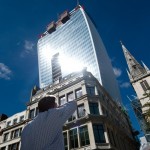
Already infamous for its curved facade that ignited fires in adjacent buildings and melted nearby cars basking in its reflected sunlight, the Walkie Talkie skyscraper in London is now being blamed for toppling signs, overturning food carts and even knocking passers-by off their feet. Dubbed ‘Walkie Scorchie’ as well as the ‘Death Ray’ during its last public debacle, critics may need a new name for this building more suited to its fresh source of infamy.

wind tunnel heat

Local business owners, employees and residents have reported a dramatic increase in downdraughts since the completion of the 36-story downtown structure, suggesting its completion coincides with an upsurge of urban wind tunnel effects on surrounding streets.

skyscraper london downtown

A worker at a local retail outlet told The Times: “It has only really been windy since the Walkie Talkie has been here. When they were building it and there were the building works going on, it was fine. But ever since they’ve completed it, the wind really picked up.”

Walkie Talkie rips

A temporary screen erected at street level, eventually replaced with permanent shades hung from its concave side, solved the previous heat-generating problems tied to light reflection; it is unclear if something analogous can be done to address current wind-related concerns. For now, local food trolleys have been instructed to carry warning signs indicating they could tumble over and crush customers or pedestrians, a very incomplete and unsatisfactory solution for all potentially impacted parties.

urban curved building

Meanwhile, officials suggest there will be stricter reviews for new construction. According to Gwyn Richards, the City of London Corporation’s head of design, “The wind outcome at street level experienced post-construction on a number of projects differs somewhat to the conditions we were expecting from the one outlined in the planning application wind assessments. This is why we are asking for an independent verification of the wind studies on a number of new schemes to ensure as rigorous and resilient an approach as possible.” (images via Matt Brown and Duncan H).

Share on Facebook


[ By WebUrbanist in Architecture & Cities & Urbanism. ]

[ WebUrbanist | Archives | Galleries | Privacy | TOS ]


WebUrbanist

 
Comments Off on ‘Death Ray’ Skyscraper Stands Accused of Blowing People Over

Posted in Creativity


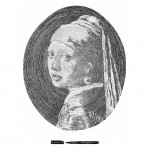
Paper People: Hand-Cut Zig-Zag Photorealistic Portraits

24 Jul

[ By Steph in Art & Sculpture & Craft. ]

paper cutout portraits 2

Tiny slivers are sliced away from a single, oversized sheet of white paper in a zig-zag pattern to reveal portraits of public figures, from Audrey Hepburn to Michael Jackson, in this series of photorealistic portraits by Korean artist Yoo Hyun. There’s no ink, graphite or paint involved – just an X-acto knife to cut out the negative space and tweezers to carefully peel those pieces away.

paper cutout portraits 8

paper cutout portriats 1

Take a close look at Hyun’s works and you realize how strikingly simple this process is, working a similar way to pixels. All you’ll see, when examining a small strip of one of these portraits, is a bunch of diagonal white lines. It’s amazing to see how much detail comes through, the portraits somehow revealing nuances in skin and hair texture, when you look at them from farther away.

paper cutout portraits 6

paper cutout portraits 5

paper cutout portraits 4

The trick is in ever-so-slight variations of the thickness of each diagonal line of paper. Even the smallest cut-out can convey a shadow, while uncut areas make highlights pop. Pulling this off requires incredible precision, as a mistake the width of a human hair can affect the final outcome.

paper cutout portraits 3

paper cutout portraits 7

Check out more of Hyun’s work on his Instagram, @yoo.hyun, or on Facebook.

Share on Facebook


[ By Steph in Art & Sculpture & Craft. ]

[ WebUrbanist | Archives | Galleries | Privacy | TOS ]


WebUrbanist

 
Comments Off on Paper People: Hand-Cut Zig-Zag Photorealistic Portraits

Posted in Creativity


27 Hairy Situations – People with Beards

10 Jul

I don’t know if you’ve noticed this trend where you live, but here in my city it seems like every second guy has a beard. Not just a goatee but a full-on, full face beard.

So I thought I’d see if I could find a set of images that captures this current trend in society. I thought it was just Portland (Oregon) with its hipsters, but it seems that it’s spread.

Photograph kashmir by Mahmoud Yakut on 500px

kashmir by Mahmoud Yakut on 500px

Photograph - Bruce - by Rey Vladyc Mangouta on 500px

– Bruce – by Rey Vladyc Mangouta on 500px

Photograph Winter Skin by Juan García on 500px

Winter Skin by Juan García on 500px

Photograph mr. Unknown by Alexander Bootsman on 500px

mr. Unknown by Alexander Bootsman on 500px

Photograph Another Day in Paradise by Michael Steverson on 500px

Another Day in Paradise by Michael Steverson on 500px

Photograph *** by Mr. Vander on 500px

*** by Mr. Vander on 500px

Photograph Intense by Yesudeep Mangalapilly on 500px

Intense by Yesudeep Mangalapilly on 500px

Photograph ??????? by Jaroslav Monchak on 500px

??????? by Jaroslav Monchak on 500px

Photograph Bow Tie by Joachim Bergauer on 500px

Bow Tie by Joachim Bergauer on 500px

Photograph Archer by Przemyslaw Koch on 500px

Archer by Przemyslaw Koch on 500px

Photograph Mehmet Haci by Ahmed  Mustafa on 500px

Mehmet Haci by Ahmed Mustafa on 500px

Photograph **** by Brian Ingram on 500px

**** by Brian Ingram on 500px

Photograph *** by Alexander Bootsman on 500px

*** by Alexander Bootsman on 500px

Photograph The beard it´s a trend by Alex Mihai C on 500px

The beard it´s a trend by Alex Mihai C on 500px

Photograph smoking Portrait by Javier Celado on 500px

smoking Portrait by Javier Celado on 500px

Photograph Senior man by Carles Barrios - Retoucher on 500px

Senior man by Carles Barrios – Retoucher on 500px

Photograph crazy photographer by Peter Zelei on 500px

crazy photographer by Peter Zelei on 500px

Photograph The Selfie by Andrea Mercatali on 500px

The Selfie by Andrea Mercatali on 500px

Photograph Santa Claus by Brian Powers on 500px

Santa Claus by Brian Powers on 500px

Photograph Old Sadhu by Arif  Kaser on 500px

Old Sadhu by Arif Kaser on 500px

Photograph Naga Baba by martin prihoda on 500px

Naga Baba by martin prihoda on 500px

Photograph sadhu 1 by Ertan Tiryaki on 500px

sadhu 1 by Ertan Tiryaki on 500px

Photograph Teacher! by Alexey Seredenin on 500px

Teacher! by Alexey Seredenin on 500px

Photograph The Thinker by Ladjánszki Máté on 500px

The Thinker by Ladjánszki Máté on 500px

Photograph old shepherd by Ciurba Alin on 500px

old shepherd by Ciurba Alin on 500px

Photograph Beyond the Shadows by Dénes Paragi on 500px

Beyond the Shadows by Dénes Paragi on 500px

Photograph Stanislav Liepa by Valentin Blokh on 500px

Stanislav Liepa by Valentin Blokh on 500px

googletag.cmd.push(function() {
tablet_slots.push( googletag.defineSlot( “/1005424/_dPSv4_tab-all-article-bottom_(300×250)”, [300, 250], “pb-ad-78623” ).addService( googletag.pubads() ) ); } );

googletag.cmd.push(function() {
mobile_slots.push( googletag.defineSlot( “/1005424/_dPSv4_mob-all-article-bottom_(300×250)”, [300, 250], “pb-ad-78158” ).addService( googletag.pubads() ) ); } );

The post 27 Hairy Situations – People with Beards by Darlene Hildebrandt appeared first on Digital Photography School.


Digital Photography School

 
Comments Off on 27 Hairy Situations – People with Beards

Posted in Photography


How to Pose People for Headshots

14 Jun

Editor’s note: this week we will be featuring a series of articles on posing for portraits. Look for a new one each day. If you miss any make sure you subscribe to our newsletter and you’ll get a reminder of all our articles once a week.

HeadshotPose8

Headshots today are not what they used to be. Gone are the days of marbled backdrops in an indoor studio! Saturated markets filling up with fresh entrepreneurs, means that headshots are more important than ever these days. While location and wardrobe play a major role, knowing how to pose your subject is also vital in creating a successful headshot image that will stand out from the crowd. Let’s take a look at several examples of poses to keep in mind for your next shoot.

Basics

Before we go through some photos, let’s go over the basics of any pose. The fact that it’s for business use means that your subject should always be aware of their posture in a headshot. I simply tell people to put their shoulders back and their chest out. Once they adjust their posture, you can suggest gentle shifts if needed.

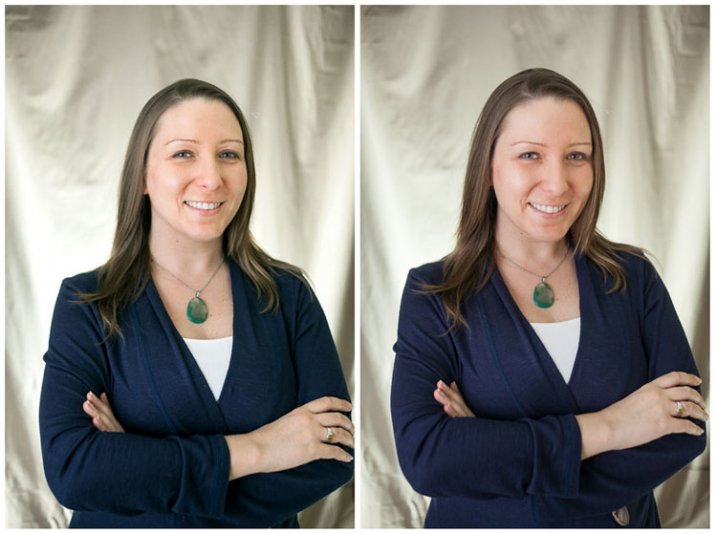
Another key point to mention to your subject is that they should lead with the forehead. This one can be a subtle, but powerful, shift in their pose. To lead with the forehead simply means that, depending on the overall pose/activity, they should always aim to have their forehead lean ever-so-slightly toward the lens, while pushing their face slightly forward. Below are two photos to compare – the left photo is with the model looking more or less straight ahead, while the photo on the right is when she followed my instructions about leaning the forehead slightly toward the lens. Note that I almost always have to slightly adjust the subject, because most people will tend to either lean in too far or lower their chin too much, so have them make slight adjustments until you find that ideal angle for them!

HeadTilt

Left photo shows subject looking straight at camera. Right photo shows subject leading with the forehead.

Now let’s get into several options for poses:

Crossed arms

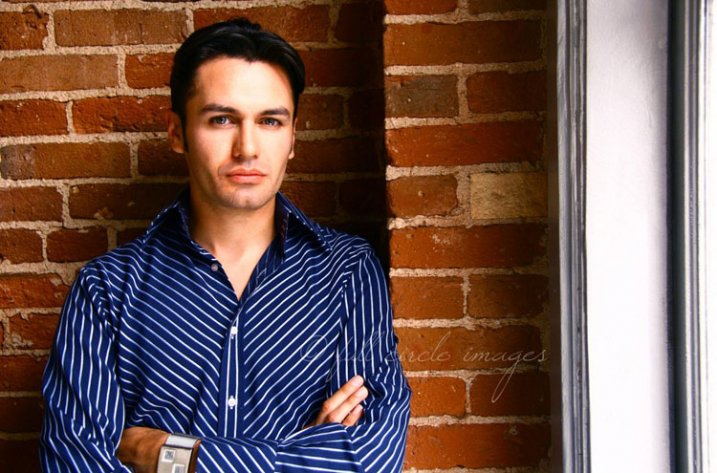
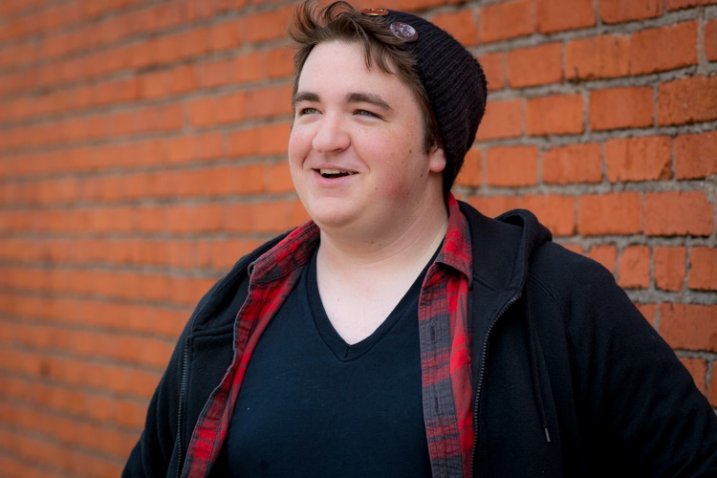
First, let’s talk about one that harks back to traditional headshots – the crossed arms pose. While this general pose is nothing new, by simply changing location, having the subject add a slight lean, and loosening up the tightness of the crossed arms, this pose can feel modern. In the example below, the subject is slightly leaning in to the brick wall, while crossing his arms and maintaining an upright posture. When having women do this pose, encourage them to very loosely cross their arms; otherwise it will feel quite severe and cold. Men do have a bit more room to keep the arms tight, but be mindful of how tight they are to avoid that same severity.

HeadshotPose17

Here we see another example of a headshot with crossed arms, only this one relies on location to add warmth. Since the subject is a woman, she is also adding a slight tilt to her hip and dropped her shoulder closest to the camera. This all helps to soften up a traditionally harsh-feeling pose.

HeadshotPose14

Lean

Adding a slight lean can make a big difference in headshot posing. Many people are looking for a lifestyle feel to their headshots, which typically will call for an outdoor location. So if you go on location, why not use it to add personality?

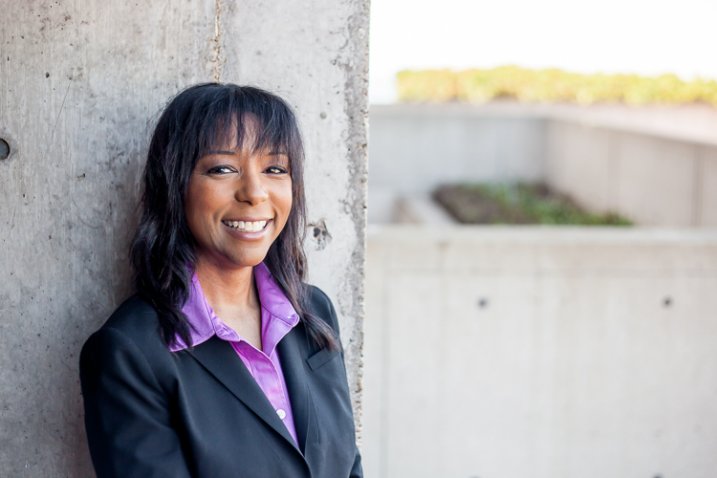
I’ve already mentioned adding a lean to the crossed arms pose, but a simple lean against a wall or railing can also provide a more natural feel to your pose. In the example below, the subject is leaning against a clean wall. The detail is in the texture of the wall, and the lean provides a softening to the pose. The wardrobe helps maintain some formality (this subject in particular is a lawyer), while the slight lean and setting add a touch of modern casualness.

Note that even though the subject is leaning, it is still important for them to maintain good posture. You can let them know to lean with their bottom half, but not let their entire back slouch into the wall. Or, they can gently lean with one shoulder to maintain balance, while keeping posture upright. If the subject starts to look a bit stiff, have them “shake it out”, take a deep breath, and settle back into the pose. Sometimes all they need a break from the stiffness!

HeadshotPosing18

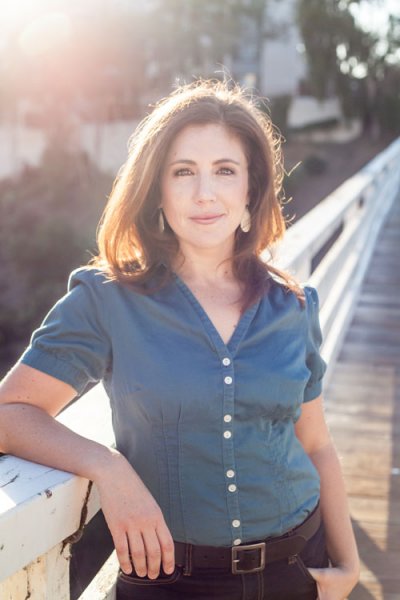
Here is another example of a lean working to the subject’s advantage. In this case, below, the subject is portraying a casual brand, but still needs to look polished and professional. Using the railing of the foot bridge that is the setting, the subject raises one arm to lean on the railing. This helps to give the subject something to do, rather than having their arms dropped to the side. In this case, the crossed arms would have portrayed an image that was too formal for the client’s needs, so this alternative was ideal.

HeadshotPose7

Sitting pose

There are a few variations of sitting poses that work well for headshots. One option is to have your subject sit and join their hands over their knees. Ideally, this would happen if they are sitting at a location where the knees end up being slightly higher than their hips, which can easily happen if they sit on stairs. In the example below, the subject is sitting on steps, loosely laying her hands over her knees, and still keeping her posture upright (very important!). This gives the subject something to do with their hands, and it adds a bit of formality to a pose than can very easily feel far too casual.

HeadshotPose6

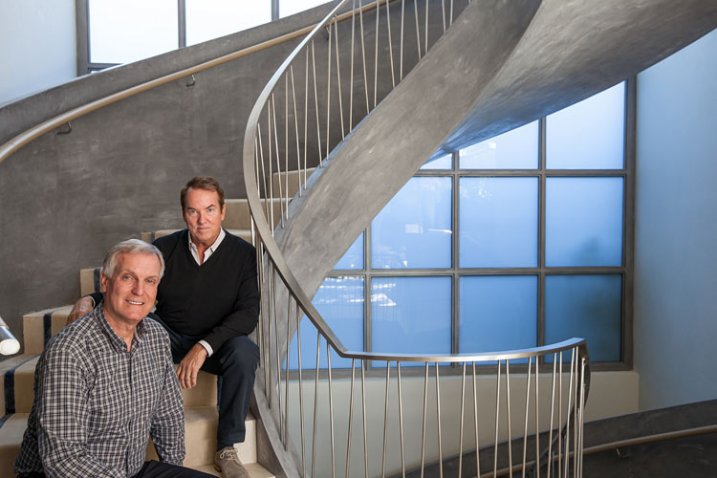
This next example is a bit more formal overall in terms of location and expression, but the pose is meant to soften it a bit. Here we have two subjects, each sitting on different stairs. Note that the subjects are quite different in height, so the different steps offer an opportunity to balance out the heights a bit. In this photo, the subject on the top step is sitting and leaning slightly on the railing. His arm is casually laying over his leg. The lean towards the railing helps to show a bit more of his torso since there is another subject in front of him. The front subject is slightly leaning back and to his left, helping to unify him with the other subject. Since these two men are business partners, it was important to maintain a sense of partnership in their poses.

HeadshotPose1

Walking

This is one of my favorite classic moves for headshots, and it does several things including:

  • It loosens up their body if they are a bit stiff in front of the lens.
  • It encourages a more natural expression because I get the opportunity to banter with them as they walk.
  • It creates a sense of movement that translates into a deeper connection with the lens.

Below are several examples of headshot subjects walking towards the camera. As always, be sure to let your subject know to maintain good posture while walking.

HeadshotPosing14 HeadshotPosing16

Action

Here is where modern headshots get fun. Especially with entrepreneurs, you have the opportunity to express something about what they do, and what their personality is like. If they make a product, you can have them show you their product, If they do some sort of training, you can have them perform a bit of what they do. With these, giving detailed direction about posing is not as important as letting them do their thing. In the photos below, the subjects were given free reign to do what they want to express themselves. In these cases, be prepared to snap quite a few frames! The final images will need to not only capture the movement and activity, but also have flattering facial expressions.

HeadshotPose3 HeadshotPose18
HeadshotPose16 HeadshotPosing12

Regardless of the poses used, be sure that they are a good fit for the branding of the client. Getting to know the client’s needs is absolutely the best way to know how to pose them.

Do you have any favorite poses that you like to use for headshot clients? Please leave a comment below to let us know.

Check out more in this week’s posing series here:

  • Portrait Posing Tips- How to Help People to Relax and Take Better Photos
  • 5 Unposing Tips for Kids for More Natural Photos

googletag.cmd.push(function() {
tablet_slots.push( googletag.defineSlot( “/1005424/_dPSv4_tab-all-article-bottom_(300×250)”, [300, 250], “pb-ad-78623” ).addService( googletag.pubads() ) ); } );

googletag.cmd.push(function() {
mobile_slots.push( googletag.defineSlot( “/1005424/_dPSv4_mob-all-article-bottom_(300×250)”, [300, 250], “pb-ad-78158” ).addService( googletag.pubads() ) ); } );

The post How to Pose People for Headshots by Natalia Robert appeared first on Digital Photography School.


Digital Photography School

 
Comments Off on How to Pose People for Headshots

Posted in Photography


Weekly Photography Challenge – Posing People

13 Jun

Editor’s note: this week we will be featuring a series of articles on posing for portraits. Look for a new one each day. If you miss any make sure you subscribe to our newsletter and you’ll get a reminder of all our articles once a week.

Creating portraits is hard. There’s a lot of technical stuff you need to handle, and you have a real live subject in front of your camera. Even further, they are going to look to you for help to make them comfortable and look good in their photos. The right pose, whether casual or structured, is key.

Greg L. Photos

By Greg L. photos

James Schaap

By James Schaap

Adults, teens and kids each come with different challenges. So you need to figure out what’s best for each individual, and guide them gently. Groups add even more complexity.

Weekly Photography Challenge – Posing People

This week’s challenge is about practicing working with people and doing some posing. If this is an area that’s new for you then try and get a model or subject that will be patient with you as you try different things. Or you could work with a professional model (in exchange for prints is a common practice if you can’t afford to pay for one) who can help you suggest poses or even do their own. Learning by watching is great way to go too.

Darlene Hildebrandt

By Darlene Hildebrandt

Chemisti

By chemisti

Darlene Hildebrandt

By Darlene Hildebrandt

Clappstar

By clappstar

Lyndsay Esson

By Lyndsay Esson

Share your images below:

Simply upload your shot into the comment field (look for the little camera icon in the Disqus comments section) and they’ll get embedded for us all to see or if you’d prefer upload them to your favourite photo sharing site and leave the link to them. Show me your best images in this week’s challenge. Sometimes it takes a while for an image to appear so be patient and try not to post the same image twice.

You can also check out the dPS ebook Portraits: Striking the Pose or our set of posing guides 67 Portrait Poses (printable) if you need some tips.

googletag.cmd.push(function() {
tablet_slots.push( googletag.defineSlot( “/1005424/_dPSv4_tab-all-article-bottom_(300×250)”, [300, 250], “pb-ad-78623” ).addService( googletag.pubads() ) ); } );

googletag.cmd.push(function() {
mobile_slots.push( googletag.defineSlot( “/1005424/_dPSv4_mob-all-article-bottom_(300×250)”, [300, 250], “pb-ad-78158” ).addService( googletag.pubads() ) ); } );

The post Weekly Photography Challenge – Posing People by Darlene Hildebrandt appeared first on Digital Photography School.


Digital Photography School

 
Comments Off on Weekly Photography Challenge – Posing People

Posted in Photography


Portrait Posing Tips- How to Help People to Relax and Take Better Photos

11 Jun

Editor’s note: this week we will be featuring a series of articles on posing for portraits. Look for a new one each day. If you miss any make sure you subscribe to our newsletter and you’ll get a reminder of all our articles once a week.

One of the trickiest parts of doing a portrait photo shoot has nothing to do with operating your camera, mastering your lenses, controlling the light, or even dealing with uncontrollable weather. Getting your clients to relax, take it easy, and enjoy themselves during your time with them is just as important as making sure you have all the technical aspects of your equipment figured out.

This is often the key to a successful photo shoot, and yet it’s so easy to get caught up in learning about your camera equipment and buying new gear that many people forget to invest time in developing the human element of a photo session. Portrait posing and how to help your subjects relax is key to taking better people photos.

parent-holding-baby

If this aspect of your craft is not managed properly you could easily find yourself in the middle of a photo session where your clients are confused, agitated, bored, or worst of all, frustrated and angry. Every photographer has their own unique style, but generally speaking if you can get your subjects to get comfortable and relax, you can get more of the photos you (and they) are really looking for. It’s a tricky situation to be sure, and every photo shoot is different, but here are three techniques that may be helpful:

1. Get to know your clients beforehand

At its most basic level taking photos for clients is a simple business transaction wherein they pay you money for a service you provide. But it’s really much more than that: people are inviting you to record a point in their lives that they will hold dear for decades to come. When you order a sandwich or cup of coffee it doesn’t matter who you are, what hobbies you enjoy, what professional goals you have, or whether you woke up on the wrong side of the bed that morning. You hand over some cash, get what you ordered, and go about your day. However, taking portraits is almost the polar opposite because everything matters. A good portrait photographer will strive to capture the essence of the people they are working with, and getting to know them first is a key element of making this happen.

family-sitting

On my website I have three simple questions on my Contact page:

  1. Families: What was the best family vacation you ever went on?
  2. Children: If you could have the perfect birthday party, what would it be like?
  3. High School Seniors: If you had $ 1000 to spend, and a week off from school, what would you do?

The answers to these questions help me understand more about my potential clients, but also send a message to them that they mean more to their photographer than just a pay-check. This helps with any pre-session discussions we might have, as well as the photo shoot itself, because the seeds have already been sown for good conversation and a relaxed atmosphere.

I’m a teacher by trade, having taught in K-12 schools as well as at the college level (in addition to six-week classes for other teachers), and one common thread that I have found among people of all ages, is that most of them just want someone who will listen to and take an interest in them. With this foundation laid, classes are always much more productive for me and my students. So it goes for the photographer as well: if you show your clients that you are interested in them as people, you will find them to be much more cooperative as photography subjects. It might take some time to get to know them before you photograph them, but this will pay off handsomely for you and your clients throughout the entire picture-taking experience.

senior-brick-wall

2. Don’t treat the photo shoot like a photo shoot

I did a photo session recently for a bright, intelligent, outgoing young man who simply did not want to have his picture taken. He was nearing the end of his time in high school and his parents wanted to get some nice photographs before graduation, particularly of him in his cap and gown. He would much rather have been at home playing video games or hanging out with friends, but instead was obliged to spend the late afternoon with me taking photos – a prospect that was about as much fun for him as getting a tooth drilled. How on earth can you possibly get someone like this to relax, have fun, and enjoy a photo shoot? Simple: don’t make it about the photos.

One of the first things I said to this student as I hoisted my camera bag to my shoulder was “What video games are you playing right now?” He immediately relaxed and started telling me about one of his current favorites, which then branched into discussion of what his friends were playing, which then led to a dialogue about the recent school year and even his career goals. All the while I was snapping photos, while giving him subtle directions without interrupting the flow of our conversation. I got more good shots than I ever thought I would, and he enjoyed our time together far more than he had anticipated.

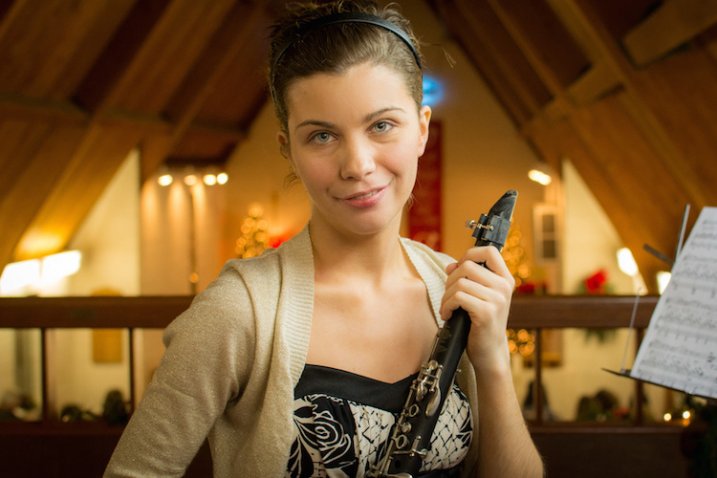
This girl was a bit nervous about having her picture taken so instead we just talked about music. I don't know much about the clarinet, but she was more than happy to tell me about it, and in the process gave me plenty of good photo opportunities.

This girl was a bit nervous about having her picture taken so instead we just talked about music. I don’t know much about the clarinet, but she was more than happy to tell me about it, and in the process gave me plenty of good photo opportunities.

This is just one example, but I have seen the same scenario repeat itself over and over: people tend get nervous and self-conscious when getting their photos taken, so if you want them to relax, have fun, and enjoy the photo shoot, try treating it as an hour of just hanging out. They’ll enjoy it much more and you’ll be surprised at the nice results you can get.

3. Build long-term relationships

When you order a pizza or pick up a tool from the hardware store you’re not looking for any type of lasting personal commitment. It’s merely a simple business transaction that serves a functional purpose, whereas photography is quite the opposite. Because you are dealing with people, and not objects, you should not only get to know your clients and seek to build a rapport with them, but find ways to build a professional relationship with them after money and pictures have changed hands. This won’t necessarily improve a current photo session, but it will pave the way for many successful future sessions while also helping to spread the word to the client’s friends, family, and co-workers about your photography services. A few ideas to try include:

Send a real thank you card

Send a thank-you card to the client (not an email, but a physical handwritten card) a few weeks after they receive their photos. Let them know how much you enjoyed working with them and appreciated their business, which is a good way to build a positive professional relationship that will last for years to come, and help make future photo sessions much more relaxed and enjoyable. You can also slip in a discount for a future photo session, which will give them even more incentive to do business with you again. This is especially important if you work with children or families, as you can easily lay the groundwork for many years of photo sessions by letting them know how much you appreciate them and enjoy working with them.

child-bench-book

This boy’s parents had such a positive experience on his photo shoot that they asked me to take pictures for their whole family a few months later.

Post about the session on social media

As more clients share their lives online, you can take advantage of the medium to publicly say how much you enjoyed working with a particular client, how good the photos turned out, or how you are already looking forward to a future session. Clients often respond quite positively, and this type of public recognition helps to reaffirm their good opinion of you as a photographer. Note that you will want to get your client’s permission first, and posting about a client on Facebook is not the same as friending a client. I don’t necessarily recommend that, though I know several photographers who do.

Scratch their back, and they’ll scratch yours

Many of your clients (or their parents) are working professionals and would appreciate your patronage as much as you like to have theirs. Remember the father of the cute kid from last week’s session who is a local plumber? Give him a call the next time your sink overflows. What about the upcoming wedding shoot with the couple who owns a local deli? Take your family there the next time you go out to eat. Building these types of professional relationships is a good way to help ensure that future photo sessions are relaxed and comfortable for your clients. They will start to trust you, be at ease around you, take directions from you, and also recommend you to their friends and family. This also sends the message that you are interested in more than just taking pictures, but are an active and supportive member of your local community, which is filled with people who might be looking for a photographer to do their next portrait session!

family-portrait

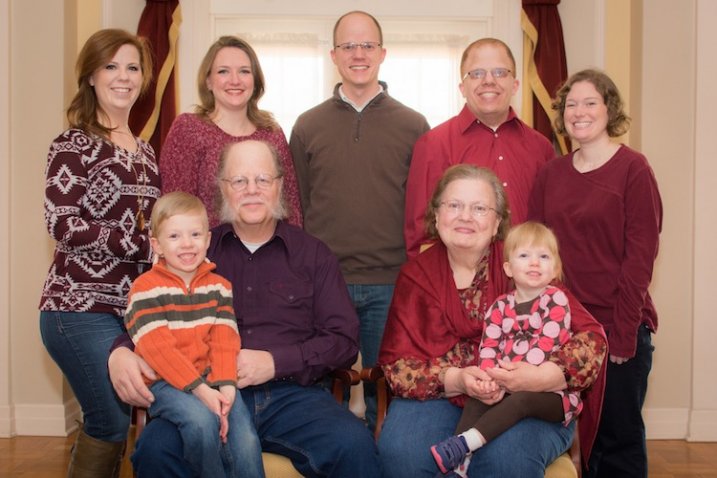
Getting to know this family, finding out about their interests, and building on experiences from previous photo shoots helped make this session fun and enjoyable for them and much easier for me as a result. The children knew me from their photo session earlier in the year, which not only helped them relax but put the adults at ease too.

These are just three ways to help you get people to relax in your photo sessions, but there are many other ideas as well. What about you? What tips and tricks have you learned over the years to help your clients relax, enjoy themselves, and help you get the best shots you can? Leave your thoughts in the comments below.

googletag.cmd.push(function() {
tablet_slots.push( googletag.defineSlot( “/1005424/_dPSv4_tab-all-article-bottom_(300×250)”, [300, 250], “pb-ad-78623” ).addService( googletag.pubads() ) ); } );

googletag.cmd.push(function() {
mobile_slots.push( googletag.defineSlot( “/1005424/_dPSv4_mob-all-article-bottom_(300×250)”, [300, 250], “pb-ad-78158” ).addService( googletag.pubads() ) ); } );

The post Portrait Posing Tips- How to Help People to Relax and Take Better Photos by Simon Ringsmuth appeared first on Digital Photography School.


Digital Photography School

 
Comments Off on Portrait Posing Tips- How to Help People to Relax and Take Better Photos

Posted in Photography


How to Use a Wide-Angle Lens for People Photography

06 Apr

Wide-angle lenses are indispensable in travel photography. When I organize photo tours, I find that each and every trip has a storytelling component. Almost always, we as photographers, strive to not only describe a situation, but tell a tale, and when it’s about people, we want to tell the audience the story of the hero in the center of it. We want to draw the viewer in so far that they can sense it, breathing the very scents of the scene.

How to use wide angle H Fisch 1050

There is an ideal tool for this type of need; the wide-angle lens that normally ranges (on a full frame camera) from about 21mm to 35mm. It has a variety of advantages; you can get close to people, evoke a sense of immersion in the viewer, and get people and objects in focus with minimal effort.

I normally use FUJI X cameras which have APS-C sized sensors. As this sensor is smaller than full frame, if you want to translate the focal length of the lens from full frame (a size of sensor similar to that of 35mm film cameras), you will have to multiply it by 1.5 times. Thus an 18mm lens on full frame is LIKE a 27mm lens on a cropped sensor (18 x 1.5 = 27).

In this article, when I refer to a focal length, for example 24mm, I am referring to the length on full frame. A focal length of 24mm on a full frame camera will act like a 36mm on the Fuji ASP-C sensor.
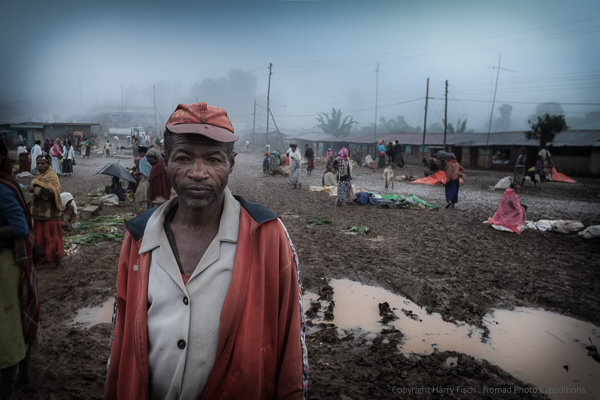
How to use wide angle H Fisch 8638

The difficulty inherent in the wide-angle lens is that it forces you to be very conscious of the distortions it produces. When photographing people, it also requires you to get close to the subject, which can be uncomfortable for most amateurs.

If you are looking for the dream location to take the wide-angle lens for a spin, it’s India, specifically Benares. It’s a scenario full of detail, with dramatic first planes of foregrounds, colorful seconds, smells, activity, and noise. It’s a great big beautiful mess, and there are always extraordinarily attractive people to photograph.

With wide-angle, the typical range goes from 21mm to 35mm, although some photographers use up to 18mm when photographing people. The famous photo agency Reuters published its best photos of 2013, and if you read the blurb under each, you’ll see that 80% of them were taken with a 24mm wide-angle lens. With a quality prime 24mm lens, the distortion of the outside lines is not as much of an issue.

How to use wide angle H Fisch 9541

Between the photo tours I organize in India, Ethiopia, Thailand, and Cuba (among other places), I recognize that I have a special predilection for Varanasi. By what I can see in the data from my Adobe Lightroom software, is that 73% of the photos I take are done with a 18mm lens. I also use – despite the fact that it requires a lot of skill when dealing with people as subjects – a Zeiss 12mm, which is the equivalent of an 18mm on APS-C format.

It isn’t only that wide-angle lenses open the shot more, the viewer gets more information inside the frame, and the wide-angle lens allows for a much more natural view (it is argued among experts as to whether a 28mm or a 35mm is the most natural point of view).
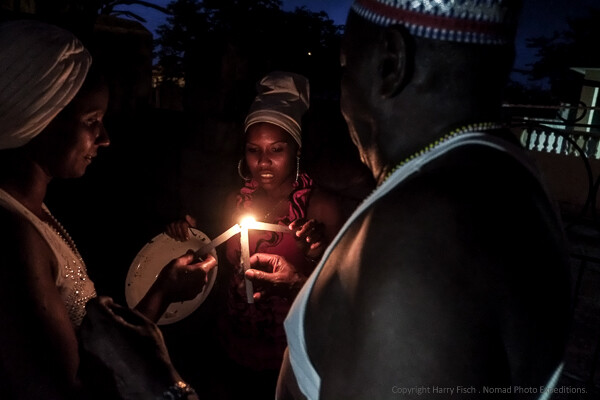
How to use wide angle H Fisch 2159

Wide-angle has a series of advantages, but – as aforementioned – not without also presenting an inconvenience; it does have a great tendency to deform the outlines, like on images of people. Also, it does require a specific and honed technique to get the best photos from it. In the majority of cases you have to get close to the subject in order to get dramatic results, as well as getting a notable depth of field, and this is something that creates yet more issues for photographers who are not accustomed to getting up close and personal with people.

Now, let’s take a look at some of the characteristics of the wide-angle lens.

Wide-angle lens characteristics

Distortion of the point of view

A 24mm lens, if it is not used properly, will deform outlines and produce exaggerations. If the lens is not good quality, you will see a curvature in some parts of the photo instead of straight lines. In some type of photography this exaggeration of the lines is considered a creative argument and can add a dreamy look to a picture. This works fine from time to time, specially if you do not over do it.

How to use wide angle H Fisch 1054

The best approach to this possible issue is to be aware of the horizontal position of your camera and avoid, as much as possible, tilting it up or down. Having the camera on an horizontal plane parallel to the ground helps.

Distortion of the vertical axis

It is important to take your time situating the camera critically with respect to the vertical axis. This is why whenever I use a wide-angle lens I change my position (camera height) with respect to ground level. Using a wide-angle lens 50cm (19.7″) off the ground isn’t the same as being one meter (39″), or one meter eighty high (5.9 feet). I normally try a few levels to find the position that will give me the best angle, though I recognize that with practice you can understand this process before actually having to go through trial and error.

How to use wide angle H Fisch 3867

I am always very aware of at least one vertical line in a picture taken with a wide lens. It can be a street corner, a mast, a raised arm. The vertical reference can many times be the anchor, the basic reference of the picture, the nail of the whole image. The best way to ruin a good picture is to show a bent mast where the viewer clearly expects, and knows, that it should be straight and distortion has been created by your position taking the picture. On many modern cameras you can set your viewfinder to display a grid. This will allow you to see through the display and organize the lines of the whole set with the vertical and horizontal references that are visible.

High and low angle

How to use wide angle H Fisch 8064

A high camera angle consists of taking in the subject or the scene from top to bottom, situated on high ground from the objects you want to photograph. When using a low angle, you would be taking a photo from bottom to top from a point below what you want to photograph. As well as getting a more original point of view, a lot of times it is used as a technique to augment the distortion and highlight different parts of the subject. Honestly, I would use it with a lot of caution, here’s why:

If you have seen the movies of Orson Wells you will remember the scenes which evoke feelings of dreaminess – or sometimes nightmares. Wells loved to use the emphatic form made by shooting from a high angle far above the subject, and the low angle doing just the opposite. Anyone who has seen his movies knows perfectly how much distortion it produced, as he used it to create very specific environments. If you use extreme high and low angles, you will get this effect as well.

Depth of field, getting everything in focus

Depth of field is important if you want everything in focus. With an 18mm lens it’s difficult to get a photo that has shallow depth of field or less of the scene in focus. With an aperture of f/5.6, it will keep practically everything in focus from a distance of one meter (3.3 feet) to infinity. This makes it interesting and convenient if you want to take pictures without even focusing.
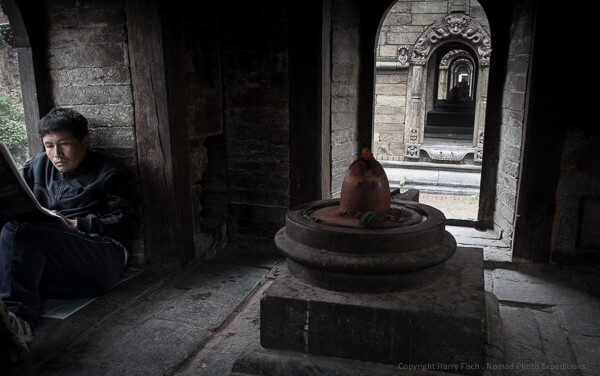
How to use wide angle H Fisch 6098

A lot of street photographers shoot this way – focus at two meters (6.6 feet) with an aperture of f/5.6. From there, you already know that if you keep a set distance from the subject, everything will be reasonably in focus. This can save you lots of time in situations were you do not have much time to focus properly or you find that your automatic focus behaves erratically.

The originality of the plane and of the frame

With an extreme wide-angle lens, once your eye is trained, you can offer a rather original vision of reality. In real life we do not see wider than 50mm. Going beyond this, 28mm, 24mm, 21mm, 18mmm, creates a kind of unreal feeling. Lines exaggerate their proximity or separation, the foreground seems tremendous (large) in relation to the background. The relative size of objects differs from what we normally sense. If we add to all this the depth of field characteristic and the possible distortions, we do have a creative weapon that should be used with great care! As much as we are surprised by an original point of view, we get bored by seeing to many wide-angle lens distortions.

How to use wide angle H Fisch

Proximity to the subject

This will give the viewer a strong feeling of being there, of immersion into the scene. In possibly half of the photographs that I take with a wide-angle lens, the distance to the subject is less than two meters (6.6 feet). In documentary style photography – not necessarily photographing landscapes – a wide-angle lens rewards closeness with a subject, as it results in a rather impressive image. Great photographs are done with a 18mm lens and have been made from a distance of less than one meter (3.3 feet) from the subject. This is typically done by getting the subject in the third of the frame and allowing the viewer to observe what is happening at the second plane. You should be specially aware of the way your lens behaves; the nearer the subject to the edge of the frame, the bigger optical distortion you will get. Also remember what has been said about the way to hold your camera to avoid distortion; vertical and horizontal axes as well as the tilting issue.
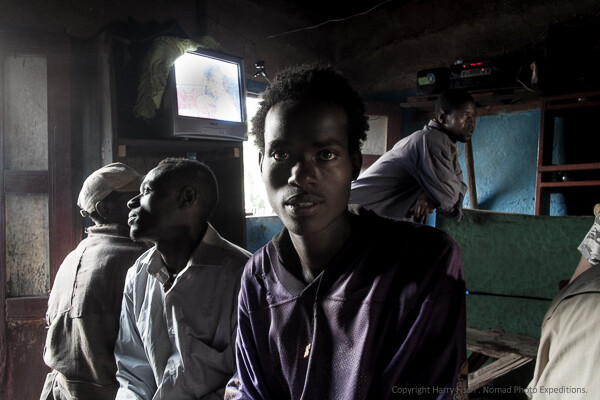
How to use wide angle H Fisch 0669

Many photographers feel uncomfortable getting this close. But, if you like photographing people, a wide-angle is an essential tool. The best you can do is get used to getting close to people, with a friendly manner and a smile.

Landscape photographers do not always follow this proximity suggestion. Their use of the wide-angle is aimed more at obtaining an impressive depth of field, many times a spectacular symmetry and… searched distortion! You will see hundreds of pictures taken with a 15mm were the clouds follow a very characteristic pattern created by the distortion of the lens.

googletag.cmd.push(function() {
tablet_slots.push( googletag.defineSlot( “/1005424/_dPSv4_tab-all-article-bottom_(300×250)”, [300, 250], “pb-ad-78623” ).addService( googletag.pubads() ) ); } );

googletag.cmd.push(function() {
mobile_slots.push( googletag.defineSlot( “/1005424/_dPSv4_mob-all-article-bottom_(300×250)”, [300, 250], “pb-ad-78158” ).addService( googletag.pubads() ) ); } );

The post How to Use a Wide-Angle Lens for People Photography by Harry Fisch appeared first on Digital Photography School.


Digital Photography School

 
Comments Off on How to Use a Wide-Angle Lens for People Photography

Posted in Photography


2014 DPReview Readers’ Best Shots: People

26 Jan

Picking favorites is hard. Nevertheless, our readers were up to the task when we asked them to submit their best shots of 2014. We received over 1400 submissions, and it was no small job picking favorites. We didn’t need the reminder, but it underscored just how talented our readership is. Photos were divided into three categories and we settled on a small selection to feature in each.

Articles: Digital Photography Review (dpreview.com)

 
Comments Off on 2014 DPReview Readers’ Best Shots: People

Posted in Uncategorized


Iconic Camouflage: Painted People Disappear into Cityscapes

28 Nov

[ By WebUrbanist in Art & Photography & Video. ]

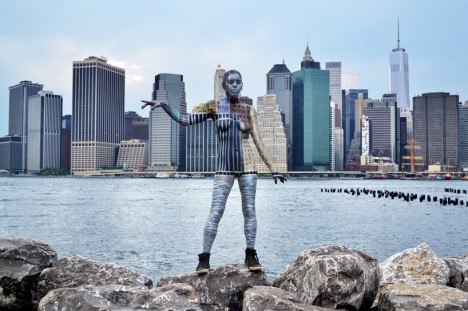
body paint central park

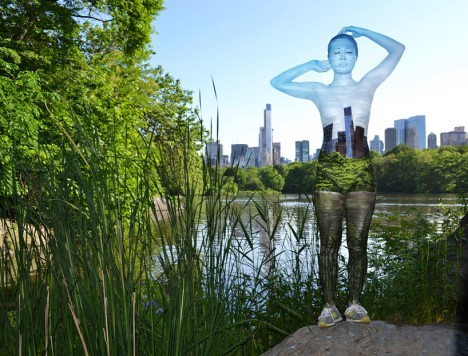
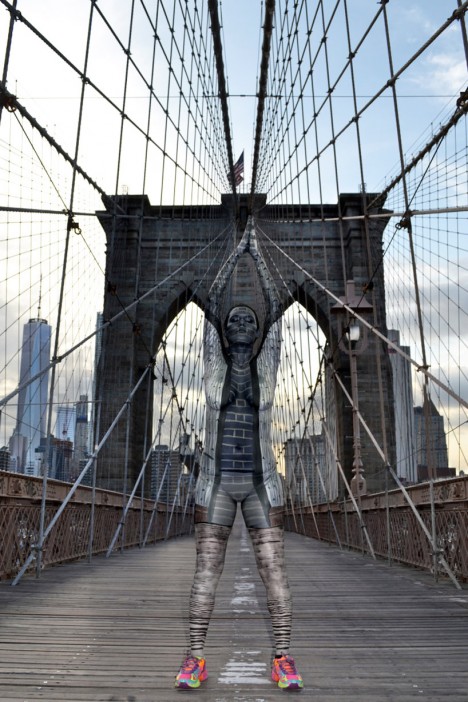
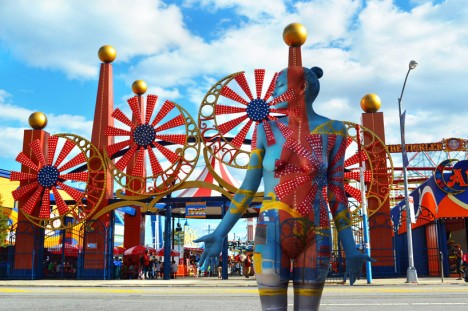
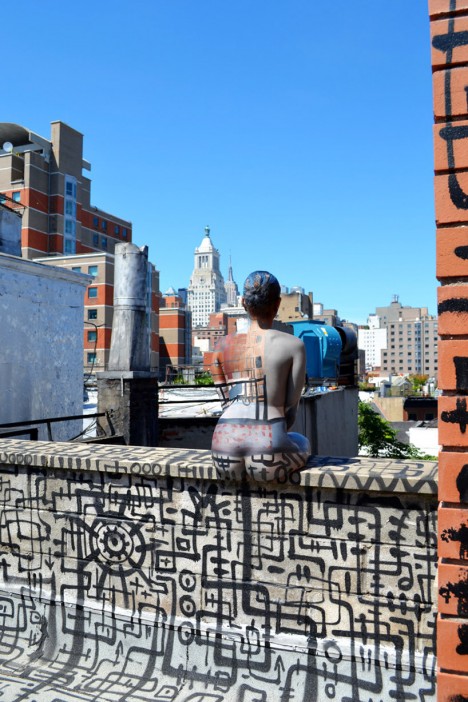
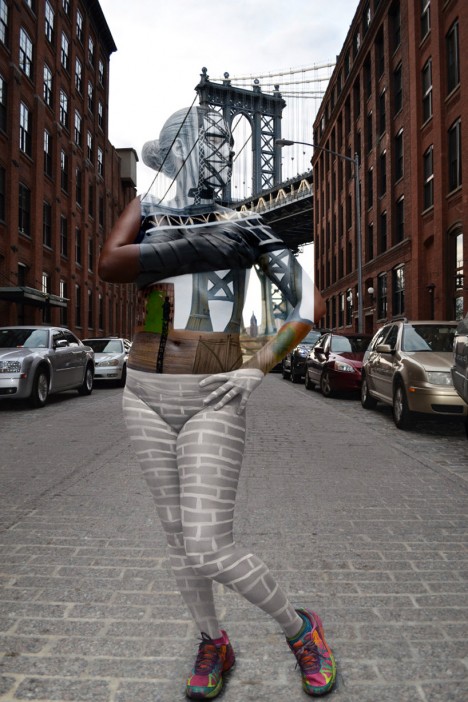
Unlike some other prominent artists working with more seamless urban camouflage in strange or offbeat settings, this work in NYC by Trina Merry allows for curves and distortions, and operates with the interplay between painted nudes in more public and iconic surroundings.

body paint manhattan skyline

body paint brooklyn bridge

In this series, her work features backdrops that are prominent points of interest and world-famous landmarks of New York City, from famous architecture and infrastructure (the Guggenheim Museum, Empire State Building and Brooklyn Bridge) to urban and organic landscapes (like Coney Island and Central Park).

body art coney island

body painted guggenheim museum

Thanks to the prominence of these locations, this colorful work naturally becomes a live spectacle beyond the sculptural photographs taken of the models in place.

body painted empire state building

body painted art photography

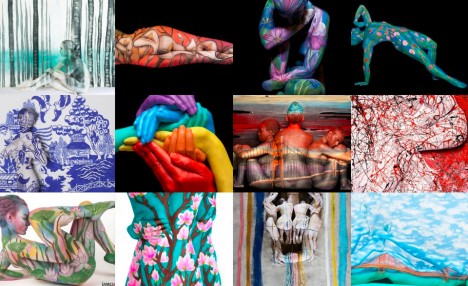
Other body paintings by Trina range from referential to abstract, with blank black or white backgrounds in some cases and period or modern artwork in others.

body with manhattan bridge

From the artist: “my surface is living, breathing human beings, making this a highly relevant & immediate. I use non-toxic hypoallergenic paint applied with a brush or airbrush. the painting is temporary like a Tibetan sand painting, beginning to [shift] into another work as soon as I stop painting, changing texture and color.”

Share on Facebook


[ By WebUrbanist in Art & Photography & Video. ]

[ WebUrbanist | Archives | Galleries | Privacy | TOS ]


WebUrbanist

 
Comments Off on Iconic Camouflage: Painted People Disappear into Cityscapes

Posted in Creativity


Readers’ Showcase: Portraits and People

24 Nov

DPReview members are a talented group and we’ve been highlighting their photography in a series of readers’ showcases. Recently we asked the Portrait & People Photography forum to share their favorite shots. They responded with excellent work both in and out of the studio, and we’ve picked a few of our favorites to share. See gallery

Articles: Digital Photography Review (dpreview.com)

 
Comments Off on Readers’ Showcase: Portraits and People

Posted in Uncategorized