RSS
 

Posts Tagged ‘People’

5 Good Reasons to Add People into Your Landscape Photography

25 Apr

Are you looking for a way to spice up your landscape photography? Many times when we think of making great landscapes image,s we try not to include people. Sometimes we even wait for long periods of time for other sightseers (or other photographers) to exit our view. There are many times this is the best technique for shooting a landscape photo, but adding the human element to a scene can be just the extra touch needed to create a great image. Let’s take a look at 5 reasons to add people to your landscape images.
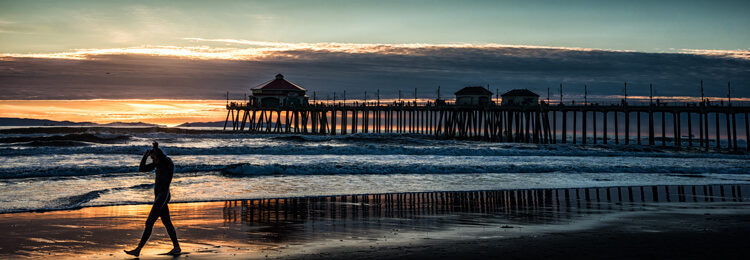
Sometimes breaking the rules can work. Here the man walking out of the image seems to work with the image of the end of the day on the beach.

This surfer is done for the day. Normally it is preferable that a person faces into the photo, but exceptions may work too.

#1 Tell a Story

Adding a person to your landscape can help your image tell a story. People, or even a single individual, may add mystery and adventure to your landscape, causing your viewers to wonder who, what, and why about the person in your image. When your viewers ask these questions, their eyes will stay engaged with your image, adding entertainment value to the photo. An image of a person standing in front of a grand mountain range may cause the viewer to wonder what that individual is doing there. If the person has a backpack and a walking stick, the viewer may imagine a hike in the mountains is about to commence. Or maybe the person in your shot is carrying a rifle and wearing camouflage, leading the viewer to imagine a hunter heading into the woods in search of adventure. A person can be the subject of the image or interact with the landscape of the image; but either way, if the person fits into the image’s story, your landscape will draw the viewer in and the photo will tell a successful tale.
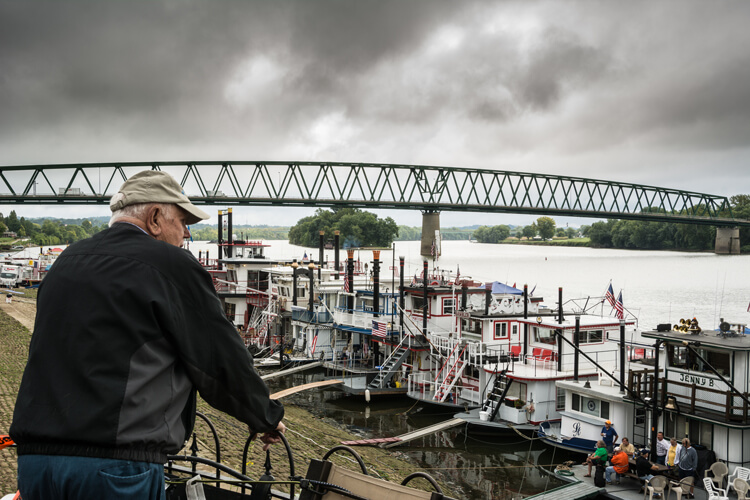
This image seems to tell the story of a man thinking about the yester-years working on a river boat.

This image tells the story of a man thinking about his former career working on a river boat.

#2 Composition

Placing a person or persons in an image in negative space can add balance to your landscape. A person in the foreground, or mid-way into your scene, will help create a sense of depth in the image. When you have the opportunity to position the person, take care to place them in the image in a way that draws the viewer into the image. Place your subject off to the side, preferably on a rule of thirds point, with them facing into the open space. It is almost never a good idea to have a person looking or facing out of your image, as this will cause a viewer’s eye to leave the image rather than explore the image fully. Nevertheless, with every rule of composition there are exceptions that will work. Knowing the rules of composition, when to use them, and when to break them, will help you when adding a person to your image.
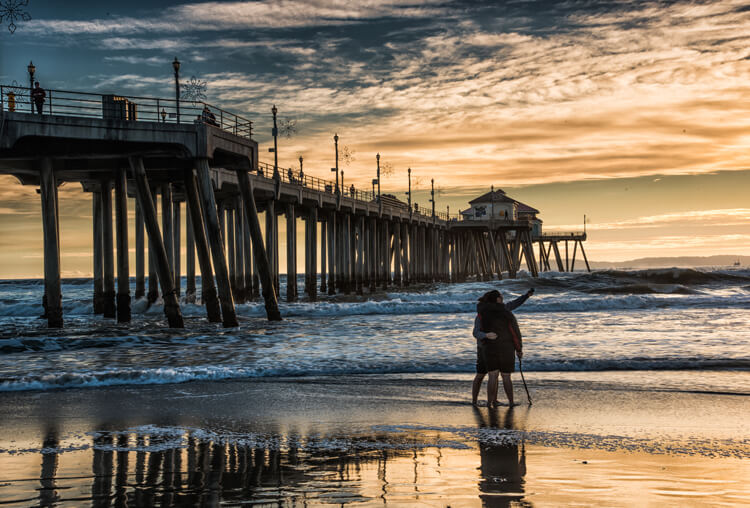
The couple taking a selfie is placed in a rule of thirds position and fills a negative space on the beach.

This couple taking a selfie is placed in a rule of thirds position, and fills a negative space on the beach.

#3 Scale of Size

Adding a human to an image is a great way to reveal the size and scale of objects in your image. Without the person in many images, objects like trees and rocks may lack a scene of scale. The addition of a person immediately gives your viewer a point of reference and scale to the landscape.
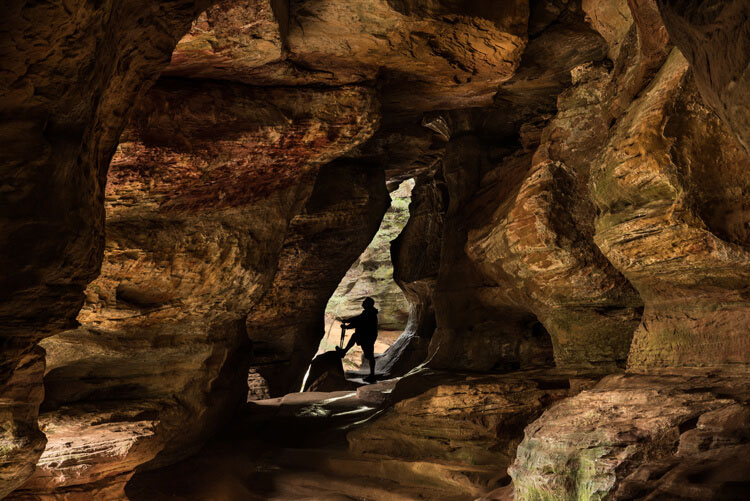
In this image of Rock House in Hocking Hills State Park in Logan Ohio adding the Silhouetted figure at the end of the cave adds a sense of scale and also adds a focal point to the image.

Adding the silhouetted figure at the end of the cave gives a sense of scale and also adds a focal point to the image.

#4 Drama and Excitement

Silhouetting someone against a sunset or other backlit view, is a perfect example of how a person can help create a more dramatic image. Even the simplest of landscapes can become more interesting and exciting by adding people within the image. Photographing a couple holding hands as they interact with the landscape can add the drama of romance to your image.
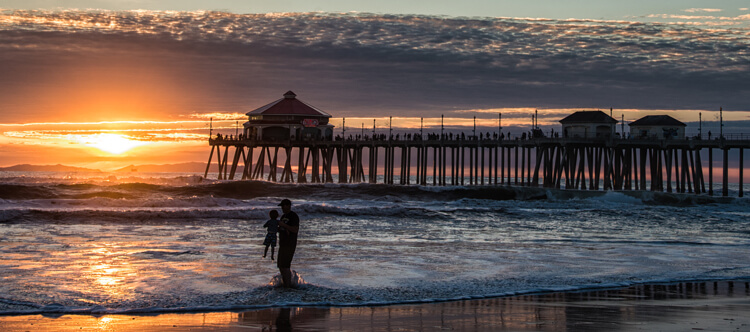
This image tells a story of a Father and son playing in the surf at sunset. The sillouhetted figures add drama to an image that could just be another sunset at the beach.

A silhouetted father and son playing in the surf at sunset add drama to an image that would otherwise be just another sunset along the shore.

#5 Focal Point

A successful photo needs a focal point that gives the viewer’s eye a place to land to hold their attention, and adding people can achieve that. It is important to add a point of interest that will change a boring landscape into a striking one. Most landscapes have natural features or buildings as a point of focus, but adding a person can sometimes make for a much more interesting image. As mentioned earlier, at times you may have negative space in the foreground of your landscape, and by adding a person into your scene that negative space is filled, and your image will benefit from the balance. As a focal point, the person in your image can be the subject of the scene, or a complement to your landscape.
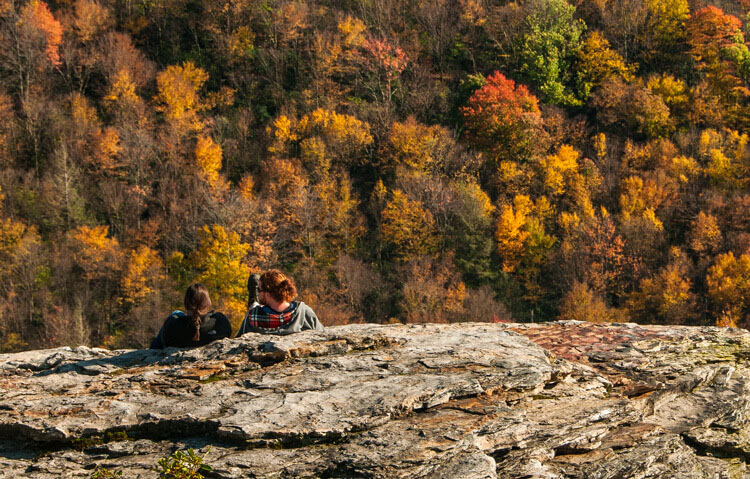
A couple sitting on a rock enjoying the Autumn view adds a romantic drama to the fall colors of the West Virginia Mountains

This couple sitting on a rock enjoying the fall color,s placed on the rule of thirds, creates romantic drama.

Tip: When adding a person or persons to your landscape, try to keep their face (s) obscure. This will allow the viewer to imagine themselves as the participant in the image.

Conclusion

Many times adding a person to your landscape image can be as serendipitous as people just wandering into your viewfinder, especially if you are visiting a park or popular scenic area. But if you are out alone in an interesting area, use yourself as the person in the scene. Place your camera on a tripod, set the timer, then add yourself into the image. Next time you are engaged in a landscape photo shoot, look for opportunities to add one or more persons to one of your images, and see if you like the results. You may be surprised at the difference you see.

Many landscape locations are powerful enough to stand on their own, but if your image needs a little spice, try adding a human. What other kinds of landscape scenarios do you think could benefit from adding a person to create a more interesting image? Leave your ideas in the comments below.

People photography week

This week on dPS we’re featuring articles all about different kinds of people photography including portrait, event and travel photography. See all the previous ones below, and watch for more people photography articles over the next few days.

  • How to Take Low Key Head-shots
  • How to Do a One Light Portrait Setup and Use it as Your Back-up Plan
  • Travel People Photography – Tips and Pitfalls
  • 8 Tips for Photographing Men
  • 24 Diverse Images That Showcase People Photography
  • Weekly Photography Challenge – People Photography
  • Tips for Getting Yourself to Relax as a Photographer and Have More Successful Portrait Sessions

googletag.cmd.push(function() {
tablet_slots.push( googletag.defineSlot( “/1005424/_dPSv4_tab-all-article-bottom_(300×250)”, [300, 250], “pb-ad-78623” ).addService( googletag.pubads() ) ); } );

googletag.cmd.push(function() {
mobile_slots.push( googletag.defineSlot( “/1005424/_dPSv4_mob-all-article-bottom_(300×250)”, [300, 250], “pb-ad-78158” ).addService( googletag.pubads() ) ); } );

The post 5 Good Reasons to Add People into Your Landscape Photography by Bruce Wunderlich appeared first on Digital Photography School.
Digital Photography School

 
Comments Off on 5 Good Reasons to Add People into Your Landscape Photography

Posted in Photography


28 Diverse Images That Showcase People Photography

23 Apr

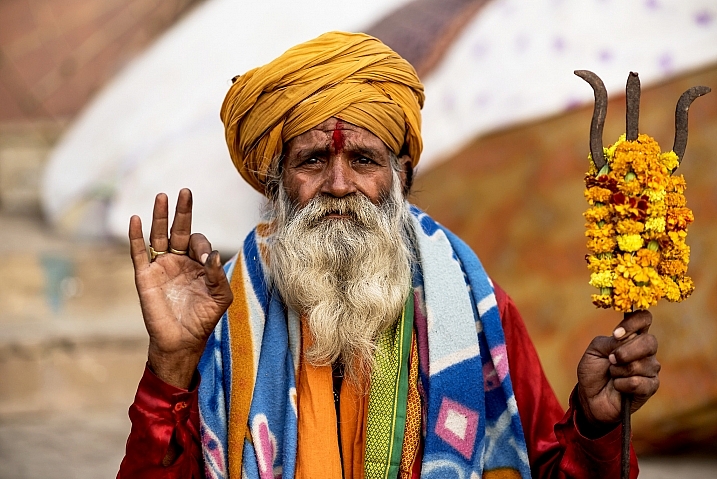
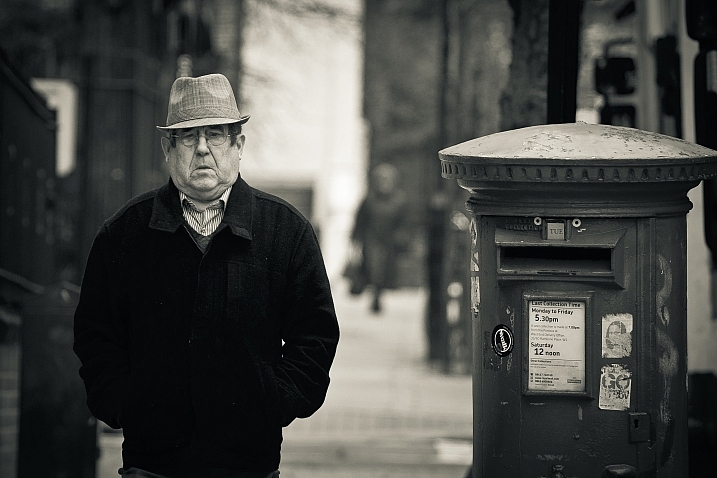
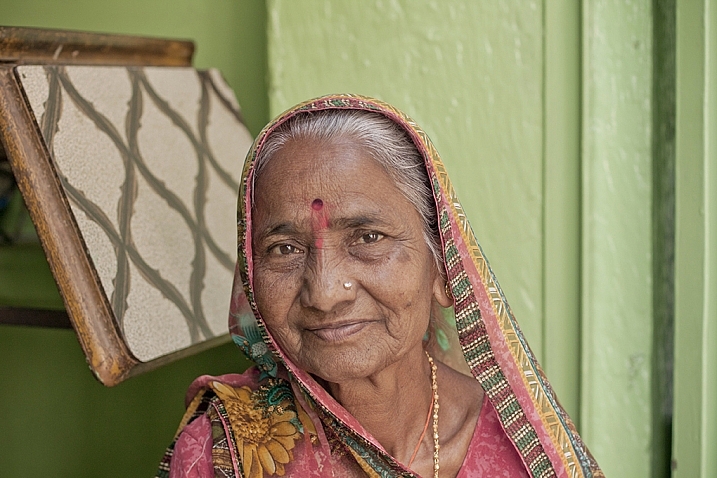
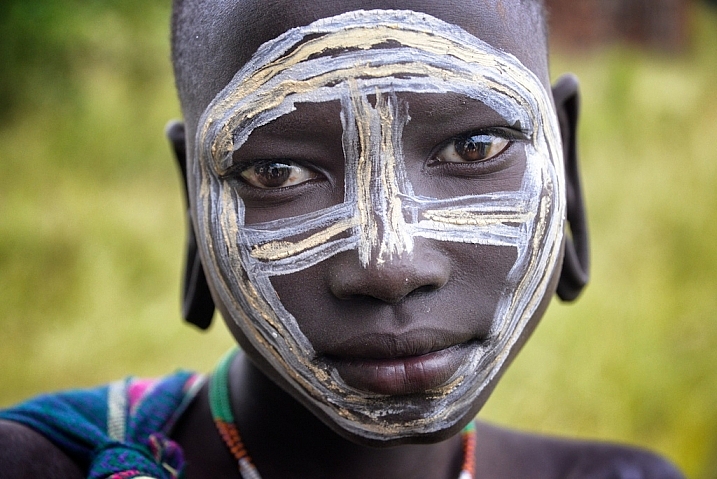
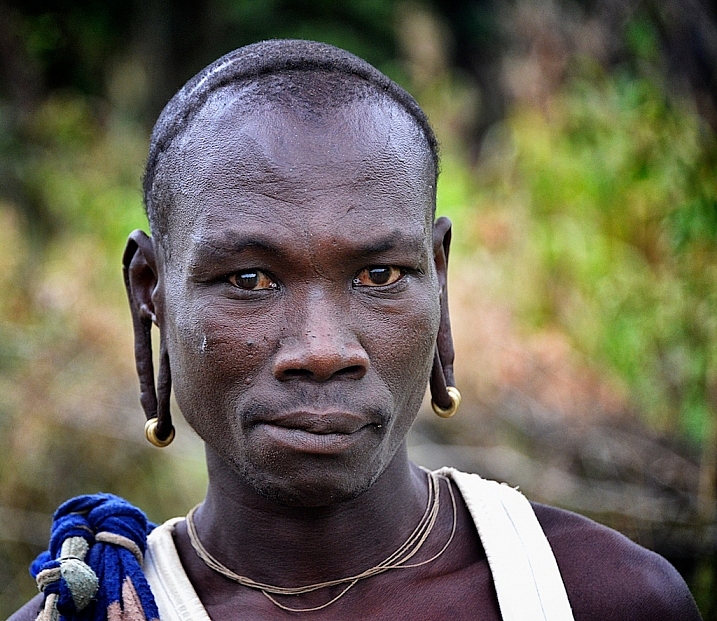
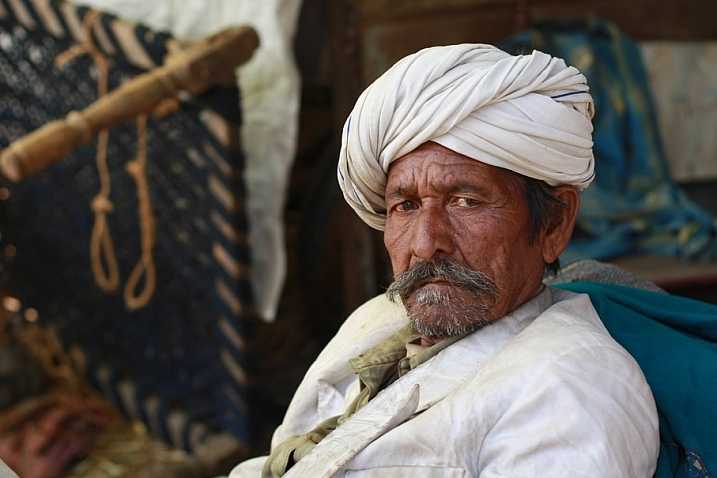
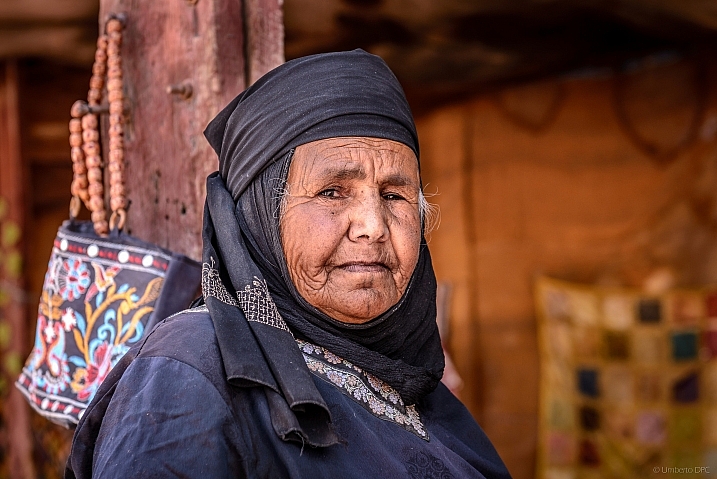
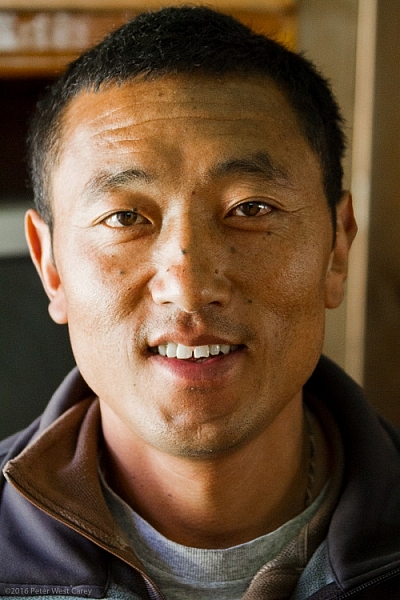
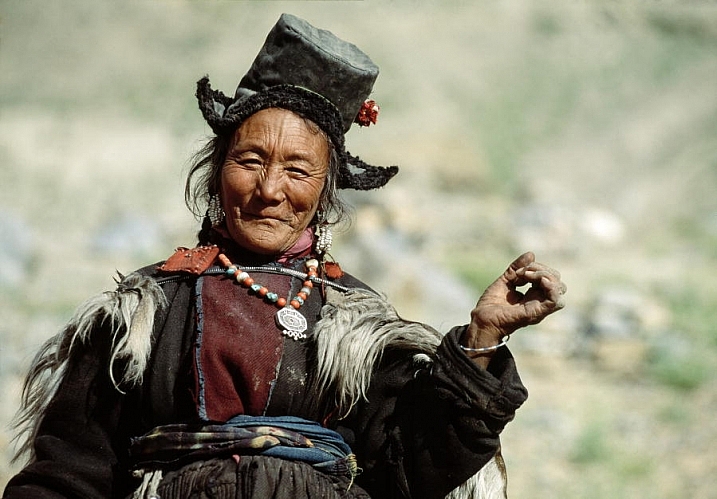
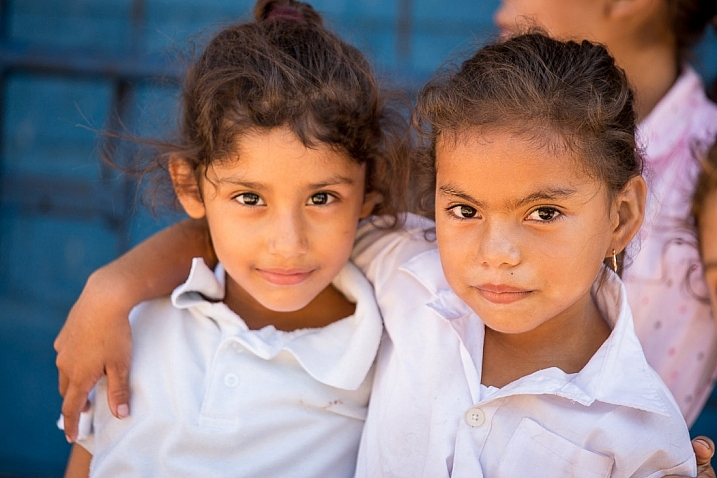
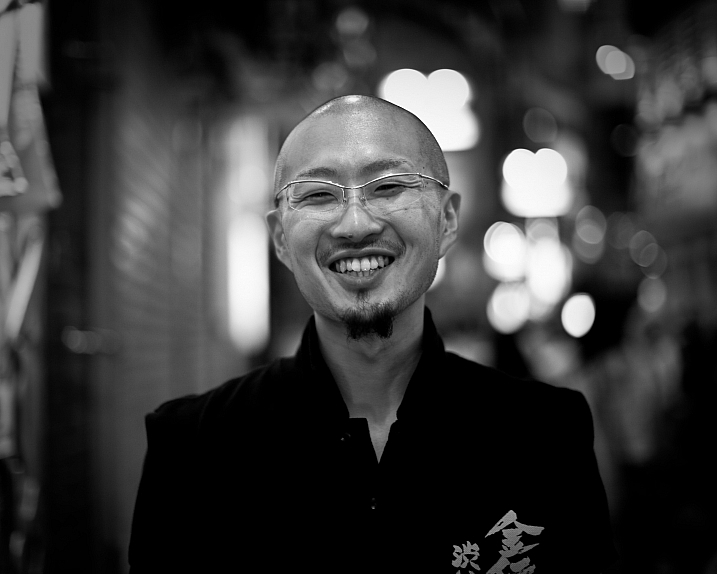
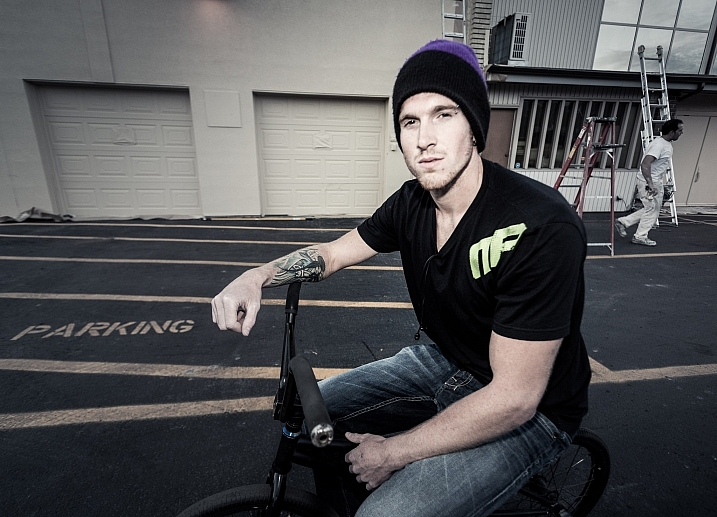
People have a diverse range of emotions, styles, and looks and capturing that with a camera is the photographer’s job. From posed studio portraits, to street photography or candid shots, getting the character and essence of a person in an image is the goal. Let’s see how these photographers did with people photography:

United Nations Photo

By United Nations Photo

Darlene Hildebrandt

By Darlene Hildebrandt

Jim O'Connell

By Jim O’Connell

Darlene Hildebrandt

By Darlene Hildebrandt

Shahab

By Shahab

Tyrone Daryl

By Tyrone Daryl

Fouquier ?

By Fouquier ?

Sebastian Rieger

By Sebastian Rieger

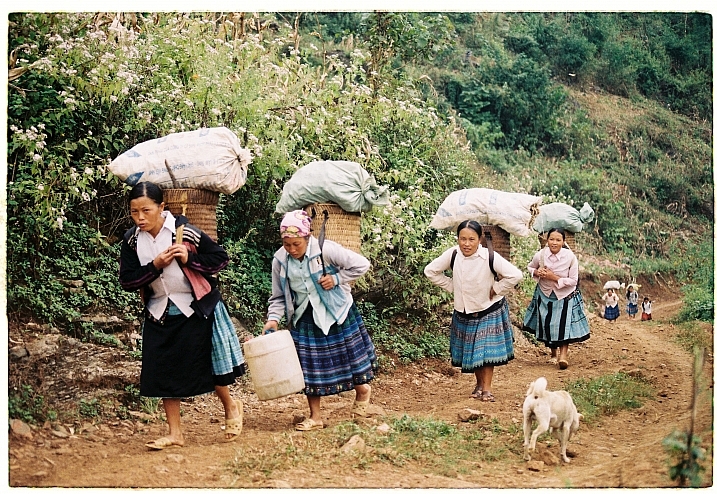
Khánh Hmoong

By Khánh Hmoong

Christopher Michel

By Christopher Michel

Astrid Westvang

By astrid westvang

David Stanley

By David Stanley

Eric Montfort

By Eric Montfort

Chryssa Kotsanidou

By Chryssa Kotsanidou

T W I N K A

By T W I N K A

Enki22

By enki22

Tilman Haerdle

By Tilman Haerdle

Elena Penkova

By Elena Penkova

Monique Prater

By Monique Prater

Ivan Constantin

By Ivan Constantin

Michael Salvato

By Michael Salvato

Kannan Muthuraman

By Kannan Muthuraman

Hernán Piñera

By Hernán Piñera

Meena Kadri

By Meena Kadri

Rod Waddington

By Rod Waddington

Rod Waddington

By Rod Waddington

Meena Kadri

By Meena Kadri

Umberto De Peppo Cocco

By Umberto De Peppo Cocco

People photography week

This week on dPS we’re featuring articles all about different kinds of people photography including portrait, event and travel photography. See all the previous ones below, and watch for more people photography articles over the next few days.

  • How to Take Low Key Head-shots
  • How to Do a One Light Portrait Setup and Use it as Your Back-up Plan
  • Travel People Photography – Tips and Pitfalls
  • 8 Tips for Photographing Men

googletag.cmd.push(function() {
tablet_slots.push( googletag.defineSlot( “/1005424/_dPSv4_tab-all-article-bottom_(300×250)”, [300, 250], “pb-ad-78623” ).addService( googletag.pubads() ) ); } );

googletag.cmd.push(function() {
mobile_slots.push( googletag.defineSlot( “/1005424/_dPSv4_mob-all-article-bottom_(300×250)”, [300, 250], “pb-ad-78158” ).addService( googletag.pubads() ) ); } );

The post 28 Diverse Images That Showcase People Photography by Darlene Hildebrandt appeared first on Digital Photography School.

Digital Photography School

 
Comments Off on 28 Diverse Images That Showcase People Photography

Posted in Photography


Weekly Photography Challenge – People Photography

23 Apr

In my career as a photographer I’ve covered many genres from studio product photography, editorial, industrial, food photography, weddings, portraits, fine art, and travel – but through all of that, I’m primarily a people photographer. I like to photograph people.

Darlene Hildebrandt

Shoe repair man in Nicaragua – By Darlene Hildebrandt

Darlene Hildebrandt

Model at sunset – By Darlene Hildebrandt

Darlene Hildebrandt

Cuban beauties – By Darlene Hildebrandt

Whether it’s in a studio environment doing a posed portrait, a candid doing street photography, a shop owner or vendor in a foreign country – people are always interesting and challenging to photograph.

Weekly Photography Challenge – People

We’ve got lots of articles to help you as you go about photographing people this week in fact it’s our feature topic right now. You can see all the ones we’ve done so far this week below, and watch for more people photography articles over the next few days:

  • How to Take Low Key Head-shots
  • How to Do a One Light Portrait Setup and Use it as Your Back-up Plan
  • Travel People Photography – Tips and Pitfalls
  • 8 Tips for Photographing Men
  • 24 Diverse Images That Showcase People Photography
Darlene Hildebrandt

Nicaraguan school kids – By Darlene Hildebrandt

Darlene Hildebrandt

Wedding fun – By Darlene Hildebrandt

Darlene Hildebrandt

Cuban dancers – By Darlene Hildebrandt

You can also check out our ebooks on people and portrait photography:

  • Fast Flash for Portrait Perfection
  • Portraits: Lighting the Shot
  • Portraits: Making the Shot
  • Portraits: Striking the Pose
  • Kids Photography

So if you are not inclined to photograph people and this challenges makes you a bit nervous – maybe now is the time to get out of your comfort zone and just do it. I promise they won’t bite!

Share your images below:

Simply upload your shot into the comment field (look for the little camera icon in the Disqus comments section) and they’ll get embedded for us all to see or if you’d prefer upload them to your favourite photo sharing site and leave the link to them. Show me your best images in this week’s challenge. Sometimes it takes a while for an image to appear so be patient and try not to post the same image twice.

You can see some of mine here on this page – now it’s your turn to share, and show me your people photos.

dramatic-images-using-shadows-750px-01

dramatic-images-using-shadows-750px-15

After lit using a combination of flash and natural light at 1/30th of a second.

dramatic-images-using-shadows-750px-36

googletag.cmd.push(function() {
tablet_slots.push( googletag.defineSlot( “/1005424/_dPSv4_tab-all-article-bottom_(300×250)”, [300, 250], “pb-ad-78623” ).addService( googletag.pubads() ) ); } );

googletag.cmd.push(function() {
mobile_slots.push( googletag.defineSlot( “/1005424/_dPSv4_mob-all-article-bottom_(300×250)”, [300, 250], “pb-ad-78158” ).addService( googletag.pubads() ) ); } );

The post Weekly Photography Challenge – People Photography by Darlene Hildebrandt appeared first on Digital Photography School.

Digital Photography School

 
Comments Off on Weekly Photography Challenge – People Photography

Posted in Photography


Travel People Photography – Tips and Pitfalls

21 Apr

“Oh the people you will meet!” goes one of Dr. Seuss’ famous lines, speaking to a particular joy of travel. We don’t just travel to see new places, we travel to experience new cultures full of new people – and as photographers, we’re intrigued to take their photo.

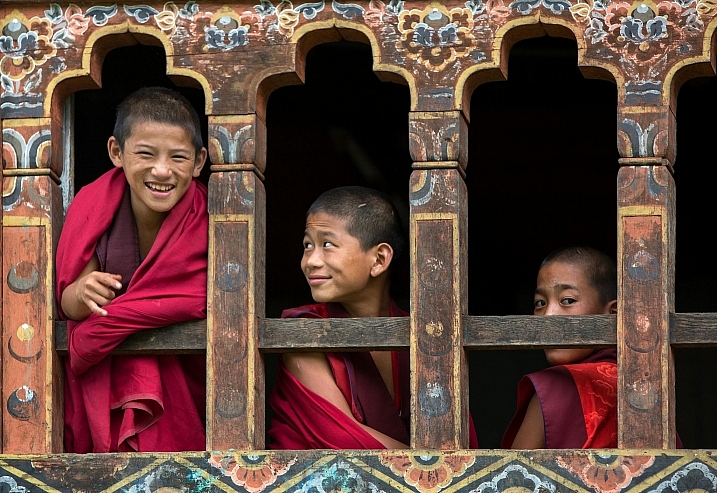
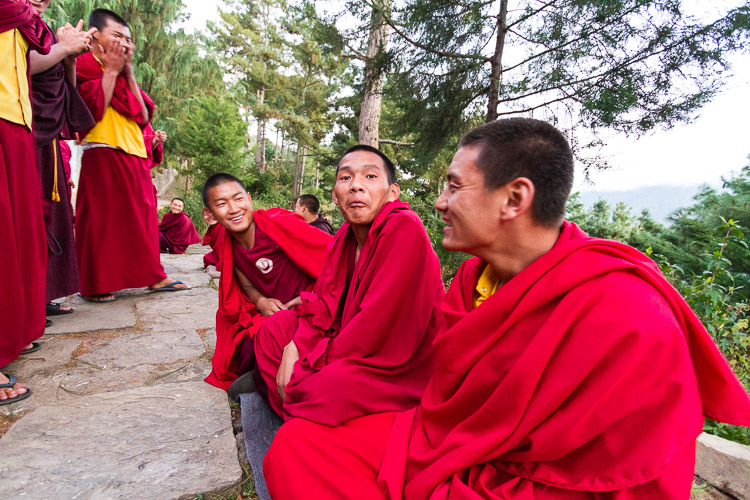
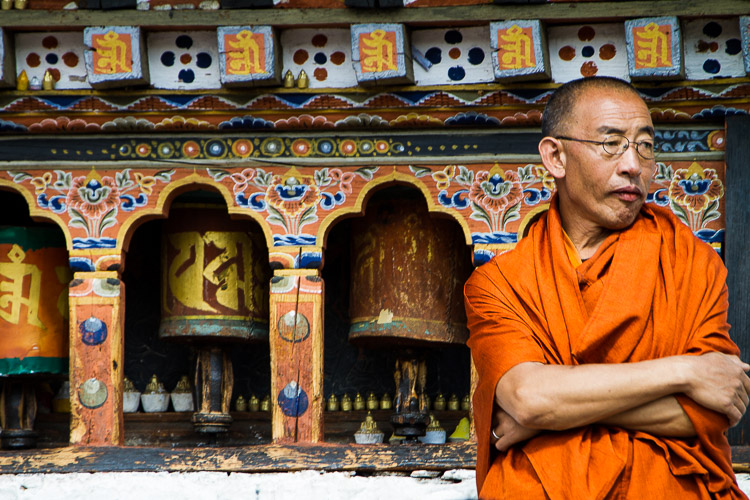
Monk, Paro, Bhutan

Yet it’s not as easy as taking photos of foreign mountains or cityscapes. because, gasp!, those people are full of life and feelings and opinions. They might be speaking a language we don’t understand. We are left wondering what they are thinking as we start to bring our camera up to our eye.

I’ve been photographing for 26 years, and traveling regularly for the last eight. I don’t know it all, but I have learned, through trial and error and research, what helps and what hinders travel portrait photography.

The Tips

Watch the light

Photography is about light. You’ve likely heard it a hundred times before. Sometimes we forget that when out of our comfort zone, but it’s important to remember that great photos need great subjects, and great use of light.

PWC-Nepal100509-093652-4565-b

Before raising your camera, know your light. Know what light will be available, and how best to use it. This article: Understanding Natural Light Part 3: Direction of Light – has a wealth of knowledge to get you thinking about the natural light at your location. Of course, you can use a flash as well, but most of us rely on natural light for our travel portraits.

Connect

Hot Button Topic: To connect before or after you take a photo? This decades-old discussion will not be settled here, but I will give my opinion as fuel to the fire.

I believe in give and take. If I’m always taking photos when I travel, I feel more the part of an interloper than a welcome guest. There are irresistible times when someone is doing something soooooo perfect, we have to have a photo, we think. Introducing ourselves will ruin the moment and break the magic we are witnessing.

Monk Debates, Jakar, Bhutan

My advice is to take those photos, but give something back. Approach your subject after the fact and introduce yourself. Smile, make eye contact, promote goodwill, and be nice.

If they are a vendor, buy something they are selling, or at least take a look. Canon, Sony and others now have portable printers you can bring with you, and what better way for give and take than to hand over a printed copy of the portrait you now treasure. It’s more work than just taking photos and continuing on your way, but it is also more rewarding.

PWC-Nepal2011-1001-0530

Get their feedback

Building on the point above, show your subject their portrait. It’s part of giving back. Get their feedback on how they think they look.

You might hear good things or bad, because everyone tends to be their own worst critic. Ask their friends as well, if they are around, to know if you have captured an accurate representation of your new friend.

PWC-Bhutan2013-0317-4766

They may have an idealized portrait they want you to take. What’s the harm in taking the photo they would like and the one you like? The more interaction, the better the portrait.

To smile or not to smile

This argument goes both ways. Some photographers want all smiles, especially if they believe there are in a happy place. Others abhor a grin. What a different story Steve McCurry’s Afghan Girl photo would tell if he was playing the ham and got her to smile!

As artists, we always instill our own bias into our art, that is okay. Sometimes your subject will also instill their bias. For instance, in Bhutan I encountered mostly stern faces when I took portraits, even if the subjects were lively, happy and smiling while I talked to them for a few minutes beforehand. I didn’t feel the stoic portraits the subjects wanted to portray accurately, reflected the warmth I felt while walking the countryside. So, what to do?

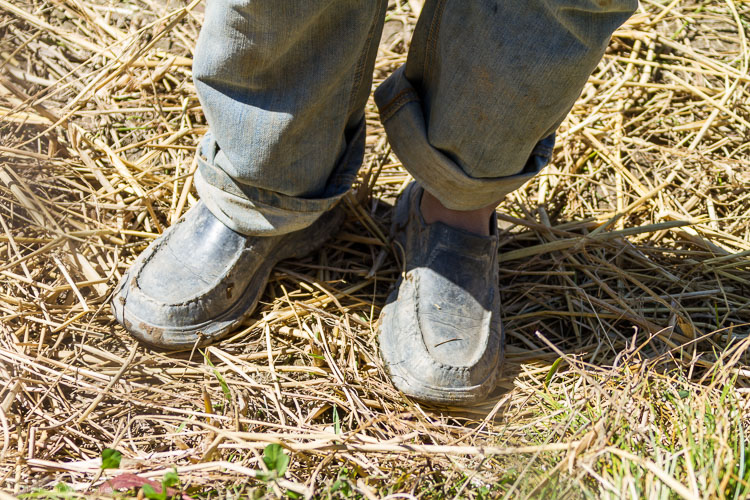
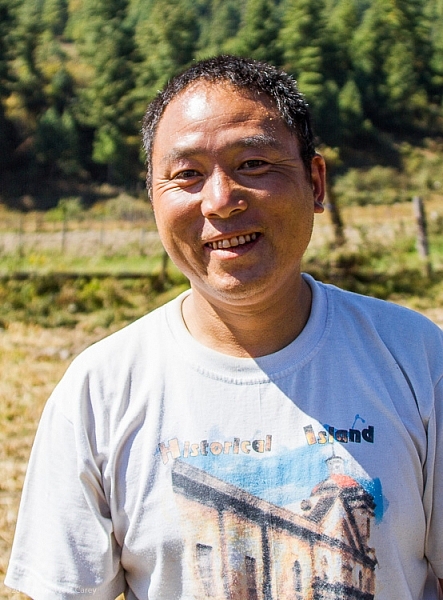
I developed a technique on that trip of taking pictures of people’s shoes. This served two purposes; I got images that tell their own story (footwear can tell you a lot about the wearer) and, in that moment when the subject was wondering why the heck is this guy taking pictures of my shoes, they let their guard down and returned to the smile I had encountered until the portrait was taken.

PWC-Bhutan2011-1024-9664

Before shoe photo

PWC-Bhutan2011-1024-9666

PWC-Bhutan2011-1024-9667

After shoe photo

My suggestion is to get to know your subject before taking their portrait. Then find a way to help that personality shine in their portrait.

Let them do their thing

To tell a better story of an individual is to put them in their environment. It helps travel portraits if there is context of the individual, in relation to the space around them.

Interact with your subject, take their posed portrait to your liking, then let them return to what they were doing. This is probably what drew you to them in the first place. Sit, observe, and be patient with your next photos.

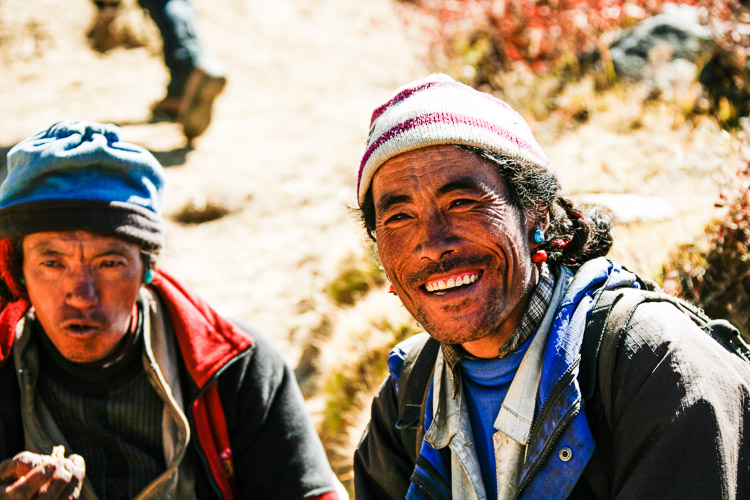
Tibetan Shepherds

They might not be classic portraits, subject’s eyes on the lens. To tell the story of the individual in the digital age is to have the ability to show more than one side, more than one image of your subject. You’re not a National Geographic photographer who will only get one image of the person in the magazine. You’re someone with a Facebook or other online account, and you can share both the portrait and the person in their element.

The Pitfalls

The Death Stare

You can probably feel the chill down your spine right now when I mention the Death Stare. Every street photographer has felt it at one point, and most every travel photographer as well.

PWC-Nepal2008-1010-3229

The Death Stare comes when someone sees your camera pointed their way, and fully disapproves of being the object of your desire. It’s important to realize the Death Stare is usually not so much about you, it’s about the situation, and empathy goes a long way to avoiding it. So does the tip above about connecting.

Recovery from the Death Stare can be hard. It chips at your confidence while you are in a foreign environment, already feeling out of place. Now you are unwelcome?

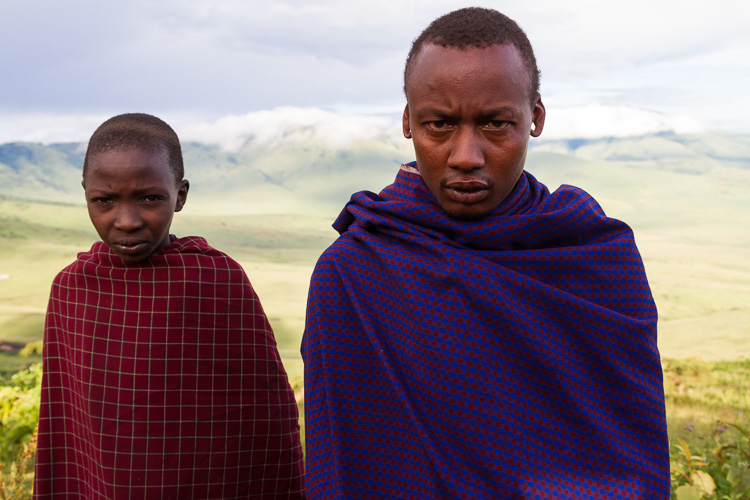
Maasi On The Rim

When I receive the Death Stare, I take a few mental steps backward, and put my camera away for just a bit – maybe 10 minutes, maybe an hour. I spend that time soaking in my surroundings and trying to connect with locals instead of capturing them.

Super posers

Kids are famous posers, but the disease travels across every age range. Some societies are more prone than others to super posing. By super posing I mean the tendency to totally ham it up for the camera. We all like to put on our best face, but the super poser makes almost a 180 degree change from what you first saw in them and wanted to photograph.

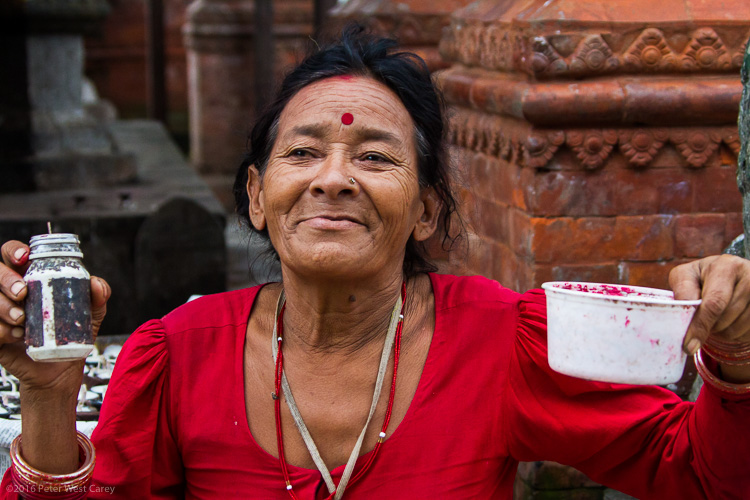
Pay Me For Paint, Kathmandu, Nepal

I have watched enough parents try to get their kids to, “smile normally, please?” and spend tens of minutes in frustration at their children being children. My suggestion with travel photos is to not fight the super poser. Accept that the moment you saw in them has passed, and move on.

Only telephoto

Afraid of the Death Stare, or an imaginary worse reaction, the telephoto-only portrait becomes the easy out. If I can shoot from 100 feet away, in obscurity, why get closer?

Because your images will lack intimacy, that’s why. I’m not saying don’t shoot with a telephoto from a distance – but don’t only shoot from a distance. If I peruse your gallery of images from Egypt and only see telephoto attempts at portraits, I’m going to feel as distant as you physically were from your subject.

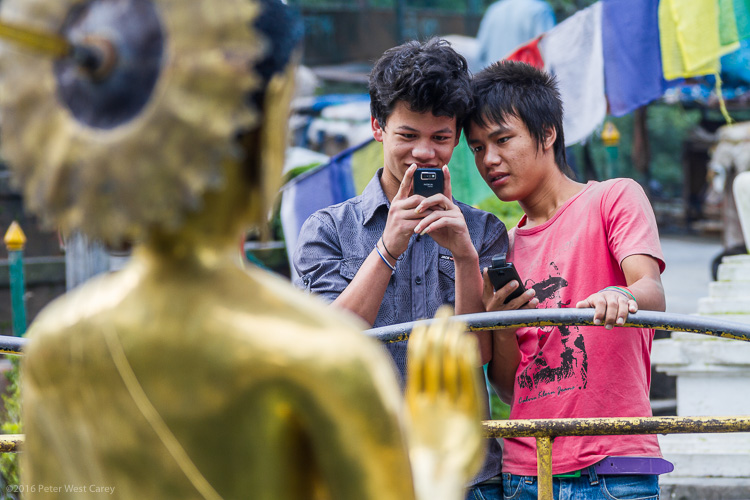
Boys photographing statue of buddha - Nepal

In my mind, connecting with strangers and only obtaining a few mostly-posed portraits is better than 100 shots from across the street. To me it says, “I traveled to this land, but didn’t really get into it.”

“Please don’t use that”

Following the advice above, you show some shots to your subject. They reply, “Oh, please don’t use any of those. I look horrible!” Now what?

If there is a chance, reshoot the images. If you must move on with your travels, I suggest you take the high road and respect the individual’s wishes. You may think they look perfect. Yet being respectful is more important than impressing your Facebook friends or Instagram followers.

This makes my original advice a bit of a double edged sword. Maybe you shouldn’t show them if there is a chance they will say no? The problem is face recognition software is getting more and more powerful, and Facebook’s (and other companies’) database is getting larger and more accurate. I live of the virtue it is better karma to error on the side of not potentially ticking people off.

Use of the photos after the fact

Ghombu

This brings up a good point about use. What are you going to do with those images?

Again, street photographers know this argument well. “You can’t take my photo!” they have had shouted at them if they have been in the game long enough. While this may be true in certain countries or situations, in most public spaces, especially in the US, you are free to photograph individuals.

What you do with the images after is the key point. Your own personal, artistic use is okay – included in a gallery on Facebook or a post on Twitter, a slideshow presentation at the local social club, or a gallery showing. Commercial use, where a model release is needed (think: ad campaigns, brochures, catalogs, stock), is not. Editorial use in a magazine or newspaper generally is okay.

DPS has some excellent resources, including our article Model Releases: What You Need To Know (with samples).

Conclusion

PWC-Tanzania100321-105740-2967

PWC-Nepal2011-0929-8494

Travel portrait photography can be a tricky world to navigate. You’re out of your comfort zone, you may not speak the language or know the customs, but you want to bring home photos of not just the pretty sites, but the interesting people, too.

Be kind. Treat people as people, not objects. Share your images and take time to connect.

Speaking of sharing, what other advice would you give those wishing to bring back travel portraits?

People photography week

This week on dPS we’re featuring articles all about different kinds of people photography including portrait, event and travel photography. See all the previous ones below, and watch for more people photography articles over the next few days.

  • How to Take Low Key Head-shots
  • How to Do a One Light Portrait Setup and Use it as Your Back-up Plan

googletag.cmd.push(function() {
tablet_slots.push( googletag.defineSlot( “/1005424/_dPSv4_tab-all-article-bottom_(300×250)”, [300, 250], “pb-ad-78623” ).addService( googletag.pubads() ) ); } );

googletag.cmd.push(function() {
mobile_slots.push( googletag.defineSlot( “/1005424/_dPSv4_mob-all-article-bottom_(300×250)”, [300, 250], “pb-ad-78158” ).addService( googletag.pubads() ) ); } );

The post Travel People Photography – Tips and Pitfalls by Peter West Carey appeared first on Digital Photography School.

Digital Photography School

 
Comments Off on Travel People Photography – Tips and Pitfalls

Posted in Photography


Travels in China: Photographing the landscapes and people of Guilin and XiaPu

16 Apr

$ (document).ready(function() { SampleGalleryV2({“containerId”:”embeddedSampleGallery_0533137695″,”galleryId”:”0533137695″,”isEmbeddedWidget”:true,”standalone”:false,”selectedImageIndex”:0,”startInCommentsView”:false,”isMobile”:false}) });

A seasoned travel photographer knows that there’s hard work involved in getting the best photos from a trip. So when Ken Koskela arrived in China on a 17-day trip, he wasn’t exactly planning on a relaxing vacation. He rose at 4 AM each day to get himself into position to photograph sunrise over the rivers, rice terraces and mountains of Guilin and XiaPu. Then, spending his afternoons with a guide, he interacted and photographed residents of the villages in the region, and spent evenings capturing sunset.

He operated on an average of four hours of sleep per night, but his hard work paid of in memorable images that capture the beauty of the region and its people. Take a look at a few images here and head to Resource Travel for the full story. Do you sacrifice sleep for great shots when you’re traveling? Let us know in the comments.

Articles: Digital Photography Review (dpreview.com)

 
Comments Off on Travels in China: Photographing the landscapes and people of Guilin and XiaPu

Posted in Uncategorized


8 Tips to Help Make People Comfortable for Their Portrait Session

04 Feb

Portrait photography is an incredibly complex subject to master. You have to worry about a variety of technical matters, including your lighting, location, time with subject, color temperatures, and your composition. In many situations you will be moving around an environment quickly and changing your lighting on the fly. It is a lot to pay attention to, and coordinate at the same time.

Business Portrait Session

On top of all of this, you must figure out how to make, and keep, your subject comfortable throughout the entire session. No matter how much is going right or wrong, or what is going through your head, your primary attention must always be on your subject.

Keeping the subject comfortable and natural is an art form in itself. Obviously, it’s not always possible. Some subjects will be impossible to get through to no matter what, but most of them will rise to the occasion if you can foster the right environment. There are many different ways that portrait sessions can vary, but here is how I like to approach photographing my portrait subjects.

1. Assess the subject’s personality

Each subject will have a different relationship with the camera. Some will have done this before, and will be all business. Some will be extroverted and will love the attention. Some will be uncomfortable at first, but will open up easily after a little time together.

Business Portrait Session

The toughest group are subjects that come in incredibly uncomfortable and stiff, to them you are worse than the dentist. Seriously, there are many people that would much rather go to the dentist than to be photographed by you. These subjects will be the toughest to work with because they, “know I look terrible in front of the camera.” They know this because they know how uncomfortable they get, but they only get uncomfortable because they know they photograph badly. This is a catch 22 that you will have to scratch and claw your way out of, so to speak.

Is your subject extroverted or introverted? Do they like to joke and talk, or are they more reserved. Are they in the middle of a busy day, or do they seem more relaxed. Do they give you a stiff smile? These are all cues that you can pick up on, to help you figure out the best way to get through to them. The better you can understand your subjects, the better you will be able to get them to enjoy working with you, and to eventually feel comfortable with you and the camera.

2. Talk with your subject before the session

Whenever possible, when you first meet your subject, introduce yourself first. Ask them how their day is going to get them talking, then tell them about what you will be doing together. Many subjects will have no idea what to do, or what is about to happen, and will become stiff, nervous, and awkward.

Business Portrait Session

Explain how the session will go, and what you would like them to do. Maybe tell them that you are looking for natural images, casual smiles, and comfortable poses. Let them know that you will tell them what to do over the course of the session, but also mention that if they have ideas that they should bring them up. Is there a way that they feel comfortable standing? Tell them to speak up. Do they want to try something? Tell them to speak up. The best shoots are ones that turn into a collaboration between the photographer and the subject.

3. Help them pose, then change it often

Tell the subject that you will do some posing but that you also want them to stand in a way that is comfortable for them. You can have your subjects play a part in the posing (a few will be bad at this, but most will be good). Ask them, “How would you naturally stand or lean here?” Give them a couple suggestions of what to do by demonstrating a pose. If necessary, put a few example images on your phone or tablet to show them. Keep them moving. Ask them to slightly change their pose every few shots. This will keep them fluid and comfortable, instead of stiff and standing still.

The hands are just as important as the body pose, if not more so. If the subject’s hands feel comfortable, there is a good chance the rest of them will fall into place. Some subjects can get very stiff with the hands if you don’t give them direction. Do you want the hands in front of them, in their pockets, or crossed arms? I usually start by giving these suggestions, and asking them to place their hands in a way that they would normally stand. This often yields a very comfortable pose. Then when I have exhausted that, I will ask them to cross their arms to break them into another comfortable pose, then go from there.

DPS_business_portraiture_2

Changing the pose at the right times is a very important tool. The second your subject starts to look uncomfortable, get them to do something different. Change their hands or their stance. Move them to another location. Every time you break the stiffness is another chance for them to reset themselves into a comfortable pose.

4. Tell them what they are doing right

If your subject is doing something right, tell them! Give them positive reinforcement. Never tell them they look awkward, or they will freeze up even more. I constantly say some variation of, “This looks great” or a more specific compliment. The positivity just keeps things flowing and going in the right direction.

If you like someone’s smile, let them know that. They will instantly feel good, and it will help them recreate that look when you need it. For a few people, when you say something like that, it will kill their natural smile. Pay attention for these people, and obviously stop saying that to them, but for many this will help them recreate that look constantly as you need it. You can say, “Give me that smile from before.” Then if they have trouble doing it, plead and beg them for it in a funny way so they feel comfortable again.

Business Portrait Session

You can tell subjects not to do specific things, but be careful with how you do that as it can kill your momentum. Instead of saying, “Your hands don’t look right,” say, “I think your hands might be a little better this way.” Even your constructive comments can be made in a positive way.

5. Have conversational topics and jokes prepared

Ask lots of questions of the subjects that do not seem to be in a rush. For the ones that need to run out of there, you can only do so much. Even for these people, I will ask a couple simple questions at the beginning, such as, “Are you from New York” or “How has your day been.” Just these alone will give them a chance to talk, and you can go from there. For most people who are not in a rush, I will go a lot further and try to hone in on a topic that of of interested to them. I find that a good conversation over the course of a session, can make the whole session much more comfortable. The more you get them talking, the more they can break out of their shell. At the very least, they will like you.

Business Portrait Session

You do not need to write knock-knock jokes, but think of some funny things ahead of time to talk about, or to use in situations where you are desperate. When a subject begins a session by telling me how much they hate being photographed, I try to say something like, “Well you’re going to hate me then.” A dentist joke will work as well. I then comfortably tell them that they are in good hands, and not to worry. A quick and funny comeback for something like this will make them feel like you are prepared.

Sometimes when I need a smile, I will tell a subject to give me their most uncomfortable smile. This is only in certain moments though. I will never, ever tell the subject directly that they look uncomfortable. That is a road you do not want to go down, but I will make a joke about a stiff smile before they start trying to smile to make a point, and to make it a little humorous.

Have them smile with their whole body. Show them the difference between a smile just with their mouth, and then one with their entire face and body. There’s a big difference between the two, and framing it in this way can explain to them what they should be doing. The shutter click is such a finite moment that it helps if they think of the session as one long video where they are moving into their smiles, and not just turning them on suddenly.

DPS_business_portraiture_3

Often you will have to make slight tweaks to the way a subject is posing. Having a subject put their chin up slightly can be a very good way of getting rid of a double chin, but it also ruins the spontaneity of the moment. The same thing goes when posing people in a chair. Sometimes, the most flattering way to sit is the most awkward. When I have to do any of this, after I will say something like, “Now look natural.” Just the idea of how stiff they are once you do these poses, mixed with that comment, has the frequent effect of relaxing them and bringing out a smile, even with their chin up.

Besides that, I will have conversational topics that I try to bring up on the fly when needed, such as current events, sports, or random stories that I can think of.

6. Use the strengths of your personality to your advantage

Business Portrait Session

Are you an extrovert that can charm and joke with anyone? Then you should have an easier time getting your subjects to laugh and open up, but at the same time you will need to be careful not to overdo it. By talking too much, and commanding the attention in the session, you risk stopping the subject from having their own personality show through. All your images can end up looking the same, as they are the expressions of your subjects laughing at your jokes or comments. If this is naturally you, make yourself ask questions, and stop and listen a little bit more. Making them laugh is fantastic, but it is also different from creating an environment where they feel comfortable enough to open up to you.

Are you an introvert who gets uncomfortable trying to joke and talk with subjects that you have just met for the first time? This can actually be an advantage when you play your cards right, but this is a situation where gaining experience working with people is necessary. In this case, your advantage is your ability to listen and react. Ask your subjects questions, then play off what they say. Pay more attention to their emotions. Get them talking about interesting things that they are passionate about; have them open up that way.

Business Portrait Session

Still be confident and explain what you are doing, but play a more reactive role. Watch videos of other portrait photographers, both the talkative and the quieter ones, and pay attention to what they say to help you improve. Work on funny things to say that you will have in your pocket when you need them, as this will be your initial disadvantage. You will need to work more at first to be good at all of this, but after enough experience, the advantages can swing back in your favor due to your adept listening ability.

7. Don’t show them the images while you are shooting

Sometimes subjects will insist on seeing the images, and you will have no choice, but I always try to get out of having to show the subject the images until the end. I will often say that we can look at the images after, as a way to put them off. Having the subject look at a photo of themselves, especially if they seem self-conscious, can ruin their ability to feel comfortable later on in the session. In addition, two out of 10 shots are usually good anyway and the other eight will never see the light of day. But if they are looking at the back of that camera they will sure as heck see those eight!

Business Portrait Session

For the most uncomfortable subjects, often there is no chance that the photos at the very beginning will be that good. You are just going through the motions as you are trying to make them comfortable over the course of the session. There are not that many situations where the subject seeing the photo is better, unless the subject seems very comfortable from the start.

8. Know that you can’t win them all

You will probably lose a few. You can only do the best with what your subject gives you. Portrait photography can be stressful so always keep that in mind. You can only work with what the subject is able to give you. Do your best for all your subjecs and push and spend more time with the ones that are having trouble, but let’s be frank, some subjects are just better that others.


fastflash_bookStrikingThePose2If you want to learn more about portrait posing and working with people, pick up one of the dPS ebooks by Gina Milicia Portraits: Striking the Pose (left) or her brand new one called: Fast Flash for Portrait Perfection (right).

googletag.cmd.push(function() {
tablet_slots.push( googletag.defineSlot( “/1005424/_dPSv4_tab-all-article-bottom_(300×250)”, [300, 250], “pb-ad-78623” ).addService( googletag.pubads() ) ); } );

googletag.cmd.push(function() {
mobile_slots.push( googletag.defineSlot( “/1005424/_dPSv4_mob-all-article-bottom_(300×250)”, [300, 250], “pb-ad-78158” ).addService( googletag.pubads() ) ); } );

The post 8 Tips to Help Make People Comfortable for Their Portrait Session by James Maher appeared first on Digital Photography School.

Digital Photography School

 
Comments Off on 8 Tips to Help Make People Comfortable for Their Portrait Session

Posted in Photography


How to Avoid Fake Smiles in Your People Photography

03 Feb

DPSarticledee_cover750

A genuine smile is one of the most attractive expressions of the human face, and as photographers, we love them because they brighten up our pictures with warmth, and create connection.

When you look at it on a body language level, you discover that a genuine smile informs others that we are:

  • A friend, not a foe
  • Happy
  • In a good place mentally.

It’s a universal safety and happiness cue that we recognize on an instinctive level. It draws people in, and creates a sense of positive connection with the person in your image.

I’ve been talking so far about a genuine smile, because a smile can also be deceiving. We humans have developed the ability to fake smile when we want to pretend that we’re happy or friendly, even when we’re not… and this happens a lot in front of the camera.

DPSarticledee_danimontage_750

Let’s face it, standing in front of a lens is not the most happiness inducing moment in most of our lives. To many people, this is actually really uncomfortable, but yet you are asking them to smile, which often ends up looking tense and fake.

What a fake or tense smile says about the person in the image, is that they are not being honest, that they are uncomfortable, or even submissive.

People will fake a smile to appease others, when:

  • They are nervous or uncomfortable
  • Showing submission
  • Being polite (when someone cracks a really bad joke for example)

No matter the reason, a fake smile will give off a low-power impression of the person in the image.

So what’s the difference between genuine and a fake smile?

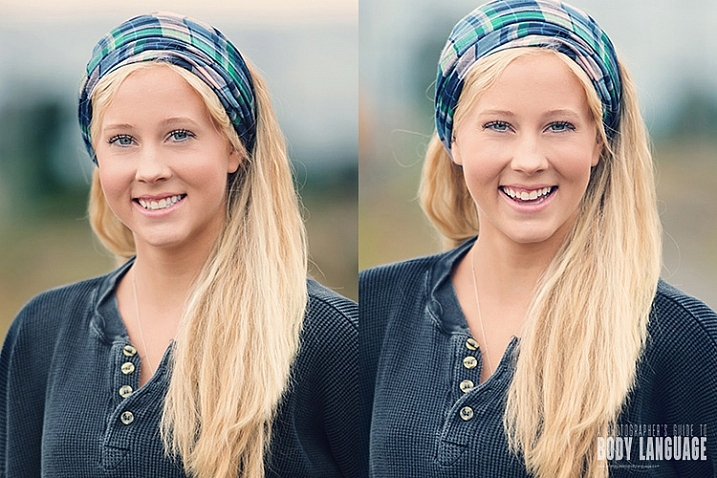
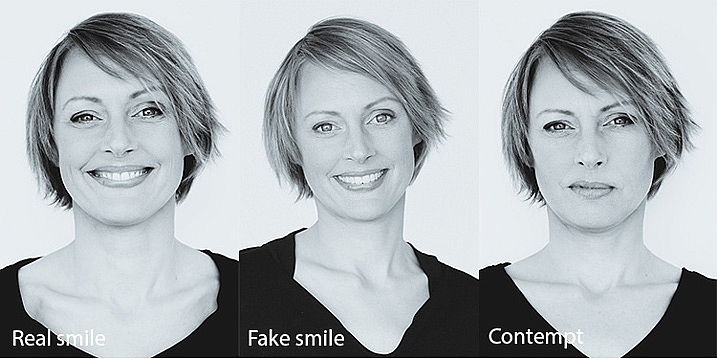
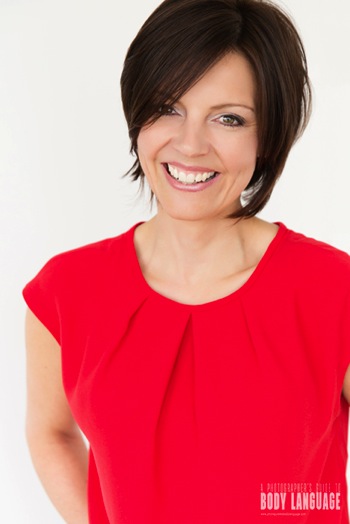
  • A genuine smile is visible mainly in the eyes. Smiling eyes are relaxed, with raised cheeks, and a nice tension appearing on the side of the eyes. The mouth can be anywhere from slightly raised or wide open, but it’s the eye action (not the mouth) that communicates the honesty of a smile.
  • A fake smile on the other hand, will have no, or very little, eye engagement. The mouth smile can still be very wide, but you will not see any action in the upper cheek and eye areas. It looks more like a grin, than a smile.
  • The expression of contempt is often mistaken for a smile. The most obvious sign of disdain is a one sided smile, with the lip slightly pulled up.

DPSarticledee_smilesmontage_750b

How to get a real smile? Don’t say cheese!

As a portrait photographer, your job is not only to make a beautiful image, but also to be the director of the shoot, helping your subject relax into the right emotion. If your subject is uncomfortable, you’ll most certainly end up with a fake smile or worse, an expression of contempt, and lose the warmth and honesty that comes from a genuine smile.

It has become a habit for many photographers to shout out, “Say cheese!!!” to get someone to smile in front of the camera. But this method usually ends up with embarrassed grins, or fake smiles, instead of genuine ones.

So what should you do instead?

It’s impossible to fake a feeling (unless you’re a sociopath) and the only way you can get your subject to genuinely smile is to help them connect with a real feeling of happiness. Asking them to think of something, or someone, they love allows them to connect with a genuine feeling of happiness, and you’ll see their cheeks raise and create a beautiful honest smile within seconds. As soon as you see it, let them know so they can feel it for themselves, and reproduce it. I ask my clients to give me a keyword for what they just felt and I use that for the rest of the shoot.

If they can’t think of anything, you can tell them a funny story, or a joke, and that can work really well, but can be a two edged sword if the joke falls flat and makes the situation very awkward instead.

Smiles are also a very useful barometer of your clients comfort level. If they can’t seem to relax and connect with a happy thought, it’s a good time to check your own body language and see if you are sending off stress, or discomfort, cues that they are mirroring back to you.

Differences between men and women

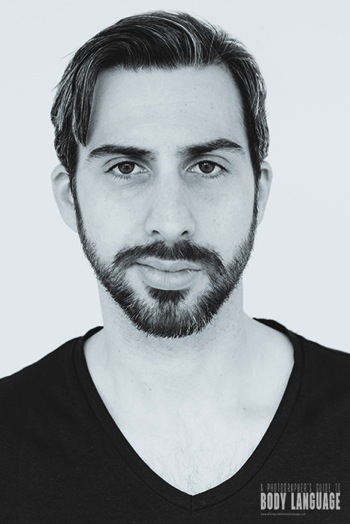
DPSarticledee contemptmale

Contempt

DPSarticledee femalesmilerapport

Genuine smile

Smiling is recognized universally as a sign of happiness and safety, by both women and men, but there are a few differences:

  • For women, smiling is a way of creating rapport and a sign of appeasement, but to men a smile can come across as submissive.
  • Men smile less often, and less widely than women.
  • Women are attracted more to photos of men smiling, but men prefer more serious photos of other men.

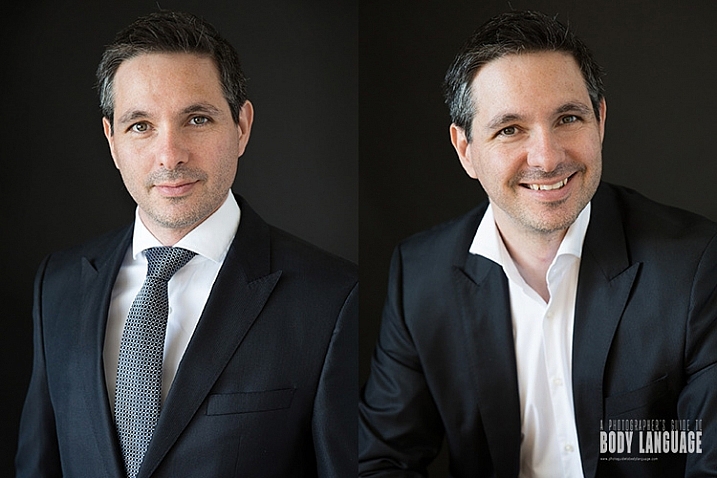
When coaching your client on the image selection, it’s important to know the usage they are going to make of their photos. A man needing a photo for a dating website would probably have more success with a smiling photo than a serious one. But if he’s looking for a job in a male dominated workplace, then he’d probably be better off choosing a more serious one for his LinkedIn profile.

DPSarticledee_rehmontage_750

I hope you have found these tips useful and I look forward to hearing about your own experiences with genuine and fake smiles. Please leave your comments below.

googletag.cmd.push(function() {
tablet_slots.push( googletag.defineSlot( “/1005424/_dPSv4_tab-all-article-bottom_(300×250)”, [300, 250], “pb-ad-78623” ).addService( googletag.pubads() ) ); } );

googletag.cmd.push(function() {
mobile_slots.push( googletag.defineSlot( “/1005424/_dPSv4_mob-all-article-bottom_(300×250)”, [300, 250], “pb-ad-78158” ).addService( googletag.pubads() ) ); } );

The post How to Avoid Fake Smiles in Your People Photography by Dee Libine appeared first on Digital Photography School.

Digital Photography School

 
Comments Off on How to Avoid Fake Smiles in Your People Photography

Posted in Photography


Comparing a 24mm Versus 50mm Lens for Photographing People

11 Nov
photographing-people-2

Image taken with Canon 60D and Canon 24mm EF-S lens.

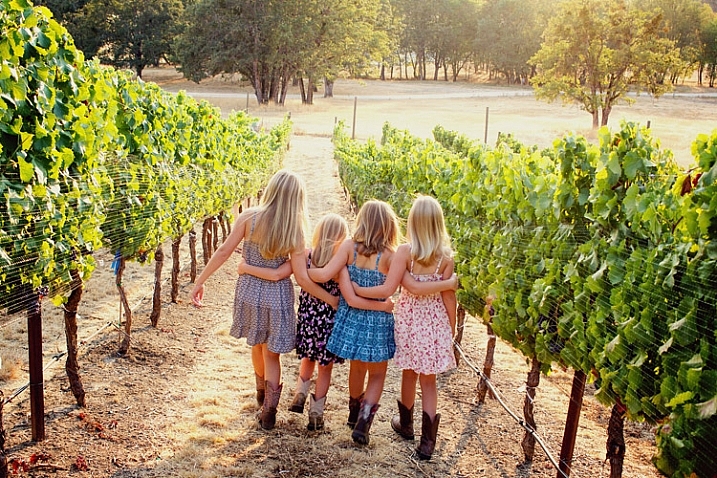
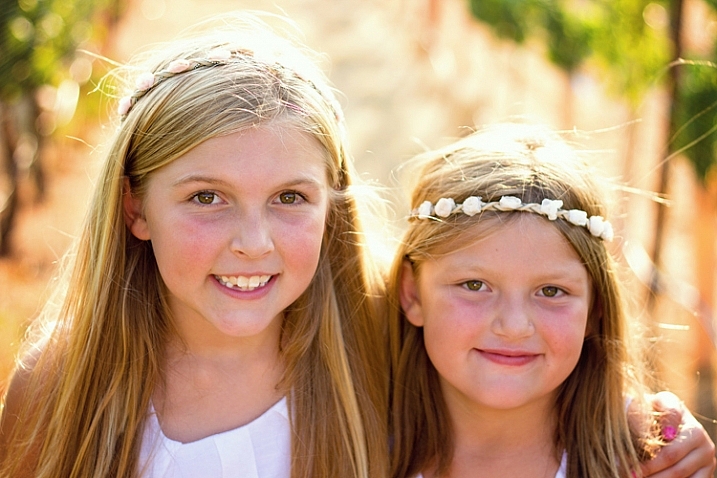
A number of dPS readers have recently been asking about the Canon 24mm EF-S pancake lens, and how it compares to a 50mm lenses for photographing people. Both are great options, given the price point, but they do have slightly different strengths when it comes to people photography. In this article, I’ll show you several different images of the same model, location, and posing, photographed with both a 24mm and a 50mm lens. This will provide a good visual of the difference between the two lenses, as well as give you insight as to when you might want to reach for each one.

photographing-people-50mm-1

Image taken with Canon 60D and 50mm lens.

For continuity, all images in this post were taken with a Canon 60D, and either the Canon 24mm f/2.8 or the Canon 50mm f/1.8 lenses. The 60D is an APS-C sensor (cropped sensor) camera, so first you need to multiply the focal length of each of your lenses by 1.6x in order to determine the functioning focal length of them on this camera (if you use Nikon it may be 1.5x, check your manual). So on a cropped sensor camera, the 24mm lens functions roughly as a 38mm lens, and the 50mm lens functions as an 80mm lens. In other words, the 50mm lens is great for head-and-shoulders portraits, while the 24mm lens is great for photographing people in the context of their surroundings. In the above example, you can see that the 50mm lens provided a tight shot of these two sisters, with a blurred background that keeps all the attention on their faces.

However, the context for this session is also important, in that it took place at a family vineyard, and the clients wanted to be sure that the grapes were also visible in the background of some of the images. As you can see above, the grapes really weren’t visible in the portrait taken with the 50mm lens, nor would closing down the aperture really give the perspective of the vineyard that my clients were looking for. So, after taking a few portraits with the 50mm, I switched over to my 24mm lens in order to capture a few wider shots.

photographing-people-24mm-1

Image taken with Canon 60D and Canon 24mm EF-S lens.

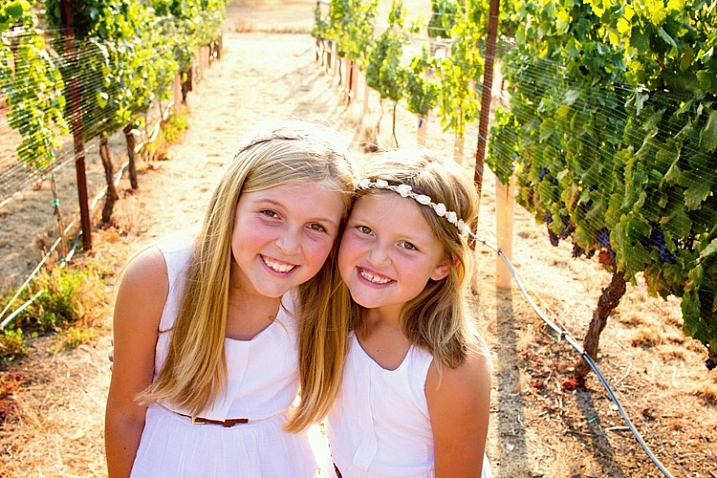
Same girls, same exact location, very similar pose. The only real difference here is that with the switch to the 24mm lens, you can see more of the girls and the the area around them. In some instances, you may want to minimize the area around your subject, in which case the 24mm lens would not be ideal. However, in this case it allowed for the images that highlighted both the girls and the vineyard, which was what the clients were after.

Bonus tip: Photographing sibling sets with a 24mm lens also allows you to see the height differences between siblings more easily with the wider angle shot, which is something that a lot of parents really enjoy.

photographing-people-50mm-3

Image taken with Canon 60D and 50mm lens.

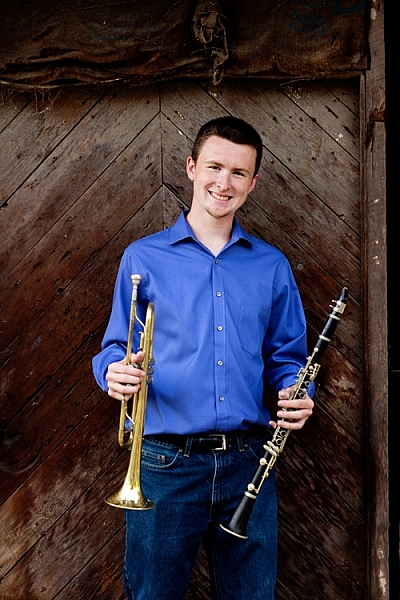
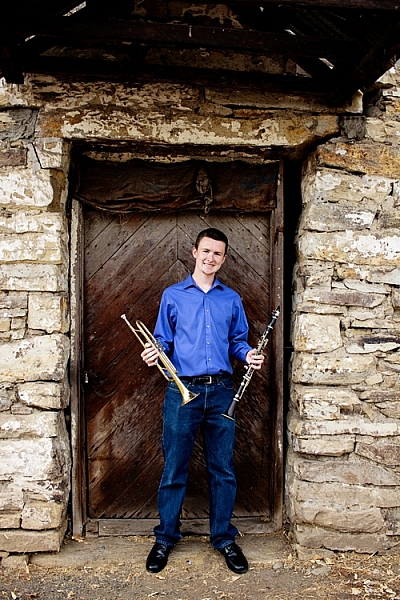
Another thing to consider, besides the contents of the background in your images, is the coloring of the background. In the image above, the deep colored wood background brings a moodiness to the image that could be appropriate for a musician. However, the interesting thing is that the overall feeling of the image changes quite a bit when you look at it from the 24mm angle of view.

photographing-people-24mm-3

Image taken with Canon 60D and 24mm EF-S lens.

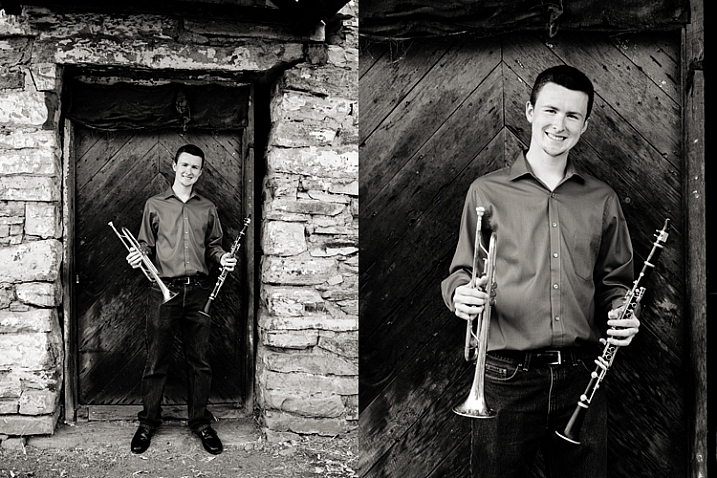
The second image, though in the same location, feels a lot less moody and dramatic than the first. The lighter stonework around the door brings a sense of balance to the image that just wouldn’t be achieved as well with the 50mm lens in this location. In my experience, this balance is especially important when it comes to converting images to black and white.

photographing-people-1

As you can see in the left image, the lighter stonework, around the darker door, serves as a frame for the subject, and naturally draws your eye in towards him. In addition, the increased contrast and texture provide some of the key ingredients for black and white images, which makes the image more aesthetically pleasing than the image on the right.

Overall, while there may be instances in which the content or coloring of your background may cause you to reach for one of these two lenses over the other, I’m very much in favor of using both of them whenever possible. Here’s a quick example from my own life to explain why both are so great for their own reasons. I recently photographed my girls in their Halloween costumes. I started with the 50mm lens because it’s my favorite.

photographing-people-50mm-4

Image taken with Canon 60D and 50mm lens.

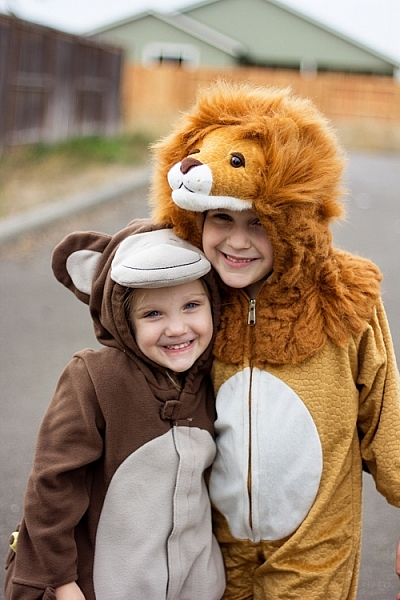
I love this image of both girls (above) – the 50mm lens really lets you see their faces and expressions well, and the bokeh of the 50mm f/1.8 helped soften the literal construction site in the background of the image. However, the closer crop also means that only a small portion of their costumes were visible.

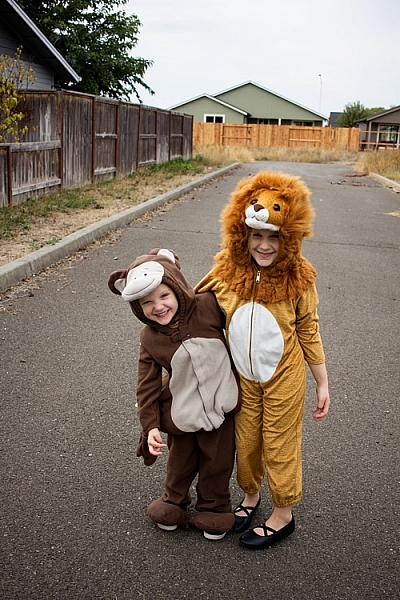
So, I switched over to my 24mm lens to take a full-length photo (below) of my little monkey and my lion as well. Now, I can really see them from head to toe. I can see the little fake feet of the monkey costume that freaked my youngest daughter out so much that she begged her sister to switch costumes with her. I can see the height difference between the two of them. I can see the black flats that my oldest daughter is so proud of, and wears to any event that she deems remotely “fancy”. Those are all things that I want to look back on, and remember. I love both images for different reasons, and am so happy to have them both, thanks to my trusty 24mm and 50mm lenses.

photographing-people-24mm-4

Image taken with Canon 60D and 24mm EF-S lens

I hope this has given you a good idea of how these two focal lengths compare when photographing people.

Have you tried the Canon 24mm EF-S lens? How do you use it? Do you have a nifty-fifty and do you use it for people photography? Which is your favorite? Please share your comments and images below.

googletag.cmd.push(function() {
tablet_slots.push( googletag.defineSlot( “/1005424/_dPSv4_tab-all-article-bottom_(300×250)”, [300, 250], “pb-ad-78623” ).addService( googletag.pubads() ) ); } );

googletag.cmd.push(function() {
mobile_slots.push( googletag.defineSlot( “/1005424/_dPSv4_mob-all-article-bottom_(300×250)”, [300, 250], “pb-ad-78158” ).addService( googletag.pubads() ) ); } );

The post Comparing a 24mm Versus 50mm Lens for Photographing People by Meredith Clark appeared first on Digital Photography School.

Digital Photography School

 
Comments Off on Comparing a 24mm Versus 50mm Lens for Photographing People

Posted in Photography


Holloway Roads: Tunnels Eroded by Passage of People Over Time

21 Oct

[ By WebUrbanist in Culture & History & Travel. ]

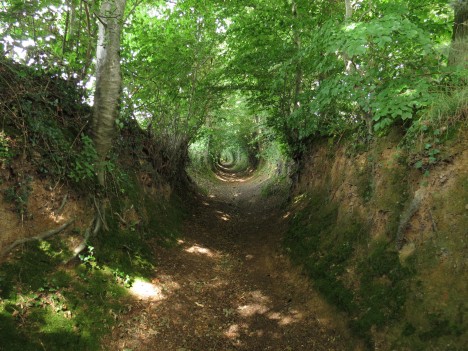
holloway tunnels

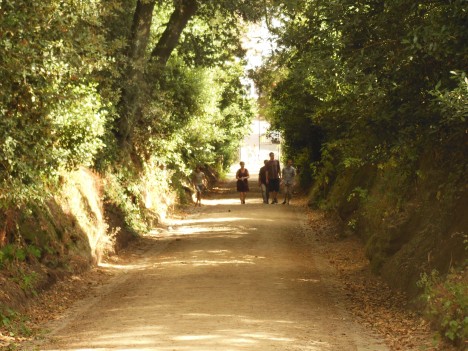
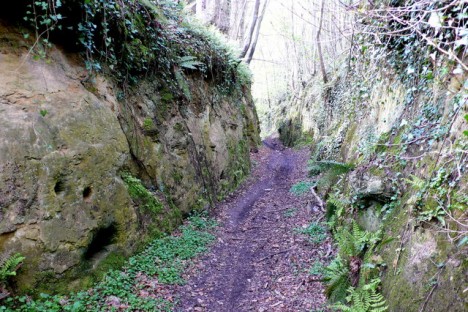
Holloways (or: hollow ways) are desire paths gone wild, reflecting centuries or even millennia of informal, slowly transforming them from flat paths to sunken lanes and, in some cases, semi-subterranean tunnels worn right into the Earth.
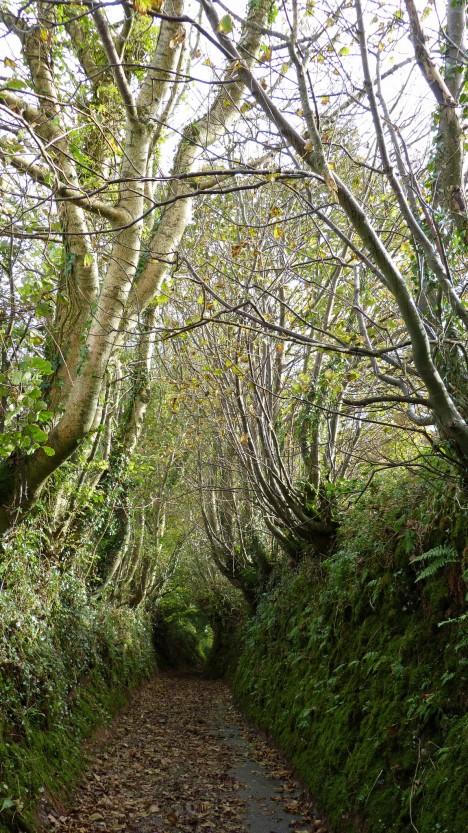
holloway roads

Eroded by foot traffic, farm animals, laden carts and the passage of water, many of these remarkable half-tunnels are thought to date back to Roman times. Their development is often aided by the presence of softer ground materials like sandstone and chalk.

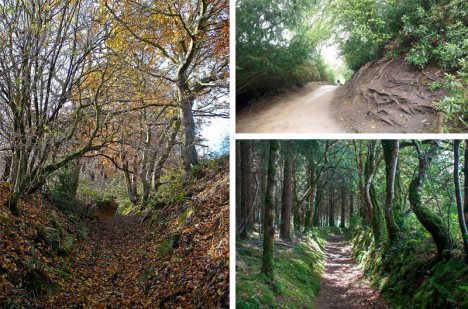
holloway paths

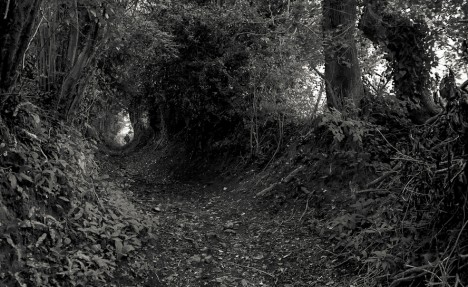
Over time, trees can be found on either side, reinforcing the impression of a completely-enclosed tunnel. Some plants also thrive in the peculiar light and temperature conditions formed by these passageways.

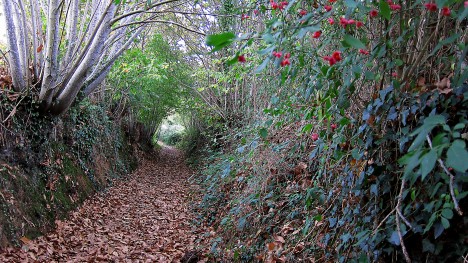
holloway flowers

In times of war, holloways have served as passages as well as defensive positions, effectively serving as already-existing trenches for troops in the Civil War and World Wars. In Germany, a network of holloway hiking trails winds for dozens of miles at up to 15 feet deep. In the Middle East, many holloways are thought to be thousands of years old.

holloway france

holloway rock

holloway black white

While most examples formed naturally over time, some younger ones were simply created for irrigation or other purposes, their presence then reinforced by foot or vehicle traffic over the years. Photographs by Jean-François Gornet, Olybrius, Romain Bréget, Jean-François Gornet, David Coombes, Nigel Mykura, Jibi44, Tim Green, Andrew.

Share on Facebook


[ By WebUrbanist in Culture & History & Travel. ]

[ WebUrbanist | Archives | Galleries | Privacy | TOS ]


WebUrbanist

 
Comments Off on Holloway Roads: Tunnels Eroded by Passage of People Over Time

Posted in Creativity


Soylent 3.0: 100K Sq Ft Warehouse Could Feed 4 Million People

09 Aug

[ By WebUrbanist in Conceptual & Futuristic & Technology. ]

Photobioreactor PBR 4000 G IGV Biotech

The first generation of Soylent is a powdered food substitute for all your nutritional needs, the second will be a premixed beverage boasting the addition of algae, but the ultimate target is fully-grown, ultra-efficient food equivalent. An eco-friendly paradigm shift, this would allow vast amounts of healthy calories to be created in very small spaces, a single small factory space supplying enough for to sustain the entire city of Los Angeles.

soylent in a bottle

In just a few years, Soylent went from an experimental substance to the household name in food replacement, but its creator’s endgame is far more ambitious than the current niche product might suggest. Soylent 1.0 remains relatively cost-intensive to produce and expensive to consume – it provides simplicity, but only for those who can afford it. Soylent 2.0 will begin targeting broader markets and introduce algae-grown components, but a future version (3.0, perhaps) could truly revolutionize food production and distribution.

soylent powder

Imagine using just water, sunlight, air and a single algae superorganism to generate the complex nutrients (including carbohydrates, proteins and lipids) needed to sustain life, with applications in rich and poor countries (or in space). Then consider having this substance available on tap, piped right into your home like water or power. Alternatively, you might buy your own household bioreactor, churning out Soylent 3.0 directly in your kitchen on demand. Rob Rhinehart’s vision takes various forms, but it comes down to the same thing: an alternative to conventional food and potential solution to unsustainable agricultural practices, available to all those who wish to take part.

Not everyone will want to subsist partially (let alone entirely) on Soylent, now or ever, but that is also not the point – it can always be used in conjunction with other meals by those so inclined or deployed to places otherwise without sufficient food for subsistence. Meanwhile, for the next round (from Motherboard), “The algae [called AlgaWise] in Soylent 2.0 is grown by the biotech company Solazyme, in a facility owned by the Archer Daniels Midland, the food processing giant. The oil is then pressed out much like olive oil. It’s amazingly efficient. Entire tanks can be filled in days.” Solazyme calls the stuff AlgaWise.”

soylent boxes

More from Rhinehart on current and next steps: “In the interest of building a sustainable business to fund our research we’ve been focused primarily on product improvements and new products, like the launch today, but I’ve also worked on setting up infrastructure including lab building and recruiting and drawn up a roadmap for reaching the goal of cell synthesis, starting with protein. This process has two modules: one strain engineering to develop and optimize the organism that produces, the other bioreactor engineering to make an ideal growth environment for the strain(s).”

Share on Facebook


[ By WebUrbanist in Conceptual & Futuristic & Technology. ]

[ WebUrbanist | Archives | Galleries | Privacy | TOS ]


WebUrbanist

 
Comments Off on Soylent 3.0: 100K Sq Ft Warehouse Could Feed 4 Million People

Posted in Creativity