RSS
 

Posts Tagged ‘Part’

The 16 Most Photogenic Everyday Objects, Part Two

18 Feb

In part 1, I spoke about 16 of my favorite everyday objects to include in photographs.  These objects won’t always make a photo, but when included they will almost always make the scene more photogenic.

The purpose of these lists is to help add some inspiration for the next time you walk out the door to photograph. There is beauty to capture around every corner and sometimes it is the simple things that make the most interesting images.

What’s on your list of most photogenic everyday objects?

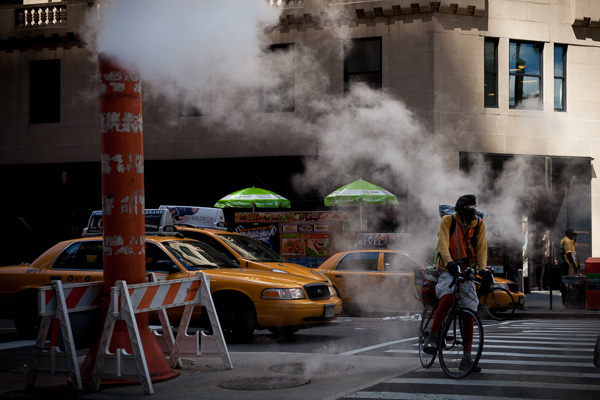
1. Smoke

Find some roadwork and wait for magic to happen. This is an easy way to create an image with a cinematic feel.

Bike Messenger and Smoke

Bike Messenger and Smoke

2. Restaurant interiors

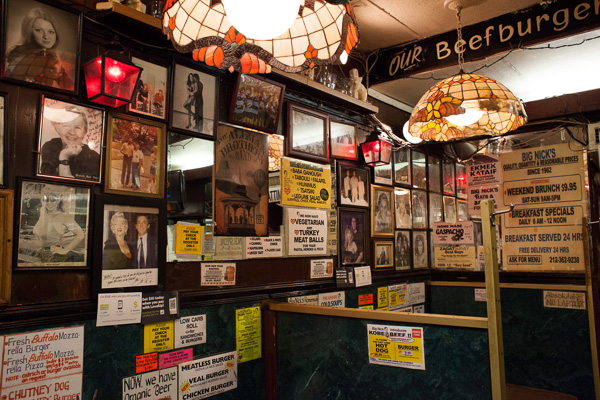
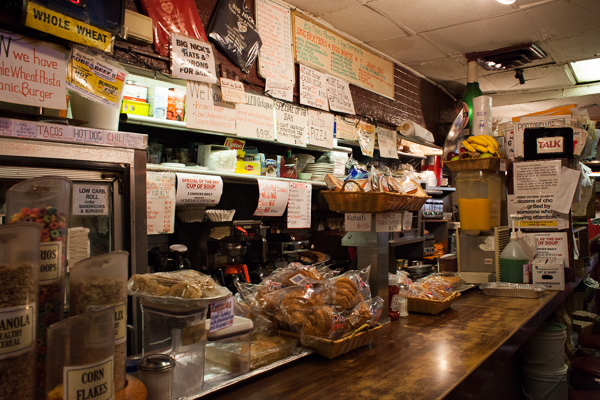
Many people get caught up in photographing their food and forget what is truly interesting, the restaurant itself. I find the long time, no-frill, and historical restaurants to be the most photogenic, but of course there are exceptions to every rule.

Big Nicks Diner

Big Nicks Diner

Big Nicks Diner

Big Nicks Diner

3. Things that are disappearing

One of the most important aspects of photography is its ability to document and encapsulate the past. In addition to taking photos when you travel, use the camera to document and remember your life at home. Capture the simple things that you take for granted, because one day you will suddenly find them gone. The above photos are from my favorite restaurant growing up, Big Nicks, which went out of business in 2013.

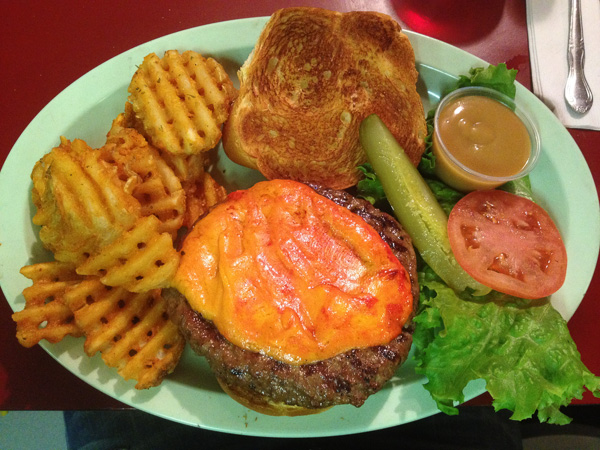
If you are going to photograph your food, why don’t you capture your favorite meal from growing up? I present to you all the port cheddar burger and waffle fries with honey mustard from the late Big Nicks.

Big Nicks Port Cheddar Burger

4. Grafitti

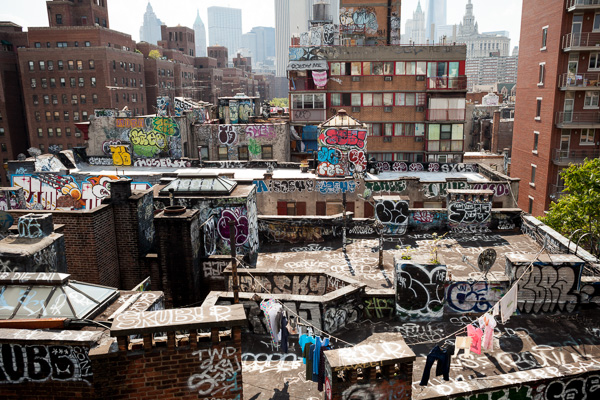
Graffiti from Manhattan Bridge

Graffiti from Manhattan Bridge

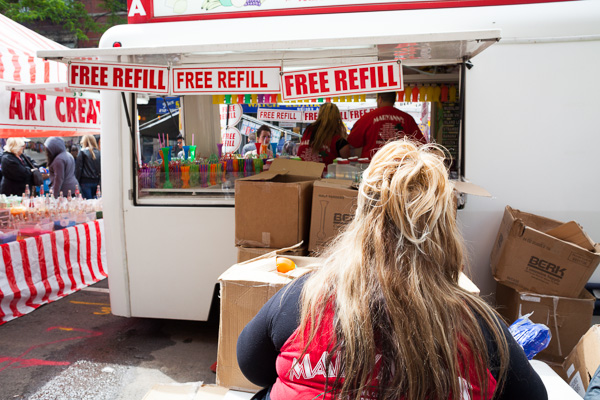
5. Interesting hair styles

I prefer to capture people from the front whenever possible, but combining a unique hairstyle from the back with an interesting background behind it can create a very graphic image.

Loisaida Street Fair, Lower East Side

Loisaida Street Fair, Lower East Side NYC

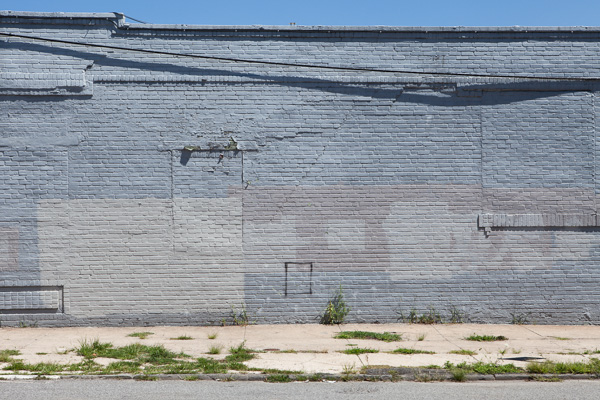
6. Muted and worn colors

Don’t let instagram filters fool you. Muted and subtle colors can be much more striking and beautiful than highly saturated images.

Gowanus Wall

Gowanus Wall

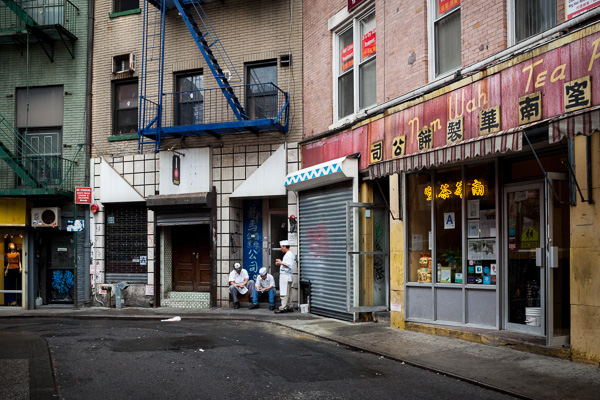
7. Things in threes

The number three is the most glorious number in photography. Objects and people in threes always seem to look good in an image. Why? I think it comes down to the triangle. Three objects will create a triangle shape within an image, which gives the eyes a clear route to move around the image, making it feel more balanced.

As a sidenote, the number three also works when displaying your images. Three images with similar content placed next to each other will help to enhance each individual image. For street photography, a single candid image of a stranger on your wall can look out of place, while three of these images next to each other can work very well.

Chinatown Chefs

Chinatown Chefs

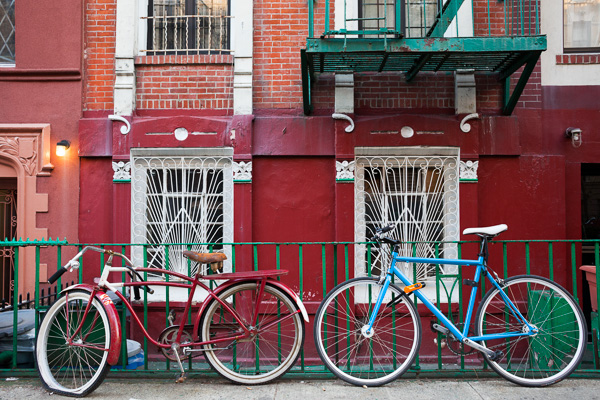
8. Bikes

East Village Bikes

East Village Bikes, NYC

9. Tiny details

If your images do not feel graphic enough, then get in closer. It’s surprising how many stories can be told through the tiniest of details.

Prospect Park, Summer

Prospect Park, Summer

10. Shops and shop windows

Shop windows might seem boring now, but they will age the quickest as fashions and times change. Sometimes the images that seem the least interesting now will be the most interesting in the future. Look at the images of Walker Evans of Eugène Atget for reference.

SoHo Shop Window

SoHo Shop Window

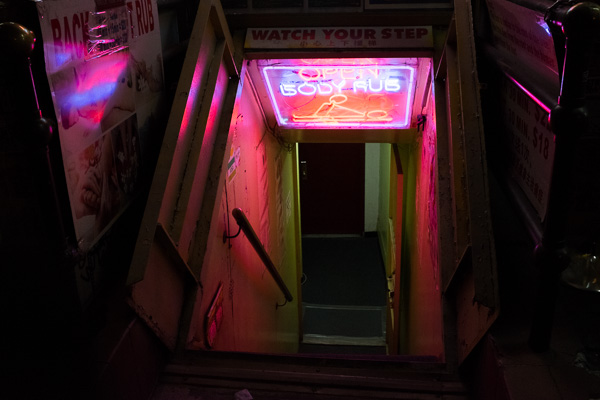
11. Neon signs

Massage Parlor, Chinatown

Massage Parlor, Chinatown

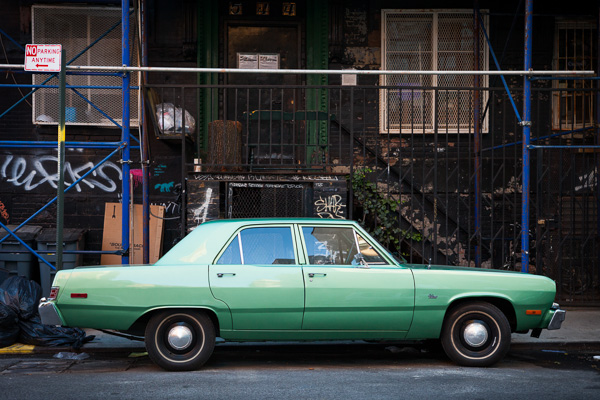
12. Old cars

When possible, try to put together a scene and capture the background in addition to the car.

Old Car

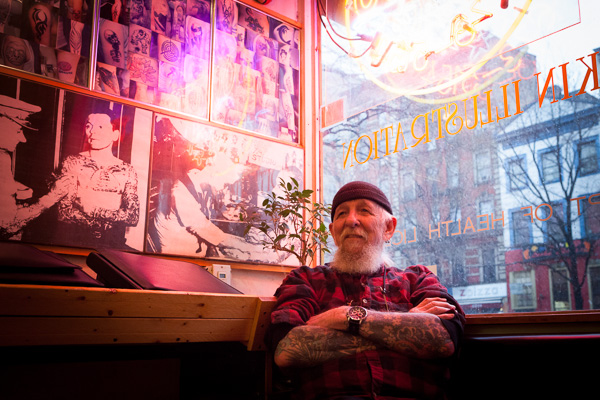
13. Tattoos

And tattoo parlors.  Don’t be afraid, go in there!

Tattoo Parlor

Tattoo Parlor

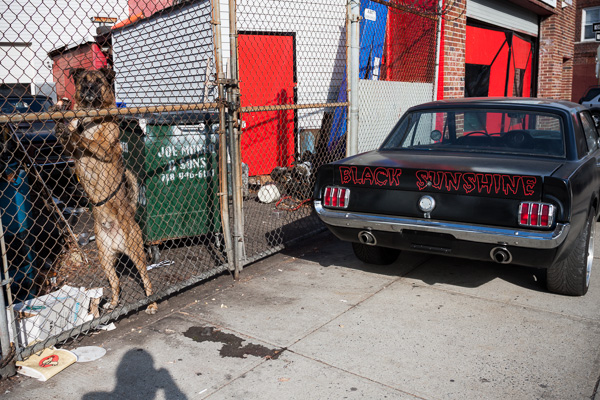
14. Dogs

Man’s best friend, except in this case.

Black Sunshine and Dog

Black Sunshine and Dog

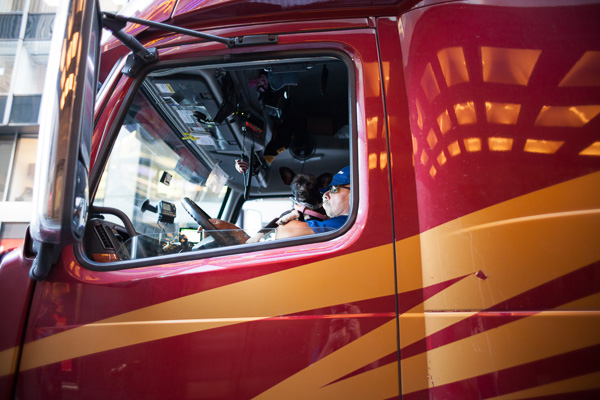
Even burly truck drivers like dogs.

Truck Driver and Dog

Truck Driver and Dog

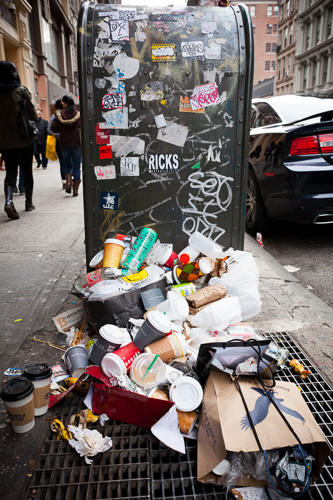
15. Trash

This one is meant to stir the pot a little bit.  No, this is probably not going on my wall (my wife won’t let me), but that does not mean it is not interesting and photogenic.  It is colorful, graphic, diverse and poignant. There are a litany of brands represented: Arizona Iced Tea, Snapple, Starbucks, American Eagle, Marlboro, Guess, and Armani, among others.  Just because it’s not the type of image that is fit for a wall does not mean it can’t be beautiful.  Also, in 50 years this image might have some historical interest when many of these brands are out of business.

SoHo Trash

SoHo Trash

16. Fashion trends

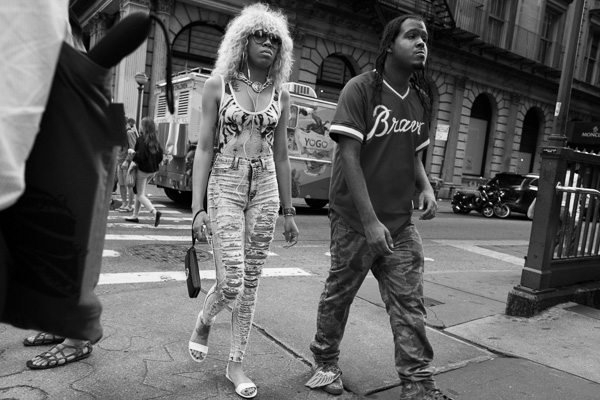
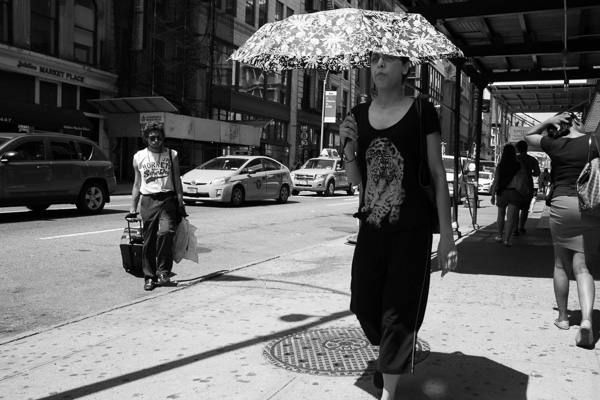
The beauty of walking the same areas over and over with a camera is that you are more aware of and able to witness things as they change. Just as you want to photograph things that are disappearing, you also want to capture what is replacing them. New fashion trends are the most obvious ways of capturing times changing.

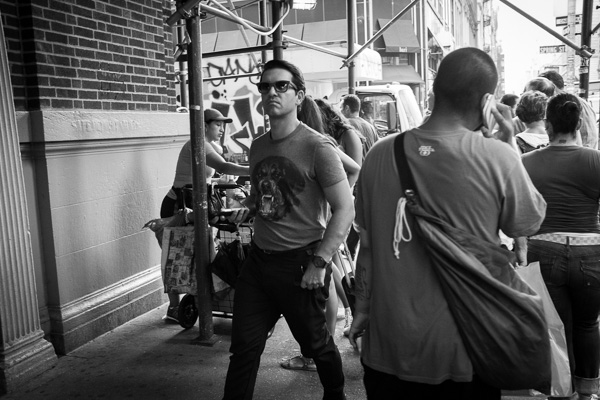
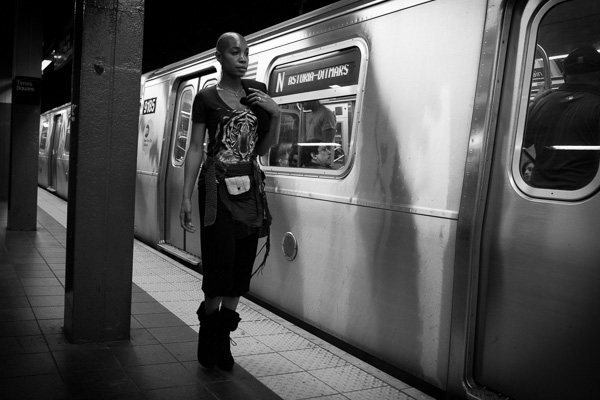
This last summer in SoHo saw the rise of people wearing shirts with animals that looked exactly like them. So yeah… that’s a strange new trend that makes for a very fun photo series.

Urban Tiger, SoHo

Urban Tiger, SoHo

Urban Tiger, SoHo

Urban Tiger, SoHo

Rottweiler Shirt, SoHo

Rottweiler Shirt, SoHo

Urban Tiger, 2 Train

Urban Tiger, 2 Train

What things that are “ordinary” do you like to photograph?

More ideas for photography close to home: 

  • Jumpstart Your Photography: Start a 365 Project
  • 5 Good Photography Habits to Start Today
  • 8 Photo Projects in Your Own Backyard

The post The 16 Most Photogenic Everyday Objects, Part Two by James Maher appeared first on Digital Photography School.


Digital Photography School

 
Comments Off on The 16 Most Photogenic Everyday Objects, Part Two

Posted in Photography


Your Compete Guide to Outdoor Photography – Part Two

10 Feb

Continued from Part One of your guide to outdoor photography. Once you’ve arrived at a good shooting spot it’s time to begin.

Shooting mode

shooting modes outdoor photography

As outdoor photography incorporates a wide selection of genres you’ll find Manual mode will offer you the most flexible and convenient grounds for setting and changing values on the go. But Manual mode isn’t for everyone, so if you’re not feeling confident enough yet, try using a semi-manual mode. Aperture Priority is great if you want to control the depth of field of your image, for example if you want the majority of the scene to be sharp and in focus. This is helpful when you’re shooting a landscape for example, simply plump for a smaller aperture (larger number) such as f/11. However if you want to soften the area around the subject, to focus attention on one part of the scene or subject; such as the centre of a flower or the tip of a mushroom, then you’re better off using a larger aperture (smaller number) such as f/5.6.

Shutter priority is ideal for long exposure landscapes when you want to incorporate some ‘movement’ into the frame, for example clouds travelling across the sky, a river flowing down stream or tree branches swaying in the wind. Opt for a slow shutter speed here (but use a ND or polarizer filter if it’s a particularly bright day so that you don’t risk overexposing). If you want to freeze a subject on the other hand, a wild animal for instance, then dial in a fast shutter speed to avoid blur.

Shoot in RAW if your camera permits, as this will allow greater ability to perfect colours, details and exposure post-shoot.

Avoid camera shake

Using a long exposure means keeping the shutter open for a lengthy period of time, and the slightest knock during this window can result in detrimental camera shake. The first step is to use a tripod or rest your camera on something sturdy such as a wall or bench. Then with your shot composed the next step is to fire the shutter using a remote control rather than pressing the button; as even the lightest of touches can result in the camera moving. Wireless and tethered controls are available, and many contemporary cameras can be fired using a Smartphone or tablet. Alternatively you can program the self-timer to start the exposure. If it’s windy, or you are particularly heavy-handed, then set a longer timer to give the tripod and the attached camera enough time to reset to a stationery position.

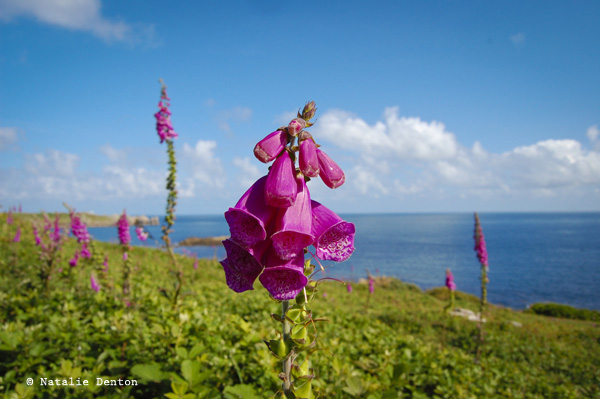
Scilly Isles pink foxglove Natalie Denton

Saving power

If you’re out for the day, or a very long period, but don’t have a spare battery, always consider ways to save power. For starters, if it’s cold out, keep the camera insulated when not in use; wrapped in a spare sweater in the bag, inside your jacket or even under your arm. Avoid using LiveView and rather than use in-camera editing wait until you return home to edit. Minimize the time you spend reviewing shots in Playback mode and use the histogram to nail exposure. It always seem tempting to delete frames on location, particularly if you’re waiting for something to appear (e.g. wildlife, sunset, stars etc) but you’re better off saving the battery for photographing. What’s more – something that seems unworthy on the camera’s LCD may offer some redeeming features on a larger computer screen.

Time of day

Sunrise and sunset can make for some truly arresting images. In order to capture the golden-flame light in all its glory you’ll need to arrive at your shooting location approximately an hour and a half before the actual event. Use half an hour to prepare your kit; attach the right lens, secure your camera on the tripod, decide on the composition, ensure the horizon is straight using the in-camera spirit level (if your camera has one) and program the desired values. If you’re using a tripod, turn the lens’ image stabilisation switch to off; and opt for a suitable ISO (ideally between ISO 200-800).

The best light is born an hour before sunrise and an hour before sunset, which is why you need to be there early – once the sun has risen or set the vibrancy of hues diminish, so enjoy the 60 minute build up with its soft caressing light, and capture the ever-changing colours of the sky and its effect on the land below. To add some extra punch to those tones try using a ‘cloudy’ white balance option for pumped up reds, oranges and yellows.

The great outdoors can offer up some wonderful subjects for night photography, and by using a long exposure the light of the moon will paint in the elements of your scene. Alternatively, if there is no moon or nearby light source, use a flashlight or even the beam from your phone. Simply compose the scene, opt for Bulb mode to keep the shutter open as long as you need, and flick the beam over the nearby subjects; such as a tree, boulder, hay bale, truck, etc. Move the beam smoothly and steadily, trying not to hold it in one place for too long. When you are finished painting with light, simply end the exposure and review the result.

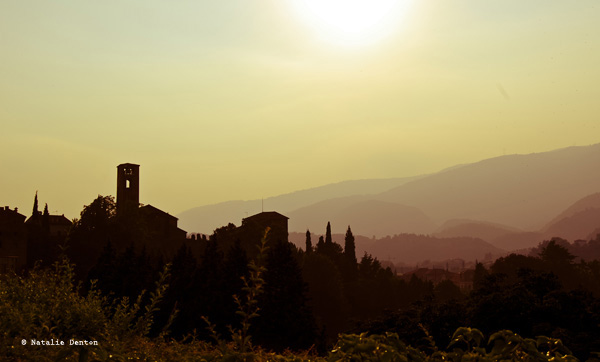
Italian sunset landscape Natalie Denton

Editing

The hard work has been done and now you’re home with a collection of charismatic captures. While many of them are probably perfect straight out the camera, there might be a few ways you can inject a little extra interest into those not quite up to scratch. Here are a few suggestions for adding the ‘great’ into your great outdoors images.

Colours

Editing suites are fantastic for turning the bland into the beautiful; and if you’ve captured your images as RAW files, there’s even more scope for success. Make sure your screen is probably calibrated so that the colours you see onscreen are presented as the same as the ones you’ve photographed.

The majority of editing software will offer an automatic colour correction tool which is great if you feel the colour values are a little off and unrealistic. Usually you will be able to click on a white area of the image and the software will use this as a reading to change the colours in the image. You can do this manually by offsetting hues. For instance, should you feel the tones are looking a little cold, then warm them up by scaling up the yellow.

If you feel your image would benefit from some vivacious colouring, ramp up the power of the hues using the suite’s saturation slider, this works well for flower meadows or landscapes of patchwork-quilt fields. Just be careful not to go too far as it can start to look unrealistic and garish. Likewise you can pull the saturation back to make an image appear more sombre or stark, ideal for winter shots for example.

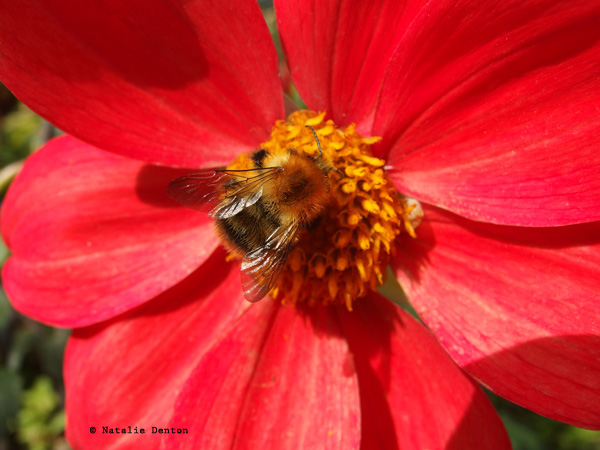
pink flower macro Natalie Denton

Blemishes

Dead pixels, lens spots and smudges can totally distract attention away from the main focus of your picture.  The good news is they are easily rectified. Many suites like Photoshop, Elements and Lightroom offer users the ability to clone out errors. In Photoshop you simply select the Clone tool, hold down Alt and click on an area you wish to copy (i.e. identical colour and shade – the more similar it is the better it will blend in). Next move the cursor to the offending spot and click again. This will cover up the spot and most people won’t be able to notice.

Noise

Most new cameras shoot to sensitivities of ISO 25,600 (or higher), with noise making an appearance as late as ISO 6400, providing better support for low-light, night and sports enthusiasts. For those who aren’t endowed with the market’s latest launches it might be wise to administer some noise reduction software if you’ve shot at high sensitivities and noise is visible. Noise-reduction software plug-ins (add-on features that can be used within your editing suite such as Noise Ninja, Topaz deNoise or Neat Image) are fantastic. After a few simple steps the noise can be muted without over-softening the main subjects within the picture.

Composition

We’ve all been there – you’ve spent ages composing the frame in the field, only to return home to find it falls flat. Composing images effectively takes time and practice or a good eye and natural talent, but there are a few ways to enhance the composition post-shoot. The first is to bring up the thirds grid while editing. Crop into the frame so that the interesting part of the frame or the main subject lies on one of the intersecting points or lines, this will get rid of unwanted negative space and force the eye onto the subject. You can also crop out areas of the frame that clutter the image, thus directing the viewer’s focus onto the important elements. Lock the aspect ratio to ensure the proportions of the image stay the same – especially if you intend to print it.

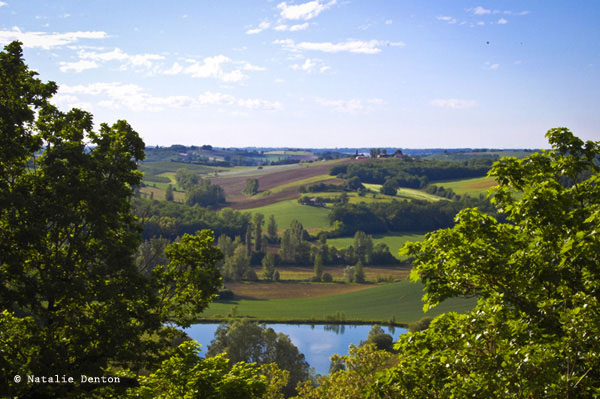
French landscape fields rural Natalie Denton

Exposure

Tools such as Photoshop’s Curves can help photographers correct slightly over or underexposed frames. Using Curves lift the line one third of the way from the top to reveal details shrouded in shadow or drag the line one third from the bottom down to bring edge back details blown out by overexposing.

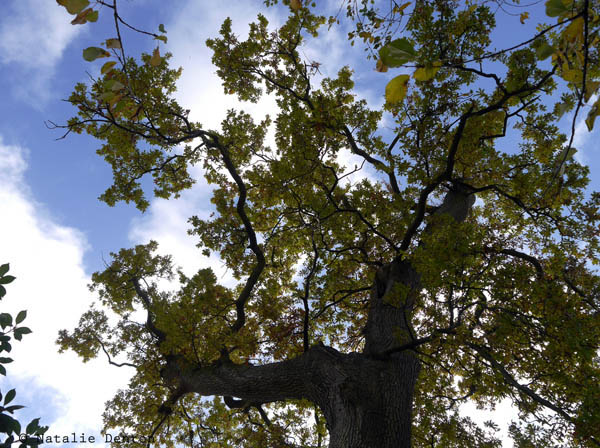
widen dynamic range correct exposure tree Natalie Denton

Black & White

Want to make your images more moody and deep? Simply desaturate them and heighten the contrast. Yes it’s as easy as that; drag the saturation slider down so that all traces of colour vanish from the frame and increase the contrast or tweak using Curves, so that the blacks are richer and the whites are brighter.

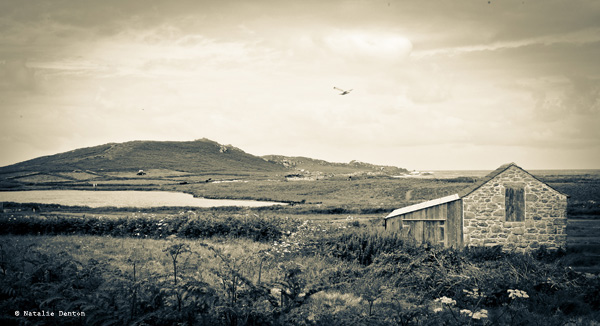
Cornish fallen down cottage Natalie Denton

Save and print

Today’s digital camera sensor’s usually pack an insane amount of megapixels, which means you can print your images at a larger size and still maintain a high resolution quality. Therefore if you want to print your outdoor scenes in all their glory, print using the resolution you shot it at. Alternatively if you intend to share your frames online – either of a social network or your own website reduce the size to 72dpi for quick and easy uploading and viewing. In Photoshop you can do this simply by heading to ‘Image’ on the Menu Bar and then ‘Image Size’ from the drop down menu and change its resolution to 72dpi (and a smaller size in pixels as well for online sharing)

Now we’ve explored the majority of considerations you need to make when pursuing outdoor photography you’ve got no excuse to give it a try. Maybe you have some tips and techniques of your own you’d like to tell us about? We’d love to see them, so please share them here for your fellow photographers to see and try!

The post Your Compete Guide to Outdoor Photography – Part Two by Natalie Denton (nee Johnson) appeared first on Digital Photography School.


Digital Photography School

 
Comments Off on Your Compete Guide to Outdoor Photography – Part Two

Posted in Photography


Your Complete Guide to Outdoor Photography – Part One

09 Feb

Outdoor photography encompasses a whole host of genres, like:  landscapes, nature, macro, wildlife and even low-light, thus it can be the perfect opportunity to try new techniques and compositions that are outside your traditional comfort zone.  So while you might have set off to capture some fascinating vistas, you might stumble upon a collection of unusual looking fungi and want to photograph that too, which is great as long as you’ve packed the right kit. The key here is preparation, because once you’re out in wild it can be a long trek home if you’ve forgotten something. Whatever you’re heading outdoors to capture, here are a few things to consider before you leave.

Guide to Outdoor Photography

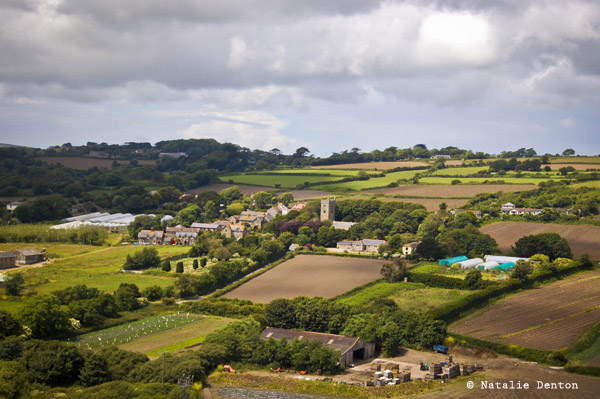
Farm landscape England rural Natalie Denton

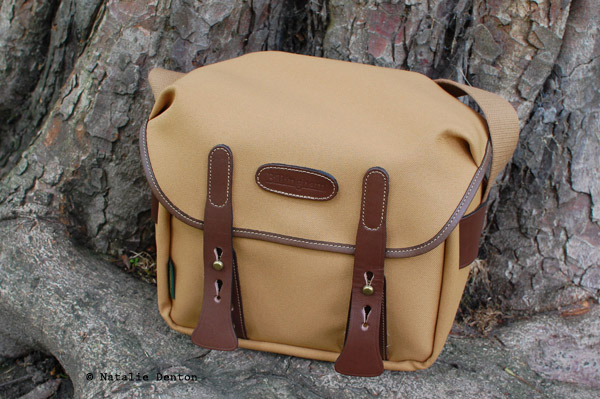
Backpack

If you plan on packing everything, including the kitchen sink you’ll need to invest in a large, lightweight yet hard-wearing backpack, ones with Velcro padded dividers are a great choice if you’re planning on packing a selection of cameras and lenses. Ideally waterproofed ones are favourable, for obvious reasons and you’ll be thanking yourself later if you’ve bought one with soft, broad shoulder straps.

Billingham camera bag Natalie Denton

Accessories

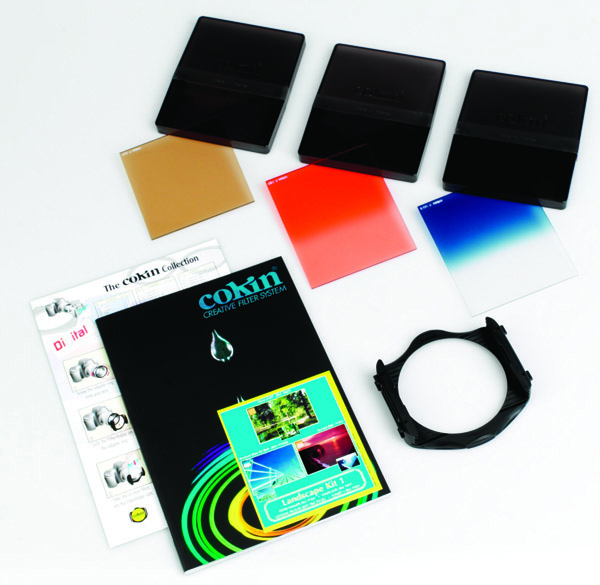
Bags with zippable pockets will ensure you don’t lose your keys and wallet in the wilderness, but they are also great for securing smaller accessories such as memory cards; a handful ranging in capacity, a lens pen and cloth; for smudge-free glass, spare batteries or battery unit, and a selection of filters. It’s also a good idea to carry some small change with you in case you need to use a pay phone, toilets or parking.

Cokin Landscape Kit filter set

Tripod

For most of the subjects that outdoor photography encompasses, a tripod will be necessary. Select a lightweight one such as one made of carbon-fibre, which is not only lighter to carry than most aluminium ones, but is much more rugged and durable. Opt for one that has a low minimum height (i.e. one where the central column doesn’t prevent you from getting down low enough to capture land-level macros).

Lenses

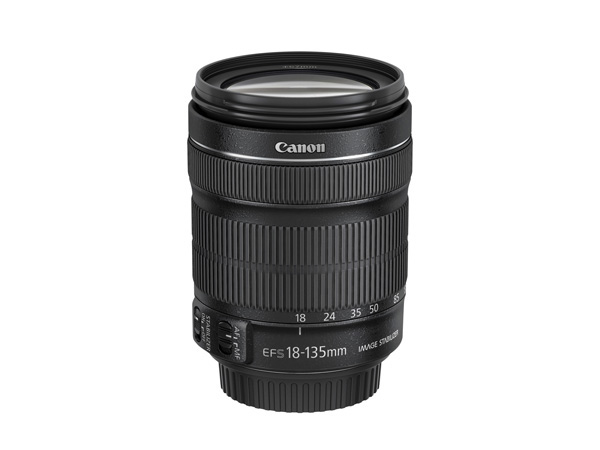
A good selection of lens covering a range of focal lengths will ensure you’re covered whatever the subject, from wide-angle focal lengths for landscapes to telephoto reaches for wildlife. If you’re budget doesn’t allow such luxury than you might want to consider a zoom lens for varying between all focal lengths, and perhaps one sharp prime lens for ensuring macros and nature subjects are captured in stunning life-like detail.

Canon LENS EF-S 18-135mm IS STM FRA w CAP 

Plastic bags

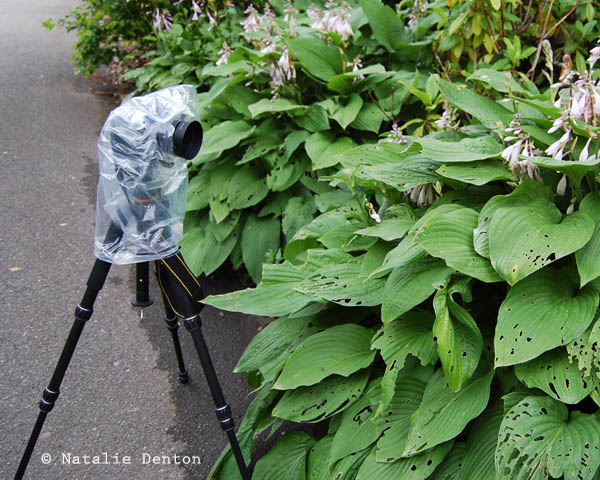
The all important plastic bag, in fact pack a couple. Never has one item been so useful to the outdoor photographer, and what’s more, they are incredible versatile, take up practically no space and most importantly – are free! If you’re caught in an unexpected downpour pull it over your camera, poke a hole in the bottom and slid the lens through the hole, then make a seal with your lens hood from the outside – et voila a waterproof camera shield. Want to lie down to get a close up of those flowers but the meadow is muddy? Lay down a line of plastic bags to stop you’re clothes getting wet and dirty. Want to shoot a long exposure landscape but the wind is blowing the tripod? Collect a few rocks or stones in your bag and attach it to the tripod’s centre column. There are 101 uses for a plastic bag, if not more!

Plastic bag for protecting camera in the rain Natalie Denton

Unless you’re a Bear Grylls (adventurer) type and are used to fending for yourself in the wild, it’s wise to take a few precautionary measures before you leave home, especially if the location you are heading to is dangerous, isolated or you are planning on going at night. These may seem like some obvious precautions, but actually it could make the difference between life and death.

Phone

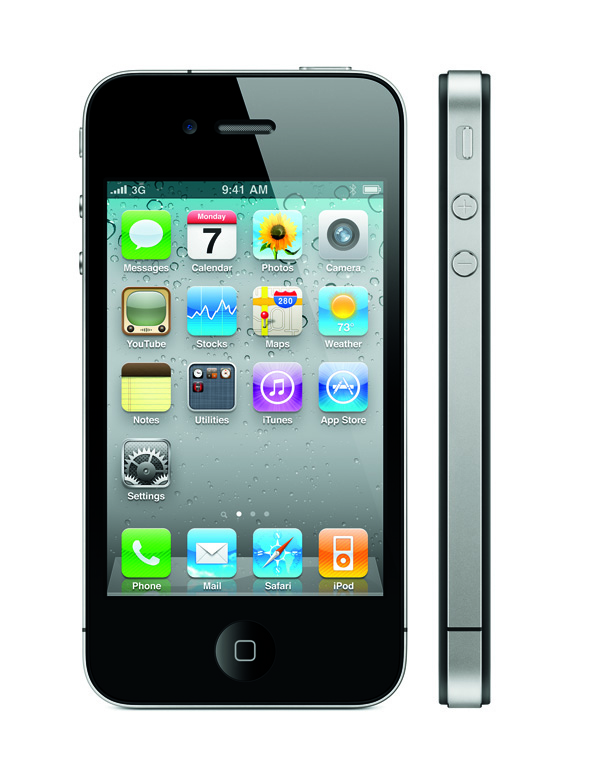
iPhone 4 Apple

Ensure the battery on your phone is fully charged and to stop it draining in the cold keep it somewhere warm, like close to your body such as an inside jacket pocket. It’s a good idea to put a few helpful apps on your Smartphone too if you can such as Maps, Compass, First Aid, Find My Phone – in case you become lost or injured, plus photography relevant apps such as an app that tells you of your location’s sunset/sunrise times, one that can work out hyperfocal distances or even act as a light meter.

Tell a friend

Tell at least one person where you are going, the route you’ll be taking and when you expect to return. Perhaps offer to text or call them when you arrive at your location and also when you are on your way home again, just to put their mind at rest.

Road worthy

Double check your vehicle is topped up with gas and oil, and that the tires are correctly inflated and are in a good condition. If you are travelling some distance, or off the beaten track, it is a good idea to carry a small amount of fuel in a jerry can, to get you to the next gas station. Check the lights are working and pack a couple of spares. Keep a copy of your breakdown details just in case, but minimise the need of having to call someone out by having a spare tire and jack in your trunk.

Weather forecast

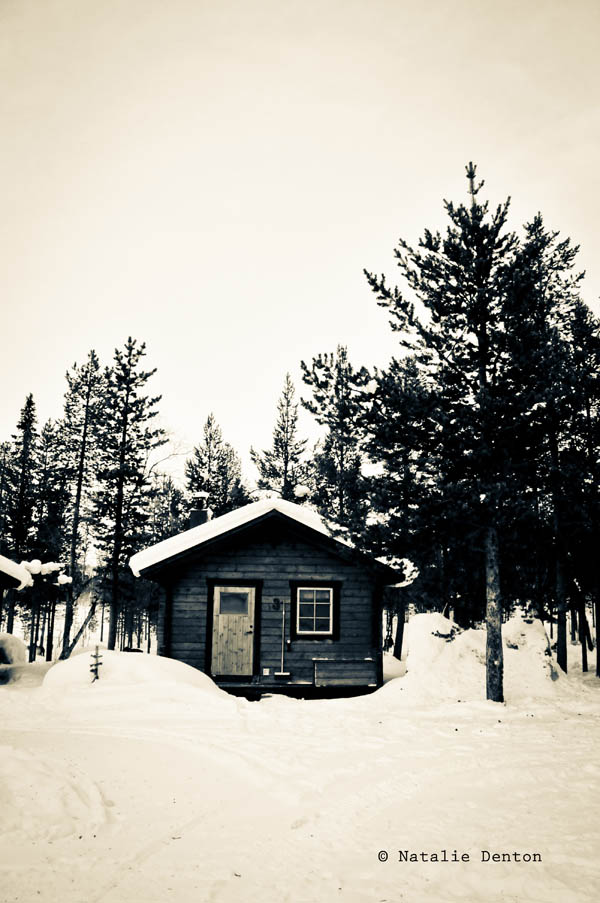
Check the weather forecast before you go to avoid adverse conditions (unless this is what you’re after) and wear/pack the appropriate clothing. Depending on the type of climate you are working in you may want to consider packing a few extra items in the trunk too, such as; a change of clothes and shoes, a blanket, spade/snow shovel, flask of hot tea/coffee, food, water, and sunscreen. A First Aid Kit and flashlight may also come in useful.

Lapland cabin snow Natalie Denton

What to wear

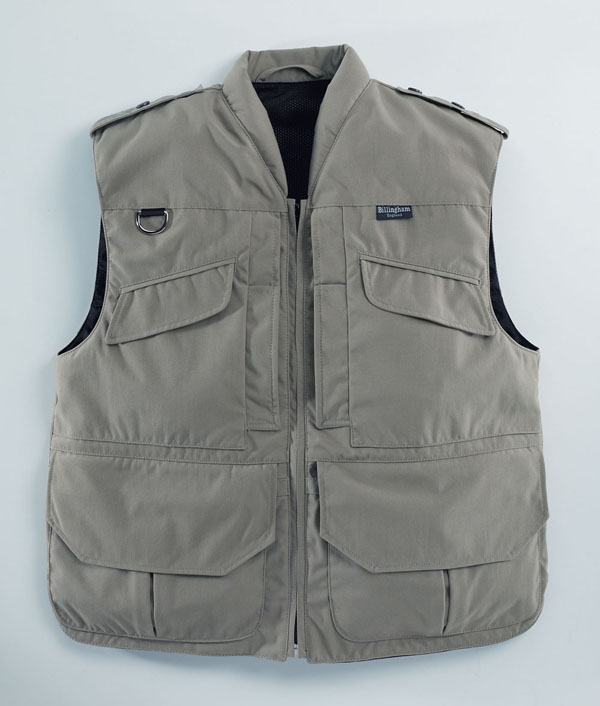
Comfort and safety is the name of the game here rather than looking like a trendsetting explorer. A pair of hard-wearing hiking boots, or shoes with ankle-support, will keep your feet and legs as comfortable as possible when trekking over long distances. Consider the weather and dress appropriately so; waterproof clothing if it’s raining, thermals and insulated clothing if it snows light, bright cottons if it’s hot. Clothing with plenty of pockets is always a bonus as they are ideal and convenient place for keeping lens caps, cards, filters and cloths at arm’s reach. A hat is surely obligatory if it’s super cold or super sunny out, so opt for an insulated woolly one, or a wide brimmed white one respectively. If you’re venturing out after dark and are near roads or highways be sure to wear reflective or bright clothing so that you stand out, warning drivers to veer round you.

Billingham photovest

Read part 2 of our complete guide for tips, tricks and techniques for shooting on location and editing advice, coming tomorrow.

The post Your Complete Guide to Outdoor Photography – Part One by Natalie Denton (nee Johnson) appeared first on Digital Photography School.


Digital Photography School

 
Comments Off on Your Complete Guide to Outdoor Photography – Part One

Posted in Photography


Tips for Indoor Sports Photography – Part 2

21 Jan

As the title of the article says, this is Part 2. I strongly encourage you to read Part 1 first, where I covered some of the indoor sports photography basics like gear, auto focus, camera settings, and looking for creative angles. While Part 1 centered primarily on basketball, here in Part 2 we’ll take a quick look at some of the other indoor sports you might find yourself shooting.

Fencing

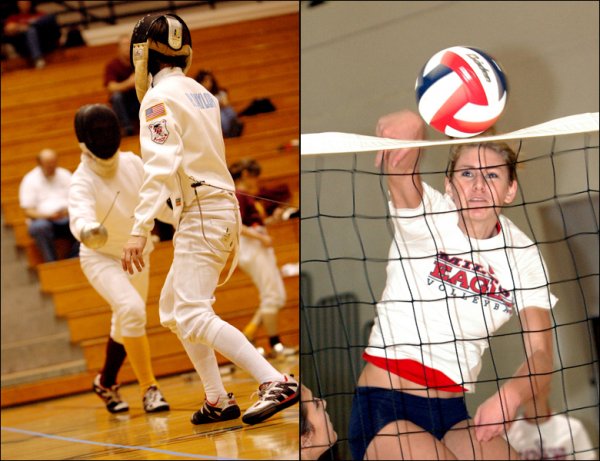
Whereas flash might be allowed for basketball, it will NEVER be okay for fencing. You’ve got two combatants trying to stab each other with swords. Anything you do that can possibly affect the vision of either fencer–even if just for a moment–can also affect the outcome of the match, and possibly result in injury. Open up your aperture, dial down your shutter speed a bit, crank up your ISO. Rapid-fire mode may not be such a bad idea here, because a certain number of blurry photos are to be expected.

Fencing and volleyball-- two very fast, unpredictable sports.

Fencing and volleyball– two very fast, unpredictable sports. FENCING: 100mm, 1/160, f/2.8, ISO 1600.  VOLLEYBALL: 80mm, 1/200, f/4, ISO 1250, TTL Flash.

Volleyball

I love the game of volleyball, but I absolutely hate shooting it. The unpredictability of bump, set, and spike can be maddening. Anticipating where the ball is going is perhaps more difficult in volleyball than any other sport. Again, flash may or may not be your friend when photographing this sport. Make sure to talk with the referee before the match begins. In volleyball, there is one referee at the net. Most will allow you to use flash, as long as you are not shooting towards them. That means shooting from the same side as the ref. You’ll most likely have spectators behind you, so try to stay low and be respectful.

Gymnastics & Competitive Cheerleading

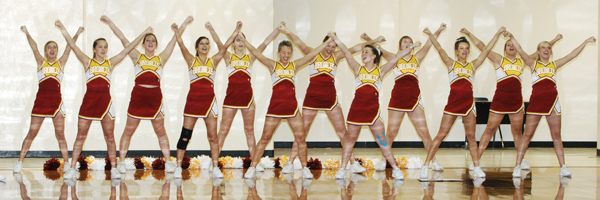
Just like fencing, flash will never be allowed when photographing gymnastics or competitive cheerleading. Both are a photographic challenge, requiring you to capture very fast action in very low light. Most professionals like to shoot these events at 1/1000 with very high ISO. Being able to anticipate the action is possibly more important in gymnastics than almost any other sport.  Gymnastics moves so fast that if you see it in the viewfinder, chances are you’ve already missed the shot. Watch them warm up. Getting familiar with a routine during practice will help you know what to look for when it’s real.

No flash allowed when balance is the difference between winning and losing.

No flash allowed when safety and balance can be the difference between winning and losing, or injury.
1/250, f/4, 80mm, ISO 3200.

Swimming

For swimming, flash is generally allowed, but never on the start. When officials need to signal a false start, swimmers see a flashing light at the end of the pool. Hitting them with flash before they even hit the water can confuse them into thinking a false start has been signaled when it hasn’t. There is no do-over if they mistakenly think it’s a false-start and stop swimming. They are out of the race and it’s your fault.  Also, get there early. At least one hour. This is absolutely crucial for swimming events. Your camera is going to have to adapt to the humid conditions. Getting there in enough time for your gear to acclimate will keep your lenses from fogging up.

Other than no flash until they're in the water, swimming doesn't place too many restrictions on photography.

Other than no flash until they’re in the water, swimming doesn’t place too many restrictions on photography.  1/180, f/3.2, 200mm, ISO 800.

Wrestling

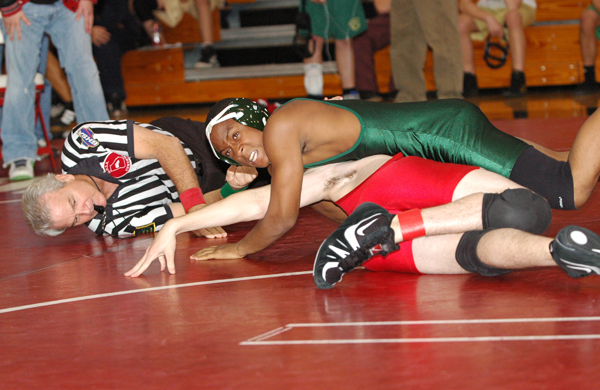
I love shooting wrestling. Love it. For starters, I’m off my feet, getting my best shots either sitting or lying down on the mat. Many wrestling meets involve a dozen or more teams, with several matches going on simultaneously. If you’re lucky, you can find a spot on the mats with four matches going on around you at the same time. When one bout slows down or ends, simply rotate around to another. The key here is speed and efficiency. Bouts can go for several minutes, or they can be over in the blink of an eye. Flash is generally allowed at the high school level, but a newer model camera with high ISO, combined with some fast lenses, can mean great captures without the use of flash. Experiment and see what works best for you.

Don't blink. You might miss it.

Don’t blink. You might miss it.  1/250, f/3.2, 85mm, ISO 640.

Boxing

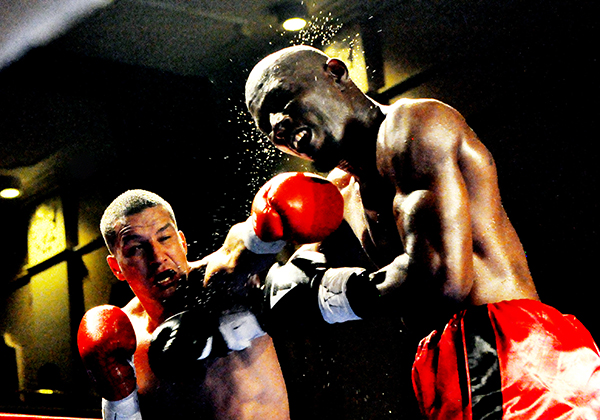
Similar concerns to fencing, but this time it’s much more up close and personal. Flash is definitely not allowed, but the good news is that the lighting at these events is usually really good. Pay attention to where the light falls on the ring and play to those angles for dramatic results. You are going to be fairly restricted in terms of where you can stand, because fighters take up two corners and judges are situated on all four sides of the ring. You’re shooting up, between ropes, at in-your-face action. Stick to a standard zoom like the 24-70mm or a wide-angle 16-35mm.  This is one of those rare sporting events where the 70-200mm is not your friend.

Ring-side. 1/500, f/4.5, ISO 6400, 48mm. Leave the 70-200mm at home, but bring a towel.

Ring-side. 1/500, f/4.5, ISO 6400, 48mm. Leave the 70-200mm at home, but bring a towel.

Shooting indoor sports is tough. If it was up to me, all sports would be played outside under optimal, natural lighting conditions. Hey, a guy can dream, right? Don’t let the challenges or stumbling blocks get you down. With practice, preparation, and the right gear, you’ll see the quality of of your images improve dramatically.

Do you have a good tip for shooting indoor sports? Share it with us in the comments.

For additional reading, one of the best books ever written on the subject of sports photography is “Peter Read Miller On Sports Photography.”  Miller has been photographing the NFL, the Olympics, and portraits for “Sports Illustrated” for almost 40 years. He has over 100 S.I. covers to his credit, as well as 35 Super Bowls, 9 Olympic Games, and countless other sporting events around the world. You can check out my review of the book, as well as my conversation with Peter, by clicking here. The book is available on Amazon.com.

The post Tips for Indoor Sports Photography – Part 2 by Jeff Guyer appeared first on Digital Photography School.


Digital Photography School

 
Comments Off on Tips for Indoor Sports Photography – Part 2

Posted in Photography


Tips for Indoor Sports Photography – Part 1

17 Jan
Shooting indoor sports isn't always easy, but you can get professional-quality results by following these tried and true tips/

Shooting indoor sports isn’t always easy, but you can get professional quality results by following a few tried and true tips.  1/180, f/4, 80mm, ISO 1250, flash.

A few weeks ago, we asked our dPS Facebook followers what topics they’d like to see covered here on the blog, and a few of you were in search of tips for indoor sports photography. For purposes of this article, I’m going to concentrate heavily on high school basketball, because it brings all of the challenges of shooting indoor sports together; bad lighting, fast action, ornery coaches, inconsistent referees, and–of course–the unpredictability of sports.

The Right Gear for the Job

I’m not going to spend a lot of time here discussing camera bodies. As long as you are photographing with a reliable DSLR, your bigger concern should be the glass. Fast glass. That doesn’t mean I advocate running out and spending all of your money on the most expensive lenses that you either can ,or can’t afford, but a long zoom with a large aperture is going to be a must.

Unfortunately, while many gyms may be well-lit for sports, most are poorly lit for photography.  Adding to the challenge, many high school sports have a prohibition against using flash. You have to do your homework. In my experience, I’ve never had a problem using flash for basketball. As long as you are shooting from an off-center angle, you should be fine. You have to be careful, though, because you don’t want to blast a player in the face with flash full, and possibly change the outcome of the game. That’s the best way to make sure they never let you in with your camera again. Flashing action on the floor? Shouldn’t be a problem. Flashing a player on the free throw line before the ball leaves his hands? Not so much.  As with any type of shoot, make sure you have all of the necessary backups: batteries, memory cards, etc., as well as a backup body if possible.
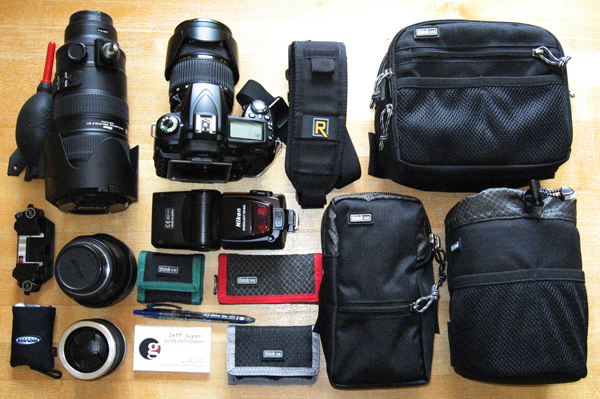
Contrary to popular belief, it is possible to travel light while shooting sports.

Contrary to popular belief, it is possible to travel light while shooting sports. Shown: Nikon D90, 24-70mm f/2.8, 70-200mm f/2.8, SB800 speedlight, plus spare batteries, memory cards, etc., that all pack into modular components shown for the Think Tank Pro Speed Belt.

Get There Early

Trust me when I tell you that you are going to want to get there early.  Pre-game  warm-ups offer some of best opportunities for quality shots of individual players.  For starters, players tend to move a little more slowly in warm-ups than in the actual game.  You’ll have an easier time capturing motion, and more of an opportunity to isolate individual players in the frame.  You can get a little closer to the action during warm-ups, but PLEASE BE CAREFUL!  Each half of the court is going to be filled with players, coaches, managers, officials, and other personnel. The players are big, fast, and not paying attention to you.  Their job is to play basketball–not give you the best photo op.

Know the Sport
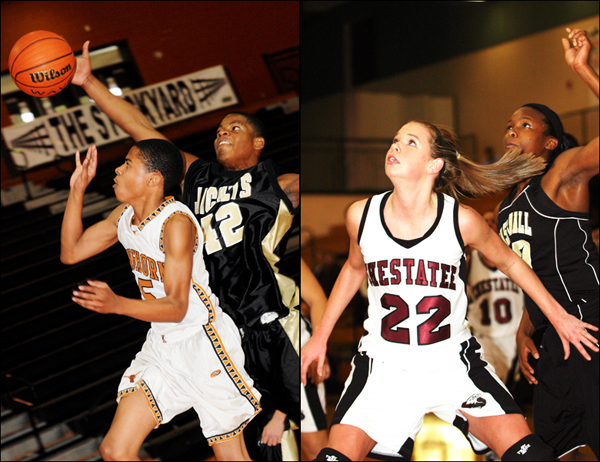
The most compelling shots will have offense, defense, and the ball. You can get good shots without the ball, but they will be better with it.

The most compelling shots will have offense, defense, and the ball. You can get good shots without the ball, but they will be better with it.  LEFT: 1/250, f/5, 80mm, ISO 2000, flash.  RIGHT: 1/320, f/2.8, 80mm, ISO 1250, flash.

The biggest key to getting quality photos of any sport is to have a solid understanding of the game and how it is played.  Every sport has a rhythm all its own. Are they playing a zone defense or man-to-man? Is it a run-and-gun, or are they burning the clock? Can #33 sink the three with impunity, or is he dishing it off to the open center for a lay-up? Do you need to be on the sidelines or under the bucket? Which side is best: the home side of the stands or the visitors’?

Remember that there is a big difference between shooting as a media photographer and shooting as a parent.  As a reporter or school photographer, you are there for “the big picture.”  As a parent, you are mostly concerned with getting photos of your son or daughter, and they’ll be easy to track with the number on their back.  In either case, the more you understand the subtleties of the game the better prepared you will be.

Focus

When I say “focus” I’m not just talking about your photography.  I tell this story a lot because I think it’s important. You have to be aware of your surroundings. I once saw a photographer stand his ground on the sidelines at a football game, despite the fact that a player was being pushed out of bounds right at him.  I watched as his camera, lens, and monopod all went flying in three different directions–as he flew in a fourth.  He was wheeled off the field with cuts to his face, and a leg that had been broken in two places. He was out of commission for six months. No photograph is worth that. Be safe. Focus on where you are and what is going on around you.

Now let’s talk about the other kind of focus.  Obviously, it’s an action sport and you want action photos.  Some of the best sports photos are those that capture the eyes. Things move fast, though, and your subjects are not always going to be standing still long enough for you to focus on their eyes. Your camera’s auto focus works by looking for contrast. Uniforms usually have a lot of contrast between the color of the jersey and the color of the numbers.  If you can get the eyes, great.  If not, your best bet is to try locking on either those numbers or the ball once players start moving.
Most professional sports photographers use back-button focus. Check your manual if you aren't sure where to find this feature in your camera's menus.

Most professional sports photographers use back-button focus.
Check your manual if you aren’t sure where to find this feature in your camera’s menus.

Try Back Button Focus

Another focus option you might wish to try is back button focus. Most DSLRs have an option that allows you to assign auto focus functions to a button on the back of the camera. When AF is linked to the shutter button, the camera continuously maintains focus as long as the shutter button is pressed halfway.

When a player passes between you and the player you’d been focusing on, your focus will be shifted to the new player in the frame. Pressing the shutter button halfway down to regain focus on your original target starts the process over again and probably means missing the intended shot. With back-button focus, however, all you have to do is remove your finger from the button when another player enters the frame. Pressing the back button again when the distracting player leaves the frame resumes your original focus.

Continuous Focus Mode

Part of the secret to shooting sports is using AI Servo (AF-C on Nikon) auto focus mode. With “one shot” AF (AF-S on Nikon) focus locks on a point and cannot move until you release and reengage the auto focus. In AI Servo (AF-C), however, the camera continuously focuses whenever you are pushing the AF button (or shutter button halfway if you haven’t reassigned it). It not only helps you lock focus, but also keep it when trying to photograph bodies in motion.

Camera Settings

As with any type of photography, there is not necessarily a “right” or “wrong” exposure.  But this is a sport, after all, and if you come home with 300 blurry photos you aren’t going to be happy–nor will your editor, or your daughter, the MVP.  Remember that since shutter speed controls ambient exposure, the faster your shutter speed is the better your chances will be of freezing the action.  I generally like to start with a shutter speed of 1/500 and adjust my settings accordingly until I get the look I want.  Since this is an indoor sport, your lighting will probably be consistent over the course of the game, unless the gym has windows. Don’t forget, though, that “consistent” can also be “consistently bad.”

If you are using flash, it’s going to be important for you to determine the maximum shutter speed your flash will allow (usually 1/250, check your manual for “flash sync speed”). Start with that and adjust your aperture and ISO accordingly. This is going to take some practice, so  be prepared for some trial and error. The good news is that cameras are getting better at capturing action in low light.
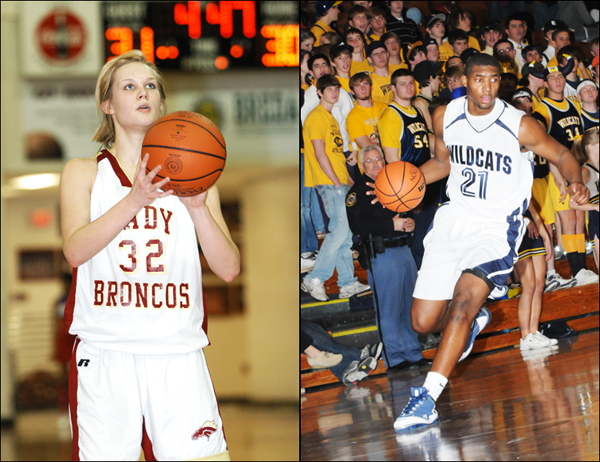
Look for interesting backgrounds, like the game clock or opposing fans.

Look for interesting or dramatic backgrounds, like the game clock or crowded bleachers.  LEFT: 1/180, f/3.5, 135mm, ISO 800, flash.  RIGHT: 1/200, f/8, 80mm, ISO 1600, flash.

Vantage Points and Camera Angles

Obviously, the closer you are to the action the better your photos .  Unlike some sports, you’re going to be a bit more confined to certain areas. You really only have access to one sideline in basketball because the player benches and scorer’s table take up one complete side of the court. The end zones are often the domain of the cheerleaders, so your time there might be sporadic at best. As noted earlier, a solid understanding of the game will definitely help you decide where to be and when.  This is one reason why veteran sports photographers are hardly ever in one place for very long.
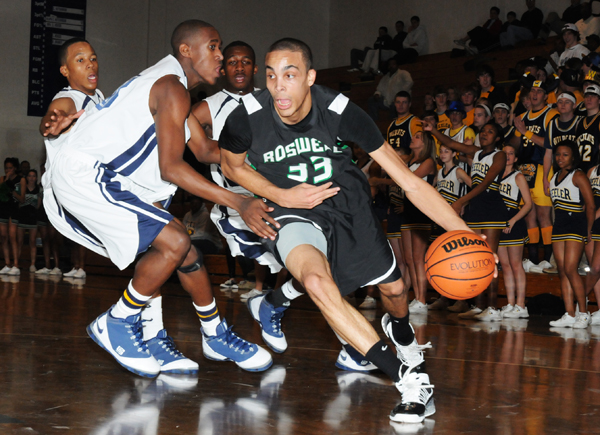
Basketball is a very vertical sport, but don't forget to get some horizontal shots as well.

Basketball is a very vertical sport, but don’t forget to get some horizontal shots as well.  50mm, 1/250, f/8, ISO 1600, flash.

The entire length of the court opposite the player benches offers some great angles. It gives you great vantage points not only for the action on the court, but also for coach and player reaction shots on the bench. Be sure to also take advantage of higher angles from the bleachers (timeout huddles) and the track above the court (players jostling under the net), as well as getting down low for those dramatic larger-than-life shots.

Be Creative: the Action’s Not Just Between the Lines

It’s sports. They go one direction. Then they go the other direction. Four quarters of back and forth. That doesn’t mean, though, that you can’t be creative with your angles and composition. Look for interesting or dramatic backgrounds. In the set below, including the game clock over the coach’s shoulder as it ran down provided interesting contrast to his calm demeanor.
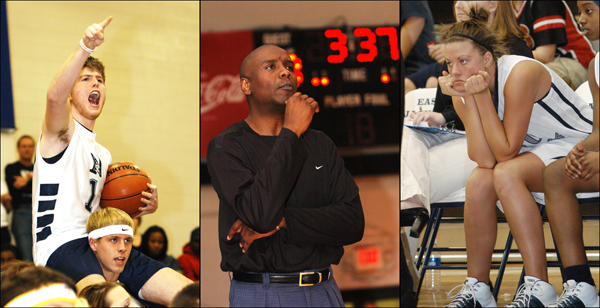
Keep your head on a swivel. Don't miss the fans, coaches, and player reactions.

Keep your head on a swivel. Don’t miss the fans, coaches, and player reactions.

Don’t fall into the trap, though, of assuming that everything worth photographing is right there on the court in front of you. Spend some time in the stands. Shoot the crowd reactions.  Photograph the band and the cheerleaders. Capture the traditions. There is so much more going on in that gym than just a basketball game. Turn your back on the action once in a while and take a look around. There are stories everywhere. Use your camera to tell them.

Get Your Motor Running?

Welcome to photography, where five photographers will give you five different answers for everything, and tell you why the other four are wrong. When I first started shooting high school sports I had a slow camera with an even slower buffer that couldn’t handle me just leaning on the motor drive and hoping for the best. I hated it at the time, but it was probably a good thing. I learned to compose my shots and choose my moments more carefully. I developed a pretty fast shutter finger, and, I think, a better eye for the action. Even now, with better equipment, I still tend to leave my camera set for single clicks. That may put me in the minority, but it’s what works for me.

Etiquette

If you are covering a particular school or team over the course of a season, introduce yourself to the coaches. Your job will be easier if they know who you are and why you are there game-after-game. These kids may be big and strong, but they are still kids and it’s a coach’s job to look out for them. If a coach or official tells you something, listen to them. If they ask you to move, you move. You’re in their house and you have to play by their rules.

If one of those rules is no flash, then it’s no flash. It may sound silly to you, but you have no idea what the consequences might be. There may be college scouts in the stands, and you momentarily blinding the point guard with your flash might have an impact on whether that kid gets a scholarship, or if he’s even recruited at all.

If play stops for an injury, show some respect and PUT YOUR CAMERA DOWN.  While it might make for compelling photography, it is entirely possible that you just witnessed the end of a kid’s dream or their only chance of going to college.  You don’t want them or their parents seeing you clicking away while everyone else in the gym is holding their breath. This is high school, not the NBA. Be sensitive and keep it in perspective.

Any seasoned photographer will tell you that photographing sports is not easy– particularly indoors. We can debate endlessly on which sport is the hardest to shoot, but with practice, preparation, and the right gear, you’ll see your images start to improve quickly and steadily.

Stay tuned for Part 2, where we take a closer look at some of the other indoor sports you may find yourself shooting.

The post Tips for Indoor Sports Photography – Part 1 by Jeff Guyer appeared first on Digital Photography School.


Digital Photography School
 
Comments Off on Tips for Indoor Sports Photography – Part 1

Posted in Photography


Excel at Underwater Photography Like You’re Part Fish

18 Dec

Underwater photography is an acquired taste that is both an art form and a means of obtaining data. Usually, scuba divers are the ones taking underwater photos, but this art form can also be carried out while diving on surface supply, just swimming, snorkeling or safely inside a submersible. While underwater photography can be understandably difficult to successfully carry out, Continue Reading

The post Excel at Underwater Photography Like You’re Part Fish appeared first on Photodoto.


Photodoto

 
Comments Off on Excel at Underwater Photography Like You’re Part Fish

Posted in Photography


Photojojo’s Holiday Gift Guide 2013, Part 3!

13 Dec

It’s our last all-new gift guide of the year! So we’ve brought out our very finest photo gifts – beautiful camera bags, photo-themed décor and more.

Plus, we’re showing off our top selling products of all-time, that are sure to be a real hit on Christmas morn’.

Order quick and we’ll be sure to beat Santa down the chimney for ya.

Carry your gear in style! The Brooklyn camera bag is handcrafted out of full grain leather, with a plush interior and plenty of room. Nothing but the finest, for your trusty camera.

In the Shop for $ 329


Everything you need to shoot the most creative roll of film you’ve ever shot. A camera, two lenses, rainbow filter and a book of inspiration will spark your love for analogue photography all over again (or, for the very first time).

In the Shop for $ 25


Finally! A huggable camera lens. These limited edition jumbo-sized lens pillows. They’re hand-made with all the detail of your favorite lens (from the f-stops to the auto-focus switch) carefully embroidered by hand into fuzzy fleece.

In the Shop for $ 80


Get awesome technicolor patterns, lens flare and swirly rainbow hues in-camera without an app! These coated glass gradient filters twist and stack for infinite color combinations. And, their sturdy aluminum mount fits on any phone.

In the Shop for $ 35


Take your camera on any and every expedition, in this full-sized adventure proof messenger camera bag. It’s made of water repellent waxed canvas, and has enough pockets and interior space to hold all your gear.

In the Shop for $ 269


Hang your love of analogue on the wall for all to see. The Vintage Film Roll Print features 20 vintage film rolls in their bright and colorful glory. The perfect décor for any photographer’s home or office (just not their darkroom).

In the Shop for $ 15


Your phone cam is great, but you can give it one that’s super-duper. Sony QX series pro-quality lenses that are also full-fledged cameras! They use your smartphone as a viewfinder, settings panel and shutter release. Then, send the pix they’ve taken wirelessly onto your phone.

Starting at $ 250


Lots more amazing gifts…


Everyone Loves Them!We’re sure those folks on your gift list will too.

Photojojo Classic Lens Series

$ 49 ? BUY

Camera Lens Mugs

$ 24 ? BUY

Macro Lens Band

$ 15 ? BUY


iPhone Telephoto Lens Kit

$ 35 ? BUY

Bamboo Solar Phone Charger

$ 35 ? BUY

Smartphone Spy Lens

$ 20 ? BUY


Even more amazing gifts…
 

© laurel for Photojojo, 2013. |
Permalink |
No comment |
Add to
del.icio.us

Post tags:


Photojojo

 
Comments Off on Photojojo’s Holiday Gift Guide 2013, Part 3!

Posted in Equipment


DPReview Gear of the Year Part 5: Canon Rebel SL1/100D

11 Dec

goty-SL1-50mm.jpg

A lot of equipment passes through our Seattle and London offices, everything from high-end cameras to inexpensive accessories. A lot of it gets reviewed, but we can’t cover everything. In this series of short articles, DPReview staff will be highlighting their personal standout products of the year. In part 5, Shawn Barnett talks about his personal favorite – the Canon Rebel SL1/100D.

News: Digital Photography Review (dpreview.com)

 
Comments Off on DPReview Gear of the Year Part 5: Canon Rebel SL1/100D

Posted in Uncategorized


Photojojo’s Holiday Gift Guide 2013, Part 2!

05 Dec

We’ve got gifts galore: A hyper-intelligent camera that takes photos all on its own, deliciously cool looking lens caps, #jewelry for the Instagram lover in your life and more.
With 7 ALL NEW items, it’s our brand newest gift guide yet!

Plus, we’ve just introduced a new shipping option, that we think your nose is really going to like…


The Autographer is a super intelligent wearable camera with 6 sensors (GPS, compass, accelerometer, thermometer, color sensor and motion detector). It logs your life as you live it. Then uploads the photos and data straight to your iPhone.

In the Shop for $ 399


A juicy burger or delish donut protect your lens from scratches and add a bit of fun to your favorite gear. *Warning* Snack caps are not guaranteed to protect your lenses from being licked. In fact, they just might invite it. Yummy. Yummy.

In the Shop for $ 15
 

The latest and greatest Instax Mini Camera straight from Japan gives you more creative control than ever before. It has six shooting modes including long and double exposure that no other Instax cam has!

In the Shop for $ 225


The dreamy look that Diana lenses have been bringing to 120mm film is now available for your DSLR. This glass version of the iconic Diana lens gives you all the dreaminess higher contrast.

In the Shop for $ 60


This remote let’s you take photos on your Android or iPhone from up to 30 feet away! Perfect for outstretched-arm free selfies and starting/stopping videos without wiggling your phone.

In the Shop for $ 40


Bring back the family slide show! The Projecteo Gift Box comes with one mini projector and a gift card to order a wheel of slides from your (or a pal’s) very own Instagram pix.

In the Shop for $ 35 


You’ve hashtagged all of your photos. What next? Your friends! Give them a laser-cut acrylic #selfie, #nofilter or Like icon necklace.

In the Shop for $ 25


If you love something you pin it, right? So pin your love for Photoshop, Instagram and Pinterest onto your sweater, hat, bag or friend.

In the Shop for $ 12


Tiny gifts starting at $ 6They’ll fit well in your budget and in a sock!
 

Phone-o-Chrome Filter

$ 15 ? BUY

Instant Camera iPhone Decal

$ 6 ? BUY

The iPhone Wrist Strap

$ 35 ? BUY

Smartphone Spy Lens

$ 20 ? BUY

Super Fisheye Smartphone Lens

$ 25 ? BUY


Polarizing Smartphone Lens

$ 25 ? BUY


© laurel for Photojojo, 2013. |
Permalink |
No comment |
Add to
del.icio.us

Post tags:


Photojojo

 
Comments Off on Photojojo’s Holiday Gift Guide 2013, Part 2!

Posted in Equipment


DPReview Gear of the Year Part 4: Sigma 18-35mm F1.8 DC HSM

05 Dec

Sigma18-35.png

A lot of equipment passes through our Seattle and London offices, everything from high-end cameras to inexpensive accessories. A lot of it gets reviewed, but we can’t cover everything. In this series of short articles, DPReview staff will be highlighting their personal standout products of the year. In part 4, Richard Butler discusses the Sigma 18-35mm F1.8 DC HSM and what it means for APS-C shooters.

News: Digital Photography Review (dpreview.com)

 
Comments Off on DPReview Gear of the Year Part 4: Sigma 18-35mm F1.8 DC HSM

Posted in Uncategorized