RSS
 

Posts Tagged ‘most’

Fairytale Hotels: 15 of the World’s Most Magical Lodgings

15 May

[ By Steph in Boutique & Art Hotels & Travel. ]

Magical Hotels Main
Waterfalls stream down the sides of mountain-shaped, moss-covered structures, while white horses gallivant in front of castles that look like they were ripped right out of a book of fairytales. These 15 hotels are among the most magical places to stay anywhere in the world, from ancient palaces in India to gleaming ice hotels in Quebec. While some are a peek at how the 1% live, others are surprisingly affordable.

Magic Mountain Hotel, Chile

Magical Hotels Magic Mountain 2
Magical Hotels Magic Mountain Lodge Chile

If elves took up residence in Hobbiton, this is what their homes would look like. The mountain-shaped structure is dotted with arched windows and obscured with lush greenery. Waterfalls stream down the sides to drench the moss, ferns and flowers. Located within the remote Huilo-Huilo Biological Reserve, the hotel requires an adventurous spirit to even access, but it’s well worth the effort. Nearly everything is constructed from locally, sustainably sourced wood.

Neemrana Fort Palace, India

Magical Hotels Neemrana

A 15th-century palace built into the hillside in India is now a five-star, 55-bedroom hotel with kingly views over the nearby village. Neemrana Fort Palace is full of authentic decor from periods throughout India’s history and contains displays that educate guests about the palace’s fascinating past. Though rooms here start at just £50 per night, guests are given the royal treatment, with options including poolside spa treatments and hot balloon rides over the valley.

Fairytale Hotel in Belgium

Magical Hotels Balade Gnomes 1
Magical Hotels Balade Gnomes 2

Sleep in a surreal medieval-style chamber within a massive wooden Trojan Horse at Belgium’s La Balade des Gnomes Hotel. This bizarre retreat boasts ten unique rooms sculpted with the natural earthen building material known as cob to create all sorts of curved custom surfaces. The horse is just one of the hotel’s suites – others include a troll’s lair and a Macquarie Island room with a boat-shaped bed.

Crazy House Hotel, Dalat, Vietnam

Weirdest Hotels Crazy House 1
Weirdest Hotels Crazy House 2

The aptly named Crazy House Hotel in Vietnam began as the private residence of architect Hang Viet Nga, who clearly let her imagination run wild in creating an organically shaped structure reminiscent of the Barcelona ouvre of Antoni Gaudi. Made from the base of a dead tree, the house is full of ladders leading into hidden nooks and through tight tunnels. Rooms cost as little as $ 22 USD per night.

Thorngrove Manor Hotel, Adelaide, Australia

Magical Hotels Thorngrove

The Thorngrove Manor Hotel could easily double as a princess castle at Disneyland, it’s so picturesque. Located in Adelaide, Australia, the castle-like structure looks centuries-old but was actually built in 1994 as part of a vineyard. Though all the rooms are together in one building, there are no common spaces, and couples staying there never need to see other guests.

Next Page – Click Below to Read More:
Fairytale Inn 15 Of The Worlds Most Magical Hotels

Share on Facebook


[ By Steph in Boutique & Art Hotels & Travel. ]

[ WebUrbanist | Archives | Galleries | Privacy | TOS ]

WebUrbanist

 
Comments Off on Fairytale Hotels: 15 of the World’s Most Magical Lodgings

Posted in Creativity


[MODIFIED] IrfanView – Disable Most Recently Used Files and Folders for Privacy

17 Apr

Increase your privacy by making IrfanView forget the most recently accessed files and folders.

For convenience, IrfanView offers an “Open Recent files” option in its “File” menu, providing you quick access to files you have opened lately. Also, when opening and saving files, IrfanView shows the most recently-access folders as well as commonly-accessed areas such as your Desktop, My Pictures, Favorites, etc.

While these features may be useful if you frequently modify the same files, or images in a particular file location, having this information readily available may violate your privacy if multiple people share the same machine. Thus, you can stop IrfanView from showing this information if desired:…

Read more at MalekTips.
New Computer and Technology Help and Tips – MalekTips.Com

 
Comments Off on [MODIFIED] IrfanView – Disable Most Recently Used Files and Folders for Privacy

Posted in Technology


5 Most Common Mistakes in Wildlife Photography – and How to Avoid Them

05 Mar

Animals, especially wild ones, make such beautiful subjects that we cannot resist turning our cameras on them to capture images of these majestic creatures in their natural state.

Unlike a landscape, creatures are constantly in motion, and unlike most people, they can be pretty uncooperative when it comes to getting their picture taken. This can make for a lot of botched pictures. Here are a few tips on how to avoid some of the common pitfalls of wildlife photography.

1. A Tiny Subject

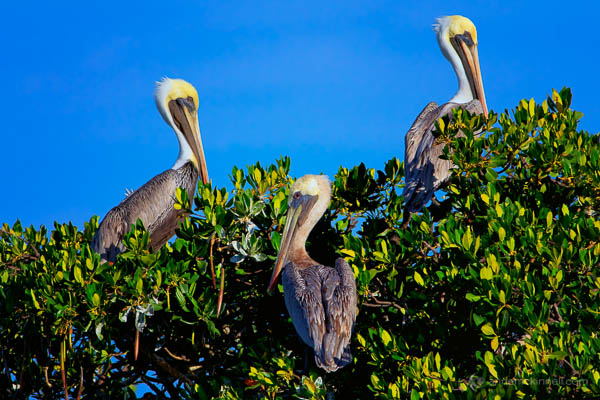
Three Brown Pelicans by Anne McKinnell

It’s tough to approach a wild animal – they are easily spooked. Because of this, many wildlife photos have more wilderness than wildlife, with the animal becoming a tiny speck in its environment. This can be effective in some situations, but for the most part you want the animal to be large enough in the frame to see the detail in its eyes. This is where a good telephoto lens can really help you out. Using a long focal length (over 200mm) will allow you to keep your distance while still filling the frame.

2. Blurry Image

Blur comes in many forms. Your entire image could be blurry due to camera shake; a problem which is magnified by the longer focal lengths needed for wildlife photography.

In landscape photography, using a tripod is a good technique to prevent camera shake, but a tripod is not as practical when photographing wildlife. Wildlife photography requires a more active shooting style – you’ll be moving around constantly – so unless you are using a lens that is too big to hold comfortably, forget the tripod. Also, because the animals are always in motion, you’ll need a fast shutter speed anyway. That leads me to the first method to combat camera shake blur: using a very fast shutter speed.

In landscape photography, you normally use a shutter speed that is at least 1/focal length of your lens. But usually that isn’t going to be fast enough when photographing wildlife because the animals are always in motion (even when they appear to be standing still). To avoid disappointment, you’ll need to use a much faster shutter speed to freeze both your own motion and the motion of the animal.

Here is my rule of thumb when photographing wildlife: if the animal appears to be still, use a shutter speed of 1/500th of a second. If the animal is moving, you’ll have to adjust the shutter speed based on how fast they are moving. I suggest a minimum of 1/1,000th of a second, or faster if the animal is moving faster.

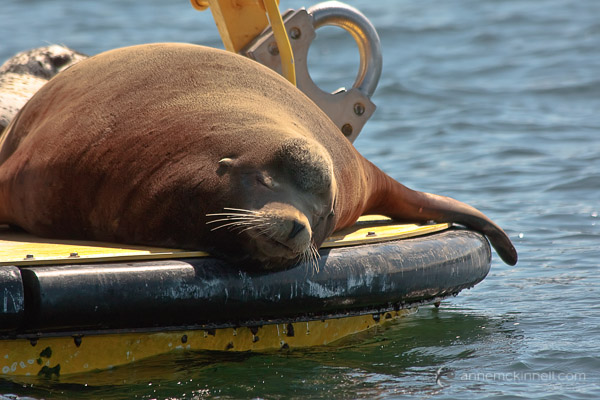
Sleeping Steller Sea Lion by Anne McKinnell

Using a lens with image stabilization will also help prevent camera shake blur. A lens with a wide maximum aperture, say f/2.8 or even f/4, will let more light in, allowing you to use a faster shutter speed. Likewise, a camera with low noise at high ISOs will let you turn up the sensitivity. All of these options will enable you to make faster exposures with better results.

Another type of blur is focus blur. This results from your camera being unable to focus, probably because your subject is moving and the AF motor gets confused. Some cameras and lenses have superior auto focus systems to others, but regardless of what you have, you can get the most out of it by setting it to continuous focus mode, usually called AF-C (Nikon) or AI Servo (Canon). This setting will track the subject’s movement in the frame and focus on it more quickly and accurately.

3. The Missed Moment

We’ve all been there. You see the perfect shot, frame it, and hit the shutter. But by the time the camera focuses and the exposure is made, the animal has moved and all you end up with is the second after the perfect shot.

There are two ways to avoid this heartbreak:

Anticipation

This is a skill that can only come with practice and a keen eye. If you can learn to see when the perfect moment is about to happen, rather than when it is happenning, you can hit the shutter right before the peak moment and cause the camera to snap at just the right time.

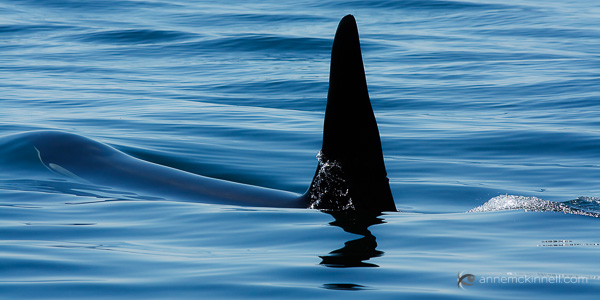
Orca by Anne McKinnell

Continuous Shooting

When animals are in motion, you’ll get the best chance at a good result by using continuous shooting mode (also called “drive mode” or “burst mode”). With this, you can take several images per second and choose the most successful.

Higher-end DSLRs and mirrorless cameras will have a much faster maximum shooting speed, but no matter which camera you have, there are a few things that will help get the highest continuous shooting rate.

One is a fast memory card – both SD (standard digital) and CF (compact flash) cards have a certain speed that they operate at, and a faster card will make sure that your camera doesn’t get bogged down trying to save the images.

The other is a fully-charged battery – as the juice drains, the camera can become sluggish, so it’s a good idea to keep an extra battery or two in your camera bag. For ultimate performance, you can buy a battery grip that fits on your camera. This holds two batteries at the same time for maximum speed.

4. Where Is Everyone???

Sometimes wild animals can be hard to find, and they’re not always where you want them to be. Before you can photograph them, you have to learn a few things about how to find them.

Know your animals

What types of animals live around you? Before you go out shooting, find out who they are, what they eat, when they sleep, and where they like to relax in between. If you’re photographing birds, research which ones are to be found in your area at which times of year. It’s also important to know how animals might react if, and when, they feel threatened – will they fight, or flee?

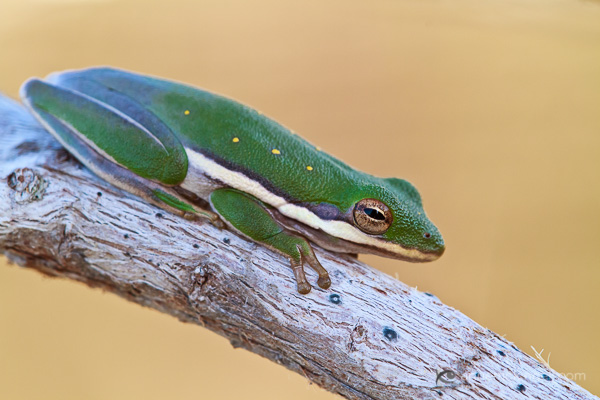
American Green Tree Frog by Anne McKinnell

Know the season

Some animals will be much more active at different times of year – particularly during autumn, as they rummage up enough food for winter, and in the spring when some animals come out of hibernation.

Camp out

I don’t mean overnight (unless you’re into that), but it’s often a very effective practice to find a popular area – probably somewhere with a source of water, food, shade or shelter – where animals like to congregate. Set your camera up on a tripod nearby, and disguise yourself among some trees or brush (some photographers go so far as to buy ,or build, a blind to hide their presence).

Be patient

Animals work on their own schedule, so don’t try to fit a shooting session in between other appointments. Great photos take time, and you must allow nature to unfold at its own pace. Many animals are easily frightened, so being quiet, still, and inconspicuous will help put them at ease.

5. Animal Attack!

We don’t call it “wildlife” for nothing – the biggest mistake you can make is accidentally getting mauled. Animals are not adjusted to polite society, and can be pretty rough customers if you catch them at the wrong time, or in the wrong way. They spend most of their waking lives foraging for food, and a spat over a meal can turn ugly, fast. Never get in the way of lunch, unless you want to take its place.

Don’t approach a wild animal directly, and if they see you, avoid looking them in the eye. This is usually a sign of aggression. If you need to get closer, keep low and move in a broad zig-zag pattern to avoid frightening the animal.

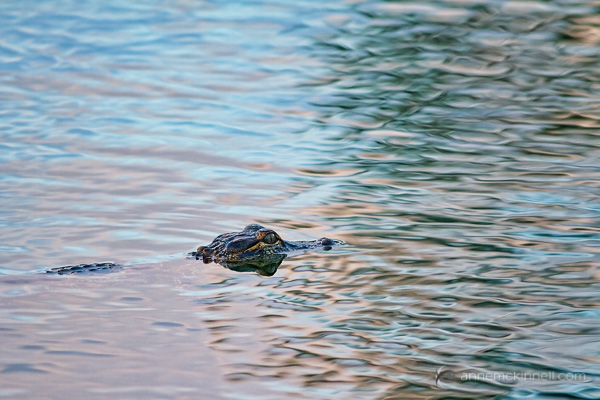
Baby Aligator by Anne McKinnell

Be aware of when mating season (or “running season”) is for the type of animal you’ll be photographing. Male mammals are full of testosterone at this time of year, and can be aggressive, violent, and very dangerous. Avoid photographing at these times. Similarly, find out when animals are likely to be giving birth and raising their young. We all know how risky it can be to get in between a mama bear and her cubs.

Whenever you’re dealing with wildlife, always remember that any creature can be dangerous when provoked, and it’s very important to treat animals and their habitat with the utmost care and respect.

For more tips on wildlife photography try these articles:

  • Manipulating Natural Light in Wildlife Photography
  • How Low Can you Go? An Illustration of Camera Angle for Wildlife Photography
  • Making Sharper Wildlife Photographs – [Part 1 of 2]
  • Making Sharper Wildlife Photographs – [Part 2 of 2]

The post 5 Most Common Mistakes in Wildlife Photography – and How to Avoid Them by Anne McKinnell appeared first on Digital Photography School.


Digital Photography School

 
Comments Off on 5 Most Common Mistakes in Wildlife Photography – and How to Avoid Them

Posted in Photography


28 February, 2013 – Antarctica – A Most Amazing Adventure

01 Mar

Just a little over a month ago the Luminous-Landscape team of Michael Reichmann, Chris Sanderson and Kevin Raber along with William Neill lead a group of 61 photographers to an amazing adventure to Antarctica.  This trip was different than previous trips as the group flew over the Drake Passage.  A savings of close to 5 days at sea was saved by a two hour flight.  You had to be there to experience how wonderful this trip was.  The weather was excellent the group was fantastic and we couldn’t have asked for a better expedition team to lead us on this trip.  Enjoy the next best thing to being there and read Kevin’s trip log and photographs Antarctica 2014 – A Most Amazing Trip.  Plus we have embedded a video of the trip in the article.  Maybe, you’ll want to join our 2015 Antarctica Adventure.  Only a few berths are left on the second trip.


You can win an all-expenses paid photographic expedition to Antarctica, along with air fare from anywhere in the world. The value of this prize is $ 15,000.

The Luminous Landscape wants you to try any of our more than 60 training or travel videos and our new free video player. Each purchase is an entry, and an annual subscription that includes all previous as well as new videos counts as six entries. The winner of a free lifetime subscription is also chosen from each month’s entries.

FIND OUT MORE


The Luminous Landscape – What’s New

 
Comments Off on 28 February, 2013 – Antarctica – A Most Amazing Adventure

Posted in News


The 16 Most Photogenic Everyday Objects, Part Two

18 Feb

In part 1, I spoke about 16 of my favorite everyday objects to include in photographs.  These objects won’t always make a photo, but when included they will almost always make the scene more photogenic.

The purpose of these lists is to help add some inspiration for the next time you walk out the door to photograph. There is beauty to capture around every corner and sometimes it is the simple things that make the most interesting images.

What’s on your list of most photogenic everyday objects?

1. Smoke

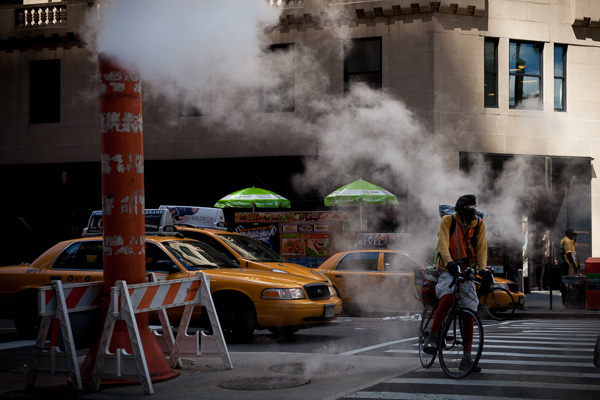
Find some roadwork and wait for magic to happen. This is an easy way to create an image with a cinematic feel.

Bike Messenger and Smoke

Bike Messenger and Smoke

2. Restaurant interiors

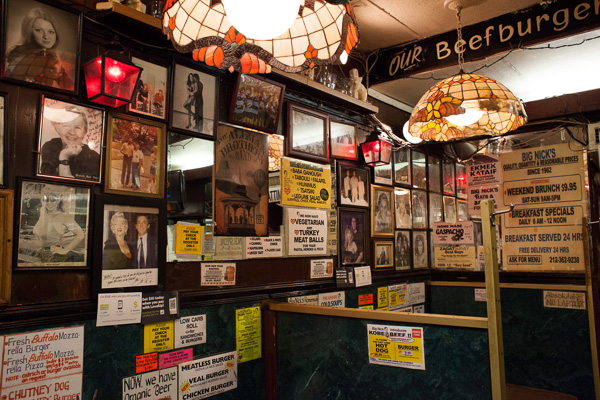
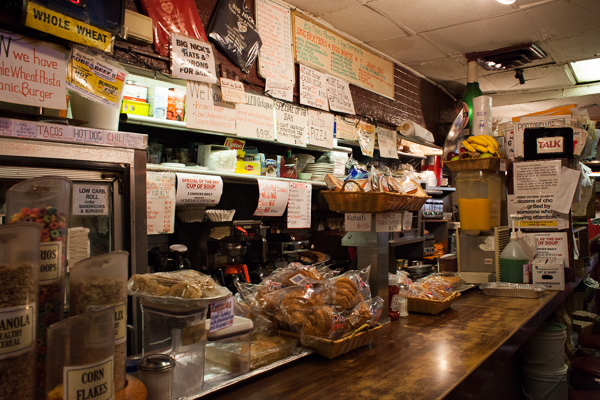
Many people get caught up in photographing their food and forget what is truly interesting, the restaurant itself. I find the long time, no-frill, and historical restaurants to be the most photogenic, but of course there are exceptions to every rule.

Big Nicks Diner

Big Nicks Diner

Big Nicks Diner

Big Nicks Diner

3. Things that are disappearing

One of the most important aspects of photography is its ability to document and encapsulate the past. In addition to taking photos when you travel, use the camera to document and remember your life at home. Capture the simple things that you take for granted, because one day you will suddenly find them gone. The above photos are from my favorite restaurant growing up, Big Nicks, which went out of business in 2013.

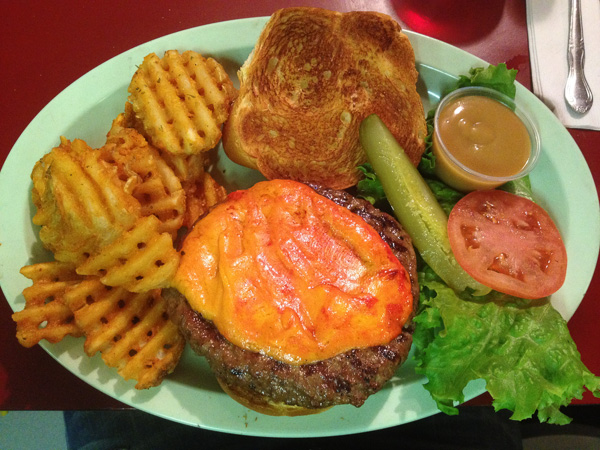
If you are going to photograph your food, why don’t you capture your favorite meal from growing up? I present to you all the port cheddar burger and waffle fries with honey mustard from the late Big Nicks.

Big Nicks Port Cheddar Burger

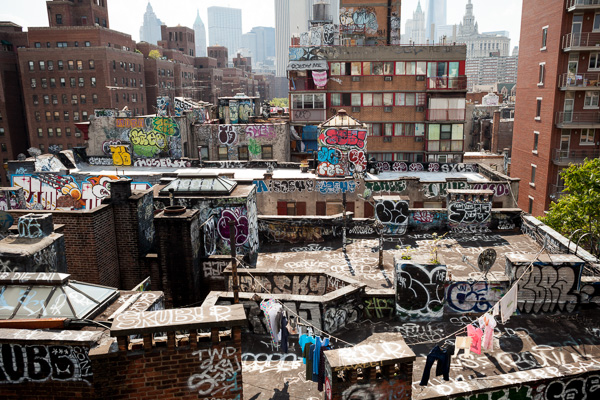
4. Grafitti

Graffiti from Manhattan Bridge

Graffiti from Manhattan Bridge

5. Interesting hair styles

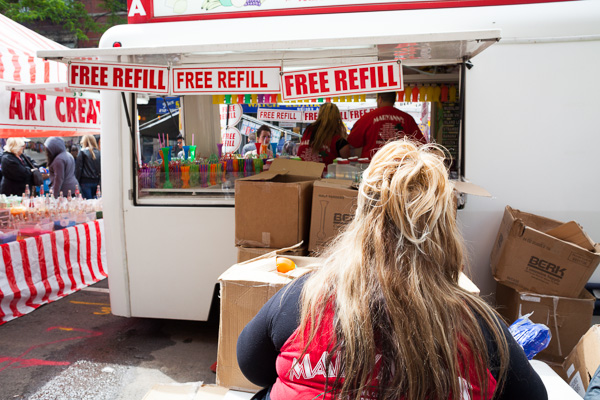
I prefer to capture people from the front whenever possible, but combining a unique hairstyle from the back with an interesting background behind it can create a very graphic image.

Loisaida Street Fair, Lower East Side

Loisaida Street Fair, Lower East Side NYC

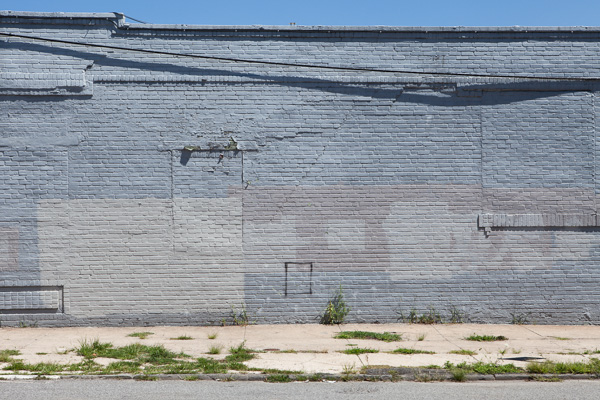
6. Muted and worn colors

Don’t let instagram filters fool you. Muted and subtle colors can be much more striking and beautiful than highly saturated images.

Gowanus Wall

Gowanus Wall

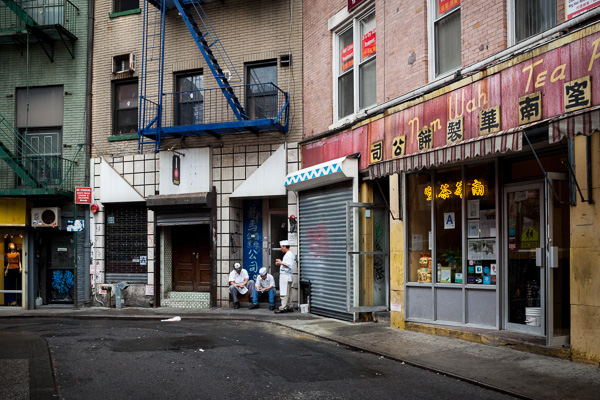
7. Things in threes

The number three is the most glorious number in photography. Objects and people in threes always seem to look good in an image. Why? I think it comes down to the triangle. Three objects will create a triangle shape within an image, which gives the eyes a clear route to move around the image, making it feel more balanced.

As a sidenote, the number three also works when displaying your images. Three images with similar content placed next to each other will help to enhance each individual image. For street photography, a single candid image of a stranger on your wall can look out of place, while three of these images next to each other can work very well.

Chinatown Chefs

Chinatown Chefs

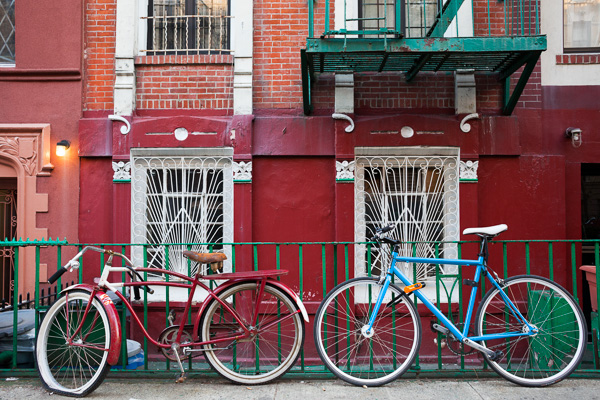
8. Bikes

East Village Bikes

East Village Bikes, NYC

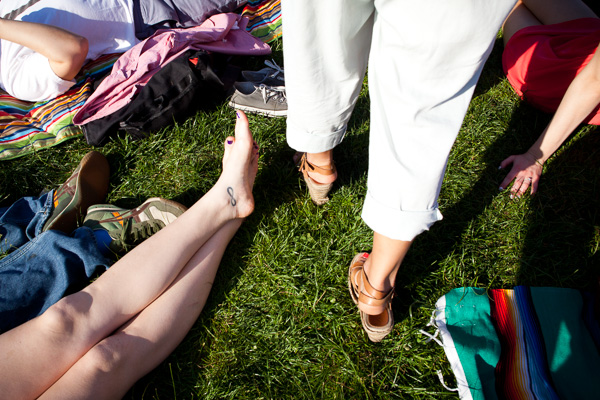
9. Tiny details

If your images do not feel graphic enough, then get in closer. It’s surprising how many stories can be told through the tiniest of details.

Prospect Park, Summer

Prospect Park, Summer

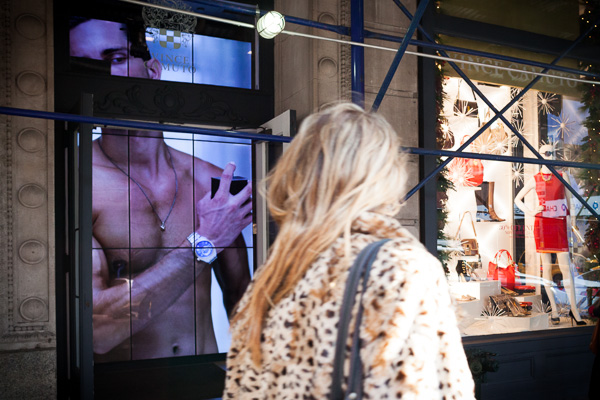
10. Shops and shop windows

Shop windows might seem boring now, but they will age the quickest as fashions and times change. Sometimes the images that seem the least interesting now will be the most interesting in the future. Look at the images of Walker Evans of Eugène Atget for reference.

SoHo Shop Window

SoHo Shop Window

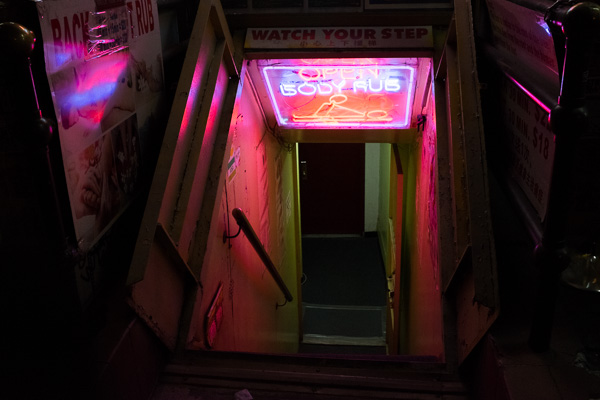
11. Neon signs

Massage Parlor, Chinatown

Massage Parlor, Chinatown

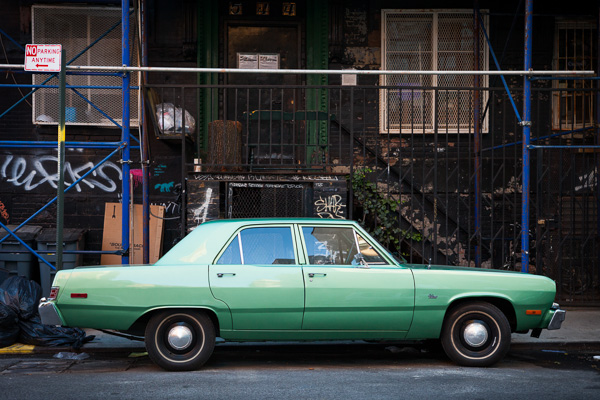
12. Old cars

When possible, try to put together a scene and capture the background in addition to the car.

Old Car

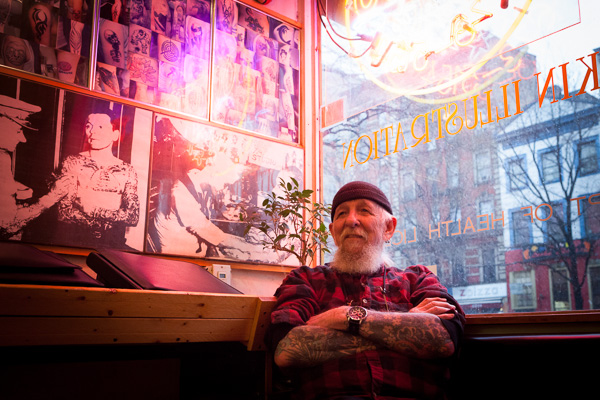
13. Tattoos

And tattoo parlors.  Don’t be afraid, go in there!

Tattoo Parlor

Tattoo Parlor

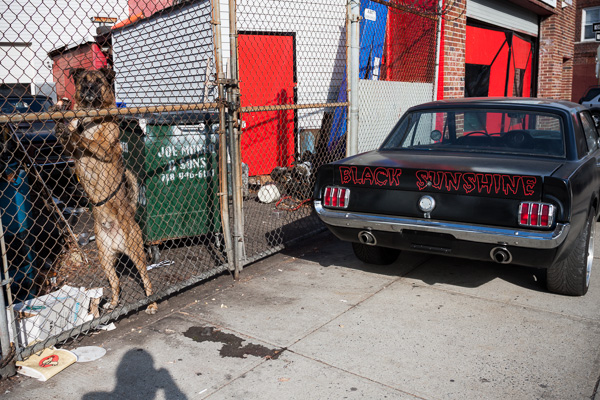
14. Dogs

Man’s best friend, except in this case.

Black Sunshine and Dog

Black Sunshine and Dog

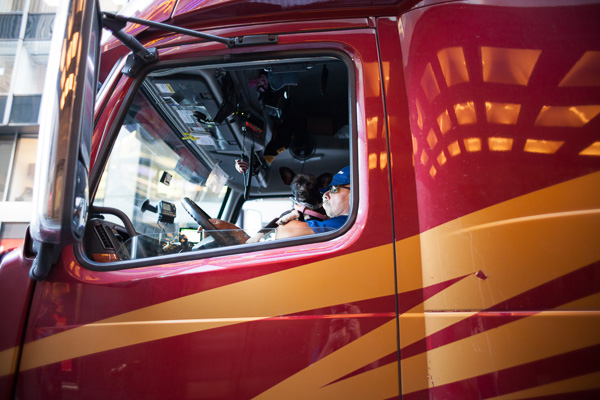
Even burly truck drivers like dogs.

Truck Driver and Dog

Truck Driver and Dog

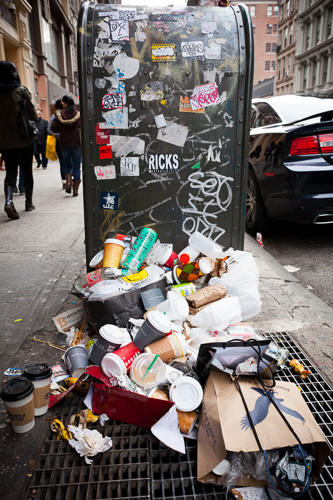
15. Trash

This one is meant to stir the pot a little bit.  No, this is probably not going on my wall (my wife won’t let me), but that does not mean it is not interesting and photogenic.  It is colorful, graphic, diverse and poignant. There are a litany of brands represented: Arizona Iced Tea, Snapple, Starbucks, American Eagle, Marlboro, Guess, and Armani, among others.  Just because it’s not the type of image that is fit for a wall does not mean it can’t be beautiful.  Also, in 50 years this image might have some historical interest when many of these brands are out of business.

SoHo Trash

SoHo Trash

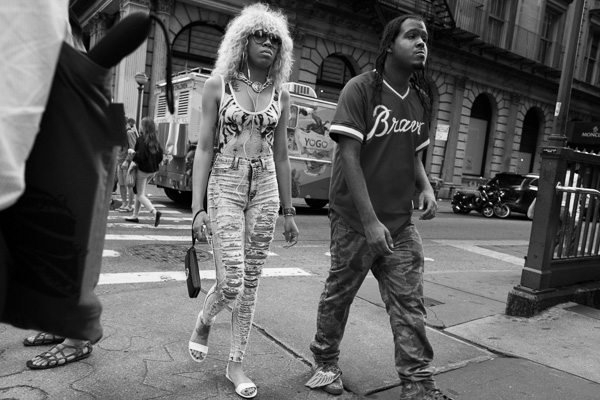
16. Fashion trends

The beauty of walking the same areas over and over with a camera is that you are more aware of and able to witness things as they change. Just as you want to photograph things that are disappearing, you also want to capture what is replacing them. New fashion trends are the most obvious ways of capturing times changing.

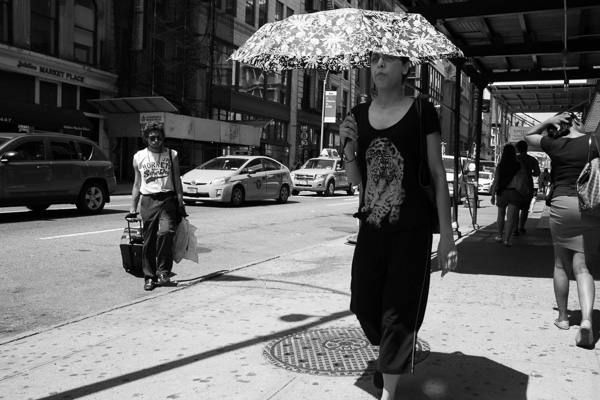
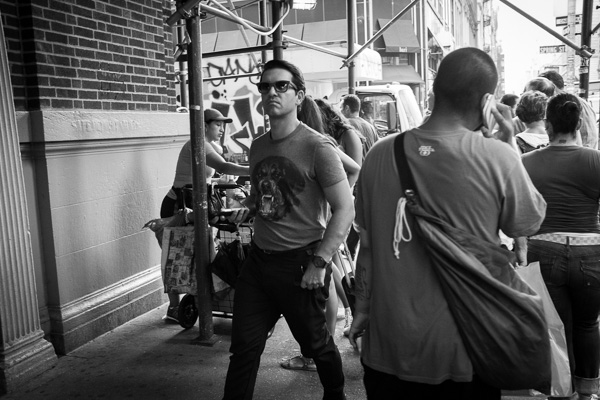
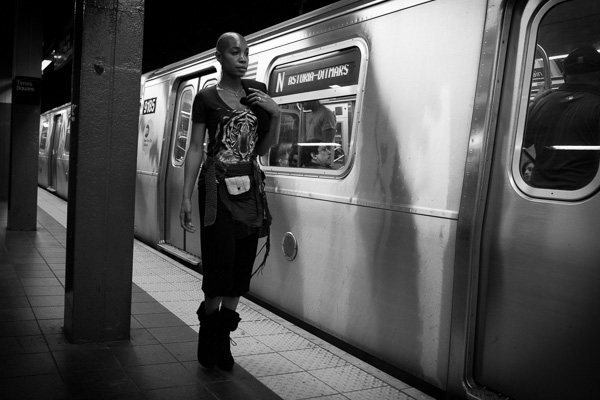
This last summer in SoHo saw the rise of people wearing shirts with animals that looked exactly like them. So yeah… that’s a strange new trend that makes for a very fun photo series.

Urban Tiger, SoHo

Urban Tiger, SoHo

Urban Tiger, SoHo

Urban Tiger, SoHo

Rottweiler Shirt, SoHo

Rottweiler Shirt, SoHo

Urban Tiger, 2 Train

Urban Tiger, 2 Train

What things that are “ordinary” do you like to photograph?

More ideas for photography close to home: 

  • Jumpstart Your Photography: Start a 365 Project
  • 5 Good Photography Habits to Start Today
  • 8 Photo Projects in Your Own Backyard

The post The 16 Most Photogenic Everyday Objects, Part Two by James Maher appeared first on Digital Photography School.


Digital Photography School

 
Comments Off on The 16 Most Photogenic Everyday Objects, Part Two

Posted in Photography


10 Most Common Mistakes in Landscape Photography – and How to Overcome Them

04 Feb

If you’re serious about landscape photography, it won’t take you very long to realize the fundamental problem of the craft: not every landscape that catches your eye will easily translate into a compelling photograph.

When we experience a place, the smells, sounds, the warmth or chill in the air, and our own emotions combine to give us an overall impression. Our job as photographers is translate that overall impression into a photograph.

Every landscape photo needs to be carefully crafted with the final image in mind.

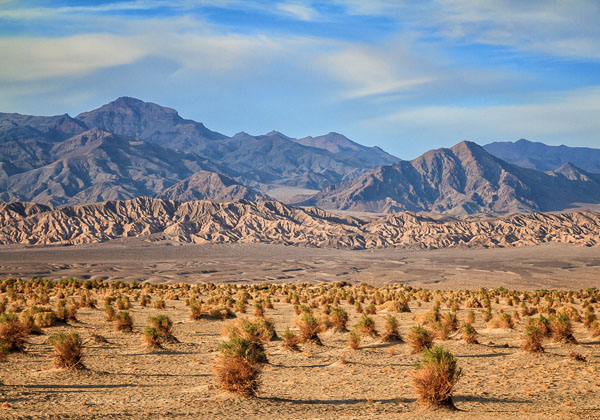
Devil's Cornfield, Death Valley National Park, California, by Anne McKinnell

There are many problems we run into along the way that can prevent our overall impression of a scene from shining through in the final image. The following are the most common traps to expect, and how you can avoid them.

1. Crooked Horizons

Most landscape photos will feature the horizon – a dead giveaway to the picture’s overall perspective. That means that if the line dividing land and sky is not perfectly straight across, the whole picture looks totally out of whack. There are a few ways to make sure your horizon squares up right:

  • Grid Overlay
    On most DSLRs (and some compact cameras), you can overlay a grid on either your viewfinder, your live view screen, or both. Align your horizon with one of these lines.
  • Electronic Horizon
    Newer, higher-end cameras often have a built-in electronic level. When turned on, it will gauge the camera’s position in space and tell you when it is evenly aligned.
  • Bubble Levels
    Some cameras have a bubble level attached and some tripods will have one as well. If you don’t have one built into your gear, you can purchase one that affixes onto the camera’s hot shoe. Just like a spirit level in construction, this will help you straighten your camera out.
  • Post-Processing
    If all else fails, every major photo editing software will feature a “straighten” tool which allows you to draw a line tracing the horizon. Using this, the program will automatically crop the image on an angle to make sure that the line is perfectly horizontal.

2. Eye-level Perspective

Most people photograph from an eye-level standing position producing photos that look as you would expect to see things if you were there. For a more interesting composition, try climbing on top of something, or getting close to the ground to achieve a different point of view.

3. Empty Skies

Without clouds, birds, or some other interesting feature, empty skies can turn out pretty flat and boring in a photo. Try to compose your picture with something interesting in the sky. If there is nothing interesting to show, raise your horizon line to the top third of the image to minimize how much space the sky occupies in the frame.

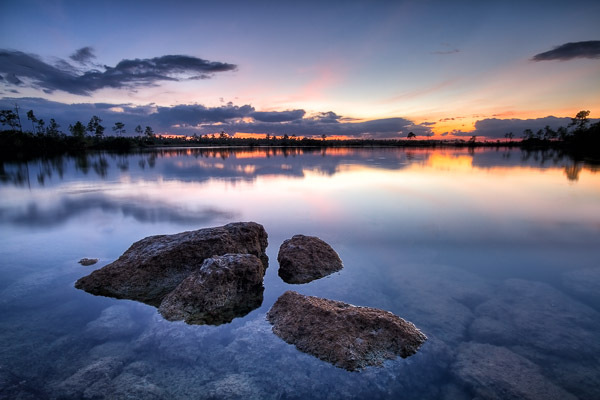
Pine Glades Lake, Everglades National Park, Florida, by Anne McKinnell

4. Hand Shake Blur

A blurry photograph loses almost all of its impact. Either use a tripod or use a fast shutter speed combined with image stabilization.

When it comes to landscapes, securing your camera onto a sturdy tripod will always yield better results. Even if you’re using short exposures, a tripod will allow you to compose your shot more precisely and lock its position into place while you shoot.

5. No Focal Point

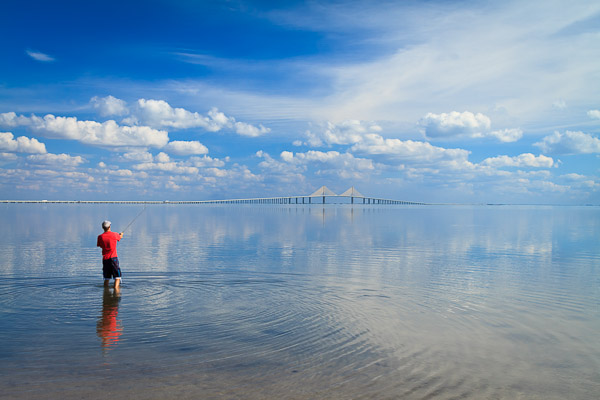
Skies and mountains are lovely, but a picture can’t be all background. Your photo needs a focal point to hold the viewer’s interest. This can be anything – an interesting tree, a boat, a pier, a log – but no landscape photo is complete without a main subject.

Fisherman at Fort DeSoto, Florida, by Anne McKinnell

6. Cluttered Backgrounds

The opposite also applies – be careful not to focus too much on the subject and forget about how the background comes together. Pay attention to what is behind your main subject. If the background elements don’t add to the composition remove them if possible. Be careful that you have separation between each element, and don’t let them visually blend together (ie. two or more trees merging into a greenish blob). This is especially problematic when the objects are backlit or silhouetted.

7. Poor Lighting

When you rely on the sun to light your shots, you’ll find that some days the weather just doesn’t cooperate. Grey, cloudy days will give you muted, washed-out colours and not much in the way of shadows or contrast. Extremely sunny days might do just the opposite. Carefully consider the lighting conditions on your scene before you decide how to approach it.

  • If the sun is out, position it to one side of the camera to take advantage of the shadows and textures created by sidelight.
  • If the sun is in front of the lens, your scene will be backlit and you can make some dramatic silhouettes.
  • If the sun is behind you photographing the scene will be more difficult because the direct light will make the scene appear flat. Consider changing direction.
  • If there is no sun and the sky is white, use the soft lighting conditions to make close-ups.

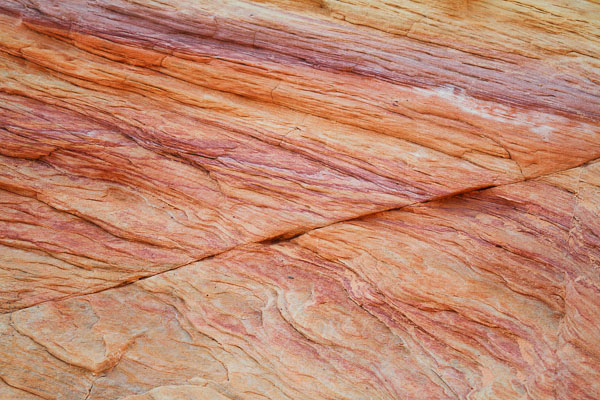
Rainbow Rock, Valley of Fire, Nevada, by Anne McKinnell

8. Underexposing

If the sky is overly bright (say, in the middle of the day), it can confuse the camera’s light meter, which will try to compensate by underexposing the rest of the image, resulting in a dark foreground. If this happens, use the exposure compensation to turn up the brightness, but not so much that the sky becomes blown out (turns white).

If you’re having this problem, try re-composing your image to include a darker area of the sky. This type of scene is a good time to use a graduated neutral density filter. These filters are dark on the top and clear on the bottom. You place it in front of your lens to darken the top half of the image and even out the exposure.

9. Hot Spots and Blown Out Highlights

It’s not just the sky that can blow out, though – a hot sun can cause glare on many surfaces. Watch your scene for bright spots caused by reflections or excess sunlight. Most cameras have a “highlight warning” viewing mode on the image preview which will show any pixels that have turned pure white. If you have blown out highlights, use the exposure compensation to reduce the exposure slightly until they are gone.

10. Lack of Dimension

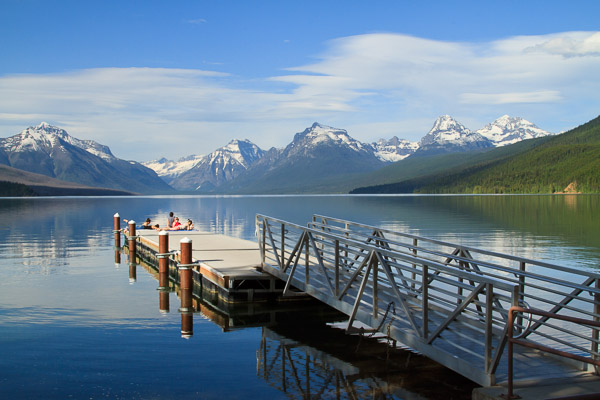
Even though a photo is a two-dimensional image, a strong landscape composition gives the illusion of depth. When you’re setting up your shot, make sure to populate the frame in the foreground, mid-ground, and background.

Lake McDonald, Glacier National Park, Montana, by Anne McKinnell

When you are learning photography it can be hard to critique your own work and understand how to improve. After your next photo shoot, examine your images for these problems so you can avoid them next time. Looking at each of your images with a critical eye and considering how they could be improved will quickly improve your artistic eye and make you a better photographer.

The post 10 Most Common Mistakes in Landscape Photography – and How to Overcome Them by Anne McKinnell appeared first on Digital Photography School.


Digital Photography School

 
Comments Off on 10 Most Common Mistakes in Landscape Photography – and How to Overcome Them

Posted in Photography


The Most Important Do’s and Don’ts of Portrait Posing You’ll Ever Read

03 Feb

Have you ever seen those photographers whose portfolios have so so many amazing portraits? You look at all of their pictures, wondering how they do their magic. They must have “great subjects” or work with people that aren’t camera-shy like your friend. The truth is that great portraits aren’t about the models or how photogenic or “picture-perfect” they are, but Continue Reading

The post The Most Important Do’s and Don’ts of Portrait Posing You’ll Ever Read appeared first on Photodoto.


Photodoto

 
Comments Off on The Most Important Do’s and Don’ts of Portrait Posing You’ll Ever Read

Posted in Photography


Best of dPS 2013 – Some of the Most Popular Articles of the Year

30 Dec

To continue on our week of the Best of dPS, today we’ll look at some general topics. We’ve already looked at the Top Landscape articles from 2013, All About Gear, and yesterday we had the Portrait Tutorial Feast. So we’ve covered some of the specific topics that you love to read about. But what if you just want to brush up on some basic camera settings or composition?  Then, check out:
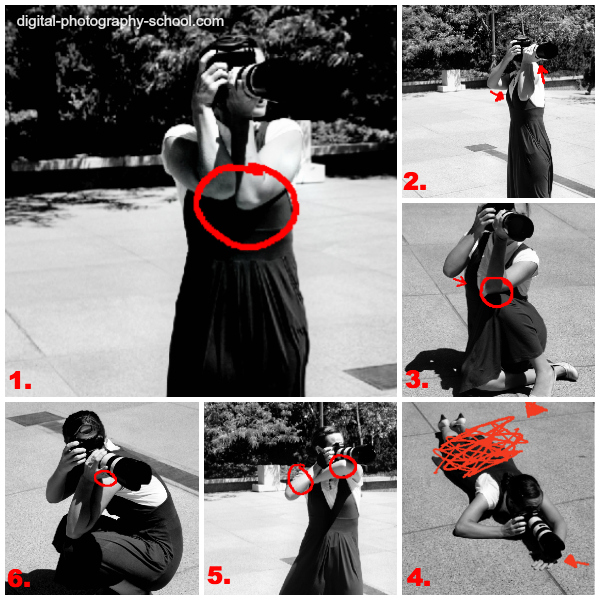
The Best of dPS – the top photography articles in 2013 in no particular order:

  1. ISO Settings in Digital Photography
  2. Introduction to Aperture in Digital Photography
  3. Rule of Thirds
  4. Introduction to Shutter Speed in Digital Photography
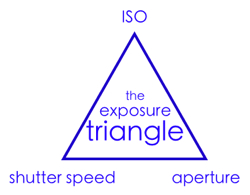
  5. Learning about Exposure – The Exposure Triangle
  6. 21 Settings, Techniques and Rules All New Camera Owners Should Know
  7. Raw vs. JPG
  8. Photography Quotes
  9. Digital Photography Tips for Beginners
  10. How to Photograph…
  11. 5 Elements of Composition in Photography
  12. How to photograph sunrises and sunsets
  13. 5 Photography Bad Habits to Quit
  14. Long exposure photography
  15. Why You Should Use Your Lens’ Hood
  16. How to Avoid Camera Shake
  17. Aperture and Shutter Priority Modes
avoid-camera-shake

How to Avoid Camera Shake

Did you have other favourites? Share them in the comments below.

The post Best of dPS 2013 – Some of the Most Popular Articles of the Year by Darlene Hildebrandt appeared first on Digital Photography School.


Digital Photography School

 
Comments Off on Best of dPS 2013 – Some of the Most Popular Articles of the Year

Posted in Photography


Poll update – what post production software do you use the most?

23 Dec

We ran this poll last in February of 2009, so I thought it was time for an update to see if there have been any changes since last time. I’m especially curious about any Adobe offerings since the Creative Cloud too affect. Has that swayed your software choice?

Tell us what post production software you use the most. If you use more than one, indicate the one you use most often, for most of your editing needs. For example I use Lightroom and Photoshop CC, but LR5 is my primary tool as I use it for 90% of my editing.

By filling this in you will also be giving us direction in what types of articles and tutorials we post in the future. So please share and add a comment below if you want to give us additional information.

>I’ve included the eight most popular tools mentioned last time we asked this question to readers (I’ve combined all Photoshop versions into one for simplicity). I know others of you use Noise Ninja, Bibble Pro, ACDSee and others – feel free to tick the ‘others’ option and tell us in comments below what ‘other’ one you’ve chosen.

If you use more than one feel free to tell us about that too.

Note: There is a poll embedded within this post, please visit the site to participate in this post’s poll.

The post Poll update – what post production software do you use the most? by Darlene Hildebrandt appeared first on Digital Photography School.


Digital Photography School

 
Comments Off on Poll update – what post production software do you use the most?

Posted in Photography


The 10 Most Popular Compact System Camera Systems among Our Readers

18 Dec

Over the last few weeks we’ve featured lists of the most popular DSLRs, DSLR Lenses and Camera Bags among our readers. Today we’re turning our attention to compact camera systems.

This last 3 months has seen a bit of a surge in purchases of and interest in this class of camera as an increasing number of our readers seem to be looking for smaller cameras that still have interchangeable lens options. Particularly of interest is Sony’s release of the full farm A7 and A7R cameras which have only been available for a short while but which already feature in our best seller list.

With manufacturers like Sony, Olympus, Fujifilm and Panasonic continuing to develop and improve their offerings in this class I suspect we’ll see it continue to grow.

Here are the the 10 most popular compact camera systems among our readers (we’ve kept it to those with interchangeable lenses) bought in the last 3 months (ranked in order of what our readers bought at Amazon in the last few months*).

10 Most Popular Compact Camera Systems among Our Readers

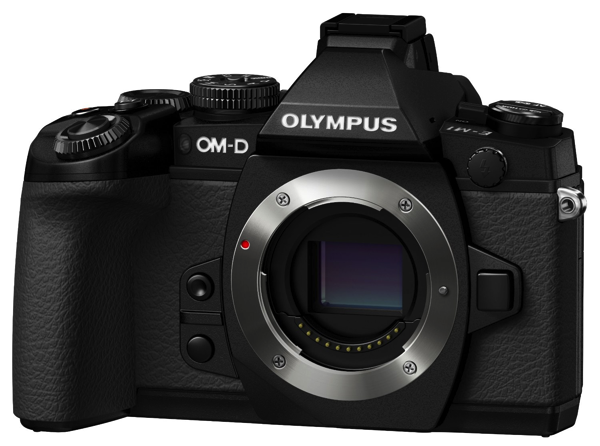
1. Olympus OM-D E-M1

NewImage

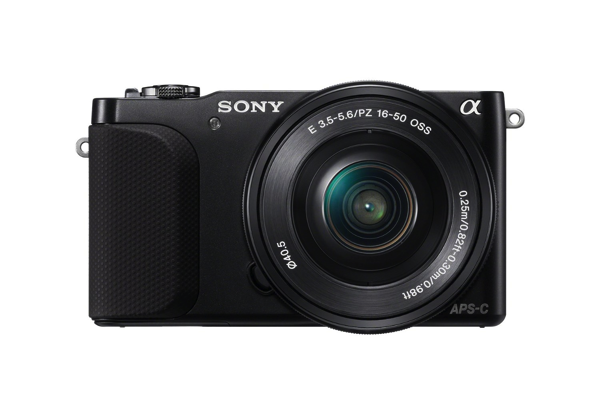
2. Sony NEX-3NL/B

NewImage

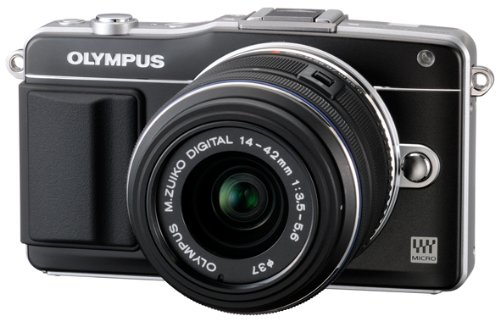
3. Olympus E-PM2

NewImage

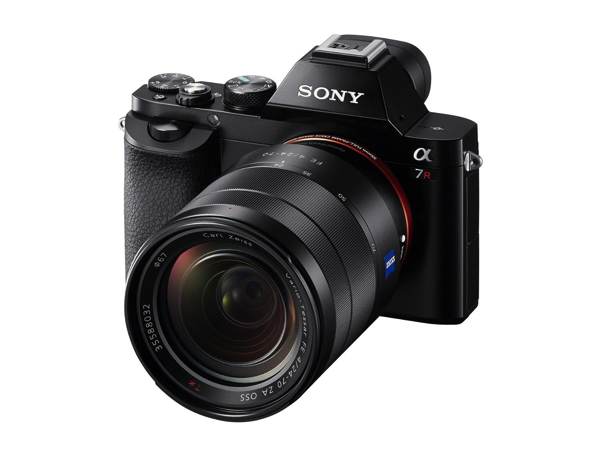
4. Sony a7R Full-Frame

NewImage

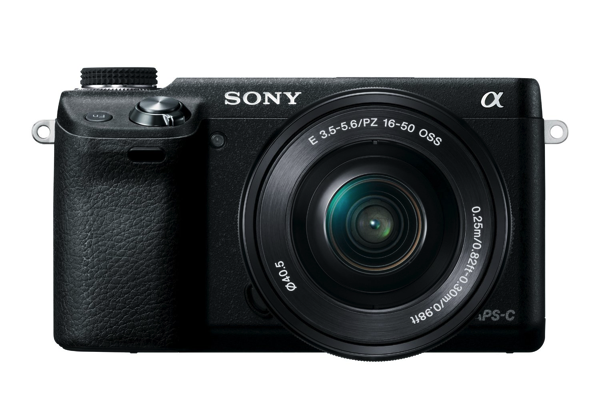
5. Sony NEX-6L/B

NewImage

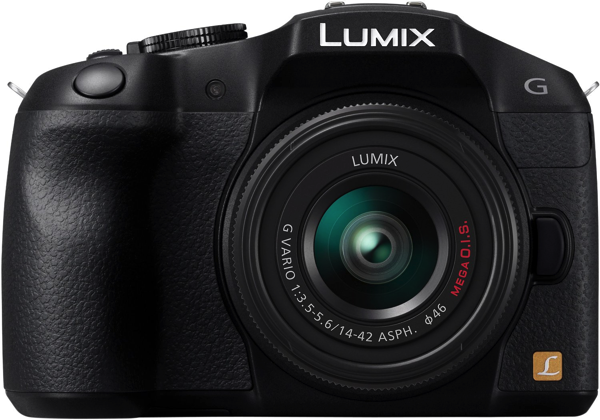
6. Panasonic Lumix G Series DMC-G6KK

NewImage

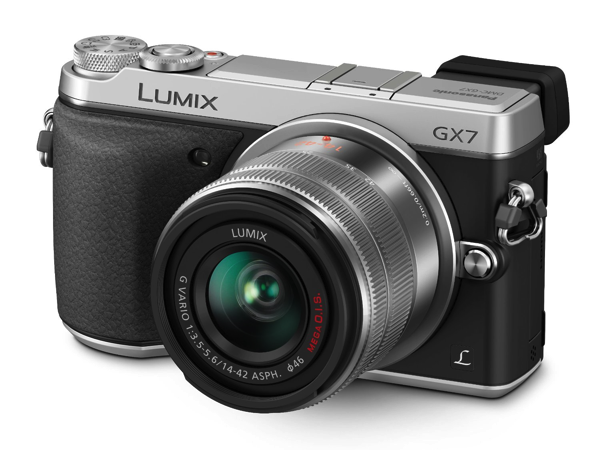
7. Panasonic LUMIX GX7

NewImage

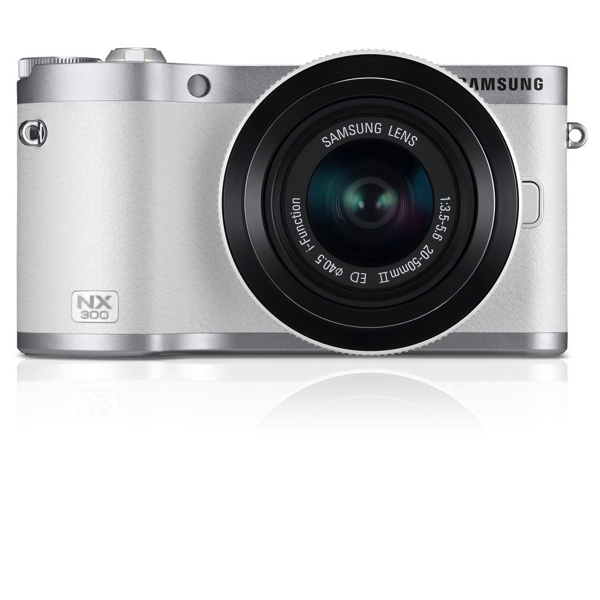
8. Samsung NX300

NewImage

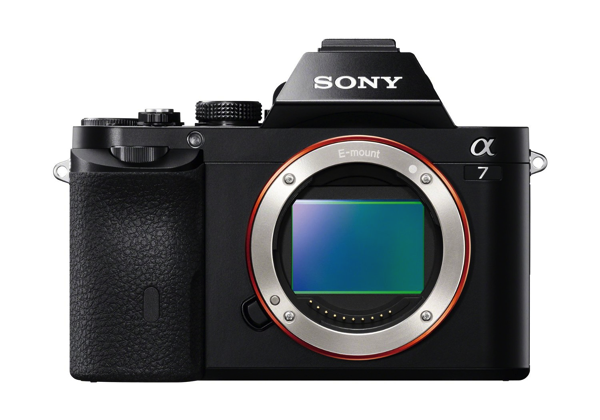
9. Sony a7 Full-Frame

NewImage

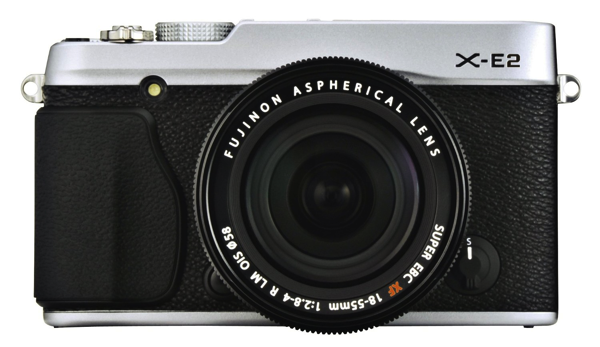
10. Fujifilm X-E2

NewImage

*Note: these lists were compiled from reports supplied to us from Amazon.com where we are affiliates. One of the ways dPS is able to cover its costs and be a sustainable business is that we earn a small commission when readers make a purchase from Amazon after clicking on our links (including those above). While no personal details are passed on we do get an overall report from Amazon about what was bought and are able to create this list.

The post The 10 Most Popular Compact System Camera Systems among Our Readers by Darren Rowse appeared first on Digital Photography School.


Digital Photography School

 
Comments Off on The 10 Most Popular Compact System Camera Systems among Our Readers

Posted in Photography