RSS
 

Posts Tagged ‘More’

World’s Largest Indoor Farm is 100 Times More Productive

12 Jan

[ By WebUrbanist in Architecture & Offices & Commercial. ]

indoor farm japan interior

The statistics for this incredibly successful indoor farming endeavor in Japan are staggering: 25,000 square feet producing 10,000 heads of lettuce per day (100 times more per square foot than traditional methods) with 40% less power, 80% less food waste and 99% less water usage than outdoor fields.

indoor factory lettuce farm

indoor farm high yield

Customized LED lighting developed with GE helps plants grow up to two and half times faster, one of the many innovations employed in this enterprise by Shigeharu Shimamura, the man who helped turn a former semiconductor factory into the planet’s biggest interior factory farm.

worlds largest indoor farm

Shimamura has shortened the cycle of days and nights in this artificial environment, growing food faster, while optimizing temperature, lighting and humidity and maximizing vertical square footage in this vast interior space (about half the size of a football field).

indoor future led farming

With a long-standing passion for produce production, he “got the idea for his indoor farm as a teenager, when he visited a ‘vegetable factory’ at the Expo ’85 world’s fair in Tsukuba, Japan. He went on to study plant physiology at the Tokyo University of Agriculture, and in 2004 started an indoor farming company called Mirai, which in Japanese means ‘future.’”

indoor farm interview detail

The beauty of this development lies partly in its versatility – since it deals in climate-controlled spaces and replicable conditions, a solution of this sort can be deployed anywhere in the world to address food shortages of the present and future. Saving space, indoor vertical farms are also good candidates for local food production in crowded and high-cost urban areas around the globe. Aforementioned strides in waste and power reduction also make these techniques and approaches far more sustainable and cost-efficient.

Share on Facebook


[ By WebUrbanist in Architecture & Offices & Commercial. ]

[ WebUrbanist | Archives | Galleries | Privacy | TOS ]


WebUrbanist

 
Comments Off on World’s Largest Indoor Farm is 100 Times More Productive

Posted in Creativity


7 Tips for a More Anonymous Approach to Street Photography

08 Jan
©Valerie Jardin

©Valerie Jardin

Can you imagine a world without street photography? Think of the legacy that Doisneau, Cartier-Bresson, and lesser known pioneers of the genre left for us to enjoy for generations to come. We can all play a part in documenting the world around us, one photograph at a time.

One of the most common reservations people have about shooting street photography is the feeling of invading their subjects’ privacy. It’s a legitimate concern and one that can be addressed by following simple rules of respect. I always urge my workshop students to refrain from photographing people in vulnerable or embarrassing situations. It’s a simple rule: You should be able to put yourself in your subject’s shoes and be okay with your photograph being shared on social media. Photographing a beautiful story in a public place should never be a concern, anywhere in the world, if it is done with respect.

Unfortunately, as the genre gains more and more popularity, many photographers forget those essential rules of respect. That makes it even more difficult and intimidating for others to make their first steps in the exciting world of street photography.

If you are still hesitant, there are ways to include the human element in your photography without revealing their identity. Those methods can be very rewarding and make for very artistic images. So here are a few tips to help you do more anonymous street photography.

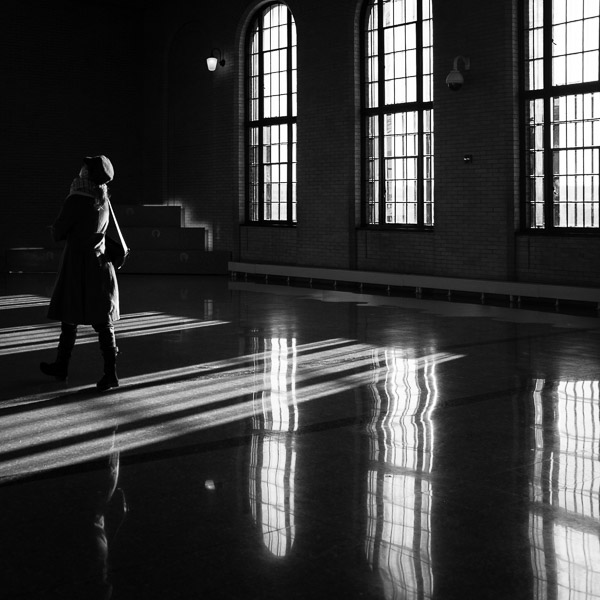
1. Photograph the back of people

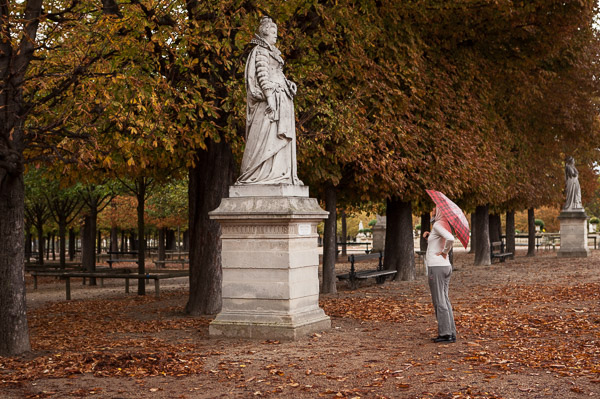
Not every subject photographed from behind will make a strong image. Gesture will be the biggest factor to consider. Background and light are also strong elements. Basically, your image should be stronger shot from behind than if you had photographed the same subjects while facing them.

©Valerie Jardin

©Valerie Jardin

©Valerie Jardin

©Valerie Jardin

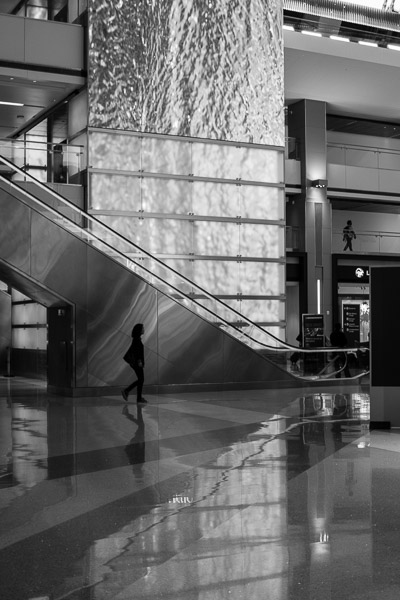
2. Minimalist approach

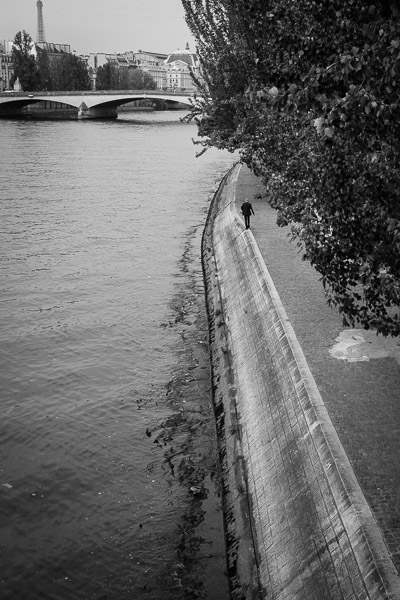
In a minimalist approach to street photography, your subject is usually quite small but becomes the focal point in an interesting urban landscape. Look for interesting architecture, repeated patterns, geometrical shapes, etc. They all make for very interesting backgrounds. Wait for the right subject to enter your frame, et voilà!

©Valerie Jardin

©Valerie Jardin

©Valerie Jardin

©Valerie Jardin

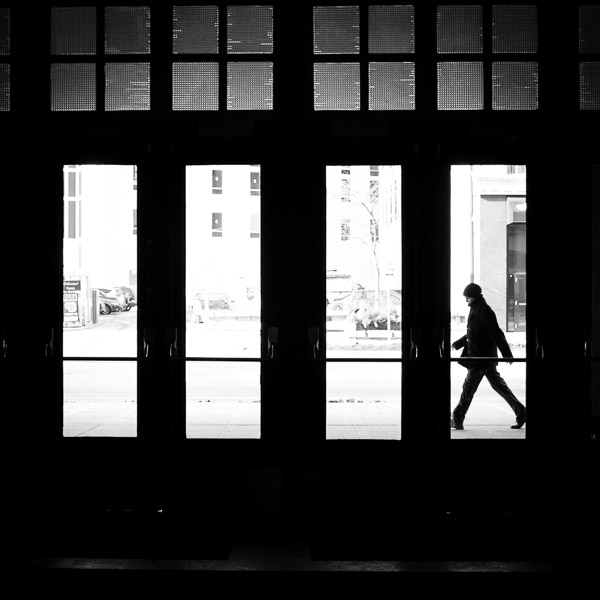
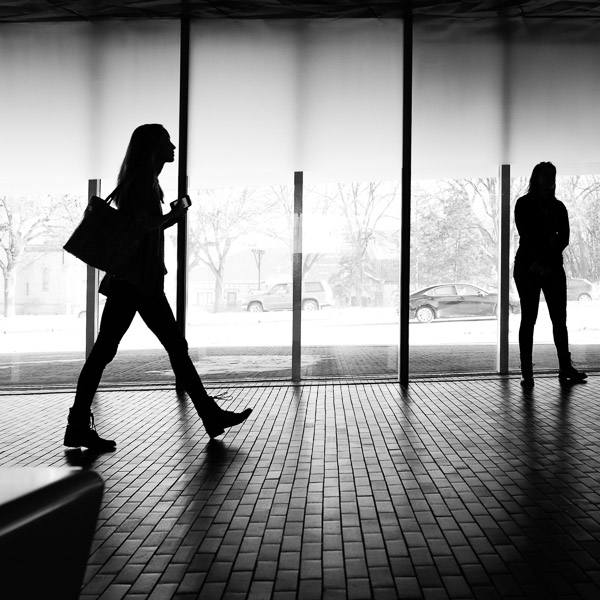
3. Silhouettes

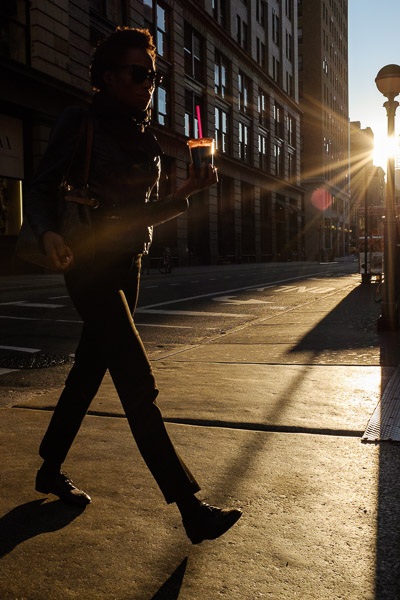
Who doesn’t love to photograph silhouettes? Again, the subject has to be well defined. There should be as few distracting elements in front of your subject as possible. Don’t hesitate to blow out the highlights for a more dramatic silhouette. The less distinguishable the background, the better! Photographing the right gesture or step are the key to a successful silhouette.

©Valerie Jardin

©Valerie Jardin

©Valerie Jardin

©Valerie Jardin

Shooting into the sun is also a great way to create a dramatic effect while maintaining the anonymity of your subject.

©Valerie Jardin

©Valerie Jardin

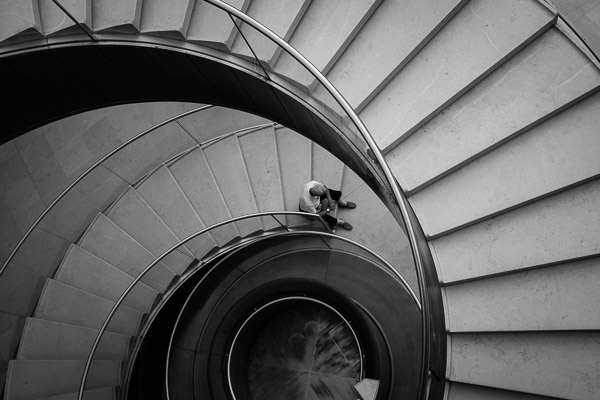
4. Far away subjects

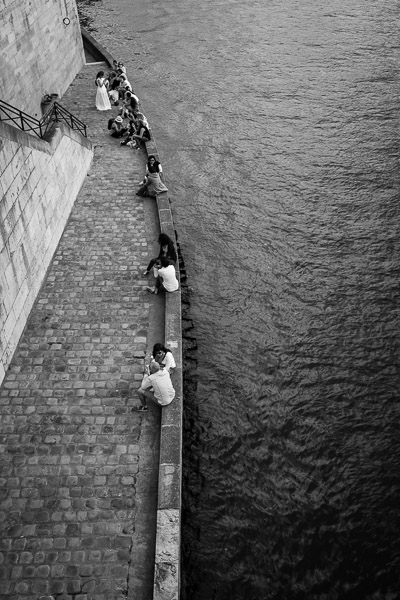
Street photography is best done up close for a more intimate image, but shooting from above or far away can make interesting photographs as well. The human elements, even small, draw the eye of the viewer without revealing their identity.

©Valerie Jardin

©Valerie Jardin

©Valerie Jardin

©Valerie Jardin

©Valerie Jardin

©Valerie Jardin

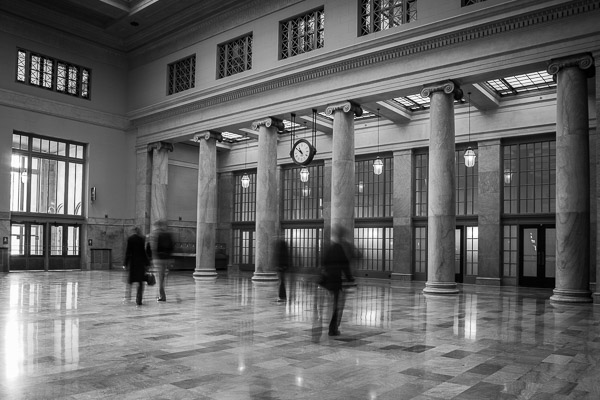
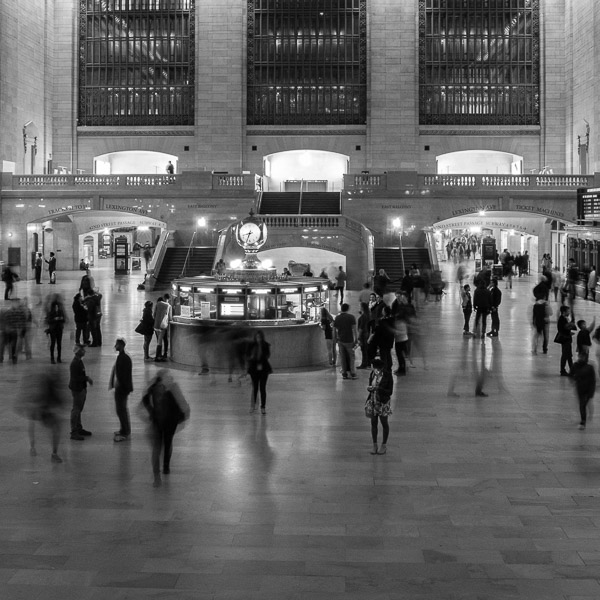
5. Motion

Long exposure to create some motion blur is also a really fun way to photograph people. This works well in busy places, such as train stations. The architecture has to be interesting as it will become the highlight of the image by being the sharpest element.

©Valerie Jardin

©Valerie Jardin

©Valerie Jardin

©Valerie Jardin

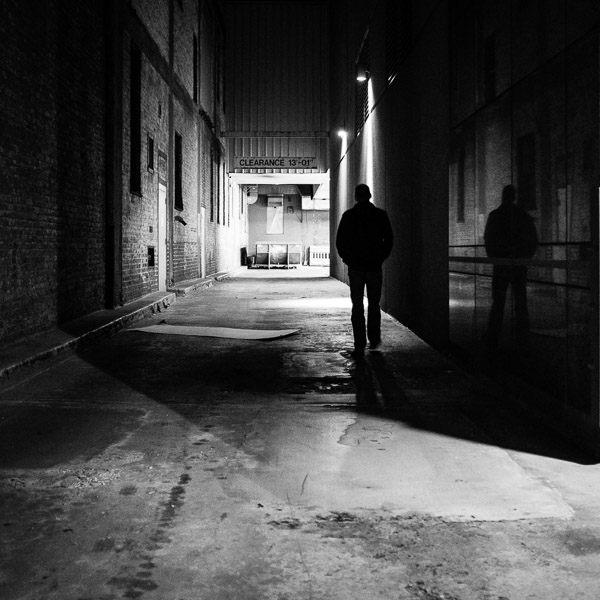
6. Darkness

Crank up that ISO! Night street photography can be so much fun. Use your best judgement and stay safe!

©Valerie Jardin

©Valerie Jardin

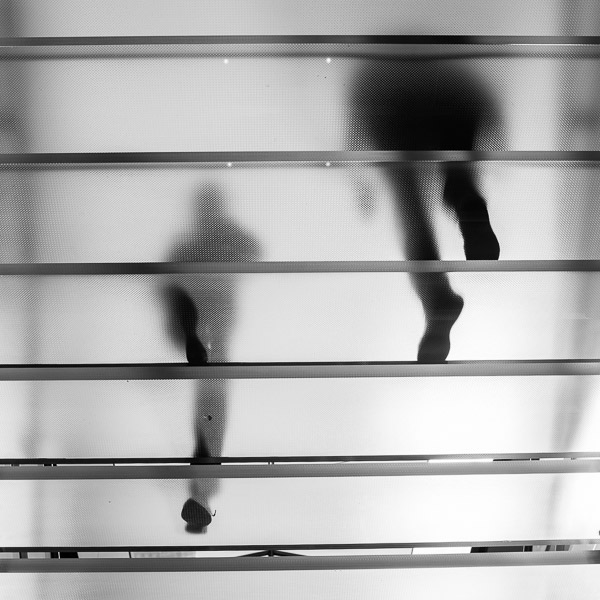
7. Abstract

Think outside the box. Street photography doesn’t have to be about faces. Find more abstract ways to photograph strangers.

©Valerie Jardin

©Valerie Jardin

©Valerie Jardin

©Valerie Jardin

How do you approach candid street photography? Please share your experience with the dPS readers.

googletag.cmd.push(function() {
tablet_slots.push( googletag.defineSlot( “/1005424/_dPSv4_tab-all-article-bottom_(300×250)”, [300, 250], “pb-ad-78623” ).addService( googletag.pubads() ) ); } );

googletag.cmd.push(function() {
mobile_slots.push( googletag.defineSlot( “/1005424/_dPSv4_mob-all-article-bottom_(300×250)”, [300, 250], “pb-ad-78158” ).addService( googletag.pubads() ) ); } );

The post 7 Tips for a More Anonymous Approach to Street Photography by Valerie Jardin appeared first on Digital Photography School.


Digital Photography School

 
Comments Off on 7 Tips for a More Anonymous Approach to Street Photography

Posted in Photography


Create More Unique Travel Photos by Adding a Model

06 Jan

Creative travel photography is becoming increasingly difficult as world travelers have easier access than ever to stellar cameras. In fact, travel photography can at times seem uninspiring when you arrive at a tourist spot and see that everyone around you is taking the exact same shots. There are many ways to reframe your perspective to capture unique angles of a tourist attraction, but there is also another way that seems to be overlooked: turn travel photography into a series of creative portrait sessions with a model.

Sedona creative travel photography

You may have noticed a trend among some of your amateur photographer friends who take an object like a Lego figurine toy and place it in a unique location as a way to maintaining some continuity between travel photography images, or tell a visual story. Using a consistent model is actually a great way to exercise creativity and tell a compelling, unique story, with imagery. While it’s definitely easy to use an inanimate object, why not exercise your portrait skills by adding a human model? This was the way of thinking my photo companion and I assumed during a recent long weekend escape to Sedona, Arizona.

Sedona creative travel photography

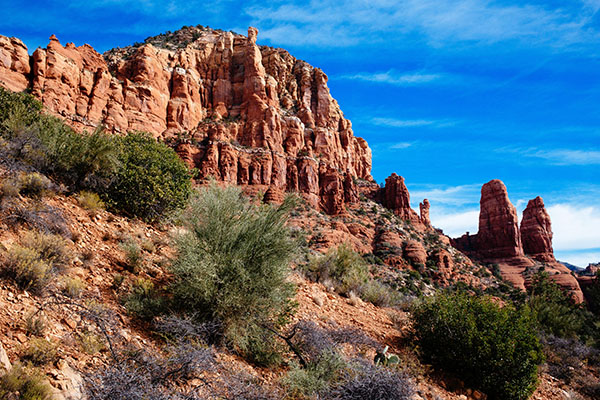
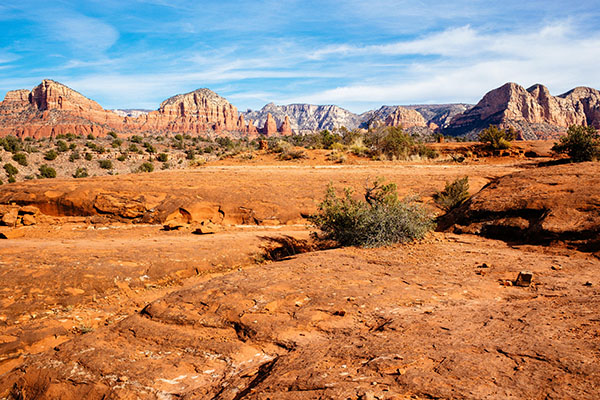
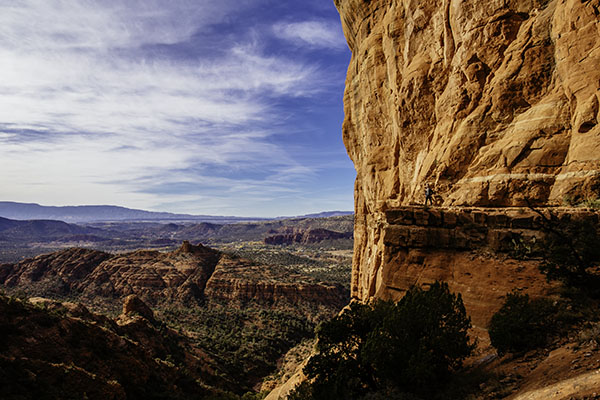
Before: landscape without a model, or the shot that everyone else was getting.

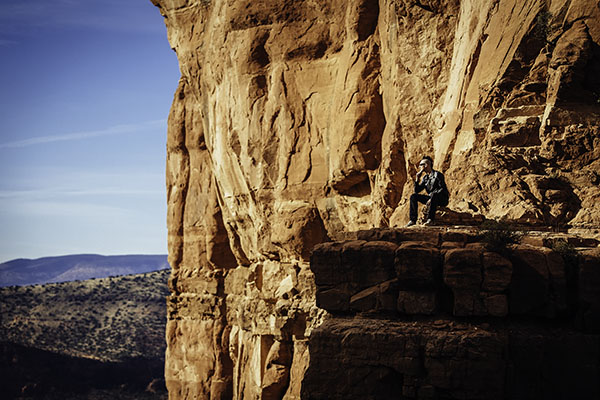
Famous for its natural red rock formations, Sedona is one of those areas that has already been widely photographed from a landscape perspective. In fact, the hotel we stayed at gifted us with a set of six postcards. Each one is a striking landscape photo of a notable attraction in Sedona taken during the perfect time of day, and from a high altitude, likely from a helicopter or high hiking spot. That immediately began to deter our ambitions for capturing stunning images of Sedona, as I’m not inspired by capturing the same images that others have already taken and widely publicized. Immediately, the idea of placing a unique model in the middle of a popular landscape came to mind as a way of crafting one-of-a-kind images.

Sedona creative travel photography

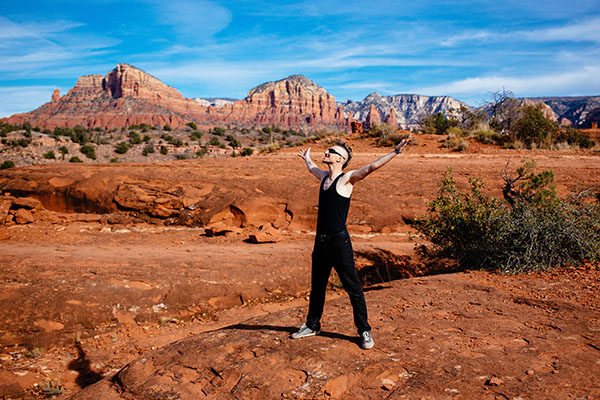
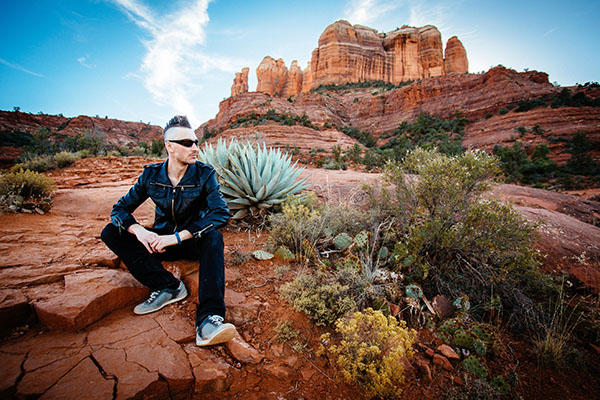
After: landscape with a model.

Background

Luckily, my travel companion loves having his photo taken and isn’t afraid of drastically altering his appearance for the sake of a photo shoot. As we began mapping our trip around Sedona, he decided that assuming a character identity similar to that of Mad Max would make a perfect visual theme for our travel photo sessions. The result? He went and shaved his full head of hair into a mohawk and donned an outfit of black pants and black leather jacket, which he wore throughout our entire trip to Sedona. A bit out of place for a hot desert? Indeed, and appropriately so, as a mohawk can be seen as an emblem of nonconformity, in our case, against the typical tourist photos everyone around us was taking. We were met with many stares and raised eyebrows throughout the entire trip, but, we walked away with a unique series of images that not only showcase the beauty of Sedona, but also add some intrigue by inserting a seemingly out of the ordinary character into these landscapes.

Sedona creative travel photography

Executing the Photo Shoots

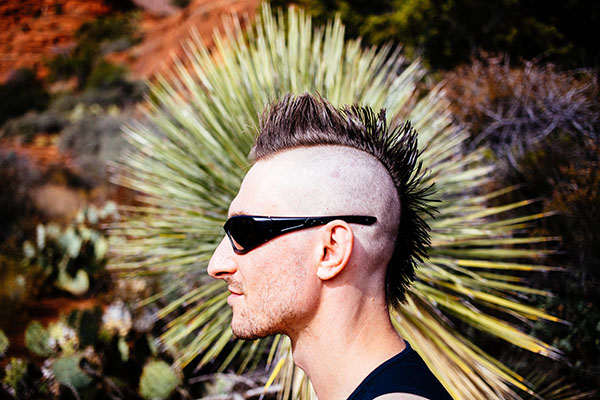
As mentioned earlier, Sedona is very popular among camera-wielding tourists, making it tough to find clearings for taking portraits. The best method we found was setting up the scene as best as we could and waiting for a quick, often one second, gap when people passed by. The gear was simple: a Canon 6D camera, a 24-70mm f/2.8 lens, and a 70-200mm f/2.8 lens. No external lighting was used, just the sun in all of its glory. As the photographer, it was a fun challenge to figure out the best way to photograph someone with a mohawk. In fact, the only way to capture the full effect of the mohawk is from a profile view, so the real trick was to get creative with the backgrounds, perspectives, and angles to make each portrait unique.

Sedona creative travel photography

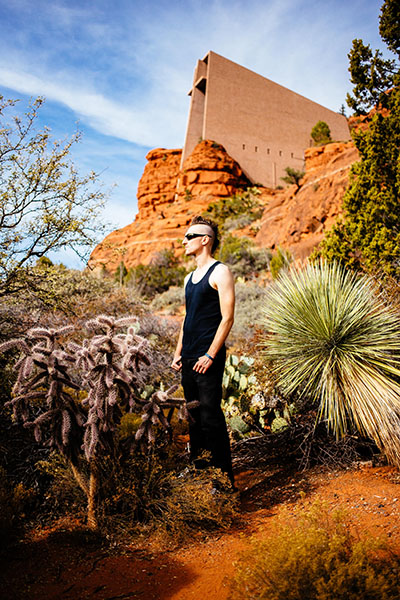
This portrait was taken at the Chapel of the Holy Cross, one of the most visited and easily accessible tourist spots in Sedona. While this would be a pretty common shot of the chapel, inserting a model into the scene makes for a more dynamic image. A wide angle shot like the one above sets the scene, whereas the telephoto shot below takes essentially the same pose and turns it into an entirely new image.

Sedona creative travel photography

Another way to add flair to landscape portraits was to use the 70-200 f/2.8 telephoto zoomed in to 200mm

Sedona creative travel photography

Same principle with these images: in the one above, I started off with a wide shot at the vista of the popular Cathedral Rock Trail, and then zoomed way in with a telephoto lens below.

Sedona creative travel photography

Any other creative landscape portrait artists out there? Show off your images and the stories behind them!

googletag.cmd.push(function() {
tablet_slots.push( googletag.defineSlot( “/1005424/_dPSv4_tab-all-article-bottom_(300×250)”, [300, 250], “pb-ad-78623” ).addService( googletag.pubads() ) ); } );

googletag.cmd.push(function() {
mobile_slots.push( googletag.defineSlot( “/1005424/_dPSv4_mob-all-article-bottom_(300×250)”, [300, 250], “pb-ad-78158” ).addService( googletag.pubads() ) ); } );

The post Create More Unique Travel Photos by Adding a Model by Suzi Pratt appeared first on Digital Photography School.


Digital Photography School

 
Comments Off on Create More Unique Travel Photos by Adding a Model

Posted in Photography


More Map Art: 27 Cool Cartographic Sculptures & Drawings

05 Jan

[ By Steph in Art & Drawing & Digital. ]

map art fairburn 2

Rivers become veins in detailed portraits, mirrored city blocks resemble modernized Persian rugs and urban topographies emerge from rolls of tape in these map-based works of art. Some create the images of cities, countries and continents from unexpected materials, like Manhattan rendered in a 2.5-ton block of marble, while others use complex aerial imagery and cartography as an unexpected medium for drawings and sculpture.

Google Maps as Persian Rugs by David Thomas Smith

map art persian rugs 1

map art persian rugs 2

map art persian rugs 3

Images composited from Google Maps screencaps are reconstructed piece-by-piece into mirrored images inspired by Persian rugs in ‘Anthropocene,’ a series by David Thomas Smith. The Dublin-based artist chooses locations that are centers of global capitalism, including Dubai, the Beijing International Airport, and industrial sites like the Delta Coal Port in Vancouver, British Columbia. “This collision between the old and the new, fact and fiction, surveillance and invisibility, is part of a strategy to reflect on the global order of things,” says the artist.

Manhattan in 2.5 Tons of Marble

map art marble manhattan 1

map art marble manhattan 2

Japanese sculptor Yutaka Sone did, in fact, use Google Maps and aerial photographs to render an accurate replication of Manhattan in this whopping 2.5-ton block of white marble. But most of his inspiration actually came from a series of helicopter rides in which he got a feel for the city, ultimately carving it as if it were an elevated plateau. The details of the sculpture are so accurate, residents of the city can locate their own buildings by counting the blocks.

Topographical Tape Maps by Takahiro Iwasaki

map art tape 1

map art tape 2

Best-known for his intricate thread sculptures, Japanese artist Takahiro Iwasaki has also created topographical maps carefully sliced into fat rolls of gray and blue electrical tape. The landscape replicated on the gray roll is Victoria Peak, a mountain located on the western half of Hong Kong Island.

Map Portraits by Ed Fairburn

map art fairburn 1

map art fairburn 3

Ed Fairburn uses paper maps as canvases for incredibly detailed portraits, rendering human features as topographical landscapes on top of street maps, star charts, railroad blueprints and other types of maps. The portraits seem to blend seamlessly with the landscape features, with rivers and roads running through them like veins.

Next Page – Click Below to Read More:
More Map Art

Share on Facebook


[ By Steph in Art & Drawing & Digital. ]

[ WebUrbanist | Archives | Galleries | Privacy | TOS ]


WebUrbanist

 
Comments Off on More Map Art: 27 Cool Cartographic Sculptures & Drawings

Posted in Creativity


Start a New Great Year – How To Develop Ideas More Creatively

05 Jan

As a photographer, coming up with ideas and visualizing what you imagined in an image, is an essential progress. Coming up with those (hopefully) great ideas isn’t an easy task though because of the sheer flood of pictures that everyone sees everyday. Here are my strategies for coming up with ideas that help you stand out from the masses. According Continue Reading

The post Start a New Great Year – How To Develop Ideas More Creatively appeared first on Photodoto.


Photodoto

 
Comments Off on Start a New Great Year – How To Develop Ideas More Creatively

Posted in Photography


5 Tips to Help You Take More Natural Looking Portraits

05 Dec

Writing for dPS has afforded me several opportunities, the best one being getting to converse with photographers – hobbyists to professionals and everything in between – from all over the world.
lynseymattingly3

Each time an article I write is published, I get the loveliest emails and comments, and I do my very best to respond to each of them. The question I get most often is one I ask other photographers all the time: How do you make your pictures look like……..that? The question may be worded differently, but ultimately it is the same:

  • How do you get your colors to pop?
  • What lens do you use?
  • How come the people all look so happy/comfortable/natural in your pictures?
  • What’s your editing process?

When we ask another photographer these questions, we are all asking the same thing: How do you make your pictures look like that?

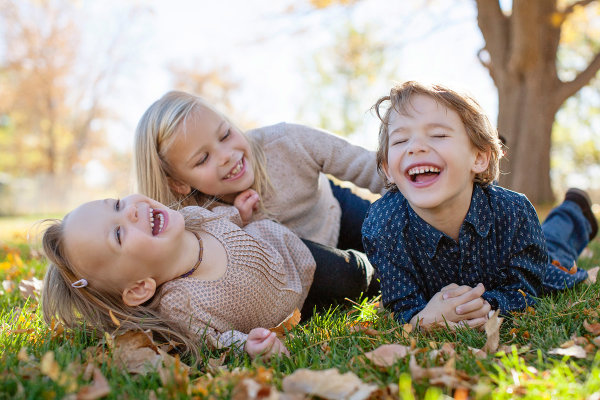
When an image grabs you – makes you take an extra second to look at, to admire it, or to wonder if your own images look that great, (or throws you into a jealous rage over picture envy (please tell me I’m not the only one) – it’s as though the photographer has such a defined style, their entire message comes across in that one photo staring back at you. Since my style is candid portraiture, or lifestyle photography, or whatever the latest buzzword is we are calling it now, my subjects’ expressions and poses are what I typically get asked about most. Or maybe that’s just the only part I can explain very well, as the science and equipment piece of it is just not my cup of tea.

lynseymattingly8

So here are the five things I say and do during a portrait shoot that I feel make the biggest difference in the comfort level of my clients, and ultimately is the reason I occasionally strike gold. It’s these things that are the answer to how I make my pictures look like that.

#1 Explain the process

Before I take a single picture – whether my subjects are nine or 90 years old – I tell them exactly what to expect from the session, and what I expect from them. It nearly always goes like this: “I’m going to take some pictures. I’m going to take some pictures of just the kids, some pictures of just Mom and Dad, and some pictures of everybody. You can smile if you want to smile, but you don’t have to if you don’t want to, and at the end I’m going to give you a little prize.” This short little introduction often immediately puts my clients at ease and I am able to set the tone of the whole shoot based on their response.
lynseymattingly6

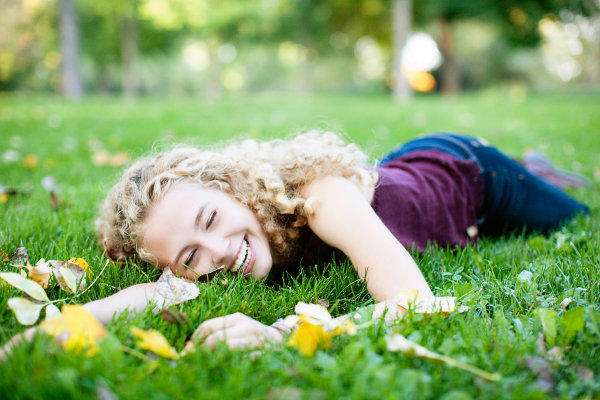
If I am photographing kids, I always sit down on the ground so I am closer to their level, but I say this exact thing to children and adults alike. Yes, I carry around lollipops. My gear bag has an entire area just for that, and people I have photographed before know it. A lollipop is a tiny treat and while it’s fun and funny, though not usually a huge motivator for teenagers and certain adults, you’d be surprised how far it gets me. Obviously for most, it’s not the prize itself, but rather that I am acknowledging that this is going to be a bit of work, and it’s going to have an end point. It’s an offering to them, silently asking for them to go all-in for photos and perhaps have a little patience with me.

Also important is that I tell them they don’t have to smile. I don’t want anyone smiling because they think they have to – smiles out of obligation makes for terrible pictures. I want them to smile because we are having so much fun, they do it instinctively.
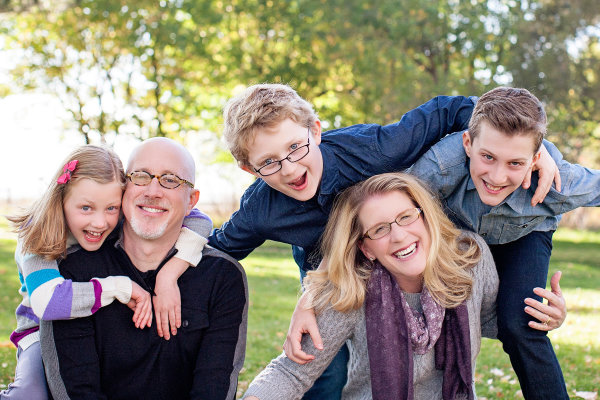
lynseymattingly1

#2 Strive for interaction and reactions, not poses and smiles

If I have to choose between a picture of every face looking at me, smiling, or one of a family looking and laughing at each other, I will chose the latter every day and twice on Sunday. It is my personal and professional belief that 50 years from now, those images of people being themselves with their loved ones will be much more treasured than portrait studio shots that only show everyone together. I do my best to set-up a moment and let my subjects take it where they want. I can’t declare their reaction to something, so therefore I set the tone for funny or serious, or as I would say to a child: a loud picture or a quiet picture. I see myself as a third wheel on a great date – I’m along for the ride, I just happen to be photographing it.
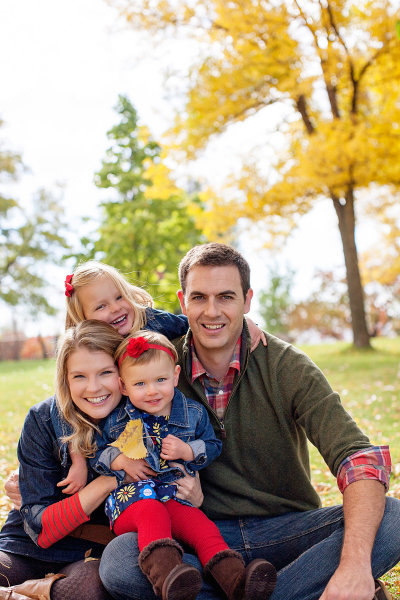
lynseymattingly5

#3 Shoot everything

I am a massive over-shooter. I carry more memory to a quick portrait shoot than some photographers would pack for a day-long wedding. Changing a card mid-shoot is completely normal for me. This no doubt adds to the backend of my process, as I have so much more to sort through, but this means I can feel confident enough to guarantee my clients a minimum number of images. This also means, I very rarely have a client ask: “Did you get it?”.

I shoot looking through the viewfinder, and not. I line up the shot and then peek my head out so my subjects aren’t just staring at a black box. I make funny faces. I have a fake sneeze that can get even the most serious of baby giggling and that requires several sneezes, shots, and me not having a camera affixed to my face. I shoot an average ratio of one to 30. Meaning for every 30 images I shoot, one of them will get edited and delivered to the clients.

This would be terrible if I shot film. To be honest sometimes it’s a little overwhelming the first time I upload all of the images from a shoot. Often it’s even a lesson in self-loathing, wondering how on earth I will ever get through them, and why do I do this to myself every – single – time. In the end, it always works out. Plus, I always have the images I was hoping I caught.
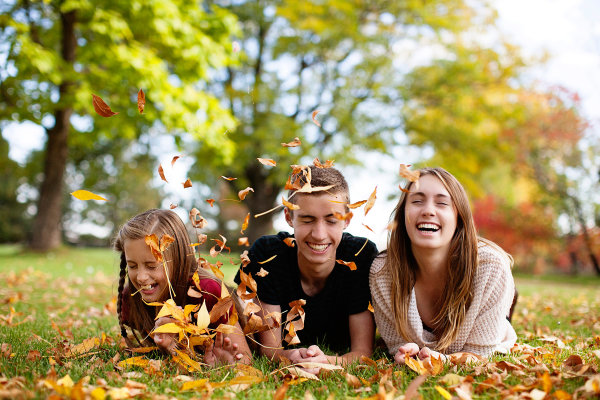
lynseymattingly9

#4 Be a giant cheerleader during a shoot

I am a giant cheerleader during a shoot, to the point that it’s a bit eye-roll-inducing. If it’s dark and gloomy out, I show-up saying this is what we call perfect, even, light! If it’s bright and sunny, and miserably hot? What a perfect day for photos!

Every single thing my clients do during a photo session is perfect and if it’s not, I tell them I’m going to fix it. I want my clients on the other side of that lens to feel beautiful, and like they are doing a perfect job. Having them feel awkward, or be in poses or positions that feel unflattering, will make for bad pictures. Being told that they are doing a great job and that the pictures are coming out perfectly, gives clients the confidence to be themselves. I’m their friend during a shoot – kids and adults alike. And if I’m not behaving in a way that people would want to hang-out with me when I am not taking photos, why would they want to hang-out with me when I am?
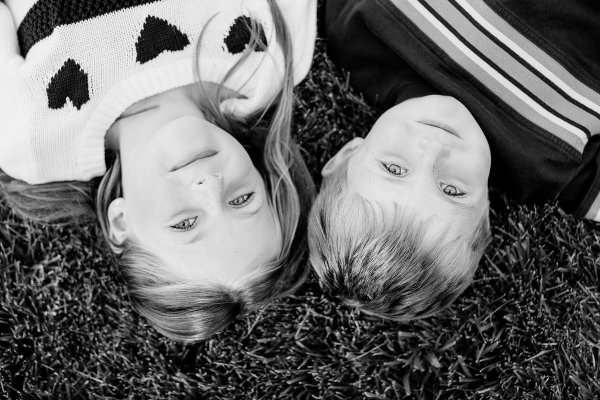
lynseymattingly7

#5 Know you are just a piece of the process

I don’t want to get all cheesy on you or anything, but I don’t feel like any picture I have taken of someone is mine. The photo belongs to the person in it, and whomever they chose to share it with. I don’t do any printing. When someone pays for a photography session with me, they get the high resolution images as jpg files, and a release to print and use them as they would like. I honestly feel like this creates a comfort level that I didn’t see when I used to offer prints only. They know they are going to get the best of what I shoot and they aren’t going to have to pick a favorite for an expensive enlargement. They know there isn’t going to be a hard sale in a few weeks where we look at everything together. I don’t put watermarks on my images ever and I encourage them to share their pictures on social media. In fact, I often share their pictures on social media.
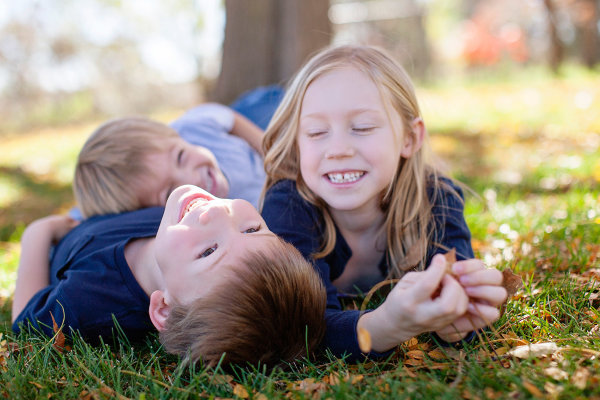
lynseymattingly2

Here’s why: if they didn’t hire me, show-up, look great, have fun, etc., I wouldn’t have the pictures to show in the first place. I’m only a piece of any picture I’ve ever taken. You may argue, what if someone steals your images? To do what? Claim them as their own? I have never run into a situation where that would truly hurt me. If there is a wild rampage of stealing other photographer’s images out there and mine are being stolen, I would honestly be a little flattered. That means they’re good! I’ve already been paid for my work. Though I would never use an image where my client hasn’t signed a release allowing my use, I don’t see how getting my images out there is anything but free advertising. I want my clients to love their photos so much they print them all in large sizes to hang up for their friends to see. I want them to talk about how fun the shoot was, how happy they are to get all of the images, and how they will hire me again and again. Those people know who took the pictures, and that’s all that really matters.

How do you help clients feel comfortable during a photo shoot? Share your comments and suggestions with us below.

googletag.cmd.push(function() {
mobile_slots.push( googletag.defineSlot( “/1005424/_dPSv4_mob-all-article-bottom_(300×250)”, [300, 250], “pb-ad-78158” ).addService( googletag.pubads() ) );
} );

The post 5 Tips to Help You Take More Natural Looking Portraits by Lynsey Mattingly appeared first on Digital Photography School.


Digital Photography School
 
Comments Off on 5 Tips to Help You Take More Natural Looking Portraits

Posted in Photography


6 Tips for Creating Leading Lines to Make Your Photos Stand Out More

04 Dec

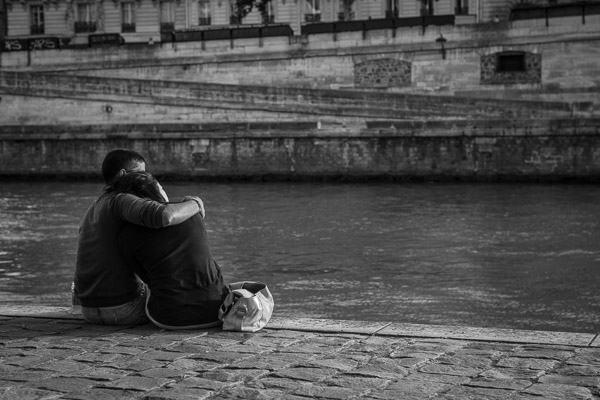
There is perhaps no more important tool in composition than lines. The eye will virtually always follow an actual or implied line across the picture. Because of this tendency, many lines are referred to as leading lines They are actual, or implied lines that control the eye of the viewer through the frame.

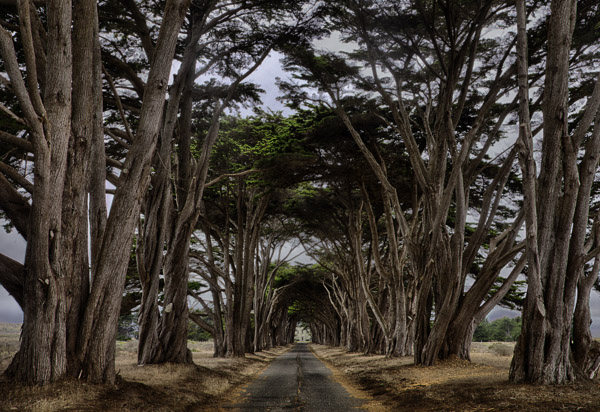
PointReyesTrees

Some leading lines guide the viewer entirely through the frame. Some lines are the subject of the photo themselves. But others, and my favorite sort of leading lines, are the ones that draw the viewer into the picture. They add depth to your image. So today I want to focus on that particular kind of leading line, giving you some examples and ideas for how to create them.

1.  Plan for opportunities

Lines that you can use to lead into your viewer into the frame are everywhere, but you’ve got to look for them. In fact, it is a good idea to plan a few shots ahead of time so that you can consider what to use as a leading line. Leaving it to chance when you are out shooting will often result in the idea of leading lines being overlooked while you are focused on other things.

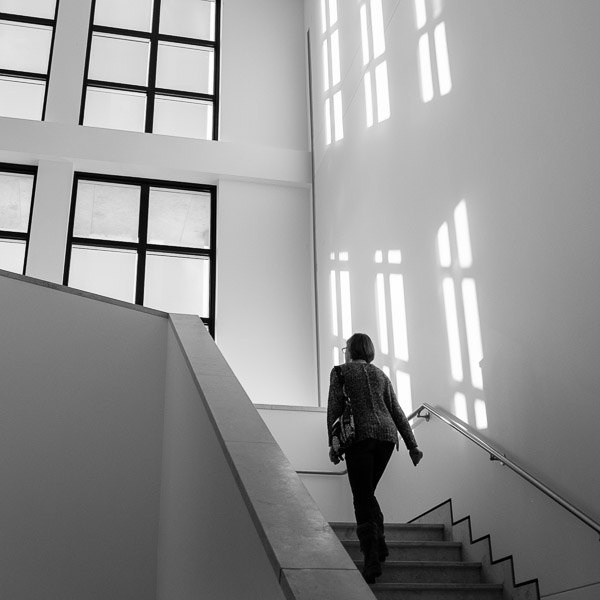
When you are thinking about possible lines leading into the frame, think about roads and paths, which work great. Plus they are everywhere so you almost never have to search for them. The edges of the road will converge in the distance, thereby pointing the viewer to the center of the frame. Although certainly not as prevalent as roads, railroad tracks also work great. Finally, don’t overlook the use of shadow to create a line toward the center of the picture.

QueensWalk

2.  Finding and using urban opportunities

In an urban environment, besides roads, you can use buildings and other structures. Obviously rows of buildings can work. Perspective will make the buildings appear smaller as they become more distant, resulting in lines pointing to the center of the picture. Fences are another good choice.

Keep your eye open for rows of streetlights, which we often overlook, but which can work great. In addition, don’t forget to look up, as the natural convergence of buildings toward the center of your frame (due to the distortion of your lens) can actually work for you in this context, and create lines that point to the center of the frame.

TubeEscalator

3.  Opportunities in nature

When you are out in the wild, nature often provides you with the leading lines you seek. Patterns on the ground, whether it be paved, sand, or grass, can often provide markings that lead to the center of the frame. In addition, similar to the convergence of buildings mentioned above, looking up into tall trees will create the same effect.

Sand

Leading lines on the ground can be difficult if not impossible to see with the naked eye though. There are times you have to walk around with the viewfinder held to your eye (or looking through your LCD with the camera in Live View) in order to see the lines on the ground. Moving water can also provide lines toward the center of the frame. Again, however, these might not be visible to you. Frequently looking at a a long exposure after the fact is the only way you can actually see these lines. Take test shots when you can.

4.  Manufacture your own lines

Sometimes there are no leading lines tha to use and you have to make your own. There are many ways to do this. One of my favorites is by adding streaking lights that go into the frame. Taking a long exposure of moving water will also result in lines.

GreyWhaleRock

5.  Stay cognizant of lines when shooting

Once you identify leading lines to draw your viewer into the frame, you need to take your picture in such a way that it will show them. We already mentioned shutter speed, which is particularly important when you are allowing lights or water to flow through your frame to show a leading line. But you will also want to keep an eye on your aperture setting. Most of the time you will want the entire leading line sharp, along with the subject that you are leading the viewer’s eye toward. You’ll want to use a small aperture in that case, which will create a large depth of field for your shot. On occasion, however, you want to blur out the background by using a large aperture. In any case, the important thing is to have a plan for showing the leading line in the final picture.

WiseCoRoad

6.  Accentuate the lines in post-production

Finding and using leading lines to draw your viewer into the picture does not end when the shutter closes. Usually you can accentuate them in post-processing. The main way is through selective brightening and darkening. Oftentimes you will want to brighten your leading line to draw the viewer’s eye to it. Sometimes you might want to darken other parts of the frame for the same reason. You also might want to increase the contrast in, and around, your leading lines since the eye is attracted to contrast.

The best way the accomplish this selective lightening and darkening is through curves adjustment layers. Just create a curves adjustment layer (Layer – New Adjustment Layer – Curves). Then brighten the picture by pulling the middle of the curve upward bit. Use whatever selection tools you are most comfortable with to mask away the brightening everywhere you don’t want it (which will be pretty much everywhere except for your leading lines). To darken portions of the picture, just do the same thing on a new adjustment layer, but instead of pulling the curve up, pull it down. Again, mask away the effect where you don’t want it (which, this time will be areas away from your leading lines).

NYC

Effort and reward

The use of leading lines to draw the viewer into the frame is a great way to add depth to your pictures. Rather than looking at the picture the viewer is looking into the picture. But it isn’t always easy. It requires thought before, during, and after the shot. But with the right pre-planning, a little attention while shooting, and some accentuation during the post-processing, you can add an element to your photos that sets them apart.

googletag.cmd.push(function() {
mobile_slots.push( googletag.defineSlot( “/1005424/_dPSv4_mob-all-article-bottom_(300×250)”, [300, 250], “pb-ad-78158” ).addService( googletag.pubads() ) );
} );

The post 6 Tips for Creating Leading Lines to Make Your Photos Stand Out More by Jim Hamel appeared first on Digital Photography School.


Digital Photography School
 
Comments Off on 6 Tips for Creating Leading Lines to Make Your Photos Stand Out More

Posted in Photography


26 November, 2014 – Luminous-Endowment Grant Winners Announced and More

03 Dec


For our US readers, Happy Thanksgiving.  We wish you a great Holiday and we hope you enjoy a lot of turkey and time with your family as well as some good ole US football.  

So much is happening at LuLa these days.  We’re busy working on a lot of projects and on  new interesting articles and reviews as well as videos.  Today though we want to share some special news.

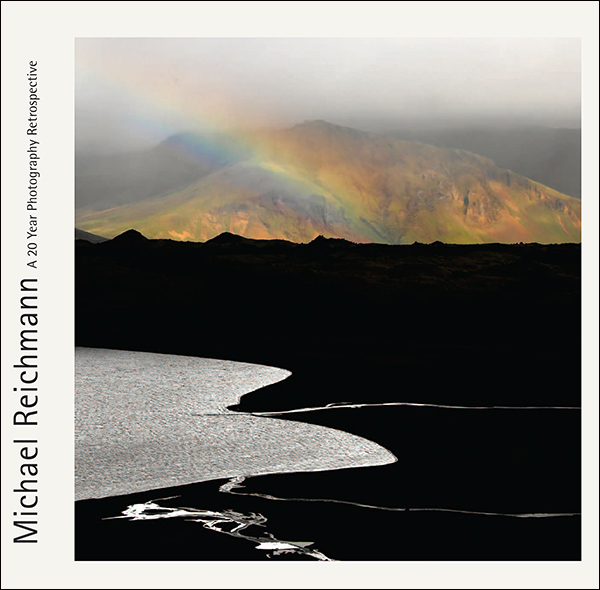
As you hopefully are aware Michael Reichmann the founder of Luminous-Landscape started earlier this year the Luminous-Endowment.  This is a program to help fund photographers that are working on special photographic endeavors.  Today we announce the winners of the first round of grants. We are proud to announce that we have awarded $ 20,000 USD in grants this past week.

Luminous-Endowment Grant Winners

The amount of grant requests were incredible and we hope to see many more in our next round of grant requests.  This program would not be possible without donations from our readers as well as some very generous private and corporate donors.  Please take a look at our site and consider how you can be part of helping aspiring photographers make their dream projects come true.

A Special Opportunity For Giving And Receiving

We are also announcing a Special Opportunity For Giving and Receiving starting today and running to Christmas Day. To help raise money for the Endowment, to be used to finance future grants, The Luminous Endowment has created a special new and lower donation level of $ 200. The reward that you will receive for this tax-deductible donation is a copy of Michael Reichmann’s new book – A Twenty Year Retrospective. Normally this book requires a $ 350 donation to be received as a reward for your donation. This will be the price again after December, 25th.  Please consider donating and helping the Luminous-Endowment.


Michael’s beautiful book would make a great Holiday gift for the photographer in your life or maybe you want to hint to someone special that you would like this as a gift.  To learn more on how to Give and Receive – click here.


The Luminous Landscape – What’s New

 
Comments Off on 26 November, 2014 – Luminous-Endowment Grant Winners Announced and More

Posted in News


6 Tips for Creating Leading Lines to Make Your Photos Stand Out More

03 Dec

There is perhaps no more important tool in composition than lines. The eye will virtually always follow an actual or implied line across the picture. Because of this tendency, many lines are referred to as leading lines They are actual, or implied lines that control the eye of the viewer through the frame.

PointReyesTrees

Some leading lines guide the viewer entirely through the frame. Some lines are the subject of the photo themselves. But others, and my favorite sort of leading lines, are the ones that draw the viewer into the picture. They add depth to your image. So today I want to focus on that particular kind of leading line, giving you some examples and ideas for how to create them.

1.  Plan for opportunities

Lines that you can use to lead into your viewer into the frame are everywhere, but you’ve got to look for them. In fact, it is a good idea to plan a few shots ahead of time so that you can consider what to use as a leading line. Leaving it to chance when you are out shooting will often result in the idea of leading lines being overlooked while you are focused on other things.

When you are thinking about possible lines leading into the frame, think about roads and paths, which work great. Plus they are everywhere so you almost never have to search for them. The edges of the road will converge in the distance, thereby pointing the viewer to the center of the frame. Although certainly not as prevalent as roads, railroad tracks also work great. Finally, don’t overlook the use of shadow to create a line toward the center of the picture.

QueensWalk

2.  Finding and using urban opportunities

In an urban environment, besides roads, you can use buildings and other structures. Obviously rows of buildings can work. Perspective will make the buildings appear smaller as they become more distant, resulting in lines pointing to the center of the picture. Fences are another good choice.

Keep your eye open for rows of streetlights, which we often overlook, but which can work great. In addition, don’t forget to look up, as the natural convergence of buildings toward the center of your frame (due to the distortion of your lens) can actually work for you in this context, and create lines that point to the center of the frame.

TubeEscalator

3.  Opportunities in nature

When you are out in the wild, nature often provides you with the leading lines you seek. Patterns on the ground, whether it be paved, sand, or grass, can often provide markings that lead to the center of the frame. In addition, similar to the convergence of buildings mentioned above, looking up into tall trees will create the same effect.

Sand

Leading lines on the ground can be difficult if not impossible to see with the naked eye though. There are times you have to walk around with the viewfinder held to your eye (or looking through your LCD with the camera in Live View) in order to see the lines on the ground. Moving water can also provide lines toward the center of the frame. Again, however, these might not be visible to you. Frequently looking at a a long exposure after the fact is the only way you can actually see these lines. Take test shots when you can.

4.  Manufacture your own lines

Sometimes there are no leading lines tha to use and you have to make your own. There are many ways to do this. One of my favorites is by adding streaking lights that go into the frame. Taking a long exposure of moving water will also result in lines.

GreyWhaleRock

5.  Stay cognizant of lines when shooting

Once you identify leading lines to draw your viewer into the frame, you need to take your picture in such a way that it will show them. We already mentioned shutter speed, which is particularly important when you are allowing lights or water to flow through your frame to show a leading line. But you will also want to keep an eye on your aperture setting. Most of the time you will want the entire leading line sharp, along with the subject that you are leading the viewer’s eye toward. You’ll want to use a small aperture in that case, which will create a large depth of field for your shot. On occasion, however, you want to blur out the background by using a large aperture. In any case, the important thing is to have a plan for showing the leading line in the final picture.

WiseCoRoad

6.  Accentuate the lines in post-production

Finding and using leading lines to draw your viewer into the picture does not end when the shutter closes. Usually you can accentuate them in post-processing. The main way is through selective brightening and darkening. Oftentimes you will want to brighten your leading line to draw the viewer’s eye to it. Sometimes you might want to darken other parts of the frame for the same reason. You also might want to increase the contrast in, and around, your leading lines since the eye is attracted to contrast.

The best way the accomplish this selective lightening and darkening is through curves adjustment layers. Just create a curves adjustment layer (Layer – New Adjustment Layer – Curves). Then brighten the picture by pulling the middle of the curve upward bit. Use whatever selection tools you are most comfortable with to mask away the brightening everywhere you don’t want it (which will be pretty much everywhere except for your leading lines). To darken portions of the picture, just do the same thing on a new adjustment layer, but instead of pulling the curve up, pull it down. Again, mask away the effect where you don’t want it (which, this time will be areas away from your leading lines).

NYC

Effort and reward

The use of leading lines to draw the viewer into the frame is a great way to add depth to your pictures. Rather than looking at the picture the viewer is looking into the picture. But it isn’t always easy. It requires thought before, during, and after the shot. But with the right pre-planning, a little attention while shooting, and some accentuation during the post-processing, you can add an element to your photos that sets them apart.

The post 6 Tips for Creating Leading Lines to Make Your Photos Stand Out More by Jim Hamel appeared first on Digital Photography School.


Digital Photography School
 
Comments Off on 6 Tips for Creating Leading Lines to Make Your Photos Stand Out More

Posted in Photography


Wax Off: 12 More Abandoned & Closed Car Washes

01 Dec

[ By Steve in Abandoned Places & Architecture. ]

abandoned-car-wash-hempstead-1
Abandoned car washes are oddly abundant – you’d think they invented the self-cleaning car! Here are 12 more car-less washes left high, dry and brushed-off.

abandoned-car-wash-hempstead-2

abandoned-car-wash-hempstead-3

abandoned-car-wash-hempstead-4

This opening quartet of images depict a VERY dry-looking abandoned car wash located on Hempstead Rd. – that’s all Flickr user Edna J Sandoval is stating and that’s fine with us. Why give vandals, graffiti-artists and possibly even arsonists (more on that later) a gift-wrapped invitation to destroy somebody else’s property? Sandoval snapped a dozen choice views of the unnamed car wash on May 9th of 2011.

Wash Out

abandoned-car-wash-lomography

Flickr user Wayne Wilkinson (wayne’s eye view) applied some freaky faux-lomography processing to this photo of an lonely abandoned car wash taken in June of 2012. While many photos of abandoned buildings and businesses stand on their own when it comes to evoking a certain atmosphere, skillful image processing can enhance the emotional content to near-palpable levels.

Yet Another BP Disaster

abandoned-car-wash-wesumat-1

abandoned-car-wash-wesumat-2

At least no wildlife was made to suffer when operators of a Mobil/BP petrol station near the Bramham Crossroads, North Yorkshire, UK decided to close and abandon its Wesumat Soft Wash W86.1 car wash system. Credit Flickr user AquaValet with this pair of strikingly gloomy yet inexplicably beautiful images of the car wash as it looked on October 1st of 2009. “The petrol station is in a fairly rural location and not fenced off at all,” explains AquaValet. “Inside the actual wash bay I had to be careful not to fall down the sludge pit, which was full of nasty fluids.” BP… bringing you nasty fluids since 1908.

Home For The Homeless

abandoned-car-wash-Lone-Star-Auto

Lone Star Auto on Broadway St. in San Antonio, TX has been abandoned since December of 2009 according to The Sample Spoon. In the above image taken in mid-April of 2012, it can be seen that some life does stir amid the stilled brushes and congealed wax at the ex-business’s car wash as local homeless folks have taken advantage of the structure’s protective overhang and plentiful hooks and shelves.

Next Page – Click Below to Read More:
Wax Off 12 More Abandoned Closed Car Washes

Share on Facebook


[ By Steve in Abandoned Places & Architecture. ]

[ WebUrbanist | Archives | Galleries | Privacy | TOS ]


WebUrbanist

 
Comments Off on Wax Off: 12 More Abandoned & Closed Car Washes

Posted in Creativity