RSS
 

Posts Tagged ‘More’

How to Make Your Photos More Interesting with a Human Element

21 May

The human element in photography

I believe that when someone asks how to improve their composition, that what they’re really asking is how they can make their photos more interesting.

The skill of composition is in arranging the elements of the scene in such a way that the resulting image is aesthetically pleasing, and interesting to look at. Composition involves using techniques such as including leading lines, isolating the subject, exploiting tonal contrast, deciding what to leave out of the frame, and so on. But none of this matters much if your subject matter is boring.

The most effective way to create interesting images is to find an interesting subject. Composition becomes much easier when your subject is interesting. You are more likely to be enthusiastic about the photos, and put more effort into finding a good composition, if you are engaged with, or passionate about the subject.

Luckily, there are lots of interesting things to take photos of. But for me the most interesting subject of all is people.

The human element in photography

Unlike static subjects like the landscape, which change slowly or not at all, people are transient. They change. Jobs change. Towns and cities change. The ebb and flow of life creates many interesting and varied subjects for the curious photographer.

Many of the great photographers (and yes, there are exceptions) built their reputations taking photos of people. Masters like Steve McCurry, Sebastião Salgado, David Bailey and Annie Leibovitz predominantly photograph people and their affect on the world.

So, how do you add the human element in your photos? Here are some ideas.

1. Include human figures in the landscape to show scale and context

Including human figures in the landscape provides both a focal point and a guide to scale.

I took the following photo in a remote region of northwest Argentina. The scene caught my eye not just because it is spectacular, but because of the people walking in the middle ground. The presence of the figures reveals the height of the cliff face behind them. We know how big it is because we can compare its size to the them.

Even though the people are small in the frame they are still large enough for you to see they are wearing traditional dress. There are also some stone walls in the foreground, which are animal pens.

The human figures, and evidence of human activity, adds information, providing context about the relationship between the individuals in it and the landscape.

The human element in photography

2. Take environmental portraits

One way to create interesting photos of people is to take environmental portraits – photos that include information about the person’s surroundings. The person will be the focal point of the photo but really there are two stories being told here; one about the person, and another about their environment.

The photo below came about after I asked a friend of mine if I could take some portraits with her new gypsy caravan that she built herself from scratch. She loved the idea. This photo is as much about her caravan and the way she created a unique place for herself to live, as it is about capturing her likeness.

The human element in photography

3. Find interesting people to photograph

The easiest way to find interesting people to take photos of is to set yourself a project. One of my current projects is to take photos of local craftsmen. This led me to take photos of Eoin in his glass blowing studio.

After I had taken some photos of him blowing glass, we went outside to take some portraits. You can see one of the images below. He has a very interesting face, and was a great subject, but I would never have found him if it hadn’t been for the project.

The human element in photography

You may have read the story where a student asks photographer Jay Maisel how to take more interesting photos. The reply was,

“If you want to make more interesting pictures, become a more interesting person.” – Jay Maisel

Another way to find interesting people is to lead a more interesting life. The more hobbies and activities you participate in, the more people you will meet in everyday life. Some of them may make interesting subjects.

Your turn

Do you agree with my idea that people are the most interesting subject for photographers? Please let us know in the comments, I’m looking forward to hearing what you think.


Mastering Composition ebookMastering Composition

My new ebook Mastering Composition will help you learn to see and compose photos better. It takes you on a journey beyond the rule of thirds, exploring the principles of composition you need to understand in order to make beautiful images.

googletag.cmd.push(function() {
tablet_slots.push( googletag.defineSlot( “/1005424/_dPSv4_tab-all-article-bottom_(300×250)”, [300, 250], “pb-ad-78623” ).addService( googletag.pubads() ) ); } );

googletag.cmd.push(function() {
mobile_slots.push( googletag.defineSlot( “/1005424/_dPSv4_mob-all-article-bottom_(300×250)”, [300, 250], “pb-ad-78158” ).addService( googletag.pubads() ) ); } );

The post How to Make Your Photos More Interesting with a Human Element by Andrew S. Gibson appeared first on Digital Photography School.


Digital Photography School

 
Comments Off on How to Make Your Photos More Interesting with a Human Element

Posted in Photography


15 More Free WordPress Themes for Photographers

15 May

Are you looking for free photography themes? Here you’ll find 15 incredible designs developed especially for the purpose. Who can use them? We guess these WordPress themes will be useful for artists, designers and developers. In a word, for everybody who wants to save some money on his/her future website design. Free themes don’t have 24/7 support like their premium Continue Reading

The post 15 More Free WordPress Themes for Photographers appeared first on Photodoto.


Photodoto

 
Comments Off on 15 More Free WordPress Themes for Photographers

Posted in Photography


How to do More Unique Flower Photography

10 May

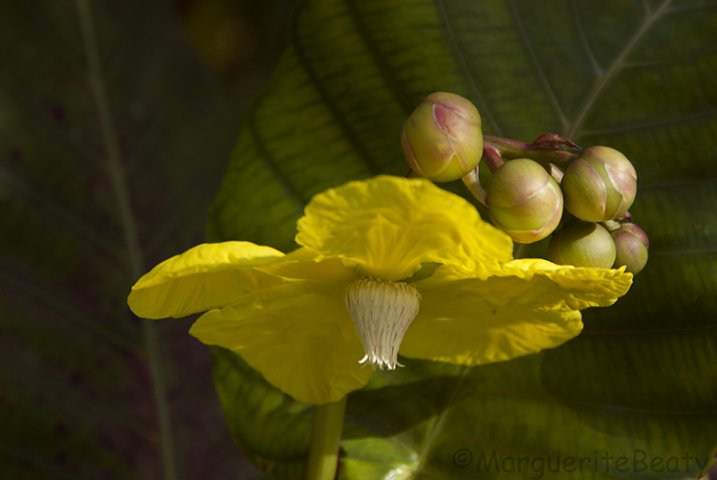
Do you love to photograph flowers? Flowers are the most beautiful things to photograph. They have texture, color and come in wonderful shapes.
MBeaty 2

To create unique flower photography:

  • Use a 50mm or a telephoto lens.
  • Photograph with backlighting to enhance the transparency of the petals.
  • Choose camera angle carefully – photograph from below to obtain unusual shapes, photograph at eye-level to create a realistic look.
  • Get closer – try making an abstract
  • Look for great backgrounds – declutter the is using bokeh and a shallow depth of field.
  • Quality and color of light – photograph under diffused lighting, during the golden hour, or with the sun at an angle to enhance color, texture and depth.

MBEATY 6

About lenses

A wide-angle lens will allow you to add more background and may distort a bit depending on the camera angle. You will have more details in your photograph. A 50mm or a short telephoto will allow you to show the flower with little environmental information. It will not distort the flower.

Backlight it

MBEATY Photo 1

Use back lighting to enhance the petals. Some petals have a beautiful translucence. You will see the awesome veins and their designs. Shoot your photos of flowers towards the sky. If the sky is blue it will add a nice contrast and if it’s cloudy it will add drama to your photograph. Be aware that the sun needs to be on either side of your flower. The sun should not be pointing towards your camera or you will get a silhouette or lens flare.

Choose your camera angle

Photograph from below the flower and you will see unusual shapes. Many people forget to shoot from this position. It may not be the most comfortable one (you might find yourself flat on a pebbled ground) but it’s worth a try. You will find very original views and shapes from this viewpoint.

MBEATY photo 7

Change the camera position often. Photograph with the camera at eye level for a more realistic look and then photograph from above and below.

When you find a flower, move around and look for a good angle. If the background has too many things going on you will need to change the camera height or the position.

Get close – make an abstract

Get close to the flower. Make your photograph about texture and color. Have you thought about how to extract and abstract your flower? Photograph parts of the flower with parts of background details. The closer you get the more abstract your image will become. You will eventually start to show lines or just color.
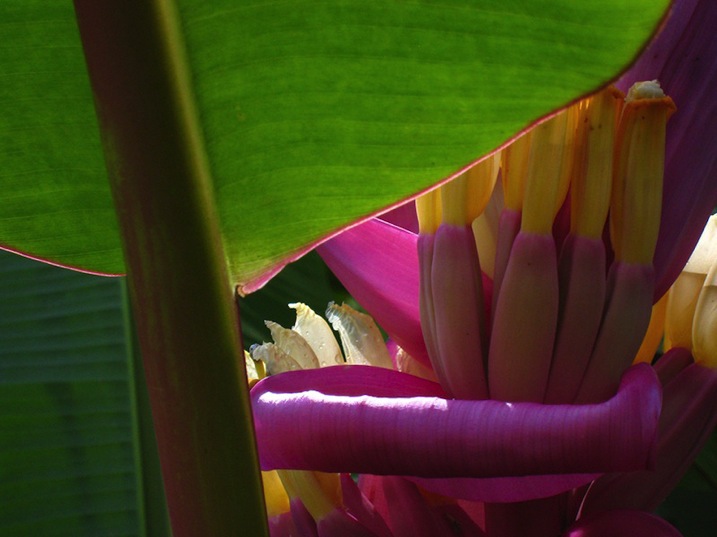
MBEATY photo 4

When you dissect an object, it will appear in a very different way than when you originally saw it. You will be showing your point of view. Your unique creativity will be taking over the composition. Study your flower and change its look with your framing.

The Background

Have you noticed that when the background looks good, everything will look good? This is why it’s a good idea for you to photograph with a large aperture. You will be able to soften up the background and make the composition exclusively about the flower.

Make sure to declutter your background so that your flower will be the center of attention. You can declutter by using a shallow depth of field and by moving around until you find a suitable background. Use the stems and leaves to frame the flower. They will add an interesting design to your image.
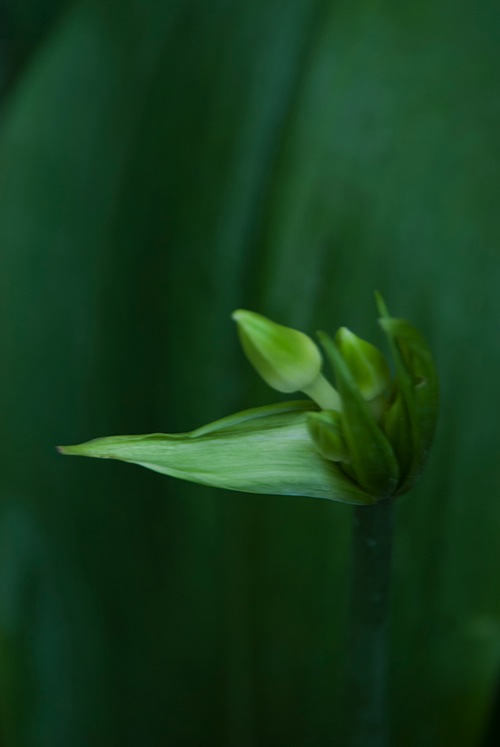
MBEATY photo 3

A good way to declutter the background is to shoot with a large aperture. This means that you can use f/1.4, f/2.0, f/2.8, etc. Bokeh is also a great way to declutter the background. It will add a surreal look and make the flower stand out.

If you who have a zoom lens with the largest aperture of f/4.0 or f/5.6: Set your lens to 50mm or 70mm. To blur the background nicely, the flower needs to be far away from the background. Make sure that you are close to the flower and the flower is at least three to five feet away from the background.

If you are photographing with backlight it’s not crucial to have a blurry background because the sky will provide for the background.

MBEATY  photo 2

How to show texture

Photograph when the sun is at a low angle to enhance texture. Late afternoon or early morning will provide for a good sun angle. You will obtain great texture when you photograph under diffused light. This can be in the shade, or on bright, but cloudy days. The diffused light will provide for even lighting and the textures and details of the flower will be enhanced.

If you want to show the leaves and parts of the flower an f-stop of f/8 will be good.

Light – quality and color

The color of your flower will be subject to the quality of the light you are shooting under. You will like the effect that you get when you work under a nice soft and diffused light. The nuances of the colors will show up more. You will see more tone variations. Depth will be more visible. When you add that to the shallow depth of field technique, your flower will have an artistic and special look.
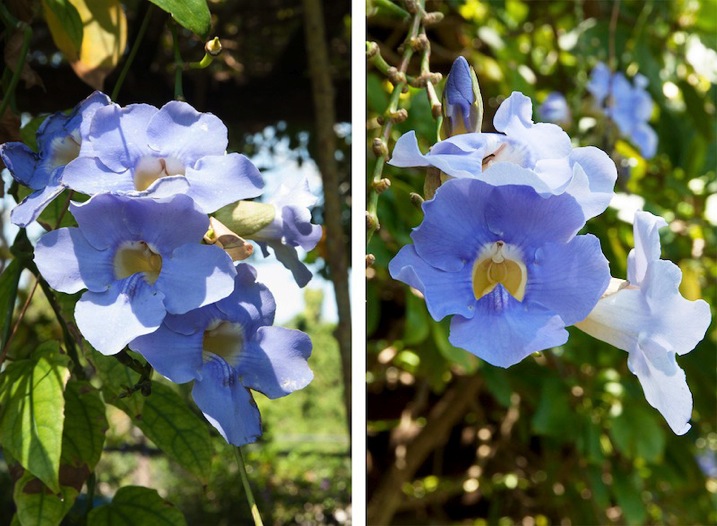
MBEATY photo 5 Bad light and good light2

Photograph during the golden hour (early morning and sunset) to achieve a lovely warm tone on your flower. This light is a soft light. It will show depth and dimension and give it a realistic look. It is best to have the sun coming from either side. It’s very flattering to the flower.

The worst type of light is midday sunlight, and when the sun is hitting the subject directly (from the camera angle not the side). These two lights will make the flower look flat and the whole photograph will lack depth. Avoid midday sunlight and direct light.

Do you have any additional tips for doing more unique flower photos? Please share in the comments below.

googletag.cmd.push(function() {
tablet_slots.push( googletag.defineSlot( “/1005424/_dPSv4_tab-all-article-bottom_(300×250)”, [300, 250], “pb-ad-78623” ).addService( googletag.pubads() ) ); } );

googletag.cmd.push(function() {
mobile_slots.push( googletag.defineSlot( “/1005424/_dPSv4_mob-all-article-bottom_(300×250)”, [300, 250], “pb-ad-78158” ).addService( googletag.pubads() ) ); } );

The post How to do More Unique Flower Photography by Marguerite Beaty appeared first on Digital Photography School.


Digital Photography School

 
Comments Off on How to do More Unique Flower Photography

Posted in Photography


New dPS Reader Survey – Tell Us More About You

02 May

At dPS we value you, our readers, above all else. We want to help you take better pictures.

By doing this survey you will be helping dPS serve you better. By knowing what kinds of things are you struggling with, and the types of articles you want to see we can work toward providing more of what you need to move your photography forward.

We value your time, and you, as our regular reader and always strive to improve – you will help us by completing this form, for which we will be especially grateful.

Click on this link, or the image below to start the survey.

FEAT JOHN SMITH CREATIVE DIRECTOR

Thank you for your continued support and being a dPS reader. We wish you all the success on your photography journey.

The dPS Management Team

googletag.cmd.push(function() {
tablet_slots.push( googletag.defineSlot( “/1005424/_dPSv4_tab-all-article-bottom_(300×250)”, [300, 250], “pb-ad-78623” ).addService( googletag.pubads() ) ); } );

googletag.cmd.push(function() {
mobile_slots.push( googletag.defineSlot( “/1005424/_dPSv4_mob-all-article-bottom_(300×250)”, [300, 250], “pb-ad-78158” ).addService( googletag.pubads() ) ); } );

The post New dPS Reader Survey – Tell Us More About You by Darlene Hildebrandt appeared first on Digital Photography School.


Digital Photography School

 
Comments Off on New dPS Reader Survey – Tell Us More About You

Posted in Photography


Deserted Aisles: 11 More Creepy Abandoned Supermarkets

26 Apr

[ By Steve in Abandoned Places & Architecture. ]

abandoned supermarket pripyat 1a
Supermarkets? More like Stupor Markets, amiright? That’s the case with these 11 abandoned supermarkets where “checkout” is more than a state of mind.

abandoned supermarket pripyat 1b

abandoned supermarket pripyat 1c

Cleanup in aisle… well, all of ‘em actually, and you’d better bring a hazmat suit along with a bucket & mop. Almost 30 years after the Chernobyl nuclear accident turned Pripyat into a creepy radioactive ghost town, the city’s snazzy supermarket recalls the good old days – Soviet style – when the shelves were stocked and the shopping carts had wheels.

abandoned supermarket pripyat 1d

abandoned supermarket pripyat 1e

Urbex ubergeek Florian from Abandoned Kansai visited the abandoned supermarket just off Lenin Square back in January of 2011 and lived to tell the tale – and post the images above. According to Florian’s native guide Maxim, Pripyat was a privileged place before the 1986 disaster and the central supermarket “was one of the few places in the Soviet Union that actually sold Chanel Nº 5.” Now it just stinks.

Well, ByeVee

abandoned supermarket hyvee newton 2

The soaring “V for Victory” signpost standing resolutely Ozymandias-like in the Iowa summer sun indicates the above abandoned supermarket above was once a HyVee. Flickr user Andrew T…has left the building captured the forlorn state of the place in June of 2012, sometime after HyVee consolidated their two existing Newton, IA stores into a newer, larger complex.

Howard’s End

abandoned supermarket baltimore 3a

Abandoned in 1999, the old Howard Park Super Pride supermarket on Liberty Heights Avenue finally succumbed to the wrecking ball after ShopRite selected the site for their new store.

abandoned supermarket baltimore 3b

abandoned supermarket baltimore 3c

Though it’s good to see any neighborhood revitalized, the oddly gentle demolition of the Super Pride’s landmark sign had to bring a tear to more than a few local eyes.

Next Page – Click Below to Read More:
Deserted Aisles 11 More Creepy Abandoned Supermarkets

Share on Facebook


[ By Steve in Abandoned Places & Architecture. ]

[ WebUrbanist | Archives | Galleries | Privacy | TOS ]


WebUrbanist

 
Comments Off on Deserted Aisles: 11 More Creepy Abandoned Supermarkets

Posted in Creativity


Tiffen adds more filters, looks and faster processing with version 4 of its Dfx software

14 Apr

Tiffen has announced an updated version of its Dfx photo and video editing software that adds new filters, historic process simulations and extra tools, as well as wider compatibility with movie editing programs. Tiffen Dfx produces effects like those created by the company’s optical glass filters, with the latest version 4 adding 12 extra ‘filters’ to the menu system, including the company’s new Pearlescent and Satin diffusers. Read more

Articles: Digital Photography Review (dpreview.com)

 
Comments Off on Tiffen adds more filters, looks and faster processing with version 4 of its Dfx software

Posted in Uncategorized


PlantLab: Urban Farms 40 Times More Productive than Open Fields

03 Apr

[ By WebUrbanist in Architecture & Cities & Urbanism. ]

indoor farm vertical design

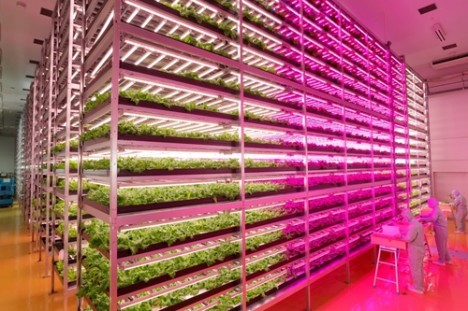
A Dutch firm on the cutting edge of indoor agriculture estimates that producing food for the entire world could take place in a space far smaller than the area occupied by Holland, using just 10% of the water needed by traditional farms. The proposal is not without precedent – Japan already has one prototype urban farm that is 100 times more productive than farmers’ fields.

indoor farm red light

indoor farm closeup

Noting that the vast majority of people will live in cities in the coming decades, PlantLab suggests a solution that involves using existing basements and purpose-built structures for our future food production. This means less energy, space, time and water than conventional methods.

indoor farm hallways

indoor farm plant lab

Urban farming in controlled environments lets growers take full advantage of variables like custom lighting, using far-red LED lamps that reduce moisture requirements for plants. Naturally, interior spaces are also free from the uncontrolled variables of weather and pests as well, increasingly reliability.

indoor urban agriculture industry

indoor farm vertical buildings

Automatic systems can optimize yields based on crop types, making indoor farms more effective than greenhouses and far more productive than fields. The ever-increasing efficiency and lowering costs of LEDs mean this method will only become more viable over time.

Share on Facebook


[ By WebUrbanist in Architecture & Cities & Urbanism. ]

[ WebUrbanist | Archives | Galleries | Privacy | TOS ]


WebUrbanist

 
Comments Off on PlantLab: Urban Farms 40 Times More Productive than Open Fields

Posted in Creativity


Lee Filters introduces updates to super-wide SW system to fit more lenses and reduce flare

28 Mar

A new version of the Lee Filters SW150 system holder has been introduced that allows compatibility with a broader range of extreme wide angle lenses, and which has been designed to reduce the impact of reflections from the rear surface of fitted filters. The Lee Filter SW150 Mark ll now allows the existing 150mm-wide filters that were developed for the original SW150 to be fitted to four lenses using model-specific adapter rings – with more on the way. Read more

Articles: Digital Photography Review (dpreview.com)

 
Comments Off on Lee Filters introduces updates to super-wide SW system to fit more lenses and reduce flare

Posted in Uncategorized


How to Get More Natural Smiles in Child Photography

05 Mar

A natural smile – the holy grail of child photography.

Angie baxter 001

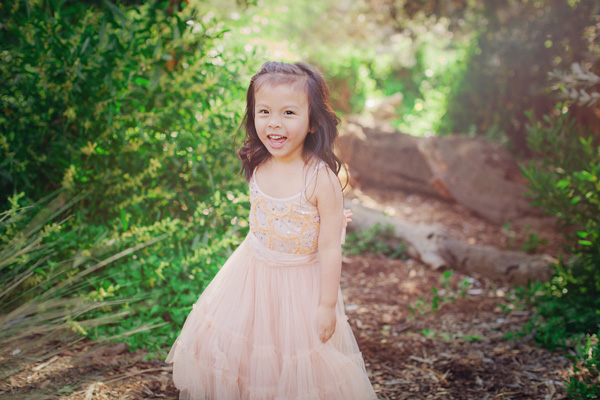
A genuine, heartfelt smile is more than just turning up the corners of the mouth. A real smile radiates from your whole face, and particularly for children, is often felt with the whole body. Not only is a forced and fake smile easy to spot in photographs – we know that wearing a fake smile and having it photographed doesn’t feel too good at the time, and it doesn’t feel great for children either.

So while we want to photograph a child’s beautiful smile, we also want them to enjoy the process of being photographed. And as the photographers, we want to have a good time photographing them too.

Angie baxter 004 1

There is so much to discover with children – all their favourites, their take on issues big and small, how they feel about themselves, their family and this funny old world. Children are cheeky, fun, creative, enthusiastic and curious – they are also clever and can tell when someone is not genuinely interested. So make sure your heart and intention is in the right place.

If your small subject is feeling uncomfortable it will be impossible to garner a sincere smile. Placing emphasis on creating an honest connection with children so they feel at ease will lead to them sharing their best selves – most of the time.

Angie baxter 006

Following are four conversations that I love to have with kids that always result in joyous laughter and real smiles.

#1 Discovering their favourite toy or character

Favourite toys and security items are often important for small children. If your subject has a special toy (i.e. “Bunny”), I will use that as part of our conversation.

  • Does Bunny have a mouth?
  • Does Bunny have a belly button?
  • I wonder where Bunny sleeps. Does she sleep in this shoe? (holding up their shoe)
  • Hmm, does she sleep in the fridge?
  • I know, she must sleep in bed with Mummy and Daddy?

Angie baxter 005 1

or alternatively, Buzz Lightyear may be their favourite character.

  • Does Buzz Lightyear have Weetabix for breakfast?
  • Does Buzz go to school?
  • Does Daddy have Buzz Lightyear underpants?

Closed-ended questions are great for this age group so they don’t have to think too hard and can just nod or shake their head, and smile and giggle along.

#2 Animals

Angie baxter 003 1

Animals are something kids can easily relate to. I like to make the questions silly and fun.

  • If you could have any animal as a pet, what would it be?
  • What are all the things you know about this animal?
  • What would be a good name for this pet?
  • If you had a pet donkey, what would you name him?

I play around with lots of animals for that last question – if you had a pet giraffe, or caterpillar, or hippopotamus. Choosing animals that are not usual pets.

#3 When you grow up

Angie baxter 004 1

Conversations about jobs, growing up, and the work their parents do always get good reactions. Your questions can be light-hearted or more serious, depending on the child’s age and personality.

For the more carefree child, I might start with:

  • When you grow up would you rather be a ballerina or a princess? (for boys)
  • When you grow up would you rather be a mum or a dad? (for girls)
  • When you grow up would rather be a frog or a snake?

Angie baxter 007

For an older, more serious child you can ask things like:

  • Who has the best job in the world?
  • What job would be the most boring job?
  • What does Dad do when he gets to work?
  • When you grow up, would you rather be a chef or a dancer? Or, a builder or a truck driver?

It can be easier for kids if you give them an either/or question rather than just saying, “What do you want to be when you grow up?” Asking kids to think of a detailed answer on the spot can be a bit difficult for them.

#4 Family rules

Angie baxter 008 Angie baxter 009 1

This is also a really fun conversation topic – particularly for the parents who are listening in.

  • If you were in charge of your family, where would you eat dinner every night?
  • If you had to set the bedtime, what time would you go to bed?
  • If you had to choose the family breakfast, what would you have?
  • Who is the boss of your family?”

When photographing children, take your time and enjoy being with them. The time spent before you even pick up your camera is invaluable to gauge their personality – are they outgoing, reserved, tired, hyperactive, shy, giggly? Make intuitive decisions as to which conversation style will work best for each child. This gets easier with experience, so spend as much time with children as you can ,and fun conversations with them will soon become effortless.

googletag.cmd.push(function() {
tablet_slots.push( googletag.defineSlot( “/1005424/_dPSv4_tab-all-article-bottom_(300×250)”, [300, 250], “pb-ad-78623” ).addService( googletag.pubads() ) ); } );

googletag.cmd.push(function() {
mobile_slots.push( googletag.defineSlot( “/1005424/_dPSv4_mob-all-article-bottom_(300×250)”, [300, 250], “pb-ad-78158” ).addService( googletag.pubads() ) ); } );

The post How to Get More Natural Smiles in Child Photography by Angie Baxter appeared first on Digital Photography School.


Digital Photography School

 
Comments Off on How to Get More Natural Smiles in Child Photography

Posted in Photography


More things we found cut in half (CP+ 2015 edition)

15 Feb

Every year the CP+ show in Yokohama Japan is a hive of activity and innovation, as hoards of Japanese and western camera enthusiasts flood the Pacifico Yokohama conference center to get their hands on the latest camera gear. But that’s not the only fun to be had – alongside the ranks of shiny new cameras and lenses, displays and presentation stages can be found a lot of things which have been cut in half. Seriously – loads. Click through to see for yourself

Articles: Digital Photography Review (dpreview.com)

 
Comments Off on More things we found cut in half (CP+ 2015 edition)

Posted in Uncategorized