RSS
 

Posts Tagged ‘Mistakes’

8 Common Landscape Photography Mistakes

08 Oct

As photographers, we know that there are literally hundreds of small things that need to be done in each scene, that add up to the final magnificent shot. Sometimes when we get behind the camera, and the light becomes amazing, it’s very easy to forget one or two things, and the result is that the shot is not as good as it could have been. There are lots of details to remember, but there often some obvious things that have been forgotten. These are the common mistakes I see in many landscape images. If they were corrected at the time, the image would have been much more dramatic and powerful.
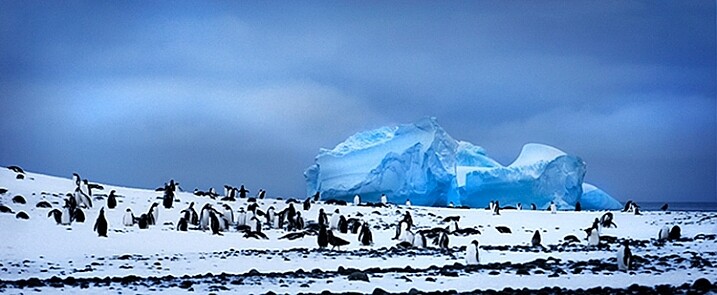
Penguins and iceberg in Antarctica.

Penguins and iceberg in Antarctica.

So here are the eight top landscape photography mistakes make so you can avoid them and improve your images:

1. Stability – use a tripod

In creative images, blurriness can be very interesting. In landscape images however, you usually want your image to be sharp all the way through. The best way to be sure that your image is sharp is to use a tripod. If you are shooting in low light (you mostly will be if you are shooting landscapes) then you absolutely need to be using a tripod.

Now, there are tripods and there are tripods. For landscape photography, you might want to invest in a more heavy-duty one. The small light-weight tripods might do the trick for a while, but if you are shooting on a location and it’s windy, your tripod may get blown over, or might move because of the strength of the wind. A good tripod will also last a long time and take a beating, so buy the best tripod you can afford, and make sure you keep your camera as still as possible when shooting.

Another good piece of equipment to buy is a cable release. You don’t need to buy one of the expensive ones with the intervalometer built-in, no, just a simple cable release. Once you are set up and ready to take your shot, step back from the camera and press the button. There will be no vibration from you pressing the shutter release and your image will be nice and sharp. If you don’t have a cable release, you could use the built-in self timer to release the shutter too.

2. Get the horizon straight

This almost goes hand-in-hand with using a tripod. Many a good landscape image has been damaged by a skewed horizon. Fortunately, this can be easily fixed in Photoshop or Lightroom, so it’s not a very big worry, but you might have to crop out some details to get that right. The idea however, is to get the shot right in camera first, then edit.

You can use a few different tools to make sure your horizon is straight. Firstly, switch on the grid in your camera viewfinder, line up the horizon with the horizontal line, and you should be good. Some tripod heads have a built-in spirit level, make sure this is level and your horizon should be fine. Lastly, use the live view function on your camera, and if you have it, bring up the false horizon dial on the back of your screen, level your camera, and you are done.

I prefer levelling my horizon in camera, as it helps to save time in post production. If you need to straighten the horizon afterwards, you will need to crop the image as I noted earlier, which means your composition may change slightly. I prefer not to crop as far as possible, so getting it level in the camera is a good goal.

A crooked horizon is distracting.

A crooked horizon is distracting.

Looks better now that the horizon is straight.

Looks better now that the horizon is straight.

3. Shooting only in landscape format

Many photographers assume that they should shoot a landscape scene in landscape (horizontal) format. This is normally not a bad idea, but in some cases, a portrait orientation (vertical) can work really well. Think of a forest or mountain scene. If the subject shape is more vertical than horizontal, try it in the portrait format, it can add a dynamic feel to the scene.
Shoot in portrait format too!

Shoot in portrait format too!

4. Not thinking about the aperture

I truly believe that aperture is a composition tool. When you are setting up a scene, you should be thinking about your depth of field. Do you want everything from the foreground to the background to be in focus? Generally, in landscape photography, this will be the case.

If that is what you want, make sure your aperture is f/8, f/11 or higher. That way, you will ensure that everything is in sharp focus. If you are at f/2.8, and you focus on the foreground, the background will be out of focus, and the middle of your scene will be soft. This should be one of your key checkpoints when you set up the shot. If you are using a wide aperture and the mountains in the distance are out of focus, this cannot be fixed afterwards in Photoshop…not yet anyway!

In a landscape image, you will likely want everything in focus.

In a landscape image, you will likely want everything in focus.

5. Shooting using the camera’s landscape mode

Yes, you may have a landscape setting in the scene modes on your camera. As much as possible, try not to use it. Why? Well, it’s not great at making the exposure look good for your scene. What it will do is set your aperture to f/8 or even f/11, but it may not render the scene as effectively as you could do using manual settings. The scene settings are designed to work within certain parameters and in low-light conditions, they are not always the best choice. Try and shoot your landscapes on manual settings as far as possible, that means that you control ISO, shutter speed and aperture.

6. Standing next to other photographers

If you see a group of photographers standing on the top of a hill, it might be a good idea to shoot from somewhere else. This is not to say that other photographers have got it wrong, rather what I mean is, you want to go home with a different image to the others. Sometimes, the best composition or vantage point is at one particular spot, that’s fine, take a shot from there, but look for other places to get a great shot too.

It’s a good idea to scout a scene before you shoot it. Go and take a walk around the day before, look at where the sun will be setting, and decide on your position. Don’t simply follow the crowd, then your images will look like the rest of the images taken there.

A different vista of Machu Picchu.

A different vista of Machu Picchu.

7. Uninteresting negative space

Negative space is the space that surrounds your subject. This space can truly make, or break, your image. In most cases, the sky is the negative space in a landscape scene. A clear blue sky looks great, but some wispy soft clouds can really make the scene dramatic. If the sky has no clouds and is clear, this can make the scene seem uninteresting.

If you find that in your scene, make the sky a smaller portion of your image, if there are some great looking clouds, give it more space in your scene. Sometimes, you don’t have a choice, you may only be able to get some shots on a particular day. In that case you need to get what you can. If you don’t have this constraint, try to go back on another evening, when there are some clouds in the sky. Clouds give the sky detail, they reflect the sunlight, and can look yellow orange against a blue sky. This makes for a much more interesting scene.
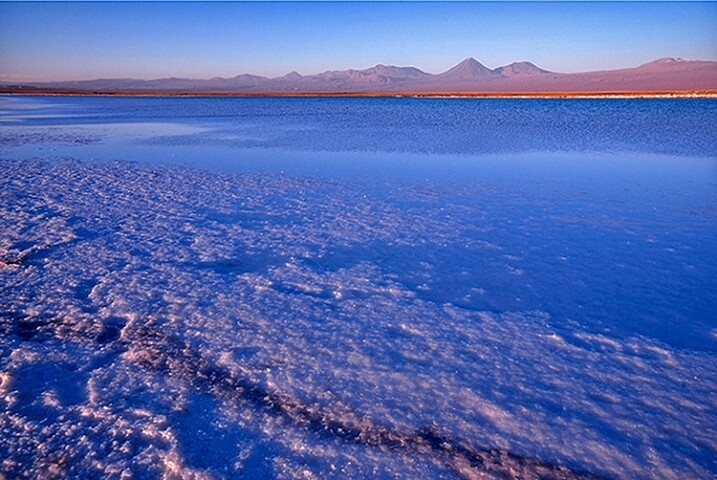
The sky had no clouds, so I made it a small part of the image.

The sky had no clouds, so I made it a small part of the image.

8. No clear subject

It sounds crazy, but it is very easy to have an unclear subject in landscape photography. Most often, landscape photography is of a natural scene, mountains, forest, river, seascape, deserts, etc. Whichever one it is, make sure that it is clear to your viewer.

If you are photographing a mountainous scene, make sure you use a lens that works for that scene. Landscape photographers are tempted to think that every image needs to be taken with the wide angle lens. Sometimes, this can cause the mountain range in the background to seem small and insignificant. The same can be true in any of the other types of landscape photography. Be sure that your viewer knows what they are supposed to be looking at, and show them that, and the beauty that surrounds the subject. Get close to your subject, as close as possible, and if it’s not close enough, maybe you need to use a different lens to get closer. A 50mm lens can be used in landscape photography, so can a 200mm lens, it all depends on what you want the viewer to see.

Subject-2

The iceberg in front of the ship is clearly the subject here.

Next time you are planning a landscape photo shoot, run through these points quickly and see how it works out for you. If anything, you will be more mindful and deliberate about what you are shooting, and that will immediately improve your images. Enjoy.

googletag.cmd.push(function() {
tablet_slots.push( googletag.defineSlot( “/1005424/_dPSv4_tab-all-article-bottom_(300×250)”, [300, 250], “pb-ad-78623” ).addService( googletag.pubads() ) ); } );

googletag.cmd.push(function() {
mobile_slots.push( googletag.defineSlot( “/1005424/_dPSv4_mob-all-article-bottom_(300×250)”, [300, 250], “pb-ad-78158” ).addService( googletag.pubads() ) ); } );

The post 8 Common Landscape Photography Mistakes by Barry J Brady appeared first on Digital Photography School.

Digital Photography School

 
Comments Off on 8 Common Landscape Photography Mistakes

Posted in Photography


10 Common Bird Photography Mistakes and Their Solutions

01 Oct

Do you commit mistakes in photography?

I bet you do. I have made mistakes. As a matter of fact I have committed many. But we all learn from our mistakes. What you don’t have to necessarily do is to re-invent the wheel. Instead of learning about these common mistakes the hard way, why not learn from other’s mistakes? That sounds awesome, doesn’t it?

Sandhill Crane Family Flying on a Beautiful Autumn Morning in Jasper-Pulaski Fish and Wildlife Area in Medaryville in northwestern Indiana. Every year around 10,000 Sandhill Cranes migrate to this location during Autumn. The calls of thousands of Sandhill Cranes that reaches several miles is an experience that is next to none. It is one of the best locations to photograph them as they fly past the Autumn trees at the Sunrise to feed in the close by farms.

Sandhill Crane Family Flying on a Beautiful Autumn Morning in Jasper-Pulaski Fish and Wildlife Area in Medaryville in northwestern Indiana. Every year around 10,000 Sandhill Cranes migrate to this location during autumn. The calls of thousands of Sandhill Cranes that reaches several miles is an experience that is next to none. It is one of the best locations to photograph them as they fly past the autumn trees at sunrise to feed in the nearby farms.

Here is the list of 10 common bird photography mistakes and their solutions. If you learn and apply these bird photography tips you would see the results immediately in your images.

#1 BAD EXPOSURE

This is the biggest mistake. A bad exposure would ruin the photograph. Most common is overexposed (blown-out) highlights.

01-The-Most-Useful-Bird-Photography-Tips-for-Beginners-by-Prathap-Nature-Photography-Simplified

Overexposed – highlights blown out.

The issue is that your camera has much less dynamic range than your eyes. This means you can see the details in both brighter and darker regions of a scene, but the camera doesn’t.

You have to make a choice whether to keep the details in the brighter or the darker region. Your choice would almost always be to keep the details in the brighter region. Because our eyes are more sensitive to brighter areas (or highlights).

02-The-Most-Useful-Bird-Photography-Tips-for-Beginners-by-Prathap-Nature-Photography-Simplified

Correctly exposed for the highlights.

In short – always expose for the highlights.

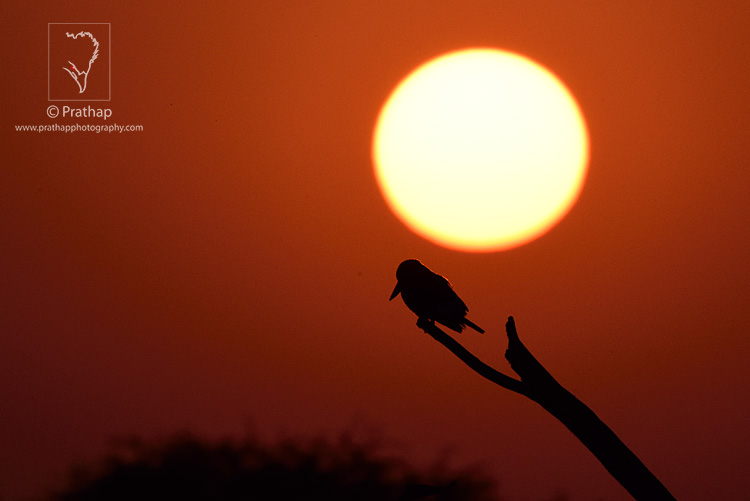
#2 BAD LIGHT

Photography is painting with light. If you underestimate the light, then you are bound to get bad photographs. It’s not an exaggeration to say most photographers seem to ignore it.

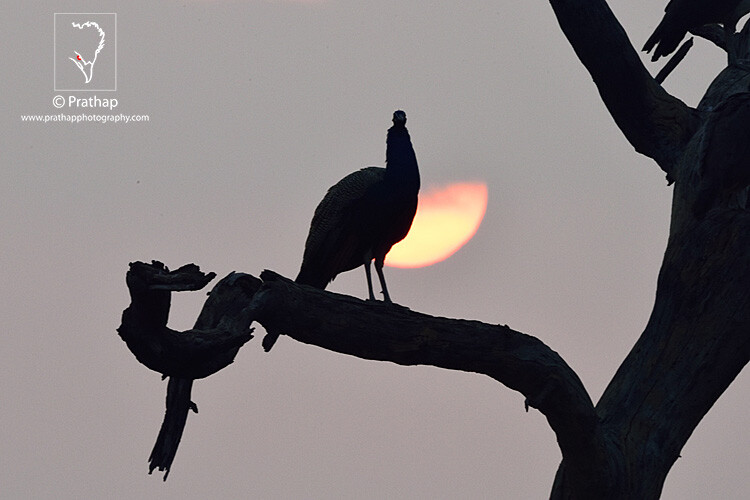
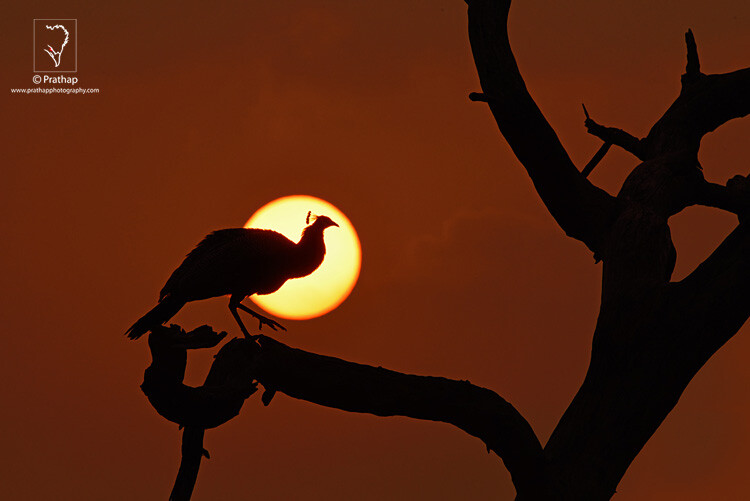
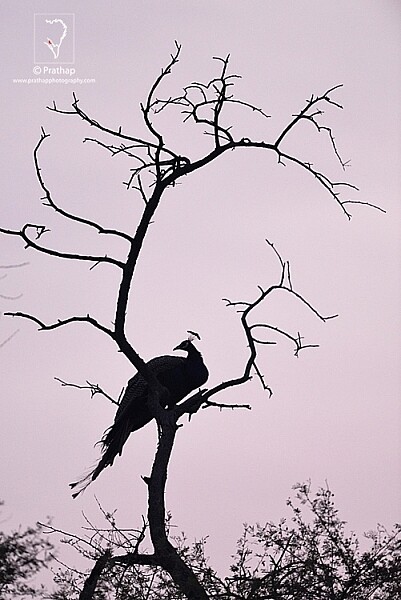
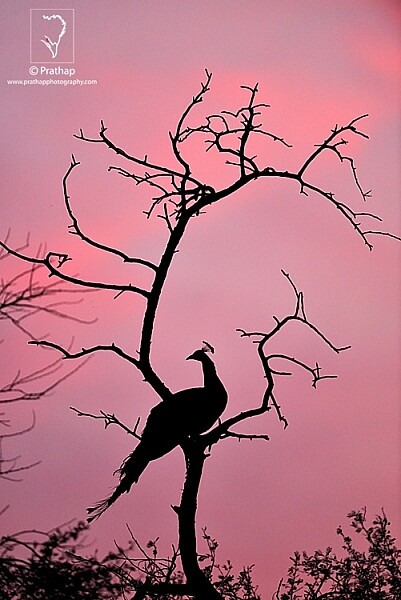
More the time is spent debating about equipment, than studying the light. No equipment can save your photograph if the light is not favorable. Look how boring this silhouette of an India peafowl is.

03-The-Most-Useful-Bird-Photography-Tips-for-Beginners-by-Prathap-Nature-Photography-Simplified
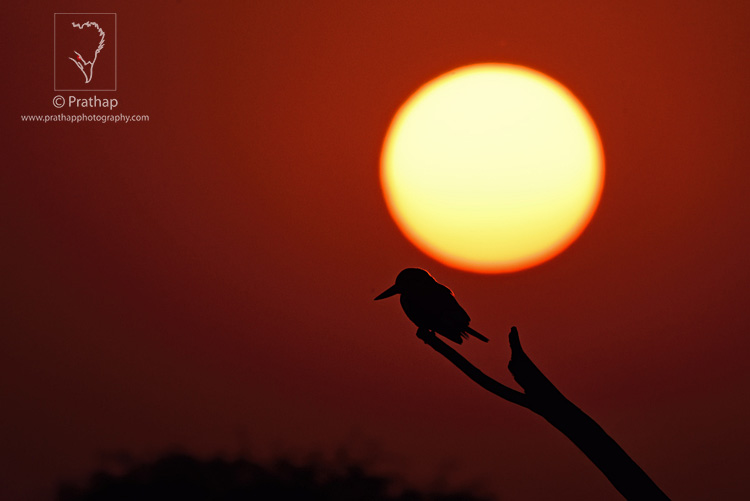
Just before minutes, it was like this.

04-The-Most-Useful-Bird-Photography-Tips-for-Beginners-by-Prathap-Nature-Photography-Simplified

Isn’t it evident? Learn to see the light. It’s all about light.

#3 BAD COMPOSITION

Bird photography is not demanding in terms of composition. Even so, a lot many bird photographers don’t seem to understand simple techniques. All that you need to know is the rule of thirds, the rule of spaces, and fill the frame composition techniques.

How many times have you seen a photograph like this? A subject in the center!

05-The-Most-Useful-Bird-Photography-Tips-for-Beginners-by-Prathap-Nature-Photography-Simplified

Just by following the rule of thirds, this is what I got.

06-The-Most-Useful-Bird-Photography-Tips-for-Beginners-by-Prathap-Nature-Photography-Simplified

Next time you are out in the field, remember to compose well.

  • Place the bird off-centered and give enough it breathing space.
  • Or, fill the frame with the bird.

That is as simple as it gets.

#4 BAD FOCUS

Blurry bird photos are everywhere. Birds are always active, making it harder to achieve sharp focus. But that doesn’t mean you don’t recognize it. If you rely heavily on your LCD monitor, this is what happens.

07-The-Most-Useful-Bird-Photography-Tips-for-Beginners-by-Prathap-Nature-Photography-Simplified
Nothing seems to be wrong in this photograph, right?

Wrong. It’s a blurry photograph. Can you see the out of focus eye now?

08-The-Most-Useful-Bird-Photography-Tips-for-Beginners-by-Prathap-Nature-Photography-Simplified
Fixing it is easy. Check for the critical focus by zooming in on your LCD monitor. If it’s not sharp, make the adjustments until you get the focus perfect. The initial focus was on the bird’s body. By shifting the focus point to the eye of the bird, I got this tack-sharp image.

09-The-Most-Useful-Bird-Photography-Tips-for-Beginners-by-Prathap-Nature-Photography-Simplified
#5 WRONG POINT OF VIEW

How do you see your world? From your eye level…isn’t it? But, how does the bird see its world? You got the point. But more than 90% of the bird photographers do not seem to understand this simple concept. They shoot from their eye level. Can you believe that?

10-The-Most-Useful-Bird-Photography-Tips-for-Beginners-by-Prathap-Nature-Photography-Simplified
If you are doing it too…stop it right now. It’s not your portrait but the bird’s.

11-The-Most-Useful-Bird-Photography-Tips-for-Beginners-by-Prathap-Nature-Photography-Simplified

Get down and shoot from a bird’s point of view, and see the magic unfold.

#6 WRONG HEAD ANGLE

Your eyes follow the lead. You will follow the line of sight of a bird. If the bird looks left, your eye will move in that direction and vice versa. If your eye is lead in an interesting way, then your image works.

What doesn’t work is when the bird looks away. It’s not uncommon to see such photographs everywhere on the web.

12-The-Most-Useful-Bird-Photography-Tips-for-Beginners-by-Prathap-Nature-Photography-Simplified
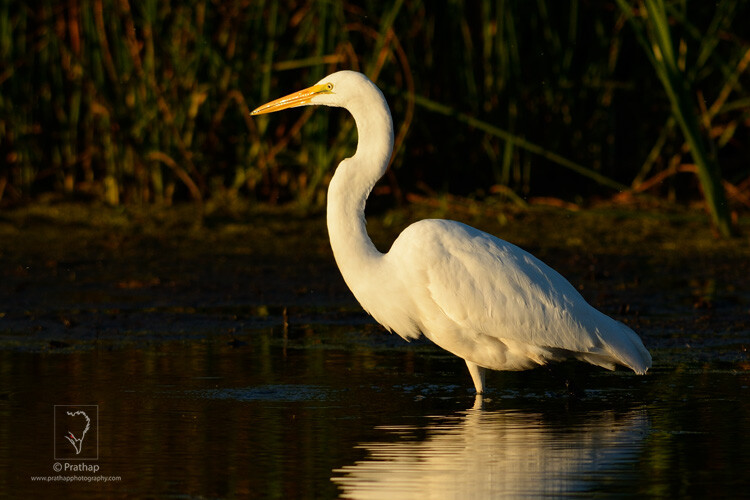
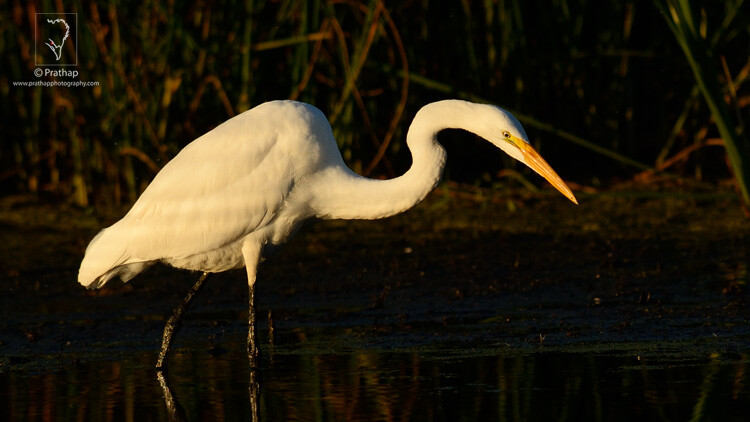
Wait for the right head angle. Take photograph when bird is actively looking for its prey. Or, when it is sensing an impending danger.

13-The-Most-Useful-Bird-Photography-Tips-for-Beginners-by-Prathap-Nature-Photography-Simplified
With just the right head angle, the image became more interesting. The Great Egret is actively searching for its prey. The head angle is diagonally inclined adding dynamism to the photograph.

#7 WRONG BACKGROUND

Do you care for the background? Most often bird photographers just don’t care about anything other than the bird. Why? Are you saying because it’s a bird photograph after all! Do you know it’s the background which makes the picture?

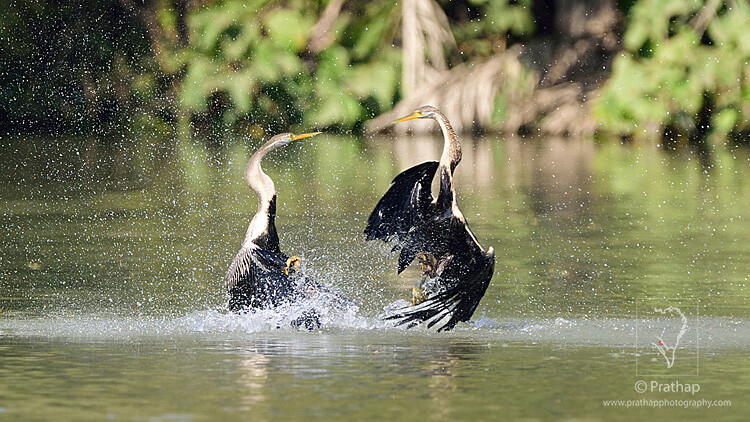
Okay, take a look at this bird photograph.

14-The-Most-Useful-Bird-Photography-Tips-for-Beginners-by-Prathap-Nature-Photography-Simplified
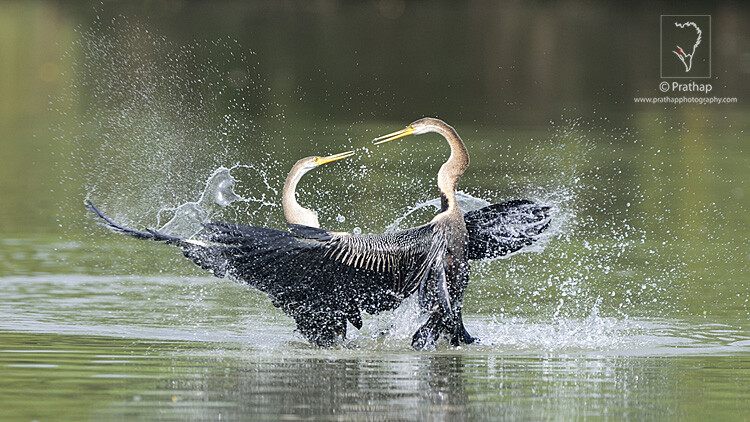
That’s a fantastic action shot of two Indian Darters or Snakebirds fighting. But, is it amazing? Take a look at this one now.

15-The-Most-Useful-Bird-Photography-Tips-for-Beginners-by-Prathap-Nature-Photography-Simplified
You see how beautiful the action is. It just couldn’t get better. Here’s the best bird photography tip I can give you – put more importance on background than the bird and you’ll make great bird photographs.

#8 BAD PROCESSING

Is post-processing good? There’s probably a hot debate around every corner about this topic. If you do post-process here’s what you shouldn’t do.

Here’s a simple and useful post-processing tip for bird photography. Don’t over process your image. Over sharpening and extreme noise reduction are typical mistakes of many bird photographers.

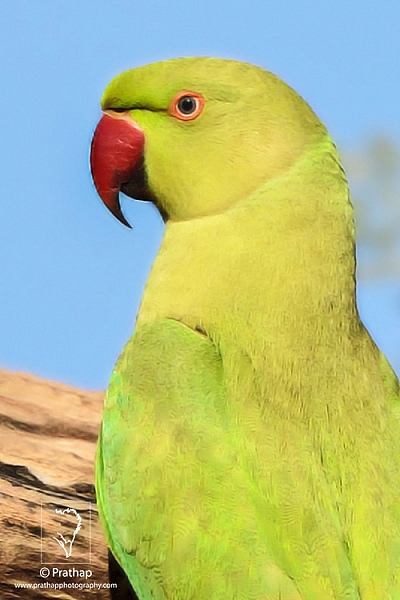
Rose-Ringed Parakeet displaying all its color in soft Sunlight in Bharatpur Bird Sanctuary. I sm so lucky to have been able to capture this beautiful parakeet. I love it!

This one has too much noise reduction

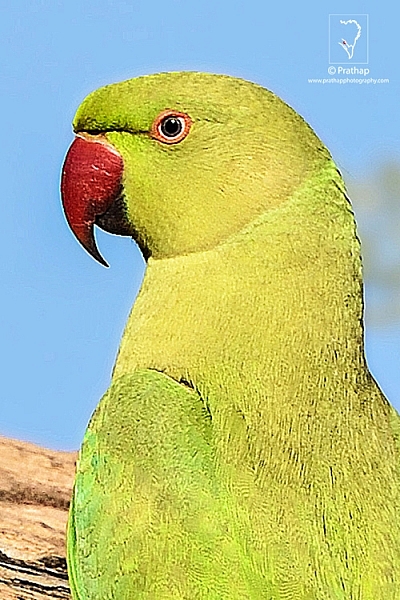
Rose-Ringed Parakeet displaying all its color in soft Sunlight in Bharatpur Bird Sanctuary. I sm so lucky to have been able to capture this beautiful parakeet. I love it!

This one is over sharpened.

It destroys your image. It makes it either look like a wax statue or a wired toy.

Take it easy. Keep your processing to a minimal. Just do enough processing to bring back the details and colors in the bird. Reduce noise only in the background. Sharpen only the bird with just enough to bring out detail.

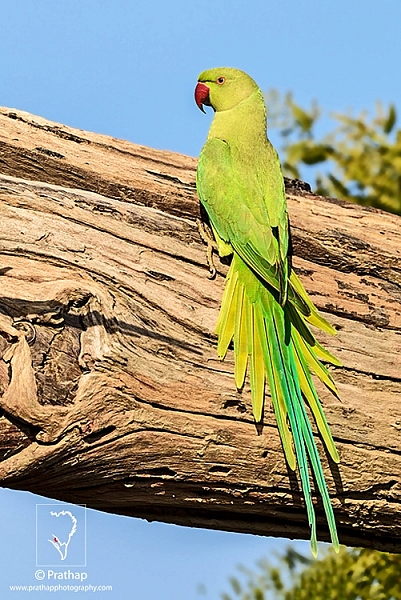
Rose-Ringed Parakeet displaying all its color in soft Sunlight in Bharatpur Bird Sanctuary. I sm so lucky to have been able to capture this beautiful parakeet. I love it!

Rose-Ringed Parakeet displaying all its color in soft Sunlight in Bharatpur Bird Sanctuary. I sm so lucky to have been able to capture this beautiful parakeet. I love it!

#9 WRONG PLACE

Do you know that location really matters? In fact, it can make or break your image. It’s a very important bird photography tip to remember. If you end up photographing a species in a wrong place, then you’ll end up with bad results.

18-The-Most-Useful-Bird-Photography-Tips-for-Beginners-by-Prathap-Nature-Photography-Simplified
Find the right location where there are enough birds, good light, good feeding ground, and a good background. Assuming that you know important bird photography tips, you’ll most certainly make the best bird photographs.

19-The-Most-Useful-Bird-Photography-Tips-for-Beginners-by-Prathap-Nature-Photography-Simplified
#10 WRONG EXPECTATIONS

Not many photographers talk about this. But here’s the thing: If you think that a professional or experienced bird photographer goes to a place, points their expensive gear at the birds, and take home loads of amazing photographs, then you are wrong.

20-The-Most-Useful-Bird-Photography-Tips-for-Beginners-by-Prathap-Nature-Photography-Simplified
This is far from the truth. The truth is they are the ones who go to the place before anyone. Stay there until there’s no light. Come back to the same place again, and again, and again until they get what they want.

21-The-Most-Useful-Bird-Photography-Tips-for-Beginners-by-Prathap-Nature-Photography-Simplified
My friend, it’s not magic. It’s bird photography. Everyone needs to pay their due respect. Birds never differentiate.

CONCLUSION

Bird photography is fascinating.

Birds attract us like crazy. They make us forget about the world around us. But, you have to get over this. You have to see beyond the bird. You have to pay close attention to everything in the frame – the bird, the background, the placement, the light, exposure, etc.

It’s easy to be a bird photographer. Not that easy to be a good bird photographer.

These 10 bird photography tips should give you a fair idea of what makes a good bird photograph. Understand them. Practice them. Your bird photographs are bound to improve.

Let me know if you have any questions. I would love to answer them.

googletag.cmd.push(function() {
tablet_slots.push( googletag.defineSlot( “/1005424/_dPSv4_tab-all-article-bottom_(300×250)”, [300, 250], “pb-ad-78623” ).addService( googletag.pubads() ) ); } );

googletag.cmd.push(function() {
mobile_slots.push( googletag.defineSlot( “/1005424/_dPSv4_mob-all-article-bottom_(300×250)”, [300, 250], “pb-ad-78158” ).addService( googletag.pubads() ) ); } );

The post 10 Common Bird Photography Mistakes and Their Solutions by Prathap DK appeared first on Digital Photography School.

Digital Photography School

 
Comments Off on 10 Common Bird Photography Mistakes and Their Solutions

Posted in Photography


2 Clumsy Mistakes To Avoid When Meeting With Potential Customers

31 Aug

You recently received an inquiry from someone who really likes your work, is interested in hiring you for a shoot, and wants to meet in person (or on the phone) to discuss more details. Naturally, you’re pretty excited. The thought of booking an event is something that thrills all of us. Then, as soon as the meeting starts, the two cardinal sins of salesmanship rear their ugly heads. What are they?

Talking too much and not listening enough.

Two Clumsy Mistakes Banner

Sure enough, once the prospect asks you a question, it’s as if you’ve suddenly been put in front of a classroom with the responsibility to lecture on photography for the next 25 minutes, flood gates thrown open. And because you want so badly to make the sale, you don’t leave anything out – linking your statements from one benefit to the next, emphasizing personal strengths, advantages, until you’ve suddenly dominated the conversation with what YOU wanted to say and talk about, not what THEY needed to hear.

This is the first massive mistake, and is actually the primary cause for the second mistake. Whether you are just starting to charge for your photography services, or wanting to increase and grow your existing photography business, you cannot allow yourself to command the conversation. When you do this, you miss uncovering the real concerns of the client, what they really want in the end, and ultimately it makes them feel as though they weren’t really heard. Remember, it’s not about YOU – it’s about THEM.

One way to turn this scenario around is to start asking them questions, turn the table. Get them talking about what their vision for the shoot is, what concerns they may have, how they view the end result. A great trick to get them to start talking is to say something like this, “____ (name), I’m fully prepared to discuss the event/project in detail with you, but first I want to get your perspective on it so that we can focus our time together on the things that interest you most.”

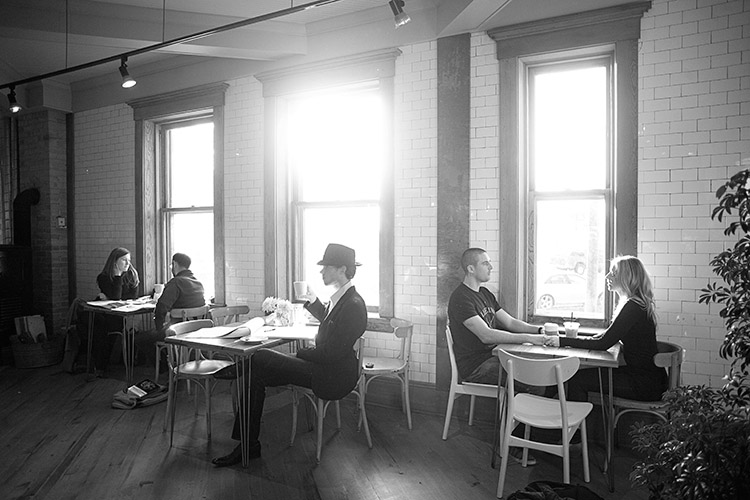
Meeting Cafe

By announcing that you’re prepared, you demonstrate your competence and responsibility – and by demonstrating your preparation, you build immediate credibility. Furthermore, by inviting your customer to articulate what’s most important to them, you recognize and validate their importance. In other words, it shows that you care about their thoughts and concerns, and that you want to work together to provide a solution that works for both of you.

The next step is to keep them talking. Again, this is all about them, not you. An easy way to do this is to keep asking questions that are easy to answer such as:

  • Tell me more about
  • What else should I know about?
  • Could you please expand on..?

It’s imperative that you uncover as many of their fears, concerns, wants, desires as you can. Consider asking questions like:

  • What worries you most about this?
  • I can tell that you are frustrated about that – how come?
  • You mentioned that you tried that in the past. Why didn’t it work so well that time? What could have been done differently?

Meeting Consult

The primary benefit of asking all these questions is to uncover what’s really important to them. This is the treasure chest, what they are really after. Once you know what’s most important to them, you can then frame your offer according to the specific desires of that client, which will skyrocket your chance of booking the shoot.

But all of these questions are worth nothing – if you don’t listen to what they’re saying. There are four primary elements to Active Listening:

  1. Attentive body language (nod, make eye contact, smile, etc.)
  2. Verbal attends (uh-huh, okay, sure)
  3. Ask leading questions (open-ended questions that encourage them to talk more)
  4. Restating back to the person what they just said

Meeting

Active Listening is not simply waiting for your turn to talk, and it’s certainly not interrupting them to demonstrate that you already know what they’re talking about. Active Listening is nothing more than allowing the customer to completely share their story with you, then playing back that story to them asking for confirmation and clarification. “Is that right? Did I miss anything?”

With any new skill, it takes time to get down pat. But this is something that will have an immediate effect on your ability to book more events because you are validating the concerns of your potential clients, and linking your services to their exact wants and goals.

googletag.cmd.push(function() {
tablet_slots.push( googletag.defineSlot( “/1005424/_dPSv4_tab-all-article-bottom_(300×250)”, [300, 250], “pb-ad-78623” ).addService( googletag.pubads() ) ); } );

googletag.cmd.push(function() {
mobile_slots.push( googletag.defineSlot( “/1005424/_dPSv4_mob-all-article-bottom_(300×250)”, [300, 250], “pb-ad-78158” ).addService( googletag.pubads() ) ); } );

The post 2 Clumsy Mistakes To Avoid When Meeting With Potential Customers by Mark Thackeray appeared first on Digital Photography School.

Digital Photography School

 
Comments Off on 2 Clumsy Mistakes To Avoid When Meeting With Potential Customers

Posted in Photography


10 Common Mistakes in Long Exposure photography

27 Aug

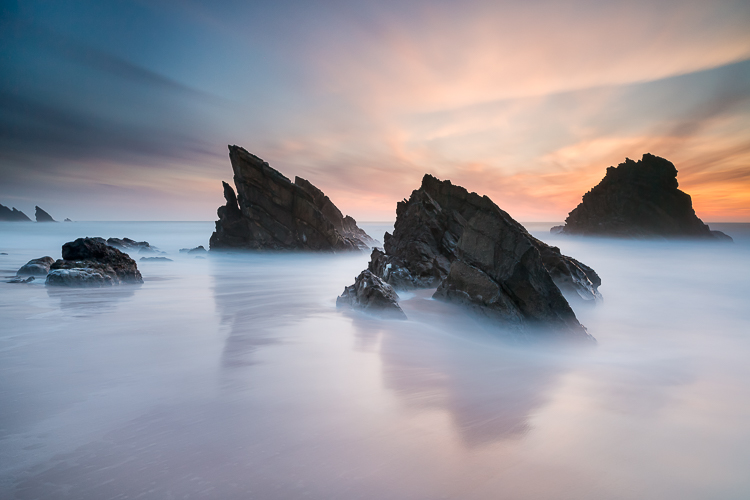
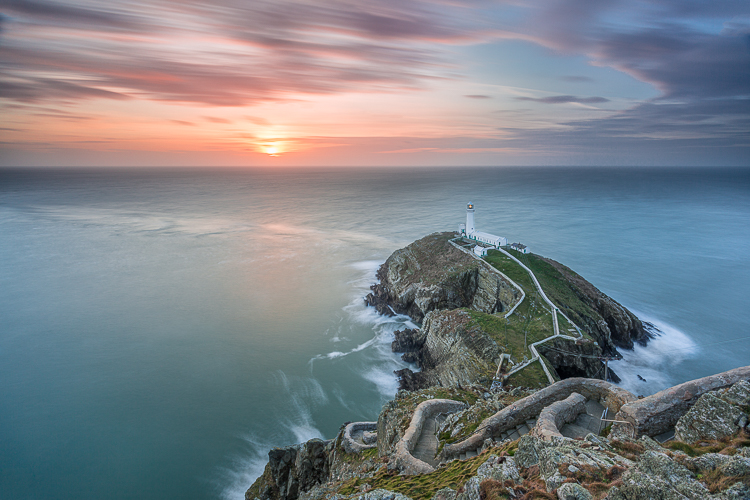
On all the 2015 Workshop I held here in Italy, I introduced a little game, where at the end of the workshop the attendees had to write down on a paper three mistakes that they used to make before taking the workshop. So I decided to collect all these lessons learned papers and make a list of the 10 most common errors in long exposure photography so you can learn from this also:

FG 1

Mistake #1 – Vibration reduction system is set to ON

There are some lovely technologies that can help get much sharper images minimizing the blur caused by camera shake, which are extremely useful in low-light conditions where slow shutter speeds are required. Every brand calls this technology something different, but the aim is the same. They can be lens-based (like for Nikon and Canon cameras) or camera-based (like for Sony, Olympus and Pentax cameras), but at the end the result is that this vibration reduction can give you the same image quality up to four shutter speed stops slower than usual.

They use some movement sensors to detect motion and try to compensate for it by moving an element group in the lens, or on the sensor itself.

The point is that if the camera is on a sturdy tripod (and if you are shooting a long exposure, your camera is definitely on a tripod!), you shouldn’t expect any vibration. You may know this, but your camera doesn’t, so even if there is no movement, it can happen that this anti-vibration system tries to compensate anyway moving a lens group (or the sensor), and this will actually result in an introduction of a vibration (and blur) instead of a removal.

So, if your camera is on a sturdy tripod, turn the anti vibration system to OFF!

FG 2

Mistake #2 – Forgetting to use Mirror Lock-up

In a DSRL camera, light travels through the lens and is sent to the viewfinder by a mirror. When you press the shutter button, the mirror flips up so that the light goes directly onto the image sensor. This movement introduces a small vibration that will cause slight blurring in the photo.

To avoid this vibration, you can activate the Mirror Lock-up function in your camera. After its activation, the first time you press the shutter button, your camera will lift the mirror; the second time it will open the shutter. If you wait a couple of seconds between the first and the second press, you will avoid the vibration!

Yes, if you have a mirrorless camera, you can skip this advice!

Mistake #3 – Not using a GND filter because they are expensive

In some situation (in places where there is not a big difference in the exposure between different areas of the scene), just a Neutral Density filter can allow you to get the desired result. However, in many situation the light condition require the use of a Graduated Neutral Density filter to balance the exposure.

If you are using a screw-on ND filter, you may believe that the only chance you have is to try to apply a GND filter in post-production – but you’d be wrong!

FG 3

You can just hold the filter with your hand in front of the lens. For a shot with a shutter speed up to few seconds, your only problem will be the correct alignment of the filter. For shots which are minutes long, even if your hand is not perfectly still, the final result will be more than great – try it if you don’t believe me. The holder is required if you want to use multiple filters together (or when you start having cramps in your hand).

Mistake #4 – Setting the aperture to f/22 to increase the exposure time

The rule was simple: if you decrease the aperture, you increase the exposure time.

With this rule in mind, you may think that you can transform your 30 second exposure to a two minute exposure just moving from f/11 to f/22. Theoretically, you’re right. Unfortunately there is a physical phenomenon called optical diffraction that above f/16 is enough intense to ruin the sharpness of your image.

If you are already at f/11 and you need a slower shutter speed, decrease ISO if possible or use a stronger filter.

FG 4

Mistake #5 – Forgetting to adjust the ISO

ISO can be a powerful ally in a long exposure. Sometimes you forget the possibility of changing the ISO setting, and you only play with filters and aperture. Remember that every camera has a range of ISO where the output quality is almost the same. In high-end cameras this range is usually between ISO 50 and 200.

This means that you have two stops to play with, and in a long exposure shoot, two stops mean minutes of exposure.

Mistake #6 – Shooting like you’re in a studio

FG 5

When you shoot pictures at home or comfortably seated in a studio, no external agent can affect the quality of your image. But if you are perched on a rock in front of the sea, on a beautiful stormy day, quite soon your filters will be completely wet.

Remember to fill your bag with cleaning cloths. A a thin layer of water on your outer filter will result in a high diffraction, and this will irremediably ruin your image. Never underestimate nature, even on a sunny day, the weather conditions can change very quickly.

Mistake #7 – Choosing a low quality filter

Every time you add a filter in front of your lens, you inevitably decrease the overall quality of the optical system. Yes, some well-known filter brands are quite expensive, but do you believe it is worth puttting a 5$ filter in front of a camera of thousand dollars? No, it isn’t – so focus on quality: fewer filters but better! You don’t need the whole set of density ranges for ND and GND filters. Try to understand which filters you will probably use more often, then remember that you have ISO and Aperture to play with to cover the gap between. Finally, remember that a lot of good quality filters are available at incredibly affordable prices. Check in advance for filter reviews on internet.

FG 7

Mistake #8 – Underestimating the wind

When you take a long exposure shoot, you camera is exposed to possible external vibration agents for minutes. Even a wind gust of a few seconds can ruin your image. Invest on a sturdy tripod, and then set it firmly on the ground. If needed, hook an additional weight to the tripod to make it even sturdier and solid.

Avoid using the tripod’s central column too – if you raise it up, you raise the center of gravity of the system and it will be less stable.

Mistake #9 – Not covering the viewfinder

You took a three minute exposure, and the preview is full of strange purple lines and halos. Why?

It is because light, like water, loves to find a way – always.

FG 9

Your camera is intended to allow light through only from the hole in your lens, but unfortunately there are some other accesses that can potentially harm your images.

The most common of them is the viewfinder. To avoid infiltration of light from it, cover it after composing the image. If your camera is not provided with a cap, you can even use some black tape. If you forgot the black tape, use a chewing gum. The typical result of viewfinder infiltration is a strange purple halo. Yes, if you have a mirrorless camera, you are also free of this issue!

If you use slot-it filter system, another possible source is the gap between one filter to another (this is one of the reason why many photographers love screw-on filters). In this case, the best solution is to cover that gap with black tape. The typical result of filter infiltration is a vertical purple line on the opposite side of the sun.

Finally, if you use a tilt-shift lens, or a lens adaptor, you may have an infiltration from the lens body. The best way to avoid this is to cover the lens with a black neck warmer.

Mistake #10 – Believing the filter vendor

FG 8

When you buy a six stop ND filter, you expect that it has exactly the optical density to get a six stop reduction. Unfortunately, you are wrong. In my life I never found a filter with the exact intensity stated by the manufacturer. Of course, the difference usually is minimal, but remember that even ½ stop of difference, in a long exposure means minutes of error.

To avoid errors when you are on field, test it in advance by following these steps:

  • Choose a room in your home, turn on the lights and close the windows (you need a place where the lighting is perfectly constant).
  • Mount your camera on a tripod and take a photo of the room until you get a shot with a good histogram. Note down all the parameters (ISO/Aperture/Shutter speed) of the shot.
  • Mount the ND filter and compensate the shutter speed obtained before, according to the f-stop reduction introduced by the filter.
  • Take a picture with the ND filter.
  • Look at the histogram of the photo taken with the filter, and compare it to one taken without. If they are approximately superimposable (exactly the same), the filter intensity stated by the manufacturer is accurate. If the new histogram has shifted to the left, your filter has an intensity greater than that the one declared; if it is moved to the right, it has a lower intensity.
  • If the two histograms are not superimposable, take another shoot changing the shutter speed to obtain a histogram approximately similar to the one of the picture without the filter.

FG 6When you have found the exact optical density, build your own shutter speed conversion table. Another possibility is the PhotoPills app for your iPhone, the only one that allows you to convert the shutter speed for non-standard f-stop reductions.

That’s the ten mistakes to avoid when doing long exposure photography. Have you got any others you’ve made and learned along the way you’d like to share? Please do so in the comments below.

googletag.cmd.push(function() {
tablet_slots.push( googletag.defineSlot( “/1005424/_dPSv4_tab-all-article-bottom_(300×250)”, [300, 250], “pb-ad-78623” ).addService( googletag.pubads() ) ); } );

googletag.cmd.push(function() {
mobile_slots.push( googletag.defineSlot( “/1005424/_dPSv4_mob-all-article-bottom_(300×250)”, [300, 250], “pb-ad-78158” ).addService( googletag.pubads() ) ); } );

The post 10 Common Mistakes in Long Exposure photography by Francesco Gola appeared first on Digital Photography School.

Digital Photography School

 
Comments Off on 10 Common Mistakes in Long Exposure photography

Posted in Photography


The 5 Biggest Mistakes Newbie Car Photographers Make

12 Jul

It’s true, we all make mistakes, that’s what makes us human, right? Well yes, but there are some mistakes that can, and should be avoided, when it comes to photography. In this article we will be talking about automotive photography in specific. You could be shooting cars for years but if you don’t fix your mistakes, how do you expect to get some great shots?

These are the 5 biggest mistakes that car photographers make when first starting out. Don’t worry, I will tell you how to fix those mistakes so other car photographers stop calling you a newbie, and they might actually ask “HOW?”

1. Not paying attention to the background

IMAGE1

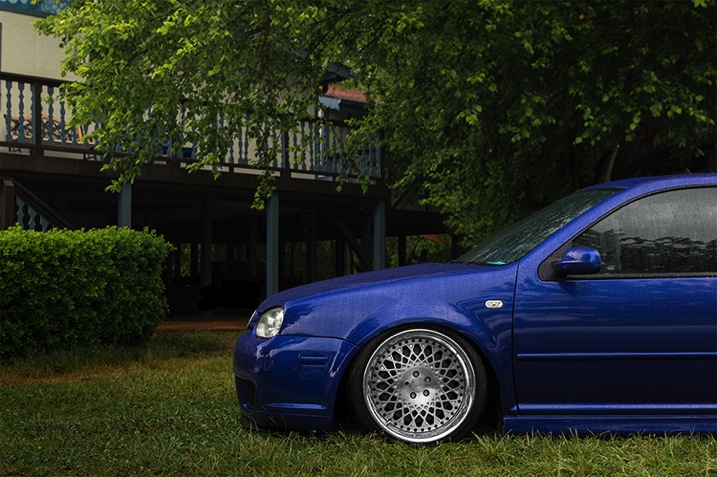
This is a really big no no. If you are striving to be a professional photographer, or even if you’re just shooting for fun, you must pay attention to your surroundings. I have seen way too many pictures where a tree is growing out of a car, or there is trash on the ground, and other annoying little objects that take away from the focus of the car.

If there is a tree in your way, move around. Walk around the car and find a better angle or even move the car if you have to, just make sure there isn’t anything growing out of top of the car. If there is trash on the ground, pick it up and move it (I recommend carrying gloves with you in case you have to deal with some nasty trash).

If there is something that you just simply can’t avoid then don’t worry, you can still remove it in post-processing using the Clone Stamp Tool or Content-Aware fill, but use those as the last resort. You should try to get the best shot that you can in the camera so you don’t have to waste precious time cloning out all that stuff later.

2. Not making sure the car is spotless

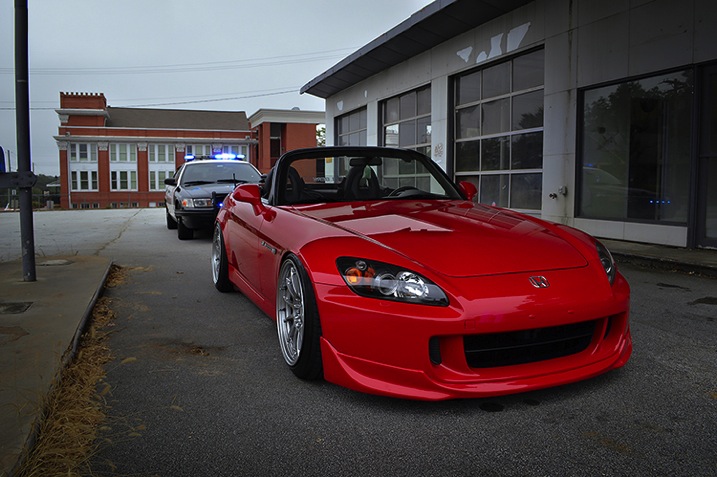
If you’re an avid car photographer then you MUST carry a rag of some sort (preferably lint-free) that you can use to wipe any dirt off the car. Yes, you can take out little dirt specks in post-processing, but it will make your life much easier to just take care of it on the spot. It’s not hard to just take the rag and wipe down any dirty areas. This will not only make the car look better/cleaner, thus making your shots look that much more professional, but it will also save you time in post-processing so you can worry about more important stuff.

IMAGE2

3. Not having a circular polarizer

When it comes to shooting cars, it’s like shooting into a mirror; EVERYTHING is reflected off the car. You don’t want that, especially if you have some annoying stuff going on back there like trees, other cars, etc.

That’s where the handy circular polarizing filter comes into play. This will probably be one of your most used pieces of equipment, and should be the very first investment you make if you’re thinking about shooting cars.

Everyone has mixed feelings about polarizers when doing other types of photography, but in car photography there’s no point in even talking or arguing about it, you NEED a circular polarizer. Just don’t buy a cheap one because they will only ruin your images, instead go for a well known B+W circular polarizer, that’s what I, and many other car photographers use, and I haven’t heard any complaints about it.

What is a circular polarizer? Well, it’s basically a little filter that you screw onto the end of your lens, which you can then turn to block off reflections in any part of the frame. What’s cool about it is that you can take multiple shots with different reflection points by using a tripod and then just combining all the images in post-processing to get the best results. Just make sure you don’t go too far, you still want to keep some reflections to show the lines and curves of the car.

IMAGE3

4. Not using a tripod

Speaking of tripods, you need one of those as well. Not just because of the reflections, but to get the cleanest and sharpest shots possible. If you’re like many beginner photographers you have a hard time keeping your hands steady, and it will take some time to master that. If you have a tripod, you can minimize camera shake, which in return, gives you the sharpest images.

Another awesome reason to use a tripod is to do light painting at night. Simply set your exposure to a few seconds, walk around the car with a light source, and in minutes you will have a pretty sick looking shot of the car. Everything you painted over will be visible, and everything else will probably be dark, creating a pretty cool effect that you can’t do without a tripod.

Taking multiple exposures can only be done with a tripod, unless you’re amazing at keeping your hands steady and in one position for multiple shots, which is pretty hard to do. Why would I take multiple exposures? Well, let’s say you take a picture and the car looks amazing, but your sky is blown out. Problem? No problem, if you have a tripod. Just take another shot but this time crank up the shutter speed so you can capture more detail in the sky (don’t worry about anything else for that shot). Now, since you have one image of the car perfectly lit, and another image of the sky looking beautiful you can combine those two in post-processing to get the best looking image, people will be curious how you did it so make sure you tell them. Share the knowledge.

IMAGE4

5. Not getting down low for the best angles

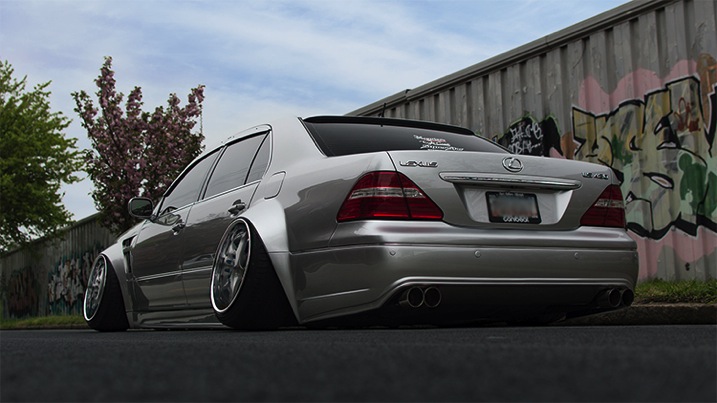
Have you ever seen an image where the car was shot at normal, eye level height? Can you say “boring”?! We all see cars from that point of view on a daily basis, so it gets pretty boring. If you want your shots to stand out, you must try different angles. Get down low, get up high, lay down, just make sure you move around and try different stances so you can get a better angle of the car.

This can get dirty, so make sure you don’t wear your brand new pants and shirt. Don’t be afraid to get down on the ground and capture the car from down there, it will give it a more aggressive look. Who cares if you get dirty, at least your shot will look great.

The best pictures I have seen are of those that are not taken at eye level, but are usually down lower than the normal person is willing to go. But you’re not normal, you’re a car photographer (we’re special).

IMAGE5

That’s all folks

So, there you have it fellow photogs. The five biggest mistakes beginner car photographers make, and how to avoid them. You have been given ways to make your shots look much better – but you will not improve just by reading this, you must go out and shoot, shoot, shoot! The best way to improve your photography skills is to go out, take the skills you learned here, and put them to the test in the real world. But don’t leave without your rag, circular polarizer, and tripod!

Do you have any other tips on shooting cars? Have any of these helped you get better at car photography? Please share in the comments below.

googletag.cmd.push(function() {
tablet_slots.push( googletag.defineSlot( “/1005424/_dPSv4_tab-all-article-bottom_(300×250)”, [300, 250], “pb-ad-78623” ).addService( googletag.pubads() ) ); } );

googletag.cmd.push(function() {
mobile_slots.push( googletag.defineSlot( “/1005424/_dPSv4_mob-all-article-bottom_(300×250)”, [300, 250], “pb-ad-78158” ).addService( googletag.pubads() ) ); } );

The post The 5 Biggest Mistakes Newbie Car Photographers Make by Elvis Pasic appeared first on Digital Photography School.

Digital Photography School

 
Comments Off on The 5 Biggest Mistakes Newbie Car Photographers Make

Posted in Photography


7 Landscape Photography Mistakes That Could be Ruining Your Photos

06 May

If your photos aren’t turning out the way you expect them to, new gear is not necessarily the answer. In fact, chances are you are making one of these seven common mistakes. Don’t be discouraged though; just as a musician needs time to refine their skills, so does a photographer. Once you recognize where the problem lies, it’s easy to make adjustments and achieve better results the next time out.

1) Shooting at the Wrong Time of Day

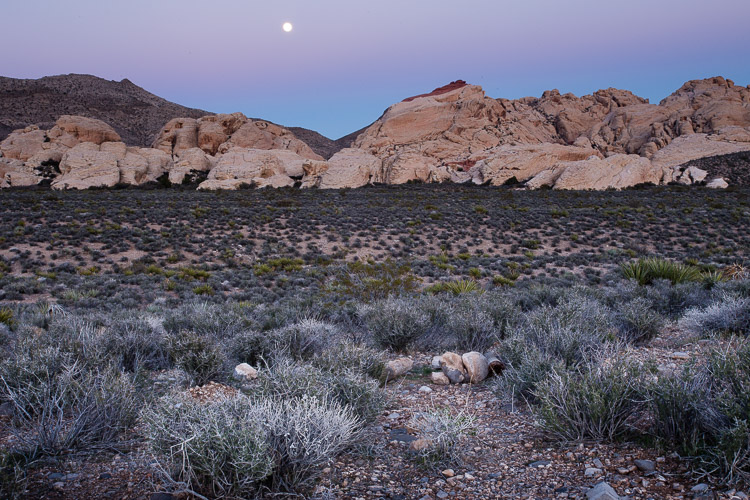
Harsh afternoon sunlight can wreak havoc on a landscape photo. With bright highlights and dark shadows, the contrast makes for especially difficult exposures. For truly dramatic scenic opportunities, dedicate the hours around sunrise and sunset to photography. You’ll be amazed at how few people are there to clutter your composition. With the soft light and colorful skies, your photos will take on a new level of natural beauty.

1_moonrise_red_rocks

2) Your Images Lack a Clear Subject

When you experience something grand, it’s tempting to try and include it all into one frame. The expansive landscape is undeniably beautiful but it’s lacking in any one point of importance. Before pressing the shutter, ask yourself “What is my subject?” If you’re able to provide an answer, you can learn to see like a camera. The human eye interprets a scene differently, heavily influenced by our peripheral vision and ability to scan from left to right. The camera however sees in a much simpler way, only able to record a small portion onto the sensor. By determining what the subject is, you can take the necessary steps to make an effective photo.

2_fire_wave

3) No Foreground

The gentle hues of dawn are worth getting out of bed for, but color alone won’t hold the viewer’s interest. To make a dramatic impact on your scenic and travel images, find a strong foreground element. This can be a field of flowers, a boulder, tree, or even a man-made object. The idea is to add visual interest all the way through the frame. As you explore various options, try several perspectives including ground level. By having this location worked out in advance, you’ll be ready to capture the fleeting light.

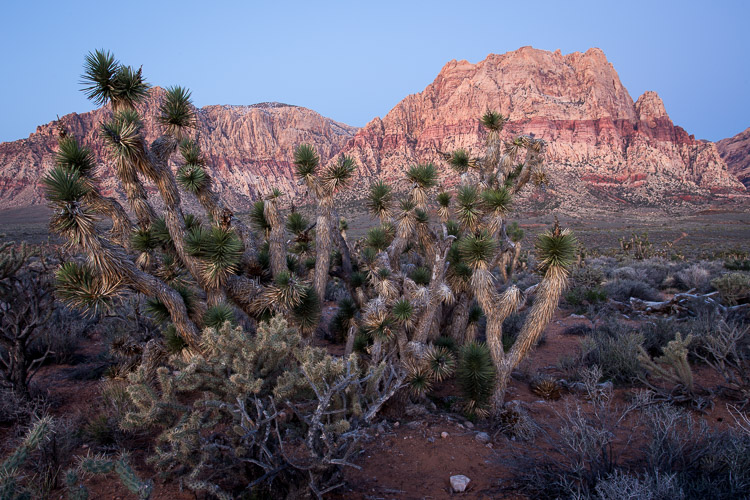
3_cactus

4) Lazy Composition

At nearly every scenic vista or photographic landmark, you’ll notice a definitive dirt spot where grass once grew. This well-worn spot is the final destination for scores of tourists who shoot the same photo year after year. Rather than following the crowd, take a quick loop around the area and search for unique perspectives. To more effectively communicate your vision, check all four corners of your viewfinder, and either zoom or physically move to make a stronger image. Do you need the fence in the bottom corner, or the tree that seems to enter the frame from nowhere? This type of attention to detail will help strengthen the composition in-the-camera which saves you time at home trying to clone out unwanted objects.

4_lake_louise

5) It’s Been Done Before

Automatic modes were designed to provide average results under a variety of conditions. While this can be effective on occasion, it’s fundamentally opposite of what you’re trying to achieve with your art. Do you really want your images to be just average? In order to go beyond the safe shot, creative photographers will push the boundaries to explore their own vision. Rather than trying to recreate what’s already been done, find your own twist on it. This may not always be in line with current trends, but who’s to say you’re attempts won’t cause their own stir.

5_brooklyn_bridge

6) There’s Too Much Contrast

One of the most common issues with scenic photos is the huge contrast difference between the foreground and the sky. The solution is not a new camera or complicated software. Actually, a simple tool known as the graduated neutral density filter is all you need. These commonly come in strengths of two (0.6), three (0.9), and four (1.2) stops. While HDR is another effective method, these filters allow you to achieve your vision in the camera at the time of exposure.

Start by manually spot metering the foreground. The goal is to expose in such a way that the foreground is not black, leaving some detail in the shadow areas. This could be at “-1″ on your meter, or “0”, or even “+1″. Of course if you are not sure which foreground looks best, bracket. Take a quick test shot and notice how the foreground looks well exposed but the sky is overexposed. The next step is where the magic happens.

6_without_filter

Get out your graduated neutral density filter and position the dark portion over the top part of the lens. This will darken the bright sky while leaving your foreground properly exposed. You can fine tune the effect by adjusting the filter placement up or down in the mount.

7_with_filter

7) Fear of High ISOs

You may be surprised to learn that a high ISO can be helpful for landscape photography. This is particularly true when shooting without a tripod or including a person in the frame. In these instances, the shutter speed can be no slower than about 1/125 to prevent camera shake and/or subject motion. Then, to achieve great depth of field and keep everything sharp from near to far, your desired aperture would be f/11 or f/16. With these two decisions made, you may take your photo only to find that it’s too dark. This is where the ISO comes into play. Simply double the ISO number and watch as the photo gets brighter.

Many photographers are overly sensitive about high ISO noise and refrain from using anything over 800. Instead they’ll slow down the shutter speed, rely on image stabilizers, or open the aperture wider. The results may look acceptable on the small LCD only to appear soft when viewed or printed larger. Like most aspects of photography, there is always a tradeoff to consider. Would you rather have a blurry, but noise-free photo, or a sharp image with a bit of noise? Considering that most image editing programs now offer terrific noise reduction options, the ISO noise isn’t as harmful as it once was.

8_tunnel

googletag.cmd.push(function() {
tablet_slots.push( googletag.defineSlot( “/1005424/_dPSv4_tab-all-article-bottom_(300×250)”, [300, 250], “pb-ad-78623” ).addService( googletag.pubads() ) ); } );

googletag.cmd.push(function() {
mobile_slots.push( googletag.defineSlot( “/1005424/_dPSv4_mob-all-article-bottom_(300×250)”, [300, 250], “pb-ad-78158” ).addService( googletag.pubads() ) ); } );

The post 7 Landscape Photography Mistakes That Could be Ruining Your Photos by Chris Corradino appeared first on Digital Photography School.

Digital Photography School

 
Comments Off on 7 Landscape Photography Mistakes That Could be Ruining Your Photos

Posted in Photography


4 Mistakes New Photographers Make and How to Avoid Them

01 Mar

Cameras are complex machines and to get the most out of them you need to know how they work. When you’re a new photographer shooting with a sophisticated camera for the first time, the complexity can be overwhelming. There’s just so much to learn! Now that I’ve been shooting for more than ten years, it’s interesting to go back to my early days and see the mistakes I made.

In this article we’ll have a look at four of my first DSLR photos and I’ll share what I know now that I wish I knew then, so hopefully you can learn from these mistakes.

Mistake #1 – not using exposure compensation

1/250sec f10 ISO100

1/250th of a second,  f/10, ISO100

The camera’s exposure meter will try to make the exposure “middle grey”. Since the camera has no way to tell how bright the subject is, middle grey is a good average bet. But when the subject is much brighter or darker, like the sky in this photo, it ends up getting it wrong. Today if I see a shot like this on the back of my camera, I know why it is under exposed and will adjust it by dialling in some positive exposure compensation. That would have made the clouds much brighter, and brought out details in the dark tree-covered hillside.

Mistake #2 – afraid to increase the ISO

1/30sec f5.6 ISO100

1/30th,  f/5.6, ISO100

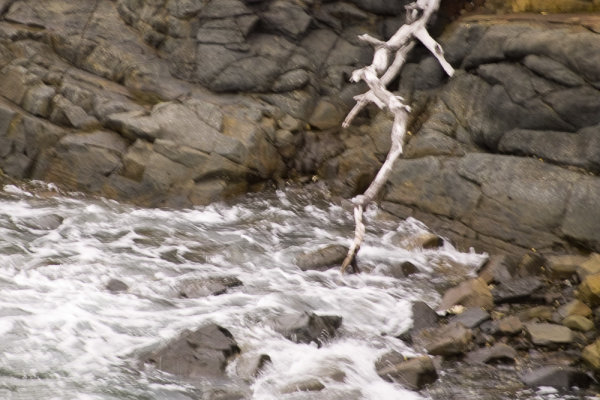
Towards the end of an overcast day, we arrived at a rocky shoreline while on holiday. I liked the texture of the rock, the white dead tree branch, and churning water. However there wasn’t quite enough light. At this stage I didn’t even know how to change my ISO, but even if I had, I’d heard that increasing it made your photo noisy. This was certainly true, especially of DSLRs 10 years ago, but 1/30th of a second at 200mm focal length just wasn’t fast enough. As a result there’s enough camera shake to ruin the photo. Today, even if I was still shooting with the old Sigma SD10 I had then, I’d know that it’s better to increase your ISO to get a shorter shutter speed, even if it results in more visible noise. A noisy photo is better than a blurry one.

Mistake #3 – not exposing for the highlights

1/200sec f10 ISO100

1/200th, f/10, ISO100

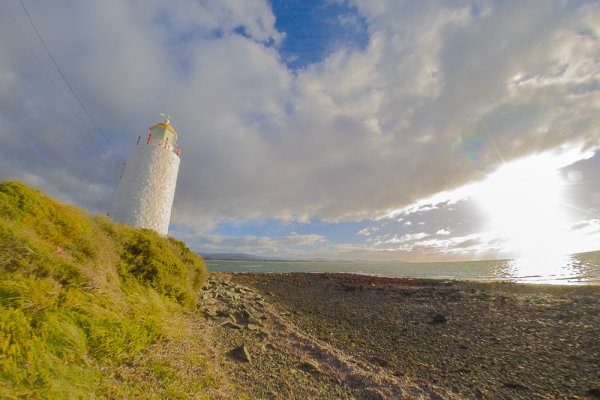
If some parts of the image are very bright, such as the sky and clouds around the sun in this photo, they can be “clipped” by the camera. This means that there is more brightness than the sensor can differentiate, and as such, whole areas of the photo are rendered as white with no detail. Once part of a scene is clipped, nothing can bring that detail back, and it can ruin a shot. Clipped highlights are unattractive and draw the eye in a negative way. In high contrast situations it can be really tricky to capture detail in the highlights and shadows at the same time, but because they draw the eye so much, it’s preferable to preserve detail in the highlights.

While the sun is always going to clip in a photo, preserving details in nearby clouds is possible. For this shot I should have dialled in some substantial negative exposure compensation. Even if this made the rest of the photo too under-exposed, because I was shooting in RAW, I’d still be able to bring out a lot of detail when processing the photo. That way only the sun would be clipped and the clouds and water would look much more natural.

Mistake #4 – not controlling depth of field

1/200sec f8 ISO100

1/200th, f/8, ISO100

I wanted to capture the gorgeous texture on this interesting rock, but still show enough of the background to give it context. The background however, is too in focus and ends up being a distraction, competing for attention with the rock, which should be the star of the photo. I was shooting in program mode (auto), and there was plenty of light. The camera realized this and chose an aperture of f/8. This was narrow enough to increase the depth of field so that the background wasn’t nearly blurry enough. If I was taking this shot today I would put the camera into aperture priority mode with the mode dial, and open the aperture wider. Possibly to its full width, which on this lens was only f/5.6. This would have blurred the background more, letting the rock get all the attention.

If I could go back and tell myself something when I was starting out, I’d emphasize the importance of shooting as often as possible, not to worry about making mistakes, and keep looking to other photographers (both online and in person) as a source of inspiration and learning. Finally, I’d tell inexperienced me that you will never ever stop learning.

How about you? What are the biggest things you learned (or are still learning about) to improve your photography?


pnbvideo_box.pngNeil is so invested in helping others to become confident with their cameras that he has created dPS’s very first online video course Photo Nuts and Bolts. From shutter speed, to aperture and exposure, Neil explains clearly so that you can start shooting with confidence…

googletag.cmd.push(function() {
tablet_slots.push( googletag.defineSlot( “/1005424/_dPSv4_tab-all-article-bottom_(300×250)”, [300, 250], “pb-ad-78623” ).addService( googletag.pubads() ) ); } );

googletag.cmd.push(function() {
mobile_slots.push( googletag.defineSlot( “/1005424/_dPSv4_mob-all-article-bottom_(300×250)”, [300, 250], “pb-ad-78158” ).addService( googletag.pubads() ) ); } );

The post 4 Mistakes New Photographers Make and How to Avoid Them by Neil Creek appeared first on Digital Photography School.

Digital Photography School

 
Comments Off on 4 Mistakes New Photographers Make and How to Avoid Them

Posted in Photography


10 Common Photography Mistakes and How to Overcome Them

25 Feb

You’ve got your DSLR and you are excited to test it out. You might have gone out for the first few days or perhaps weeks and then all of a sudden the excitement wears out. Why?

Because you don’t seem to get what you want out of your mighty DSLR, right? You may have spent countless hours in your college, office, or at home in search of a best DSLR that can take the best photographs you want. All your efforts have gone in vein and you have a frustrating backlog of your actual work.

Next time you feel such frustration about your photography remember this quote:

“You will only fail to learn if you do not learn from failing.” – Stella Adler, The Art of Acting

So, get ready to learn about the 10 common photography mistakes that you may have committed and how to overcome them.

1. Wrong White Balance (WB)

The first and foremost mistake is setting the wrong White Balance. We see white as white under all lighting conditions, but the camera doesn’t. You have to guide the camera to know the light source of the current scene you are photographing.

Say you are shooting in daylight; if you set the camera’s White Balance to Cloudy then the scene will have orange cast. On the other hand if you are shooting in cloudy light and the camera White Balance is set to Daylight then the scene will have blue cast.

Here’s an easy way to remember this:

  • White Balance Temperature (K) setting = Actual light source = No Cast
  • White Balance Temperature (K) setting < Actual light source = Blue Cast
  • White Balance Temperature (K) setting > Actual light source = Orange Cast

Solution: Set the correct White Balance in the field or shoot in RAW mode. If you shoot RAW, you have a choice to set the correct White Balance in post-processing.

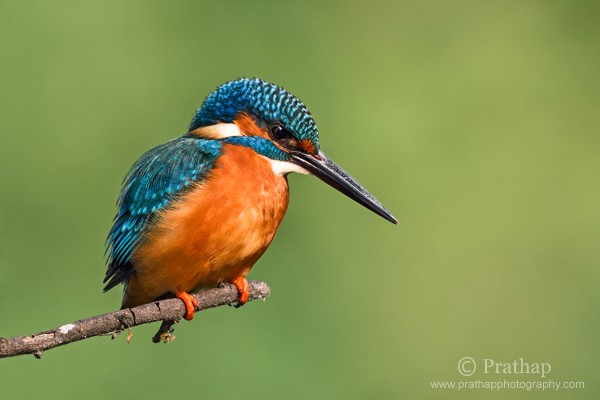
1 Common Kingfisher blue bird Bokeh Effect Bharatpur Bird Sanctuary Keoladeo National Park Nature Wildlife Bird Photography by Prathap

2. Overexposed Highlights

Remember that the dynamic range of your eyes is far greater than the camera’s dynamic range. Dynamic range is the ratio between the brightest elements to the darkest elements in the scene.

You might see the details in both brighter as well as darker regions, but the camera wouldn’t be able to record those details. As a photographer, it is your responsibility to make an exposure that is pleasing to the viewer’s eyes.

Humans are more sensitive to the highlights than the shadows. Overexposed highlights (white patches in a photograph) are more unacceptable to our eyes than underexposed shadows (black patches).

Solution: Expose for the highlights so that nothing gets overexposed, unless you are doing it intentionally. Almost every DSLR will have a blinking indicator (highlight warning, also simply called The Blinkies) that shows overexposed regions in your photograph on the LCD monitor during image playback.

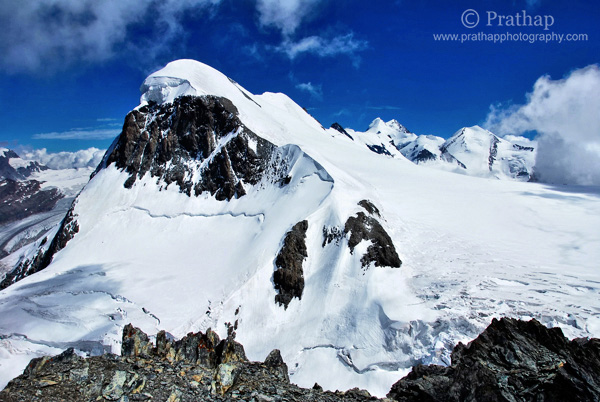
2 Magnificent Swiss Alps Switzerland Mountains Nature Landscape Wildlife Bird Photography by Prathap

If there are blinkies, then go ahead make exposure compensation (underexpose the scene by the required amount) to get that right.

3. Subject in the Center

It is a common tendency of a beginner photographer to keep the subject in center of the frame, which yields a boring, static composition. The viewer has nothing else to look for his/her eye goes straight to the subject and is stuck there.

Solution: Use the Rule of Thirds and keep the subject out of the middle of the frame. An off-centered subject makes the photograph dynamic and uneven negative space creates interest.

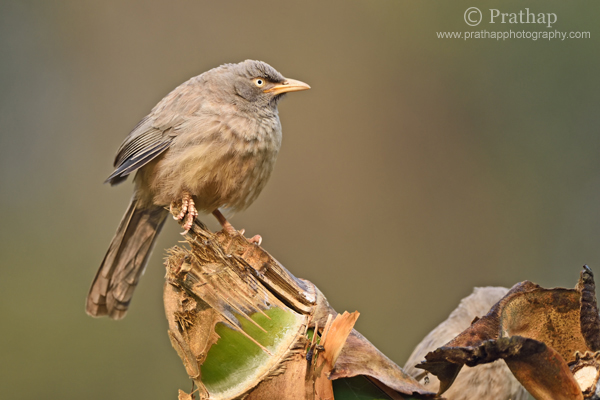
3 Jungle Babbler Shallow Depth of Field Bharatpur Bird Sanctuary Keoladeo National Park Nature Wildlife Bird Photography Prathap

4. Wrong Focus

No matter how good your photograph is technically, if the focus is not sharp enough, then your photograph doesn’t work. The main subject of interest needs to be in sharp focus, otherwise viewers will get distracted and will not find a point to rest on in the image.

We see objects sharp in reality so we expect them (at least one) to be in sharp focus to make any sense.

Solution: Make sure you check the focus by zooming in on your subject after you take a photograph (zoom feature in playback mode). Make sure there is enough light or color contrast between the subject and the background so that autofocus is able to lock the focus properly.

4 Perfect Reflection of Frog submerged in Water Nature Wildlife Bird Photography by Prathap

If you are making a portrait, then focus on the eyes of the person (or bird or mammal), because the viewer needs to make eye contact.

5. Breathing Space

It is quite common to fill the frame with your favorite subject so that it looks big in the frame. But how often does it feel that they are squeezed in the frame? They look suffocated because there is no place to move, forget about the movement there is no place to breathe!

Sometimes there will be enough space around the subject, but in the wrong direction – which is no good either.

Solution: Rule of Thirds is the best composition technique that helps you to give enough space around the subject. Think about the image border as a concealed box where there is no ventilation, you don’t want your favorite subject to suffocate.

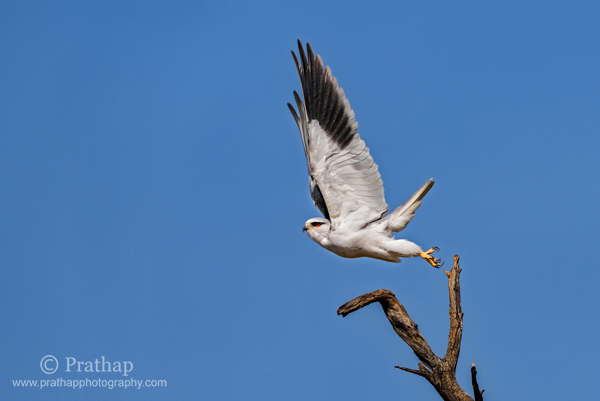
5 White tailed Kite Taking Off in Bharatpur Bird Sanctuary Keoladeo National Park Best Bird Sanctuary Rajasthan Nature Wildlife Bird Photography by Prathap

6. Cluttered Background

This is probably the most common mistake of all. Why? Because, it’s a common tendency to take photograph the moment you see something beautiful or interesting. So, what’s wrong with that you may ask.

Nothing. But have you paid attention to the background? Probably not. You are so overwhelmed by the subject, that you hardly notice anything around it.

A cluttered or distracting background plays the major role in ruining photographs.

Solution: The real photography starts after you choose your subject. Once you’ve done that, forget about it. Pay attention to the rest of the scene; include only those things that complement your subject and exclude everything else.

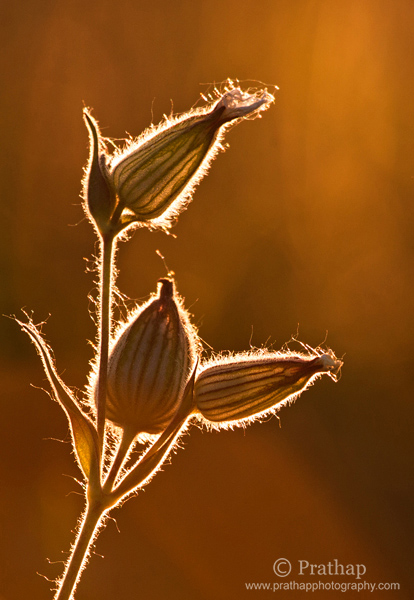
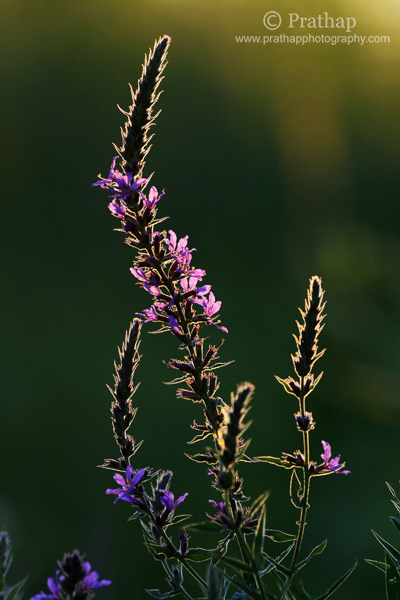
6 Painting with Light Art in Nature Backlit flowers in Golden Hours of Sunset Nature Wildlife Bird Photography by Prathap

The background makes the picture. Cleaner background makes the subject stand out making it the primary focus for a viewer.

7. Skewed Horizon

Another mistake that I see quite often is that horizon is not perfect. This is such a simple thing to notice but still a whole load of photographs have skewed horizons.

How can you miss that? Viewers feel uneasy when the horizon is skewed. It also indicates that the vertical subjects should be perpendicular to the ground. A person, building, bird, or tree tilted to one side makes them vulnerable to fall (unless of course they are tilted in reality like the Leaning Tower of Pisa).

Solution: Use the grid overlay while composing in the field, or correct the horizon using the Crop and Straighten Tool in the post-processing stage. Find a subject in the scene/photograph that should be horizontal or vertical in reality, and use it as a reference when you straighten the image.

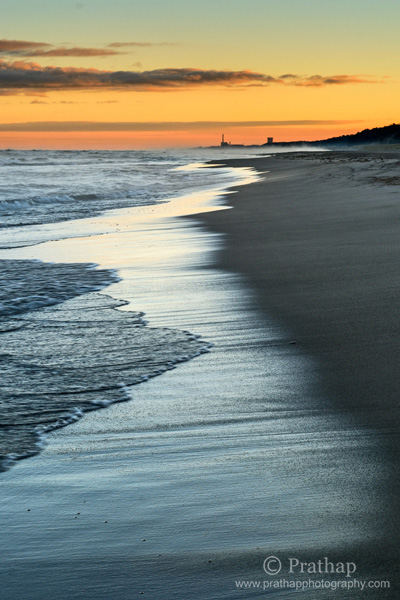
7 Beautiful Sunrise in Indiana Dunes State Park Beach in Golden Hours Nature Landscape Seascape Wildlife Bird Photography by Prathap

8. Lack of Depth

Remember, Photography is two dimensional medium but we see everything in three dimensions. Photographers often miss the depth that is inherent in photography.

You saw that most beautiful scene in 3D and you captured it, but you wonder what went wrong as you stare at your monitor, right? Something is missing. This is not what you saw.

Why? You didn’t realize that you are capturing a 3-Dimensional scene in a 2-Dimensional photograph.

Solution: There are lots of ways to create depth – include a foreground object, use leading lines, use perspective distortion, change the point of view, and so on. But the most important thing to remember when you are out in the field is that a photograph is 2-Dimensional.

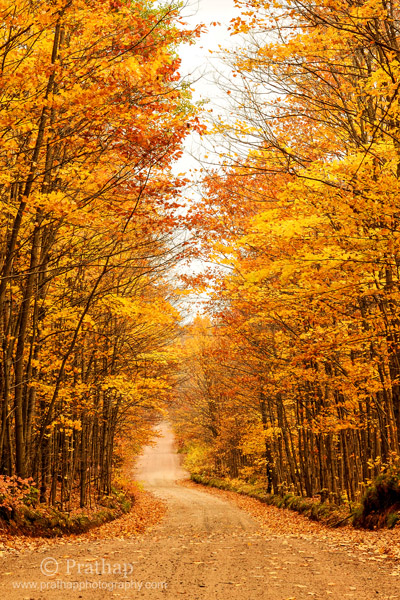
8 Beautiful Fall Foliage on the way to Agate Falls in Upper Peninsula Michigan Autumn Colors Nature Landscape Wildlife Bird Photography by Prathap

9. Too Much in the Photograph

Too much of anything is bad. When you see a scene, you see it as whole, which is natural. But if you try to include everything that you saw in one image then you end up with a photograph that has too much.

When you looked at the scene, were you really looking at the entire scene at once? Think about it. If you do this exercise of how you actually consume a scene you will know a whole lot more.

Solution: Try simple compositions. Instead of making one photo of the entire scene, ask yourself what interests you the most? Then pick that subject and make a photograph that emphasizes only that subject.

9 Backlit Flowers in Golden Hours in Sunset Rollins Savannas Forest Preserve Gryaslake IL Nature Macro Wildlife Bird Photography by Prathap

What is in a photograph is just as important as what is not in there. Once you master these simpler compositions you will be able to take grand landscapes in a much simpler, but more interesting ways.

10. Bad Light

Photography is all about Light. No light means no photography. But light has quality and direction. The best photographs are normally done in the golden hours and just few hours before and after sunrise and sunset when the light is at its best.

Many photographers don’t seem to care about the direction and the quality of light at all. Either the light is so harsh that there are multiple patches of light and shadows in the scene, or the subject’s eyes are in dark shadows, or light is just flat making the photograph 2-Dimensional, and so on.

Solution: Remember that photography is all about Light. More you learn to see the light better photographer you will become.

10 Double Crested Cormorant Golden Hours Sunset Bharatpur Bird Sanctuary Keoladeo National Park Best Bird Sanctuary Nature Wildlife Bird Photography by Prathap

The best way to appreciate light and its amazing qualities to transform a scene, is to go to the scene before sunrise and stay beyond sunset.

Final Thoughts

Still waiting to hear more?

Go ahead and correct the mistakes now. You will see yourself becoming a better photographer when you take control over these common mistakes.

Good luck!

googletag.cmd.push(function() {
tablet_slots.push( googletag.defineSlot( “/1005424/_dPSv4_tab-all-article-bottom_(300×250)”, [300, 250], “pb-ad-78623” ).addService( googletag.pubads() ) ); } );

googletag.cmd.push(function() {
mobile_slots.push( googletag.defineSlot( “/1005424/_dPSv4_mob-all-article-bottom_(300×250)”, [300, 250], “pb-ad-78158” ).addService( googletag.pubads() ) ); } );

The post 10 Common Photography Mistakes and How to Overcome Them by Prathap DK appeared first on Digital Photography School.

Digital Photography School

 
Comments Off on 10 Common Photography Mistakes and How to Overcome Them

Posted in Photography


The Top 5 Sales Mistakes Costing You Money Right Now

21 Feb

What would you do if you could book more clients and earn more money with your photography? If you’re like me then you’d probably just blow it all on that new lens you’ve been thinking of buying for the past few months. You likely have a few clients every now and then, but for some reason they’re either not booking you and going with someone else, not buying your prints, or they’re just doing a disappearing act never to be heard from again after your first meeting. The truth is that you’re probably making one or several of the sales mistakes listed below and it’s costing you a lot of money.

Five Sales Mistakes MarkTioxon 0001

1. Being too focused on making a sale and not helping your client

Have you ever helped your friend make a decision on whether or not to buy that new lens or camera body? You probably shared your experience and listed six reasons why they should or shouldn’t make the purchase. You weren’t going to profit from the sale but you helped your friend make the best decision for them and their situation. You didn’t focus on making a sale. You were trying to help your friend, and that’s exactly how you need to handle clients.

You’re the photography expert. They are coming to you for help. Yes they want you to make great photos, but they also want you to lead them through the rest of the process. They need your help to buy the right print packages, canvas wraps, and albums. Basically they need you to help them spend their money! So just help them like you would any good friend (except you probably can’t borrow the canvas prints of their family, like you would borrow a friend’s new lens).

Don’t try to sell to your clients. How do you feel when a bad salesperson starts trying to run their awful pitches on you? Your clients feel the same way and will probably want to run away the moment you start “selling”.

2. Asking questions and not shutting up

Five Sales Mistakes MarkTioxon 0002

Have you ever tried to have a conversation with someone that doesn’t stop talking? They’ll ask you a question and then give you their answer without listening to you. Too many photographers do that exact thing when they’re meeting with clients. They get so excited, and they want to share everything with their clients that they don’t give anyone else a chance to talk. Clients end up thinking that the only reason the photographer asked any questions was just to listen to themselves talk. Or worse, the clients think that the photographer doesn’t care about anything they have to say.

After you ask a question, stop talking. Literally just shut up. Don’t say a word until the other person speaks. When they finish speaking, take a breath and see if they have even more to say while you sit there listening.

You’re not there to ask questions so that you can answer them. You’re there to listen to whatever truths your client will share with you. That’s how you find out how you can help them (refer up above to mistake number one).

3. Not being an expert of your own product

Five Sales Mistakes MarkTioxon 0003

You know why I like tour guides? Because they know EVERYTHING about the tour you’re following them on. They know all the important stats, the history, and answers to almost every question you can come up with. How embarrassing would it be if your tour guide wasn’t very familiar with the exhibits? You’d feel like your time was wasted right?

That’s exactly how clients feel when photographers don’t know their products inside and out. When you don’t know how much your prints costs, or what options are included, or all of the different ways a package can be structured, it makes your clients start to worry about giving you their money. Definitely not what we want our clients thinking about. Sure you’re an expert at photography, but now the client wants to buy. Are you an expert at selling your product?

Or to phrase it better, are you an expert at helping clients buy your product?

You should know your product as well as you know your photography. Remember, your product is more than only the photos you make. In what ways can you help your clients make a buying decision?

4. Missing the most important person at your meeting

Five Sales Mistakes MarkTioxon 0004

Who is the most important person to have at your meeting? The decision maker. It’s a simple answer, but so many photographers have meetings that end up being a waste of time. Have you ever met with a client only to have them say they needed to check with so-and-so before deciding? How much time would you have saved if that person was there for your meeting, or even on the phone? Some photographers never talk to the decision maker even once throughout the whole process. They’ll have three meetings with different people that all have to check with someone else. It’s a complete waste of time.

A worse mistake is when the decision maker is present, but the photographer doesn’t realize it, or they think the wrong person is the decision maker. The photographer spends all his time talking to one person, but ignoring the most important one! Then they wonder why they didn’t book the client. Make sure you have an opportunity to communicate directly with the decision maker, whomever that may be. It’ll save you a lot of wasted effort.

5. Not being brave enough to ask for the sale

Five Sales Mistakes MarkTioxon 0005

I have a friend who does a great sales presentation with his clients. He explains the benefits, makes everyone laugh and they truly feel like he’s helping them with whatever they need. His clients are often ready to buy when he reaches the end of his presentation. They literally want to give him their money and all he has to do is ask.

Instead of asking them to sign the contract or if they’d like to put down a deposit that day, he mumbles something like, “I know this a big decision so go ahead and think about it and let me know what you decide.”

That is not asking for the sale. That’s avoiding asking. That’s putting it off. That’s not being brave enough to ask for your money.

How do you close a deal? You ask for the sale. It doesn’t have to sound like you’re asking for the sale either. There are many different ways to do this. You can ask how they’d like to pay, cash or credit. You can ask which package they’d like to purchase. You can even just ask them if they’d like to sign the contract. I know it sounds crazy, but if you did your job during the meeting, then they’ll be ready to sign your contract right there in front of you.

Five Sales Mistakes MarkTioxon 0006

You’ve done a great job of learning your craft. You’re a great photographer but no one’s hiring you. It’s not your photography that’s the problem. It’s just that you’ve been too busy to focus on the sales part of the business. Not everyone is cut out to make a living at photography but you’re not like everyone else. You can do this. Learn how to correct the mistakes mentioned above and your sales will increase, your clients will be much happier, and you might be at the start of a great photography career. How amazing would that be?

googletag.cmd.push(function() {
tablet_slots.push( googletag.defineSlot( “/1005424/_dPSv4_tab-all-article-bottom_(300×250)”, [300, 250], “pb-ad-78623” ).addService( googletag.pubads() ) ); } );

googletag.cmd.push(function() {
mobile_slots.push( googletag.defineSlot( “/1005424/_dPSv4_mob-all-article-bottom_(300×250)”, [300, 250], “pb-ad-78158” ).addService( googletag.pubads() ) ); } );

The post The Top 5 Sales Mistakes Costing You Money Right Now by Mark Tioxon appeared first on Digital Photography School.


Digital Photography School

 
Comments Off on The Top 5 Sales Mistakes Costing You Money Right Now

Posted in Photography


Top 10 Mistakes that Cause Blurry Photos

10 Nov

Cedar Key

If your photos are not sharp, you are not alone! The most common question I get asked by beginning photographers is “how do you get your images so sharp?”

Blurry photos is very common issue with a whole plethora of possible culprits, making it very difficult to pinpoint exactly what the problem is. But if you go through this list of the top 10 mistakes that cause blurry photos, you will probably find the answer that works for you.

1. Your shutter speed is too slow

This is the #1 culprit of blurry photos. You might think you can hold perfectly still for half a second, but I assure you there are very few people in the world who can. When hand-holding your camera, remember this rule of thumb to avoid blur caused by camera shake – your shutter speed should be the reciprocal of your lens’ focal length – that is, if you’re using a 60mm lens, your exposure should be 1/60th of a second or faster. With a 200mm lens, use at least 1/200th of a second, and so on. Camera shake is magnified the longer your telephoto length, so wider angle lenses will suffer its effects much less.

Using a 400mm lens, I selected a shutter speed of 1/400th of a second to reduce the possibility of camera shake.

Using a 400mm lens, I selected a shutter speed of 1/400th of a second to reduce the possibility of camera shake.

Some lenses and cameras have image stabilization technology built into them – particularly with longer focal lengths. Image stabilization usually allows you to slow your minimum shutter speed by around three stops, meaning that a 60mm lens can now handle shutter speeds as low as 1/8th of a second without camera shake.

What is YOUR minimum shutter speed?

In addition to this rule of thumb, it’s important to know your own personal minimum shutter speed. We all shake a little, some more than others, so it’s good to know at what point camera shake becomes an issue for you. Try an exercise to find out: put your camera in shutter priority mode and make the same photo at 1/500th of a second and keep going slower and slower. Back at your computer, look at your images and see when you start to notice the blur. Personally, I don’t usually go below 1/125th of a second if I’m hand-holding my camera.

2. Not using a tripod

Sunset Arches

If you’re experiencing camera shake and you can’t use a faster shutter speed (due to low light conditions) or you don’t want to use a fast shutter speed (because you’re purposefully trying to blur something in the frame) then you need to steady your camera another way such as using a tripod or monopod.

When you use a tripod, image stabilization is not necessary and may even be counter productive, so it’s a good idea to get in the habit of turning it off when you put your camera on a tripod and turning it back on when you take it off.

3. Bad camera holding technique

For the best stability, practice the official photographer position: stand with your feet slightly apart, one staggered forward, and firmly planted to stabilize your body right-to-left and back-to-front. Support the camera with your left hand by holding the lens from underneath, and use your right hand to grab the grip and gently press the shutter button. Tuck your elbows tight to your chest and use the viewfinder rather than the live view screen, as holding the camera to your face will also help hold it steady. Some photographers even go so far as to listen to their breathing and heartbeat, taking care to fire the shot in between breaths and beats for maximum stability.

Proper technique when hand-holding your camera.

Proper technique when hand-holding your camera.

4. Your aperture is too wide

The size of the aperture also has a direct effect on the sharpness of your photo in that it determines depth of field, which is how much of the image is in focus from front to back.

When a lens finds focus, it locks in on a specific distance known as the plane of focus. If your focus is at, say, 15 feet, everything 15 feet away from the camera will have maximum sharpness, and anything in front of or behind it will start to fall into blur. The amount of this effect depends on the aperture.

If you use a wide aperture, like f/2.8, the depth of field is very shallow. This effect is emphasized with longer focal length lenses. So if you are using a telephoto lens and the aperture is f/2.8, there may be only a razor thin sliver of the image that is in sharp focus. If you use a small aperture, like f/11 or f/18, the depth of field is larger so more of the image will be sharp.

Choosing the right aperture depends on the type of image you want to create. But if you are trying to get everything in the frame as sharp as possible, try using a small aperture (a larger f-number such as f/11 or f/22). However, by using a small aperture you will need to use a slower shutter speed to compensate for the loss of light. See problem #1.

5. Not using autofocus

How good is your eyesight? Not great? Wearing glasses? You should probably be using autofocus. These days cameras are sophisticated – let them do what they are good at. Another thing to keep in mind is that your viewfinder should have a diopter on it. It’s a little wheel next to your viewfinder that allows you to adjust how clearly things appear when you look through it. It is particularly useful for people who should be wearing glasses but are not.

Black Vulture in Flight

6. Not focusing in the correct place

Even if you have a sharp, clear prime lens on a bright day, using a small aperture and a fast shutter speed with a low ISO, it doesn’t count for much unless you can get the camera to focus on the right spot. This is even more crucial when using a wide aperture, which can create a razor thin depth of field. A slight miscalculation in the focus can throw the subject completely out of the focal plane, or give you a portrait with a perfectly sharp earlobe and blurry eyes.

Often photographers leave their cameras set on auto-area AF mode, which tells the camera to use its best judgment to decide what part of the picture should be in focus. Most of the time modern cameras are pretty good at this, particularly if the subject is prominent in the frame. However, with more complex compositions the camera can get confused and try to focus on the wrong thing. To specify the focal point yourself, switch to single-point AF area mode.

f-spotWhen you look through your viewfinder, you should see an array of little dots or squares laid over the display. These are your focus points, and they show you where in the frame the camera is capable of finding focus. In single-point AF area mode, you can use the camera’s direction pad to select one of these dots, and the camera will always focus on that point and that point alone.

To tell the camera to focus, you would normally depress the shutter button halfway before pressing it the rest of the way to take the shot. This works pretty well, but can be sensitive – if you press too lightly, it may come unpressed and try to re-focus after you’ve already found your spot. If you press too hard, you might make the exposure before the focus is ready. If you take multiple pictures in succession, it will try to focus again before each shot. For these reasons, some photographers swear by the back focus button instead.

This is a button on the back of your camera, probably near your thumb. It might be labeled “AF-On” or simply “Fn”, and it might be set up by default or you might have to activate it in your camera’s menu settings, but it can be assigned to take over the autofocus function. When you press it, the camera focuses and won’t focus again until you press the button again. This way, you can re-compose and take shot after shot, and the camera won’t lose your focus every time you hit the shutter button.

7. Using the incorrect focus mode

There are three main autofocus modes that every camera should have. The first is single-shot focus, usually called AF-S or One-shot AF; it is meant to be used with still subjects. The second, continuous autofocus (AF-C or AI Servo) is specially designed to track movement through the frame, so is best to use when your subject is in motion. The third is an automatic mode, AF-A or AI Focus AF, and likely the default setting on your camera. It reads the scene and determines which of the first two modes it should use.

Cactus Flower

8. Not using manual focus

While I’m a big advocate of autofocus, there is one particular time when manual focus comes in very handy. When your camera is on a tripod and you are using a wide aperture to achieve a very shallow depth of field, and you want to make sure the most important thing in your frame is sharp, switch to manual focus and then use the LCD zoom function to magnify the display by 5x or 10x allowing you to make tiny adjustments to the focus to get it just right.

9. Junk on or in front of your lens

If you have a big smear on your lens, that is going to affect the clarity of your image. By the same token, if you put a cheap plastic filter in front of your lens, that is going to degrade image quality as well. If you always use a UV filter, you might want to try taking a few shots without it to see if the quality of your UV filter is negatively affecting your images.

Using an aperture of f/20, everything is sharp from foreground to background.

Using an aperture of f/20, everything is sharp from foreground to background.

10. Poor lens quality

This item is last on the list for good reason; it is the most common thing for beginners to blame their blurry images on, but it is rarely the real reason. Still, lens quality does make a difference.

Lens quality is determined by the materials and construction inside the lens itself, which is usually made up of several pieces of glass precisely aligned in order to focus, zoom, and correct for optical aberrations.

Some lenses are simply sharper than others or are better in different ways. Some lenses may be sharp in the center, but get blurry around the corners and edges of the image. Some are clear at certain apertures but slightly fuzzy at others. Some lenses cause colour fringing around points of contrast. Every lens has a unique character that may or may not be useful to the type of work you’re doing. It’s also worth noting that each lens has a “sweet spot” – a certain aperture at which it performs its best. This is usually in the middle of its aperture range, around f/8 or f/11.

For the sharpest image quality, fixed focal length lenses usually take the cake. It’s not always convenient to carry around two or three lenses rather than a single all-purpose zoom, but their simple construction makes even the cheapest prime lens crystal clear.

The post Top 10 Mistakes that Cause Blurry Photos by Anne McKinnell appeared first on Digital Photography School.


Digital Photography School

 
Comments Off on Top 10 Mistakes that Cause Blurry Photos

Posted in Photography