RSS
 

Posts Tagged ‘Light’

A Travel Tripod that can Also Act as a Light Stand

01 Sep

by Sarah Hipwell.

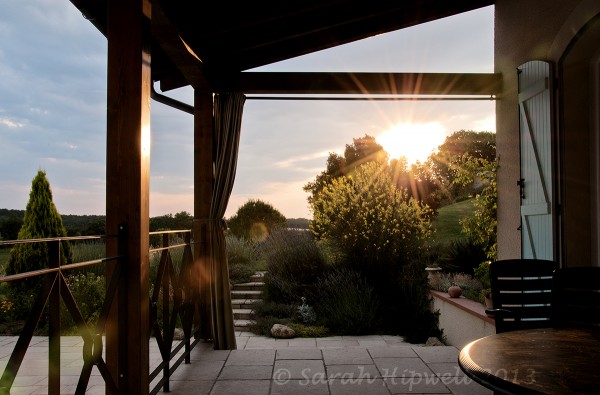
The above shot at 1/20sec at f22

The above shot at 1/20sec at f22

I brought two cameras on a recent vacation to France. My trusty DSLR and my new fab Sony RX100.

I don’t normally bring a tripod on holidays but this time I wanted to get some decent video footage. I also wanted to experiment with a variety of (still) exposures for HDR work and to get a nice sunset (low light shot).

With such an array of tripods on offer, how do you decide which one to buy?

I narrowed my search to 5 key features:

  1. Low cost
  2. Size – folded & extended
  3. Portability
  4. Lightweight
  5. Sturdy enough to hold a DSLR with a 18-200mm lens

The cost of a tripod varies enormously and with so many brands, it can take a bit of time to find which model suits your requirements. Cost was a main issue for me for two reasons:

  1. I had to pack my tripod in one of the luggage bags that was going into the plane’s hold! See NOTE & TIP 1 below.
  2. As I wasn’t taking the tripod in my carry-on bag, I didn’t need to buy an expensive one and run the risk of it getting lost or damaged in transit.

This ruled out purchasing a carbon fibre model as they are quite costly and it wasn’t justifiable for my means (I don’t travel extensively). So I decided on an aluminium tripod.

The more compact the tripod the better when travelling. But I need the height when it is extended (I’m 5’ 9”).

Portability is a prerequisite for any travel tripod.

Last but not least, the tripod had to be able to hold my D300 plus a 18-200mm lens, which both have a combined weight of 1.463kg or 3.23lbs. See TIP 2 below.

After a considerable research online between brands and so forth, I was beginning to think my criteria was a tall order. Then I hit jackpot. I found a Manfrotto Compact MKC3-H01 on offer for 49 euros! This particular tripod isn’t their current model but it seemed to tick all my boxes. Plus, I have a Manfrotto 055XB so I’m already familiar with the brand.
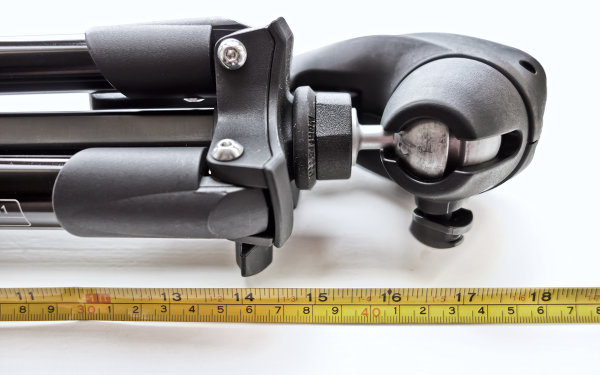
Tripod when closed measures 18”(46cm) and when it is extended, can reach 64”(163cm) with centre column fully extended

Tripod when closed measures 18”(46cm) and when it is extended, can reach 64”(163cm) with centre column fully extended

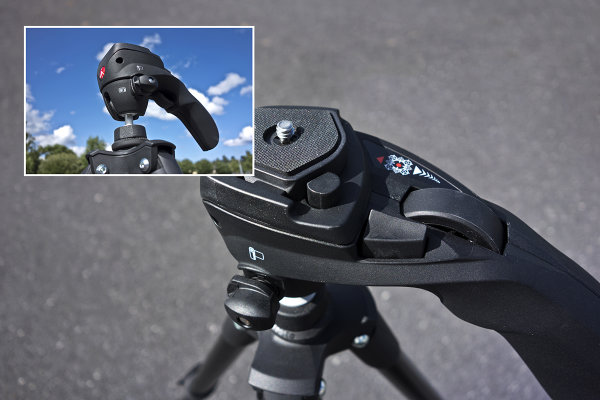
This tripod comes with a pistol type grip head which has two settings for photo(still) and video on the side. I found it is easy to use and a pleasant change from my usual ball-head socket type. My only gripe is that when I had it in the video position and tried to pan, it was quite jerky. I just loosened the locking wheel to make it more fluid, this wasn’t perfect but it worked.
Pistol type movie/photo head showing the locking wheel

Pistol type movie/photo head showing the locking wheel

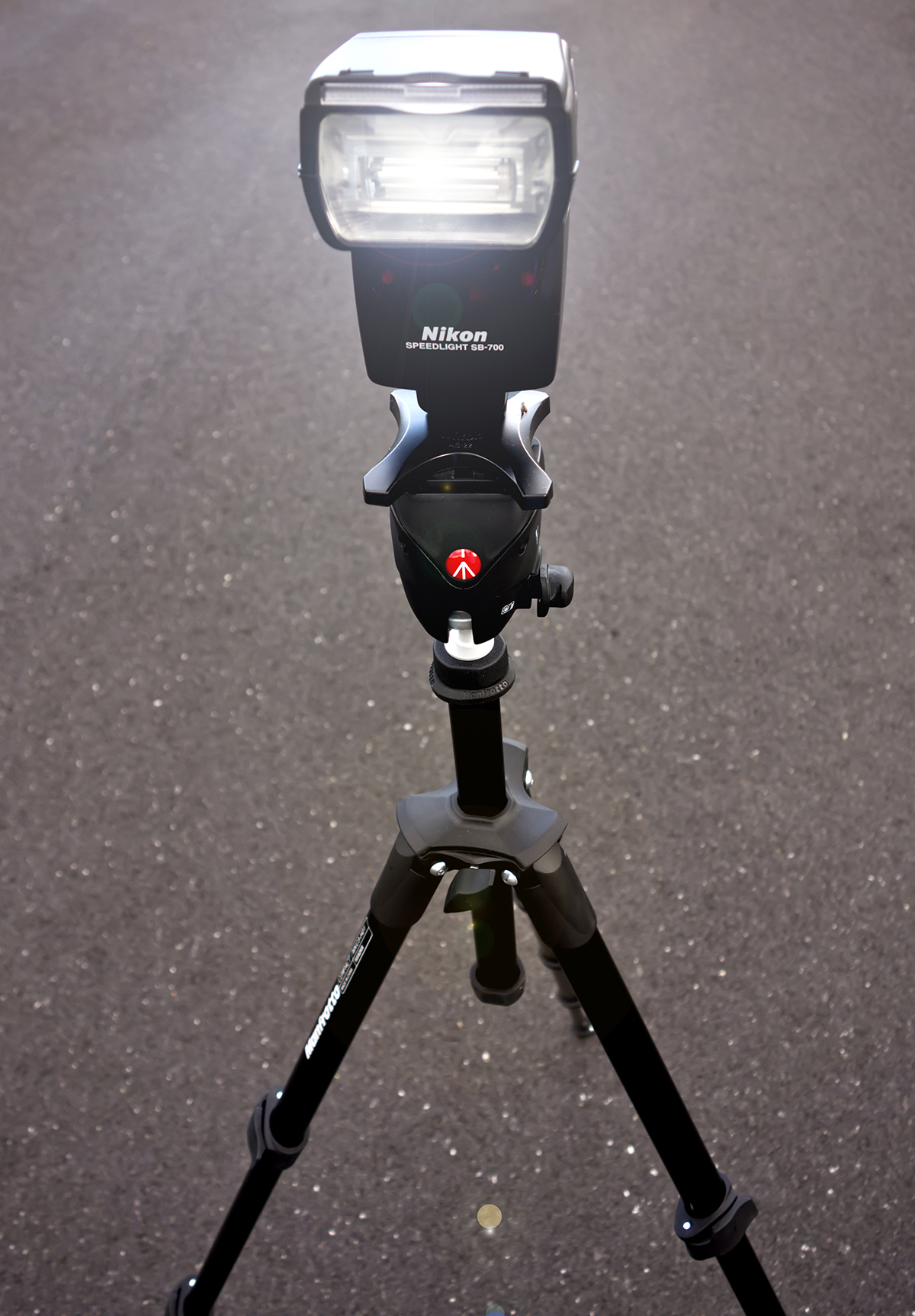
To sum up, the cost of this tripod was only 49 euros. Therefore, it wasn’t a big deal putting it into the plane hold. When folded, it measures a mere 18” and can extend to 60”. It is very lightweight, compact and easy to set up. The actual weight of this tripod is 1.15kg. An added bonus for me is this travel tripod can be used as a light stand! I can pop on my SB700 speedlight and shoot remotely. I had a wonderful two weeks with my family, I swam, read books (oh such a treat) and took over 32gb worth of images with the support of my new neat travel tripod.

NOTE

Check with each airline company in each country that you are flying to and from. Last year, I flew to Bordeaux from Dublin. I had a Manfrotto 5001B Nano Black Light Stand in my carry-on bag. However, en route home from Bordeaux the custom officials would not allow me to take on board the light stand as they deemed it a lethal weapon! I was quite fortunate, that a lovely desk clerk retrieved my already checked-in bag, so that I could put in my light stand without incurring any extra charges. She’s was a star!

TIP 1

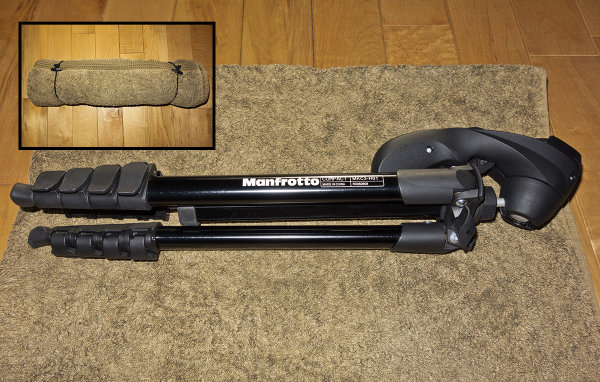
When I was packing my travel tripod into one of the luggage bags, I thought of wrapping it in bubble wrap to protect it. I used a beach towel instead which I needed to bring with me. The towel provided adequate protection.
Using a large or beach towel to wrap around the tripod for added protection in luggage bag

Using a large or beach towel to wrap around the tripod for added protection in luggage bag

TIP 2

The maximum weight that this tripod holds is 1.5kg (3.3lbs). I was thrilled when I weighed my DSLR camera plus the lens which has a combined weight of 1.463kg (3.23lbs). However, this is pushing it to the max. Fortunately, I didn’t experience any inclement weather while on holidays, i.e. wind/gusts. Otherwise, I would have been nervous using my DSLR body and lens on the tripod for fear of toppling over. For added stability in this case, I recommend adding a sandbag(s). Sandbags are not practical to bring away with you on vacation. Here’s my tip, there is a rubber end at the bottom of the centre column. Ease this off and you will see two holes. Place a cable tie through the holes to create a plastic ring. With another cable tie, secure this to a Ziploc bag filled with dried beans, rice or soup mix (Cable ties & Ziploc bags should be in your camera bag). Dried beans/rice can be purchased at the local supermarket very cheaply. See below.
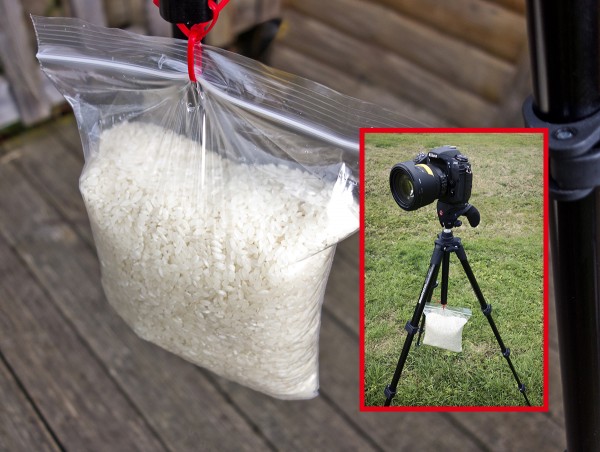
A Ziploc bag filled with 1kg of rice suspended from tripod using cable ties
A Ziploc bag filled with 1kg of rice suspended from tripod using cable ties

My SB700 speedlight on the Manfrotto Compact MKC3-H01

My SB700 speedlight on the Manfrotto Compact MKC3-H01

Check out more of Sarah’s work at her website – SarahHipwell.com.

Post originally from: Digital Photography Tips.

Check out our more Photography Tips at Photography Tips for Beginners, Portrait Photography Tips and Wedding Photography Tips.

A Travel Tripod that can Also Act as a Light Stand


Digital Photography School

 
Comments Off on A Travel Tripod that can Also Act as a Light Stand

Posted in Photography


Soft Light: Weekly Photography Challenge

31 Aug

NewImageYour challenge this week is to take and share a photo on the theme of ‘Soft Light’.
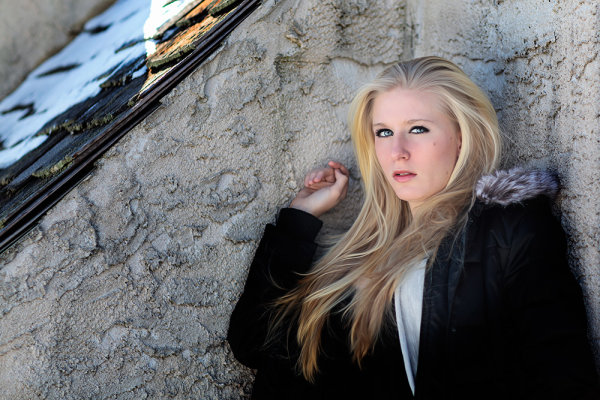
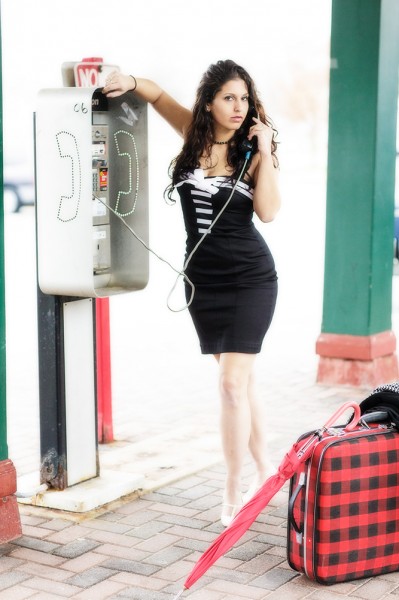
Earlier in the week Andrew Gibson wrote a post on the topic of using Soft Light in a variety of types of photos to create a magic feel in your images.

Using soft light is a technique that can be used in many types of photography including portraiture, landscapes, macro and much more so you can submit any type of photo – as long as it was taking in soft light.

Note: also check out our article this week on taking natural light portraits in the shade which will also produce ‘softer’ lit portraits even on a bright day.

Once you’ve taken your ‘Soft Light’ photos, upload your best ones to your favourite photo sharing site either share a link to them even better – embed them in the comments using the our new tool to do so.

If you tag your photos on Flickr, Instagram, Twitter or other sites with Tagging tag them as #DPSSOFTLIGHT to help others find them. Linking back to this page might also help others know what you’re doing so that they can share in the fun.

Also – don’t forget to check out some of the great shots posted in last weeks Negative Space challenge – there were some great shots submitted.

Post originally from: Digital Photography Tips.

Check out our more Photography Tips at Photography Tips for Beginners, Portrait Photography Tips and Wedding Photography Tips.

Soft Light: Weekly Photography Challenge


Digital Photography School

 
Comments Off on Soft Light: Weekly Photography Challenge

Posted in Photography


Natural Light Portraits: Made In The Shade

30 Aug

One of the easiest ways to start shooting portraits is to use natural light.  There’s no added expense of buying speedlites or strobes, or even continuous lighting. You don’t have to decide where to put the lights, because let’s face it, nature has decided for you.  There are still challenges however, and those challenges must be overcome to successfully pull off a natural light portrait.  One of the biggest challenges is what to do when the natural light just is not pleasing.  Maybe it’s midday sun and the light is too harsh, or maybe it’s later in the day and direct sun is shining right in your subject’s eyes. In my post “Sun Too Harsh? Modify it!”, I discussed ways to use reflectors and scrims to modify natural light to get a more pleasing look.

This image was taken on a bright sunny winter day, with snow on the ground. I didn't have a reflector- the snow helped with that thankfully.  But the sun was too harsh to put her directly in it.  The solution was to go behind one of the nearby buildings and use that softer light to illuminate her face. EOS 5D Mark II, Ef 85mm f/1.2L II. 1/2000 at f/2.2, ISO 160.

This image was taken on a bright sunny winter day, with snow on the ground. I didn’t have a reflector- the snow helped with that thankfully. But the sun was too harsh to put her directly in it. The solution was to go behind one of the nearby buildings and use that softer light to illuminate her face. EOS 5D Mark II, Ef 85mm f/1.2L II. 1/2000 at f/2.2, ISO 160.

But what happens if you don’t have a reflector or a scrim? Well then you have it made in the shade! Find some shade, and you’ll find some soft, indirect lighting that can help you create beautiful portraits.   Look for a large tree with overhanging branches. Or a doorway. Or an overpass of some kind.  Anything that gets you out of direct sun, and into indirect light. It does you no good if there’s no light getting to your subject, but once you find a place with indirect lighting, you’re all set.

Here, the subject was positioned under the overhang of a train station.  Because it was an open overhang, the background is lit brightly, creating more depth. EOS-1D X, EF 85mm f/1.2L II. 1/1000, f/2.8 at ISO 640.

Here, the subject was positioned under the overhang of a train station. Because it was an open overhang, the background is lit brightly, creating more depth. EOS-1D X, EF 85mm f/1.2L II. 1/1000, f/2.8 at ISO 640.

The light will be soft and even- and very pleasing.  The background will likely go a little darker depending on where you found your shade, be it under a tree, where it might be brighter, or in a doorway or behind a building. Look around, see what you can make happen. And just because your subject is facing out towards the light, doesn’t mean you need to be.  Walk around your subject- get that soft light hitting from the side, as well as the front. Just keep your subject positioned so the light is hitting the mask of the face, including the eyes. Just because the light is not pleasing doesn’t mean all is lost. Sometimes, all you need to do is find some shade.

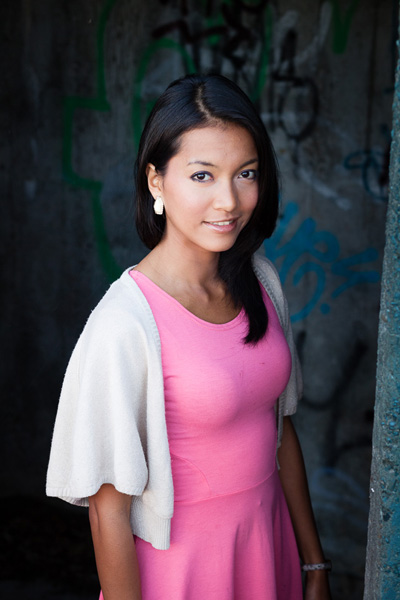
This shot was taken in Central Park in New York City, near Strawberry Fields.  There is a walking path that goes under a large footbridge, creating a tunnel. The day was a typical summer day, bright and hot. The sun was far too harsh. We moved to the opening of the tunnel and I let the light wash in on her face.  I turned her slightly so the light came from the side a bit, creating some shadow on the left side of her face. EOS 5D Mark II, EF 70-200 f/2.8L IS II. ISO 800, 1/250, f/2.8.

This shot was taken in Central Park in New York City, near Strawberry Fields. There is a walking path that goes under a large footbridge, creating a tunnel. The day was a typical summer day, bright and hot. The sun was far too harsh. We moved to the opening of the tunnel and I let the light wash in on her face. I turned her slightly so the light came from the side a bit, creating some shadow on the left side of her face. EOS 5D Mark II, EF 70-200 f/2.8L IS II. ISO 800, 1/250, f/2.8.

Post originally from: Digital Photography Tips.

Check out our more Photography Tips at Photography Tips for Beginners, Portrait Photography Tips and Wedding Photography Tips.

Natural Light Portraits: Made In The Shade


Digital Photography School

 
Comments Off on Natural Light Portraits: Made In The Shade

Posted in Photography


Build Your Own DIY Slide Light

29 Aug
Extra photos for bloggers: 1, 2, 3

Are you ready to come along on a fantastic voyage? No time travel to throwback music videos required.

We were thinking a voyage to the hardware store to gather building supplies for the coolest tutorial yet — a DIY slide light.

It’s a minimalist light box that can display pictures, and it sure looks good doing it. Whether you shoot film, digital, or even Instagram (remember this tutorial?) – the slide party is open invite!

Think of this project as a way to create a mini gallery, with which to show off and rotate tiny versions of your photography.

To start you’ll only need one more power tool than your average tool-free craft project. Totally coolio, huh?

Build Your Own Slide Light

p.s. Photo Week (from our buddies at creativeLIVE) is coming up! RSVP for 6 days of free live workshops with primo instructors.

Why It’s Cool

We were so inspired by the most awesome light ever that we wanted to make one ourselves! Like the hits of our rapper friend Coolio, Slide Light has been rocking it since the 90′s. Completely classic.

Although your cameras aren’t out for this tutorial, you can still pay homage to your beloved craft by building a beautiful home for teeny photographs. Isn’t that thoughtful of you?

Since keeping fingers intact for future shutter clicking is priority, all measurements used to build this light are based on standard sized cuts. No saws or reasons to fear tools! Your new slide light will be easier to assemble than, well… just about anything from Ikea.

Ingredients:

  • 24” Fluorescent cabinet light
  • 32” by 24” sheet of acrylic
  • Two 36” by ¾” Aluminum Angles (L shaped)
  • One 6ft  1” by 3” piece of pine wood – (cut in half at store)
  • One 6ft  1” by 4” piece of whitewood – (cut in half at store)
  • One piece outside corner finished moulding (see photo)
  • Small piece of balsa wood (or sub any thin plywood)

  • Eight 1 ¼” #8 phillips round head screws
  • Six 1” #8 phillips round head screws 
  • Ten 1/2” #4 phillips head wood screws
  • Power Drill with 1/8 & 5/64 bits
  • Phillips screwdriver
  • Staple gun
  • Box cutting knife
  • Measuring tape / straightedge
  • Vellum paper (enough to cover 32” by 2.25”)
  • Spray adhesive

STEP 1: Measure, Mark, and Mount

before

Off-center the cabinet light on a 1″ by 4″ board, with power chord positioned near the outside left edge. Leave at least 1” of space on all sides (to build the frame around the light). Use two #4 screws and follow the instructions on the package to mount your light to the board.

After mounting the (unplugged) light, ensure the switch is in the “on” position. Once the light is enclosed in the box, the plug will become the on/off switch.

before

Starting at opposite ends, mark both your Aluminum “L” angles 4 times, spaced every 12 inches. Use this same spacing measurement on the top and bottom edges on the back 1″ by 4″ board of the light.

Next, mark both of the 1” by 3” boards three times along the 1” side. Offset marks on the left side by at least 1 ½” from the edge. The other two marks will go in the middle of the light and 1 1/2″ from the right edge. When the frame for the light is assembled, these marked edges will face forward.

Use a permanent marker and a straightedge to mark the acrylic sheet so it is 2 1/4” tall by 32” wide.

STEP 2: Cutting and Prepping

before

Find a safe, level surface for cutting. Use the box cutter and a straightedge to score both sides of the acrylic along your guide line. Repeat this step as many times as it takes to ensure a deep cut.

Next, line up the the scored cut with a straight edge of a table. Use your forearm (for evenly distributed pressure) to press down on the side of acrylic that is not supported not on the table.

Keep applying pressure till it breaks! Feel free to clean up a jagged edge with wire cutters or sand paper… although, this edge isn’t going to be visible so it’s more important that it fits the dimensions.

Use spray adhesive to attach vellum paper to the piece of acrylic. Smooth out any bubbles and trim away excess paper.

Use scissors to cut the outside corner molding to the same length as the acrylic.

STEP 3: Pre-drill, Pre-drill, Pre-drill! Oh… and tack.

before

Because the wood is 1” thick in a lot of places, you’ll have more control installing the screws by hand when you use pre-drilled pilot holes as a guide.

Line up the acrylic along the left corner and trace the spacing of the marks from the side of the top 1” by 3” board. Use the ? bit to drill holes in the plastic where marked.

Use the 5/64 bit to drill holes in the aluminum along where marked (see step 1 if you missed it!).

With the staple gun, tack moulding to the inside edge of the bottom 1” by 3” board. Make sure the lip (edge that will hold the slides) is sticking out slightly to the front.

Next, line up the boards in a “U” shape. The 1″ by 3″ boards are the sides of the “U” and the 1″ by 4″ board is the base. Level the sides and use the staple gun to tack the top and bottom boards to the 1″ by 4″, so they will stay in place when you beforesecure the frame.

Flip the attached pieces so the back of the light is facing up. Use the ? drill bit to drill eight pilot holes on the top and bottom edges of the 1″ by 4″ board holding the light. If tacked down securely, the pilot hole should extend a little into the attached 1” by 3” board.


STEP 4: Business Time

before

When installing screws, apply pressure to the surfaces being connected until you feel the screw has engaged.

Install all eight 1 1/4″ #8 screws in the coordinating pilot holes along the back of the light.

Flip light over. Line up the acrylic with the top board so that the bottom of the plastic rests in the lip of the moulding. Use the 1/8 bit to drill pilot holes through the holes in the plastic. Install the six 1” #8 screws in the locations you marked. Although there is no plastic attached to the bottom board, the screws will ensure the bottom aluminum angle is flush with the rest of the light.

Position aluminum angles with the pre-drilled holes on top and on bottom. Use the 5/64 bit to drill pilot holes through the pre-existing holes, and install eight 1/2″ #4 screws.

STEP 5 – Finishing Touches

before

Trace the edge of both sides on the balsa wood in pencil. Return to your cutting surface and cut out end caps using box cutting knife.

Make a hole for side with plug and feed chord through the hole prior to stapling the balsa wood along the open edges of the light frame. Attach hanging hardware of your choice and hang on wall. Mount your slides and flex/change/rearrange to your heart’s content.

**note: as with most electrical dohickeys, do not leave on and unattended for extended periods of time. Remove the top aluminum angle and acrylic when the bulb needs to be replaced.


Taking It Further

  • Use the opening on the right side of the light as a mini library for your extra slides! Or get creative with your leftover materials to make a storage box.
  • Make Instagram slides using transparencies. Print on vellum paper for bold colors.
  • Let your slides work together! Use photo-editing software to adapt this tutorial and resize a wide landscape photo so it fits over several slides.
  • Enlist the pros at Digital Slides to turn your digital photos into 35mm slides!

Jenny Sathngam is a tutorial writer/photographer for Photojojo, based in Austin, TX. If she’s not shooting or editing, you’ll find her building, crafting, or scheming up the next big project.  

Related posts:

  1. Make a Magnetic Photo Bulletin Board for Under $ 15 ~Have a cool photo product or site? Reach 260,000 photo…
  2. DIY: Make Crazy Detailed Light Paintings with Photo Light Stencils Extra photos for bloggers: 1, 2, 3 Ever tried painting…
  3. How to Make a Mini Light Studio Using School Supplies When school’s out, most kids are thinkin’ “Oh man, summer’s…


Photojojo

 
Comments Off on Build Your Own DIY Slide Light

Posted in Equipment


The Magic of Soft Light

27 Aug

Soft light photo

Soft light is beautiful. It is a gift from nature that helps you create interesting images using high quality light. You’ll find soft light in the shade on a sunny day, during twilight after the sun has set, or all around you on a cloudy day.

Soft light photo

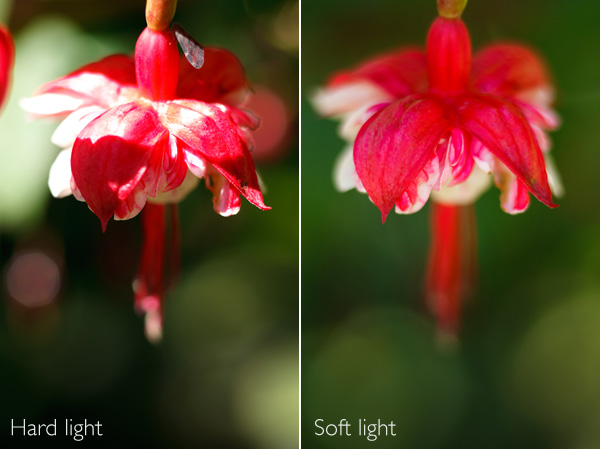
Let’s take a look at these two photos to see the difference between hard light and soft light. I took the first in direct sunlight in the afternoon. The light is hard and it’s not a good a photo. The contrast is too high – it’s not possible to get good detail in both highlights and shadows.

I resolved the problem by holding a reflector, still in its cover, between the flower and the sun. Actually, it doesn’t matter what I used, the purpose is to cast a shadow over the flower and the background. That means the flower is now lit by soft light, not hard light. Aesthetically, the photo is completely different. The even lighting means that the brightness range of the subject falls is reduced to something that my camera’s sensor can handle comfortably. There are no shadows. The flower is evenly lit, and that gives me nice deep colours. The quality of light has gone from hard and ugly to soft and beautiful.

That’s the power of soft light.

I’m not saying all hard light is bad, and that all soft light is good. What’s important is the match of subject to light. This flower needed to be photographed in soft light to bring out its beauty. Some subjects suit hard light better – I will explore those in a future article.

So, where else does soft light come in useful?

Soft light photo

If you’re shooting close-ups, soft light lets you capture colour and detail and avoids bright, distracting highlights or high contrast. Again, the quality of the light is beautiful and suits the subject.

Soft light photo

Soft light doesn’t have to be completely shadowless. Sometimes the sun is out, but the air is hazy and the light has a soft luminous quality. The light is hard enough to cast shadows, but they are not very deep. The light in this photo has that quality. See how the light is coming from behind the houses, but isn’t strong enough to create strong shadows. This kind of light seems to work well when the subject is backlit.

Soft light photo

Finally, soft light is absolutely beautiful for portraits, especially of women. I’m a little surprised by how many people, photographers and models included, think that sunny conditions are ideal for taking photos of people. Not true! Especially if the sun is the only light source – admittedly the use of a reflector can help compensate for the hard light of direct sunlight. You can also get good results in direct sunlight by using flash to fill the shadows or even overpower the sun. But that’s another article.

If you are taking photos in natural light only, then head for the shade. On a sunny day, the light bounces off any surfaces lit by the sun and into the shadows. It’s like shooting with an enormous, and completely free, reflector. The light is soft and beautiful and creates amazing catchlights in the model’s eyes. The portrait above has these qualities in abundance.

Mastering Photography

Soft light photo

My latest ebook, Mastering Photography: A Beginner’s Guide to Using Digital Cameras introduces you to digital photography and helps you make the most out of your digital cameras. It covers concepts such as lighting and composition as well as the camera settings you need to master to take photos like the ones in this article.

Post originally from: Digital Photography Tips.

Check out our more Photography Tips at Photography Tips for Beginners, Portrait Photography Tips and Wedding Photography Tips.

The Magic of Soft Light


Digital Photography School

 
Comments Off on The Magic of Soft Light

Posted in Photography


100 Smashing Examples of Light Painting Photography (Get A Break From Work Already)

03 Aug

All of us has experimented with light more than once while capturing friends in the club or dark street with lanterns. Moving light creates amazing patterns in the photo, so these light properties can be effectively used by artists in order to create an image full of magic and mystery. Light painting, also known as light graffiti or light drawing, Continue Reading

The post 100 Smashing Examples of Light Painting Photography (Get A Break From Work Already) appeared first on Photodoto.


Photodoto

 
Comments Off on 100 Smashing Examples of Light Painting Photography (Get A Break From Work Already)

Posted in Photography


Light that Fire: A Guide to Finding Photo Inspiration at the Library

01 Aug

Dear Mr. Dewey,

Please point me in the direction of the photography books.

Thank you.

Love, A photographer in need of a little inspiration.

If dust is settling on your camera and your creative juices need some stirring, the library is a great place to explore photographers and books on photography that’ll light that photo bug inside you. It’s always in there… sometimes it just needs a a little push in the right direction.

Learn some super simple tips on finding the photo books in your library and what to do once you’ve found them.

If you’ve got yourself a free afternoon, strap on your sneakers and head to the library to peruse the photo books and get inspired!

Find Photo Inspiration at the Library

p.s. We’re looking to re-invent what/how/where we publish online, and we’re seeking one amazing Editorial & Community Lead to lead the charge.

GETTING STARTED

Find your local library.
before
This is a handy website to discover where to locate the library in your hood.

Walk into the library and breath in the musty and awesome smell that is special only to a public library.

Lots of people have been in this institution and many of them have come out of it knowing something they didn’t when they walked in. Or they went in, used the restroom, and left.

But not you! You are going in to be inspired by photography and all of the wonder that comes along with looking at a photograph in print.

What’s great about the library is that you have access to all kinds of photo catalogs that aren’t available online.

You are part of this storied piece of public learning now.

Go forth brave photographer. Inspiration is now shooting out of your fingertips.

DO A LITTLE DIGGING

before

Thanks to Melvil Dewey and his Dewey Decimal System there is a super simple way to find the photo books in most libraries.

When at the library head straight to the stacks labeled 770.

All nonfiction books have a 3 digit number in front of them that corresponds with their subject matter. The 700 section of the library is The Arts section. All photo books start in the 770 section of the library. Anything with the numbers 770-779 on the binding is a photography book.

If you happen to be in a library that uses the Library of Congress system, then you’ll find the arts in section N.

Once at the photo stacks it’s pretty darn fun to run your hand over the books and see a name or binding that strikes your fancy.

Pull some books off of the shelf and find a cozy place to peruse what you just picked out.

A GOOD PLACE TO START

before

If you like to have a little more direction when you are searching for books here are some awesome books to look for.

Names of Photographers to Look for at the Library

  • Wegee (aka Arthur Fellig)
    Scandal! Intrigue! Awesome black and white photographs from a man who beat the police to the scene of many a crime!
  • Lee Friedlander
    Magic street photographs, idiosyncratic landscape photos, and bizarrely awesome self-portraits.
  • Francesca Woodman
    Beautiful and sad stories told through images of the artist herself. If you love taking self-portraits, take a look at Ms. Woodman’s poignant images.
  • Since there are so many amazing photographers out there, here’s a starting list of 100 of the most influential photographers of all time.

 Books on Photography

  • The Photographer’s Eye by John Szarkowski
    A formative guide to the visual language of photography.
  • The Flame of Recognition by Edward Weston
    A fascinating glimpse into the life of a photographer who was constantly on the lookout.
  • The Education of a Photographer edited by Charles T. Traub, Steven Heller, and Adam B. Bell
    A great collection of essays about what it means to be a photographer now.

How-to Photo Books

  • Photography by Barbara London, John Upton, and Jim Stone
    This book guides you to be your own photo teacher!
  • The Art of Photography: An Approach to Personal Expression by Bruce Barnbaum
    Barnbaum explains photography in a way that won’t leave you saying “what?!!”
  • Image Transfer Workshop: Mixed Media Techniques for Successful Transfers  by Darlene Olivia McElroy and Sandra Duran Wilson
    Learn how to turn your photos into fun mixed media pieces.
  • Photojojo!: Insanely Great Photo Projects and DIY Ideas  by Amit Gupta and Kelly Jensen
    Lots of DIY ideas to help you inspire yourself and others with photo projects. From your favorite photo people: us!

Magazines Have Photos, Too!

Books aren’t the only sources for your photo research.

Magazines are full photos, and the amazing thing about the library is that they’re subscribed to basically every magazine ever.

Exploring magazines will introduce you to photography besides the kind you’ll find in the Arts section of the book stacks. You’ll see nature photography, fashion photography, interior design, and portraiture.

Magazines are also a great place to discover emerging photographers. PDN Magazine in particular does a fantastic job of featuring up and coming photogs.

Some more awesome magazines to check out: National Geographic, PDN, Vogue, American Photo, Kinfolk Magazine, Popular Photography, B&W, Wallpaper, Time, Vanity Fair.

TAKE NOTE

beforeBring a notebook, sketchbook or your phone to the library with you.

While you are joyfully perusing the books you’ve picked off the shelves take notes on photographers, photo tips, or quotes.

Write down words that come to you while looking at photographs. You don’t have to get crazy or put pressure on yourself… free associate as you flip pages. This is all for the joy of photography.

If a photo really grabs your attention write down what you are feeling as you look at the photo. Why did this one photo jump off of the page and into your heart?

Remember how you felt when you looked at the specific image while you are out taking your own beautiful photographs.

When you find you are in need of a little inspirational kick in the pants you can look through your notes and see what inspired you.

YOU CAN TAKE IT WITH YOU

Start  an inspiration archive by designating a folder or binder for all things photography.

We feel it important to note that this is a compilation of things you love and is only for personal reference. We don’t believe in stealing artwork or infringing on copyrights.

Once you’ve found something that strikes your fancy make some photocopies of images that you really love and put them in your binder. You can categorize them into sections, like street photography, portraiture, or landscape. Think of it as a Pinterest board, but for your eyes only.

You can also put the notes you have taken in the binder as well.

Organize the images by photographer’s name, subject matter, however you like to look at later and get inspired whenever you are feeling a creative lull.

Related posts:

  1. World Photography Day — Ideas & Inspiration to Celebrate All Things Photo Do you remember the first time you held a camera?…
  2. DIY: Make Crazy Detailed Light Paintings with Photo Light Stencils Extra photos for bloggers: 1, 2, 3 Ever tried painting…
  3. A Healthy Dose of Photo Inspiration — George Lange’s 2006 Photo Flipbook Every so often, we run across photos that make us…


Photojojo

 
Comments Off on Light that Fire: A Guide to Finding Photo Inspiration at the Library

Posted in Equipment


KaleidoCamera teaches your DSLR new light field tricks

23 Jul

kaleidocam.png

A prototype for a new DSLR add-on is poised to bring plenoptic capabilities to consumer cameras. The KaleidoCamera is designed to sit between a standard DSLR’s sensor and lens. A diffuser splits light passing through the lens into nine different beams, each passing through a filter before it reaches the camera’s sensor. Click through to read on about this prototype’s capabilities and potential applications.

News: Digital Photography Review (dpreview.com)

 
Comments Off on KaleidoCamera teaches your DSLR new light field tricks

Posted in Uncategorized


Awash In Light: High Key Portraiture

19 Jul
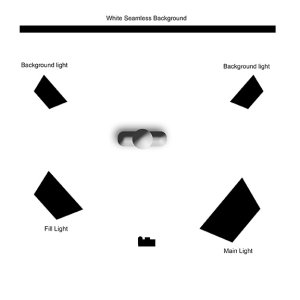
This shot was done using a tradition speedlight setup.  I used 4 speedlights- two on the background with no modifiers, and two in softboxes on the subject.

This shot was done using a tradition speedlight setup. I used 4 speedlights- two on the background with no modifiers, and two in softboxes on the subject.

This is the lighting setup used for the first image above. Exposure was f/4, 1/250, ISO 400. The background lights were Canon 430 EX II speedlites, and the main and fill were 580 EX II speedlites.

This is the lighting setup used for the first image above. Exposure was f/4, 1/250, ISO 400. The background lights were Canon 430 EX II speedlites, and the main and fill were 580 EX II speedlites.

When shooting portraits, the very first decision I make is what look I’m going for. The answer to that question lies directly in how I want to light the scene.  Generally, I want to evoke a mood or a feeling.  Low key portraiture which has dramatic lighting, tends to be very moody, while high key portraiture will have a more even light, with very few harsh shadows.  High key lighting tends to make the scene much more upbeat.

The problem with high key lighting is that, indoors, it can be costly to achieve.  First, you need a white or light colored background.  Seamless paper will work best, but I’ve also found that I can get away with flat bedsheets; one hung from a background stand and another on the floor, with the two meeting . When done right the seam can be hidden nicely.  of course, a light colored muslin will work as well.  Once the background is set, you need to light the background evenly.  This requires at least two lights to light it evenly.   Once the background has been lit, you need to light your subject.  Using softbox for the main light and a smaller softbox for the fill, you can adjust the lighting to have some soft shadow on your subject if you prefer, or you even the lighting out if you want to eliminate shadow altogether.  A reflector can also help kick more light into your subject’s face and further soften shadows.

High key lighting can be also be achieved outdoors, and at lesser cost as well.  If the light is flat and even, a simple metallic reflector can be used to fill any shadows that occur.  I find bright cloudy days perfect for this type of shooting.  By the same token, a sunny day will work well also. A scrim can be used to soften the sunlight on the subject, while the sunlight brightly lights the background and creates that high key look.

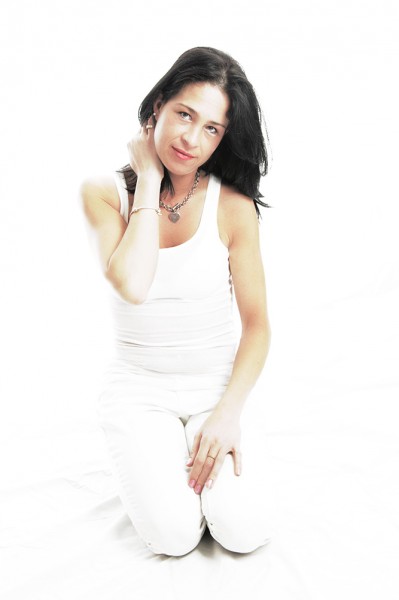
For this shot, I ventured away from the setup above, and used a 50-inch softbox with a Canon 580 EX II speedlite. This was positioned on the far side of the subject- her left. To camera right, I used a large silver reflector to fill the shadows. I used white sheets as a background on the floor to complete the scene.

For this shot, I ventured away from the setup above, and used a 50-inch softbox with a Canon 580 EX II speedlite. This was positioned on the far side of the subject- her left. To camera right, I used a large silver reflector to fill the shadows. I used white sheets as a background on the floor to complete the scene.

As far as camera settings go, it’s important to note that a high key image is not simply overexposed. You’ll want to watch your histogram to keep from clipping the highlights, but you will want to keep your exposure to the right on the histogram to ensure that the shows aren’t too deep.  if I’m indoors, I’m using either studio lights or speedlights and using them to generate my exposure.  Outdoors, I’ll shoot on aperture priority and use exposure compensation to push my exposure where I want it, again, careful not to clip the highlights.

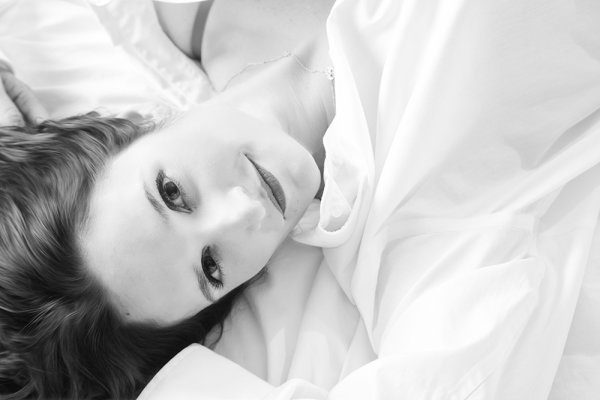
I find high key portraiture a great way to photograph children or adults.  It brings a happy, upbeat mood to the scene, and can also give an edgy look to things.   Ultimately, it will take some experimentation to get the lighting the way you like it, but once you do, it’s another technique in your pocket to work with and use to create images. Happy shooting!

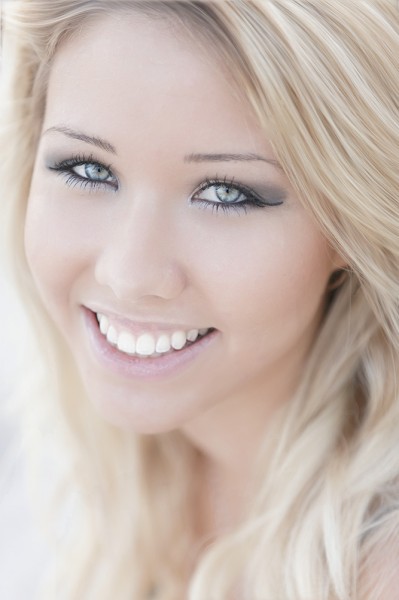
This shot was taken outdoors. It was a bright day but the sun was diffused by a thin layer of clouds, making it very soft and even.  Canon EOS 1D X, EF 70-200 f/2.8L IS II. 1/320, f/2.8, ISO 200.

This shot was taken outdoors. It was a bright day but the sun was diffused by a thin layer of clouds, making it very soft and even. Canon EOS 1D X, EF 70-200 f/2.8L IS II. 1/320, f/2.8, ISO 200.

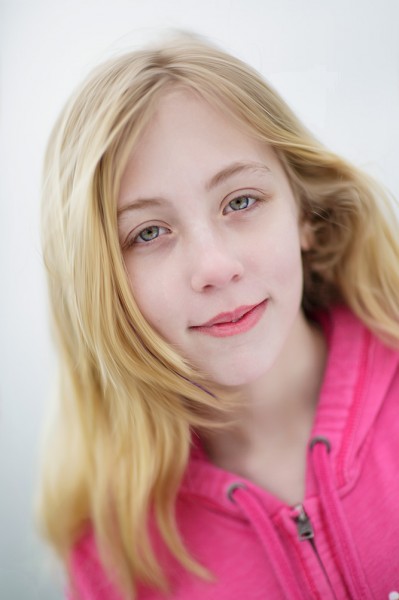
This was another bright day.  This image was taken at the beach, and a light fog rolled in to diffuse the bright sun. A reflector positioned right next to the camera further softened shadows. Canon EOS 5D Mark III, EF 85mm f/1.2L. ISO 100, 1/8000, f/1.2.

This was another bright day. This image was taken at the beach, and a light fog rolled in to diffuse the bright sun. A reflector positioned right next to the camera further softened shadows. Canon EOS 5D Mark III, EF 85mm f/1.2L. ISO 100, 1/8000, f/1.2.

Post originally from: Digital Photography Tips.

Check out our more Photography Tips at Photography Tips for Beginners, Portrait Photography Tips and Wedding Photography Tips.

Awash In Light: High Key Portraiture


Digital Photography School

 
Comments Off on Awash In Light: High Key Portraiture

Posted in Photography


On Not Off: Giant Light Switch Mural is Brilliantly Literal

12 Jul

[ By WebUrbanist in Art & Street Art & Graffiti. ]

mural building side art

A photo-realistic mural with a nuanced message, this giant work of wall art is impressive in scale and a definite surprise to passers by. Complete with shade and shadow, the huge on-and-off power switch has hidden meaning behind its more obvious shock-and-awe appeal.

mural on off switch

Buildings consume as much as half of the power used in many developed countries. Even in winter, many of the world’s biggest skyscrapers are in constant cooling mode to offset the heat of humans and equipment. In short: most structures are in some sense ‘always on’ when it comes to energy use.

murals escif animated graffiti

Muralist Escif has a reputation for pointing out political, economic and social problems with his often-animated street art. Still, this piece in particular goes to the heart of an issue we often forget, but one that is right under our noses (or at our fingertips, as it were).

Share on Facebook


[ By WebUrbanist in Art & Street Art & Graffiti. ]

[ WebUrbanist | Archives | Galleries | Privacy | TOS ]


WebUrbanist

 
Comments Off on On Not Off: Giant Light Switch Mural is Brilliantly Literal

Posted in Creativity