RSS
 

Posts Tagged ‘Light’

Painting with Light in the Landscape

27 Sep

Painting with light

Most of the articles I’ve written about light so far have explored the use of natural light. Painting with light in the landscape takes that idea further by mixing artificial light, provided by the photographer, with the ambient light to create surreal and dramatic images.

Painting with light is an effective technique because it works with two ideas that, when combined, become very powerful:

  • Painting with light usually takes place at dusk. The main reason for this is entirely practical. You use either a torch or a portable flash to paint with light, and they are not bright enough to use during the day. The light is very beautiful during twilight, so this turns out to be a benefit.
  • Painting with light uses two colours that work very well together – orange and blue. Now, you may use coloured gels to paint with other colours, but these should still be colours like red, green and yellow that contrast nicely with the natural blue colour of the light you get at twilight.

The tools

Let’s take a look at the tools you can use to paint with light. First is my favourite, a hand-held rechargeable lantern that I bought from a local hardware store (just like this one). It’s powerful – the light has a strength of one million candlepower (you can buy models with two or five million candlepower). It wasn’t expensive, and also comes in useful to keep around the house or in the car. It has a tungsten bulb.

Using the lantern is easy. First, you need a spectacular landscape.

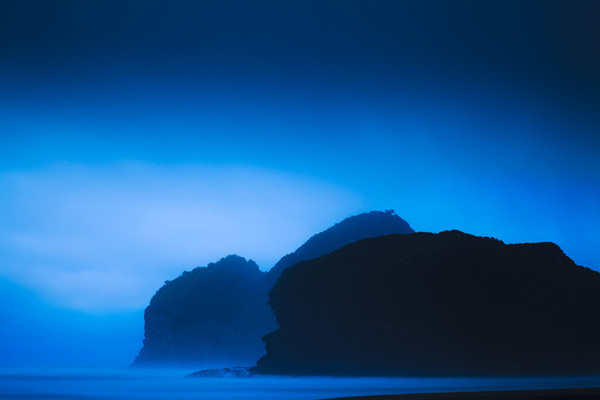
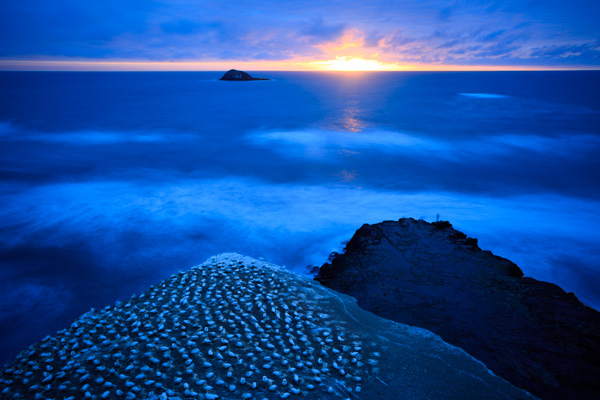
For example, these cliffs at Muriwai, a beach near Auckland in New Zealand, are a dramatic scene:
Painting with light

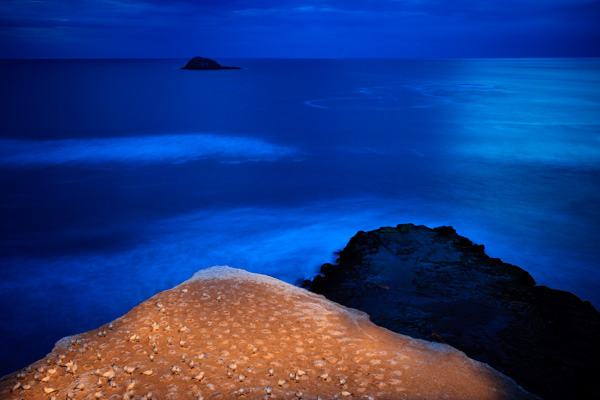
I was curious to see what happened if I used the lantern to paint the cliffs with light. I returned another evening to try it, here’s the result:
Painting with light

The technique itself is quite simple. Turn the lantern on, point it at the scene you want to paint, then gently move the lantern so the light from its beam covers the surface of the subject. You do this while the camera’s shutter is open.

You’ll need a shutter speed that gives you enough time to paint the subject, so you’re looking at at least ten seconds. Thirty seconds is easier (hence the need for low light). Don’t use neutral density filters to obtain these shutter speeds, as they also block the light from the lantern. You need to wait until the ambient light is low enough to obtain these shutter speeds through a combination of low ISO and small aperture (such as f11 and f16, but preferably not f22 as diffusion will soften the image).

The crucial aspect is timing. Try it too early, when the light is bright, and the light from the torch won’t be strong enough to overpower the daylight. Leave it too late and it will be too dark. The sky will be black, and you won’t have any background detail.

What you’re looking for is the sweet spot between these two extremes. When the light is low enough to give you a shutter speed of around 30 seconds, and the light from the torch balances with the ambient light, and it is still light enough to get good background detail.

The best way of finding the sweet spot is to test it out. Put your camera on a tripod, decide how you will compose the image and then wait for the light to fade. Take a test shot when the light is low enough for a shutter speed of ten seconds or so. Then look at the result on your camera’s screen.

Does the ambient light overpower the light from the torch? Then you need to wait until it gets darker. Did you cover the subject evenly with the torch light? This may take several attempts to get right. Hopefully, the moment that you figure out how to paint the subject with light will coincide with the moment the ambient light and torch light balance each other perfectly.

When you find the sweet spot, keep going until the ambient light fades away. You can decide which image you prefer when you view the results on the computer.

Painting with light

This is a photo taken earlier. You can see that it’s too early to work yet – the light from the lantern is overpowered by the ambient light. It also needs more work to get the coverage right.

Using portable flash

Another way to paint with light is to use portable flash. Using a lantern is simple, and a good way to get started. But if you’d like to take up the challenge, portable flash gives you some interesting options. Here’s why:

  • You can use portable flash to fire multiple bursts of light at the subject, building up the exposure over time.
  • You can use coloured gels to give light of different colours.
  • You can shoot at night, rather than at dusk, using portable flash to fire multiple bursts of light, building up an exposure over time. You can use multiple flashes, or the same flash with different coloured gels, to do so. There are lots of good examples here at Troy Paiva’s Lost America website.

The essence of the technique is again simple. Switch your flash unit to manual, and use the highest powered setting (1:1). Work out your composition in advance, preferably while there is still enough light to see. Wait until the light gets low, then start using your flash to illuminate the subject.

If you are going to be in the frame yourself, make sure you are wearing black clothes. Don’t stand still – keep moving so that you don’t register in the frame. Keep your body between the flash unit and the camera so that the light from the flash head itself doesn’t appear in the frame, just the light that illuminates the subject. Keep checking the camera’s LCD screen to see how the images are coming out, and adjust your technique accordingly.

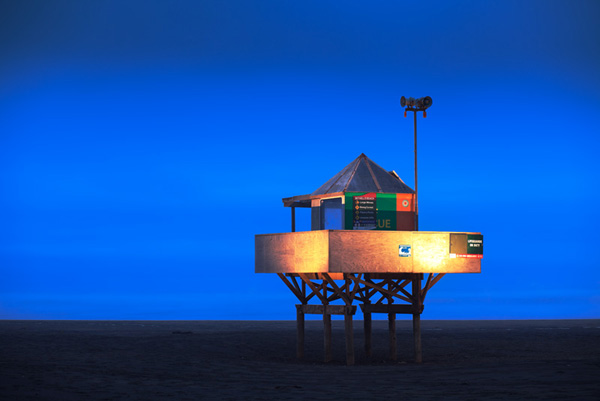
Here’s a photo I created using a portable flash unit fitted with an orange gel (CTO – Colour Temperature Orange) to imitate the look of a tungsten bulb.
Painting with light

Mastering Photography

Painting with light

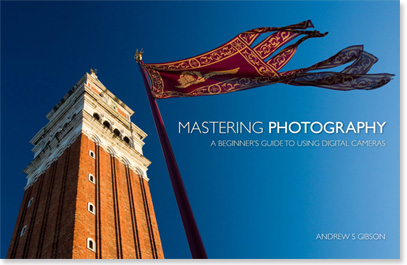
My ebook Mastering Photography: A Beginner’s Guide to Using Digital Cameras introduces you to digital photography and helps you make the most out of your digital cameras. It covers concepts such as lighting and composition as well as the camera settings you need to master to take photos like the ones in this article.

Post originally from: Digital Photography Tips.

Check out our more Photography Tips at Photography Tips for Beginners, Portrait Photography Tips and Wedding Photography Tips.

Painting with Light in the Landscape


Digital Photography School

 
Comments Off on Painting with Light in the Landscape

Posted in Photography


Reactive Light Sculpture Illuminates a Tunnel + Your Mind

21 Sep

[ By Delana in Art & Installation & Sound. ]

dutmala tunnel interactive light sculpture

Tunnels are typically scary places. The darkness is enough to give anyone the willies – and then there are the spooky, disorienting echoes. An example of an un-scary tunnel would be Detroit Metropolitan Wayne County Airport’s Light Tunnel. Another can be found in the Netherlands.

knol ontwerp reactive tunnel moving sculpture

The Dutmala tunnel in Eindhoven was once cast in darkness. Amsterdam-based designers Knol Ontwerp illuminated the once-dim tunnel with a light sculpture called Transit Mantra. The interactive corridor reacts to the movement of passersby, a glowing escort through a formerly-gloomy tunnel.

reactive tunnel sculpture eindhoven

Each person who passes through the tunnel gets his or her own unique experience, as the sculpture produces both light and sound. The amount of walkers, bikers or joggers, as well as their speed, causes fluctuations in the patterns. Now every tunnel, underpass, aqueduct – even the Chunnel – seem boring.

Share on Facebook


[ By Delana in Art & Installation & Sound. ]

[ WebUrbanist | Archives | Galleries | Privacy | TOS ]


WebUrbanist

 
Comments Off on Reactive Light Sculpture Illuminates a Tunnel + Your Mind

Posted in Creativity


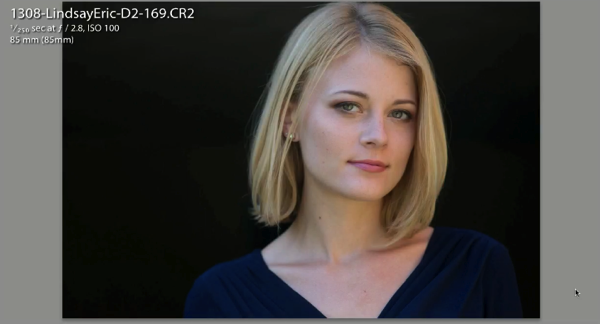
Conquering Crappy Light In Fashion Shoots: Mixed Shade

18 Sep

These tips are from fashion photographer Lindsay Adler – one of the instructors during this week’s CreativeLIVE Photo Week – an event being held this week that showcases teaching by 50 photographers across 3 tracks, including weddings and family.

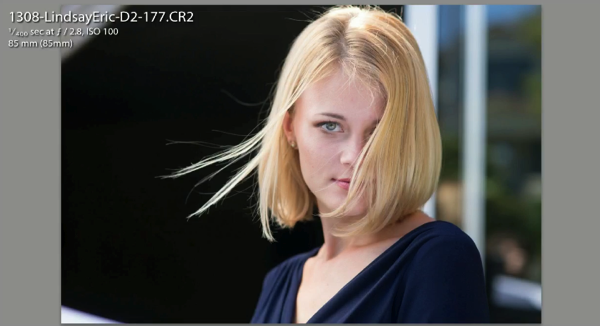
Finding a shady spot during an outdoor shoot is a perfect way to snap beautiful pictures while still maintaining a sunny outdoor feel –– but what happens when your model’s face is being hit by directional light sneaking through the side of your shady covering? Check out professional glamour and fashion photographer Lindsay Adler’s favorite tips for troubleshooting (literally!) working in mixed shade:

BEFORE in mixed shade

Block Off Overhead Light

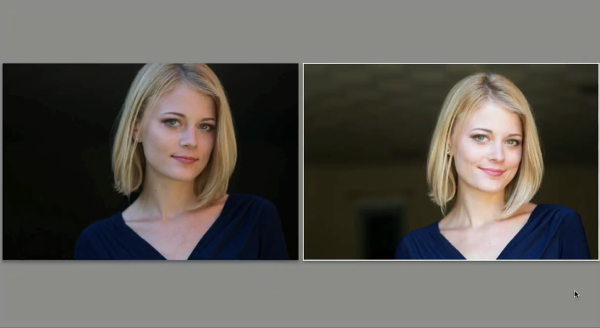
Scout around your location and find a doorway that leads to the outside. If your model steps back into the doorframe, not only does it block overhead light, it blocks light coming from the left and right – and you’ll still have a nice glow coming in through the front. This option also creates great negative fill, which is especially handy if you’re doing a beauty shoot and want to highlight your model’s jawline and cheekbones.

OPTION ONE door way

Need even more contrast on the front of your model’s face? Try backing her up a little further into the doorway. You’ll be giving yourself a smaller light source that’s more directional, essentially creating a giant softbox effect. “I have used this setup for every single wedding I have ever done. And I have shot two of my favorite beauty editorials like this,” Lindsay says. “I’ve had the model stand in a doorway, and I’ve used black fill from left and right, and just gorgeous glowing light in the front.”

Diffuse Your Light and Add Fill

This method is super simple, and will definitely help you show the sun who’s boss. If you can’t swing placing your model in a door and you have no choice but to shoot her in direct sunlight, your first step is popping up a parabolic umbrella. It will diffuse and soften the light but not change the angle.

OPTION TWO Diffusion and Fill

The parabolic works pretty well on its own, but if you want the model’s eyes to catch the light and get extra sparkly, have an assistant hold a white reflector underneath her face to create some negative fill. “For commercial style portraits, this is actually my favorite,” Lindsay says.

Both Lindsay’s methods for conquering mixed shade work great, and will give you even skin tone, contrast, and nice catch-light so you can snap that perfect picture even when the sun is shining!

Learn more from Lindsay in this weeks Photo Week from CreativeLIVE.

Post originally from: Digital Photography Tips.

Check out our more Photography Tips at Photography Tips for Beginners, Portrait Photography Tips and Wedding Photography Tips.

Conquering Crappy Light In Fashion Shoots: Mixed Shade


Digital Photography School

 
Comments Off on Conquering Crappy Light In Fashion Shoots: Mixed Shade

Posted in Photography


The Drama of Light

13 Sep

Dramatic light

 Andrew S. Gibson is the author of Mastering Photography: A Beginner’s Guide to Using Digital Cameras, on offer now at Snapndeals for a limited time.

There are two sides to learning photography, the technical and the creative. Technique is important, as you need to understand what aperture, shutter speed and ISO do to the look of the photo. You also need to get the exposure and focus right.

The creative side comes from understanding light and learning how to compose a strong image. This takes time, is subjective and takes longer to learn.

Dramatic light

The magic happens when the two come together, something I stress in Mastering Photography. I refer to this as the ‘Creative triangle’. The concept to grasp is that while you can learn how to use every single function on your digital camera, it doesn’t help you much if you have no understanding of light or the fundamentals of composition. The three go together.

Dramatic light

One way to create a strong, eye-catching image is to use dramatic light. This is how my dictionary defines the adjective ‘dramatic’:

1. Of or relating to drama or the performance or study of drama.

This makes me think of a spotlight lighting an actor on a stage.

2. Sudden and striking, exciting or impressive, theatrical.

So it seems that a type of light that appears suddenly (such as through a break in a storm), or that is exciting, impressive or theatrical (the drama reference again) in some way, is dramatic.

My thesaurus throws up some interesting synonyms for the word dramatic, such as exciting, stirring, sensational, spectacular, startling, unexpected, remarkable, extraordinary, exceptional and phenomenal.

The more I think about it, the more I realise that one of the reasons dramatic light has such an impact is because, by its nature, it occurs rarely.

That’s good news for hard-working photographers, as you can increase the odds of experiencing dramatic light by putting yourself in situations where it is likely to occur. Here are some ideas:

Dramatic light

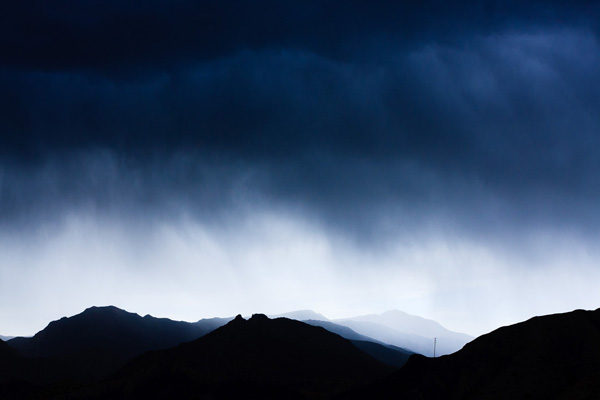
Take advantage of stormy or otherwise dramatic weather. I created this image from a lookout just before a huge rainstorm hit. Be careful in storms – don’t put yourself somewhere where you might get struck by lightning, and make sure you have some sort of waterproof camera bag or wrapping for your camera.

Dramatic light

Get out at the end of the day. The quality of the light is often both beautiful and dramatic at the end of the day. You never know what might happen as the sun sets. It might cast rays of light through a break in the clouds, or give you amazing colours – but you’ll never know if you’re not there.

Searching for dramatic light in nature is a little hit and miss – sometimes you will get yourself in position when conditions look promising and nothing exciting happens. You may even live somewhere with a climate that rarely gives the weather conditions required for dramatic light.

Dramatic light

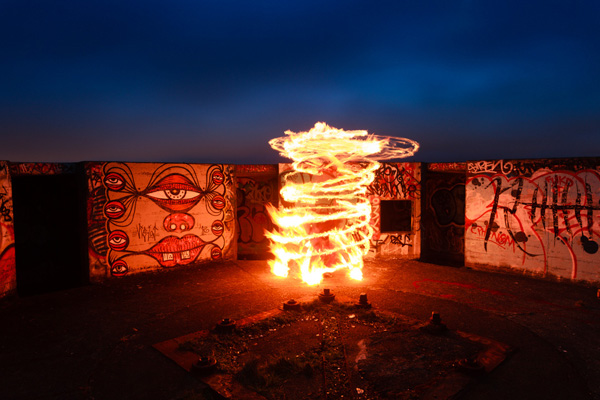
Take control by putting dramatic light into the scene yourself. The above photo is a good example. My model span a fire hoop (a hoop with kevlar wicks that you can dip into fuel and set alight) during an exposure of eight seconds. The light from the flames was very dramatic and gave a red colour cast to the background.

Dramatic light

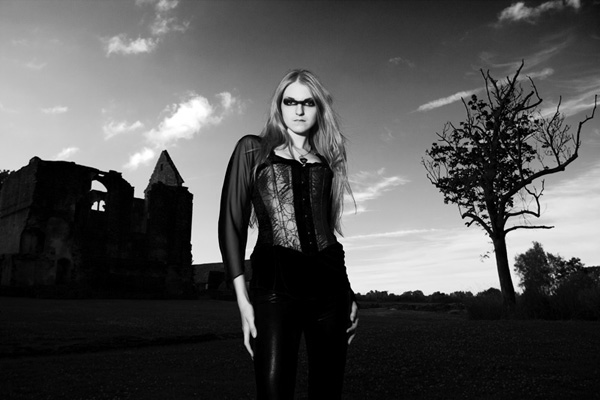
Add drama with portable flash. In this example I set an exposure that darkened the sky and rendered the tree and ruined building as dramatic silhouettes. I then used portable flash to light my model. It takes a while to learn how to use portable flash well, but the advantage is that you can use it just about any situation to add dramatic light.

Mastering Photography

Dramatic light

My latest ebook, Mastering Photography: A Beginner’s Guide to Using Digital Cameras introduces you to digital photography and helps you get the most out of your camera. It covers concepts such as lighting and composition as well as the camera settings you need to master to take photos like the ones in this article. It’s available now at Snapndeals for a special price for a limited period.

Post originally from: Digital Photography Tips.

Check out our more Photography Tips at Photography Tips for Beginners, Portrait Photography Tips and Wedding Photography Tips.

The Drama of Light


Digital Photography School

 
Comments Off on The Drama of Light

Posted in Photography


Starry Light: Hand-Crafted Shell Lamps Cast Stellar Patterns

11 Sep

[ By WebUrbanist in Design & Furniture & Decor. ]

lamp ball of light

Innocuous spheres by day, the carefully handmade holes dotting these coconut shells are hard to even see until they light up at night, morphing from muted balls to bright orbs.

lamp 2

lamp 6

lamp 4

lamp 3

lamp 5

lamp 7

Once illuminated, these subtle spheres are themselves beautifully lit up from within, but also project amazing patterns on surrounding walls, furniture and furnishings, whether set on the floor or placed on a bookcase or nightstand.

lamp 14

lamp 15

lamp 18

lamp 19

Creator Vainius Kubilius explains their constituent parts in anatomical terms – bones (of metal wire) to create a strong and flexible stand, wrapped with skin (of various ropes) to create a tactile exterior, with a head and brain (custom drilled coconut) unique in each case and giving personality to the whole.

Next Page:
Starry Light Hand Crafted Shell Lamps Cast Stellar Patterns

Share on Facebook


[ By WebUrbanist in Design & Furniture & Decor. ]

[ WebUrbanist | Archives | Galleries | Privacy | TOS ]


WebUrbanist

 
Comments Off on Starry Light: Hand-Crafted Shell Lamps Cast Stellar Patterns

Posted in Creativity


Available Light Portraits: Weekly Photography Challenge

07 Sep

This week we are celebrating the launch of our brand new Portrait Lighting eBook so I thought it might be fun to have a portraiture themed weekly challenge.

Bus People

Your challenge is to take and share a portrait image that only uses the available light in the setting where you’re shooting.

Giada

So if you’re outside during the day – shoot only using natural light. If you’re inside, only use the light in the room (window light, the normal artificial lights in the room etc).

golden light

So – you can use artificial light but no your speed light or any studio lights – just what is there in the setting you’re shooting in. I hope that makes sense!

Once you’ve taken your ‘Available Light’ photos, upload your best ones to your favourite photo sharing site either share a link to them even better – embed them in the comments using the our comments tool to do so.

who am i?

If you tag your photos on Flickr, Instagram, Twitter or other sites with Tagging tag them as #DPSAVAILABLELIGHT to help others find them. Linking back to this page might also help others know what you’re doing so that they can share in the fun.

Also – don’t forget to check out some of the great shots posted in last weeks Soft challenge – there were some great shots submitted.

Post originally from: Digital Photography Tips.

Check out our more Photography Tips at Photography Tips for Beginners, Portrait Photography Tips and Wedding Photography Tips.

Available Light Portraits: Weekly Photography Challenge


Digital Photography School

 
Comments Off on Available Light Portraits: Weekly Photography Challenge

Posted in Photography


Natural Light: Making the Most of Hard Light

07 Sep

Hard light

In a previous article I explored ways of taking photos in soft light. Today, I’d like to look at the opposite of that, and discuss the idea of taking photos in hard light.

In the earlier piece I wrote about matching the light to the subject. That’s an important concept to understand – especially when it comes to hard light, a type of lighting considered by many photographers to be unsuitable for most types of photography.

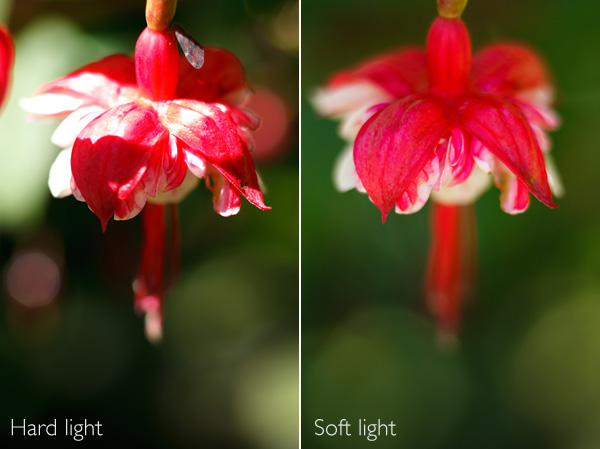
I’m not saying those photographers are incorrect. Hard light doesn’t suit every type of subject, and if you’re trying to take a photo in hard light that you really shouldn’t be taking, then nothing you can do is going to work. Here’s an example from the earlier article:

Hard light

The flower had to be lit by soft light for the image to work. In hard light, there was too much contrast. The light didn’t suit the subject.

What is hard light?

Hard light comes from a light source that is relatively small compared to the subject. It creates strong, clearly defined shadows.

For example, hard light is cast by the sun when it is high in the sky on a cloudless day. The light gets softer as the sun dips towards the horizon at the end of the day. If clouds appear, or the air is hazy or polluted, that may also soften the light.

If you use portable flash you will also know that the light from an unmodified flash unit is very hard. That’s because the light comes from a relatively small light source – the flash head isn’t very big. That’s why photographers use lighting modifiers with flash units, to effectively make the source of the light larger, which makes the light softer. You can read more about using portable flash here and here.

Now, let’s look at how you can make hard light work for you, with some practical examples:

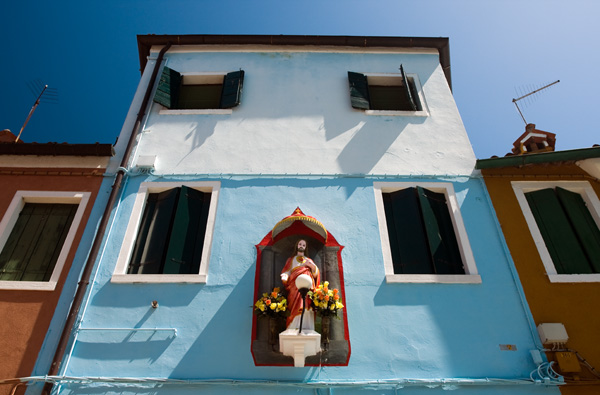
Hard light

I took this photo in Burano, an island near Venice, at around 2.30pm in summer. The light was very hard. But look at the long shadows on the wall of the building. The sun was nearly overhead, and a little to the right. From that position, the light rakes over the surface of the building, picking out the texture (I also used a polarising filter to deepen the colours). Noticing scenes like this, and recognising the photo opportunity, is just a matter of training your eye to see where the light is falling.

Architecture is an ideal subject when the light is hard. If you are in a city or urban area during the middle of a sunny day, you can often take good photos of the buildings.

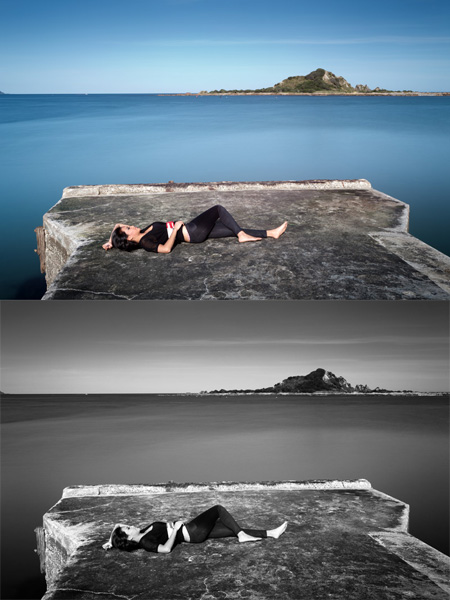
Convert to black and white

Photos taken in hard light are often more interesting in black and white than colour. Colour photos may look bland when illuminated by hard light from the overhead sun.

Here’s an example of long exposure photography that I took around 2pm in the afternoon. I used a nine stop neutral density filter to obtain a shutter speed of 30 seconds. It looked a little boring, so I converted it to black and white.

Hard light

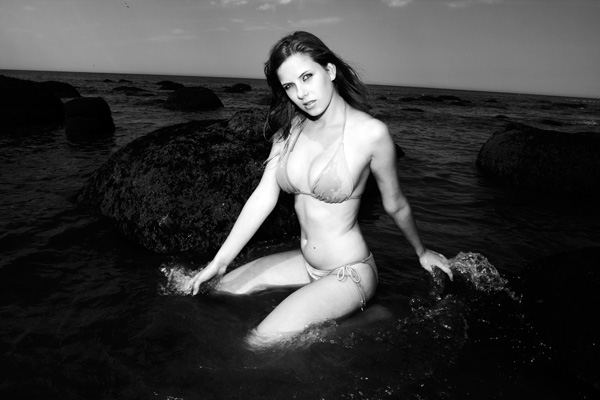
Finally, here’s a photo taken at around 2.30pm in the middle of summer:

Hard light

We were on the beach and the light was very hard. There was no way that I could take a portrait using natural light alone. I used an on-camera portable flash unit (itself a hard light source) and used that to overpower the light from the sun. It acted like a powerful fill light, filling in the shadows cast by the sun. Compare that to this portrait (from my article about soft light):

Hard light

Two different types of light, two completely different effects. Bear in mind that hard light plus flash won’t be flattering to everybody, and will generally work better with men than women. Again, it comes back to the idea of matching the light to the subject.

Mastering Photography

Hard light

My latest ebook, Mastering Photography: A Beginner’s Guide to Using Digital Cameras introduces you to digital photography and helps you make the most out of your digital cameras. It covers concepts such as lighting and composition as well as the camera settings you need to master to take photos like the ones in this article.

Post originally from: Digital Photography Tips.

Check out our more Photography Tips at Photography Tips for Beginners, Portrait Photography Tips and Wedding Photography Tips.

Natural Light: Making the Most of Hard Light


Digital Photography School

 
Comments Off on Natural Light: Making the Most of Hard Light

Posted in Photography


How to Create this “Fight Club” Inspired Portrait using One Light

05 Sep

By Gina Milicia – author of our brand new Portrait Lighting eBook.

Firass MAINWEB

Welcome to Fight Club. The first rule of Fight Club is: you do not talk about Fight Club.” -Chuck Palahniuk, Fight Club

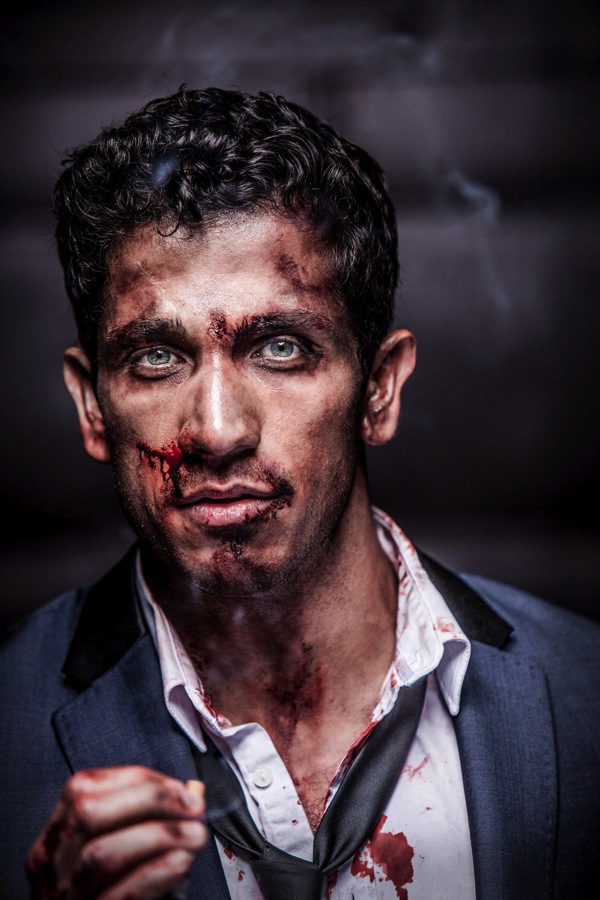
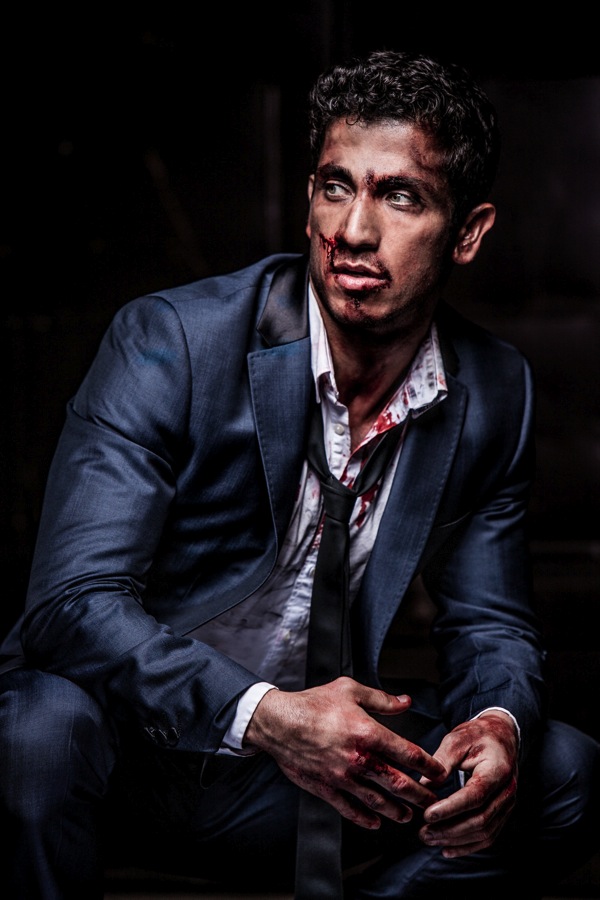
Australian actor Firass Dirani in my Fight Club inspired shoot @firassd (twitter) @firazzle (Instagram).

Australian actor Firass Dirani in my Fight Club inspired shoot @firassd (twitter) @firazzle (Instagram).

Most of my inspiration for photo shoots comes from Movies, art and popular culture.

Ever since I saw the movie Fight Club I’ve always wanted to do a fight Club inspired shoot.

My aim was to create a really cool, gritty, edgy looking shot. I could have achieved this look using several different techniques but opted for my new Rotolux deep Octabox with my Elinchrom Ranger Quadra battery operated light system.

Firass 643web

For this shoot I worked with Melbourne make up artist Mia’Kate Russell an incredibly talented special effects make up artist. Her brief was to make Firass look like he’d just been in an old school fistfight – busted up but still looking incredibly cool.

If you are thinking of trying something like this then I suggest you check out your nearest school of hair and make up. Special effects make up like Mia used on Firass is taught at these schools and students are often looking for the opportunity to test out their skills.

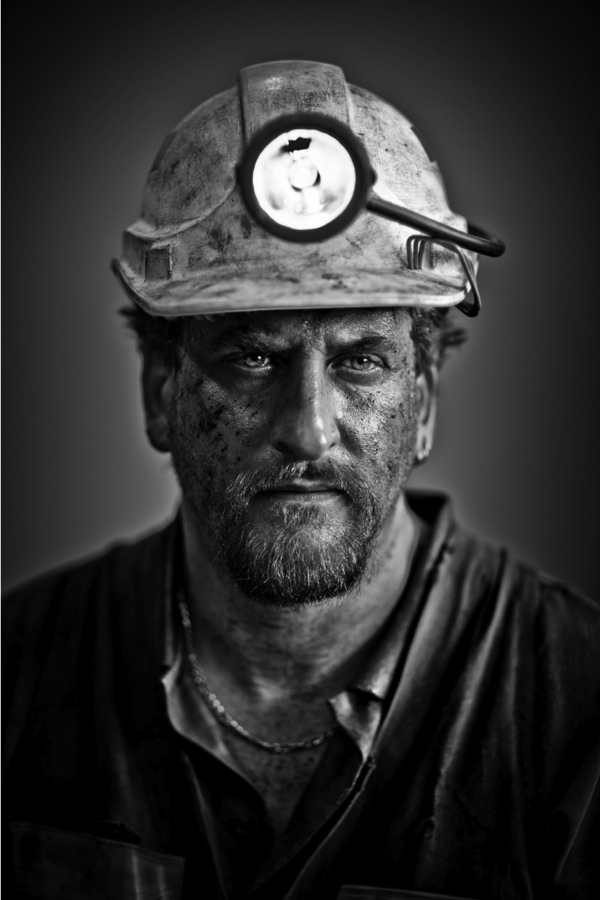
Another version you may like to try is to just scuff the face up using dirt to give that gritty look. That’s the technique I used for this shot of Lachy Hulme who was playing a trapped minor in the TV Movie Beaconsfield.

Portrait shoot

A good Make Up artist will take your portraits from OK to amazing. This is definitely a relationship you should invest in and nurture.

201309021410.jpg

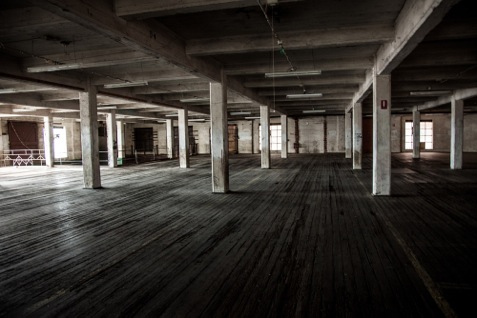
The location I chose was an old warehouse near my actual studio. I had gone out scouting a week earlier. It’s important that you always have your locations worked out ahead of time rather than hoping it will all fall into place on the day of the shoot.

Some places will incur a hire fee to work in others you may get permission by finding the owners and just asking (which is exactly what I did to get access to this amazing warehouse!)

201309021413.jpg

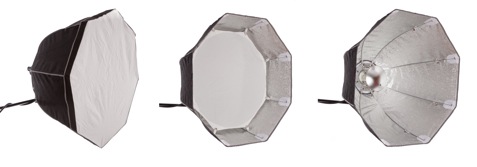
If a softbox and a beauty dish got married and had babies they would probably have little rotolux deep octaboxes. I love these light shapers because

They combine the softness and narrow spread of a soft box with the beautiful bone structure defining qualities of the beauty dish. It’s the best of both worlds.

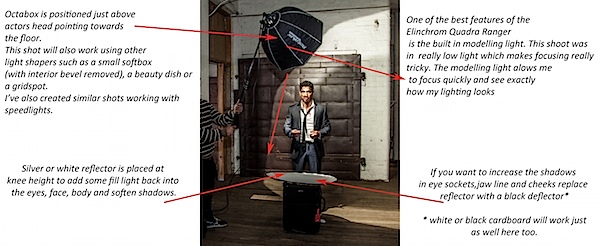
For this image of Firass I converted my Octabox to a beauty dish by removing the outer diffuser and inner bevel and adding the beauty dish attachment.

I could have also just used a beauty dish but I prefer this softer style of lighting.

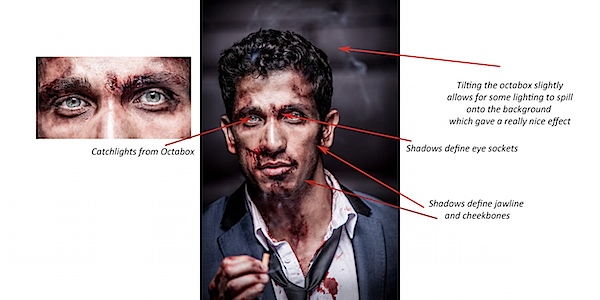
Here’s some visuals on how I took the shots (click to enlarge).

Firass_MAINWEBDIAGRAM.jpg

FirassBTSW.psd

For this shot I’m using my:

  • Canon 1DS MK111, with my 70-200mm f2.8L series Lens
  • 2x Pocket wizards
  • I used fill flash from my Elinchrom Quadra lights with a Rotolux Deep Octabox

My settings for this shot are:

  • ISO is set to 100
  • Lens focus length is 200mm
  • Aperture is F/ 4* @ 1/200th of a second**

* I selected a wide aperture of F4 on my long lens because I wanted my background to be out of focus. I could have shot wide open at f2.8 but decided to play it safe at f4 as I find it really difficult to get my models eyes sharp at f2.8 using a long lens and focusing in low light.

** I shot at a very fast shutter speed of 1/200th sec because I wanted to keep my background really dark and moody.

This shot would also work using a Speedlight + Softbox without internal bevel.

If you want to increase the amount of shadow in eye sockets, jawline and cheekbones remove the reflector or replace it with a black cutter.

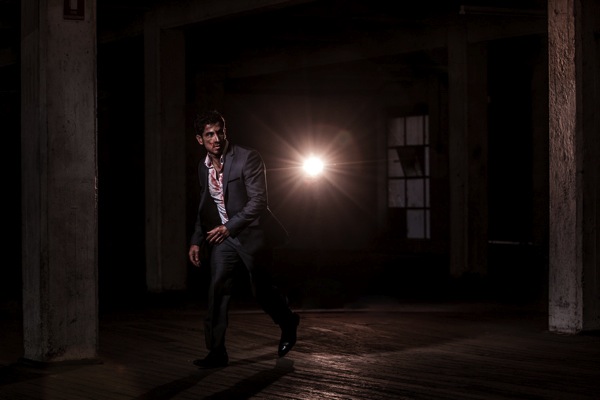
And here’s one more shot from the shoot.

Firass walking

Get more portrait lighting tips from Gina’s new dPS eBook – Portraits: Lighting the Shot.

Lighting_468x190px

Post originally from: Digital Photography Tips.

Check out our more Photography Tips at Photography Tips for Beginners, Portrait Photography Tips and Wedding Photography Tips.

How to Create this “Fight Club” Inspired Portrait using One Light


Digital Photography School

 
Comments Off on How to Create this “Fight Club” Inspired Portrait using One Light

Posted in Photography


Nikon reveals LD-1000 LED movie light for 1 System and Coolpix

05 Sep

LD-1000_J3_DB.png

Nikon has announced an LED movie light for its Coolpix and 1 System cameras. We could swear the LD-1000 was already available, but maybe that’s because we’ve been seeing mockups of it attached to 1 System cameras at tradeshows for a couple of years. The lamp is fairly compact and uses LEDs behind a diffusion panel for soft, even light. Although it comes with a bracket to mount it onto compatible cameras, the LD-1000 can be hand-held for more control. It will be available next month at an MSRP of $ 99.95.

News: Digital Photography Review (dpreview.com)

 
Comments Off on Nikon reveals LD-1000 LED movie light for 1 System and Coolpix

Posted in Uncategorized


The Magic of Natural Light: Twilight

01 Sep

The Magic of Natural Light: Twilight photo

One of my favourite times for taking photos is at twilight. Especially during the spring and summer, the seasons when the light is at its most magical at this time of evening.

I’ve always liked the idea that great photography happens on the edges. Twilight, the transition between night and day, is an edge. While the low light levels can be technically challenging, the reward in terms of quality of light are well worth it. I think of it as the ‘magic hour’. You may also see it referred to as the blue hour, a reference to the colour of the ambient light as night falls.

What is twilight?

Twilight is the time that marks the transition between day and night. It starts after the sun has set and continues until night completely falls. The quality of light during twilight can be truly beautiful, especially after a bright sunny day. The duration depends on your distance from the equator. In the tropics night falls very fast and twilight is short. Go far enough north (or south) in the summer and it can last for over an hour.

Landscape photography during twilight

One of the more obvious subjects that benefits from the quality of light at twilight is the landscape. Now, I’m sure most photographers are aware that one of the best times to photograph the landscape is during the golden hour – the hour or so before the sun sets. The sun is low in the sky and the warm, raking light it casts can bring the best out of a beautiful location.

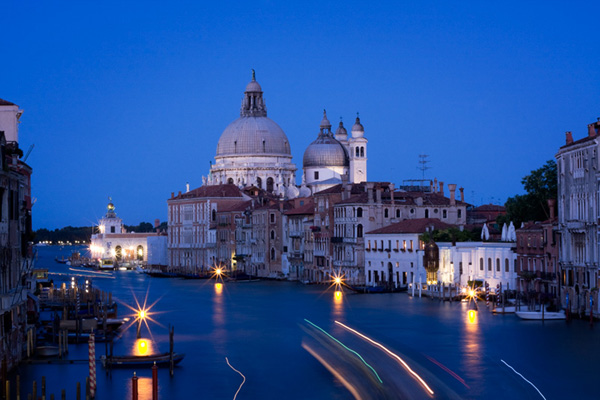
Whenever I’m on location and see other photographers, I’m always a little surprised how early most of them leave. For the few that wait until the sun has set the reward is often an intensely beautiful, soft golden glow that gradually fades as night falls. This type of light is especially beautiful if you are by the sea or a lake as the water reflects the light. The opening photo is a good example of that.

The Magic of Natural Light: Twilight photo

There are two approaches to taking landscape photos in low light. One is to use a high ISO setting and shoot with the camera hand-held. I took the photo above at 1600 ISO shortly after sunset.

The Magic of Natural Light: Twilight photo

To take full advantage of the beautiful light during twilight though you will need to use low ISOs (better image quality) and consequently slow shutter speeds. You’ll need a tripod to support the camera and a cable release or remote control to fire the camera without touching it (the self-timer will do in a pinch). The advantage of this approach is that you can use the slow shutter speeds to create blur. This works particularly well when there is water in the scene, as in the photo above.

Portrait photography

The Magic of Natural Light: Twilight photo

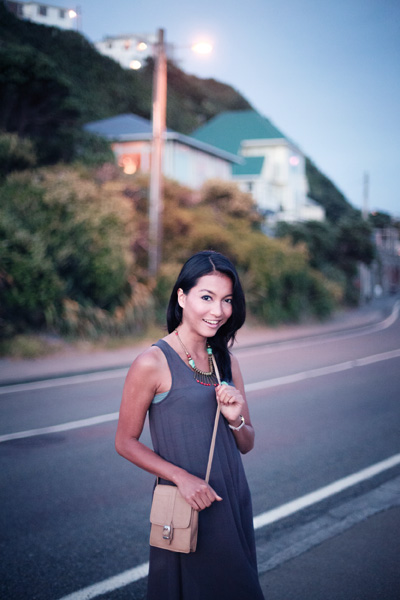
I also like twilight for portrait photography. It’s not without challenges, but if you can overcome those you’ll be rewarded with some beautiful portraits taken in unusual conditions where many photographers wouldn’t bother taking photos.

The best way to take advantage of the twilight for portraits is to arrive with your model before sunset to take advantage of the late afternoon light. Explain to your model that the light is best at this time of day, and they will be rewarded with some beautiful images. Then, just as in landscape photography, you can keep shooting after the sun has set until the light fades or the magic disappears. Unlike landscape photography though it’s not practical to use a tripod, so you will need to set a high ISO and use the wide aperture settings of your lenses.

When it comes to lenses, primes are best because the wide maximum apertures let you shoot for longer. For example, if you have a kit lens, the maximum aperture at the telephoto end (focal length usually around 55mm) is f5.6. If you have a 50mm prime lens, the maximum aperture will be at least f1.8. That’s a three stop difference.

You will also need to set a high ISO. It’s a good idea to test out your camera beforehand using different high ISO settings to see how high you’re willing to go before the deterioration in image quality is more than you’re happy with. On my EOS 5D Mark II, for example, I’m quite happy to shoot at 3200 and sometimes even 6400, especially if I can expose to the right to maximise image quality. If you have a newer camera, especially full-frame, you might even be able to go higher. If your camera is older your limit will probably be lower. It’s a personal decision that only you can make.

The photo above was taken using ISO 6400 and an aperture of f1.4. It was nearly dark, much darker than it looks in the image. The lights behind the model are a good indication of this.

The Magic of Natural Light: Twilight photo

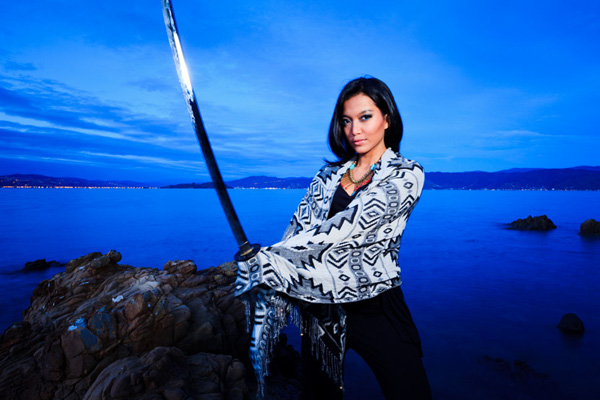
Another approach is to use a tripod to support the camera and a portable flash to illuminate your model. If your model keeps still during the long exposure, there will be very little blur. This portrait was taken with a shutter speed of two seconds. This technique allows you to keep shooting during twilight when there is very little light.

Mastering Photography

The Magic of Natural Light: Twilight photo

My latest ebook, Mastering Photography: A Beginner’s Guide to Using Digital Cameras introduces you to digital photography and helps you make the most out of your digital cameras. It covers concepts such as lighting and composition as well as the camera settings you need to master to take photos like the ones in this article.

Post originally from: Digital Photography Tips.

Check out our more Photography Tips at Photography Tips for Beginners, Portrait Photography Tips and Wedding Photography Tips.

The Magic of Natural Light: Twilight


Digital Photography School

 
Comments Off on The Magic of Natural Light: Twilight

Posted in Photography