RSS
 

Posts Tagged ‘Light’

New York, New York: Low light Sony a7S II stills and 4K sample videos from the Big Apple

15 Oct

The Sony a7S II looks a lot like its full-frame Alpha mirrorless counterparts, but behind the familiar face are some important new features – namely, the ability to record 4K video internally. Its specifications are tuned to videography, with features like Full HD recording at 120fps, but its low light stills potential is equally compelling. We had the opportunity to shoot with the camera, so naturally we put its internal 4K and still photo capabilities to the test. Read more

Articles: Digital Photography Review (dpreview.com)

 
Comments Off on New York, New York: Low light Sony a7S II stills and 4K sample videos from the Big Apple

Posted in Uncategorized


Understanding Natural Light Part 1: Quality of Light

14 Oct

Light has different qualities, and by understanding those differences and using them in your favor, you can become a better image maker. From my point of view, the best place to start improving your ability to work with light is by learning its most basic form, which is natural light.

quality of light - soft light portrait

Therefore, this article is the first of a series that will focus on understanding how to work with natural light. We will:

  • Explore the difference between harsh (hard) and soft lighting and each of their pros and cons.
  • Understand how to use color to serve the visual story we want to portray.
  • Learn how the direction and intensity of light affects the final image.

Even if you are a studio photographer, who wishes to work exclusively with strobes and flash, this article is crucial for you. If you manage to understand how to work with natural light, this knowledge can be later applied to any genre or style of photography. As a portrait photographer, in my explanation and examples, I will focus on working with natural light in portraits. However, as mentioned, once you understand the concept, this can be applied to any genre or subject.

George Eastman, the American entrepreneur that founded Kodak (and who probably knew a thing or two about photography), said, “Embrace light. Admire it. Love it. However, above all, know light. Know it for all you are worth, and you will know the key to photography.”

What do you think that Mr. Eastman meant by “know light. Know it for all you are worth.”? From my point of view, he meant that as photographers, light is our raw material. It is like letters to the writer and notes to the musician, and as photographers, we must understand how this raw material works and behaves under different conditions.

quality of light - soft light

Quality of light – Understanding hard and soft light

In this first chapter we will:

  • Understand the differences between soft and hard (or harsh) light.
  • Explore the concept of “Good Light” versus “Bad Light.”
  • Learn about common challenges faced when working with natural light, and how to overcome them.
  • Suggest exercises that you can use to practice the explained concepts and techniques.

Soft lighting

Soft light is characterized by low levels of light, lack of shadows, a small and gentle difference between dark and bright areas.
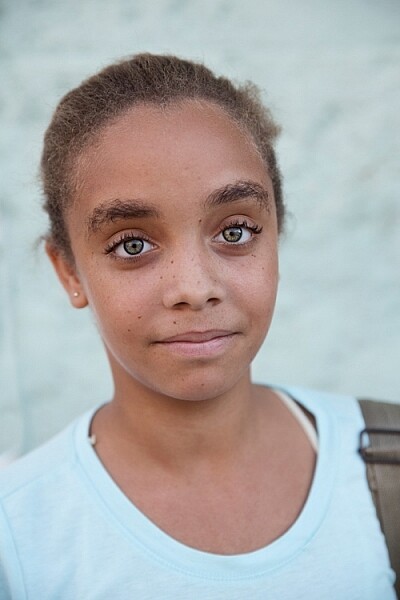
soft lighting

Soft lighting situation is characterized by the lack of shadows and (as you can see in this image), cold hues during cloudy weather, which fit the greens and blues in this situation.

When does it happen? Depends on the weather and your location on the globe (it won’t happen at the North Pole, during winter), but you will usually encounter a soft lighting situation, at the edges of the day (also referred to the Golden Hours), just after sunrise and just before sunset (how much time before and after, is again dependent on your location). Besides the edges of the day, you can find soft lighting conditions under a cloudy or overcast sky.

Challenges: Soft light is not suitable for every portrait, it all depends on what you wish to evoke (in terms of emotion and mood) in your image, as I will describe later. Another issue is the level of light, which may be too low. So, it is very important that you pay attention to your shutter speed and increase it manually, to avoid blurriness.

Hard/harsh lighting

Hard light is characterized by strong levels of light, long and deep shadows, a big difference between dark and bright areas (high dynamic range). Because of contrast, harsh light will strengthen the current situation in the field, in terms of color. Saturated and rich colors will seem even more intense, and dull colors will seem even more so.

hard or harsh lighting

In harsh light, there is a huge contrast between the dark and bright areas in the image and details might get too bright or too dark – but this is perfectly fine!

When do you have hard light? It also depends on the weather and location, but usually, you can encounter harsh lighting situations during the day, about two hours after sunrise, until one hour before sunset (middle of the day).

Challenges: the main problem with the harsh lighting is the huge difference between the dark and bright areas (also known as contrast). Contrary to our sophisticated eyes, the camera is (still) not able to cope with this difference. So, the result will be the loss of details in your image, as they become too bright or too dark. For example, you might get a great exposure on your subject while losing detail in the background or vice versa.

Some photographers mistakenly think that this condition (the loss of details) is due to an error they made in operating their camera. So, the first step to the solution is to understand the problem. If you are shooting under harsh light, that lost of details is something that you cannot change (unless you use flash or post-process the image), because it is due to the contrast between the dark and the bright areas. So, changing the aperture, shutter or ISO, won’t help correct it.

“The artist vocation is to send light into the human heart.” – Robert Schumann

Forget about “good” lighting

Due to the challenges I have mentioned, most photographers avoid shooting under harsh lighting condition. They prefer to work under soft lighting, which is usually referred to as more pleasing to the eyes. However, it is not always the right choice for your portrait.
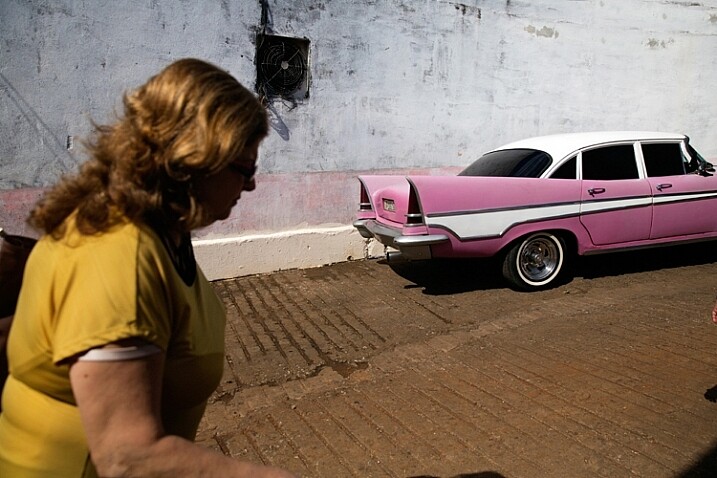
hard lighting

That day in the streets of Havana was extremely hot. So, I used the harsh light to evoke that sense.

The thing to remember is that you want to match the light to the visual story you want the portrait to tell. As we just learned, each lighting condition has its own qualities and characteristics. While the soft light from a setting sun might be best for a romantic couple’s photoshoot, it may be less suitable for a portrait of a hardworking man outdoors. Let’s stop using the concepts of good and bad lighting, and start thinking in terms of more suitable, or less suitable lighting.

Planning

To work under the most suitable lighting conditions, you should plan for it instead of just wishing for it. Check the weather forecast, as well as the sunrise and sunset times. For example, if you need soft lighting for your project, you should know exactly where to be, and what to do around sunrise and sunset every day. Do not waste even a minute on sleeping when there is suitable light out there.

1. Matching the time of day to desired mood – You should choose the most suitable time to go out and work, according to your desired results.

2. Matching the visual story to the given lighting conditions – I often choose the visual story, according to the available light given to me on location.
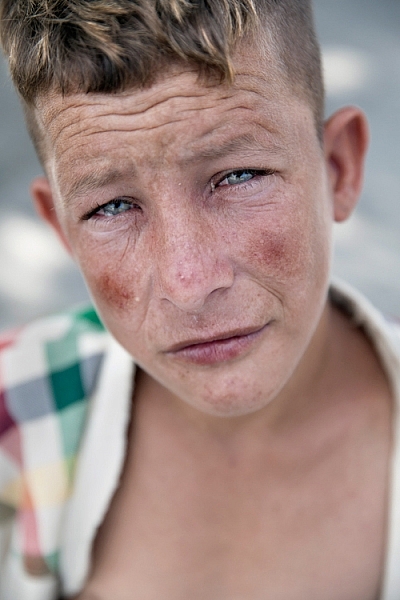
soft light

Flexibility

Sometimes even with careful planning, the weather changes and therefore, so does the natural lighting condition. That’s what happened to me when I was working on an assignment in southern Thailand. In a place known for pristine beaches and postcard-like islands, the mighty monsoon decided to make an appearance and show everyone who’s boss. At first I was afraid that I wouldn’t be able to provide the images that I had in mind to my editor.

However, I know one thing for sure: you cannot fight the light. So I changed my plans and headed to the small village of the Chao Leh (Sea Gypsies) community. This visit (which ultimately became a seven-year project), allowed me to discover a different, much less touristy side, of that area. I discovered a story about a struggling community of sea drifters, that never fully recovered from the tsunami of 2004.
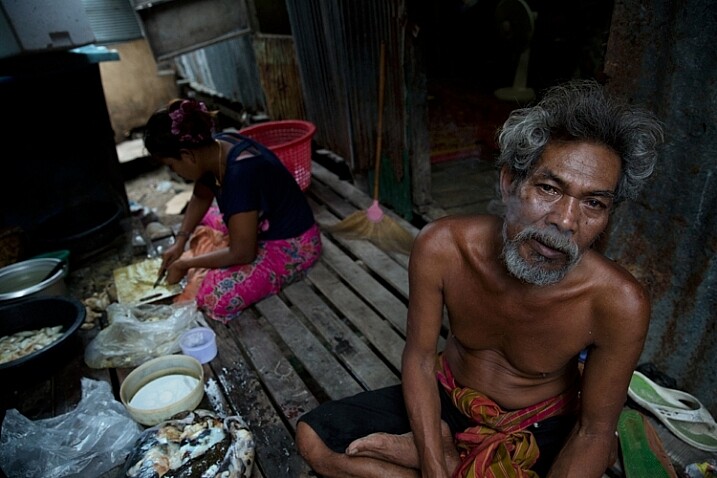
soft light be flexible

The Chao Leh (Sea Gypsies) community in southern Thailand. The stormy weather, with its soft, low, blue-colored light gave the images a sense of “cold winter,” which was a perfect match to the feeling I wanted to evoke in that story.

A few days later, the clouds gave way to the sun and I was back to my original shooting list. When I sent the images back to my editor, she was thrilled with the new direction and decided to run a full story about this community.

“What makes photography a strange invention is that its primary raw materials are light and time.” – John Berger

In conclusion, do not limit yourself to working exclusively under soft light, as both harsh and soft light summon great challenges and opportunities. As a visual storyteller, aim to always try and match the story you are trying to tell, to the light you are using, to bring that visual story to your viewers. The key element is planning, with a bit of flexibility, and some room for serendipity.

Practice working with quality of light

Exercise #1 – using over exposure compensation while working with a harsh light condition.
  • Time: A sunny afternoon.
  • Location: Any outdoor location – from your backyard to the local park.
  • Step one: Place your favorite model (it can be a friend, a family member, your partner, or a beloved dog) under the midday sun.
  • Step two: Take a moment to understand how the light illuminates your subject’s face. Do you notice the high contrast between dark and bright areas (lit forehead versus dark eyes)?
  • Step three: Work in Aperture Priority mode (A in Nikon and AV in Canon), and use exposure compensation (overexpose), until you manage to bring more light to your subject’s eyes. Don’t panic, as you will probably burn out (lose details) the background, and parts of the subject’s face. It is okay. This exercise is about being able to stop reviewing your images through the histogram tool and highlight alerts, and start thinking in terms of story, and if that story is working or not.
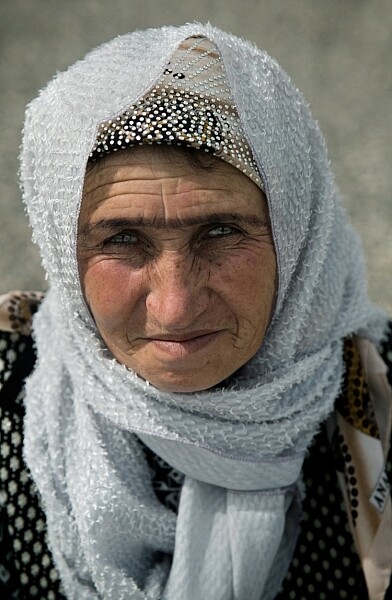
hard light portrait

Harsh light helped me to create a sense of “roughness” in this portrait, which I felt that support the visual story I wanted to tell.

Exercise #2 – switch to black and white while working under soft light conditions.
  • Time: A cloudy day or the edges of the day.
  • Location: Any outdoor location – from your backyard to the local park.
  • Step one: Approach a stranger and ask his or her permission for a portrait. Perhaps you can send the final image by email as a token of appreciation.
  • Step two: Switch to Monochrome mode, which is black and white photography (under Picture Style in Canon and Picture Control in Nikon).
  • Step three: Take a close-up portrait (torso and face only). Note how the light gradually illuminates the subject’s face, creating soft pockets of shadows that evoke a sense of depth.
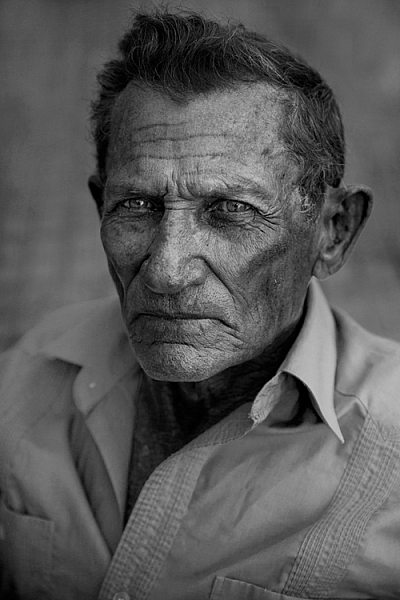
black and white in soft light

The author would like to thank Nicholas Orloff for his assistance in writing this article.

googletag.cmd.push(function() {
tablet_slots.push( googletag.defineSlot( “/1005424/_dPSv4_tab-all-article-bottom_(300×250)”, [300, 250], “pb-ad-78623” ).addService( googletag.pubads() ) ); } );

googletag.cmd.push(function() {
mobile_slots.push( googletag.defineSlot( “/1005424/_dPSv4_mob-all-article-bottom_(300×250)”, [300, 250], “pb-ad-78158” ).addService( googletag.pubads() ) ); } );

The post Understanding Natural Light Part 1: Quality of Light by Oded Wagenstein appeared first on Digital Photography School.


Digital Photography School
 
Comments Off on Understanding Natural Light Part 1: Quality of Light

Posted in Photography


How to Create and Use Hard and Soft Light in a Studio Setting

11 Oct

Hard light vs soft light craig wagner studio 3

When setting up your lights for studio photography, you first need to consider what lighting setup will create the look you are going for. Is your light going to fall into the category of hard light – or will it be soft? What’s the difference?

Let’s first look at the basic characteristics of hard and soft light sources, and the different feel each creates when shooting the same subject.

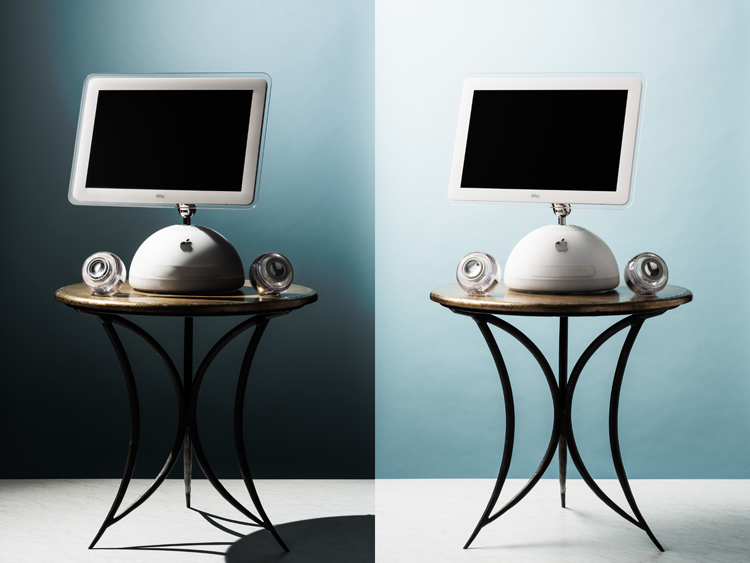
HARD LIGHT

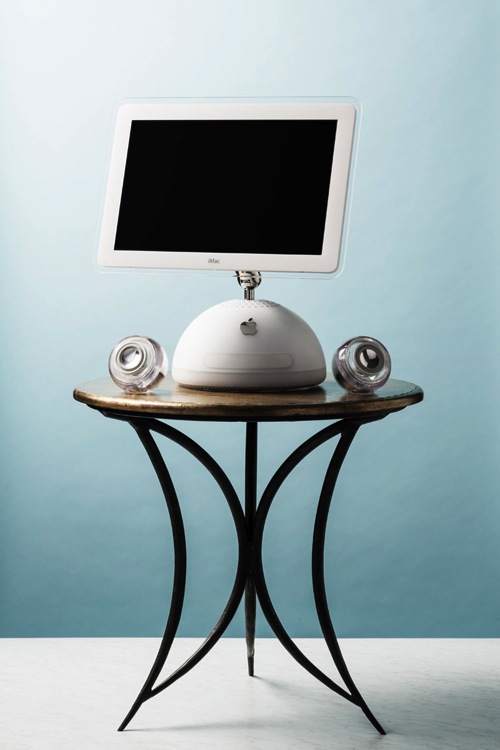
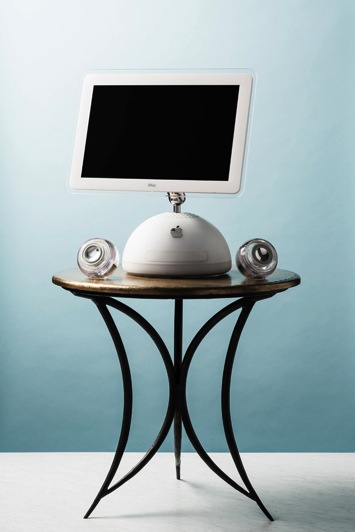
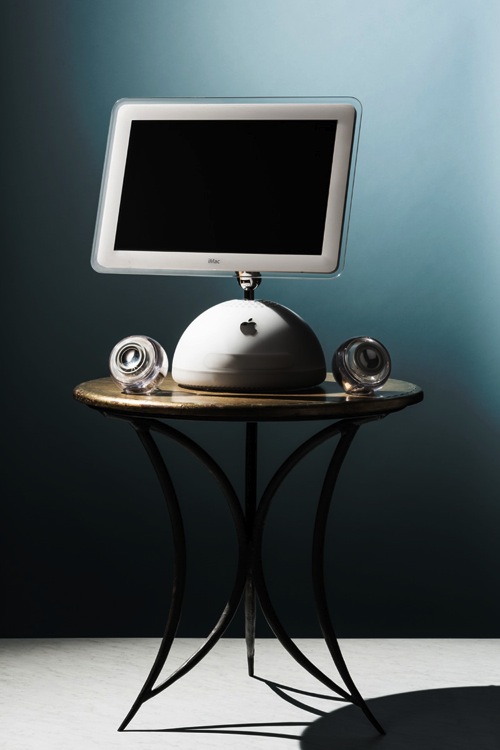
Imac hard light example craig wagner

In general, a single-point light source, aimed from a distance is referred to as hard light, much like our sun on a clear day or a streetlight at night.

Hard light example levis jacket studio 3

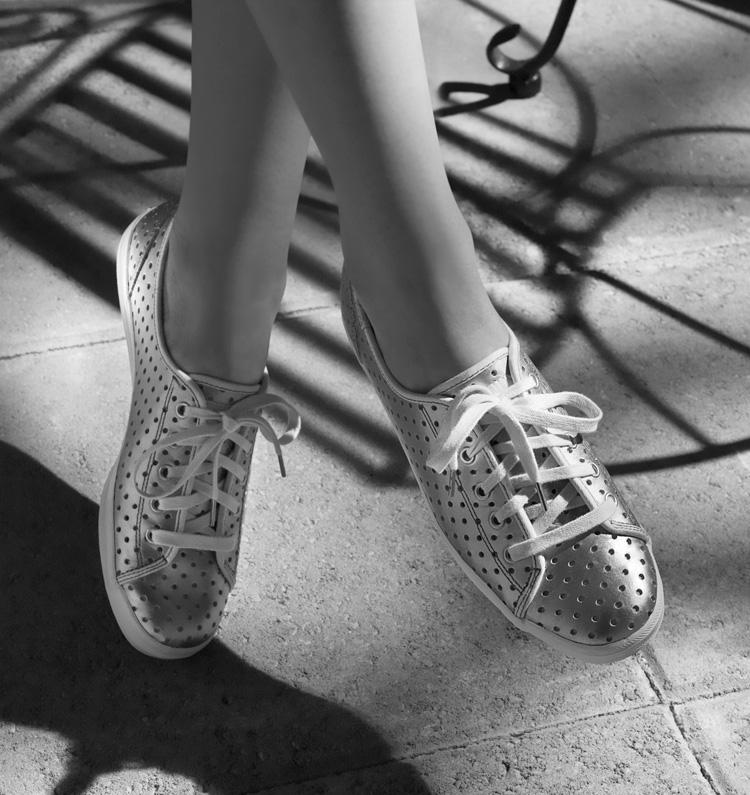
This hard light source creates a high contrast look, where the transition between highlights and shadows is sharp and well-defined.

Keds shoes hard light example craig wagner

In some cases, this contrast can look harsh (and unwanted).

SOFT LIGHT

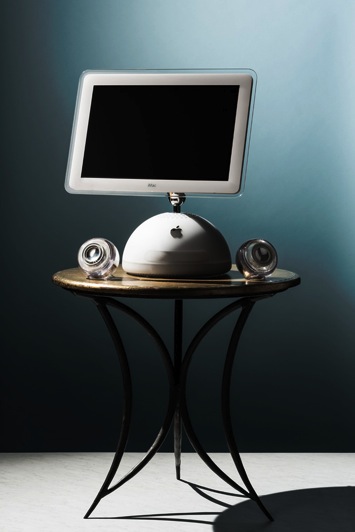
Imac soft light example craig wagner

On the other hand, a soft light source is a larger, broader, light placed relatively close to the subject. A cloud-covered or overcast day, where diffused sunlight reflects off a large concrete wall would be one example of a soft light source.

Breakfast oatmeal soft light example craig wagner

The light tends to be flatter in contrast, and the highlights hold more detail, with the shadow’s edges being soft and open.

Reverend nats hard cider soft light example studio 3

Generally this is a more pleasing light, but not necessarily the only light-source.

Many factors go into choosing light quality and the type of light source on set. One may be the direction given from an art director or client where you may be asked to match images from an existing campaign. They may want you to recreate a natural lighting condition (such as hot harsh desert sun on a pair of boots, or cool early morning light falling on a table setting).

The subject matter itself can also have a strong influence on your choice of light source. A highly reflective (like glass or chrome), or high-contrast product can be quite the challenge if you try lighting it with a hard light source. Fighting spectral highlights, or holding detail in the shadows and highlights, can be a pain if you have to use hard lighting alone.

If you’re lucky enough to be given creative freedom by the client, or working on a personal project, you might be illustrating a mood or an emotion and will use appropriate lighting needed to create it. Careful choice of lighting, and mixing your hard and soft light sources, will allow you to achieve that.

How to set up for a hard light shoot

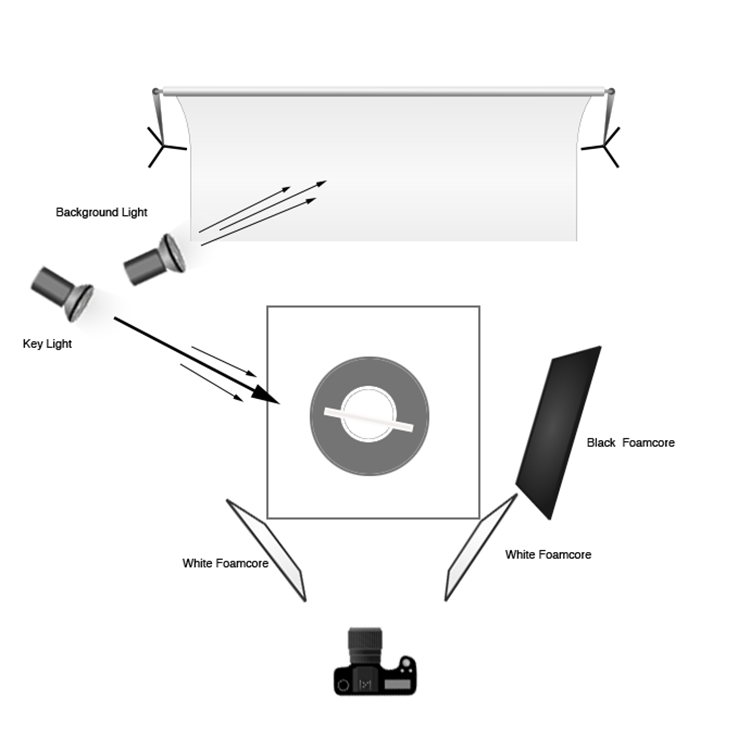
Hard lighting setup diagram craig wagner

Imac hard light example craig wagnerFor the studio hard-light set, place the key (main) light (a strobe head with a 12” modifier) to the left and slightly behind the subject. The initial beam may be too broad, so to concentrate the light you can add a 35-degree grid to the modifier.

For this setup, final adjustments to the height and position of the key light were made, in order to modify the angle and length of the shadows on the table and floor, as well as to illuminate the edges of the computer screen in a pleasing manner. A 4’x8′ sheet of black foamcore was placed to the right of the set to deepen the shadows and remove unwanted reflections. Two smaller sheets of white foamcore were set low, in front and to either side, to control the amount of detail in the front edge of the table and legs.

A second strobe head with a 7” grid modifier was set high, and to the back of the set. Its angle was adjusted to illuminate the upper right corner of the background, which you can see in the photo (right).

How to set up for a soft light shoot

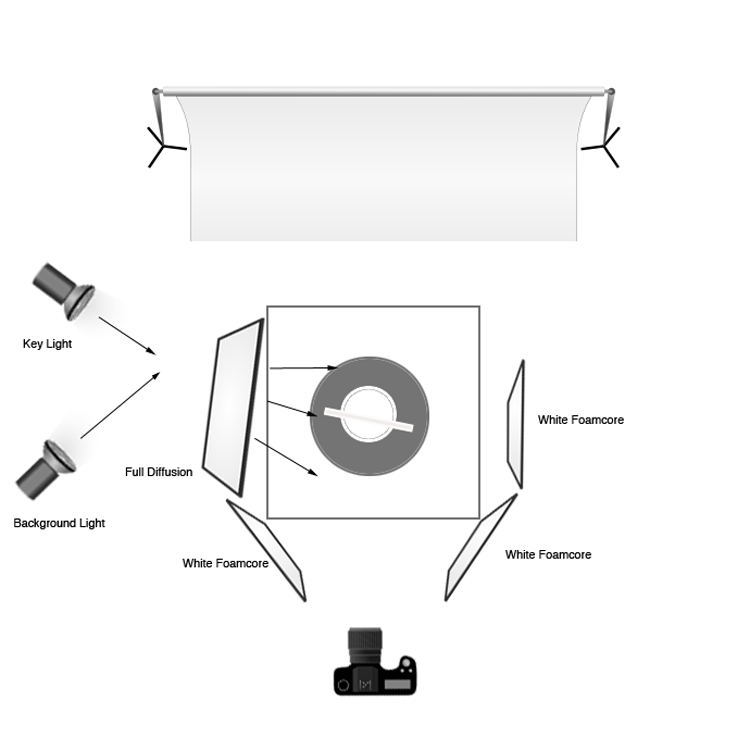
Soft lighting setup diagram craig wagnerImac soft light example craig wagnerTo create the soft-light look, the key light is set in the same place, but a 4’x4′ full diffusion panel is placed between the light and the subject, just out of the frame. Remove the grid from the key light to broaden the light. The black foamcore is replaced by a sheet of white to fill or open the shadows (but the two sheets out front remain). The background light is pulled back, the grid removed, and a diffusion disk added to soften the beam and cover the entire background. In this way the whole set appears bright and soft and with a lot of ambient light filling the image (left).

How to change a hard light source into a soft one

You may get into a situation where you’ve set up your light source and find you actually want to go the other direction with it. In this case, it is quite easy to change one type of light source into the other. You can diffuse a hard source into being soft, by placing diffusion material between the lighting and the subject, which allows you to control the angle and light gradient. You can also just attach a softbox to the light to soften the light and make it into a broader, even source. You can also take a soft source that you’ve set up and change its distance from the subject in order to make it a harder, more focused light. You can also bounce the light around more using reflectors, umbrellas, or a handy wall in order to soften it and make it less directional.

Combining hard and soft light

The ultimate tip for studio photography is to be flexible with your lighting setup regardless of your years of know-how. You may have an idea in mind for the final look you want for the photograph, but you may find that on set the product looks quite different under various lighting conditions. Be prepared to play around and try things – because often a mixture of both hard and soft light can show the product to its full advantage.

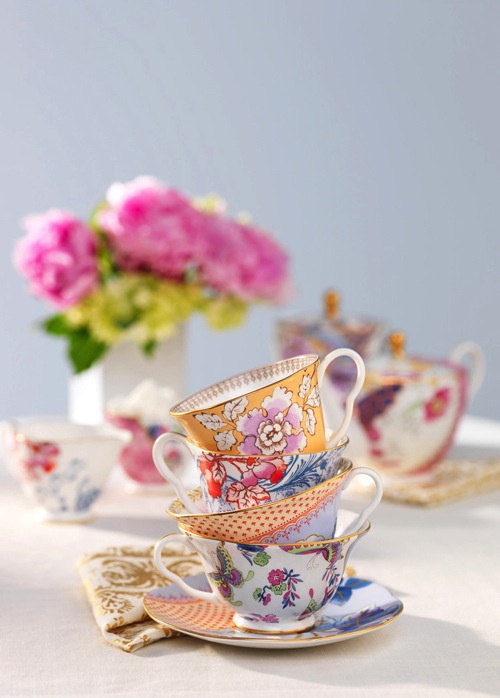
Stash tea flower teacups hard light example studio 3

Soft light example with a hard light rim (kicker or accent) light from behind. Notice the hard shadow on the table in front of the cups – that is created by the hard rim light.

Once you have a full understanding of hard and soft light sources, you can combine the two lighting techniques. For example, the set might have a general, overall softness to its light, but you might use a rim (or accent) light to give the shot more mood or dimension, or to accent certain elements of items in frame. Mastering both types of light allows you to have the ultimate control over your lighting, and the final image that comes out of the camera.

googletag.cmd.push(function() {
tablet_slots.push( googletag.defineSlot( “/1005424/_dPSv4_tab-all-article-bottom_(300×250)”, [300, 250], “pb-ad-78623” ).addService( googletag.pubads() ) ); } );

googletag.cmd.push(function() {
mobile_slots.push( googletag.defineSlot( “/1005424/_dPSv4_mob-all-article-bottom_(300×250)”, [300, 250], “pb-ad-78158” ).addService( googletag.pubads() ) ); } );

The post How to Create and Use Hard and Soft Light in a Studio Setting by Craig Wagner appeared first on Digital Photography School.


Digital Photography School
 
Comments Off on How to Create and Use Hard and Soft Light in a Studio Setting

Posted in Photography


Grinding Light: First Glow-in-the-Dark Skateboard Park in UK

09 Oct

[ By WebUrbanist in Architecture & Cities & Urbanism. ]


glowing

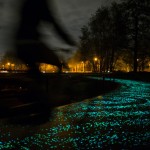
A permanent installation opening as part of the Liverpool Biennial in England, this glowing skate park will be the first of its kind in the UK, enabling skaters of all skill levels to give it a shot by day or night.

glow in the dark bowl

glowing skate park edge

Designed by Korean artist Koo Jeong A (photos by Thierry Bal & Gareth Jones), the minimalist structure borrows elements from skateboarding and BMXing traditions. Previous work by A includes another glow-in-the-dark park in France.

glow skate park uk

The park was developed in conjunction with Wheelscape Skateparks, a company that uses sprayed concrete to sculpt complex shapes that go beyond basic geometries of cast-in-place approaches.

glow ramp slide design

“I devised extremely steep, sharp angles, which would be a challenge to the most courageous and skilled skaters,” says the artist. “It was as if they would be the great mountaineers that the rest of us would admire. And with its glow-in-the-dark surface, I hoped the Wheels Park would offer an experience of contemplation.”

Share on Facebook


[ By WebUrbanist in Architecture & Cities & Urbanism. ]

[ WebUrbanist | Archives | Galleries | Privacy | TOS ]


WebUrbanist

 
Comments Off on Grinding Light: First Glow-in-the-Dark Skateboard Park in UK

Posted in Creativity


Light L16 packs 16 cameras into a single portable body

09 Oct

US-based startup Light has officially introduced its L16, a portable device packed with 16 individual cameras, ten of which capture an image at the same time at different fixed focal lengths. The resulting photograph is a composite of all the individual images combined, with a final resolution of up to 52 megapixels. An earlier prototype of this camera was shown off this past April. Read more

Articles: Digital Photography Review (dpreview.com)

 
Comments Off on Light L16 packs 16 cameras into a single portable body

Posted in Uncategorized


Fist-Bump This Crosswalk Signal to Get a Green Light

08 Oct

[ By Steph in Design & Guerilla Ads & Marketing. ]

walkbump 1

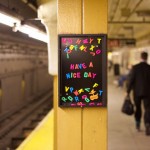
Pedestrians approaching a crosswalk button that has been modified with a silicone fist knew exactly what to do in order to get across the street. Anthropomorphizing a common urban fixture, designer duo Alfredo and Alberto make a walk through Los Angeles a lot more fun with nothing more than some silicone, glue and a #walkbump sticker printed with the simple instructions “fist bump to cross.”

Screen Shot 2015-10-07 at 5.20.23 PM

Screen Shot 2015-10-07 at 5.21.00 PM

Screen Shot 2015-10-07 at 5.20.00 PM

The designers captured video of pedestrians as they encountered the guerrilla installation. Nearly everybody seems game to play along, some snapping selfies. While the Spanish-born designers don’t explain exactly how they made it, all it likely took to create was taking a quick clay mold of the button for a seamless fit, and a separate one of a fist, casting them into one piece in an eye-catching yellow hue.

rotten apple 2

rotten apple 1

This ‘quick and dirty’ urban intervention calls to mind the Rotten Apple Project, a series of cheap projects that anyone can replicate in their own cities, from turning a bike rack into a folding seat to screwing coat hooks onto bus stop signs. This kind of active participation in how cities look and function – often without the permission of officials – can enliven public spaces, whether the installations are just for fun or create new uses for existing structures. Check out 12 more creative DIY urban interventions.

Share on Facebook


[ By Steph in Design & Guerilla Ads & Marketing. ]

[ WebUrbanist | Archives | Galleries | Privacy | TOS ]


WebUrbanist

 
Comments Off on Fist-Bump This Crosswalk Signal to Get a Green Light

Posted in Creativity


Review: Westcott Rapid Box 10×24? Strip Light

26 Sep

One of the best, and easiest ways, to modify your studio lighting is to use a soft box. There’s nothing like a soft box when it comes to providing soft, diffused light, for any style of photography. But among the chief concerns of soft boxes is their size, especially when shooting on location. Enter, Westcott!

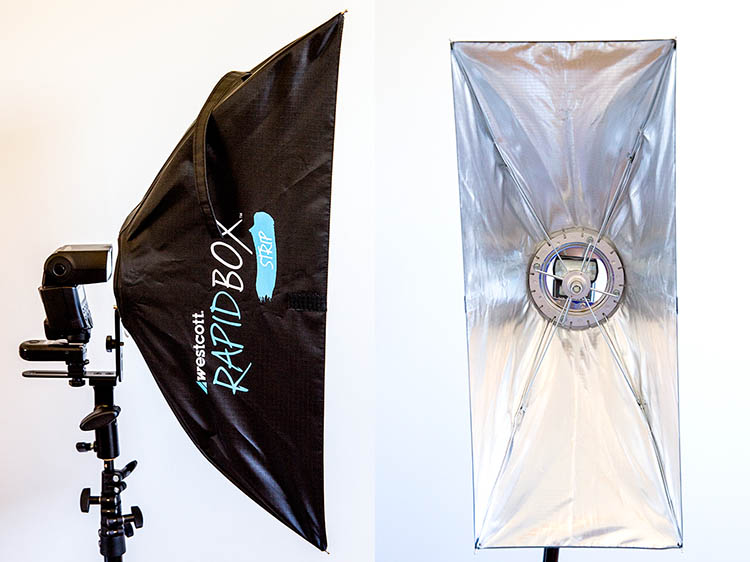
The legendary lighting brand, probably best known for their solid Apollo Orb soft boxes, has a slimmed down lighting solution known as the Westcott Rapid Box series. Available as an octabox, strip light, or the mega 32″ octabox duo, the members of the Rapid Box series are solidly built, very compact, and compatible with most speedlight flash units. This particular review is of the Westcott Rapid Box 10×24″ strip light.

Westcott Rapid Box Strip Light product review

What’s in the Box

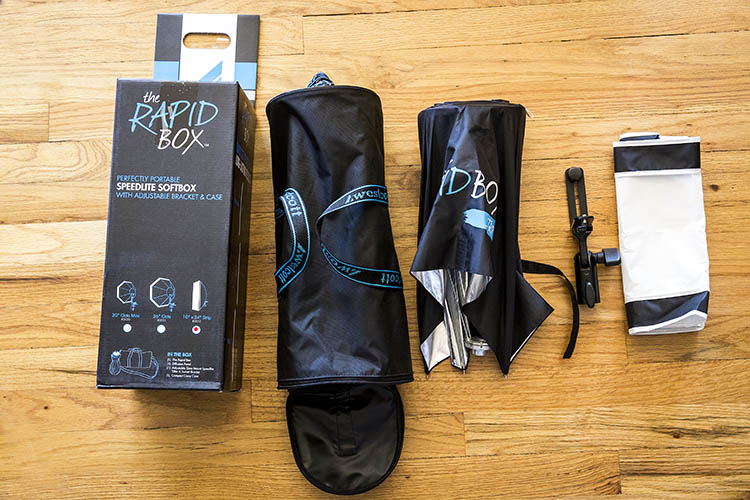
The Westcott Rapid Box 10×24″ Strip Light arrives in a beautifully packaged box and comes with:

  • A 10 x 24″ narrow rectangular Rapid Box modifier
  • A Height and depth adjustable aluminum hotshoe-mount tilt/swivel bracket
  • A diffusion panel
  • Compact carrying case with shoulder strap

All pieces of the product are constructed of durable, high-quality material, that is also very lightweight. The modifier opens and closes like an umbrella, and has a reflective silver interior. Even the one stop diffusion panel is made of the same high-quality material as all of Westcott’s other current soft boxes. You don’t need any extra rods or adapter rings to set up the Rapid Box. The only extra parts you’ll need are a light stand and hot-shoe mounted flash, and you’re good to go!

Westcott Rapid Box Strip Light product review

Gear Used

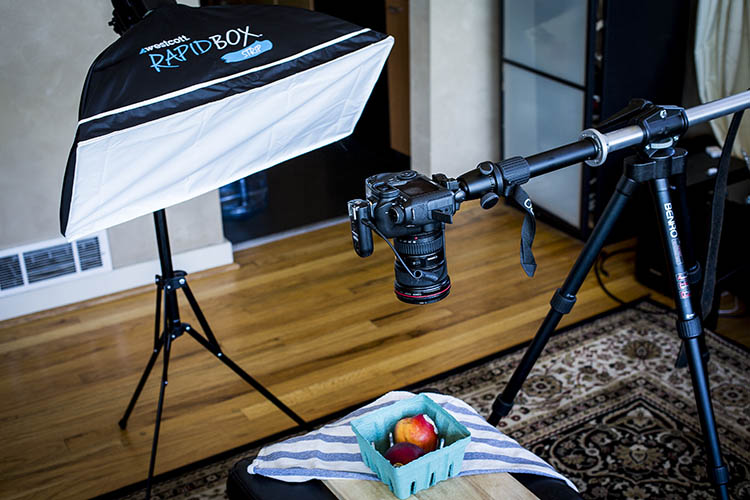
Since the speedlight mount is held in place by the adjustable bracket outside of the soft box, the Rapid Box is compatible with just about any hot-shoe flash and any speedlight radio triggers or sync cords. For this product review test, I used the Rapid Box 10×24″ Strip light, Manfrotto Nano light stand, Canon 430 EXII flash, and a Yongnuo RF-603 II wireless flash trigger. Everything was compatible, and was easy to assemble and sync.

Why a Strip Light?

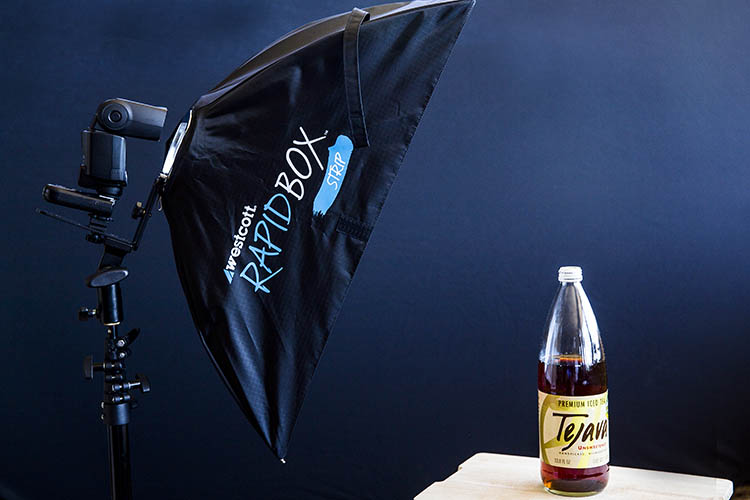
Given the fact that Westcott offers both a 26″ and 20″ octabox, choosing the narrower strip light may seem like an odd choice. But with the Rapid Box Strip’s narrower 10 x 24″ frame, this modifier’s shape makes it a perfect for lighting subjects in tight spaces, such as food photography in a small restaurant. Speaking of food photos, the strip light’s long shape can also help create a long, elegant strip on objects with reflective surfaces such as wine bottles. When paired with other lights, the strip light also lends itself to use as a back light, hair light, or rim light to help separate the subject from the background.

Westcott Rapid Box Strip Light product review

Con: Semi-Complicated Setup

Unless you are already familiar with Rapid Boxes, the initial setup work might be slightly more complicated than expected. Despite the lack of moving parts, there may be some difficulty figuring out how to set up the aluminum bracket, which feels so solid and tight that it’s not intuitive how to adjust it to fit the hot-shoe mounted flash. The initial set up time took me about 45 minutes toying with all the pieces before understanding how they fit together. However, with practice, I found that setup could be completed in under five minutes.

Westcott Rapid Box Strip Light product review

Pro: Beautiful, Flexible Lighting

Once you get over the initial hurdle of figuring out how the Rapid Box functions, it starts to live up to its name and is a speedy, flexible, lighting modifier. Lightweight and especially compact as it is a strip box, this little 20-inch light performed particularly well for on-the-go portraits and on-location restaurant shoots, when shooting in notoriously tight dining room spaces. The image quality was superb, likely thanks to the Rapid Box’s solid silver interior which adds a bit more of a kick when the flash is fired.

Westcott Rapid Box Strip Light product review

IMG_9798-750px


Westcott Rapid Box strip light review

Conclusion

As an on-the-go photographer, I have yet to find a more compact lighting modifier than this handy Rapid Box strip box. Even though initial set up can be a pain, I wouldn’t hesitate to stick this strip box into any of my travel photography kits, and rely on it for shooting on the road or in tight spaces.

googletag.cmd.push(function() {
tablet_slots.push( googletag.defineSlot( “/1005424/_dPSv4_tab-all-article-bottom_(300×250)”, [300, 250], “pb-ad-78623” ).addService( googletag.pubads() ) ); } );

googletag.cmd.push(function() {
mobile_slots.push( googletag.defineSlot( “/1005424/_dPSv4_mob-all-article-bottom_(300×250)”, [300, 250], “pb-ad-78158” ).addService( googletag.pubads() ) ); } );

The post Review: Westcott Rapid Box 10×24″ Strip Light by Suzi Pratt appeared first on Digital Photography School.


Digital Photography School

 
Comments Off on Review: Westcott Rapid Box 10×24? Strip Light

Posted in Photography


6 Tips for Taking Better Natural Light Classic Portraits

10 Sep

On now until September 22nd (2015) over on Snapndeals – 20% OFF Wayne’s eBooK – Portrait Tips and Techniques: Natural Light Black & White Portraiture. Grab it before the deal expires.

DPS STUDY 1

RETHINKING NATURAL LIGHT

Many photographers choose to use natural light as their chosen style, almost as a badge of honour. Natural light is a wonderful source, providing ease of use and flattering light to your subjects, but you should be using it the same way as you would studio lights. You need to create light and shade that will add emotion or mood, not flat lighting that gives no shape, texture or mood. Hopefully these tips will help you on a path to refining your natural light classic portraits.

#1 – FINDING QUALITY LIGHT AND SHADOWS

First, find good quality light – preferably open shade, as this offers soft flattering light and is lower in contrast. Avoid the sun as your main light as it will cause harsh shadows and squinting, which is undesirable for quality portraits.

Open shade can be found under awnings, the edge of trees or buildings, and inside doorways or windows, for example. In these images the girls are positioned approximately 1.5 metres (5 feet) inside the doorway of an old timber shed.

Look for the shadows; they are equally important. Shadows subtract the light and create shape and mood.

After you have established your location, check the background. Even if you have found the perfect, open shaded location, make sure the background isn’t too contrasty with sunlit areas. These can be visually distracting, so try and select uncluttered backgrounds that are lower in contrast and darker than the subject’s face. This will allow the face to project forward by being the lightest tone against the background (all the images in this article demonstrate this).

DPS STUDY 2

#2 – FIND THE DIRECTION OF LIGHT

Once you have found good quality of light, check its direction. You want the light to come across your subject’s face at approximately 45 degrees to the nose, and from a higher angle. That height should also be at around 45 degrees, as a basic starting point.

You can check the catchlight positioning by looking at the eyes; there should be one in both eyes at around 10-11 or 1-2 o’clock. (This depends on the side of the face that is being lit and the structure of the eye sockets). Deep-set eyes will need a slightly lower light source. You should also notice the nose shadow to be at around 45 degrees.

To lower the catchlights you need to change the angle of your subject’s head by tilting more or less. Even moving the subject further away from the edge of an overhang will lower the angle of the light. It’s the opposite of being in a studio where you can move the lights. Natural light is fixed and requires you to move the subject and/or camera to achieve good lighting.

DPS STUDY 3

#4 – EYES ARE WINDOWS TO THE SOUL

Catchlights are very important in portraiture. They not only guide you where the light is coming from, but also create a sense of depth. TIP: no catchlights = NO photo. When there are no catchlights, there will be minimal, if any, texture and colour in the eyes. Always study the eyes for guidance.

#5 – SIMPLE POSING

The portraits here are the basic classic style, looking into the camera. It’s usually more flattering to angle the shoulders away from the camera, again 45 degrees is a handy starting point. Leaning the bodies and heads toward each other gives an emotional connection. Upright or leaning away would show detachment from each other.

It’s also a good practice to have the noses turned slightly away from the camera, particularly with adults. Noses that point directly at the camera will look broader in many cases, particularly when combined with flat lighting. With kids, it’s not as critical and good lighting will create better shape.

Arms and hands need to be posed simply so as not to draw attention. In images #1 and #2 above (top of article), the lower arms are bent downwards and the hands clasped softly. Things you should avoid are open fingers, particularly draped over a shoulder, as this can make a portrait busy and untidy. Elbows bent at 90 degrees should also be avoided. Here’s a simple mantra to remember when it comes to posing people’s heads, arms, legs, hands, hips, shoulders, etc:

IF IT BENDS – BEND IT. IF IT CURVES – CURVE IT. IF IT TWISTS – TWIST IT.

Applying this will help you avoid static poses.

DPS STUDY 4

DPS STUDY 5

#6 – EXPRESSION

Above all else, expression is the most important element in a portrait. In most cases, a poorly lit and posed portrait with a beautiful expression will trump a technically perfect portrait with an average expression in most cases, but this is no reason to pursue a path of mediocrity.

Expression is a personal thing. A moody, soulful style is my preference, but your sessions should always include various expressions such as laughing, smiling, pensive, etc. To achieve this soulful style you can’t be jumping around in a hyperactive mood expecting soulful looks. The best approach is a more Zen-like style, quietly giving direction. These classic style portraits produce beautiful open eyes, relaxed facial muscles, and true shape to the lips. Truly timeless, heart and soul portraits, but it all takes PRACTICE.

DPS STUDY 6

SUMMARY

  • Treat natural light photography the same as studio lighting.
  • Find quality soft light.
  • Look for shadows to create shape and mood.
  • Place your subject at 45 degrees to the light as a starting point.
  • The light source is fixed, so move your subject and camera to reduce the height of the light in the eyes.
  • Check for catchlights in the eyes.
  • Simplify your posing.
  • Soft expressions work best for classic low-key portraits.

SPECIAL NOTES

With each of these images, other angles of the face (2/3 face and profile) can be achieved by simply moving the camera position. Although the pose and light would remain the same, you may have to adjust the head tilts slightly and check your backgrounds.

Clothing colours also play a big part with quality portraits. Darker clothing works best for low-key portraits. Your eyes should be drawn to the brightest tone in the portrait, therefore, light-coloured clothing would be visually distracting.

On now until September 22nd (2015) over on Snapndeals – 20% OFF Wayne’s eBooK – Portrait Tips and Techniques: Natural Light Black & White Portraiture. Grab it before the deal expires.


googletag.cmd.push(function() {
tablet_slots.push( googletag.defineSlot( “/1005424/_dPSv4_tab-all-article-bottom_(300×250)”, [300, 250], “pb-ad-78623” ).addService( googletag.pubads() ) ); } );

googletag.cmd.push(function() {
mobile_slots.push( googletag.defineSlot( “/1005424/_dPSv4_mob-all-article-bottom_(300×250)”, [300, 250], “pb-ad-78158” ).addService( googletag.pubads() ) ); } );

The post 6 Tips for Taking Better Natural Light Classic Portraits by Wayne Radford appeared first on Digital Photography School.


Digital Photography School
 
Comments Off on 6 Tips for Taking Better Natural Light Classic Portraits

Posted in Photography


Sony Alpha 7R II can match or beat DSLR low light AF performance

20 Aug

When the Sony Alpha 7R II was announced, it promised a lot of game-changing features, but its low light AF capability was an unknown. We’ve already seen some of the incredible continuous AF abilities of the a7R II, including pinpoint eye AF for even moving subjects, but a lot of pros may be wondering: ‘if I ditch my DSLR for some of the advanced AF features the a7R II offers, will I be sacrificing low-light AF performance?’ Find out in our video

Articles: Digital Photography Review (dpreview.com)

 
Comments Off on Sony Alpha 7R II can match or beat DSLR low light AF performance

Posted in Uncategorized


Early Morning Light: What’s so Great about It?

13 Aug

Let’s face it, getting up super early in the moring is horrid, any way you look at it. I hate it, the clients hate it, my assistants really hate it, and yet, more often than not, here I am, setting my alarm at 3 in the morning. Why? It’s the Light. Morning light is so gentle and beautiful. It just Continue Reading

The post Early Morning Light: What’s so Great about It? appeared first on Photodoto.


Photodoto

 
Comments Off on Early Morning Light: What’s so Great about It?

Posted in Photography