RSS
 

Posts Tagged ‘Light’

Luminous Illusions: 14 Interactive Spaces Made of Light

26 Nov

[ By Steph in Art & Installation & Sound. ]
waterlicht main

Step into three-dimensional blueprints made of light, gaze at flickering ghost ships and walk beneath artificial aurora borealis with this stunning set of interactive illuminated installations. Often reacting to physical stimuli like the movement of the wind or the people viewing them, these light art projects blur the lines between what’s real and what’s illusion.

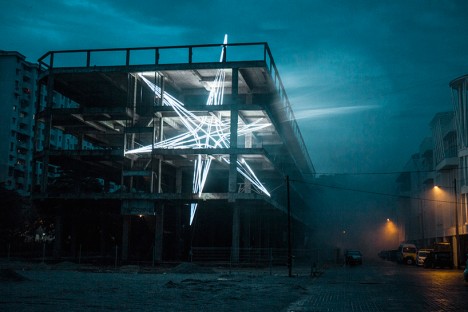
Five-Story Glowing Star in an Unfinished Building
light art glowing star

light art star 2

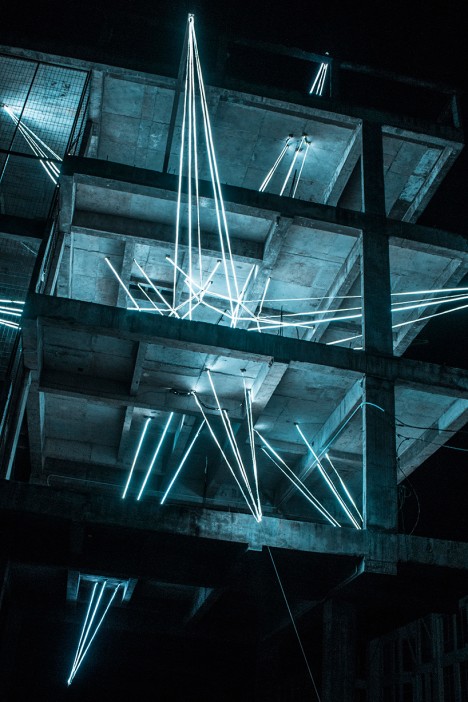
The concrete shell of a partially completed building in in the Malaysian town of Butterworth is currently occupied by a five-story glowing star by artist and architect Jun Ong. Inspired by glitches, the installation consists of five hundred meters of steel cables and LED strips and is meant to highlight the once-bustling city’s fragmented identity.

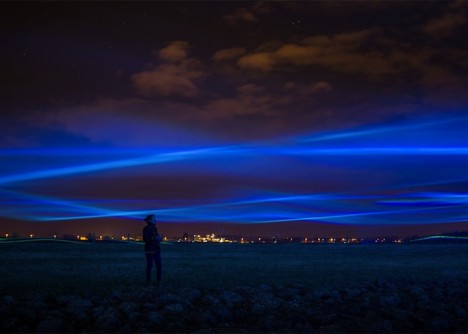
Waterlicht: An Artificial Aurora Borealis
light art aurora

waterlicht 2

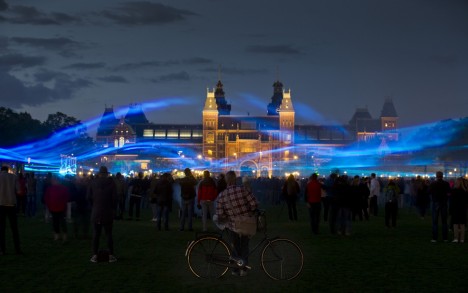
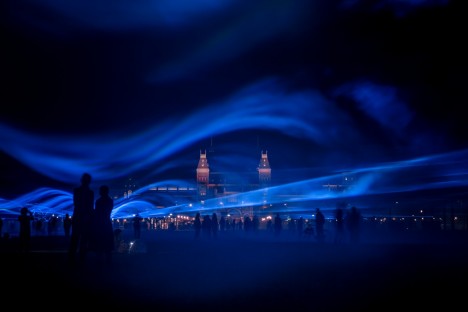
The sky over Westervoort in the Netherlands is illuminated in swaths of eerie blue, mimicking the natural phenomenon of the ‘northern lights,’ or aurora borealis. Artist Daan Roosegaarde made use of the area’s foggy conditions to reflect beams of blue Led lights to raise awareness about the Dutch waterworks that keep the country from being inundated with water.

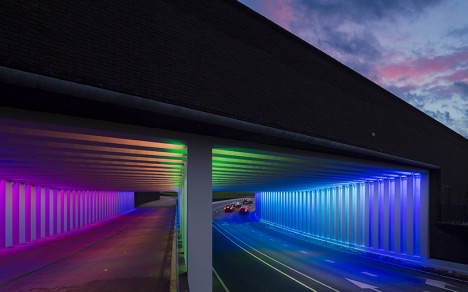
Rainbow Tunnels Mimic Movement of Nearby Water
light art rainbow tunnels 1

light art rainbow tunnels 2

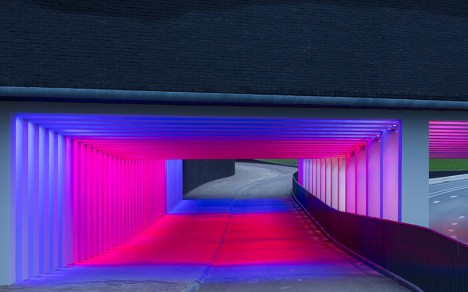
Another light-based installation in the Netherlands reminds visitors that without the modern interventions that are in place, the Netherlands would be underwater. These two tunnels linking a newly developed area of Zutphen to the historic city center were transformed by Herman Kuijer, their rainbow hues slowly shifting in time with the movement of nearby water.

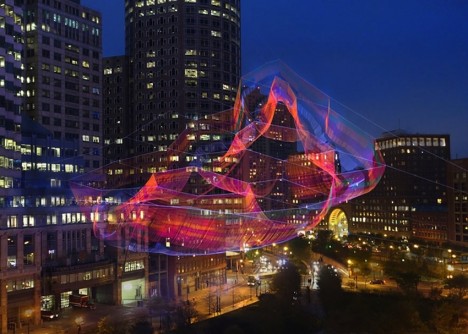
Enormous Light & String Installation in Boston
light art string boston

light art string boston 2

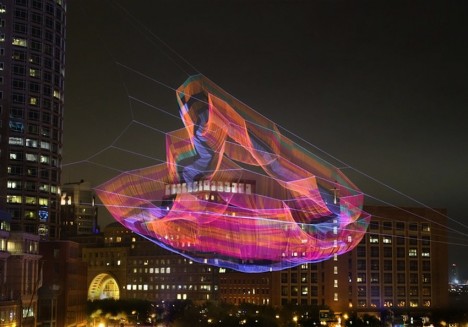
Barely visible during the day and illuminated at night, one hundred miles of twine suspended above the city of Boston aims to “visually knit together the fabric of the city with art.” Artist Janet Echelman tied over 500,000 knots to create the 600-foot-wide installation, which undulates irregularly in the wind.

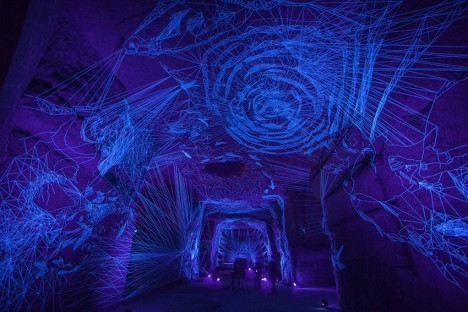
Stellar Caves: 3D Thread Drawings
light art stellar caves

light art stellar caves 2

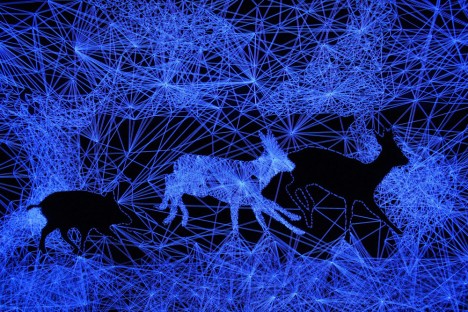
Artist Julien Salaud coats thread with UV paint so it glows under ultraviolet light, and then weaves it into incredibly intricate three-dimensional drawings that occupy entire architectural spaces. The ‘Stellar Cave’ series creates an enchanting environment filled with silhouettes of animals and constellations for a mystical effect.

Next Page – Click Below to Read More:
Luminous Illusions 14 Interactive Spaces Made Of Light

Share on Facebook


[ By Steph in Art & Installation & Sound. ]

[ WebUrbanist | Archives | Galleries | Privacy | TOS ]


WebUrbanist

 
Comments Off on Luminous Illusions: 14 Interactive Spaces Made of Light

Posted in Creativity


Hypercolor Architecture: Paints React to Light, Heat & Touch

25 Nov

[ By WebUrbanist in Design & Products & Packaging. ]

colorchangingpaint

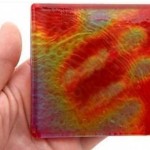
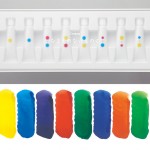
The 90s are back and better than ever, with Hypercolor-style material science now making its way onto exterior surfaces, robust enough to withstand external weather but with the same color-changing properties you know and love from those once-cool t-shirts.

coloradaptivetouch

Potential applications of Olikrom are many, from tracing air paths across model airplanes wind tunnel simulations to creating buildings that change color, brighten or darken by night or day.

Prefab panels could be installed, or existing buildings repainted to create desired effects in all kinds of different conditions, from wall-touch interactivity to colors optimized around sky conditions or times of day.

Of course, there are many fun possibilities as well, like adding color-sensitive paint to coffee mugs to determine how hot and full they are, or creating a really cool every-changing car paint pattern as show in the video above.

light painting

Taking the playful side a bit further, variants on Neverwet-style, appear-on-demand graffiti are also possible – hidden appear-after-dark messages or stealth art on sidewalks and walls, or more on the practical side: touch-or-temperature-activated warnings when streets are wet.

Share on Facebook


[ By WebUrbanist in Design & Products & Packaging. ]

[ WebUrbanist | Archives | Galleries | Privacy | TOS ]


WebUrbanist

 
Comments Off on Hypercolor Architecture: Paints React to Light, Heat & Touch

Posted in Creativity


Lytro unveils Immerge, a pro-grade light field VR rig

06 Nov

Lytro, a company known for its light field cameras and technologies, has introduced Immerge, a professional-grade cinematic virtual reality rig. According to Lytro, this is the first ‘end-to-end’ virtual reality hardware and software solution, with the entire system comprising four primary components: a light field camera array, storage and processing server, an editor, and a video player. Read more

Articles: Digital Photography Review (dpreview.com)

 
Comments Off on Lytro unveils Immerge, a pro-grade light field VR rig

Posted in Uncategorized


PIX 2015: Chasing light with Joe McNally

05 Nov

Over the span of a 35-year career as a professional photographer, Joe McNally knows what it means to chase light. Known for his work with studio and off-camera lighting, McNally is just as well-versed in the art of natural light as he is artificial. In his PIX 2015 talk, he discusses the choices he makes about lighting to help bring out the most from his location and subject. Read more

Articles: Digital Photography Review (dpreview.com)

 
Comments Off on PIX 2015: Chasing light with Joe McNally

Posted in Uncategorized


Understanding Natural Light Part 2: Color of Light

04 Nov

Light has different Properties, and by understanding those differences and using them in your favor, you can become a better image maker.

Gold1

Golden light of late day, mixed with cool light in the shadows.

Chapter Two: Understanding color in natural light

In this chapter, we will:

  • Explore how color can affect the viewer’s emotional response.
  • Understand how the color of natural light changes throughout the day.
  • Learn how to mix light colors to create depth.
  • Practice using exercises.

Please note that as a portrait photographer, I will be discussing portraits and using them as examples. However, this knowledge applies to any type of photography.

Color as a visual storytelling element

What we perceive as color is actually our brain’s interpretation of light reflected off objects and transmitted to the brain via our optic nerves. Under the field of color psychology, a range of studies have shown that colors can deeply affect how we experience the world around us, from the taste of the food we eat, to how we respond to new brand packaging on supermarket shelves. Colors affect how we feel, and this is precisely why understanding color is so important to you as a photographer.

There are many ways you can control or change the colors in your images, such as by editing, with the use of filters, or adjusting the White Balance. But as we are here to discuss natural light, so let us delve deeper into understanding how to create an emotional response by using the right color of natural light.

Mix2

Because color is an amorphous concept (we all see colors slightly differently), there is a standard way to define color tone; this is called color temperature. We will not discuss the technical definition of color temperature for two reasons: first, it will make you very sleepy and second, it will not make your photos better. The important thing to know about color temperature is that it is a standard that is measured in degrees of Kelvin (now you understand what the “K” symbol means in your White Balance menu). Color temperatures below 4000K are considered warm (red and yellow) and color temperatures above 4000K are considered cool (blue).

Plan your shooting time

In the previous article, Understanding Natural Light Part 1: Quality of Light, you learned to forget the concept of good or bad lighting, and think in terms of suitable or less suitable. It is your responsibility to shoot under the most suitable light for the visual story you wish to create, and this concept applies to the color of light as well. Now, let’s get familiar with how the color of the light changes throughout the day.

Blue Light (about 11000K)

Blue light

  • When: Before sunrise and after sunset.
  • Common emotional effect: Glum and mysterious, with a sense of coldness.
  • Take it to the next level: If you are in an urban environment, try mixing the natural blue light with the artificial orange light from street lamps to create an amazing color combination and depth (which will be later explained).
  • Please note: Due to the low level of light during this time of day, pay close attention to your shutter speed to avoid blurry images.

Golden Light (about 3500K)

  • When: It depends on your location on earth, but golden light is usually around sunrise and sunset.
  • Common emotional effect: Praised by photographers as the golden or magic hours, with soft, pastel-like warm colors of red and yellow. Portraits and landscape images will seem almost magical.
  • Take it to the next level: By standing higher than your subject, shooting from an angle of 45 degrees, you can achive a wonderful catch light (a spark of light in the eyes of the subject) due to the reflection of the sky in the subject’s eyes. (see image below)
  • Please note: As with any type of magic, you need to be swift and efficient. Plan your daily schedule carefully. For example, if you want to shoot during the golden light of sunrise, you must get up early. Very early.

Gold2

Midday Light (between 5000-6500K)

  • When: It depends on your location on earth, but usually from one hour after sunrise until one hour before sunset.
  • Common emotional effect: This light seems neutral in color to the eye, even though it’s considered a cold color in terms of Kelvin degrees. The contrasts caused by midday light will amplify objects’ colors. So, vibrant objects will seem even more vibrant and vice versa.
  • Please note: You can enjoy the amplifying benefits of midday light without the harshness if you place your subject indoors near a window.

Mid day

Cloudy Day (about 7000K)

  • When: When the sky is heavily overcast.
  • Common emotional effect: Similar to that of blue light with a glum, winter-like feeling, but stronger and brighter, allowing you to work with faster shutter speeds.
  • Please note: The biggest benefit of working on a cloudy day is the continuity of color tone throughout the day. This means there’s less pressure on you to work as fast as possible, as you would need to do at other times of the day, like the golden hours.

Clouds1

Mixing colors

You can achieve very satisfying results by mixing cold with warm color tones. For example, by placing warmer colors in the foreground and colder colors in the background, you can add volume and depth to make an interesting image.

You can do this by either working during the border of two periods of the day, or by mixing natural and artificial light.

Working during the border of two time frames

For example, if you choose to shoot at dusk, which I heard National Geographic photographer William Albert Allard refer to as the “The time between dogs and wolves”, you can combine the warm colors of the golden light, with the cold colors of the blue light. Here is an examples:

Mix1

Mixing natural and artificial light

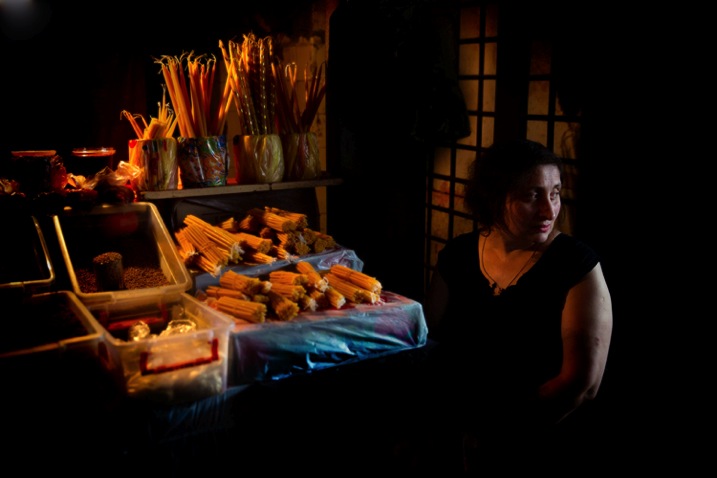
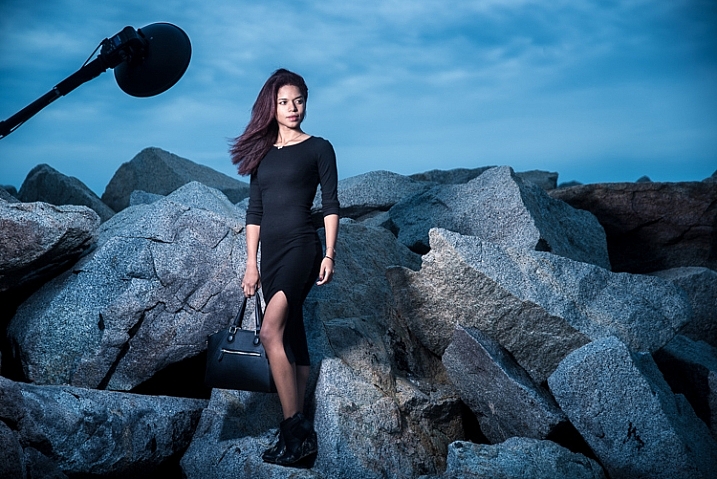
If you choose to mix light sources, the sky’s the limit. In this image: on one side (camera left), this lady was illuminated with the warm orange light of the shop’s light bulbs and on the other, with the blue cold light of a cloudy day (camera right).

Mix3

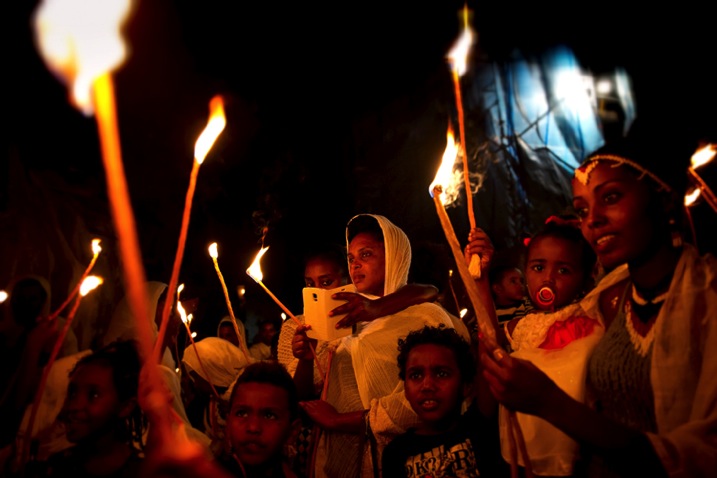
Or in this image where I mixed the warm natural light of fire with the blue artificial light from the projector in the background.

Mix4

Exercise #1: Study other photographer’s work

Search the web and gather 20 images from your favorite photographer. Analyze his or her color choices:

  • Are there themes or common colors choices?
  • What is the light source: natural or artificial?
  • Are there specific time frames when this photographer works (golden hour, midday, etc.)?

Exercise #2: Shoot with the wrong White Balance

To make it short, White Balance is how you help your digital camera create a more accurate representation of the colors in your image. By telling your camera the lighting conditions (cloudy, sunny, flash, etc.) you help the camera adjust to neutralize the color balance in the image.

For this exercise, I will ask you to go to the White Balance menu in your camera and shoot with the wrong setting. For example, if it’s a sunny day, choose the Cloudy setting, which will make your photo look much warmer. Or shoot in the Tungsten or Incandescent setting to make it really cool.

F11A9441

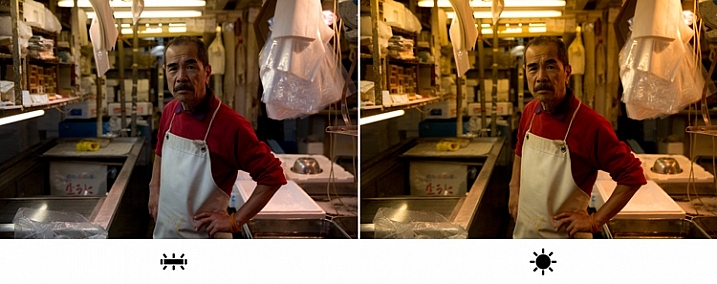
I took this image in Tokyo’s Fish Market, under the white light of Fluorescent. On the left image, I went for the Fluorescent white balance preset, which is indeed more faithful to the original lighting situation in the market. But, on the right image, I selected the “wrong” white balance ( daylight preset), which made the image much warmer, in color and feel. Which one is better in your opinion?

If you are shooting in the RAW image format as opposed to JPEG, the White Balance setting is not that relevant, as you can easily change it in post-processing. This is one of the characteristics of RAW files. But this exercise allows you to understand how, by intentionally changing the image’s color tone, you can create different and interesting emotional effects using color.

The author would like to thank Nicholas Orloff for his assistance in writing this article.

googletag.cmd.push(function() {
tablet_slots.push( googletag.defineSlot( “/1005424/_dPSv4_tab-all-article-bottom_(300×250)”, [300, 250], “pb-ad-78623” ).addService( googletag.pubads() ) ); } );

googletag.cmd.push(function() {
mobile_slots.push( googletag.defineSlot( “/1005424/_dPSv4_mob-all-article-bottom_(300×250)”, [300, 250], “pb-ad-78158” ).addService( googletag.pubads() ) ); } );

The post Understanding Natural Light Part 2: Color of Light by Oded Wagenstein appeared first on Digital Photography School.


Digital Photography School

 
Comments Off on Understanding Natural Light Part 2: Color of Light

Posted in Photography


Supporting Your Off-Camera Flash – Tripods, Monopods or Light Stands?

31 Oct

I’ve generally been a natural light photographer. I understand natural light and love its variability. Normally it’s enough to get some beautiful photographs; many photographers stop here and go no further.

Constantly critical of my own photographs, I realized that I was at the mercy of natural light, searching and modifying, but rarely creating or directing. That’s why I chose to learn how to use flash those years ago. To get full control, it’s essential to put the flashes where you want them, and for this, you need to support them. This article will talk about the options available to you for holding your speedlights and off-camera flash.

Off Camera Flash

Off-camera flash

Human Light Stands

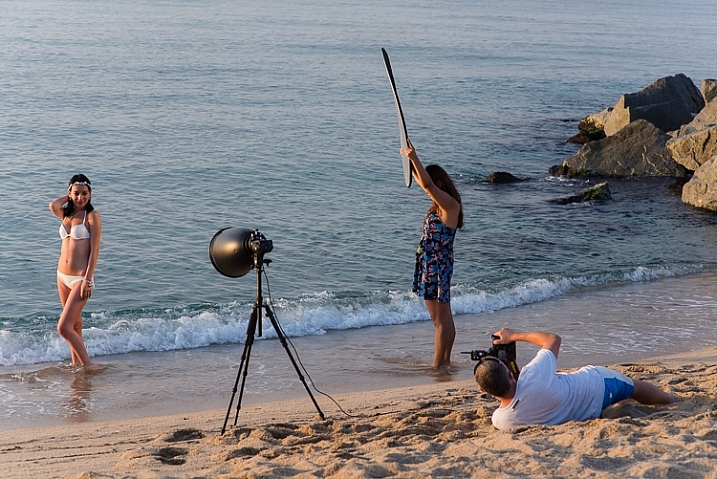
Using a human light stand is one of the easiest ways to support an off-camera flash and is often overlooked. If you can get someone to hold your flash, you get what’s effectively a voice activated light stand (VAL). It’s easier to change lighting setups this way, especially if your subject is moving. There’s also less hassle on windy days. That said, most people won’t know how to position the lighting modifier and it will tend to drift as you’re shooting. Another photographer or an experienced photography assistant will be very useful.

DSC_0472-2

Handheld

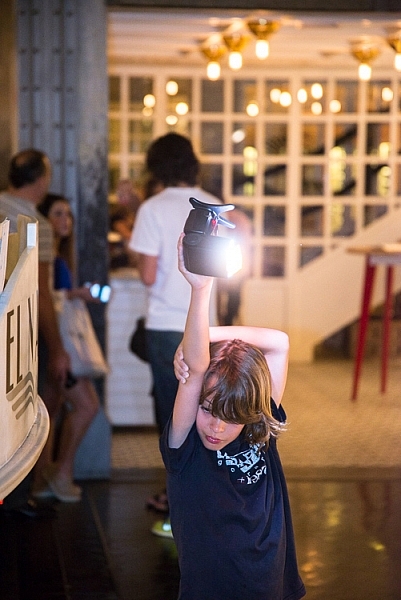
Hand holding is quite simply, having either you, or an assistant hold the flash. It’s perfectly possible to do this yourself if you feel comfortable taking pictures with one hand, and it gives you a lot of control. Or hand the flash to someone else and let them know where to point it.

Monopod Boom

Again, you can do this yourself, and it helps if you have the monopod touching the ground because it means that your arm doesn’t feel as tired while holding a larger softbox or beauty dish. Or your photography assistant (or family member, friend, or passer-by) can boom, or hold the flash up, to light your subject from a higher angle. This gives you a lot of control and if you look at photographers like Annie Leibovitz and Joey L, you’ll see that their assistants are often using this approach.

DSC_5516-3

It can be heavy so make sure you pause for breaks. I use a long aluminium Benro monopod that allows me to attach a flash to either end. It’s cheaper than the Gitzo alternative, but do bear in mind that there seems to be no after-sales support. Carbon-fibre is lighter, but not essential.

off-camera-light-stand_4396

Off-camera flash

Tripods

I’ve been using my tripods to support my off-camera flashes for a long time. First because I already have them, and secondly because they are perfect for uneven ground. Generally they don’t get the flash high enough, but they are stable, especially if you weight them down by hanging a heavy camera bag from the center column.

Small, Lightweight Tripod

This is my go-to option when I’m travelling light and won’t have an assistant. The idea is that the tripod is so small and light, that I can wear it on my belt and largely forget about it. Of course it doubles as a tripod, which I’d normally want to have with me anyway. It’s flimsy by itself and needs to be weighted down with a camera bag. It’s also far too small for most purposes, so it needs to be up on tables and so, to get more height. But you’re more likely to actually carry it, so that’s a good thing. I use a 1kg Sirui tripod that I’m pretty happy with, especially for the price, with an equally small and light ball-head.

english-photographer-light-stand

Big, Heavy Tripod

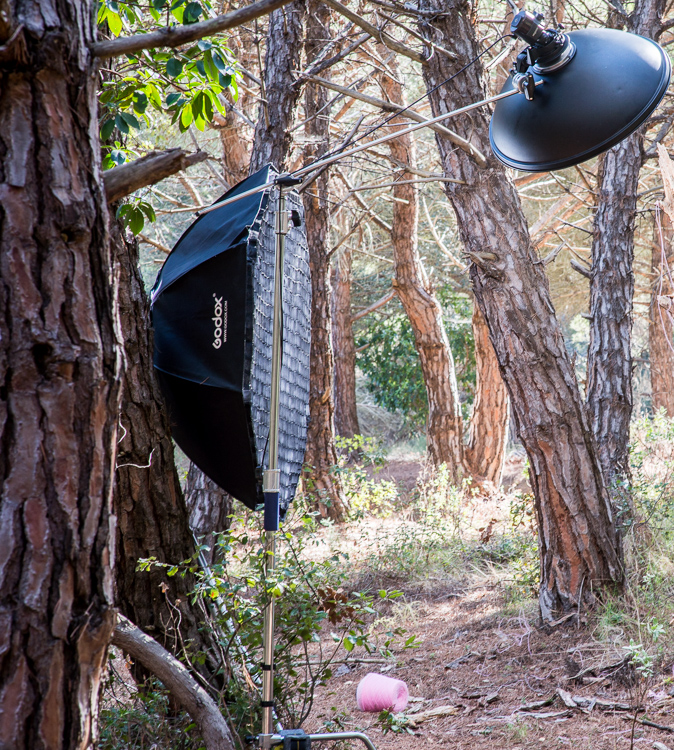
As I began to use larger lighting modifiers, like huge octoboxes and parabolic umbrellas, I needed a heftier support for them. I happened to have an enormous old tripod which has been excellent. It weighs a lot by itself, and is definitely bulky, but is easily carried with its broad shoulder strap. It’s perfect for uneven ground, and can be made more stable by hanging the camera bag from it. I use one of Manfrotto’s largest tripods which gets the flash over my head (I’m 6’2″). It’s old, and very durable.

DSC_1979-2

Proper Light Stands

And then there are dedicated light stands, designed for the purpose of supporting off-camera flashes. I started using these when I wanted to get the flashes higher above the subjects. Some are light and flimsy, and others heavy and stable. Some stack together, and others are designed precisely for travel. They seem to break regularly in transit, or just being used on set. They do get the flashes high off the ground, but they don’t seem particularly stable because they’re tricky to weight down with the camera bag, and as soon as the ground is uneven, they’re a pain to use and won’t work on a steep slope.

Off Camera Flash

Supporting Larger Flash Modifiers

Light Stands

These come in several shapes and sizes. Generally all the legs open at the same angle so they only work on fairly flat ground. Smaller light stands meant for travelling are a good solution, though they can be flimsy. Larger light stands can get the flash very high off the camera. Balanced properly, they can be used with a boom pole to get the flash over your subject.


C (entury) Stand

My most recent acquisition, and now my go-to light stand unless I’m travelling light, is the C-Stand or Century Stand. It’s an old design from Hollywood film studios, and very well engineered. It weighs a lot which is inconvenient if you’re walking to your shooting location, but helpful because it means the stand is more stable in use. The legs are also made so that it’s very easy to weight them down using sand bags. I personally use a lead diving weight belt for ballast. Importantly, one of the legs can move along the central column, which means that you can use the stand on uneven ground and on stairs. It’s not quite as versatile on uneven ground as the huge tripod, but it’s much taller; up to 3 meters (9.8 feet). It’s cumbersome to pack because it’s an L-shape, but when it’s on location, it’s perfect. The included boom is very useful, and can handle hanging backdrops too. I use the C-Stand from Pixapro which is well made enough to outlast me. It’s designed to make it a pleasure to use. Though not a pleasure to carry!

DSC_5120

You can see the various light modifiers in the video below, as well as see them used on location.

Any questions, let me know in the comments below. Do you have any other creative solutions for holding off-camera flash?

googletag.cmd.push(function() {
tablet_slots.push( googletag.defineSlot( “/1005424/_dPSv4_tab-all-article-bottom_(300×250)”, [300, 250], “pb-ad-78623” ).addService( googletag.pubads() ) ); } );

googletag.cmd.push(function() {
mobile_slots.push( googletag.defineSlot( “/1005424/_dPSv4_mob-all-article-bottom_(300×250)”, [300, 250], “pb-ad-78158” ).addService( googletag.pubads() ) ); } );

The post Supporting Your Off-Camera Flash – Tripods, Monopods or Light Stands? by Ben Evans appeared first on Digital Photography School.


Digital Photography School

 
Comments Off on Supporting Your Off-Camera Flash – Tripods, Monopods or Light Stands?

Posted in Photography


Weekly Photography Challenge – Light Trails

31 Oct

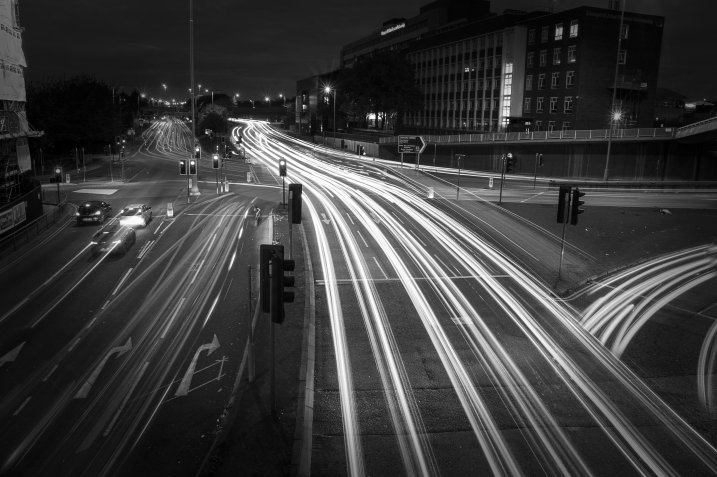
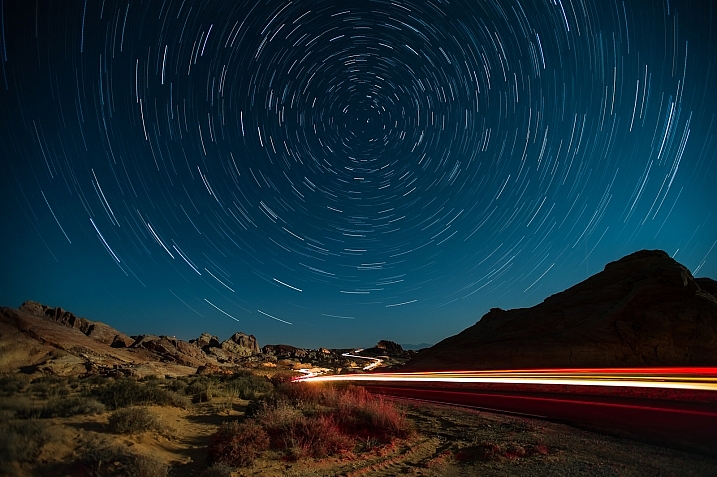
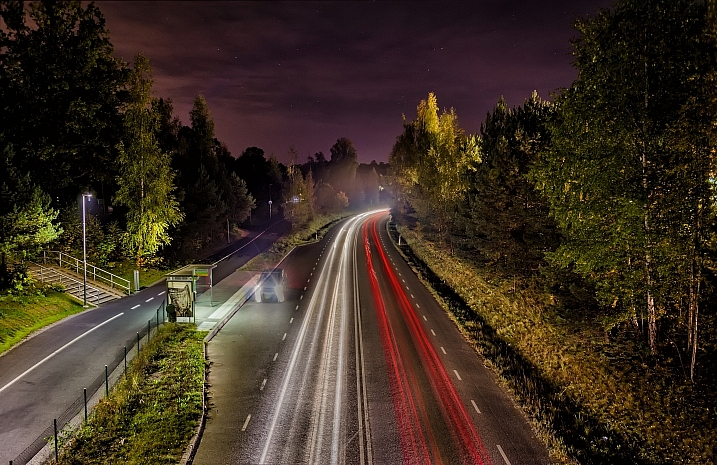
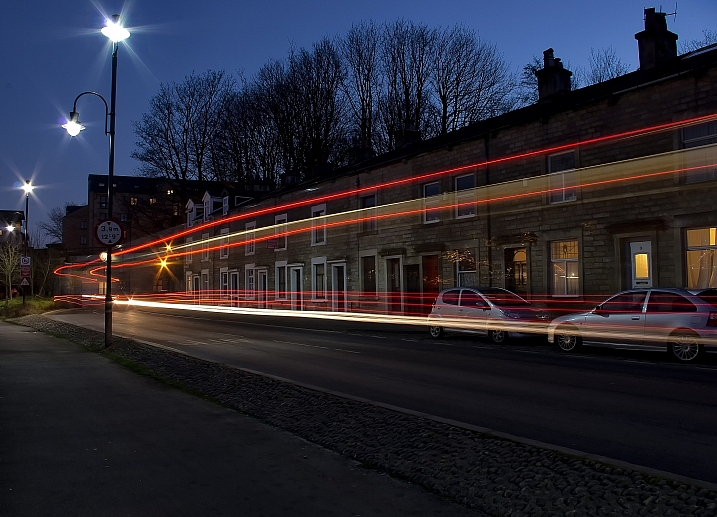
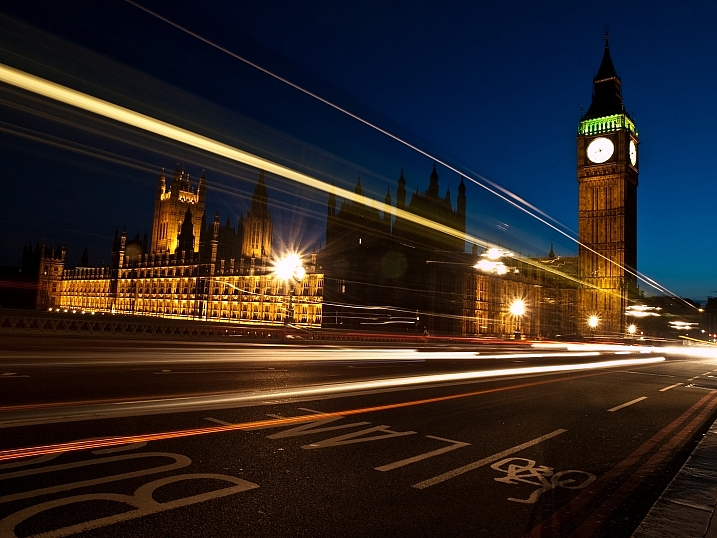
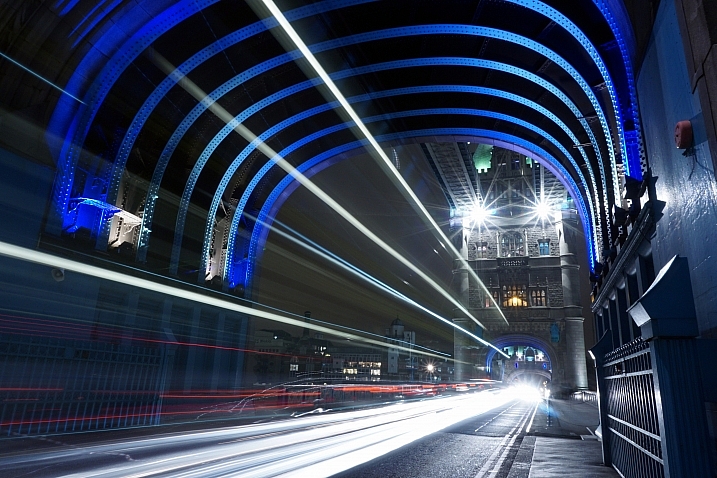
This week since it is the week of goblins and ghouls and spooky things, let’s do some photography in the dark! You can check out these image of light trails to get some ideas.

Vida Dimovska

By Vida Dimovska

Weekly Photography Challenge – Light trails

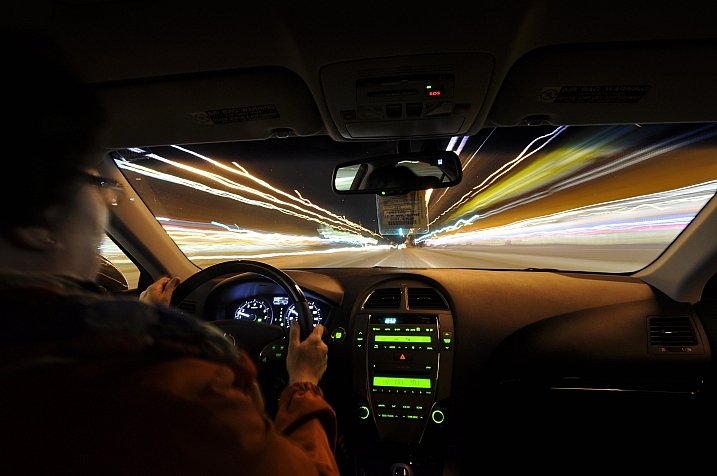
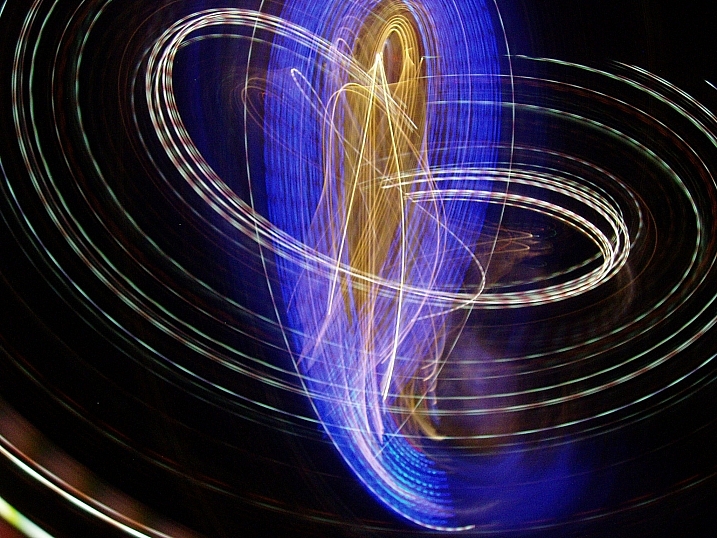
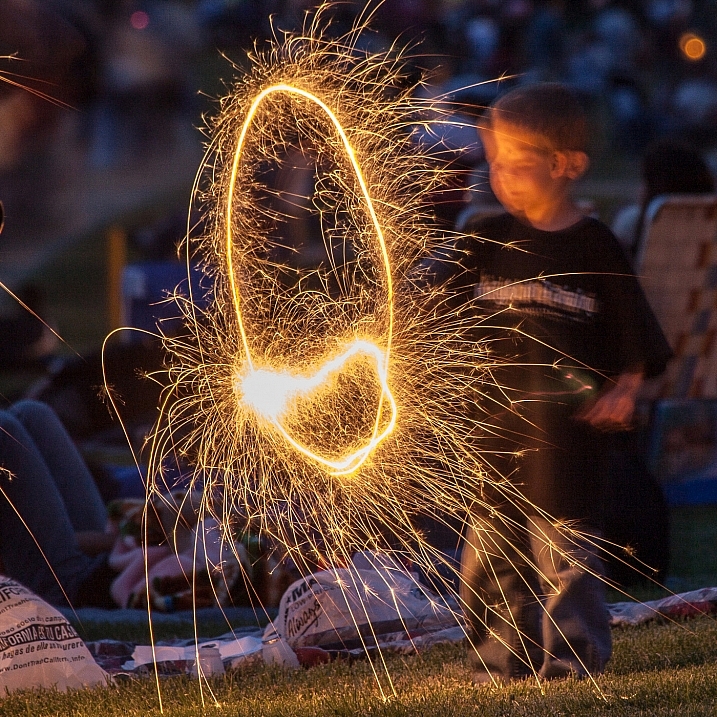
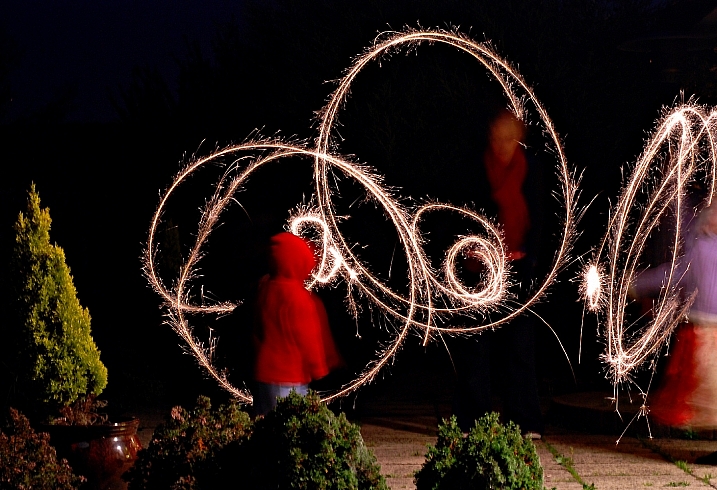
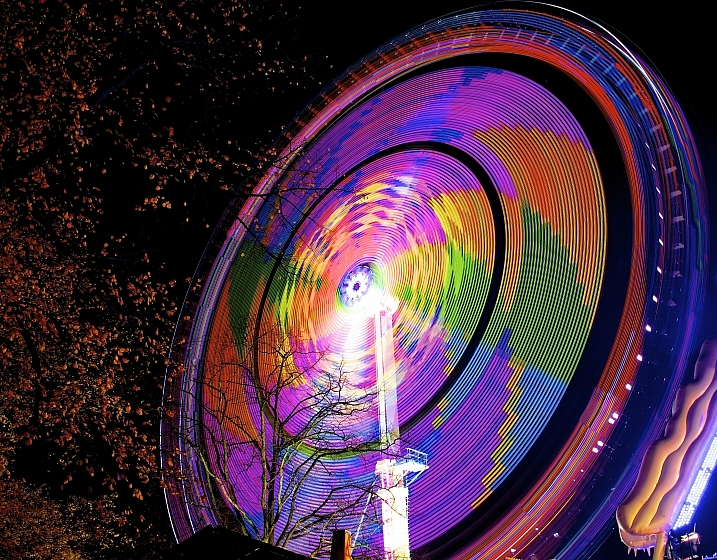
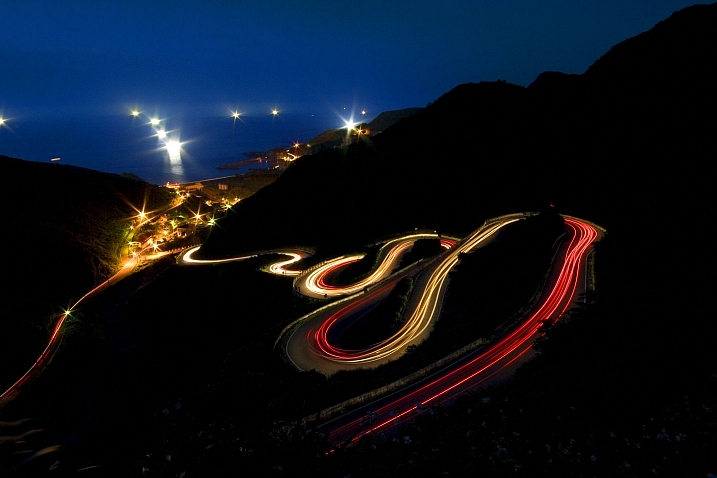
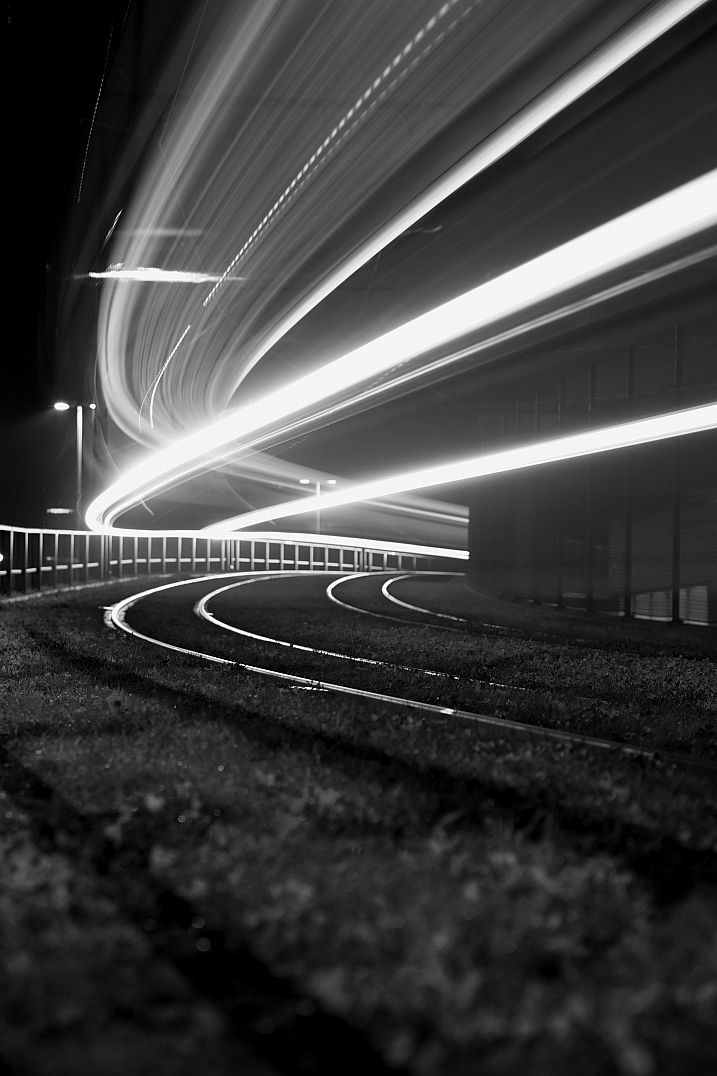
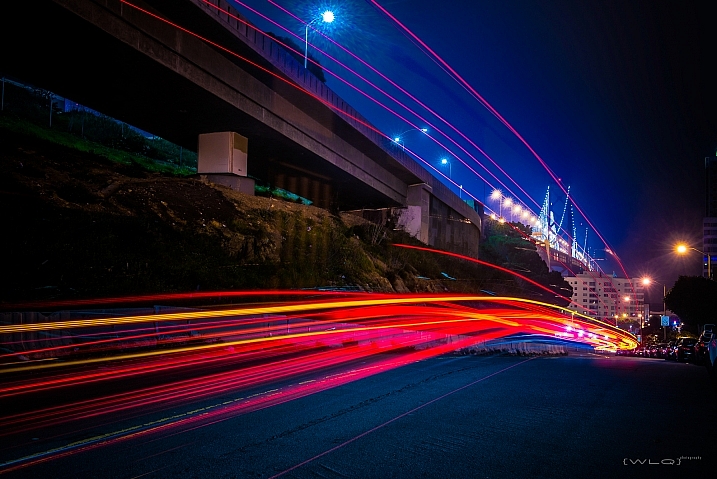
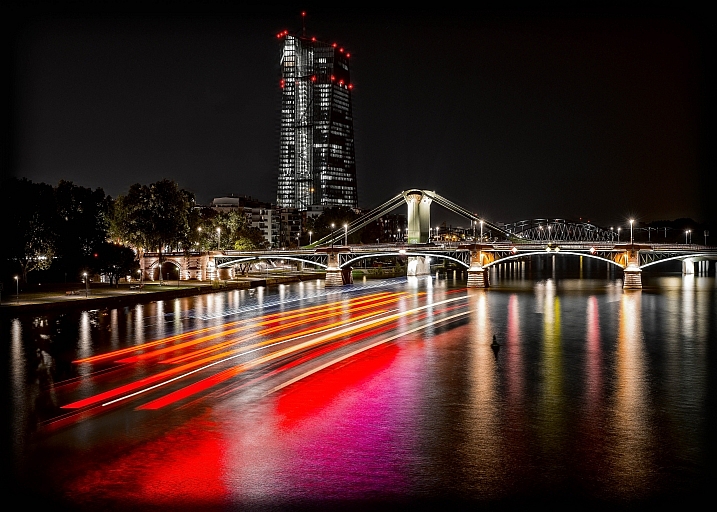
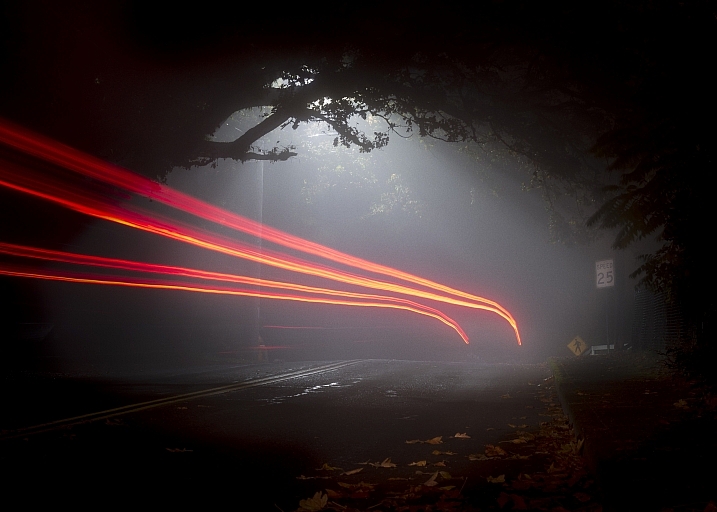
Light trails is about long exposures in the dark, capturing something that is illuminated and moving. The result is a trail of light through your image, without seeing the original subject.

Nicolas Michaud

By nicolas michaud

That could be cars moving along a darkened city street, sparklers, a flashlight, or anything that lights up. You could even get creative and try moving the camera to create light trails from a stationary object.

Here are some articles to help you out:

  • How to do Long Exposure Photography and Light Trails at Night
  • 5 Advanced Tips for Light Trail Photography
  • Photographing Light Trails
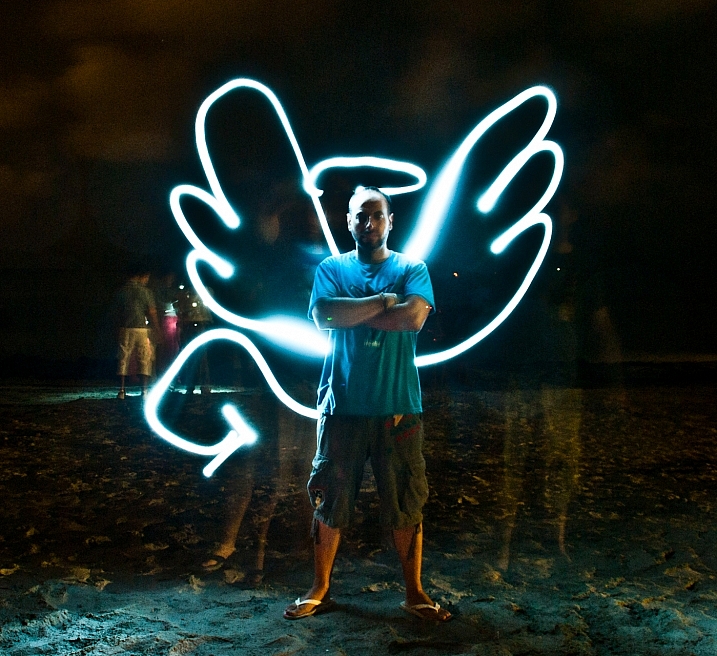
  • How to Make Unique Portraits Using Light Painting
  • 13 Great Subjects for Urban Night Photography
  • A Fun Light Painting Project – Parabolas
Caffeinatrix

By Caffeinatrix

Darlene Hildebrandt

By Darlene Hildebrandt (I made this image by rotating my tripod side to side during the exposure)

William Greene

By William Greene

I Am Dabe

By i am dabe

Share your images below:

Simply upload your shot into the comment field (look for the little camera icon in the Disqus comments section) and they’ll get embedded for us all to see or if you’d prefer upload them to your favourite photo sharing site and leave the link to them. Show me your best images in this week’s challenge. Sometimes it takes a while for an image to appear so be patient and try not to post the same image twice.

googletag.cmd.push(function() {
tablet_slots.push( googletag.defineSlot( “/1005424/_dPSv4_tab-all-article-bottom_(300×250)”, [300, 250], “pb-ad-78623” ).addService( googletag.pubads() ) ); } );

googletag.cmd.push(function() {
mobile_slots.push( googletag.defineSlot( “/1005424/_dPSv4_mob-all-article-bottom_(300×250)”, [300, 250], “pb-ad-78158” ).addService( googletag.pubads() ) ); } );

The post Weekly Photography Challenge – Light Trails by Darlene Hildebrandt appeared first on Digital Photography School.


Digital Photography School

 
Comments Off on Weekly Photography Challenge – Light Trails

Posted in Photography


24 Magical Images of Light Trails

30 Oct

Capturing light trails of something moving, often a vehicle, is somewhat magical because it’s something you cannot see with the naked eye. So only through the use of a camera and the right exposure techniques can this be possible.

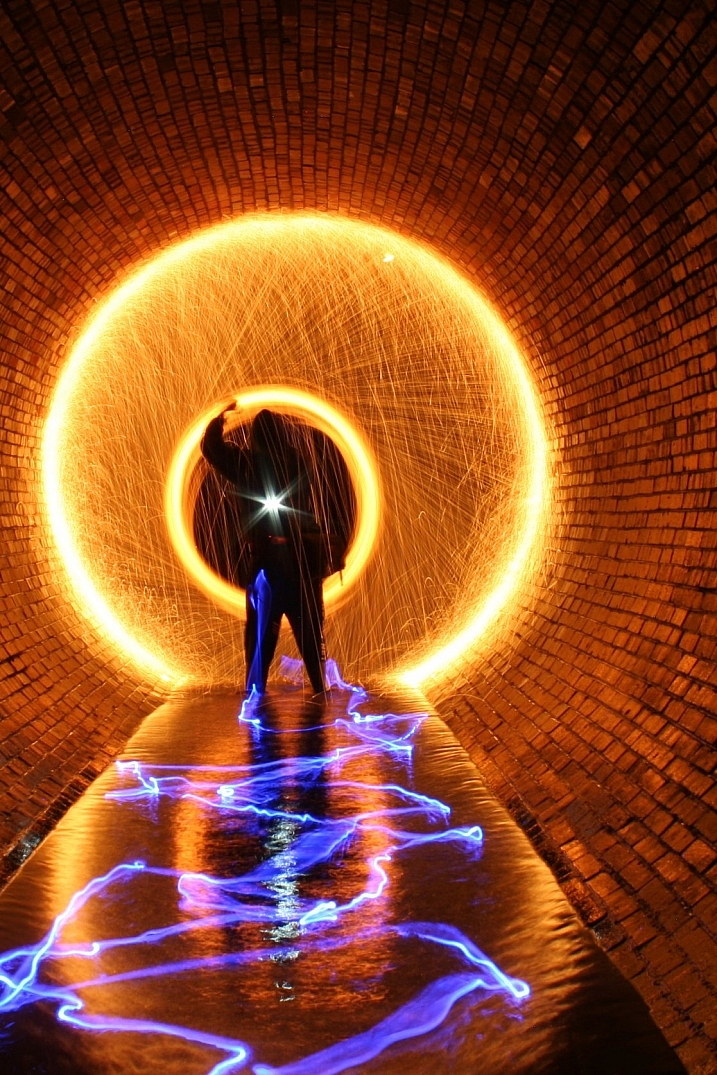
Remember that light painting is just that if you show the light source – capturing the light trail.

Let’s look at a few images of light trails and see how these photographers captured the magic:

X_tine

By x_tine

JamesHarrison_

By JamesHarrison_

Howard Ignatius

By Howard Ignatius

Paulius Malinovskis

By Paulius Malinovskis

Cabrera Photo

By Cabrera Photo

Sam DeLong

By Sam DeLong

Todd Blaisdell

By Todd Blaisdell

VFS Digital Design

By VFS Digital Design

Katie Inglis

By Katie Inglis

Keith

By Keith

Jthornett

By jthornett

Jamie McCaffrey

By Jamie McCaffrey

Tom Roeleveld

By Tom Roeleveld

Alex Lin

By Alex Lin

Mike Boening Photography

By Mike Boening Photography

These * Are * My * Photons

By These * Are * My * Photons

Altug Karakoc

By Altug Karakoc

Wilson Lam

By Wilson Lam

Thomas Renken

By Thomas Renken

William Warby

By William Warby

Luc Mercelis

By Luc Mercelis

Aaronisnotcool

By aaronisnotcool

Alan Newman - An1.uk

By Alan Newman – an1.uk

Scott Griggs

By Scott Griggs

googletag.cmd.push(function() {
tablet_slots.push( googletag.defineSlot( “/1005424/_dPSv4_tab-all-article-bottom_(300×250)”, [300, 250], “pb-ad-78623” ).addService( googletag.pubads() ) ); } );

googletag.cmd.push(function() {
mobile_slots.push( googletag.defineSlot( “/1005424/_dPSv4_mob-all-article-bottom_(300×250)”, [300, 250], “pb-ad-78158” ).addService( googletag.pubads() ) ); } );

The post 24 Magical Images of Light Trails by Darlene Hildebrandt appeared first on Digital Photography School.


Digital Photography School

 
Comments Off on 24 Magical Images of Light Trails

Posted in Photography


How to Light Creepy Halloween Masks for Added Drama

28 Oct

It’s October again and that means Halloween is around the corner. This is good news for you as a photographer, Halloween is a visual holiday like no other. With all of the decorations, theme shaped food, Jack-o-lanterns and costumes you have more potential for photography than you can shake a selfie stick at.

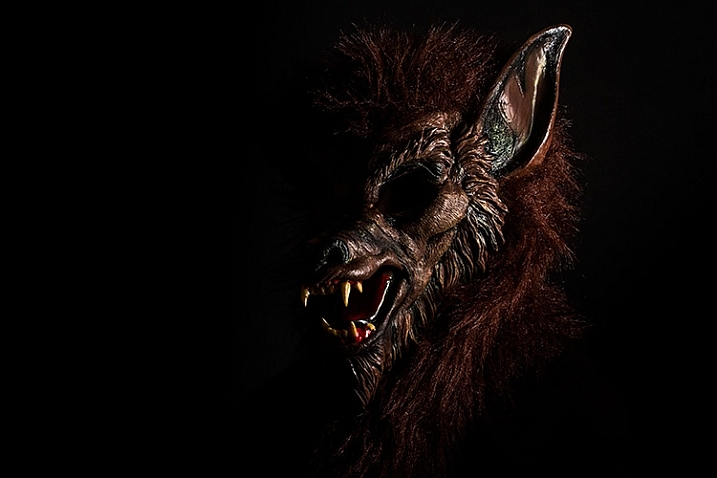
One of my favorite parts of Halloween are the masks. Many of the better quality masks available are extremely detailed and creepy, lending themselves well to visceral imagery.

halloween-lighting-tutorial-1923

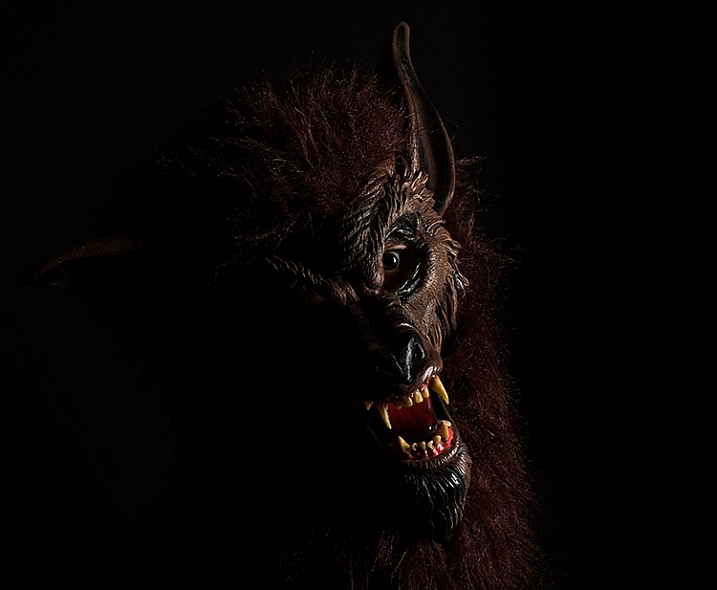
Because of the monsters they often portray, they also tend to be suited for a more cinematic approach to lighting, which will give you the opportunity to explore ways to create mood and drama in your images. This tutorial covers how to light using a basic side-lighting technique that will allow you to create heavy shadows, to shape and accentuate the creepiness in your masks.

What you need:

  • Studio strobe or speedlight fitted with a softbox or a window
  • Black paper – enough to cover the edges of the softbox (heavy, non-transparent curtains will work with a window)

Optional but useful extras:

  • Seamless paper, black background
  • Black reflector/ flag or a piece of black poster board

Setting it up

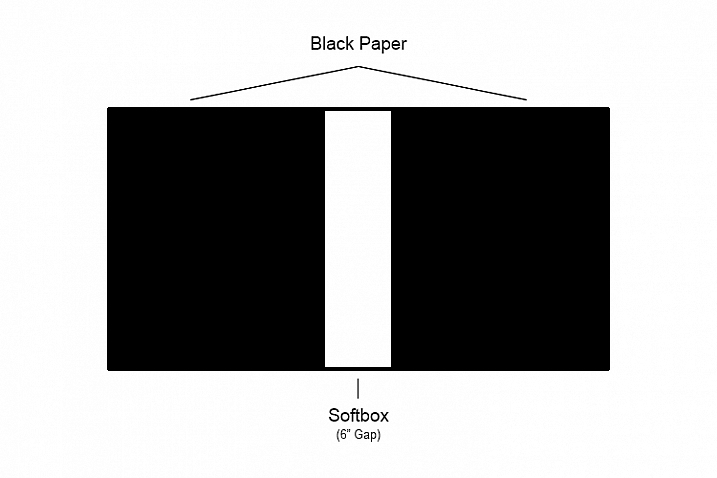
The first thing you need to do is turn your light source into a strip light. This will create a very narrow shaft of light that will skim the front of your subject, creating a lot of contrast that will emphasize all of the fine details.

To do this with a softbox, tape a few pieces of black paper over the sides leaving only about 6” (15cm) of white showing. You can make the gap smaller if you like, but for this technique you shouldn’t go for more than 6”.

halloween-lighting-tutorial-softbox-setup

Tip: If you use seamless paper backgrounds, save the scraps whenever you trim the ends. They always come in handy at times like these.

If you’re using a window with curtains, simply draw them closed until you have a six inch gap.

Execution

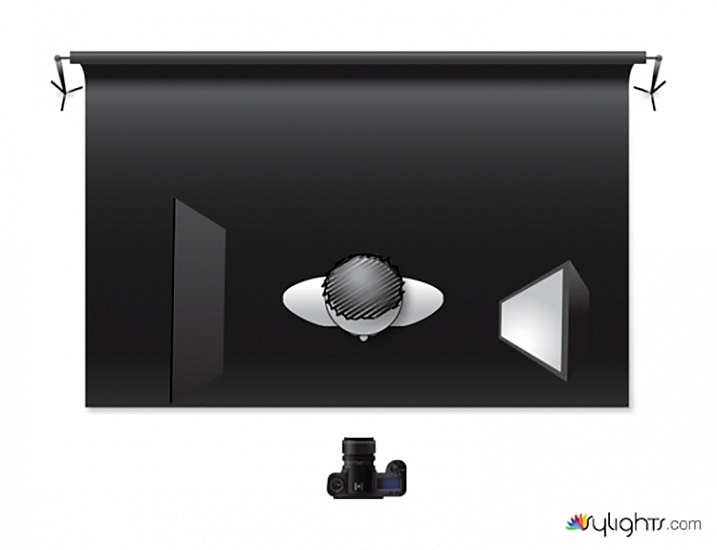
Once your light source is modified, you’re ready to go. To side-light, place your light so that it is pointed directly at the side of subject. If you start with the light aimed at the front of the mask, you can then fine-tune as your images require, by moving it an inch or two forward or backwards. Because the light source is so narrow, moving it in tiny increments will result in drastic changes to the final images.

halloween-lighting-tutorial-lighting-diagram

Pay careful attention to any light falling on the background. The narrow beam of light shouldn’t allow much light to spill over, but if it does, try moving your subject and light source a few inches forward (away from the background).

When working with detailed subjects like this, I like to use a smallish aperture like f/11. This ensures that all of the fine details are sharp in the final images. However, if you’re working with window light it may be a struggle to stop down that far without setting a high ISO (or using a tripod, which is a good idea for maximum sharpness anyway). Feel free to use whatever aperture provides you with the best quality results.

halloween-lighting-tutorial-1940

Flagging

When you’re attempting to get really deep shadows with a technique like this, sometimes things like white walls reflect a lot of light back onto the shadow side of your subject. This is where having a black reflector, known as a flag, comes in handy. By holding your flag to the side of your subject, you are blocking the light from reflecting off of other objects that can affect your images.

In the end

Even though this an easy technique, hopefully you can see that with some simple, but careful manipulation, you can take control of even the most basic lighting equipment to create bold and evocative imagery.

If you do decide to give this technique a go, I’d love to see the results you get with your masks. Happy Halloween!

googletag.cmd.push(function() {
tablet_slots.push( googletag.defineSlot( “/1005424/_dPSv4_tab-all-article-bottom_(300×250)”, [300, 250], “pb-ad-78623” ).addService( googletag.pubads() ) ); } );

googletag.cmd.push(function() {
mobile_slots.push( googletag.defineSlot( “/1005424/_dPSv4_mob-all-article-bottom_(300×250)”, [300, 250], “pb-ad-78158” ).addService( googletag.pubads() ) ); } );

The post How to Light Creepy Halloween Masks for Added Drama by John McIntire appeared first on Digital Photography School.


Digital Photography School

 
Comments Off on How to Light Creepy Halloween Masks for Added Drama

Posted in Photography


Light House: Translucent Dwellings in an Abandoned Parking Garage

24 Oct

[ By Steph in Architecture & Houses & Residential. ]

light house 1

With their cavernous abandoned spaces, the hundreds of stalled skyscraper projects throughout tropical Asia could serve a purpose by hosting low-budget micro-dwellings aimed at ‘urban nomads.’ Economic conditions put many high-rise building projects on hold, while the global housing crisis is making it difficult to impossible for young people, the middle class and the urban poor to find affordable accommodations in desirable cities. A project called ‘Light House’ offers a temporary solution.

light house 5

light house 4

Designed especially for mild climates, these prototype housing units consist of perforated metal grid frames, plastic-laminated plywood floors and walls made of layered textiles. “The different degrees of perforation of the walls give variation to the space within by selective filtering of external elements,” say the creators, Bangkok design firm All(zone). There are shelves for personal items, a changing room with a closet, and a bed surrounded by mosquito net.

light house 2

light house 3

light house 10

Each one costs $ 1,200 to make and can be quickly assembled and disassembled, taken to a new location when the current ‘host’ is no longer available. The designers themselves lived in the prototype units to test them out. But would the average young city resident really want to live in a space like this?

light house 6

light house 7

The need for affordable housing, adaptability and reclaiming vacant urban spaces is undeniable, but flimsy structures like these seem like just one shaky step above homelessness, and might be better suited to serving that population instead. The transparency of the walls could be seen as a statement on what it’s like to live in the streets, perhaps making an even more profound statement on the housing crisis than the creators intended.

Share on Facebook


[ By Steph in Architecture & Houses & Residential. ]

[ WebUrbanist | Archives | Galleries | Privacy | TOS ]


WebUrbanist

 
Comments Off on Light House: Translucent Dwellings in an Abandoned Parking Garage

Posted in Creativity