ZY Optics, a Chinese company that sells lenses under brand name Mitakon, teased a massive lens on the Chinese social network Weibo over the weekend, the Mitakon Speedmaster 135mm F1.4. While the company revealed a few details at the time, it didn’t specify when the lens would be available for pre-order. That changed on Monday, and the company is now offering $ 500 non-refundable deposits to reserve a unit for shipping in early 2016. Read more
Tag: Lens
-
Wide lens, right price? Nikon 24mm F1.8G ED real-world samples
Earlier this year Nikon expanded a series of F1.8 primes with the 24mm F1.8G ED, sitting alongside 20mm and 35mm models. Compact and lightweight, it hits a $ 750 price point that’s relatively reasonable, considering the F1.4 version retails for over $ 2000. We’ve spent some time shooting with the new 24mm prime – take a look at its performance out and about. Read more
-
Writer’s Favorite Lens – Nikon 16-35mm f/4
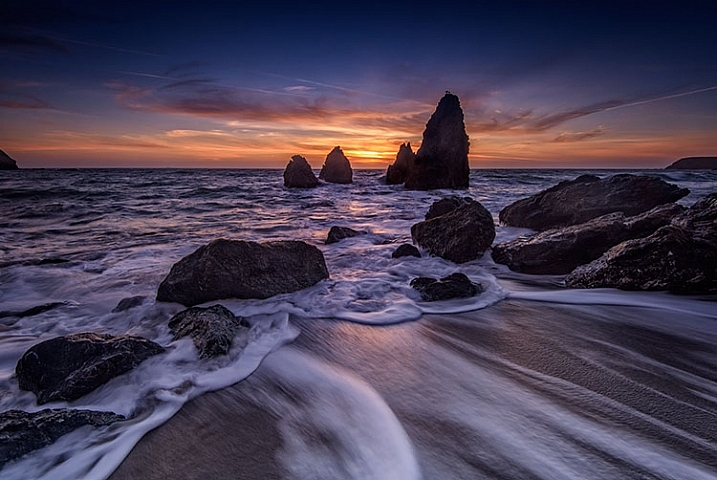
Rodeo Beach, Marin County, California
Asking me which lens is my favorite is somewhat akin to asking me which one of my two children I love the most. The simple answer is, “the one that will get me the shot I want!” I will also tell you, it depends on the subject I’m shooting. If I’m photographing a portrait, I’m more likely to choose my 85mm f/1.4. But primarily, I am a landscape photographer, so as I look back at some of my favorite images, I will say that most have been made using my AF Nikkor 16-35mm f/4G ED.
As I have grown as a photographer, I must admit I have become more and more enamored with the ultra-wide angle point of view. I enjoy seeing things in that perspective, and using the wide angle to emphasize foreground objects. I do also own the 14-24mm f/2.8 lens, but one thing sets the 16-35mm apart for me – that is the ease with which filters can be used. More on that in a bit.
First, some technical specs:
- Focal Length: 16-35mm
- Maximum Aperture: f/4
- Minimum Aperture: f/22
- Format: FX
- Vibration Reduction: Yes
- Dimensions: 3.2 in.(82.5 mm)
- Weight: 24 oz. (680g)
- Price: $ 1259 USD
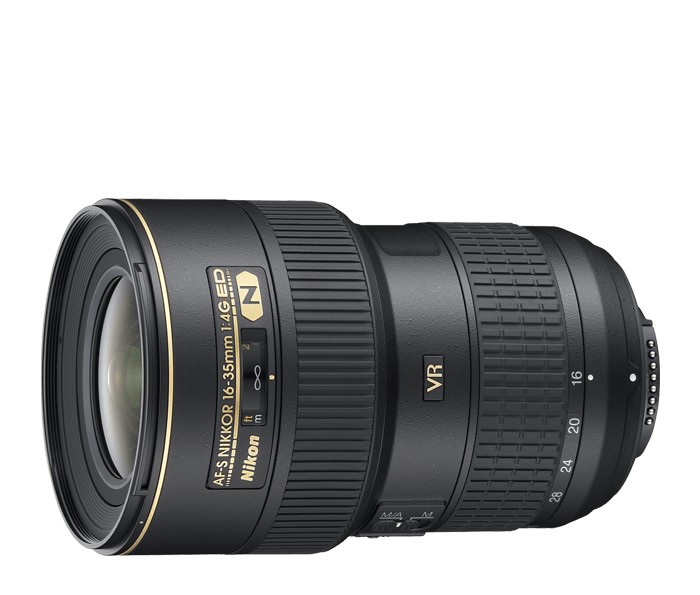
Courtesy of Nikon
Ultra-Wide Angle Coverage
As a landscape photographer, I love using the perspective of an ultra-wide angle lens to be able to distort perspective and emphasize foreground objects. I often find that 24mm just isn’t wide enough to do what I’d like. Also, the 2x zoom to 35mm adds some nice versatility on the wide angle end of things. I can go from ultra-wide at 16mm to moderately wide at 35mm, without needing to change lenses to my mid-range zoom. This provides me with a little more flexibility than the 14-24mm.
While that lens can go just a bit wider, there are several trade-offs that make the 16-35mm more appealing. In addition, I find the lens to be tack sharp throughout the range, with very little if any chromatic aberration (color fringing that can happen in high contrast areas). While the maximum aperture of f/4 may give some photographers pause (believing that f/2.8 is a necessity) I find that more often than not, I am shooting this lens while mounted on a tripod, and stopped down for maximum depth of field. Being able to shoot at f/2.8 just isn’t a requirement for me. Keep in mind, I am using this lens on a Nikon D810. If you are using a DX body, the lens’ coverage won’t be as wide.
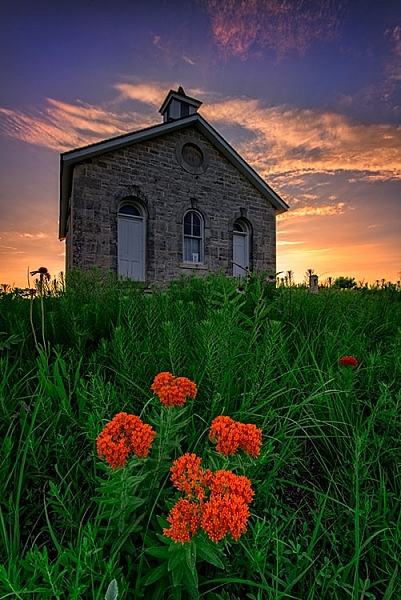
Lower Fox Creek Schoolhouse
Using Filters
As a landscape photographer, the ability to use filters is no small consideration. While I have filters for my 14-24mm lens, they are quite large. If I’m trying to travel light, I can’t always fit them in the bag, and those filters only fit the 14-24mm. My 100mm filter kit fits all of my lenses except for the 14-24mm, so it’s more economical in terms of space if I only carry that one kit and use my 16-35mm as my ultra-wide option when a filter is needed. The 16-35mm takes a 77mm sized filter for screw ins, or 77mm mounting ring if I’m using my drop-in filters. That matches most of my other lenses, making it convenient in terms of compatibility with accessories.
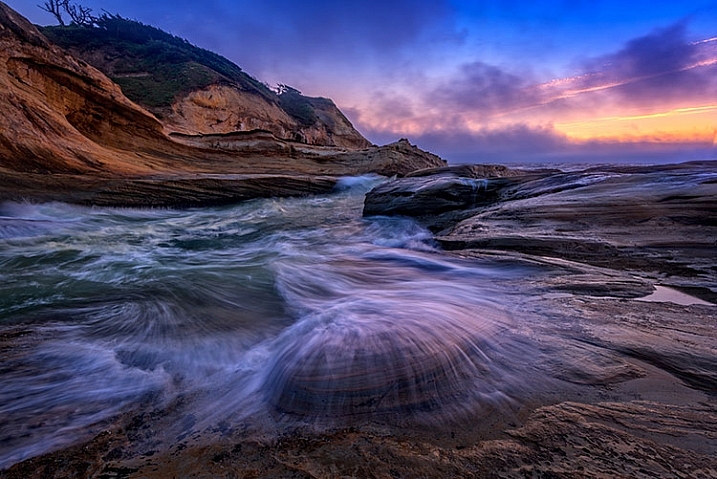
Cape Kiwanda, Oregon
Image Stabilization
While it’s not typically deemed necessary in an ultra-wide angle lens, the inclusion of VR, or vibration reduction (sometimes also called image stabilization) is a nice plus for this lens. Other lens makers have also begun including it in their competitors in this range. As I said, I am generally on a tripod when shooting with this lens, but there are times when hand-holding is necessary. Having the option of turning on the VR to give me some extra help in steadying the camera, gives me a great sense of reassurance that my images will be sharp. This is of particular importance when standing on a bridge, which can vibrate due to cars on the roadway, or when photographing in a place where tripods aren’t allowed.
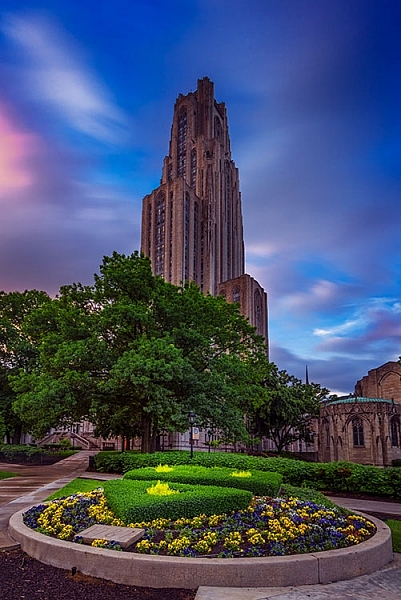
Cathedral of Learning, University of Pittsburgh
The Bottom Line
For me, it’s all about the image. Size and weight are a distant second. Is the lens sharp? Yes. Is the field of view what I want? Yes. Can I use it with my filters to achieve my final image? Yes. It is the positive answers to those three questions that make this lens my favorite for photographing landscapes. Come back and talk to me about my favorite portrait lens another time.
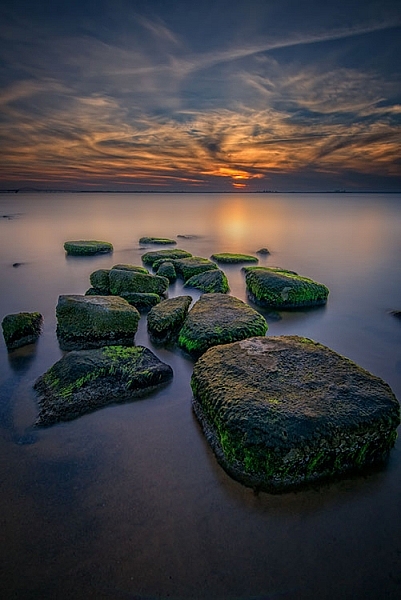
Great South Bay, NY
googletag.cmd.push(function() {
tablet_slots.push( googletag.defineSlot( “/1005424/_dPSv4_tab-all-article-bottom_(300×250)”, [300, 250], “pb-ad-78623” ).addService( googletag.pubads() ) ); } );googletag.cmd.push(function() {
mobile_slots.push( googletag.defineSlot( “/1005424/_dPSv4_mob-all-article-bottom_(300×250)”, [300, 250], “pb-ad-78158” ).addService( googletag.pubads() ) ); } );The post Writer’s Favorite Lens – Nikon 16-35mm f/4 by Rick Berk appeared first on Digital Photography School.
-
Wide angle: Sigma’s new Art lens is fastest 20mm in the world
Lens manufacturer Sigma has introduced a new lens to its Art range of premium optics that it claims is the fastest 20mm in the world. The new 20mm F1.4 DG HSM | Art is designed for full frame cameras and will be available in mounts for Canon EF, Nikon F and Sigma models. Read more
-
ZEISS announces Otus 1.4/28, third lens for Otus series
German optical manufacturer Zeiss has announced it is to introduce a wide angle to its Otus family of lenses designed for full frame SLR cameras. The Zeiss Otus 1.4/28 is a 28mm lens with a maximum aperture of f/1.4, and will be available with ZE and ZF.2 mounts for Canon EOS and Nikon F cameras. Read more
-
Dust on the lens or a new planet? NASA reveals some of its inter-galactic Photoshop tricks
In an interview for Adobe’s blog, NASA has revealed some of the processes its scientists use to transform technical data into images that the rest of the world can appreciate and understand. From simple tasks, such as straightening and cropping, to compositing multiple layers of scientifically calculated color, the agency uses programs including Adobe Photoshop to interpret the sometimes quite abstract images sent back to Earth from devices such as the Hubble Space Telescope and the Mars rover. Read more
-
Countdown to PIX 2015: Colby Brown and the Giving Lens
With just over a week until PIX 2015, we’re taking the opportunity to introduce some of our talented re:FRAME speakers. Meet Colby Brown, a veteran travel photographer who’s been to the ends of the earth and back for the shot. Read more
-
F0.95 Mitakon Speedmaster 25mm compact lens announced for Micro Four Thirds system
Chinese optics company Shenyang Zhongyi Optical and Electronic has announced that it is adding a super-fast standard lens to its range designed for the Micro Four Thirds system. The new 25mm lens features a maximum aperture of F0.95 but has a very small and lightweight body. Read more
-
Zeiss introduces high-resolution Milvus SLR lens family with six focal lengths for Canon and Nikon cameras
German optics manufacturer Zeiss has announced it has created a new range of lenses specifically for high-resolution DSLRs. The Zeiss Milvus family will comprise six lenses fitted for Canon EF and Nikon F cameras. Read more
-
5 Ways a Telephoto Lens Can Improve Your Landscape Photography
2-for-1 special
As part of Landscape Photography Week here on dPS, we’re offering TWO for the price of ONE on our best-selling Living & Loving Landscape Photography ebooks!
Click here to take advantage of this offer.
While it may seem counter-intuitive at first, the most sophisticated compositions are often the simplest. For this reason, ultra wide angle lenses are not typically the ideal choice for outdoor images. By including too much information, you risk losing the subject to visual clutter. This creates a unique challenge for landscape photography. While it’s tempting to include the vast expanse of a splendid horizon, a stronger image may only contain a small portion of it. This is where a telephoto lens becomes an invaluable part of your kit.
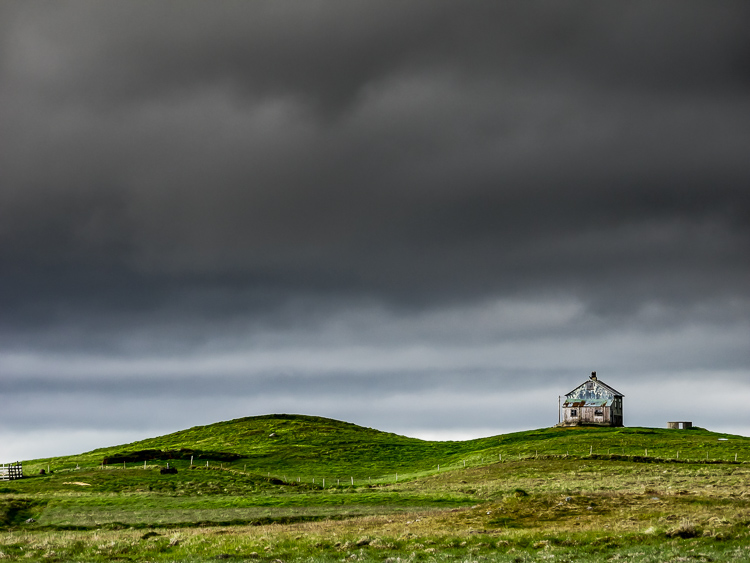
Here are five ways using a telephoto lens can help you do better landscape photography:
1) Eliminate Clutter
It’s rare to come upon a landscape that doesn’t require decluttering. Common sights include power wires, fences, trail head signs, unsightly dirt patches, and dumpsters. You can try to compose with your feet at first, but what about those situations when you can’t go any further?
Where a wide angle lens falls short, a telephoto in the 70-300mm range, will be very useful. With such a lens, you can pick the precise area where all of the essential elements come together, and work to eliminate everything else.
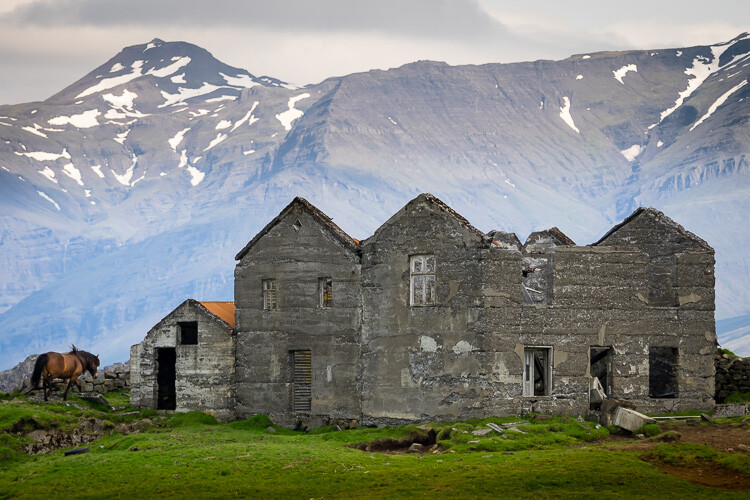
2) Isolate Your Main Subject
A telephoto lens gives you the ability to pick a single part of a larger landscape and bring attention to it. Of course the increased reach isn’t the only part of the equation. You’ll still need to consider various methods of composition, like the rule of thirds and a strong foreground element. Try shooting from a low vantage point, through flowers or grass for added depth. At wide apertures foreground elements will become a nice wash of color that lead the eye to the subject.
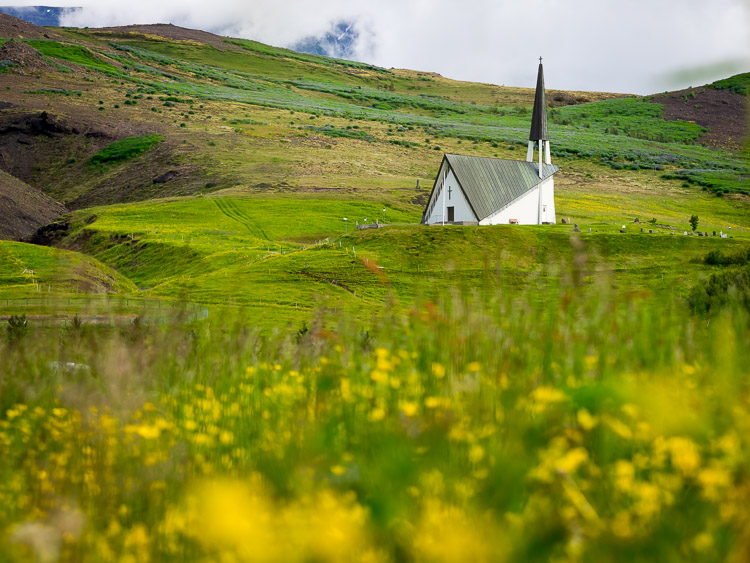
3) Expand Your Horizons
The potential for subject matter multiples with a longer focal range. For instance, wildlife that would appear very small at 55mm, become much more prominent at 420mm. No longer are you just shooting landscapes, but possibly wildlife as well. Just remember that good technique is essential for sharp telephoto images. Even the slightest bit of camera shake will be magnified if your shutter speed is too slow. When shooting hand-held, try to set an exposure no slower than 1/500th of a second. Image stabilized lenses and camera bodies absolutely offer some flexibility here, but it’s best to err on the side of caution if your goal is to make tack sharp enlargements.
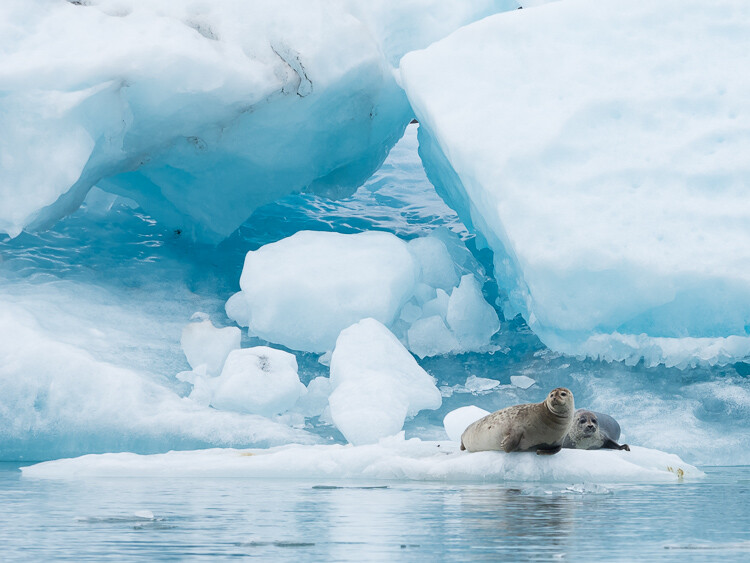
4) A Different Perspective
If you look at the front cover of many photo magazines, they often encourage the use of ultra wide angle lenses for landscapes. While it’s true that certain scenes come to life at 16mm, it’s the exception rather than the rule. If you’re looking to create a unique representation of a scene, a greater focal range can help you find it. At a time when it seems just about everyone has a camera, going beyond the reach of a normal kit lens can lead to extraordinary results.
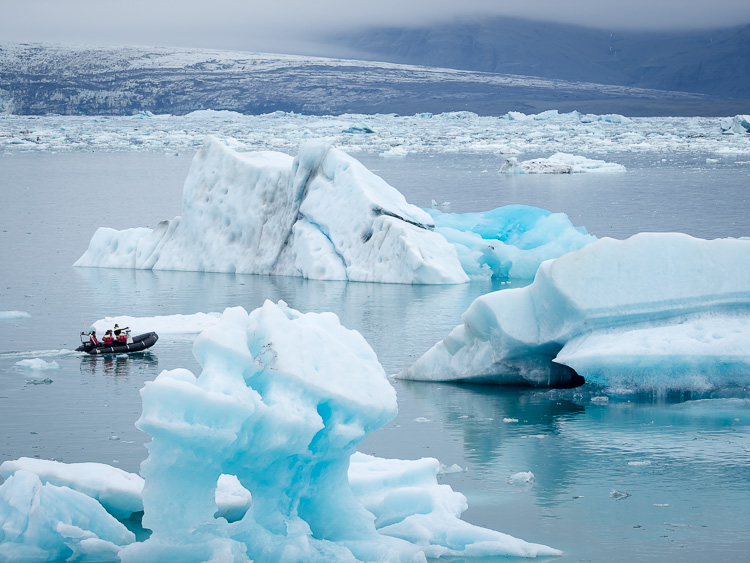
5) Finding Patterns
By searching for organized patterns and repetition with a long lens, you can bring order to the world around you. This method of seeing will help to further develop your eye and strengthen your compositions. Rather than looking at the bigger picture, you’re choosing to focus on the smaller details.
While this particular strategy of composition doesn’t require any overly technical methods, it does require a different approach. The trick is to zoom in and carefully scan the landscape through your viewfinder. Patterns don’t always reveal themselves right away, so take your time and compose carefully. You may be surprised at where you’ll find these unique photo opportunities as they can appear just about anywhere.
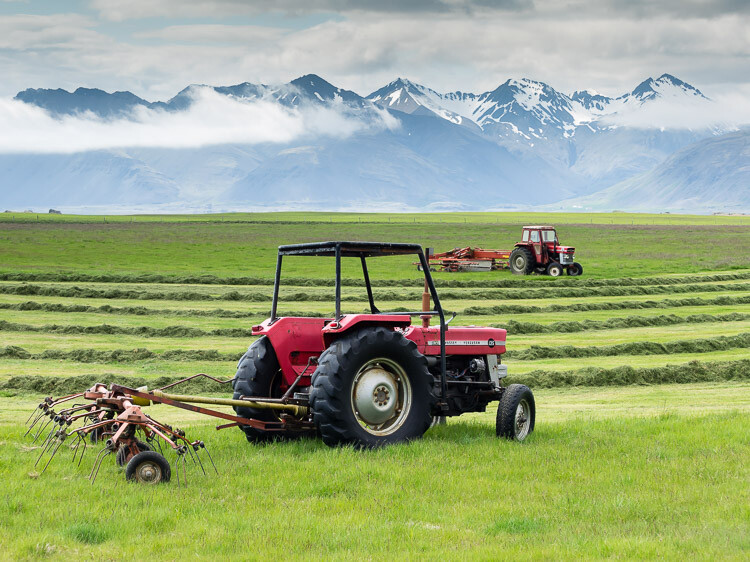
All of these images were captured in Iceland where landscapes often have an abundance of empty space. There were definitely times when the wide angle came in handy, in tight quarters for example, or at the base of a waterfall. For just about everything else, a 40-150mm (Olympus OMD EM1 with the 40-150mm f/2.8, effective 80-300mm) proved more effective. In fact, many of my favorites were shot at the long end of the lens’ range. The next time you head out to photograph scenery, think long, and make a telephoto lens your first option.
Here on dPS it is landscape week. You can see the previous ones listed below. Watch for a new article (or two) on landscape photography daily for the next week.
- 6 Tips for Better Low-Light Landscape Photography
- Landscape Photography and the Human Element
googletag.cmd.push(function() {
tablet_slots.push( googletag.defineSlot( “/1005424/_dPSv4_tab-all-article-bottom_(300×250)”, [300, 250], “pb-ad-78623” ).addService( googletag.pubads() ) ); } );googletag.cmd.push(function() {
mobile_slots.push( googletag.defineSlot( “/1005424/_dPSv4_mob-all-article-bottom_(300×250)”, [300, 250], “pb-ad-78158” ).addService( googletag.pubads() ) ); } );The post 5 Ways a Telephoto Lens Can Improve Your Landscape Photography by Chris Corradino appeared first on Digital Photography School.