RSS
 

Posts Tagged ‘Lens’

Cooke Optics to offer miniS4/I lens range in mounts for DSLR and mirrorless cameras

06 Sep

UK lens manufacturer Cooke Optics has announced that it is to produce a much wider range of mounts for its compact miniS4/i family of lenses to allow access for DSLR and mirrorless camera owners. From October the lenses will be available in mounts for Canon EF, Nikon F, Sony E and Micro Four Thirds systems, as well as the normal PL mount for movie cameras. In addition the company will offer the new mounts on their own for existing miniS4/i lens owners who will be able to switch the fittings themselves.

The Cooke miniS4/i series is designed to offer movie makers a smaller, lighter alternative to the company’s S4/i lenses through the use of a T2.8 maximum aperture instead of the T2 opening of the S4/i range. There are ten prime lenses in the series ranging from 18mm to 135mm, and each is capable of covering a Super 35mm frame.

Although the miniS4/i series is considered to be a cost-effective alternative to the company’s larger lenses, a set of all ten costs around $ 69,500 while the individual lenses are priced at about $ 7300 each. The price of the individual mounts has yet to be announced.

For more information see the Cooke Optics website.

Press release

Cooke Optics introduces multiple mounts for miniS4/i lens range

Users of Canon EF, Nikon F, Sony E and micro 4/3 cameras now have access to the Cooke Look

Leicester, UK- Cooke Optics, the multi-award winning manufacturer of precision lenses for film and television, is pleased to announce that it is introducing multiple mounts for its acclaimed miniS4/i lenses, enabling more cameras and productions to benefit from the ‘Cooke Look®’. The new mounts, including Canon EF, Nikon F, Sony E and micro 4/3, will be available to view at IBC 2016 on Stand 12.D10 and will ship from October 2016.

A single mount will fit every focal length lens in the miniS4/i series. For existing miniS4/i lenses, users can simply unbolt the PL mount that comes as standard, bolt on the replacement mount, and shim as required. The mounts can be used on any miniS4/i lens, regardless of delivery date. For new miniS4/i deliveries, starting from October 2016, the lenses will be available with the mount of choice from the factory. The mounts are designed for the MIRRORless cameras.

Les Zellan, Chairman and Owner, Cooke Optics, said, “The miniS4/i lenses are steadily gaining popularity for many genres of production, since they have all the coveted attributes of Cooke prime lenses in a smaller, lighter and more affordable form. With the introduction of these interchangeable mounts, we can now bring the Cooke Look to many more cameras and productions, giving even more choice to directors of photography.”

miniS4/i lenses were recently used to shoot the popular UK TV drama Midsomer Murders and the Spanish feature film El Pregon.

Cooke will also show the new 35-140mm Anamorphic/i zoom lens at IBC 2016, alongside a variety of Anamorphic/i, 5/i, S4/i and miniS4/i lenses.

Articles: Digital Photography Review (dpreview.com)

 
Comments Off on Cooke Optics to offer miniS4/I lens range in mounts for DSLR and mirrorless cameras

Posted in Uncategorized


Quick review: Apexel 8mm fisheye lens for smartphones

02 Sep

Fixed focal length lenses are one of the key limitations of smartphone cameras. So it’s no surprise that add-on lenses, which allow you to vary the focal length, are among the most popular smartphone accessories.

We have had the chance to test one of the more extreme variants, the Apexel 8mm fisheye lens, which provides a whopping 238-degree field-of-view. The lens comes with a clip that makes it very easy and quick to attach to most mobile devices – Apexel claims it is compatible with 98% of all smartphones – but we’ve found it to work best with the latest generation Apple iPhones, as the back of the lens slots onto the iPhone’s lens protrusion, where it is firmly held in place. On other devices, without a protruding camera-module, things can get a little more difficult and you might have to optimize the position of the lens by moving it around very slightly until you find a position that gives the best image quality. 

The provided clip makes lens attachment very easy and quick. Lens construction features six elements in five groups.

The lens construction features six elements in five groups and a multi-layer coating. The glass is housed in an aluminum body and the clip is made from very robust ABS plastic. Apart from the lens and clip you’ll find a lens cap, storage case and lanyard in the box.

In use

Image quality does of course vary depending on the smartphone camera you are using, and can be a little hit and miss. We tested the lens on the iPhone 6s Plus and the Lenovo Moto Z Force. On the iPhone, the lens clips neatly onto the protrusion of the phone camera but still, many images are very soft across the frame. During our testing the iPhone’s AF system clearly found it more difficult than usual to find a lock and, so it seems, sometimes simply did not focus correctly before the shutter was triggered. Other images are relatively sharp at the center of the frame and only show softness around the edges.

$ (document).ready(function() { SampleGalleryV2({“containerId”:”embeddedSampleGallery_1546006066″,”galleryId”:”1546006066″,”isEmbeddedWidget”:true,”standalone”:false,”selectedImageIndex”:0,”startInCommentsView”:false,”isMobile”:false}) });

In general, sharpness was better on the Moto Z Force but you’ll have to make sure the lens lines up perfectly with the smartphone camera. That said, even in a best case scenario vignetting is much more pronounced than on the iPhone – in sunny conditions lens flare is visible and again the AF occasionally takes much longer to lock than without the clip-on lens. With the Apexel’s extreme angle of view it can also be difficult to keep fingers and other body parts out of the frame, so check the preview image carefully before pulling the trigger.

Of course, the lens also works in video mode. The sample below was recorded in the Lenovo Moto Z Force’s 1080p video mode. It shows most of the same imperfections as the still images but thanks to the lower video resolution they are not quite as intrusive. 

Conclusion

The Apexel 8mm fisheye lens for smartphones is a nicely made accessory lens that is very easy to clip onto most phones (as long as you don’t use a case). The fisheye effect is extreme and can be an interesting additional weapon in your creative mobile imaging arsenal. However, image quality purists won’t be happy with the strong softness, vignetting and some lens flare we’ve seen in our sample pictures. Not that we were expecting Zeiss quality from a smartphone accessory lens, but the Apexel is generally quite a bit softer than we’d like.

That said, the lens can be fun to use and capture image results that are different from your usual smartphone pictures. The Apexel 8mm Fisheye is currently available for approximately $ 44 on Amazon.com*.

Pros:

  • Extremely wide angle-of-view
  • Nice fisheye effect
  • Solid build quality
  • Easy and quick attachment
  • Compatible with most smartphones (although works best with iPhone 6/6s generations)

Cons:

  • Strong image softness
  • Varying degrees of vignetting (depending on smartphone camera)
  • Some lens flare in sunny conditions
  • Slows down camera AF
  • Exposed front element prone to scratching and fingerprints
  • Clip not compatible with many phone cases
 
 
* dpreview.com is a wholly-owned subsidiary of Amazon but is editorially independent of our parent company.

Articles: Digital Photography Review (dpreview.com)

 
Comments Off on Quick review: Apexel 8mm fisheye lens for smartphones

Posted in Uncategorized


Leica adds 60mm F2.8 macro to TL lens lineup

02 Sep

Leica has announced a 60mm F2.8 macro lens for its TL-mount cameras, which is just the T (Typ 701) at this point.

The company was very short on details about the APO-Macro-Elmarit-TL 60mm F2.8 ASPH, aside from saying that it will have a 1:1 reproduction ratio and will arrive this Fall in black or silver. When mounted on the APS-C ‘T’, the lens will be equivalent to 90mm.

This will be the sixth lens for the TL mount.

Press release:

Leica Announces Newest Addition to the T Lens Portfolio: the Leica APO-Macro-Elmarit-TL 60mm

All future lenses for the Leica T camera system will be marketed under a new name: “TL”

September 1, 2016 – Beginning today, a new prime lens is available for the Leica T camera system – the Leica APO-Macro-Elmarit-TL 60 mm f/2.8 ASPH. Considered to be the reference lens in the APS-C segment, this lens delivers macro exposures with a reproduction ratio of 1:1 and impresses with best imaging performance.

Like the Leica Summilux-TL 35 mm f/1.4 ASPH., the Leica APO-Macro-Elmarit-TL 60 mm f/2.8 ASPH. is available in both black and silver.

With this new addition, the lens portfolio of the Leica T camera system now offers a total of six lenses – including three prime lenses and three zoom lenses – that together offer a range of focal lengths for every photographic situation. The two fast prime lenses, the Leica Summicron-TL 23 mm f/2 ASPH. and the Summilux-TL 35 mm f/1.4 ASPH, are classic focal lengths for reportage photography. The APO-Macro-Elmarit-TL 60 mm f/2.8 ASPH. complements them ideally as a lens for finely detailed close-up photography. Finally, the three compact zoom lenses, the Leica Super-Vario-Elmar-TL 11–23 mm f/3.5–4.5 ASPH., Vario-Elmar-TL 18–56 mm f/3.5–5.6 ASPH., and APO-Vario-Elmar-TL 55–135 mm f/3.5–4.5 ASPH., cover an entire range of focal lengths equivalent to 17 to 200 mm in 35 mm format and deliver outstanding images with rich contrast from corner to corner of the frame.

As the Leica T and the new Leica SL share the same L bayonet mount, the name ‘TL’ will be implemented for all new Leica T lenses moving forward. Thanks to the flexibility offered by the TL-Lenses for a wide range of applications on cameras with the L-Bayonet, Leica once again showcases the company’s fundamental principle of system-compatibility and sustainability and offers users access to an even wider portfolio of Leica products

All Leica TL-Lenses impress with outstanding imaging performance at lengths that range from infinity to their closest focusing distance and deliver images with the unique Leica look and bokeh. Designed by the optical engineering specialists in Wetzlar, the lenses all offer the exceptional imaging performance for which Leica lenses are renowned. The combination of optical and technical expertise and the use of only the finest materials guarantee consistent quality and reliability in every situation.

Articles: Digital Photography Review (dpreview.com)

 
Comments Off on Leica adds 60mm F2.8 macro to TL lens lineup

Posted in Uncategorized


FotodioX Lens Adapter – How to Put Your Canon EF Lens on Your Sony E-Mount Camera

29 Aug

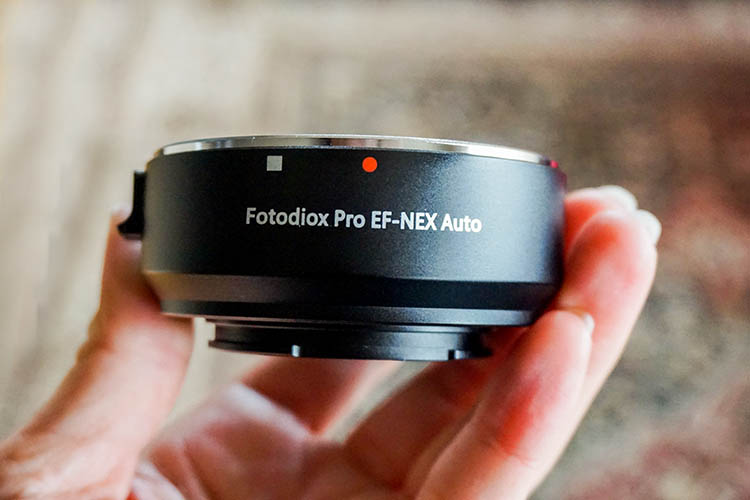
One of the big hurdles for DSLR camera owners considering the switch to mirrorless, is the notion of having to buy brand new lenses to accompany their new purchase. While it’s ideal to have brand name lenses that match your camera body, it’s not at all necessary, thanks to third-party lens makers and lens adapters. This article discusses the latter option, specifically, a lens adapter that allows just about any Canon EF lens, to be used with a Sony E-Mount camera.
ony Canon Lens Converter

My Camera Background

As a corporate event and food photographer, the Canon 5D Mark III, plus an array of Canon zoom lenses and a handful of primes, are my go-to choices for professional photo work. However, the desire to carry a smaller camera while traveling casually, led to my recent purchase of a Sony a6300 camera, my first investment in a mirrorless system. While I did opt for a Sony 16-50mm kit lens and a 20mm f/2.8 prime lens, I wasn’t financially ready to invest in any more Sony brand lenses. Instead, research and recommendations from other fellow photographers led me to purchase a lens adapter, which promised the ability to use my existing Canon EF lenses with my new Sony E-Mount camera body.

If you’re in a similar position, where you’ve accumulated a collection of DSLR lenses and are considering adding the Sony a6300 to your kit, this article is for you!

ony Canon Lens Converter

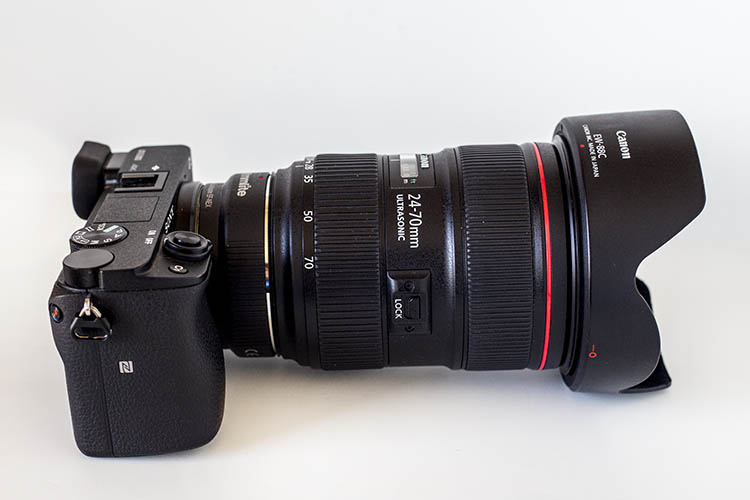
Sony a6300 body with a Canon 24-70mm f/2.8 lens, mounted using the Fotodiox adapter.

Lens Adapter Options

Third-party brands have already hopped on the lens adapter train, and there are quite a few options available, but two main ones that came up in research were the Metabones Smart Adapter IV and the FotodioX AF Adapter. At first glance, both options seemed comparable in their offerings:

  • Compact, lightweight, all-metal design.
  • Allows for automatic focus and aperture control from the Sony E-Mount camera body.
  • Infinity focus allowed if needed.
  • Removable tripod mount included to help distribute the weight.

The main difference between the two products came down to price: the Metabones version is priced at $ 385.99, while the FotodioX option is considerably cheaper at just $ 99.99. In the end, the price was the determining factor, and I went for the FotodioX lens adapter.

ony Canon Lens Converter

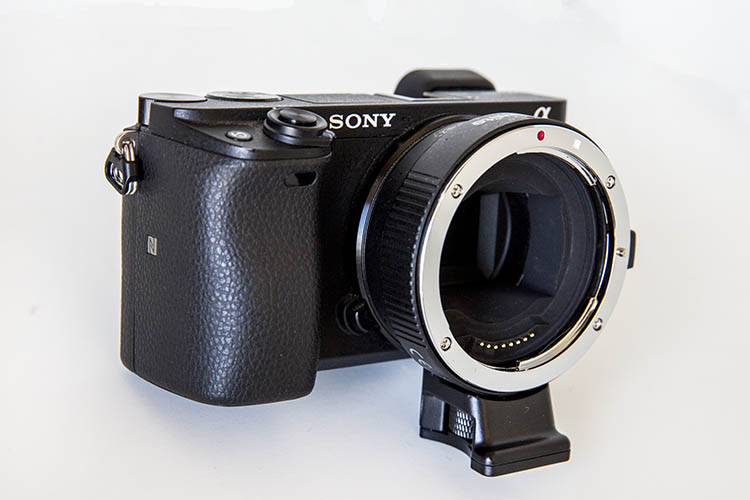
Sony a6300 with the FotodioX AF Adapter attached.

How did it perform?

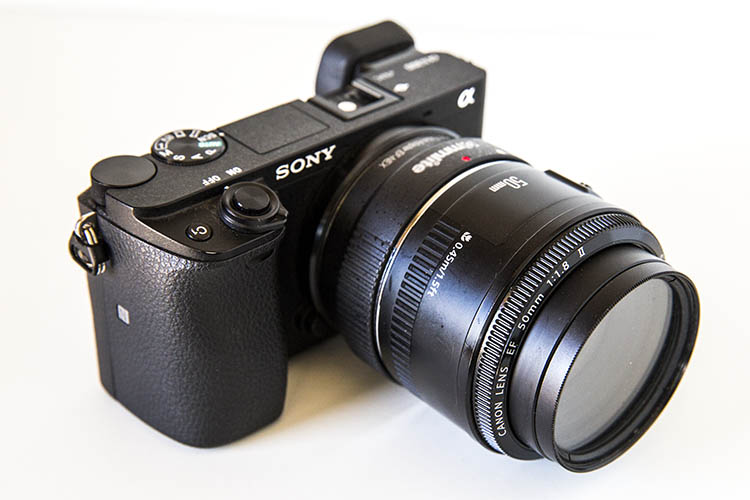
The first thing to note about using an adapter is how it will impact the overall heaviness, bulk, and appearance of your system. The FotodioX adapter itself is truly compact, and isn’t much larger than the Sony a6300 kit lens. As a result, it looks like a natural complement to the a6300 when it’s connected. Adding on Canon EF lenses changes the look and feel of the a6300, depending of course, and which lenses are paired. Small, lightweight, prime lenses such as the Canon 50mm f/1.8 don’t add a lot of bulk to the camera, and also look like a natural fit.

ony Canon Lens Converter

Sony a6300, FotodioX AF Adapter, and Canon 50mm f/1.8 lens.

However, adding larger zoom lenses such as the Canon 24-70mm f/2.8 definitely make the camera more front-heavy, to the point that it makes sense to grip the rig by the lens rather than the camera body. Still, the rig is considerably lighter than pairing the same Canon lenses with a DSLR such as the 5D Mark III.

ony Canon Lens Converter

Apart from aesthetics, the adapter actually performed surprisingly well! There are many reports of adapters causing autofocus to be either painfully slow, or lost altogether. While autofocus was not as snappy and accurate as it was using a Sony brand lens, the a6300 was still decently responsive, even with the FotodioX adapter and a Canon EF lens attached. If autofocus wasn’t working properly, which tended to happen for close-range shots, it was easy to switch the lens to manual focus and still capture a photo. Image quality was also tack-sharp, here are some image examples:

ony Canon Lens Converter

ony Canon Lens Converter

ony Canon Lens Converter

ony Canon Lens Converter

ony Canon Lens Converter

ony Canon Lens Converter

Overall thoughts

Using a lens adapter isn’t a perfect solution. The lagging autofocus was fine for casual use, but eventually became more noticeable and cumbersome when trying to shoot anything that moved. I’d hesitate to rely on an adapter when shooting something where quick autofocus mattered. It also felt like a pretty big tradeoff to not be able to take full advantage of what Sony purports to be the “world’s fastest autofocus” in the a6300. But other than that, the ability to use my existing DSLR lenses with a new camera body made by another manufacturer is a convenient luxury.

Have you tried a lens adapter before? What was your experience like?

googletag.cmd.push(function() {
tablet_slots.push( googletag.defineSlot( “/1005424/_dPSv4_tab-all-article-bottom_(300×250)”, [300, 250], “pb-ad-78623” ).addService( googletag.pubads() ) ); } );

googletag.cmd.push(function() {
mobile_slots.push( googletag.defineSlot( “/1005424/_dPSv4_mob-all-article-bottom_(300×250)”, [300, 250], “pb-ad-78158” ).addService( googletag.pubads() ) ); } );

The post FotodioX Lens Adapter – How to Put Your Canon EF Lens on Your Sony E-Mount Camera by Suzi Pratt appeared first on Digital Photography School.


Digital Photography School

 
Comments Off on FotodioX Lens Adapter – How to Put Your Canon EF Lens on Your Sony E-Mount Camera

Posted in Photography


Fujifilm adds XF 23mm F2 R WR to all-weather lens lineup

26 Aug

$ (document).ready(function() { SampleGalleryV2({“containerId”:”embeddedSampleGallery_9478207179″,”galleryId”:”9478207179″,”isEmbeddedWidget”:true,”standalone”:false,”selectedImageIndex”:0,”startInCommentsView”:false,”isMobile”:false}) });

Fujifilm has announced the Fujinon XF 23mm F2 R WR, adding a 35mm equiv. prime to its weather-resistant X-mount lineup. The lens offers water and dust resistance and will work in temperatures as low as 14°F /-10°C. Built with a metal housing, it provides a ring for aperture control and uses a stepping motor that Fujifilm claims is capable of focusing speeds as fast as 0.05 seconds when paired with the phase detection AF systems of the X-Pro2 and X-T2. It’s made up of 10 elements in 6 groups and uses a 9-blade aperture. 

The Fujinon XF 23mm F2 R WR will go on sale in September for $ 449.95.

Press release:

FUJIFILM ANNOUNCES THE NEW FUJINON XF23mmF2 R WR

Compact, lightweight and stylish XF23mmF2 R WR expands high-performance X Series lenses

Valhalla, N.Y., August 25, 2016 – FUJIFILM Corporation has announced the new FUJINON XF23mmF2 R WR, a compact, weather and dust-resistant wide-angle lens weighing just 180g. The new lens joins the lineup of X Series digital camera lenses known for their outstanding image quality. The XF23mmF2 R WR has a highly versatile focal length (35mm in 35mm format equivalent), covering a range of subjects from snapshots to landscapes and portraits. Its compact, lightweight design and high-speed autofocus (AF) capability allow users to enjoy taking pictures quickly and easily.

The XF23mmF2 R WR gives users advanced image resolution, capable of drawing out the full performance of the proprietary Fujifilm X-TRANS CMOS sensor. It has a similar size and design to the existing XF35mmF2, adding to a stylish collection of compact lenses. The inner-focus AF system uses a stepping motor to drive lightweight focusing elements for silent and fast autofocus. When combined with the phase detection AF system of the FUJIFILM X-Pro2 and X-T2, the lens can focus in an astonishing 0.05 seconds.

The metal exterior gives users a feeling of premium quality and robustness, and the aperture ring and focus ring have been designed with just the right amount of clicking and torque for optimum feedback and operability. The lens is weather and dust resistant and operates at temperatures as low as 14°F / -10°C, making it an ideal choice for outdoor photography.

FUJINON XF23mmF2 R WR Key Features:

  • FUJIFILM X-Mount is compatible with all FUJIFILM X Series interchangeable system cameras
  • Weather-resistant design capable of operating at temperatures as low as 14°F / -10°C
  • 10 elements in 6 groups with 2 aspherical elements
  • Super EBC (Super Electron Beam Coating) ensures high performance by reducing both flare and ghosting
  • 9 blade aperture creates smooth and circular bokeh
  • Minimum working distance of less than 9 inches
  • Fast and silent autofocus of 0.05 seconds
  • Compatible with the vented metal hood “LH-XF35-2” (also compatible with the XF35mmF2 R WR).

The FUJINON XF23mmF2 R WR will be available in September 2016 for USD $ 449.95. It will initially be available in Black only.

Fujifilm XF 23mm F2 R WR specifications

Principal specifications
Lens type Prime lens
Max Format size APS-C / DX
Focal length 23 mm
Image stabilization No
Lens mount Fujifilm X
Aperture
Maximum aperture F2
Minimum aperture F16
Aperture ring Yes
Number of diaphragm blades 9
Optics
Elements 10
Groups 6
Special elements / coatings 2 aspherical elements + Super Electron Beam Coating
Focus
Minimum focus 0.22 m (8.66)
Maximum magnification 0.13×
Autofocus Yes
Motor type Stepper motor
Full time manual Yes
Focus method Internal
Distance scale No
DoF scale No
Physical
Weight 180 g (0.40 lb)
Diameter 60 mm (2.36)
Length 52 mm (2.05)
Sealing Yes
Colour Black, silver
Filter thread 43.0 mm
Hood supplied Yes
Hood product code LH-XF35-2
Tripod collar No

Articles: Digital Photography Review (dpreview.com)

 
Comments Off on Fujifilm adds XF 23mm F2 R WR to all-weather lens lineup

Posted in Uncategorized


Tamron files patent for 115mm F1.4 VC lens

25 Aug

Lens manufacturer Tamron has filed a patent for what looks like an interesting portrait lens to add to its growing collection of fixed focal length lenses. The company appears to be developing a 115mm F1.4 moderate telephoto lens that will come with Tamron’s Vibration Compensation system built in. The focal length is very unusual, as is the 45mm that the company chose for its F1.8 standard lens, but that will only make it stand out from the crowd of 90mm, 100mm, 105mm and 135mm lenses. The 115mm focal length isn’t unheard of though as Carl Zeiss produced Tessar 115mm F3.5 and Pro Tessar 115mm F4 lenses for SLR and rangefinder film cameras. 

The patent application was spotted by Japanese website egami.

* Patent Publication No. 2016-151661
* Published 2016.8.22
* Filing date 2015.2.17

* Example
* f = 113.000
* Fno = 1.456
* ? = 10.632

* Tamron patent
* Positive and negative positive
* Inner focus (the second group)
* Vibration proof group (one of the group)

Articles: Digital Photography Review (dpreview.com)

 
Comments Off on Tamron files patent for 115mm F1.4 VC lens

Posted in Uncategorized


1956 Stereo-Nikkor 3.5cm F3.5 lens auction goes live on eBay

16 Aug

A Stereo-Nikkor 3.5cm F3.5 lens said to be in mint condition has been put up for auction on eBay. This speciality lens was designed for the Nikon S-Mount rangefinder to produce stereoscopic 3D images on a single photograph. The lens is being offered as part of a full kit that also includes a brown Nikon leather case, a Nippon Kogaku lens cap, original silica gel, Nikon Stereo Prism, and original Nikon Stereo L 38 filter.

According to the eBay seller, there’s a chip in the prism’s glass and ‘very tiny scratches’ on the lens, but otherwise the items are said to be in excellent condition. Unfortunately, not much information about the Stereo-Nikkor exists; the product was introduced in December 1956 and discontinued in 1961 or 1962, according to Mir.com. Estimates place Stereo-Nikkor manufacturing at between 100 and 200 units during its brief production.

Though the auction currently has $ 1,125 in bids, it has not reached its minimum reserve amount. The product is located in Vienna, and has a $ 300 shipping rate.

Via: PetaPixel

Articles: Digital Photography Review (dpreview.com)

 
Comments Off on 1956 Stereo-Nikkor 3.5cm F3.5 lens auction goes live on eBay

Posted in Uncategorized


Review of the Tamron 85mm F1.8 Di VC USD Lens

15 Aug

There has been, and likely always will be, a lingering debate among professional photographers and amateur photo enthusiasts, about whether or not a third party lens can be every bit as good as the native glass produced by your camera’s manufacturer.

There is often a margin of compromise between cost and quality. Over the last five years or so, that margin has become increasingly slim. It’s become so small in fact, that we find ourselves living in an incredible time when these third party lenses are equalling the performance of high end lenses, in terms of optical performance and build quality.
Lens 7

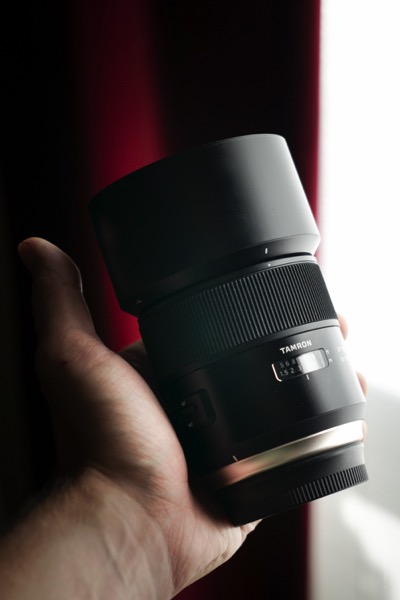
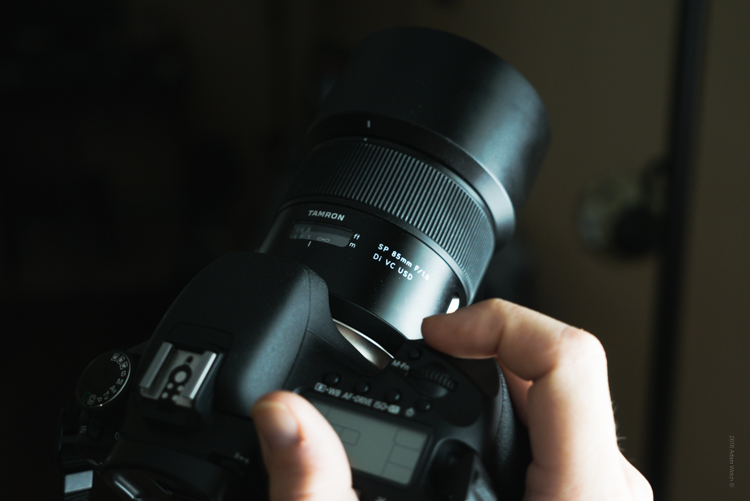
To date, very few lenses I have evaluated have exemplified this coming of age of lens manufacturing, more so than the Tamron 85mm F1.8 Di VC USD. It is intended to be used with full-frame dSLR’s, as well as APS-C bodies (it becomes 136mm equivalent). This lens embodies what could be called a levelling of the playing field, in terms of cost versus performance. Recently, Tamron announced their intentions to re-energize, and improve their lens offerings with increased image quality, and more reliable build. During this review I was amazed at just how much punch Tamron has been able to deliver with their 85mm f/1.8.

First Impressions

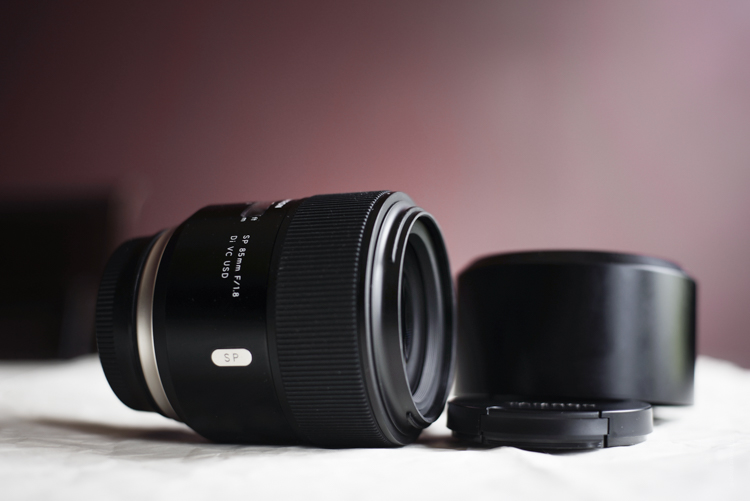
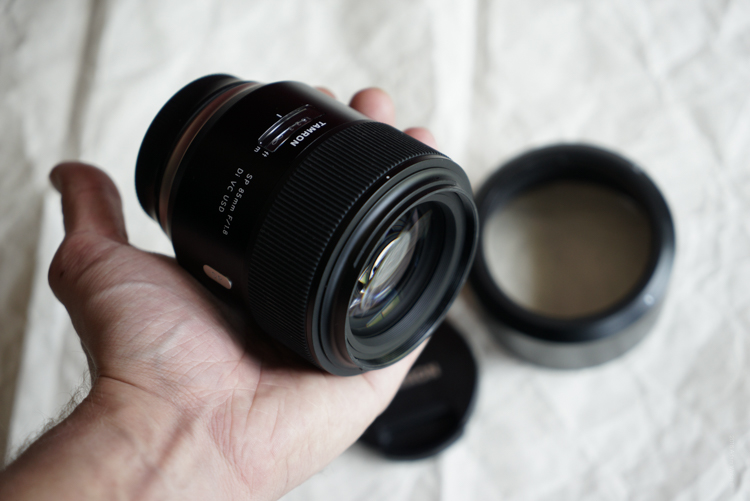
After breaking open the box I found the lens, along with hood, to be very well cradled in its packaging.
Lens 1

Lens 3

Lens 5

At first feel, the Tamron 85mm f/1.8 seemed hefty, with a solid weight. Not overly heavy at 24.7 ounces (700 g), but certainly not light either. You will definitely know this lens is on your camera. The look of the lens is clean and classic.

The lens body itself is nicely finished in matte black, while Tamron has added some silver-toned accents; most notably of which is the new metallic ring at the base of the body around the mount. The focus ring is pleasantly rubberized, and feels very comfortable to the touch. There is also a voucher for a free download of SilkyPix, Tamron’s post processing software, included with the lens purchase.

Build Quality

As I said, the most noticeable physical aspect of this lens is its weight. Which isn’t a bad thing, and it strikes a balance when compared to other similar lenses: the Canon EF 85mm f/1.8 and the Canon EF 85mm f/1.2 L which come in weighing 14.99 oz (425 g) and 36.16 oz (1.025 kg) respectively. Keep in mind that neither of those two lenses sports image stabilization(more on this feature later). Overall, the Tamron just feels serviceably solid. The focus ring is firm and extremely smooth when turning. All the markings and accents are very well executed and the focus indicator window is nicely done.


Lens 2

Lens 4

Here are the Tamron 85mm F1.8 mounted to a Canon 7D Mk1 alongside another excellent prime, the Canon EF 50mm F1.4 (below) for a size comparison.
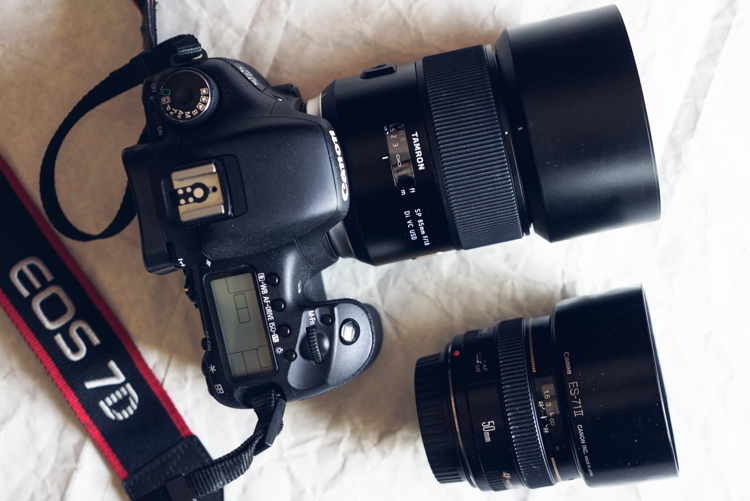
85 and 50

The VR( image stabilization) and AF/MF switches are well placed for easy operation, and they switch on/off firmly. The included barrel-type lens hood looks great without screaming “Hey! Look at me!” and locks on securely with ease.

Here’s the official specification sheet from Tamron
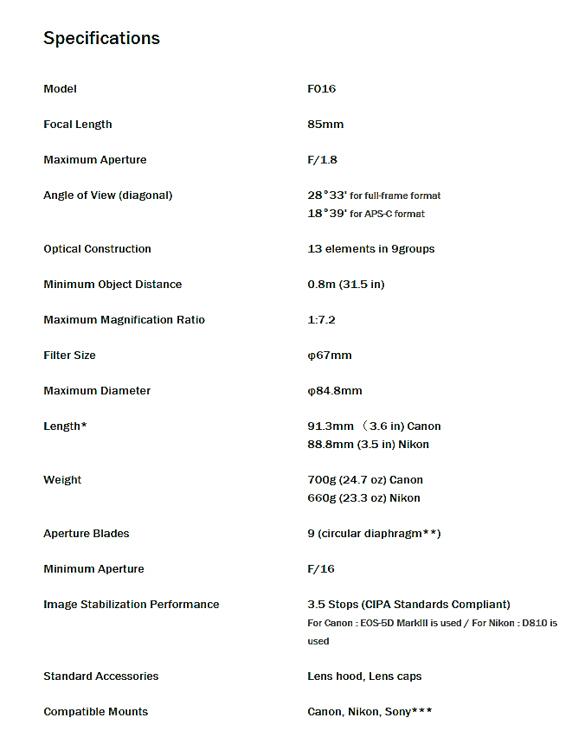
Spec Sheet

One thing which I’ve always found so pleasing about Tamron, albeit a small detail, is their attention to their lens cap ergonomics. I know, I know – it’s just a lens cap. But it’s a very important element of any lens that is intended to be used extensively. I mention it due to the fact that Tamron lens caps have a very deeply recessed front pinch.
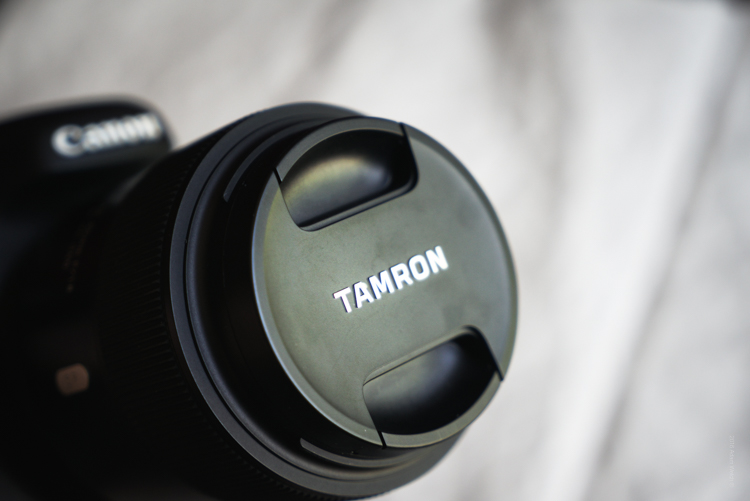
Cap

Very much of my work centers around adventure and outdoor photography, where the elements aren’t always cooperative. Being able to take the lens cap on and off without fear of dropping (even with gloved hands) is a huge advantage in those kinds of situations. Small detail? Yes. An important detail? Very much so. It’s a feature that my fellow landscapers and outdoor photographers will greatly appreciate.

Now, back to your regularly scheduled review.

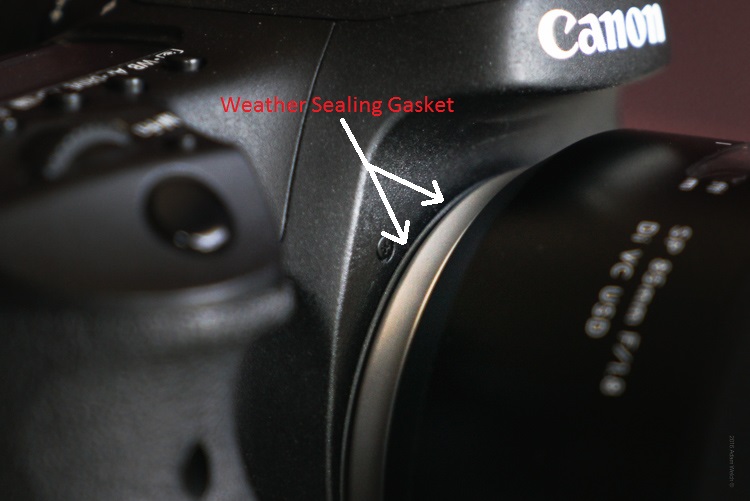
If you look closely at the lens you might notice a small black rubber gasket at the area of the lens mount.
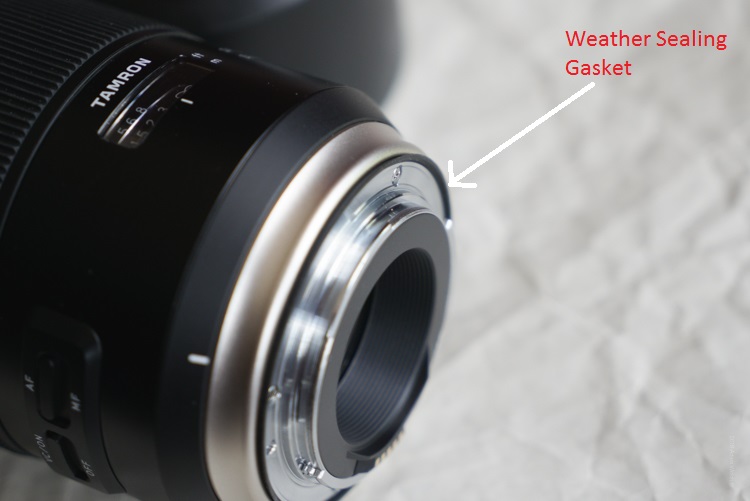
Seal 1

Seal 2

This is part of the advanced steps Tamron has made to improve the resistance of their lenses to the elements. Though not as readily visible as the seal on the lens mount, the entire lens design has incorporated increased weather sealing on the areas between the focus ring and lens barrel. This means better long term service and protection from the grit and grime, often found when making photographs in the outdoors, where dust and moisture make themselves an unwelcome nuisance.

Image Quality

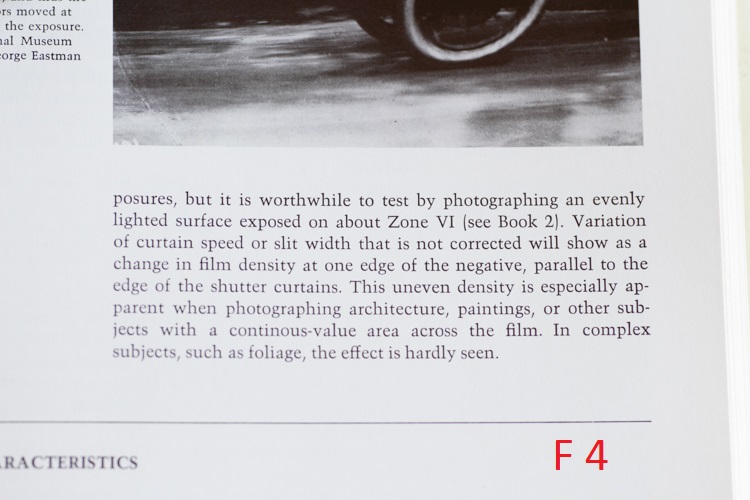
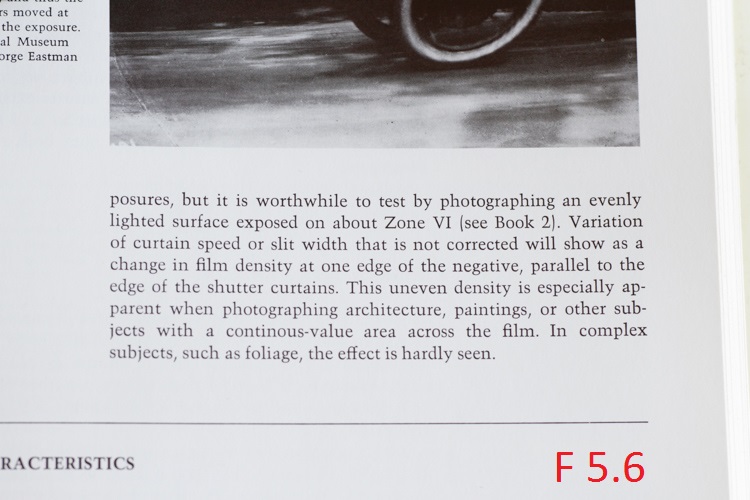
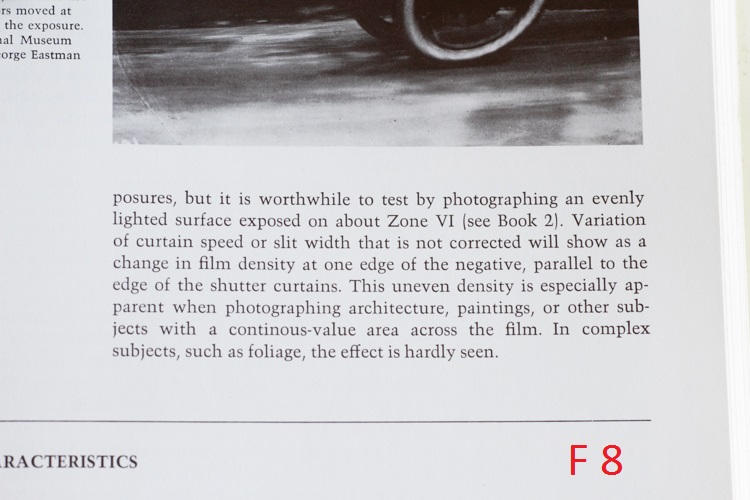
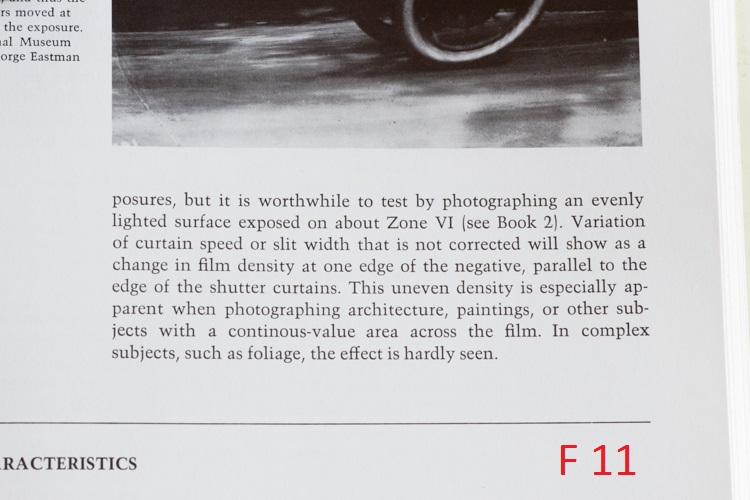
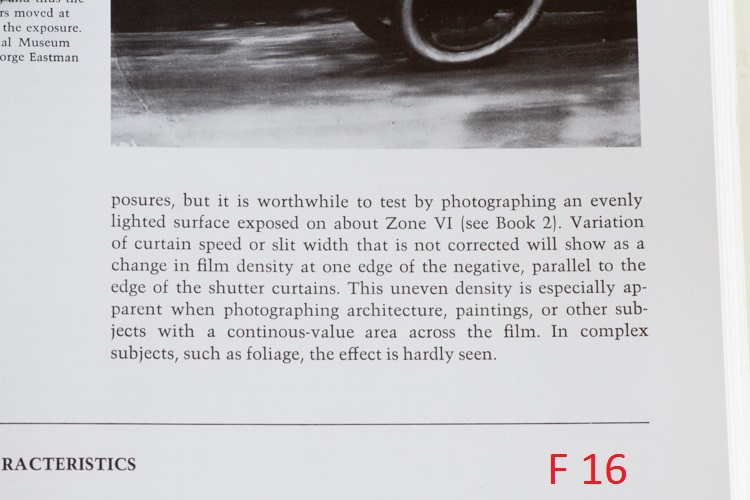
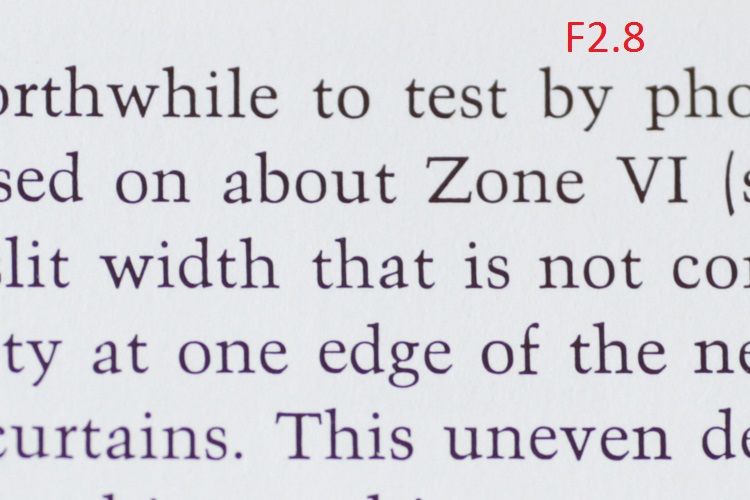
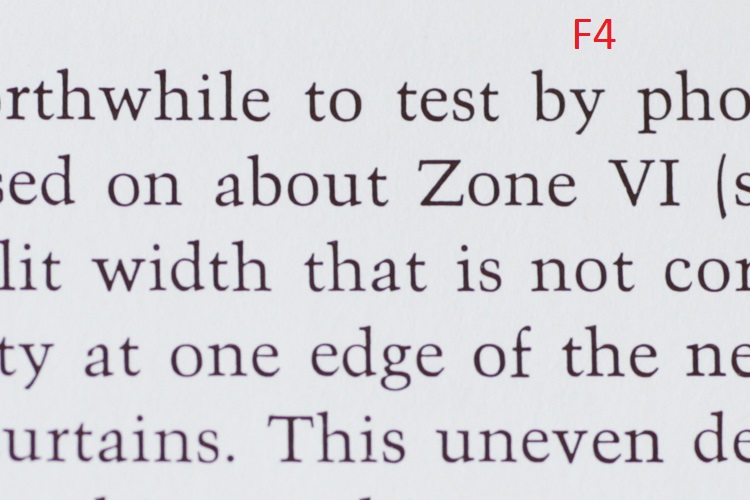
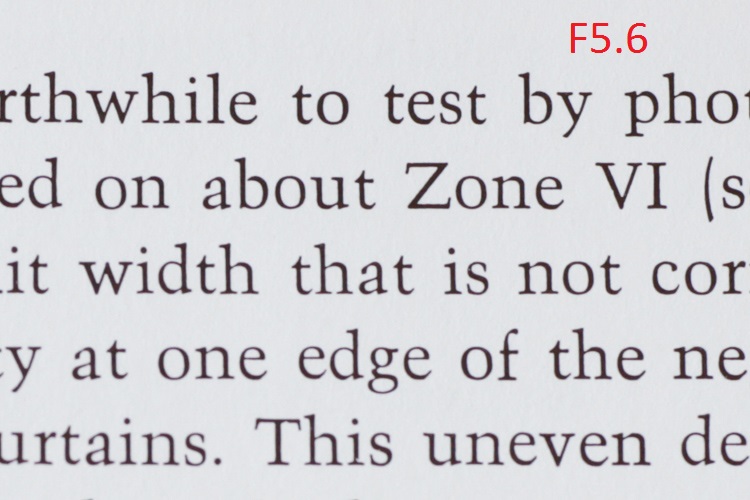
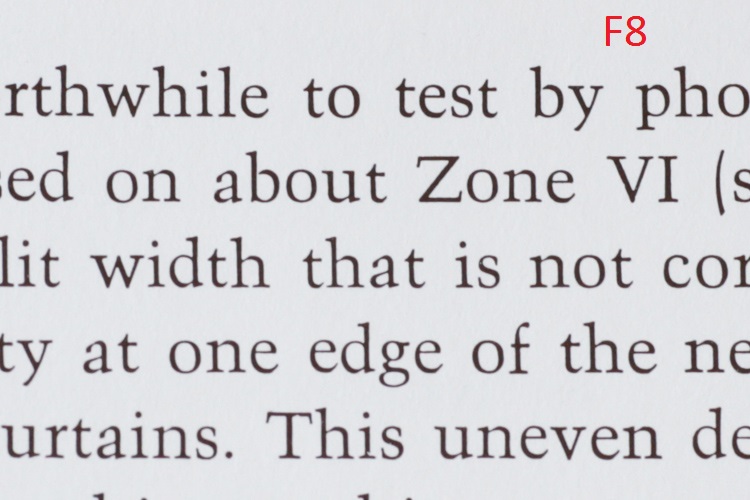
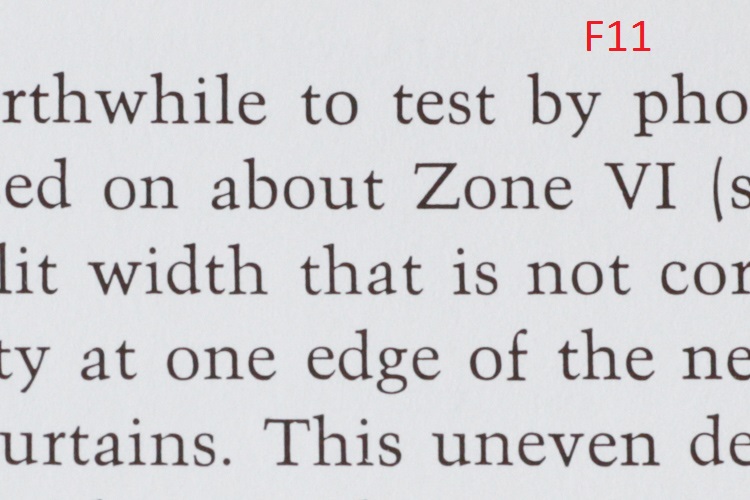
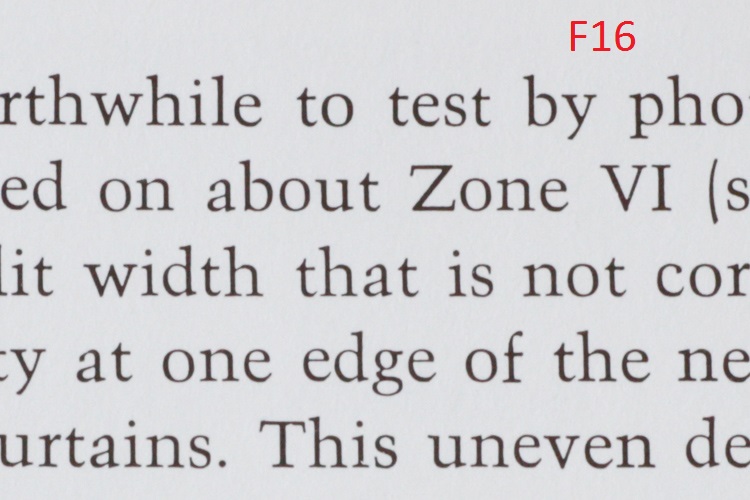
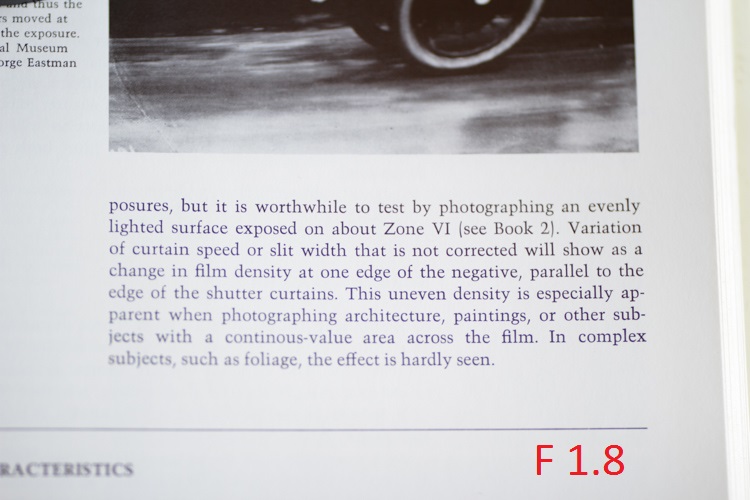
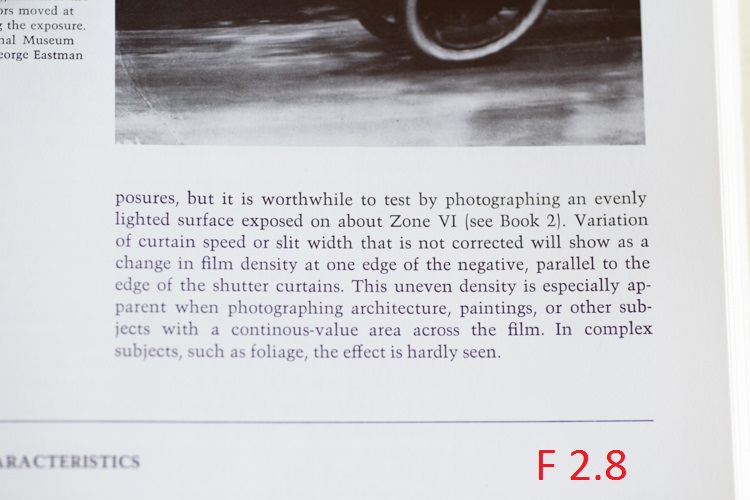
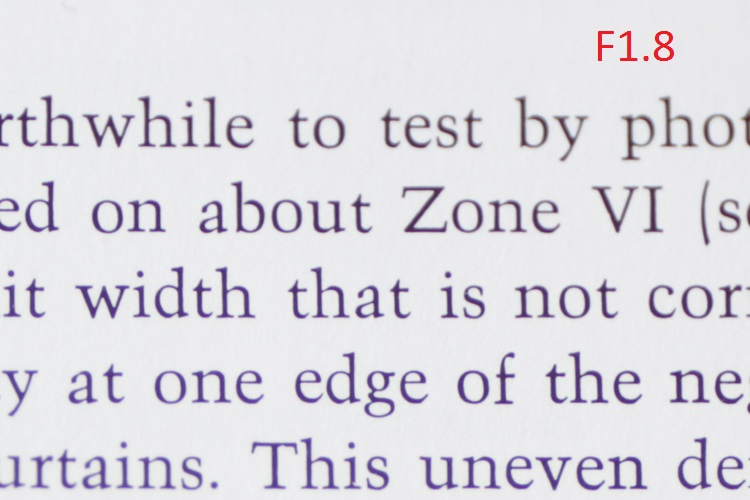
The 85mm F1.8 is intended to be a medium telephoto lens, that offers decent compression for portrait work, as well as true to life color rendition. In all these things, Tamron has excelled. I was excited to see that the lens performed very well, and was very sharp through the complete f/1.8 to f/16 aperture range. The corners were a little soft at f/1.8 but became crisp at f/4 and beyond. Overall sharpness was best observed from f/4 to f.8, with f/5.6 seeming to be the sweet spot of this review model.

Admittedly, I was very impressed with the sharpness, but the color performance is a point where this lens truly shines. Colors come through well saturated, with only moderate chromatic aberrations at wide apertures (past f/2.2 becomes very good) and contrast is wonderfully bold.

This is a series of uncropped images, showing the performance across common apertures from f1.8 through f/16.
F1 8

F2 8

F4

F5 6

F8

F11

F16

Now, have a look at that same set after being cropped to approximately 1:1.
F1 8 Zoom

F2 8 Zoom

F4 Zoom

F5 6 Zoom

F8 Zoom

F11 Zoom

F16 Zoom

The nine curved aperture blades produce a creamy bokeh, which portrait shooters will love. I especially loved the bokeh produced at the largest aperture of f/1.8. In some situations it even hinted at a faint swirling effect, reminiscent of the selectively loved/hated Helios 44-2.

In any case, you will no doubt be pleased with the background blur of your images. Taken alongside the great color and contrast, the 85mm f/1.8 will consistently produce quality images with good sharpness, in a wide range of situations.

Here are some additional sample images made with the Tamron 85mm F1.8.

Hand

Leaf

Coffee

Clouds

Lime

Swing

Autofocus and Image Stabilization Performance

This is the part of the review that I could not wait to write about in regard to the 85mm F1.8. The autofocus of this lens is fast, accurate, and quiet. The ultrasonic motor drive produced very little vibration during autofocusing, which was great. I’m a big time fan of having the final say with my focusing. Tamron has included a full-time manual override capability, which definitely allows greater control for pinpoint adjustments when needed, without having to switch the AF/MF switch to manual.

The autofocus tracked very accurately when shooting moving subjects as well. Overall, the AF performance of the lens is top notch.

The image stabilizer on this lens is an absolute marvel. In most cases, vibration reduction technology is useful, but for me, it’s never been a make or break selling point when I shop for lenses. With the 85mm – I must say that I am thoroughly impressed. The image stabilization performance of the lens is one of, if not the best, I have ever encountered. Tamron states that the 85mm F1.8 was the first 85mm fast-prime to include the technology (as of January 2016). The VR (vibration reduction) makes shooting at what might be considered impractically slow shutter speeds in sub-optimal light, very possible. This is great for street photographers, and really anyone who finds themselves needing to keep their ISO in check, who also frequently encounters low light conditions.

VR Off

This is an image shot handheld at 1/10 second with VR turned off.

VR On

Here we see the almost magical impact of the image stabilizer once the VR is switched on.

Generally, I base the majority of my exposures around the Reciprocal Rule (1/focal length) so at 85mm I wouldn’t normally go slower than 1/80th of a second, or 1/60th on a good day. The fact that I was able to pull off this measure of sharpness at 1/10th of second, means that the image could have been made with an even slower shutter speed, while still maintaining acceptable clarity. This means a lower ISO can be used in situations when it would previously not have been possible. Tamron has hit the VR out of the park with the 85mm F1.8.

Final Verdict

What you’ll like:

  • Outstanding sharpness through entire aperture range.
  • Great color and contrast performance.
  • Build quality is great.
  • Improved weather sealing helps control moisture and dirt problems< ./li>
  • The VR performance is outstanding. Image stabilization level: Jedi.

What you might not like:

Well, it’s difficult to list anything here. An extremely scrutinous shooter might mention the weight and moderate chromatic aberrations at f/1.8 as drawbacks, but both fall very safely in the range of what would be considered acceptable for most uses.

Closing Thoughts

It’s difficult for a lens to leave a reviewer without having any real negatives. Still, the Tamron 85mm F1.8 appears to have done just that. There were no issues encountered that would warrant inclusion. The fact is that the optically quality is superb, and the build is very solid.

Taking into consideration the fast autofocus, and the incredible image stabilization, it truly is a tough lens to beat at this price (around $ 749 USD). Add in the beefed up weather protection, and you are left with a beast of a mid-range telephoto lens, which will excel at portraiture and street photography, while holding its own during adverse shooting conditions in the outdoors.

4.5 out of 5 Stars

googletag.cmd.push(function() {
tablet_slots.push( googletag.defineSlot( “/1005424/_dPSv4_tab-all-article-bottom_(300×250)”, [300, 250], “pb-ad-78623” ).addService( googletag.pubads() ) ); } );

googletag.cmd.push(function() {
mobile_slots.push( googletag.defineSlot( “/1005424/_dPSv4_mob-all-article-bottom_(300×250)”, [300, 250], “pb-ad-78158” ).addService( googletag.pubads() ) ); } );

The post Review of the Tamron 85mm F1.8 Di VC USD Lens by Adam Welch appeared first on Digital Photography School.


Digital Photography School

 
Comments Off on Review of the Tamron 85mm F1.8 Di VC USD Lens

Posted in Photography


Lens Review: Sigma 20mm F1.4 DG HSM Art Lens

10 Aug

In my opinion, one of the best developments to happen in photography recently is the stepped-up offerings of third party lens manufacturers. Early in my photography career, third party lenses were decent alternatives for a lower cost option, but my own experience was that the cost savings also came at a cost in performance. Those lenses weren’t as sharp, focused slower, and weren’t built to the same quality of similar lenses by Nikon and Canon (and other camera brands).

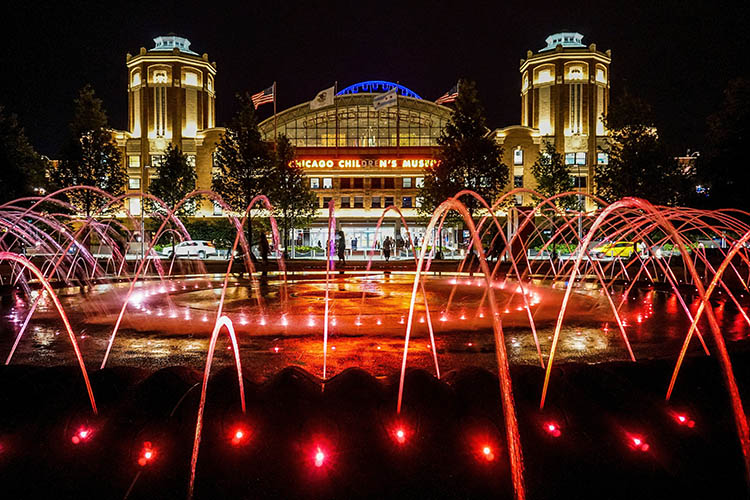
Sample image from Sigma 20mm f/1.4 DG HSM Art

The Sigma 20mm lens allows for capturing expansive views when photographing landscapes.

Enter Sigma’s Art lineup of lenses. When the Sigma 35mm f/1.4 Art lens was introduced in 2012, it ushered in a new era of third party lenses, giving users lower cost options while maintaining high image quality and performance. As Sigma has continued to build out their Art lineup, adding a 50mm f/1.4, a mind-boggling 50-100mm f/1.8 zoom for APS-C cameras, and others – photographers are gaining new respect for Sigma as a lens maker. Recently, Sigma announced a new entry, the 20mm f/1.4 DG HSM Art lens, and I was thrilled to have an opportunity to try it out.

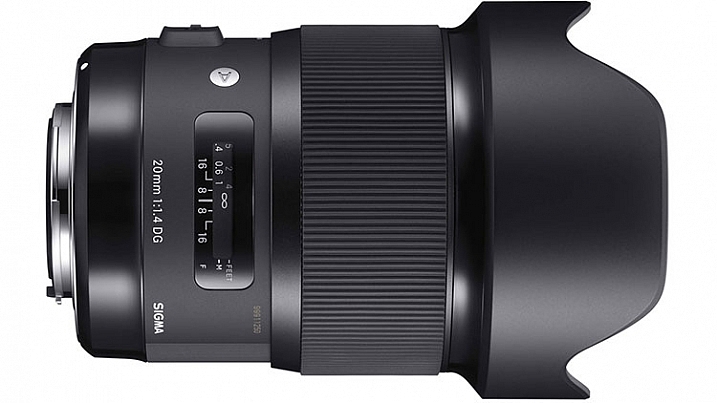
First Impressions: Sigma 20mm f/1.4 Art Lens

Sigma 20mm f/1.4 DG HSM Art

Image courtesy of Sigma

When the lens first showed up on my doorstep, I immediately unpacked it to see what Sigma has done.  It is impressive. An ultra-wide angle lens with an ultra-fast maximum aperture, the 20mm f/1.4 Art lens is one with quite a few applications including; photojournalism, wedding photography, street photography, and landscapes, to name a few. If the image quality for this lens lives up to the reputation of previous Art lenses, it’s going to be an incredible lens to work with.

A quick glance at the major manufacturers’ websites reveals that no other lens maker builds a 20mm lens with a maximum aperture as large as the Sigma 20mm f/1.4 Art lens. That fast aperture allows a lot of room for use of shallow depth of field, or for working in low light conditions. It also makes applications such as astrophotography a bit easier as well. The minimum aperture is only f/16, as opposed to f/22 on lenses such as the Canon Ef 24mm f/1.4. While that is not a huge issue, it does mean that when you’re trying to use slow shutter speeds on sunny days, a filter may be necessary.

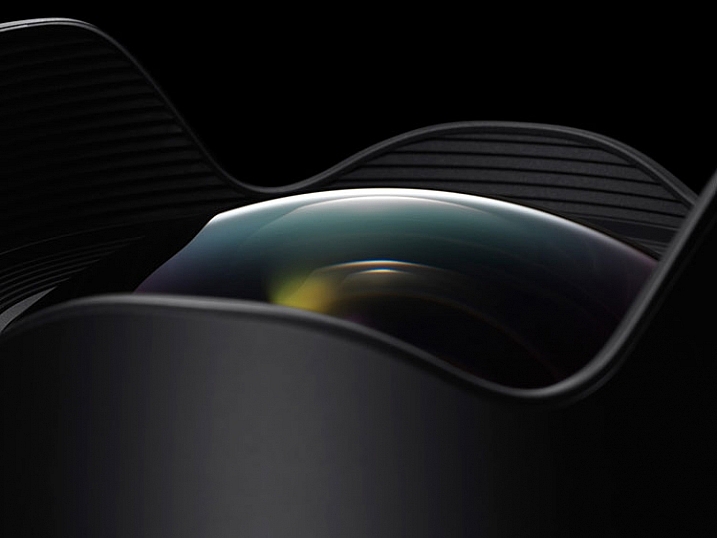
Detail image of Sigma 20mm f/1.4 DG HSm Art

The bulbous front element of the Sigma 20mm f/1.4 DG HSM Art lens. Photo courtesy of Sigma.

Out of the box, the lens is fairly sizable (90.7mm x 129.8mm / 3.6  x 5.1 inches) and is a bit heavy (950 g / 33.5 oz.). It is considerably larger than my Nikon 24mm f/1.4 G or the Canon EF 24mm f/1.4L II. The outer barrel does have a bit of plastic feel to it, but the brass mount and considerable heft, assuage any fears of cheap build quality. Constructed of 15 elements in 11 groups, including F Low Dispersion, Special Low Dispersion, and aspherical elements, Sigma claimed class-leading image quality. I found minimal distortion and chromatic aberration in images I shot with this lens, and what I did find was easily corrected in Lightroom or Photoshop. The lens features a 9-blade rounded diaphragm aperture, excellent for soft rounded bokeh in out of focus areas of the image. Minimum focusing distance is 27.6 cm or 10.9 in.

My one disappointment with the lens is the bulbous front element, which eliminates the ability to use either screw-in filters such as polarizers, or the smaller 100mm drop-in filters. While I have a set of 150mm filters, my adapter would not fit the lens, and other manufacturers had yet to build an adapter that works. I am told by several filter manufacturers that they are working on a suitable adapter for the 150mm filter kits on the market.

The Sigma 20mm in the field

Sample image from Sigma 20mm f/1.4 DG HSm Art

Being a landscape photographer, the first thing I wanted to do was take this lens for a spin at one or two of my favorite local spots. While the lack of filters meant I had some difficult choices to make when photographing the sunset, I was anxious to use the wide angle lens to accentuate the foreground and the sky.

The Sigma 20mm f/1.4 Art gave me no issues and focused smoothly on my subject. The 94.5° field of view on a full frame sensor provides a nice panoramic image, allowing you to emphasize the immediate foreground while creating context in showing the background. The necessity of filters will be more dictated by your camera sensor’s dynamic range, but I found on my Nikon D810, I was able to expose for the highlights and recover the shadows in post-production. Sharpness throughout the scene was excellent, with minimal distortion and loss of resolution at the corners. Color and contrast are excellent as well.

20160624_Maureen-Chuck_0611b

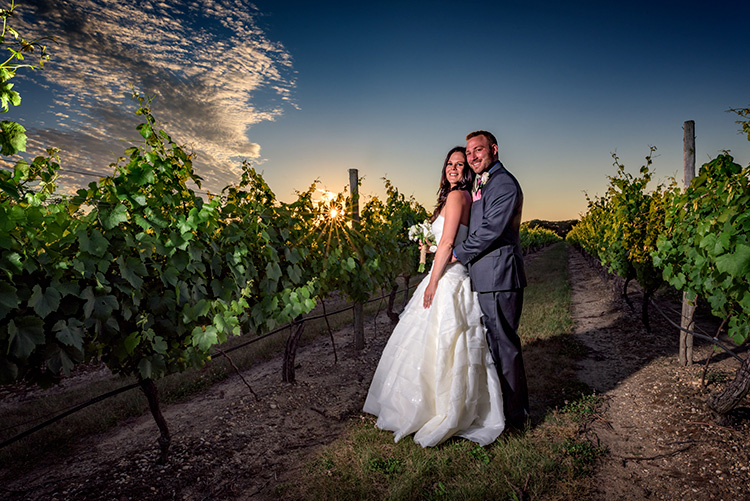
My next test was to try the lens at a wedding. I will often employ a wide angle lens for capturing action on the dance floor, and occasionally for environmental portraits of the bride and groom like the image above. I found the Sigma 20mm f/1.4 Art lens excelled in both instances.

On the dance floor, even in low light, I found the lens to focus quickly and accurately. The fast aperture allowed me to minimize my use of flash in the reception hall (below), and use the ambient lighting for a more natural, festive look. In addition, for the formal portraits I used the lens outdoors at sunset for some bridal portraits, and was impressed with the image quality in a high contrast situation. I used an external strobe to light the bride and groom (image above), with the sunset in the background, and stopped all the way down to f/16 for a starburst effect on the sun.

Sample wedding image from Sigma 20mm f/1.4 DG HSM Art lens

My final test was to do some astrophotography with the lens. In the past, I’ve used both the Nikon 24mm f/1.4 and the Canon EF 24mm f/1.4L II lenses, and while both were satisfactory, each has a tendency to produce some comatic aberration, especially in the corners.

While I did find some coma using the Sigma 20mm f/1.4 Art, I found it to be less noticeable than either the Nikon or the Canon. The fast f/1.4 aperture allowed me to capture the stars, while using an ISO of 800 and a 15 second exposure time. If nothing else, this lens is an astrophotographer’s dream, being wider than any other f/1.4 lens currently on the market, which allows for capturing expansive sections of the night sky.

Sample images from Sigma 20mm f/1.4 Dg HSM Art lens.

Summary

In the 20mm f/1.4 Art lens, Sigma has managed to build an exceptional, wide aperture, wide angle lens that will suit a variety of photographers, from photojournalists, to landscape artists, street photographers and wedding photographers. Priced at $ 899, it’s less than half the price of the equivalent Nikon or Canon 24mm lenses, and provides a wider angle. Nikon’s 20mm f/1.8G is as close as the major manufacturers get to this lens, at a cost of $ 100 less than the Sigma. The Sigma 20mm f/1.4 DG HSM Art is available in Canon, Nikon, and Sigma mounts.

I highly recommend this lens to anyone in the market for an ultra-wide, ultra-fast lens. My one caveat is that if you’re not already invested in a 150mm filter system, you will need to do so if you want to use filters with this beast.

googletag.cmd.push(function() {
tablet_slots.push( googletag.defineSlot( “/1005424/_dPSv4_tab-all-article-bottom_(300×250)”, [300, 250], “pb-ad-78623” ).addService( googletag.pubads() ) ); } );

googletag.cmd.push(function() {
mobile_slots.push( googletag.defineSlot( “/1005424/_dPSv4_mob-all-article-bottom_(300×250)”, [300, 250], “pb-ad-78158” ).addService( googletag.pubads() ) ); } );

The post Lens Review: Sigma 20mm F1.4 DG HSM Art Lens by Rick Berk appeared first on Digital Photography School.


Digital Photography School

 
Comments Off on Lens Review: Sigma 20mm F1.4 DG HSM Art Lens

Posted in Photography


Casio launches rugged EX-FR200 camera with detachable lens unit

06 Aug

Casio has announced a 360° camera that features a detachable lens unit and a mode that allows the body to control two cameras at the same time. The Casio EX-FR200 is equipped with a 1.35mm lens that offers a fisheye capture with the angle of view we’d expect from a 13.4mm lens on a 35mm film camera.

The lens can be used in four different modes to either capture a 180° 3888 x 3888 pixel fisheye spherical view, an unwrapped 360° 7456×1864 panorama, a super-wide 208° image or when combined with a second camera it can join two images shot in opposite directions to create a 360° ‘omni-directional’ image.

The camera consists of a body unit and a detachable lens/camera unit that can be used separated from the body, or folded for ‘normal’ shooting or selfie shooting while connected to the body.

Casio has also produced an accessory that mounts a pair of FR200 or FR100 lens units back-to-back so that they can shoot in both directions simultaneously to create images that can be merged in Casio’s Exilim Album app or Exilim 360 Viewer desktop software to form a navigable YouTube 360 Video file. The camera can also control dual lens units in sequence from different perspectives while pointed in the same direction.

The FR200 is waterproof, freeze-proof and drop resistant for use in tough environments, and communicates via Bluetooth 2.1 and Wi-Fi. The camera also has a 4K video function.

Beyond Japan it isn’t clear where the camera will be sold, but the company plans to make 5000 a month from the time it is released in mid-September.

For more information see the Casio press release (translated version).

Articles: Digital Photography Review (dpreview.com)

 
Comments Off on Casio launches rugged EX-FR200 camera with detachable lens unit

Posted in Uncategorized