RSS
 

Posts Tagged ‘Lens’

The Fuji XF 18-135mm – a Versatile Travel Lens

10 Feb

From one article comes another – One plus of being a Fuji X Photographer is that Fuji will lend you gear to try. When I did an overview of the 18-55 Kit lens, a commenter asked about the difference between it and the Fuji XT 18-135mm. I don’t own that lens, but through my Fuji connection, I was able to borrow one for a short while and give it a go. So thank you to the commenter that allowed me to find out I could borrow stuff to test!
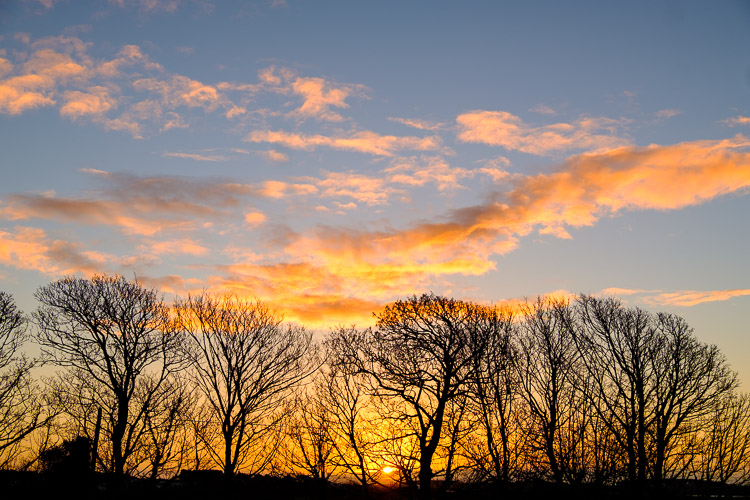
Fuji XF 18-135mm sunrise

The sunrise on New Years Day. I had no hesitation using the lens, over lenses I own already, to capture this image.

First thoughts on the Fuji XF 18-135mm lens

Straight up, I think this is a great travel lens, despite the issues with the lens that are common to most kit lenses. But, these issues are outweighed by the usefulness of this lens. The weight and size were fine in general use, and I never felt that I was being let down by the lens. When I got the lens, I did a walkabout locally where I familiarized myself with it.
Fuji XF 18-135mm

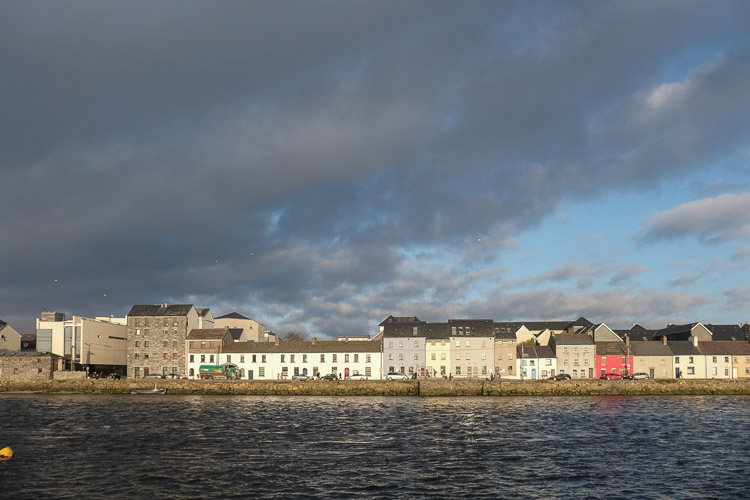
A wide shot of Long Walk in Galway. The Museum is on the left of the shot.
Fuji XF 18-135mm

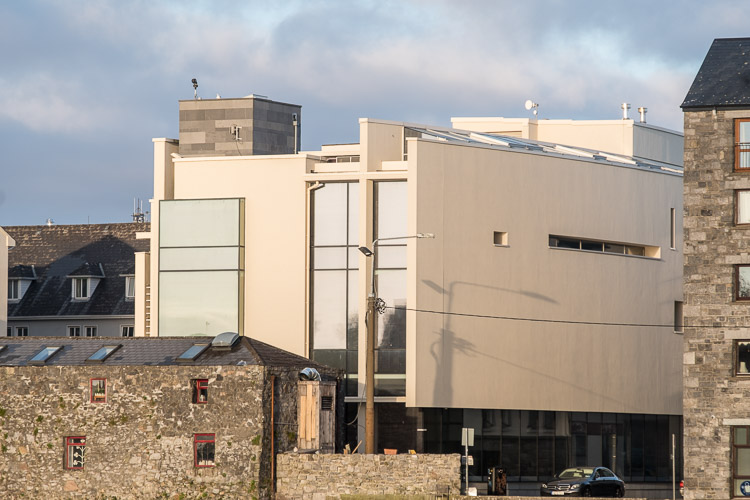
Here’s the Museum from the same position at 135mm.
Fuji XF 18-135mm

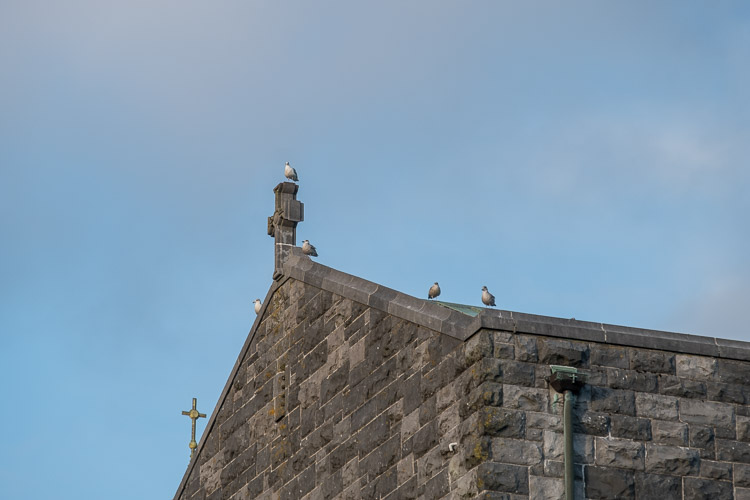
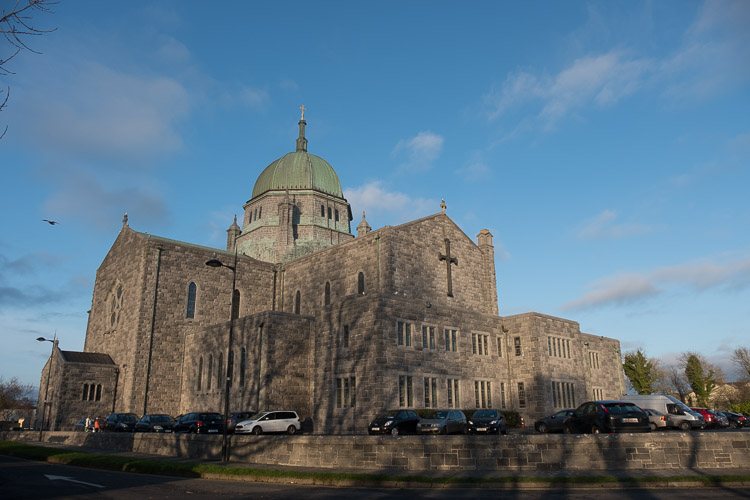
Galway Cathedral at 18mm.

Fuji XF 18-135mm

A detail shot of the roof to the left of the some at 135mm.

Fuji XF 18-135mm

Salthill with the sun setting near Blackrock Diving Tower.
Fuji XF 18-135mm

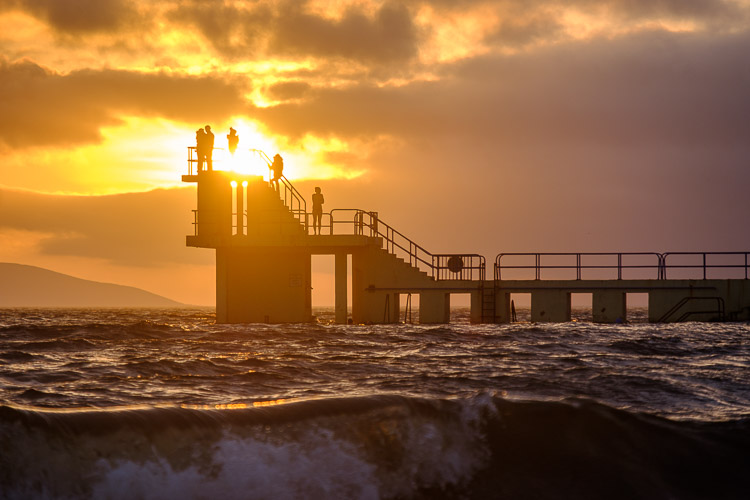
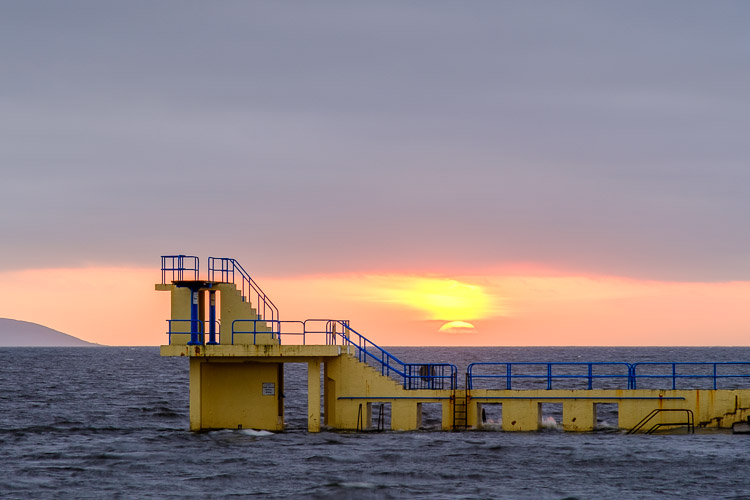
I moved slightly to frame the sun in the tower, but still roughly the same distance away, zoomed in to 135mm.
Fuji XF 18-135mm

The sunset didn’t quite pan out, but I used the 135mm end of the lens to frame it with the diving tower.

Specs of the Fuji XF 18-135mm lens

The Fuji XF 18-135mm weighs 409 grams (just shy of one pound). It’s not lightweight, but it’s not heavy compared to similar lenses in this class. Aperture runs from f/3.5 at 18mm to f/5.6 at the 135mm end. The full frame equivalent is 27-200mm. I owned the Canon 28-200mm for a while and sold it because of the softness. This Fuji 18-135mm, while not as sharp as the XF 18-55mm, is not as soft as the Canon version.

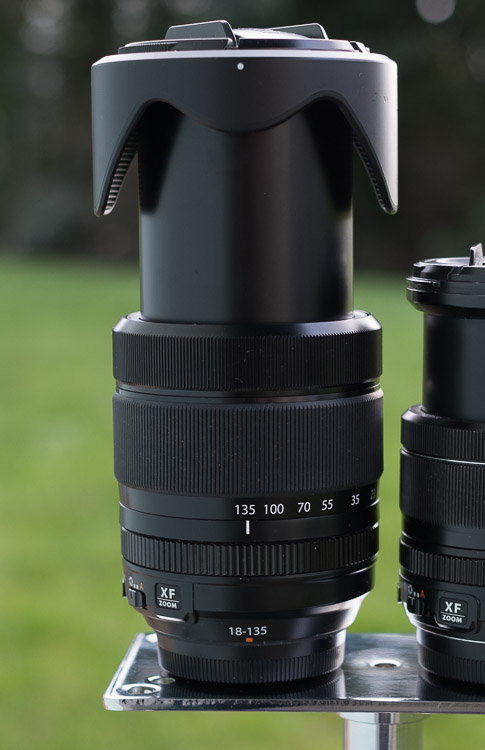
The lens extends in length as you zoom it. The lens barrel doesn’t rotate, so attached filters remain in the same relative position. It comes with a plastic lens hood, and the filter ring is 67mm. As with the 18-55mm, the lens has OIS to reduce camera shake. Fuji claims that this offers up to an impressive 5-stops of camera shake reduction. It’s in the WR (Weather Resistant) range of lenses also, meaning you can use it out in the rain, something I did when visiting London.
Fuji XF 18-135mm

Travel and the Fuji 18-135mm lens

Super zooms, by and large, make for great travel lenses. The width is usually good enough for any situation. If you need more, it’s easy to shoot two overlapping shots and create a panorama later. The longer focal length means you can easily capture street portraits or zoom in to get details. Wide shots often have to include other tourists, especially when handheld. Detail shots can give a better flavor of an attraction, and give you something not everyone else thinks to shoot. The best part? Not having to change your lens to get both shots.

The weight of the lens isn’t a cause for concern, even carrying around all day. With a small messenger bag like the Think Tank Retrospective 10, you can use the lens mounted on a Fuji X-T2, while carrying a bottle of water and all your accessories. When traveling I had this combo, a 35mm f/1.4, a flash and trigger set, along with a small shoot-through umbrella. Also in the bag were an iPad mini, a power bank, and a foldable bluetooth keyboard. I never felt like I was weighed down and was quite productive with this setup. Whenever a shot presented itself, I simply grabbed the camera and was ready to go.

London

During the time I had the lens, I was at The Societies convention in London. It was a perfect chance to use the lens as a tourist. Some of the attendees organized a night shoot down by the river Thames. We walked along South Bank to the Millennium Bridge, shooting along the way.
Fuji XF 18-135mm

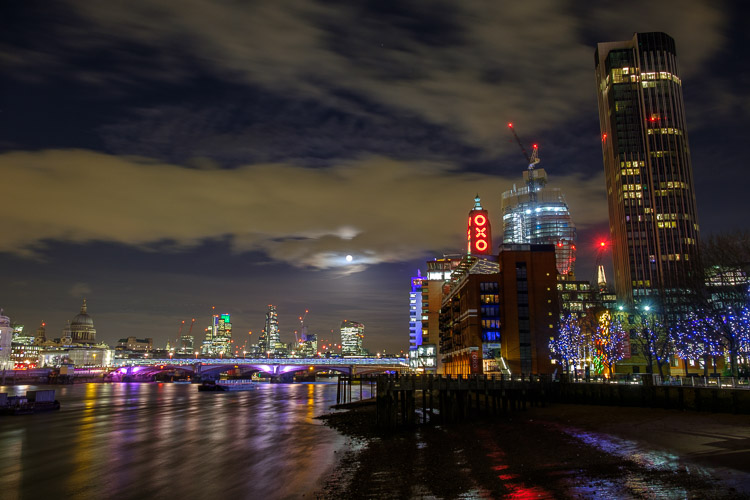
A shot of the London night skyline showing the OXO tower and St Pauls’ Cathedral.
Fuji XF 18-135mm

The same view at 53mm

Fuji XF 18-135mm

And again at 70mm, longer than the 18-55mm could do.
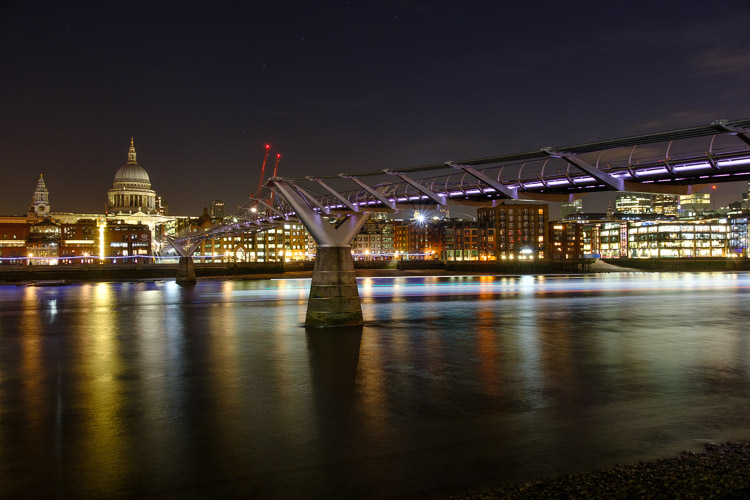
Fuji XF 18-135mm

The Millenium Bridge and St Pauls.

Fuji XF 18-135mm

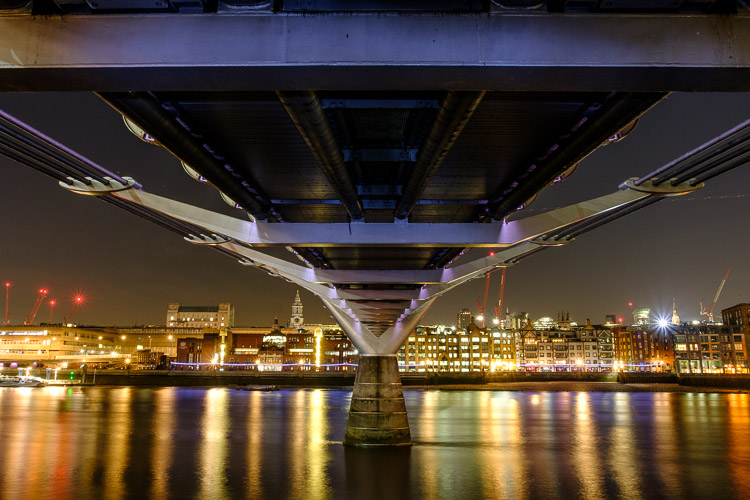
Under the Millenium Bridge I light painted the beams with a torch (flashlight) to get a little more detail into them.
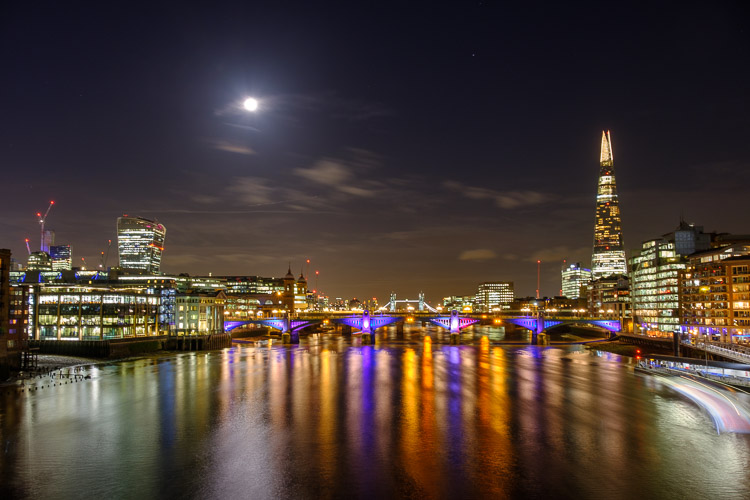
Fuji XF 18-135mm

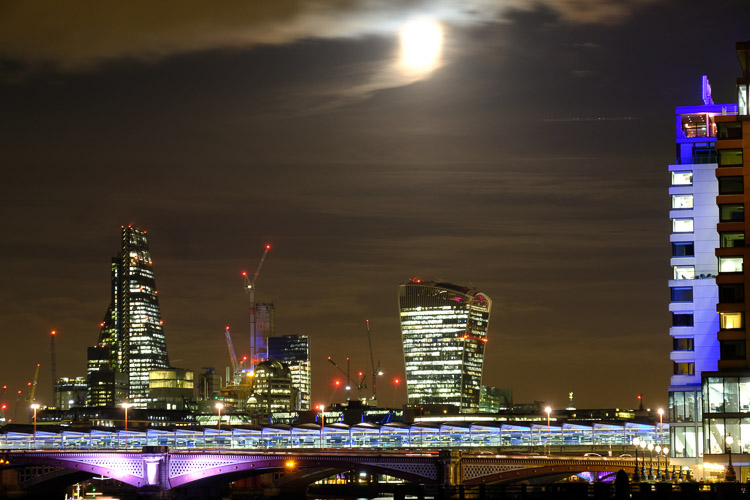
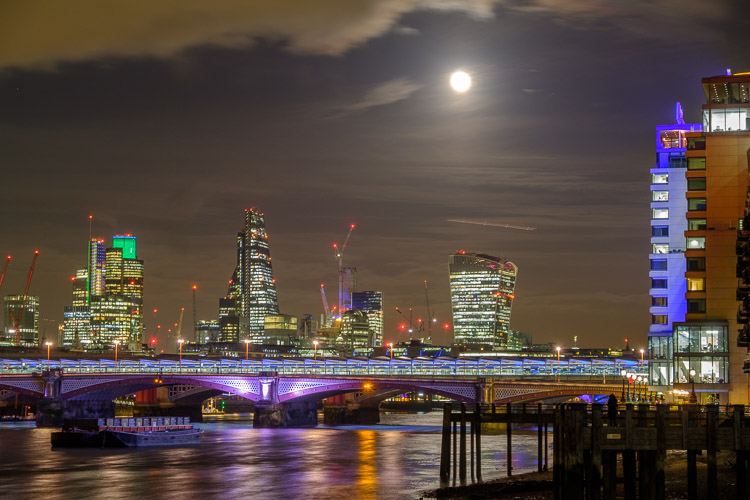
A wide view of the river showing the Moon and the Shard
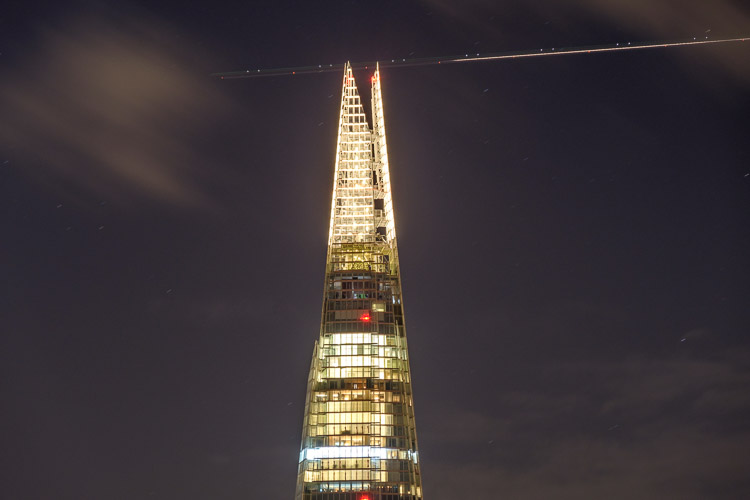
Fuji XF 18-135mm

A 135mm zoomed-in view of the Shard with a plane flying past.

I also did a little walkabout the morning I was leaving. It was raining, but I kept the lens in the bag when not in use and it performed perfectly. Knowing it was weather sealed also made me more inclined to shoot in these conditions.
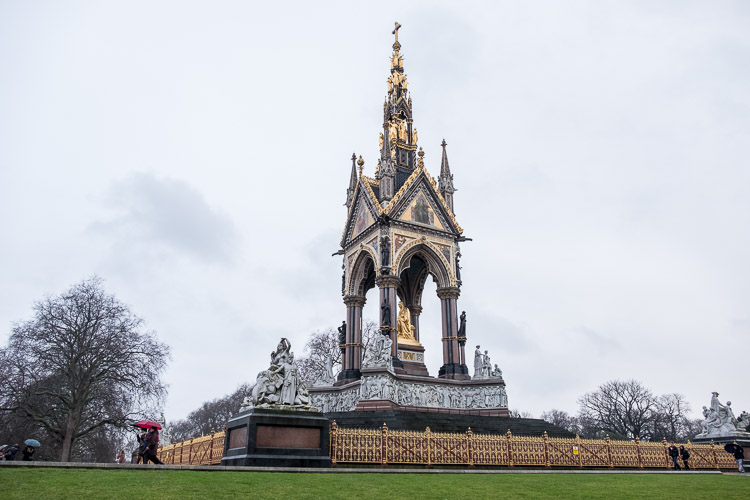
Fuji XF 18-135mm

The Albert Memorial, complete with tourists.
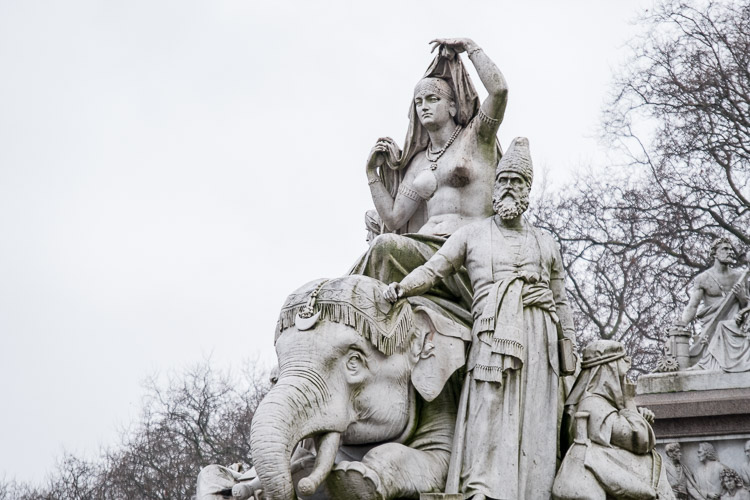
Fuji XF 18-135mm

The Asia Group visible in the bottom left of the previous image at 135mm.
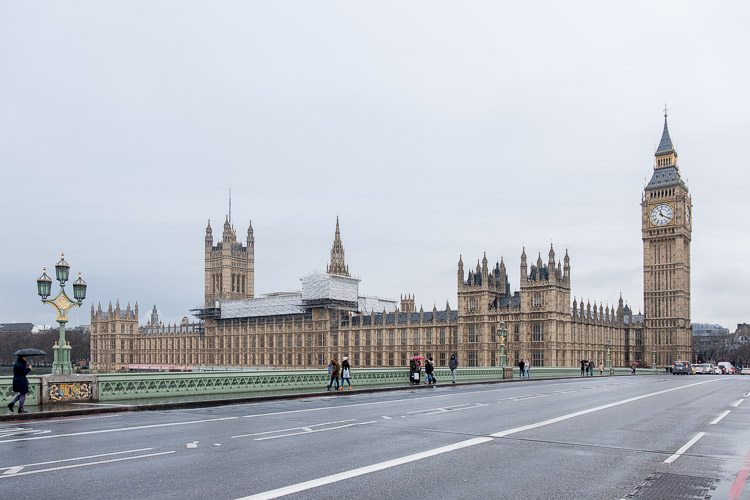
Fuji XF 18-135mm

The Houses of Parliament from Westminster Bridge. Technically the bell is called Big Ben, not the clock tower.
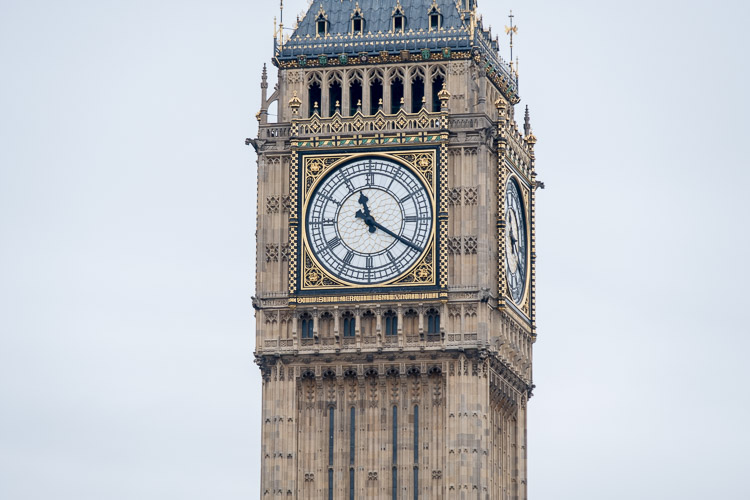
Fuji XF 18-135mm

The clock tower that houses Big Ben.

People

I also made use of the lens in the studio, where it performed equally well. Shooting in studio tends to be around f/8-f/11, which is the sweet spot of most lenses. The Fuji XF 18-135mm lens didn’t disappoint.

Fuji XF 18-135mm

A model shot taken in the studio.

Issues

The main problem with the lens is that shots are a little soft. It’s simply a function of producing the zoom range to a price point. This isn’t really a problem, as the files can be sharpened in Lightroom or another raw converter as a batch process.

Versus the Fuji 18-55mm lens

As both the 18-55mm and the 18-135mm are offered as kit lenses, you may wonder which is better for you. The 18-135mm is larger, heavier, and slower than the 18-55mm. It’s also not as sharp. If a smaller size and faster aperture are important to you, go for the 18-55mm. If you want more reach and don’t want to bring two lenses while traveling get the 18-135mm. Here’s what the two lenses look like side by side.
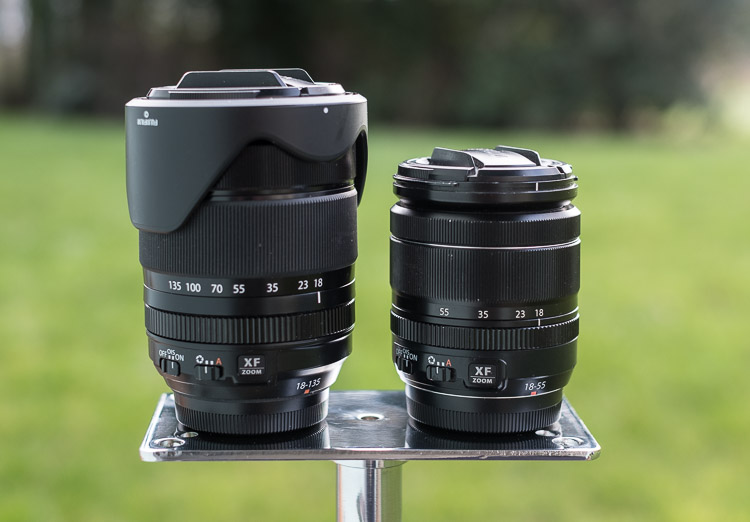
Fuji XF 18-135mm

The Fuji XF 18-135mm lens with the XF 18-55mm.

Here’s the full extension on both lenses. I had to tape the back of the 18-55mm to stop it from slipping (zoom creep) for this shot. The 18-135mm was solid the whole time.
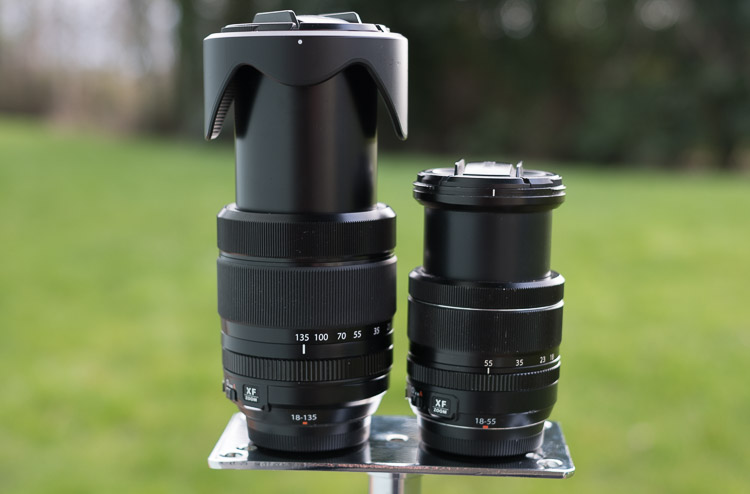
TheFuji XF 18-135mm lens with the XF 18-55mm, both at full extension.

Verdict on the Fuji XF 18-135mm lens

This is a great travel lens that needs a little post-processing to bring out its best. Despite already owing the 18-55mm, I would consider getting this lens specifically for travel

Pros

  • Great reach (zoom or focal length range).
  • You only need one lens for travel making it really convenient.
  • It’s still compact compared to full frame equivalents, like the Canon 28-200mm or 28-135mm IS.
  • The built-in OIS (stabilization) is great for handheld shots.
  • It’s Weather Resistant.

Cons

  • It’s still heavier than the 18-55mm lens.
  • This lens is a  little softer than other Fuji lenses, especially at 135mm.
  • The edges of the frame are a little softer than the centre.

Shop for this lens on Amazon.com or on B&H Photo’s website.

googletag.cmd.push(function() {
tablet_slots.push( googletag.defineSlot( “/1005424/_dPSv4_tab-all-article-bottom_(300×250)”, [300, 250], “pb-ad-78623” ).addService( googletag.pubads() ) ); } );

googletag.cmd.push(function() {
mobile_slots.push( googletag.defineSlot( “/1005424/_dPSv4_mob-all-article-bottom_(300×250)”, [300, 250], “pb-ad-78158” ).addService( googletag.pubads() ) ); } );

The post The Fuji XF 18-135mm – a Versatile Travel Lens by Sean McCormack appeared first on Digital Photography School.


Digital Photography School

 
Comments Off on The Fuji XF 18-135mm – a Versatile Travel Lens

Posted in Photography


Has a new champion been crowned? Sigma 85mm F1.4 Art lens review

08 Feb

The Sigma 85mm F1.4 Art hasn’t been on the market long, but it has already begun to make some serious waves. Lenstip and DxO have rated it the sharpest 85mm lens ever created, beating out even the legendary 85mm F1.4 Zeiss Otus, which isn’t something that we take lightly. We were lucky enough to get our hands on the lens back in mid-November and we were very impressed to say the least, so much so that it took top honors for the ‘Best Prime Lens of 2016’ as chosen by our staff.

It has, without a doubt, been a pretty big topic of discussion not only amongst our staff members, but also amongst portrait photographers around the world. With that said we just had to get our hands on it to see how it really performs and to see how it holds up next to some very stiff competition at 85mm. The Sony FE 85mm F1.4 GM is a very formidable competitor and arguably the best modern 85mm F1.4 on the market (behind the manual focus Zeiss Otus, of course). With that in mind, the question is; can the Sigma hold its own? Our review will answer that question and more.

APS-C   

With an equivalent focal length of 136mm and an equivalent aperture of F2.2, this lens can be usefully used on an APS-C camera. Even with its slightly longer focal length, it does still fit into the focal range that’s often used by portrait photographers and the fast aperture does allow for it to be used in low-light situations as well. However, its size, weight and price makes it worth considering 85mm F1.8 lenses instead.

Sigma 85mm F1.4 DG HSM Art headline features

  • F1.4 maximum aperture
  • 85mm max fixed focal range
  • 2 FLD glass elements (low-distortion glass with fluorite-like performance)
  • 1 Aspherical SLD element
  • Canon EF, Nikon (FX) and Sigma SA Bayonet mounts

Specifications Compared

  Sony FE 85mm F1.4 GM Sigma 85mm F1.4 DG HSM Art
 MSRP $ 1800.00  $ 1199.00
 Lens Type Prime Prime
 Focal Length 85mm  85mm 
 Filter Thread 77mm 86mm
Image Stabilization No No
Lens Mount  Sony FE Canon EF, Nikon (FX), Sigma SA Bayonet 
Aperture Ring Yes (w/ d-click feature) No
Maximum Aperture  F1.4 F1.4
Minimum Aperture F16  F16
Minimum Focus  0.80 m (31.5?) 0.85 m (33.46?)
Diaphragm Blades  11 9
Elements  11  14
Groups  8 12
Special Elements/Coatings  1 ‘Extreme Aspherical’ element, 3 ED elements and ‘Nano AR’ coating 2 FLD glass elements and 1 Aspherical SLD element
Autofocus  Yes Yes
Motor Type  Ring-type Supersonic Wave Ring-type Hypersonic
Full Time Manual  Yes Yes
Focus Method  Internal Internal
Distance Scale  No Yes 
DoF Scale  No Yes
Full Weather Sealing  Yes No (dust and splash proof)
Weight 820g (1.81 lb) 1131g (2.49 lb) 
Dimensions  108 mm (4.23?) x 90mm (3.52?) 126mm (5.0″) x 95mm (3.7″)
Hood  Yes ( ALC-SH142) Yes

As you can see the lenses are fairly different in terms of build and design. The Sony 85mm has a manual aperture ring that can not only function on its own, but the aperture can also be adjusted with the camera by switching the ring to ‘A’. This ring also features a special de-click feature for smooth, silent aperture changes while shooting video. The Sigma 85mm lacks the weather sealing that the Sony has and there’s also a fairly substantial difference in size and weight as the Sony 85mm is a fair bit smaller and lighter. The price point is one area of the where the Sigma really prevails over the Sony, on paper, at least.

Specifications are fun to look at, but the real question is how do these lenses perform? Read on, to find out.

Articles: Digital Photography Review (dpreview.com)

 
Comments Off on Has a new champion been crowned? Sigma 85mm F1.4 Art lens review

Posted in Uncategorized


The Fuji XF 18-135mm – a Versatile Travel Lens

08 Feb

From one article comes another – One plus of being a Fuji X Photographer is that Fuji will lend you gear to try. When I did an overview of the 18-55 Kit lens, a commenter asked about the difference between it and the Fuji XT 18-135mm. I don’t own that lens, but through my Fuji connection, I was able to borrow one for a short while and give it a go. So thank you to the commenter that allowed me to find out I could borrow stuff to test!

Fuji XF 18-135mm sunrise

The sunrise on New Years Day. I had no hesitation using the lens, over lenses I own already, to capture this image.

First thoughts on the Fuji XF 18-135mm lens

Straight up, I think this is a great travel lens, despite the issues with the lens that are common to most kit lenses. But, these issues are outweighed by the usefulness of this lens. The weight and size were fine in general use, and I never felt that I was being let down by the lens. When I got the lens, I did a walkabout locally where I familiarized myself with it.

Fuji XF 18-135mm

A wide shot of Long Walk in Galway. The Museum is on the left of the shot.

Fuji XF 18-135mm

Here’s the Museum from the same position at 135mm.

Fuji XF 18-135mm

Galway Cathedral at 18mm.

Fuji XF 18-135mm

A detail shot of the roof to the left of the some at 135mm.

Fuji XF 18-135mm

Salthill with the sun setting near Blackrock Diving Tower.

Fuji XF 18-135mm

I moved slightly to frame the sun in the tower, but still roughly the same distance away, zoomed in to 135mm.

Fuji XF 18-135mm

The sunset didn’t quite pan out, but I used the 135mm end of the lens to frame it with the diving tower.

Specs of the Fuji XF 18-135mm lens

The Fuji XF 18-135mm weighs 409 grams (just shy of one pound). It’s not lightweight, but it’s not heavy compared to similar lenses in this class. Aperture runs from f/3.5 at 18mm to f/5.6 at the 135mm end. The full frame equivalent is 27-200mm. I owned the Canon 28-200mm for a while and sold it because of the softness. This Fuji 18-135mm, while not as sharp as the XF 18-55mm, is not as soft as the Canon version.

The lens extends in length as you zoom it. The lens barrel doesn’t rotate, so attached filters remain in the same relative position. It comes with a plastic lens hood, and the filter ring is 67mm. As with the 18-55mm, the lens has OIS to reduce camera shake. Fuji claims that this offers up to an impressive 5-stops of camera shake reduction. It’s in the WR (Weather Resistant) range of lenses also, meaning you can use it out in the rain, something I did when visiting London.

Fuji XF 18-135mm

Travel and the Fuji 18-135mm lens

Super zooms, by and large, make for great travel lenses. The width is usually good enough for any situation. If you need more, it’s easy to shoot two overlapping shots and create a panorama later. The longer focal length means you can easily capture street portraits or zoom in to get details. Wide shots often have to include other tourists, especially when handheld. Detail shots can give a better flavor of an attraction, and give you something not everyone else thinks to shoot. The best part? Not having to change your lens to get both shots.

The weight of the lens isn’t a cause for concern, even carrying around all day. With a small messenger bag like the Think Tank Retrospective 10, you can use the lens mounted on a Fuji X-T2, while carrying a bottle of water and all your accessories. When traveling I had this combo, a 35mm f/1.4, a flash and trigger set, along with a small shoot-through umbrella. Also in the bag were an iPad mini, a power bank, and a foldable bluetooth keyboard. I never felt like I was weighed down and was quite productive with this setup. Whenever a shot presented itself, I simply grabbed the camera and was ready to go.

London

During the time I had the lens, I was at The Societies convention in London. It was a perfect chance to use the lens as a tourist. Some of the attendees organized a night shoot down by the river Thames. We walked along South Bank to the Millennium Bridge, shooting along the way.

Fuji XF 18-135mm

A shot of the London night skyline showing the OXO tower and St Pauls’ Cathedral.

Fuji XF 18-135mm

The same view at 53mm

Fuji XF 18-135mm

And again at 70mm, longer than the 18-55mm could do.

Fuji XF 18-135mm

The Millenium Bridge and St Pauls.

Fuji XF 18-135mm

Under the Millenium Bridge I light painted the beams with a torch (flashlight) to get a little more detail into them.

Fuji XF 18-135mm

A wide view of the river showing the Moon and the Shard

Fuji XF 18-135mm

A 135mm zoomed-in view of the Shard with a plane flying past.

I also did a little walkabout the morning I was leaving. It was raining, but I kept the lens in the bag when not in use and it performed perfectly. Knowing it was weather sealed also made me more inclined to shoot in these conditions.

Fuji XF 18-135mm

The Albert Memorial, complete with tourists.

Fuji XF 18-135mm

The Asia Group visible in the bottom left of the previous image at 135mm.

Fuji XF 18-135mm

The Houses of Parliament from Westminster Bridge. Technically the bell is called Big Ben, not the clock tower.

Fuji XF 18-135mm

The clock tower that houses Big Ben.

People

I also made use of the lens in the studio, where it performed equally well. Shooting in studio tends to be around f/8-f/11, which is the sweet spot of most lenses. The Fuji XF 18-135mm lens didn’t disappoint.

Fuji XF 18-135mm

A model shot taken in the studio.

Issues

The main problem with the lens is that shots are a little soft. It’s simply a function of producing the zoom range to a price point. This isn’t really a problem, as the files can be sharpened in Lightroom or another raw converter as a batch process.

Versus the Fuji 18-55mm lens

As both the 18-55mm and the 18-135mm are offered as kit lenses, you may wonder which is better for you. The 18-135mm is larger, heavier, and slower than the 18-55mm. It’s also not as sharp. If a smaller size and faster aperture are important to you, go for the 18-55mm. If you want more reach and don’t want to bring two lenses while traveling get the 18-135mm. Here’s what the two lenses look like side by side.

Fuji XF 18-135mm

The Fuji XF 18-135mm lens with the XF 18-55mm.

Here’s the full extension on both lenses. I had to tape the back of the 18-55mm to stop it from slipping (zoom creep) for this shot. The 18-135mm was solid the whole time.

TheFuji XF 18-135mm lens with the XF 18-55mm, both at full extension.

Verdict on the Fuji XF 18-135mm lens

This is a great travel lens that needs a little post-processing to bring out its best. Despite already owing the 18-55mm, I would consider getting this lens specifically for travel

Pros

  • Great reach (zoom or focal length range).
  • You only need one lens for travel making it really convenient.
  • It’s still compact compared to full frame equivalents, like the Canon 28-200mm or 28-135mm IS.
  • The built-in OIS (stabilization) is great for handheld shots.
  • It’s Weather Resistant.

Cons

  • It’s still heavier than the 18-55mm lens.
  • This lens is a  little softer than other Fuji lenses, especially at 135mm.
  • The edges of the frame are a little softer than the centre.

Shop for this lens on Amazon.com or on B&H Photo’s website.

googletag.cmd.push(function() {
tablet_slots.push( googletag.defineSlot( “/1005424/_dPSv4_tab-all-article-bottom_(300×250)”, [300, 250], “pb-ad-78623” ).addService( googletag.pubads() ) ); } );

googletag.cmd.push(function() {
mobile_slots.push( googletag.defineSlot( “/1005424/_dPSv4_mob-all-article-bottom_(300×250)”, [300, 250], “pb-ad-78158” ).addService( googletag.pubads() ) ); } );

The post The Fuji XF 18-135mm – a Versatile Travel Lens by Sean McCormack appeared first on Digital Photography School.

Digital Photography School

 
Comments Off on The Fuji XF 18-135mm – a Versatile Travel Lens

Posted in Photography


Moment rolls out Kickstarter for redesigned lens and new cases for iPhone 7 / 7 Plus

08 Feb

$ (document).ready(function() { SampleGalleryV2({“containerId”:”embeddedSampleGallery_5370414927″,”galleryId”:”5370414927″,”isEmbeddedWidget”:true,”standalone”:false,”selectedImageIndex”:0,”startInCommentsView”:false,”isMobile”:false}) });

Mobile photo accessory provider Moment is introducing two iPhone 7 / 7 Plus cases via Kickstarter: a battery case for storing extra charge, and a standard case. Both cases are compatible with a new wide-angle attachment lens designed specially for the 7 and 7 Plus.

The Battery Photo Case offers a two-stage shutter release button. When used with Moment’s camera app a half-press will acquire focus. Apple’s stock camera app will only recognize a full press and shoot accordingly. The case does not use Bluetooth to communicate with the phone, unlike previous Moment cases. Instead, it uses the Lightning connector, which the company says is 75% faster.

Moment’s new Photo Case is a cheaper alternative without the shutter button or backup battery. It’s slim and offers basic protection from wear-and-tear, and offers an attachment for a wrist strap.

Both cases provide a mount for the new Wide Lens (as well as an adapter for existing Moment lenses), which can be positioned over the phone’s wide and telephoto lenses. Moment says the lens has been re-designed considering the iPhone 7 and 7 Plus’ wider aperture lenses. The slightly larger lens is also lens prone to vignetting cause by misalignment. 

Planned MSRP for the Wide Lens is $ 100, the Photo Case is $ 30 and the Battery Photo Case is $ 100. The company is well on its way to its $ 500,000 Kickstarter goal, and is offering discounts to early backers. As with any Kickstarter project things might go awry, but if all goes to plan Moment will ship the new cases and lenses starting the end of May.

Articles: Digital Photography Review (dpreview.com)

 
Comments Off on Moment rolls out Kickstarter for redesigned lens and new cases for iPhone 7 / 7 Plus

Posted in Uncategorized


Samyang launches XEEN 20mm T1.9 video-cine lens

07 Feb

Samyang Optics has announced the XEEN 20mm T1.9 video-cine lens. The latest model is part of the company’s XEEN cinema lens lineup, bringing the total number of lenses up to eight. The new XEEN lens will be available with PL, EF, F, E and MFT mounts, and will be offered with both metric and imperial units. 

The XEEN 20mm T1.9 video-cine lens features X-Coating technology, according to Samyang, as well as 11 aperture blades, a focus ring, and an iris gear ring. The company bills the new XEEN product as suitable for shooting video at 4K or greater resolutions, including in low-light settings. Samyang plans to launch the new model globally starting on March 7 for the price of €2,200 (about $ 2,365).

Via: Samyang Lens Global

Articles: Digital Photography Review (dpreview.com)

 
Comments Off on Samyang launches XEEN 20mm T1.9 video-cine lens

Posted in Uncategorized


Capture One Pro 10.0.2 update adds new camera and lens support

04 Feb

Phase One has released an update for its Capture One Pro software, taking it up to version 10.0.2. The update implements various bug fixes for both the Windows and macOS versions of the software, and adds new support for Fujifilm, Panasonic, Nikon, Olympus, and Canon cameras and Tamron, Panasonic and Sony lenses.

In addition to adding support for the new cameras and lenses, Capture One Pro 10.0.2 now fixes a pair of issues in Windows, one involving the Skin Tone white balance picker not working and another bug that affected the Lens Correction Shift feature.

For the macOS version, Phase One has fixed four issues: the same Lens Correction Shift problem found in the Windows application, as well as Open CL errors, an Error Code 19 issue during batch processing, and a bug affecting the Find and Replace Batch Rename feature.

Capture One Pro 10.0.2 now supports the following cameras and lenses:

10.0.2 Camera Support

  • Fujifilm X100F Support
  • Olympus E-PL6 Support
  • Fujifilm X-A3 Support
  • Panasonic LX9/LX10/LX15
  • Panasonic G8/G80/G81/G85
  • Canon M5 Support
  • Nikon 1 J5 Support

10.0.2 Lens Support

  • Sony DT 18–250mm F3.5–6.3
  • Sony 70-400mm F4-5.6 G SSM
  • Panasonic LUMIX G Leica DG Summilux 15mm f/1.7 ASPH
  • Panasonic LUMIX G LEICA DG VARIO-ELMAR 100-400mm F4.0-6.3 ASPH
  • Panasonic LUMIX G VARIO 7-14mm F4 ASPH
  • Tamron SP 24-70mm F/2.8 Di VC USD (EF Canon)

Articles: Digital Photography Review (dpreview.com)

 
Comments Off on Capture One Pro 10.0.2 update adds new camera and lens support

Posted in Uncategorized


Ultimate travel kit – Thailand with Olympus’ E-M1 II & 25mm prime lens

26 Jan

Introduction

ISO 200, 1/4000 sec, F2.

When I travel, I always bring a dedicated camera with me. My preferred form of ‘travel photography,’ at least when taking pictures for myself, is to document my experiences and create a visual diary. I like to travel as light as I can while still being able to come back with results of decent quality (though a personal trip to Iceland with a D810 was a notable exception to the notion of traveling light).

So, what would I bring for a planned personal trip to Thailand? My D700’s are solid but a bit bulky, and I’m not entirely sure how my original X100 would stand up to high humidity, beaches and possibly a rain shower or two (understatement of the year, as I’ll get to in a bit). I considered the Nikon D500 or the Pentax K-3 II, but both are also fairly bulky, though I was still hoping to end up with a camera that had a larger sensor than the waterproof Nikon AW1.

My constant companion, based on a combination of size, speed and durability.

Luckily, Olympus has been kind enough to allow us an extended loan on our OM-D E-M1 Mark II for continued testing, particularly in anticipation of future firmware updates. I also decided on just a single lens for the whole trip; the Olympus 25mm F1.2 Pro.

It was settled, then. An informal travel experience with a Micro Four Thirds camera and a fixed, 50mm-equivalent lens to document the trip of a lifetime. What could possibly go wrong?

Full disclosure: This was a personal trip paid for entirely by myself. The choice to bring along an Olympus E-M1 II and lens was mine alone. I do wish to express gratitude to Olympus for allowing DPReview to hold on to our E-M1 II review sample, as well as my fellow staffers at DPReview for allowing me to borrow it for this trip.

All images processed and cropped to taste in a beta version of Adobe Camera Raw unless otherwise noted.

Living with your choices

When I told photo-nerd friends that I was going to Thailand with only an E-M1 II, they thought that was awesome. When I told them that I was going with only a 50mm equivalent lens, a sort of shade passed over their faces; a mixture of interest, bemusement and pity.

Wat Pho is also known as the Temple of the Reclining Buddha, which measures 15 meters high and 46 meters long and resides in a confined space. This made using my 50mm equivalent lens…challenging. Straight out of camera JPEG cropped slightly to taste. ISO 400, 1/125 sec, F1.2.

Despite being primarily a prime-lens shooter, I do not shoot the 50mm focal length very often. Yes, it was the de-facto ‘kit lens’ for entry level film SLRs of yore, but after discovering how much I preferred prime lenses to zooms, I gravitated toward the 35mm focal length years ago and haven’t wavered much since.

As anyone who shoots mostly prime lenses knows, familiarity with a focal length often allows you to ‘see’ pictures that will work before the camera is even to your eye. Given my unfamiliarity with the 50mm focal length, I found myself working a lot harder on my compositions than I anticipated.

I found that for general photography in Thailand, including landscapes and basic ‘I was here’ images, 50mm was difficult to adjust to. ISO 200, 1/1250 sec, F4.

What worked and what didn’t

To state the exceedingly obvious, there are times to experiment with new gear and times to stick with what’s familiar. It wasn’t long into our time in Bangkok that I began to second-guess my decision to bring this single lens.

Sometimes, the 50mm field of view was an asset, allowing me some more working distance than I was used to. Other times, it was constricting. ISO 200, 1/200 sec, F2.8.

Bangkok is a busy, bustling metropolis with a sea of activity surrounding you at all times, whether you are in the back alley of a flower market or anxiously waiting for a seat at Thip Samai for some of the best pad thai you’ll ever eat. In this sense, the camera and lens combination was perfect. The E-M1 II is one of the most responsive mirrorless cameras out there, and the autofocus on the 25mm F1.2 lens is swift and accurate – all of this ensuring that the camera was ready to capture a moment when I was.

Spongebob says, ‘Buy me. You know you want to.’ ISO 200, 1/200 sec, F2.8.

The problem was in developing my ability to ‘see’ an image with the 50mm focal length, as I would often swing the camera around, only to realize that I really needed to take a few steps back. I was finding it difficult to capture single images with both a strong subject as well as a sense of context, which I generally find much easier with the 35mm focal length. 

But as we made our way from Bangkok to the Krabi province in southern Thailand, I had other things to worry about than my framing and compositions.

Until next time, Bangkok. ISO 200, 1/2500 sec, F5.6.

The rain

Shortly into our time in the Krabi province, southern Thailand was ravaged by unseasonably strong rain and winds (the rainy season is supposed to end in November). The result was large-scale flooding affecting around 700,000 people and resulting in dozens of lives lost.

The beginning of the storms roll in to Koh Phi Phi. 1/100 sec, ISO 6400, F4.

The worst of the weather was to the east of us, as we experienced stormy conditions but largely less severe flooding. It wasn’t until much of the rain had subsided that we had realized the gravity and impact of the situation; we had simply been attempting to make the best of our trip, as did the countless tourists that surrounded us.

Rain begins to fall on tourists and locals on Koh Phi Phi. ISO 640, 1/125 sec, F1.2.

I bring this up so as to make clear that as I go on with this piece, it is with respect and acknowledgment of the scale of the human impact we were lucky enough to have avoided the worst of.

Though the rains did their part to keep me from taking as many photographs as I would have otherwise, the E-M1 II’s purportedly extreme weather sealing meant that I was comfortable having the camera with me much of the time. So while I was taking fewer photographs, the point is that I was still taking them.

Flooding continued in the town of Krabi even after rains had ceased, forced multiple reroutings of traffic on and off Route 4 to the airport. ISO 1250, 1/125 sec, F1.2.

Growth and challenges

The final region we visited in Thailand was Chiang Mai, in which we planned a visit to the Elephant Nature Park. Here, all elephants in residence are rescues and not subject to rides, tricks or shows. Instead, visitors are able to experience an elephant’s life in a more natural, simple and tranquil setting.

As far as the relative simplicity of shooting with only a 50mm equivalent lens throughout my trip, it ended up being a positive experience despite my earlier hesitations. While my images weren’t exactly how I had envisioned them, I found that wasn’t a bad thing. Most importantly, I struggled a bit and found some enjoyment in the challenge of shooting different subject matter with a different selection of gear than I’m accustomed to. It might sound strange to challenge one’s self on a ‘vacation,’ but I guess I’m a bit weird like that.

Forcing myself to work with the 50mm focal length was a challenge that often forced me to see scenes in front of me a little differently than I would with a wider lens. ISO 200, 1/1000 sec, F2.

To be sure, there are other solutions out there I could have chosen for this journey, but I was more than pleased with the Olympus E-M1 II. It offered an good balance of size, ergonomics, speed, weather resistance and image quality. It would have been nice in some dimmer scenes to have a larger sensor with lower noise levels, and I didn’t particularly have a use for the ultra-high burst rates the Olympus is capable of. But as a travel camera for this particular journey, the camera performed admirably. Maybe next time I’ll even take a zoom lens.

ISO 200, F8, 1/3200 sec.

Samples Gallery

All images were shot in Raw + JPEG with a 3:2 crop as personal preference. Many of the edited Raws were differently cropped, and were produced using a beta version of Adobe Camera Raw. Please do not reproduce any of these images on a website or any newsletter / magazine without prior permission (see our copyright page).

We make the originals available for private users to download to their own machines for personal examination or printing (in conjunction with this review), we do so in good faith, please don’t abuse it. Unless otherwise noted images taken with no particular settings at full resolution.

$ (document).ready(function() { SampleGalleryV2({“containerId”:”embeddedSampleGallery_4976169775″,”galleryId”:”4976169775″,”isEmbeddedWidget”:true,”standalone”:false,”selectedImageIndex”:0,”startInCommentsView”:false,”isMobile”:false}) });
Articles: Digital Photography Review (dpreview.com)

 
Comments Off on Ultimate travel kit – Thailand with Olympus’ E-M1 II & 25mm prime lens

Posted in Uncategorized


Fujifilm expands weather-resistant lens selection with XF 50mm F2 R WR

21 Jan

$ (document).ready(function() { SampleGalleryV2({“containerId”:”embeddedSampleGallery_5180263016″,”galleryId”:”5180263016″,”isEmbeddedWidget”:true,”standalone”:false,”selectedImageIndex”:0,”startInCommentsView”:false,”isMobile”:false}) });

Fujifilm has announced a new weather-resistant prime: the Fujinon XF 50mm F2 R WR. It sits alongside the XF 35mm F2 and 23mm F2 as another compact, lightweight yet sturdy lens for the X-system. Offering dust and water resistance, the 50mm F2 is freezeproof to 14°F/-10°C.

On Fujifilm’s APS-C cameras the 50mm F2 offers a 76mm equivalent view. The lens comprises 9 elements in 7 groups with one aspherical ED element, and uses a stepping motor for autofocus. The whole package weighs in at 7oz/200g.

The Fujifilm XF 50mm F2 R WR will go on sale in February for around $ 450/£450.

Press Release

FUJIFILM X-T20 UPS PERFORMANCE AND ADDS TOUCH CONTROLS FOR ENTHUSIAST PHOTOGRAPHERS; NEW COMPACT FUJINON XF50MMF2 R WR PERFECT TRAVEL COMPANION LENS

Valhalla, N.Y., January 19, 2017 – As the leader in innovation for photographers, FUJIFILM North America Corporation today announced the new FUJIFILM X-T20 interchangeable lens camera that joins the award-winning X Series digital camera lineup. The X-T20 is the successor to the FUJIFILM X-T10 and builds on its outstanding image quality, intuitive design, and versatility with a new APS-C sized 24.3MP X-Trans CMOS III sensor and X-Processor Pro image processing engine. The updated sensor and processor, along with an improved AF algorithm, boost the camera’s startup time and AF performance, dramatically improving its ability to track moving subjects for their best pictures to date. The X-T20 also has a large tilting touchscreen LCD monitor for multi-angle shooting and responds to quick gestures for a variety of efficient controls and picture review.

Also announced today is the new FUJINON XF50mmF2 R WR, a compact, mid-telephoto lens adding to the X Series lineup of interchangeable lenses known for their outstanding image quality. The lens features a focal length equivalent to 76mm (in the 35mm film format) and a maximum aperture of F2.0 for beautiful bokeh. The compact and stylish optic also offers high speed AF and weighs just 200g.

Advanced Imaging for the Discerning Enthusiast
The FUJIFILM X-T20 improves on the X-T10 with a 24.3MP X-Trans CMOS III sensor and a new Video option to the Drive Dial to enable instantaneous switching from still photo shooting to the video recording mode. The Exposure Compensation Dial now has the C position for exposure compensation up to ±5 stops, while the LCD monitor uses a tilting touchscreen panel for intuitive operation at almost any angle. The X-T20 is also equipped with an Auto mode selector lever for selecting the fully-automatic Advanced SR Auto mode where the camera chooses the optimum settings for a given scene.

The new sensor’s enhanced signal processing technology has even greater control over digital noise with an improved ISO sensitivity of ISO12800 available as a regular ISO option. At ultra-high ISO settings, the camera produces low-noise images, with deep blacks and smooth tones, delivering beautiful images even in low light conditions.

The FUJIFILM X-T20 also has a Grain Effect function for reproducing distinctive graininess seen in photographs taken with film cameras. The function can be set to Strong or Weak, and can be combined with any of the Film Simulation modes. You can easily obtain the look of film-based photos, with the effect most obvious when the image is printed out.

Photo enthusiasts will find the very best image results made possible by Fujifilm’s proprietary color reproduction technology, developed through producing photographic films, that helps to reproduce warm skin tones, bright blue skies and rich green foliage, just as you remember seeing in real life.

Compact and Lightweight Body Makes Photography Fun and Easy
With the FUJIFILM X-T20, users will find a compact body that is both strong and light and made from magnesium alloy. The top plate features three precision-milled aluminum dials which give the X-T20 a premium feel and allow users to easily adjust the aperture, shutter speed and shooting functions while concentrating on picture taking.

The X-T20 features a 3.0 inch 1.04M-dot tilting TFT color LCD touchscreen monitor for both above head and close to the ground shooting. By combining the Touch Shot function with the tilt LCD monitor, you can get even more creative. Place the camera on the ground and use Touch Shot for a child’s face or a pet’s eye view, or hold it above a crowd of people or an obstacle for high-angle shooting.

Easy Touch, Swipe and Pinch Controls
The LCD monitor in the X-T20 uses a capacitive touchscreen panel to facilitate high-angle shots, taken from above a crowd of people or an obstacle, as well as low-angle shots simulating the ground level perspective.

Users can also opt to use the LCD monitor as a touchscreen to easily access shooting and playback modes. When shooting with the X-T20, you can use the touchscreen to select the focus area, focus on a specific point, and combine the actions of focusing and shooting in succession.

For playback, users can enjoy swipe to scroll through images, double-tap to enlarge, drag the image once enlarged, along with pinch-out and pinch-in sizing.

Improved AF Performance for Moving Subjects
The FUJIFILM X-T20 has an expanded number of focusing points, up from 49 in the previous model to 91 (up to 325 points). Approximately 40% of the imaging area (the center area containing 49 focusing points) is covered with phase detection AF pixels to form a fast and precise phase detection AF area that can be used in a variety of scenes.

By redesigning the AF algorithm from the ground up, the X-T20 can now autofocus more accurately on points of light, low-contrast objects and subjects with fine details such as bird feathers and animal fur. The read speed of the Contrast AF system has been doubled compared to the previous model to enable faster and more accurate autofocusing. During video recording, the AF point transitions smoothly to track a moving subject to create natural looking footage.

Users can choose from a Single Point mode, useful when accurate focusing on a subject is required, and a Zone mode that allows them to select a 3×3, 5×5 or 7×7 zone out of the 91-point AF area. The centrally positioned 3×3 and 5×5 zones, in particular, deliver fast focusing thanks to the on-sensor phase detection AF. The Wide/Tracking mode is a combination of the Wide mode (during AF-S), in which the camera automatically identifies and tracks the area in focus across the 91-point AF area, and the predictive Tracking mode (during AF-C), which uses the entire 91-point area to continue tracking a subject. This feature enables continuous focusing on a subject that is moving up and down, left and right or towards and away from the camera.

The X-T20 features an AF-C Custom setting, which enhances focus tracking performance when shooting in the Continuous AF (AF-C) mode. In the AF-C Custom setting, users can choose from five AF presets, including:

  • Preset 1 (Standard Setting for Multi-Purpose) is a standard setting that can be applied when shooting moving subjects as a whole. It is similar to the conventional AF-C setting, and is selected by default when no AF-C Custom setting is specified.
  • Preset 2 (Ignore Obstacles & Continue to Track Subject) is suitable when obstacles are likely to come into a selected focus area, blocking a subject.
  • Preset 3 (For Accelerating / Decelerating Subjects) is best suited to situations such as motorsports, which involves a subject that makes major speed changes including rapid acceleration or deceleration. It is particularly effective when using linear motor-driven lenses capable of high-speed AF.
  • Preset 4 (For Suddenly Appearing Subjects) gives focusing priority to a subject closest to the camera in the selected focus area, so as to swiftly focus on a subject that suddenly comes into the frame.
  • Preset 5 (For Erratically Moving & Accelerating or Decelerating Subjects) is suitable for shooting field sports in which subjects accelerate or decelerate rapidly, and also move erratically.

FUJIFILM X-T20 Key Features:

  • 24.3MP APS-C X-Trans CMOS III sensor
    – X-Processor Pro
    – Start-up time of 0.4sec
    – Ultra-fast AF speed of 0.06sec
    – Offers 5.0fps live-view shooting
    – Shutter time lag of 0.050sec
    – Shooting interval of 0.25sec
  • 3.0 inch 1.04M-dot tilting TFT color LCD touchscreen monitor
  • 0.39 inch 2,360K-dot OLED color viewfinder
  • Live View Display to preview pictures where you can
  • New ACROS Film Simulation mode
  • AF-C Custom Settings with five AF-C presets
  • 4K video can be recorded at [3840 x 2160] 29.97p, 25p, 24p, 23.98P, 100Mbps
    – Continuous recording: up to approximately 10min
  • Full HD video can be recorded at 59.94 fps, 50 fps, 29.97 fps, 25 fps, 24 fps and 23.98 fps, and with Film Simulation effects
    – Video can be outputted to external monitor via the HDMI port and input audio from an external microphone
    – Easily connect to external HDMI monitor and turn on HDMI Rec Control to automatically enable a clean HDMI output when the camera’s shutter release button is pressed
    – Touch AF to change the focus area and refocusing according to subject movement functions in video recording
  • 24 high-performance FUJINON X-mount lenses for ultimate versatility
  • Integrated pop-up flash with Super Intelligent Flash to automatically adjust light output
  • Unique Lens Modulation Optimizer (LMO) image processing technology to deliver the best possible image quality
    – LMO corrects optical defects such as diffraction to achieve edge-to-edge sharpness and a realistic three-dimensional effect
  • Nine Film Simulation modes (including ACROS) and Advanced Filter functions for eight different artistic effects
  • Multiple Exposure function combines two separate subjects into one photo
  • Interval timer shooting for time lapse photography
    – intervals of one second to 24 hours, and up to infinity frames
  • Completely silent electronic shutter capable of exposures up to 1/32000 seconds.
  • Digital Split Image for precise manual focusing and Focus Peaking to highlight high-contrast areas of the subject
  • Eye Detection AF function for automatically detecting and focusing on human eyes
  • Auto Macro function automatically activates the Macro mode while maintaining AF speed, eliminating any need to press the Macro button to capture a close-up
  • Built-in Wi-Fi for shooting from your smartphone or tablet devices
  • Free FUJIFILM Camera Remote app for Remote Control function
    – Photos can be sent directly from the camera to the Instax SHARE Smartphone Printer for instant Instax prints
  • Wi-Fi® Transfer is supported, enabling wireless backup of the data to a computer
  • Weather and dust resistant; operates as low as 32 degrees Fahrenheit \ 0 degrees Celsius

FUJINON XF50mmF2 R WR Lens
The new XF50mmF2 R WR is a mid-telephoto lens that is designed to deliver the very best results from Fujifilm’s unique X-Trans CMOS sensor. The XF50mmF2 R WR, perfect for any type of travel photography, is compact and lightweight, and features 9 elements in 7 groups, including one aspherical ED lens, and has an inner focusing system, driven by a stepping motor for fast and silent autofocusing. The premium XF50mF2 R WR is made of metal and glass for a stylish, robust design with a premium feel, while the aperture and focusing rings have been designed to be comfortable and easy to use. The lens is also weather and dust resistant, and operates in temperatures as low as 14°F°C, making it ideal for shooting in a variety of weather conditions.

FUJINON XF50mmF2 R WR Lens Key Features:

  • FUJIFILM X-Mount is compatible with all FUJIFILM X Series interchangeable system cameras
  • Weather-sealed at ten points around the barrel for weather and dust resistance; operates as low as 14 degrees Fahrenheit \ -10 degrees Celsius
  • 9 lens elements in 7 groups including one aspherical ED lens
  • Compact, lightweight lens weighs just 200g
  • Aperture and focusing rings feature precise click stops and smooth damping for easy operation
  • Inner focusing AF system uses a stepping motor to drive lightweight focusing elements for a fast, silent autofocus performance
  • Super EBC (Super Electron Beam Coating) ensures high performance by reducing both flare and ghosting

Availability and Pricing
The new FUJIFILM X-T20 Body (Black and Silver) will be available in February 2017 in the U.S. and Canada for USD $ 899.95 and CAD$ 1,199.99. The X-T20 Body with XF18-55mm Lens Kit will be available for USD $ 1,199.95 and CAD $ 1,599.99; the X-T20 Body with XC16-50mm Lens Kit will be available for USD $ 999.95 and CAD $ 1,299.99.

The FUJIFILM XF50mmF2 R WR (Black and Silver) will be available in February 2017 in the U.S. and Canada for USD $ 449.95 and CAD$ 649.99.

Fujifilm XF 50mm F2 R WR specifications

Principal specifications
Lens type Prime lens
Max Format size APS-C / DX
Focal length 50 mm
Image stabilization No
Lens mount Fujifilm X
Aperture
Maximum aperture F2
Minimum aperture F16
Optics
Special elements / coatings 1 ED element
Focus
Minimum focus 0.39 m (15.35)
Maximum magnification 0.15×
Autofocus Yes
Motor type Stepper motor
Focus method Internal
Distance scale No
DoF scale No
Physical
Weight 200 g (0.44 lb)
Diameter 60 mm (2.36)
Length 59 mm (2.32)
Materials Metal
Sealing Yes
Colour Black, silver
Filter thread 46.0 mm
Hood supplied Yes
Tripod collar No

Articles: Digital Photography Review (dpreview.com)

 
Comments Off on Fujifilm expands weather-resistant lens selection with XF 50mm F2 R WR

Posted in Uncategorized


Capture One Pro 10.0.1 released with new lens support and bug fixes

18 Jan

Phase One has released an update for its Capture One Pro software, bringing it up to version 10.0.1. The update implements numerous bug fixes for both Windows and macOS, as well as support for eleven new lenses, including eight Sony lenses, two aerial Schneider Kreuznach lenses, and the aerial Rodenstock RS 32mm The bug fixes are extensive and unique to each platform’s needs. The Windows update includes fixes for a couple crashing issues, a fix for the Tangent Knobs brush size issue, and more. The macOS update, meanwhile, fixes crash report issues, problems related to presets, and CMYK readouts troubles, among other things. The full list of bug fixes is below.

Bug fixes, aside, Phase One has added support for the following lenses:

  • Schneider Kreuznach RS 110mm (Aerial)
  • Schneider Kreuznach RS 150mm (Aerial)
  • Rodenstock RS 32mm (Aerial)
  • Sony FE 50mm F2.8 Macro Lens profile
  • Sony 28–75mm F2.8 SAM Lens profile
  • Sony 135mm F2.8 [T4.5] STF Lens profile
  • Sony Ultra Wide Converter Lens profile
  • Sony Fisheye Converter Lens profile
  • Sony 300mm F2.8 G SSM II Lens profile
  • Sony 70–300mm F4.5–5.6 G SSM II Lens profile
  • Sony FE 24-240mm F3.5-6.3 OSS Lens profile

10.0.1 Windows Bug Fixes

  • Changing brush size with Tangent Knobs does not work
  • Large TIFF crashes
  • Crash when .NET installation is older than 4.6.2
  • The readouts won’t show when the window is small
  • Cannot Click Between Thumbnails when Loupe Is Selected
  • Express and DB version can not check for software updates
  • Deactivating DB version thinks it is Express For Sony
  • Localization Issue: German. There is no Capture One 10 Engine, There are two Capture
  • One 9 Engines.
  • “Show Mask Always” doesn’t show adjustments when changing exposure
  • Delete file from session does not refocus browser window on next selection
  • Brush tool does not display right physical size in brush settings
  • Multiple Card readers not displayed in CO import window
  • Lens EF-S 18-55mm f/3.5-5.6 IS is not recognized automatically

10.0.1 Mac Bug Fixes

  • Lagging while quickly browsing through images by holding the arrow key down
  • The Mac crash reporter does not find a crash report when Capture One is force quit
  • Crash if no collection selected and we select next collection
  • The Mac crash reporter often fails to find the correct crash report for Capture One
  • Decreasing Target Highlight Value via keyboard shortcut does not work
  • Wrong naming for custom ICC profiles that are not in library in catalogs
  • Crash when entering “/” in the Format field in the Next Capture Naming tool
  • Cannot apply preset/style with custom ICC if the ICC is not in the library
  • The “Applied Styles and Presets” section is missing in the “Styles and Presets” tool
  • Changing library in full screen mode causes CO to crash
  • Crash when closing the Import Window while it is populating with images
  • Crash when moving smart albums in a catalog
  • Magenta color cast before style applying
  • Loupe will not work on thumbnails
  • Iris GPU on new MBP causing artifact in fit-view
  • Crash when exporting variants with Open CL enabled on MBP2015
  • Crash when selecting an image in the browser on Mac Pro with non-OEM Nvidia card
  • CMYK readouts give wildly different values in Capture One 10

Visit Phase One’s website to download Capture One Pro 10.

Articles: Digital Photography Review (dpreview.com)

 
Comments Off on Capture One Pro 10.0.1 released with new lens support and bug fixes

Posted in Uncategorized


MS Optics launches ultra-slim 17mm F4.5 pancake lens for Leica M

17 Jan

Japanese manufacturer of hand-made lenses, MS Optics, has launched a 17mm F4.5 lens for the Leica M system that is just 10.2mm thick. The Perar 17mm F4.5 Retro Focus Ultra Thin lens has an angle of view of 100° and weighs only 60g. The lens has been designed and made by Sadayasu Miyazaki who has made a reputation converting classic lenses for the Leica M system.

The lens uses four elements in four groups and focuses from 0.4m to infinity, while the minimum aperture is F16. A good deal of vignetting is said to be present when the lens is used wide open, but the designer says that when the focus is set to 1.40m everything from 0.8m to infinity will be sharp.

The lens is available in limited numbers from Japan Camera Hunter in Japan or from the European distributor Taos Photographic, priced ¥80,000/€950 (between $ 700 and $ 1000)

Product description

MS Optics Perar Ultra-Wide 17mm f4.5 Retrofocus

Miyazaki San is ready to release the next lens in his new series of lenses. This time entering the ultra-wide category with a tiny 17mm lens. This tiny lens packs a huge punch.

Lens details:
PERAR 17mm F4.5 Full MC – retro focus super wide ultra-thin design only 10.2mm long
This is a slow lens, but it tosses the standard practice for retro focus lens designs in the trash, as it is as small as a body cap, weighs only 70 grams, and is just 10.2mm long, making it easy to use outdoors. Performance is very high from maximum aperture. Due to the four element four group optical design and full multi-coating, the characteristics of this lens are excellent color rendition and high contrast. When the distance scale is set to 1.4m, everything from 0.8m to infinity is in focus. To take good snaps, hold the camera upright against your chest without looking through the viewfinder, approach the subject, and press the shutter while looking at the subject directly, and you can capture dynamic expressions.

A weakness of the lens is the peripheral light fall off, especially at maximum aperture, but this lens is improved compared to the 21mm and 24mm Perars. Distortion is kept to +/-2%, which is about the average for a 28mm lens, but it may stand out in some circumstances. Compared to the Zeiss Distagon 18mm F4, this is neither superior nor inferior, but taking into consideration the fact that the Zeiss lens is a 10 element optical design, 70mm in diameter, 51.5mm long, and weighs 350g, I think the good points of my lens are pretty clear. For a filter, the glass removed from a 34mm filter can be attached inside the hood.

Specifications

  • ULTRA MINI retro focus 17mm f4.5 (ultra-wide 100 degree coverage)
  • 4 elements in 4 groups, all multi-coated
  • Leica mount with focus coupling from 0.85m to infinity
  • Focuses down to 0.3m on mirrorless cameras
  • Size: 50mm diameter x 10.2mm length
  • Weight: 60g for lens, 100g for set

@ f4.5 – there is some coma
@ f8 – lens is pretty much at peak performance
@ f11 – corners improve a bit more

Limited stocks are available of this lens and there is a waiting period as they come in trickles.

Articles: Digital Photography Review (dpreview.com)

 
Comments Off on MS Optics launches ultra-slim 17mm F4.5 pancake lens for Leica M

Posted in Uncategorized