RSS
 

Posts Tagged ‘Landscapes’

Paintless Landscapes: Scenic Art Made of Light & Shadow

13 Dec

[ By WebUrbanist in Art & Installation & Sound. ]

shadow art closeup two

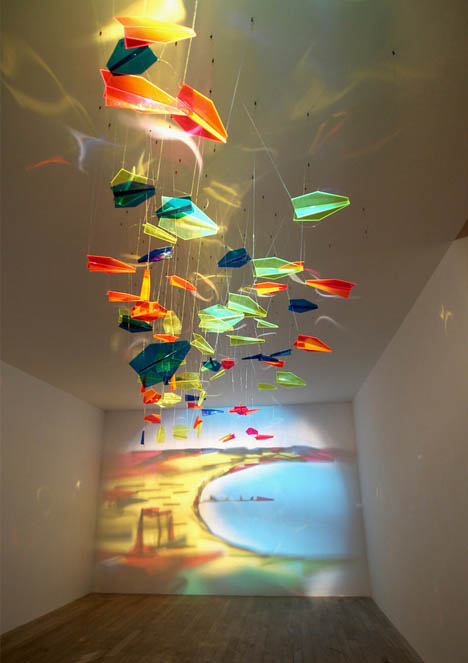
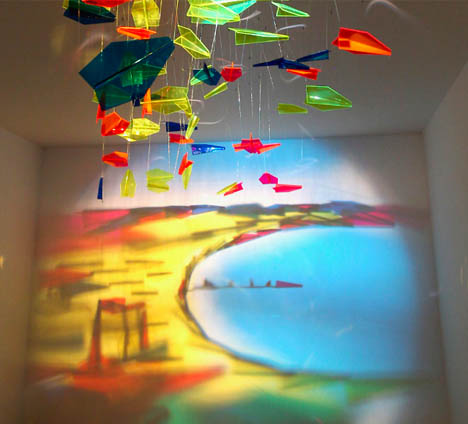
A collection of unlikely (often discarded) objects coupled with a light source can create amazing city scenes, landscapes, portraits and more in the hands of this artist.

shadow art installation

Rashad Alakbarov hails from Azerbaijan and experiments with different materials and setups to turn three-dimensional trash into rich two-dimension displays of all shapes and sizes.

shadow art middle eastern

shadow art detail closeup

shadow art city scene

Some of these, including the top installation featured here, were on display last year at the Fly to Baku Contemporary Art Exhibition at the De Pury Gallery in London, UK.

shadow artist context setup

shadow art portrait sketch

A few pieces contain custom built-to-purpose shapes, like plastic versions of paper airplanes in the top example, while others simply draw on urban junk or everyday objects.

shadow art word wall

shadow art geometric design

There is something playful and informal about his approach. Alakbarov takes inspiration from items at hand to start crafting skylines or other scenes that unfold partly from his imagination, but also in part from the nature of the materials in each case.

Share on Facebook


[ By WebUrbanist in Art & Installation & Sound. ]

[ WebUrbanist | Archives | Galleries | Privacy | TOS ]


WebUrbanist

 
Comments Off on Paintless Landscapes: Scenic Art Made of Light & Shadow

Posted in Creativity


A Day At The Beach: Photographing Seaside Landscapes

29 Oct
Photographing Seaside Landscapes

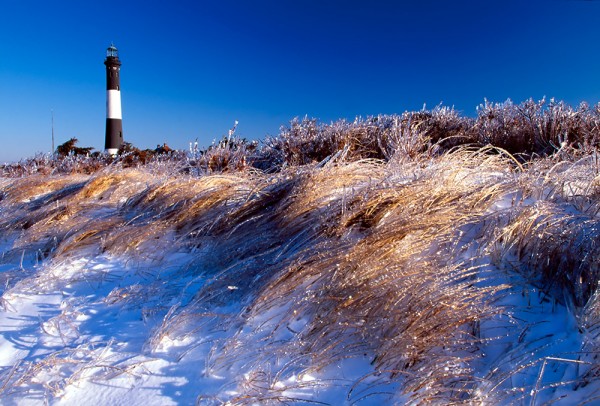
This shot was taken just after a January snow storm. The ice glistening on the dune grass made for an excellent foreground while the lighthouse towered in the background. A polarizer was used to help darken the sky. Taken with the EOS 5D Mark II and EF 16-35mm f/2.8L II. ISO 100, 1/250 at f/16.

Living on the east coast of the United States, I have easy access to any number of beaches to use as subjects for my photographic purposes. While many of these beaches may not be as dramatic as those on the west coast, they offer many photographic opportunities and shouldn’t be overlooked.  Most people think of the beach as being a summer destination, but I’ve found it to be an excellent location all year round for a variety of reasons.

Photographing Seaside Landscapes

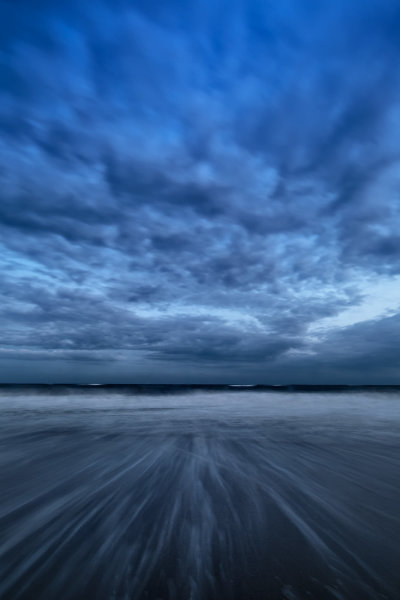
Dramatic skies and rushing water can make even the simplest composition interesting. I used a low point of view and a slower shutter speed to capture the water rushing straight at the camera, ready to grab the tripod if the water knocked the tripod over. The clouds eliminated any bright sunlight and created an almost monochromatic image.  EOS 5D Mark III with EF 14mm f/2.8L II. Exposure was 8 seconds, f/20, ISO 100.

Photographing Seaside Landscapes poses a number of problems for the photographer. There’s wind, sand, and water to contend with, and keep out of your equipment.  There are some precautions you can take to minimize the chances of disaster striking. 

First, I usually spread a blanket out and put my camera bag down on that. It helps prevent sand from getting the seams of the bag, and it also lets the flap of my backpack rest somewhere other than sand.  I speak from experience when I say that resting that lid on the sand and then flipping it up to close it is a good way to get sand inside the bag.

The next issue is the water. Obviously, the most basic rule is to keep your bag as far away from the water as possible. Pay attention to the tides and watch that the waves aren’t coming closer to where you’ve stashed your gear. But that’s only half the issue. Generally when I’m at the beach, water is at the very least a major part of what I’m shooting.  I tend to take a few chances here.  I like low angles, and dramatic shots.  That tends to put my camera right in harm’s way.  If I’m not on a tripod, I ensure that the strap is always around my neck to keep it from falling.  If I’m on a tripod, I tend to keep my hand ready at all times to grab it and move if a big wave comes. If it helps you feel more secure, you can always use a rain cape to protect from splash, or if submersion may be possible, an underwater housing might be called for.  I don’t personally use any of these items and just use a lot of care when near the water, but I have heard many horror stories of cameras that went swimming.

Sunrise and sunset are my favorite times for the soft warm light they provide.  I use graduated neutral density  filters when they are called for, depending on the light, as well as standard neutral density filters to help control my shutter speed to determine how I render water.

I find myself going back to the same beaches over and over. By their nature, they change often, as weather erodes them, tides build them back up, and secrets beneath the sand are revealed.  Often after a storm is the best time, as the combination of wind and rain will create patterns in the sand and pools of water which create beautiful reflections.

Where do you find yourself visiting over and over to fulfill your photographic urges?

Photographing Seaside Landscapes

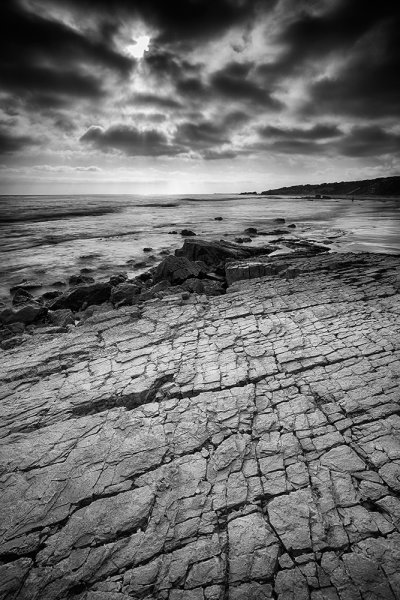
This shot is actually a west coast beach- Pelican Point in Laguna, California. A 4 stop ND grad was used to darken the sky. The foreground is a large rock with a beautiful pattern of cracks for interest. EOS 5D Mark III with EF 16-35mm f/2.8L II. 1 second at f/16, ISO 400.

Photographing Seaside Landscapes

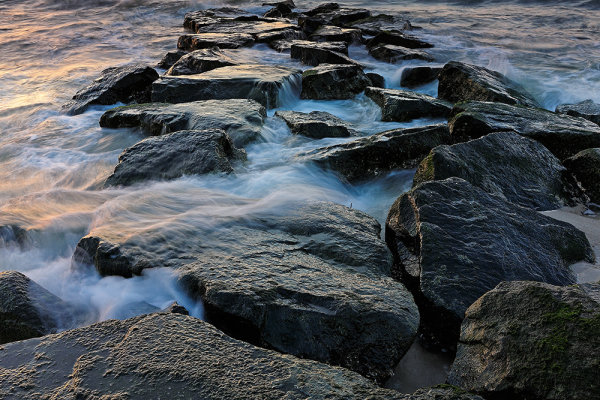
This shot was taken at sunrise, as the tide was coming in. Water continually washed over the jetty, and the light playing on the water and rocks captured my interest. EOS-1D X with EF 16-35mm f/2.8L II. Exposure was .4 seconds at f/16, ISO 100. A 3 stop neutral density filter was also used.

Have you had any success with Photographing Seaside Landscapes? Share your images and tips in comments below.

Post originally from: Digital Photography Tips.

Check out our more Photography Tips at Photography Tips for Beginners, Portrait Photography Tips and Wedding Photography Tips.

A Day At The Beach: Photographing Seaside Landscapes

The post A Day At The Beach: Photographing Seaside Landscapes by Rick Berk appeared first on Digital Photography School.


Digital Photography School

 
Comments Off on A Day At The Beach: Photographing Seaside Landscapes

Posted in Photography


Imaginary Landscapes: 18 Digital Art Fantasy Worlds

02 Oct

[ By Steph in Drawing & Digital. ]

Imaginary Landscapes Main
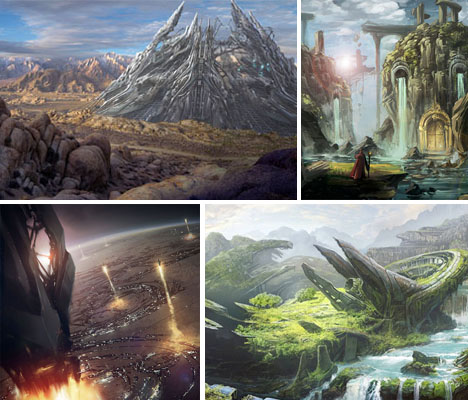
Alien planets, fantasy worlds and visions of Earth in the distant future are envisioned in stunning detail in these 17 digital paintings by a variety of artists, from students to renowned industry veterans. These otherworldly imaginary landscapes range from game concepts and imagery inspired by fiction to scenes that are entirely borne of the artists’ imaginations.

Spaceship Wreck Yard by Maciej Wojtala

Imaginary Landscapes Wojtala

“I wanted to visualize an idea of an environment covered with old spaceship wrecks, being absorbed by nature and decaying for many years,” writes artist Maciej Wojtala of this piece.

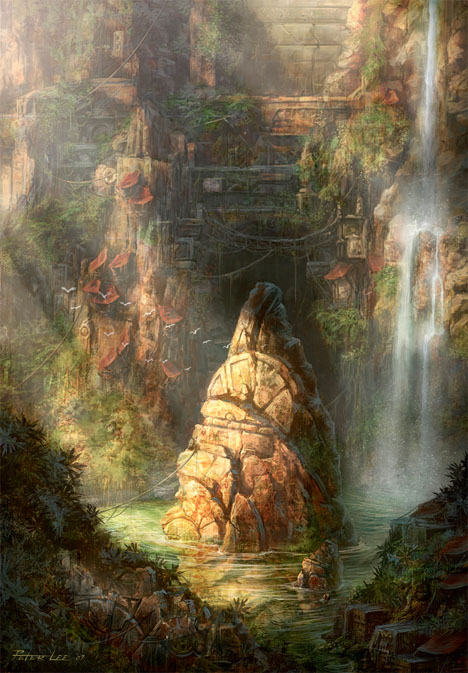
Fantasy Island, Peter Lee

Imaginary Landscapes Fantasy Island Lee

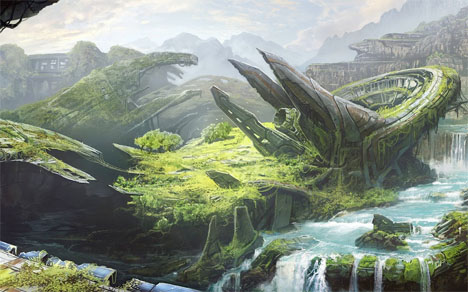
Artist Peter Lee envisions a fantasy island in which people who live harmoniously with and worship nature might just be mistaking nature for technology from another world.

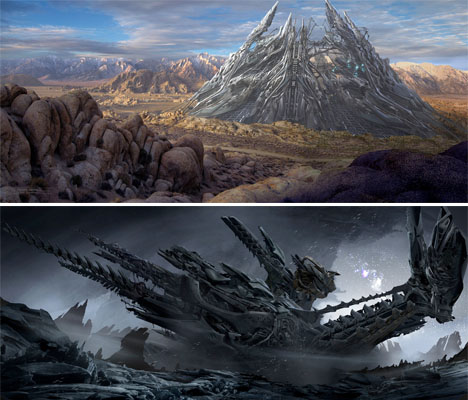
Revenge of the Fallen Concept Art by Ryan Church

Imaginary Landscapes Revenge 1

Imaginary Landscapes Revenge 2

Get a good look at some locations that weren’t seen in detail in the film Transformers: Revenge of the Fallen in the concept art of Ryan Church.

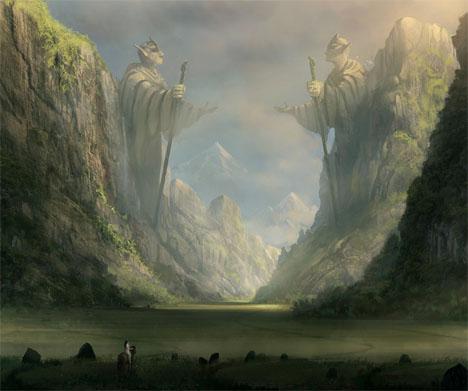
Through the Ancient Valley, Blinck

Imaginary Landscapes Through the Ancient Valley

Inspired by Lord of the Rings, ‘Through the Ancient Valley’ by Blinck depicts on young girl on horseback making her way through a valley featuring statues on a massive scale.

The Extra Planet by Zack Moores

Imaginary Landscapes Extra Planet

A spaceship lands on another planet only to find bizarre life unlike anything ever seen before in this work by Zack Moores.

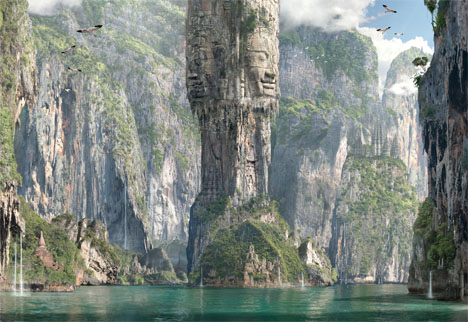
Tropical Islands by Eva Kedves

Imaginary Landscapes Eva Kedves

Waterfalls, temples and faces carved into the rock make this fantasy landscape by Eva Kedves a unique Southeast Asian-inspired paradise.

Next Page:
Imaginary Landscapes 18 Digital Art Fantasy Worlds

Share on Facebook


[ By Steph in Drawing & Digital. ]

[ WebUrbanist | Archives | Galleries | Privacy | TOS ]


WebUrbanist

 
Comments Off on Imaginary Landscapes: 18 Digital Art Fantasy Worlds

Posted in Creativity


Decaying dresses make photographer’s landscapes personal

22 Sep

Ascention.jpg

Jean Albus mixes dresses into her Montana landscapes by letting them decay, sometimes for years, before photographing them. She hopes their weathered forms invoke emotions about aging, memory, transformation and more. Her final images sometimes feature a dress as she’s found it, sunken into the elements. She also often superimposes the worn dress over another image of the landscape, floating the decaying dress within “Big Sky Country.” A new video explains her process. Click through to see more.

News: Digital Photography Review (dpreview.com)

 
Comments Off on Decaying dresses make photographer’s landscapes personal

Posted in Uncategorized


The Winner of our Living Landscapes Prize Pack Is….

19 Aug

Over the last few weeks as part of the launch of our Living Landscapes eBook we were offering one buyer of this new eBook the chance to win a $ 1500 USD photographic Prize pack.

The randomly selected winner gets a rotation180° Professional Deluxe Camera Bag (worth $ 500) plus $ 1000 USD towards some new lenses!

The winner has just been drawn and is… Ami Kim!

Congratulations Amy – we’ve just sent you an email with details of how to get your prize.

Thanks to everyone else who picked up our new Landscape Photography eBook (one of the fastest selling eBooks we’ve ever launched)!

Post originally from: Digital Photography Tips.

Check out our more Photography Tips at Photography Tips for Beginners, Portrait Photography Tips and Wedding Photography Tips.

The Winner of our Living Landscapes Prize Pack Is….


Digital Photography School

 
Comments Off on The Winner of our Living Landscapes Prize Pack Is….

Posted in Photography


Black and White Landscapes: Weekly Photography Challenge

10 Aug

Over the last couple of weeks we’ve been running ‘Landscapes’ challenges to celebrate the launch of our new Landscape Photography eBook – this week we’re going to continue that by nominating ‘Black and White Landscapes’ as the theme for your challenge.

Black & White

Once again – there’s a section on black and white landscapes in the eBook (see the screen shot of the first page of the section below) but whether you’ve read it or not – we think it’s a fun challenge because many photographers don’t think to take landscapes with out colour – to their own detriment.

Screen Shot 2013 08 02 at 8 47 20 PM

Don’t believe us – check out these 27 great Black and White Landscapes for some inspiration.

So grab your camera and head out and shoot some landscapes in black and white. If you’re not able to get out – how about finding an older landscape to convert?

Once you’ve taken your ‘Black and White Landscape’ photos upload your best ones to your favourite photo sharing site either share a link to them even better – embed them in the comments using the our new tool to do so.

If you tag your photos on Flickr, Instagram, Twitter or other sites with Tagging tag them as #DPSBWLANDSCAPES to help others find them. Linking back to this page might also help others know what you’re doing so that they can share in the fun.

Also – don’t forget to check out some of the great shots posted in last weeks Leading Lines challenge – there were some great shots submitted.

Post originally from: Digital Photography Tips.

Check out our more Photography Tips at Photography Tips for Beginners, Portrait Photography Tips and Wedding Photography Tips.

Black and White Landscapes: Weekly Photography Challenge


Digital Photography School

 
Comments Off on Black and White Landscapes: Weekly Photography Challenge

Posted in Photography


3 Reasons to Shoot Vertical Aspect Landscapes and 6 Tips on How to Shoot Them

08 Aug

A Guest Contribution by Todd Sisson – author of our brand new Landscape Photography eBook (currently 33% off for 7 more days only).

The majority of landscape images are photographed in the horizontal aspect. I guess this because the horizontal format approximates the way in which we perceive ‘reality.’ However landscapes look stunning in the vertical format and often the unique characteristics of the upright format suit a scene better than a horizontal* composition. I am guilty of undershooting verticals these days, primarily for commercial reasons, but in any given shooting situation I try to remind myself to seek both a vertical and a horizontal composition from a scene.

Here’s why I think you should photograph vertically and some quick tips for successful upright image making.

Reason One: Verticals are Easy to Learn

Vertical composition using a wide angle or ultra-wide lens is the fast track to making interesting landscape images. My first successful landscapes were all vertical compositions where I found a moderately photogenic foreground object and used this to lead into the greater scene. To this day I find it easier to frame up an interesting sunset in the vertical format. I use rocks, grasses, flowers – just about anything with form to introduce the viewer’s eye to the scene.
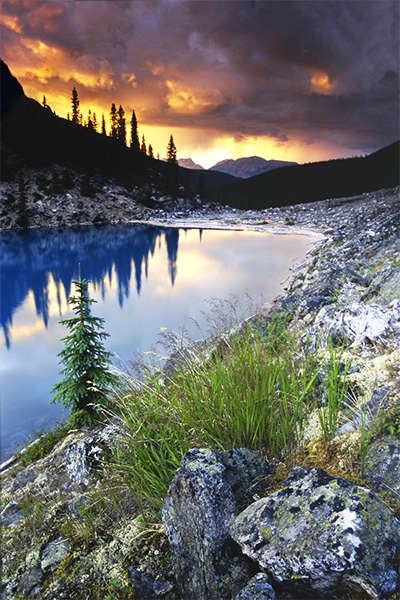
Moraine Lake, Alberta Canada (1997).  Nikon F601, Nikkor 24mm, f/16, (shutter speed unknown), Fuji Velvia and most importantly, Lee 3 stop GND filter.  This was the first image that I ever made that actually turned out how I thought it would!  Note that foreground elements don't have to be spectacular to work, they just have to be well arranged in the frame and complement the rest of the scene.  When I was learning, I found it easier to eliminate foreground distractions and make a 'tight' composition in the vertical format. As a result, I shot far too many verticals in my early days and very few good horizontal images...

Moraine Lake, Alberta Canada (1997). Nikon F601, Nikkor 24mm, f/16, (shutter speed unknown), Fuji Velvia and most importantly, Lee 3 stop GND filter. This was the first image that I ever made that actually turned out how I thought it would! Note that foreground elements don’t have to be spectacular to work, they just have to be well arranged in the frame and complement the rest of the scene. When I was learning, I found it easier to eliminate foreground distractions and make a ‘tight’ composition in the vertical format. As a result, I shot far too many verticals in my early days and very few good horizontal images…

Reason Two: Vertical Compositions can be more Dynamic

In this dPS blog post, I explained the principles of ‘dynamic landscape compositions’. What I didn’t reveal in that article (for some inexplicable reason) was that vertical compositions can often accentuate the dynamic qualities of an image – particularly when using an ultra-wide lens.
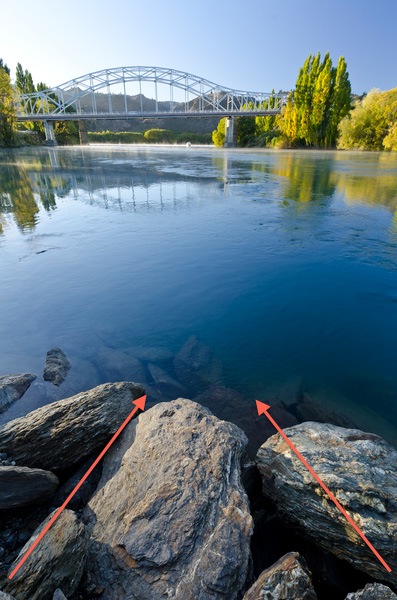
The Clutha River at Alexandra (it's not wonky, the bridge slopes downhill...).  Nikon D7000, Nikkor 12-24mm f/4 DX, Marumi Polarizer. 12 mm, f/11, 1/13th, ISO100.  The vertical format accentuated the leading lines present in the foreground rocks.  Getting low and tilting down on an ultra-wide lens distorts and extends the perceived length of leading lines in the foreground.
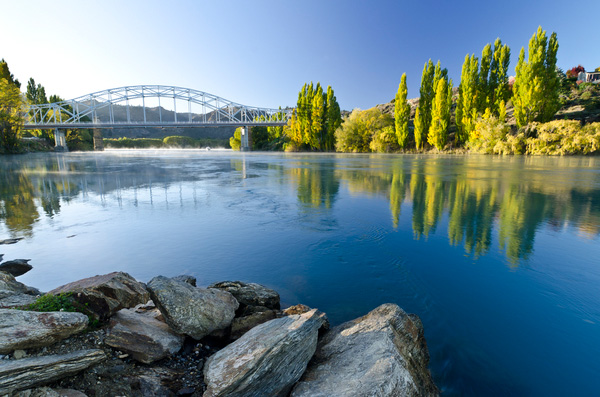
The Clutha River at Alexandra (it’s not wonky, the bridge slopes downhill…). Nikon D7000, Nikkor 12-24mm f/4 DX, Marumi Polarizer. 12 mm, f/11, 1/13th, ISO100. The vertical format accentuated the leading lines present in the foreground rocks. Getting low and tilting down on an ultra-wide lens distorts and extends the perceived length of leading lines in the foreground.

The Clutha River at Alexandra (the bridge still slopes downhill – I promise!).  Nikon D7000, Nikkor 12-24mm f/4 DX, Marumi Polarizer. 12 mm, f/11, 1/13th, ISO100.  When shooting horizontally, the bridge and trees would not be in frame if we used the same camera angles and proximity that were applied in the vertical format. In this case I had to step back and recompose to include everything, which reduced the dynamic impact of the rocks.

The Clutha River at Alexandra (the bridge still slopes downhill – I promise!). Nikon D7000, Nikkor 12-24mm f/4 DX, Marumi Polarizer. 12 mm, f/11, 1/13th, ISO100. When shooting horizontally, the bridge and trees would not be in frame if we used the same camera angles and proximity that were applied in the vertical format. In this case I had to step back and recompose to include everything, which reduced the dynamic impact of the rocks.

Reason Three: Verticals Sell Well

In the introduction I polluted the artistic sanctity of the article by mentioning ‘commercial reasons’. Five years ago we made most of our living from selling postcards of our images – horizontal postcards vastly outsell vertical postcards, and they fit better on a display stand, so I found myself inadvertently locked into a horizontal mindset (as I mentioned last week, deep thought and self-awareness are not my strong point). This sales trend is definitely mirrored in our website where the bulk of our print sales are horizontal.

However, In the past year we have ramped up our stock photography activity and this is one area where vertical images sell extremely well – especially for editorial usage and magazine covers where the format works beautifully with the vertical layout of printed media. Consequently, we are shooting a lot more vertical images. You may not be a full-time photographer but there are myriad ways to earn money from your photographic hobby these days, don’t leave money on the table – shoot verticals along with your horizontal compositions.

Vertical Shooting Tip 1: Get Low and Close

As I noted in the previous image, getting low and close accentuates the visual power of leading lines and dramatically increases the visual weight of foreground features. To go low you will need to use a tripod that has no centre column in order to get super close to the ground, I have detailed our tripod advice here which may be of interest if you are perplexed by the ins and outs of the tripod purchasing process.
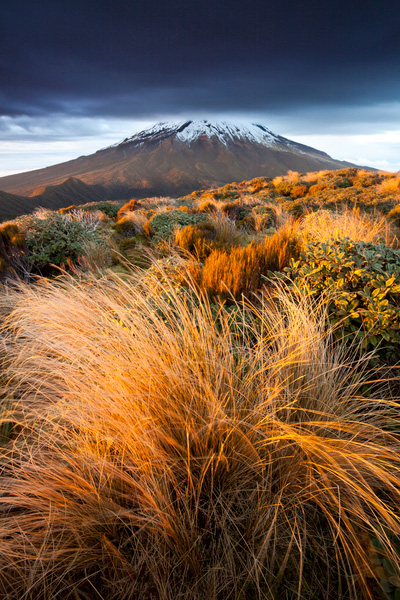
Mount Egmont New Zealand. Canon 5d mkii, Canon 17-40mm f/4 ultra-wide, Marumi polarizer. 17 mm, f/16, 1 sec, ISO100. By getting implausibly close to the foreground grass in this scene I have eliminated other distracting elements, increased the visual weight of the grasses and accentuated the leading lines in the bottom right of shot. As well as being close, I was also very low to the ground while making this image.

Mount Egmont New Zealand. Canon 5d mkii, Canon 17-40mm f/4 ultra-wide, Marumi polarizer. 17 mm, f/16, 1 sec, ISO100. By getting implausibly close to the foreground grass in this scene I have eliminated other distracting elements, increased the visual weight of the grasses and accentuated the leading lines in the bottom right of shot. As well as being close, I was also very low to the ground while making this image.

Vertical Shooting Tip 2: Get High and Close

When using an ultra-wide lens it is possible to include the full sweep of a scene and accentuate the visual dynamics of the image by getting above the foreground elements and composing vertically. To achieve this you will need a tripod that extends well above the height of your subject matter and then angle the camera downwards.
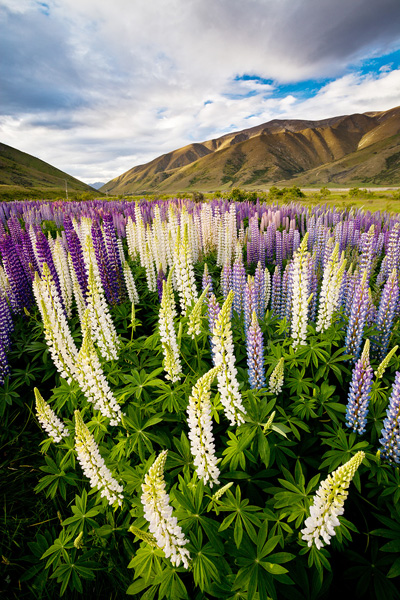
Lupine flowers, Mackenzie basin New Zealand (by Sarah Sisson). Canon 5d mkii, Canon 17-40mm f/4 ultra-wide, Marumi polarizer. 17 mm, f/16, 1/8th sec, ISO100. Sarah had to fully extend her tripod and stand on a box in order to get the camera above these chest high lupin flowers.  The high perspective meant that all of the meadow is visible  and accentuated the space between flowers in the foreground.

Lupine flowers, Mackenzie basin New Zealand (by Sarah Sisson). Canon 5d mkii, Canon 17-40mm f/4 ultra-wide, Marumi polarizer. 17 mm, f/16, 1/8th sec, ISO100. Sarah had to fully extend her tripod and stand on a box in order to get the camera above these chest high lupin flowers. The high perspective meant that all of the meadow is visible and accentuated the space between flowers in the foreground.

Vertical Shooting Tip 3: Break down the Composition

When composing strong verticals I tend to ‘break down’ the scene into foreground, midground and background (the same thinking helps with horizontal images of course). A good composition will contain interest in all three of these visual zones – which roughly approximates the rule of thirds compositional guidelines.
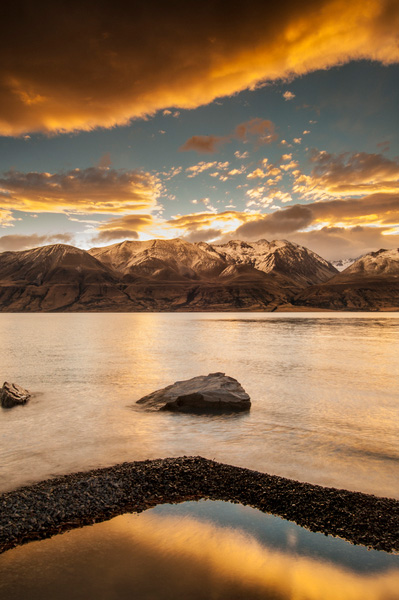
Lake Pukaki New Zealand.  Nikon D800e, Nikkor 17-35mm f/2.8 ultra-wide lens, Marumi Polarizer and Singh Ray 3 stop GND filter. This image has layers of visual interest in the foreground (gravel bar and rocks) mid-ground (reflected color & mountains) and the background (the sky). Note that the terms foreground, mid-ground and background align loosely with the principles of the rule of third – I find that I shoot more in sync with the rule of thirds for verticals than horizontals.

Lake Pukaki New Zealand. Nikon D800e, Nikkor 17-35mm f/2.8 ultra-wide lens, Marumi Polarizer and Singh Ray 3 stop GND filter. This image has layers of visual interest in the foreground (gravel bar and rocks) mid-ground (reflected color & mountains) and the background (the sky). Note that the terms foreground, mid-ground and background align loosely with the principles of the rule of third – I find that I shoot more in sync with the rule of thirds for verticals than horizontals.

Vertical Shooting Tip 4: – Leave some Space

Having just referred to the dreaded rule of thirds, I feel it my duty to throw a spanner into the works. Try messing with your vertical compositions by leaving ‘too much’ empty space. Dead space can look cool and graphic designers love it for dropping text into (sales tip).
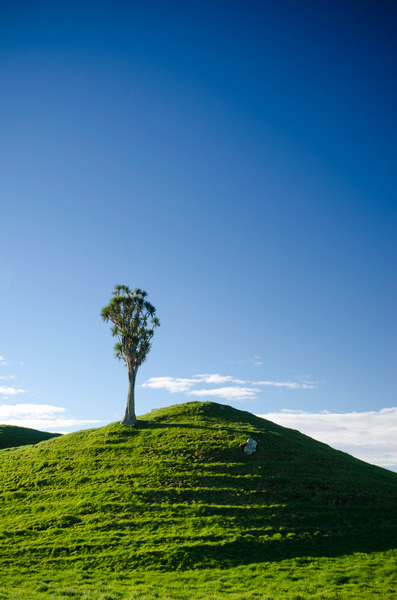
Lone cabbage tree, Taranaki New Zealand.  Nikon D7000, Nikkor 16-85mm DX, Marumi Polarizer. 35 mm, f/11, 1/20h, ISO100.  I think that vertical images often look great with plenty of empty real estate (I am a gleeful recidivist breaker of the rule of thirds). This image has sold several times as an interior page with text dropped over the sky portion.

Lone cabbage tree, Taranaki New Zealand. Nikon D7000, Nikkor 16-85mm DX, Marumi Polarizer. 35 mm, f/11, 1/20h, ISO100. I think that vertical images often look great with plenty of empty real estate (I am a gleeful recidivist breaker of the rule of thirds). This image has sold several times as an interior page with text dropped over the sky portion.

Vertical Shooting Tip 5: Try Telephoto Verticals

Telephoto verticals are a particularly attractive compositional option, particularly around mountains. Because the long edge is oriented top to bottom you can exploit telephoto compression more effectively (by allowing more foreground into the frame at longer focal lengths and emphasizing the height differential across the scene).
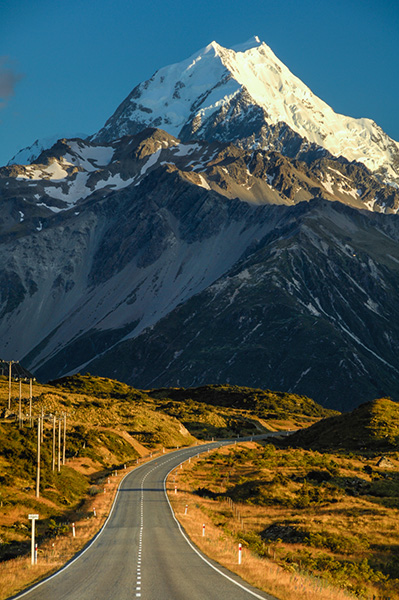
The road to Mount Cook New Zealand.  Nikon D7000, Nikkor 70-200mm f/2.8 Vrii, Marumi Polarizer. 135 mm (202mm 35mm equivalent), f/11, 1/15h, ISO100. The vertical aspect exaggerates the effects of telephoto compression in scenes like this.

The road to Mount Cook New Zealand. Nikon D7000, Nikkor 70-200mm f/2.8 Vrii, Marumi Polarizer. 135 mm (202mm 35mm equivalent), f/11, 1/15h, ISO100. The vertical aspect exaggerates the effects of telephoto compression in scenes like this.

Vertical Shooting Tip 6: Invest in an L-Bracket

An L-bracket or ‘L-plate’ is an L­-shaped (surprise, surprise!) tripod mounting plate that wraps around your camera body. This allows you to effortlessly mount your camera in the vertical orientation without having to flop the ballhead’s mounting point over on it’s side. Never again will you have to fight gravity and adjust tripod legs in order to get the camera leveled when shooting vertically – genius!

You will find a bit more information on the benefits of L-plates here on our website.

*I use the terms vertical or horizontal because the commonly used ‘portrait’ and ‘landscape’ terminology makes me abnormally irascible and grumpy. These terms are a nonsensical hangover derived from a Windows 95 printer options dialog box (maybe this riles my inner Mac Veteran). After all, a portrait can be photographed vertically or horizontally and likewise a landscape…..

Todd & Sarah Sisson are full-time landscape photographers based in Central Otago New Zealand. They are the authors of our new eBook Living Landscapes: A Guide to Stunning Landscape Photography.

Their work can be found as fine art prints & canvas prints at www.sisson.co.nz  They can be found on Facebook, Google Plus and Twitter.

Post originally from: Digital Photography Tips.

Check out our more Photography Tips at Photography Tips for Beginners, Portrait Photography Tips and Wedding Photography Tips.

3 Reasons to Shoot Vertical Aspect Landscapes and 6 Tips on How to Shoot Them


Digital Photography School
 
Comments Off on 3 Reasons to Shoot Vertical Aspect Landscapes and 6 Tips on How to Shoot Them

Posted in Photography


Water Landscapes: Weekly Photography Challenge

03 Aug

Last week’s sunset/sunrise landscapes challenge was really popular with some beautiful images being submitted so we’re going to continue the ‘landscape’ theme going (to coincide with the launch of our Living Landscapes eBook) and this week are issuing the challenge of photographing a landscape image with ‘water’ in the scene.

So this week we’d love to see some shots with rivers, lakes, oceans, streams and waterfalls (or anything else you can imagine up).

The first page of our 'photographing water' section of the Living Landscapes eBook.

The first page of our ‘photographing water’ section of the Living Landscapes eBook.

Todd has a section on shooting water in the eBook but whether you’ve read it or not we’d LOVE to see your shot!

Once you’ve taken your ‘Water Landscapes’ photos upload your best ones to your favourite photo sharing site either share a link to them even better – embed them in the comments using the our new tool to do so.

If you tag your photos on Flickr, Instagram, Twitter or other sites with Tagging tag them as #DPSWATER to help others find them. Linking back to this page might also help others know what you’re doing so that they can share in the fun.

Also – don’t forget to check out some of the great shots posted in last weeks Sunrises and Sunsets challenge – there were some great shots submitted.

Post originally from: Digital Photography Tips.

Check out our more Photography Tips at Photography Tips for Beginners, Portrait Photography Tips and Wedding Photography Tips.

Water Landscapes: Weekly Photography Challenge


Digital Photography School

 
Comments Off on Water Landscapes: Weekly Photography Challenge

Posted in Photography


Review: Landscapes in Lightroom 5 eBook

31 Jul

Landscapes in Lightroom 5: The Essential Step-by-Step GuideFriend and fellow landscape photographer Michael Frye has released a new ebook today:

Landscapes in Lightroom 5: The Essential Step-by-Step Guide 

Use code lr520 to save 20%

This discount is good through Sunday August 4th midnight PST.

Michael is equally as talented as a teacher as he is as a photographer. His ebook includes a great combination of tips, tricks, overview information, videos and even downloadable image files to practice on. The design is clean and most importantly the information is invaluable if you’re looking to get the most out of Lightroom 5 with your landscape and nature photography.

Included in the ebook:

  • Lightroom 5 “Development Module” improvement/feature overview
  • Detailed workflow discussions and examples
  • Numerous comparisons of images processed with Lightroom 5, 4 and 3
  • 8 videos detailing discussed techniques
  • DNG Raw file downloads to practice with as you read 6 LR development examples
  • and a lot more

Be sure to take advantage of the 20% discount with code lr520 and download a copy.


Copyright Jim M. Goldstein, All Rights Reserved

Review: Landscapes in Lightroom 5 eBook

The post Review: Landscapes in Lightroom 5 eBook appeared first on JMG-Galleries – Landscape, Nature & Travel Photography.


Related Stories

  • Review: Landscapes in Lightroom 5 eBook – Enclosure
Feed Ads by FeedBlitz
powered by ad choices


JMG-Galleries

 
Comments Off on Review: Landscapes in Lightroom 5 eBook

Posted in Equipment


Sunset/Sunrise Landscapes: Weekly Photography Challenge

27 Jul

Over the next few weeks – to celebrate the launch of our brand new Landscape Photography eBook (which is currently 33% off) – we are going to be issuing landscape photography challenges as our weekly challenge.

Image by Todd Sisson: Author of our Living Landscapes eBook

Image by Todd Sisson: Author of our Living Landscapes eBook

This week your challenge is to take and share a landscape photo taken at either Sunrise or Sunset.

There’s a section on photographing landscapes at sunset in the eBook to help you with this but whether you’ve read it or not we challenge you to get your camera out over the next few days and to head out early in the morning or at twilight to shoot with it!

Feel free to shoot a landscape in whatever setting you can get to. It might be a rural area, a seascape or even an urban landscape – it is totally up to you!

Once you’ve taken your ‘Sunset Landscapes’ photos upload your best ones to your favourite photo sharing site either share a link to them even better – embed them in the comments using the our new tool to do so.

If you tag your photos on Flickr, Instagram, Twitter or other sites with Tagging tag them as #DPSSUNSET to help others find them. Linking back to this page might also help others know what you’re doing so that they can share in the fun.

Also – don’t forget to check out some of the great shots posted in last weeks Leading Lines challenge – there were some great shots submitted.

Post originally from: Digital Photography Tips.

Check out our more Photography Tips at Photography Tips for Beginners, Portrait Photography Tips and Wedding Photography Tips.

Sunset/Sunrise Landscapes: Weekly Photography Challenge


Digital Photography School

 
Comments Off on Sunset/Sunrise Landscapes: Weekly Photography Challenge

Posted in Photography