RSS
 

Posts Tagged ‘improve’

Fujifilm updates X-Pro1 and X-E1 to improve AF with 55-200mm lens

23 May

xf55-200-xe1-34-news.png

Fujifilm has updated the firmware for its X-Pro1 and X-E1 mirrorless cameras, to improve the autofocus speed with the recently-launched XF 55-200mm F3.5-4.8 R LM OIS telephoto zoom lens. Versions 1.05 for the X-E1 and 2.04 for the X-Pro1 are available to download from the Fujifilm website. Click through for the links.

News: Digital Photography Review (dpreview.com)

 
Comments Off on Fujifilm updates X-Pro1 and X-E1 to improve AF with 55-200mm lens

Posted in Uncategorized


Panasonic updates 12-35mm F2.8 firmware to improve video stabilisation

15 May

panasonic-1235-520.png

Panasonic has issued a firmware update for its Lumix G X Vario 12-35mm F2.8 ASPH Power OIS fast standard zoom for Micro Four Thirds cameras (H-HS12035). Version 1.2 improves the stability of the optical image stabilisation during movie recording. It’s available to download now from the LUMIX customer support site – click through for the link.

News: Digital Photography Review (dpreview.com)

 
Comments Off on Panasonic updates 12-35mm F2.8 firmware to improve video stabilisation

Posted in Uncategorized


3 Stupidly Simple Reasons Why Most People’s Photography Does Not Improve

01 May

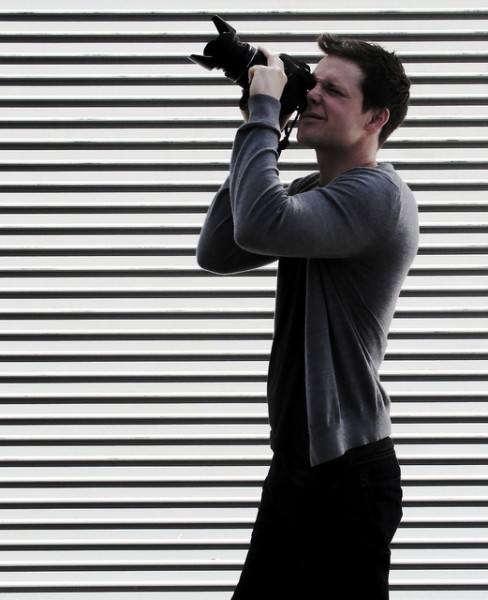
Image by Darwin Bell

I’m presuming that this article will not apply to most of us… but after 3 conversations in the last week which revealed the same photography problems in 3 different people – I thought I’d better jot them down.

Warning: none of this is rocket science sometimes the basics need to be said!

1. You don’t Take Your Camera With You

If you don’t practice using your camera you’re unlikely to ever grow in your understanding of and skill in photography and if you rarely have it with you – you’ll not get that practice.

Does that mean you need to lug your DSLR and all your cumbersome gear around with you all the time?

Maybe – I have friends who are never without their main camera – but if that’s just not practical, at least make sure you have a smaller point and shoot or even a decent camera phone with you at all times. While the quality of the images you take might not be as great with these cameras – at least you’ll be practicing your composition, thinking about light, color and other aspects of photography.

2. You’re Going too Fast

Many of us lead life at such a fast pace that we rarely stop to see the opportunities right before us to take wonderful images.

You can carry your camera around with you 24/7 for the rest of your life but unless you learn to slow down and to look at the world a little differently you may never actually use it.

As a result – I guess one of the tips I find myself giving to some that I talk to is to find ways to slow down – or at least slow down temporarily to set aside time to be a bit more intentional about photography. It might start by taking a walk with the main objective of doing some photography but could also be something bigger like a weekend away with your camera or even taking a photography class or tour.

For me its about building photography into your daily rhythm and in time it starts to become a more natural thing as you get in the habit of seeing life a little differently.

3. You are Worried what Others Will Think

I’ve come across quite a few people lately who suffer from ‘framing paralysis’.

They take their camera with them and they even slow down enough to see the photographic opportunities around the – but there’s just something that stops them lifting their camera up to frame the shot.

When I dig a little I’ve found in most of these instances the person is simply worried about what others around the will think if they use their camera. Will they look stupid? Will people think that they’re photographing them?

Its a feeling I’ll admit to having myself in the past and when I asked about it on our Facebook page the other day it seems that it’s quite common.

I guess the key to moving through framing paralysis is to grow your confidence as a photographer. For me the more photos I took and the more I began to exercise the discipline of taking images the easier it got. Another friend of mine got over his paralysis by finding a photography buddy to go out with – two of the taking shots somehow seemed less confronting than him doing it alone.

What do You Think?

Of course the above are very simple things that hold many people back and there are bound to be others that readers here at dPS might have experienced. I’d love to hear from you on two fronts:

  1. what other simple things hold you (or other photographers) back from improving?
  2. what tips and solutions would you give others facing these problems?

I’m looking forward to hearing more from the dPS community on this!

Post originally from: Digital Photography Tips.

Check out our more Photography Tips at Photography Tips for Beginners, Portrait Photography Tips and Wedding Photography Tips.

3 Stupidly Simple Reasons Why Most People’s Photography Does Not Improve


Digital Photography School

 
Comments Off on 3 Stupidly Simple Reasons Why Most People’s Photography Does Not Improve

Posted in Photography


6 Free Ways to Improve Your Photography [Get More out of dPS]

30 Apr

Over the last few years dPS has grown from being a personal blog where I shared tips for friends about how to get the most out of their cameras into something beyond what I ever expected.

Our readership is now in the millions of visitors a month and to keep it all running we have a number of part time staff, 30+ semi-regular writers and some fantastic forum moderators.

One of the most common questions I get from readers is ‘how can I best get the new stuff you publish?

Over the years we’ve added a number of ways to get our fresh content including:

1. Newsletter

Every Thursday we send a free email to over 700,000 subscribers to our newsletter. It contains a summary of our new posts as well as anything else happening on the site.

To subscribe simply put your email address in the field below:

2. Facebook

We publish links to any new posts that we publish as well as running a few polls and discussions each week on our Facebook page. There’s also some great discussion happening between our 140,000+ Facebook Followers.

3. Twitter

Every time we publish a new post we tweet a link to it on our Twitter Account

4. Pinterest

We use our Pinterest account to not only share our content but also to share links to other photography related tips and tutorials being published around the web – Join over 15,000 other followers here.

5. RSS Feed

If you use an RSS reader (we recommend Feedly) you can add our RSS feed link to it to get updates every time we publish something new (note, if you subscribe via Google Reader please note that Google Reader will stop working in the coming months – it’s time to find another feed reader!)

6. Forum

Our forum area is another great place to connect with other dPS readers – it has over 240,000 members and is a great place to share your photos, ask for and give critique, ask and answer questions and just talk photography. Join our Forum here.

Post originally from: Digital Photography Tips.

Check out our more Photography Tips at Photography Tips for Beginners, Portrait Photography Tips and Wedding Photography Tips.

6 Free Ways to Improve Your Photography [Get More out of dPS]


Digital Photography School

 
Comments Off on 6 Free Ways to Improve Your Photography [Get More out of dPS]

Posted in Photography


100 Cameras — How to Improve Kids’ Lives Through Photography

30 Apr
Photo by Brooke Schwab

Photography is a solo sport. It’s just you and your camera out there!

You’ve asked yourself a million times how you can make a difference with your photo skills, and 100 cameras figured it out.

This non-profit gives cameras to kids in developing communities around the world. Which is so great!

The kids are then able to sell their own photos giving them educational resources, healthcare, and lifeline supplies. Even greater!

These new photogs also learn about empowerment — they first-hand experience their own talent and skill positively affecting their communities.

Remember the first time you felt you could make a difference? Suddenly you felt like you could do so much! One empowering experience is all it takes.

BTW! 100 Cameras is actually raising funds to launch 100 Cameras 2.0, which will let anyone start their own photo community. Helping kids with photography? Sounds like a no-brainer!

Help Kids via 100 Cameras

p.s. Attention gadget lovers – we’re hiring for a Buyer aka Treasure Hunter. Apply here.

Related posts:

  1. How Cameras & Toys Change Kids’ Lives We’ve all been there: not having the words to express…
  2. How Shooting Just One Thing Can Improve Your Photography Chops ~Have a cool photo product or site? Reach 270,000 photo…
  3. See Through Your Kids’ Eyes, Wirelessly Upload from Their Camera to a Flickr Stream The little ones in our lives are fascinating people. They…


Photojojo

 
Comments Off on 100 Cameras — How to Improve Kids’ Lives Through Photography

Posted in Equipment


10 Tips to Improve Your Food Photography Styling

27 Apr

This is a guest post by Jules Clancy of Stonesoup.

While portrait photographers need to be skilled in the art of getting their subjects to relax in front of the camera to get a great shot, we food photographers have things a little easier. At least our subjects (mostly) can’t talk.

image1guest.jpg

But that doesn’t mean you should forget to apply a little charm in the food styling department.

The more time spent making the food attractive as possible, the easier things are when it comes to taking the shot.

So here are 10 tips to help you improve your food styling, naturally.

1. Use less food than you normally would

While it may seem more generous to serve plates piled high with food, an over crowded plate can look less appealing than a minimalist spread. Think about how you can use the white space of the plate to frame your dish.

image2guest.jpg

2. Use paper to add texture to plates

Lining plates with parchment or baking paper helps to add visual interest and soften the lines of your plates.

3. Look for contrast with backgrounds

While there are times when all white on white can be visually striking, I find I get better shots if I go for contrast. So a pale coloured food and plate gets a dark background where as a vibrantly coloured dish tends to be best with a simple white background.

image3guest.jpg

4. Allow food to spill over naturally

Getting a bit messy really helps to add movement and life to your photographs, rather than having everything confined to plates and bowls.

5. Choose simple crockery and tableware

While highly decorative China and napery are beautiful on their own, they can detract from the visual impact of the food. Plain plates, especially classic white allow the food to be the star.

image4guest.jpg

6. Emphasise the natural beauty of the food

Try and think about what it is that makes a particular dish look delicious and then serve it in a way to flaunt it.

For example, I love the golden, cripsy skin of a well roasted chicken. Rather than carve the chook into individual slices with tiny slivers of skin visible, the whole bird tends to look best.

7. Get some work-in-progress shots

It can be easy to focus on getting the final plated-up food shot and miss out on some great opportunities along the way. Try taking a few shots during the preparation and cooking process.

image5guest.jpg

8. Try and capture the ‘yum’ factor

Think about what makes your subject really delicious and then aim to highlight this characteristic in your shot. Ice cream is a great example. It’s all about smooth creaminess and licking drips from the sides of your cone or bowl.

9. Always be on the lookout for ideas

Inspiration can strike from anywhere. When you’re eating out or even just flicking through your favourite food mag, take note of what looks appealing and what doesn’t.

image6guest.jpg

10. Dig in and reshoot

Once you have a shot of the whole food that you love, eat or serve some out and then take another shot. Often a half finished plate is more appetizing than the original whole.

A few great food photography blogs:

  • What Katie Ate
  • Wrightfood
  • Souvlaki for the Soul

For more tips on improving your food photography see:

  • Food Photography – An Introduction
  • 11 Great Camera Angles for Food Photography
  • 7 Tips for Aspiring Food Pornographers
  • Food Photography Tips and Techniques
  • 10 Tips for Mouth Watering Food Photography
  • A Basic Food Photography Kit

Also check out our Snapn Food Guide to food photography.

Jules Clancy is a qualified Food Scientist, and self-taught food photographer. She blogs about her commitment to cooking recipes with no more than 5 ingredients over at Stonesoup.

Post originally from: Digital Photography Tips.

Check out our more Photography Tips at Photography Tips for Beginners, Portrait Photography Tips and Wedding Photography Tips.

10 Tips to Improve Your Food Photography Styling


Digital Photography School

 
Comments Off on 10 Tips to Improve Your Food Photography Styling

Posted in Photography


3 Workouts to Improve your Photography

31 Mar

A Guest post by Jim Harmer of ImprovePhotography.com

Athletes would never consider showing up to a game without having practiced, so why is it that most photographers shoot for the “wall-hanger” photo every time they go out without ever practicing new techniques? Consider applying these new workouts in your photography routine and you will improve your skills and creativity.

The EXIF Drilldown

bayfrontNight_MG_2559.jpgIn my photography workshops, I often show my portfolio to introduce myself before the class begins. After showing a few pictures, someone will inevitably raise their hand and ask, “How did you shoot that one?” I tell them the answer, but then I show them how to practice guessing camera settings so they will know what to use in any situation.

The very best way to shoot like a pro is to analyse the work of the pros, and Flickr is just the place to look. Most photographers probably know that cameras save information about what camera settings were used to take a photo, and the information is saved in the jpeg image file. Some websites, such as Flickr, make this information easily viewable so photographers can see how other photographers created a photo.

To view this information on Flickr, find a photo and click the small text link on the top right of the screen that reads the name of the camera that shot the picture. Clicking this link will bring up a new page showing all of the camera settings the photographer used.

This photography workout simply requires going to Flickr or any other photo sharing website, finding good photos, and then carefully reviewing the EXIF data from the pictures. Ask intrinsically why the photographer chose those settings and what camera settings could change in order to improve the photograph.

When this photography exercise is implemented, the question, “How did he take that picture?” is asked much less often. With practice, knowing the correct camera settings is easy.

One Shot

cabin.jpg
Most photographers take tens of thousands of pictures over the course of a year, but only a handful of those photos really stand out enough to make their way to your portfolio of best images. Many good images may be captured during each time shooting, but rarely is an image captured that is truly stunning.

While all photographers understand this fact, their photography techniques rarely reflect it. Most photographers shoot hundreds of images and hope that some of them reach the level of quality necessary to make it into the portfolio.

Though this method of never missing the moment has some merit, it also teaches photographers that if the first or second photo of a scene does not turn out, it is acceptable to simply forgive and forget the mistakes and move on to something else. Therefore, this straight-forward exercise is designed to work that bad habit out of photographers: Go out and shoot, but do not return home with more than one photo. Click the shutter more times, yes, but delete each photo if it is not perfect.

Implementing this photography workout will teach photographers not to give up on a shot until it is perfect.

Ten Shots, One Subject

owl.jpg
This workout works almost the opposite of the second exercise, but it has a similar purpose—keep shooting to capture the perfect shot.

To practice this technique, find one subject and work to capture ten photos of that same subject before leaving. I recognized the need for this exercise while teaching my photography students landscape photography in Naples, Florida. We went to shoot the famous Naples Fishing Pier, but, not to my surprise, all of the students set up their tripods at the exact same spot immediately upon arriving at the beach. Their photo included all of the pier and the sunset behind it. This was a perfectly reasonable composition, but the students had a difficult time thinking of new ways to photograph the pier in an interesting way.

I asked the students to all take 10 different shots of the pier. They struggled at first, but eventually ended up with beautiful photos. They photographed tiny details on the pier, captured photos of the water splashing up against the pier pilings, and shot the pier as a silhouette against the sunset. Soon the students discovered their initial photo of the subject was not quite as strong as the photos they took as they forced themselves to try new things.

When something captures your eye, don’t leave until you have shot that same subject in ten different ways.

As you practice your photography skills rather than simply shooting and hoping to improve, you will feel more confident in your ability to come out of any shoot with creative and technically-correct photos.

Jim Harmer is the author of five photography instructional books and writes the ImprovePhotography.com photography blog.

Post originally from: Digital Photography Tips.

Check out our more Photography Tips at Photography Tips for Beginners, Portrait Photography Tips and Wedding Photography Tips.

3 Workouts to Improve your Photography


Digital Photography School

 
Comments Off on 3 Workouts to Improve your Photography

Posted in Photography


5 Quick Ways to Improve your Beach Photography

26 Mar

According to NOAA, over 50% of the American population live within 50 miles of a coastline.  Which means more than half of us are only a day-trip away from the beach.  For photographers, this presents a ton of great photo ops. Living half a mile from one of the top-rated beaches in the country myself, I’ve spent plenty of time Continue Reading

The post 5 Quick Ways to Improve your Beach Photography appeared first on Photodoto.


Photodoto

 
Comments Off on 5 Quick Ways to Improve your Beach Photography

Posted in Photography


Improve Your Photography By Learning to Edit

12 Feb

A Guest Post By: John Davenport

You might have read the title to this post and thought that I was going to talk about how editing your photographs can make you appear to be a better photographer, but no, I really do mean better – behind the camera.

Thin Ice

I came across this idea of improving my skill behind the camera, by focusing on my skill behind the computer, when I was going about launching my new YouTube series, “Let’s Edit”, which focuses on how to edit photos in Lightroom.

What Exactly Can Editing Teach Us?

As we start out on our photography journey we are learning everything there is to know about creating a photograph. From how our camera works to how different light effects our shots and this can be a bit overwhelming – especially when we’re out in the field taking photos.

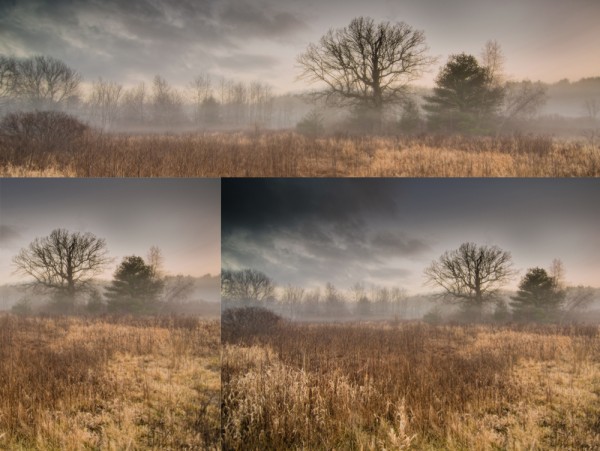
Optional Caption: Learning to Crop Differently Can Teach Composition

Learning to Crop Differently Can Teach Composition

When I first started photographing landscapes I would get lost in the act of trying to fiddle with dials and buttons and forget about composition, or when I’d focus on composition I’d forget about my shutter speed or ISO settings. There is so much that goes into creating a photograph that sometimes it helps to just sit down and learn a different way. So I thought I’d try to learn to take better photographs by focusing on learning how to edit the ones I did take.

One area that editing our photos can teach us is the idea of composition. I know there will be people screaming at the screen as they read this, maybe even ripping their hair out, when I say that cropping photos is an excellent way to experiment with composition, but it really truly is.

You can take the same photograph and crop it countless different ways and by doing this you are training your eye to see scenes differently. Apply this knowledge of composition the next time you’re in the field and you’ll actually see those different compositions as you’re looking through the viewfinder making it possible for you to take more photographs while you’re out in the field.

One other area that comes to mind is learning to see things in the field that will look good once edited. Take this black and white photograph of the Boston skyline that I took while I was out photographing the city with my sister.

By Seeing the Edit in the Field You Can Set Shots Up Accordingly

By Seeing the Edit in the Field You Can Set Shots Up Accordingly

By having the black and white image in my head as a concept I was able to know that by under exposing the frame then and there it’d make my life so much easier when I go about creating the final image back in Lightroom.

Now, this is just two concepts where editing can be applied to what we do in the field, I’m curious, have you ever thought about this idea of applying what you do behind the computer in the field? Do you think you can come up with other areas of editing that will make sense when you’re behind your camera? Let us know in the comments below!

John Davenport is an avid amateur photographer looking to make a name for himself. He has recently started a new YouTube series called “Let’s Edit” as well as launched a community site to go along with it. You can also find John on Facebook and Twitter.

Post originally from: Digital Photography Tips.

Check out our more Photography Tips at Photography Tips for Beginners, Portrait Photography Tips and Wedding Photography Tips.

Improve Your Photography By Learning to Edit


Digital Photography School

 
Comments Off on Improve Your Photography By Learning to Edit

Posted in Photography


What Would Help Improve Your Photography?

07 Feb

I recently asked this simple question on social media: “What do you think would help improve your photography?” Your answers prompted me to try to come up with some tips and possible solutions that could benefit everyone.

Time

The number one answer was finding the time to go out and shoot more. Yes, we all wish that our days were a few hours longer or that we could function on less sleep…  Let’s assume you cannot make any big changes to your schedule but you crave more time with your camera. Consider the following options:

Stuck in an office all day? Skip lunch at the cafeteria, bring a sandwich and your camera and spend your lunch break shooting! You will enjoy three immediate benefits: You will save money, get physical exercise, and exercise your vision! The more you shoot, the better you’re going to get. Shoot every day if possible!

Busy mom? Offer to swap childcare with another mom for a couple of hours here and there. If that is not an option, get creative and include your kids in your photo walks. If they are old enough to hold a camera, give them a cheap point and shoot and let them imitate mom!

Start a photo walk group! Schedule regular photo walks and be there! If it’s an early morning shoot and you’d rather stay in bed, you will have to get up because others are counting on you. As a result you’ll be happy you didn’t waste any more time in bed when you’re out experiencing the early morning sun with friends who share the same passion for photography.

Find ways to trim the fat in your weekly schedule. How much time do you spend on social media or watching TV? Can you cut a few minutes here and there? Those minutes add up to hours that could be spent behind the camera improving your craft.

TIME was the number one answer to my question “What do you think would help improve your photography?”

Perfect light

Light was also a common answer. Yes, we all wish for perfect light every time we are out with a camera but limiting ourselves to shooting in perfect light will not help us grow. Try to take a different approach. There is no such thing as bad light. As long as there is light, there is opportunity to make amazing images. Make a habit of noticing the light around you, whether you have your camera or not. Soon you will start seeing potential in the most ordinary situations and realize that images are waiting to be made everywhere and at any time of the day. Also, keep in mind that the most adverse weather conditions are perfect for making the most beautiful images.

Learning the settings on my camera

Most cameras come with an instruction manual… How many of you actually took the time to go through it? I’m guilty of that myself. I’m more hands-on, I learn best by experimenting. But before you can truly experiment, you need to know what aperture, ISO, shutter speed, white balance, exposure compensation, etc. actually mean. Start by opening the manual and take it one step at a time. Then Google search articles and tutorials to learn about each technical aspect of photography and practice as you learn. There has never been a better or easier time to learn. You can stay on the Digital Photography School site and learn everything you need to know about the technical aspects of photography. The important part is to pace yourself so that you don’t get discouraged or overwhelmed.

Better gear

I was pleased that this was not the most common answer. Start saving but use what you have to its full potential in the meantime. Most photographers have gear lust but rarely outgrow their gear. Limiting yourself will help you grow until you can afford to get the camera and lenses of your dreams. By then you will also be better equipped to use it at its full potential. A new camera will not make you a better photographer. Period. To become a better photographer, you have to learn to see. It’s true that a more advanced – and expensive – camera system can improve your work, but only if you already know how to make great pictures with your current equipment.

Confidence and more learning

Confidence comes with practice. Experiment with genres of photography that you never thought you’d enjoy shooting. Get out of your comfort zone to grow and gain confidence!  Learning is something photographers do until they stop clicking that shutter. Embrace new techniques and technologies and don’t be afraid to fail. We learn best by trial and error, not trial and success!

A trip

Shooting the same subject over and over again?  Seeing the same people, the same streets, the same scenery day in and day out? If an exotic vacation to perk up your pixels is not an option right now, you can still change the way you see your familiar surrounds and get excited about your regular photo walks by giving yourself a photo assignment!

A photo assignment is a self-driven project that can require one hour or several months – it’s your assignment, so it’s up to you!  It’s a way to get out with your camera and hone your skills by challenging yourself. Most importantly, it’s a way to keep your passion for the craft fresh and alive!

Quitting my full time job

Don’t quite your day job yet! Achieving success is hard work and no one becomes successful overnight. Okay, that can happen, but so is winning the lottery…  It takes years to gain experience and to build a good reputation. Start your photography business on the side while keeping your full time job. This will give you the time to decide if that is really what you want to do full time, and you will find out if your work and your skills are good enough to sell. Set a goal for when you want to quit the day job and work toward that. You can always adjust that goal later.

Living with a photographer 24/7

This was not one of the top answers but it made me smile and I wanted to include it. I always say that photographers should date other photographers. We are definitely a breed of our own. My best friends are photographers and I can’t imagine ever getting tired of being in their company. You should schedule time for yourself to hang out with other photographers only. This can be done through photo walks in your town or even via Skype or Google Hangouts to share tips and ideas.

If your significant other is not a ‘photography nut’ like you, that’s okay too, just make sure you surround yourself with friends who are. What you should expect and deserve from non-photographer people in your life is support. You also have to be understanding and sensitive about the fact that they don’t share your passion and know when to leave the camera at home once in a while…

Please share your thoughts. If you ran into the same issues listed above, can you share tips that worked for you?

Post originally from: Digital Photography Tips.

Check out our more Photography Tips at Photography Tips for Beginners, Portrait Photography Tips and Wedding Photography Tips.

What Would Help Improve Your Photography?


Digital Photography School

 
Comments Off on What Would Help Improve Your Photography?

Posted in Photography