RSS
 

Posts Tagged ‘Images’

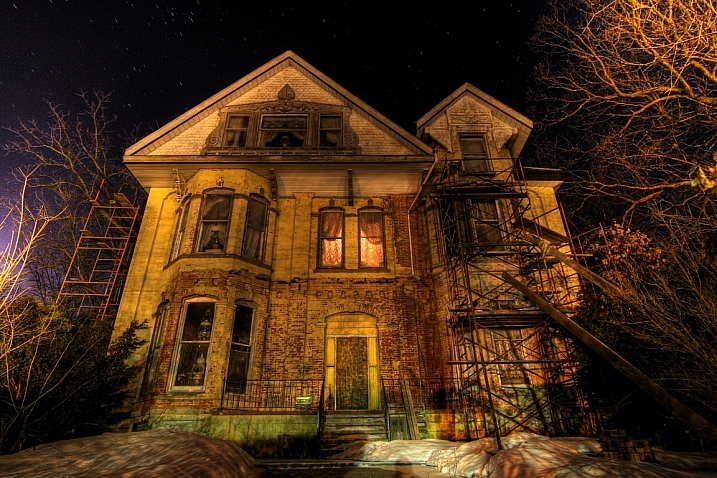
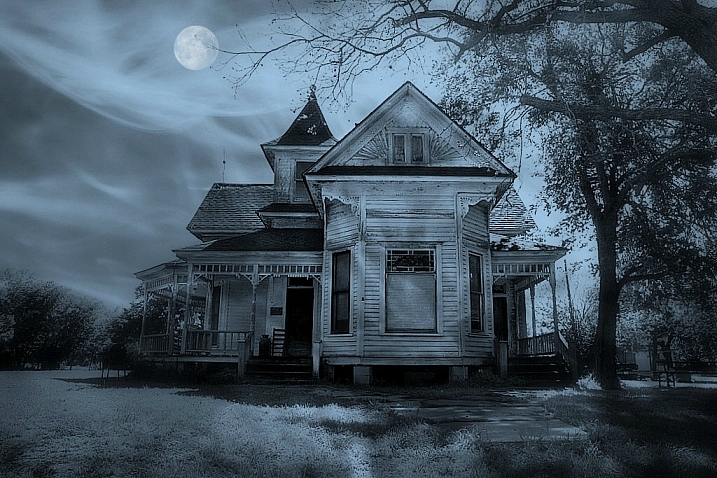
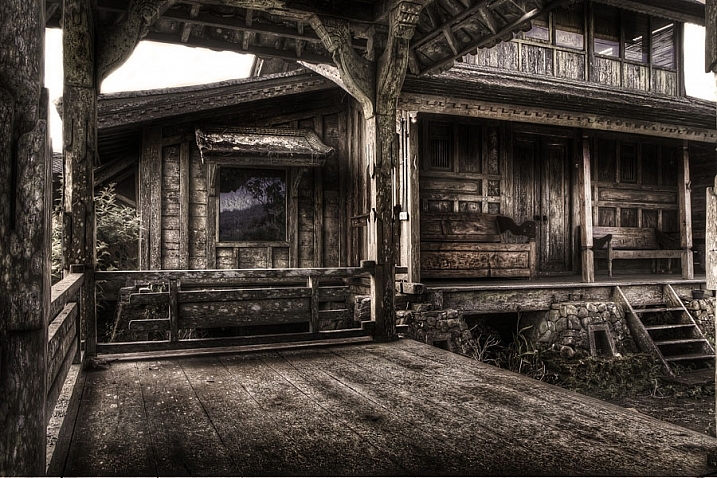
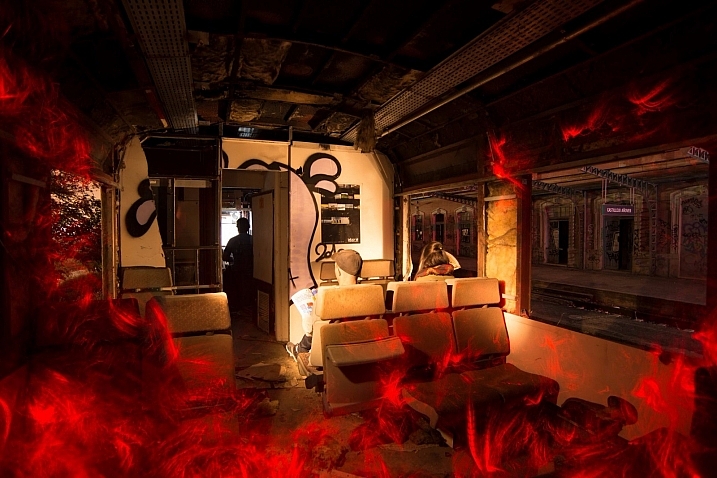
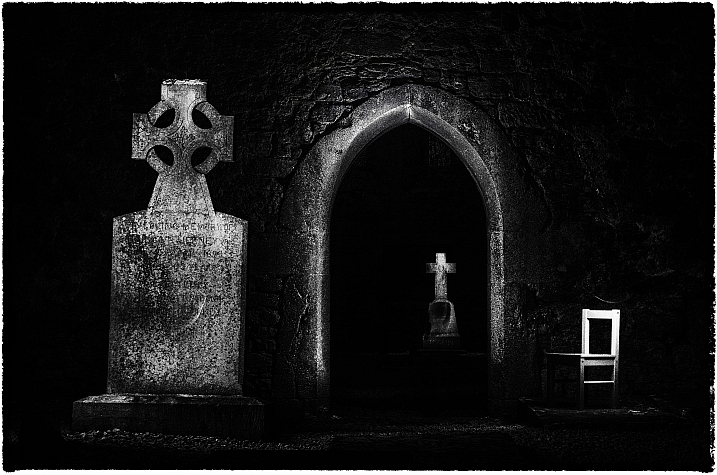
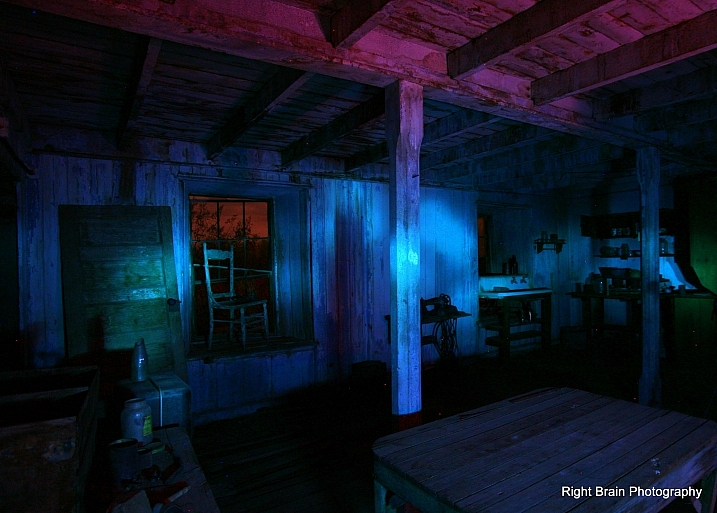
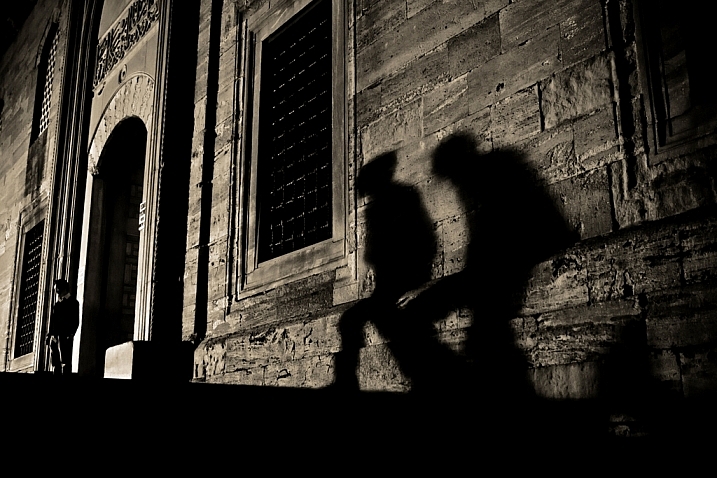
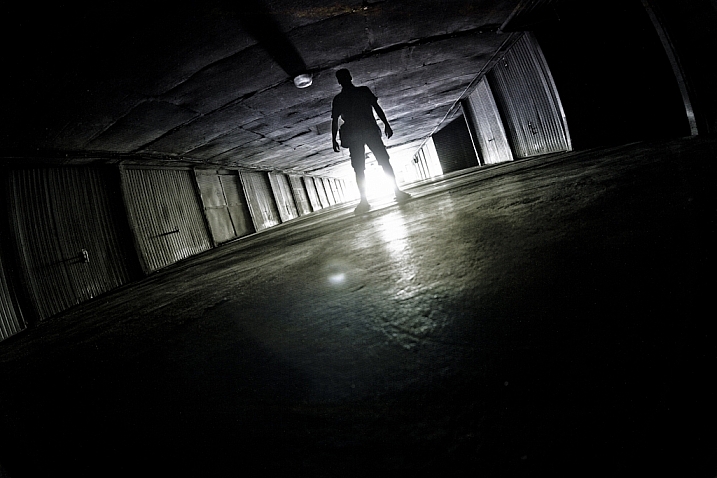
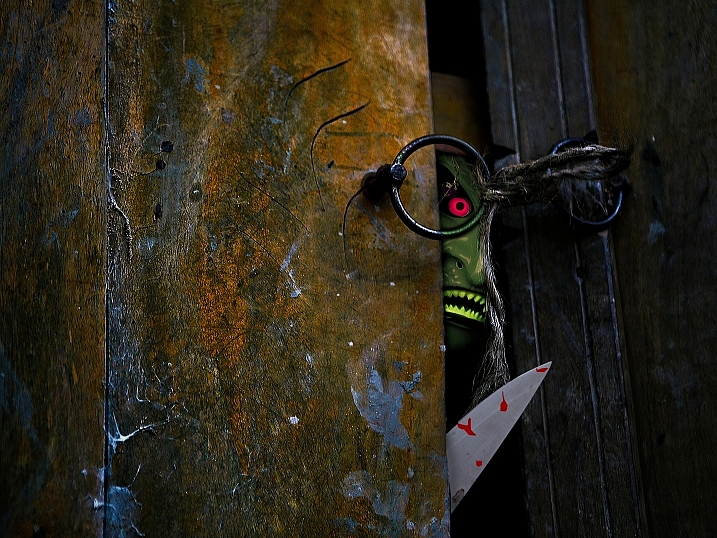
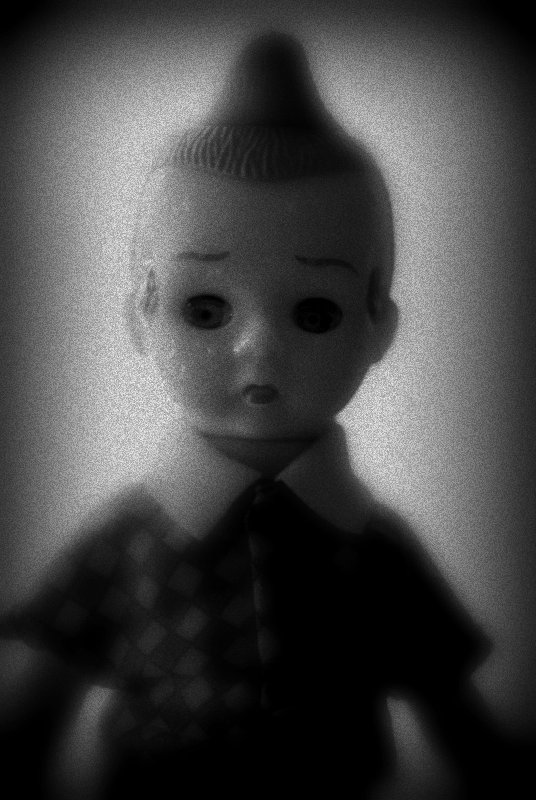
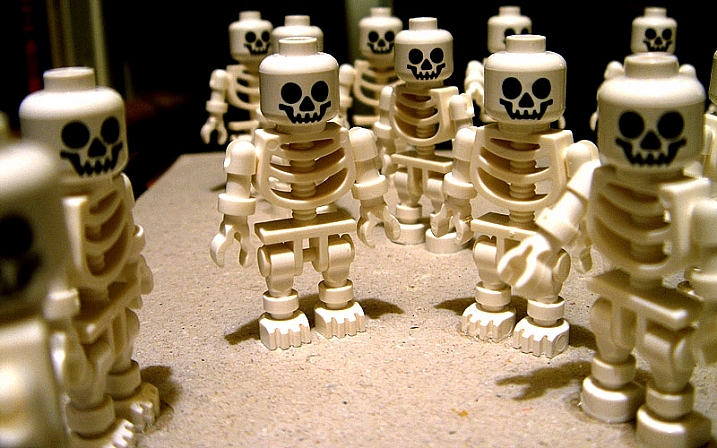
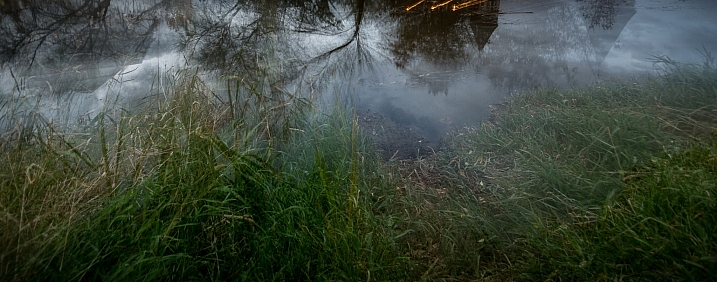
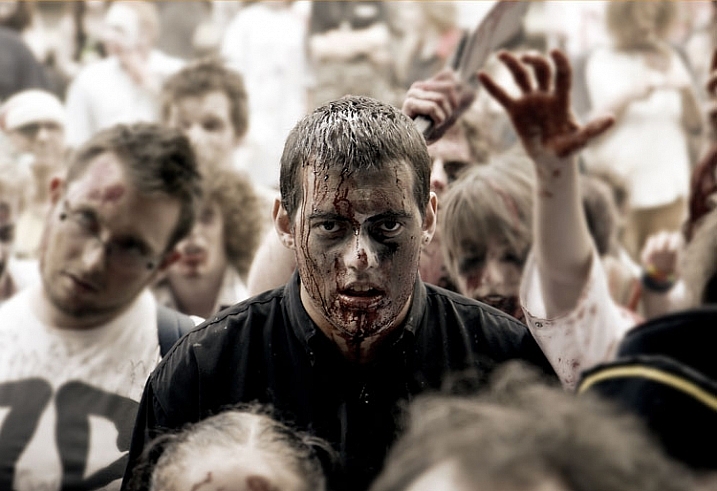
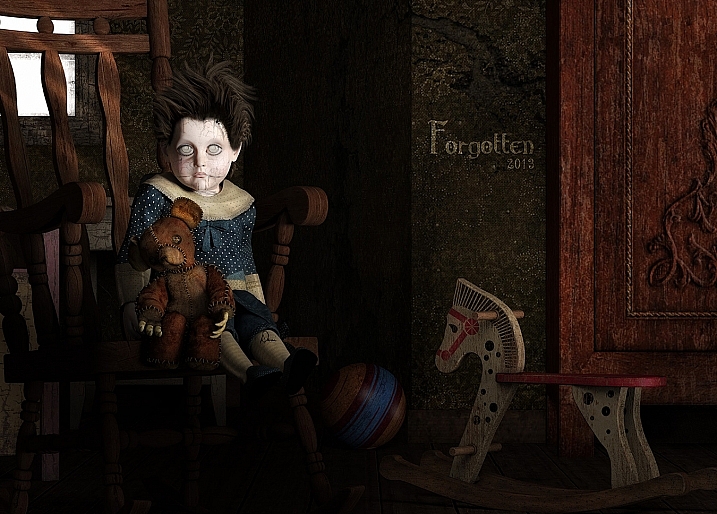
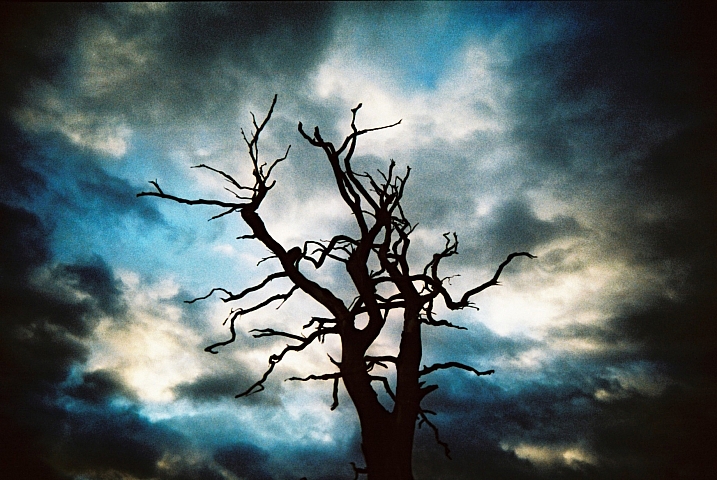
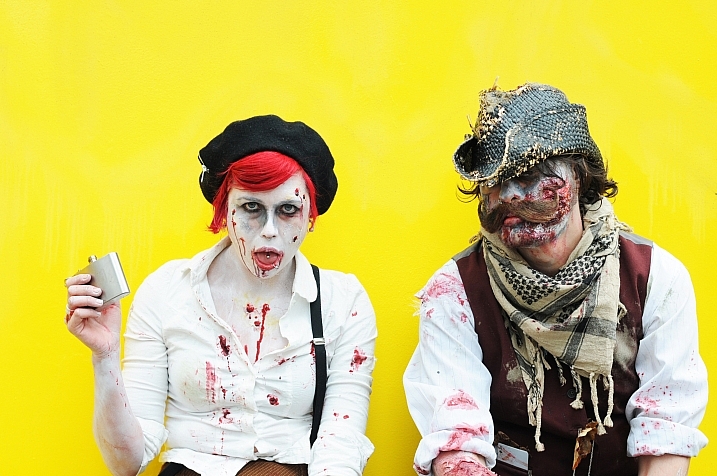
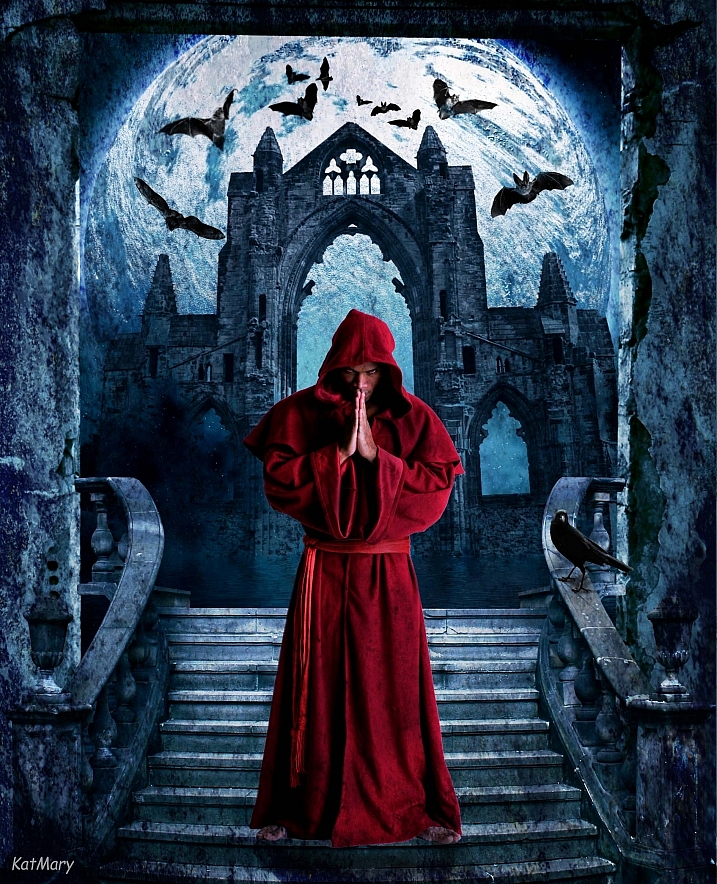
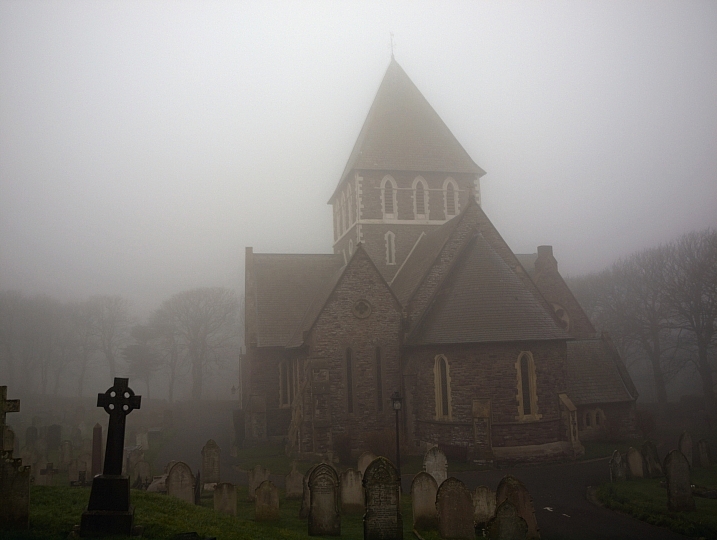
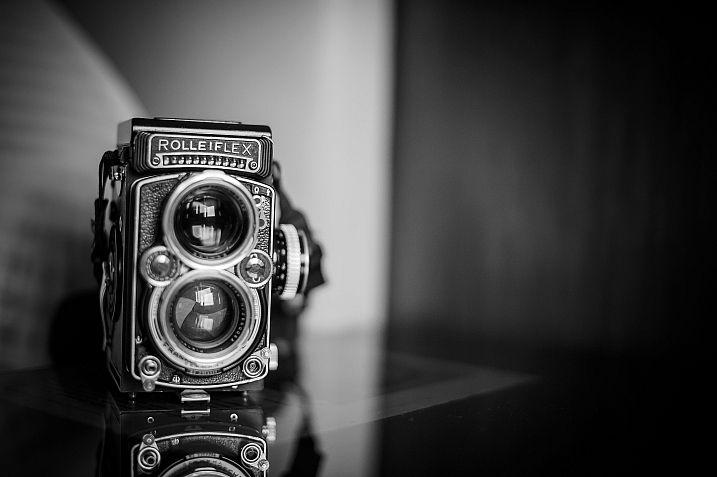
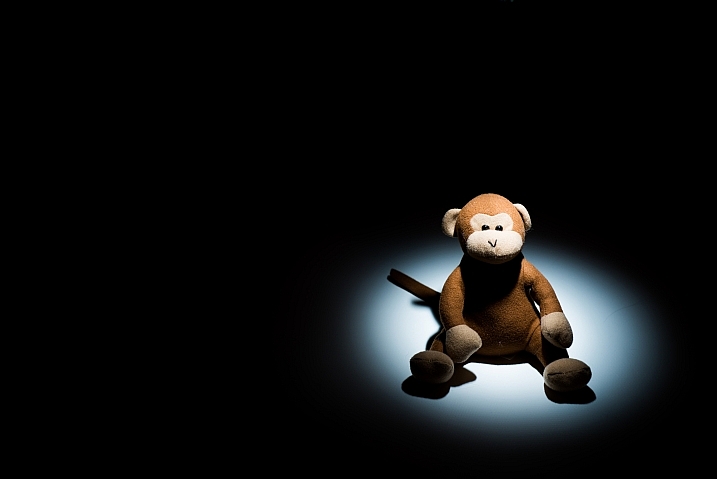
27 Sinister Images for the Week of Halloween

23 Oct

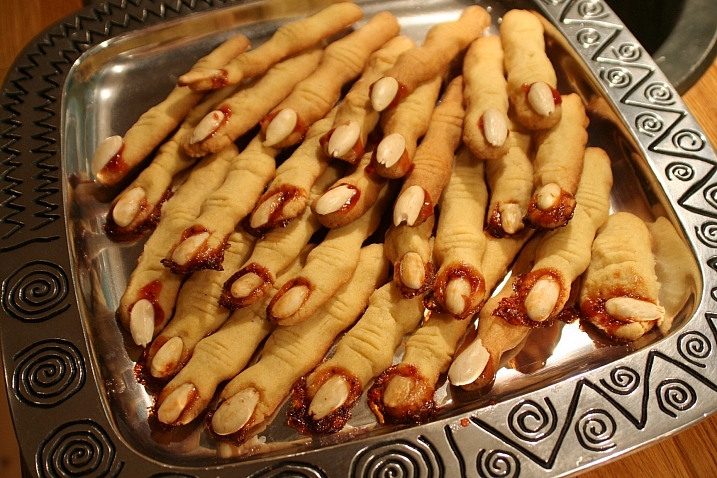
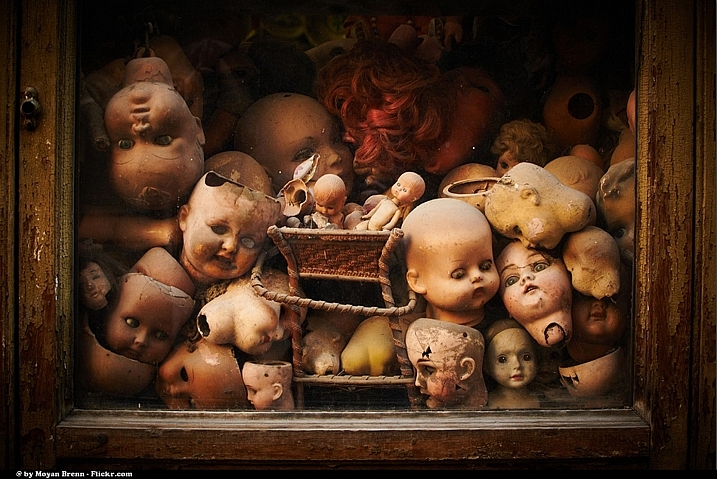
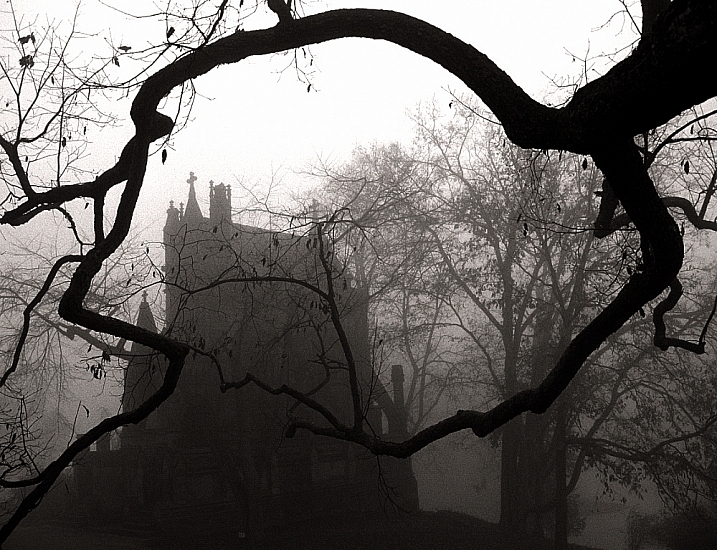
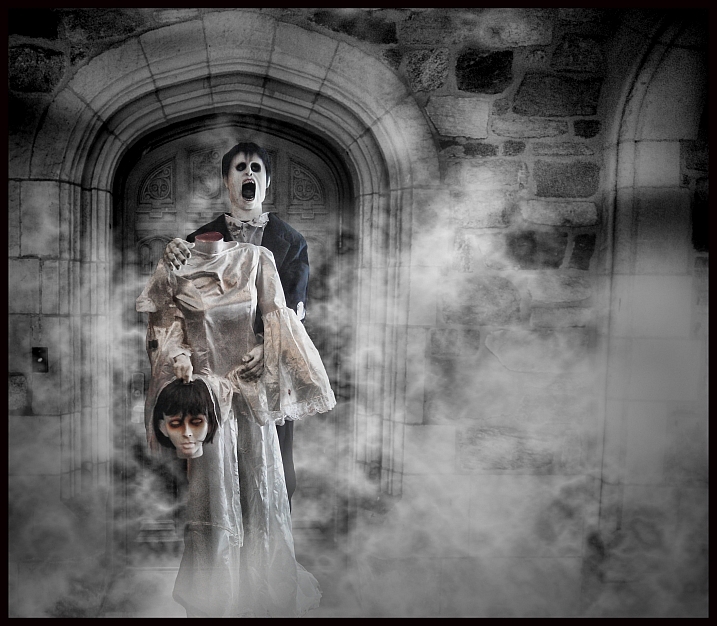
So next week it is Halloween and the goblins and zombies will be out in full force. To get you in the spirt and maybe scare the pants off you – let’s look at a few spooky, creepy images:

Shane Gorski

By Shane Gorski

Kris Williams

By Kris Williams

Shane Gorski

By Shane Gorski

TexasEagle

By TexasEagle

Jimmy McIntyre

By Jimmy McIntyre

Calvin Smith

By Calvin Smith

Cosmo_71

By cosmo_71

RightBrainPhotography

By RightBrainPhotography

Stefano Corso

By Stefano Corso

Christophe Verdier

By Christophe Verdier

Troy B. Thompson

By Troy B. Thompson

Jill

By Jill

Moyan Brenn

By Moyan Brenn

David Ohmer

By David Ohmer

Kasia

By Kasia

Aftab Uzzaman

By Aftab Uzzaman

Rob

By Rob

D.loop

By d.loop

Freeparking :-|

By freeparking 😐

Darlene Hildebrandt

By Darlene Hildebrandt

Mark Lobo

By Mark Lobo

Dani Foster Herring

By Dani Foster Herring

Slimmer_jimmer

By slimmer_jimmer

Yasser Alghofily

By Yasser Alghofily

Katmary

By katmary

Neil Howard

By Neil Howard

Matt MacGillivray

By Matt MacGillivray

googletag.cmd.push(function() {
tablet_slots.push( googletag.defineSlot( “/1005424/_dPSv4_tab-all-article-bottom_(300×250)”, [300, 250], “pb-ad-78623” ).addService( googletag.pubads() ) ); } );

googletag.cmd.push(function() {
mobile_slots.push( googletag.defineSlot( “/1005424/_dPSv4_mob-all-article-bottom_(300×250)”, [300, 250], “pb-ad-78158” ).addService( googletag.pubads() ) ); } );

The post 27 Sinister Images for the Week of Halloween by Darlene Hildebrandt appeared first on Digital Photography School.


Digital Photography School

 
Comments Off on 27 Sinister Images for the Week of Halloween

Posted in Photography


Photo prodigy: The images of 17-year-old Taylor Gray

17 Oct

Taylor Gray may be young, but he’s serious about photography. After taking a borrowed DSLR on a backpacking trip, Gray was hooked on photography and found a new love for adventure and travel. See some of the young photographer’s work. Read more

Articles: Digital Photography Review (dpreview.com)

 
Comments Off on Photo prodigy: The images of 17-year-old Taylor Gray

Posted in Uncategorized


25 Spacious Images that use Simplicity Effectively

17 Oct

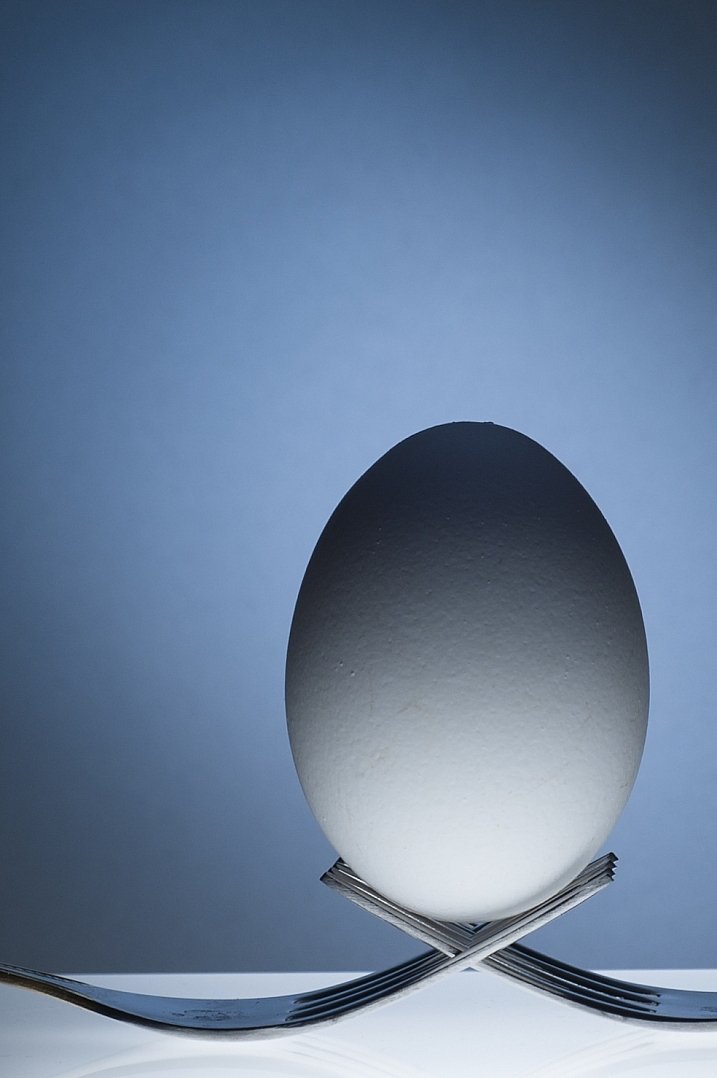
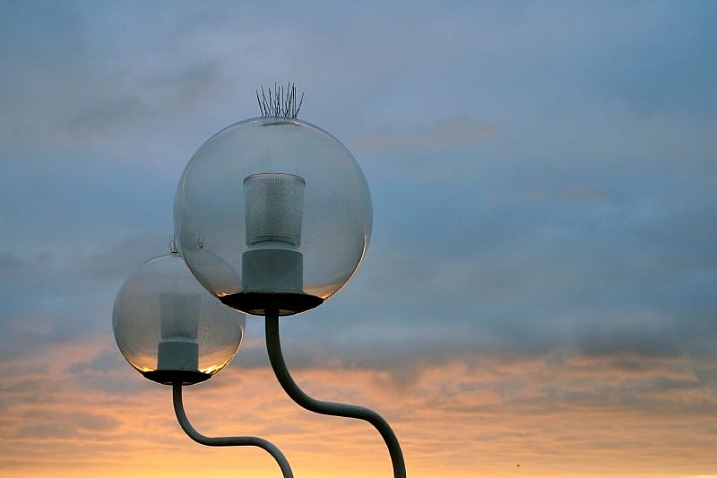
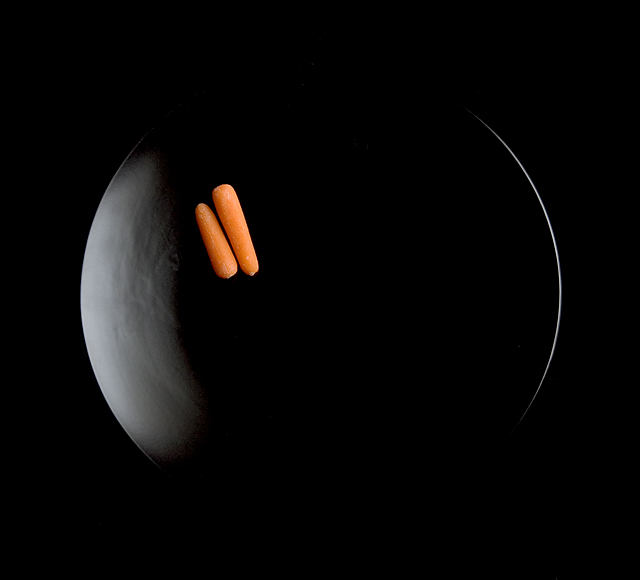
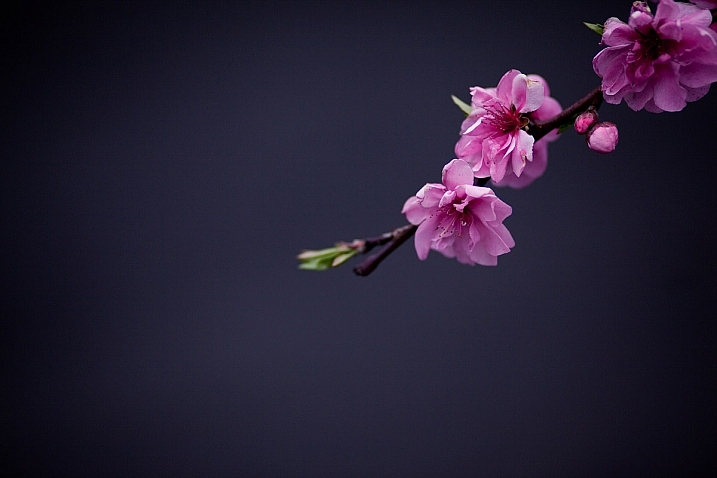
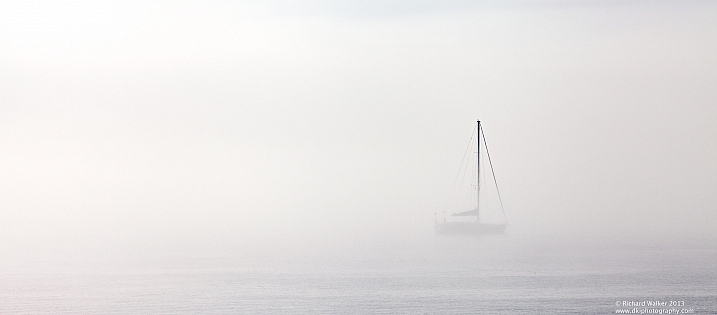
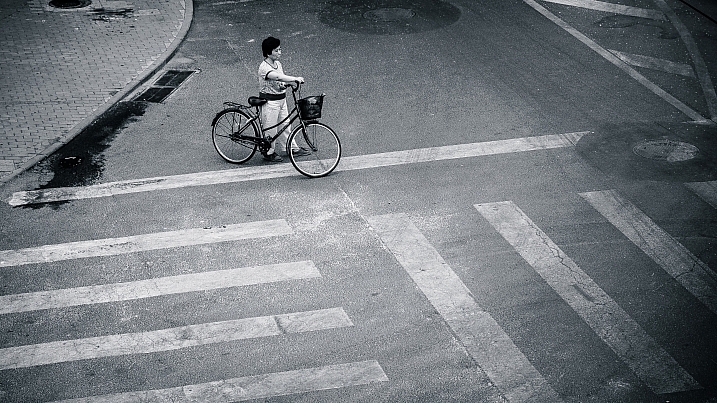
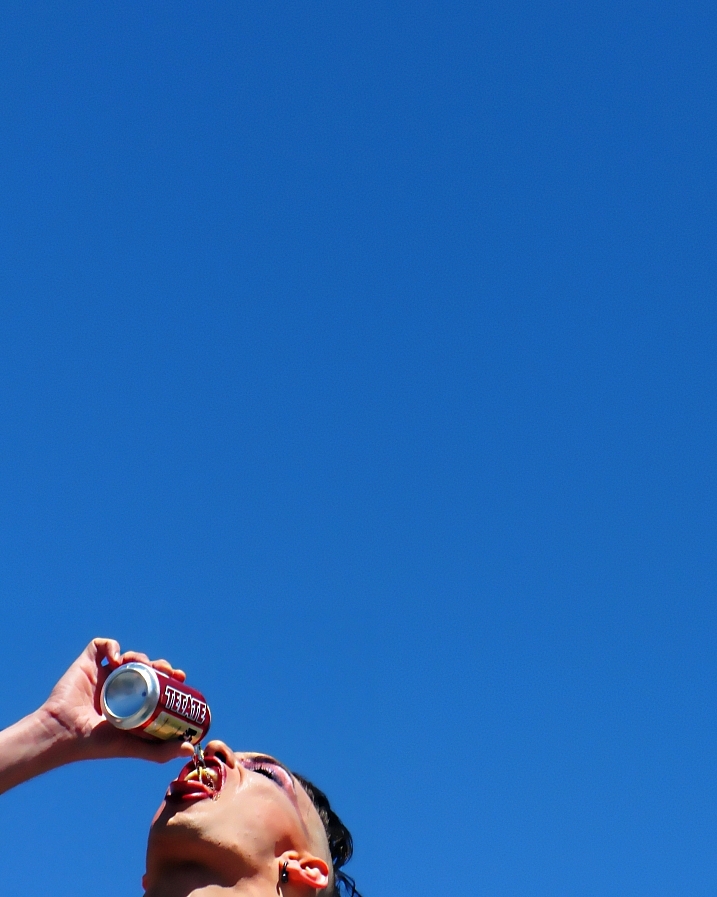
One element of composition that is often overlooked is the use of negative space – basically including a whole lot of nothing in your image.

Let’s look at a few images that use negative space, and simplicity, to create a dynamic and interesting composition.

Daniel Go

By Daniel Go

Joseph Boss

By Joseph Boss

Flavio~

By Flavio~

Tom Szymanski

By Tom Szymanski

David.Asch

By David.Asch

Daniel Sjöström

By Daniel Sjöström

M K

By m k

DarrelBirkett

By DarrelBirkett

Sea Turtle

By sea turtle

David Ingram

By David Ingram

Toni VerdĂș CarbĂł

By Toni VerdĂș CarbĂł

Hansen De Sade

By Hansen de Sade

Grant MacDonald

By Grant MacDonald

Richard Walker

By Richard Walker

Ram Yoga

By Ram Yoga

Tamaar

By Tamaar

Spodzone

By spodzone

Spodzone

By spodzone

Luke Stearns

By Luke Stearns

Jeff Laitila

By Jeff Laitila

Richard Walker

By Richard Walker

Bryon Lippincott

By Bryon Lippincott

Darwin Bell

By darwin Bell

Jonathan Cohen

By Jonathan Cohen

Ram Reddy

By ram reddy

googletag.cmd.push(function() {
tablet_slots.push( googletag.defineSlot( “/1005424/_dPSv4_tab-all-article-bottom_(300×250)”, [300, 250], “pb-ad-78623” ).addService( googletag.pubads() ) ); } );

googletag.cmd.push(function() {
mobile_slots.push( googletag.defineSlot( “/1005424/_dPSv4_mob-all-article-bottom_(300×250)”, [300, 250], “pb-ad-78158” ).addService( googletag.pubads() ) ); } );

The post 25 Spacious Images that use Simplicity Effectively by Darlene Hildebrandt appeared first on Digital Photography School.


Digital Photography School

 
Comments Off on 25 Spacious Images that use Simplicity Effectively

Posted in Photography


26 Cool Images Utilizing the Color Blue

10 Oct

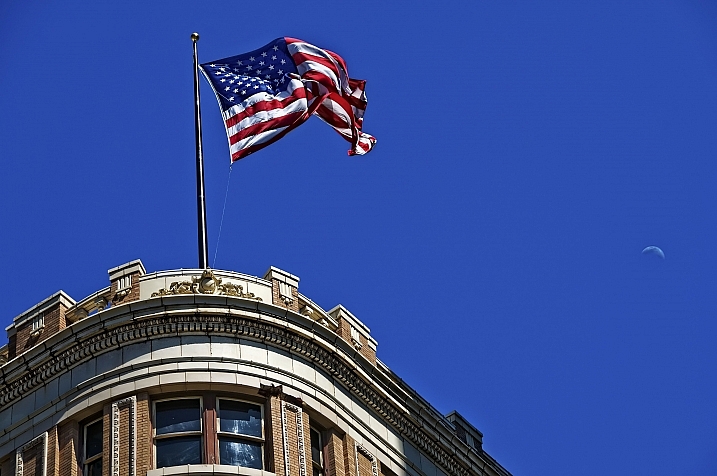
Last couple of weeks we’ve been looking at images of red and yellow, warm colors. So let’s switch it up and go with a cool color – blue!

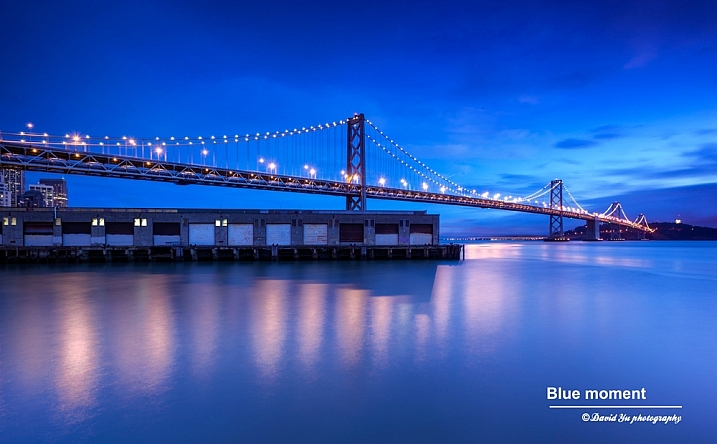
David Yu

By David Yu

Luis Ascenso

By Luis Ascenso

Jeff S. PhotoArt At HDCanvas.ca

By Jeff S. PhotoArt at HDCanvas.ca

TexasEagle

By TexasEagle

Sonny Abesamis

By Sonny Abesamis

Adrien Sifre

By Adrien Sifre

Geir TĂžnnessen

By geir tĂžnnessen

Alias 0591

By Alias 0591

Eric Bégin

By Eric Bégin

Neal Fowler

By Neal Fowler

Thomas Hawk

By Thomas Hawk

Simon Ingram

By Simon Ingram

Julie Falk

By Julie Falk

Pen Waggener

By Pen Waggener

Paul Nelson

By Paul Nelson

Jeff Huffman

By Jeff Huffman

Mark Robinson

By Mark Robinson

Ernie R

By Ernie R

Huds?n

By Huds?n

Tambako The Jaguar

By Tambako The Jaguar

Chris Combe

By Chris Combe

Ronelle

By Ronelle

Ritchard Ton

By Ritchard Ton

Lorna Carlson

By Lorna Carlson

Roy Cheung

By Roy Cheung

StylishLensT

By StylishLensT

Chris Ford

By Chris Ford

googletag.cmd.push(function() {
tablet_slots.push( googletag.defineSlot( “/1005424/_dPSv4_tab-all-article-bottom_(300×250)”, [300, 250], “pb-ad-78623” ).addService( googletag.pubads() ) ); } );

googletag.cmd.push(function() {
mobile_slots.push( googletag.defineSlot( “/1005424/_dPSv4_mob-all-article-bottom_(300×250)”, [300, 250], “pb-ad-78158” ).addService( googletag.pubads() ) ); } );

The post 26 Cool Images Utilizing the Color Blue by Darlene Hildebrandt appeared first on Digital Photography School.


Digital Photography School

 
Comments Off on 26 Cool Images Utilizing the Color Blue

Posted in Photography


Project Apollo Archive uploads more than 8400 NASA images to Flickr

06 Oct

Project Apollo Archive has uploaded a massive library of high-resolution photos taken during NASA’s moon missions and related training exercises. More than 8,400 photos have been published, including scans of original photos taken by astronauts’ Hasselblad cameras and some processed photos from film magazines. Read more

Articles: Digital Photography Review (dpreview.com)

 
Comments Off on Project Apollo Archive uploads more than 8400 NASA images to Flickr

Posted in Uncategorized


Countdown to PIX 2015: Getty Images Legacy Collection

04 Oct

It’s hard to believe that PIX 2015 is just over a week away. As we get closer to the show, we’re highlighting some of our amazing speaking and content partners. In the slideshow above you’ll find a preview of some of the iconic photos Getty Images will have on display in our gallery space. Find out more about the Legacy Collection from Getty Images Co-Founder Jonathan Klein. Read more

Articles: Digital Photography Review (dpreview.com)

 
Comments Off on Countdown to PIX 2015: Getty Images Legacy Collection

Posted in Uncategorized


The Multiple Personalities of Yellow in Images

02 Oct

The color yellow can represent many different things – feelings and emotions – ranging from happy (the iconic yellow happy face), sunshine, and spring to the evil side of the color like jealousy, cowardice, caution, and illness. Of course there is also a lot of yellow at this time of year as autumn is upon us in the northern parts of the world.

Let’s have a look at how these photographers used the color yellow in their images.

Tobi Firestone

By Tobi Firestone

Vinoth Chandar

By Vinoth Chandar

Andreas Levers

By Andreas Levers

Peter Liu Photography

By Peter Liu Photography

Zitzitoune

By Zitzitoune

LoĂŻc Lagarde

By LoĂŻc Lagarde

Vicki DeLoach

By Vicki DeLoach

Brad Smith

By Brad Smith

Jenny Downing

By jenny downing

KellarW

By KellarW

Fabrizio Furno'

By Fabrizio Furno’

Darlene Hildebrandt

By Darlene Hildebrandt

Amanda Tipton

By amanda tipton

Daniel Zimmel

By daniel zimmel

Mike Beales

By Mike Beales

Matt Artz

By Matt Artz

Roo Reynolds

By Roo Reynolds

Scott Robinson

By Scott Robinson

Dennis Jarvis

By Dennis Jarvis

By 8#X

Yasser Abusen

By Yasser Abusen

MaxGag

By MaxGag

Boris BrĂŒckhĂ€user

By Boris BrĂŒckhĂ€user

Jeremy Brooks

By Jeremy Brooks

Mirai Takahashi

By Mirai Takahashi

googletag.cmd.push(function() {
tablet_slots.push( googletag.defineSlot( “/1005424/_dPSv4_tab-all-article-bottom_(300×250)”, [300, 250], “pb-ad-78623” ).addService( googletag.pubads() ) ); } );

googletag.cmd.push(function() {
mobile_slots.push( googletag.defineSlot( “/1005424/_dPSv4_mob-all-article-bottom_(300×250)”, [300, 250], “pb-ad-78158” ).addService( googletag.pubads() ) ); } );

The post The Multiple Personalities of Yellow in Images by Darlene Hildebrandt appeared first on Digital Photography School.


Digital Photography School

 
Comments Off on The Multiple Personalities of Yellow in Images

Posted in Photography


Add Contrast to Your Images by Using Complementary Colors

02 Oct

When looking at something as cognitive human beings, we naturally get a response. These responses could be emotional, physical, intellectual, etc. There is a whole range of how we respond. This range of reactions is essential for the photographer, no matter if you are shooting wedding photos professionally, landscapes for a hobby, or street photos as a traveler. Just as there is a range of photographic intentions there are ranges of how we interpret what we see. So, how do you see, and what makes you more likely to push the shutter button here and not there?

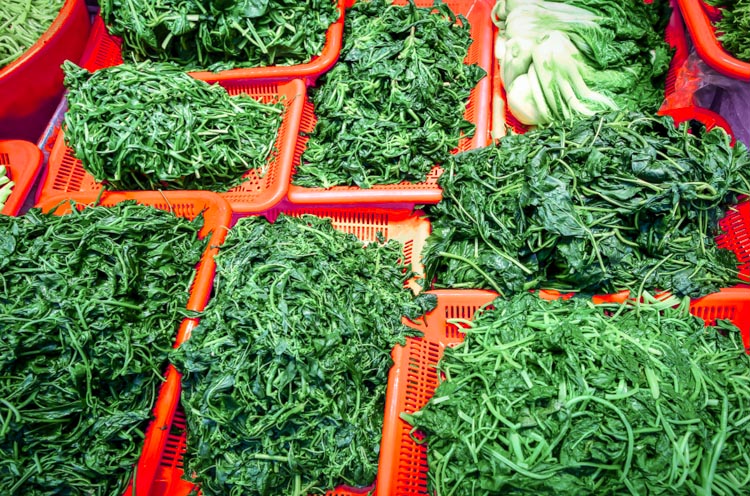
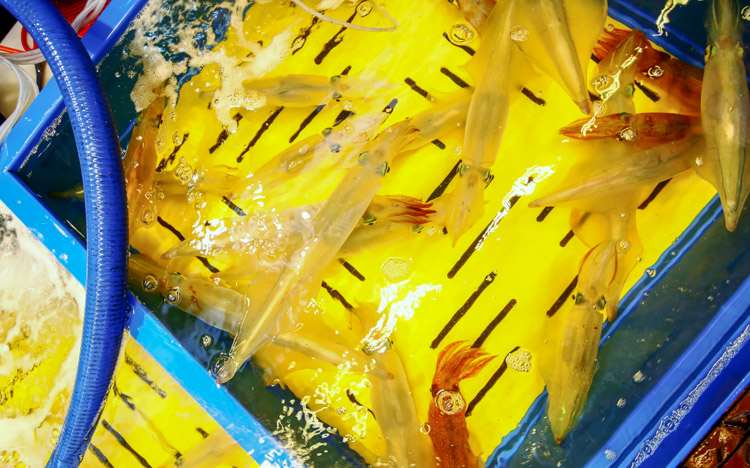
001 Red and green

From a market in Korea this green sea veggie and the red baskets they are placed in show how saturation can be achieved through color contrast

One reason is color! Colors can be striking, bold, subtle and muted, or they could be vibrant, luscious, and soft. The descriptions of colors goes on and on, as does the names of colors. Pick up an elementary school crayon box and what you’ll notice that what used to have eight colors when I was young, doubled to 16 and now there are even boxes with 152 different colours (I did look back into Crayola history and found they were sold in metal tins of 48 crayons). So again, we could make this as complicated as possible, but I can’t keep track of all those color names, can you? Nor do I want to. I just want better images.

To keep it straight forward and simple we will look at the traditional color wheel. Color wheels for printing and or mixing colors (e.g., oil painting), are not the same, so our focus is simply on what looks good to us, not the pigment mixing of paints, for painters and printers. If you look at the traditional color wheel, the complementary colors are the ones opposite of each other. When these colors are both present, called contrast, then it is pleasing to the eye.

Why, because the different colors excite different cones (or color receptors) in our eye which in turn sends signals to our brain giving us a feeling. As mentioned above colors are described in a variety of ways, as too are feelings. Sometimes complementary colors are more soothing, and sometimes they are more powerful. That often depends on the context and perspective that the colors are in (the surrounding colors), along with their tone (dark or light). Simply put, complementary colors vibrate themselves and give us feeling.

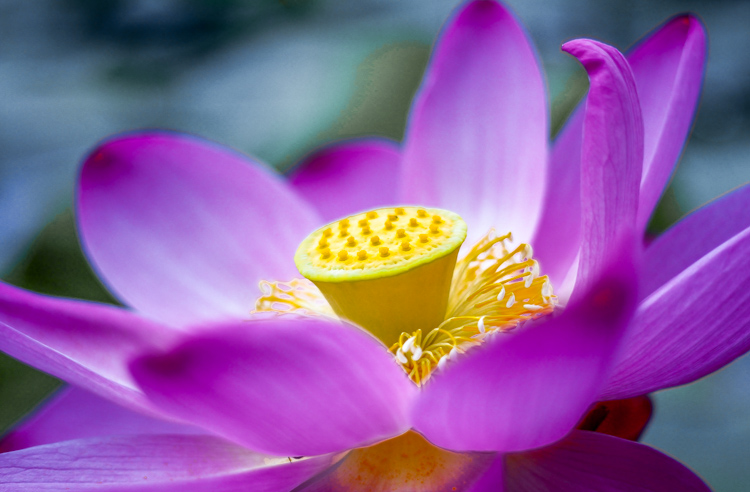
002 Yellow and purple

The contrast of the yellow to the purple direct the eye towards the center of the water lily along with selective focus. Combine color with other techniques to help guide the viewer. From Changchun China International statue park.

One reason that complementary colors tug our hearts in one direction or another is because the complementary color is actually a blend of the other two primary colors. Thus, each primary color has one complementary color which is a mix of the other two primary colors. The traditional complementary colors are red and green, yellow and purple, and blue and orange. Red is a primary color and its complement is green (i.e. a mix of yellow and blue—the other two primary colors). Thus when using complementary colors you are actually stimulating all of your color receptors but in a slightly deceiving way. If we look at the complement of yellow, it is purple. What are the two primary colors that create purple? You got it, red and blue.

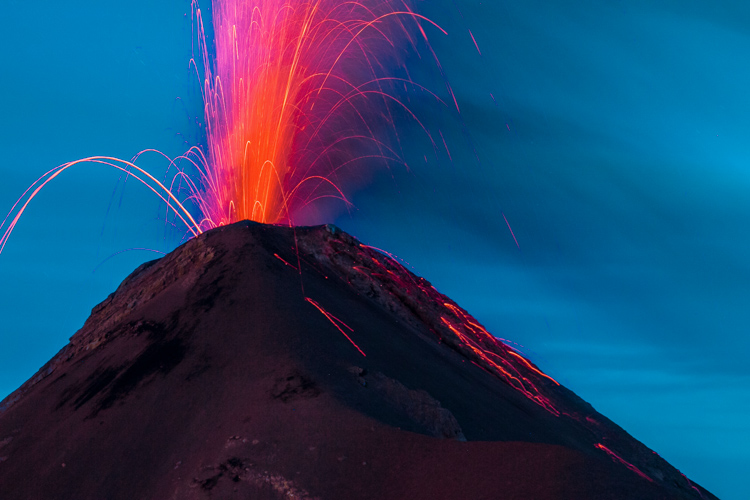
003 Blue and orange

The blue background of the volcano after sunset in Guatemala really highlights the orange lava bursting out. A much different feeling would be created if the picture had been taken at golden hour, rather than blue hour.

If we look at many Dutch master painters they were very skilled in the art of light and dark. Using lighter areas to attract your attention to certain areas of the photo, and using darker tones to push areas back into the shadows. If we move forward in the impressionist era, Monet definitely shows his use of complementary colors in his painting Impression, Sunrise (Impression, Soleil levant) in 1872, of the orange sun with the blue seascape. In the post-impressionist era, Van-Gogh’s Starry Night in 1889 of the yellow stars, and the purple night sky is maybe one of the most famous examples of the use of complementary colors.

So back to photography, what does this all mean? Well for one, print out a color wheel and put it in your camera bag. You can never look at color enough. Even back in ancient Greece, Aristotle pondered color and how it seemed to change based on the light around it. Moreover, if you look in the shadow of a primary color you will see hints of its complement. Color is one of the most subjective forms of visual art, and thus, it is very much open for interpretation and experimentation. Like most concepts in photography it is best to know the “rules” then to learn how to break them.

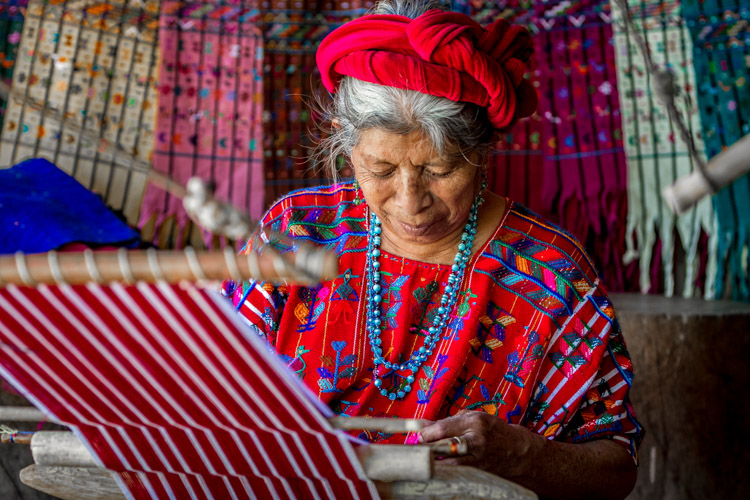
004 No blue

No blue: by subtracting one of the primary colors you can still achieve vibrant and dynamic results.

005 No Red

No Red: Because there is no red, the other colors seem to create more contrast.

006 No Yellow

No Yellow: In a very colorful scene, eliminating one primary color brings continuity to the photo.

Go out and see the world, armed with a little more understanding of what and how we perceive the world around us. Don’t be afraid of color in the natural world. But don’t expect to get it right by just ramping up the saturation slider in post-processing. Colors are vibrating wave forms all around us. Placing complementary colors next to each other gives your photo a little bit more energy.

Looking for the right colors might help you broaden your portfolio and prevent you from over-valuing leading lines or the rule of thirds. It might also help add punch to your textures, rather than sliding that saturation bar all the way up. Complementary colors naturally create contrast so you don’t need to try to create it in post-production. Let complementary colors complement your other strengths as a photographer.

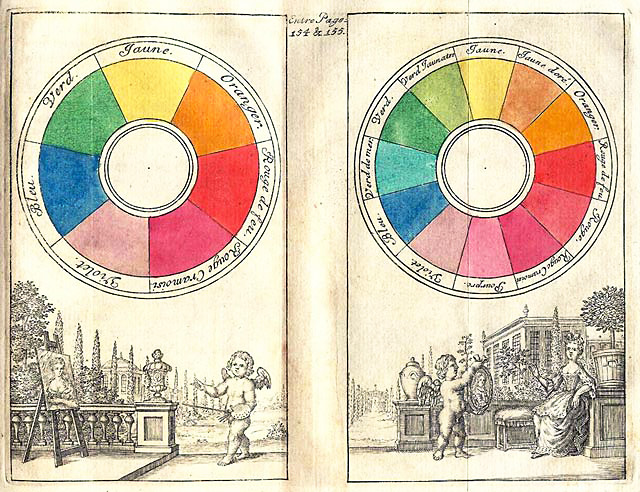
007 color circle from 1708

Traditional Color wheel from the early 1700’s.

Please help continue the tradition by sharing your thoughts and photos below.

googletag.cmd.push(function() {
tablet_slots.push( googletag.defineSlot( “/1005424/_dPSv4_tab-all-article-bottom_(300×250)”, [300, 250], “pb-ad-78623” ).addService( googletag.pubads() ) ); } );

googletag.cmd.push(function() {
mobile_slots.push( googletag.defineSlot( “/1005424/_dPSv4_mob-all-article-bottom_(300×250)”, [300, 250], “pb-ad-78158” ).addService( googletag.pubads() ) ); } );

The post Add Contrast to Your Images by Using Complementary Colors by Branson Quenzer appeared first on Digital Photography School.


Digital Photography School

 
Comments Off on Add Contrast to Your Images by Using Complementary Colors

Posted in Photography


Tips for Creating Original Images

27 Sep

Years ago I shot an image for a competition that I was sure was a highly original piece of genius. Only to find out when looking at other entries, there seemed to be rather a lot of other highly original geniuses with exactly the same idea.
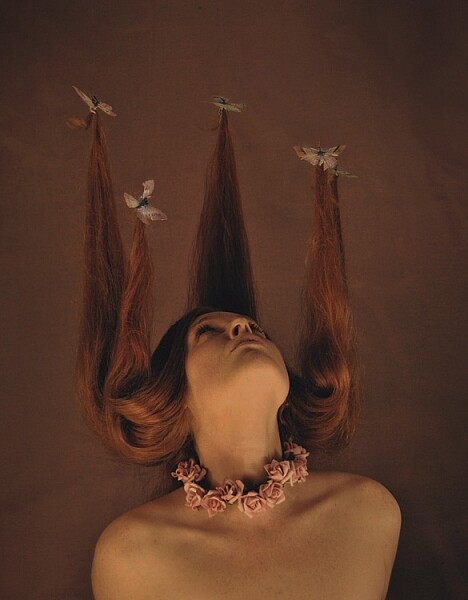
To get further in competitions I realized I had to start thinking outside the box. So I developed a strategy for getting a bit more original with my photography. Here are some tips you may find helpful for coming up with unique ideas and for creating original images.

Coming up with an idea

If you don’t already have an idea to work from, you can pick one right now – be it the first item you see after reading this sentence, or google your town and see what comes up. For example, the first link might be to a local hairdresser, so your theme could be hair. Try this with some other keywords like; photography or art, or go completely random and google both hair plus the first item to your left.

Send in the clowns

A quote from musician Nick Cave explaining his song writing process:

“Do you want to know how to write a song? Song writing is about counterpoint. Counterpoint is the key. Putting two disparate images beside each other and seeing which way the sparks fly. Like letting a small child in the same room as, I don’t know, a Mongolian psychopath or something, and just sitting back and seeing what happens. Then you send in a clown, say, on a tricycle and again you wait and you watch. And if that doesn’t do it, you shoot the clown.”

Apply this to your photography. Your theme, that’s your small child. Add to that a certain style of photography, macro , high speed , light painting, that’s your Mongolian psychopath. Now send in the clown, perhaps this could be, as above, the first thing you see to your left, or something available to you that might not be available to other photographers like an awesome local location, unique props, or skills. In my case some mad crafty skills and a friend, with a lot of red hair, to model for me.
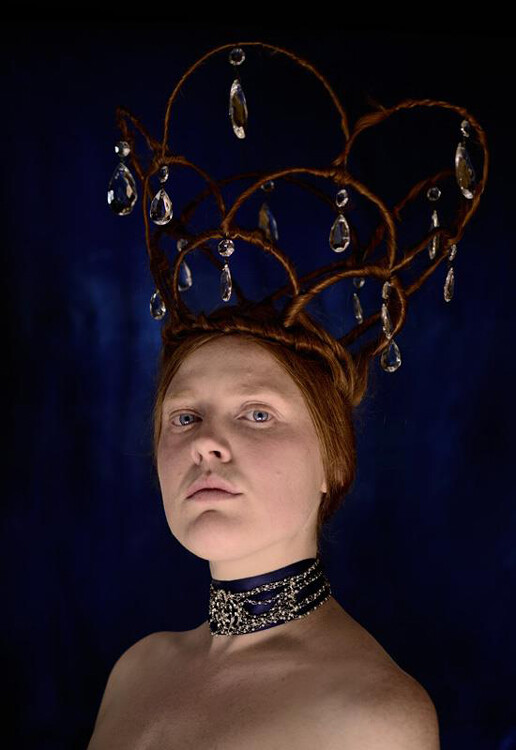
An unusual prop is a good place to start when aiming for an original image.

Combining other skills or hobbies (in this case my crafty skills) with your photography can help to create unique images. I made a crown out of coat hangers and wrapped the model’s hair around it. The jewels in the crown were some old chandelier parts I found at a market. Markets and thrift stores can be a good source for unusual items to inspire an original photograph.

Think about what is available to you

It’s all well and good to want to do a high-speed Kung Fu fighter action shot in low light, when all that is available to use is your mobile phone camera and your dog as the actor, and he has no Kung Fu training whatsoever. Not that it can’t be done, just saying, know your limits – then ignore them, or try to work around them.

Go for a walk

Even if you have a good idea, it’s a good idea to go for a walk.

When you get home, write or sketch further ideas. They don’t have to be good, or fully thought through, just get them down on paper or computer. Make notes of anything that comes to mind, you can sort out what works later. Even if you think your first idea is the one, still try to stretch yourself to come up with at least five to 10 more. This may sound like a lot, but sometimes that is what it takes to get yourself thinking outside the box.

If by then you don’t come up with anything original that you are excited about, go for another walk.

Let it rest

Creativity requires leisure, as they say. I am all for striking while the iron is hot, as they also say, but there is a lot to be said for allowing yourself to just mull over ideas for a while. Send in or shoot a few more clowns, see if you can improve the concept, or add a new element to really make it original.
Research

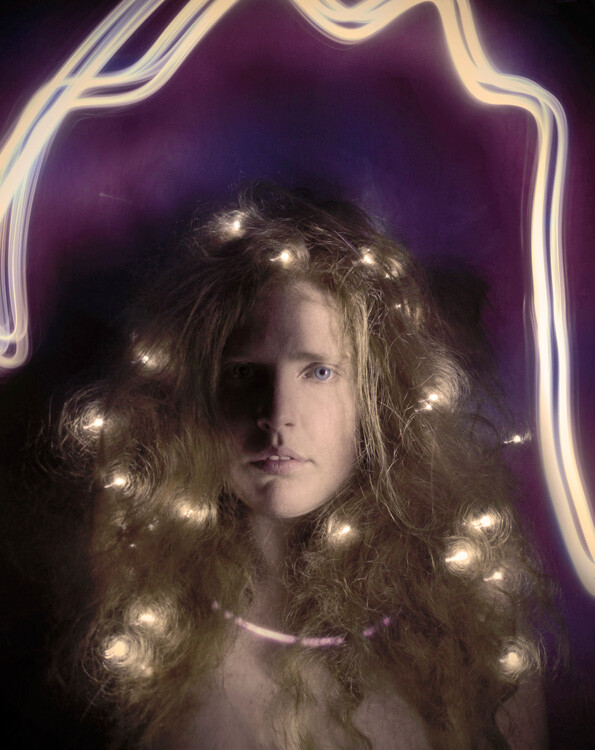
Google your idea or theme in an image search. This may not only inspire further ideas, but also allow you to check that any you’ve come up, with haven’t already been done a million times before.

Be prepared to re-shoot

Sometimes we can get caught up in an idea. I once went to great length with costume, setup and a bizarre concept, for a competition brief. After a lengthy photo session and editing, I realized the idea didn’t actually make any sense because the concept was too complicated. So I simplified the whole thing back down to basics, shot the clown as Mr. Cave advised, and the second attempt worked a treat. Going that extra mile to keep thinking and photographing, plus a willingness to let go of an idea you have worked hours on, will help you get to that truly original image in the end.

Shoot a series

This works on the same principle as coming up with 10 ideas in the sketching stage before you settle on one. Getting past your first inclinations, and pushing an idea, will get you outside your initial box. Photographing a series, forces you to take that a step further. When you are thinking about an idea over an extended period of time, over several shoots, you really give your creativity a work out. You may surprise yourself with what you come up with by your seventh photo shoot, based on your first concept.
Collaborate

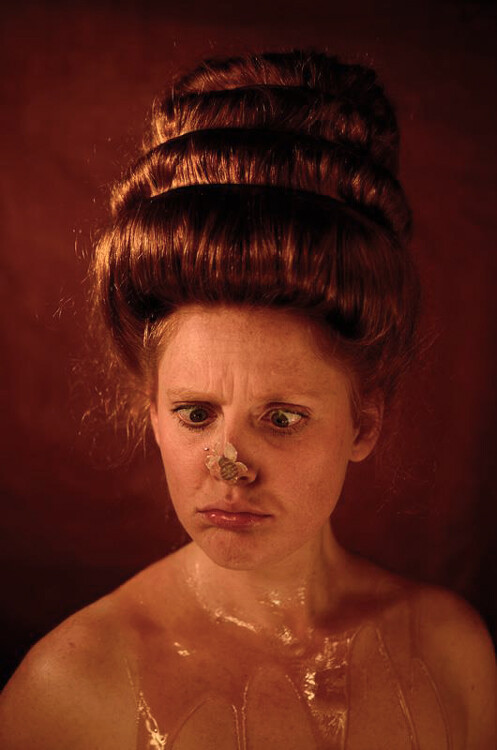
Aristotle said; “The whole is greater than the sum of its parts”. Not all collaborations create equally, but when they work, something wonderful happens. The combination of two or more collaborators can create concepts and ideas that take you far beyond what you would have done on your own.

Even something as simple as asking a portrait subject to bring in some props or personal items of their own, can change a photo shoot from ordinary to original.

Go beyond the sunset

This applies to any form of photography but I’ll use the ubiquitous sunset shot as an example.

Basically what I am saying here is get out of your comfort zone, and take a different approach. Instead of the clichĂ© sunset, try something new with it, be it learning different photographic method such as infrared photography, multiple or long exposures, light painting, or add a new element, some random item. Hair + sunset = a challenge, but it’s going to take you beyond the ordinary sunset photograph.
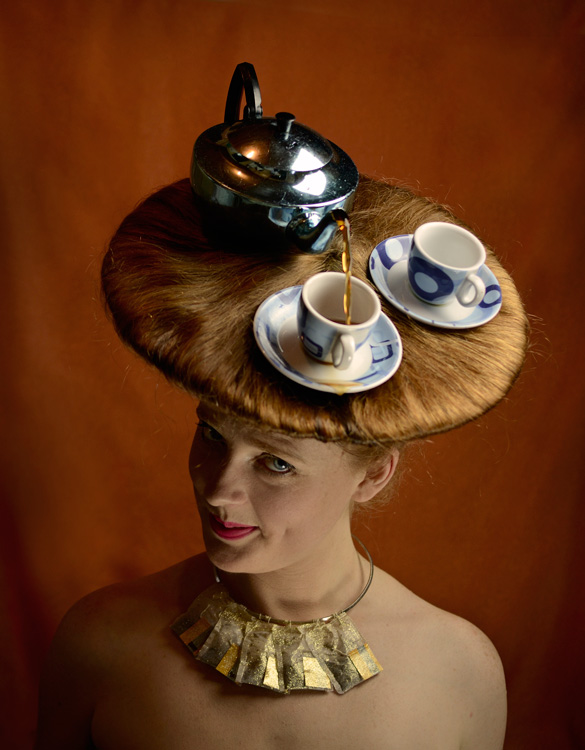
An exercise to stretch your imagination

Choose one of each from the two lists below, then try a few of the tips above, especially coming up with 10 possible photograph ideas. Then go have a hoot photographing the one you like best!

Items:

  • Something from your refrigerator
  • A bottle
  • A piece of fabric
  • An item from your bathroom

Camera method:

  • Long exposure
  • High shutter speed
  • Black and white
  • Low light

An image from that list could be a low light shot (sunset) and a message in a bottle on the beach, not exactly an original concept. However, just because something has been done before, doesn’t mean you shouldn’t run with it, put your own mark on it, find an original way to show that story.

Should you try the exercise, or any of the above tips, share your results in the comments, let’s have some fun with this!

googletag.cmd.push(function() {
tablet_slots.push( googletag.defineSlot( “/1005424/_dPSv4_tab-all-article-bottom_(300×250)”, [300, 250], “pb-ad-78623” ).addService( googletag.pubads() ) ); } );

googletag.cmd.push(function() {
mobile_slots.push( googletag.defineSlot( “/1005424/_dPSv4_mob-all-article-bottom_(300×250)”, [300, 250], “pb-ad-78158” ).addService( googletag.pubads() ) ); } );

The post Tips for Creating Original Images by Lea Hawkins appeared first on Digital Photography School.


Digital Photography School
 
Comments Off on Tips for Creating Original Images

Posted in Photography


27 Hot Images that Incorporate the Color Red

25 Sep

Fall in the northern hemisphere can be very colorful and bright. Red is everywhere, look around you. Using this color in composition can be tricky. Here are 27 images that do it successfully:

Shadi Samawi

By Shadi Samawi

Moyan Brenn

By Moyan Brenn

Smilla4

By smilla4

Riccardo Cuppini

By Riccardo Cuppini

Richard Clark (Digimist)

By Richard Clark (Digimist)

Darwin Bell

By darwin Bell

ELKayPics

By eLKayPics

Oli4.D

By Oli4.D

SantaRosa OLD SKOOL

By SantaRosa OLD SKOOL

Darwin Bell

By darwin Bell

Lenchensmama.

By lenchensmama.

Darwin Bell

By darwin Bell

Photophilde

By photophilde

Sonny Abesamis

By Sonny Abesamis

Susanne Nilsson

By Susanne Nilsson

S Vivek

By S Vivek

Darwin Bell

By darwin Bell

K2D2vaca

By K2D2vaca

Karol Franks

By Karol Franks

Ed Suominen

By Ed Suominen

Thomas Hawk

By Thomas Hawk

Bruce Irschick

By Bruce Irschick

Katmary

By katmary

Rob.

By Rob.

Lulu Lovering

By Lulu Lovering

Ziva

By Ziva & Amir

Peter Roome

By Peter Roome

googletag.cmd.push(function() {
tablet_slots.push( googletag.defineSlot( “/1005424/_dPSv4_tab-all-article-bottom_(300×250)”, [300, 250], “pb-ad-78623” ).addService( googletag.pubads() ) ); } );

googletag.cmd.push(function() {
mobile_slots.push( googletag.defineSlot( “/1005424/_dPSv4_mob-all-article-bottom_(300×250)”, [300, 250], “pb-ad-78158” ).addService( googletag.pubads() ) ); } );

The post 27 Hot Images that Incorporate the Color Red by Darlene Hildebrandt appeared first on Digital Photography School.


Digital Photography School
 
Comments Off on 27 Hot Images that Incorporate the Color Red

Posted in Photography