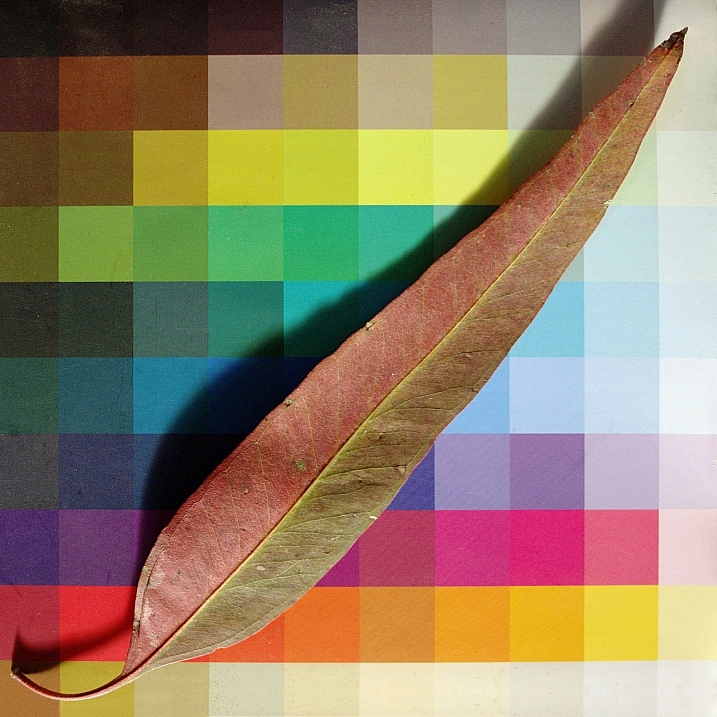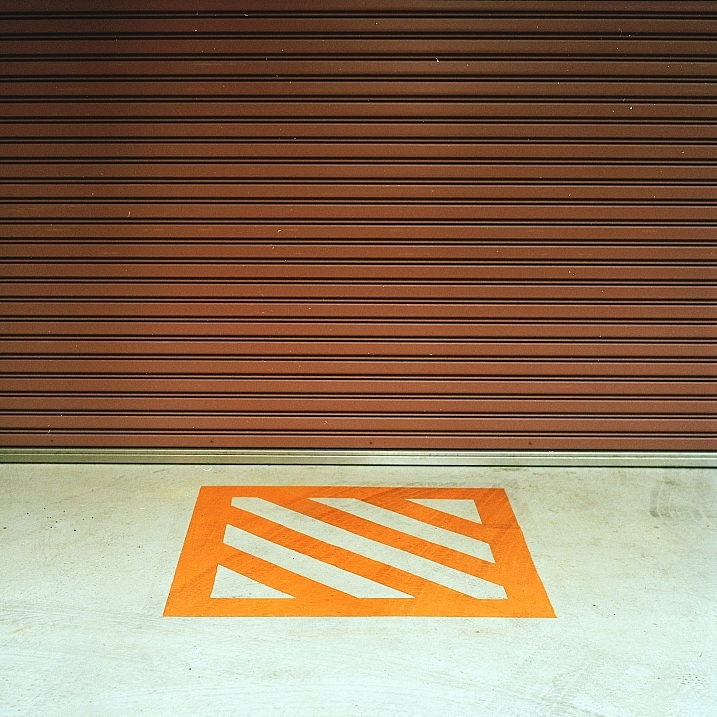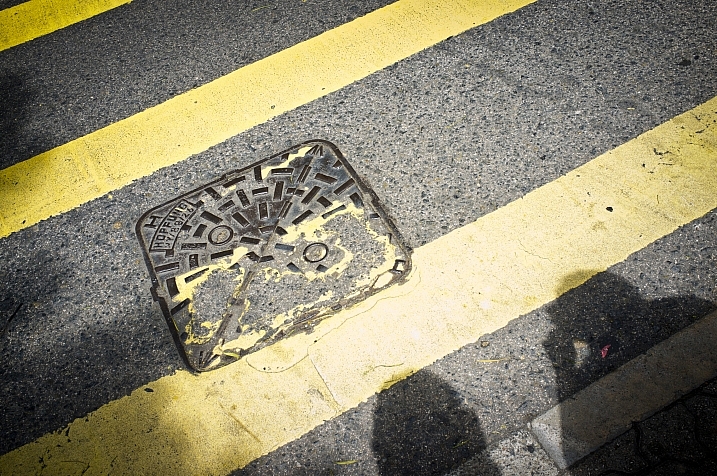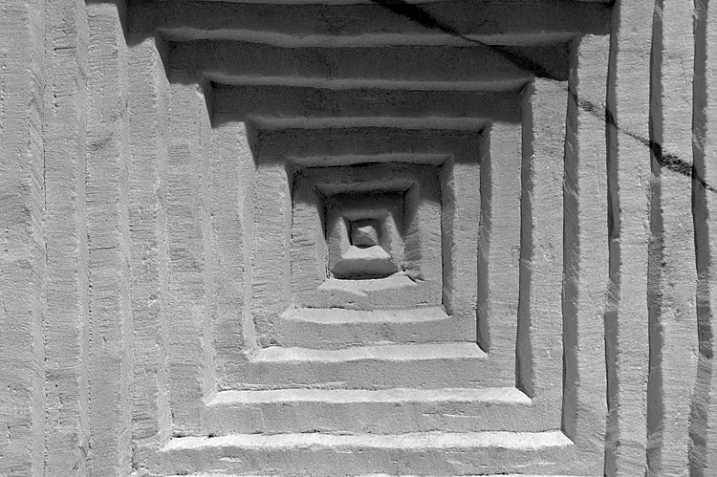
RSS
 

Posts Tagged ‘Images’

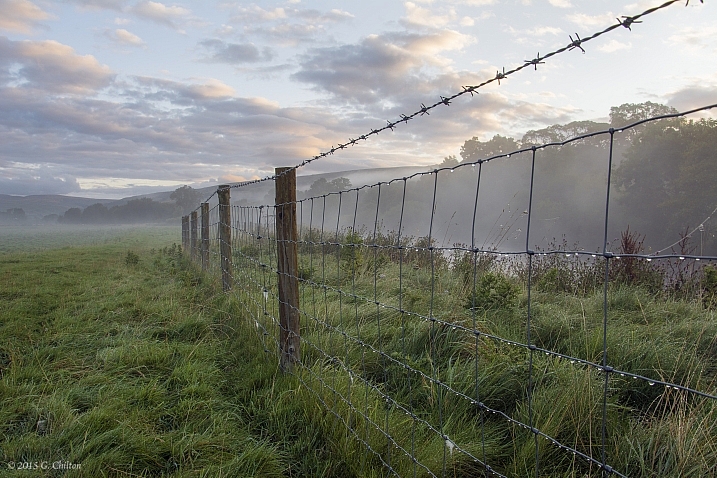
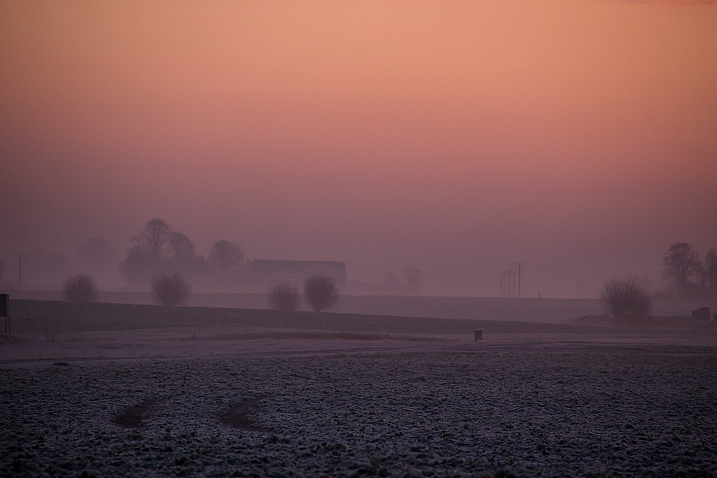
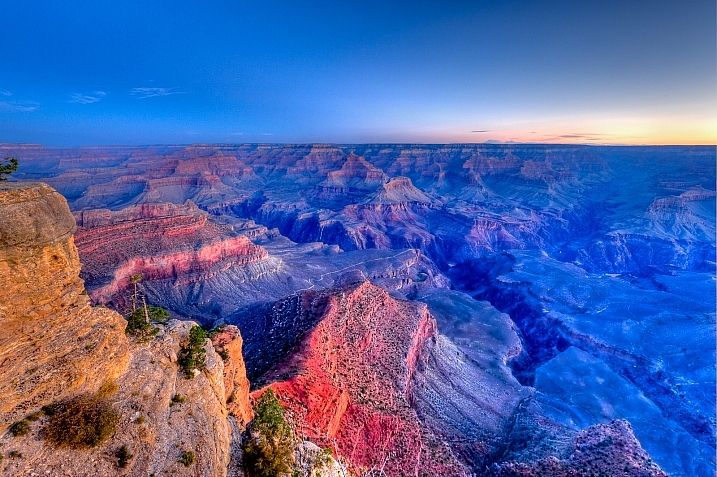
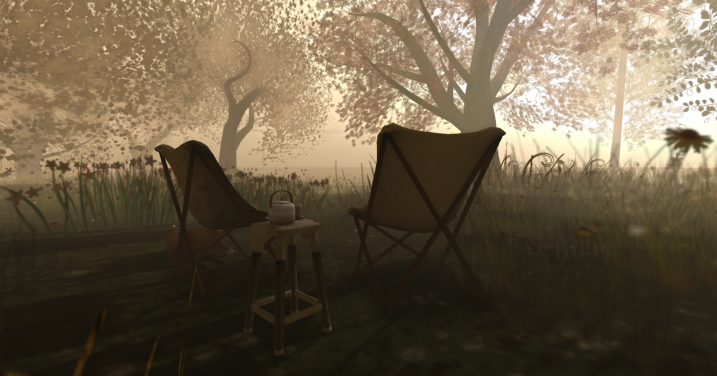
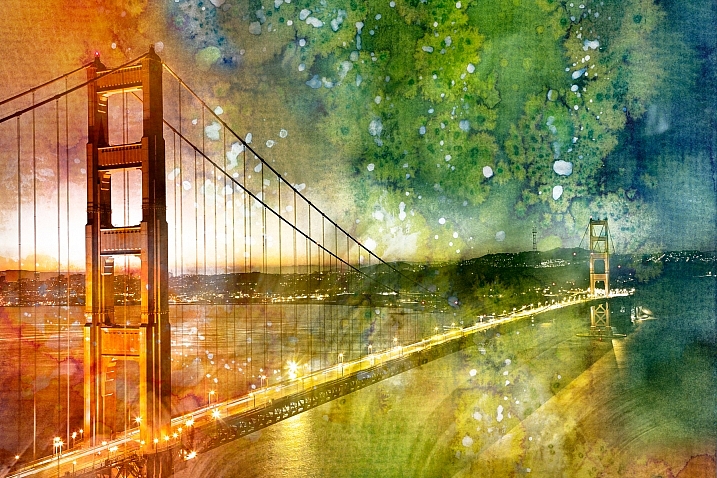
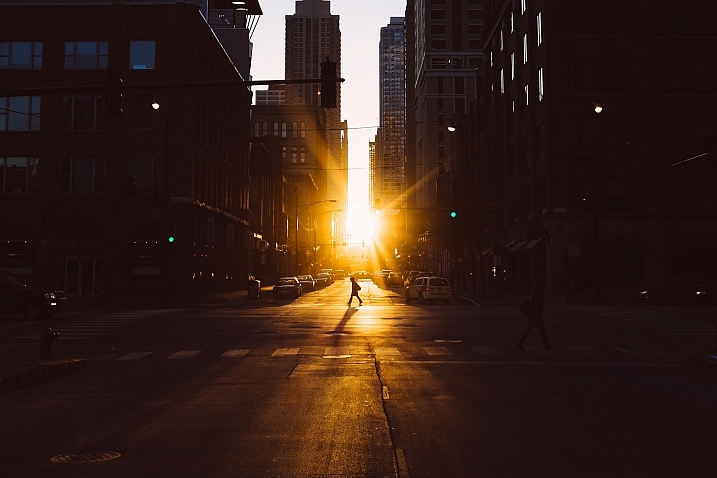
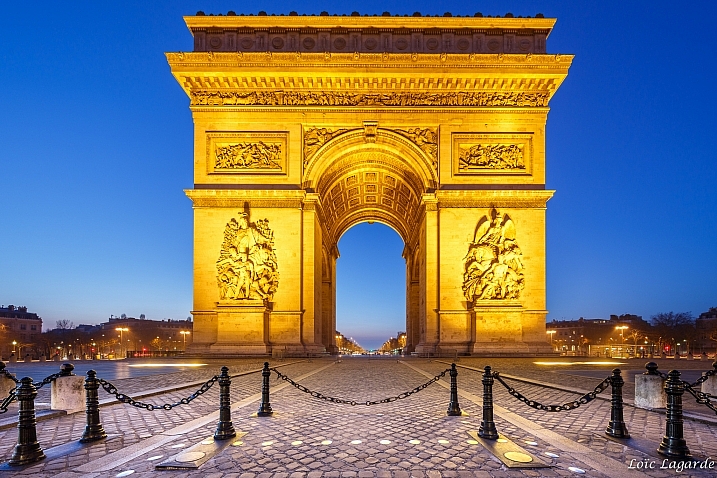
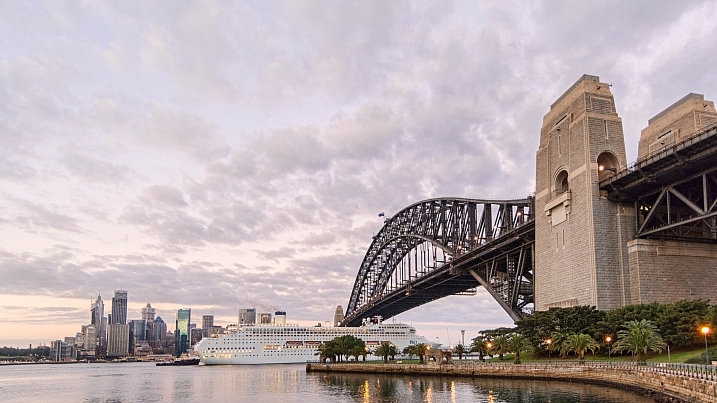
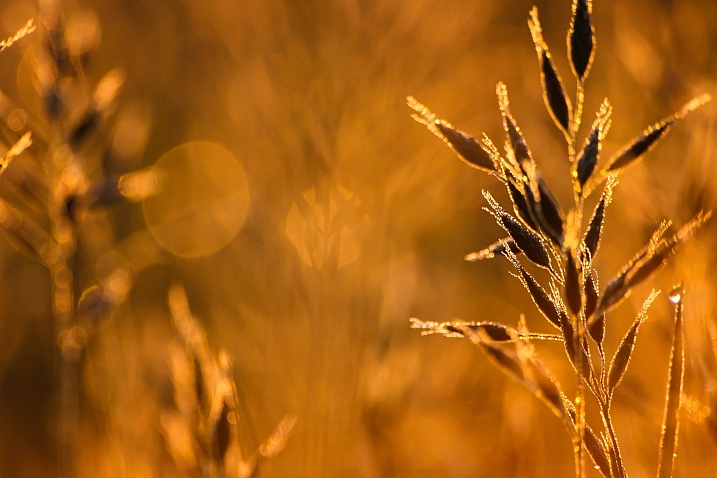
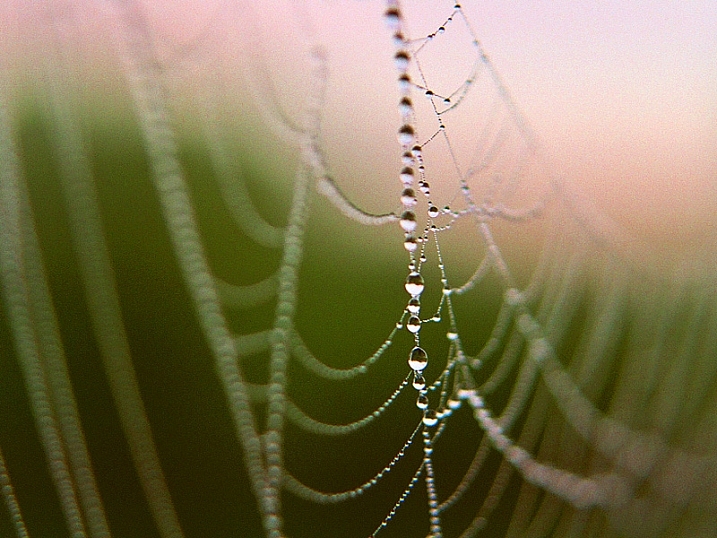
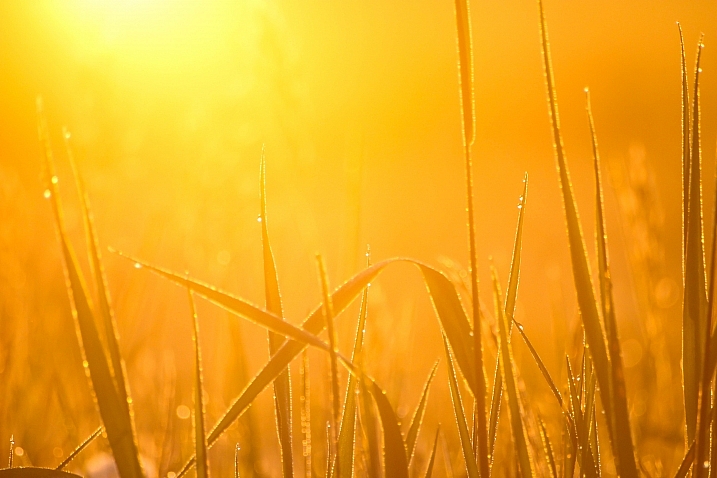
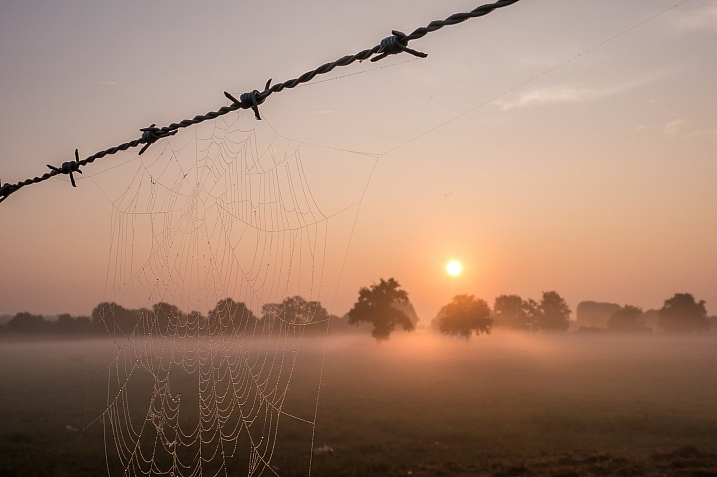
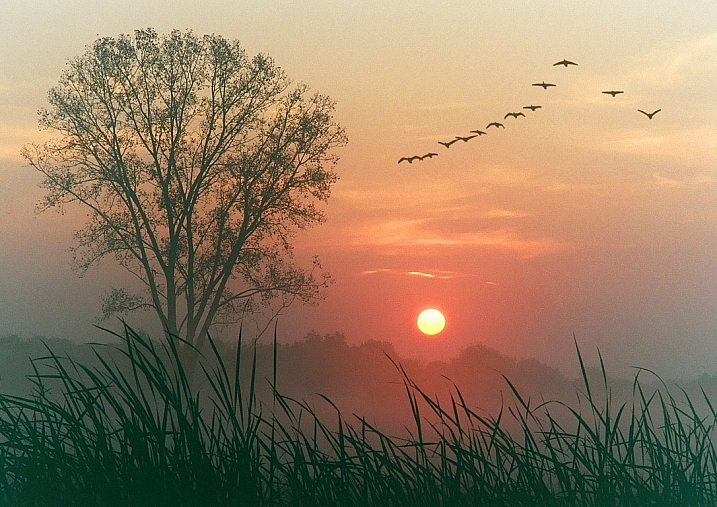
23 Dazzling Dawn Images with Magic Light

01 Apr

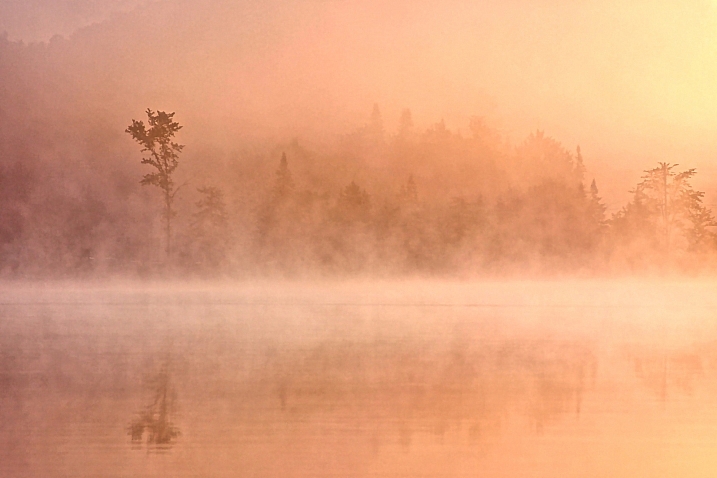
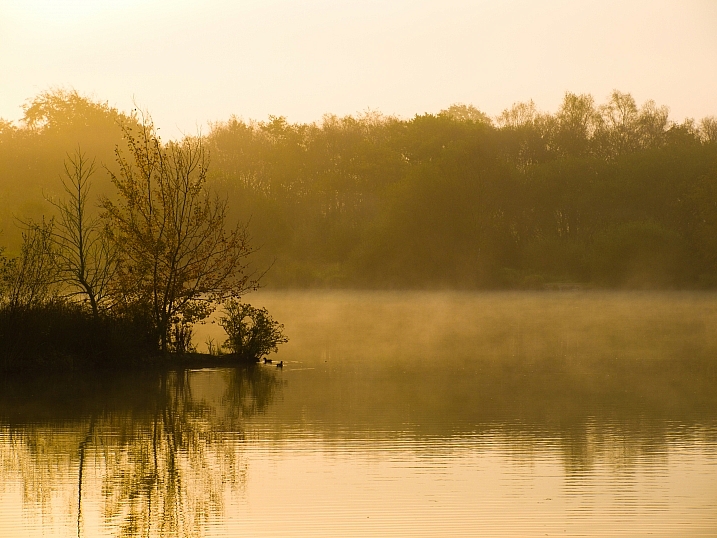
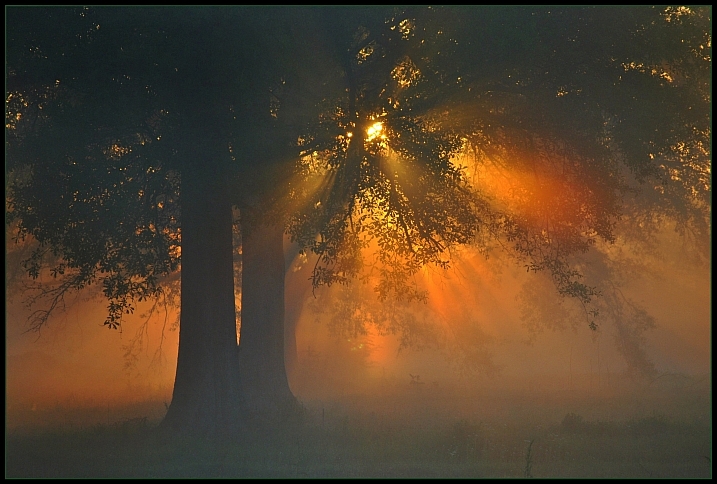
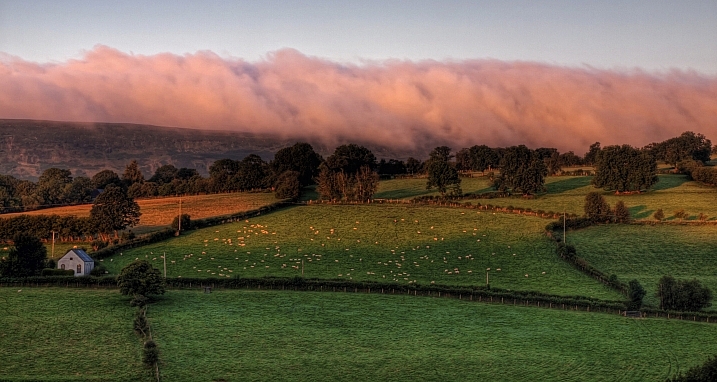
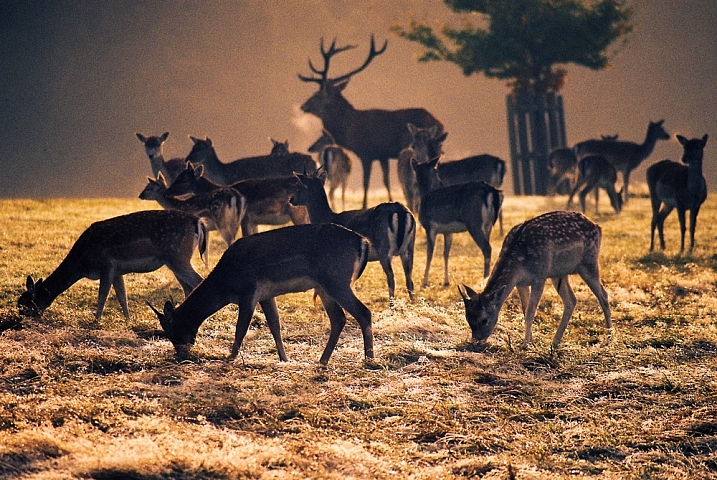
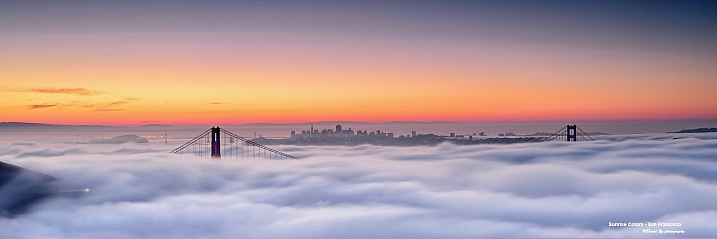
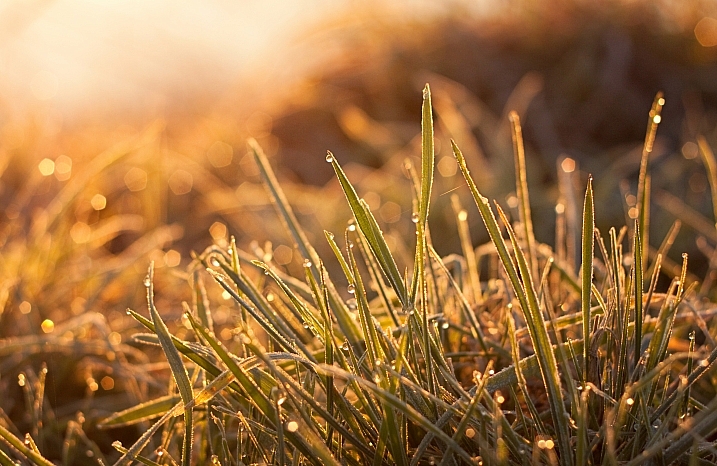
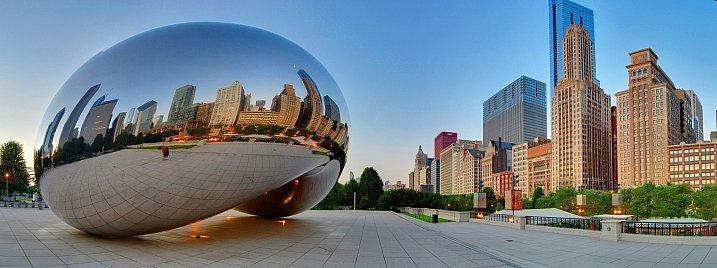
The time of day you shoot at can make a huge difference to the images you capture. Often photographers are shooting at the coveted golden hour – early morning or late evening – when the sun is low and the light is special.

Here is a set of dazzling dawn images that use this magic golden hour light.

Timothy Neesam

By Timothy Neesam

James Jordan

By James Jordan

Guy Mayer

By Guy Mayer

William Warby

By William Warby

Gideon Chilton

By Gideon Chilton

Susanne Nilsson

By Susanne Nilsson

Howard Ignatius

By Howard Ignatius

Kylie_Jaxxon

By Kylie_Jaxxon

Loco Steve

By Loco Steve

Neil Howard

By Neil Howard

Thomas Hawk

By Thomas Hawk

Enric Martinez

By Enric Martinez

Nicolas Raymond

By Nicolas Raymond

Chuddlesworth

By chuddlesworth

Loïc Lagarde

By Loïc Lagarde

Nicki Mannix

By Nicki Mannix

Bobby Giggz

By Bobby Giggz

David Yu

By David Yu

Sarah Horrigan

By Sarah Horrigan

Mike Warot

By Mike Warot

Susanne Nilsson

By Susanne Nilsson

James Jordan

By James Jordan

Susanne Nilsson

By Susanne Nilsson

RobinTphoto

By RobinTphoto

googletag.cmd.push(function() {
tablet_slots.push( googletag.defineSlot( “/1005424/_dPSv4_tab-all-article-bottom_(300×250)”, [300, 250], “pb-ad-78623” ).addService( googletag.pubads() ) ); } );

googletag.cmd.push(function() {
mobile_slots.push( googletag.defineSlot( “/1005424/_dPSv4_mob-all-article-bottom_(300×250)”, [300, 250], “pb-ad-78158” ).addService( googletag.pubads() ) ); } );

The post 23 Dazzling Dawn Images with Magic Light by Darlene Hildebrandt appeared first on Digital Photography School.


Digital Photography School

 
Comments Off on 23 Dazzling Dawn Images with Magic Light

Posted in Photography


First sample images from 20MP Sony Cyber-shot RX10 III

31 Mar

DPReview is in San Francisco checking out the new Cyber-shot RX10 III. The RX10 III maintains the ergonomics and key specifications of its predecessor, but incorporates a massive 24-600mm equivalent F2.4-4 lens. We’ve been doing some shooting with the camera in a range of different situations, and we’ve created a (JPEG only, for now) gallery. 

Articles: Digital Photography Review (dpreview.com)

 
Comments Off on First sample images from 20MP Sony Cyber-shot RX10 III

Posted in Uncategorized


A Colourful Collection of Images from The Holi Festival

27 Mar

Happy holi by Khan Clicks on 500px.com

Holi is a spring festival in India and Nepal, also known as the festival of colours or the festival of sharing love. It’s a wonderful festival for participants but presents photographers with an amazing opportunity.

The festival happened in the last week so we thought we’d put together a collection of images from it (and previous years).

If you’ve been – we’d love to see your images from it in comments below!

Holi Matura by Vichaya Pop on 500px.com

Holi-Festival of Colors by Muthu Krishna on 500px.com

Lost in the Echo by Mrigankamouli Bhattacharjee on 500px.com

Holi @ Banke Bihari Temple by Saravanan Dhandapani on 500px.com

"The Holy Chants" by Prakash singh on 500px.com

Colors Wave by WAEL ONSY on 500px.com

Holi Festival Girl by Ron Kimhi on 500px.com

~ Color Palette ~ by Rudra Mandal on 500px.com

color gaze by AMITABH KUMAR on 500px.com

The Colours Of Holi by Vichaya Pop on 500px.com

Intense Colours by sathis ragavendran on 500px.com

Faith by Sudarshan Das on 500px.com

Holi Melody by Utkarsh Chaturvedi on 500px.com

Rain of Colors by Sreejith  Babu on 500px.com

Colored Face by Tom  Abraham Dcruz on 500px.com

Colours of life by Prakhar Tripathi on 500px.com

Holi man by dimitris manioros on 500px.com

googletag.cmd.push(function() {
tablet_slots.push( googletag.defineSlot( “/1005424/_dPSv4_tab-all-article-bottom_(300×250)”, [300, 250], “pb-ad-78623” ).addService( googletag.pubads() ) ); } );

googletag.cmd.push(function() {
mobile_slots.push( googletag.defineSlot( “/1005424/_dPSv4_mob-all-article-bottom_(300×250)”, [300, 250], “pb-ad-78158” ).addService( googletag.pubads() ) ); } );

The post A Colourful Collection of Images from The Holi Festival by Darren Rowse appeared first on Digital Photography School.


Digital Photography School

 
Comments Off on A Colourful Collection of Images from The Holi Festival

Posted in Photography


How to Give Your Images the Hollywood Treatment Step by Step

27 Mar

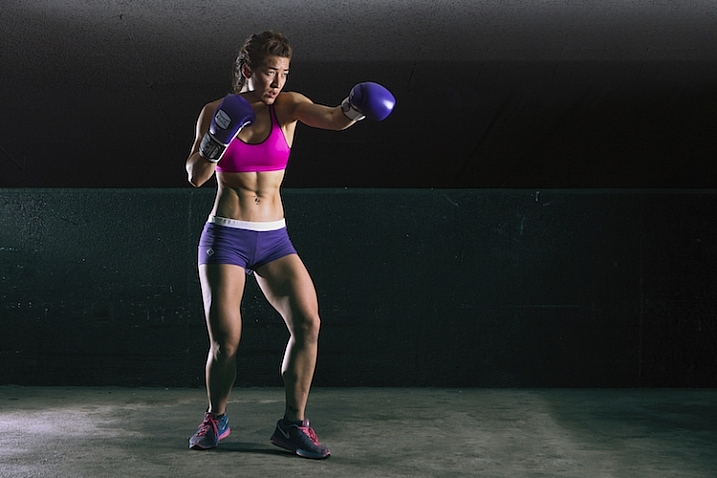
fig 1-1

Do you have an image that you would like to give the Hollywood treatment to, and really help make it pop? In this article, I’ll be showing you a method that you can use to give your images the blockbuster treatment, and take them to the next level. The best part about it is that you don’t have to be a Photoshop genius to do it!

The technique that we’ll be exploring is referred to as color-grading. The term color-grading is generally reserved for motion pictures where the editors would apply a creative color correction to films, but now it’s something that is appearing more and more in the vocabulary of still photographers. Color-grading is not to be confused with color correcting; it’s something quite different. Where color correcting is the process of ensuring that color casts are removed and colors are more accurate as a result, color grading is the process of altering and/or enhancing colors in specific areas in your image, such as shadows and highlights, to communicate a particular emotion or simply make the subject pop more, for example. If you have seen a movie then chances are extremely likely that you have seen color-grading at work.

The most common, and easiest color-grading, is the use of  complimentary colors; for example teal/blue tones in the shadows and the opposite color, yellow/orange, in the highlights. These two groups of colors sit opposite each other on the color wheel and being complimentary colors, they work harmoniously together and help the subject stand out more. See these other examples of complimentary colors in action. There are other types of color-grading using different color theory methods, such as analogous and triad, however complimentary is the simplest to learn and it can provide great results.

Before you begin, please ensure that the image you wish to work on has no color cast already, as this will affect the final result. Correcting your white balance is a great place to start. If you are unsure how to do that, 3 Ways to Change White Balance in Lightroom may help you.

In this article, I’ll be using curves in Photoshop to add the color-grading, so if you are unfamiliar with curves, How to do a Quick and Easy Curves Adjustment in Photoshop. As with many other things in Photoshop, there is always more than one way to get the job done, but for a straight forward process that gives fantastic results, you cannot beat curves! (Curves would have to be one of my favourite adjustments in Photoshop, as you can control so many aspects to your image with this function alone.) I won’t be giving you exact numbers to dial in with each adjustment, as your tastes may vary to mine, and you will also be working on an image different to mine, so what will work for my image will not necessarily work for yours.

Step 1: Add two adjustment layers

Base Image

I have the image that I would like to color-grade, and I want to add the teal/orange color combination, to give it that blockbuster look. I’ve ensured that there are no color casts already so I am good to go with this file. Get your image ready, and follow along.

The first step now is to add two curve adjustment layers; name the first one Luminosity and the other Color (I always like to name each of my layers as part of my workflow as it quickly helps me remember what each layer is doing). Now change the blend mode of the Luminosity layer to Luminosity. To do this, simply click on Normal in the layers panel; this should bring up a drop-down menu. Now scroll all the way to the bottom and select Luminosity.

Next, do a similar process with the Color layer selected; only instead of selecting Luminosity blend mode, you’ll be selecting Color. What these two steps are doing is very helpful when making adjustments to the curve in each layer. By changing one layer to a luminosity blend, you are effectively making only adjustments to the luminosity, or light levels of the image, and not adjusting color in any way. This is very help when increasing contrast, for example, as increasing contrast can alter the saturation of colors in the image.

Conversely, altering the blend mode of the Color layer to Color ensures that only color adjustments in the curve layer will be applied, and it will have no affect on the luminosity values of the image at all.

Step 2: Adjust the curve layers

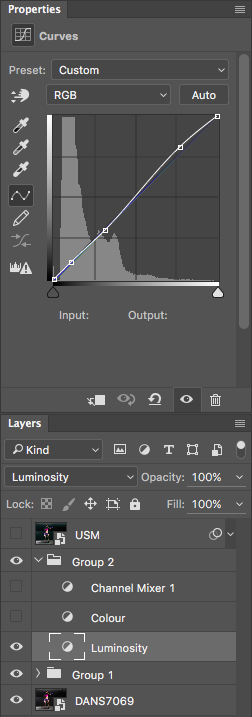
Now that you have the two curve layers made and named, it’s time to adjust them and let the magic happen. Firstly, we want to increase the contrast of the image. So with the Luminosity curve layer selected, add a simple S-Curve to the curve layer. This is referring to a curve that is in the shape of an S, and this style of curve increases contrast.

Contrast Curve Layer

As you can see, I have made a very slight adjustment with contrast here; the shadows have been darkened slightly and the highlights increase slightly. The image was already quite contrasty so I didn’t want to add too much more to it.

Contrast Curve

Here’s the effect of adjusting the contrast curve.

Step 3: Add color-grading

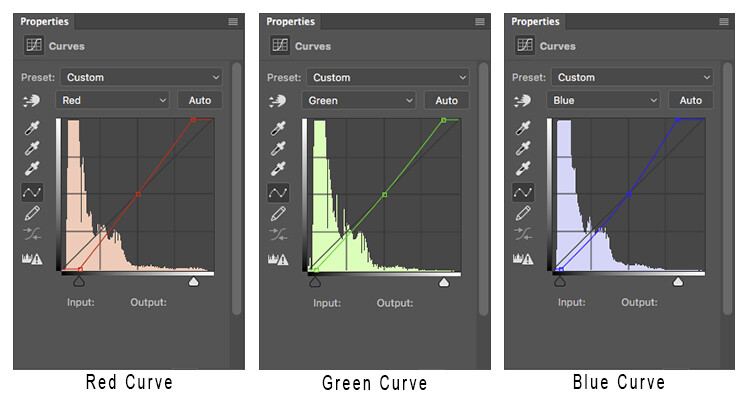
With the overall contrast of the image looking pretty good, it’s now time to move on to add the color-grading. To add teal to the shadows and yellow to the highlights, select the Color curve adjustment layer and click on the RGB drop down menu. First up is red. we need to remove red from the shadows, but add some to the highlights. If you click on the bottom left of the curve and drag the shadow anchor point to the right, you will see a drop in red from the shadows and green begins to appear. To add red in the highlights, simply click the anchor point at the top right and slide it toward the left.

Repeat this step for each of the green and blue colors in the drop-down menu.

There is no set amount as to how much each should be moved. Start off with small amounts and increase as, and if required. To prevent the skin tones from being affected, I added an anchor point to the middle of the curve. To do this, I simply clicked on the curve in the centre of each color curve. This will lock that specific part of the curve and skin tones are around the mid-tone area.

Curves

Here is how each of the color curves looks with this image.

If there are areas where you feel the color has been affected too much – perhaps you have too much red in the face, for example – clicking on the targeted adjust tool (TAT) will allow you to pinpoint the exact area on the curve that needs adjusting. Simply select the TAT and click in the image, on the area you want to target, and this will place an anchor point on the curve. You can now move that anchor up or down to suit. Using the keyboard keys to move up and down is most accurate.

Colour Curve

Now I have adjusted the colors in the curve to how I would like them to look. Switch this adjustment layer on/off to see what impact the adjustments have for you. You may need to revisit each of the color curves and readjust slightly.

Step 4: Add a Channel Mixer layer

The final step in this is to add a Channel Mixer adjustment layer. For this image, I selected the Black and White with Red Filter, but feel free to experiment with different options for your image. You want to use one that creates a nice amount of contrast in your subject and background. You can also adjust the RGB sliders to suit, and finally, reduce the opacity of this layer (I usse 34%).

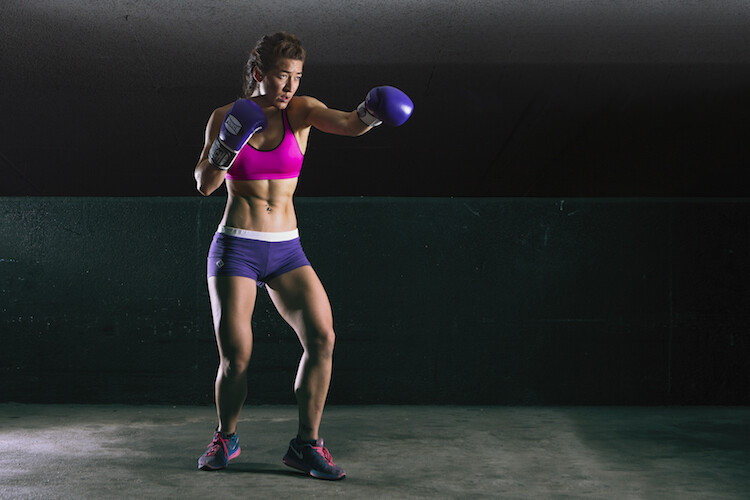
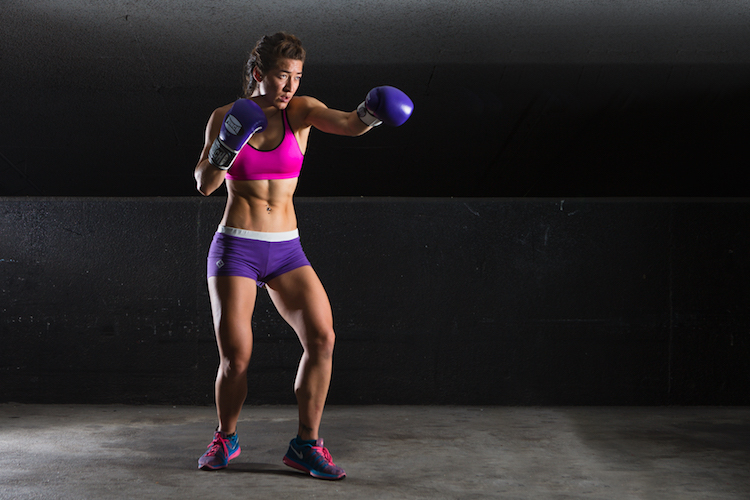
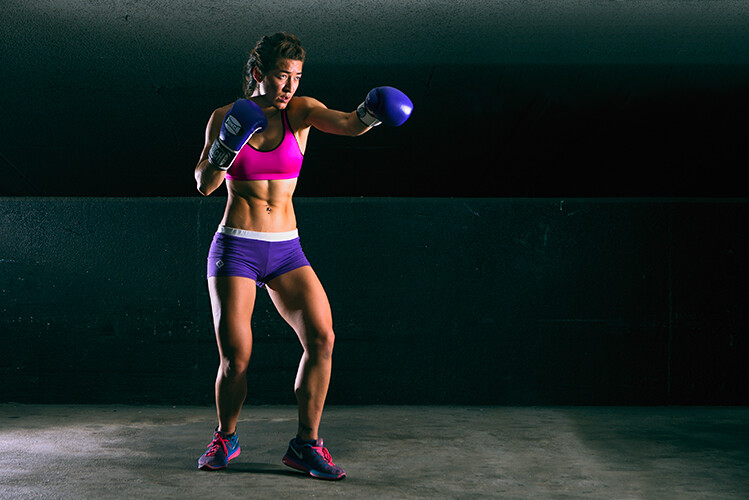
Here is the final product.

fig 2

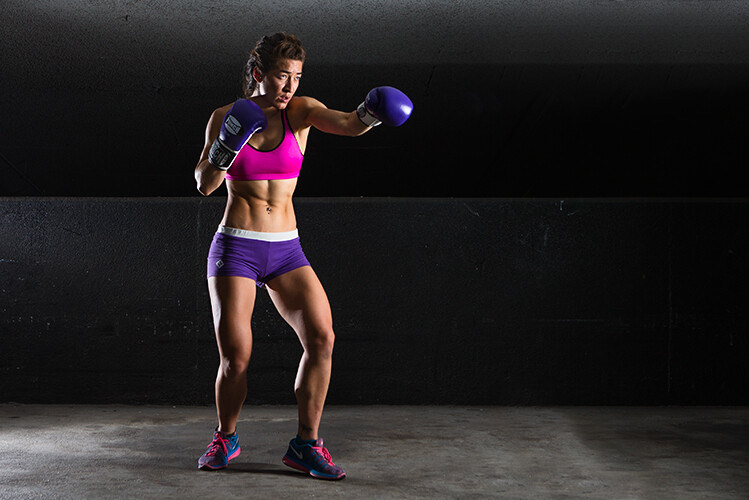
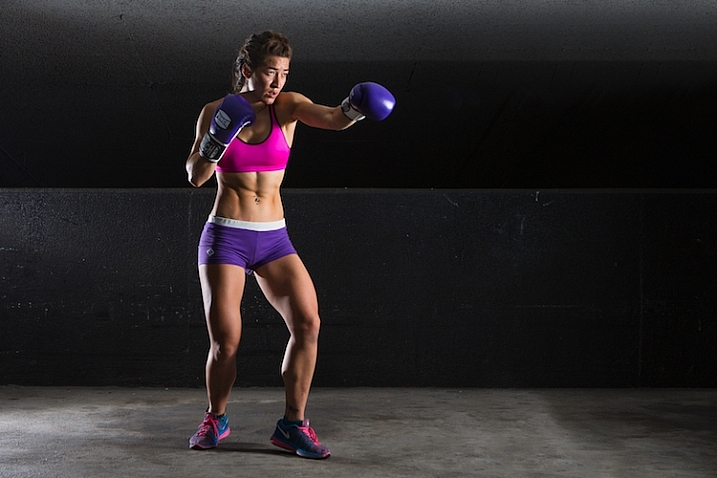
There is quite a difference when compared with the original image below.

Base Image

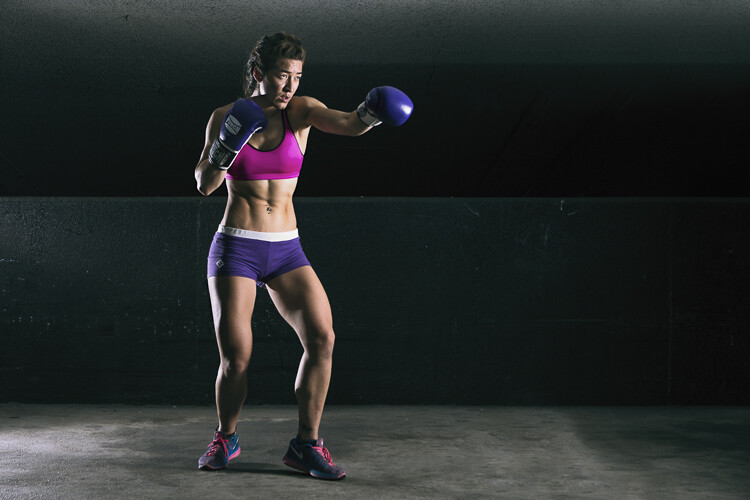
Let’s look at them side by side:

Before

Before

After

After

Where to now?

Now you have an introduction to color-grading using curves in Photoshop. With this example I showed you how to add a teal cast to the shadows, and a warmer orange tone to the highlights, but don’t feel that you are trapped with just this color combination. Experiment with moving the shadow and highlight anchor points in each color channel in a different direction; not just horizontally. Just remember that as a general rule, cooler colors such as greens and blues are more prevalent in shadow areas, and warmer colors such as reds and yellows should be in the brighter areas.

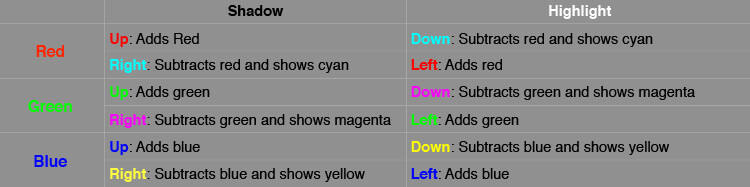
Here is a run down on the effects of moving the shadow and highlight anchor points for each color channel:

Table

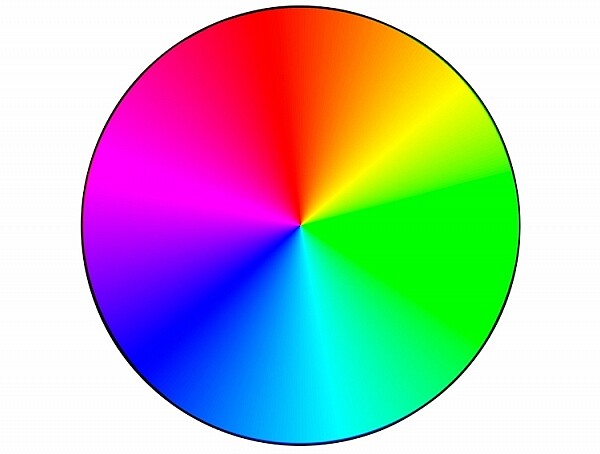
If you ever forget what the opposite colors are, here is a handy color wheel.

Color Wheel

googletag.cmd.push(function() {
tablet_slots.push( googletag.defineSlot( “/1005424/_dPSv4_tab-all-article-bottom_(300×250)”, [300, 250], “pb-ad-78623” ).addService( googletag.pubads() ) ); } );

googletag.cmd.push(function() {
mobile_slots.push( googletag.defineSlot( “/1005424/_dPSv4_mob-all-article-bottom_(300×250)”, [300, 250], “pb-ad-78158” ).addService( googletag.pubads() ) ); } );

The post How to Give Your Images the Hollywood Treatment Step by Step by Daniel Smith appeared first on Digital Photography School.


Digital Photography School

 
Comments Off on How to Give Your Images the Hollywood Treatment Step by Step

Posted in Photography


Crowd pleaser: Sony FE 24-70mm F2.8 GM real world images

11 Mar

Sony’s new FE 24-70mm F2.8 G Master is as pro-level as pro-level lenses come. Dust and moisture-sealed, it offers impressively fast AF speeds due to Direct Drive SSM, especially when paired with the Sony a7R II (which we used to shoot this gallery). Though we only spent about 24 waking hours with it, images shot throughout the focal range show the lens is sharp, even wide open. Note that chromatic aberration was turned on in-camera and is therefore applied even to the Raws. Please note, we’ve included Raw files for download for a selection of the images, and you can look at CA performance in a non-profile aware Raw converter (like RawDigger).

Note: This sample gallery was shot while on a Sony-sponsored shooting event in Miami. Part of the excursion included photographing models in scenes that call back to famous Miami-based TV shows and movies including Scarface, Miami Vice and CSI Miami. No actual gangsters or cops were photographed during the making of this gallery.

Articles: Digital Photography Review (dpreview.com)

 
Comments Off on Crowd pleaser: Sony FE 24-70mm F2.8 GM real world images

Posted in Uncategorized


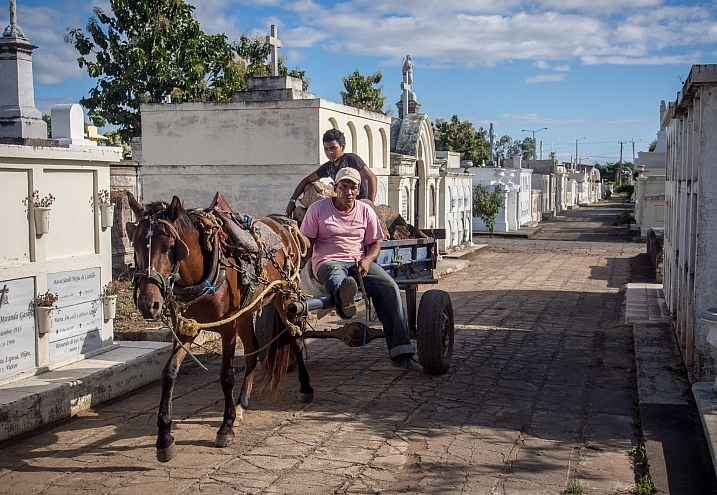
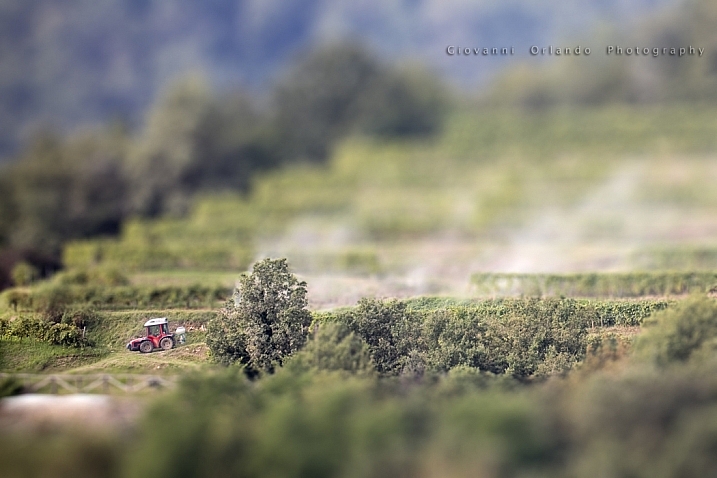
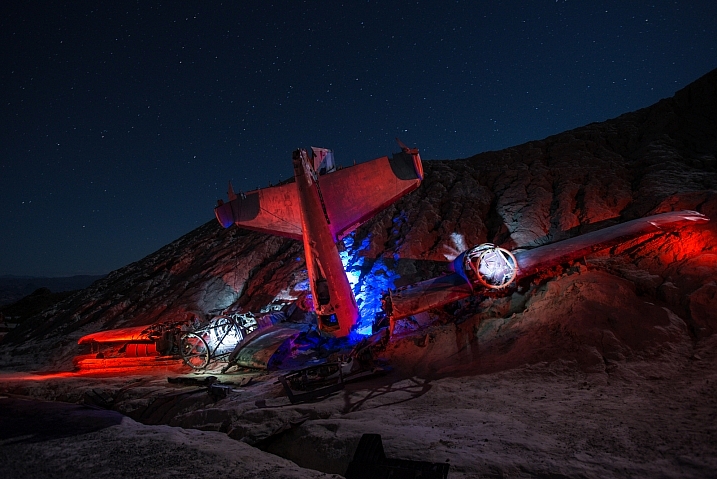
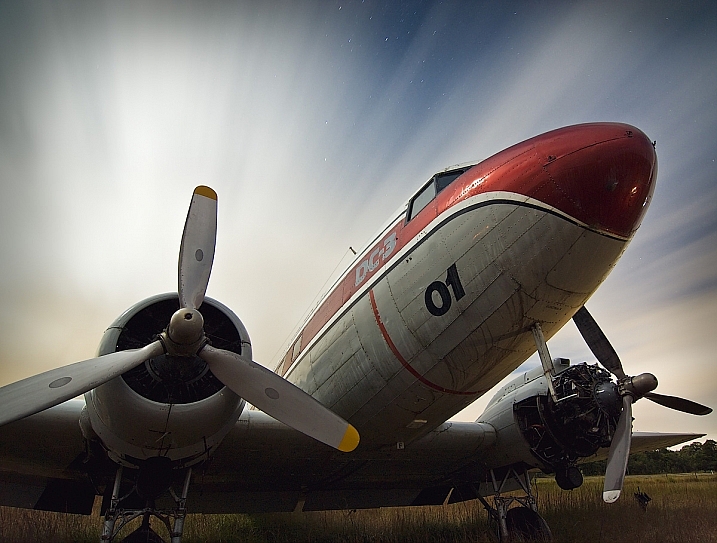
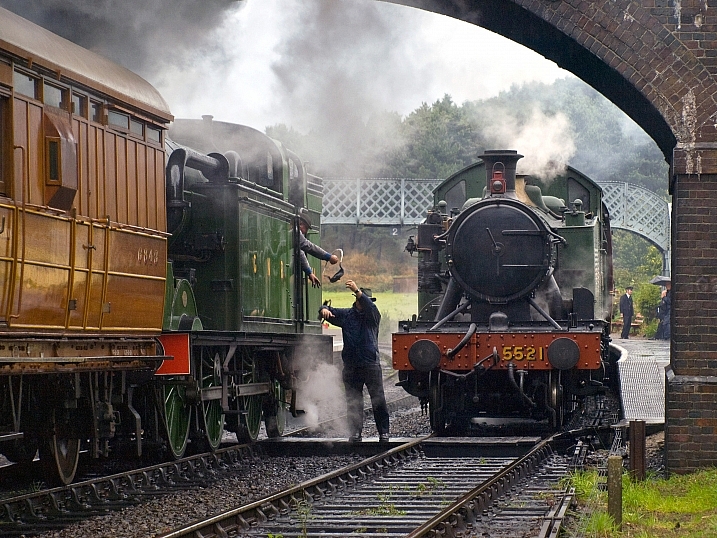
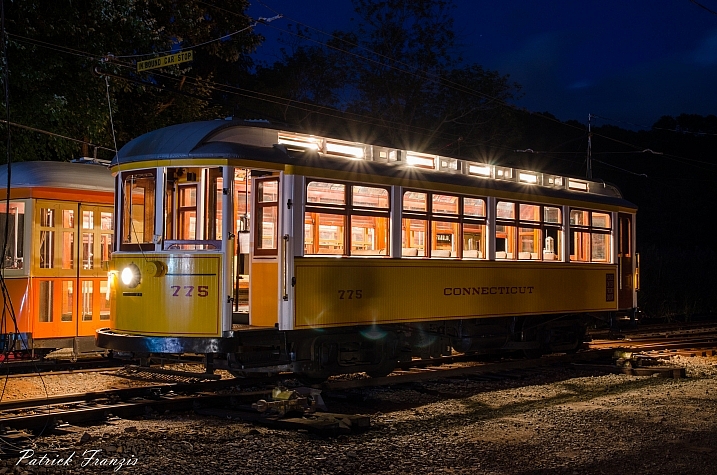
Modes of Transportation – 28 Images of Planes, Trains, and Automobiles

04 Mar

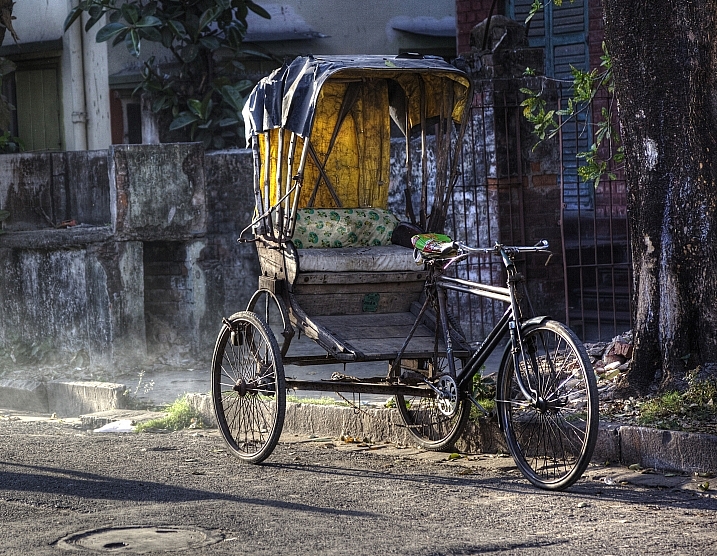
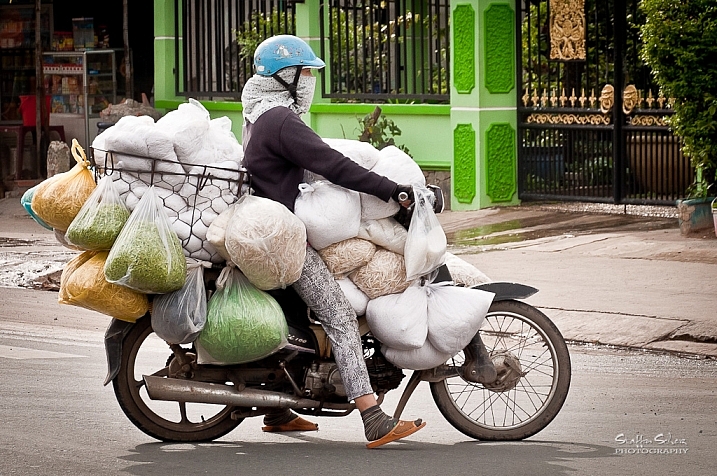
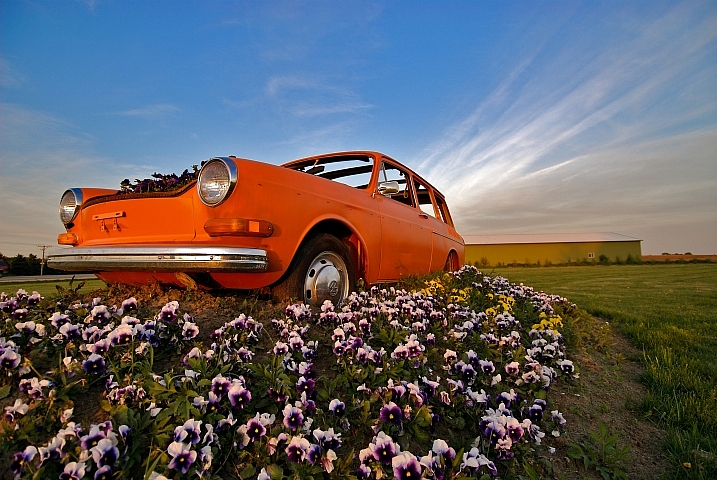
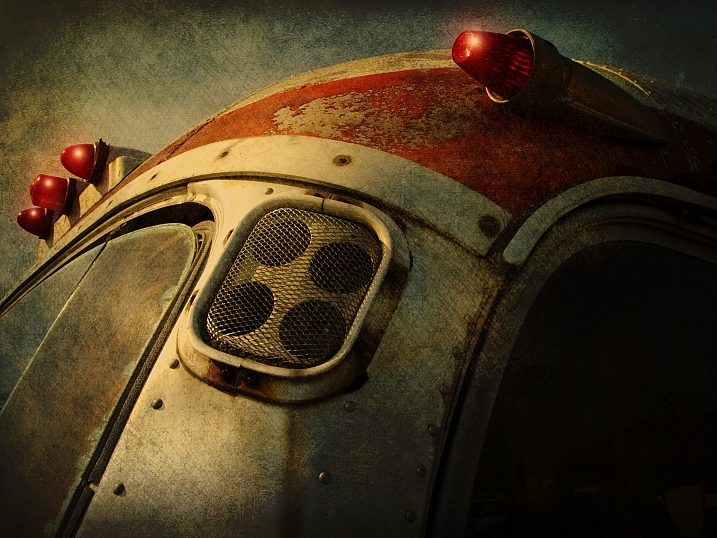
We photographers tend to have a fascination with a few different subjects including old cars and bicycles.

But what other modes of transport are there that we love to shoot? How many can you see here, and how have these photographers captured their essence, done them justice?

These first few images are mine:

Darlene Hildebrandt

By Darlene Hildebrandt

Darlene Hildebrandt

By Darlene Hildebrandt

Darlene Hildebrandt

By Darlene Hildebrandt

Darlene Hildebrandt

By Darlene Hildebrandt

Darlene Hildebrandt

By Darlene Hildebrandt

Darlene Hildebrandt

By Darlene Hildebrandt

These are by other photographers:

Giovanni Orlando

By Giovanni Orlando

Howard Ignatius

By Howard Ignatius

Brent Pearson

By Brent Pearson

Timothy Neesam

By Timothy Neesam

Staffan Scherz

By Staffan Scherz

Garrett

By Garrett

Jimmy Brown

By jimmy brown

Peter Miller

By Peter Miller

Gerry Balding

By Gerry Balding

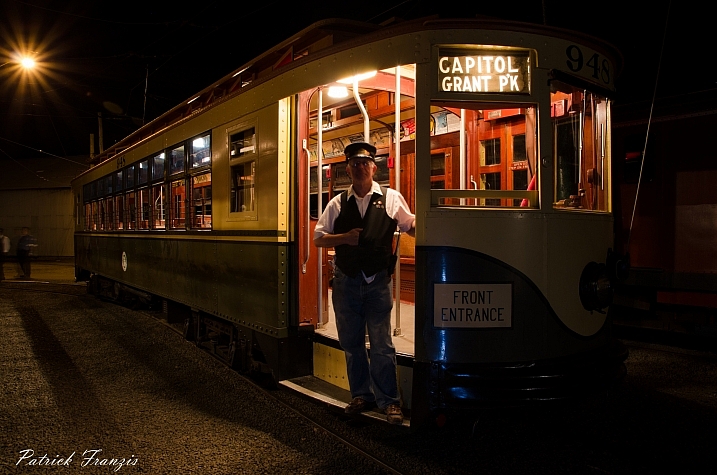
Patrick Franzis

By Patrick Franzis

Justin

By Justin

Konstantinos B

By Konstantinos B

Amanda Tipton

By amanda tipton

Davide D'Amico

By Davide D’Amico

Patrick Franzis

By Patrick Franzis

Jimmy Brown

By jimmy brown

Michael Kooiman

By michael kooiman

Ryan Desiderio

By Ryan Desiderio

WickedVT

By WickedVT

Madhan R

By madhan r

Kev Haworth Photography

By Kev Haworth Photography

Dennis Jarvis

By Dennis Jarvis

Caden Crawford

By Caden Crawford

googletag.cmd.push(function() {
tablet_slots.push( googletag.defineSlot( “/1005424/_dPSv4_tab-all-article-bottom_(300×250)”, [300, 250], “pb-ad-78623” ).addService( googletag.pubads() ) ); } );

googletag.cmd.push(function() {
mobile_slots.push( googletag.defineSlot( “/1005424/_dPSv4_mob-all-article-bottom_(300×250)”, [300, 250], “pb-ad-78158” ).addService( googletag.pubads() ) ); } );

The post Modes of Transportation – 28 Images of Planes, Trains, and Automobiles by Darlene Hildebrandt appeared first on Digital Photography School.


Digital Photography School

 
Comments Off on Modes of Transportation – 28 Images of Planes, Trains, and Automobiles

Posted in Photography


23 Geometric Images of Quadrangles or Squares

26 Feb

Finding geometric shapes to photograph is a great exercise for beginners. It helps train your eye to look for something specific.

A quadrangle (also known commonly as a square, of course) is easily found in many places. Look around you, how many do you see in your room?

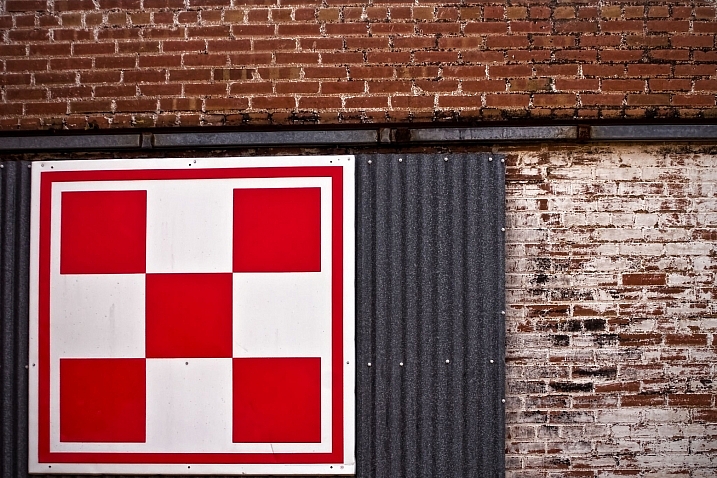
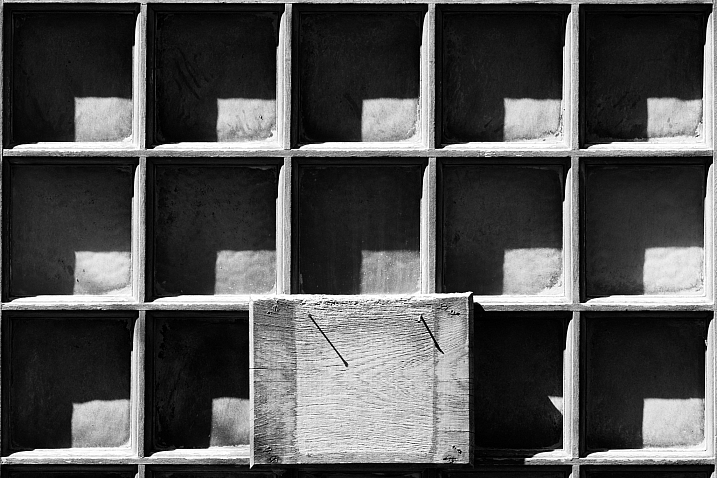
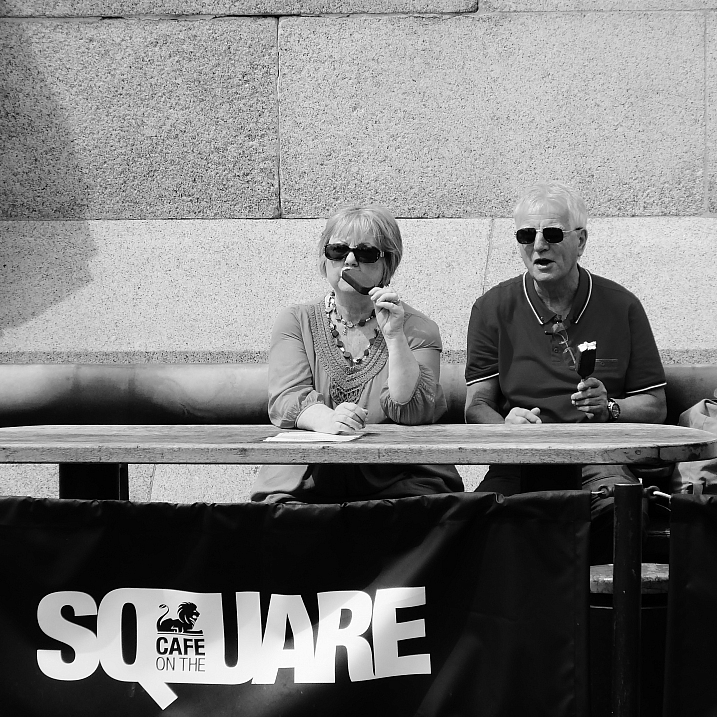
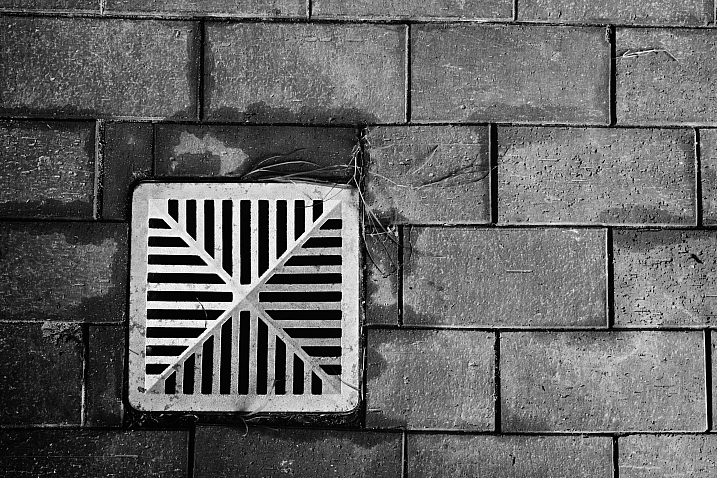
Here are some images of squares – either cropped into the square format, or subjects the represent the shape – as interpreted by a few different photographers:

Wicker Paradise

By Wicker Paradise

Torbakhopper

By torbakhopper

Stuart Hines

By stuart hines

Dustin Gaffke

By Dustin Gaffke

The Hamster Factor

By The Hamster Factor

John Catbagan

By John Catbagan

Jordi E

By Jordi E

Michael Pardo

By Michael Pardo

David Santaolalla

By David Santaolalla

Jed Sullivan

By Jed Sullivan

? ? ? ?

By ? ? ? ?

Kevin Chan

By Kevin Chan

Vitor Antunes

By Vitor Antunes

Marcy Leigh

By Marcy Leigh

Ynot-Na

By Ynot-Na

Timothy Neesam

By Timothy Neesam

DurhamDundee

By DurhamDundee

Carol Von Canon

By Carol Von Canon

Tommpouce

By tommpouce

Matthew G

By Matthew G

VirtualWolf

By VirtualWolf

Henk Sijgers

By Henk Sijgers

Jr2142

By jr2142

googletag.cmd.push(function() {
tablet_slots.push( googletag.defineSlot( “/1005424/_dPSv4_tab-all-article-bottom_(300×250)”, [300, 250], “pb-ad-78623” ).addService( googletag.pubads() ) ); } );

googletag.cmd.push(function() {
mobile_slots.push( googletag.defineSlot( “/1005424/_dPSv4_mob-all-article-bottom_(300×250)”, [300, 250], “pb-ad-78158” ).addService( googletag.pubads() ) ); } );

The post 23 Geometric Images of Quadrangles or Squares by Darlene Hildebrandt appeared first on Digital Photography School.


Digital Photography School

 
Comments Off on 23 Geometric Images of Quadrangles or Squares

Posted in Photography


How to Use the Channel Mixer in Photoshop to Change Colors in Your Images

24 Feb

There may be times when you want to play around with some elements in your images. Perhaps you want to change a color to a more suitable one in post-processing. One of the tools you can use in Photoshop is the Channel Mixer. It is a simple process that allows you to change the color of any element in your image to any other color under the rainbow. The Channel Mixer adjustment is widely used for making good black and white image conversions, correcting color casts, and exaggerating color. But why not use it for fun too, such as changing the color completely!

channel-mixer-photoshop-tutorial_0007

Before you start, however, there is one vital thing you must know, if you want to work in Photoshop in a non-destructive way: layers and masks.

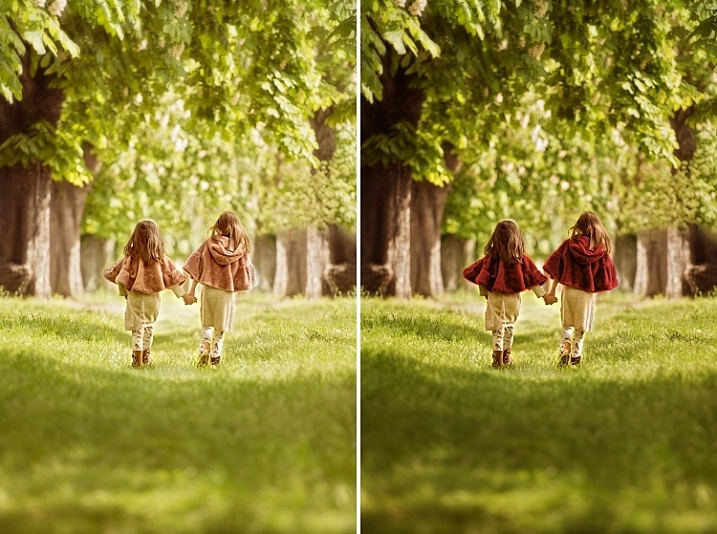
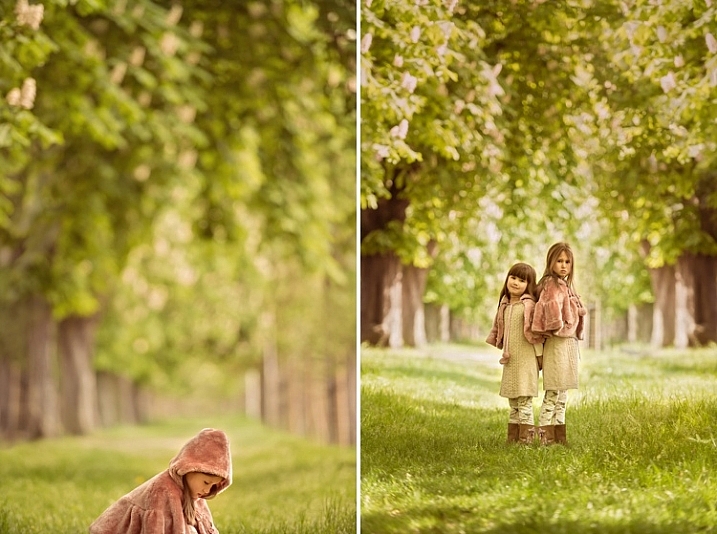
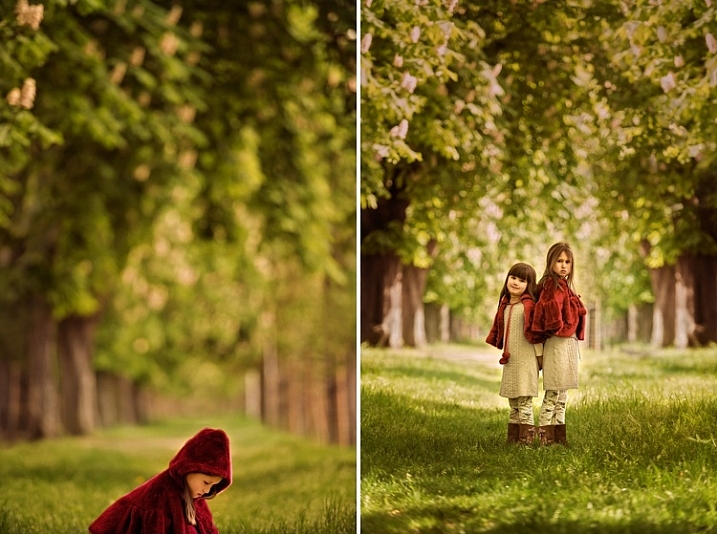
The examples below are from a photoshoot I did with my girls. I did not like the colors of their capes, and didn’t have any other alternative, so Photoshop was to be the answer.

channel-mixer-photoshop-tutorial_0000

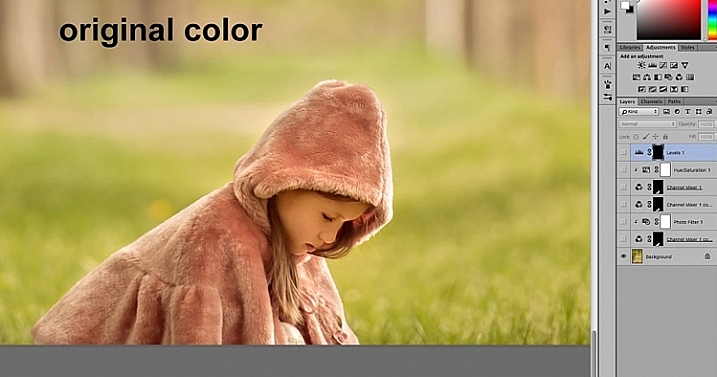
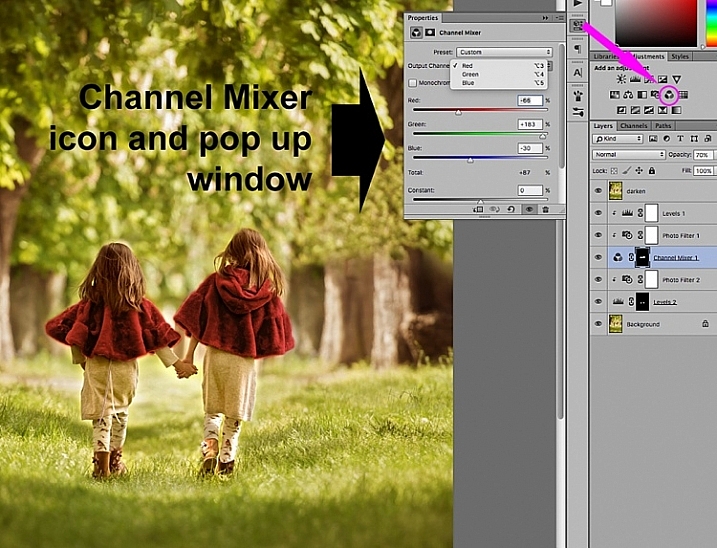
The first thing you need to do once your file is opened, is to select the area where you want the color changed using either the quick mask mode, or one of the lasso tools. While your selection is highlighted, add a channel mixer adjustment layer and your selection will automatically be added as a layer mask. Click on the channel mixer icon to the left of the layer itself and a window pops-up.

channel-mixer-photoshop-tutorial_0001

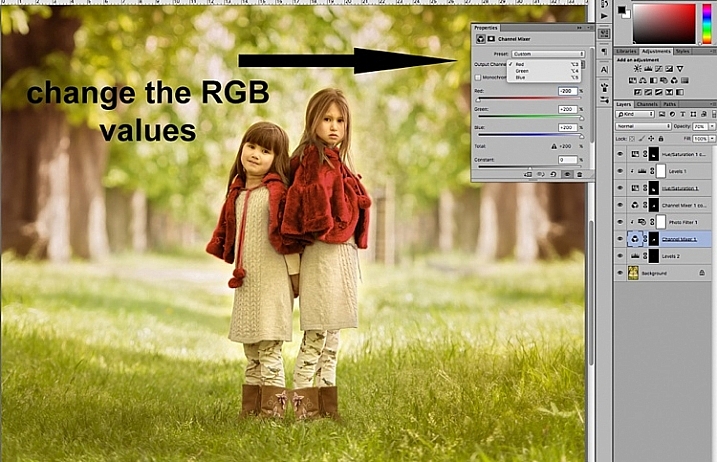
There are three values under the output channel: Red, Green, and Blue . You need to bring up each value and move the sliders until you get your desired color. It will take a little experimenting, and going backwards and forwards between the three colors, until you arrive at your chosen color. When the color change is vastly different, you will notice that the RGB values individually requires major changes.

channel-mixer-photoshop-tutorial_0002

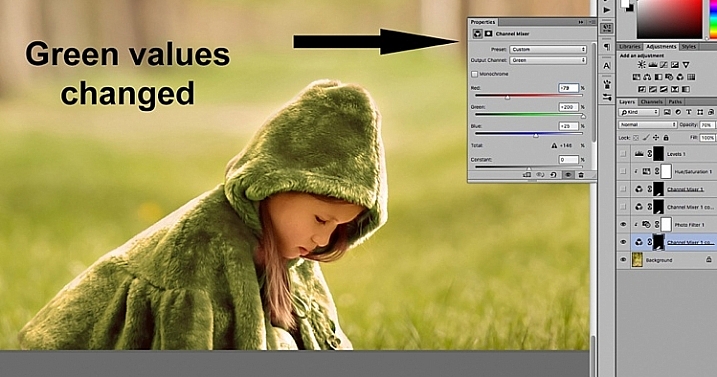
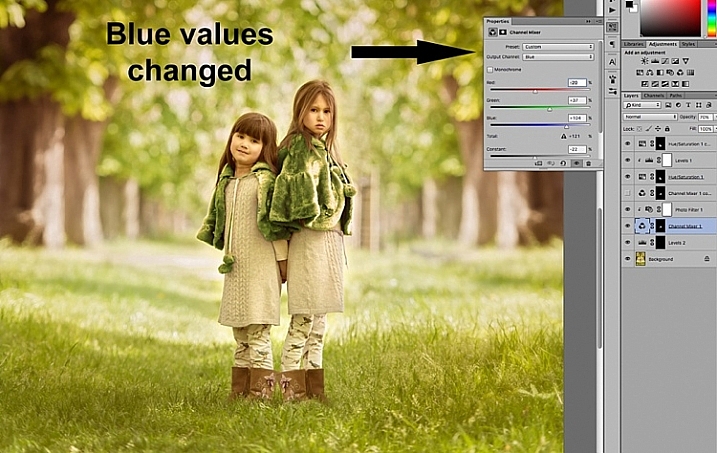
You need to keep an eye on the total value for each channel, aim to keep it within 100%. A warning is displayed when you go over 100%, as this means the color output is too bright or dark, and you are losing data in the darkest areas or the highlights. A negative value means you are adding more of the colour to the channel, and a positive value means you are taking away.

channel-mixer-photoshop-tutorial_0003

channel-mixer-photoshop-tutorial_0004

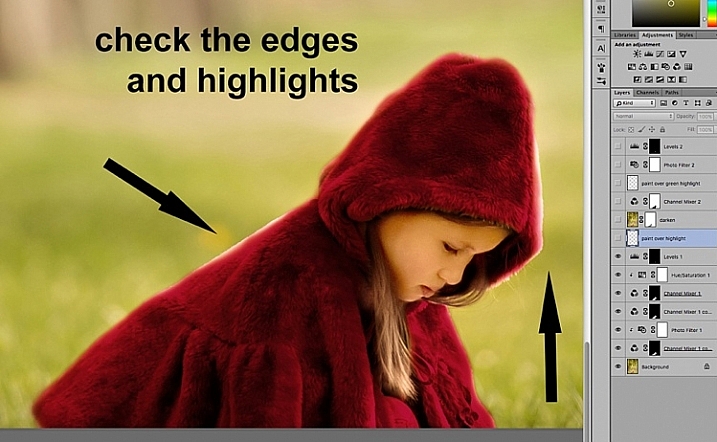
Once you have decided on your new color, don’t forget to check the edges and carefully mask around if necessary. When the new color is a lot darker than the original color, such as on the image below, more meticulous masking is necessary to clean up the edges. In some cases, painting the highlights with the same color is needed for the image to look natural. You may also have to adjust the opacity of the brush, or the adjustment layer as required. The important thing is to make sure the image looks believable, if that was your original intention.

channel-mixer-photoshop-tutorial_0005

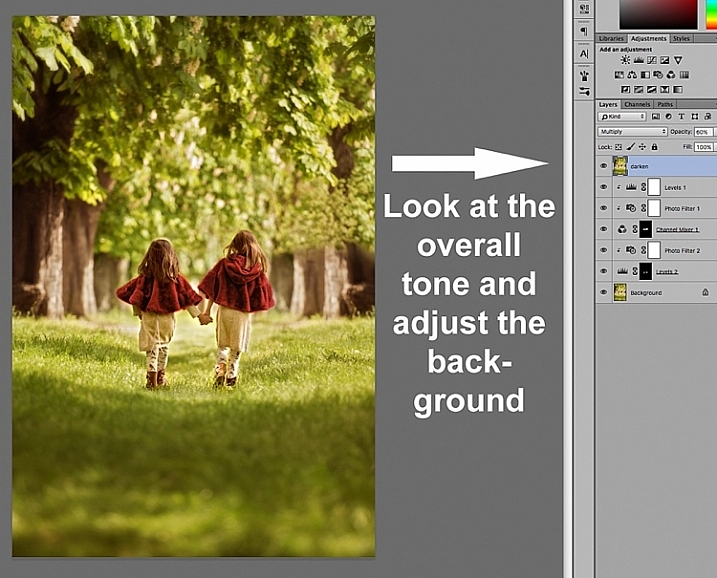
Once you have changed the color and cleaned up your masking work, check the overall look, and adjust the background accordingly.  In the case of the image below, the original background looked too bright for the new moodier look so I darkened it to go with the scene I was after.  There are various ways of darkening an image in Photoshop. The method I used here was to duplicate the original image (duplicate layer), and change the Blend Mode to Multiply. You can then mask out any areas you don’t want to get too dark, or change the opacity of the layer, as done on the image below.

channel-mixer-photoshop-tutorial_0006

You will notice that I have added additional layers such as levels for brightening some areas, and photo filters for warming up or cooling down other areas. It is essential to have a good look at the overall picture, not just the isolated area and selective changes you have made. This is because our perception of color is relative and mostly dependent on the colors around them. Here are the before and after images (below).

channel-mixer-photoshop-tutorial_0010

channel-mixer-photoshop-tutorial_0008

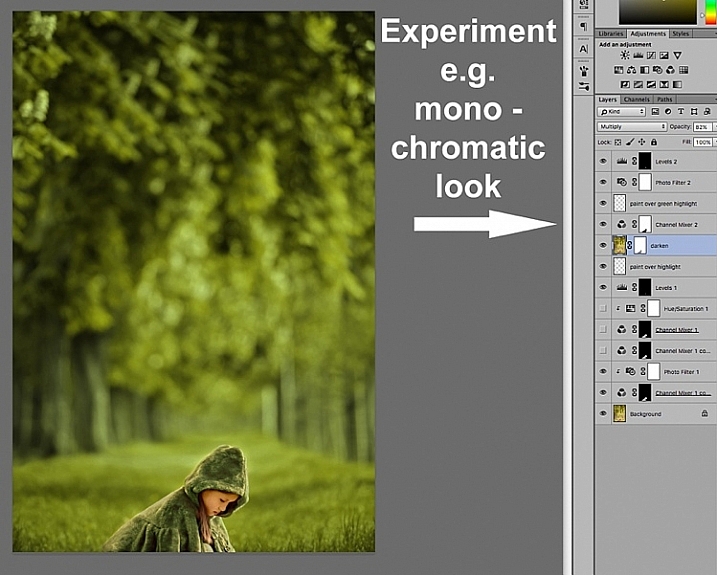
Your Photoshop play doesn’t have to end in isolated color changes. You can experiment in many various ways to achieve any look you desire. In the image below I decided to go for a more monochromatic look. This involved selecting the background, applying another channel mixer adjustment layer, and moving the sliders on each RGB value until I got the color I was after.

channel-mixer-photoshop-tutorial_0009

Or you can throw all caution to the wind and go totally crazy. You can add and remove colors from each channel at purely 100% in a mix and match fashion, and see what array of unrealistic looks you get, such as the magenta image below – for fun!

channel-mixer-photoshop-tutorial_0011

I hope this has been a little helpful tip for your Photoshop play.  Do you have other ideas on how to use the channel mixer to achieve various effects in Photoshop? Share them in the comments section below please.

googletag.cmd.push(function() {
tablet_slots.push( googletag.defineSlot( “/1005424/_dPSv4_tab-all-article-bottom_(300×250)”, [300, 250], “pb-ad-78623” ).addService( googletag.pubads() ) ); } );

googletag.cmd.push(function() {
mobile_slots.push( googletag.defineSlot( “/1005424/_dPSv4_mob-all-article-bottom_(300×250)”, [300, 250], “pb-ad-78158” ).addService( googletag.pubads() ) ); } );

The post How to Use the Channel Mixer in Photoshop to Change Colors in Your Images by Lily Sawyer appeared first on Digital Photography School.


Digital Photography School

 
Comments Off on How to Use the Channel Mixer in Photoshop to Change Colors in Your Images

Posted in Photography


4 Quick Ways to Add a Vignette to Your Images in Post-Processing

21 Feb

What is a vignette?

way-to-add-vignette-tutorial
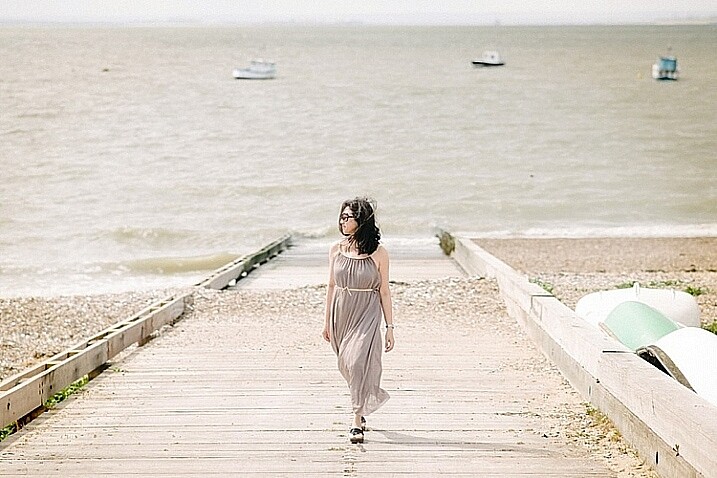
The word vignette comes from the root word vine, which originally was taken to mean a decorative border on a page. In photography, this translates to a border around the edge of the image. This border is caused by a reduction of light from the center of the image, or a light fall-off. Light fall-off can be due to a variety of reasons: the amount of light hitting the sensor, the type of lens used, or an intentional addition in post-production. This article will focus on the latter.

In adding vignettes in post-processing, you have two choices: darker or lighter, and soft-gradual or hard-edge.

Why add a vignette?
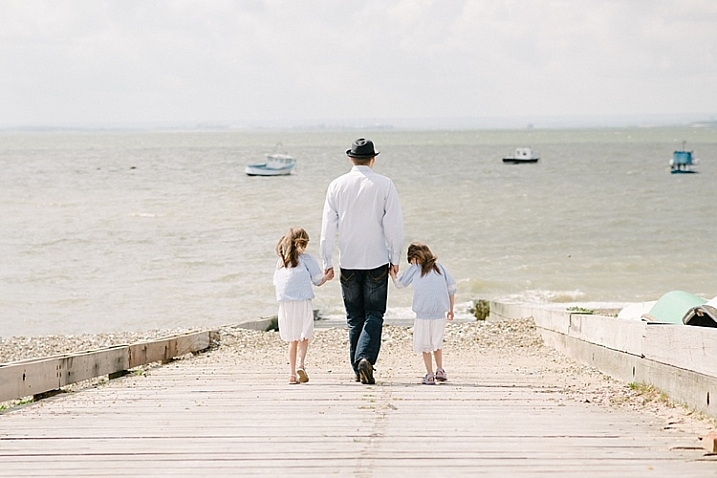
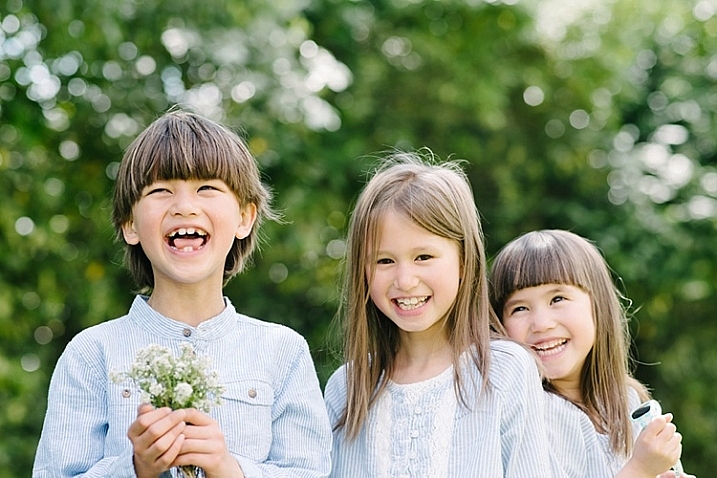
way-to-add-vignette-tutorial

The addition of a vignette in post-processing comes down to your personal taste. It would also largely depend on your photography style, and the type of image you are editing. Generally speaking, high-key images do not need a dark vignette. If you want to add a vignette to bright images, most often a lighter one looks better, but I would still be very careful about adding one.

A vignette helps draw the viewer’s eye to the center of the image. This is particularly useful if the image has plenty of clutter, or distracting elements around the edges. Similarly, if the edges are pretty bare which makes the image look flat, a vignette adds an illusion of foreground, or another layer to the image, giving it more depth.

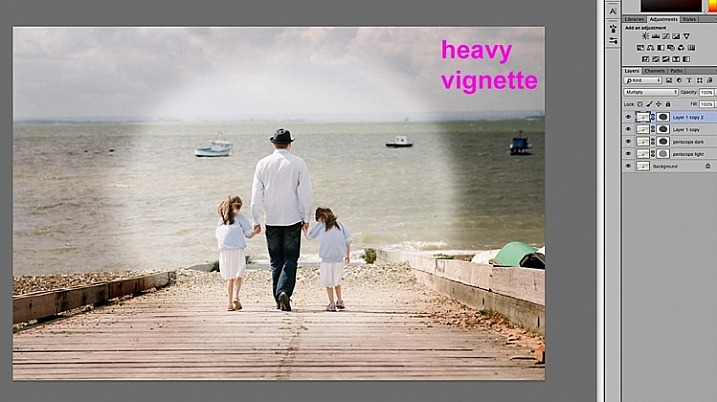
Be gentle and sparing when adding a vignette, it can enhance or ruin an image. What works often, and best, is a gradual and very subtle vignette, especially for portraits. More exaggerated vignetting may be required on some artistic images – the choice is yours. If you want to add a spotlight effect to an image, then adding vignettes can be essential. A hard-edged vignette, if done unintentionally, makes your image look like a view through a periscope and can burn your image, like a moth to a flame.

Here are four quick ways to add a vignette

In Adobe Camera Raw

The quickest and easiest way to add a gradual and gentle vignette in your image is via Adobe Camera Raw (this works in both Photoshop and Lightroom).  My previous article on batch editing with Bridge and Adobe Camera Raw explains how you can open your file in Camera Raw and make your initial edits.

1. Using the lens correction tab

On the image below, you will see the lens vignetting slider under the lens correction tab. Move the sliders along to add, and remove vignettes to your image, according to taste.
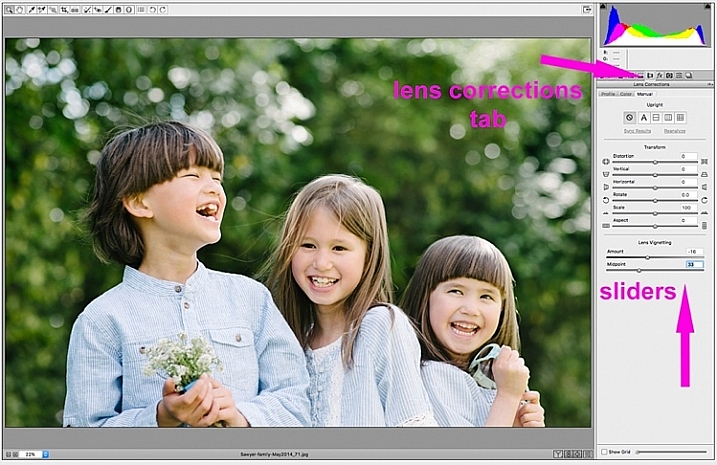
way-to-add-vignette-tutorial

2. Using the radial filter tool

You can also add a dark or light vignette using the radial filter tool. On the adjustments panel, you need to specify where you want the vignette added – whether inside or outside the radius, then adjust the exposure to lighten or darken the vignette (with this method you can even add blur, lower highlight, or change the color of it if you like – anything on the sliders). This is a really handy feature in ACR because it acts like a layer mask, although you can’t easily do fine tuning with this tool like you can in Photoshop.
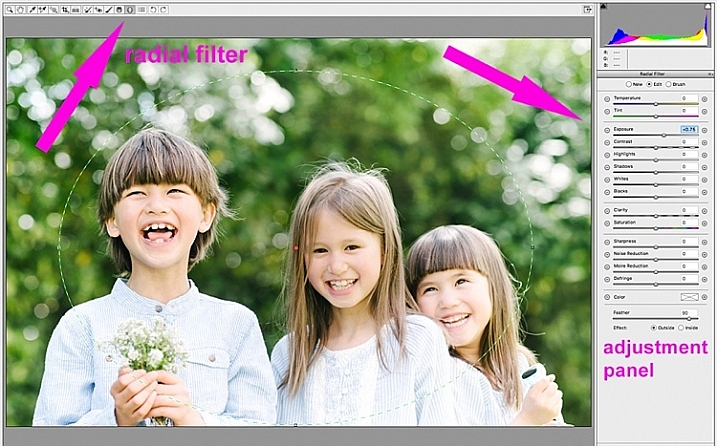
way-to-add-vignette-tutorial

Below is an image with a pretty dark and heavy vignette. In my opinion it’s too much, and takes away from the image, rather than enhancing it.
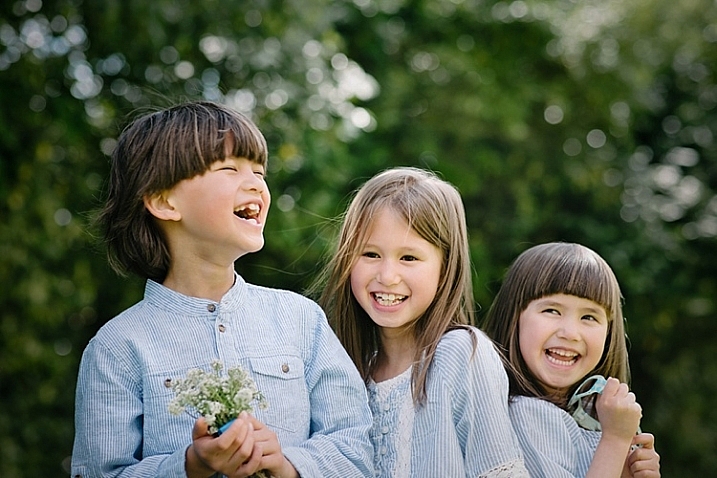
way-to-add-vignette-tutorial

Below is the same image with a bright vignette; this doesn’t look right to me at all.
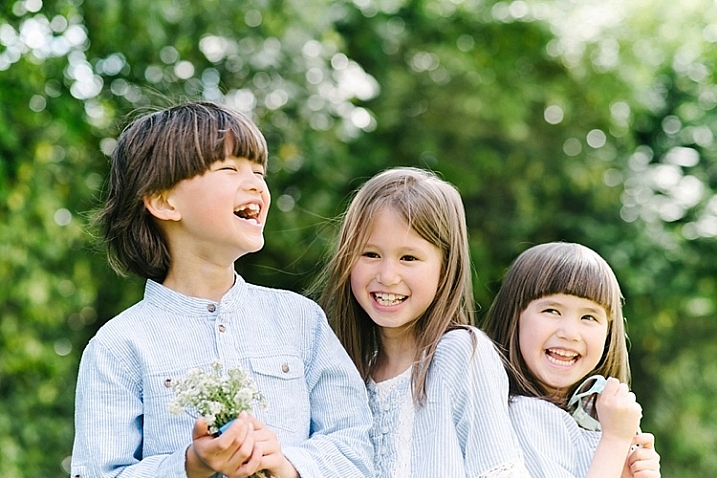
way-to-add-vignette-tutorial

On this version below, I think the vignetting is just right, as it enhances the natural look of the photograph, which was my aim.
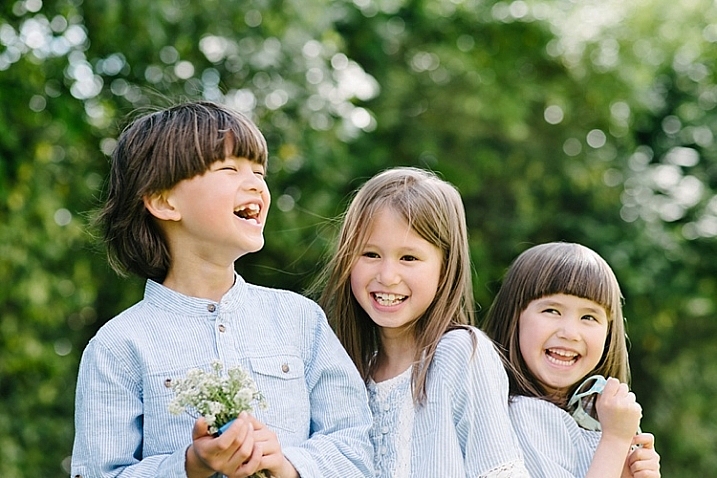
way-to-add-vignette-tutorial

In Adobe Photoshop

If you skip Adobe Camera Raw and open your file in Photoshop, there many ways to add a vignette. Below are the two quickest ways I have found. Before attempting to add a vignette in Photoshop, in order to perform non-destructive edits to your images, I recommend you learn to use layers and masks.

1. Using blend modes

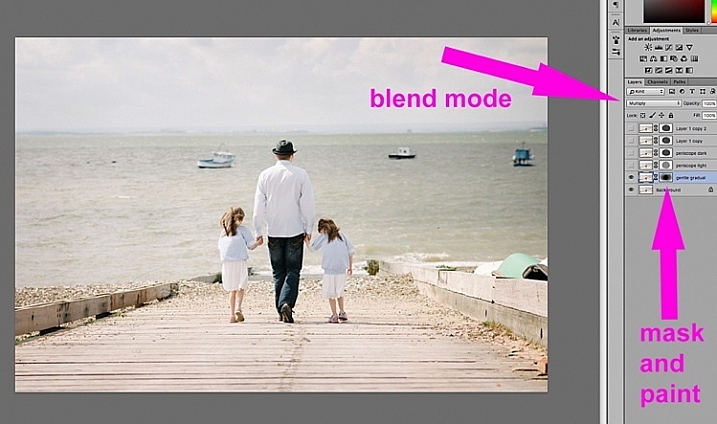
The first quick way  of adding vignettes in Photoshop that I found is by duplicating the background layer using CMD/CNTRL + J. You need to make all your adjustments on the layers above your background layer, in this case the duplicated layer, so that your original file is safe and untouched.
way-to-add-vignette-tutorial

With your duplicate layer selected, change the mode to darken or multiply to add a dark vignette, or to screen or lighten to add a light vignette. Now add a layer mask to the duplicate layer. If you choose to paint the vignette on, make sure the mask is blacked out. Select a big soft brush, using the brush tool set to a very low opacity, and paint with white on the vignette around the edges.

Alternatively, you can choose to remove the vignette instead of painting it on, which in this case would be my preference. With your duplicate layer superimposed on the background layer, add a white layer mask. Choose a big soft brush set to a higher opacity and start painting the layer mask black, starting from the middle and ever so gently radiating outwards until all the vignette is removed from the center, and only a touch on the edges is left. Adjust the opacity of the layer to suit your taste.

Below are two examples of exaggerated vignetting added in Photoshop using this method.
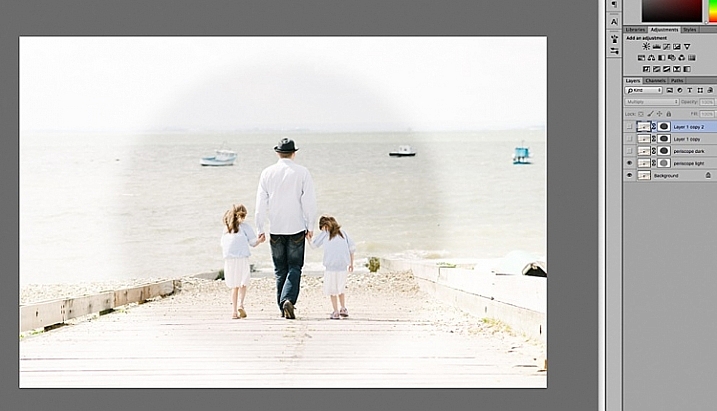
way-to-add-vignette-tutorial

way-to-add-vignette-tutorial

Manually painting, or removing the vignette by hand, gives you flexibility as to where to apply the vignette, how far in, and to what degree, depending on what’s required for each image.

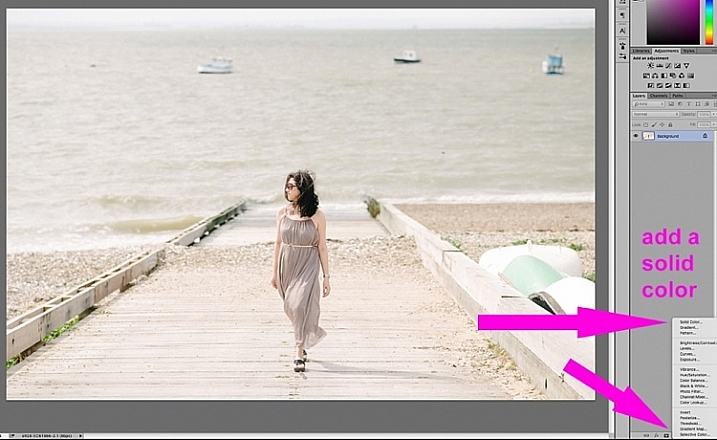
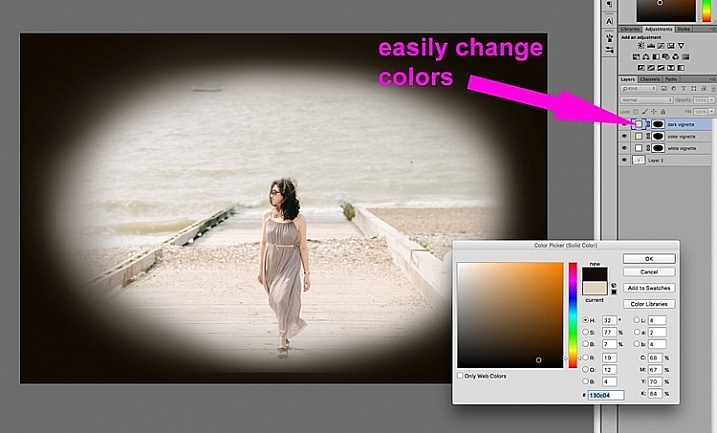
2. Using a solid color layer

Another quick way is to add a solid color. This method allows you to be more experimental, as it’s very easy to change the colors with a click of the eyedropper tool.
way-to-add-vignette-tutorial

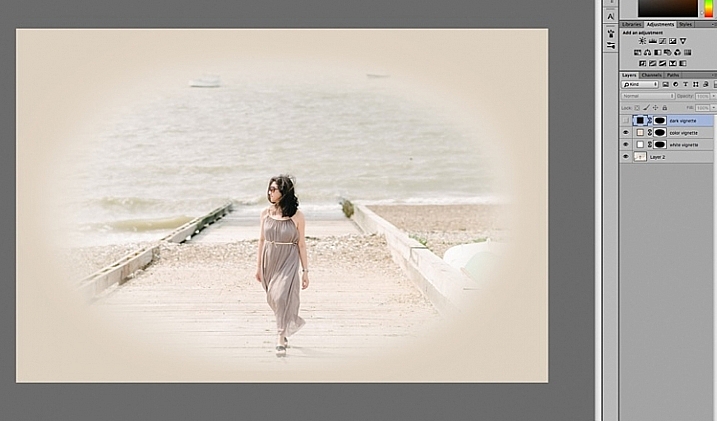
The solid color will sit on top of your image, so all you will see is a flat rectangular block of color. You need to add a layer mask, and start removing some of the color beginning at the center and radiating outwards. Again, use a soft large black brush to remove the color. If you do this kind of vignetting, as in the two images below, it has to be intentional as these do not give you a natural look to the images at all. They may work for a scrapbook, or other specific purposes, but this is not the look I would give to my clients.
way-to-add-vignette-tutorial

On the image below, the vignette was added using the same solid color method as above. You can then play around with the blend modes to see what looks best.
biege - color-burn

This was done using the same solid color as above but Color Burn Blend Mode.
way-to-add-vignette-tutorial

This one is done with a black solid color added, masked, and Overlay Blend Mode with the layer at 80% opacity.

This one is done with a black solid color added, masked, and Overlay Blend Mode with the layer at 80% opacity.

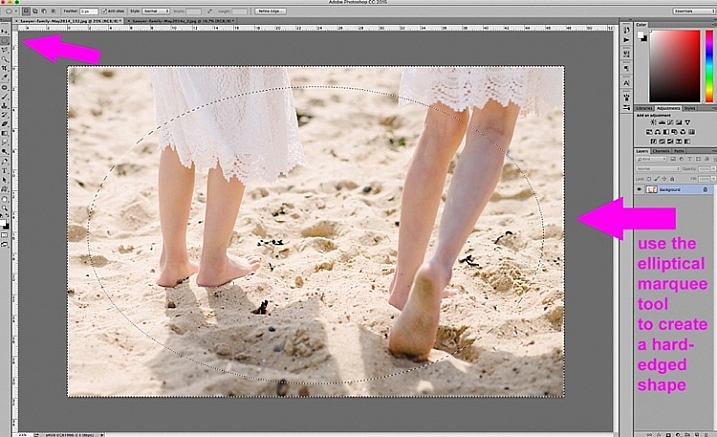
You can also make shapes as vignettes, using the marquee tool.  The elliptical marquee tool was used for the image below, creating a hard-edged vignette. Make your shape by dragging this tool on your image, and you will see marching ants around the shape you have just created. You must immediately invert it using CMD/CNTRL + shift + I so the outside of the shape will be selected and would now be the area surrounded by the marching ants (as below).
elliptical marquee

Click on the solid color icon and select a color. A new layer with your shape filled with the solid color will automatically be created. Select this layer and play around the the blend modes and the layer opacity. You will see below what the Divide, Color Burn and Overlay modes look like.
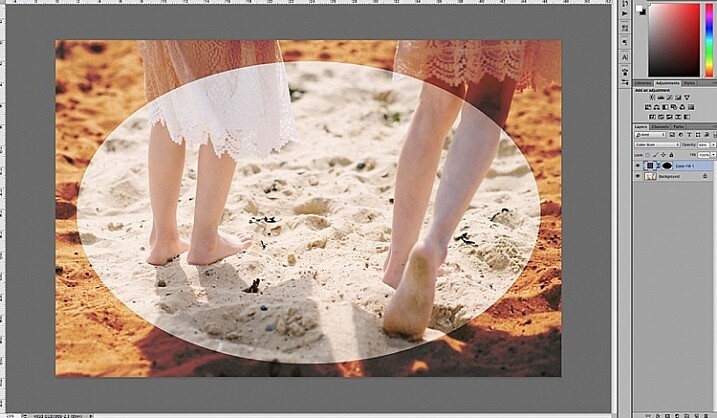
Color Burn Blend Mode
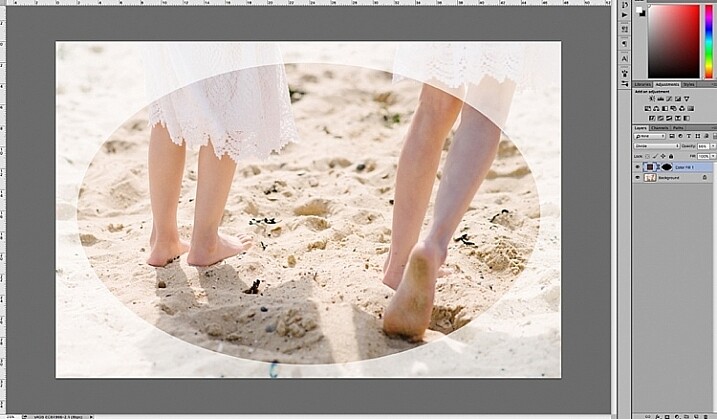
Color Burn Blend Mode

Divide Blend Mode
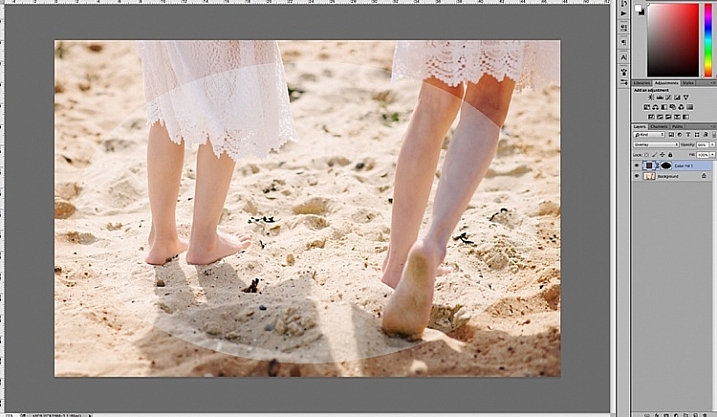
Divide Blend Mode

Overlay Blend Mode

Overlay Blend Mode

You will want to feather the mask on your color layer, or blend the edges manually using the brush tool so that you do not see the edge of the vignette so well-defined. I’ve left it like this for demonstration purposes so you can see what the vignette layer is doing.

Below is the final image with only a hint of vignette on the edges, just to take the edge off the brightness of the scene.
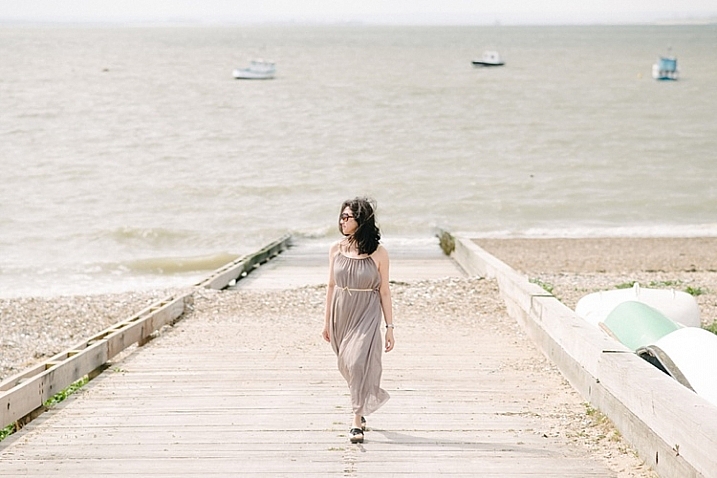
way-to-add-vignette-tutorial

I hope this tutorial has given you some new ideas on how to enhance your images using vignettes. Do you have other quick ways of adding vignettes to your images? Share them here.

googletag.cmd.push(function() {
tablet_slots.push( googletag.defineSlot( “/1005424/_dPSv4_tab-all-article-bottom_(300×250)”, [300, 250], “pb-ad-78623” ).addService( googletag.pubads() ) ); } );

googletag.cmd.push(function() {
mobile_slots.push( googletag.defineSlot( “/1005424/_dPSv4_mob-all-article-bottom_(300×250)”, [300, 250], “pb-ad-78158” ).addService( googletag.pubads() ) ); } );

The post 4 Quick Ways to Add a Vignette to Your Images in Post-Processing by Lily Sawyer appeared first on Digital Photography School.


Digital Photography School
 
Comments Off on 4 Quick Ways to Add a Vignette to Your Images in Post-Processing

Posted in Photography


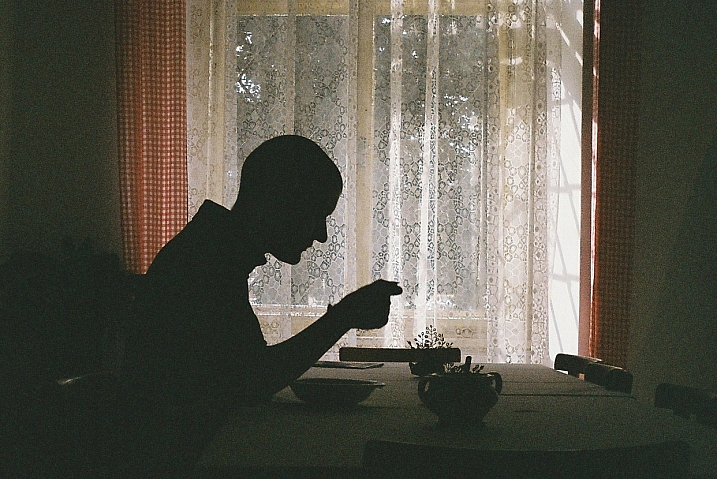
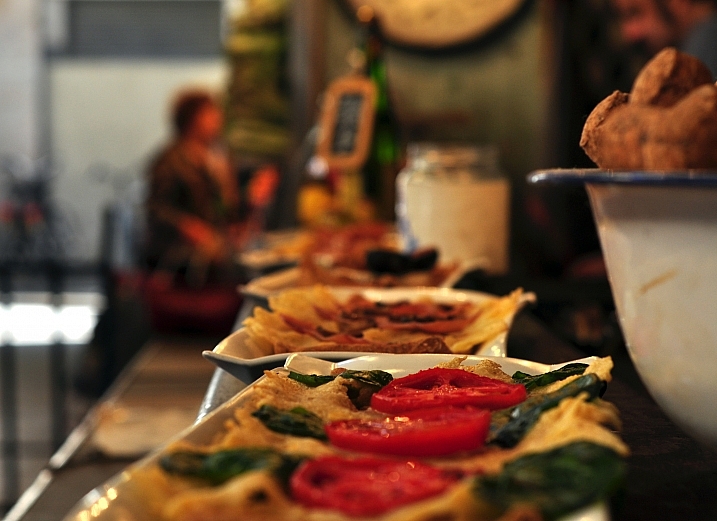
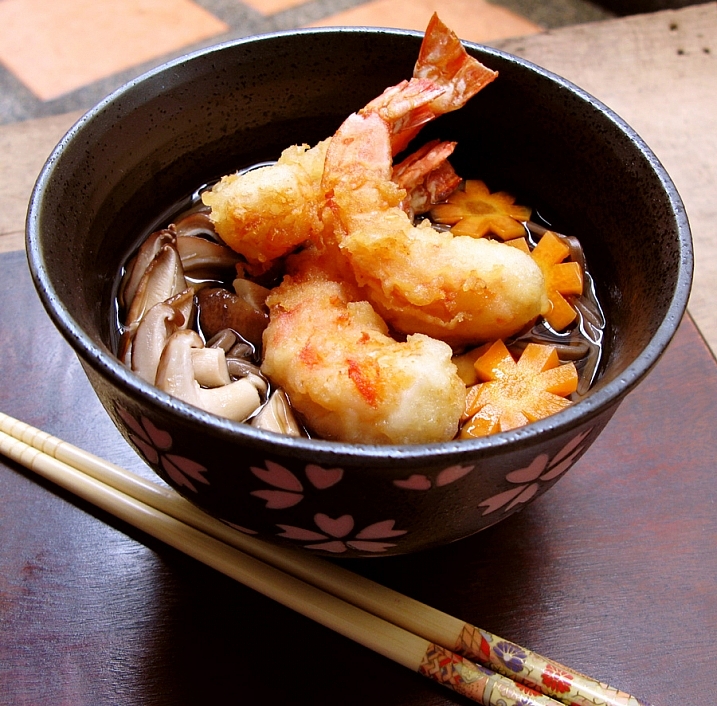
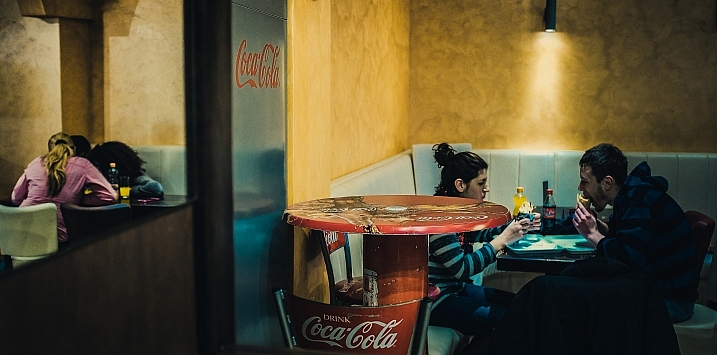
26 Images with a Hunger for a Good Meal – Photos at the Dinner Table

19 Feb

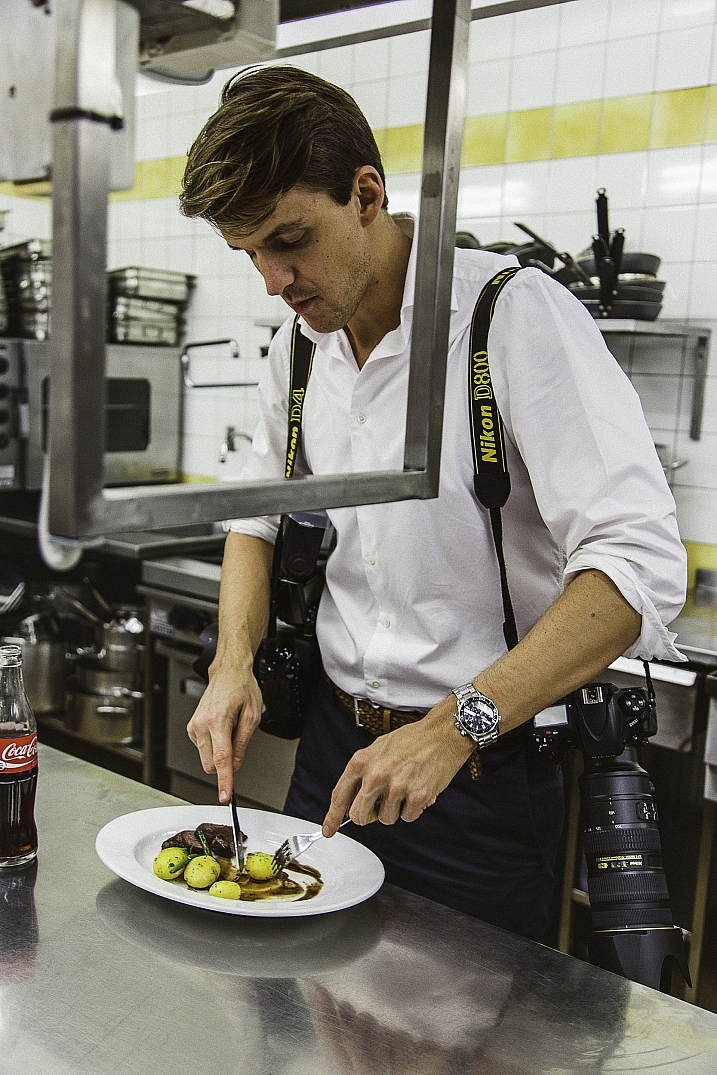
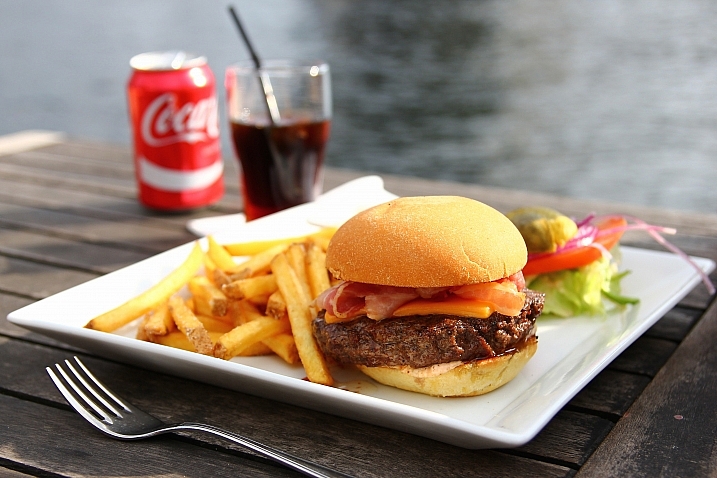
Whether it be a fancy feast at a special occasion, a romantically set table for two, or burger and fries on a plate – the following images satisfy a hunger for not only a good meal, but some great photos at, and around the dinner table.

Are you one to photograph your food in restaurants? Entire Instagram accounts are made up of such images. Note: remember to follow dPS over on Instagram! Even if you aren’t prone to that kind of photography, let’s see if these photos at the dinner table can inspire you, and/or make you hungry too!

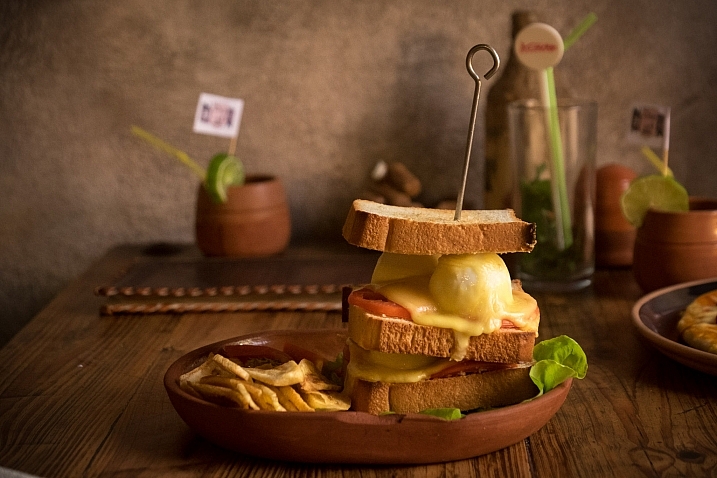
This is actually my photo taken of someone else's sandwich in Trinidad, Cuba. It just looked so amazing!

This is actually my photo taken of someone else’s sandwich in Trinidad, Cuba. It just looked so amazing I had to photograph it!

Radiowood

By radiowood

Antonin Rémond

By Antonin Rémond

Snugg LePup

By Snugg LePup

Dave Hensley

By Dave Hensley

Ron Frazier

By Ron Frazier

The Hamster Factor

By The Hamster Factor

JAPANKURU

By JAPANKURU

Ames Lai

By Ames Lai

Jitter Buffer

By Jitter Buffer

Shawn Harquail

By Shawn Harquail

Laura Thorne

By Laura Thorne

Marketa

By Marketa

Adam Wyles

By Adam Wyles

Mark Manguerra

By Mark Manguerra

Zlatko Vickovic

By Zlatko Vickovic

Tobias Lindman

By Tobias Lindman

Gunilla G

By Gunilla G

Kai Chan Vong

By Kai Chan Vong

Brian Wolfe

By Brian Wolfe

Foodswings

By foodswings

Brook Ward

By Brook Ward

Elias Quezada

By elias quezada

Stijn Nieuwendijk

By Stijn Nieuwendijk

Georgie Pauwels

By Georgie Pauwels

Renaud Camus

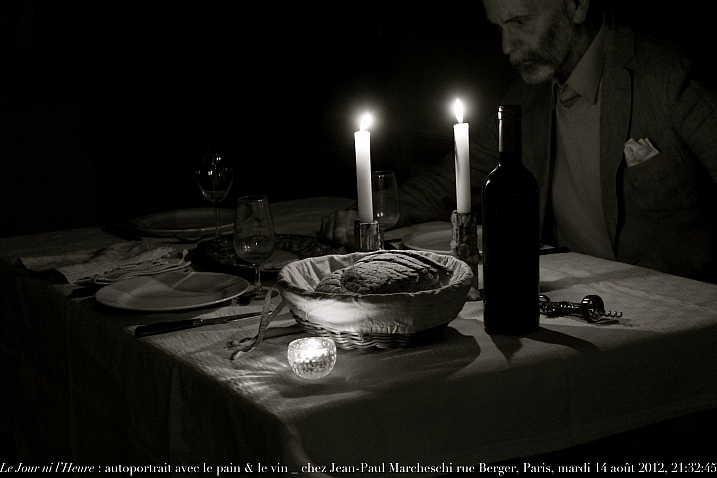
By Renaud Camus

googletag.cmd.push(function() {
tablet_slots.push( googletag.defineSlot( “/1005424/_dPSv4_tab-all-article-bottom_(300×250)”, [300, 250], “pb-ad-78623” ).addService( googletag.pubads() ) ); } );

googletag.cmd.push(function() {
mobile_slots.push( googletag.defineSlot( “/1005424/_dPSv4_mob-all-article-bottom_(300×250)”, [300, 250], “pb-ad-78158” ).addService( googletag.pubads() ) ); } );

The post 26 Images with a Hunger for a Good Meal – Photos at the Dinner Table by Darlene Hildebrandt appeared first on Digital Photography School.


Digital Photography School
 
Comments Off on 26 Images with a Hunger for a Good Meal – Photos at the Dinner Table

Posted in Photography