RSS
 

Posts Tagged ‘Images’

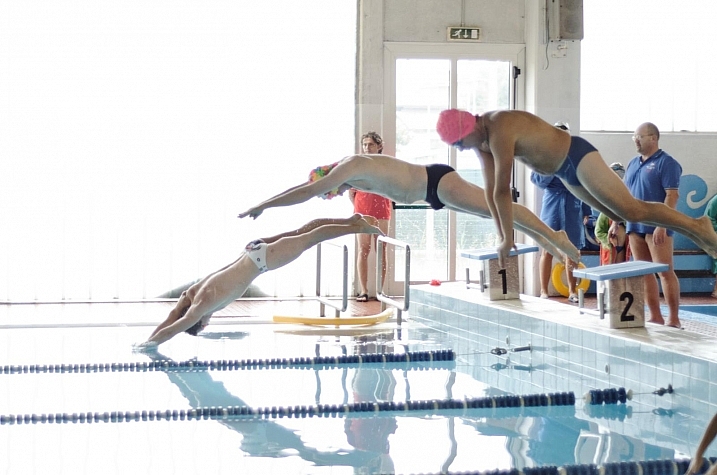
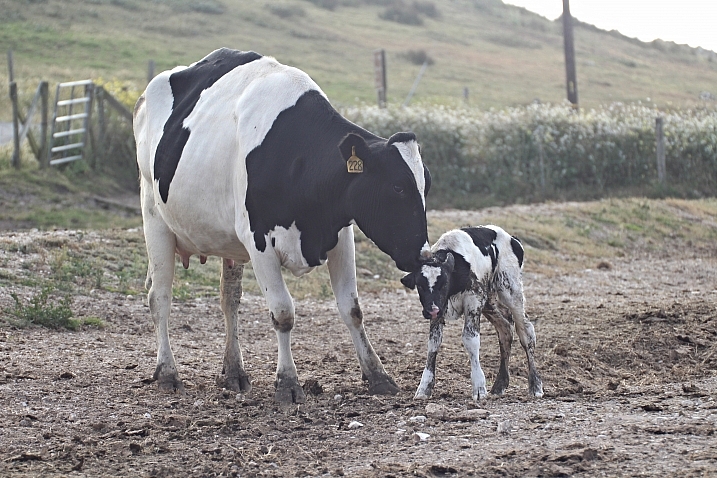
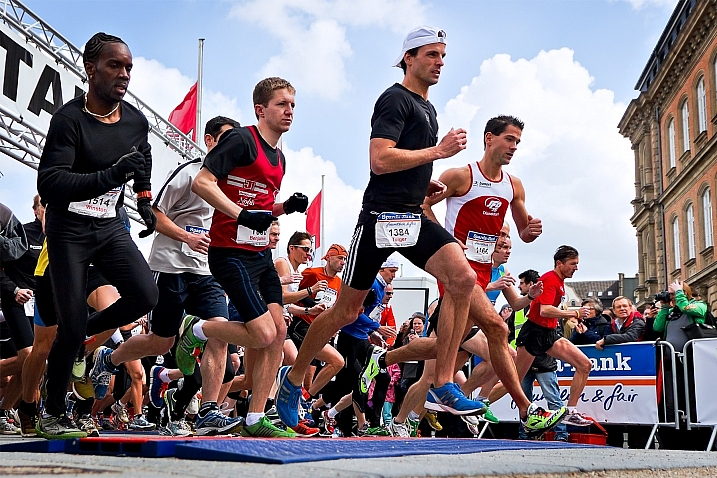
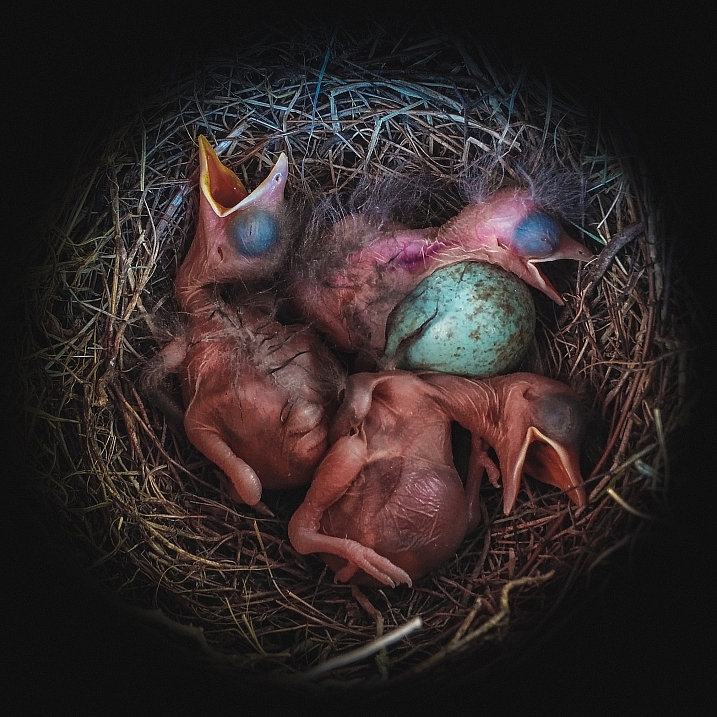
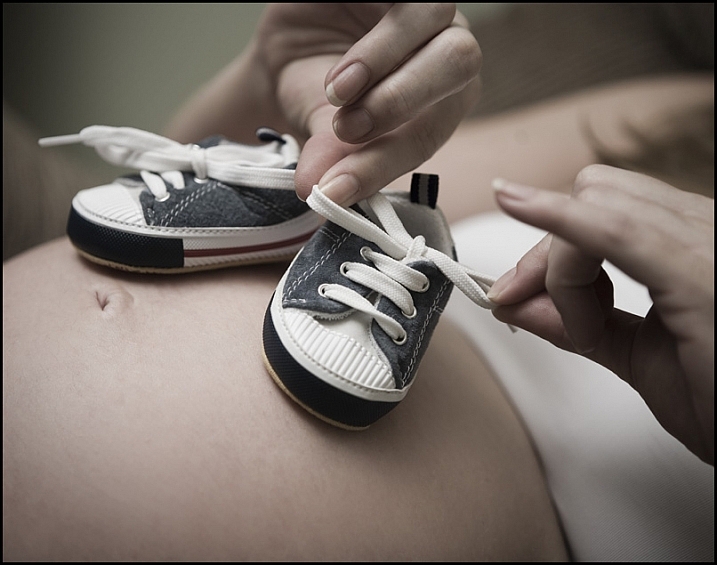
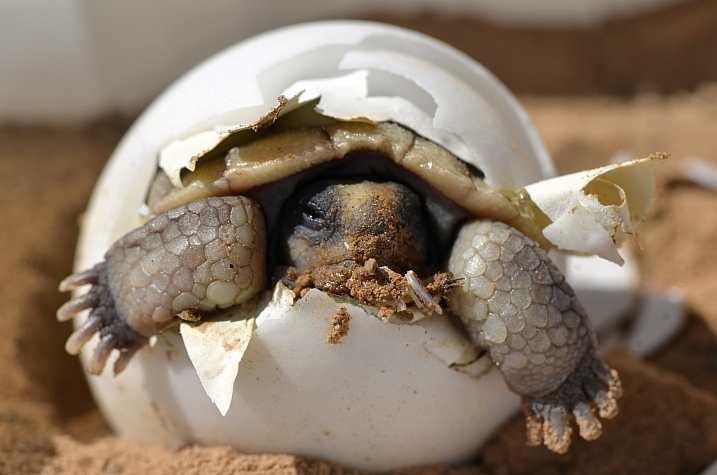
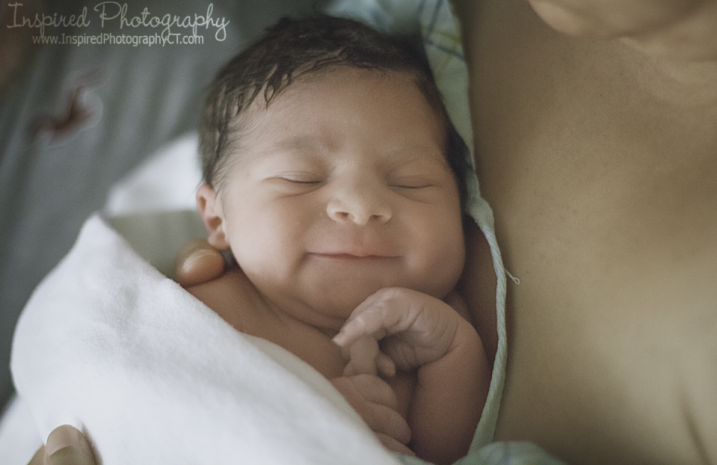
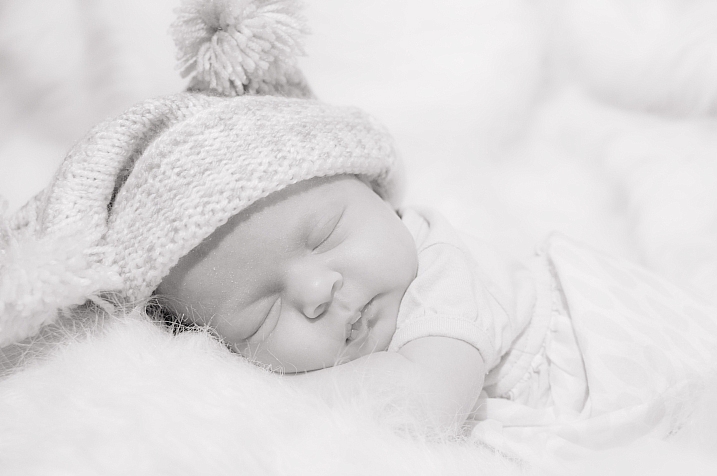
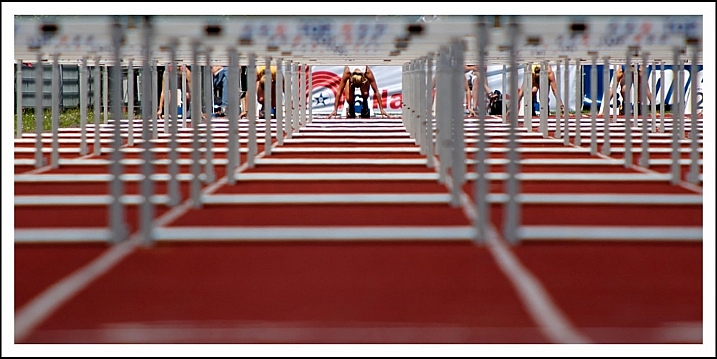
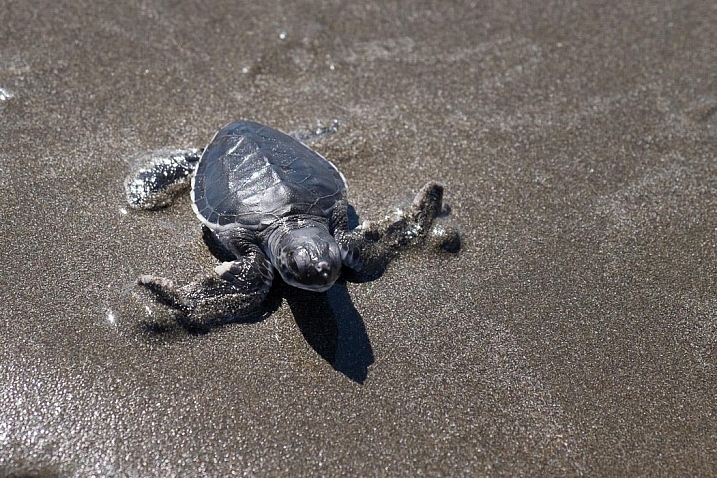
19 New Beginning Images for a Fresh Start to the Year

11 Jan

Well, a new year is yet again upon us. It’s a time for a new start, fresh beginnings.

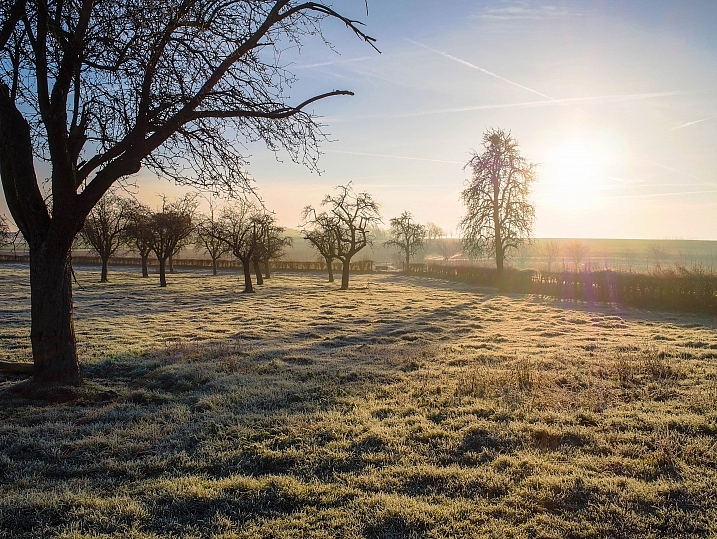
That can make many things to different people. Let’s see what new or beginning means to these 19 photographers with their fresh “new” images.

Smilla4

By smilla4

Robert Voors

By robert voors

Darlene Hildebrandt

By Darlene Hildebrandt

Nico Cavallotto

By Nico Cavallotto

Mark Gunn

By Mark Gunn

Christian Siedler

By Christian Siedler

Zeitfaenger.at

By zeitfaenger.at

Incase

By Incase

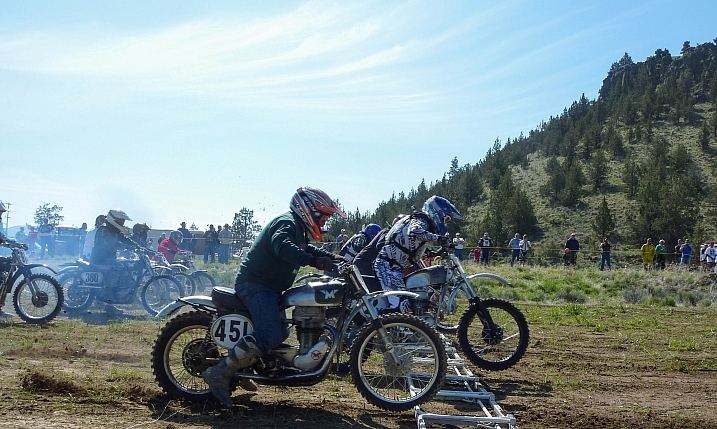
Oregon Ducatisti

By oregon ducatisti

?eagan

By ?eagan

Brookhaven National Laboratory

By Brookhaven National Laboratory

Margus Kulden

By Margus Kulden

U.S. Geological Survey

By U.S. Geological Survey

Kala Bernier

By Kala Bernier

Mikael T

By Mikael T

MFer Photography

By MFer Photography

Kylie_Jaxxon

By Kylie_Jaxxon

Samuel John

By Samuel John

Johan Neven

By Johan Neven

googletag.cmd.push(function() {
tablet_slots.push( googletag.defineSlot( “/1005424/_dPSv4_tab-all-article-bottom_(300×250)”, [300, 250], “pb-ad-78623” ).addService( googletag.pubads() ) ); } );

googletag.cmd.push(function() {
mobile_slots.push( googletag.defineSlot( “/1005424/_dPSv4_mob-all-article-bottom_(300×250)”, [300, 250], “pb-ad-78158” ).addService( googletag.pubads() ) ); } );

The post 19 New Beginning Images for a Fresh Start to the Year by Darlene Hildebrandt appeared first on Digital Photography School.


Digital Photography School

 
Comments Off on 19 New Beginning Images for a Fresh Start to the Year

Posted in Photography


Turn your doodles into Google satellite images with Land Lines

05 Jan

Looking for a moment of zen? We suggest spending a couple of minutes playing with Land Lines, a game that draws on Google’s satellite images of Earth.

So maybe it’s not quite a ‘game.’ Its creators Zach Lieberman and Matt Felsen call it an experiment, one that analyzes basic scribbles (zig zags and curves, nothing fancy) and finds a satellite image of Earth with matching features. It runs on either a mobile or desktop web browser.

Lines that you draw with your finger or a mouse become roads, shorelines and runways before your eyes, almost instantaneously. It runs seamlessly, and it’s oddly soothing. Give it a try and learn more about how it all came together.

Articles: Digital Photography Review (dpreview.com)

 
Comments Off on Turn your doodles into Google satellite images with Land Lines

Posted in Uncategorized


24 Festive Holiday Images to Get You Into the Spirit

29 Dec

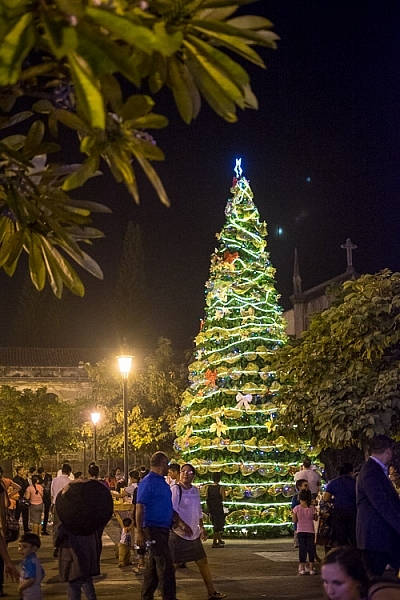
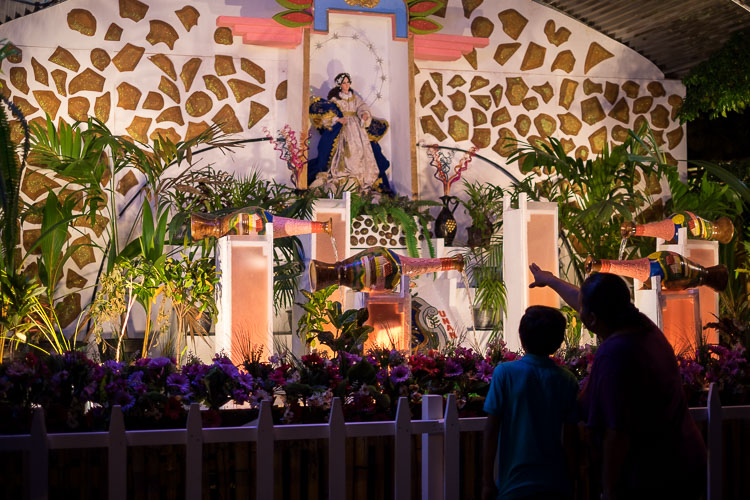
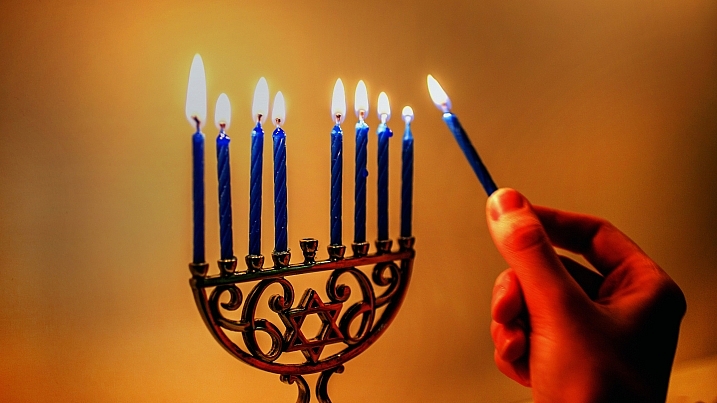
Christmas, Hanukkah, Fiesta of the Lady of Guadalupe, Day of the Virgin, and many other world holidays happen this month. Every religion and culture celebrate in their own unique way. Here in Nicaragua where I will be spending Christmas, they parade a statue of the Virgin Mary down a new street each night, complete with marching band and bombas (fireworks).

holidays-nicaragua-01

A festively decorated tree in Leon, Nicaragua.

holidays-nicaragua-02

The Virgin on display in Leon, Nicaragua.

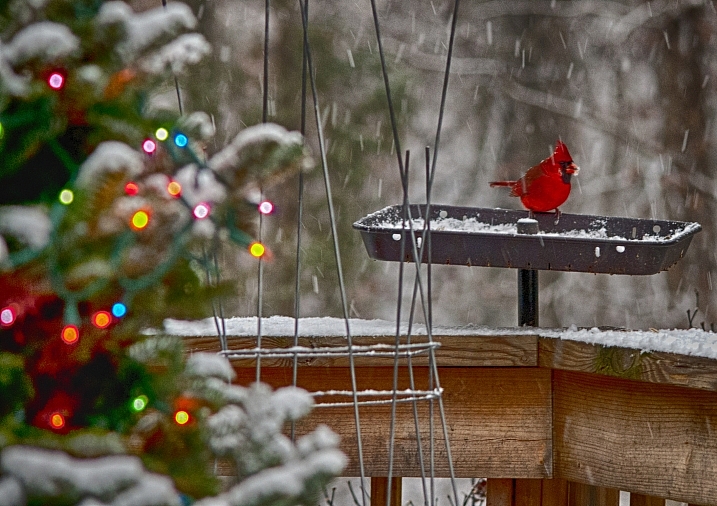
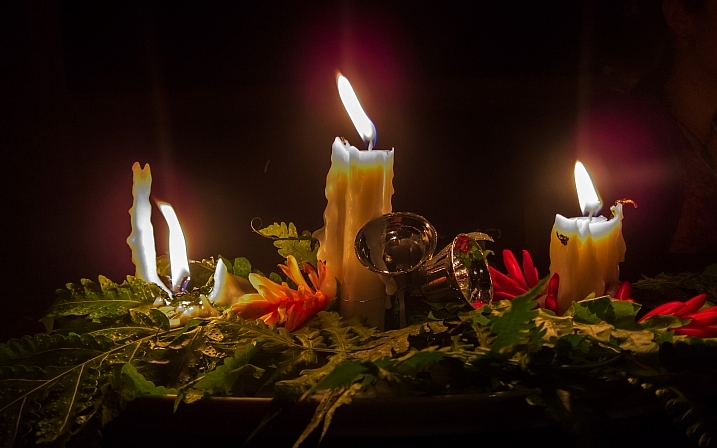
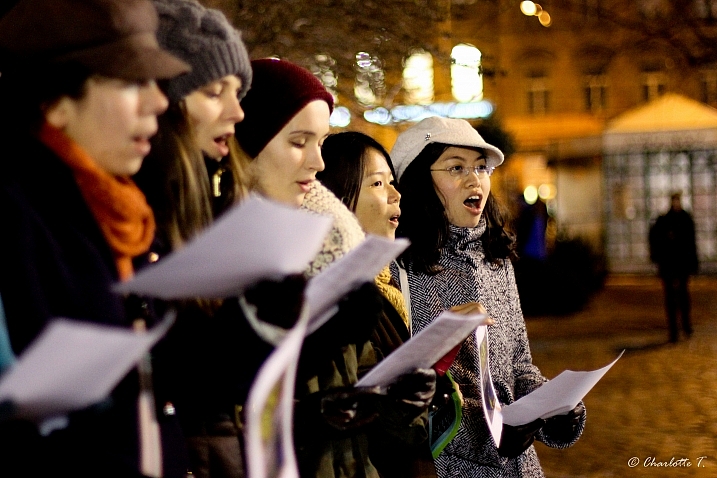
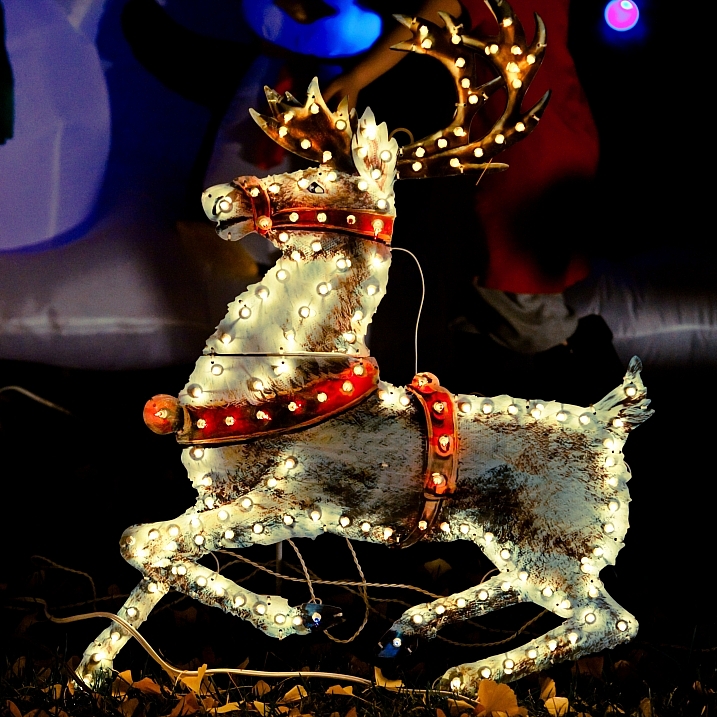
Here are some more images of different holiday sights. Enjoy the season however you celebrate.

Michela

By Michela

Alan Cleaver

By Alan Cleaver

Mike Beales

By Mike Beales

David Bannister

By David Bannister

David Morris

By David Morris

Charlotte90T

By Charlotte90T

Nikos Koutoulas

By Nikos Koutoulas

J J

By J J

Stéphanie Kilgast

By Stéphanie Kilgast

Johnny Silvercloud

By Johnny Silvercloud

Denise Mattox

By Denise Mattox

Thomas Hawk

By Thomas Hawk

Theophilos Papadopoulos

By Theophilos Papadopoulos

Britt-knee

By Britt-knee

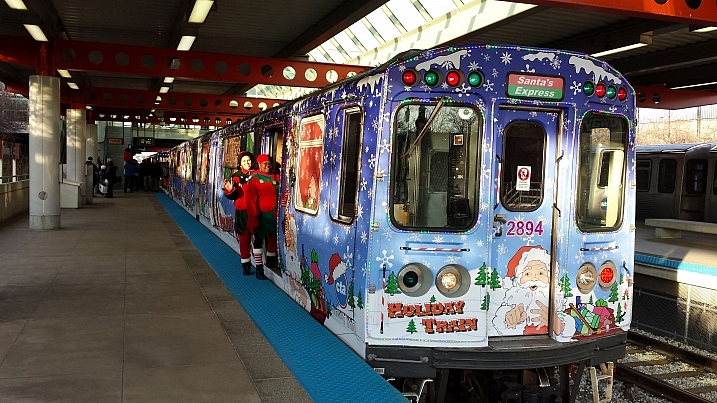
Cta Web

By cta web

Brett Kiger

By Brett Kiger

Scott Robinson

By Scott Robinson

Bunches And Bits {Karina}

By Bunches and Bits {Karina}

Robert Couse-Baker

By Robert Couse-Baker

Steve Snodgrass

By Steve Snodgrass

Messycupcakes

By messycupcakes

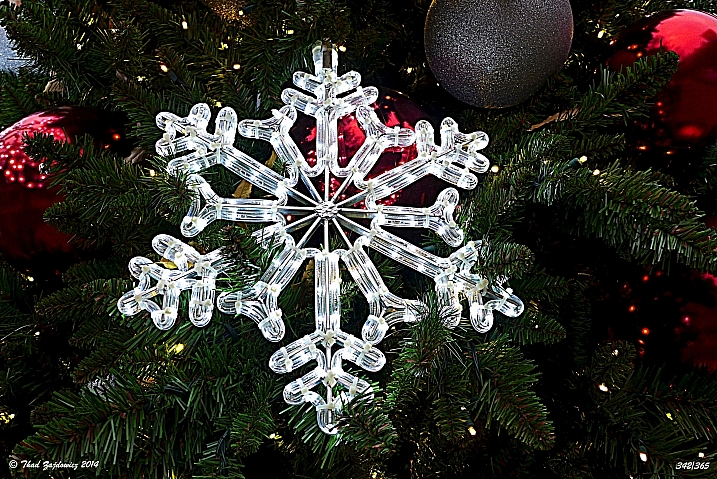
Thad Zajdowicz

By Thad Zajdowicz

googletag.cmd.push(function() {
tablet_slots.push( googletag.defineSlot( “/1005424/_dPSv4_tab-all-article-bottom_(300×250)”, [300, 250], “pb-ad-78623” ).addService( googletag.pubads() ) ); } );

googletag.cmd.push(function() {
mobile_slots.push( googletag.defineSlot( “/1005424/_dPSv4_mob-all-article-bottom_(300×250)”, [300, 250], “pb-ad-78158” ).addService( googletag.pubads() ) ); } );

The post 24 Festive Holiday Images to Get You Into the Spirit by Darlene Hildebrandt appeared first on Digital Photography School.


Digital Photography School

 
Comments Off on 24 Festive Holiday Images to Get You Into the Spirit

Posted in Photography


Rendered images show upcoming LG G6 with dual-cam

29 Dec
Image: @OnLeaks

It seems dual-camera technology is quickly establishing itself as standard on high-end smartphones. LG is expected to launch the G6 at or around the Mobile World Congress at the the end of February 2017 and today a series of rendered images confirms that, like its predecessor G5 and the V20, the new model will feature a dual-camera. However, the G6 will not come with the G5’s modular construction, which means users of the device will probably have to make do without the camera grip extension that was available for the G5.

Given the visual differences between the two camera lenses, it is fair to assume the G6 dual-cam will offer two different focal lengths, like the G5, rather than adopt an image merging approach to improve image quality like some Huawei devices. Display size remains at 5.3″ and there is also a fingerprint reader, headphone-jack and USB Type-C connector. 

The images also show a more modern and elegant unibody design, which hopefully will make the G6 more of a commercial success than its predecessor. We quite liked the performance of the LG G5 dual-camera in our full review, but overall the device only received lukewarm reviews and could not meet expectations in the marketplace. As usual, this kind of leaked information should be taken with a pinch of salt, but the source tends to be very reliable. We should find out more in about three months time.

Articles: Digital Photography Review (dpreview.com)

 
Comments Off on Rendered images show upcoming LG G6 with dual-cam

Posted in Uncategorized


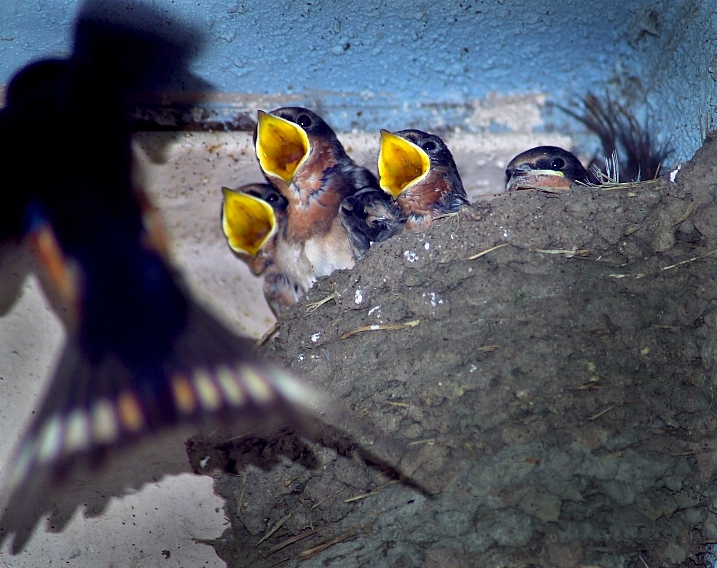
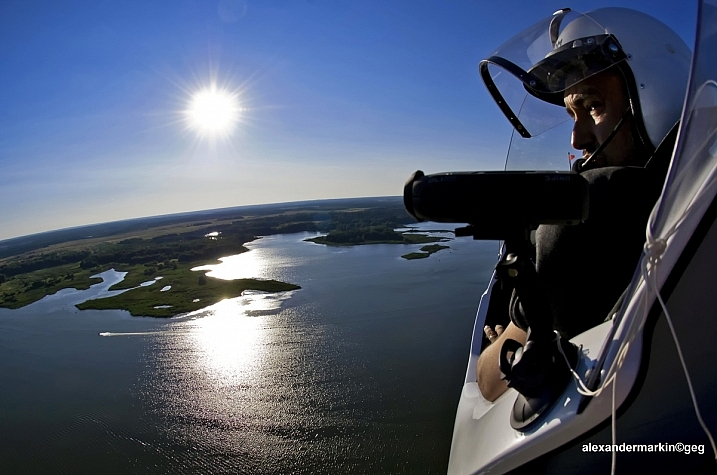
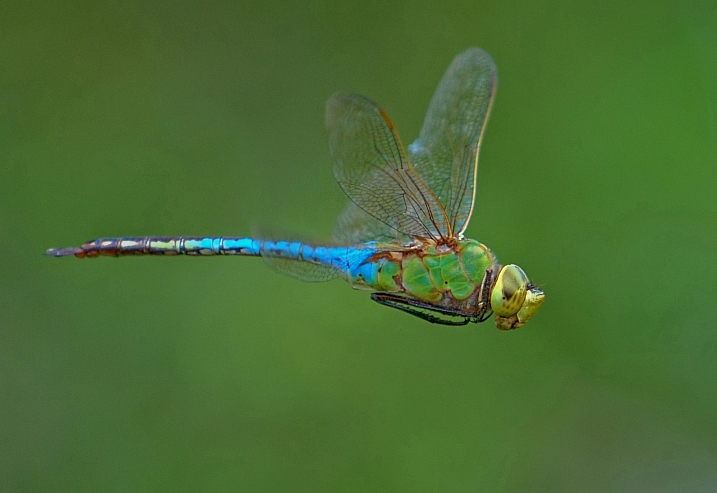
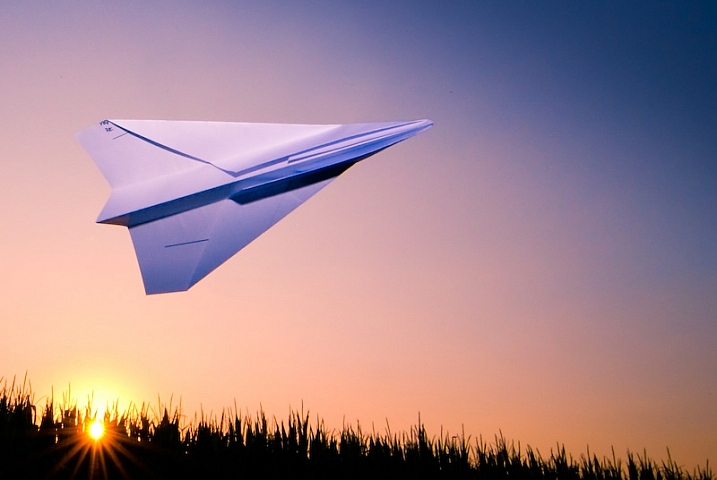
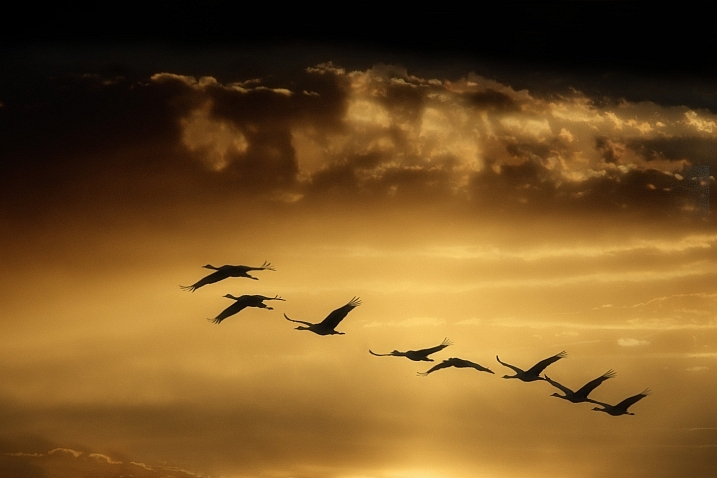
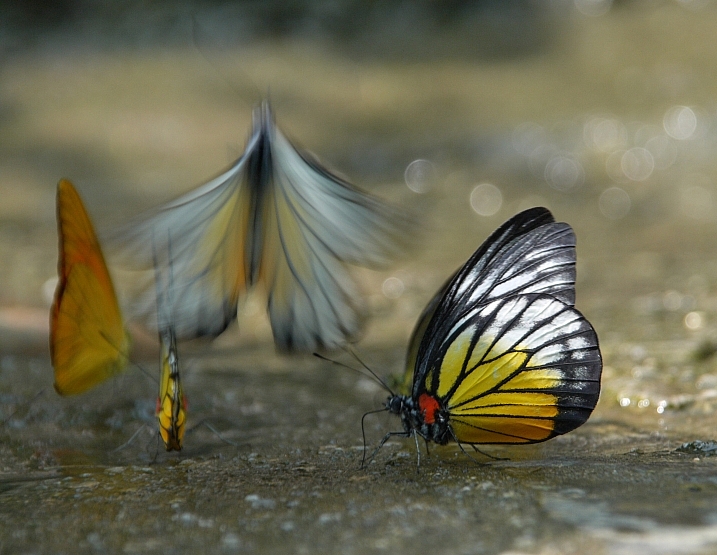
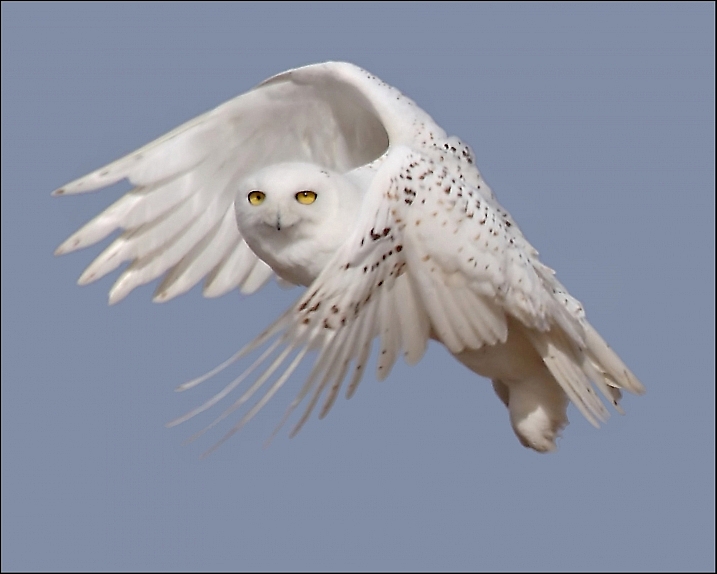
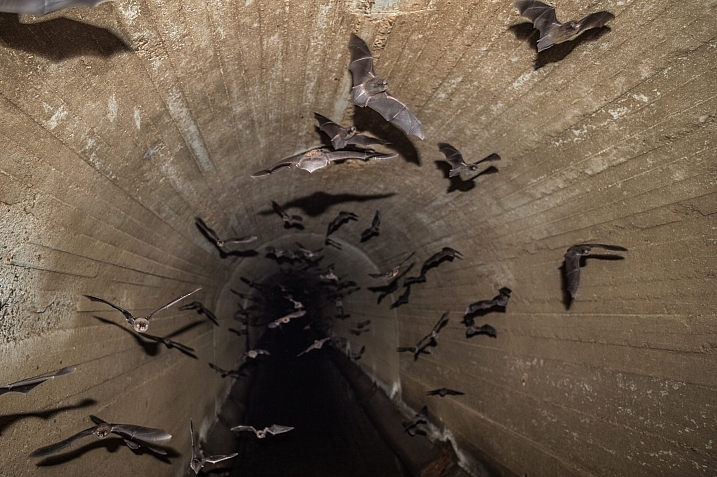
20 Airborne Images of Objects in Flight

14 Dec

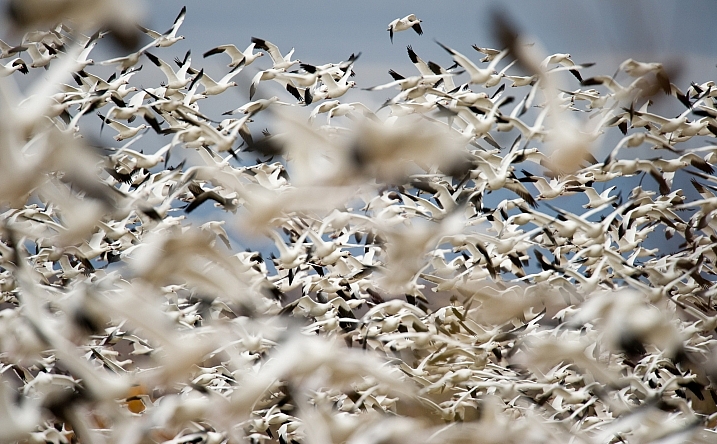
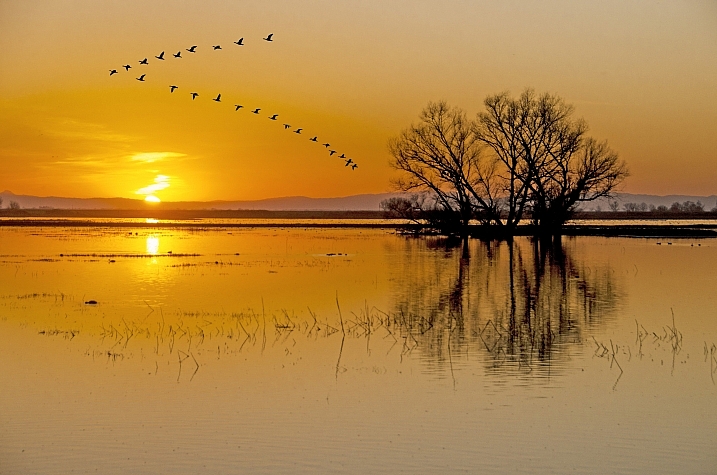
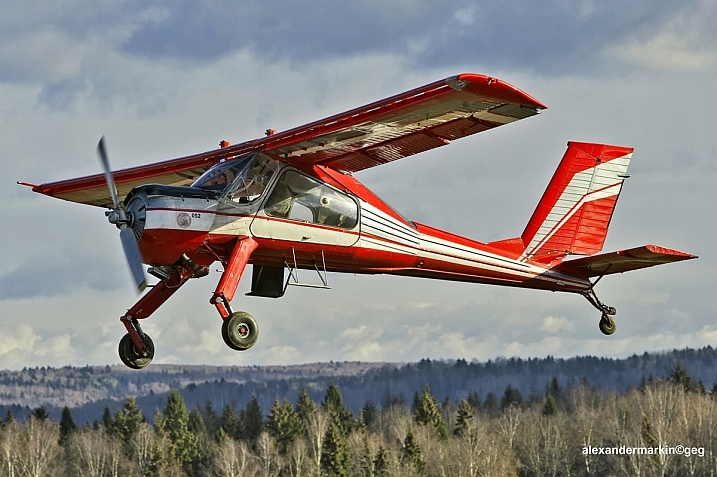
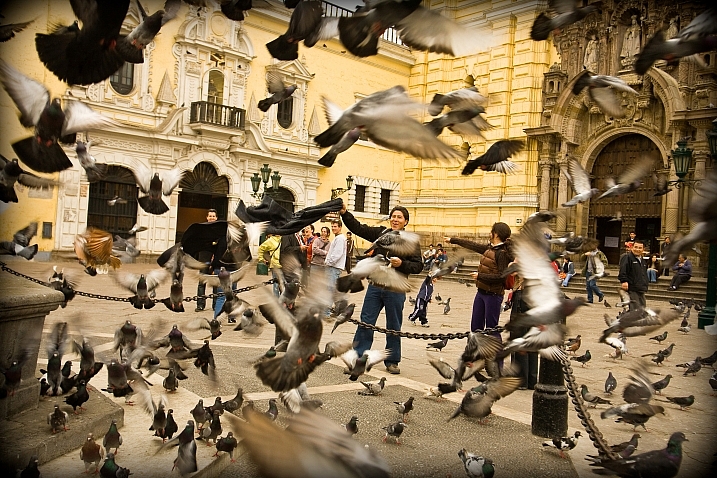
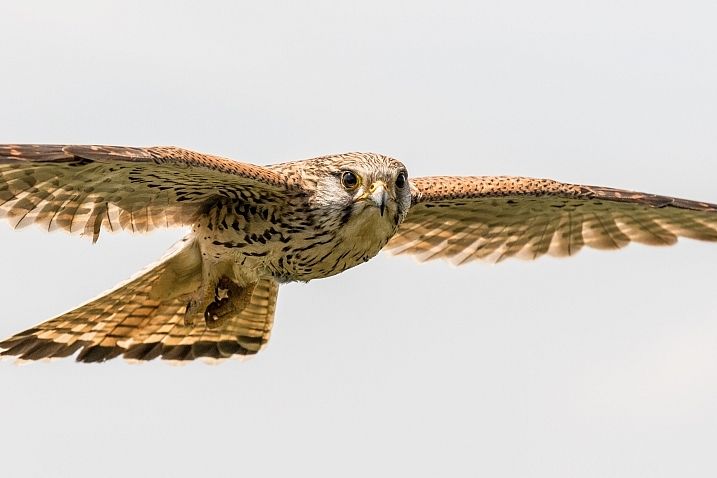
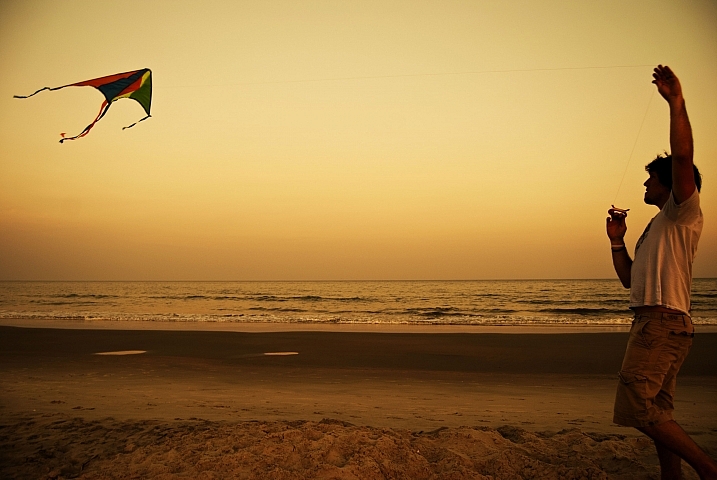
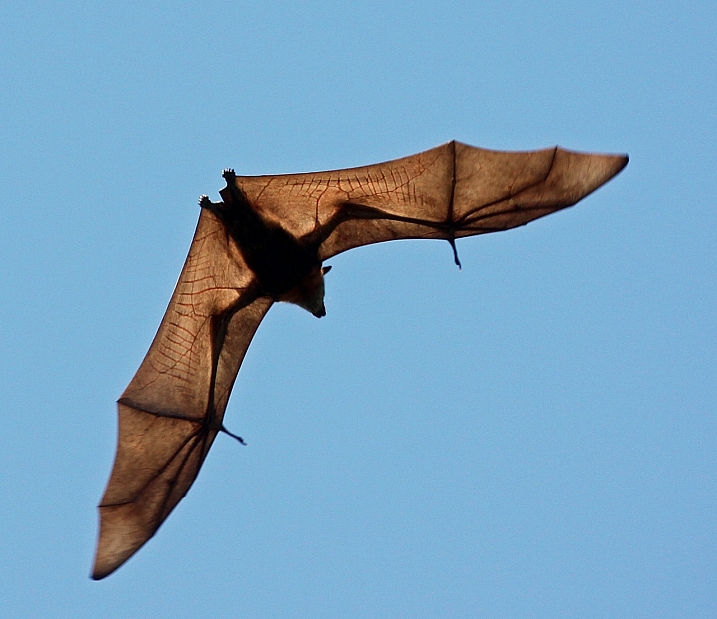
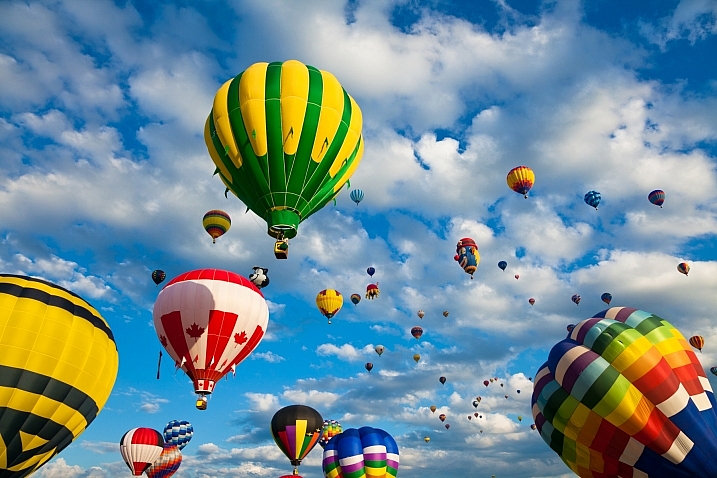
There are many things that take to the air in flight. Humans need a device like a plane or glider, whereas other creatures take off on their own steam.

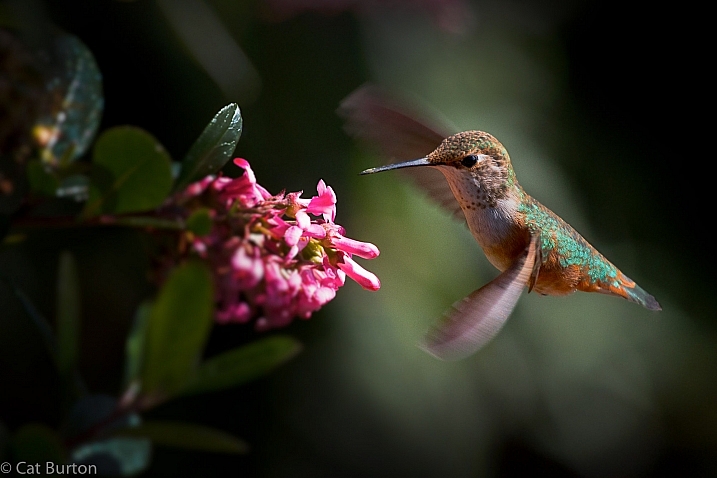
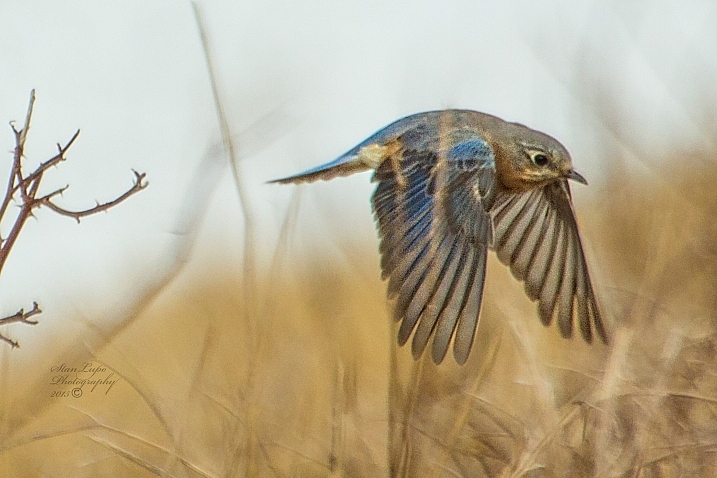
Flying things can be hard to photograph. Photographers have to make choices to freeze their motion or create a blur. Let’s see how these 20 photographers decided to photograph these flying objects.

Aleksander Markin. ????????? ??????

By Aleksander Markin. ????????? ??????

Jim McCulloch

By Jim McCulloch

Gianluca Micheletti

By Gianluca Micheletti

Steve Corey

By Steve Corey

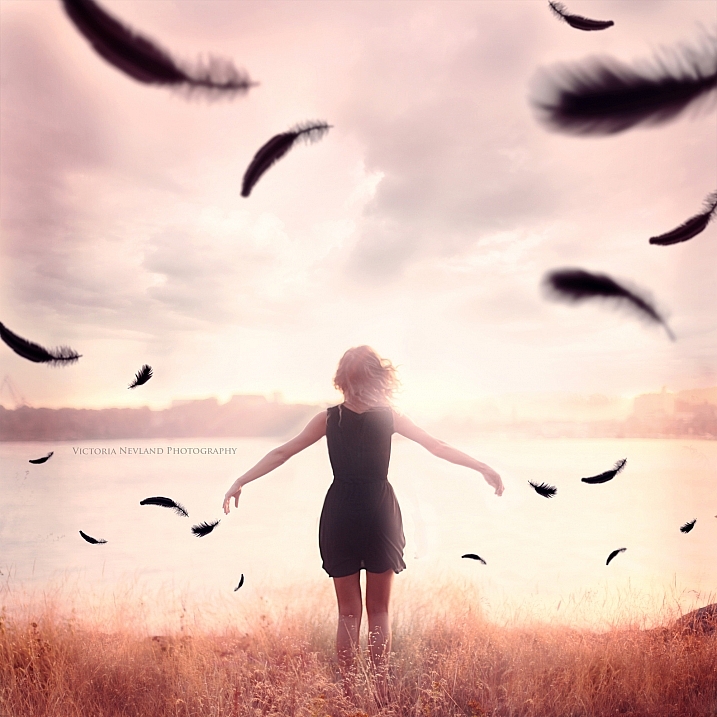
Victoria Nevland

By Victoria Nevland

Howard Ignatius

By Howard Ignatius

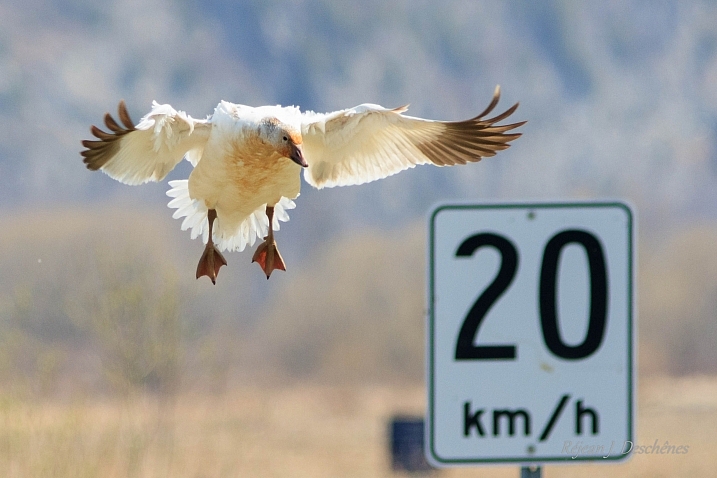
RejeanJ Deschenes

By RejeanJ Deschenes

Steve Corey

By Steve Corey

Aleksander Markin. ????????? ??????

By Aleksander Markin. ????????? ??????

Darlene Hildebrandt

By Darlene Hildebrandt

Cat Burton

By Cat Burton

Stan Lupo

By Stan Lupo

Andy Morffew

By Andy Morffew

Jblaha

By jblaha

Michael Jefferies

By Michael Jefferies

Nicolas Raymond

By Nicolas Raymond

Farrukh

By Farrukh

Pat Gaines

By Pat Gaines

ERIC SALARD

By ERIC SALARD

Darkday

By darkday

googletag.cmd.push(function() {
tablet_slots.push( googletag.defineSlot( “/1005424/_dPSv4_tab-all-article-bottom_(300×250)”, [300, 250], “pb-ad-78623” ).addService( googletag.pubads() ) ); } );

googletag.cmd.push(function() {
mobile_slots.push( googletag.defineSlot( “/1005424/_dPSv4_mob-all-article-bottom_(300×250)”, [300, 250], “pb-ad-78158” ).addService( googletag.pubads() ) ); } );

The post 20 Airborne Images of Objects in Flight by Darlene Hildebrandt appeared first on Digital Photography School.


Digital Photography School

 
Comments Off on 20 Airborne Images of Objects in Flight

Posted in Photography


3 Photoshop Elements Tutorials to Help You Correct and Enhance Your Images

14 Dec

We’ve noticed on our current reader survey (if you haven’t filled it out already, please do so here) that many of you are using Photoshop Elements. So I rounded up some video tutorials to help you use Elements (15 or any older version) to help you make corrections and enhancements to your images.

#1 How to brighten and improve a dull photo

George Peirson from How To Gurus walks you through several steps you can apply to make a dull photo more exciting. He covers things like working with adjustment layers so you can work non-destructively, adding more color in certain areas, layer blending modes, and more.

#2 How to remove people using the clone stamp tool

Sometimes you can get unwanted people in your shots. In this video you can learn how to remove them using just the clone stamp tool in Photoshop Elements.

#3 How to create a motion blur effect using Elements

In this final video learn the steps to add motion to an image using different blur effects in Photoshop Elements. The example used is a race car that was frozen with a fast shutter speed.

If you use Photoshop Elements I hope these videos have helped you out, and you have learned a couple new things. Many things that you can do in Photoshop, can also be done in Elements. Some of the tools and menus are a bit different but many of the features are similar. Elements also offers a “guided” user experience to help you walk through doing some common things.

If you want to learn more try the Adobe website where they have more tutorials and articles on Elements.

For more Photoshop help try these dPS articles:

  • How to Add a Sun Flare to Your Images Using Photoshop
  • How to do Non-Destructive Editing in Photoshop
  • An Introduction to Photoshop Layers Possibilities and Properties
  • Tips for Using the Blur Filters in Photoshop
  • 2 Simple Methods for Adding Color to Your Images Using Photoshop
  • A Guide to Black and White Conversion in Photoshop

googletag.cmd.push(function() {
tablet_slots.push( googletag.defineSlot( “/1005424/_dPSv4_tab-all-article-bottom_(300×250)”, [300, 250], “pb-ad-78623” ).addService( googletag.pubads() ) ); } );

googletag.cmd.push(function() {
mobile_slots.push( googletag.defineSlot( “/1005424/_dPSv4_mob-all-article-bottom_(300×250)”, [300, 250], “pb-ad-78158” ).addService( googletag.pubads() ) ); } );

The post 3 Photoshop Elements Tutorials to Help You Correct and Enhance Your Images by Darlene Hildebrandt appeared first on Digital Photography School.


Digital Photography School

 
Comments Off on 3 Photoshop Elements Tutorials to Help You Correct and Enhance Your Images

Posted in Photography


21 Simple Images That Exemplify Minimalism

06 Dec

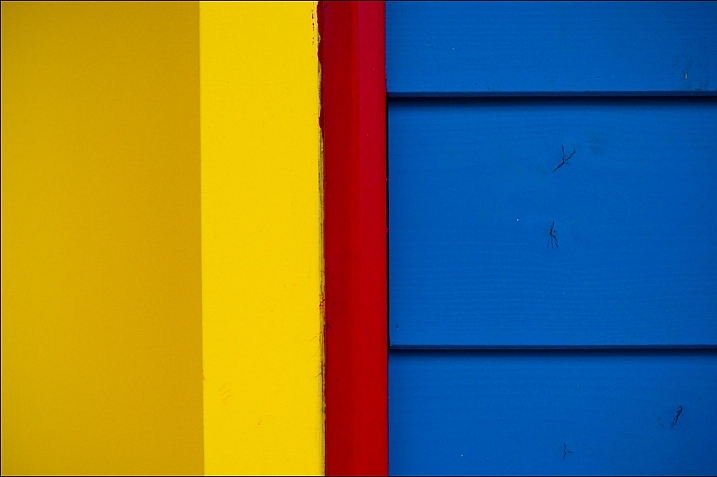
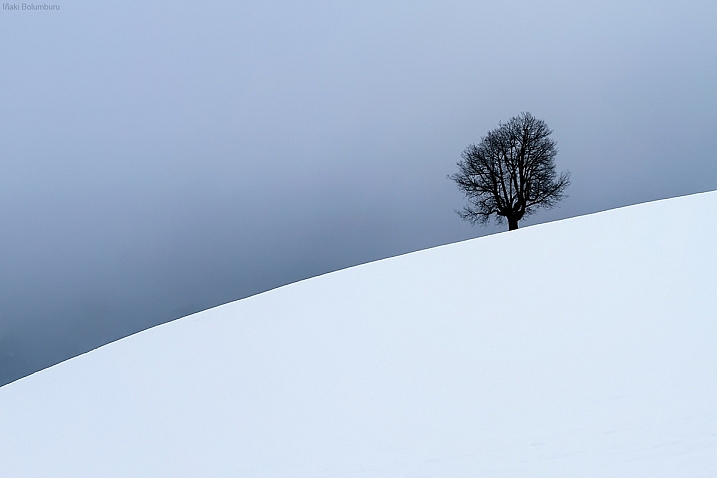
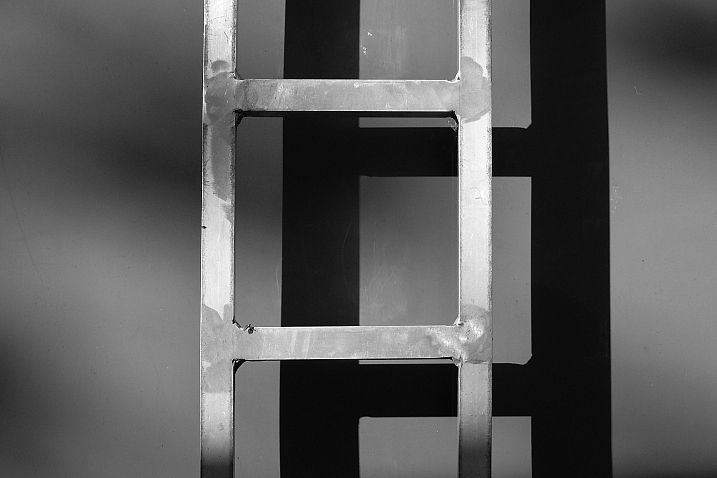
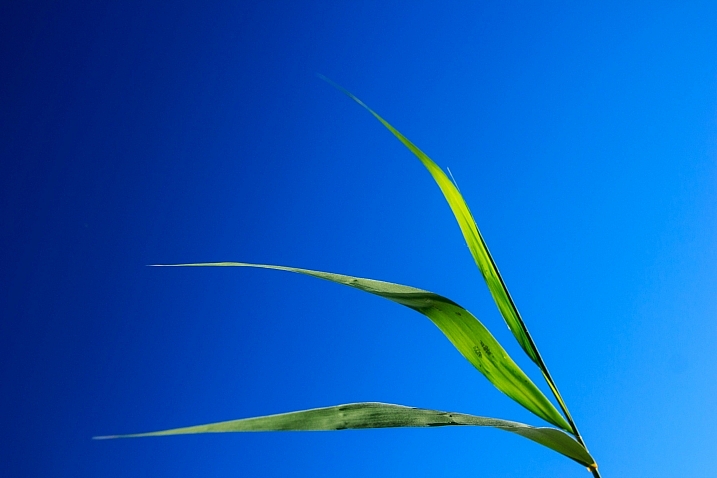
Sometimes less is more. When that comes to photography that is often true. Beginner photographers frequently try to put too much into their photos. That causes the image to be cluttered and the subject to be less clear. Let’s see some examples.

21 super simple compositions that show how you can use minimalism to create stunning and effective images.

Namelas Frade

By Namelas Frade

Andreas

By Andreas

Iñaki Bolumburu

By Iñaki Bolumburu

Nebojsa Mladjenovic

By nebojsa mladjenovic

Daniel Sjöström

By Daniel Sjöström

Aarthi Narayanan

By Aarthi Narayanan

ELKayPics / Lutz Koch

By eLKayPics / Lutz Koch

Chetiya Sahabandu

By Chetiya Sahabandu

Etienne

By Etienne

Serzhile

By serzhile

THE ZEN DIARY — David Gabriel Fischer

By THE ZEN DIARY — David Gabriel Fischer

Danscape.co

By danscape.co

Alexcoitus

By alexcoitus

Toni Verdú Carbó

By Toni Verdú Carbó

Neil Tackaberry

By Neil Tackaberry

Patrick Marioné - Thanks For > 2M

By Patrick Marioné – thanks for > 2M

Bernard Spragg. NZ

By Bernard Spragg. NZ

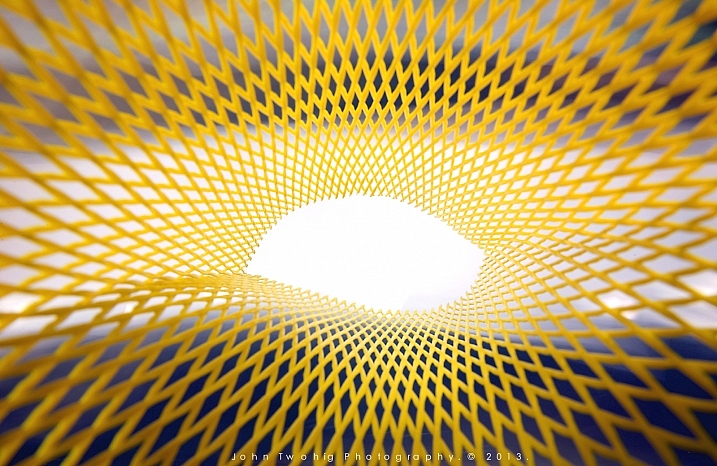
John Twohig

By John Twohig

Katheirne Hitt

By Katheirne Hitt

Daoan

By Daoan

Martin Brigden

By Martin Brigden

googletag.cmd.push(function() {
tablet_slots.push( googletag.defineSlot( “/1005424/_dPSv4_tab-all-article-bottom_(300×250)”, [300, 250], “pb-ad-78623” ).addService( googletag.pubads() ) ); } );

googletag.cmd.push(function() {
mobile_slots.push( googletag.defineSlot( “/1005424/_dPSv4_mob-all-article-bottom_(300×250)”, [300, 250], “pb-ad-78158” ).addService( googletag.pubads() ) ); } );

The post 21 Simple Images That Exemplify Minimalism by Darlene Hildebrandt appeared first on Digital Photography School.


Digital Photography School

 
Comments Off on 21 Simple Images That Exemplify Minimalism

Posted in Photography


How to Turn Your Images into Kaleidoscope Patterns

29 Nov

This tutorial is a lot of fun, transforming photographs into kaleidoscopic wonders, often with surprising results. The resulting kaleidoscope patterns make fantastic desktop backgrounds and wallpapers too.

Remember kaleidoscopes? Those curious tubes with an array of mirrors and colorful beads inside? As a kid, I would while away sunny weekends straining my eye against the viewing aperture, hypnotized by the endless combination of shapes, patterns, and colors. Although I now spend most of my time looking through the viewfinder of a camera, the magic of the kaleidoscope remains in my mind as an early foray into image making.

Step 1 – Setting up the canvas
kaleidoscope-01

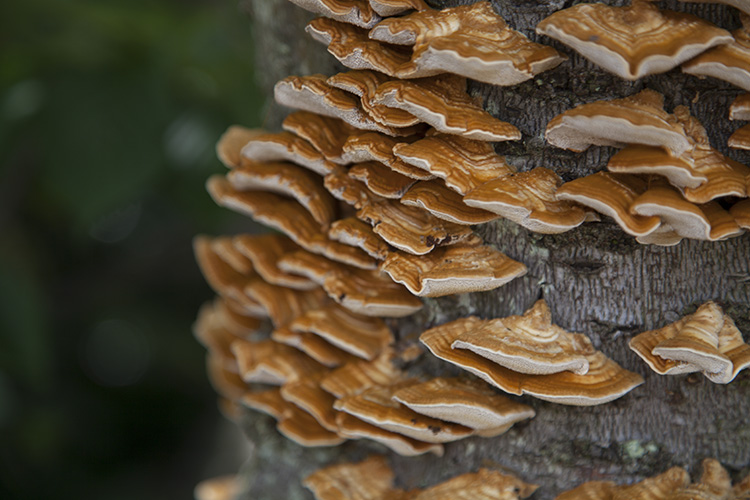
First, select a photograph. I’ve chosen this photograph of some fungi growing on an old tree stump. From my own experimentation I’ve found images with bold, contrasting colors and negative space result in the best kaleidoscopic images.

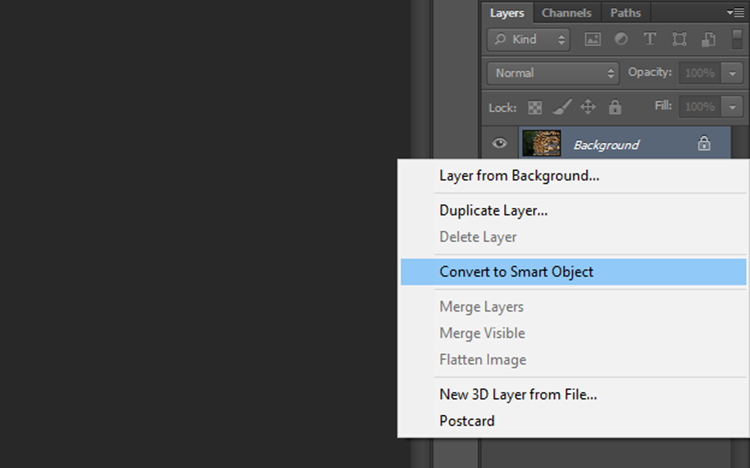
Once you have selected an image and opened it in Photoshop, right click on the image in the layers panel and select Convert to Smart Object. This will enable you to move the image around the canvas.
kaleidoscope-02

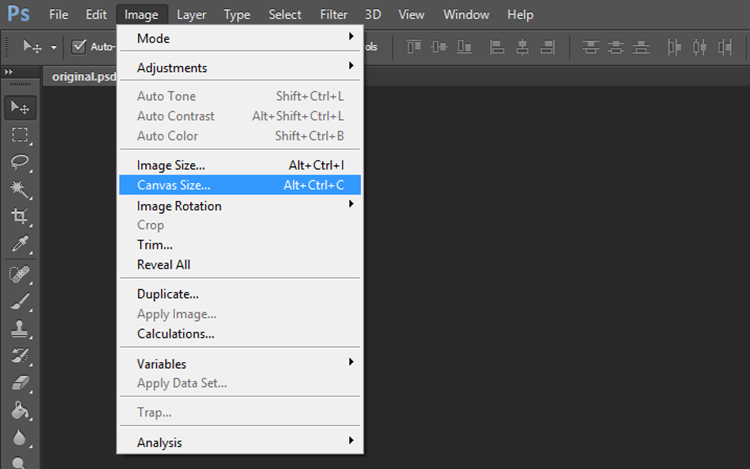
Now we need to add some space around the image. Go to Image > Canvas Size and a window will pop up with the dimensions of your current image.
kaleidoscope-03

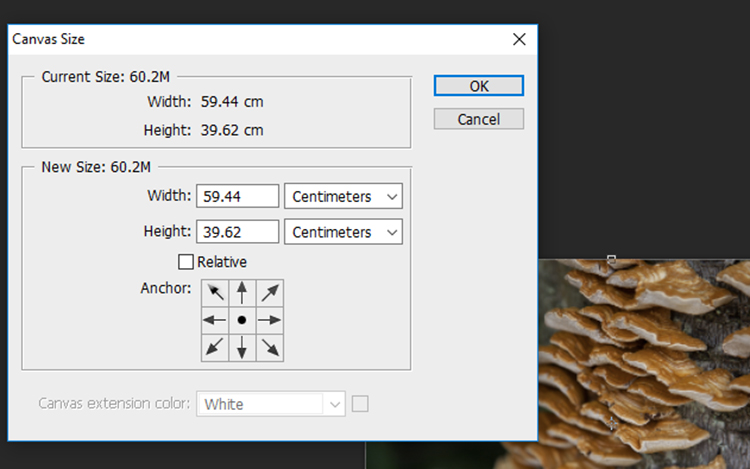
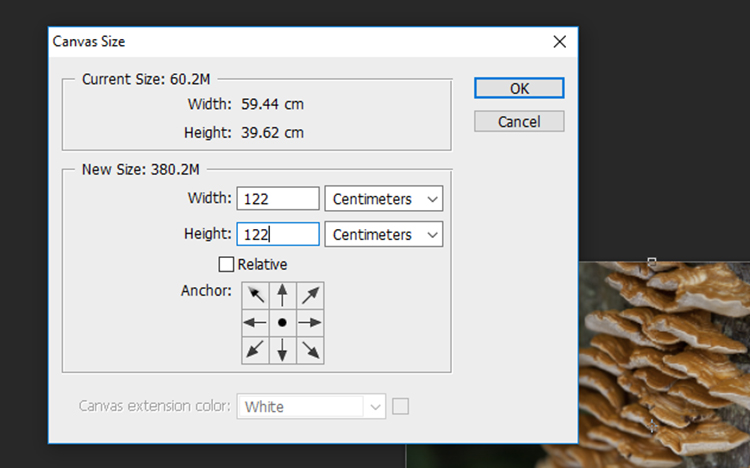
To calculate the dimensions of the canvas, look at the largest side of the image, double that figure and add four. For example, the image I selected was originally 59.44 x 39.62cm so I multiplied 59 by 2 to get 118m then added 4 to get 122. Add the same value to the smaller side of the image so that the canvas will be square. Click OK.
kaleidoscope-04

kaleidoscope-05

Step 2- Creating the template

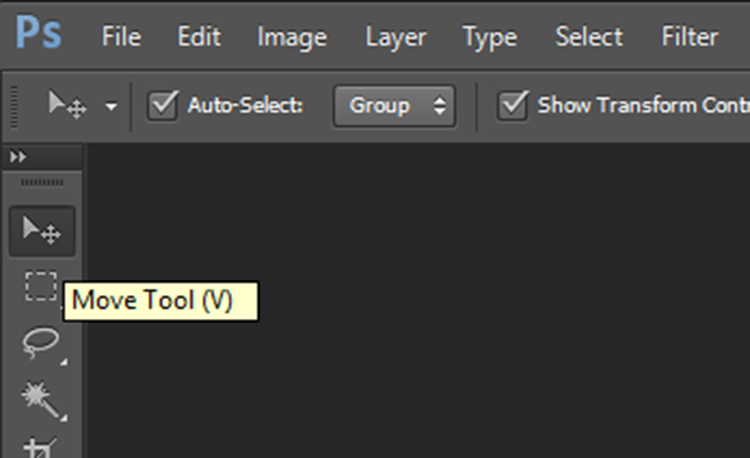
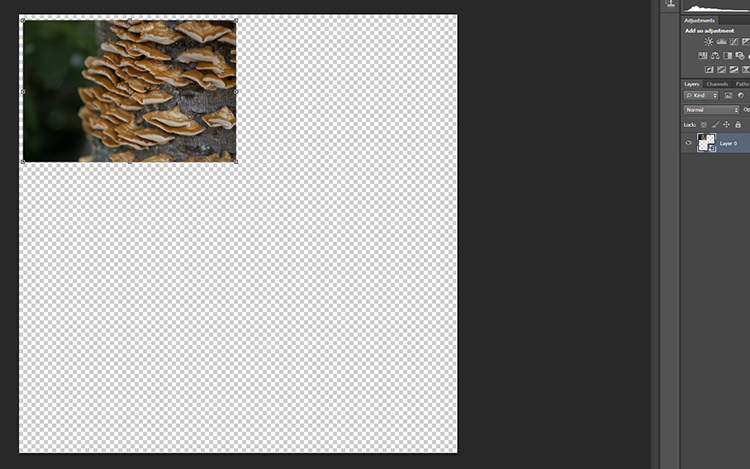
Zoom out so you can view see the entire canvas and select the Move Tool located at the top of the left toolbar.
kaleidoscope-06

kaleidoscope-07

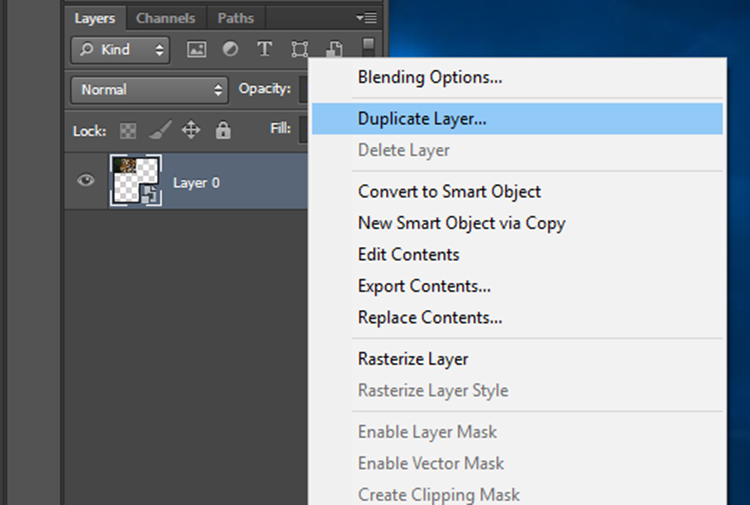
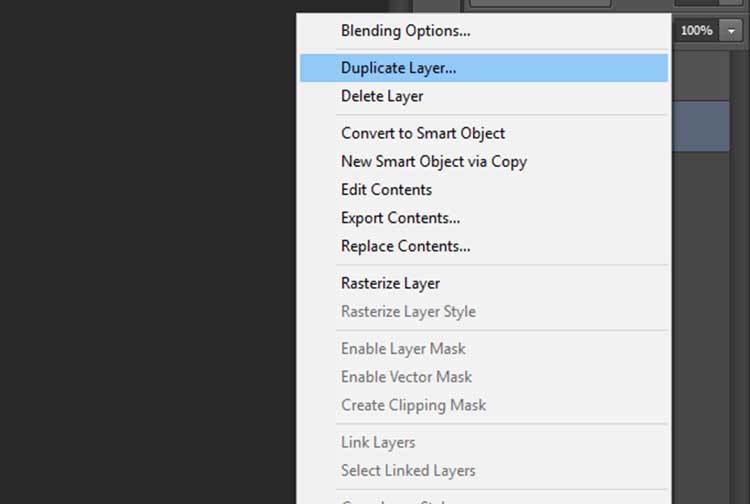
Click on your photograph on the canvas, and with the left mouse button depressed, drag the image to a corner of the canvas. Leave a few centimeters between the image and the edge of the canvas. Don’t worry about making this too exact as we will crop it to more exact proportions later. Now, duplicate this layer by right clicking it in the layers panel and selecting Duplicate Layer (or use the keyboard shortcut Cmd/Ctrl+J).
kaleidoscope-08

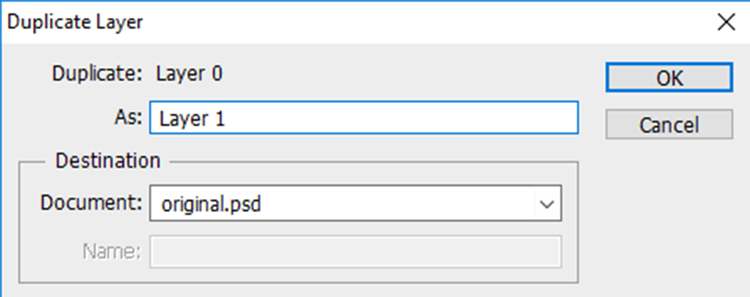
In the Duplicate Layer prompt, rename this layer as “Layer 1” as we will be duplicating a number of layers over the next few steps. Click OK and a new layer will appear in the layers panel.
kaleidoscope-09

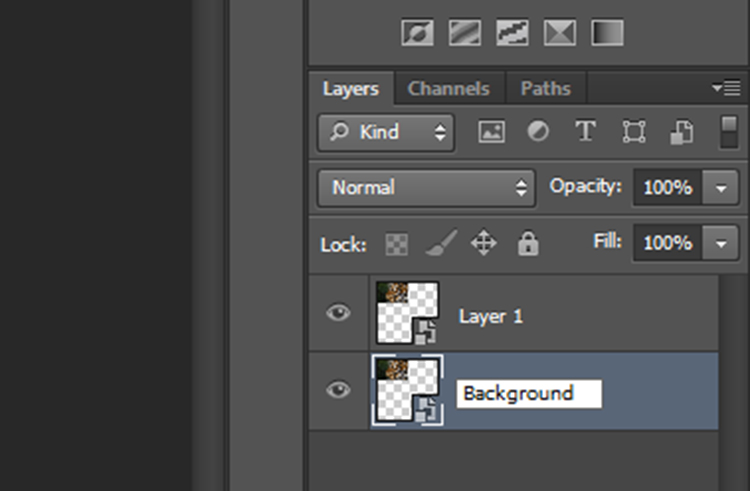
Rename the original image layer as “Background” by double clicking on the name “Layer 0” in the layers panel. This will help avoid confusion later.
kaleidoscope-10

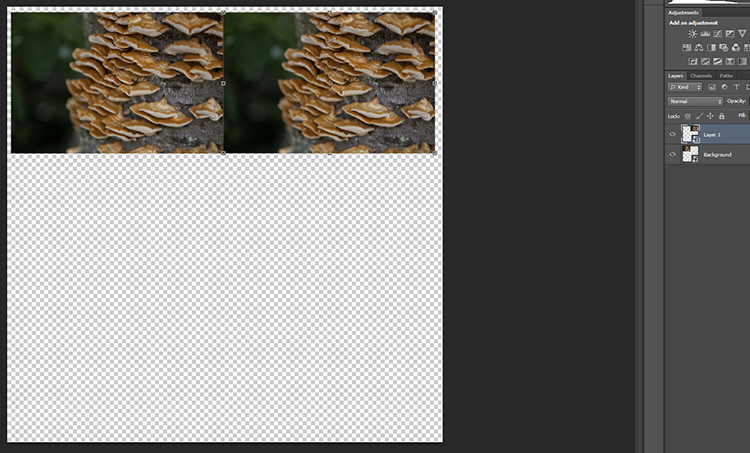
At the moment, both layers will be in the same spot on the canvas, with Layer 1 sitting on top of Background. With the Move Tool selected, click on the top layer, and with the left mouse button depressed, drag Layer 1 next to the Background image.
kaleidoscope-11

kaleidoscope-12

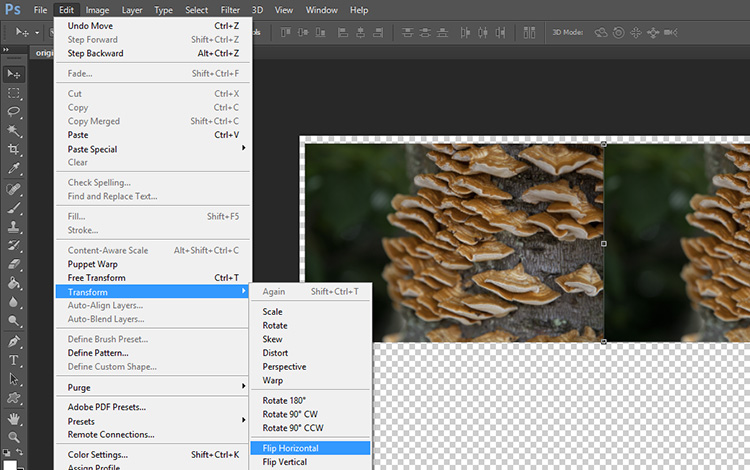
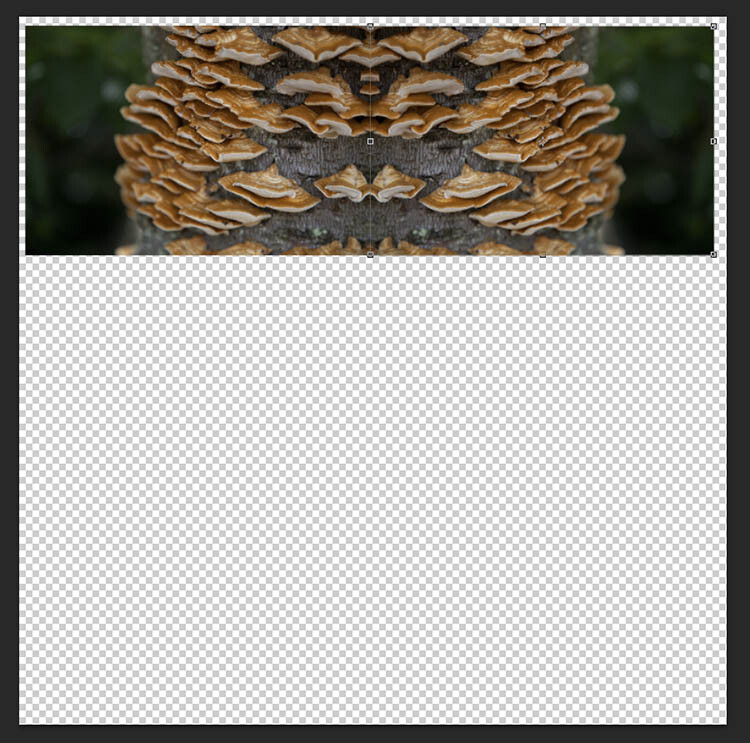
Keeping Layer 1 selected, click Edit on the main toolbar and then Transform > Flip Horizontal. Layer 1 will flip to create a mirrored image of the Background.
kaleidoscope-13

Your image should look something like this now.

Just two more to go!

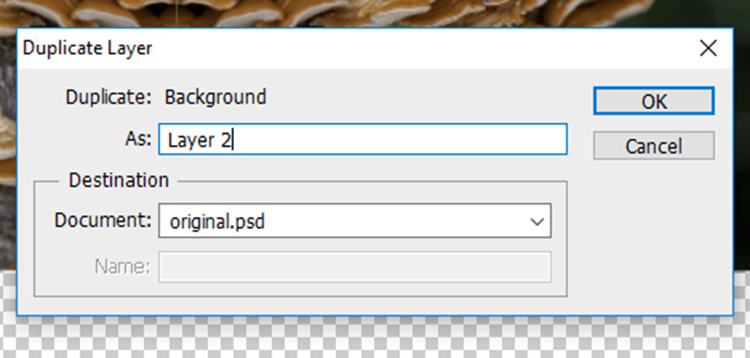
Duplicate the Background layer again, and when the prompt window appears, rename it “Layer 2”.
kaleidoscope-14

kaleidoscope-16

With the Move Tool selected, click on the newly created Layer 2 (which will be over Background). Keep the left mouse button depressed, and drag Layer 2 underneath Background.
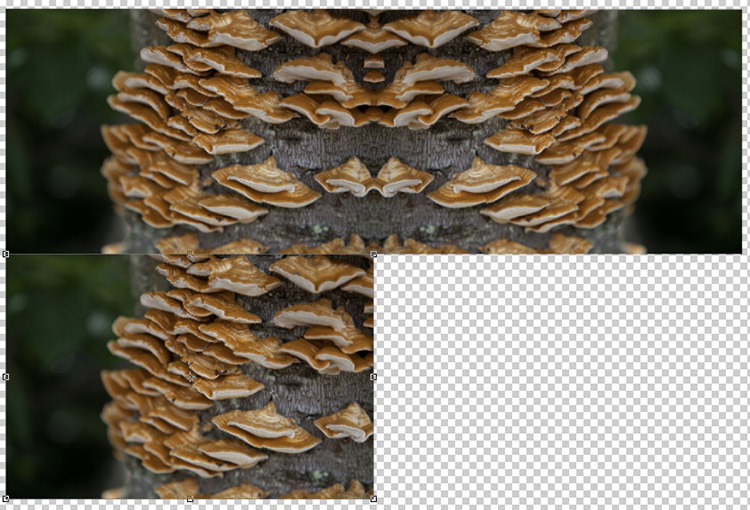
kaleidoscope-17

With Layer 2 selected, click Edit on the main toolbar and then Transform > Flip Vertical. Layer 2 will flip vertically to create a mirrored image of Background from below.
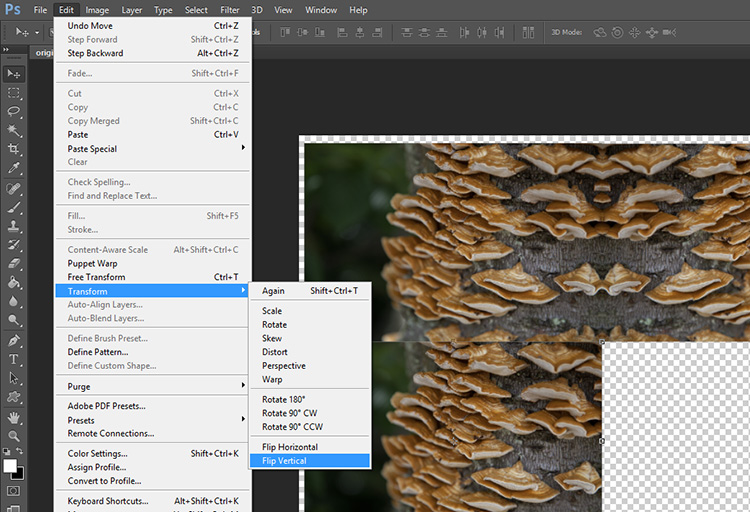
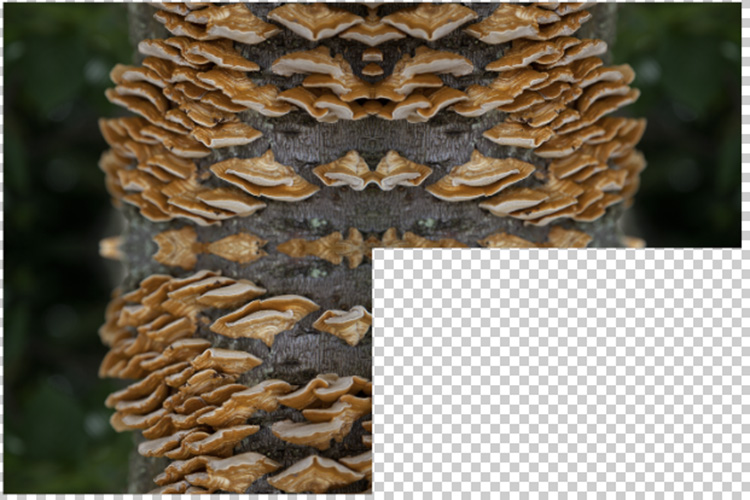
kaleidoscope-18

kaleidoscope-19

Duplicate Background one more time, this time naming the layer “Layer 3”. With the Move Tool selected, click on the newly created Layer 3 (which will be over Background) and with the left mouse button depressed, drag Layer 3 into the remaining slot to complete the rectangle.

With Layer 3 selected, click Edit on the main toolbar and then Transform > Flip Horizontal. To complete the pattern, keep Layer 3 selected click Edit on the main toolbar and then Transform > Flip Vertical.
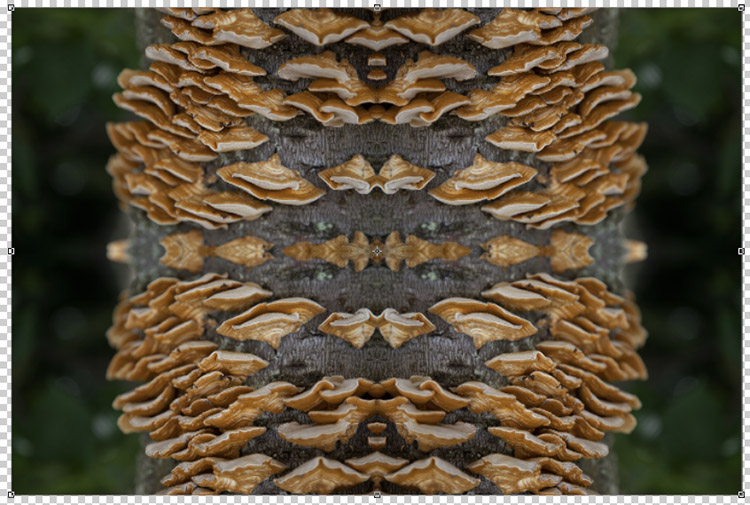
kaleidoscope-20

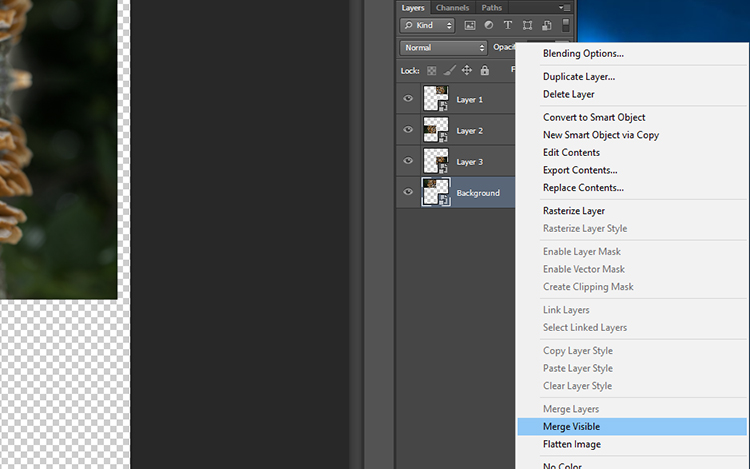
The next step is to merge the layers of the rectangle you have made so that it can be moved around as one layer. To do this, right-click on the layer titled Background in the layers panel and select Merge Visible.
kaleidoscope-21

If it hasn’t done so automatically, it is a good idea to rename this merged layer as “Background” so it will be easier to keep track of which layers are where. You now have the template for your kaleidoscopic image!

Step 3 – Creating the kaleidoscope

Select the Background layer, and with the Move tool selected, drag the layer into the center of the canvas. Right-click on Background in the layers panel and select Duplicate Layer. Rename this layer as “Layer 1”.

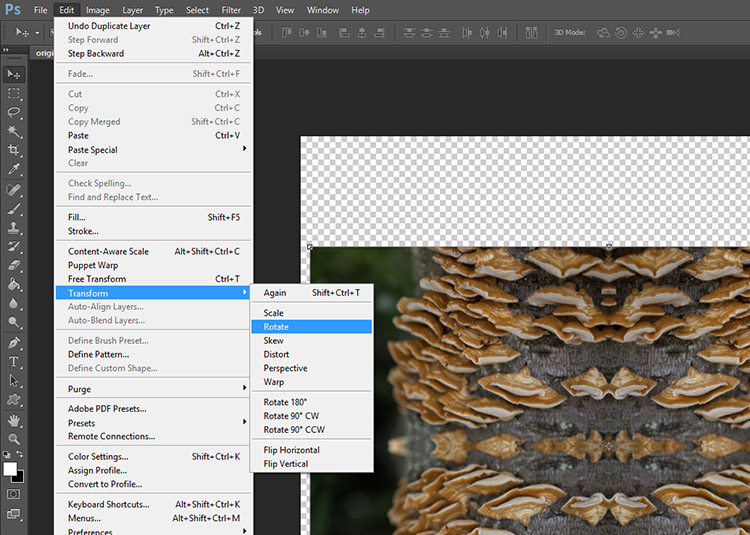
With Layer 1 selected, click Edit > Transform > Rotate.
kaleidoscope-22

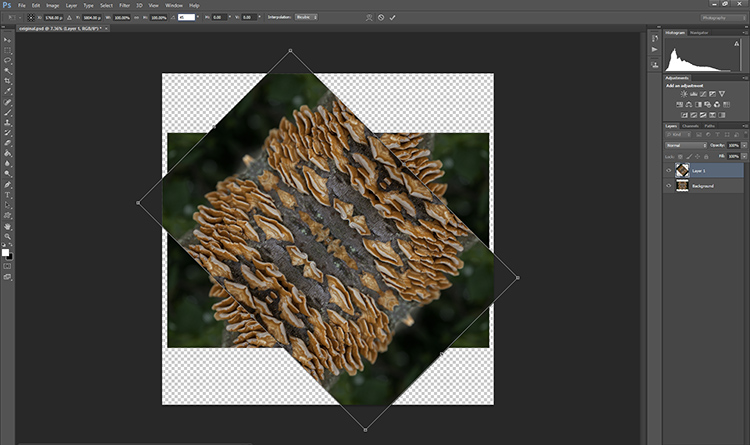
In the Transform settings panel, there is a text box next to the symbol of an angle. In this text box, type 45 and press enter. Layer 1 will be rotated to a 45-degree angle.

kaleidoscope-23

kaleidoscope-24

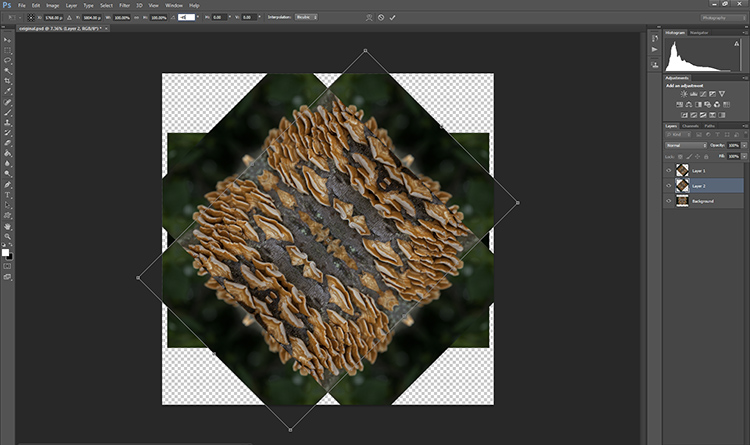
Duplicate Background again, this time renaming the layer “Layer 2”. With Layer 2 selected in the layers panel, click Edit > Transform > Rotate. In the Transform settings panel, in the text box next to the angle symbol, enter -45 and press enter.

kaleidoscope-25

kaleidoscope-26

Duplicate the Background layer one last time, renaming the layer “Layer 3”. With Layer 3 selected in the layers panel, click Edit > Transform > Rotate. In the Transform settings panel, in the text box next to the angle symbol, enter 90 and press enter. The layer will be rotated 90 degrees.

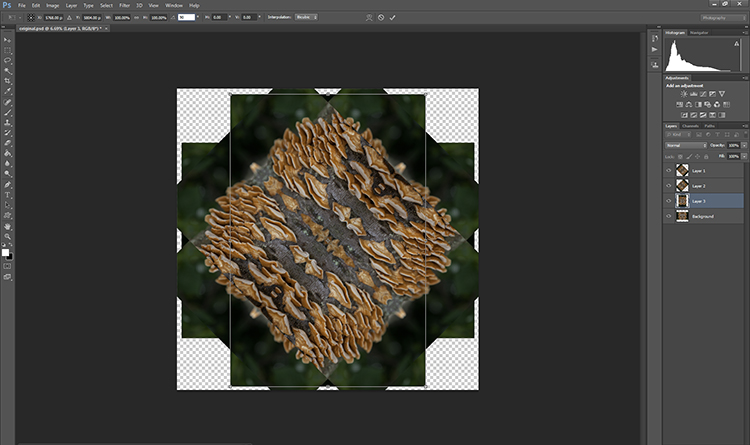
kaleidoscope-27 kaleidoscope-28

Step 4 – Blending Modes

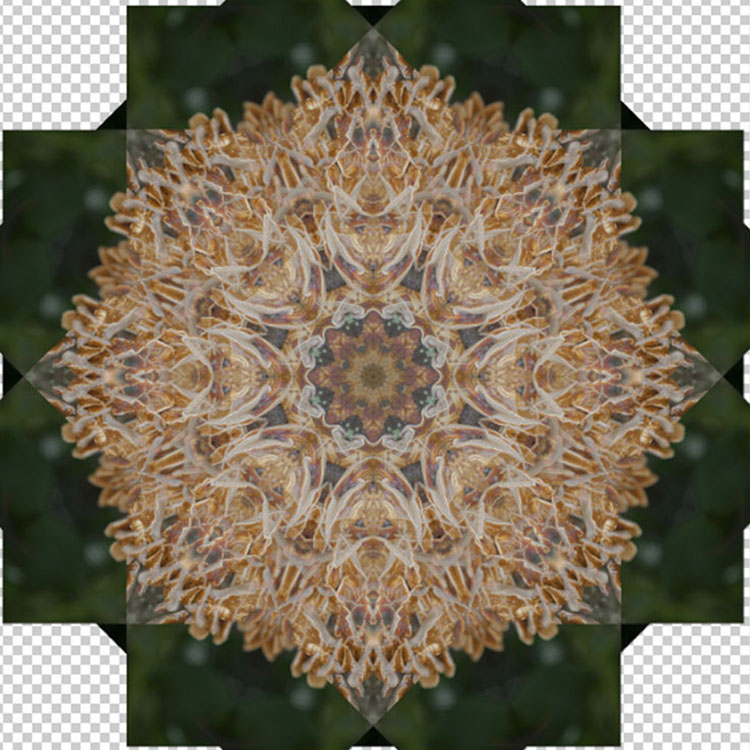
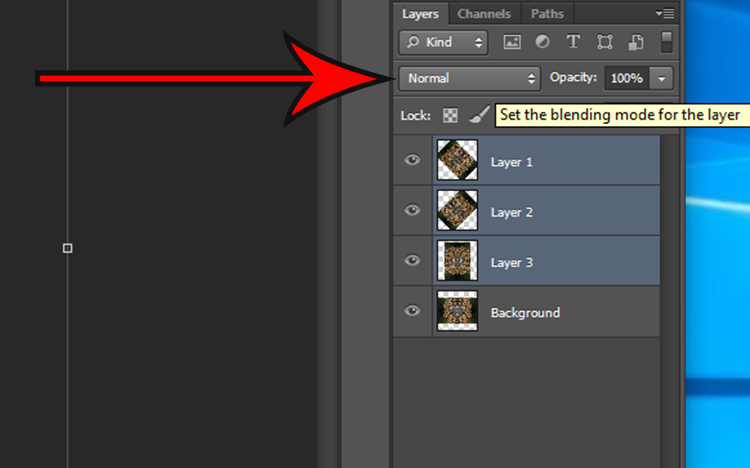
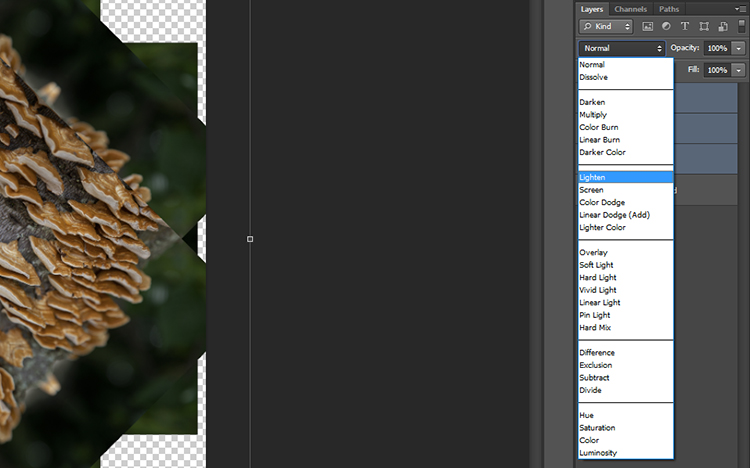
Select the top three layers in the layers panel by holding down the shift key and clicking on Layers 1, 2, and 3. With the layers selected, click on the Blending Mode drop down menu (red arrow below) and select the Lighten option. The selected layers will blend to form a kaleidoscope pattern.
kaleidoscope-29

kaleidoscope-30

kaleidoscope-31

Crop it

To neaten up the image you can crop the edges of the kaleidoscope down to a square or rectangle. With the Crop Tool selected, hold the shift key on your keyboard and drag the corners of the Crop Tool over the image to create a square or rectangle. When you are happy, press enter and save the image via File > Save As.
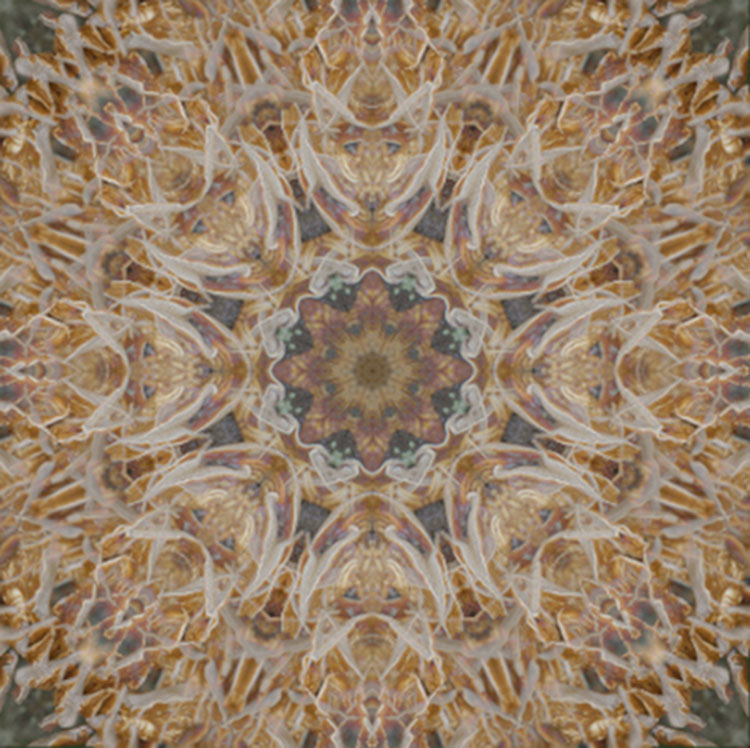
kaleidoscope-32

Step 5 – Making a desktop background

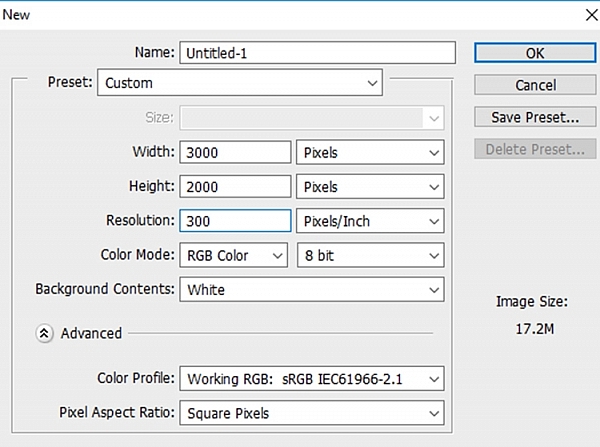
To make a wallpaper effect, open a new Photoshop document by selecting File > New and entering the dimensions 3000 pixels by 2000 pixels in the text boxes. Make sure the resolution set to at least 300 pixels/inch, so it will look nice on a large monitor screen.
kaleidoscope-33

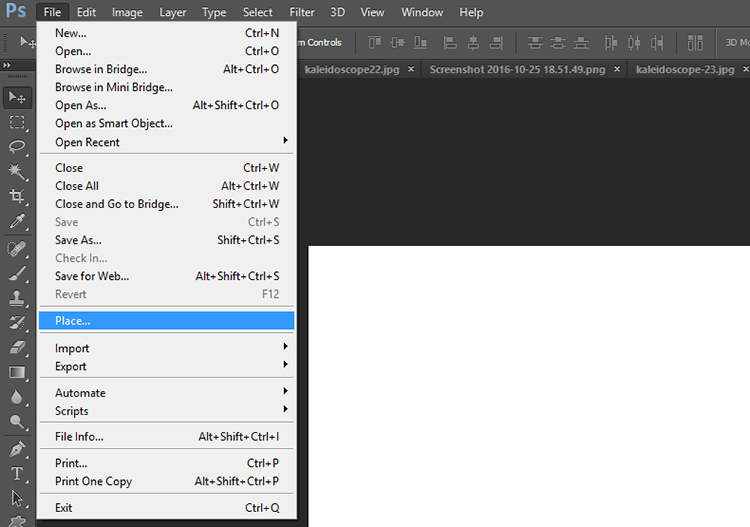
Select File > Place… and select your new kaleidoscope file.
kaleidoscope-34

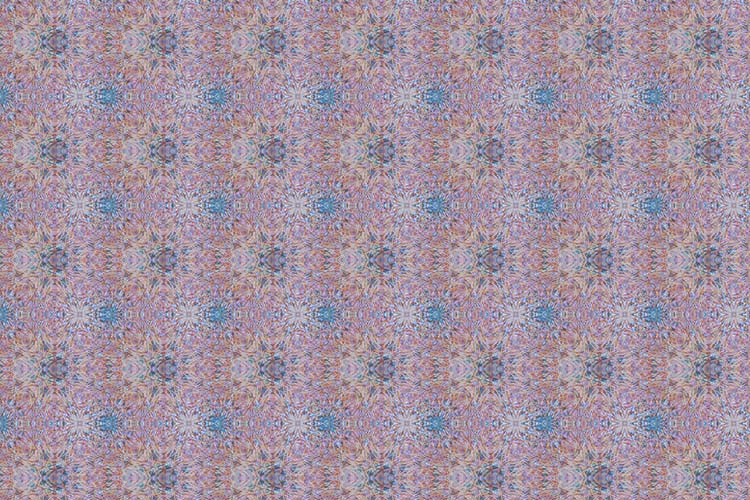
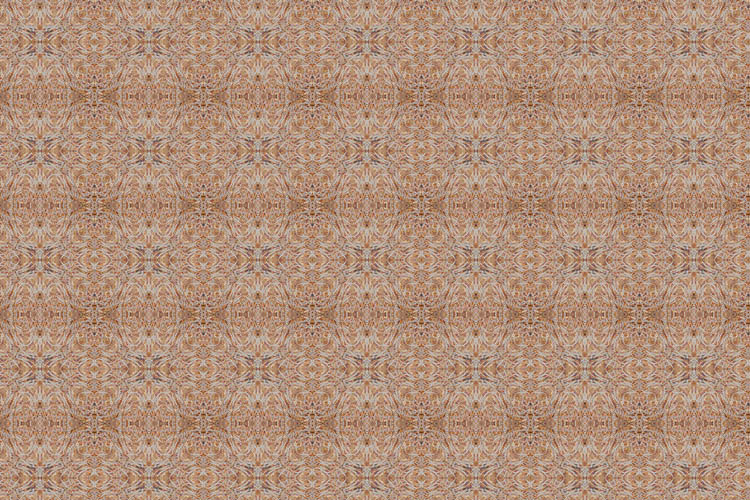
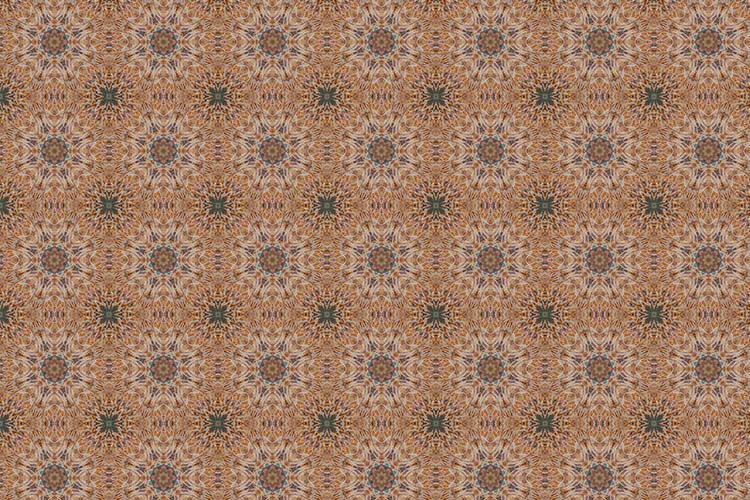
Once placed in the Photoshop canvas, you can choose to duplicate the image any number of times to create an interesting pattern, or add layers on top of one another and have fun experimenting with more Blending Modes. The possibilities are endless! Here are a few ideas.

Have you done this technique before to make a kaleidoscope pattern? Please share your results in the comments section below.
desktop

desktop-01

desktop-02

googletag.cmd.push(function() {
tablet_slots.push( googletag.defineSlot( “/1005424/_dPSv4_tab-all-article-bottom_(300×250)”, [300, 250], “pb-ad-78623” ).addService( googletag.pubads() ) ); } );

googletag.cmd.push(function() {
mobile_slots.push( googletag.defineSlot( “/1005424/_dPSv4_mob-all-article-bottom_(300×250)”, [300, 250], “pb-ad-78158” ).addService( googletag.pubads() ) ); } );

The post How to Turn Your Images into Kaleidoscope Patterns by Megan Kennedy appeared first on Digital Photography School.


Digital Photography School
 
Comments Off on How to Turn Your Images into Kaleidoscope Patterns

Posted in Photography


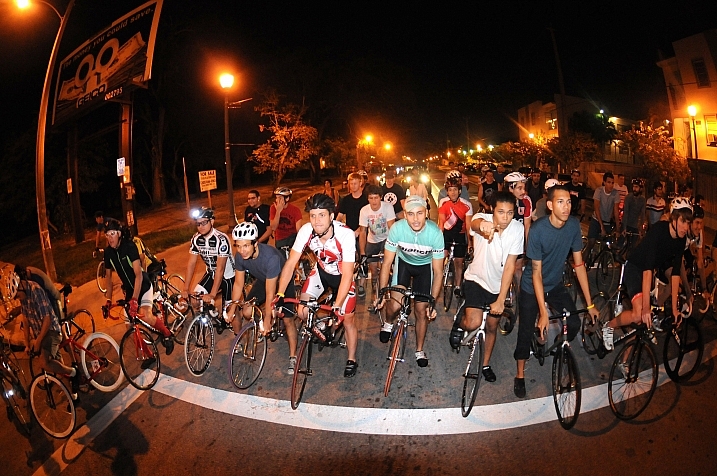
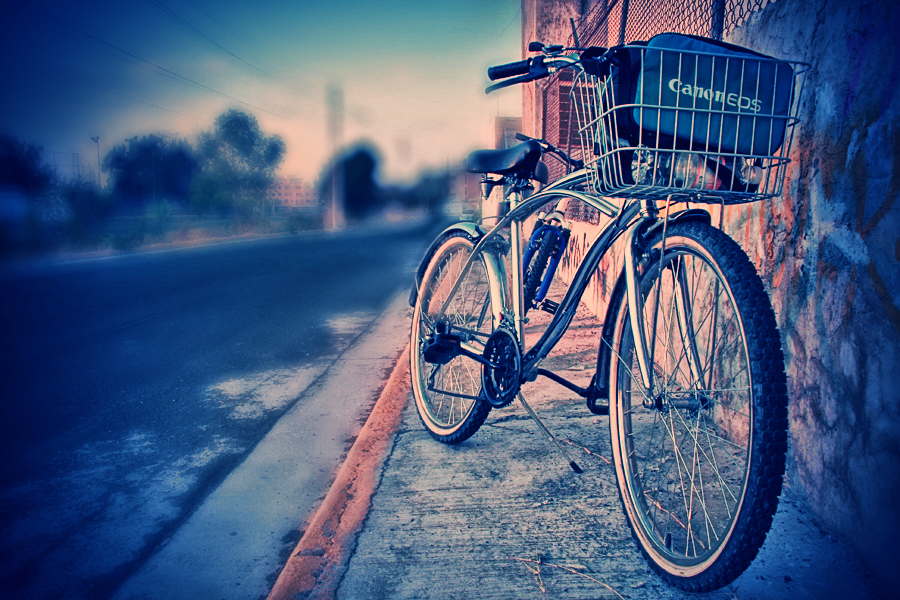
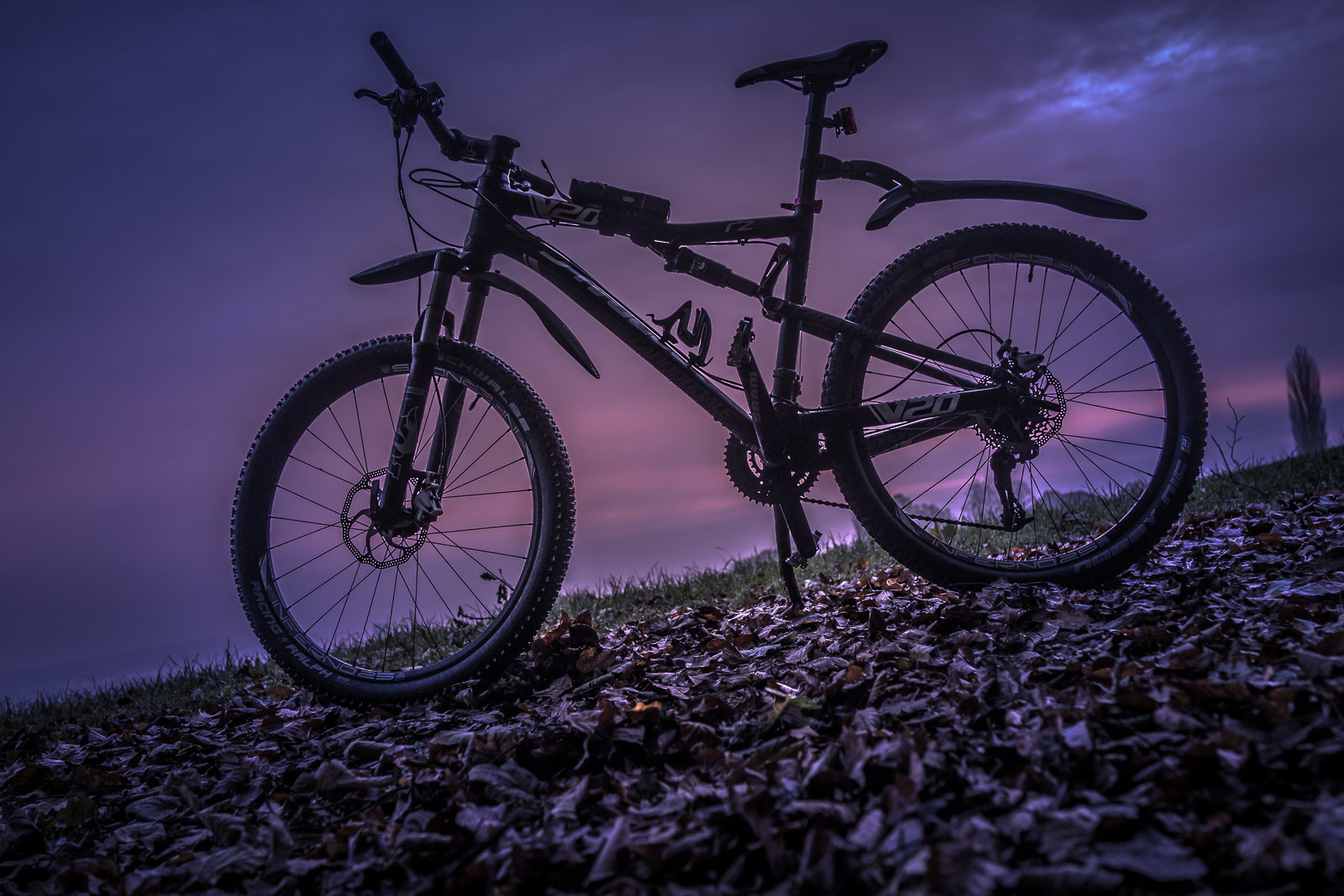
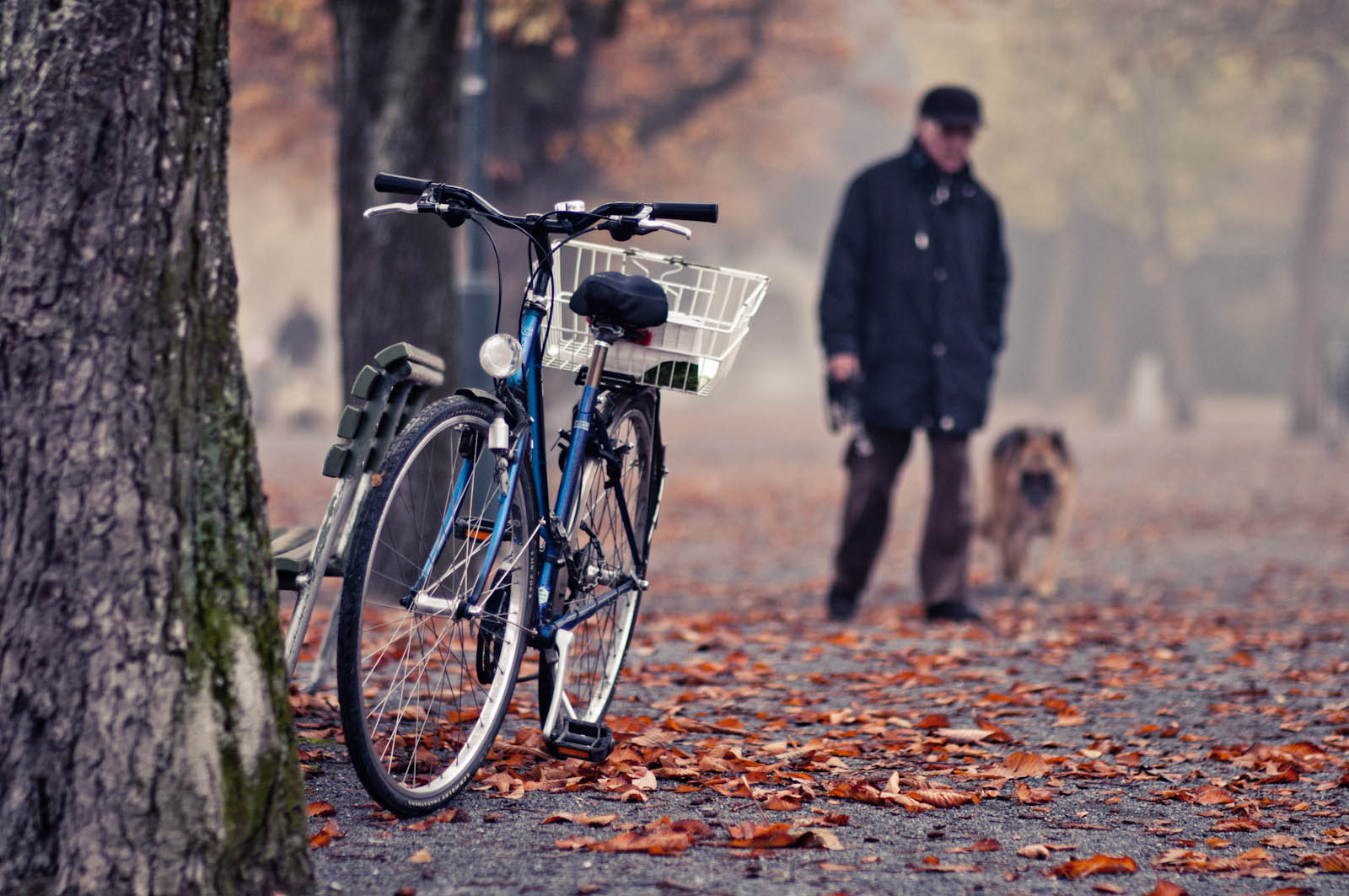
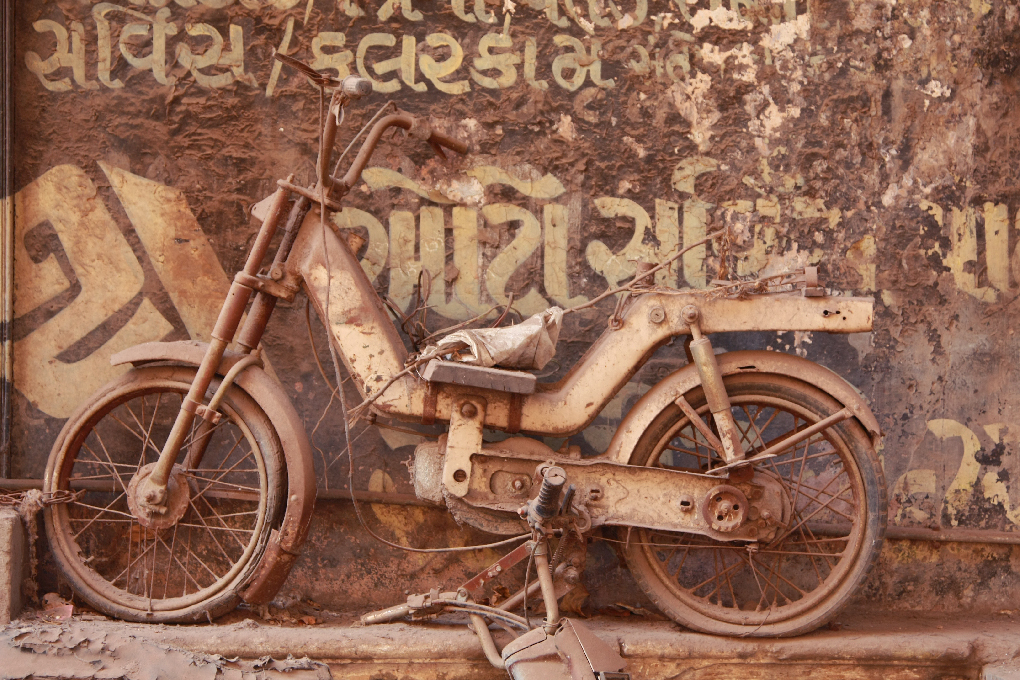
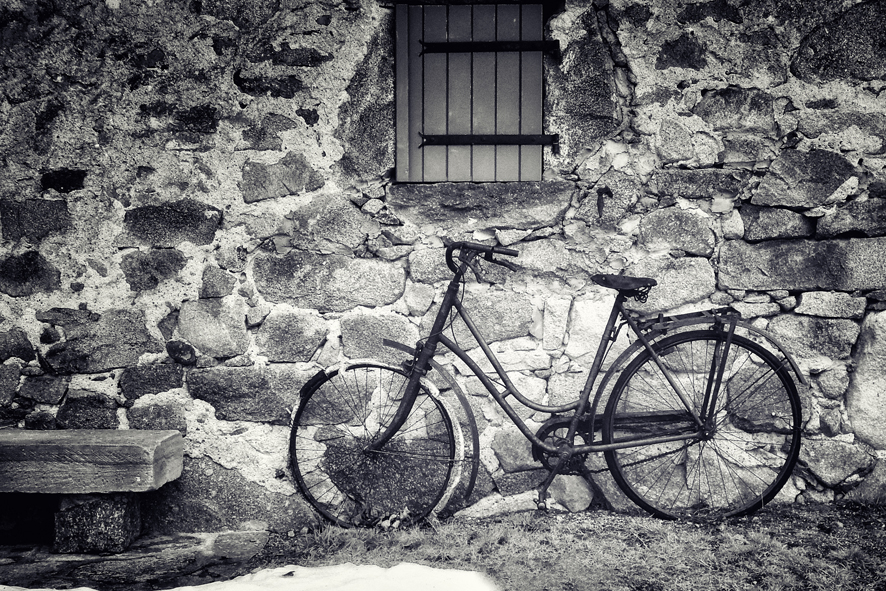
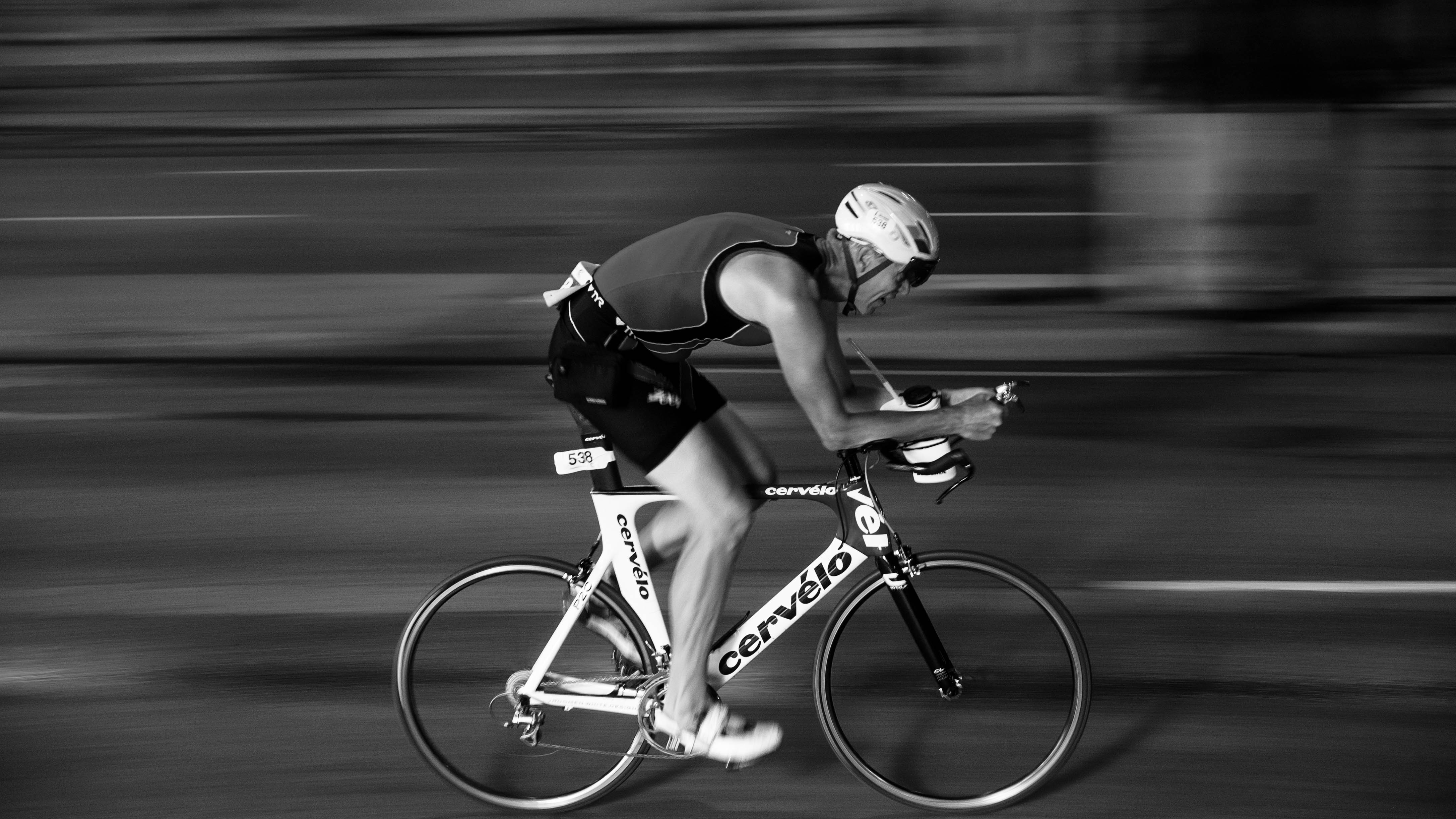
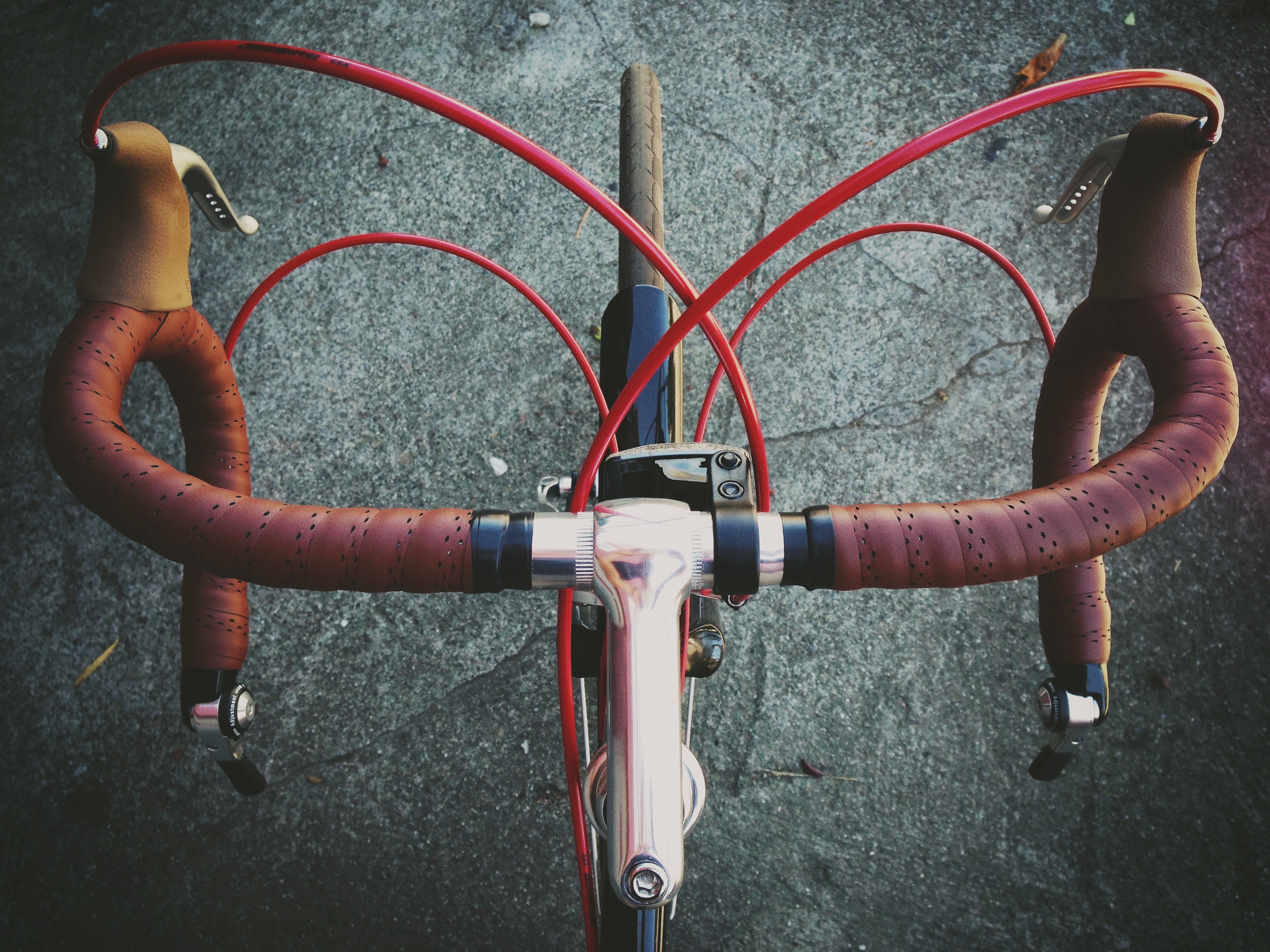
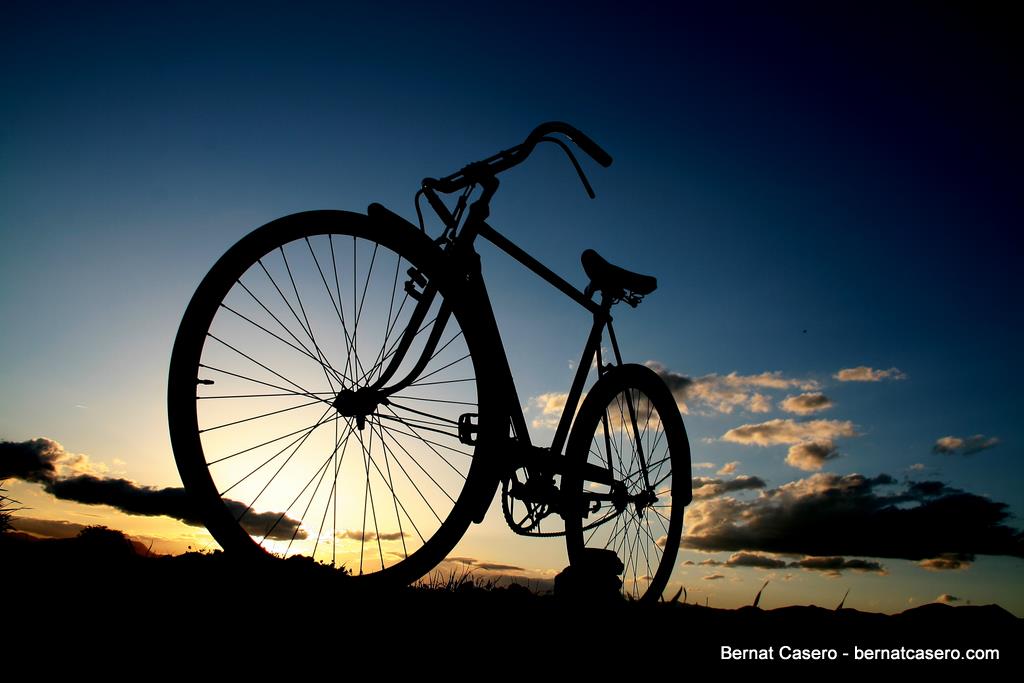
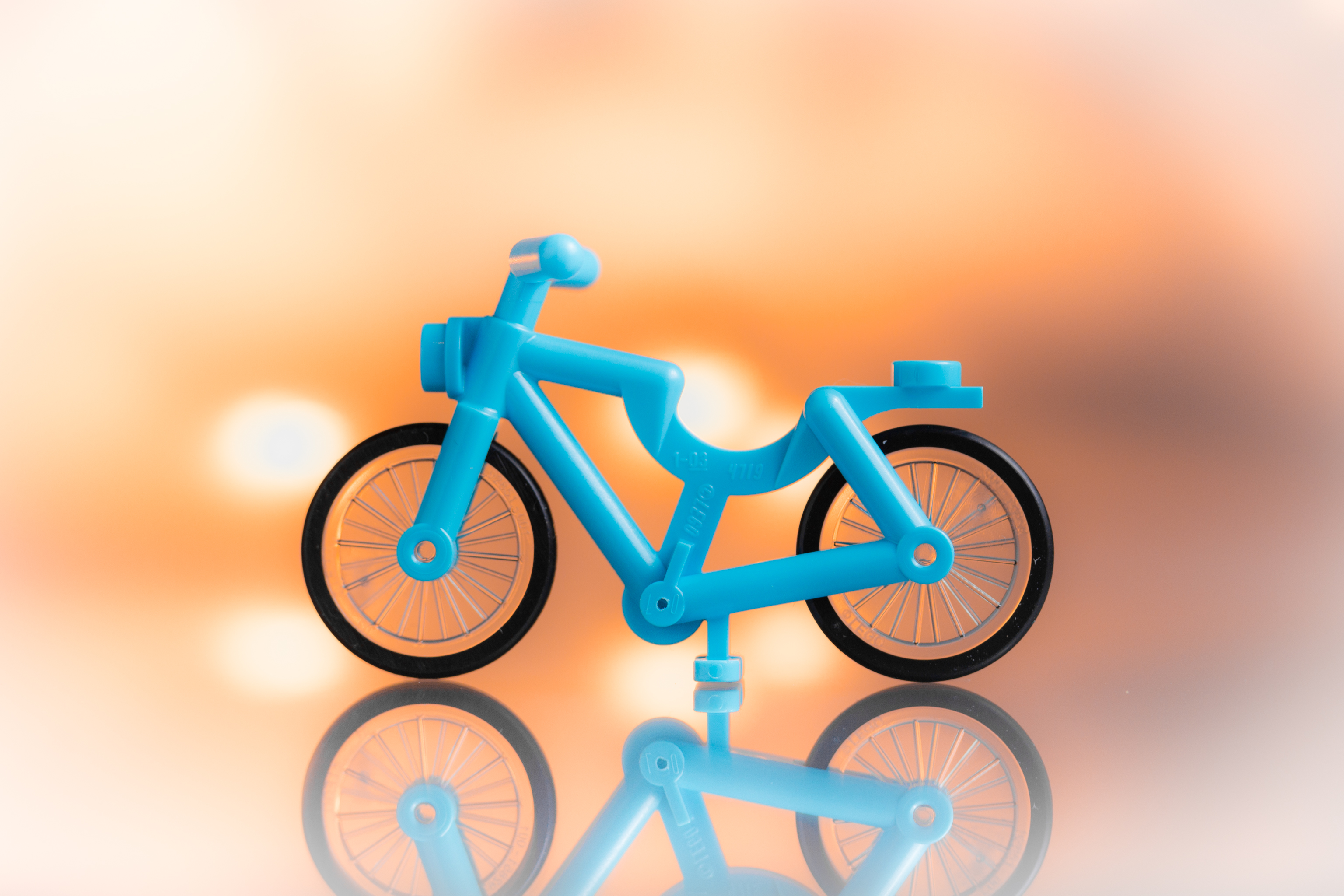
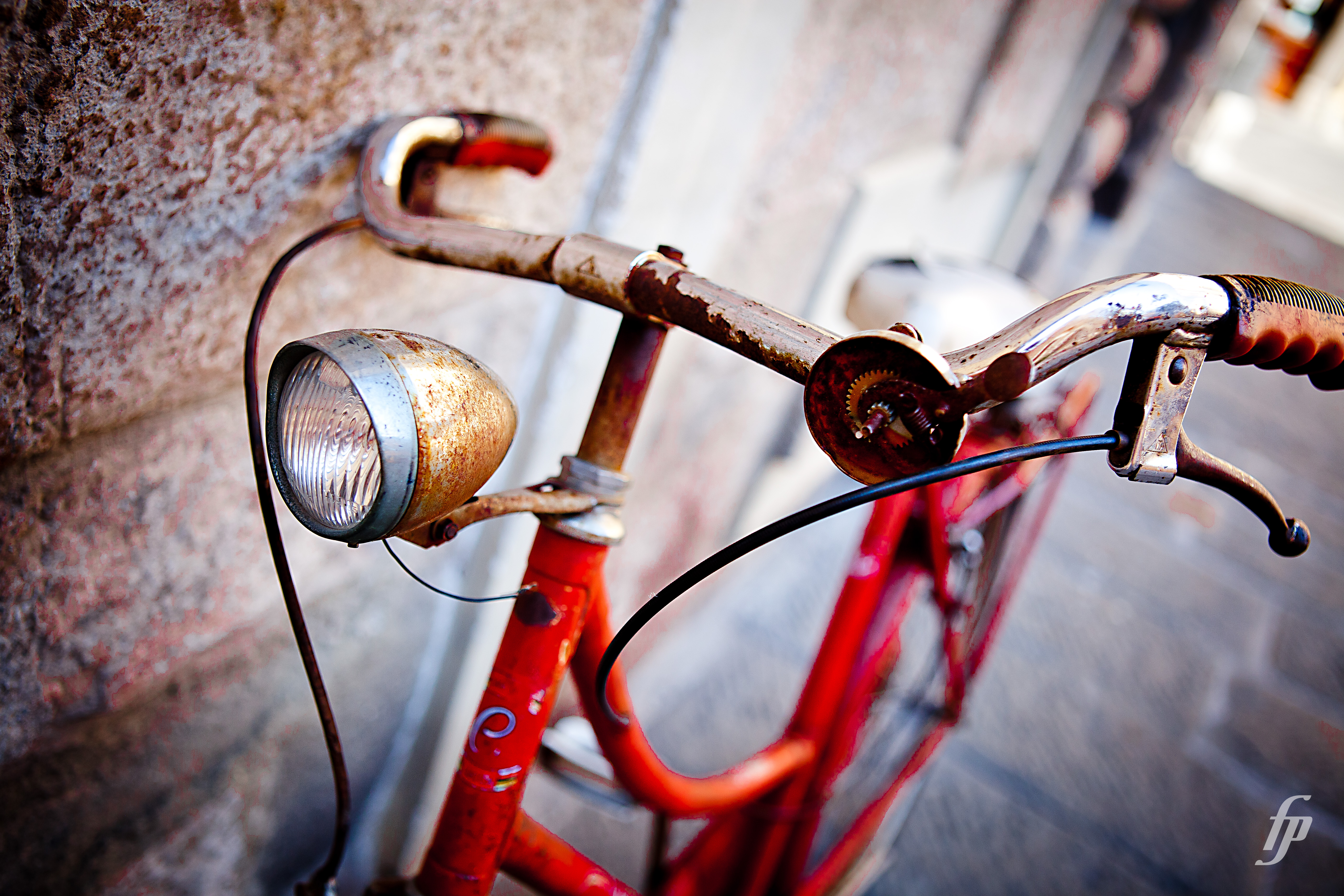
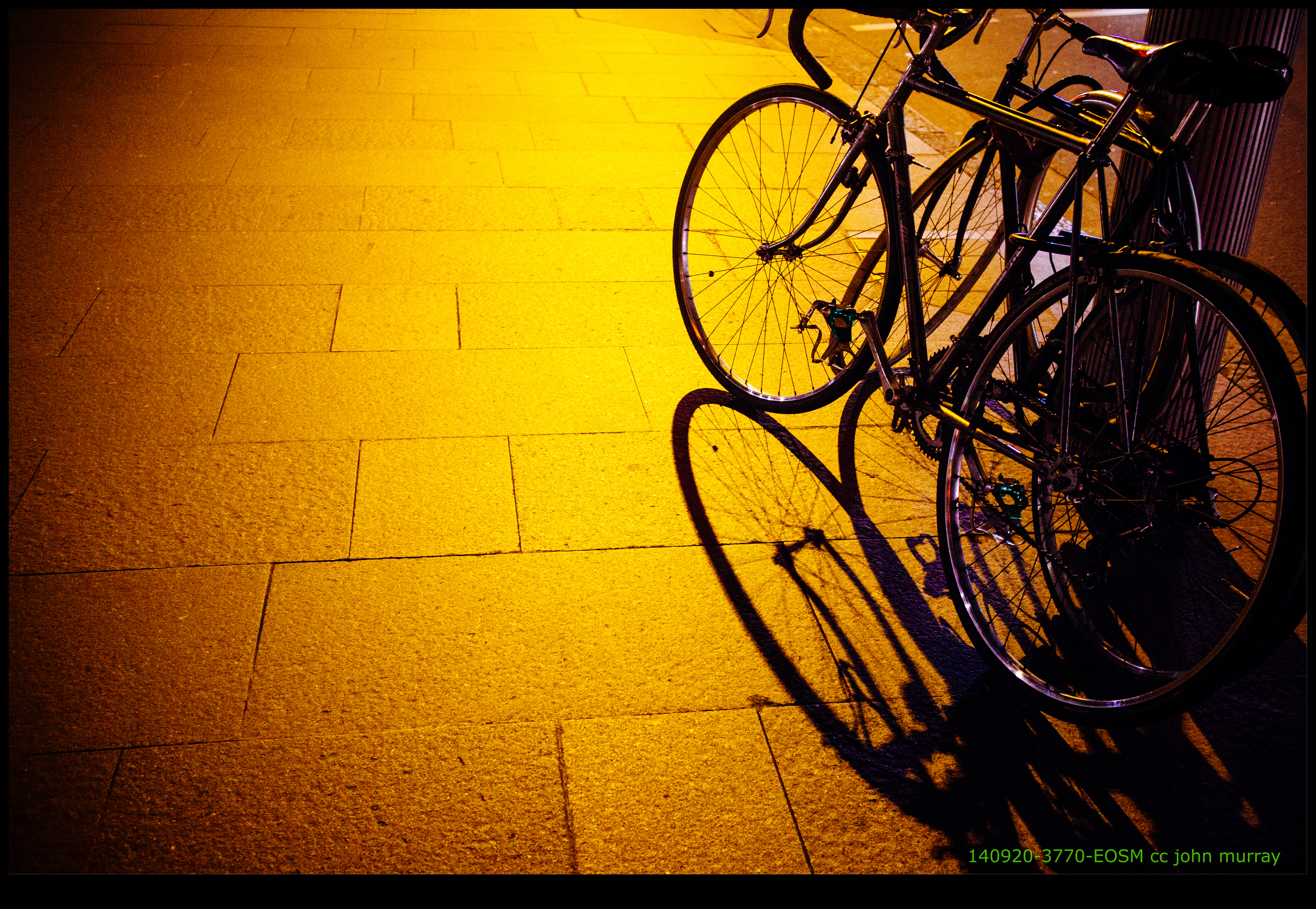
Handlebars to Spokes – 20 Impressive Images of Bikes

29 Nov

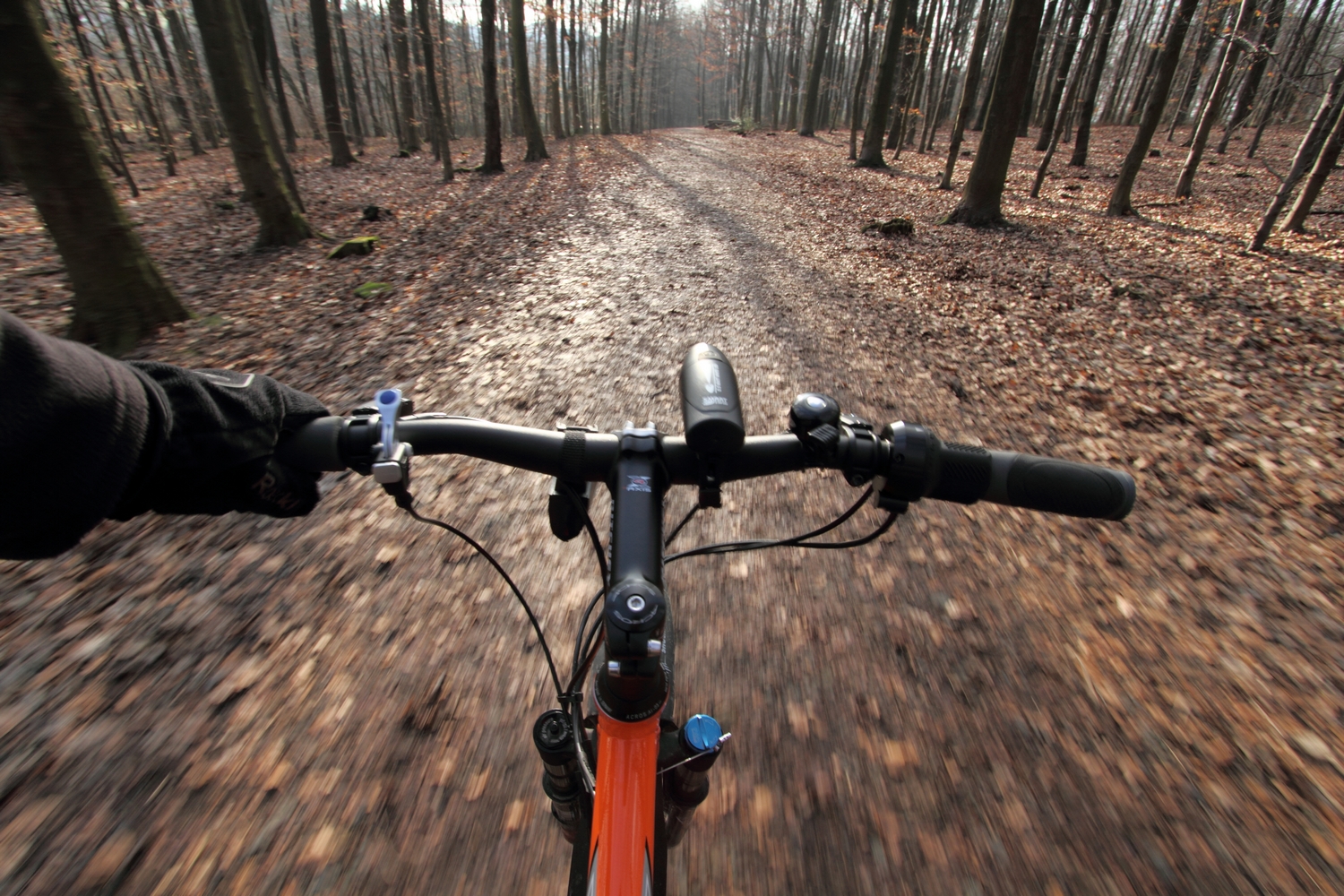
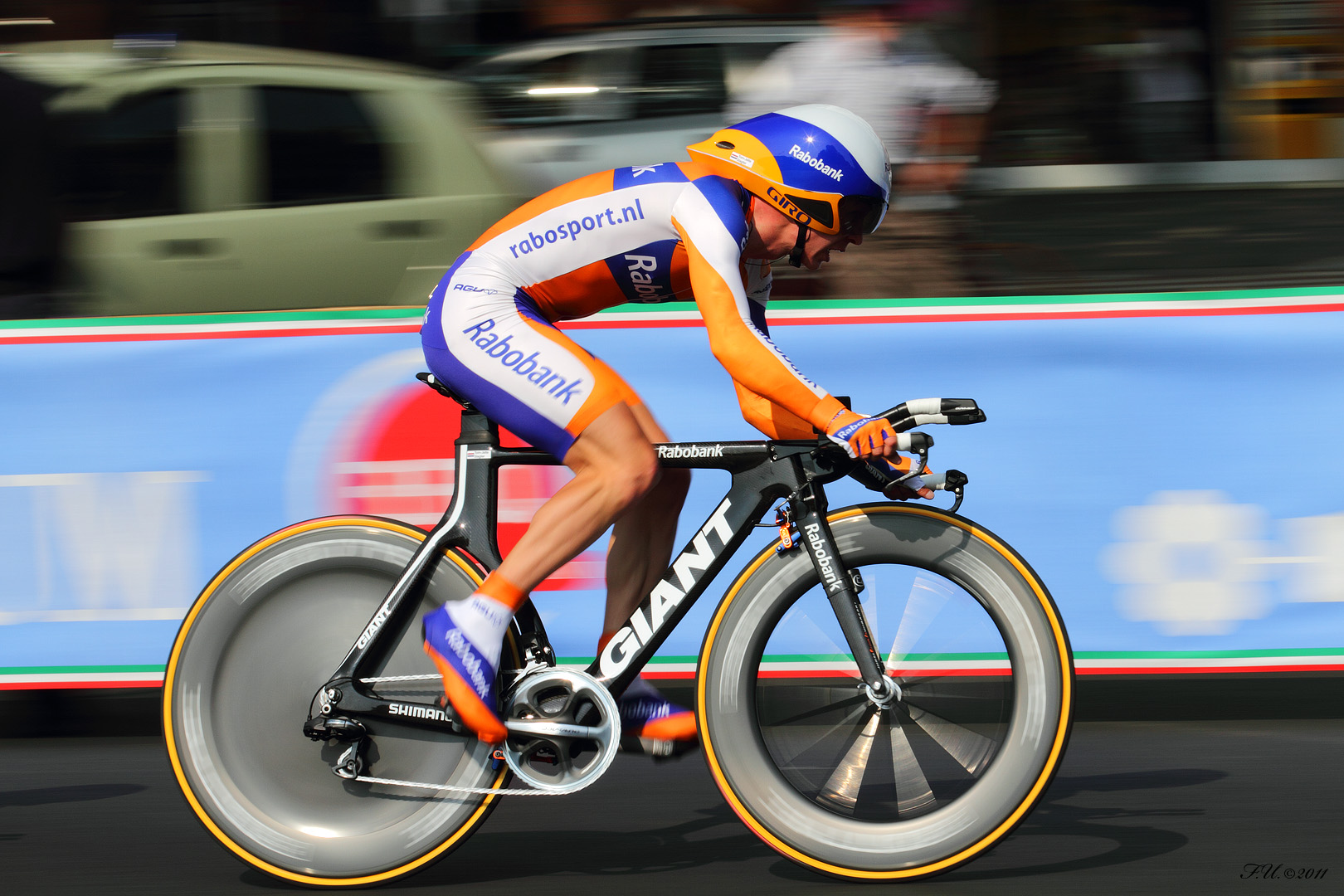
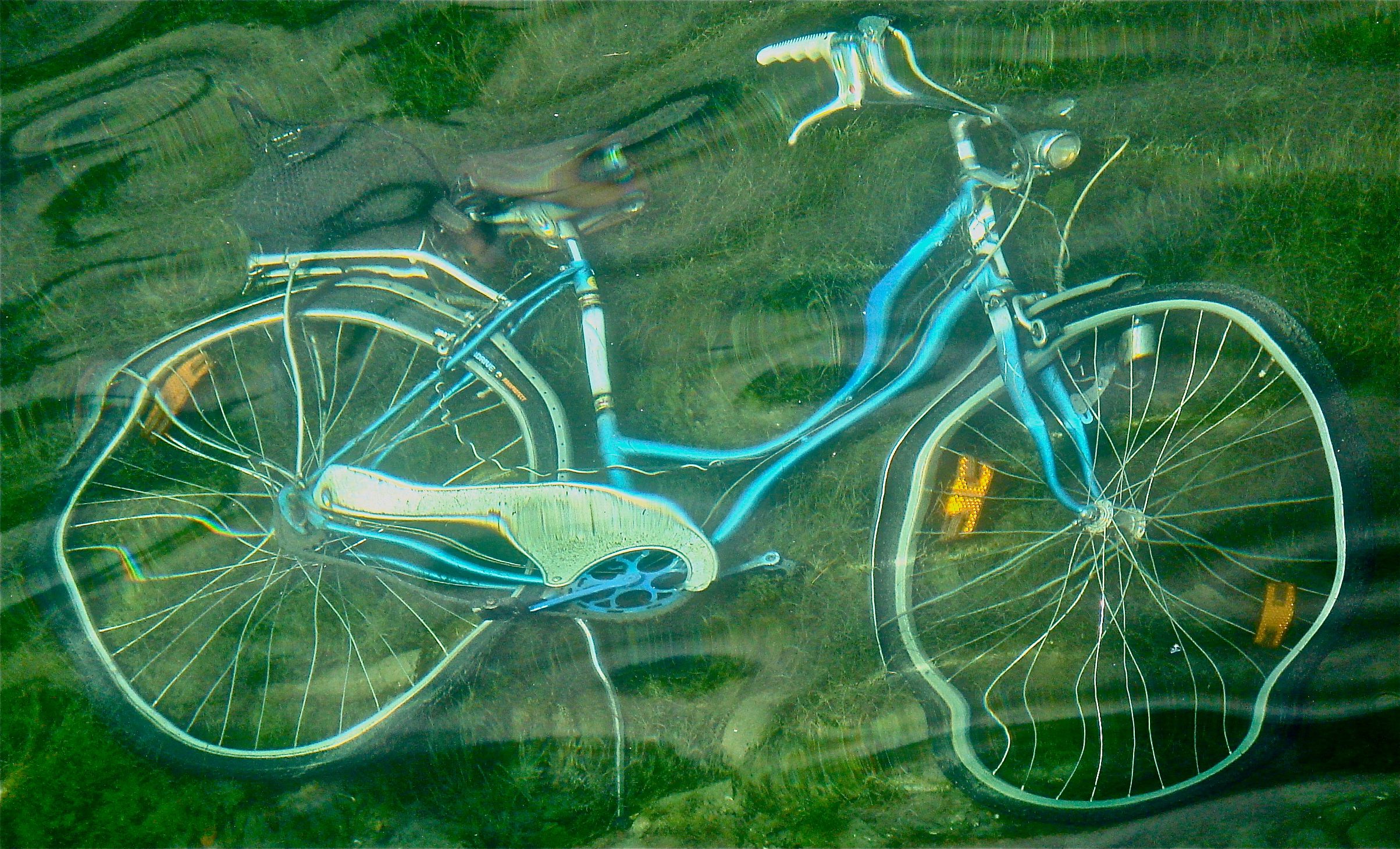
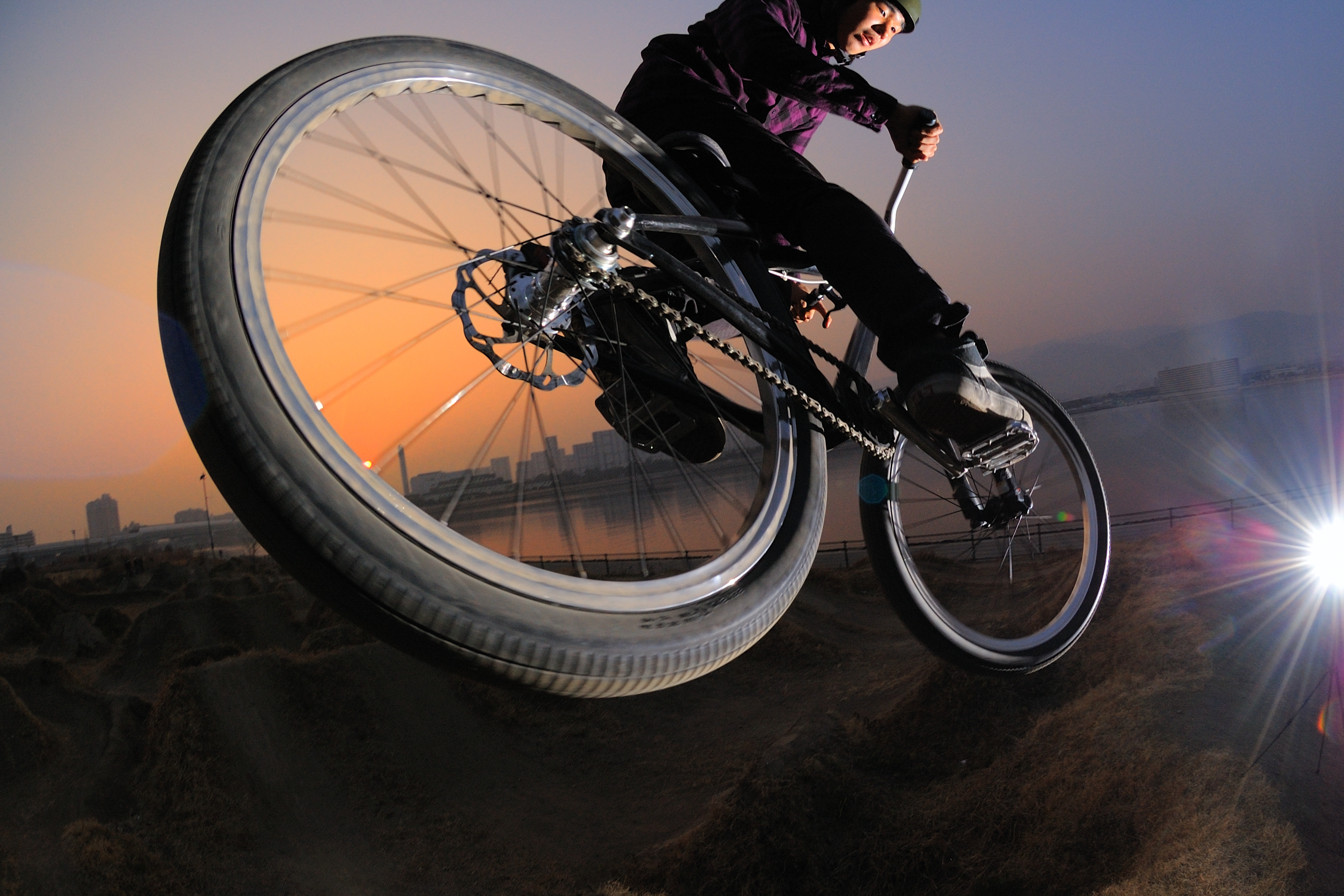
One of my favorite things to look for and to photograph is bicycles. They have a great shape, make interesting shadows and you can shoot them standing still or moving.

I think it’s a common subject of many photographers including these:

Maryl Gonzalez

By Maryl Gonzalez

Thomas Meier

By Thomas Meier

Darlene Hildebrandt

By Darlene Hildebrandt

Vaidotas Mišeikis

By Vaidotas Mišeikis

Meena Kadri

By Meena Kadri

Carlo Scherer

By Carlo Scherer

Riccardo Cuppini

By Riccardo Cuppini

Mike Boening Photography

By Mike Boening Photography

Markus Spiering

By Markus Spiering

PhilHendley

By philHendley

Bernat Casero

By Bernat Casero

Julian Schüngel

By Julian Schüngel

Francesco

By Francesco

Petur?

By Petur?

Shinobu Sugiyama

By shinobu sugiyama

Clement127

By clement127

Todd F Niemand

By Todd F Niemand

Photographer

By Photographer

Hopeless128

By hopeless128

Owen's

By Owen’s

googletag.cmd.push(function() {
tablet_slots.push( googletag.defineSlot( “/1005424/_dPSv4_tab-all-article-bottom_(300×250)”, [300, 250], “pb-ad-78623” ).addService( googletag.pubads() ) ); } );

googletag.cmd.push(function() {
mobile_slots.push( googletag.defineSlot( “/1005424/_dPSv4_mob-all-article-bottom_(300×250)”, [300, 250], “pb-ad-78158” ).addService( googletag.pubads() ) ); } );

The post Handlebars to Spokes – 20 Impressive Images of Bikes by Darlene Hildebrandt appeared first on Digital Photography School.


Digital Photography School
 
Comments Off on Handlebars to Spokes – 20 Impressive Images of Bikes

Posted in Photography


How to Publish Images Directly to Instagram From Lightroom

29 Nov

The Lightroom Library module offers more than just the option to organize your images. With its Publish Services, it allows uploading content to online services from within its interface. The best known Publish Services might be connections to Facebook or Flickr built into the software by Adobe. Since the summer of 2016, you can add Instagram to this list. The LR/Instagram plugin allows publishing on the popular sharing platform through a direct connection from the Library module.

From Lightroom to Instagram

This comes in pretty handy since Instagram does not allow uploads from desktop computers directly. Until now you had to find ways to export images from Lightroom and transfer them to your smartphone before being able to publish them on Instagram.

Installation of the LR/Instagram plugin

The plugin is free to download and try, and there is no time or volume limit to the usage. The publisher, however, asks for a $ 10 payment if you like it. The payment can be done through the plugin manager in Lightroom with a PayPal transaction.

Please also note that this plugin is programmed by a third party, neither Adobe nor Instagram can offer any support, and the plugin may fail at times when either Lightroom or Instagram change their code. So keep yourself updated through the author’s website.

The LR/Instagram plugin acts as a publishing service within the Lightroom Library module. To install the plugin, you first need to download a ZIP file from the website and unpack that to your hard drive.

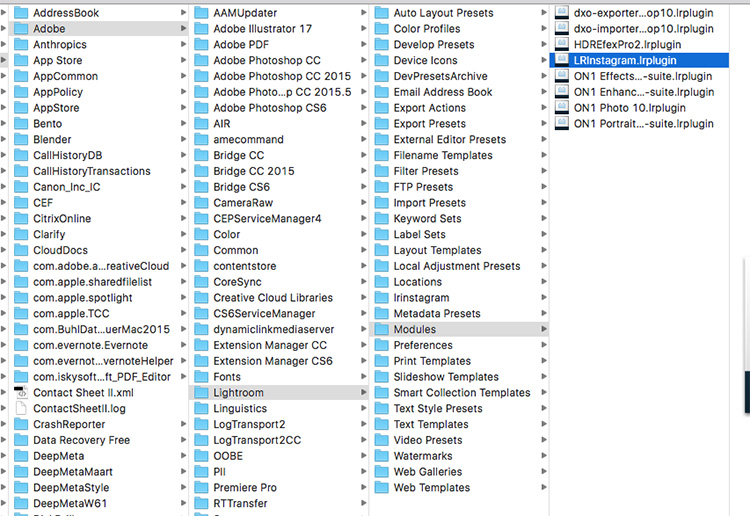
Lightroom Module folder

While Lightroom allows you to install the plugin from that location, I recommend first moving it from your download folder or desktop to a more permanent location. I use the “Modules” subfolder in the Application Library structure on my hard drive to store my LR plugins. But as your system may vary, make sure it is located in a folder that is related to your Lightroom installation.

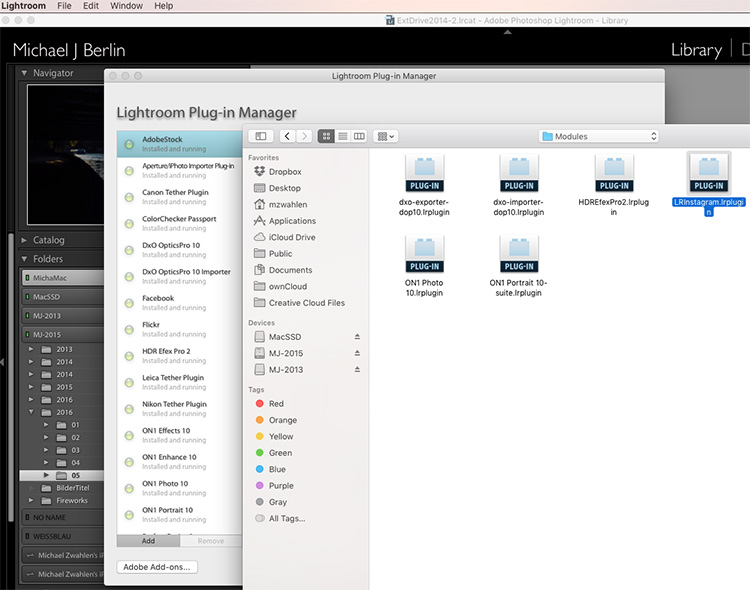
Now in Lightroom, open the Plug-In Manager through the File menu structure. Below the list of existing plugins you can find an “Add” button. Point Lightroom to the location of the plugin and tell it to “Add Plug-In”.

Add LR/Instagram Plug-In

How to set up your Instagram Publish Service in Lightroom

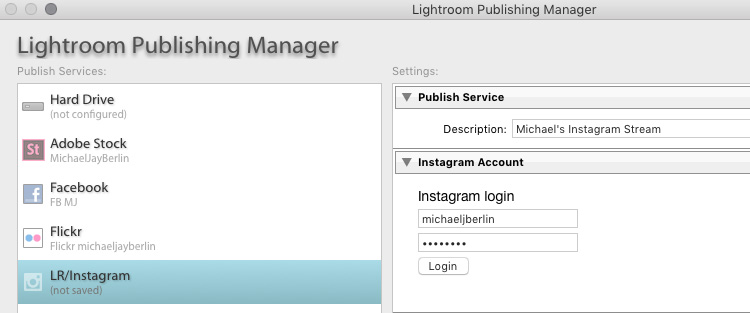
Once it is installed, you have to set up a Publish Service using that plugin. For this, press the Plus button on top of the Publish Services section in Lightroom’s Library module. The Publishing Manager will show up and offer LR/Instagram as an additional service. You can name the new service and enter your Instagram username and password.

Please note that the plugin does not work with a Facebook connection login, you need to have a password directly on the Instagram site.

Setting up the LR/Instagram Plug-In

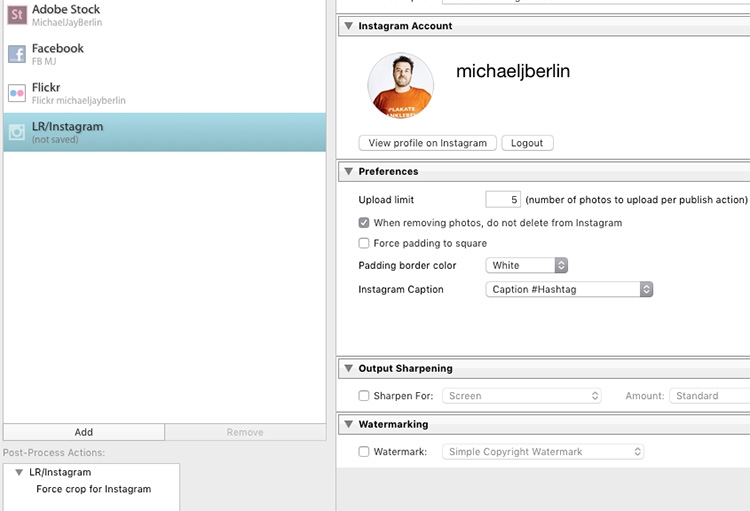
If you now press the Login button, the plugin will show your Instagram profile picture if successful.

Configure settings

In the Preference section, you can limit the number of images published at once. As Instagram and its users might react negatively to one user filling up pages of images at once, it is recommended to set this to a value of around five.

Since Instagram changed their platform to also allow non-square images, you could upload portrait or landscape oriented images to the platform. Still, some users prefer to make their images all appear in the commonly known square format. For this, you can have the plugin add a white or black padding border for images that are not natively in square format.

However, I prefer to crop my images to square format before uploading them to Instagram. For this, I usually create a Virtual Copy of my image in Lightroom before making the Instagram crop. I might upload the original format to other platforms like Facebook and want to avoid going back and forth between different formats.

As Instagram widely relies on #hashtags for users to find content outside of their followings, the LR/Instagram plugin offers a separate metadata field with the option to add these hashtags within the Lightroom interface. You can find the hashtag field in the Metadata section through the drop down menu selecting the LR/Instagram section.

LR/Instagram Preferences

In the preferences area of the Publishing Manager, you can choose to “Caption #Hashtag” as an option to publish the image on Instagram using your caption and add the hashtags from that separate field. If preferred, you can also just publish the image using Title or Caption from your metadata as you also could enter hashtags in a second stage on the Instagram platform directly.

Publishing images to Instagram from Lightroom

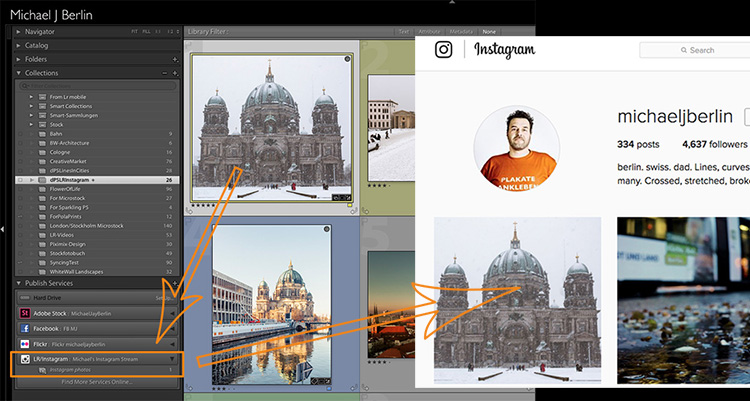
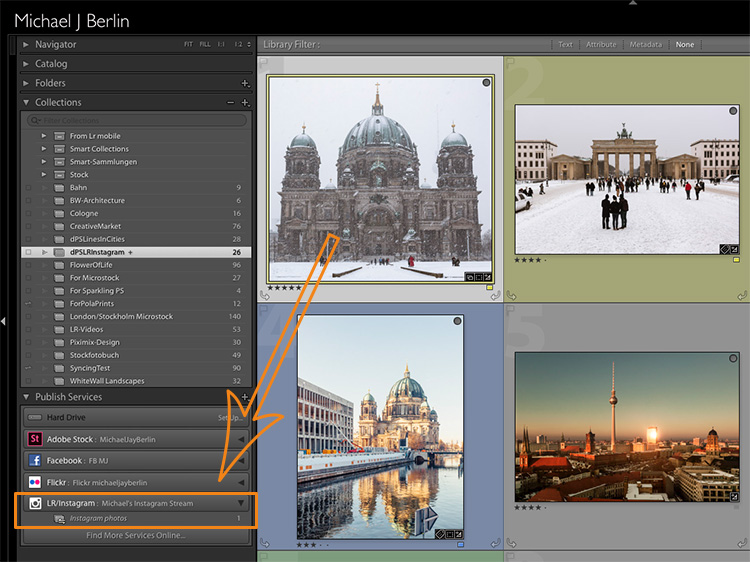
Once set up, the new Publish Service will appear in your Library module. You can now simply drag the image you want to publish to the “Instagram photos” collection. This serves as a collection like all others in Lightroom. If you prefer, you can also set this as your Target Collection which allows you to use the B shortcut to directly add images from anywhere in your library into it.

Drag and drop images in Lightroom

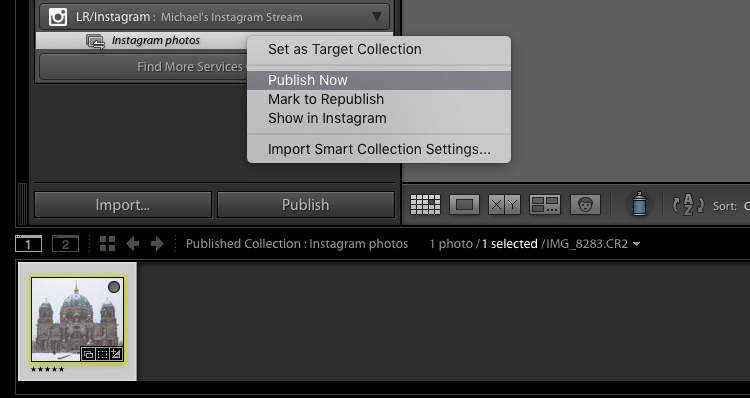
When you are finished adding images, you can now tell Lightroom to publish those images. Personally, I try to limit myself to one new image each time. But if preferred, the plugin will now publish as many images as you have recently added to its collection or the limit you have set in the Preferences as explained above. The Publish Service will now run in the background and use Instagram’s API to publish your image.

Publishing from Lightroom to Instagram

Instagram Stream with photo from Lightroom

If you ever want to change the settings you have originally entered, just press the Plus button on the Publish Services section in the Library module and open the Publishing Manager again.

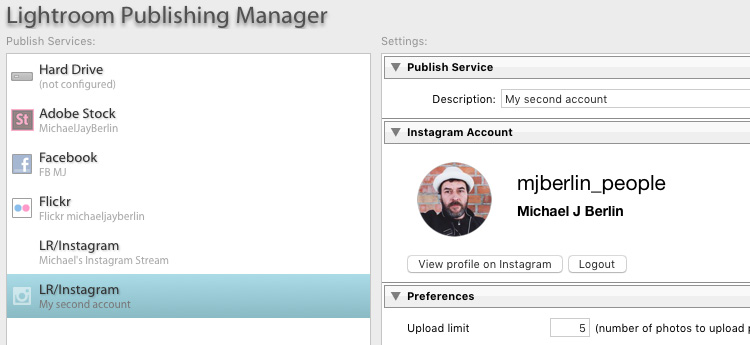
You can also set up multiple different publishing streams, either with different settings or even for a separate Instagram account.

Multiple Publishing Streams for second account

Give it a go

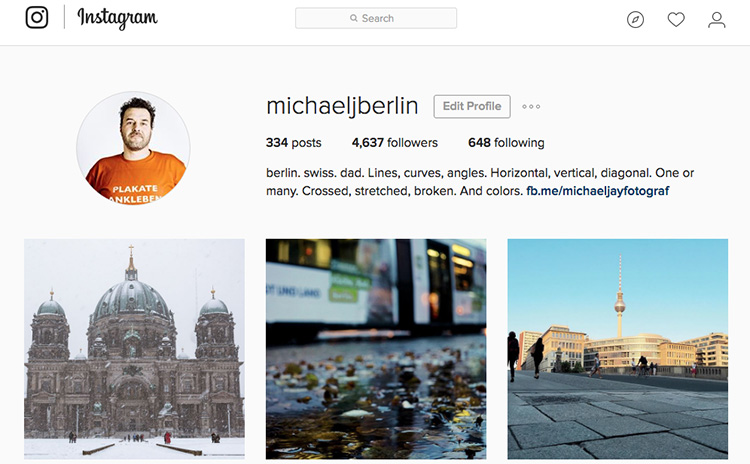
So if you’re on Instagram you might want to have a look this the LR/Instagram plugin. If you’ve used it tell us about your experience. Please share your profile so others can see your work, and follow dPS on Instagram as well.

Read this on how to get more Instagram followers too.

googletag.cmd.push(function() {
tablet_slots.push( googletag.defineSlot( “/1005424/_dPSv4_tab-all-article-bottom_(300×250)”, [300, 250], “pb-ad-78623” ).addService( googletag.pubads() ) ); } );

googletag.cmd.push(function() {
mobile_slots.push( googletag.defineSlot( “/1005424/_dPSv4_mob-all-article-bottom_(300×250)”, [300, 250], “pb-ad-78158” ).addService( googletag.pubads() ) ); } );

The post How to Publish Images Directly to Instagram From Lightroom by Michael Zwahlen appeared first on Digital Photography School.


Digital Photography School
 
Comments Off on How to Publish Images Directly to Instagram From Lightroom

Posted in Photography