RSS
 

Posts Tagged ‘Images’

iPhone 8 front camera rumored to capture 3D images

22 Feb

Last week it was reported that Apple might be replacing the Touch ID fingerprint reader with 3D facial recognition on the top-of-the-line model of the upcoming iPhone 8 series. Now these rumors have become more substantiated by another report by Apple analyst KGI Ming-Chi Kuo which has been published today and obtained by 9to5Mac.

According to the report, the upcoming iPhone top model, which is also expected to feature an OLED display, will come with a technology that combines 2D images captured by the front camera with depth data from an infrared module to record 3D information. The application for this new front camera technology could include facial recognition, iris recognition, and 3D selfies. It could also be used in innovative games that allow for replacing a 3D-avatar’s head with the head of the phone’s user or for augmented reality purposes. 

If the report is correct, the infrared transmitter will use vertical-cavity surface-emitting laser technology from a company called Lumentum and the IR receiver will be manufactured by Foxconn/Sharp. The front camera will be supplied by Sony. The hardware will be controlled by algorithms developed by PrimeSense, a company that Apple acquired in 2013. The system works by emitting invisible IR light and then detecting the signals that are reflected by objects in the proximity using a 1.4 megapixel IR receiver. The resulting system will have much more advanced depth-sensing capabilities than the existing iPhone 7 Plus dual rear camera that uses the optical parallax offset of its two lenses to determine the distance to objects in the scene. 

As usual, there is no guarantee the rumored feature will actually materialize in the final product. That said, it certainly looks as if Apple is preparing something special for its 2017 iPhone generation. Unfortunately, another rumor is saying the flagship model might set you back upwards of $ 1000.

Articles: Digital Photography Review (dpreview.com)

 
Comments Off on iPhone 8 front camera rumored to capture 3D images

Posted in Uncategorized


Neural network converts Game Boy Camera images into color photos

21 Feb

We’ve seen a lot of research lately that uses neural networks to upsample low resolution images and the results have been impressive – even a little creepy. Google recently showcased a system that can turn a low resolution 8×8 input image into a 32×32 sample that’s remarkably close to the original image. Inspired by recent breakthroughs, research engineer Roland Meertens found another application for neural networks – one that’s highly relevant to our interests. He created an application that turns low-res, monochrome Game Boy Camera images into photorealistic color images.

Original images in the center, Game Boy-ified images on the left and image generated by neural network on the right


A network must be trained, and training means feeding it input images. To create a training data set, Meertens gave some ‘real life images’ a Game Boy Camera treatment by re-creating them in four shades of black. By comparing the Game Boy-ified images with the originals, the network is ‘taught’ how to convert the images to color. With the network trained and ready, Meertens began testing it on celebrity photos as well as images from the Game Boy Camera (including the game’s mysterious character at the top of the page).

Finally, Meertens uses the application on an image taken with the Game Boy Camera. Naturally, it should be a selfie, as it is here. If you have all of the necessary components, taking a photo with the Game Boy camera is easy. Getting it onto your computer is another story. Lacking a specialized cable, Meertens did his best to photograph the Game Boy screen. As a result the lighting is slightly uneven, which affects the output from the network, but the re-creation is still pretty darn cool. Our hats are off to him.

Articles: Digital Photography Review (dpreview.com)

 
Comments Off on Neural network converts Game Boy Camera images into color photos

Posted in Uncategorized


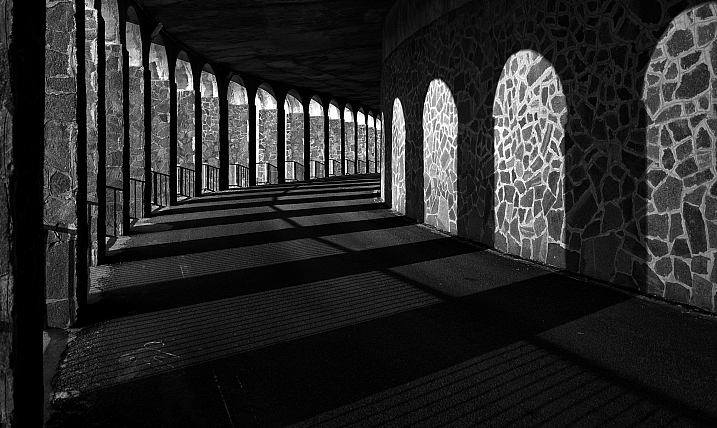
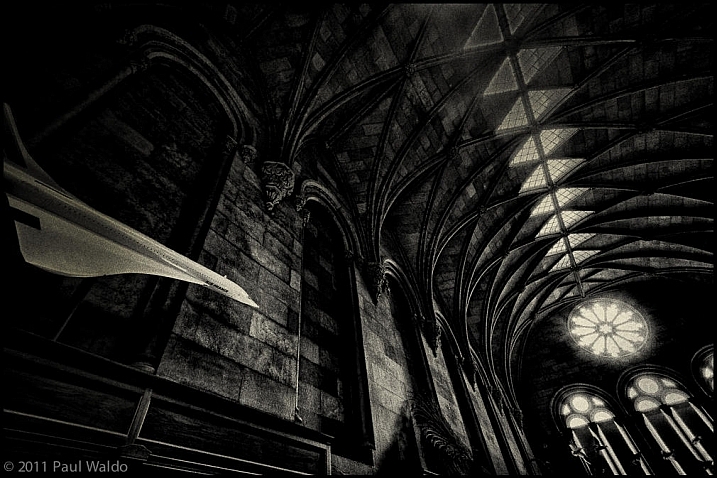
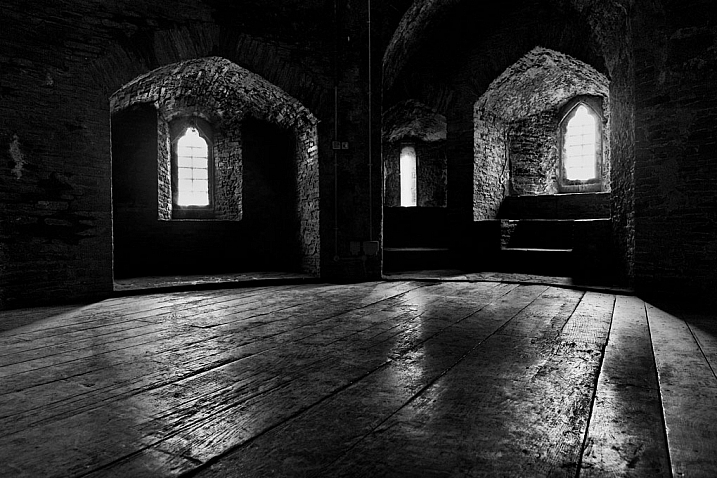
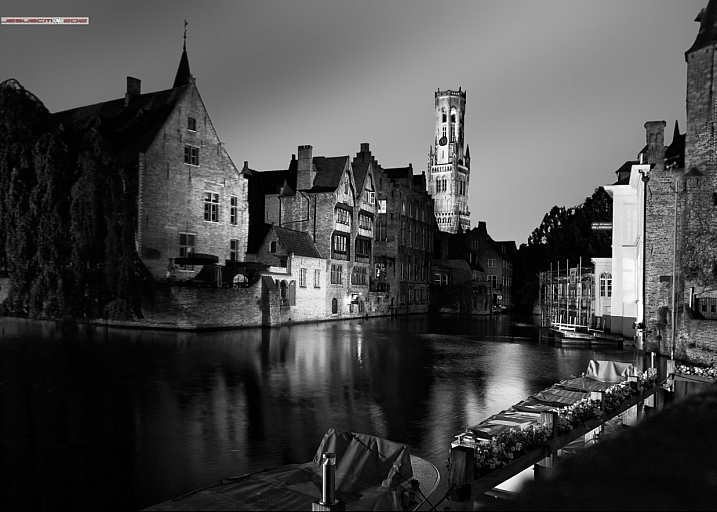
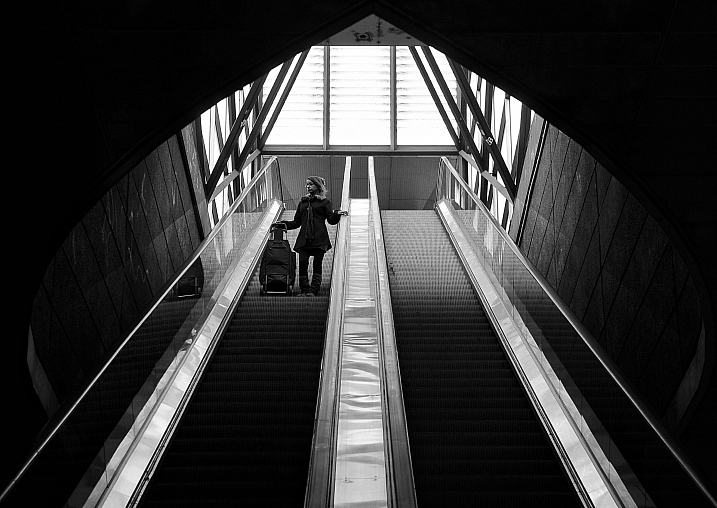
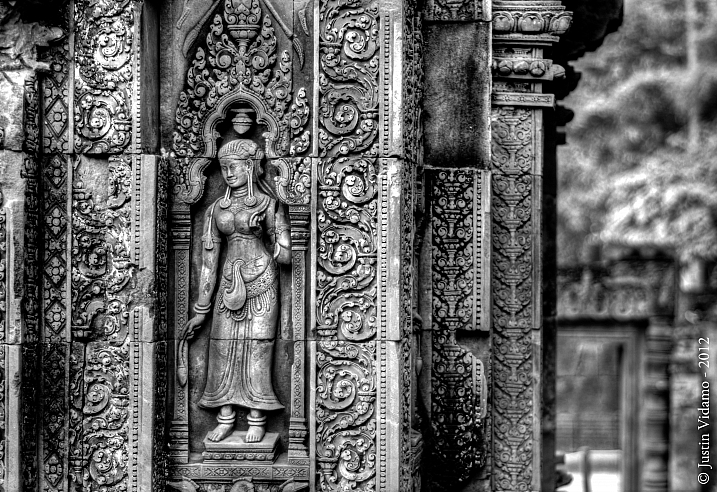
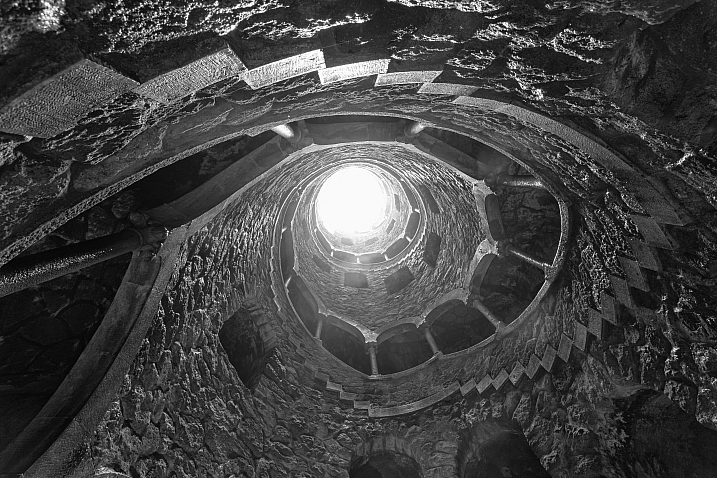
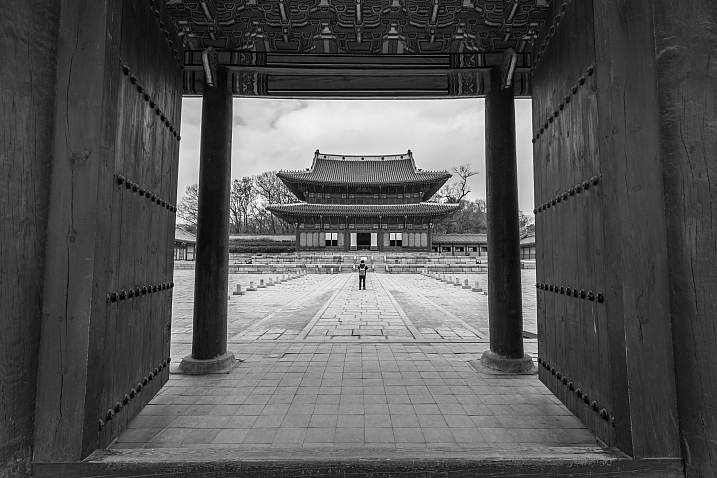
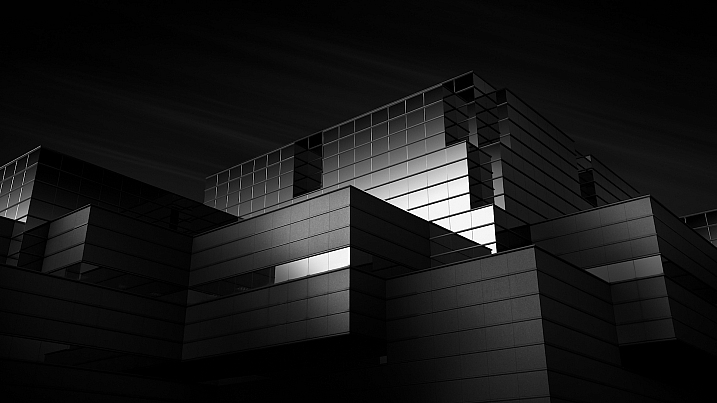
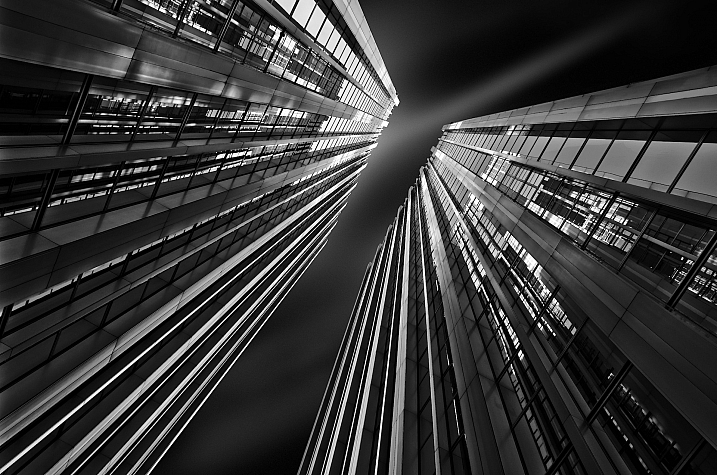
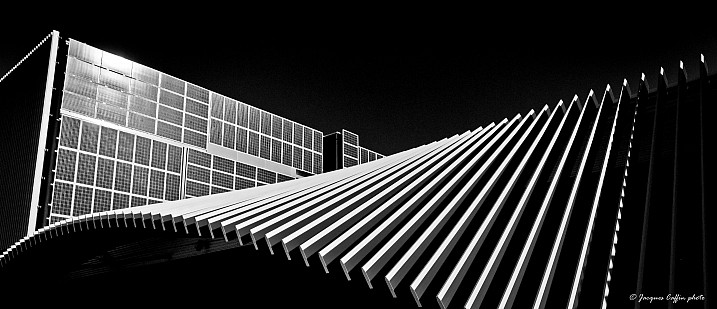
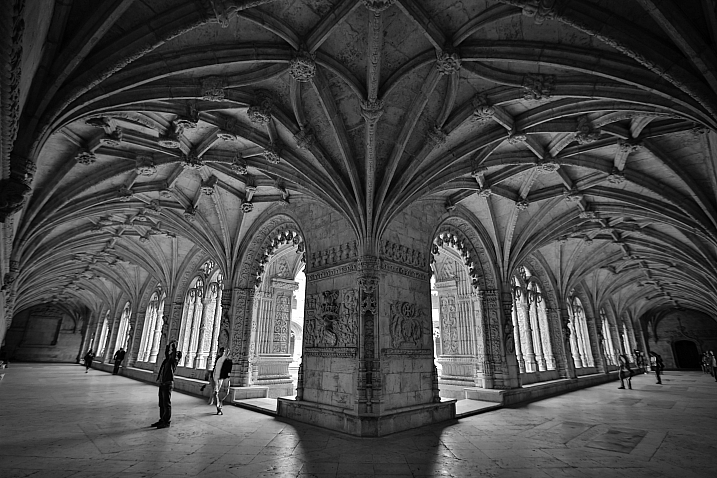
23 Moody Black and White Architectural Images

18 Feb

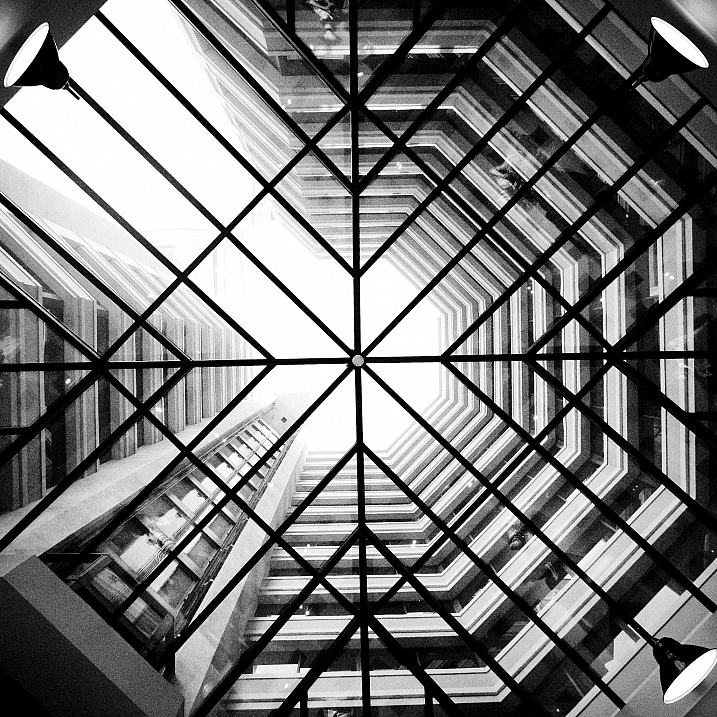
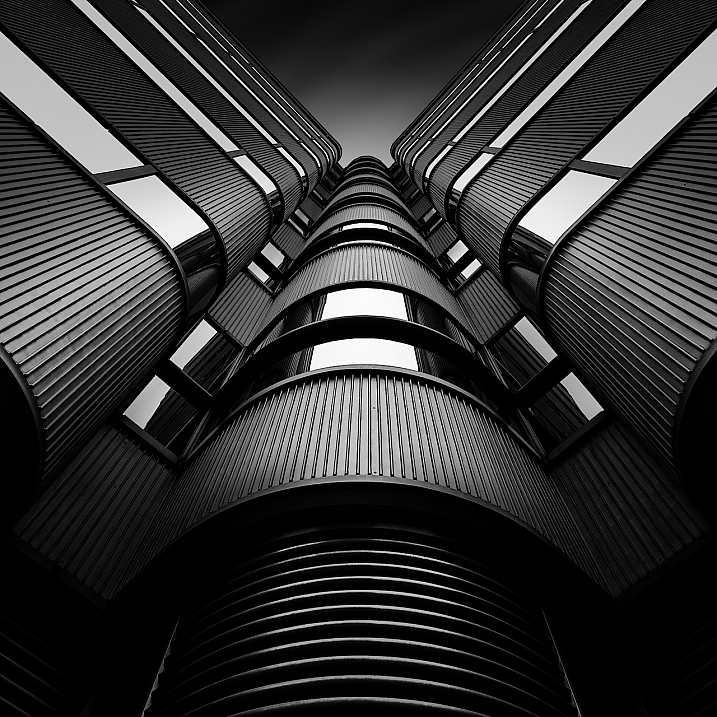
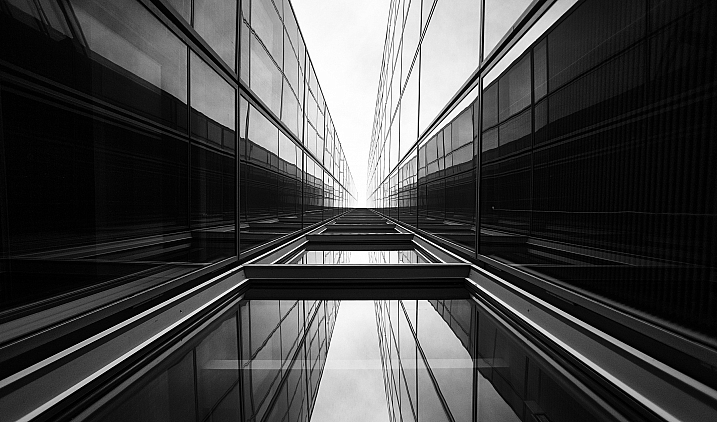
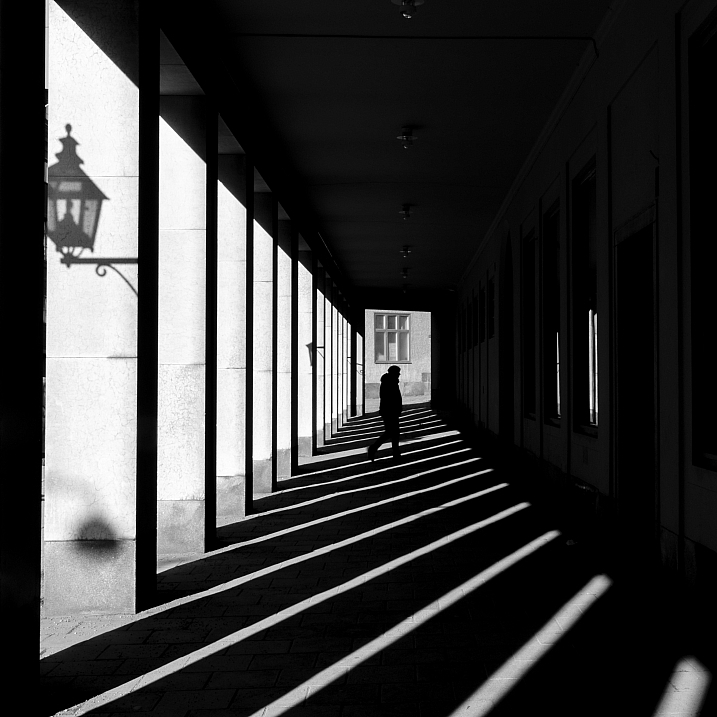
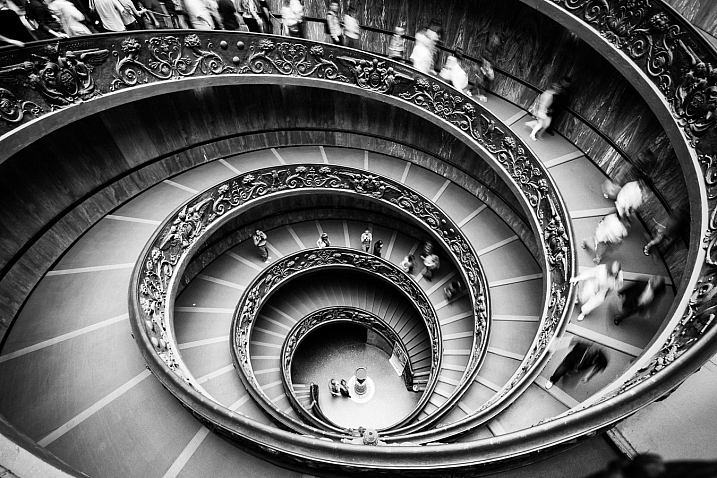
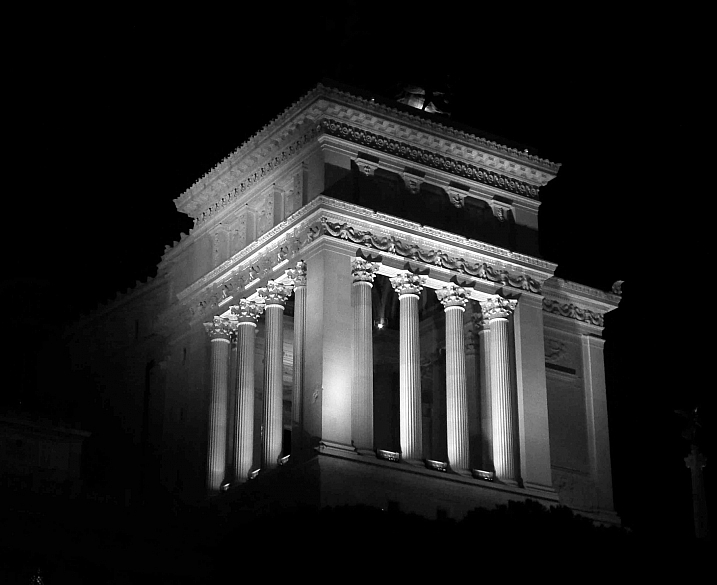
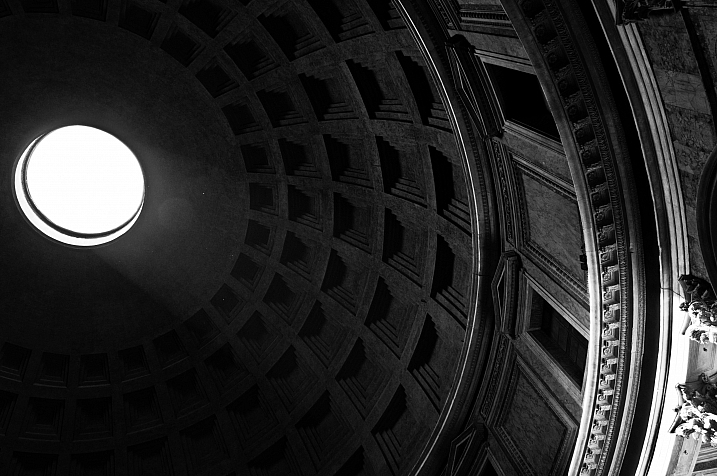
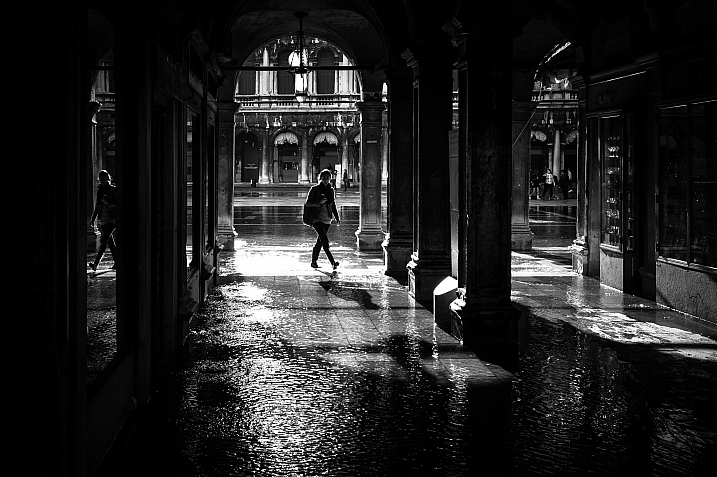
Architecture provides a few things that photographers love; texture, shape, contours, dramatic lighting.

Let’s see how these 23 photographers found and photographed different buildings and kinds of architecture in black and white.

By Marco Crupi

By Paul Waldo

By Andrew Howson

By jesuscm

By Thomas8047

By Justin Vidamo

By Brad Hammonds

By Brad Hammonds

By Thomas Hawk

By ?Jin Mikami?

By perceptions (creative pause)

By Peter Tandlund

By ?Jin Mikami?

By ?Jin Mikami?

By Jacques Caffin

By Paulo Valdivieso

By Franck Vervial

By Chris Chabot

By Wasif Malik

By Davidlohr Bueso

By gato-gato-gato

By Brad Hammonds

By Premnath Thirumalaisamy

googletag.cmd.push(function() {
tablet_slots.push( googletag.defineSlot( “/1005424/_dPSv4_tab-all-article-bottom_(300×250)”, [300, 250], “pb-ad-78623” ).addService( googletag.pubads() ) ); } );

googletag.cmd.push(function() {
mobile_slots.push( googletag.defineSlot( “/1005424/_dPSv4_mob-all-article-bottom_(300×250)”, [300, 250], “pb-ad-78158” ).addService( googletag.pubads() ) ); } );

The post 23 Moody Black and White Architectural Images by Darlene Hildebrandt appeared first on Digital Photography School.


Digital Photography School

 
Comments Off on 23 Moody Black and White Architectural Images

Posted in Photography


5 Simple Techniques for Leading the Viewer’s Eye in Your Images

16 Feb

As photographers, it’s easy for us to make conscious composition choices that allow us to balance our photographs or to create harmony within them. It’s is more difficult however to try and lead viewers through your photographs. We rarely consider how to influence the viewers of our photographs. When composing images, we don’t think about the different elements in our images and the order by which we want viewers to see those elements.

This is a common tactic in classic painting, but not used readily by photographers. The reality is it’s hard to influence viewers and to dictate the ways in which they view our photographs.

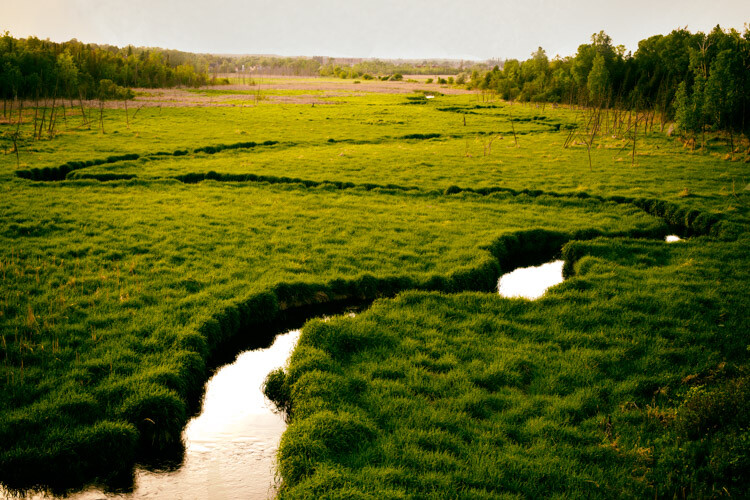
The lines of the creek lead the viewer’s eye through and into the image.

In many cases, the subject matter we are shooting just happens too fast for us to consciously compose images with the intention of leading the viewer through our photographs. It’s much easier to lead the eye through images we construct like still life or landscape photos. In the case of sports photography, this would only happen by sheer luck or happy accident. But when you have the opportunity, think about using techniques that lead viewers to specific parts of your images.

#1 – Use a brightness gradient

One of my favorite techniques for leading the eye is to use a brightness gradient. The human eye is drawn to the brighter elements, and if you position an area of brightness within your image, the eye will be drawn to that location.

It is important, however, to remember that the key to this technique is to use a gradient of brightness. Small bright areas amidst darker tones will not achieve the same kind of effect. The idea is to make the progression of highlights subtle, like a path through your image. Of course, this technique will not be possible in all situations but if it’s available considering using this method.

5 Simple Techniques for Leading the Viewer's Eye in Your Images

Shot from a kayak during sunrise I wasn’t intending to shoot this image with a brightness gradient. Instead, it’s a happy accident.

#2 – Linear perspective

When using a wide angle lens, you can consciously create linear perspective within images. This technique might be one of the more easily attainable methods of leading the eye. The wide angle lens will exaggerate lines and lead the eye fairly directly through the photograph. You can compose your photographs in such a way that buildings or other architectural features draw viewers through your photograph.

5 Simple Techniques for Leading the Viewer's Eye in Your Images

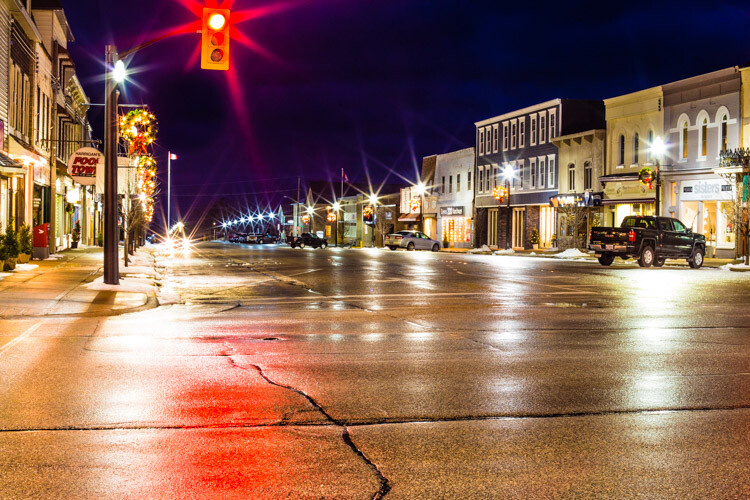
The line of lights and the line of buildings lead the eye through the photo. The viewer should be stopped by the bright spots of light within the image but then continue on through the rest of the photograph.

I’ve added some arrows to this image so you can see how the lines of the pier point the viewer into the photograph. The teenager in the image is a second way of directing the eye as he stops to view the sunset.


#3 – Use shafts of light

Using shafts of light is another technique for pointing viewers in the right direction. The conditions are very specific, and shafts of light are not always readily available, but they can be a useful tool for pointing out specific directions or objects within a photograph.

The photograph below was taken by my son. His plan when composing was to have the ray of light point towards the people. I must admit I didn’t think of composing in such a manner and when I asked him later he said it was “the natural choice”. Since that time I’ve made conscious decisions to look for and incorporate rays of light into my images.

5 Simple Techniques for Leading the Viewer's Eye in Your Images

There’s a fairly strong lens flare in this image but my son made a conscious choice in how he composed his photograph and I’m proud of him for his decisions.

#4 – Use a blur gradient

Using a blur gradient (shallow depth of field) is another method of leading the eye. I will admit that I don’t use this technique much. I even struggled to find images to use as examples for the article. Part of my reasoning is that I hope I will now be forced to experiment more with this technique.

Using a focus gradient can lead the eye to the important elements of the photograph. Setting up a shot in which the foreground is blurred and slowly recedes through the image to the point of sharp focus will draw viewers to specific objects within the frame.

I used a fairly large aperture here and while the blur gradient isn’t as obvious it is still present in the image.

#5 – Use more than one technique

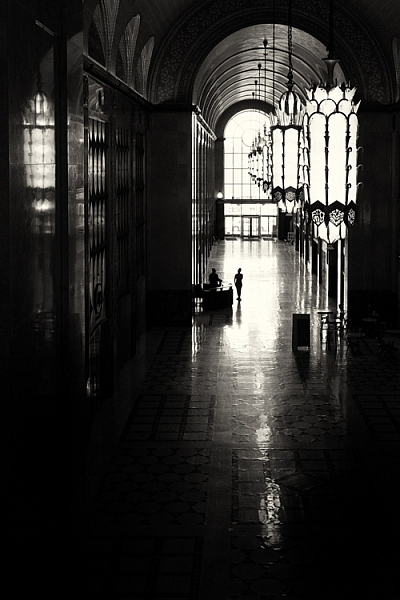
You can also combine these techniques to help influence eye movement throughout your images. In these two images, the eye moves through the image the light gradient is the most obvious technique but lines of architecture within the building help to draw the viewer down the tunnel. The lights hanging at the top of the image are an obvious line that directs the eye.

Similarly, this image of the couple walking through the image adds to the movement within the photograph. The lines of the path reinforce the direction the viewer should take within the image.

Shot at a provincial park this image combines elements like linear perspective and vectors.

Conclusion

Leading the eye through a photograph is not an exact science. You can’t force viewers to follow the path you set for them. Each person approaches the artwork in different ways. If your use some of the techniques outlined here, it will help you to create compelling compositions. The more thought and purpose we put into creating our images the better they will be. While there may not always be time to use these techniques, it’s always handy to keep them in the back of your mind and use them when the time is right.

The more thought and purpose you put into creating your images the better they will be. While there may not always be time to use these techniques, it’s handy to keep them in the back of your mind and use them when the time is right.

The eye-leading techniques used in this image are a little harder to spot. I used the lines of the barrels and rays of light to direct the viewer’s eye into the center of the image.

googletag.cmd.push(function() {
tablet_slots.push( googletag.defineSlot( “/1005424/_dPSv4_tab-all-article-bottom_(300×250)”, [300, 250], “pb-ad-78623” ).addService( googletag.pubads() ) ); } );

googletag.cmd.push(function() {
mobile_slots.push( googletag.defineSlot( “/1005424/_dPSv4_mob-all-article-bottom_(300×250)”, [300, 250], “pb-ad-78158” ).addService( googletag.pubads() ) ); } );

The post 5 Simple Techniques for Leading the Viewer’s Eye in Your Images by Erin Fitzgibbon appeared first on Digital Photography School.


Digital Photography School

 
Comments Off on 5 Simple Techniques for Leading the Viewer’s Eye in Your Images

Posted in Photography


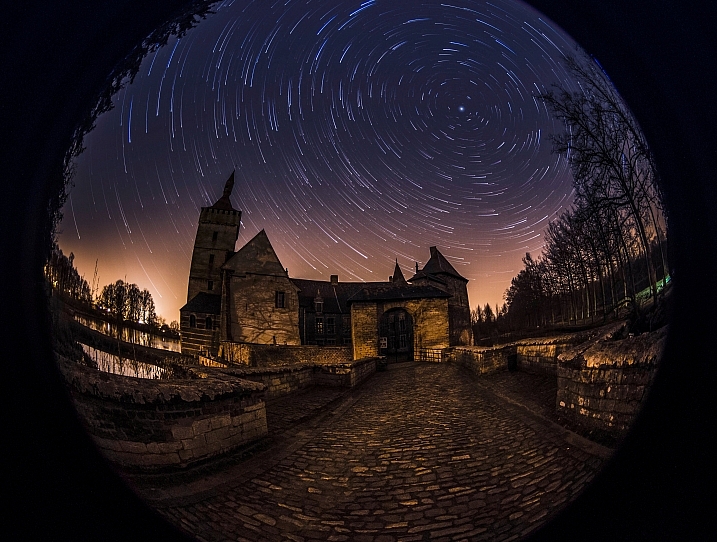
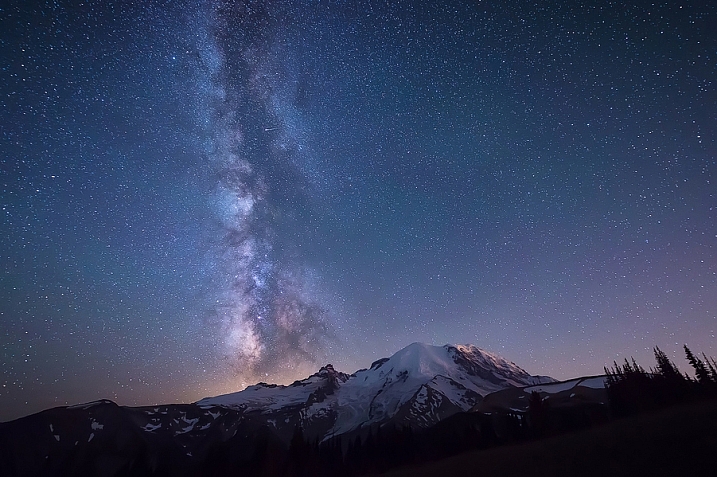
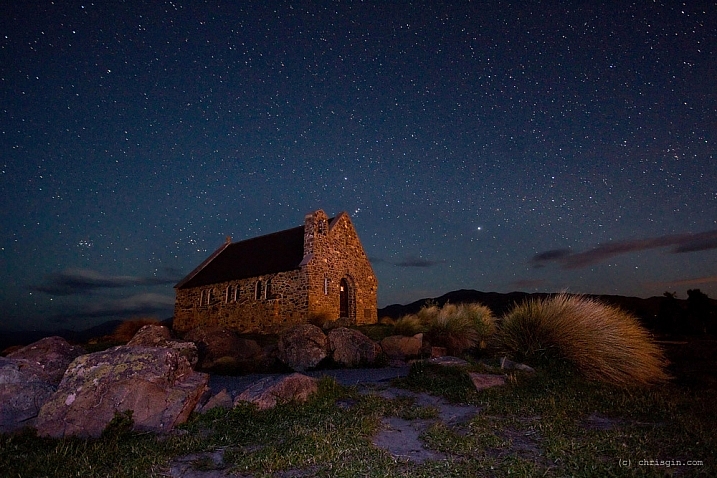
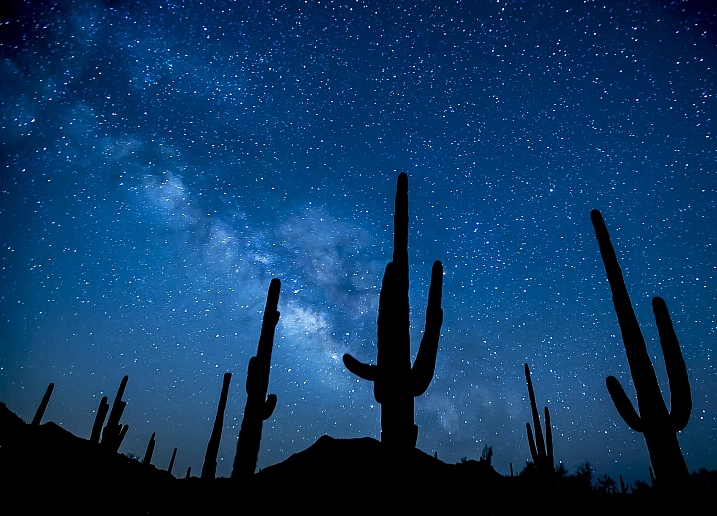
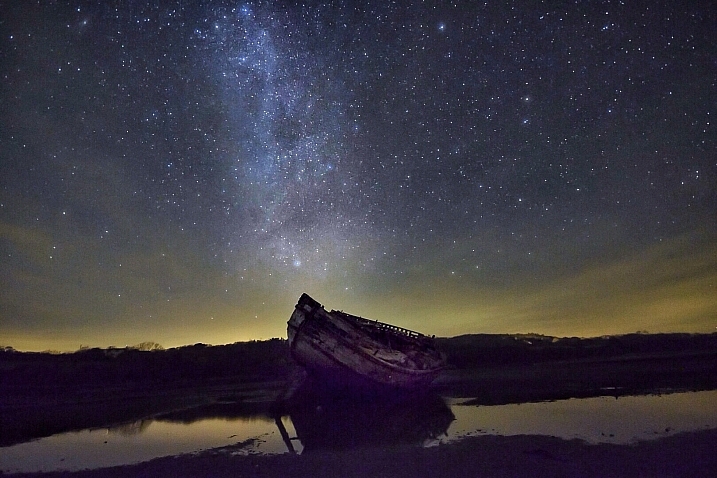
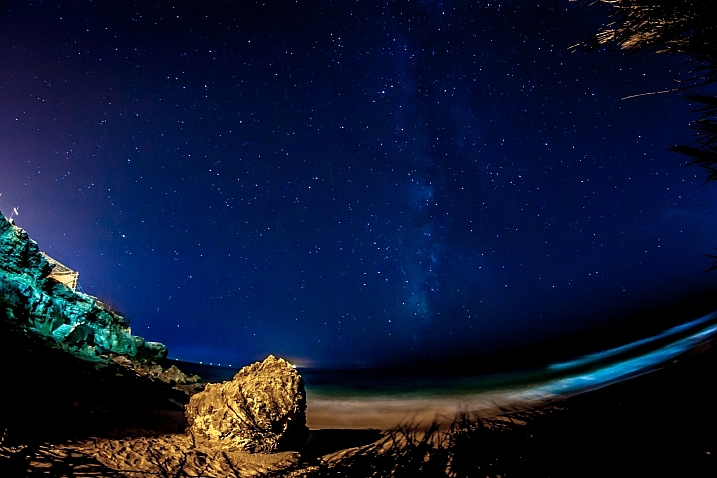
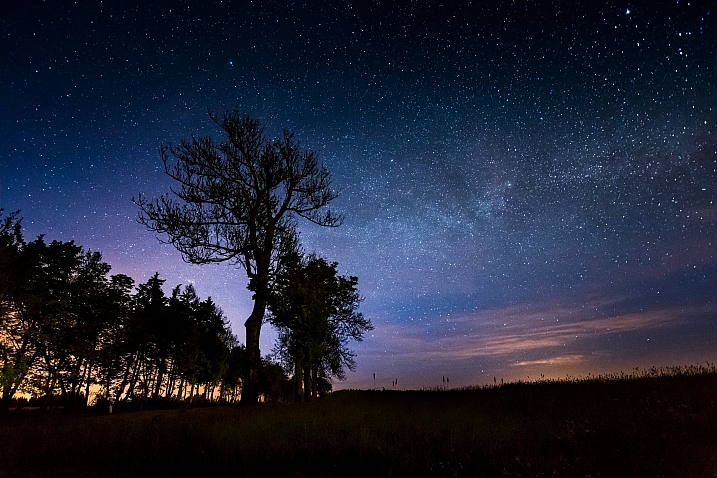
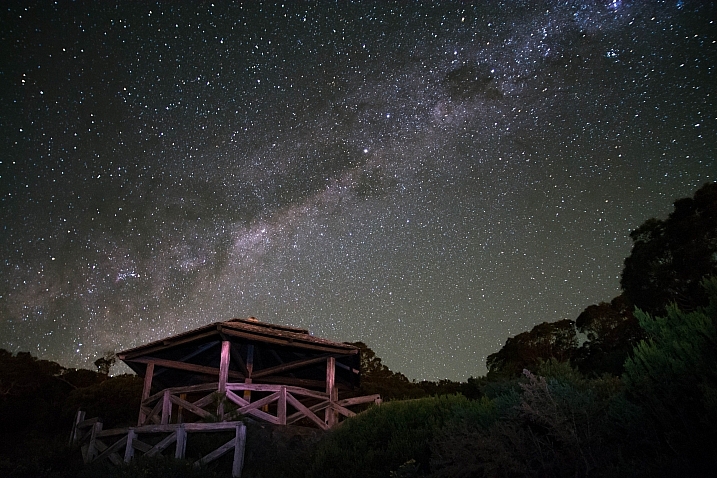
Star Gazing – 18 Twinkly Images of the Celestial Sky

14 Feb

Recently we introduced our new Night Photography course by dPS writer Jim Hamel. Learn more about this brand new course here, so you can take stunning night photos too!


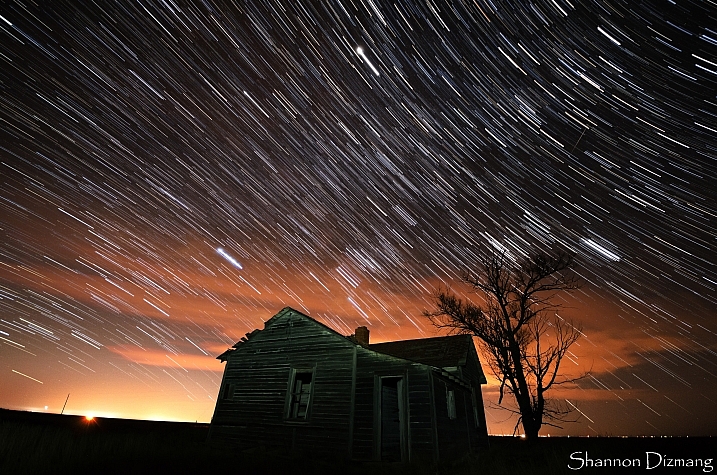
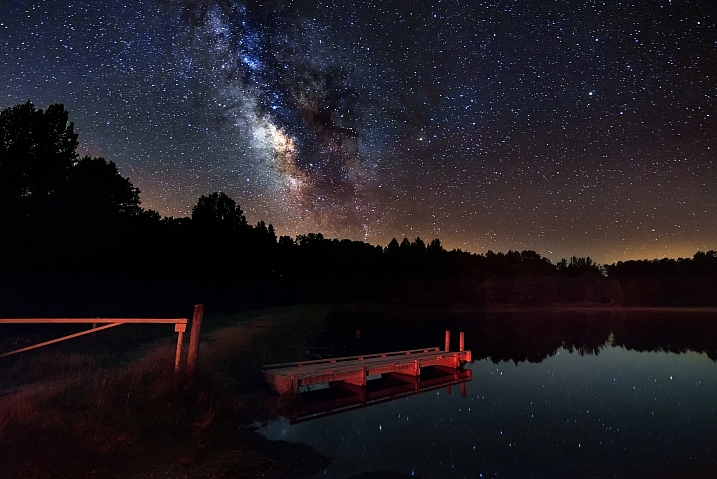
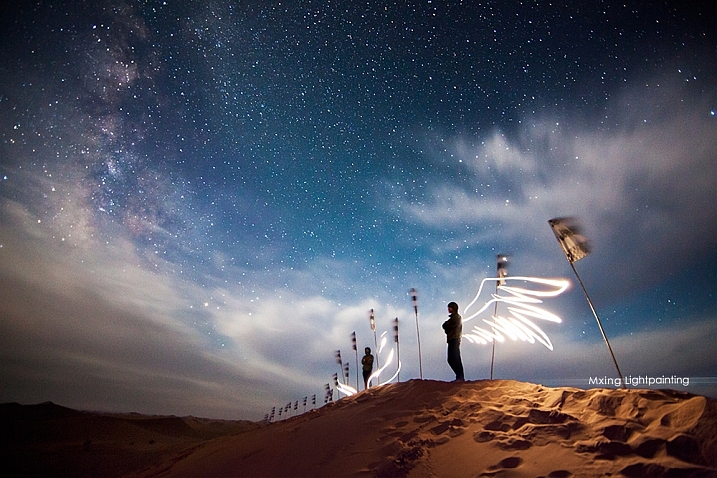
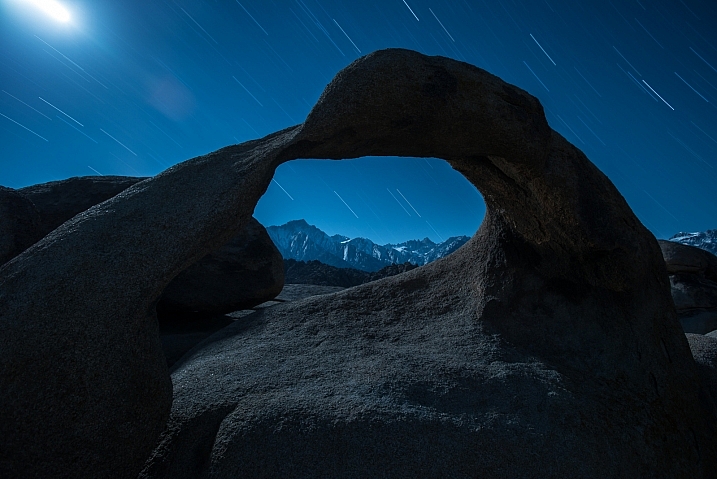
Photography of the night sky and the stars can be challenging but rewarding. If you do it right you can end up with images like these:

Stars

By Kris Williams

By Tom Davidson

By Paul Weeks

By Chris Gin

By Bureau of Land Management

By Diana Robinson

By Shannon Dizmang

By Bill Dickinson

By Jimmy

By Howard Ignatius

By sian monument

By Jeff Krause

By Michiluzzu

By Olli Henze

By Olli Henze

By Julien NKS

By Tom Davidson

By Tralphe XY

googletag.cmd.push(function() {
tablet_slots.push( googletag.defineSlot( “/1005424/_dPSv4_tab-all-article-bottom_(300×250)”, [300, 250], “pb-ad-78623” ).addService( googletag.pubads() ) ); } );

googletag.cmd.push(function() {
mobile_slots.push( googletag.defineSlot( “/1005424/_dPSv4_mob-all-article-bottom_(300×250)”, [300, 250], “pb-ad-78158” ).addService( googletag.pubads() ) ); } );

The post Star Gazing – 18 Twinkly Images of the Celestial Sky by Darlene Hildebrandt appeared first on Digital Photography School.


Digital Photography School

 
Comments Off on Star Gazing – 18 Twinkly Images of the Celestial Sky

Posted in Photography


Google AI adds detail to low-resolution images

09 Feb

It seems intelligent enhancement of image detail is currently high on the agenda at Google. Recently the company brought its RAISR smart image upsampling to Android devices. Now, the Google Brain team has developed a system that uses neural networking to enhance detail in low-resolution images.

The system uses a two-step approach, with a conditioning network first attempting to map 8×8 source images against similar images with a higher resolution and creating an approximation of what the enhanced image might look like. In a second step, the prior network adds realistic detail to the final output image. It does so by learning what each pixel in a low-resolution image generally corresponds to in higher-res files.

As you can see, the system already works pretty well. In the series of samples above, the images on the left show the 64 pixel source images, while the ones in the middle show the output image that the Google Brain algorithm has produced from them. The images on the right show higher-resolution versions of the low-res source images for comparison. While the results are not perfect yet, they are certainly close enough to provide value in a variety of scenarios. Eventually we might even be able to extract high-resolution images from low-quality security-cam footage a la CSI.

Articles: Digital Photography Review (dpreview.com)

 
Comments Off on Google AI adds detail to low-resolution images

Posted in Uncategorized


Incredible images from DJI’s SkyPixel 2016 aerial photography competition

05 Feb

Incredible images from SkyPixel 2016 competition

SkyPixel, DJI’s online aerial photo sharing platform, has shared the winners of its 2016 photo competition and published a gallery of 2000 standouts from more than 27,000 entries. You can see some of our favorites here and check out even more top entries at the SkyPixel website.

Fishermen close the net. Grand Prize Winner. Photo by ??

Incredible images from SkyPixel 2016 competition

Exploration. First Prize, Beauty category, professional. Photo by ? ??

Incredible images from SkyPixel 2016 competition

Spillway Selfie. Second Prize, Beauty category, professional. Photo by dixonltd

Incredible images from SkyPixel 2016 competition

Overbridge. First Prize, Beauty category, enthusiast. Photo by ??

Incredible images from SkyPixel 2016 competition

Green Waves. Second Prize, Beauty, enthusiast. Photo by Mauro Pagliai

Incredible images from SkyPixel 2016 competition

Arena. Photo by Bogdan Robak

Incredible images from SkyPixel 2016 competition

Photo by Joshua Cheston

Incredible images from SkyPixel 2016 competition

Shipka, Bulgaria. Photo by Vladislav Terziiski

Articles: Digital Photography Review (dpreview.com)

 
Comments Off on Incredible images from DJI’s SkyPixel 2016 aerial photography competition

Posted in Uncategorized


Studying high-res satellite images on your lunch break can help uncover new archaeology sites

03 Feb
You gotta start somewhere – GlobalXplorer participants’ first mission is to look for pits that signal looting.

If you’ve ever dreamed of becoming an archaeologist, you might want to take a look at GlobalXplorer: a browser-based app that trains ordinary citizens to analyze high-resolution satellite imagery for signs of looting and previously unknown sites. It’s the brainchild of Dr. Sarah Parcak, a National Geographic Fellow and Space Archaeologist (really!) whose techniques have identified 17 potential pyramids and 3,100 potential settlements in Egypt.

Dr. Parcak won 2016’s $ 1 million TED prize to turn her vision for citizen-powered, satellite-based archaeology into a reality. Launched this week, GlobalXplorer is available to anyone with an internet connection. Participants register to the site, watch a training video and get started by looking for signs of potential looting in satellite images. There’s a ‘gamification’ factor too – you can level up once you’ve gained enough experience and start looking for the really exciting stuff, like signs of currently unknown archaeological sites. 

GlobalXplorer’s imagery is provided by DigitalGlobe’s commercial satellites courtesy of a customized version of the Tomnod crowd-sourcing platform. For now, the journey starts in Peru, where citizen archaeologists are examining 200,000 square km of land. If you’d like to channel your inner Indiana Jones, head to the GlobalXplorer website and get started.

Articles: Digital Photography Review (dpreview.com)

 
Comments Off on Studying high-res satellite images on your lunch break can help uncover new archaeology sites

Posted in Uncategorized


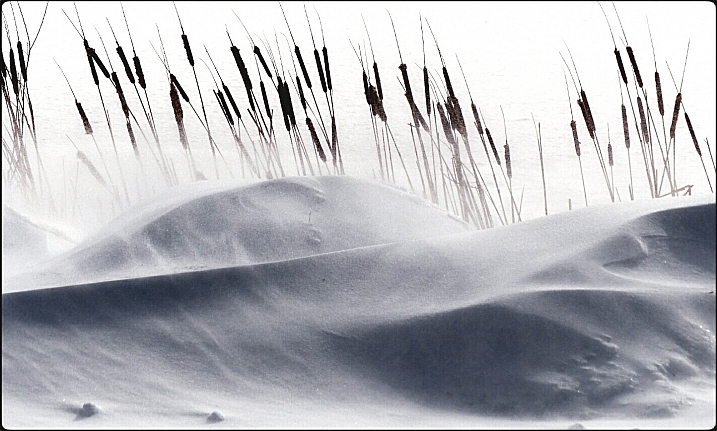
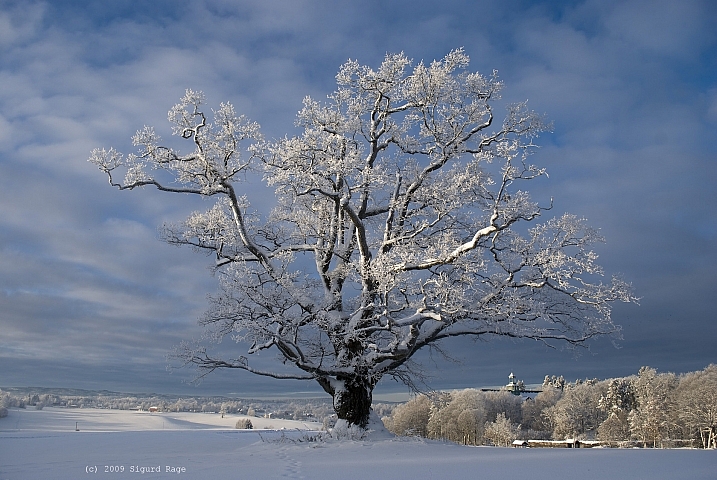
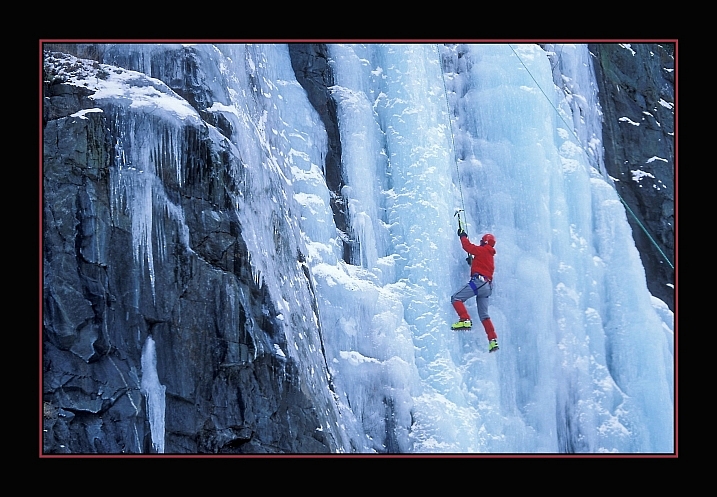
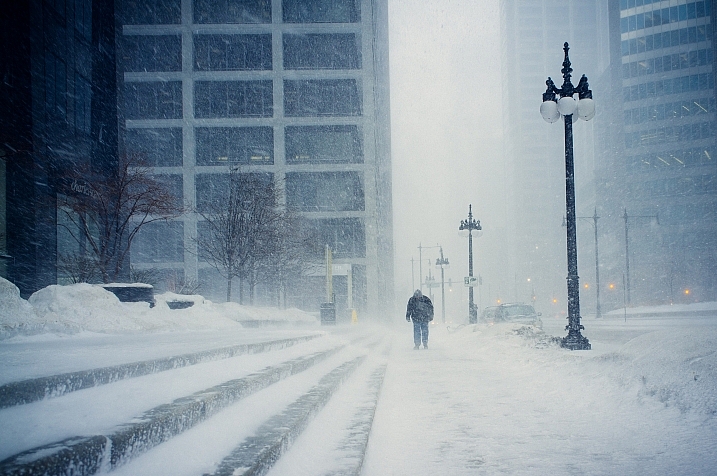
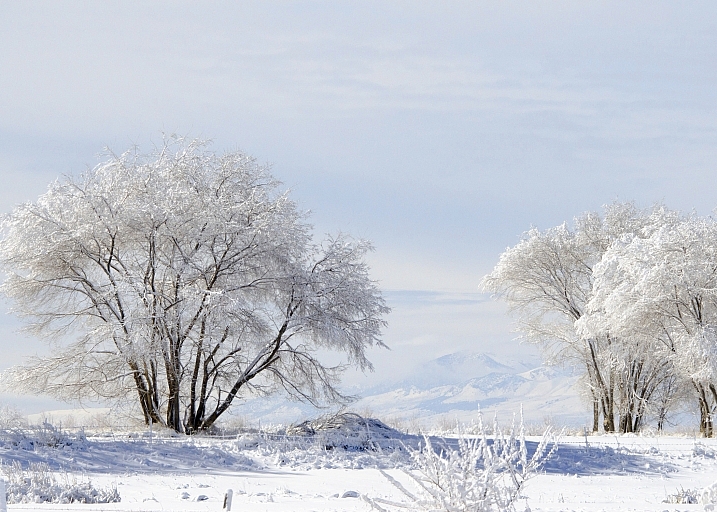
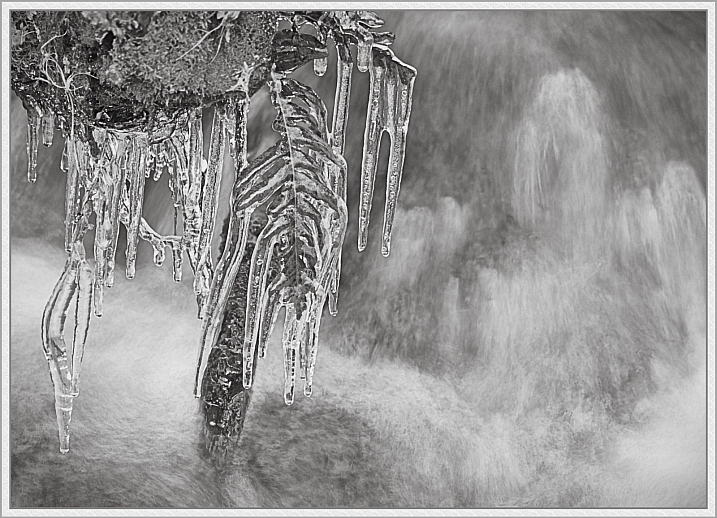
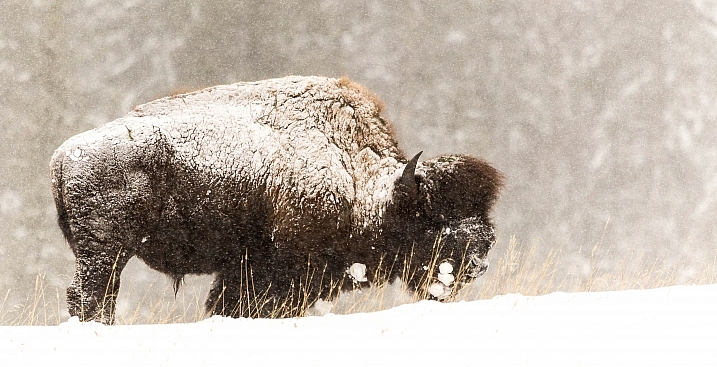
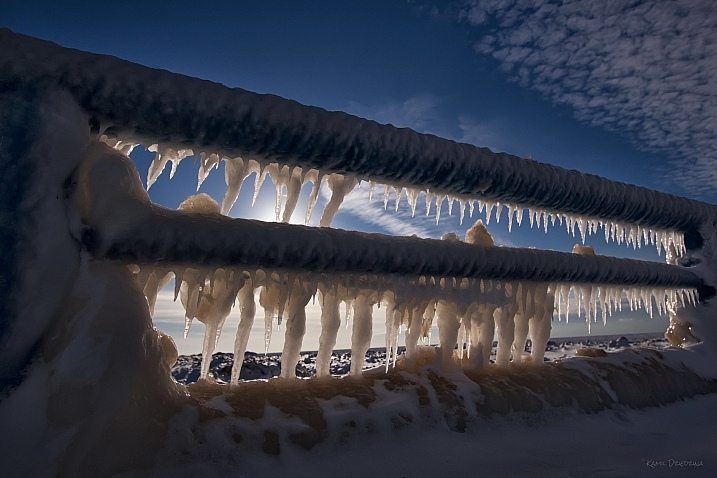
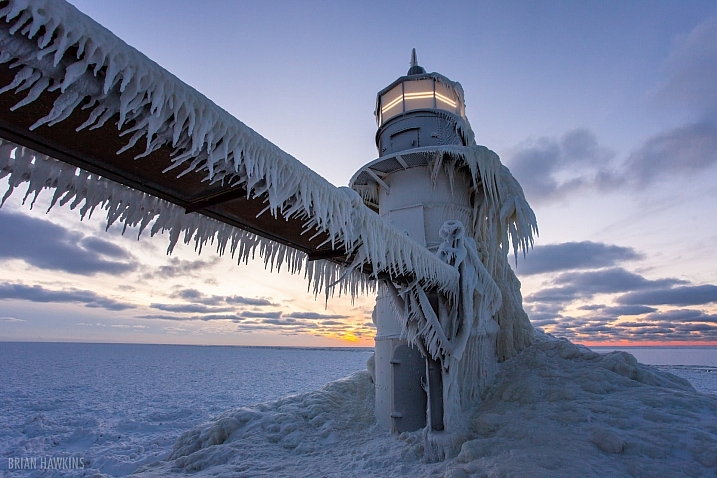
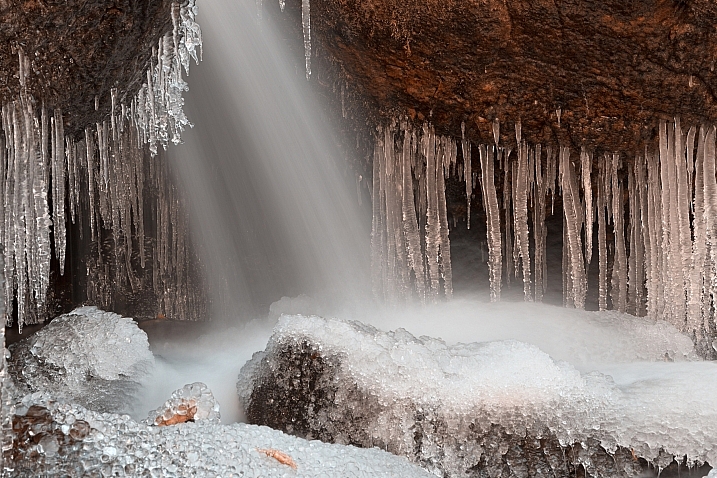
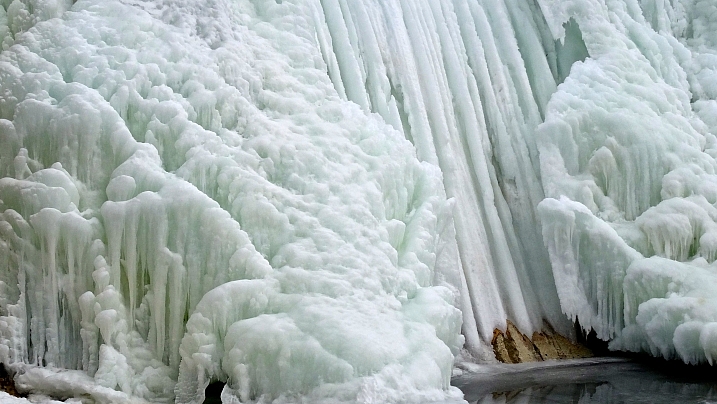
24 Frozen Images of Some Cold Winter Weather

29 Jan

Here in the northern hemisphere part of the world, it is winter. That means two things – cold and snow. But that doesn’t stop some people (nor should it stop you) from doing photography.

Let’s have a look at some frozen images of some cold winter scenes.

By Howard Ignatius

By Neil Howard

By Dan (catching up)

By smilla4

By Ken Mattison

By Sigurd Rage

By Roger S. Hart

By Barbara Friedman

By Julie Falk

By chuddlesworth

By USFWS Mountain-Prairie

By Jack Skipworth

By ShinyPhotoScotland

By B Gilmour.

By Tupulak

By Kamil Dziedzina

By MJI Photos (Mary J. I.)

By Brian Hawkins

By Melinda Shelton

By Simon Doggett

By Nicolas Raymond

By ellenm1

By Gonzalo Baeza

By ravas51

googletag.cmd.push(function() {
tablet_slots.push( googletag.defineSlot( “/1005424/_dPSv4_tab-all-article-bottom_(300×250)”, [300, 250], “pb-ad-78623” ).addService( googletag.pubads() ) ); } );

googletag.cmd.push(function() {
mobile_slots.push( googletag.defineSlot( “/1005424/_dPSv4_mob-all-article-bottom_(300×250)”, [300, 250], “pb-ad-78158” ).addService( googletag.pubads() ) ); } );

The post 24 Frozen Images of Some Cold Winter Weather by Darlene Hildebrandt appeared first on Digital Photography School.


Digital Photography School

 
Comments Off on 24 Frozen Images of Some Cold Winter Weather

Posted in Photography


10 More Photography Tips to Help Take Your Images to the Next Level

12 Jan

A while back I wrote an article that was quite popular: 10 photography tips to take your photography up a level. In this article, I bring you 10 extra tips from all aspects of photography. Enjoy!
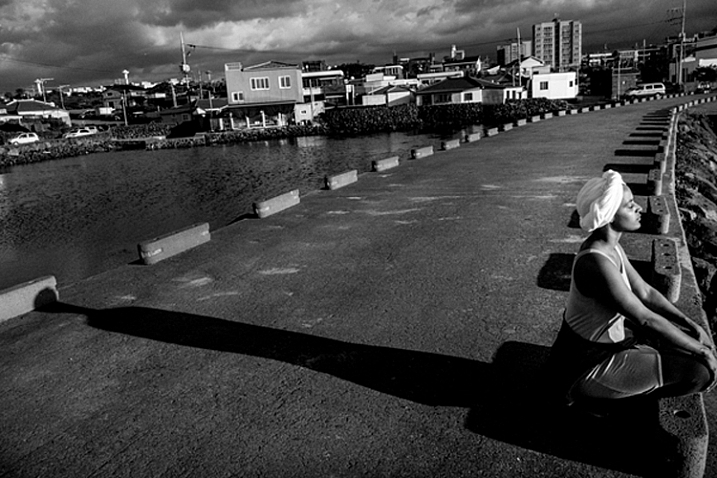
10 More Photography Tips to Help Take Your Images to the Next Level

#1 – What’s more than meets the eye?

Let me ask you something, what would you do? You meet someone attractive, you are head over heels, and then you start actually talking to them. You then uncover the most superficial person you have ever met. That person is all looks and not much else. You would lose interest, right? Because looks by themselves are good enough to make you interested, but if there is nothing sustaining that interest, you’re gone. This is the same thing in Photography,

This is the same thing in photography. A beautiful composition is nice, but what is in your image that is designed to keep the viewer’s attention? What is it about your image that is more than meets the eye? Is it saying something deeper? Is it making a point? Showing a concept? Add meaning to your images to keep the viewer engaged.

#2 – Know your opportunity

I believe there are only four times when you control the image. The first is at the moment of exposure (when you shoot), the second is in post-processing, the third is in sequencing and editing, and the fourth is while printing. So, when shooting, have these things in mind in order to shoot with clarity.

Example, you shoot an image and it is overexposed (because of the camera’s limitation). But it doesn’t end there as you know that you have another opportunity in the post-processing phase to recover details. Or you shoot something with a nice texture but it doesn’t have the effect you want. It doesn’t end there, you know that you can print and blow it up real big to have the effect you seek. Or you shoot an image that can’t stand by itself. Once again it doesn’t end there, you know you have another similar image that can make a diptych.

The point is that making an image is only the first step. There’s a whole process that comes afterward when you can get the effect you desire. So it’s important to know that what you have in the camera is the starting point and not the end.

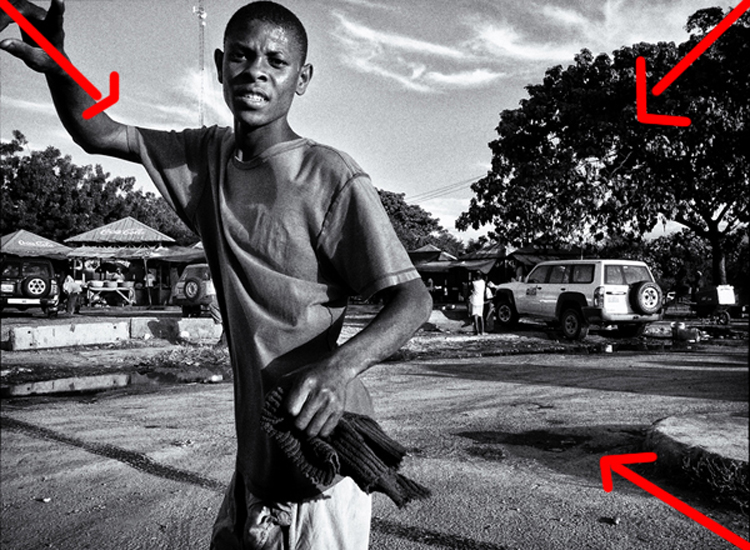
#3 – Pay attention to this detail (after your background)
10 More Photography Tips to Help Take Your Images to the Next Level

In the first 10 tips article, I suggested that you pay attention to the background first. Now I would like to add another thing to pay attention to before your subject – the corners. You see there is a strong dynamic with the corners, they draw you into the frame, towards the dead center and if you can align some lines there, it’s like surfing a big wave, it just draws your eye even more!

In the image above we have the guy’s hands, the shape of the tree and the shadow on the bottom right corner just pulling you into the image. So, pay attention to your background, watch your corners, and then look at your subject.

#4 – Dennis Rodman-ize it
10 More Photography Tips to Help Take Your Images to the Next Level

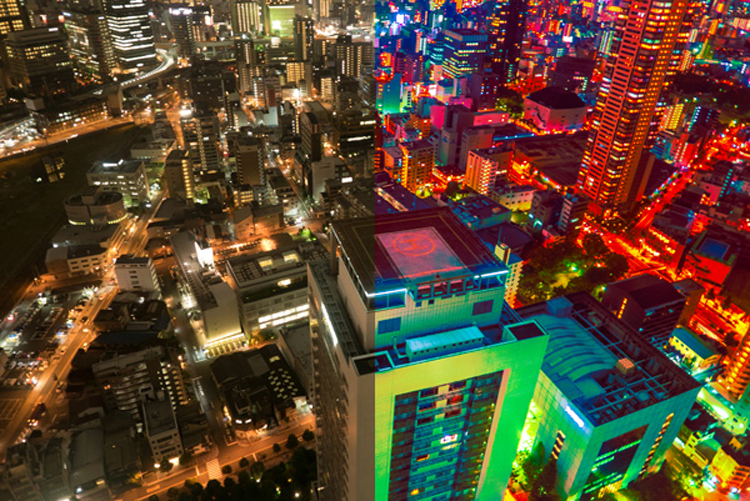
Let’s face it, it’s hard to get attention in this ever increasing attention deficit world. Dennis Rodman had been in the NBA for years, but he was receiving few endorsement contracts. He was a good player but didn’t shine enough. Then came the Rodman with the crazy hair and style, even as a kid I knew his name because he simply looked different.

That brings us to photography, you are probably doing something a certain way, so can you Dennis Rodman-ize it? Shoot in a different way that makes your work pop above and beyond what you normally do? For example, landscapes are usually shot with a wide angle, what if you shot landscape abstracts with a telephoto? Or used a special processing technique on your images that gave them a certain look?

#5 – Work on your name

You probably know the wine experiment, where they gave people wine to drink, one was expensive and the other was cheap. Everyone, of course, preferred the expensive wine over the cheap one, even if it was the same wine. Here’s the REAL KICKER, when they scanned the brains of the people who drank the wine, their brain actually made them believe they were drinking expensive wine, and it literally tasted better. Their perception altered their reality.
10 More Photography Tips to Help Take Your Images to the Next Level

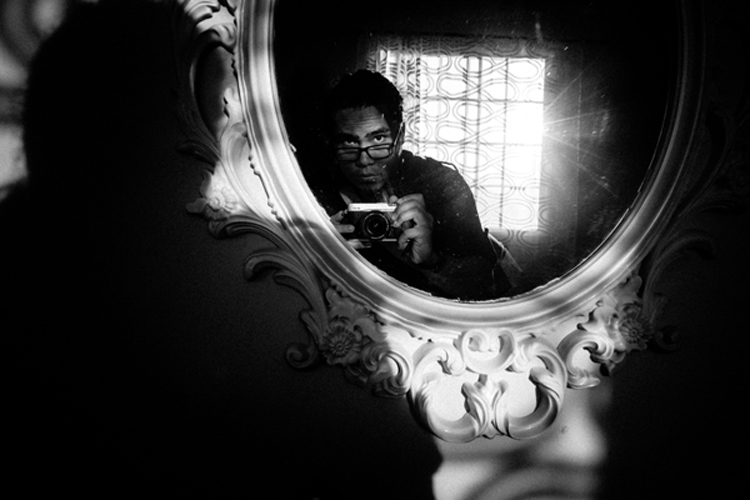
With that in mind, work on your images but also on your name or brand. Try to get as much recognition as you can, it will alter people’s perception of your work. I remember a photographer who had decent work, and then that person got famous literally overnight. Let me tell you, even I, knowing all that I know about psychology, now see his work in a better light.

It’s crazy, and probably a bit sad, but that’s just the way it is. The story of Joshua Bell also illustrates this point well. This guy makes $ 1000 per minute playing on a million dollar violin, yet he got a meager $ 32 and a few cents when they had him play anonymously in a metro. Same guy, same skill – different context, different result.

#6 – Get luckier

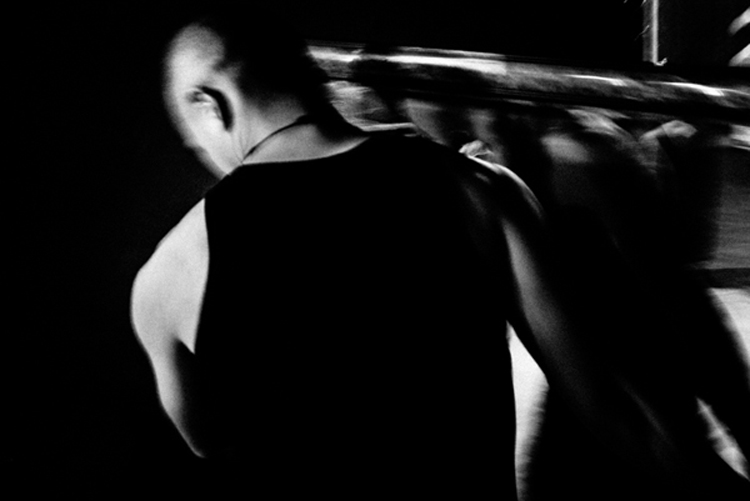
Let’s not mince words here, luck plays a big role in photography. That Cartier-Bresson shot of the man jumping? That was 100% luck because he couldn’t even see what he was shooting through a hole.

Why is luck such a big deal? Because you DO have to be there at the right moment, and so does your subject, the light, etc. Truth be told, you need the skill and the eye to seize the moment, but if you are not there, the shot won’t be yours.
10 More Photography Tips to Help Take Your Images to the Next Level

So taking into account the luck factor, shoot more often. You’ll get luckier and luckier every time you do. By making more photo opportunities, you’ll be making more images. So if you used to go out once, go out twice, etc.

I mean, who do you think will have a better chance at getting a job? The one that applies for one job, or the one that applies for 10? Skill and creativity are multiplying forces, but it doesn’t matter how skillful you are if you are a couch potato. Sharpen your skills and get out there to get lucky.

#7 – Scramble everything

There was this cool experiment where they gave this guy upside down glasses, so everything was inverted. They wanted to pour him a drink, and he turned the cup upside down (because he believed it was upside down). Imagine the world upside down and how hard it would be to live like that. The kicker? After 10 days he adapted to the upside down vision, and could even ride a bike!
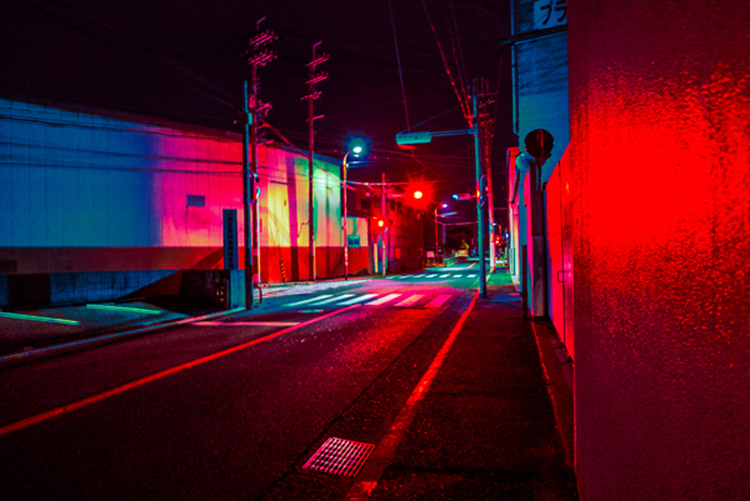
10 More Photography Tips to Help Take Your Images to the Next Level

Sometimes we just get used to how we shoot, we get complacent, that’s normal. So scramble things up. If you normally shoot color, try b/w, if you like portraits try street photography, if you are a film shooter, try digital, etc. It’s like the “Dennis Rodman-ize” tip, but this is more designed to shake you out of complacency rather than to bring attention to your work.

#8 – Revisit your images
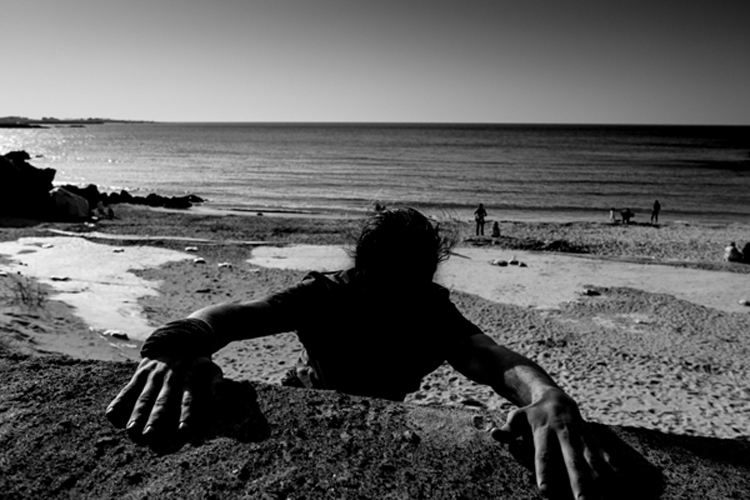
10 More Photography Tips to Help Take Your Images to the Next Level

Two photographers can look at the same scene, and yet see two different things. The difference is their knowledge about photography. You probably have some hidden gems in your images that you’ll probably never uncover if you do not revisit your images. You made them, but when you revisit them you do so with new eyes, and you will see them differently.

You will be amazed at what you find. Images that you believed were boring and/or ruined will be seen in a new light. You may ask yourself, “How did I miss that?!? There are quite a few images that I have overlooked, that’s why I have a no-delete policy. Maybe I can’t see what my future self will see or what my future self will be into.

#9 – Let go of preconceptions
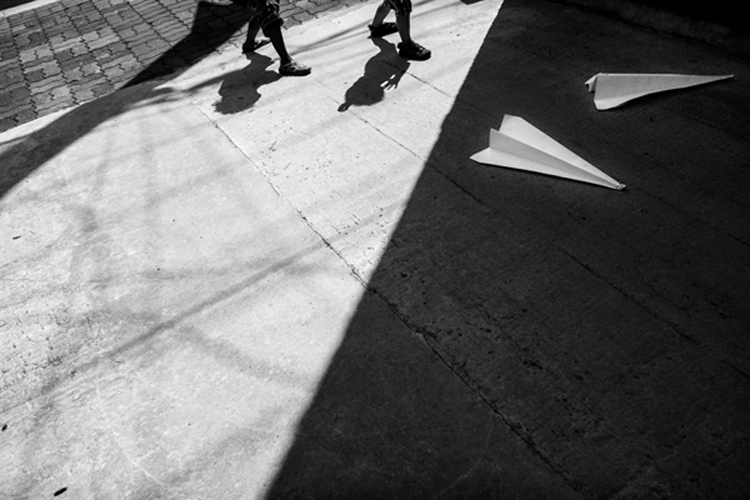
10 More Photography Tips to Help Take Your Images to the Next Level

I receive emails daily from photographers around the world. The one thing many seem to struggle with is that they don’t live in a big city. It is understandable, but just because you can’t find the images you have in your mind doesn’t mean they are not there. You just need to let go of your preconceived ideas and be more open to what is in front of you.

Some people tell me they wish they had more money to travel. Evidently, the image in their mind is of travel, but an image doesn’t need to be travel photography to be good, does it? It’s good to have a general idea of what you want, but also to be open to the possibilities.

Some people get hung up on relationship breakups, passing by great, if not better opportunities in front of them. Likewise, seeing what is possible right in front of us allows us to maximize our opportunities as photographers.

#10 – Remember it’s all plastic
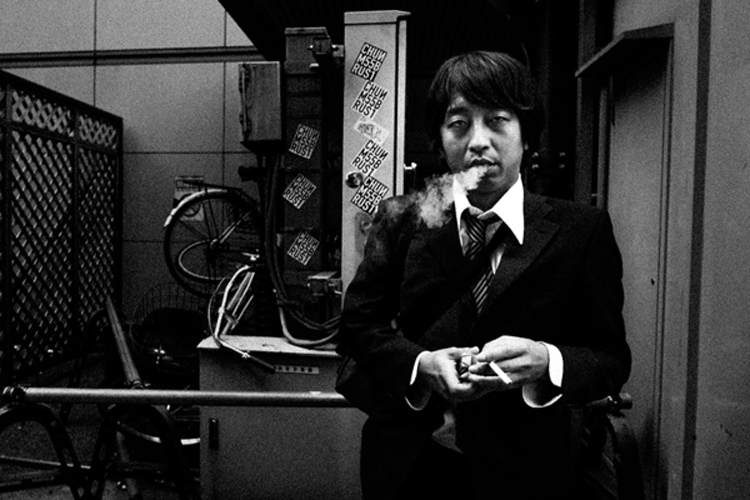
10 More Photography Tips to Help Take Your Images to the Next Level

It’s a hard concept to grasp, especially as a beginner, but remember that photography is plastic. Exposure? Plastic. Colors? Plastic. White Balance? Plastic. Sharpness. Who said every image needed to be averagely exposed, with white balance set perfectly by grey card, and super sharp? The first thing I do as a photographer in Lightroom is to clip my blacks. I LOVE clipping my blacks. I never set my white balance with a grey card, I just look at the image and hear what it creatively calls for, then do that.

Photo of a bride and groom? Probably needs to be on the warmer side so that the viewer can get some emotional cues from that. Shot these plastic surgeons? I’ll put my white balance on the cool side to reinforce the surgical cleanliness. Whatever you are doing right now, remember all of it is plastic. Who said images needed to be in a square or rectangle? Who said portraits have to contain faces? Who said colors had to be realistic (see above)? Who said paper and canvas was the only printing options…..you get the gist!

Conclusion

There you have it, 10 more photography tips to help you in your photography journey. I hope you resonate with some of them. Be yourself, stay focused and keep on shooting.
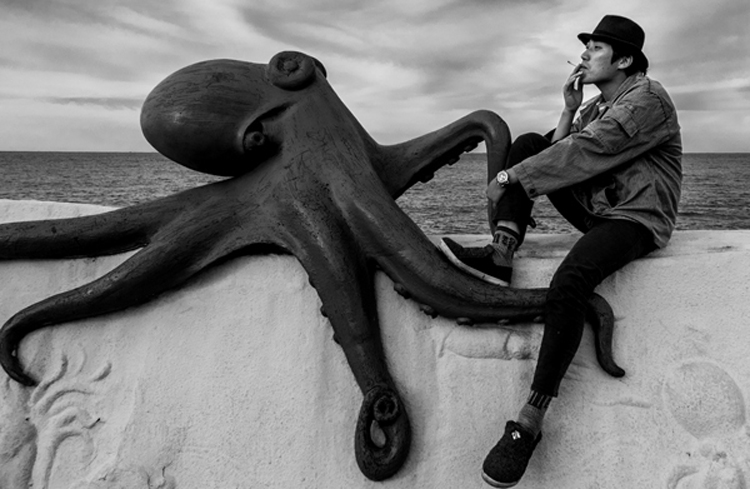
10 More Photography Tips to Help Take Your Images to the Next Level

googletag.cmd.push(function() {
tablet_slots.push( googletag.defineSlot( “/1005424/_dPSv4_tab-all-article-bottom_(300×250)”, [300, 250], “pb-ad-78623” ).addService( googletag.pubads() ) ); } );

googletag.cmd.push(function() {
mobile_slots.push( googletag.defineSlot( “/1005424/_dPSv4_mob-all-article-bottom_(300×250)”, [300, 250], “pb-ad-78158” ).addService( googletag.pubads() ) ); } );

The post 10 More Photography Tips to Help Take Your Images to the Next Level by Olivier Duong appeared first on Digital Photography School.


Digital Photography School

 
Comments Off on 10 More Photography Tips to Help Take Your Images to the Next Level

Posted in Photography