RSS
 

Posts Tagged ‘gear’

KitSplit: Shoot with Super Fancy Gear for Very Little Moola

12 Sep

We’re ‘bout to get you all geared up for photo-snapping funmazement.

We’ve teamed up with KitSplit for a great giveaway! (We’re kinda mad we can’t win ourselves).

Win $ 100 in Photojojo gizmos and $ 100 in gear rental from KitSplit.

What’s a KitSplit? We’re glad you asked. Read along for complete giveaway rules and a formal introduction to our pals, the KitSplitters.

(…)
Read the rest of KitSplit: Shoot with Super Fancy Gear for Very Little Moola (833 words)


© laurel for Photojojo, 2016. |
Permalink |
No comment |
Add to
del.icio.us

Post tags:


Photojojo

 
Comments Off on KitSplit: Shoot with Super Fancy Gear for Very Little Moola

Posted in Equipment


5 Critical Mistakes to Avoid When Buying New Camera Gear

05 Sep

The day you’re finally in the market for a new camera gear is certainly an exciting one when you’re a photographer. Visions dance in your head of all the killer shots you’ll be capturing with a sleek new set-up. You get excited about finally having gear that not only meets your current needs, but that you can grow with into the future as well.

However, it goes without saying, that the buying process can be daunting to say the least. There’s a lot to choose from out there! You want to make absolutely sure that what you buy is actually worth the investment you’re about to make.

Buying New Camera Gear mistakes

In this article I’ll go over some of the most important (and most common) mistakes to avoid when shopping for a new camera or any other piece of photography equipment.

Mistake #1. Taking advice from the wrong person

It’s normal, and wise, to ask for other people’s advice before you finalize a major buying decision. However, it’s important to get it from the right sources. It’s not enough for someone to simply sound like they know what they’re talking about.

Do they actually know what they’re talking about? Is this someone that really knows their way around a camera, and could be considered an expert when it comes to photography gear? Do they actually understand all of the features associated with the item you’re shopping for well enough to have an informed opinion? You should be able to say “yes” with assurance to all of these questions. You need to make sure the person actually understands your unique needs, and the many ways they might differ from theirs.

Buying New Camera Gear mistakes

I need this camera for the work I do, but you may not need one so large. Get what’s appropriate for your needs.

Avoid buying anything just because another photographer you know has one, or because all the online reviews say it’s the one to have. Definitely don’t buy on the say-so of one person, who may or may not really understand photography. Ask for advice from trusted experts and take it for what it’s worth – a great tool that can help you make a decision. Even the best advice isn’t a proper substitute for research and careful comparison shopping.

Mistake #2. Assuming quality is equal to price

Yes, good quality gear should be considered an investment. It’s most definitely a purchasing decision that should be made with care, especially if you’re a professional photographer or hope to become one. However, it’s important not to simply assume that a higher price tag automatically equals a better item.

Buying New Camera Gear mistakes

Do your research and due diligence.

Even if money isn’t personally an issue for you, paying more money doesn’t guarantee that your purchase will actually meet your needs. It doesn’t guarantee you the spectacular photos you’ve been dreaming about either. Even great photography equipment is only going to be as good as the person actually taking the photos.

Focus less on the price tag, and more on whether or not a given item is right for you, especially when buying a camera. Does it fit your current skill level? Are you familiar with all of the functions and tools it comes with? According to your research, is it a good fit for the type of photography you do? Lots of bells and whistles, and tons of different settings won’t do you any good if you either won’t use them, or don’t understand them.

Buying New Camera Gear mistakes

Mistake #3. Failing to budget properly

Proper planning is the key to success when it comes to many endeavours, and shopping for a new camera or photography gear is no different. A big part of that is budgeting, and there are a number of ways people can stumble in that arena.

Many drastically overestimate what they’re likely to get in exchange for their money. An outrageously expensive camera won’t magically allow a beginner to somehow start pulling off National Geographic quality images. Nor will world class photography skills make up for a cheap camera, that’s incapable of taking professional quality pictures.

Buying New Camera Gear mistakes

A lot of shoppers also fail to factor the full cost of all the accessories they’ll need into their budget. Okay, so you did your homework when it comes to the camera you’ll need in order to take your landscape photography to the next level. But, did you also remember to consider the lenses you’ll require? What about the batteries, tripods, memory cards, and everything else? It’s important to be thorough from the get-go.

Mistake #4. Becoming distracted by bargains and specials

So you’re finally ready to walk into the photography shop and make your purchases. You’ve done your homework. You’ve figured out which camera is right for your needs, both present and future. You’ve even picked out the accessories and other tools you’ll need to go with it. You’re sure you know exactly what you’re looking for.

Buying New Camera Gear mistakes

Then you get inside, and see all the signs advertising special deals on this, and bargain pricing on that. Do you lose your focus, or do you remind yourself that item isn’t really what you went there for? Hopefully it’s the latter.

Never buy any piece of photography gear just because it’s displayed under a flashy sign, or a salesman insists that it’s what you really want. If something sounds way too good to be true, it probably is. Keep your eye on the prize, and make sure you walk out of that shop with what you actually need.

Mistake #5. Not being realistic enough

Buying New Camera Gear mistakes

Most of us entertain really big dreams that we hope will come true someday, when it comes to our interest in photography. However, it’s important to ask yourself whether those dreams are realistic as far as the near future goes, before you actually sink your money into them.

Are you brand new to photography, but already picture yourself traveling the world, making big money as a travel photographer within a couple of months? Are you shopping based on a desire to jump straight into professional photography with a ton of new, expensive gear, even though you’ve never used anything more complicated than the Instagram app on your iPhone?

Buying New Camera Gear mistakes

Make sure you’re not getting ahead of yourself when it comes to what you think you’ll accomplish, by spending lots of money on new camera gear right now. Shop according to what your needs and skill level are currently, not what you’re hoping they’ll be “someday”. You’re that much more likely to be happy with your purchases not only now, but in the years to come as well.

If you have any other gear buying tips, please share in the comments below. What is your though process?

googletag.cmd.push(function() {
tablet_slots.push( googletag.defineSlot( “/1005424/_dPSv4_tab-all-article-bottom_(300×250)”, [300, 250], “pb-ad-78623” ).addService( googletag.pubads() ) ); } );

googletag.cmd.push(function() {
mobile_slots.push( googletag.defineSlot( “/1005424/_dPSv4_mob-all-article-bottom_(300×250)”, [300, 250], “pb-ad-78158” ).addService( googletag.pubads() ) ); } );

The post 5 Critical Mistakes to Avoid When Buying New Camera Gear by Destin Sparks appeared first on Digital Photography School.


Digital Photography School

 
Comments Off on 5 Critical Mistakes to Avoid When Buying New Camera Gear

Posted in Photography


Gear Guide Update: Phottix Ares Remotes

26 Aug

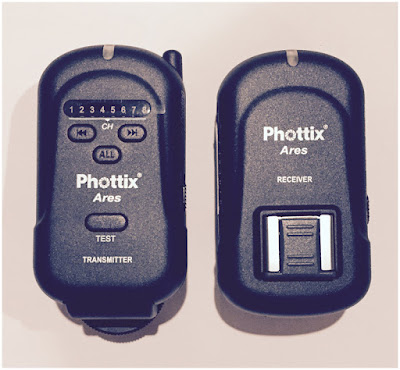
At $ 55 a set, the Phottix Ares remotes bring a ton of value to the table, making them our recommended pick for photographers building out a beginner’s lighting kit. For many photographers, in fact, these are the only remotes they will ever need.

See the newly updated Gear Guide: Remote Triggers post for more info.
Strobist

 
Comments Off on Gear Guide Update: Phottix Ares Remotes

Posted in Photography


How to Buy Camera Gear Wisely and Save Money

07 Aug

Many photographers have experienced lens-lust or gear envy, and know the thrill of playing with a new piece of camera gear. But gear can be expensive, and choosing the wrong equipment can be a costly mistake. So how do you know you are purchasing the correct gear, and ensuring that it won’t end up in a cupboard collecting dust?

Here are five tips to help you choose and buy camera gear wisely, and maybe save a little bit of money at the same time.

1. What do you really need?
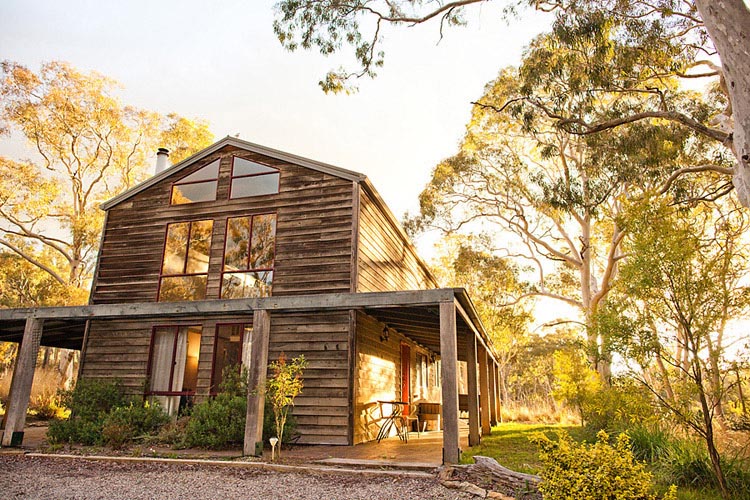
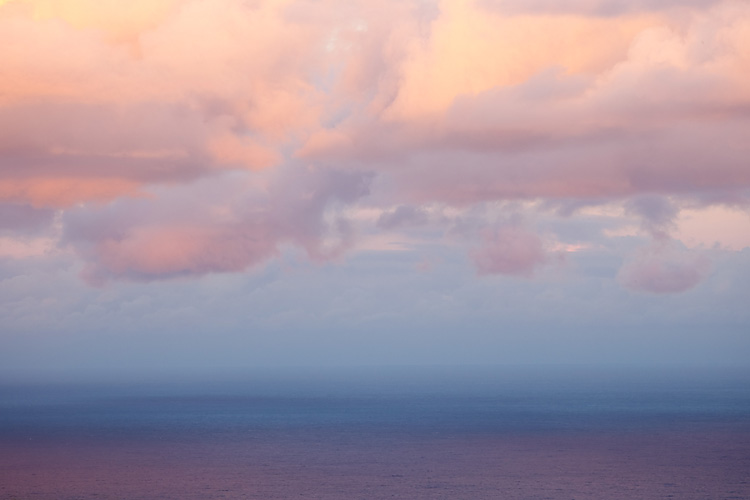
WideAngle

If you often photograph in tight spaces, or want to explore landscape or architecture photography, a wide angle lens is perfect.

I always advocate working with your current gear until you start to feel its limitations. This way you will have a clearer idea of what specifications or items will help you grow further as a photographer.

If you feel that you’ve reached these limits, but are still confused about which piece of equipment you should buy as your first priority, try taking a few notes during your next shoot. Where do you get stuck? What frustrates you? What would make your photography life easier? What will you be photographing? And what is your next goal? Asking yourself these questions will help refine exactly what you need from your next purchase.

For example, do you wish that your lens would shoot wider, or zoom in closer? Perhaps you really want to try macro photography, or need a tripod to try slow shutter speed waterscapes?
Landscape

A zoom lens can be really useful, allowing you to use it across numerous photography genres from portraiture, events, and even landscapes.

If you shoot a lot of landscapes or architecture, a wide angle lens will be more useful than a telephoto lens. Alternatively, if you photograph families, children, or events, a zoom lens may make it easier to respond quicker to impromptu moments, rather than a prime fixed-focal length lens.

Also, will you fully understand and use all the wonderful aspects of the new equipment? Will it be beneficial to your photography, or will it be so complex that it will frustrate you?

For example, should you spend a lot of money on a professional level lens that shoots at f/2.8 if you do not know anything about depth of field? Do you like the effect of f/2.8? Will you use it regularly? Or would a less expensive lens that goes to f/5.6 do everything you need it to?
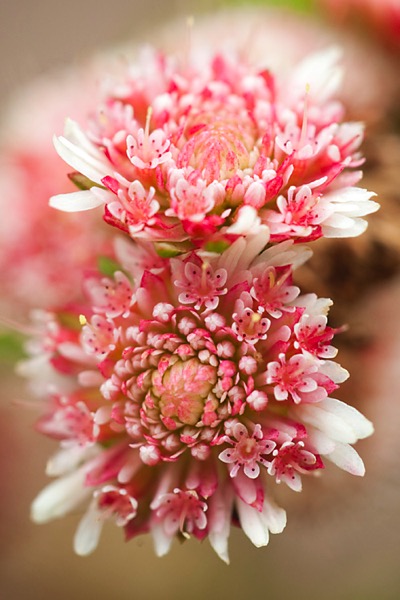
MacroShot

A macro lens won’t help with room interior photographs, but is perfect for capturing close up shots of flowers and insects.

Similarly, if you’ve only been shooting on auto-modes, purchasing a camera that has mostly manual options may not be the best choice. Instead, consider a mid-range camera that offers both auto and manual modes, so you can try more advanced techniques, as well as take it out just for fun.

Make a decision about what you really need from your gear, and remember – it’s okay to stick with the equipment you currently own until you are 100% sure of your choice.

2. Know your budget

Unfortunately we do not all have limitless bank accounts, and will have to make decision on how much we can spend. It is a balancing act between deciding on your budget, and researching the actual cost of items. You could choose to spend a bit more now on one item that will fulfil your needs for the long term, or spend less on an entry-level option to build up your experience.
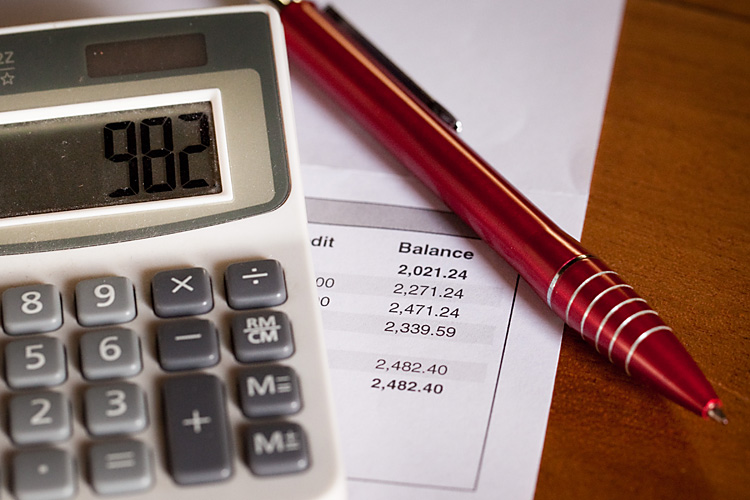
Budgeting

It is important to stick within your budget. If you can’t stretch to afford your ideal gear, consider other options such as buying second-hand, less expensive options, renting, or waiting for the next sale.

Sometimes however what you really want is simply too expensive, so you can choose to wait for the next big sale or look at alternatives, and that’s perfectly okay too. Another option would be to buy the absolute necessities now, while saving for the next items. If you discover you need it sooner, and have not saved enough yet, you can choose to rent gear as needed.

Many stores now also offer payment plans that allow you to take the gear home and pay it off in weekly instalments. This can certainly help with cash flow, but always read the small print, and check the interest rate to see if it will suit your situation.

3. Do your research

50mm apertures
The images above were shot with two different 50mm lenses, using their largest apertures. Do you think you would notice the difference in your own shots? Is it worth the price difference? Flickr can also be a great way to see examples of images taken using specific equipment.

There are so many opinions and reviews posted online that it is easier than ever to do your research. Read personal opinions, website reviews, as well as manufacturers’ specifications, to give you a well rounded opinion and compare them to what you are looking at purchasing. YouTube is a great resource for tutorials, reviews, and box openings. Flickr is also be a good place to find images that have been tagged as being shot with a specific lens or camera – it is a great way to see real-life results.

Your local camera store should not be overlooked either. Go in for a browse, play with the items, listen to advice, and go back a few times if you’re unsure and want to become more familiar with the item before buying it. You want to ensure you are comfortable with the gear you are purchasing, and that it does exactly what you want it to.
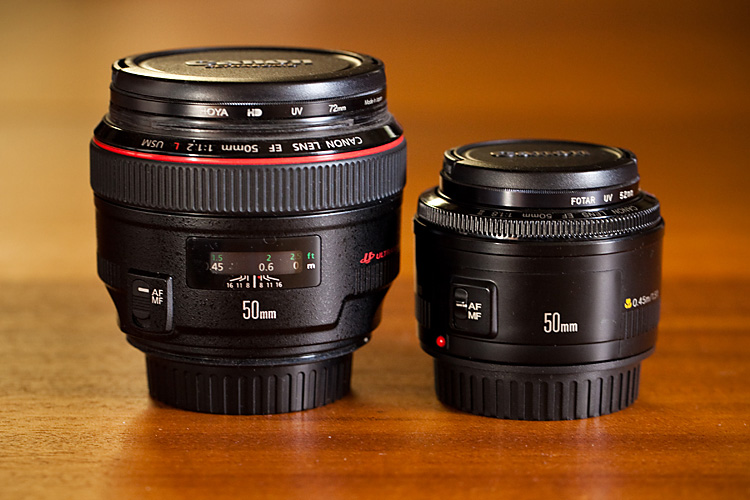
50mm lenses

Here are two different Canon 50mm lenses – one with a maximum aperture of f/1.2 on the left, and the other f/1.8 on the right. Both offer a shallow depth of field, but the prices are vastly different.

Editor’s note: Canon has three 50mm lenses: The f/1.8 version at $ 125 (shown above right), the f/1.4 version at about $ 349 (not pictured), and the f/1.2 monster (above left) which will run you a whopping $ 1349.

If you’re trying out new lenses or a flash, take your camera into the store with a fresh battery and memory card, attach the lens/flash and take a few photos. Test it out in store, see how it works, then go home and review the images. If you’re looking at a new camera body, take your favourite lens and a memory card and do the same. All gear has an adjustment period for becoming familiar with settings and button locations, so this will give you a head start, and an idea of the weight and shape of the item, something you can’t experience by online shopping.

Helpful and knowledgeable salespeople are also invaluable. Many camera store staff on a commission-based pay structure can often be motivated to make a higher-priced sale, so may push you toward the more expensive option. There are those, however, who will provide good advice and non-pushy service, with the hope you will come back to them when you’re ready to buy. If the price is right, it is always good to support your friendly local camera store, as they can be an invaluable resource, especially if something goes wrong.

4. Consider renting
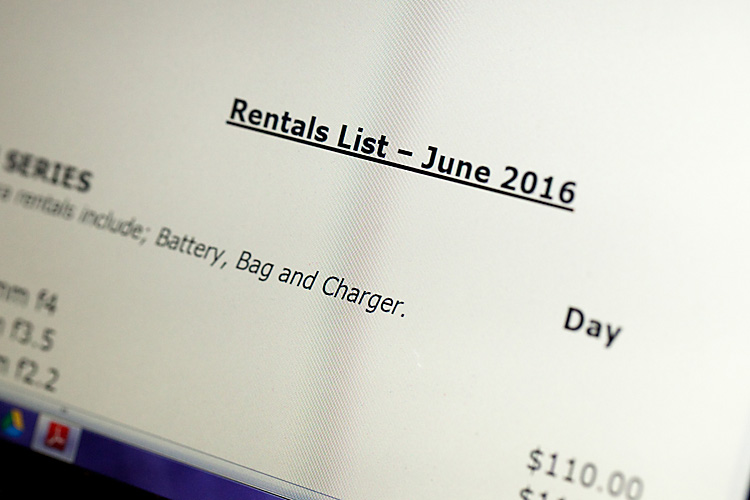
Rental List

Many camera stores and online services offer the opportunity to rent higher priced and specialist equipment. This can be a great way to try before you buy, or to hire gear for one-off assignments.

Did you know you can rent equipment such as lenses and camera bodies, as well as studio flash kits? Many professional photography stores offer this service, and there are several online camera rental services as well.

This option is great for when you are considering professional level gear, or something for a special technical application. You have the opportunity to rent the gear for a day, weekend, or a week, which is a great way to try before you buy.

It is not only a good option for researching a new purchase, but you can hire specialist equipment needed for one-off jobs (like a macro or tilt-shift lens for example), without the cost of purchasing it outright, and with the added advantage of claiming the hire expense as a business expense. A security bond is usually charged, so be sure to read the fine print for the rental terms and conditions.

5. Look for the less expensive option
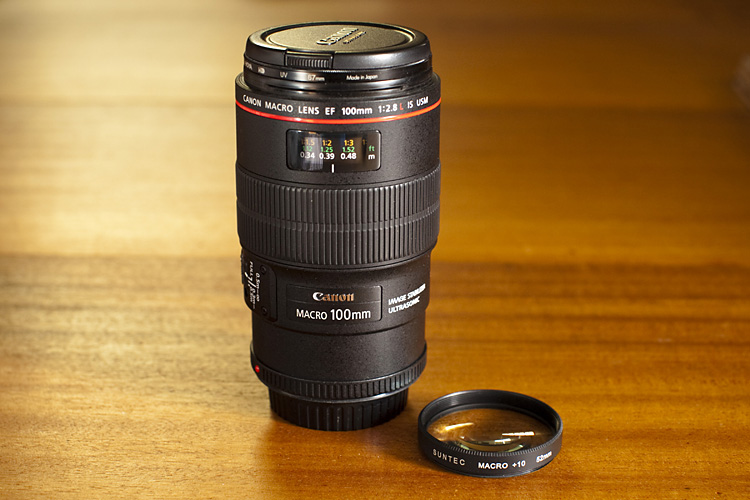
MacroLens Filter

The price difference between a close-up filter set and a dedicated macro lens is over $ 1,000. Each has its own effects, but both are capable of producing quality, and interesting photographs.

If you cannot afford your preferred brand or wish-list item, try searching for a less expensive option. This could mean waiting for a camera sale, purchasing second-hand, a lesser-known brand, or even an alternative method to achieve the same result. These options can be a great way to expand the gear in your camera bag and try new techniques, without spending quite as much money.

For example, we all agree that an f/1.2 lens is drool-worthy, but would the f/1.4 version do almost as good a job? Or instead of purchasing a special macro lens, would close-up filters work instead? Generic, or lesser known brands, are another less expensive option, although they may not have the same quality or life expectancy as the branded versions.

Purchasing second hand equipment may be risky, but with some research, and by asking the right questions, you can often find a bargain. Always consider how much wear and tear the item has had, who has owned it before, and how much life is still left in it. A wedding photographer, for example, will often upgrade their gear and sell off their old cameras. While it might look like a great deal, it’s worth keeping in mind that their gear may have been subject to a lot of wear and tear.
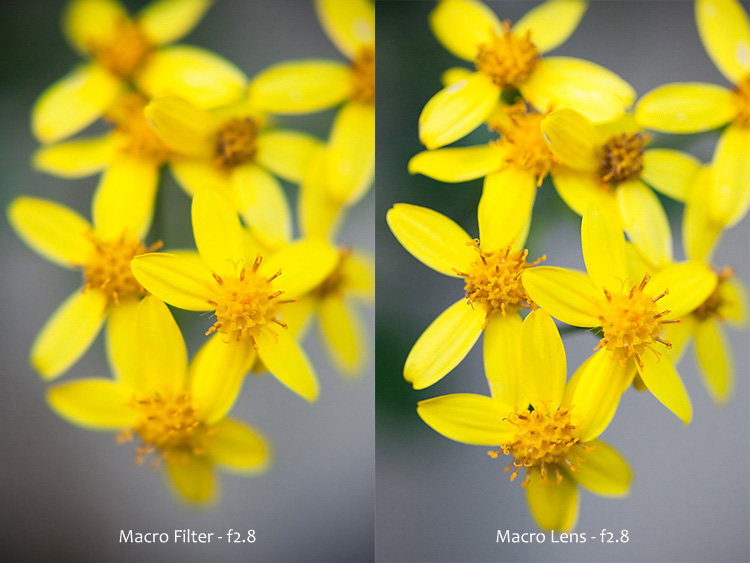
MacroOptions

The same subject, photographed using two different systems – a close-up filter, and a macro lens. Both images were photographed at f/2.8. Filters often create softer images, but are an inexpensive way to enter the world of macro photography.

Scratches and marks can be forgiven, provided they do not affect proper function, while some items have a limited lifetime. When considering a second-hand camera, ask about its shutter actuation, or shutter count, and then compare it to the camera’s life expectancy. This will give you an idea of how many more photos the camera can capture, before the shutter may fail. If photography is your hobby it may take you years to reach this limit, whereas if you’re shooting weddings every week you will reach this number sooner. Shutters are replaceable but it can be expensive, and often camera replacement is more cost effective.

Many of these alternative options are available to purchase in your local camera store, or online. In regards purchasing of second hand equipment, it is worth being cautious: ask lots of questions, request photographs, ask about any return policy, and if you do go ahead, purchasing insurance on postage.

Summary

Hopefully these tips will assist you in choosing your next purchase wisely, one that suits your needs perfectly, and may even help you save a little bit of money too – who knows, maybe just enough to afford that other item you want?

The most important thing, however, is that you use your new gear and enjoy your continuing journey in photography.

googletag.cmd.push(function() {
tablet_slots.push( googletag.defineSlot( “/1005424/_dPSv4_tab-all-article-bottom_(300×250)”, [300, 250], “pb-ad-78623” ).addService( googletag.pubads() ) ); } );

googletag.cmd.push(function() {
mobile_slots.push( googletag.defineSlot( “/1005424/_dPSv4_mob-all-article-bottom_(300×250)”, [300, 250], “pb-ad-78158” ).addService( googletag.pubads() ) ); } );

The post How to Buy Camera Gear Wisely and Save Money by Erinna Ford appeared first on Digital Photography School.


Digital Photography School

 
Comments Off on How to Buy Camera Gear Wisely and Save Money

Posted in Photography


Thieves needed only ten seconds to swipe photographer Brett Costello’s gear in Rio

05 Aug
News Corp. photographer Brett Costello

Another instance of robbery during the Rio Olympics has been reported, this time involving News Corp photographer Brett Costello and his bag of photography gear. The incident took place at a coffee shop in Ipanema, according to Costello’s statement to The Courier Mail, where a woman distracted him while her accomplice grabbed Costello’s gear bag. The thieves are said to have fled in a vehicle.

Speaking about the theft, Costello said:

I was ordering the coffee and was with my gear and then all of a sudden a woman asked me a question, so I turned briefly, probably for 10-seconds. I felt something was not quite right and my bag with all my gear was gone. She was speaking to me for about 10 seconds, not long at all. I was in shock. No one saw a thing, I couldn’t believe it, I was later told there was a getaway car outside. They work in numbers and they’re good at what they do unfortunately. The police weren’t overly surprised, there was a camera in the cafe but I don’t think that’s going to help.

Several robberies and thefts at the Rio Olympics have been reported. On August 1, for example, Australian athletes had some of their items stolen during a building evacuation. Most recently, reports claim a mugger attempted to rob a Russian diplomat at gun point.

Via: The Courier Mail

Articles: Digital Photography Review (dpreview.com)

 
Comments Off on Thieves needed only ten seconds to swipe photographer Brett Costello’s gear in Rio

Posted in Uncategorized


More Ways to Create Better Images Without Buying More Gear

28 Jul

Jay Maisel has to be one of the most interesting photographers alive today. He is 85 years old and he still makes a point of carrying his camera with him every day, everywhere he goes. I recently watched a few videos where Scott Kelby spent a few days with Jay, just wandering through the streets of New York and later, walking through Paris.

In these two different videos, Jay imparts his photography philosophy, and how he makes his images. The remarkable thing I noticed is that Jay almost never talks about photography equipment. Rather, he speaks about technique, about getting it right in camera, and making sure you spend time getting the best shot possible.

This article is a follow on from an article I did a while ago, which had a similar title to this one – 5 Ways to Create Better Images Without Buying More Gear. I now want to expand on that and add 5 more things you can do to improve your photography without buying more gear.

#1 Show the viewer something different

This is something really important that, but we don’t often think about. There are so many things being photographed every day.

5 more things image 8

Think about this: if you go to Paris, you will no doubt want a photo of the Eiffel Tower. Of course, every photographer does. The challenge is, we have all seen photographs of the Eiffel Tower, so, how will your image be different from anyone else’s? Better still, how will you make the image look like it is taken from a new vantage point or angle.

These are the tough questions, the things that we need to think about as photographers. You could try a few things, go in really close and get some detailed shots of the metal structure, find an area of it that is looking old and grungy, maybe try and shoot it from a very extreme angle, work hard to show your viewer something they haven’t seen before.

Think of the photos you have seen of the Eiffel Tower. If your image looks like any of those shots, then you need to try something different. The goal here is not to be different for the sake of being so, but to try and be unique.

Of course, you should shoot the usual postcard shot, at least you have that, but then play around, walk around, lie on the ground, shoot straight up, put your camera lens against the structure, try anything to get an angle that you have never seen before.

Show me something I have never seen before. – Jay Maisel

Look for something you have not seen before

This is one of Jay Maisel’s key messages, “Show me something I have never seen before”. He is not being flippant, we have all seen a car, a tree, a glass building, and people on the street. What he is looking for is to be shown these everyday subjects in a different way, that’s the key to this principle.

#2 Practice patience

In the video with Jay Maisel, he mentions that he was once out doing street photography with another well known photographer. As a typical New Yorker, he was walking at a pretty quick pace. After some time, the other photographer turned to him and said, “Jay, do you know why you aren’t getting any good shots? You’re walking too quickly”.

That comment caused Jay to slow down. Not only did he slow down his walking pace, but he slowed everything. He would stop in a place for five or 10 minutes. He would find a scene he liked and then, like a theatre stage, he would wait for the actors to appear, the people on the street. So he stands in a particular spot sometimes, for up to 20 minutes, and just waits for something to happen.

Sitting and waiting can result in some great images

Sitting and waiting can result in some great images

Give it a try. Next time you are out photographing in your city, stop for a while. Observe the scene in front of you. Make note of how people are moving through that scene, and start looking for an opportunity to make an image. It may take a while, if you can, sit down and just watch, pretty soon, the right person will enter your “stage” and you will have your image.

#3 Change your composition

We all know about the rule of thirds, very often it is our first introduction to composition. It’s a good starting point for creating good composition, but there are many other ways to make your images look compelling.

Composition is one area of photography that can make a vast difference in your images. Simply changing from landscape to portrait orientation for example. More than that, look a little deeper. There are some great techniques you can use to enhance your composition.

5 more things image 10

One of these is using depth of field. A shallow depth of field will isolate your subject and make the background less distracting. Speaking of backgrounds, make sure that you have looked at the background in your image and that there is nothing distracting that will take the viewer’s eye off the subject.

You could also try and frame your subject using a door frame, a window, or some overarching trees. The frame will point the viewer to the subject and, if done correctly, framing can be a very powerful compositional tool.

Remember to change your viewpoint. Lie on the ground, get as low as you can, or maybe get up as high as possible. If your viewpoint is unusual, your subject will benefit immensely.

Shooting from a different viewpoint can make all the difference

Shooting from a different viewpoint can make all the difference

#4 Go out empty

Another piece of Jay Maisel wisdom is to go out empty, and let your images fill you up. What does that mean?

Very often, you may go out on a shoot and are “hunting” for a particular image. Maybe you are looking for a man with a blue shirt riding a red bicycle, which is pretty specific, and really difficult to find. The challenge is that if you are looking for only that one type of shot, you may miss all the others that are out there.

By going out empty, you are open to whatever comes into your viewfinder. You may get a shot that you never thought of before or have seen before, that’s the point. Sometimes it is good to shoot with constraints, it forces you to be creative.


By going out empty, you may be surprised at what you will see

By going out empty, you may be surprised at what you will see

At other times, go out without any limitations, simply look at what unfolds in front of you and shoot whatever you find interesting. That’s one way to get some great shots. Also, be open to what happens while you are out shooting.

I was photographing in an old area in the East Side of Vancouver. A lady came up to me and asked what I was doing, and I told her I was looking for some great shots of the homes in the area. She asked if I wanted to see inside her home, I am so glad she invited me. Her home was amazing, and it was a great opportunity to see inside a true heritage home.

#5 It’s not about cropping, but about framing

As photographers, we can become a little lazy. We will compose the shot, look at the scene, and realize we need to move a little to the left because there is something distracting in the shot. Many times, we might think, “It’s okay, I can crop that out later”.

5 more things image 9

Yes, that is true, you can crop it out later, but it may change the whole perspective of the shot. I might mean that you lose another important piece of information.

Jay Maisel reminds us that it’s about framing, not cropping. He says that it is the photographer’s responsibility for what is in the frame and, sometimes more importantly, what is NOT in the frame. Instead of assuming you can crop something out later, maybe move around the subject a bit, look at it from different angles, and then decide what needs to be in the frame and what doesn’t.

As Jay says, “The photographer is responsible for everything in the frame”. Make sure that everything that’s in the frame is there for a reason, otherwise, change it.

5 more things image 5

You are responsible for everything in the frame.

Of course there are no rules in photography, there are only guidelines. These ideas are simply suggestions that can help you improve your images, and to see more clearly. Once you begin practicing these things, you won’t have to think about them as much. You will do them instinctively, and that’s when your photography will change and become more mature.

So get out there and give these ideas a try, practice one of these suggestions on each photoshoot or photowalk you do. Keep making the changes and slowly working on your craft, and you may look back in a year and be astounded at how much your work has improved.

googletag.cmd.push(function() {
tablet_slots.push( googletag.defineSlot( “/1005424/_dPSv4_tab-all-article-bottom_(300×250)”, [300, 250], “pb-ad-78623” ).addService( googletag.pubads() ) ); } );

googletag.cmd.push(function() {
mobile_slots.push( googletag.defineSlot( “/1005424/_dPSv4_mob-all-article-bottom_(300×250)”, [300, 250], “pb-ad-78158” ).addService( googletag.pubads() ) ); } );

The post More Ways to Create Better Images Without Buying More Gear by Barry J Brady appeared first on Digital Photography School.


Digital Photography School
 
Comments Off on More Ways to Create Better Images Without Buying More Gear

Posted in Photography


Mindshift Gear gives Moose Peterson backpacks a facelift

19 Jul

Mindshift Gear has given the Moose Peterson backpack range an update with new design elements and materials, according to the California-based company. The bags now feature tuck-away belts and harnesses, stronger seams and shoulder straps as well as new zipper pulls that make it easier to open and close the compartments when wearing gloves. The three bags each retain the original ‘Moose Ear’ automatically closing flaps that help to keep dust out of the main sections of the bags, but now the bags are slightly larger to take accomodate bigger modern DSLR cameras.

The bags each hold three DSLR bodies with attached lenses, with the MP-1 V2.0 being the larger model that’s suitable for very long lenses, and the MP-7 V2.0 is the smaller, but still capable of holding a 70-200mm type lens on one of the bodies. The MP-1 V2.0 is priced at $ 349.99, the MP-3 V2.0 is $ 279.99 and the MP-7 V2.0 is $ 199.99.

For more information visit the Mindshift Gear website. 

Press release:

MindShift Gear and Moose Peterson Collaborate to Update Classic Moose Peterson Outdoor Photography Backpacks

SANTA ROSA, CALIF. – Working in partnership with renowned wildlife photographer Moose Peterson, MindShift Gear has updated the three classic Moose Peterson backpacks. Initially designed for wildlife and safari photographers, the backpacks feature a three-compartment layout that helps protect their gear from the elements.

The Moose Pack series is available in three sizes: MP-1, MP-5 and the smallest, the MP-7. The backpacks can carry up to three DSLR camera bodies with telephoto lenses attached—up to 600mm f/4. This strategy enables photographers to be ready to capture wildlife at any distance without changing lenses or exposing the sensor to the elements.

The backpacks also feature the same innovative “Moose Ear” flaps that close automatically, protecting camera gear from dust and debris common in wildlife photography. And because nature photographers often travel to remote locations, the packs are designed to meet airline carry on requirements, and even fit in the overhead compartment of the smallest regional jets.

Moose Peterson is a recognized Nikon USA Ambassador, Lexar Elite Photographer, recipient of the John Muir Conservation Award, and Research Associate with the Endangered Species Recovery Program. He also shares his knowledge through writing, being published in over 143 magazines worldwide, authoring 28 books including Photographic FUNdementals and Taking Flight and Captured, and lecturing across the country to thousands of photographers. As one of the original Nikon shooters to receive the D1 in 1999, Moose became the first wildlife photographer to shoot strictly digital.

“Moose Peterson backpacks are renowned for serving the needs of traveling photographers,” said Doug Murdoch, Think Tank Photo’s CEO and lead designer. “It has been a joy collaborating with him on bringing these classic designs back to the marketplace. While their design and materials have been enhanced, the designs of all three backpacks retain Moose’s original vision.”

KEY FEATURES

  • Original 1998 ‘Moose Ears’ design with auto-close compartment flaps protect the interior from dust, spray, wind, etc.
  • Three compartment system allows you to keep lenses attached providing the quickest way to access gear
  • Tuck-away harness system with removable waistbelt easily allows you to streamline your bag when loading it in a train, plane or automobile (MP-1 & MP-3 only)
  • Sized for carry-on, allowing you to get the maximum amount of gear on the plane
  • Long glass carrying solution with body attached
  • Tripod/monopod mounting system on side and front
  • Flap guard protects front zippers
  • Highest quality RC Fuse YKK zippers, 600D and 420D nylon construction for long-lasting durability and strength
  • Dual-density foam padded shoulder harness, cushioned with air mesh
  • Zippered side pockets fit full-sized flashes (MP-7 only)
  • Stretch water bottle pocket fits 32 oz. water bottle
  • Robust zipper pulls are easily gripped with or without gloves
  • Seam-sealed rain cover/drop cloth included protects against rain and dust

GEAR CAPACITY

Moose Peterson MP-7 V2.0

  • Holds 1 gripped body attached to 70–200mm f/2.8 and two ungripped bodies with primes attached, two flashes and accessories
  • Or, holds 1 gripped body and one ungripped body with 70–200mm f/2.8, 24–70mm f/2.8, 14–24mm f/2.8 (or 16–35mm f/2.8), a 2x teleconverter, two flashes and accessories
  • Maximum lens size: 200mm f/2 attached to a gripped body

Moose Peterson MP-3 V2.0

  • 3 gripped DSLRs with lenses attached, 1–2 additional lenses and 1–2 flashes and accessories
  • Or, 3 gripped bodies and 1 ungripped body detached from lenses, 4–5 standard zoom lenses, 1–2 flashes, a 2x teleconverter and accessories
  • Maximum lens size: Holds 600mm f/4 detached or 500mm f/4 lens attached to a gripped body

Moose Peterson MP-1 V2.0

  • 3 gripped DSLRs with lenses attached,3–5 additional lenses, 2x teleconverter,1–2 flashes and accessories
  • Or, 3 gripped bodies and 1 ungripped body detached from lenses, 7–8 standard zoom lenses, 1–2 flashes, a 2x teleconverter and accessories
  • Maximum lens size: Holds 800mm detached

MATERIALS
Exterior: For superior water resistance, all exterior fabric has a durable water-repellant coating, plus the underside of the fabric has a polyurethane coating. The backpacks also feature highest-quality abrasion-resistant YKK® RC-Fuse zippers, 420D velocity nylon, 600D polyester, 1680D ballistic nylon, 320G DuraStretch mesh, nylon webbing, 350G airmesh, nylon webbing, 3-ply bonded nylon thread.

Interior: high-density velex, 210D silver-toned nylon lining, hexa mesh pockets, high-density closed-cell foam, 3-ply bonded nylon thread.

TECHNICAL SPECIFICATIONS

Moose Peterson MP-7 V2.0
External Dimensions: 15” W x 15.5” H x 8” D (38.1 x 39.4 x 20.3 cm)
Large Camera Compartment: 5.3” W x 14” H x 6.5” D (13.5 x 35.5 x 16.5 cm)
Small Camera Compartments (each): 5” W x 6.3” H x 6.5” D (12.5 x 16 x 16.5 cm)
Weight: 2.5–3.3 lbs. (1.1–1.5 kg) (Lower weight excludes all dividers and accessories)

Moose Peterson MP-3 V2.0
External Dimensions: 14” W x 20” H x 8” D (35.5 x 50.8 x 20.3 c m)
Large Camera Compartment: 6.8” W x 18” H x 6.8” D (17.3 x 46 x 17.3 cm)
Small Camera Compartments (each): 6” W x 8.5” H x 6.8” D (15 x 21.5 x 17.3 cm)
Weight: 3.2–4.6 lbs. (1.5–2.1 kg) (Lower weight excludes all dividers and accessories)

Moose Peterson MP-1 V2.0
External Dimensions: 14” W x 23” H x 8” D (35.5 x 58.4 x 20.3 c m)
Large Camera Compartment: 6.8” W x 21.8” H x 6.8” D (17.3 x 55. 4 x 17.3 cm)
Small Camera Compartments (each): 6” W x 10” H x 6.75” D (15 x 25 x 17 cm)
Weight: 3.7–5.1 lbs. (1.7–2.3 kg) (Lower weight excludes all dividers and accessories)

Articles: Digital Photography Review (dpreview.com)

 
Comments Off on Mindshift Gear gives Moose Peterson backpacks a facelift

Posted in Uncategorized


Parachut is a subscription service for borrowing expensive camera gear

13 Jul

If you’re really keen to shoot with a particular camera or lens, but you can’t afford to buy it, you don’t have many options. Renting gear for long periods of time can get very expensive, very quickly.

Parachut is a new subscription-based service that allows you to borrow from a wide variety of equipment – old and new – for $ 149 per month. Pitched as a service geared around ‘exploration’, Parachut allows subscribers to lease equipment based on their personal interests. You can add specific items to a wish list, but the precise contents of your first delivery – called a ‘Chut Drop’ – will be tailored to your picture-taking preferences, and skill level, and may include ‘surprises’. 

Parachut is a subscription-based service for long-term leasing of photographic equipment, both old and new.

Once you take delivery of a piece of equipment, provided that you maintain your subscription, you can keep it for as long as you like. An additional $ 49 per month covers accidental loss or damage.

Parachut is currently in beta, and only available to US-based subscribers. Expansion to other countries is planned, and an official launch for ‘founding members’ is scheduled for later this year. Right now, $ 149 will get you on the founding members list, ready for the first Chut Drop in autumn. 

For more information, watch the (slightly cringeworthy) video, above, and check out Parachut’s website. What do you think? For what amounts to almost $ 2000 a year, would you make use of a service like Parachut? Let us know in the comments. 

Articles: Digital Photography Review (dpreview.com)

 
Comments Off on Parachut is a subscription service for borrowing expensive camera gear

Posted in Uncategorized


Samsung Gear 360 camera costs $350 in US with limited availability at VidCon

23 Jun

Samsung has announced a limited launch of its Gear 360 camera, which was first revealed earlier this year at Mobile World Congress in Barcelona. The camera is available in the United States for $ 349.99 at VidCon, an online video convention in Anaheim, California; it will be available on a wider basis ‘later in the year,’ but Samsung did not provide a specific date.

The Samsung Gear 360 camera features a pair of 15MP cameras with F2.0 lenses housed in a round body. When used together, the cameras record 360-degree videos at 3840 x 1920 pixels, as well as spherical still images. The camera also allows users to record content with only one camera for 180-degree content. For now at least, the Gear 360 camera only works with the latest Samsung mobile devices, including the Galaxy S7 and S7 edge, Galaxy S6, S6 edge, and S6 edge+, and the Galaxy Note 5.

In addition, the company has renamed Samsung Milk VR app for viewing 360-degree content to simply ‘Samsung VR,’ and has opened up the platform to user-generated content. Finally, Samsung has unveiled a new initiative called Samsung Creators. Under the initiative, Samsung is working with indie filmmakers and others to develop 360-degree content for its own virtual reality platform. Samsung Creators has a competition planned for July in which ten winners will be selected for their VR content spanning ten categories: Music, Auto, Science and Tech, Gaming, Travel, Fashion, Culinary, Cause-related, 4D and Sports.


Press release:

NEW YORK – June 22, 2016 – Today Samsung Electronics America, Inc. launched Samsung Creators, a new initiative that empowers storytellers, partnering with them to generate content across a variety of audiences and channels to show everyday creators what’s possible with Samsung VR technology.

“We want to bring the power of VR technology directly to the people,” said Samsung Electronics America’s Chief Marketing Officer Marc Mathieu. “To help creators learn and perfect the art of VR storytelling, we’ve built an entire VR ecosystem that pushes beyond the frame and empowers them to develop unforgettable, immersive stories, and inspires us all to do the same.”

At VidCon—and, beyond—Samsung Creators will provide seminars and classes, putting VR capabilities in the hands of filmmakers and influencers, further accelerating this new medium. Leading into VidCon, Samsung Creators is working with Casey Neistat to spotlight emerging creators from YouTube and push the creative boundaries of 360 video storytelling. This special curation of content will premiere at VidCon.

In July, Samsung Creators will launch a competition, challenging aspiring, indie filmmakers and creators to develop VR / 360 content, using Samsung’s VR products. Ten winners will be chosen, one from each of the following ten categories: Music, Auto, Science and tech, Gaming, Travel, Fashion, Culinary, Cause-related, 4D and Sports.

For more information about Samsung Creators, please visit www.samsungcreators.com.

Samsung VR and Samsung Gear 360 Updates

In addition, today Samsung launched Samsung VR– formerly known as Samsung Milk VR – which now supports user generated content. Creators can load their own 360-degree videos to the Samsung VR platform for sharing and for the first time view them in Samsung Gear VR. For more information about uploading content to Samsung VR, please visit https://samsungvr.com.

Samsung Gear 360 also launched in the U.S. today, an affordable, high-resolution camera developed for storytellers to create their own 360-degree videos for mobile viewing and VR content for Samsung Gear VR, powered by Oculus. The Gear 360 is priced at $ 349.99 in the United States and will be available for purchase on a limited basis during VidCon in Anaheim, California. Details about additional availability will follow later in the year. For more information about Gear 360, please visit www.samsung.com/gear360.

With these announcements, Samsung delivers the first end-to-end VR ecosystem that enables creators to shoot, stitch and share like never before.

About Samsung Electronics America, Inc.
Headquartered in Ridgefield Park, NJ, Samsung Electronics America, Inc. (SEA), is a recognized innovation leader in consumer electronics design and technology. A wholly owned subsidiary of Samsung Electronics Co., Ltd., SEA delivers a broad range of digital consumer electronics, IT and home appliance products. Samsung is the market leader for HDTVs in the U.S and one of America’s fastest growing home appliance brands. To discover more of the award-winning products you love with Samsung, please visit www.samsung.com and for the latest Samsung news, please visit news.samsung.com/us and follow on Twitter @SamsungNewsUS.

About Samsung Electronics Co., Ltd.
Samsung Electronics Co., Ltd. inspires the world and shapes the future with transformative ideas and technologies. The company is redefining the worlds of TVs, smartphones, wearable devices, tablets, cameras, digital appliances, printers, medical equipment, network systems, and semiconductor and LED solutions. For the latest news, please visit the Samsung Newsroom at news.samsung.com.

Articles: Digital Photography Review (dpreview.com)

 
Comments Off on Samsung Gear 360 camera costs $350 in US with limited availability at VidCon

Posted in Uncategorized


Great Gear that’s Back in Stock

20 Jun

What did the camera gear say when it found itself in a pot of soup, again?

We’re back in stock!

A few of our favorite goodies are back in action in the Photojojo Shop. Grab ‘em while we’ve got ‘em!

(…)
Read the rest of Great Gear that’s Back in Stock (0 words)


© laurel for Photojojo, 2016. |
Permalink |
No comment |
Add to
del.icio.us

Post tags:


Photojojo

 
Comments Off on Great Gear that’s Back in Stock

Posted in Equipment