RSS
 

Posts Tagged ‘Finding’

Concept To Creation: Finding Inspiration

17 Jul

Hey FashionPhotographyBlog.com readers.


This time around, we’re going to look at something a bit more conceptual. I can give advice and guide you, but ultimately it’s your job to really dig in and put it all together. That being said.. This post we’re going to briefly explore “Concept to Creation.” How to take an idea and turn it into an editorial or, if you’re lucky enough, an advertising campaign. Granted this post (hell- this whole blog) is geared more toward fashion photography, but the same principles apply for all walks of photography.


One of the biggest things I didn’t understand when first starting out was what an editorial really is. Sure, it’s a “story.” It’s a group of images that go together. Easy enough. So what was I doing wrong that I couldn’t get any of my “stories” published? They were good pictures but I lacked concept and intrigue.


When planning a shoot, there is no precise way to tell you how to get from initial inspiration to final image. However, we can look at developing an idea and the unwritten rules behind the images we see.


Inspiration


Let’s start at the beginning. First off, find some inspiration.


Many people ask where to find inspiration. There’s no right or wrong answer. For some people it’s reading a book, watching a movie or going to a museum. For others it’s found walking around town or listening to new music. Everyone gets inspired differently. The hardest part is finding out how you’re inspired and taking it from there. Are you stimulated visually? Auditorily?


The best piece of advice I could give you is to NOT look at fashion photographers work when trying to get inspired. Sounds silly, I know. Look at fashion photographers work all the time! Knock yourself out. But when it comes to initially conceiving an idea and you’re looking at the work of other fashion photographers, you’ll run into a few problems.


1) You’re most likely going to steal a bit of their idea/image subconsciously

2) If you’re looking at the work of masters such as Guy Bourdin or Steven Meisel, you’ll drive yourself mad! There is no way your work can stack up against these guys.


Let your ideas come organically. Bounce ideas off friends. Watch a movie. Go to the Met. (Can’t get to NYC? No sweat! The Met has their collections catalogued online, so does the MoMA


Browsing online and see something you like? Create an inspiration folder on your desktop to keep images for later reference.


francis-bacon-pope

Francis Bacon’s work often focuses on how the face distorts as one screams. I used this as inspiration for some personal images I shot.


alana-tyler-slutsky-personal-work-lighting

Image I shot studying how the face can be manipulated through distortion and lighting. As you can see, Bacon’s work was a big inspiration for this set of images.


Stayed tuned because we will be diving a little further into turning inspiration into concept next time.

Until then –


Alana


IMAGE SOURCE:


Image 1: Francis Bacon

Image 2: Alana Tyler Slutsky

Fashion Photography Blog

 
Comments Off on Concept To Creation: Finding Inspiration

Posted in Uncategorized


Concept To Creation: Finding Inspiration

15 Jul

Hey FashionPhotographyBlog.com readers.


This time around, we’re going to look at something a bit more conceptual. I can give advice and guide you, but ultimately it’s your job to really dig in and put it all together. That being said.. This post we’re going to briefly explore “Concept to Creation.” How to take an idea and turn it into an editorial or, if you’re lucky enough, an advertising campaign. Granted this post (hell- this whole blog) is geared more toward fashion photography, but the same principles apply for all walks of photography.


One of the biggest things I didn’t understand when first starting out was what an editorial really is. Sure, it’s a “story.” It’s a group of images that go together. Easy enough. So what was I doing wrong that I couldn’t get any of my “stories” published? They were good pictures but I lacked concept and intrigue.


When planning a shoot, there is no precise way to tell you how to get from initial inspiration to final image. However, we can look at developing an idea and the unwritten rules behind the images we see.


Inspiration


Let’s start at the beginning. First off, find some inspiration.


Many people ask where to find inspiration. There’s no right or wrong answer. For some people it’s reading a book, watching a movie or going to a museum. For others it’s found walking around town or listening to new music. Everyone gets inspired differently. The hardest part is finding out how you’re inspired and taking it from there. Are you stimulated visually? Auditorily?


The best piece of advice I could give you is to NOT look at fashion photographers work when trying to get inspired. Sounds silly, I know. Look at fashion photographers work all the time! Knock yourself out. But when it comes to initially conceiving an idea and you’re looking at the work of other fashion photographers, you’ll run into a few problems.


1) You’re most likely going to steal a bit of their idea/image subconsciously

2) If you’re looking at the work of masters such as Guy Bourdin or Steven Meisel, you’ll drive yourself mad! There is no way your work can stack up against these guys.


Let your ideas come organically. Bounce ideas off friends. Watch a movie. Go to the Met. (Can’t get to NYC? No sweat! The Met has their collections catalogued online, so does the MoMA


Browsing online and see something you like? Create an inspiration folder on your desktop to keep images for later reference.


francis-bacon-pope

Francis Bacon’s work often focuses on how the face distorts as one screams. I used this as inspiration for some personal images I shot.


alana-tyler-slutsky-personal-work-lighting

Image I shot studying how the face can be manipulated through distortion and lighting. As you can see, Bacon’s work was a big inspiration for this set of images.


We’ll dive a little further into turning inspiration into concept next time.

Until then –


Alana


IMAGE SOURCE:


Image 1: Francis Bacon

Image 2: Alana Tyler Slutsky

Fashion Photography Blog

 
Comments Off on Concept To Creation: Finding Inspiration

Posted in Uncategorized


The Secret to Finding the Hero Angle in Food Photography

27 Jun

Have you ever stared at a photo of a food dish, and instantly thought that something looked a little odd? Like the shot wasn’t quite bang on, but you can’t quite put your finger on what it is? Chances are the dish hasn’t been shot using its hero angle.

Rachel Korinek Food Photographer DPS Hero Angle 12

You can have the freshest ingredients, the maddest styling skills, and be able to tame ever changing natural light, but if your angle isn’t complimentary to the food you’re shooting – you’re missing out on the full potential of creating a powerful food image.

Never fear though, the secret to finding the hero angle in food photography is simple. Just approach the shoot with two things in mind; the height of the dish and/or the props, and the layers contained in them.

The Height of Your Dish and Props

The height of food basically falls into two categories; tall or flat.

Tall subjects are simply anything with height – like a bundt cake, an ice cream cone, or a burger with the lot. For tall subject you will usually default to shooting somewhere between a 45 degree angle to straight on. Going beyond 45 degrees can sometimes limit being able to see the full dish and layering.

Flat subjects are simply anything whose width is inherently larger than its height – like a tart, a cookie, or a pancake. For these types of subjects, default to shooting somewhere between straight above and a 75 degree angle. Going too close to 45 degrees will also accentuate their flat qualities.

Rachel Korinek Food Photographer DPS Hero Angle 8 Rachel Korinek Food Photographer DPS Hero Angle 5

But what about everything else? What about soup, salad, or how about liquids? I am so glad you asked, because this is where the fun starts.

There are quite a few foods that are dependant on serve-ware. A burger or cake can hold their own, but liquids, soups, salads, and puddings cannot. Which category these guys fall into is dependent on the food styling prop in which they are presented.

Take soup for instance, is it being served in a bowl, or is it a fancy cold soup served in a tall shot glass? The salad, is it served on a plate or a large glass bowl? What sort of holder is the liquid in; tall, short, opaque? Is it in a flat tray because you’re about to freeze it and turn into granita?

Oh the possibilities are endless! But remember, they all fall into two categories, so you’ve got a 50/50 shot of getting it right. I’m pretty sure you’ve got this.

The Layers in Your Dish and on Set

There are two things to consider when thinking about layers in food photography. The layers present in your food dish and the layers present on set.

Layers in a dish are the number of visual components in a recipe. The classic example is a burger with seven layers, bun, meat patty, cheese, sauce, slice of tomato, lettuce, bun. Or a layer cake with seven layers, cake, jam, cream, cake, jam, cream, cake. So to get the best food photography shots, you’ll want to choose an angle that exposes these layers in their best light.

Rachel Korinek Food Photographer DPS Hero Angle 6 Rachel Korinek Food Photographer DPS Hero Angle 7

Layers on set are the number of elements or props that you have on your set (props) on top of one another. For example, napkin, plate, and garnish would be three layers and would appear on top of one another. I don’t count the food/recipe as a layer as it is the subject and will always be present. If the prop layers are an important part of telling the food story, you’ll want to make sure your angle captures those elements too.

Putting it all Together

Now that you’ve thought about the height of your dish and the layers, you can marry those two, in order to figure out your hero angle. Let’s look at some examples.

This is a little game I like to play called; Okay, Better, Hero. There is nothing wrong with any of these shots I’m about to show you per say, but there can only be one hero, right? That’s what we’re aiming for, so let’s dive right in.

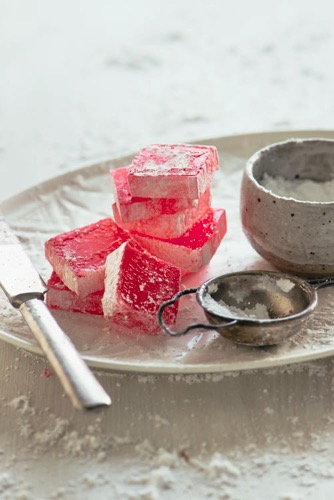
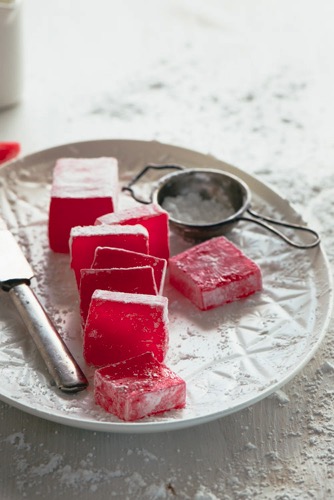
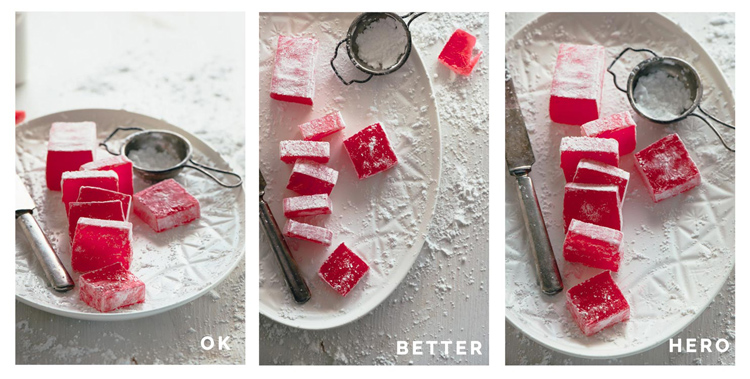
Turkish Delight (a flat dish without layers)

Rachel Korinek Food Photographer DPS Hero Angle 1

I shot this Turkish delight with a 105mm micro (macro) lens, at a 25 degree angle, overhead, and 75 degree angle respectively.

Because this is such a flat dish, you may expect that the overhead angle would be the most flattering. But really the 75 degree shot is hero angle, here is why. It is so close to overhead, yet allows you to capture the gorgeous light coming through the Turkish delight which adds to the richness of its colour.

25 degrees also captures the colours, but accentuates the flatness of the dish, and detracts from the overall feel.

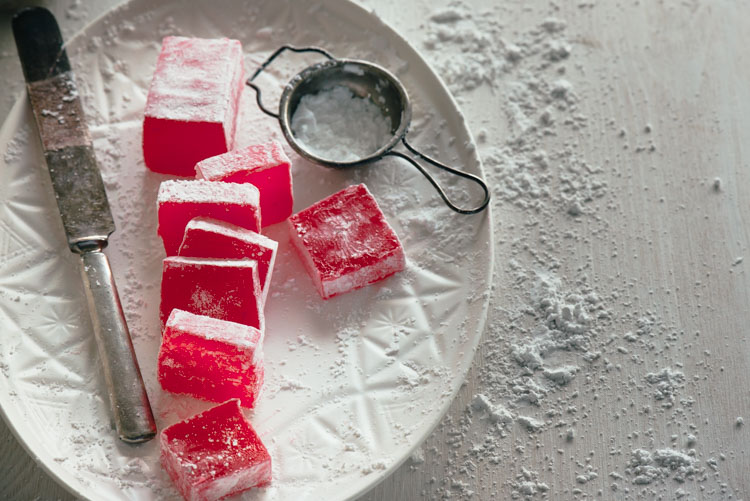
Rachel Korinek Food Photographer DPS Hero Angle 11
Horizontal variation, shot at the same angle.

The Burger (tall dish with layers)

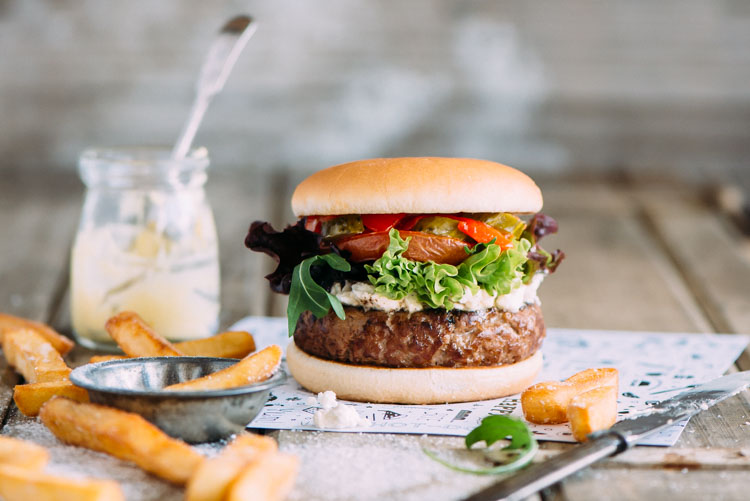
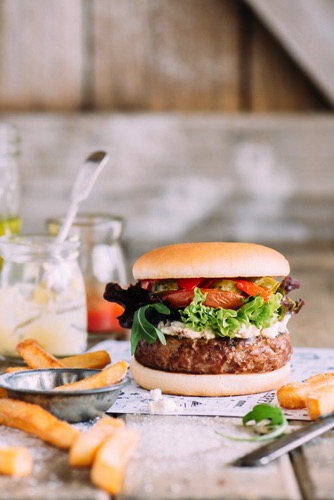
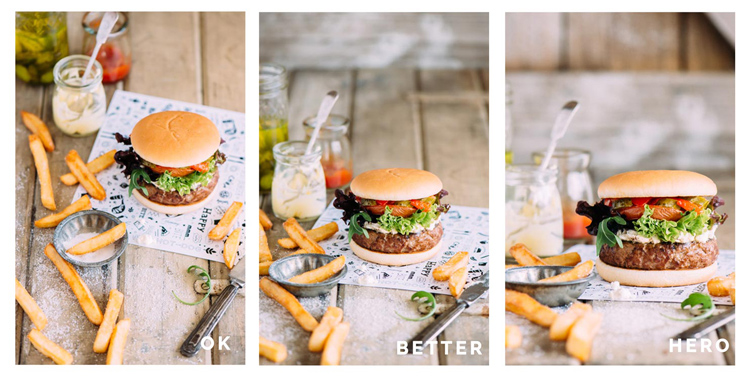
I shot this burger with a 105mm micro (macro) lens, at a 45 degree angle, 25 degree angle, and straight on respectively.

Rachel Korinek Food Photographer DPS Hero Angle 4

The hero angle is the one shot straight on, because it allows the viewer to focus on all the delicious layers, and elongates the height of the burger which you naturally expect to be a tall food. Your mind thinks, the taller the burger, the more ingredients, and the more bang for your buck you get.

The 45 degree angle doesn’t give you enough context of the layers, and the 25 degree angle makes the top burger bun look too flat.

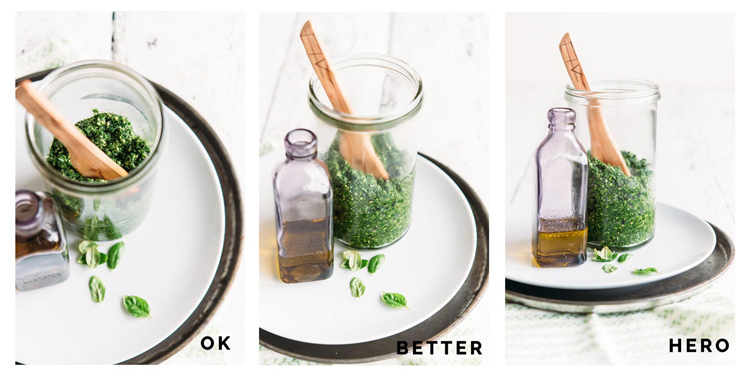
Kale Pesto (tall dish without layers)

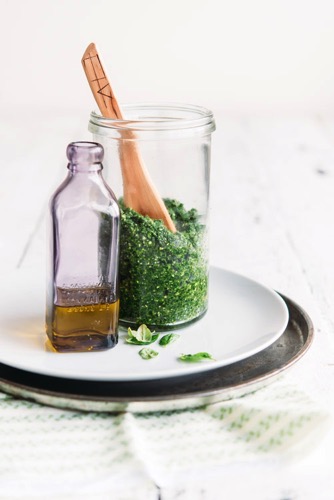
I shot this with a 60mm micro (macro) lens, at a 85 degree angle, 45 degree angle, and straight on.

Rachel Korinek Food Photographer DPS Hero Angle 3

Pesto, being a sauce or condiment, is dependant on the serve-ware in which it is presented. As you want to show that there is enough of the pesto to coat an entire family size dish of pasta, it was shot in a tall glass. This also complimented the tall spoon, and bottle of oil in the shot as props.

The 45 degree angle is workable, but straight on one is the hero angle here. It allows for an overall sense of how the dish is being served and stored, while still allowing the viewer to comprehend its texture.

If you want to get into the nitty gritty, the 45 degree angle allows for reflection of the plate to show up in the glass, hindering the ability to see the texture of the pesto.

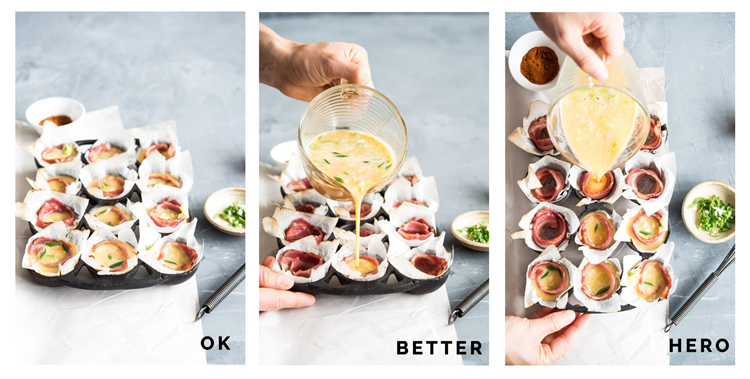
Egg and Bacon Muffins (flat with layers)

I shot this with a 60mm lens, at a 45 degree angle, 30 degree angle, and from directly overhead.

Rachel Korinek Food Photographer DPS Hero Angle 2

Here the 45 degree angle accentuates the flatness of the dish, but does show the layers. The 30 degree angle is better, but it doesn’t show the full layers of the dish as much as the overhead shot does. That’s why the overhead shot is the hero angle in this case. It allows you to see right into the dish, while still getting the action of the egg filling being poured into each compartment.

Putting Finding That Hero Angle Into Practice – 5 Take Aways

Next time you’re doing a food photography shoot, put the following into practice:

  1. Thinking about whether your dish falls into the tall or flat category.
  2. Are there layers in your dish, or through your use of props on set?
  3. For tall foods, especially those with layers, explore angles between straight on and 45 degrees.
  4. For flat foods, explore angles between overhead and 75 degrees.
  5. Take a few shots with different angles outside the recommended ones above, and look for the OK, better, hero shots.

Do you have a favourite angle for food photography that you can always rely on? Please share in the comments below, as well as your food shots.

googletag.cmd.push(function() {
tablet_slots.push( googletag.defineSlot( “/1005424/_dPSv4_tab-all-article-bottom_(300×250)”, [300, 250], “pb-ad-78623” ).addService( googletag.pubads() ) ); } );

googletag.cmd.push(function() {
mobile_slots.push( googletag.defineSlot( “/1005424/_dPSv4_mob-all-article-bottom_(300×250)”, [300, 250], “pb-ad-78158” ).addService( googletag.pubads() ) ); } );

The post The Secret to Finding the Hero Angle in Food Photography by Rachel Korinek appeared first on Digital Photography School.


Digital Photography School

 
Comments Off on The Secret to Finding the Hero Angle in Food Photography

Posted in Photography


5 Secrets for Finding Great Indoor Portrait Locations

04 Apr

156

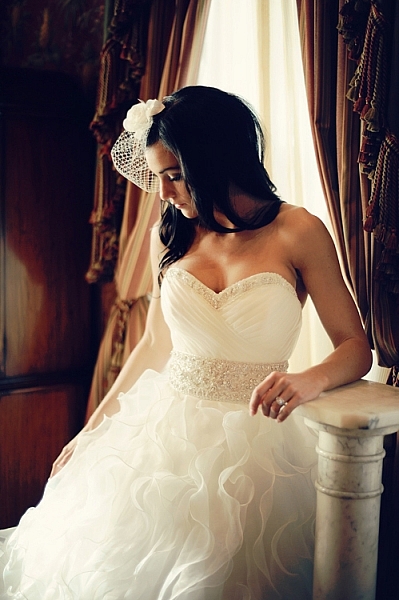
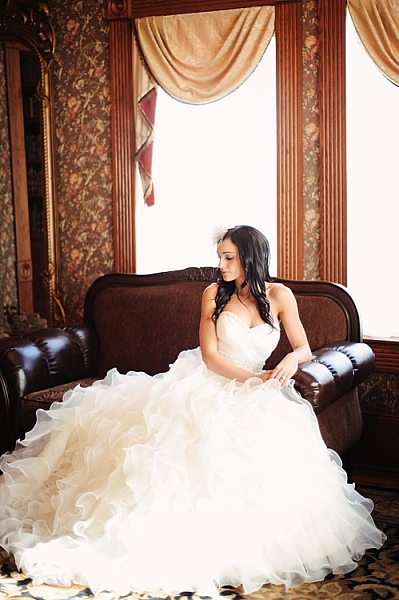
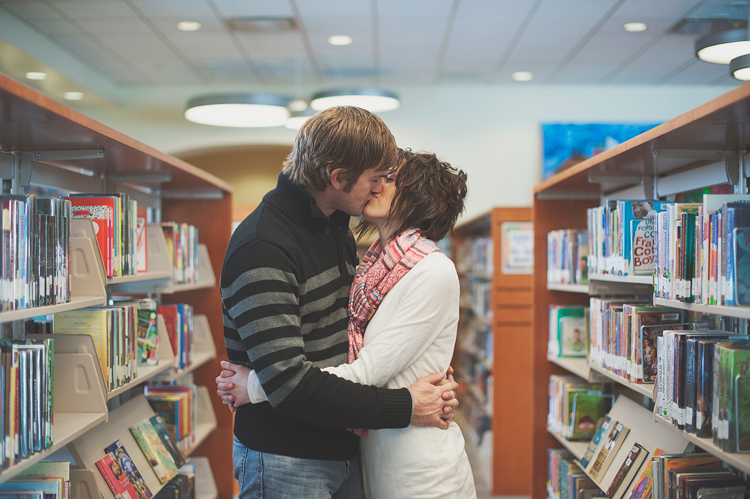
Not all photographers choose to have a dedicated indoor studio, but sometimes you need to shoot a session indoors. Maybe it’s freezing outside, and you don’t want to be out in that weather. Maybe you have a bride who wants bridals, but is worried about her dress getting dirty. Maybe you just want something fresh and a little quirky. Maybe the building has special meaning to you or the person you are photographing.

Whatever your reasons, in this article you are going to learn all my secrets to finding indoor locations, and getting permission to use them. Hopefully they’ll help you find the perfect spot for your next session!

174

Secret #1: Always be on the lookout

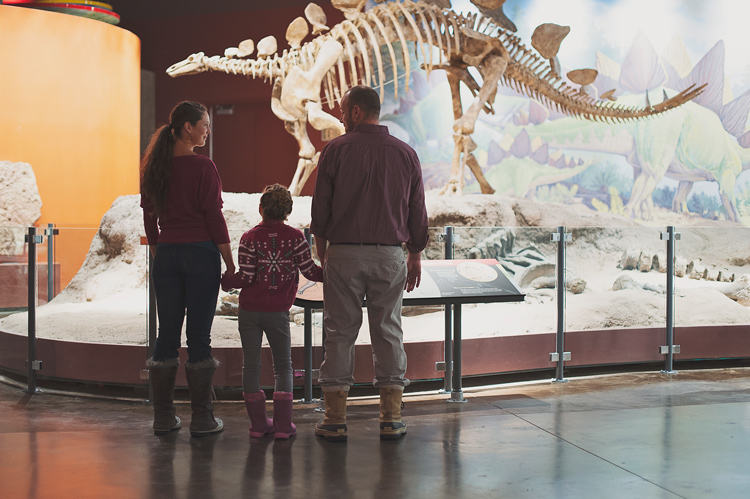
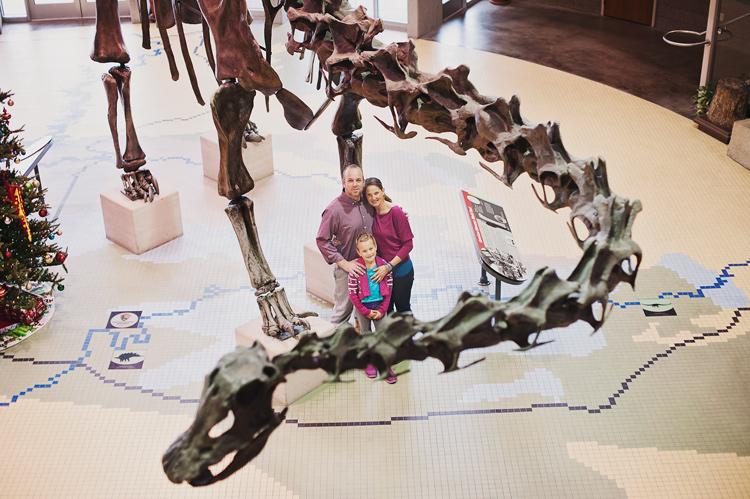
Wherever you go, keep your photographer eyes open. You may be surprised at how many places transform into a great location once you really start looking. Some unique and exciting photography locations could be: family photos in the library, model portfolio shots in the city building, engagement session in the laundromat, dance group session in a hotel lobby, mom and toddler portraits in a grocery store, bridal session in a grand old house, a museum, a quaint bed and breakfast, a roller-skating rink, a university building, a furniture store, a toy store, or candy store – the list is endless.

Look for great lighting, open spaces, interesting backgrounds, and fun things to interact with. Notice if there are lots of people that you might be disturbing, or if it’s a relatively calm place that you could photograph in peace. Use your imagination and creativity to turn the ordinary into something extraordinary.

192

Secret #2: Always ask permission

Once you’ve found a place you’d like to try, make sure you ask permission before you bring a client there. I find, if possible, that asking in person is usually the best, because they can see who they are talking to, and are often less resistant if they can see your smiling friendly face. If you need to call, be professional and friendly on the phone, so they feel comfortable letting you come with your camera.

If you aren’t sure who owns the building, check with city or county records, or ask a neighboring building or house if they know who owns it. Do the legwork to find out who owns the property before you barge in uninvited. It gives all photographers a bad name if you trespass. I’ve had many times where I call to ask permission, and the owner thanks me profusely for asking permission. They express their frustration that other photographers just start shooting without asking. They allowed me to photograph on their property, so obviously they don’t mind people being there, but they always appreciate being asked first.

Some locations, like museums, or theme parks, are fine with you taking photographs inside, but you have to pay the entrance fee.

148

Some places charge a fee for photography, and some don’t allow photographers at all. If you whip your camera out in either of those types of places without asking permission first, you could be fined huge amounts. It’s not worth it. If you ask permission and get a no, just move on and find another place. However, it never hurts to ask. Most of the time you get a yes, and often they are pleased that you think their building is worthy of being a photography location.

112

Secret #3: Find an owner who will also benefit

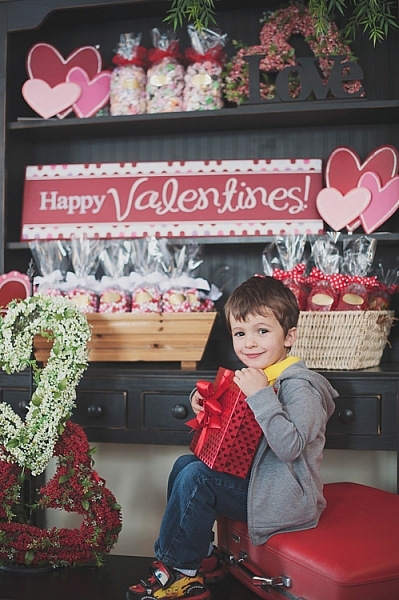
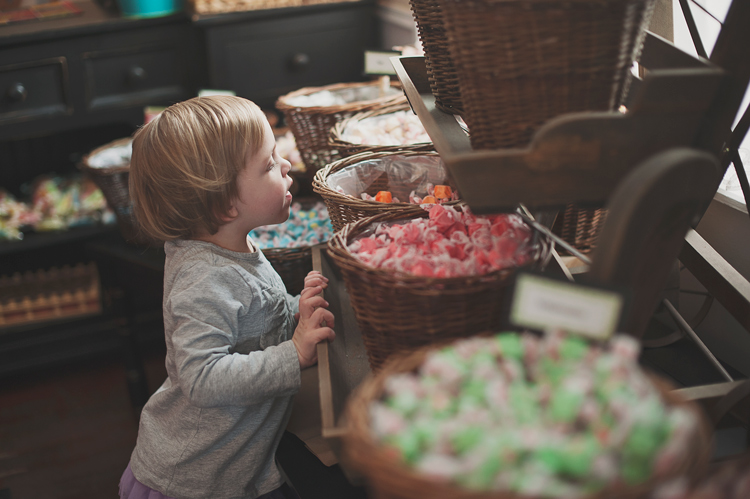
I needed a place to have adorable kids come for Valentine’s Day photos, but I didn’t know who would want multiple kids and families traipsing in and out of their establishment. Then I came across an adorable little candy shoppe that was decorated perfectly, and full of delicious sweets and treats. My photography clients came in and out all day for their sessions, and ended up buying lots of candy in the process. Many who came had never noticed the little hometown shop, with homemade caramel apples and every kind of candy you can think of, and they were happy to have discovered it. I ended up having a great place for my Valentine’s Day photos, and the owner got a lot of new business.

177

Look for places that might have a similar situation, and chances are the owner will be more than happy to let you use their location, free of charge. Many small locally owned places need a couple of photos of their establishment for websites and advertising purposes, or maybe even a quick headshot, and would be thrilled to let you photograph there in exchange for a photo or two.

146

Secret #4: Explore any connections

Sometimes a friend may own a quaint little bed and breakfast, or maybe she works at a museum. If you are photographing that friend, that may be an especially smooth way to get your foot in the door. If things go really well, they may be okay with you bringing other people to their property again. Even if they aren’t the one that you are photographing, you could ask what they think about letting you use the property that they have a connection to.

Be careful not to ask for too much, and be careful not to put anyone in an uncomfortable position. If you sense that they are hesitant about having a camera there, don’t push it. A little respect goes a long way, and you don’t want to be the photographer that people avoid at all costs. Relationships are more important than having a cool place to photograph, so be extra sensitive when using this secret.

171

Secret #5: Be the best guest

When you’ve gotten permission to use a place, never, never, never ever let anything get destroyed, damaged, or left in any way other than how you found it. If you need to move something out of the way, ask if it’s okay first, and then put it back where you found it. Be mindful of what is going on around you, especially if you are photographing kids. You are responsible for what happens with your session, and you never want to pay a big repair bill, or lose a friendship because you were careless.

You are not only representing yourself, but all photographers everywhere, when you use a public or private property for photographs. If you make it a horrible experience for the owners, you have more than likely ruined it for future sessions for yourself, and for all other photographers who might think to ask permission. Please don’t be that careless photographer who ruins it for everyone. Instead, leave such a great impression that all photographers will be welcomed with open arms into almost every establishment, to create beautiful and unique photographs.

111

Do you have any other tips for finding great indoor portrait locations? Have you found any gems? Please share your comments and images of your favorite spots below.

googletag.cmd.push(function() {
tablet_slots.push( googletag.defineSlot( “/1005424/_dPSv4_tab-all-article-bottom_(300×250)”, [300, 250], “pb-ad-78623” ).addService( googletag.pubads() ) ); } );

googletag.cmd.push(function() {
mobile_slots.push( googletag.defineSlot( “/1005424/_dPSv4_mob-all-article-bottom_(300×250)”, [300, 250], “pb-ad-78158” ).addService( googletag.pubads() ) ); } );

The post 5 Secrets for Finding Great Indoor Portrait Locations by Melinda Smith appeared first on Digital Photography School.


Digital Photography School

 
Comments Off on 5 Secrets for Finding Great Indoor Portrait Locations

Posted in Photography


Finding your story: National Geographic grant winner Max Lowe

19 Feb

‘If you want to be a better photographer, stand in front of more interesting stuff.’
– Jim Richardson, National Geographic Photographer

Born into a family with a taste for the ‘restless life,’ Max Lowe was indoctrinated into a life of far-flung travel basically at birth. ‘Traveling,’ Lowe says, ‘more than anything, has inspired me.’

It was during his years in college in Salt Lake City that Lowe first picked up a camera. In addition to bringing his camera along while he and friends were ‘chasing pow,’ Lowe found that pitching himself as a photographer often allowed him access to live musical performances for free. ‘This was really the first time I experienced photography as a tool that could take me to these places that I wouldn’t be able to access otherwise,’ Lowe says. ‘It was an addicting thing.’

After receiving his first payment as a photographer in the form of a gift certificate to a local pizza joint (‘the pizza was great’), Lowe decided to explore photography as more than a hobby. He began to experiment with combining his natural inclination for travel with his photography to actually build a career. It was while traveling through India that Lowe received word back from National Geographic that he had won the ‘Young Explorers’ grant. He was to leave India and travel to the Khumbu region of Nepal to document the influence of Western tourism culture on the native Sherpa people. And Lowe’s journey with National Geographic continues from there.

‘I found stories living in the experiences I already craved,’ Lowe says. ‘Find your story. Find something you’re truly hungry for. The rest will follow suit.’

Articles: Digital Photography Review (dpreview.com)

 
Comments Off on Finding your story: National Geographic grant winner Max Lowe

Posted in Uncategorized


Finding Balance Between Photography and Friends When Travelling

18 Sep

If there is one common thing that gets photographers fired up and excited, it’s the prospect of travel. Just like most other artists, you need your creative fire stoked and it’s hard to beat a walkabout to some exotic foreign land (or even a Cow Safari).

The new surroundings, different cultures, or new experiences are the perfect excuse to charge your batteries, clean your lenses and format those memory cards (you do format your cards before you use them, right?).

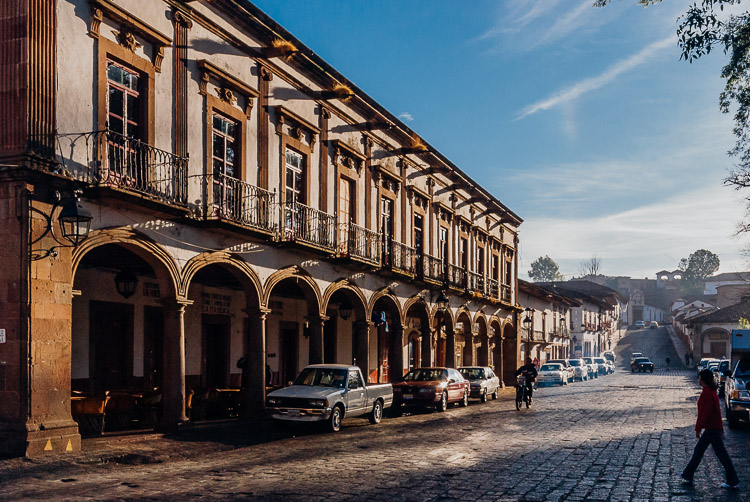
Colonial architecture in a historical Mexican town

Exotic lands just might be the ideal catalyst to get the creative juices flowing.

If you’re wandering out into the world solo, you have full photographic freedom to choose where you go and how much time you spend there. However, you may often find yourself with accompaniment on these excursions in the form of friends, your significant other, or family. The more obsessive of a shutterbug you become, the more challenges you are going to face, in order to strike a balance between being selfish for your own passions, and trying to appease everyone.

I can’t tell you how many times I’ve wandered off into the photographic zone, and inadvertently ignored my traveling companion. Once I realize, I glance around thinking they probably abandoned me, only to see them half asleep on a bench or standing hands on hips, not looking happy.

If your travel partner (s) are as psyched about photography as you are, read no further, you have it made. Unfortunately this isn’t usually the case so we need to muster up some diplomacy to keep things running smooth.

The trade-off

While traveling, whether with a significant other or friends, one method that will help you reach that middle ground is to make a conscious effort to take photos of them along the trip, in exchange for you being able to wander around a little more, or spend some extra time shooting. Of course this doesn’t necessarily have to be a spoken exchange, but often it will just work out this way.

Capture photos of traveling companions

Capturing some fun shots of your traveling companions goes a long way towards striking the balance between photography and sharing the experience.

To make this work well, you need to actually put some time, effort, and thought into the shots. You can’t just snap a quick shot of them by the doors of an old church, then spend an hour on various compositions of the doors themselves. Get a remote flash and use it off-camera to get some nice lighting and flattering portraits. Have them pose in interesting positions and underexpose some shots to create cool silhouettes.

The concept is to not only get some memorable shots of them in the exciting places you’re traveling to, but to engage them in your process, and make them feel like they’re not traveling alone.

Careful planning

Although a big part of traveling is embracing surprises and the discovery of new things, a little diligence in planning can help you get the shots you want without sacrificing your relationships.

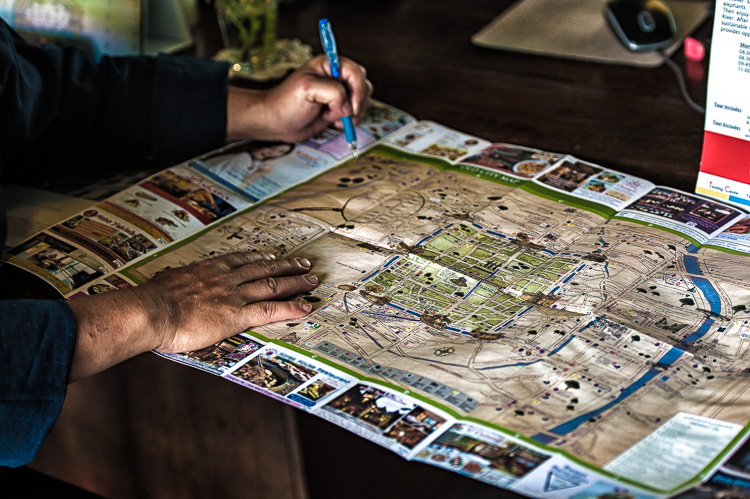
Using a city map to plan the day

A little forethought and planning can help make adventures run smoother.

If you think ahead about the places you want to photograph and when the light will be best, you can work up an itinerary that can flow more smoothly without waiting around for the light. Want a sunset shot on the coast or golden hour light for that cityscape panorama? Think about planning for dinner on the water, and showing up a little early or find a rooftop bar for a drink.

There are apps that can help you with this planning such as Stuck On Earth or even Google Earth.

Breathing room

While traveling or going on vacation with others can be a blast, there’s nothing wrong with splitting up sometimes. Especially on long trips, it can be a strain on relationships to spend every waking moment together, and a couple hours of solo-exploring can be a nice respite.

Solo adventure

A few hours of splitting up to pursue varying interests can work wonders.

Again, if you can figure out how to plan this ahead of time, all the better. Maybe there is some cool architecture near a shopping mall or an outdoor market that can provide activities for all involved.

Go with the flow

Then there is, of course, the path of least resistance. If you are willing to sacrifice the time-consuming or contrived shots, you can always wing it and see what happens. This is also the default position you might find yourself in anyways – after all, plans are made to be broken.

This approach can also be a good exercise in picking up your pace, and developing a keener eye. Maybe this entails ditching the tripod at the hotel, and venturing out with only one lens (tragic, I know). Be resourceful instead; find a firm surface and use the self-timer for dark shots, and use a zoom lens or challenge yourself to rely on a fixed focal length lens for your compositions.

Life is all about compromises. It’s important to keep in mind that not everyone shares the same passions, and you should do your best to try and see the situation through your travel partners’ eyes.

“Learn the wisdom of compromise, for it is better to bend a little than to break.”

googletag.cmd.push(function() {
tablet_slots.push( googletag.defineSlot( “/1005424/_dPSv4_tab-all-article-bottom_(300×250)”, [300, 250], “pb-ad-78623” ).addService( googletag.pubads() ) ); } );

googletag.cmd.push(function() {
mobile_slots.push( googletag.defineSlot( “/1005424/_dPSv4_mob-all-article-bottom_(300×250)”, [300, 250], “pb-ad-78158” ).addService( googletag.pubads() ) ); } );

The post Finding Balance Between Photography and Friends When Travelling by Jeremie Schatz appeared first on Digital Photography School.


Digital Photography School

 
Comments Off on Finding Balance Between Photography and Friends When Travelling

Posted in Photography


24 Frames Per Second: Finding Photographic Inspiration From Cinema

25 Jul

I don’t believe that, as a photographer, it didn’t occur to me for quite some time to look to movies for inspiration and lessons I could use in my own art. But as I’ve grown as a consumer of movies and art, I’ve learned to look more closely at the choices filmmakers have selected in order to convey information to Continue Reading

The post 24 Frames Per Second: Finding Photographic Inspiration From Cinema appeared first on Photodoto.


Photodoto

 
Comments Off on 24 Frames Per Second: Finding Photographic Inspiration From Cinema

Posted in Photography


Making the Mundane Magnificent: Finding Inspiration in Everyday Objects

29 Jun

Chances are you have a tourist attraction in your town. Each day people crowd around and line up to take photographs of it. If you think of the most photographed tourist spots in the United States, you probably come up with the Statue of Liberty, San Francisco Golden Gate Bridge, or Grand Canyon.

Thousands of pictures a year are taken at these destinations, however despite all of the mundane images some people can still produce incredibly unique and breathtaking photographs of these attractions.

If you study the most impressive photos you will find consistent aspects that make the mundane magnificent. To fully appreciate the qualities of such fine art, you should consider working backwards, finding inspiration in everyday objects.

A simple way to make better photos of ordinary objects

Step one – pick something, anything

Pick a simple object from around your house that you see everyday. It doesn’t have to be anything special, just something you use mindlessly each day. It could be anything from your car keys, to a spoon, or a pencil.

PHOTO 1

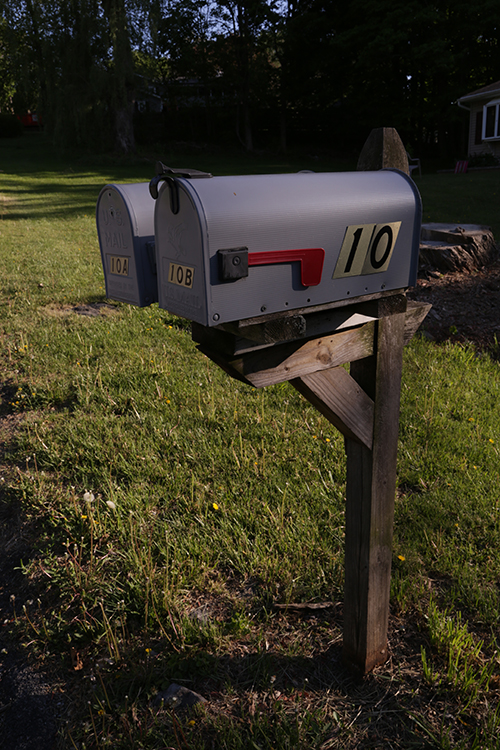
In this example we’ll try to make a picture of an ordinary mailbox unique and interesting. This first photo is an example of a mundane run-of-the-mill photograph of a mailbox (above). You should duplicate a similar photograph of your object. Use your camera or camera-phone, and without giving it much thought, just snap a picture of the scene.

Step two – choose a unique camera angle

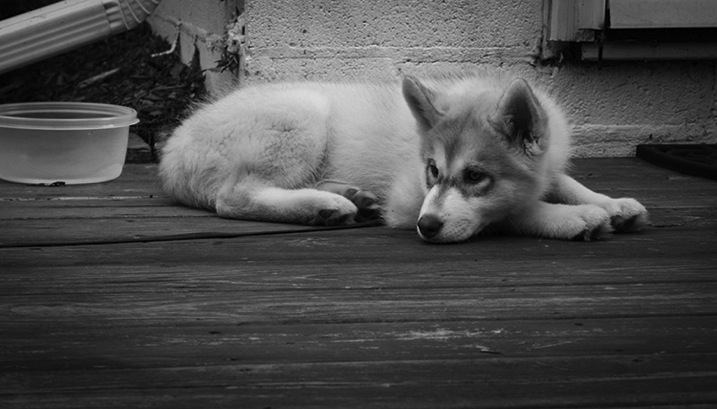
There are a few variables involved in composing a unique image, but an important one we can explore is camera angle. Beginner and amateur photographers tend to take pictures at the angles in which we are used to naturally seeing things (eye level). One example is a photograph of a pet taken from a standing position looking down at the pet. This is the most common perspective of pet photographs, thus it also tends to be the least interesting or unique. While this is a often heard tip, it gets to the heart of why the angle of a photo is so important. Getting down at ground level provides a perspective that adults are not used to seeing of a pet.

PHOTO 2

Start to think about atypical angles to which people are not generally accustomed. In the pet example, simply lying on the floor and taking a photograph from the perspective of the ground, creates a much more interesting perspective.

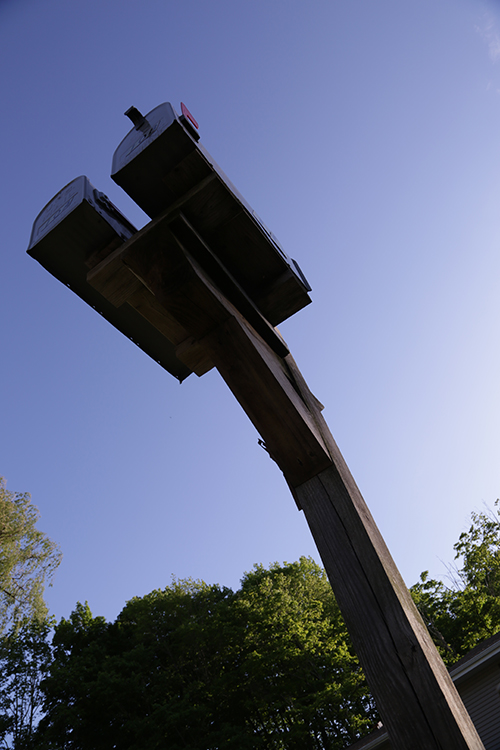
In the mailbox example, this photograph (below) was taken from the ground, looking up. By shooting the mailbox at a wide angle, the post of the mailbox becomes slightly distorted and creates a powerful and aggressive look. The mailbox looks much farther away than it is in real life. Furthermore, who ever looks at their mailbox from the ground? It’s a perspective most people are not used to seeing so it creates a unique presentation.

PHOTO 3

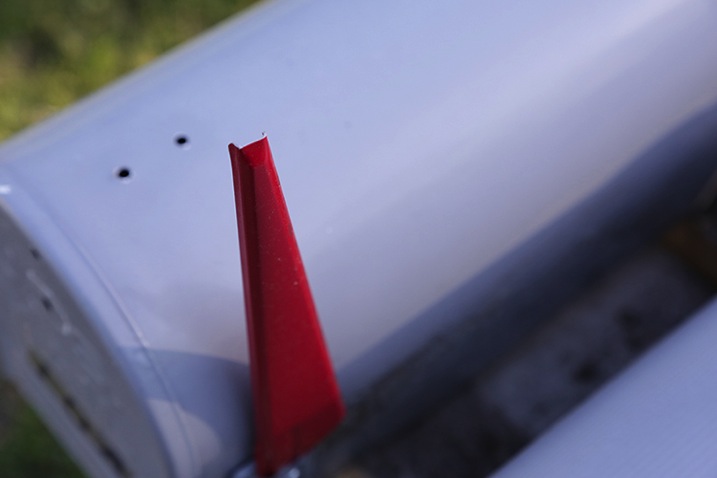
In this next image you are seeing the mailbox from the perspective of the flag. The subject becomes the flag, and creates a sensation that the flag has a meaningful and powerful purpose; there is mail that needs to be picked up!

PHOTO 4

That’s it!

When taking pictures think about how you can present the photo in a unique fashion. Is there any interesting angle you can get? Can you lie on the ground and look up? Can you get far above and provide a birds-eye view? Look at the people around you, and try to do something different from what everyone else is doing. Often we might see photographers in these awkward positions and think they look silly, but the result is usually a great photograph.

Go beyond just shooting the easy way

Chances are if the picture you are taking is convenient and easy, it won’t be original and breathtaking. Try to get to a place no one else is willing to get to, like climbing a wall, or laying on the ground, or holding the camera high up above your head. These unique angles, blended with the willingness to get into positions others aren’t willing do, typically provides photographic results that are above and beyond the norm.

Even with the most mundane objects, taking some time to think about how you can take the photo differently, can result in a stunning perspective, or unique angle, that makes the ordinary extraordinary and the mundane interesting.

googletag.cmd.push(function() {
tablet_slots.push( googletag.defineSlot( “/1005424/_dPSv4_tab-all-article-bottom_(300×250)”, [300, 250], “pb-ad-78623” ).addService( googletag.pubads() ) ); } );

googletag.cmd.push(function() {
mobile_slots.push( googletag.defineSlot( “/1005424/_dPSv4_mob-all-article-bottom_(300×250)”, [300, 250], “pb-ad-78158” ).addService( googletag.pubads() ) ); } );

The post Making the Mundane Magnificent: Finding Inspiration in Everyday Objects by Justin Varuzzo appeared first on Digital Photography School.


Digital Photography School

 
Comments Off on Making the Mundane Magnificent: Finding Inspiration in Everyday Objects

Posted in Photography


My Latest Interview: Finding Your Own Vision vs Hunting Trophy Shots

18 Jun

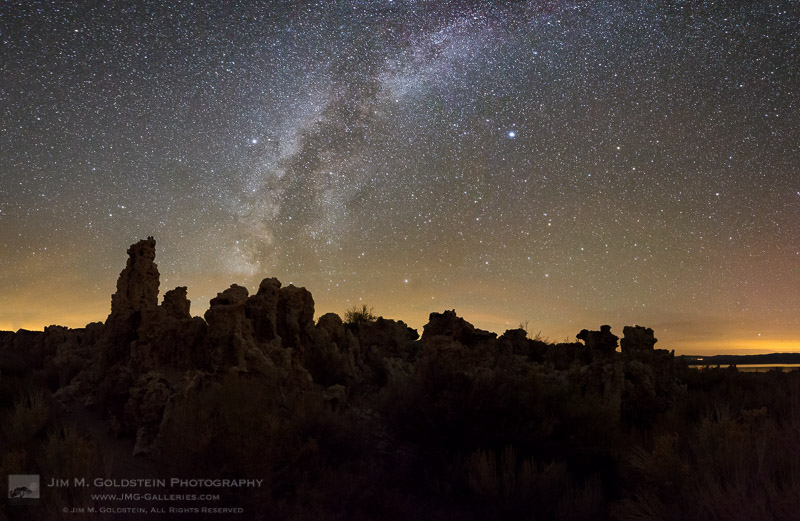
_N2A1604-Pano

My latest interview with Rick Sammon on the DPExperience podcast talking about landscape trophy shots & finding your own vision is now online. If you’re looking for some ideas on how to improve your photography I recommend listening. My discussion starts around the 41 minute mark. Enjoy and feel free to ask me any additional questions in the comments of this post. Have great day!

Copyright Jim M. Goldstein, All Rights Reserved

My Latest Interview: Finding Your Own Vision vs Hunting Trophy Shots

The post My Latest Interview: Finding Your Own Vision vs Hunting Trophy Shots appeared first on JMG-Galleries – Landscape, Nature & Travel Photography.


Related Stories

  • Snowy Sunrise at Gates of the Valley
  • Remembering Rebecca Jackrel: Wildlife Photographer and Friend – Enclosure
  • Remembering Rebecca Jackrel: Wildlife Photographer and Friend
Feed Ads by FeedBlitz
powered by ad choices


JMG-Galleries

 
Comments Off on My Latest Interview: Finding Your Own Vision vs Hunting Trophy Shots

Posted in Equipment


Finding the Best Quality of Light During the Day

27 Mar

Light is the main ingredient in any photograph. Without light, you cannot make an image. Photography is all about drawing or painting with light. One book I read on the subject said that light IS the subject in photography, in many ways, this is true. Light is a difficult phenomenon to quantify. Most of the time, we don’t really think about light in our day to day lives.

Shoot for the light...

Shoot for the light…

As a photographer however, light is your currency. Without it, you cannot create an image. If you were in a lightproof room, with no light entering the room at all, it would be nearly impossible to make a photograph. However, if you were to light one candle in that lightproof room, suddenly you could make many images. Light is the key to every photograph ever made.

As a result of light being so ethereal, the photography world has tried to make sense of it. Photographers speak about the attributes of light, namely: quality, direction, color and intensity. In this article, I want to look at the first of those definitions, known as quality of light.

What is quality of light?

Light quality is determined by the source of the light. Small light sources that are far from the subject, will create harsh lighting conditions, while a large light source will create soft lighting conditions. Another way to think of it is to look at the shadows what are created by your light source. If the shadows are clear and defined, then your light source is small relative to your subject, and the light is harsh and high contrast. If the shadows are blurry or nondescript, then the light source is large compared to your subject, and the light is soft and low contrast.

A small light source could be something like the popup flash on your camera. This is a small, sharp source of light that will blast bright light into your scene. It creates hard shadows and will create a high contrast scene. A large light source could be the light on an overcast day. The sun’s light is scattered, or diffused, by the cloud cover so the light becomes larger, soft, and less defined.

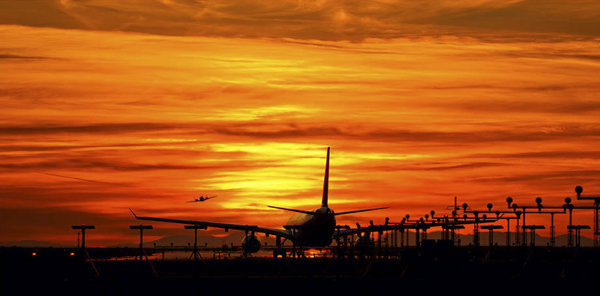
Warm sunset colours over the Vancouver runway

Warm sunset colours over the Vancouver runway

Time of day is key

You will be shooting either in daylight or nighttime conditions and often in the soft light between day and night. Each situation comes with its own challenges. If you are serious about taking your photography to the next level, you need to be shooting more often during the golden hour of the day. The golden hour occurs from about half an hour before, until about an hour after sunrise in the morning, and then an hour before sunset, to about 20 to 30 minutes after the sun has gone down in the evening. If you are going to shoot in this soft light, you will need a tripod, the rewards will be well worth the effort. It is not always possible to shoot at these times of day, so below are some guidelines about shooting throughout the day. Another good time to photograph is during the blue Hour which is the hour after the sun has set (more on this later).

1. Shooting in the middle of the day

Many of us were taught to shoot under bright sunlight, in the middle of the day, with the sun behind us. Sure, that can work, but you won’t get dramatic results every time, in many cases, your images will look very average. This is because light is harsh at this time of day.

Generally, when the sun is high in the sky, it is a small light source compared to the subject. This means that your subject will have very bright highlights and very dark shadows. This is high contrast scene. Also, the shadows will be very well defined and the light will be very directional. In other words, you will be able to see clearly where the sun is because the shadows will be very well outlined.

If you are photographing a wedding at midday in the summer (this is often the case) and the bride is in the full sunlight, you will have have some harsh shadows under her eyes to deal with. That’s not to say that you should never photograph in the midday sun, you can, but you need to know how to deal with the contrast situation. That might mean you need to use a reflector to put some of the light back into the bride’s face, or use some fill flash to lighten the shadows under her eyes. Remember, the brighter and smaller the light source, the harsher the quality of light.

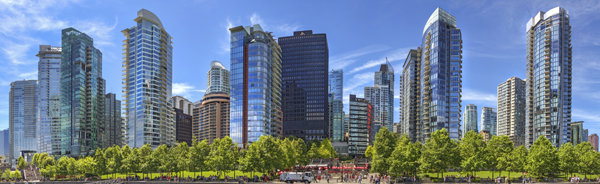
Panoramic image taken at midday in full sun. The image works because the image is properly exposed for the bright sun.

Panoramic image taken at midday in full sun. The image works because the image is properly exposed for the bright sun.

2. Shooting during the golden hours

Shooting in the early morning, before the sun has risen, or shooting at sunset as the sun goes down, gives you a great opportunity to capture images, in dramatic light. Many of the scenes that people love to see in photography, are very often low light or golden hour ones. The reasons why these times are so good to shoot at area:

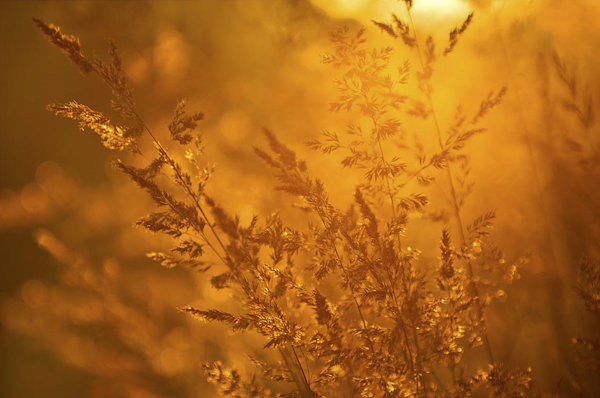
  • The light is golden in colour and changes colour from yellow, to orange to magenta.
  • The light is soft, i.e. no major contrast such as hard shadows and very bright highlights.
  • Colors are more exaggerated, the color of the light is far more emphasized, much more oranges, reds and magentas are visible in the scene.

It is for these reasons that photographers choose to shoot in the early morning or early evening, these times produce the most dramatic images.

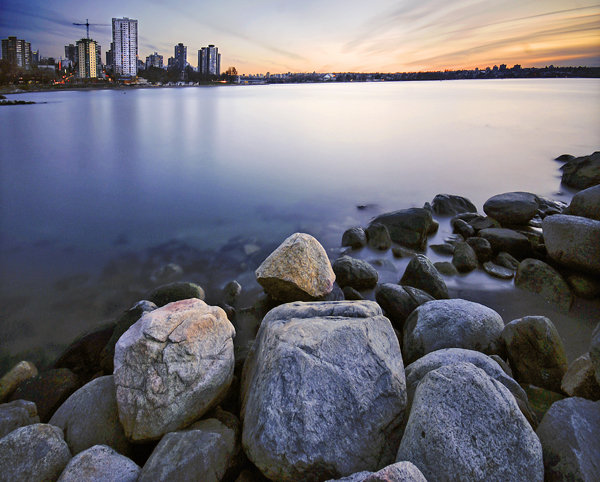
Golden hour shot of the city with a warm glow in the sky.

Golden hour shot of the city with a warm glow in the sky.

3. Shooting during the blue hour

Blue hour conditions don’t always occur, but when they do, the results are spectacular. For the best possible blue hour conditions, you will want a sunset with very little, to no clouds in the sky. Summertime is normally good for this, but any time of year can work. If there is 80% cloud cover, you will probably not see the blue light in the sky, so a clear sky is important to make this work. Blue Hour is the time after the sun has dropped below the horizon and the sky goes a radiant blue for a while. The blue lasts anywhere from 40 minutes to an hour, and that’s the time you want to be photographing.
To make sure you get it right, be in position and set up 20 minutes before sunset. That way, when the light starts getting good, you are able to hit the shutter release and make some great images. Cityscapes work really well for blue hour images. The reason is that the sky will go blue, but the city will be reflecting the yellowy, orange light of the sunset. This means that you will have the sun setting behind you.
The beauty of blue hour images is that that the blue and yellow colours work well together, they are complementary colours on the visual colour wheel, so the scene is visually appealing. If you are not sure about when blue hour will be, you can visit this site and simply enter your city name and it will tell you what time it will be occurring in your city, on a given evening and morning. There is even an iPhone app you can download to work this out in the field, pretty amazing!

Blue Hour panoramic, the blues and the yellows work well in this image

Blue hour panoramic, the blues and the yellows work well in this image

What do I need to use to get the best images

A tripod is always a good idea. You will be able to make sure that your camera is perfectly still as you make longer and longer exposures. As the light starts fading, your exposures may be a few seconds long, this is impossible to handhold without getting blurred images. Use the best quality lenses you have and a cable release or remote shutter release to avoid any camera shake. You will want to set your camera up in manual mode and have your aperture settings at f/8 or f/11. Set your shutter time accordingly, make sure your ISO setting is at 100 and you are ready to go. When the light show starts happening, click away and enjoy the results!

googletag.cmd.push(function() {
tablet_slots.push( googletag.defineSlot( “/1005424/_dPSv4_tab-all-article-bottom_(300×250)”, [300, 250], “pb-ad-78623” ).addService( googletag.pubads() ) ); } );

googletag.cmd.push(function() {
mobile_slots.push( googletag.defineSlot( “/1005424/_dPSv4_mob-all-article-bottom_(300×250)”, [300, 250], “pb-ad-78158” ).addService( googletag.pubads() ) ); } );

The post Finding the Best Quality of Light During the Day by Barry J Brady appeared first on Digital Photography School.


Digital Photography School

 
Comments Off on Finding the Best Quality of Light During the Day

Posted in Photography