RSS
 

Posts Tagged ‘favorite’

Writer’s Favorite Lens – Canon 50mm f/2.5 Compact Macro

20 Dec

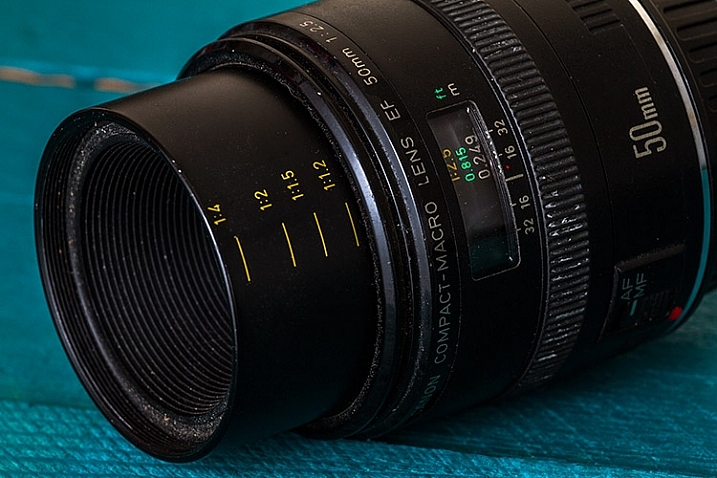
Canon 50mm f/2.5 Compact Macro

Sometimes, picking a favorite is hard. If you ask me to choose a favorite song or movie, it just can’t be done. Lenses; however, are different beasts. Ask most photographers what their favorite lens is, and you’ll probably get little hesitation before they start gushing and waxing lyrical.

At least that’s how I am, and when it comes to picking my favorite, all you have to do is ask which lens is probably on my camera body right now. That is almost always the Canon 50mm f/2.5 Compact Macro.

This lens is a gem that offers great quality in terms of sharpness, ease of use, durability and versatility, and even though I’ve acquired some fairly serious glass since I bought it 12 years ago, it’s still my go-to lens.

Making the choice

Regarding lens choice, one of the most common things new photographers are told is to start with a 50mm f/1.8, often referred to as “thrifty fifties”. The logic here is more or less irrefutable. These lenses are cheap, reliable, versatile, and their large aperture makes them much faster than anything else in that price range. Their versatility makes them perfect for portraits and most other subjects outside of the extremes such as landscapes, which favor wide-angle lenses, and sports, which favor telephoto lenses.
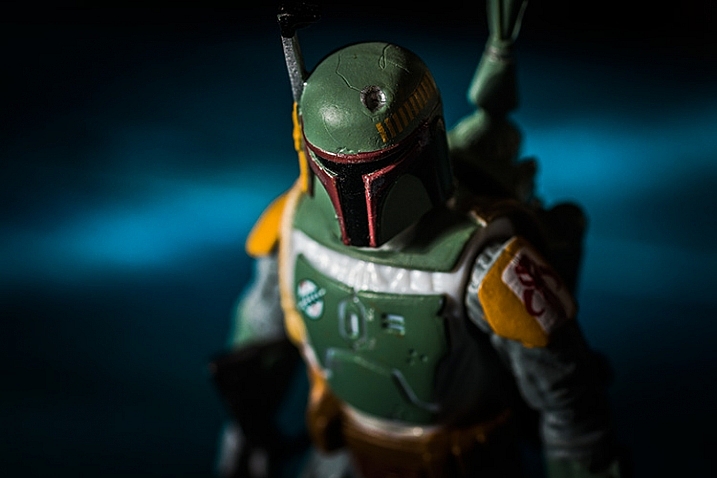
Boba

When I was starting out, I spent a lot of time photographing things like food, flowers, toys, and other small things with fine details. I had little interest in other types of photography, and no interest in portraiture.
As such, the biggest limitation I got from my kit lenses was the focusing distance. I was forever trying to get closer to my subjects using the long end of kit lenses, and falling short every time.

When it was time to consider upgrading that first lens, research made it clear that neither the thrifty fifty nor the 85mm f/1.8 would do much good towards those aims. On the other hand, a dedicated 100mm macro lens was far out of my price range. Because of all this, I put off upgrading my kit lenses for a long time.

It was only by chance that I eventually found the 50mm Compact Macro while browsing through Canon lenses on a retailer’s site. To be honest, there wasn’t a lot of research involved. I saw the lens, the price, and the focusing distance of nine inches, and I bought it within the week.

Pros and cons

The Canon 50mm Compact Macro is the workhorse of my camera bag and it’s certainly been put through its paces over the past decade. For my purposes, there are no flaws; however, it does have a few qualities that may make it unsuitable for some photographers.

Pro – Build quality

It can’t be helped that the first thing you notice about this lens is the build quality. This is particularly true if your previous experiences are with kit lenses. The solid metal casing makes it feel sturdy and the extra weight feels great in your hand.

It may be worth mentioning that when I did get to use a 50mm f/1.8 a few years ago, I thought that I was being handed a Holga lens. This isn’t in any way an attempt the demean the 50mm f/1.8, but rather as an illustration of how far apart these lenses are in terms of build quality.

Pro – Durability
favourite-lens-canon-50mm-macro-2081

Durability may fall under build quality, but experience makes me feel it’s worth mentioning separately.

This lens has been dropped on concrete, cobble stone, and Tarmac, and it has been in the ocean. It has been in ash storms, torrential rain, hail storms, and there was one terrifying incident where it was left to stew in a half litre puddle of shower gel for a few hours. Despite all of this, this lens has not once shown any performance issues.

Pro – Sharpness

As should be expected from a lens created for the purpose of macro photography, the Canon 50mm f/2.5 Compact Macro cannot be faulted in terms of sharpness. While I’m unable to compare it to the other 50mm offerings from Canon, I can compare it with the excellent 85mm f/1.8 and 70-200 f/4 L IS USM. The differences are almost indistinguishable.

Pro – Large aperture

The compact Macro may have a smaller aperture than Canon’s other 50mm lenses, but it is still a fast lens and works well in all but the dimmest of settings.

In terms of background blur, if you take into account that depth of field is also affected by the distance of the camera from the subject (the closer you are, the shallower the depth of field) you can see that you will achieve a comparable amount of blur to the faster lenses.

Pro – Focusing

Whether it’s in auto focus or manual focus, it’s really hard to find fault with this lens. In normal situations, the auto-focus is fast and accurate. The large aperture of f/2.5 allows for a bright image in the viewfinder, making manual focus easy and quick.

Pro – Focus distance
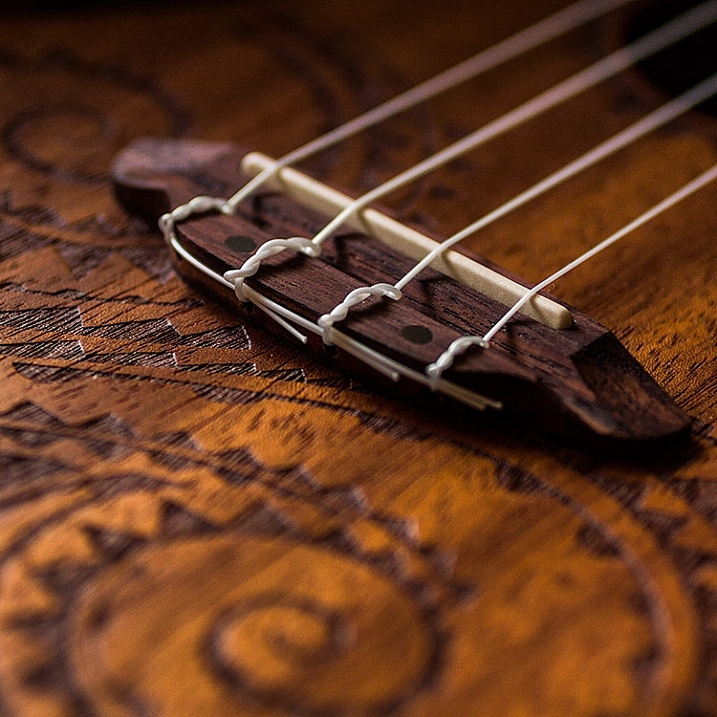
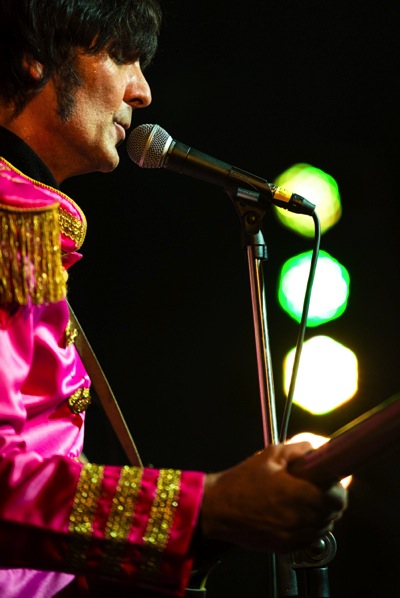
Uke

With a focusing distance of just nine inches (23cm), you can get extremely close to your subjects. Yes, this may be the sole reason for this lens’ existence, but the versatility this adds is wonderful. For example, you are able to take a close-up of someone’s eye, then move a few steps back and take a normal 50mm portrait seconds later.

Cons

As mentioned, it wasn’t easy to come up with any negative aspects of this lens. There are; however, a few considerations that could mean this may not fit your specific photographic needs.

Con – Weight

At 9.88 ounces (280 grams), the Compact Macro weighs more than twice as much as Canon’s 50mm f/1.8 lens (4.6 ounces/ 130g). If you’re trying to keep your kit bag as light as possible, and the macro functionality isn’t that important, then you may want to consider the alternatives.

Con – Price

While I will attest that this lens offers tremendous value for the money, at $ 299 it is a big jump in price from the 50mm f/1.8 at $ 125. If you’re just starting out, and do not yet know what subjects you’re interested in, or whether or not you will stick with photography for long, it may be worth considering a more wallet friendly option.

Editor’s note: at the time of this article the 50mm f/2.5 Compact Macro lens is listed on Canon’s site as Out of Stock. You may be able to find it used on Amazon.com or go for the even higher priced 60mm f/2.8 Macro at $ 419 USD.

Con – Light

There is a slight downside to the lens’ closest focusing distance. When you’re standing that close to your subject, you and the camera effectively block any light coming from the front. Often, this is easily countered with side lighting techniques, or by using a dedicated macro ring flash, but it can be tricky to overcome at other times.

Con – Magnification

What may be considered as a deal breaker for a lot of photographers is that the 50mm f/2.5 Compact Macro is not a true macro lens. With a magnification ratio of 1:2, it only creates images at half life-size. This can be rectified with a converter that allows for 1:1 magnification.
favourite-lens-canon-50mm-macro-5347

In the end

I know I’ve been gushing quite a bit, but my experiences with this lens have been outstanding, despite the heavy use and torture I put it through. If you’re in a position where you’re deciding to buy a 50mm, and you like the idea of getting really close your subjects, do consider the Canon 50mm f/2.5 Compact Macro. It really is a treat.

googletag.cmd.push(function() {
tablet_slots.push( googletag.defineSlot( “/1005424/_dPSv4_tab-all-article-bottom_(300×250)”, [300, 250], “pb-ad-78623” ).addService( googletag.pubads() ) ); } );

googletag.cmd.push(function() {
mobile_slots.push( googletag.defineSlot( “/1005424/_dPSv4_mob-all-article-bottom_(300×250)”, [300, 250], “pb-ad-78158” ).addService( googletag.pubads() ) ); } );

The post Writer’s Favorite Lens – Canon 50mm f/2.5 Compact Macro by John McIntire appeared first on Digital Photography School.


Digital Photography School

 
Comments Off on Writer’s Favorite Lens – Canon 50mm f/2.5 Compact Macro

Posted in Photography


My Favorite and ONLY Lens: The Canon EF 50mm f/1.2 L USM

09 Dec

I operate my photography business on a shoe string budget. This started out of necessity, but continued because it became abundantly clear to me early on, that I would rather spend the money I earn from photography towards black t-shirts, home décor, five dollar lattes, and bills. Mainly bills, but no sense in pretending the other indulgences don’t factor into my take-home pay.

lynseymattingly2

I started my portrait business with a Canon Rebel, kit glass, and a prayer. As my business grew I invested in a 30D, and later a 5D. One particularly good tax refund, and a little generosity from my mother around my birthday, found me the proud new owner of a Canon 50mm L-series lens. I didn’t even know what the L stood for (to be honest, I still don’t), I just knew that all the photography blogs I read at the time called it the end-all, be-all lens. The It Lens. The Portrait Lens. I also had a seasoned pro tell me that I should spend as much money as possible on good glass, and it doesn’t get any better than this one.

It’s also important to mention that I was at a place with both photography, and my confidence, that I would listen to just about anyone who even pretended they knew what they were talking about. Had she told me that my pictures would be better if I carried a frog in my pocket, I would have carried two, and a lizard in my shoe just in case.

lynseymattingly7

I am going to tell you all a secret. I am going to answer the question I always get asked when I pull out my big, fancy lens that is mounted to my camera body, which to be clear is the Canon 5D model from 4 models ago: does that snazzy lens make photos better? Brace yourselves because, yes. Yes, it does. So much so in fact that I don’t even own another lens.

I had a fixed 24mm lens for a few years, but it did nothing more than take up space in my bag. Space that I prefer to give to gum and bug spray. So I sold it to increase my coffee and black yoga pants budget. Zoom lenses have never been my favorite, so that narrows down my choices considerably, and a 50mm just feels like the right length for me—I’m close to my subjects but not breathing in their face, even if my breath is minty fresh from my bulk gum purchases.

lynseymattingly4

Can you live without a lens that costs three times what my first car did? You bet. But I’ll tell you another thing—you can live without an entire bag of lenses just as easily. A back-up body and lens is nice—some may even say essential (particularly if you are a wedding photographer), and I suppose if you do certain types of photography, you may need a few different lenses. But I am here to tell you that I have operated a very successful portrait and wedding photography business with my one, albeit super fancy, lens and done just fine, thank you very much. I can count on one hand the times I’ve needed a different lens, and each time it was easy to either borrow or rent, and much more cost effective.

lynseymattingly1

I know my 50. I named my 50, if we are being honest (its name is Seth—it work well with Nancy my MacBook, and Monte my iMac). At this point it just feels like an extension of my arm, or eyeball. I know what I will see in the viewfinder by the time I get my camera to my face. Since my feet are the zoom, I know exactly where I need to stand to get the frame I want.

Prime lenses are fast and sharp. If this means I have to walk around a bit more, then I can call it my exercise for the day (okay, fine: week) as well. The bulk of my business is photographing kids, so no matter what, I am going to be on the move. I’d just rather know that upfront, than mess with a zoom and continuously risk less than tack-sharp focus. This isn’t even counting the fact that by not spending a great deal on equipment I am able to be well caffeinated on expensive coffee during shoots, and sit at a very pretty desk while I edit.

lynseymattingly3

The other plus of counting on one great lens for everything? I invest my money back into my business in other places, beyond expensive equipment. Places that I feel reach farther than a bag full of stuff. I have a bold website and eye-catching business cards. My clients get their images in top-of-the-line professional packaging. I have a ShootSac and buy lollipops in bulk. I wear the most expensive contact lenses on the market, and you should see my hair tie-back selection.

I can only afford these things because I’m not up to my expensive contact lens-wearing eyeballs in debt over fancy equipment. Additionally, my fees are not so outrageous that my client base is only a select few. My overhead being lower than average, allows me to continue photographing the families that supported my business when I was just starting. Families that otherwise may not be able to afford my services if I was dealing with extraordinary costs.

lynseymattingly6

My mom taught me to buy quality; to save my money and buy a good pair of jeans, instead of the cheapest pair that fit. Sadly this lesson didn’t stick and at this very moment I am dressed head to toe in Target. However, it’s true here; buy the nicest lens you can afford and make it work for you. It’s your paintbrush, your potters wheel, your knives (I’ve heard big-time chefs bring their own knives to everything); make it the best possible one and make it the only one you need.

lynseymattingly5

Have you invested in top quality lenses or “glass”? What is your go-to lens and why?

googletag.cmd.push(function() {
tablet_slots.push( googletag.defineSlot( “/1005424/_dPSv4_tab-all-article-bottom_(300×250)”, [300, 250], “pb-ad-78623” ).addService( googletag.pubads() ) ); } );

googletag.cmd.push(function() {
mobile_slots.push( googletag.defineSlot( “/1005424/_dPSv4_mob-all-article-bottom_(300×250)”, [300, 250], “pb-ad-78158” ).addService( googletag.pubads() ) ); } );

The post My Favorite and ONLY Lens: The Canon EF 50mm f/1.2 L USM by Lynsey Mattingly appeared first on Digital Photography School.


Digital Photography School

 
Comments Off on My Favorite and ONLY Lens: The Canon EF 50mm f/1.2 L USM

Posted in Photography


dPS Writer’s Favorite: Sigma 24-105mm F4 Lens

02 Dec
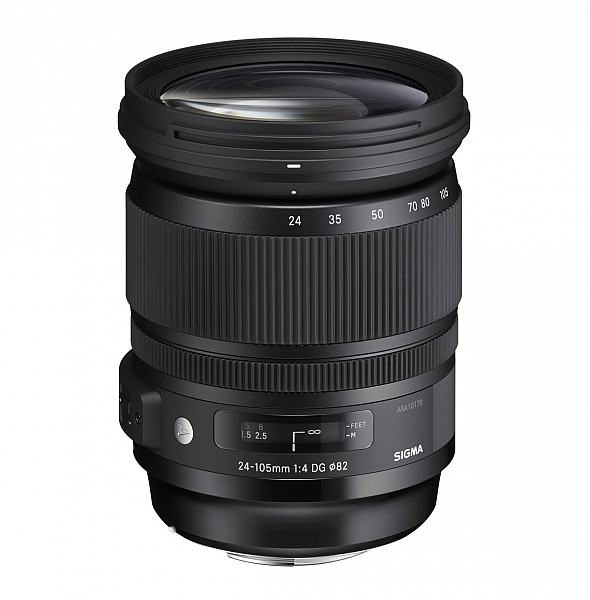
24-105mm-f4-dg-os-hsm-a-635-e73

Image: Sigma Photo

Perhaps you’ve heard of Sigma’s Art series of lenses? After years spent making relatively mediocre lenses, the Japanese manufacturer has stepped up their game to create some beautiful gems that outshine the lenses made by the camera companies themselves.

The 50mm f/1.4 and the 35mm f/1.4 were both on my list, but I seem to have ended up with the Sigma 24-105mm f/4 Art lens, and while my artistic conscience might try to persuade me of the superiority of prime lenses, it’s currently my favourite.

Zoom versus Prime Lenses

The prime lenses I like are big and heavy, because of the large maximum aperture. Assuming that my assistant carried them everywhere and could change them instantly, I might be less keen on the versatility of the Sigma. But that’s not the case, and often a zoom is the better choice. Zoom lenses used to be too much of a compromise. The Sigma 24-105mm lens compromises just enough, and delivers a lot. It’s a slow lens at f/4, but the optical stabilization is good, and the high ISO capabilities of current cameras means that I’ve never felt too limited by this. It’s certainly a compromise compared to a prime, but at f/8, I bet you couldn’t tell the difference. The bokeh for this zoom, necessarily a matter of personal taste, and not as amazing as some of the prime lenses, is good enough too.

Sigma 24-105mm lens

Bokeh at f/4, 105mm

But I want Nikon/Canon, I want the best…

Canon has an equivalent 24-105mm f/4 lens from their premium L-series. It’s a versatile lens, and I know several professional photographers who use it almost exclusively. I use Nikon, but I’ve seen comparisons that demonstrate that optically, the Sigma Art series lens is sharper. The Canon is weather-sealed though, which the Sigma is not. Nikon has a 24-120mm lens that isn’t as sharp as the Sigma either. If image quality is what you want most, the Sigma is the best among the three lenses. Of course, both Nikon and Canon make 24-70mm lenses that are sharper, though at the expense of the longer telephoto reach.

Sigma 24-105mm lens

We photographers love our lenses

Why choose the 24-105mm focal length over a 24-70mm?

Forgetting prime lenses, the main competition for my affections were the Nikon 24-70mm and the Tamron 24-70mm lenses. There’s also a Tokina 24-70mm available that I didn’t consider. I decided against the Nikon because it doesn’t have optical stabilization (OS). While the larger f/2.8 aperture is attractive, it doesn’t make as much difference in low light for static subjects as the OS on the Sigma. Moreover, the stabilization is useful for on-the-go filming too. The Tamron however, has the larger f/2.8 aperture and is also stabilized.

I chose the Sigma lens because of the longer reach. 70mm, for me, is not as flattering for headshot portraits as the 85-105mm focal lengths that the Sigma provides. I find I use the extra reach quite often. On the other end, 24mm seems to be wide enough for the majority of situations on a full-frame body. If I need a larger field of view, or shallower depth of field, I can often stitch multiple photos together.

Sigma 24-105mm lens

That 105mm short telephoto is useful

Space for a whinge

It’s not a perfect lens, and there are a few omissions that I’d like to have a moan about to help round out the My Favourite Lens angle. While the lens is sharp, it does have noticeable distortion and a fair bit of vignetting too, especially at larger apertures. This is an issue that I’m happy to accept because the RAW photo conversion software does a good job of correcting these flaws.

The bigger issue is the lack of weather sealing, which I’d have happily paid a bit more for. It makes you think twice when photographing in the rain or by the sea. The thoughts are usually, “I wonder if the lens will survive this?” and, “I wonder if I’ll buy the Nikon if it doesn’t?”. Showers aside, the lack of weather sealing does mean that the lens attracts more dust – it veritably sucks it up, and distributes it liberally amongst its inner optics, safe from my lens cleaning cloth. The build quality is good, but not as solid as the Canon L-series lens, for example, and after some abuse, the focal length numbers on mine wore off as they are not etched into the lens. Sigma were good about fixing this though.

Sigma 24-105mm lens

Distortion and Vignetting even At 62mm, f/8

Conclusion

I’ve tested a huge number of lenses, and also read pretty much most of reviews of the others, to keep up to date. I chose to buy the Sigma 24-105mm f/4 OS, and it lives on my camera pretty consistently. It’s photographed a range of genres from landscapes, to portraits, and fashion, and the image quality has been good.

As photographers, there’s a tendency to fuss over MTF charts and such like; but having the right focal length available immediately is far more important, and as for overall sharpness and rendering compared to primes, it’s usually only experienced photographers who, occasionally, may notice the difference.

DSC_2741

googletag.cmd.push(function() {
tablet_slots.push( googletag.defineSlot( “/1005424/_dPSv4_tab-all-article-bottom_(300×250)”, [300, 250], “pb-ad-78623” ).addService( googletag.pubads() ) ); } );

googletag.cmd.push(function() {
mobile_slots.push( googletag.defineSlot( “/1005424/_dPSv4_mob-all-article-bottom_(300×250)”, [300, 250], “pb-ad-78158” ).addService( googletag.pubads() ) ); } );

The post dPS Writer’s Favorite: Sigma 24-105mm F4 Lens by Ben Evans appeared first on Digital Photography School.
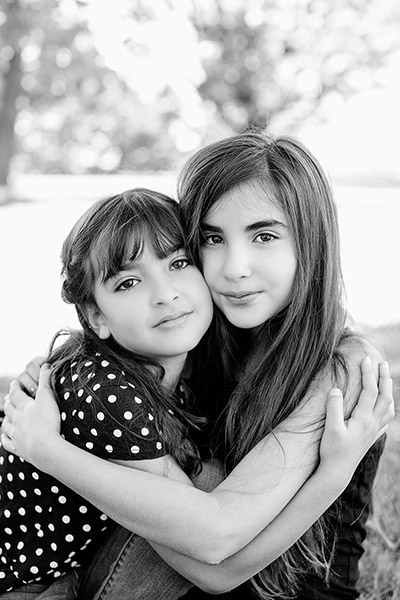

Digital Photography School

 
Comments Off on dPS Writer’s Favorite: Sigma 24-105mm F4 Lens

Posted in Photography


dPS Writer’s Favorite Lens: Rokinon 14mm f2.8

10 Nov

“What do you mean it’s a manual lens?”

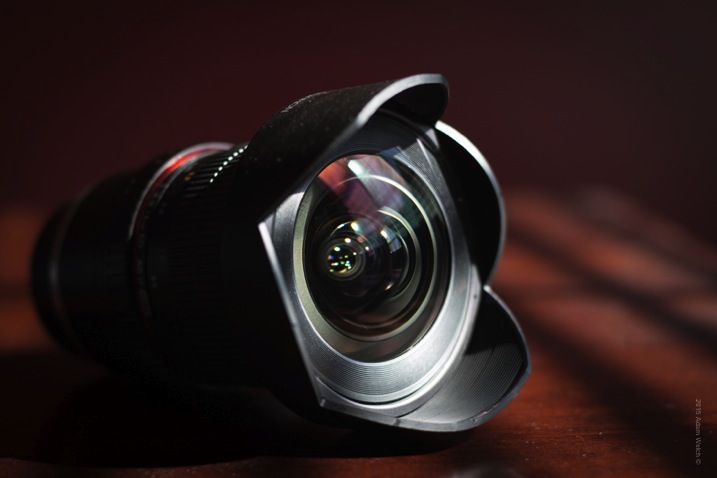
That is usually the first response I receive when I tell people about one of the favorite lenses I keep in my bag: The Rokinon 14mm f/2.8. I understand their confusion. I never dreamed that I would succumb to the seeming devolution of using fully manual lenses.

Allow me to attempt to dispel the myth that manual focus/aperture lenses are difficult, and ungainly in the field. In mere months the Rokinon 14mm f/2.8 has quickly became a workhorse of my photo arsenal – let me tell you why. Grab a tissue, because it is a love story.

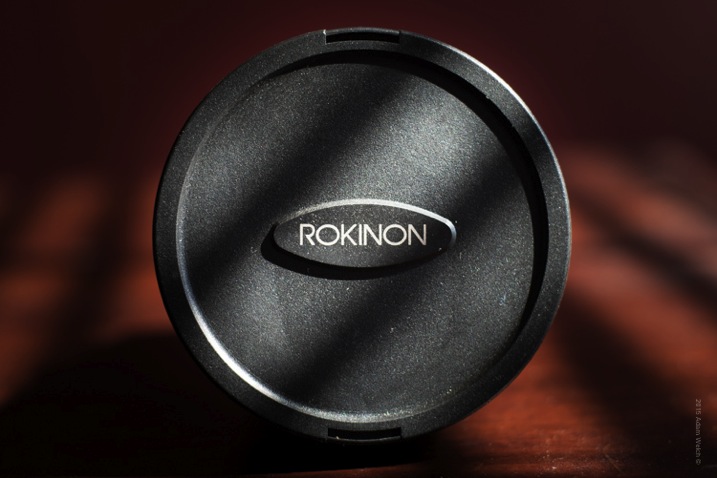
Lens Logo

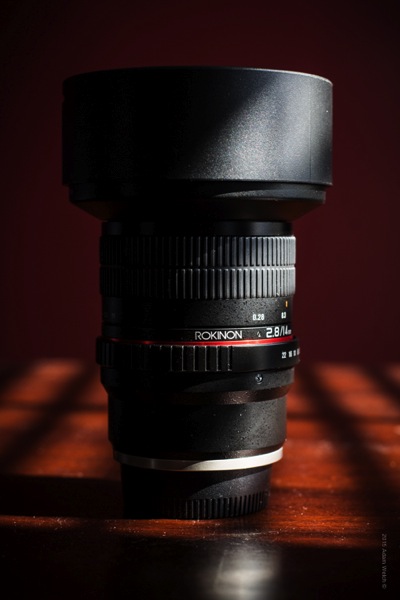
When I say that the Rokinon is a fully manual lens, what I mean is that there is no autofocus, and that the aperture must also be selected manually, using an aperture ring. This is a sticking point for most photographers, who have only used fully automated lenses. Personally, I have used fully manual legacy lenses for years, and have come to love the tangible control they require while I’m shooting. I really feel connected to the experience, more than I do when using an autofocusing lens.

Lens Full

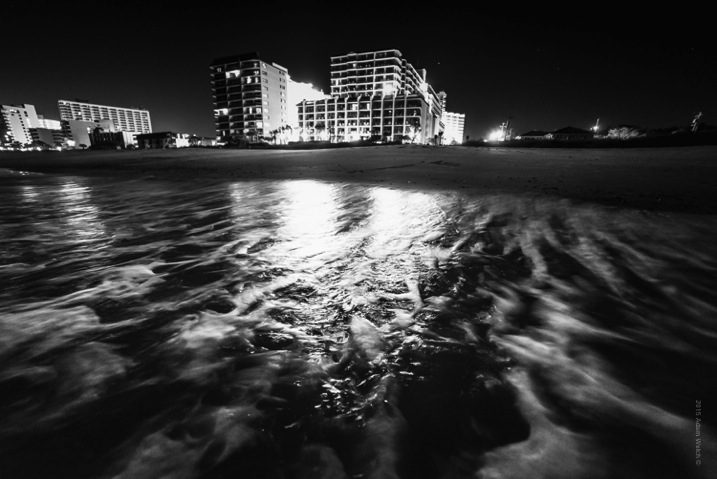
I will still admit, however, that a fully manual lens is not always ideal for every situation. So what type of photography suits the Rokinon best? The reason I purchased this lens in the first place was because I needed a fast, wide-angle lens, that can function as a main piece of glass for my astrophotography work. I find myself aiming my camera toward the sky more and more, so I really needed a quality lens that could serve as my go-to for most, if not all, of my nightscapes.

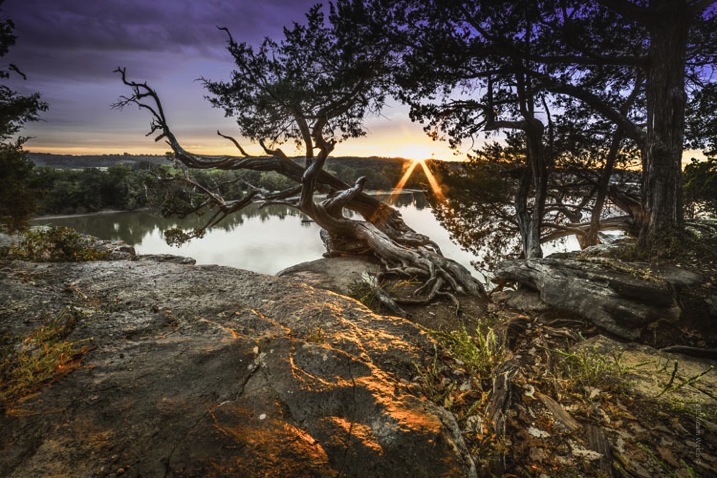
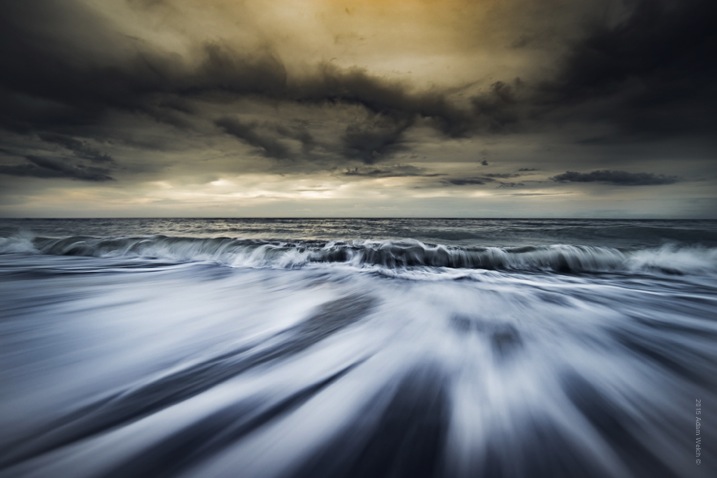
The wide-angle view, and relatively large aperture of f/2.8, makes the Rokinon ready-made for night photography, but of course, it is also a great tool for ultra-wide landscape shots. Some may find the 14mm focal length to be just a little too wide for a general purpose landscape lens, but it is most definitely capable of filling the role.

The most incredible quality about the Rokinon 14mm f/2.8 is just that, its quality. For the price, I can honestly say I have never encountered such a well-made lens, that produces tack sharp results throughout its aperture range. My initial test shots surpassed any expectations I could have hoped for from such a budget lens. Reading comments and testimonials from other users of the lens really left me with a healthy dose of, it’s too good to be true, doubt lingering in my mind.

Lens Element

The quality of the build, and the subsequent image sharpness, are virtually on par with lenses which cost literally ten times as much as the Rokinon. I’m not suggesting that a lens with an average cost of $ 324 will be exactly the same as a lens costing $ 1,300 – but the gap between price and performance is, for lack of a better word, incredible. The aperture ring is comfortable to use, and produces a click at each f/stop, marking that is solidly satisfying.

Something that I really like about the Rokinon is the focusing ring. I has a very long travel when acquiring focus; meaning that adjusting occurs relatively slowly. This allows you to achieve tack sharp focus while shooting with the lens wide open at f/2.8, and makes honing in on stars very easy without over or under focusing.

Sample 2

A common point of discussion concerning the Rokinon, in regard to its suitability for night photography, is the extreme low occurrence of “coma” when imaging the stars. Coma refers to an optical phenomena called “comatic aberration” (not to be confused with chromatic aberration). Coma is the distortion of small points of light when the light rays enter the lens at sharp angles, which makes small points of light, such as stars, appear to look like comets with small tails. Coma is amplified by imperfections in the lens geometry itself, or in the lens elements, and usually gets worse the further you move from the center of the lens. Yet strangely enough, the Rokinon excels in low coma aberrations, even to the point of OUTPERFORMING higher priced lenses of the same focal length and aperture ranges.

The Rokinon 14mm f/2.8 lens is one that I have grown to love in a relatively short time. The majority of my work revolves around landscapes, and shooting at wide-angles, often in low light. The Rokinon fills the requirements of my shooting needs, and then some.

Sample 3

The full manual functionality of the lens could be odd if are not used to shooting that way, but for me I find it in no way slows me down, or hinders the quality of my images – in fact quite the opposite. The build quality, sharpness, low-light performance, and low coma are bundled together at a price that hovers in the $ 320 USD end of the pool.

In my opinion, if you are looking for a great landscape and astrophotography lens, or if you’re just wanting to get creative with wide angles, look no further than the Rokinon 14mm f/2.8.

What you’ve all been waiting for…here are some images shot using the Rokinon 14mm f/2.8! All images shot with a Sony A7r and processed using Adobe Lightroom CC.

Sample 1

Sample 4

Sample 5

googletag.cmd.push(function() {
tablet_slots.push( googletag.defineSlot( “/1005424/_dPSv4_tab-all-article-bottom_(300×250)”, [300, 250], “pb-ad-78623” ).addService( googletag.pubads() ) ); } );

googletag.cmd.push(function() {
mobile_slots.push( googletag.defineSlot( “/1005424/_dPSv4_mob-all-article-bottom_(300×250)”, [300, 250], “pb-ad-78158” ).addService( googletag.pubads() ) ); } );

The post dPS Writer’s Favorite Lens: Rokinon 14mm f2.8 by Adam Welch appeared first on Digital Photography School.
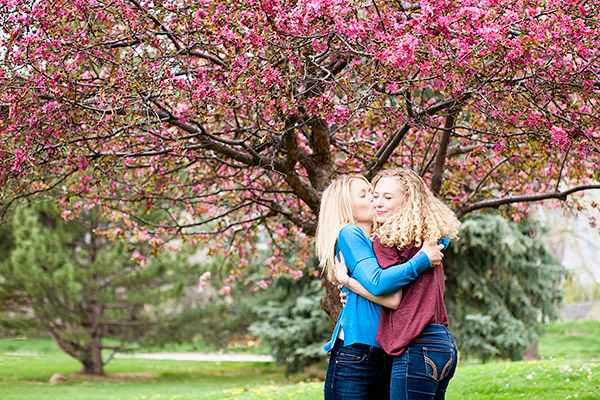

Digital Photography School

 
Comments Off on dPS Writer’s Favorite Lens: Rokinon 14mm f2.8

Posted in Photography


dPS Writer’s Favorite Photography Gadgets

08 Nov

We sure do love our photography gadgets, so I thought it would be fun to see what things our dPS writers like to have in their bags. Things that are super handy to have – above and beyond the obvious camera and a lens.

Eddy 1

By Eddy 1

This is what they a few of them had to say (in alphabetical order by last name, just so there are no favorites):

Helen Bradley

  • Memory Card Carrying Case – Black / Wallet / Holder / Organizer / Bag – Storage for SD SDHC CF xD Camera Memory Cards With (5) Clear SD Jewel Cases & Everything But Stromboli Lanyard

James Brandon

  • Opteka RC-3 Wireless Remote Control for Sony Alpha line) – A little $ 7 remote that works for the Sony Alpha line. Great alternative to the expensive Sony option, and it hasn’t let me down yet. Great for long exposures whether it’s 30 seconds or 30 minutes.
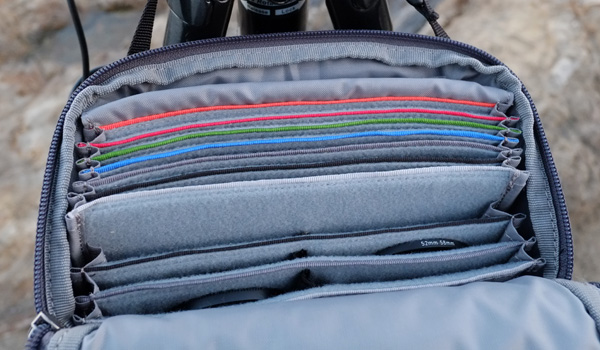
  • Mindshift Filter Hive – An extremely well-made filter pouch from the makers of the Rotation 180 backpack. Fits all of my filters with room to spare and can easily be hung over my tripod while out shooting, for quick and easy access.Filter Nest by Mindshift Gear review
  • Coast HP14 High Performance Focusing 629 Lumen LED Flashlight – The best flashlight you’ll find for light painting. Puts out a clean, daylight balanced, light source at 339 lumens and runs on AA batteries. Push/pull focus mode let’s you easily focus the beam, or scatter it, and has two brightness modes (full power and low at 56 lumens).

Meredith Clark

  • Professor Kobre’s Lightscoop Standard Version Bounce Flash Device – Universal Model – When I first started and only had a Rebel XS and a kit lens, the Lightscoop was amazing for taking photos inside our house. It was a big improvement over the camera’s flash, and the $ 30 price tag felt do-able even when we were broke newlyweds.

Leanne Cole

Carl Berger

By Carl Berger

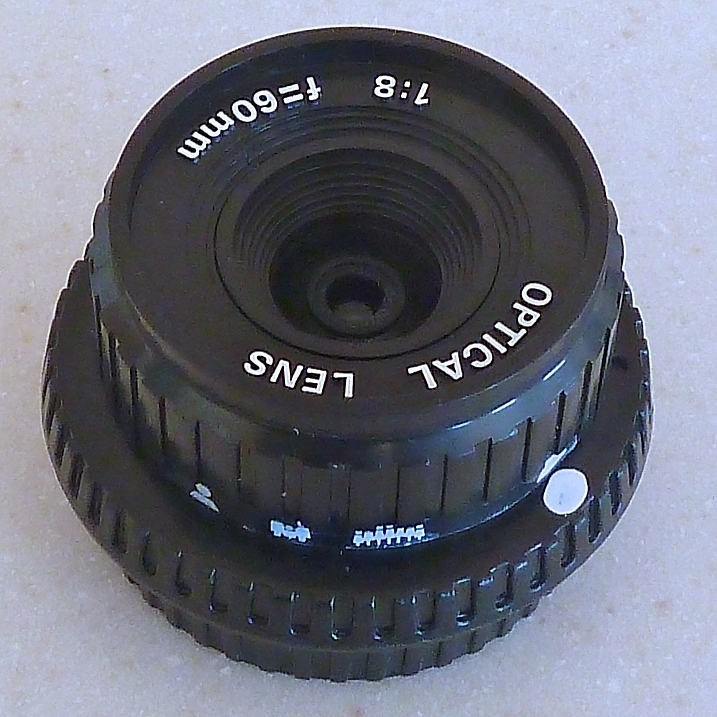
  • Holga Lens for Nikon – Red – The only gadget thing I can think of is the plastic hoya lens I bought which I have some fun with from time to time.
  • I also have some apps on my phone I use a lot for photography, Star Walk 2, Sunrise Sunset, Phases of the Moon, and TPE.

Ben Evans

  • Neewer 43-inch / 110cm 5-in-1 Collapsible Multi-Disc Light Reflector with Bag – Translucent, Silver, Gold, White and Black – a reflector is just incredibly useful.
  • Leatherman 831426 Wingman Multi-Tool – a multi tool has proven itself invaluable over the years for all sorts of tasks.
  • Extreme Pegs Stainless Steel Clothespins – 20 pack – Lifetime Guarantee – proper pegs: they’re not only great for pinning clothes but also hanging backgrounds, reflectors etc.

IMG_2208Tim Gilbreath

  • Canon Remote Switch RS60 E3
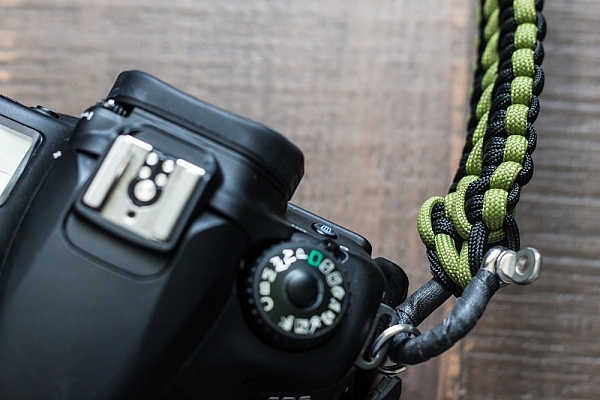
  • Nitz custom handmade camera strap – look for a review of this on dPS soon (see right)!

Ivo Guimarães

  • Manfrotto 5001B 74-Inch Nano Stand – Black – I use these mainly for off-camera flash support and I really like their portability and lightweight.
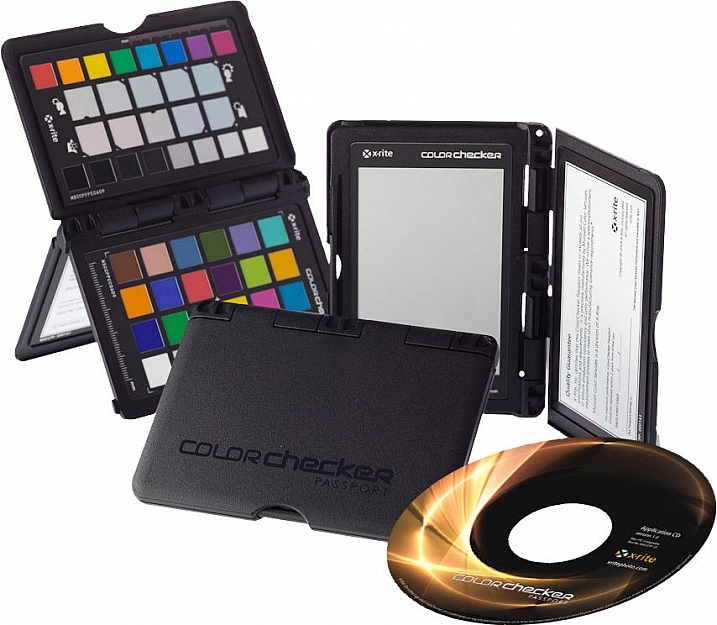
  • X-Rite MSCCPP ColorChecker Passport – Color Checker Passport – I use it mainly for portrait photography, it’s a great help to correct skin tones.
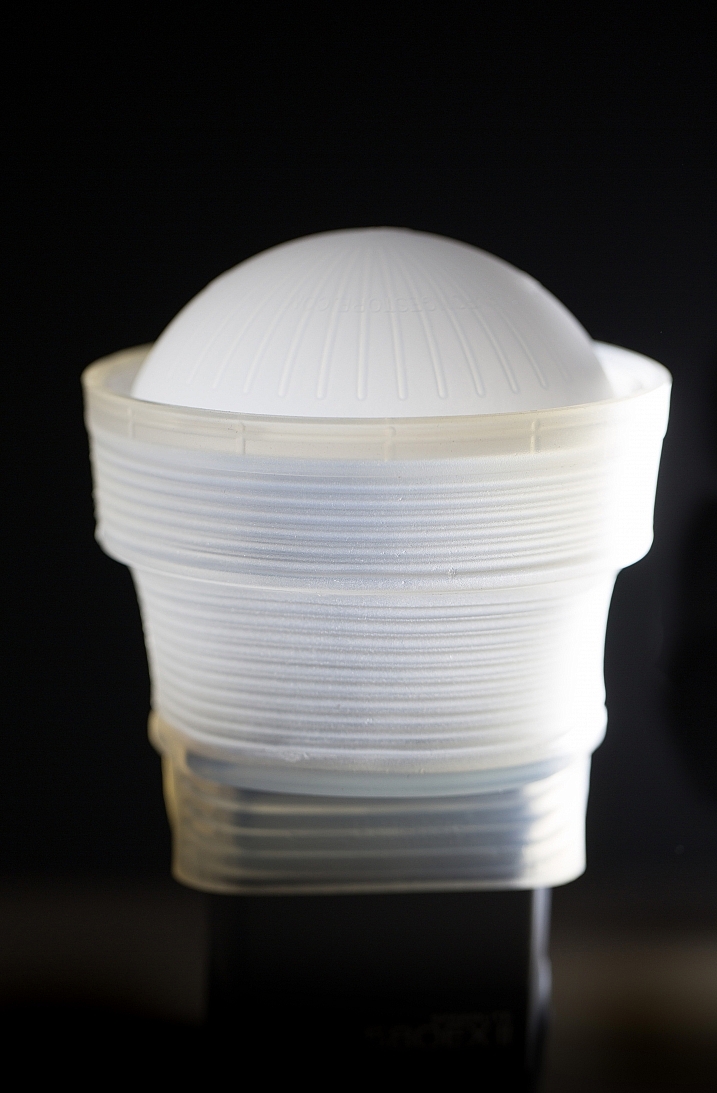
  • Gary Fong Collapsible Speed Mount Light Sphere (White) – I use it for on camera flash diffusion and avoid harsh shadows.

    Keith Williamson

    By Keith Williamson

Jim Hamel

  • Alpine Innovations Spudz Classic Microfiber Cloth, Screen Cleaner and Lens Cleaner – Somebody else mentioned micro-fiber clothes, but I like the clip-on ones because you can attach them to your camera strap so you never have to hunt through your bag to find it.
  • B+W 77mm ND 3.0-1,000X with Single Coating (110) – 10 stop ND filter: Whenver there is water in the scene, it is a safe bet I have this filter on my camera to smooth it out. Even when there is not water, it creates movement in the skies.

Lea Hawkins

  • Nikon ML-L3 Wireless Remote Control – Well, I’m not really into gear or gadgets. The only gadget I have is a remote shutter release, or “The Clicky Thingy” as we refer to it in the studio. Mainly used to avoid camera shake on long exposures, and occasionally to amuse/relax portrait subjects by telling them I am so confident in them as a portrait subject that I don’t even need to look as I click over my shoulder, with my back to them and the camera.
  • Other than that, I’d say any small flash light for light painting and my mobile phone camera with different apps. The latter being the most useful of the three, I use it on almost every shoot.

Darlene Hildebrandt (that’s me)

  • Promaster 77mm Variable Neutral Density Filter – I don’t use a lot of gadgets or filters but I always have this one in my bag. I use it to shoot waterfalls, or to get a larger aperture in bright sunlight.
  • Promaster Go! Universal Digital Battery Charger – this thing is a life saver! It is a battery charger on steroids because it has an internal battery itself. Plug it in and charge it up, and you can then charge about 4-5 batteries on the road, while driving, or away from electricity. Great for travellers or back country hikers.
  • Pacsafe Carrysafe 200, Black, One Size – Another travel must have item, especially if you visit third world countries where your camera is equal to a year’s salary for some people. This strap is slash proof, and locks so they can’t just slide it off without your knowledge. Keeps your camera safe – I have a purse made by the same guys too!
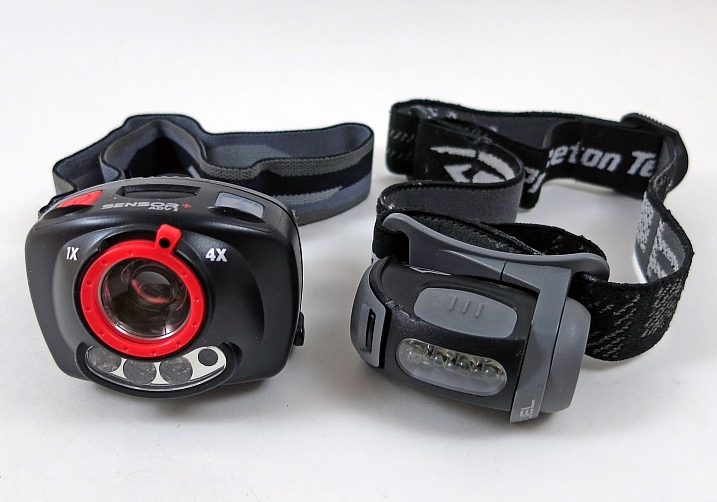
  • A headlamp! I always have one in my bag for night shooting so I can use it to see, or do light painting.
Joe Loong

By Joe Loong

Daniel Korzeniewski

  • Peak Design CapturePRO Camera Clip – Great for quick access to the camera on the go. I can attach it to the strap of my shoulder bag, a belt, or to the straps of a backpack. It can be easily attached to almost anything and your camera is always handy.
  • MagGrip – One the most clever ways to attach diffusers to any flash without being cumbersome, and they are always ready. I particular use the grids, the color gels and… MagBounce
  • NEEWER® 160 LED CN-160 Dimmable Ultra High Power Panel LED Light – This is a little but powerful LED light. I use it mainly as fill for portraits when shooting outdoors, I like the fact that is easy to see the effect right on your subject.

Lynsey Mattingly

  • Dum Dum Pops 85.5 oz, 500-Count – Never did I think I would be known as The Lollipop Lady more than a photographer, but the promise of one of these gets me a lot of street creed in the 3-8 year old group.
  • Fujifilm Instax Mini 8 Instant Film Camera (White)I still have a love affair with Polaroids, so I bring this for me when I see something and want it NOW, plus kids LOVE this if I can’t win them over with lollipops.
  • Kleenex® 3-Ply Pocket Packs Facial Tissues (8 packs of 10 tissues) – I don’t want to make anyone uncomfortable when the goal is for them to be comfortable, and offering someone a Kleenex seems a lot nicer than saying, “Hey, you totally have something in your nose!”

John McIntire

  • Wil C. Fry

    By Wil C. Fry

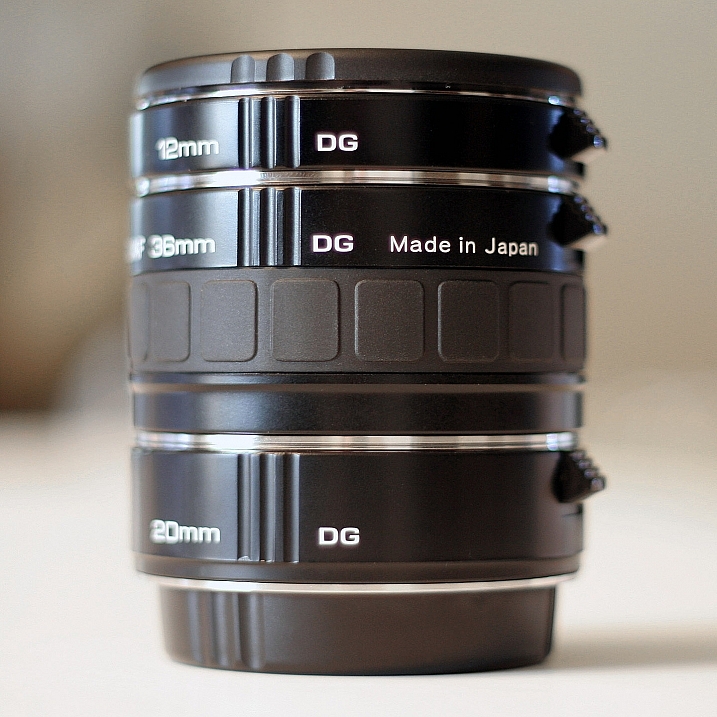
    Extension tubes – Non-mechanical Extension Tubes: They can be a bit finicky since you’re stuck with your lens’ widest aperture and only manual focus but they’re really cheap and so much fun to use.

  • Huion® L4S Tracing Light Box USB Powered with Adjustable Light Intensity – Light Box: Good as a light source that you can put your subject directly onto. Also, unlike my ipad, I’m willing to put food and liquid on it.
  • Index Cards: Always in my camera bag. Taped or rubber banded to a flashgun that’s pointed straight up, they can diffuse the light just as well as any of the much more expensive plastic diffusers on the market.

Alex Morrison

  • A flash diffuser for macro shooting, made from a plastic milk jug (a possible future dPS DIY article)

Gina Milicia

  • Knee pads ($ 10) can’t shoot without them.
  • Gaffer tape
  • 5-in-one reflector diffuser

Suzi Pratt

  • Think Tank Photo Credential Holder V2.0 Short
  • Xlear Spry Power Peppermint Mints, 240-Count
  • Anker 2nd Generation Astro mini 3350mAh Lipstick-Sized Portable Charger External Battery Power Bank with PowerIQ Technology for iPhone, Samsung, GoPro and More (Black)

Simon Ringsmuth

  • AmazonBasics Wireless Remote Control for Nikon Digital SLR Cameras – I’m normally not a big fan of off-brand stuff, but Amazon Basics is almost always really good quality. So far this remote is no exception.

Danielle Werner

Ariane Colenbrander

By Ariane Colenbrander

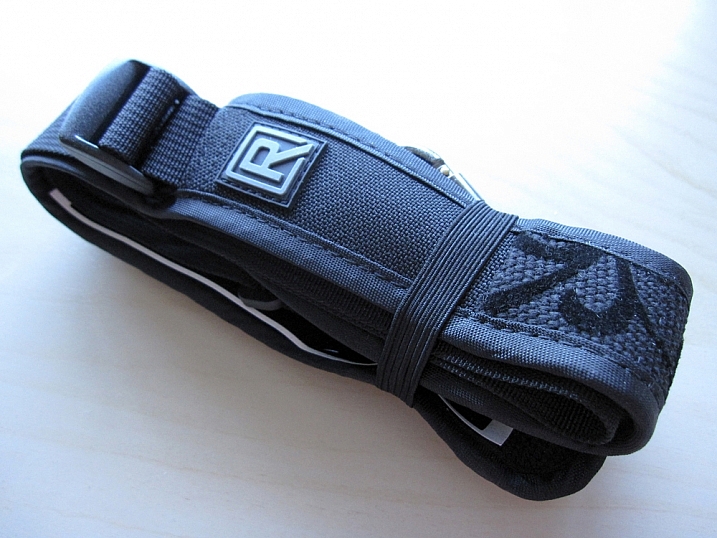
  • BlackRapid RS2SW-1AS Women’s Camera Strap (Black) – This camera strap is a life saver. It keeps your camera secure to your hip, easy to bring up to your face without getting tangled, and you can drop it and it slides right down by your side. It keeps the camera out of your way when not using it, plus your neck will be happy that it’s not sore from shooting and traveling all day long
  • Zeiss lens wipes – They are so necessary when shooting all around the world. You never know what could get on those lenses when traveling. These wipes are great for all parts of the camera too.
  • Camera backpacks – This is ideal when you never know where you are going to be and when! Camera is always safe and secure. Plus it’s out of the way and always with you.

Bruce Wonderlich

  • Hood Loupe – It can be hard to see the LED screen to check your focus, but with the HoodLoupe it is easy to see
  • Extra Large Microfiber Cleaning Cloths – 5 Pack – 8 x 8 inch (Black, Grey, Green, Blue, Yellow)

Scott Wyden Kivowitz

  • X-Rite MSCCPP ColorChecker Passport – Being a colorblind photographer I find this tool, and its Lightroom software counterpart, essential to my everyday photography workflow. It helps me achieve the most accurate color.

    Jerry Liu

    By Jerry Liu

  • Trigger Trap – I always carry my TriggerTrap with me because it enables me to do much more than what is possible with a standard cable release. I can trigger by motion, sound and much more.
  • AquaTech Tripod Leg Pad – Set of 2, Soft Feel, High Abrasion Resistance – I didn’t want a permanent leg wrap for my tripod, and when I found these I was pleasantly surprised by their comfort and easy of adjustment.

What are your go-to photography gadgets, or non-photography related ones? Please share in the comments below – we all might need a shopping list when we’re done!

googletag.cmd.push(function() {
tablet_slots.push( googletag.defineSlot( “/1005424/_dPSv4_tab-all-article-bottom_(300×250)”, [300, 250], “pb-ad-78623” ).addService( googletag.pubads() ) ); } );

googletag.cmd.push(function() {
mobile_slots.push( googletag.defineSlot( “/1005424/_dPSv4_mob-all-article-bottom_(300×250)”, [300, 250], “pb-ad-78158” ).addService( googletag.pubads() ) ); } );

The post dPS Writer’s Favorite Photography Gadgets by Darlene Hildebrandt appeared first on Digital Photography School.


Digital Photography School

 
Comments Off on dPS Writer’s Favorite Photography Gadgets

Posted in Photography


An oldie but a goodie – why the Tamron 28-200mm lens is my favorite

29 Oct

photo taken with the tamron 28-200mm lens

Probably the easiest question that I’m asked is, what is my favorite lens? Despite owning a sizeable collection of lenses for my Pentax K-7, the very first lens I ever bought, a Tamron 28-200mm was, and still is, my favorite lens.

I’m basically a street photographer, but I dabble in landscapes and animals from time to time. When traveling, and shooting on the streets, I carry one camera mounted with one lens, and seldom anything else. I remove the lens cap at the beginning of the day, and put it back on at night when I’ve finished shooting. To me, continually putting a lens cap on and taking it off takes too much time, if I want to be able to react to situations and shoot quickly. As for my lens, because I hold my camera in my right hand for eight or more hours a day, I need a robust lens that is up to anything that I can throw at it. The 28-200mm has seldom let me down.

lemur shot with a 28-200 tamron lens

Why it doesn’t matter that this lens is not stabilized

I’m not sure exactly when I bought this lens, but Tamron discontinued it in around 2001 – so let’s say it is probably a good 12-15 years old. At this age, it of course, predates the concept of affordable image stabilized cameras. (Cue plug for Pentax!). One benefit of shooting with Pentax cameras is that Pentax put image stabilization in the camera, and not the lenses. So this extends the longevity of older lenses – instead of trading up all your lenses – all you need to do is to change the camera body.

This lens has been mounted to a Pentax K-1000 film camera, a Pentax *ist DS, the Pentax K-10D and, more recently, the Pentax K-7. Counting images in my Lightroom catalog shows that this lens has captured over 66,000 images of the 84,000 (78.6%) in my current catalog.

From a (relatively) wide angle to telephoto in a single lens

What I like about this lens is its range. At 28mm it will shoot fairly wide, so I can capture an entire scene with it. At 200mm I can get in nice, and close and it’s still easy enough to handhold, even at small apertures where the shutter speed is quite slow. I also own a 300mm zoom lens and I find that it works great where there is plenty of light, but as soon as I start using small apertures, or shooting in poor light, the extra focal length on the lens really doesn’t get used, or I get soft images because I just can’t hold the camera steady enough. Basically, carrying a 300mm zoom on my camera, means I am carrying extra weight in the lens that I simply don’t and can’t use.

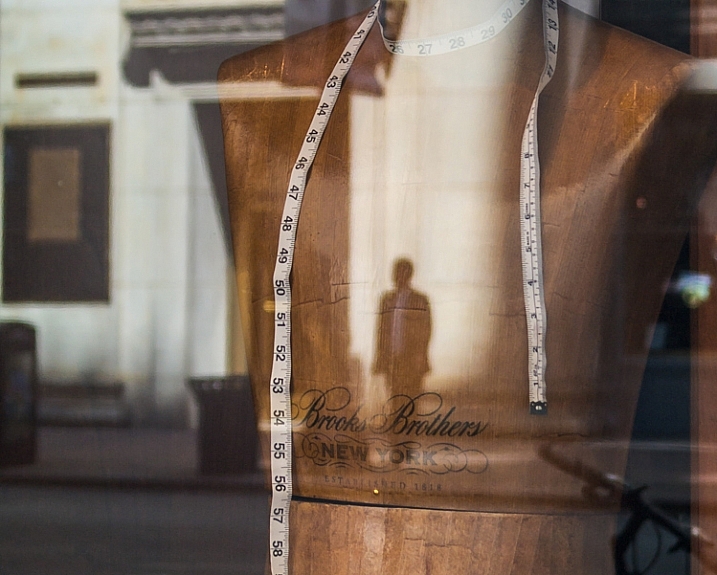
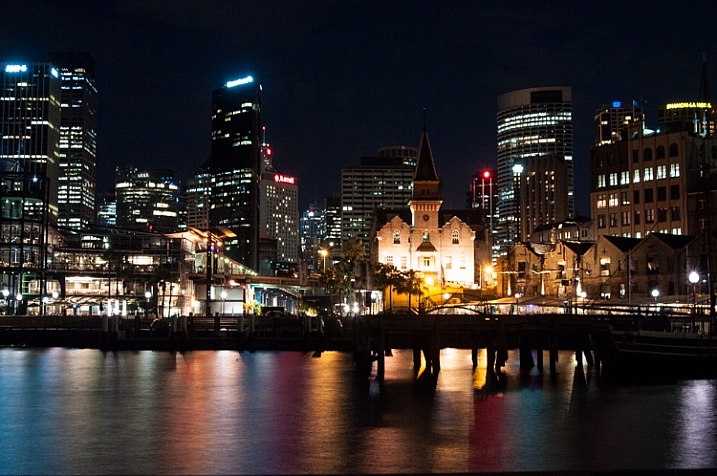
Sydney city shot with a tamron 28-200 lens

Why weight and size are important

The Tamron 28-200mm is lightweight at 12.5oz (354g), small for a zoom lens, and is only three inches tall. This makes it a little more discrete than some other lenses for street photography. Although since I am tall and have bright red hair, discretion isn’t something I value particularly highly.

I balance the weight of the lens with a battery grip, which carries a spare battery and a second set of controls. This grip helps me to hold the camera sideways to shot in portrait mode comfortably. It also balances the weight of the lens so the camera actually stands upright on a table, and despite the extra weight of the grip, it’s actually easier to carry for long periods of time.

The 28-200mm can be locked down for travelling, and when unlocked, it requires only a small rotation to go from 28mm all the way to 200mm. When it’s in its fully zoomed position it holds the zoom firmly, freeing me to use both hands to steady the camera. The aperture range for the lens starts at 3.8-5.6 (depending on how far you are zoomed) so there’s plenty of opportunity to capture images with a shallow depth of field, even at full zoom of 200mm.

young girl captured with a 28-200 tamron lens

Alternative lenses

If there are times when I look beyond the 28-200mm for another lens it’s generally one that matches a specific circumstance, such as shooting in very low light. In those situations my 50mm f/1.4 is a good second choice lens. I also love my 17 mm fisheye for those occasional times when the scene can benefit from more creative composition.

However, the 28-200mm is my everyday lens. It is permanently affixed to my camera, and has been for 10 years or more. It’s a great all-round lens, and it’s also a sound and robust lens for use in situations that are not always particularly camera friendly. I’ve shot it in all sorts of weather including freezing cold, rain, and snow. The camera and lens have been jammed in backpacks and hand carried on buses, trams, trains and boats, both large and small. It’s been used in dusty conditions in central Australia, and has weathered the humidity of the tropics. It’s also been licked by a curious giraffe, and more than one lemur has mistaken it for a toy.

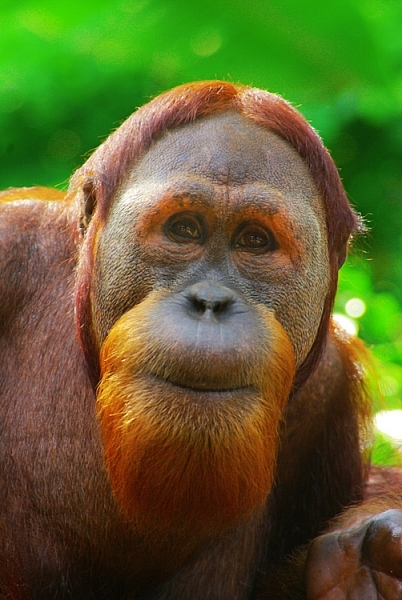
orangutan captured with a tamron 28-200 lens

Why this lens works for me

This lens lets me do the two things I love – travel and shoot. I prefer to walk rather than drive, and I generally travel alone because, let’s face it, photographers make really bad travel companions. So, if I am in a foreign city, on foot by myself, I don’t want to be carrying a camera bag full of kit. I want to be comfortable, and that means not carrying a lot of bulky stuff. I want to be able to walk five or ten miles one day, and get up and do the same thing the next day, and feel good about what I am doing. This lens lets me do just that and, in my book, that’s a real plus.

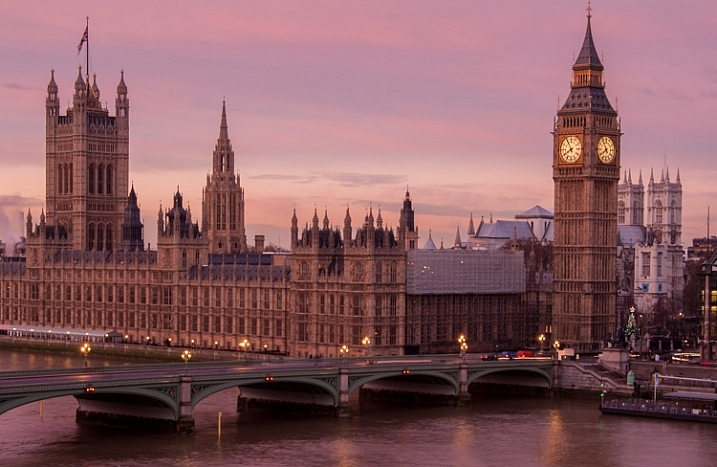
london and big ben captured with a 28-200 tamron lens

Familiarity breeds speed and comfort

While I like to play with new lenses as much as the next photographer, there’s something to be said for a lens that you’ve used for so long. It’s easy to underestimate the relationship between a photographer and a lens they know so well. Because I’ve used this lens so consistently, for so long, when I pick it up I know instinctively the zoom I’ll need for the scene in front of me. It has become an extension of my body, and my familiarity with it allows me to shoot faster, with confidence, and that helps me to get the shot that I want. If I lost this particular lens I’d not only be very sad, but I’d also be out shopping for its replacement the very next day.

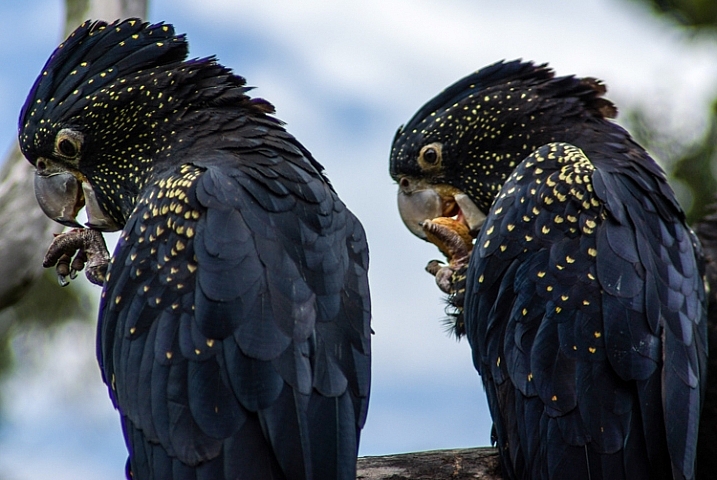
red tailed black cockatoos captured with a tamron 28-200 lens

Could I buy a better lens? Yes! Of course. I could easily buy a really good lens, with better optics, which would shoot faster and sharper. But when it comes to weighing the comparative value of a round the world plane ticket and a really good (for this read expensive) lens – I’ll take the ticket and opt for the cheaper lens.

So, if you don’t have a large budget for lenses, and you want a good sound all-purpose lens, then spending a couple hundred dollars on a lens with a range like this one, to me, is a really smart investment.

Tech Specs:

  • Tamron AF 28-200mm F3.8-5.6 XR Aspherical IF
  • Minimum focus distance: 19″/49cm
  • Weight: 12.5oz/354g
  • Length: 3″/76mm
  • Maximum aperture: 3.8 – 5.6
  • Minimum aperture: 22
  • Current Replacement Cost: around $ 199
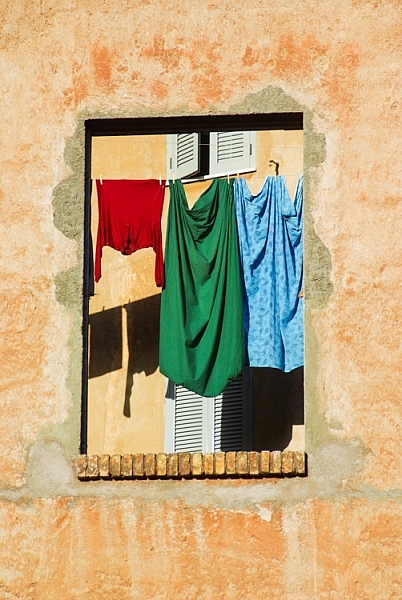
Rome - laundry - captured with a 28-200 tamron lens

Rome – laundry – captured with a 28-200 tamron lens

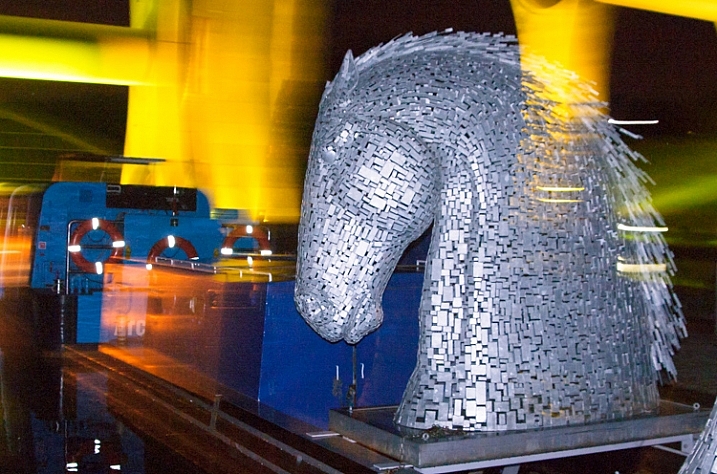
kelpies, Falkirk Scotland shot with a Tamron 28-200 lens

Kelpies, Falkirk Scotland shot with a Tamron 28-200 lens

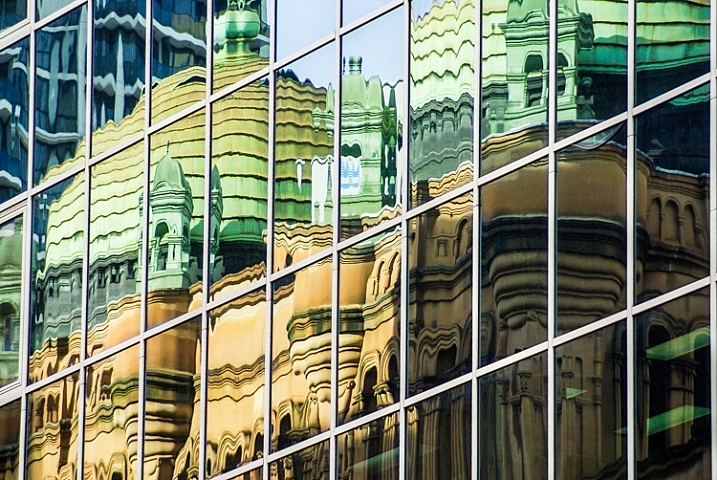
Queen Vic Building Sydney reflection - shot with a Tamron 28-200

Queen Vic Building Sydney reflection – shot with a Tamron 28-200

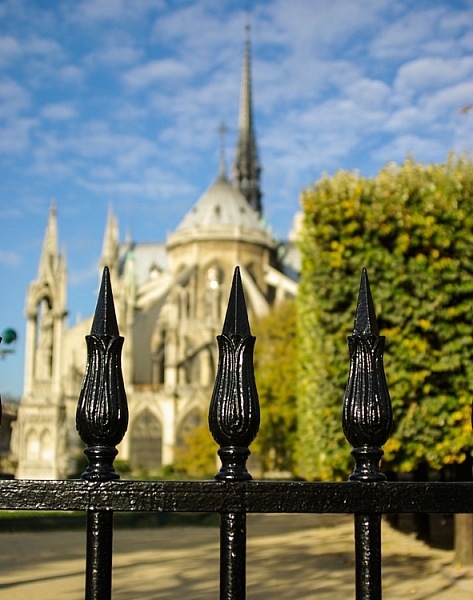
Notre Dame Paris shot with a Tamron 28-200 lens

Notre Dame Paris shot with a Tamron 28-200 lens

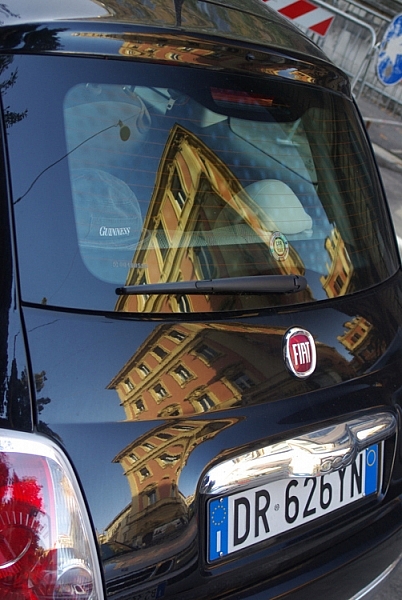
Rome reflection shot with a Tamron 28-200 lens

Rome reflection shot with a Tamron 28-200 lens

googletag.cmd.push(function() {
tablet_slots.push( googletag.defineSlot( “/1005424/_dPSv4_tab-all-article-bottom_(300×250)”, [300, 250], “pb-ad-78623” ).addService( googletag.pubads() ) ); } );

googletag.cmd.push(function() {
mobile_slots.push( googletag.defineSlot( “/1005424/_dPSv4_mob-all-article-bottom_(300×250)”, [300, 250], “pb-ad-78158” ).addService( googletag.pubads() ) ); } );

The post An oldie but a goodie – why the Tamron 28-200mm lens is my favorite by Helen Bradley appeared first on Digital Photography School.

Digital Photography School

 
Comments Off on An oldie but a goodie – why the Tamron 28-200mm lens is my favorite

Posted in Photography


Writer’s Favorite Lens – Nikon 16-35mm f/4

17 Oct
favorite, lens, nikkor, 16-35mm, ultrawide, wide angle, landscape

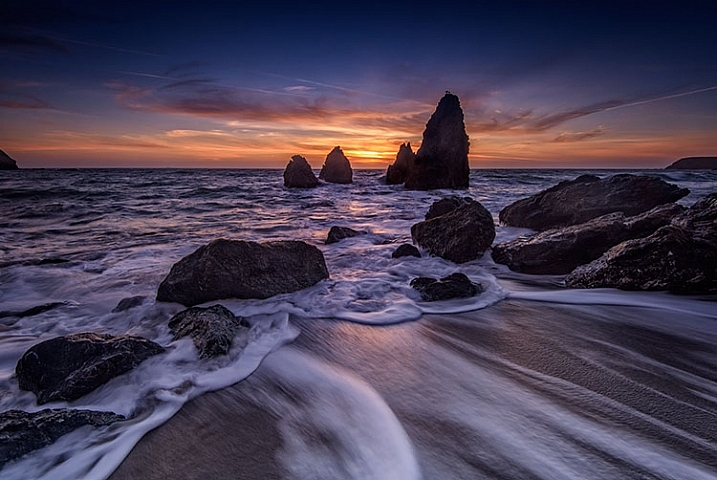
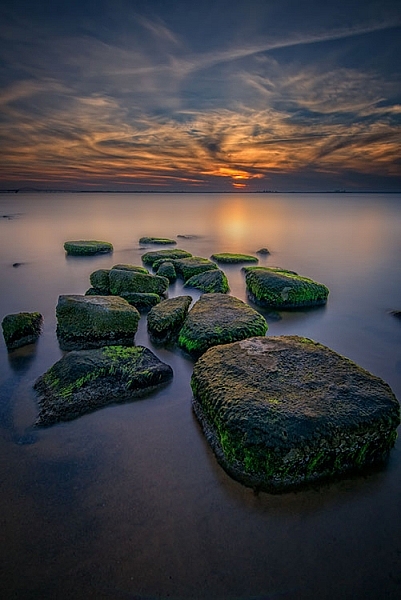
Rodeo Beach, Marin County, California

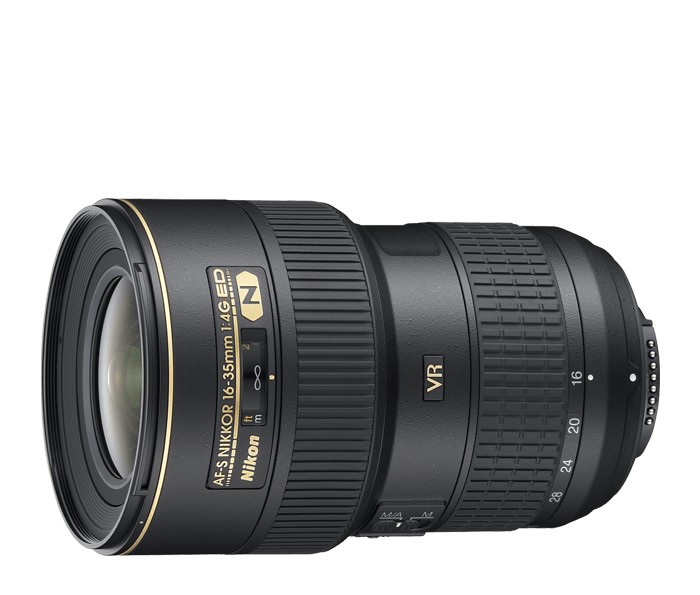
Asking me which lens is my favorite is somewhat akin to asking me which one of my two children I love the most. The simple answer is, “the one that will get me the shot I want!” I will also tell you, it depends on the subject I’m shooting. If I’m photographing a portrait, I’m more likely to choose my 85mm f/1.4. But primarily, I am a landscape photographer, so as I look back at some of my favorite images, I will say that most have been made using my AF Nikkor 16-35mm f/4G ED.

As I have grown as a photographer, I must admit I have become more and more enamored with the ultra-wide angle point of view. I enjoy seeing things in that perspective, and using the wide angle to emphasize foreground objects. I do also own the 14-24mm f/2.8 lens, but one thing sets the 16-35mm apart for me – that is the ease with which filters can be used. More on that in a bit.

First, some technical specs:

  • Focal Length:  16-35mm
  • Maximum Aperture: f/4
  • Minimum Aperture: f/22
  • Format: FX
  • Vibration Reduction: Yes
  • Dimensions: 3.2 in.(82.5 mm)
  • Weight: 24 oz. (680g)
  • Price: $ 1259 USD

    AF Nikkor 16-35mm f/4G ED VR II, my favorite lens

    Courtesy of Nikon

Ultra-Wide Angle Coverage

As a landscape photographer, I love using the perspective of an ultra-wide angle lens to be able to distort perspective and emphasize foreground objects. I often find that 24mm just isn’t wide enough to do what I’d like. Also, the 2x zoom to 35mm adds some nice versatility on the wide angle end of things. I can go from ultra-wide at 16mm to moderately wide at 35mm, without needing to change lenses to my mid-range zoom.  This provides me with a little more flexibility than the 14-24mm.

While that lens can go just a bit wider, there are several trade-offs that make the 16-35mm more appealing. In addition, I find the lens to be tack sharp throughout the range, with very little if any chromatic aberration (color fringing that can happen in high contrast areas). While the maximum aperture of f/4 may give some photographers pause (believing that f/2.8 is a necessity) I find that more often than not, I am shooting this lens while mounted on a tripod, and stopped down for maximum depth of field.  Being able to shoot at f/2.8 just isn’t a requirement for me. Keep in mind, I am using this lens on a Nikon D810. If you are using a DX body, the lens’ coverage won’t be as wide.

my favorite lens, photography, landscape, wide angle, ultrawide angle, landscape,

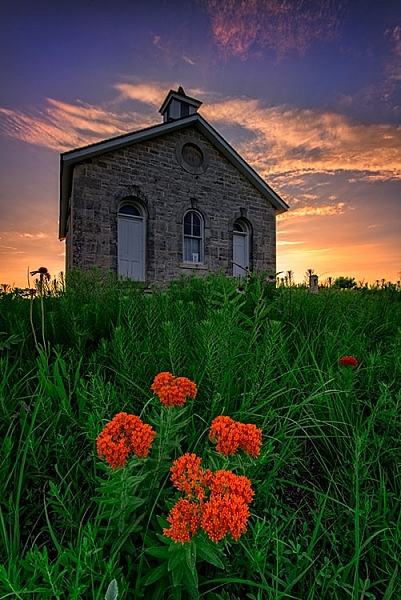
Lower Fox Creek Schoolhouse

Using Filters

As a landscape photographer, the ability to use filters is no small consideration. While I have filters for my 14-24mm lens, they are quite large. If I’m trying to travel light, I can’t always fit them in the bag, and those filters only fit the 14-24mm. My 100mm filter kit fits all of my lenses except for the 14-24mm, so it’s more economical in terms of space if I only carry that one kit and use my 16-35mm as my ultra-wide option when a filter is needed. The 16-35mm takes a 77mm sized filter for screw ins, or 77mm mounting ring if I’m using my drop-in filters. That matches most of my other lenses, making it convenient in terms of compatibility with accessories.

my favorite lens, photography, landscape, wide angle, ultrawide angle, landscape,

Cape Kiwanda, Oregon

Image Stabilization

While it’s not typically deemed necessary in an ultra-wide angle lens, the inclusion of VR, or vibration reduction (sometimes also called image stabilization) is a nice plus for this lens. Other lens makers have also begun including it in their competitors in this range. As I said, I am generally on a tripod when shooting with this lens, but there are times when hand-holding is necessary. Having the option of turning on the VR to give me some extra help in steadying the camera, gives me a great sense of reassurance that my images will be sharp. This is of particular importance when standing on a bridge, which can vibrate due to cars on the roadway, or when photographing in a place where tripods aren’t allowed.

my favorite lens, photography, landscape, wide angle, ultrawide angle, landscape, cityscape, architecture

Cathedral of Learning, University of Pittsburgh

The Bottom Line

For me, it’s all about the image. Size and weight are a distant second. Is the lens sharp? Yes. Is the field of view what I want? Yes. Can I use it with my filters to achieve my final image? Yes. It is the positive answers to those three questions that make this lens my favorite for photographing landscapes. Come back and talk to me about my favorite portrait lens another time.

my favorite lens, photography, landscape, wide angle, ultrawide angle, landscape, sunset

Great South Bay, NY

googletag.cmd.push(function() {
tablet_slots.push( googletag.defineSlot( “/1005424/_dPSv4_tab-all-article-bottom_(300×250)”, [300, 250], “pb-ad-78623” ).addService( googletag.pubads() ) ); } );

googletag.cmd.push(function() {
mobile_slots.push( googletag.defineSlot( “/1005424/_dPSv4_mob-all-article-bottom_(300×250)”, [300, 250], “pb-ad-78158” ).addService( googletag.pubads() ) ); } );

The post Writer’s Favorite Lens – Nikon 16-35mm f/4 by Rick Berk appeared first on Digital Photography School.
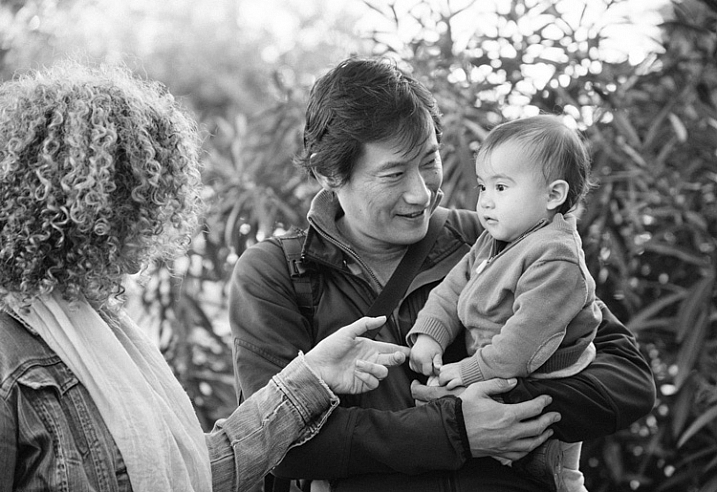

Digital Photography School

 
Comments Off on Writer’s Favorite Lens – Nikon 16-35mm f/4

Posted in Photography


Writer’s Favorite Lens: Olympus Zuiko 12-40mm f/2.8

30 Jun

One of the primary reasons I built my mirrorless kit with Olympus gear, was their wide array of high quality lenses. From fast primes to convenient zooms, they have all of the important focal lengths covered. It wasn’t until I picked up the Olympus Zuiko 12-40mm f/2.8 however that I really experienced the true potential of this micro four thirds system. Since purchasing the lens a few months ago, it has rarely left my camera body. Not only are the optics incredible, but it features many surprising benefits. Here are some of the main reasons it has become my favorite lens.

Image Quality

The Olympus 12-40mm has an effective focal length of 24-80mm making it extremely versatile. This fits my needs well, as I shoot a wide variety of subjects. With a constant aperture of f/2.8, it’s possible to shoot wide open throughout the entire range. Unlike other kit lenses, there is no need to stop down for optimal performance. Results are stellar wide open, with no noticeable chromatic aberration or diffraction. This makes it a workhorse for low light work, whether indoors or out.

From corner to corner, the 12-40mm is the sharpest lens I’ve ever owned. That makes it invaluable for landscape and travel work, particularly when great depth of field and critical focus is desired. I have done side by side comparisons with DSLRs and pro lenses, and to my eye, the Olympus lens is sharper. Granted, these were not scientific tests, but for me, a real world study is perhaps more valuable than any static chart. While many zoom lenses compromise clarity for convenience, this lens has the rare combination of both.

Size and Cost

When compared with the equivalent offering for DSLRs, a number of additional benefits are revealed. For example, the Canon 24-70mm f/2.8 weighs 28.40 ounces (805 g), more than twice as much as the Olympus at 13.47 ounces (382 g). After a long day of hiking and traveling, with gear on by back, this makes a big difference. With the lighter kit, I’m ready to go further, and faster. It’s also small enough to keep with me everyday, greatly reducing any missed opportunities. In addition to the weight savings, it’s also quite reasonably priced. The Canon and Nikon version of this focal length averages $ 1899 while this Olympus model can be purchased for around $ 899.

Macro Surprise

Perhaps the most unexpected benefit is the ability to shoot extreme close-ups. In fact, I recently sold my 100mm Canon macro lens as this satisfies my macro needs. With a minimum focusing distance of 20 centimetres (7.9 inches), it is ideal for flowers, plant life, and butterflies. Having this type of capability in a single lens makes it possible to do more while traveling lighter.

Shift into Manual Focus

Manual focus is activated by gently pulling the lens barrel down. With no buttons to find or push, this can be done without taking your eye from the viewfinder. Coupled with focus peaking, it has never been easier to achieve sharp focus manually. I particularly enjoy this feature when doing creative multiple exposures. This involves auto focus for the first shot, followed by a shift to manual focus to purposely create an out of focus second frame.

Built for Adventure

When paired with a weatherproof body, the lens completes a rugged combo that can withstand heavy rain, snow, dust, and even freezing conditions. I was able to test the weatherproof capabilities of the system during an airshow at the beach. As rain fell from the stormy sky several DSLR users frantically packed away their gear and headed for cover. Meanwhile, I continued to shoot the action and captured some unique shots with ominous dark clouds. Sure I could purchase and use a rain cover which are reasonably effective. They are clumsy enough however, to negatively affect my shooting technique.

Nice Bokeh

Despite what some critics have reported, it is quite possible to achieve shallow depth of field with a micro 4/3 system. Admittedly, the background won’t be as out of focus as an equivalent lens on a full frame camera, but it absolutely gets the job done. With this particular lens at f/2.8 I’ve found the bokeh to be very pleasing. In fact, I have no problems reaching for this lens should shallow depth of field be necessary.

Fast to Focus

Perhaps there’s no worse feeling than struggling to find focus as the magic light fades. Unlike many zooms, this lens does not hunt for focus. Whether you are using a camera with contrast or phase detection, it locks onto the subject, and fast. Not only does this benefit outdoor work, but also those indoor situations when the light levels are very low.

No Compromises

I’ve used a great deal of lenses throughout my career, many of which were stellar. Still, this lens really shines not only for its optical quality, but its versatile focal range. You can use it for just about anything, making it the first lens you’ll grab for most situations. Typically a lens with this many features would come at the price of other compromises, but this in not the case with the 12-40mm. Olympus has done a stellar job in creating what I find to be the perfect lens for micro 4/3 users.

googletag.cmd.push(function() {
tablet_slots.push( googletag.defineSlot( “/1005424/_dPSv4_tab-all-article-bottom_(300×250)”, [300, 250], “pb-ad-78623” ).addService( googletag.pubads() ) ); } );

googletag.cmd.push(function() {
mobile_slots.push( googletag.defineSlot( “/1005424/_dPSv4_mob-all-article-bottom_(300×250)”, [300, 250], “pb-ad-78158” ).addService( googletag.pubads() ) ); } );

The post Writer’s Favorite Lens: Olympus Zuiko 12-40mm f/2.8 by Chris Corradino appeared first on Digital Photography School.

Digital Photography School

 
Comments Off on Writer’s Favorite Lens: Olympus Zuiko 12-40mm f/2.8

Posted in Photography


Instant Cities: 3D-Print Your Favorite NYC Blocks on Demand

29 Jun

[ By WebUrbanist in Gaming & Computing & Technology. ]

3d printing

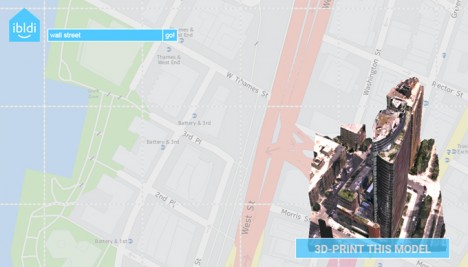
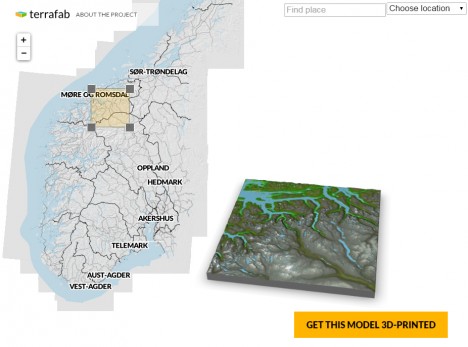
We are accustomed to being able to click a few buttons and get 2D prints of cities, blocks or buildings, and now a new web app allows you to create your own 3D model just as easily, picking and printing your favorite parts of Manhattan.

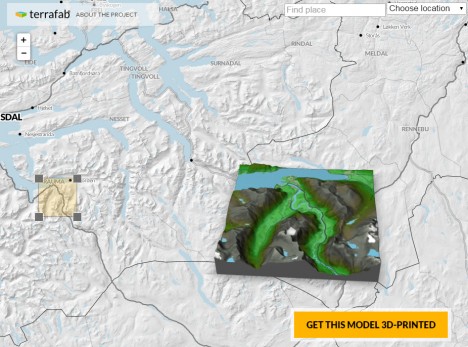
Inspired by Terrafab, a similar app that lets you print out custom selected, scoped and scaled sections of Norway’s gorgeous natural topographies, ibldi uses a similar approach but turns it toward America’s largest cityscape.

terrafab 3d print norway

For now, Terrafab offers more functionality and versatility, spanning an entire country, letting users customize their viewport and allowing selections ranging from tiny to gigantic. It is not hard to imagine, though, similar open map APIs in the near future allowing any section of the planet to be likewise selected and printed.

terrafab 3d printed landscape

From Terrafab: “Arguably, Norway has one of the top five most incredible terrains in the known universe. Now you can create your own 3D-printed genuine gypsum heirloom mantelpiece display replica of your favorite part of this formidable landscape in two easy steps.”

Share on Facebook


[ By WebUrbanist in Gaming & Computing & Technology. ]

[ WebUrbanist | Archives | Galleries | Privacy | TOS ]


WebUrbanist

 
Comments Off on Instant Cities: 3D-Print Your Favorite NYC Blocks on Demand

Posted in Creativity


dPS Writer’s Favorite Lens – the Nikon 70-200mm f/2.8 VR2

07 Jun

We all have favorites; colors, cars, movies, and dogs. For one reason or another, they grow on you and the more you’re exposed to it, the more partial you become.

When it comes to photographers, we have favorites too. Brands, camera bodies, software, and of course, lenses. I’m no different.

Over the years many lenses have passed through my hands. I have also had experience with a slew of other lenses through newspaper jobs and loaners from friends; everything from fisheyes to 400mm, Sigma to Zeiss.

Each new lens gets to be a favorite for a time – I call it the honeymoon phase. But to really work its way into your heart and truly be that solid go-to favorite, you have to have the lens for an extended period of time. You also need the opportunity to put it through its paces under a multitude of conditions.

70 200 by Jeremie Schatz  10

The lens that fits the bill for me is the Nikon 70-200mm f/2.8 VR2.

Now, I am fully aware that the quality of this lens has never been in question. It is, after all, Nikon’s flagship fast telephoto zoom – with a price tag to match. Let’s start with the bad news: it costs a pension, it’s the size of a small tree, it weighs as much as a newborn baby, and its minimum focusing distance is about a mile away.

For some photographers any or all of these reasons can easily make this lens a deal-breaker. The price is a non-issue if you are a pro. I paid over $ 2000 for mine more than four years ago and I wouldn’t flinch to do it again. The resale value stays fairly high as well, which may help enthusiasts justify it to themselves.

The size and weight (3.4 pounds); well, you have to pay to play. I’m a bigger guy so I don’t often have the same complaints about the size and weight of a pro body and lens setup, and actually find smaller cameras a bit awkward to use for extended periods of time.

One reason I don’t mind the size of the 70-200mm is because I find the long barrel gives me ample space to get a solid grip. This provides stability for hand-held shots as well as providing a good pivot point for panning shots.

70 200 by Jeremie Schatz  4

The longer barrel of the 70-200mm has space to get a solid grip which can help obtain sharper panning shots.

The minimum focusing distance is 4.6 feet which, in contrast to the 10.8 inches of my second go-to lens – the Nikon 17-35mm f/2.8 – seems absurd. Would I trade any of the 70-200’s other features for closer focusing? Not a chance.

Those are my justifications for tolerating this lens’ shortcomings.

So why is this the lens that spends most of its life hanging off the front of my camera? Performance is definitely a factor. This is the sharpest lens corner to corner, throughout the aperture and zoom range I’ve ever used. While capturing dangerously sharp images, it maintains very impressive contrast, color rendition, and saturation under any conditions.

70 200 by Jeremie Schatz  1

The front lens element coating reduces ghosting and flaring, and produces great contrast and saturation in challenging lighting conditions.

Even compared to the tried and true Nikon 80-200mm f/2.8 (which I have used extensively) that many still stand by and the subsequent VR1 model (which I have also owned), the VR2 with Nano coating blows them out of the water. Backlighting, cross lighting, or shooting right at the sun don’t even phase it.

Some maintain that with camera bodies’ ever-increasing high ISO performance, optical stabilization isn’t as necessary as it once was. Perhaps. However, even compared to the previous iteration of this lens, the VR feature makes a very noticeable difference. I have scored sharp images shooting at quarter-second exposures hand held. Paired with its ability to focus in pitch darkness, it almost feels like cheating.

Since I don’t get any commission for selling Nikon products, and performance is reason enough for anybody to use this lens, let me explain why this is the lens for me.

Photojournalism, sports and weddings are what I primarily shoot.

For photojournalism assignments it is imperative to carry at least a couple lenses. I can almost guarantee that no photojournalist in the last 10 years has walked out the door in the morning without a 70-200mm on one camera and probably something like a 24-70mm or a wide fixed lens on another body. If I had to head out into the unknown and could only bring one lens it would be the 70-200mm.

70 200 by Jeremie Schatz  8

A wider lens would have resulted in the planes looking tiny in the far distance. Being able to quickly zoom in and compress the scene can be very advantageous.

The 70-200mm is a no-brainer for sports. Although it is nice to have a second body with a wide lens, that camera spends 98% of the event unused, while the workhorse does its thing.

70 200 by Jeremie Schatz  6

The 70-200mm is a mainstay for sports photography. Being able to quickly zoom out to 70mm allowed me to grab this shot.

Another handy feature of this lens is its ability to be matched to a teleconverter. Dedicated career sports shooters mortgage their houses to buy a fast 300mm or 400mm lens. For the somewhat rare occasions where I can’t get as close to the action as I would like, I can compromise and use a 2x teleconverter. Yes, this leaves me with a f/5.6 maximum aperture and less overall sharpness, but it is a much smaller price to pay.

70 200 by Jeremie Schatz  5

Although image quality and aperture suffers, a 2x teleconverter turns the 70-200mm into a 140-400mm opening up a new range of possibilities.

Personally, I love this lens for portrait-type work as well. While 85mm and 105mm lenses are favorite focal lengths for portrait work, the 70-200mm has both of these lenses built-in essentially. Maybe not at a super fast aperture but I much prefer to have the added versatility.

70 200 by Jeremie Schatz  9

Although some may not consider it a dedicated portrait lens, the 70-200mm delivers creamy backgrounds and its focal length doesn’t distort facial features.

Even getting up close I will keep this lens mounted. I find 70mm to be wide enough that you don’t have stay too far from the action, while being able to get those tightly-cropped detail shots with creamy bokeh.

Another reason why I stick with a longer lens is that depending on what I’m shooting, I often prefer to stay away from the action. We have all heard someone say something like, “who needs a zoom lens when you have feet”. I have found that if you have to get too close to the action, you inevitably become part of it. My feeling is that in many cases a photographer’s responsibility is to capture an event unfolding and not distract or divert attention from it. It’s not a hard and fast rule, but one I adhere to as often as possible to maintain the fly-on-the-wall philosophy.

70 200 by Jeremie Schatz  2

Sometimes you can’t, or don’t want to, get too close to the action.

Everyone has an opinion, with reasons to support it, and those are mine. Anyone agree? Anyone think I’m full of it? If this is your go-to lens as well, what are your reasons?

googletag.cmd.push(function() {
tablet_slots.push( googletag.defineSlot( “/1005424/_dPSv4_tab-all-article-bottom_(300×250)”, [300, 250], “pb-ad-78623” ).addService( googletag.pubads() ) ); } );

googletag.cmd.push(function() {
mobile_slots.push( googletag.defineSlot( “/1005424/_dPSv4_mob-all-article-bottom_(300×250)”, [300, 250], “pb-ad-78158” ).addService( googletag.pubads() ) ); } );

The post dPS Writer’s Favorite Lens – the Nikon 70-200mm f/2.8 VR2 by Jeremie Schatz appeared first on Digital Photography School.

Digital Photography School

 
Comments Off on dPS Writer’s Favorite Lens – the Nikon 70-200mm f/2.8 VR2

Posted in Photography