RSS
 

Posts Tagged ‘Elements’

Fighting the elements: Landscape photography in Antarctica

03 Jul

$ (document).ready(function() { SampleGalleryV2({“containerId”:”embeddedSampleGallery_0745152892″,”galleryId”:”0745152892″,”isEmbeddedWidget”:true,”standalone”:false,”selectedImageIndex”:0,”startInCommentsView”:false,”isMobile”:false}) });

When most photographers want a new accessory or piece of gear to help them get a shot, they can usually pick it up at a local store or online. But when you’re a photographer living in Antarctica, you have to be a little more resourceful.

Josh Swanson has spent 16 seasons working in Antarctica and photographing its landscapes. Starting with a disposable film camera and now shooting with a Nikon DSLR, Swanson has learned the ins and outs of shooting panoramas in one of the most unforgiving environments on earth.

For example, when he began running into issues with elements in his panoramas not aligning correctly, he discovered that a specialized bracket would help sort things out. He tells Resource Travel, ‘…being on the ice I was not able to get one (planes don’t regularly arrive during the winter which means no mail service). I ended up just building one. It worked for the season, although I later replaced it with a manufactured one for that had degree increments etc. for faster more accurate pans.’

As you’d expect, he’s also had trouble with LCDs freezing and battery life plummeting in the cold weather. He tells Kira Morris, a fellow photographer and former Antarctic resident, all about it over at Resource Travel. 

Articles: Digital Photography Review (dpreview.com)

 
Comments Off on Fighting the elements: Landscape photography in Antarctica

Posted in Uncategorized


Madcap Murals: Playful Urban Paintings Interact with 3D Elements

05 Apr

[ By Steph in Art & Street Art & Graffiti. ]

interactive street art 4

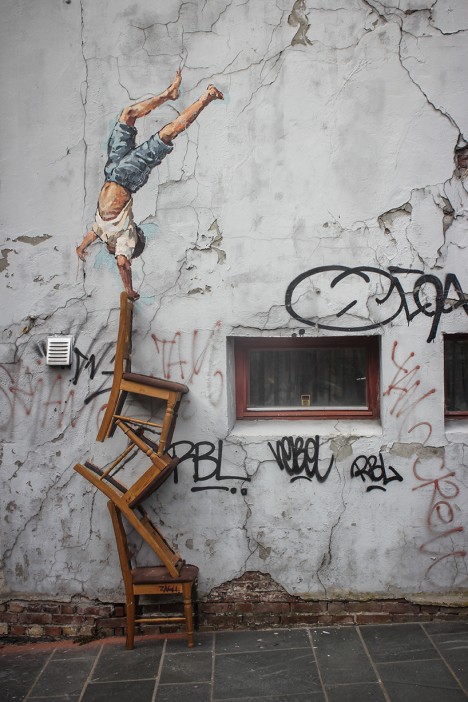
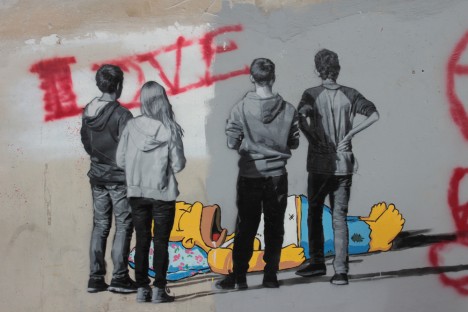
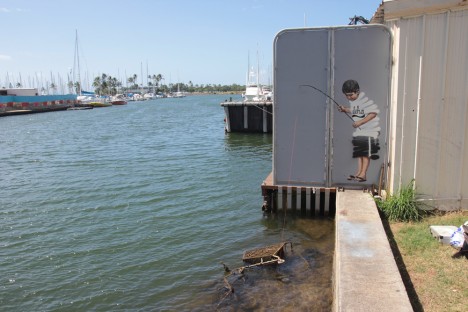
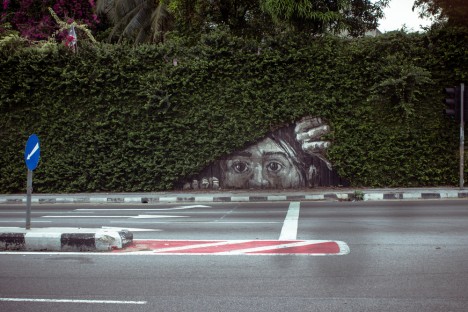
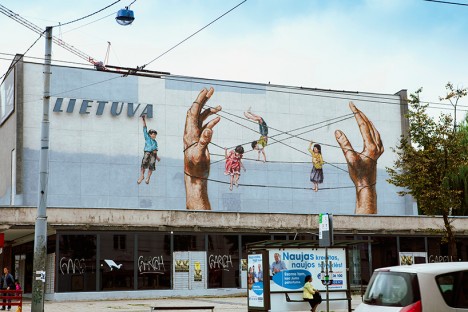
A wall with a texture reminiscent of a cross-stitch cloth, a rusted shopping cart half-submerged in a river, curbside trash finds and utility boxes all transform into interactive 3D elements of engaging street art pieces by Ernest ‘Zach’ Zacharevic. The Lithuanian-born artist not only takes the surfaces and immediate surroundings into account when planning each mural, but also reflects the culture of the setting for totally unique, spontaneous and yet targeted infusions of color, humor and fun into the urban landscape.

interactive street art 1

interactive street art 2

interactive street art 8

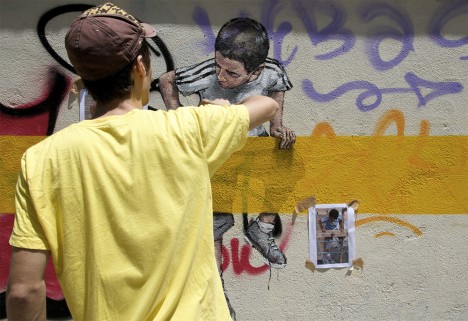
Zacharevic assesses each location ahead of time, often getting inspiration from the elements already present before prepping as much of each piece as possible in his studio to cut down on outdoor painting time. Components like junked bicycles, busted chairs and peeling wheelbarrows are bolted or glued to the walls so they become an active part of the work – though many of these three-dimensional elements are already part of the urban fabric, and the artist simply integrates them.

interactive street art 6

interactive street art 7

interactive street art 9

interactive street art 14

Gestural swipes of dripping spray paint contrast with Zacharevic’s painterly style, contrasting textures and making each mural look like it popped off a gallery canvas to become a part of the larger world. In an interview with DesignBoom, the artist notes that some of these dynamic qualities originate in a fascination with animation and “its ability to bend reality and bring images to life.”

interactive street art 15

interactive street art 13

interactive street art 5

interactive street art 16

“I see my work more like a simple moment capturing everyday life rather than an elaborate narrative,” he says. “This seems to work best with the subject of childhood nostalgia, a subject which features often in my work.”

Share on Facebook


[ By Steph in Art & Street Art & Graffiti. ]

[ WebUrbanist | Archives | Galleries | Privacy | TOS ]


WebUrbanist

 
Comments Off on Madcap Murals: Playful Urban Paintings Interact with 3D Elements

Posted in Creativity


All those moving elements: LensRentals looks inside the Leica SL 24-90mm F2.8-4

25 Feb

LensRentals Leica SL 24-90mm F2.8-4 teardown

The Leica SL 24-90mm F2.8-4 may not break any new technical ground, but when the SL’s ‘kit’ lens made its way to LensRentals headquarters, the team endeavored to take a careful look inside. With the solidly constructed lens partially disassembled, they got a closer look at its impressive number of moving elements. Take a look at some of the highlights here, and for a full look inside the 24-90mm head over to LensRentals.

Weather-sealing

Sliding the rear of the lens off took a little muscle according to LensRentals’ Roger Cicala, ‘as it’s very tightly sealed by the thick, greenish weather gasket underneath.’ Leica promises this keeps the lens protected from dust, moisture and splashes.

The inner barrel assembly

With the zoom key and six screws in the internal chassis removed, the outer assembly of the lens barrel can be removed, and Cicala finds that ‘the zoom and focus rings are one modular assembly connected to the main chassis.’

Not all focusing mechanisms are created equally

With the inner barrel exposed, part of the 24-90mm’s focus-by-wire linkage can be seen. Says Cicala: ‘I won’t argue with those who prefer a mechanical focusing linkage, and I agree that some electric focusing mechanisms feel sloppy and inaccurate. But I’ll add that they aren’t all made equally, and the Leica focus feels quite good and seems very accurate.’

A ‘complex dance’ of moving elements

With the casing and front barrel removed, the lens’ helicoid grooves are visible. These allow the moving elements to travel on their separate paths. ‘This is a really nice example of the mathematical formulas involved when you move elements. Notice none of those grooves are parallel; as you zoom the lens the various elements move in a rather complex dance.’

Focusing assembly up close

Although they’d sworn not to do a full teardown, Roger and company wanted a better look at the focusing group so out it came. And that’s where things got interesting. 

‘You can see the stepper motor (green line) of course. The actual focusing element is what Aaron is holding the group by. The larger group in the center is where the entire assembly is attached to the helicoid. One of the first things we notice (red arrows) is this group has 3 pairs of adjustable eccentric collars. These were thoroughly glued in place so we left them alone, but it seems each pair has one collar for tilt and another for centering of this group. None of the other moving groups had eccentric adjustment collars visible.’

A peek at IS

The teardown stops at this point, but not before a glance up the barrel toward the image stabilization unit. While those screws tempt Cicala and crew, memories of finicky IS systems kept them from going any further.

Articles: Digital Photography Review (dpreview.com)

 
Comments Off on All those moving elements: LensRentals looks inside the Leica SL 24-90mm F2.8-4

Posted in Uncategorized


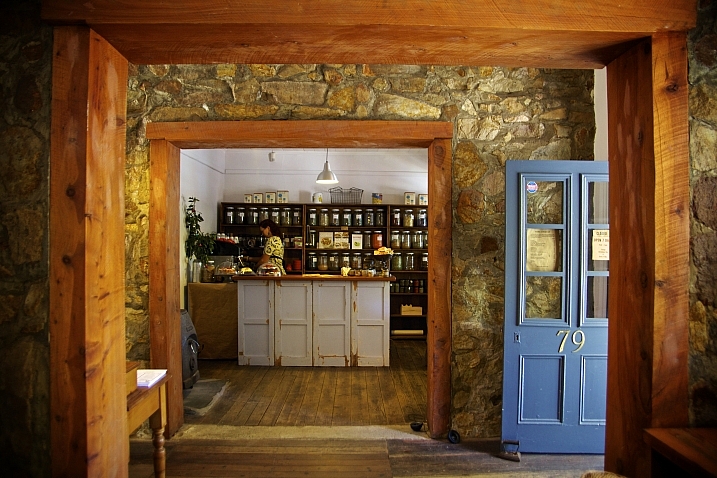
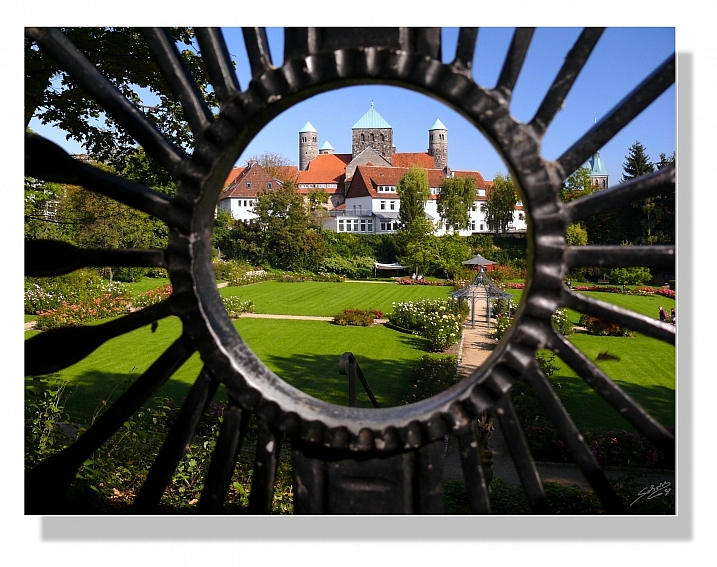
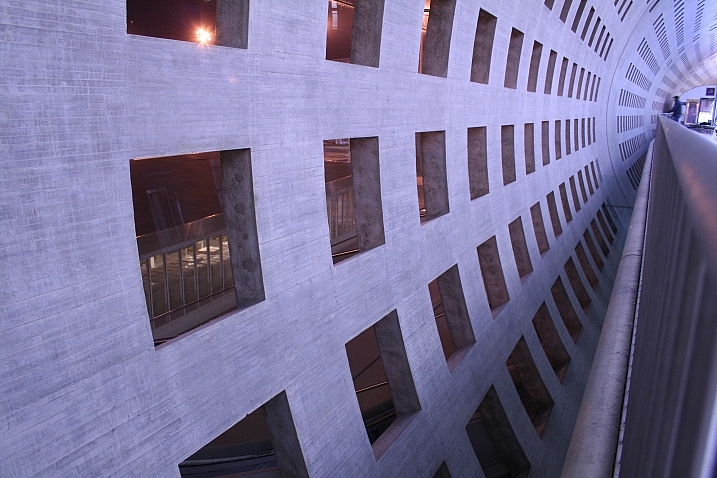
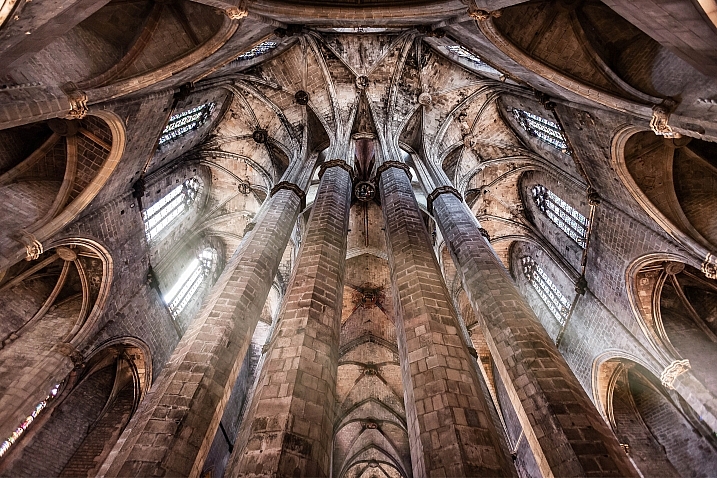
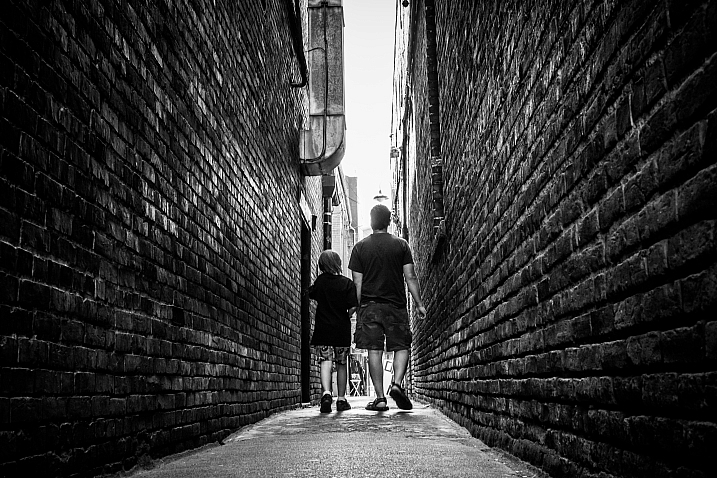
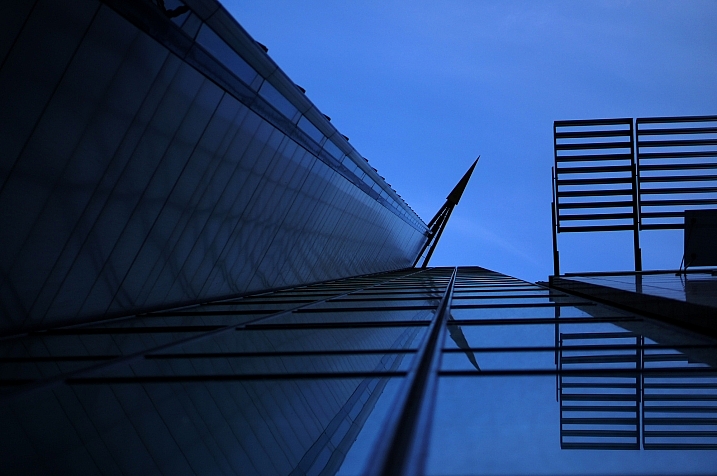
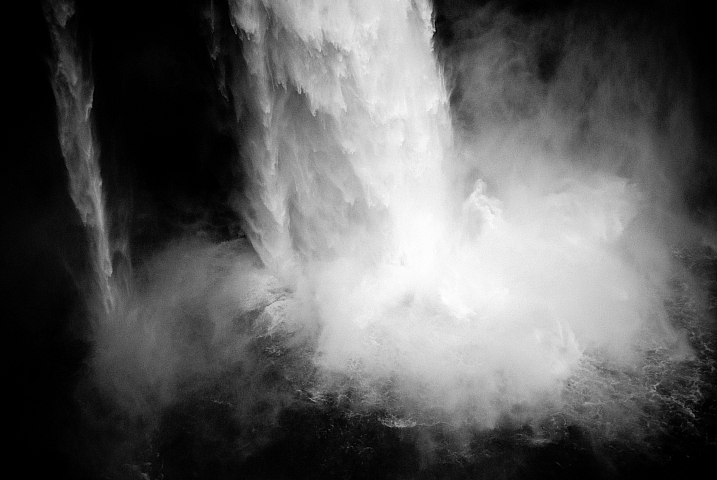
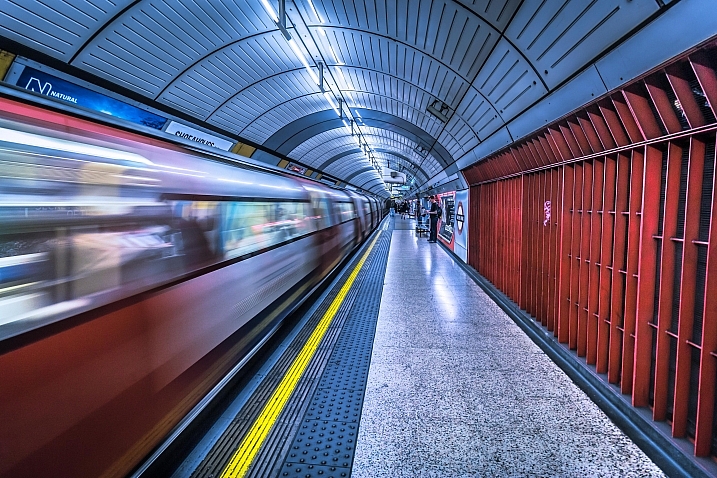
33 Images that Exemplify Compositional Elements

13 Nov

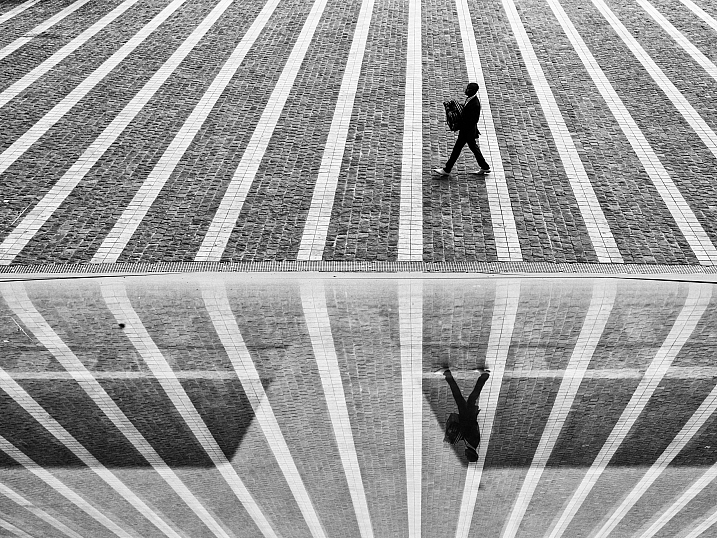
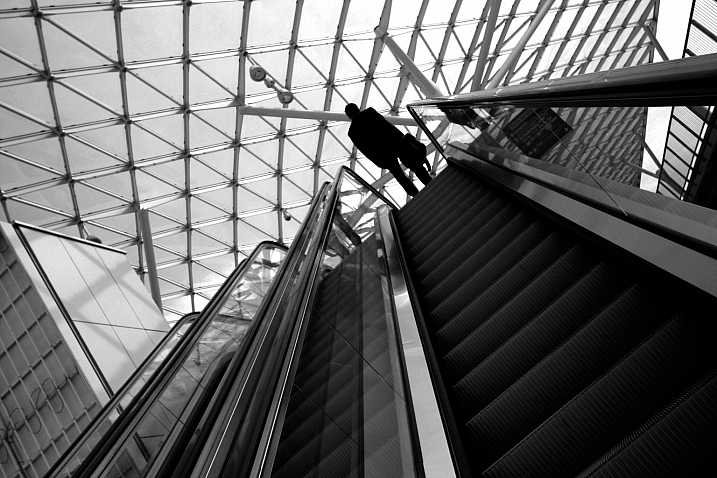
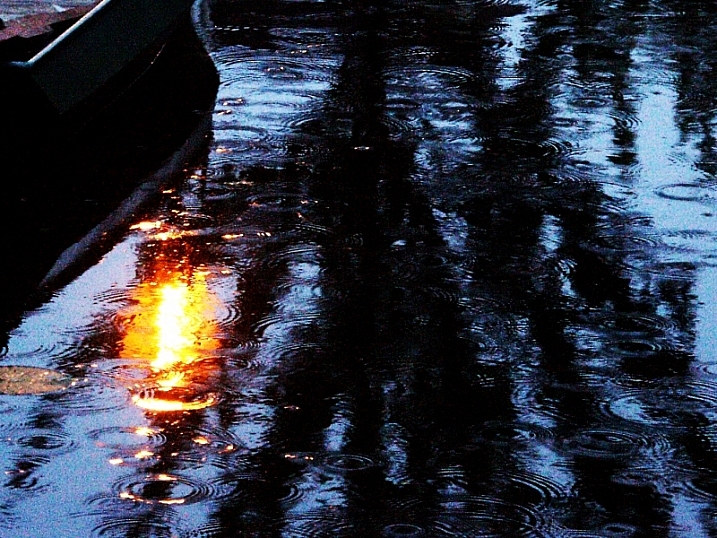
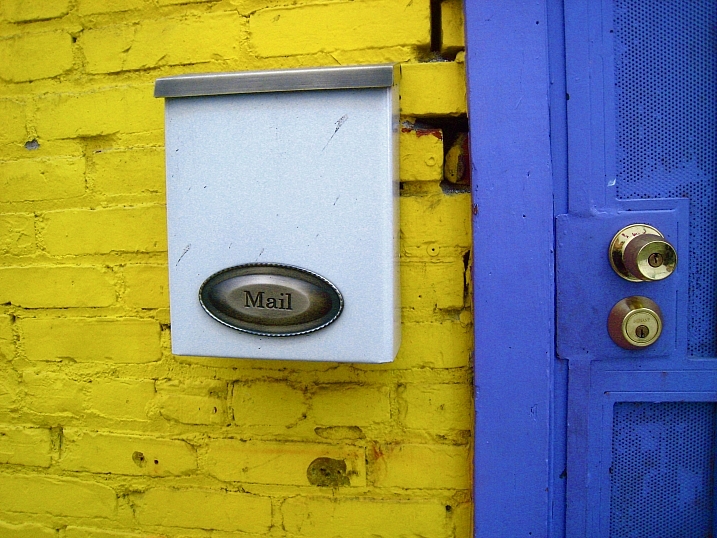
This week on dPS we’re featuring a series of articles about composition. Many different elements and ways to compose images for more impact. Check out the ones we’ve done so far:

  • Using Framing for More Effective Compositions
  • 7 Tips to Improve Your Skyline Photos

Here’s how some other photographers do it and work with various compositional elements.

Lines

Zoltán Vörös

By Zoltán Vörös

Raymond M.

By Raymond M.

Jeff Wallace

By Jeff Wallace

Thomas Leuthard

By Thomas Leuthard

Georgie Pauwels

By Georgie Pauwels

Gianni Dominici

By Gianni Dominici

Color

Wester

By wester

Umberto Nicoletti

By Umberto Nicoletti

Louis Vest

By Louis Vest

Bill Selak

By Bill Selak

Shandie 8

By shandie 8

Sur Name

By Sur Name

Framing

Fernando Ocaña Fernández

By Fernando Ocaña Fernández

Lawrence OP

By Lawrence OP

Georgie Pauwels

By Georgie Pauwels

Georgie Pauwels

By Georgie Pauwels

Michelle Robinson

By Michelle Robinson

Littlenelly (rare But There)

By littlenelly (rare but there)

Perspective

Patrik Jones

By Patrik Jones

Topher76

By topher76

Vincent Moschetti

By Vincent Moschetti

Joris Louwes

By Joris Louwes

Mike138

By mike138

Perceptions I Sichtweisen

By perceptions I sichtweisen

Andreas Schalk

By Andreas Schalk

Aristocrats-hat

By Aristocrats-hat

Michael Coppola

By Michael Coppola

Chris Bird

By Chris Bird

Simplify

Dave Toussaint

By Dave Toussaint

Dawn Ellner

By Dawn Ellner

Thomas Hawk

By Thomas Hawk

Frédéric Vissault

By Frédéric Vissault

ELKayPics (away)

By eLKayPics (away)

googletag.cmd.push(function() {
tablet_slots.push( googletag.defineSlot( “/1005424/_dPSv4_tab-all-article-bottom_(300×250)”, [300, 250], “pb-ad-78623” ).addService( googletag.pubads() ) ); } );

googletag.cmd.push(function() {
mobile_slots.push( googletag.defineSlot( “/1005424/_dPSv4_mob-all-article-bottom_(300×250)”, [300, 250], “pb-ad-78158” ).addService( googletag.pubads() ) ); } );

The post 33 Images that Exemplify Compositional Elements by Darlene Hildebrandt appeared first on Digital Photography School.


Digital Photography School

 
Comments Off on 33 Images that Exemplify Compositional Elements

Posted in Photography


Adobe updates Elements applications with haze and shake removal, enhanced editing guidance

25 Sep

Adobe has announced updates to its Photoshop Elements and Premiere Elements imaging applications that introduce some new features and a number of improvements. A de-haze filter, similar in effect to that used in Photoshop CC and Lightroom, helps to cut through atmospheric misting in Photoshop Elements 14, while Premiere Elements gains the ability to work with 4K footage. Read more

Articles: Digital Photography Review (dpreview.com)

 
Comments Off on Adobe updates Elements applications with haze and shake removal, enhanced editing guidance

Posted in Uncategorized


7 Major Elements of Photography Business Plan

06 Jul

Did you know that entrepreneurs who create a proper business plan are usually two times more successful in developing and growing their business than those who have no business plan? This is according to a study conducted by Palo Alto Software. Just as you wouldn’t typically begin a photo shoot without proper lighting and gear setup, starting your own business Continue Reading

The post 7 Major Elements of Photography Business Plan appeared first on Photodoto.


Photodoto

 
Comments Off on 7 Major Elements of Photography Business Plan

Posted in Photography


Flat elements developed by Harvard could make camera lenses smaller, lighter and better

11 Mar

A team at Harvard School of Engineering has developed a method for making flat lenses that could dramatically reduce the size and weight of camera lenses in the future. The method employs tiny silicon antennas positioned on flat glass components to redirect light when it reaches the surface of the lens instead of relying on refraction and the thickness of glass to bend light in a particular direction. Learn more

Articles: Digital Photography Review (dpreview.com)

 
Comments Off on Flat elements developed by Harvard could make camera lenses smaller, lighter and better

Posted in Uncategorized


Testbericht: Mantona Elements Outdoor Rucksack

29 Nov

Kompromisse sind ja nicht immer gut. Oft aus der Not heraus entstanden, sind sie im Endergebnis nur eine halbherzige Lösung. In diesem Fall ist das etwas anders, zumindest wenn man weiß, was man will. Dann ist dieser Kompromiss eine willkommene, praktikable Lösung für alle, die ihr Kameraequipment gern quer durch die Natur tragen.

Ich bin gern draußen und gern viel unterwegs. Ich denke, um einen Ort angemessen auf sich wirken zu lassen, um dort einen Blick für stimmungsvolle Bilder zu entwickeln, muss man sich Zeit nehmen. Und die hat man am besten zu Fuß oder zumindest mit vielen Pausen auf der Autofahrt.
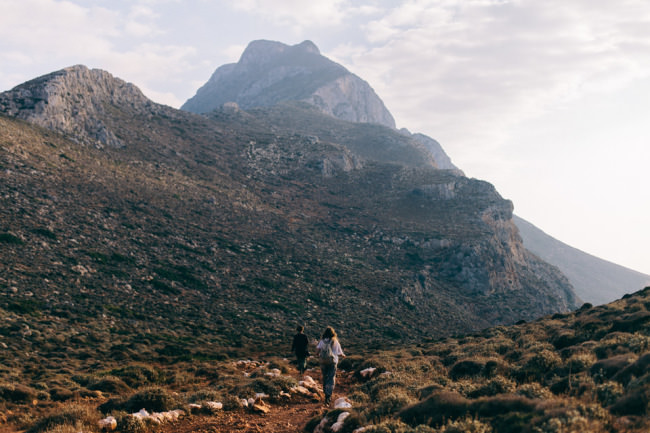
Zwei Personen wandern zwischen Bergen

Unterwegs richtung Balos Beach, Kreta, Griechenland.
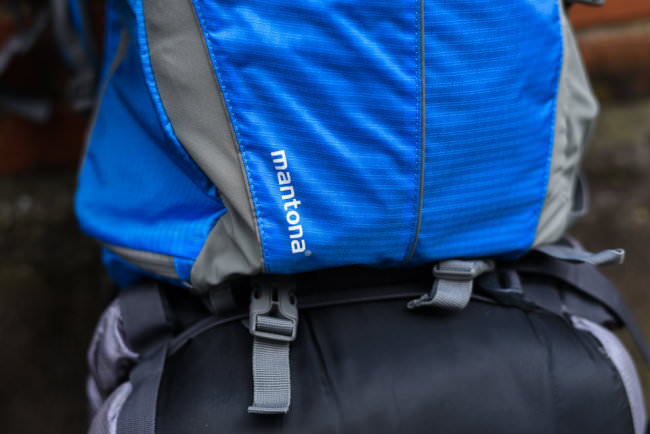
Logo auf einem Rucksack

Auf Reisen habe ich selten viel dabei. Ich gebe, wenn ich fliege, ungern Gepäck auf und habe mir daher angewöhnt, Gepäck für alles unter zwei Wochen auf Handgepäck-Größe zu minimieren. Gut komprimiert klappt das mit meinem mittelgroßen Trekking-Rucksack auch, je nach Fluggesellschaft natürlich. Mein Kameraequipment fuhr früher immer in irgendwelche Kleidungsstücke gewickelt mehr oder weniger lose darin herum. Dass diese Art des Transports nicht besonders zu empfehlen ist, wurde mir recht schnell klar. Also musste ein Fotorucksack her.

Ich entschied mich, keinen Reisegedanken im Hinterkopf, für einen Rucksack von National Geographic*. Er ist kompakt, robust, waschbar und sieht nicht so aus, als würde er teure Geräte beinhalten.

Letzteres ist mir unterwegs nicht unwichtig. Ich bin zwar kein grundsätzlich misstrauischer Mensch, aber ich möchte mich gern überall möglichst unauffällig bewegen können. Und die klassischen, schwarzen Kamera- oder Laptoptaschen, die man auf Reisen oft sieht, sind zwar schlicht, könnten aber ebensogut mit glitzernden Dollarzeichen besetzt sein.

Blick über Athen

Athen, Griechenland.

Graffiti über Athen

Athen, Griechenland.

Diese Ansprüche habe ich also auch an einen Outdoor-Rucksack, der mich möglichst allround-fähig auf Reisen begleiten können soll. So bin ich auf den Mantona Elements Outdoor Rucksack* gestoßen. Die Produktbeschreibung des Herstellers ließ eher auf einen Tagesrucksack für ambitionierte Fotografen schließen, die eine kleine DSLR oder Systemkamera dabei haben und Platz für eine Regenjacke und Proviant brauchen.

Selbstsicher an meine minimalistischen Pack-Künste glaubend, beschloss ich, den Rucksack mit auf eine zweiwöchige Griechenlandreise zu nehmen. Mit zwei Rucksäcken unterwegs zu sein, in meinem Fall mit einem Trekking- und einem Kamerarucksack, ist einfach unnötig umständlich.

Dass ich keine zweiwöchige Wandertour mit Zelt und Verpflegung damit durchziehen kann, war mir klar. Aber viel fehlt dem anpruchslosen Reisenden dazu nicht. Hier eine kurze Übersicht über meine Packliste:

Kleidung für 10 Tage
Regenjacke
Medikamente
2 Bücher
Canon 5D Mark II + Canon 50mm f/1.4* +
Canon 85mm f/1.8*
2 CF Karten
Canon AE-1 + Canon 50mm f/1.8 FD
Polaroid 250 Land Camera
1 Fuji FP100c Sofortbildfilm
8 35mm-Filme
Schlafsack
Isomatte
1,5 l Wasserflasche
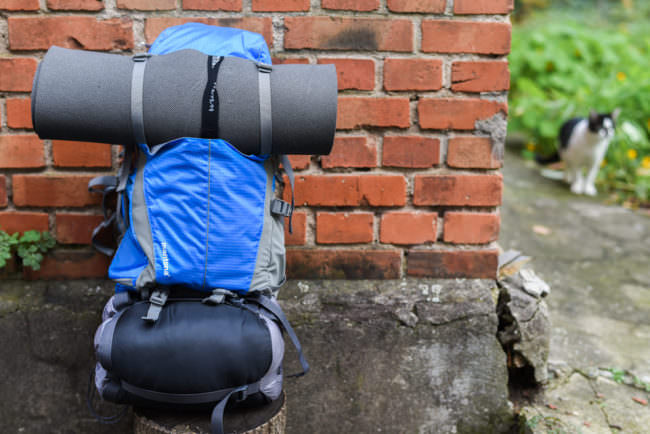
Ein Rucksack

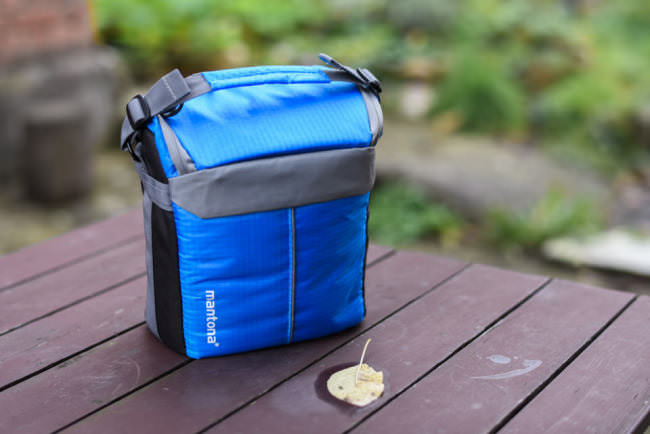
Eine Kameratasche auf einem Tisch

Damit war der Rucksack prall gefüllt, ging nur noch mit Mühe zu und wog etwa 9 kg. Ein Tablet hätte noch in das dafür vorgesehene Fach im Rücken gepasset, allerdings mit starken Platzproblemen. Ein Stativ hätte außen noch Platz finden können. Die Isomatte habe ich oben festgeschnallt und den Schlafsack, für den natürlich im Rucksack kein Platz war, unten mit zwei Gurten und dem Tragesystem der Schlafsackhülle befestigt.

Der fertig gepackte Rucksack ließ sich bequem tragen ohne lästiges Baumeln von außen befestigten Gegenständen oder schlecht ausbalanciertem Gewicht. Ich behaupte, dass ich sogar mein kleines, leichtes Zelt für eine Person noch hätte befestigen können, hätte dann aber die Trinkflasche tragen müssen.

Das Tragesystem mit Hüft- und Brustgurt ist bequem und gut justierbar. Die Regenschutzhülle ist platzsparend an der Unterseite versteckt und lässt sich schnell überziehen. Der eigentliche Teil des Rucksacks, der ihn als Kamerarucksack qualifiziert, ist an sich nur eine kleine, herausnehmbare Tasche mit optionalem Schultergurt, in der Platz für eine DSLR und zwei Objektive ist.

Ich habe eine Canon 5D Mark II mit zwei kleinen Objektiven darin verstaut, viel mehr passt nicht hinein. Beispielsweise Landschafts-, Tier- oder Naturfotografen, die eine weitaus größere Fülle an Equipment dabei haben, werden damit nicht glücklich, sind aber auch nicht die Zielgruppe. Die beiden analogen Kameras habe ich, altbewährt, oben zwischen der Kleidung untergebracht.

Landschaftsbild mit Straße und Wolke

Kreta, Griechenland.

Die herausnehmbare Kameratasche hat natürlich den Vorteil, dass ich den Rucksack jederzeit zurücklassen kann und für einen Ausflug nur das Nötigste dabei haben muss. Quer im Rucksack verstaut ermöglicht das System durch zwei Reißverschlüsse schnellen Zugriff auf das Kamerafach. Das Fach im Deckel des Rucksacks und zwei kleine Fächer am Hüftgurt bieten Platz für Kleinigkeiten wie Landkarten, Medikamente, Kabel, Taschenmesser etc.

Meiner Meinung nach könnten die Gurte zur Befestigung allesamt etwas länger sein. Für kleine Stative sicherlich ausreichend, habe ich vieles nur mit etwas Zerren befestigen können, der Rucksack hatte aber trotzdem keine Probleme, alles sicher verschlossen zu halten.

Insgesamt macht die Verarbeitung einen sauberen und robusten Eindruck. Ich denke, ich habe die Kapazität des Rucksacks stark ausgereizt. Wer mit einem Mietwagen unterwegs ist oder an einem Ort verweilt und Platz für Tagestouren braucht, ist damit gut bedient. Auch für einen langen Wochenendtrip eignet sich der Rucksack vollkommen.
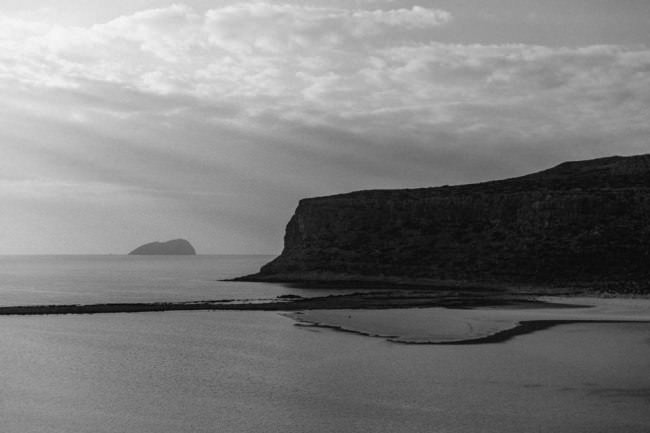
Ein Landschaftsbild in Schwarzweiß

Balos Beach, Kreta, Griechenland.

Ich würde mir nur etwas mehr Platz wünschen, ohne in Bus, Bahn oder per Anhalter mehrere Taschen dabei haben zu müssen. Obwohl der Mantona Elements Outdoor Rucksack* nicht für diesen Anspruch gemacht ist, bin ich problemlos genau so gereist, ohne etwas zu vermissen.

Auch ein Kamerafach, das je nach Bedarf größer oder kleiner genutzt werden kann, wäre eine Option, die den Rucksack für alle interessant machen würde, die doch etwas mehr an Ausrüstung dabei haben oder deren Equipment über die Größe zweier kleiner Festbrennweiten hinaus geht. Für den Anspruch, den der Rucksack hat und den Preis von 129 € erfüllt er voll und ganz seinen Zweck. Kompakt, leicht und funktional. Die beste Lösung, die ich bislang gefunden habe.

* Das ist ein Affiliate-Link zu Amazon. Wenn Ihr darüber etwas bestellt, erhält kwerfeldein eine kleine Provision, Ihr zahlt aber keinen Cent mehr.


kwerfeldein – Fotografie Magazin | Fotocommunity
 
Comments Off on Testbericht: Mantona Elements Outdoor Rucksack

Posted in Equipment


Fold-Out Life: 13 Space-Saving Expanding Room Elements

06 Nov

[ By Steph in Design & Furniture & Decor. ]

Fold Out My Space Play Area

Murphy beds and small table surfaces aren’t the only interior elements that can pop out of walls or freestanding cabinets to offer extra function when it’s needed. Entire kitchens, living rooms, bedrooms, offices, play areas and even balconies can be unfolded or pulled from nearly-flat surfaces to make small spaces more versatile, shifting their purpose altogether within minutes. See 12 more ultra-compact fold-out room systems.

Furniture Pops Out of Flat-Pack Mat
Fold Out Flat Pack Mat

Fold Out Flat Pack Mat 2

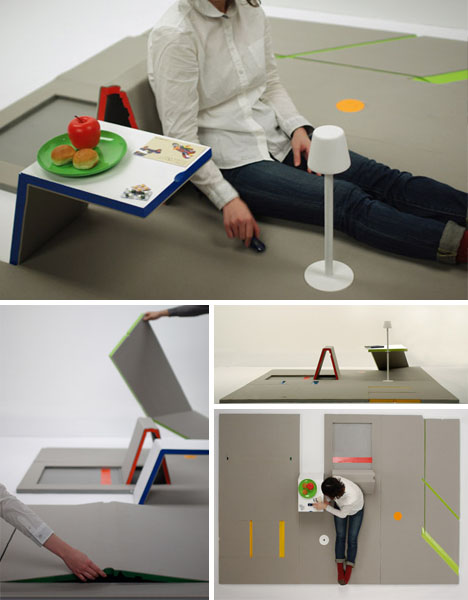
Entitled ‘Land Peel,’ this piece by Shin Yamashita is a flat floor mat with elements that pop up to create a variety of seating and working/eating surfaces.

My Space Fold-Out Play Area for Kids
Fold Out My Space Play Area 2

Small living spaces rarely have enough room for an entire children’s play area, but fold-away solutions create one when it’s needed. My Space by Liya Mairson packs almost entirely flat when not in use, but pops up into a fun little private play space within minutes. Since it’s made of cardboard, it’s light enough for kids to set up themselves.

Pull-Out Dining Room
Fold Out Dining Room

Bench seating, a dining table, and even an overhead light pull out of this compact pull-out dining room design, which also contains storage space.

Expanding Fold-Out Balcony
Fold Out Expanding Balcony 1

Fold Out Expanding Balcony 2

Get access to the outdoors from an upper-level apartment or condo in under a minute with this cool pop-out balcony by Hofman Dujardin Architects. It looks like a window when closed, but opens up to offer a small but valuable temporary outdoor space.

Next Page – Click Below to Read More:
Fold Out Life 13 Space Saving Expanding Room Elements

Share on Facebook


[ By Steph in Design & Furniture & Decor. ]

[ WebUrbanist | Archives | Galleries | Privacy | TOS ]


WebUrbanist

 
Comments Off on Fold-Out Life: 13 Space-Saving Expanding Room Elements

Posted in Creativity
 

Canon patents lens designs with variable and glass elements

26 Oct

It’s not uncommon for a company to patent technologies that might be incorporated into products at some point, though the company might not have any plans to use it in the immediate future. Such a business move appears to be the case with a recent Canon patent, which details the use of variable lens elements in combination with traditional glass elements. Read more

Articles: Digital Photography Review (dpreview.com)

 
Comments Off on Canon patents lens designs with variable and glass elements

Posted in Uncategorized