RSS
 

Posts Tagged ‘dSLR’

The 30 Most Popular DSLR Lenses with our Readers

11 Dec

Over the last week we’ve published posts revealing the most popular DSLRs and Compact System cameras among our readers (based upon what they’ve been buying in the last 3 months).

Today we’re looking at the best selling and most popular DSLR Lenses*.

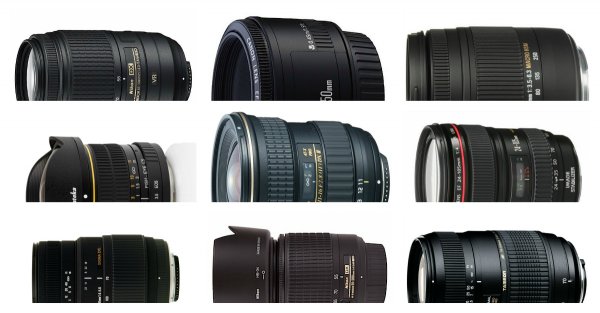
popular lenses

This list is completely dominated by Canon and Nikon lenses so we’ve decided to break them out separately into two lists and then have put the 6 other lenses (from a variety of manufacturers) into a third list.

Note: at this stage we didn’t see any major trends in lenses for compact camera systems which is why we’ve not featured any hear. We expect this market to grow as the mirroless/compact system cameras continue to grow in popularity.

Canon DSLR Lenses

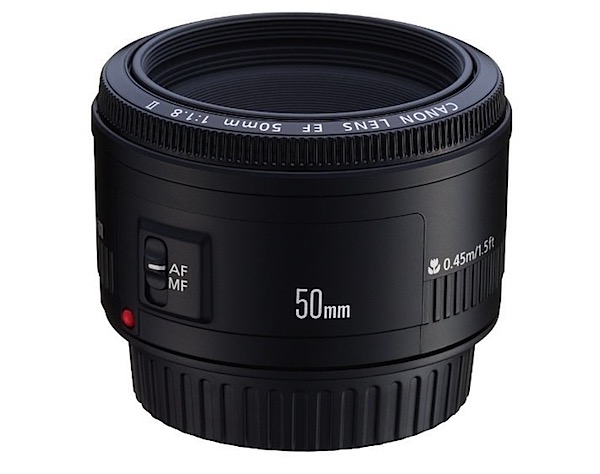
1. Canon EF 50mm f/1.8 II Camera Lens

71BuU2ZyOeL._SL1500_.jpg

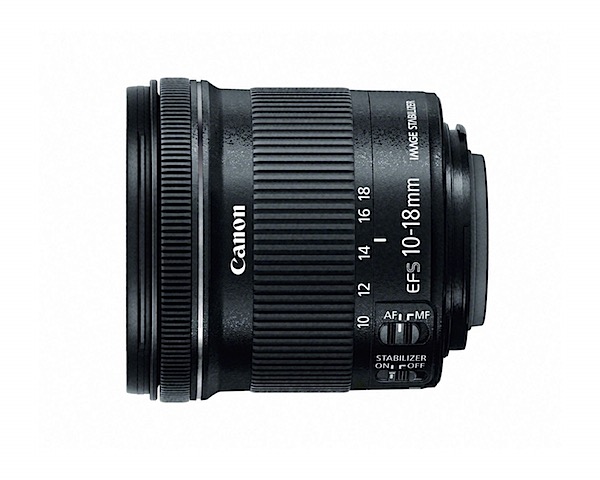
2. Canon EF-S 10-18mm f/4.5-5.6 IS STM

81bWpDA6EyL._SL1500_.jpg

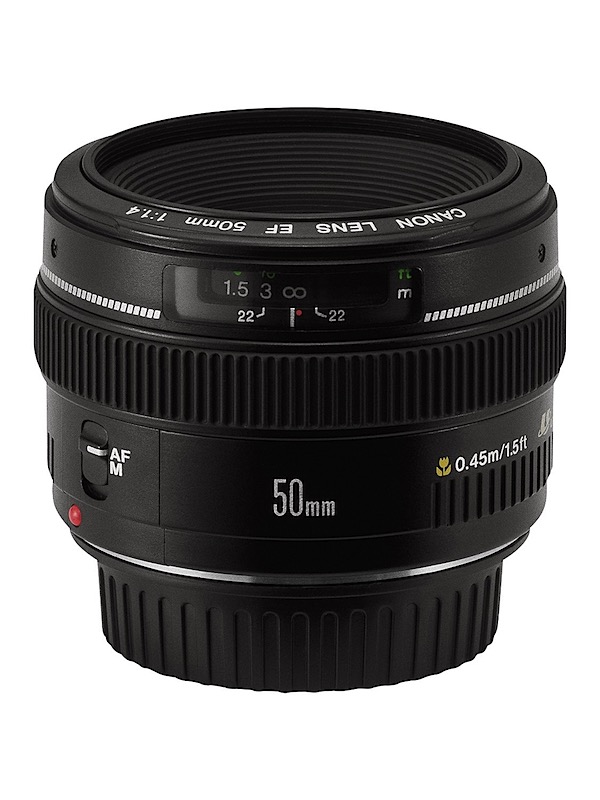
3. Canon EF 50mm f/1.4 USM

91fYqb6yGBL._SL1500_.jpg

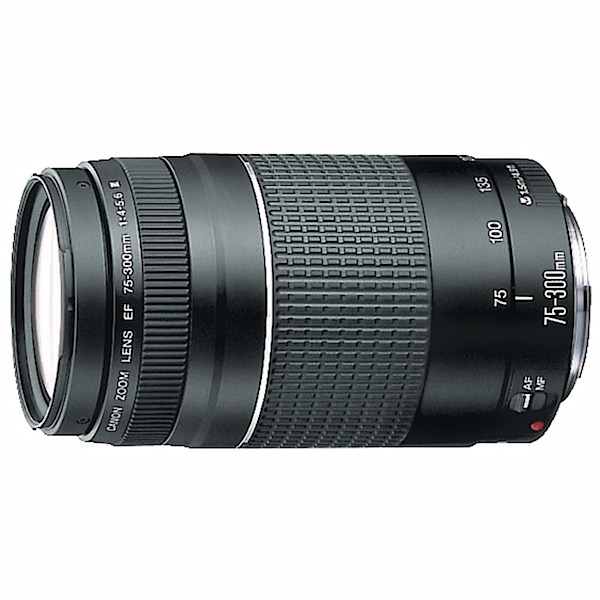
4. Canon EF 75-300mm f/4-5.6 III

71qY4hAxpoL._SL1500_.jpg

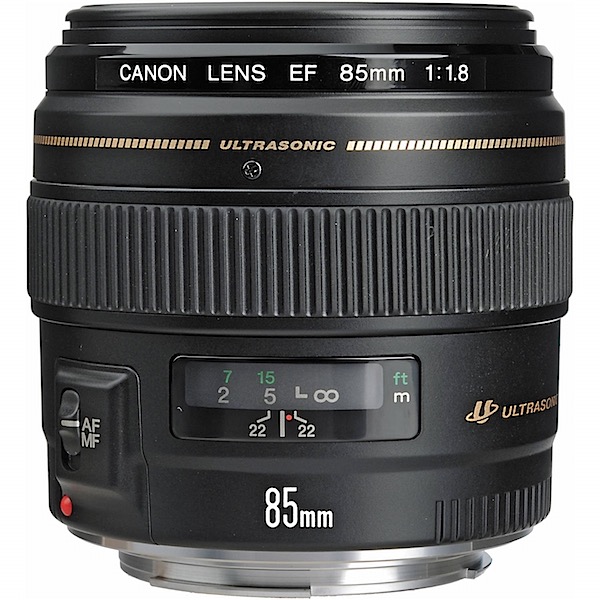
5. Canon EF 85mm f/1.8 USM

81XPZ7sQqsL._SL1500_.jpg

  1. Canon EF 24-70mm f/2.8L II USM Standard Zoom Lens
  2. Canon EF 40mm f/2.8 STM Lens
  3. Canon EF 24-105mm f/4 L IS USM
  4. Canon EF-S 17-55mm f/2.8 IS USM
  5. Canon EF-S 18-55mm f/3.5-5.6 IS II SLR Lens
  6. Canon EF 50mm f/1.2 L USM
  7. Canon EF 100mm f/2.8L IS USM Macro

Nikon DSLR Lenses

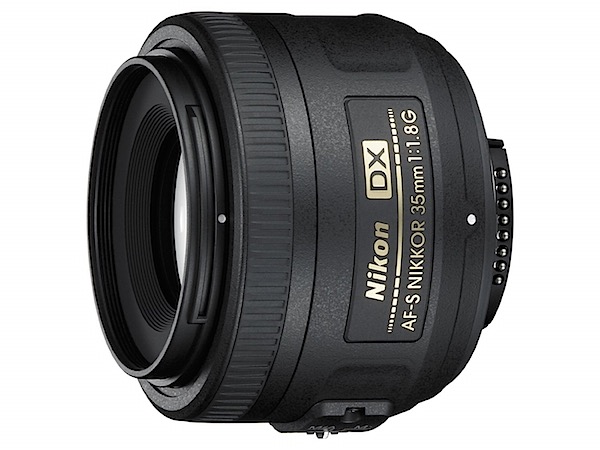
1. Nikon 35mm f/1.8G AF-S DX

71dJUbFOcEL._SL1500_.jpg

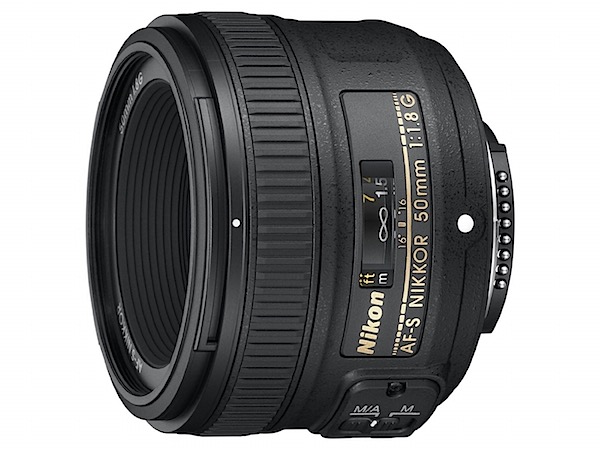
2. Nikon 50mm f/1.8G AF-S NIKKOR FX

712T0jBdPhL._SL1500_.jpg

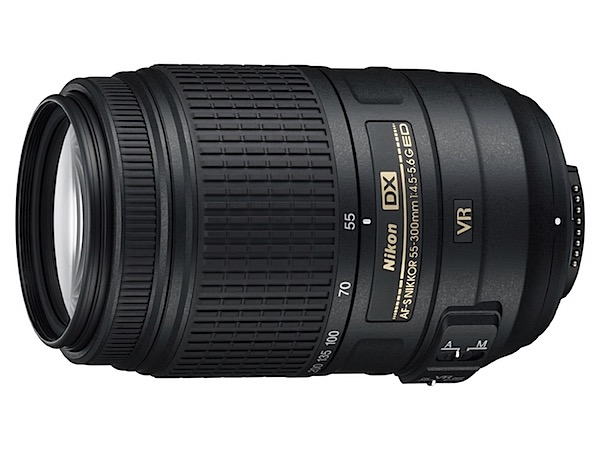
3. Nikon 55-300mm f/4.5-5.6G ED VR

71dAI8JvOTL._SL1500_.jpg

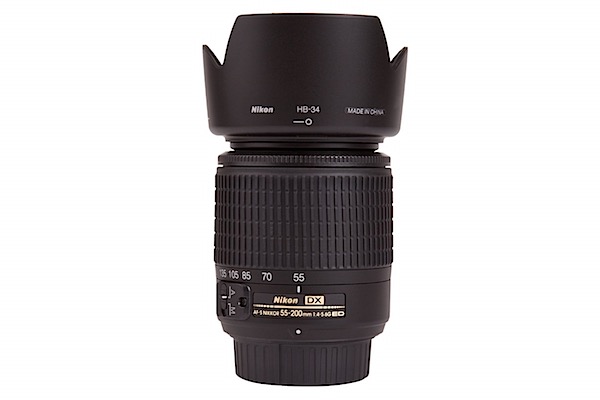
4. Nikon 55-200mm f/4-5.6G ED IF AF-S DX

71Ehi1XZoxL._SL1500_.jpg

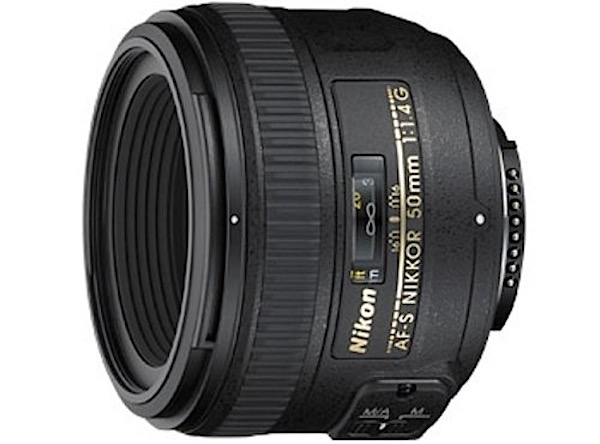
5. Nikon 50mm f/1.4G SIC SW Prime AF-S

41lq816JqzL.jpg

  1. Nikon 70-300mm f/4-5.6G AF
  2. Nikon 40mm f/2.8G AF-S DX Micro
  3. Nikon 28-300mm f/3.5-5.6G ED VR AF-S
  4. Nikon 85mm f/1.8G AF-S
  5. Nikon 18-55mm f/3.5-5.6G VR II AF-S
  6. Nikon 18-200mm f/3.5-5.6G AF-S ED VR II
  7. Nikon 18-300mm f/3.5-6.3G ED VR AF-S DX

And also worth noting are the following other lenses made by other manufacturers.

Other DSLR Lenses

  1. Sigma 70-300mm f/4-5.6 SLD DG Macro. (for Nikon DSLRs) Also available for Canon,Minolta and Sony and Pentax cameras.
  2. Tamron AF 70-300mm f/4.0-5.6 Di LD Macro (for Canon DSLRs). Also available for Nikons, Konica Minolta and Sony and Pentax cameras.
  3. Sigma 18-250mm f3.5-6.3 DC MACRO (For Canon DSLRs). Also available for Nikon and Sony cameras.
  4. Opteka 6.5mm f/3.5 HD Aspherical Fisheye for Canon DSLRs.
  5. Tokina 11-16mm f/2.8 AT-X116 Pro DX II (for Nikon DSLRs). Also available for Canon and Sony and Minolta cameras.
  6. Tamron AF 18-200mm f/3.5-6.3 XR Di II (for Canon DSLRs), Nikon, Konica Minolta and Sony and Pentax.

*Note: as with our previous best seller lists this list was compiled from reports supplied to us from Amazon.com where we are affiliates. One of the ways dPS is able to cover its costs and be a sustainable business is that we earn a small commission when readers make a purchase from Amazon after clicking on our links (including those above). While no personal details are passed on we do get an overall report from Amazon about what was bought and are able to create this list.

googletag.cmd.push(function() {
tablet_slots.push( googletag.defineSlot( “/1005424/_dPSv4_tab-all-article-bottom_(300×250)”, [300, 250], “pb-ad-78623” ).addService( googletag.pubads() ) );
} );

googletag.cmd.push(function() {
mobile_slots.push( googletag.defineSlot( “/1005424/_dPSv4_mob-all-article-bottom_(300×250)”, [300, 250], “pb-ad-78158” ).addService( googletag.pubads() ) );
} );

The post The 30 Most Popular DSLR Lenses with our Readers by Darren Rowse appeared first on Digital Photography School.


Digital Photography School

 
Comments Off on The 30 Most Popular DSLR Lenses with our Readers

Posted in Photography


The Q Button – What Every Canon DSLR Photographer Needs to Know

09 Dec

Cameras can be super complex these days. Buttons, knobs and switches are everywhere. How can you remember what all of them do and where to begin? Well, Canon has given you a secret button to use that allows you to access all of those most important functions within your complex machine. Perfect, where is this secret button you ask? It’s right on the back of your camera marked with the letter Q. It’s not really a secret, it’s just under utilized.

COVER IMAGE

The Q Button

What does Q stand for? Quick. The button makes navigating just that. Using the button gives you quick access to all of the major functions that you need. Let’s go through some of those functions so you can see how easy it is use your camera. Grab your Canon and let’s try it out.

How to use it

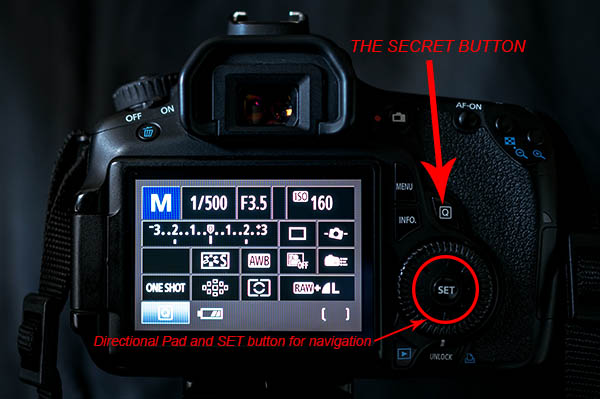
Go ahead, give the Q button a press while watching the LCD screen on the back of your camera. As you see it highlights one of your current settings. Depending on your Canon model this may light up the current selection in a blue/green color or it may outline it with an orange box. Next you can cycle through your settings by using the directional pad located around your SET button. Simply highlight the setting you want to change and then you have a couple of options.

First, and easiest, is to roll your settings dial while it is highlighted. This will cycle through your options for that particular setting. Your second choice is to push the SET button while a setting is highlighted. This will lead you to a more detailed screen showing all of your options for that setting.

The Secret Button

Canon also made things easy by providing a description of each option at the bottom of the LCD as you scroll through. At first it will be more beneficial to use the second option so you become familiar with what settings are available, and what the symbols mean. Once you get that down, using option one to zip through the settings is a breeze.

As a beginner it can be really helpful using the LCD screen and the Q button so you can see everything about the exposure and settings right in front of you. When you depress the shutter button half way the current exposure reading will be displayed on the meter on your LCD. This makes it really easy to adjust your settings while seeing how each element of exposure (aperture, shutter speed and ISO) is affecting the meter.

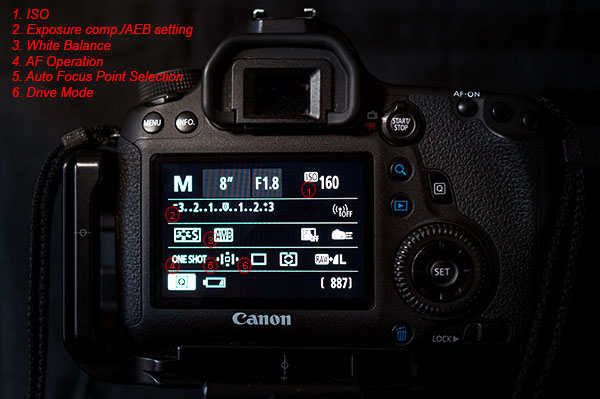
Some of the settings you will adjust most are ISO, exposure bracketing, white balance, focus type, focus point and drive mode. When you use these techniques they each can be adjusted in seconds!

Visual Guide

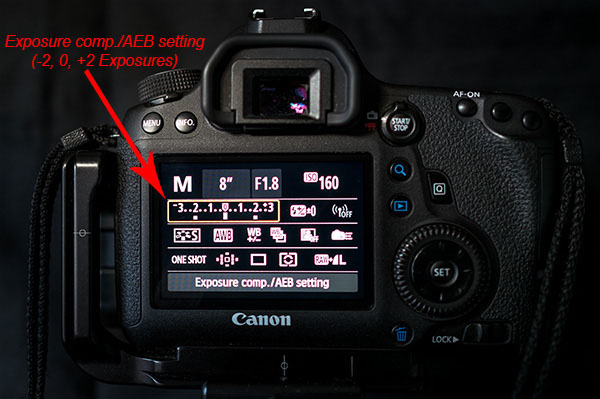
The Q button is particularly useful when you are bracketing exposures for HDR. Press it and highlight the Exposure Compensation/AEB setting. Now spin your settings dial to the right and watch as the light meter changes to three lines in lieu of the typical single line. Set the lines as far apart as you want your bracket to be (i.e. -1, 0, +1 or -2, 0, +2). Last, use the directional pad to highlight the Drive Mode setting. Again scroll to the right until you reach the Self-timer (2 seconds/remote setting). Now, once you fully press the shutter button your camera will wait two seconds and then take all three exposures that you set. It’s as simple as that.

Exposure comp

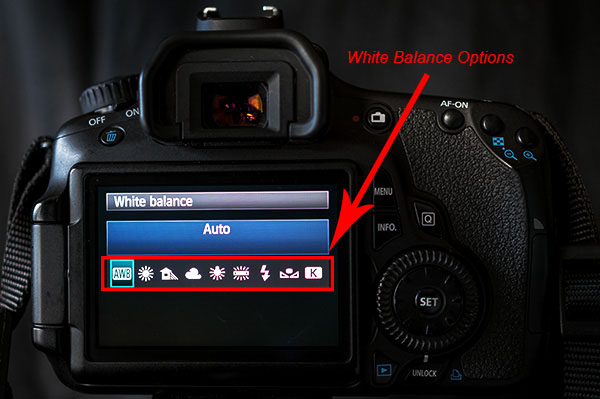
As the light, and your shooting situation, changes your white balance settings need to be adjusted. You typically don’t find a special button for this important setting. Once again the Q button makes your life easy. As you scroll through the options you will see some simple pictures for each WB setting. A sun for sunny, a cloud for cloudy, a lighting bolt for flash, etc. Sometimes it is easier to see what your options are by looking at a picture. If not, Canon still gives you the description of the WB setting.

White Balance

Next up is the Auto Focus Point Selection. This is seriously one of the hardest functions to find on most cameras. Again, made easy by Canon. Press the Q and then use the directional pad to navigate to the AF Point Selection. Spin that dial and watch as the points spiral around to each individual focus point at your will.

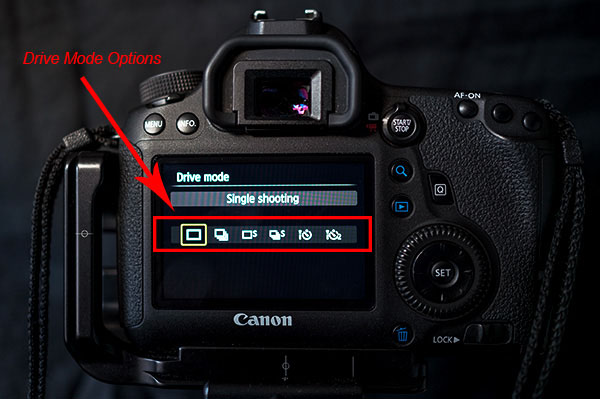
Do you switch between shooting action and still subjects often? If so you may find yourself digging through the menu to find your Single and AI Focus options and the Drive Modes. Simply press the Q button and move over to the AF Operation. Roll your dial and you can choose ONE SHOT, AI FOCUS or AI SERVO. Then you can navigate over a couple of settings to the Drive Mode and choose between Single, Continuous Shooting or Timer Mode.

Drive Mode

Some Canon models are equipped with an internal level that is accessible from the Q menu. This is really helpful when you are shooting landscapes on a tripod. When in the menu highlight the Electronic level. Press the set button and a level looking like it belongs in the cockpit of an airplane shows up on the LCD. Tilt your camera from side to side and watch how the level changes. When your camera is horizontally level the line will turn green. This can definitely save you some time and heartache in post-processing when trying to make your horizon lines straight. It takes the guess work out of it for you.

As you can see the Q button is the most powerful and useful button on your camera. Navigating through those complex menus are over. Once you use the secret button you will begin to wonder why any of the other buttons even exist, with the exception of the shutter of course. Go ahead and feel free to start spreading the secret. Have fun!!!

googletag.cmd.push(function() {
all_slots.push( googletag.defineSlot( “/1005424/_dPSv4_mob-all-article-bottom_(300×250)”, [300, 250], “pb-ad-78623” ).addService( googletag.pubads() ) );
} );

googletag.cmd.push(function() {
mobile_slots.push( googletag.defineSlot( “/1005424/_dPSv4_mob-all-article-bottom_(300×250)”, [300, 250], “pb-ad-78158” ).addService( googletag.pubads() ) );
} );

The post The Q Button – What Every Canon DSLR Photographer Needs to Know by Jack Thatcher appeared first on Digital Photography School.


Digital Photography School

 
Comments Off on The Q Button – What Every Canon DSLR Photographer Needs to Know

Posted in Photography


DSLR versus Mirrorless: Guide to help you decide which is right for you?

07 Dec

Recently there has been a great deal of buzz in the photographic community regarding a few terms that might sound a little odd or strange, like “mirrorless” or “micro four thirds.” These refer to different types of cameras that might not be as popular as standard DSLR models right now, but many think are the future of photography. However, just understanding what everything means can be an exercise in frustration, especially when all you likely want to do is buy a camera you can enjoy using.

Nadir Hashmi

By Nadir Hashmi


To that end, I’m going to try and dispel a bit of the confusion regarding mirrorless cameras and hopefully give you some information so as to make an informed choice the next time you are in the market for a new piece of photography gear. We’ll explore some of the history of how cameras are constructed, as well as discuss some of the benefits and drawbacks to this new technology, but I’m going to stop short of making the subjective judgement call about whether mirrorless cameras are better than DSLRs. For me it’s not about which camera is better than the other, it’s about finding one that works with your style and lets you shoot the photographs you want. You can debate all this in the comment section if you like, but what I’m here to do is simply present information and try to be as unbiased as possible.

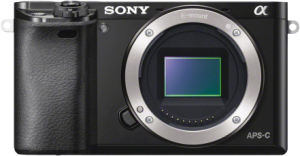
a6000

The Sony a6000 mirrorless camera has all the features of most standard DSLRs, but is much smaller and weighs far less. (Image courtesy Sony)

What is a mirrorless camera?

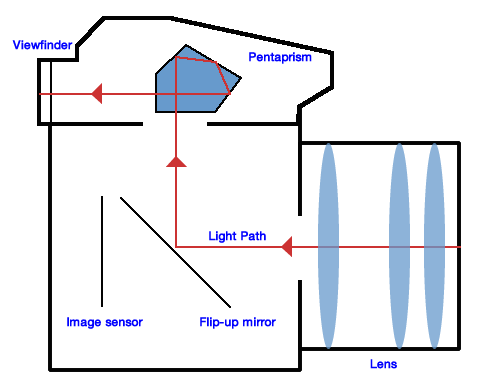
To understand the word mirrorless it helps to know a bit about the way most DSLR cameras are built. Almost all Canon, Nikon, Sony, and Pentax interchangeable-lens cameras share a similar industrial design: light enters through the lens and gets bounced off a mirror, through a special prism, to end up at the viewfinder. When you click the shutter button, the mirror flips up, which allows light to hit the actual image sensor on the camera, and voila your photograph is taken. This process might seem like a high-tech solution, but it’s actually a bit of an anachronism. Long before digital cameras existed, most of their film-based counterparts employed this same method to get light to the viewfinder, because it was a useful way to compose your photo before clicking the shutter. But thanks to advances in modern technology, this flip-up mirror method is no longer necessary, and a whole new breed of cameras is beginning to make inroads into modern digital photography. These new models have no flip-up mirror, and thus the term “mirrorless” was born.

There are many different types of mirrorless cameras on the market: some have interchangeable lenses, others offer a single built-in lens, and some with their own types of image sensors and other characteristics that are suited to more niche markets. But the one thing they all have in common is the absence of a flip-up mirror.

CameraDiagramDPS

Believe it or not, you probably already own a mirrorless camera. All smartphone cameras are mirrorless, as are most point-and-shoot models. Instead of a tiny little viewfinder that you hold up to your eye, you can see a preview of your image right on the phone or on the back of the camera itself. And if you like shooting your DSLR in “Live View” mode, where you look at the rear LCD screen to compose your shots instead of the viewfinder, you are essentially using it as a mirrorless camera already. (The click you hear when you enter Live View is the mirror flipping up. It stays like that until you exit Live View.) In fact, many of the higher-end mirrorless cameras have even gone so far as to replicate the traditional eyepiece viewfinder, but instead of reflecting incoming light from a mirror, it simply shows a very tiny version of what would normally be displayed on the back of the camera.

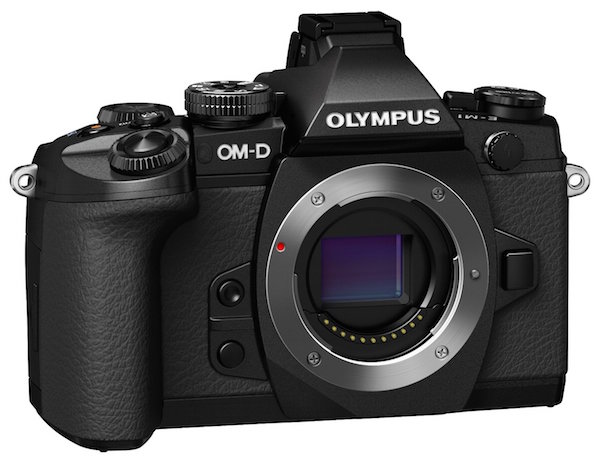
OMD-EM1

The Olympus OM-D EM-1 is a mirrorless camera that also includes a traditional-style viewfinder. (Image courtesy of Olympus)

Sensor size

Another component of mirrorless cameras that is a bit more technical in nature, but just as important to understand, is that of sensor size. In digital cameras the image sensor is essentially a piece of digital film that captures light, in much the same way actual film does. Full-frame DSLR cameras have image sensors that are the same size as a piece of 35mm film, but most consumer-grade DSLRs, and virtually all mirrorless models, are crop-sensor cameras. This means that the image sensor is smaller, which has two notable implications:

  1. They are not as sensitive to incoming light as full-frame cameras.
  2. They affect the way lenses behave when it comes to focal lengths and depth of field.

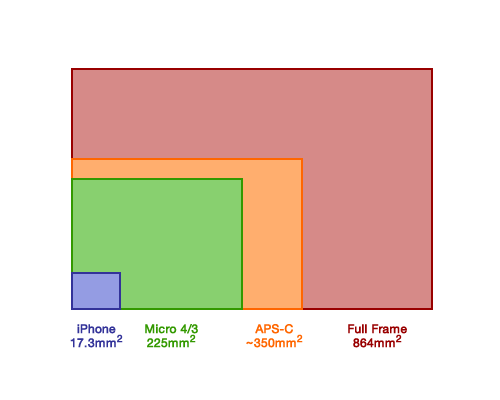
The most common format of mirrorless cameras are in a category developed by Olympus and Panasonic called Micro Four Thirds, which refers to the size and shape of the image sensor itself as well as the types of lenses that can be used on these models. Other mirrorless cameras use an APS-C sensor, which is the same size sensor used in common DSLRs such as the Canon Rebel T5i and Nikon D3200 (however, even Canon and Nikon use slightly different image sensor sizes), but there are some models such as the Sony A7R that use full-frame sensors as well.

SensorSizeDPS

In terms of surface area, full frame image sensors reign supreme. But cameras with smaller sensors are still quite capable, and there is more to a camera than the size of its sensor.

While it’s doubtful we will see crop-sensor cameras (whether micro four thirds or APS-C) reach the same high ISO sensitivities as full-frame models, many of them today are perfectly capable of shooting at values such as 3200 or 6400 without too much degradation in image quality.

As for the lens behavior, shooting on a crop sensor camera means that your focal lengths will not look the same as on a full-frame camera. For example, on a micro four thirds camera a 30mm lens behaves similar to a 60mm full-frame lens. A 100mm lens acts like a 200mm, and so on. For most people this is fine, and they learn to adapt to the differences in lens behaviour over time. For some photographers this a significant detriment that, combined with how depth of field behaves a little different on crop versus full frame cameras, ends up being a deal breaker.

As I mentioned earlier, it’s not about finding out which type of camera is better – that question is unanswerable. Instead, it’s important to simply know the various details of micro four thirds and other mirrorless cameras, in order for you to make an informed decision if you are thinking about purchasing new gear.

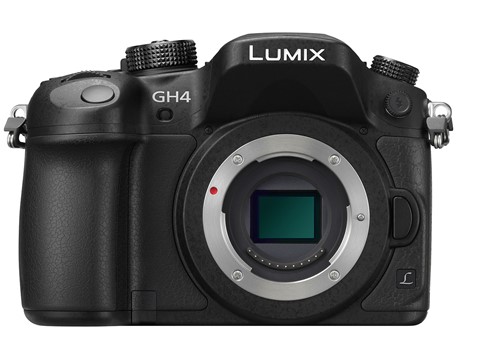
lumix-gh4

Even though the Panasonic Lumix GH4 is uses a smaller micro-four-thirds sensor, it produces photos on par with most APS-C sensors and even shoots 4K video. (Photo courtesy of Panasonic)

However, one benefit of crop sensor cameras that is important to note is their price; they are significantly cheaper than their full-frame counterparts. The cheapest full-frame camera costs around $ 1500 and they can easily cost many times that amount. On the other hand, some micro four thirds models start at a couple hundred dollars which makes them much more affordable for most people. It’s important to know that mirrorless cameras are not just for beginners, or those who like to shoot in Auto. Many photographers are buying these cameras, and some professionals have even switched entirely from heavy, expensive, DSLR models to their much lighter and more portable mirrorless counterparts.

As you can see, thanks to advances in modern technology the age-old flip-up mirror design in most cameras is not really needed anymore, but we are still a little way off from mirrorless replacing traditional DSLR designs entirely.

Benefits of mirrorless cameras

These new types of cameras offer some significant benefits over traditional DSLRs, but come with some important limitations as well. Remember, we’re not here to discuss which one is better – that’s something that only you can answer, given your unique needs as a photographer. It is important to know that mirrorless cameras do have some notable selling points, but also some drawbacks as well.

Size

K?rlis Dambr?ns

By K?rlis Dambr?ns

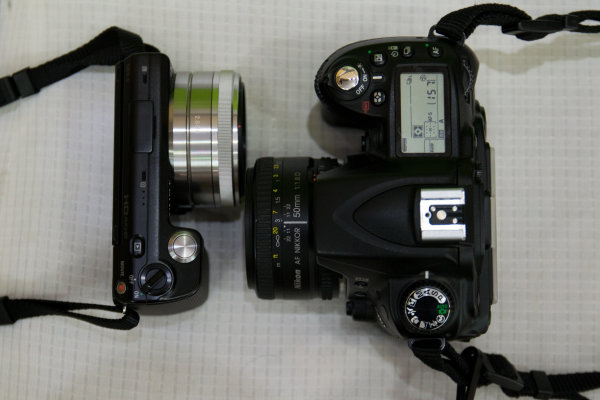
Perhaps the most significant difference between mirrorless and traditional DSLRs is their size: because the flip-up mirror mechanism, combined with the light-reflecting prism, are no longer needed these cameras are typically much smaller in size and weigh less too. This can be important if you are someone who likes to take your camera with you wherever you go, especially if the weight of your DSLR starts to drag you down after a day of shooting. It also means the lenses are smaller too, so you can fit several in your camera bag whereas before you might have only had room for one or two.

More accurate image preview in the viewfinder

Another benefit that mirrorless cameras enjoy over DSLRs, is a viewfinder that displays a more accurate representation of what your final photograph will look like. If you look through the viewfinder of your DSLR and adjust settings like ISO, aperture, and shutter speed, you might notice that the image in the viewfinder doesn’t change. It’s not until you actually take a photograph that you see what effect your alterations had on the photograph. At that point you can look at the picture on the rear screen and judge whether you need to change things for subsequent pictures. Because mirrorless cameras use electronic viewfinders, you can see in realtime the effect that things like aperture and ISO adjustments will have on your pictures before you press the shutter. This can have a dramatic effect on how you shoot, as it removes some of the guesswork with your camera settings.

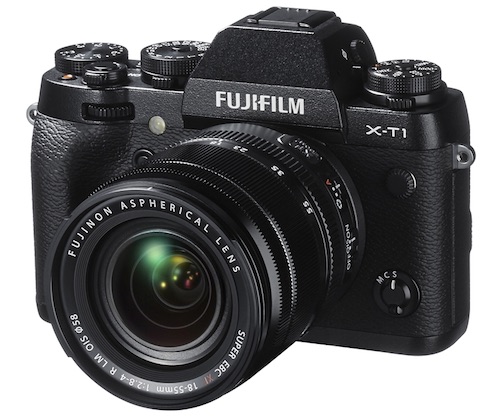
The mirrorless Fuji XT1 uses an APS-C size sensor but is much smaller than traditional DSLRs, making it a compelling option for photographers who value portability along with excellent image quality.

The mirrorless Fuji XT1 uses an APS-C size sensor but is much smaller than traditional DSLRs, making it a compelling option for photographers who value portability along with excellent image quality. (Photo courtesy of Fujifilm)

Focus peaking and sound

There are other benefits to mirrorless cameras as well such as focus peaking (the ability to see, when focusing manually, the exact pixels on your image that are in focus), quieter operation due to the lack of a flip-up mirror, and fewer overall moving parts which means a longer theoretical lifespan. But in order to get an accurate view of the situation, let’s take a look at some of the disadvantages as well.

Drawbacks of mirroless cameras

Things are looking quite promising over in Mirrorless Land, but it’s not all sunshine and roses just yet. There are some notable drawbacks to this technology, and if you don’t look at all the details you might end up with a camera that is ill-suited to your needs as a photographer.

Battery life

Currently one of the most significant limitations is that of battery life: they just don’t last as long. The only time a traditional DSLR draws power, when not in Live View mode, is when it is actively metering the scene or writing picture data to the memory card. No power is used at all if you hold the camera up and look through the viewfinder, and because of this it is fairly common to get up to a thousand pictures or more on a single battery charge. Power usage is a bit different on mirrorless cameras for two reasons. First, batteries are smaller because the cameras themselves are smaller, and second they essentially operate in live view mode 100% of the time. Mirrorless cameras generally get a couple hundred shots on a single battery charge, which is nothing to sneeze at, but nonetheless a significant difference between them and their old-school brethren.

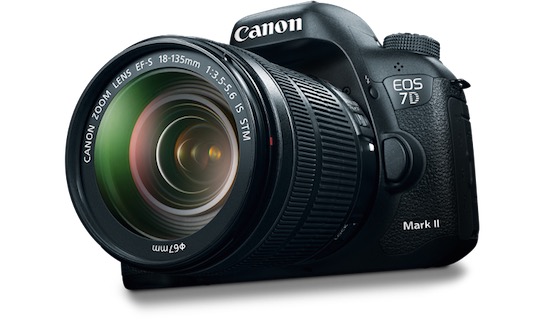
Canon7DMarkII

DSLRs might be based on old technology, but don’t count them out just yet. They are preferred by many photographers, and still have some advantages over mirrorless cameras. (Photo courtesy of Canon)

Focusing system

Another limitation that is worth mentioning is the focusing system. Most mirrorless cameras use a technology called contrast detection, which is simply not as fast as the traditional phase-detection method used in DSLRs. While the former gives you access to a wider area of the frame in which to focus, it simply cannot match the speed of the latter which limits the appeal of mirrorless camera for things like sports and fast-moving wildlife photography. Some manufacturers are starting to utilize phase detection in their mirrorless models, as well as hybrid systems that offer the best of both worlds, but for now it’s safe to say that standard DSLRs are generally better suited for sports, wildlife, and other types of action photography.

Other

Of course there are other limitations such as fewer lens options, LCD screen refresh rates that can’t always keep up with DSLR viewfinders, and more, but as technology advances much of this is being addressed.

Which is best for you?

Will mirrorless cameras ever reach full parity with DSLRs? Some think so, but others are not fully convinced. The important thing to remember is it’s not about what other people think; it’s about what matters to you. If you find a camera you like, and it serves your purposes as a photographer, then it really doesn’t matter whether it’s a DSLR, micro four thirds, full frame, medium format, or plain old 35mm film camera. If it can take the pictures you want to take, then it’s probably the right camera for you.

googletag.cmd.push(function() {
mobile_slots.push( googletag.defineSlot( “/1005424/_dPSv4_mob-all-article-bottom_(300×250)”, [300, 250], “pb-ad-78158” ).addService( googletag.pubads() ) );
} );

The post DSLR versus Mirrorless: Guide to help you decide which is right for you? by Simon Ringsmuth appeared first on Digital Photography School.


Digital Photography School

 
Comments Off on DSLR versus Mirrorless: Guide to help you decide which is right for you?

Posted in Photography


Guide to Buying Your First DSLR

04 Dec

Your First DSLR

For whatever the reason, you’re ready to buy your first DSLR. It could be that your point-and-shoot isn’t cutting it anymore in regards to features, speed, or image quality, or it could be that you’d like to turn photography into more than a rarely-touched hobby.

Romain Ballez

By Romain Ballez

DSLR (Digital Single Lens Reflex) cameras are what the vast majority of professional photographers use to get the job done. Unlike point-and-shoot camera models, which record light (and therefore an image) onto an electronic sensor directly, a DSLR uses a mirror to bounce the light from a scene through an internal system and into a viewfinder or an electronic sensor, in the case of an open shutter.

These cameras also allow for interchangeable lenses, giving you a wide array of options in regards to focal lengths and quality. There are, of course, advantages and disadvantages to DSLR systems, but at the end of the day, these cameras offer the features and quality required by advanced hobbyists and professionals.

What You’re Looking For

There’s no denying it, this is a big purchase for you. No, you’re not looking for a top-of-the-line, full-featured beast this go round; you need the best possible piece of equipment for a reasonable price. You need bang for your buck.

Whether photography is a passionate hobby or a hopeful profession of the future, you are in a learning phase, and need a camera that will compliment that objective well. While current-generation point-and-shoots can be great products, DSLR’s do have a few advantages.

Larger Sensors

As a rule, DSLRs have a larger photo-sensitive digital sensor, which usually translates to better image quality. Please note that this has nothing to do with megapixels or resolution, neither of which are, by themselves, indicators of image quality.

Interchangeable Lenses

While there are some point-and-shoot systems beginning to offer interchangeable lenses, by and large, DSLR’s have the market dominated in this area. Not only do the big camera companies have their own lenses, third-party companies such as Sigma and Tamron offer great selections as well. There is a lens out there for virtually every application you can imagine.

János Csongor Kerekes

By János Csongor Kerekes

A Viewfinder

Instead of the usual LCD screen present in point-and-shoot cameras, DSLR’s collect light from the lens, direct it to the mirror, and through the viewfinder, giving you an almost exact representation of what is being captured on the sensor.

Advanced Features and Controls

Namely, manual controls. While point-and-shoots usually feature the ability to modify settings, DSLR’s are built from the ground up with manual control in mind. ISO ranges are higher with reflex cameras, and larger sensors combined with precise aperture controls allow for controlled depth of field in your photos.

Speed

DSLR’s are known for their faster shutter and system speeds, and in the world of photography, speed is usually a good thing.

There are countless brands of equipment, but as far as DSLR’s go, there are the big three – Canon, Nikon, and Sony.

Recently, Pentax has been gaining ground again, and there are more expensive offerings available from companies like Leica and Hasselblad. For our purposes, we’ll stick to the big three, as they are all known for offering outstanding entry-level cameras within their product lines, and can be relatively inexpensive.

Elias Ruiz Monserrat

By Elias Ruiz Monserrat

What to look for when buying that all-important first SLR camera?

Image Quality

Image quality is usually the most important requirement of a new camera for photographers, and it’s also one of the most subjective. The quality of the photos a camera produces is dependent on several factors, including sensor size, lens quality, and the optics of the camera itself.

Feature Set

While almost all DSLR’s have a common set of features (such as the ability to shoot manually), some brands and models have automated some features, while others have not, or do not have those features at all. Different cameras have varying usable ISO ranges, autofocus points, and resolution (in megapixels).

Design

Although usually not the first thing you think of with an entry-level camera, buying a model with a solid design is still important. Some less expensive cameras have all plastic housing, whereas others may use more heavy-duty materials such as metal; others still may be weatherproof to a certain degree.

Even at the price points we’re discussing, it’s a good idea to research that aspect of the prospective camera as well, and buy as solid a model as possible.

Jung-nam Nam

By Jung-nam Nam

Cost

We’re talking entry-level, for the scope of this article, so cost will be a factor. Obviously, the more money you’re able to spend, the more advanced system you can get. Keep in mind however, that often with entry-level models, differences between the cameras can come down to feature sets, with image quality staying more or less the same.

Remember that the quality of the lens you’ll be attaching to the camera is more of a determining factor in the quality of the photo.

Where to Buy

Luckily, you have several options in this area. Gone are the days where you could only buy a camera at your local Wolf Camera (and unfortunately, gone are the Wolf Camera stores, as well). Now there are virtually limitless retail outlets and sellers online, carrying every system and component a photographer could need. You can order your camera from your living room and have it delivered to your house a few short days later, without ever leaving home.

Amazon, B&H Photo, and Adorama are all large, respectable retailers you can shop with, and are among the most popular today.

The Contenders

Canon EOS Rebel T5i

The Canon Rebel series has a long-standing tradition on solid, quality cameras at a reasonable price. While I won’t start a brand war here, it’s well-known that most photographers end up settling on either Canon, or Nikon.

The Rebel series has come a long way from the days of the XS, and the latest generation of Rebel cameras are much closer to Canon’s midrange line than before, with better sensors, more features, and hardier construction.

t5i_586x186

Canon Rebel T5i

The T5i is an 18MP (megapixel) camera, with an ISO range of 100 – 12800 (expandable to 25600). It also features a 3 inch Vari-angle Touchscreen LCD, 9 AF (autofocus) cross points, 5 fps (frames per second) continuous shooting speed, and shutter speeds up to 1/4000 second.

As with most entry level systems, if you opt for the full kit, you’ll get the standard 18-55mm IS (image stabilization) zoom lens. While very good for learning novices, you’ll want to upgrade to a cheap prime such as the excellent Canon EF-S 50mm f/1.8 or something similar, as the cheaper build and documented chromatic aberration issues with the kit lens could leave you wanting a bit more. Note that this applies to all kit lenses on the entry-level cameras we’re discussing here.

Nowadays, as systems get more advanced, HD video recording is becoming more of a requirement, and the T5i delivers this as well. As of this writing, the T5i kit is selling for $ 649.99.

Nikon D3300
D3300

Image courtesy Nikon

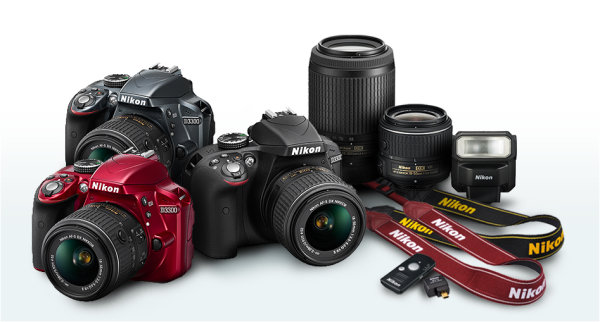
Nikon upped their game with the D3300, equipping the camera with a generous 24 megapixels of resolution in a solid, compact, carbon fiber enhanced body. This model gives you, the budding photographer, an ISO range up to 12,800 (expandable up to 25,600), 11 autofocus points, and 5 frames per second of continuous shooting, along with a 3″ LCD screen that matches the Canon model.

Just as with the Canon T3i, the D3300 supports shutter speeds up to 1/4000th of a second and allows for 1080p HD video recording.  Retailing around the $ 500 mark, the body and lens bundle includes the Nikkor 18-55mm 5.6 VR II lens, a relative equivalent to Canon’s 18-55mm kit lens.

Sony A58

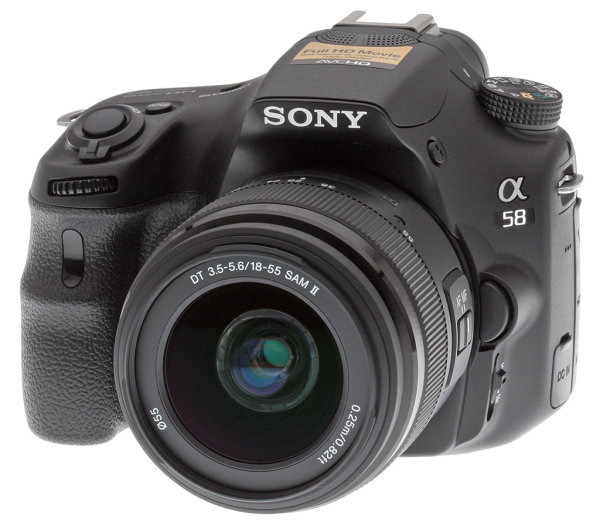
Usually considered the third wheel of the big three, Sony is known more for their other forays into the electronics world than their digital cameras, but don’t let this fool you; they know how to make a good DSLR, and the SLT-A58 is a wonderful example of that.
sony-a58

Image courtesy Sony

Dipping even lower in price and the lowest of all three at $ 450, the A58 gives you quite a bit for that price point. This 20.1 megapixel camera offers a respectable ISO range up to 16,000, and is expandable up to 25,600. Leading the pack, this model offers 15 autofocus points, but forces you to give up a little bit with the smallish 2.7″ LCD screen.

Battery life has been improved fairly drastically on the A58 in comparison to previous entries in the series, and for such a budget-friendly camera, it features a surprisingly big and bright viewfinder.

Conclusion

So which one is right for you? Any of these – or none of these. The answer lies in what you’re looking for, and what concessions you’re willing to make for the budget you have. All of these are excellent cameras, and were chosen because of what they offer for the price, but that doesn’t mean there aren’t other cameras that would serve the purpose just as well or even better.

The prices we’ve discussed all include a kit lens to get you started, but be aware, these are usually the lowest-end optics available, and you’ll want to upgrade as soon as possible to another piece of glass. Also, in most cases you have the option of buying the camera body only, and picking out your lenses separately, which reduces your upfront cost of the DSLR itself. There are literally hundreds of lenses to choose from; just ensure they will fit your camera’s mount before purchasing.

At the end of the day, you want a camera that will facilitate the learning process you’re going through, so choose a camera that assists in that purpose, without breaking the bank.

Bought Your First DSLR? Here’s How to Learn How to Use it!

Check out our Ultimate Guide to Learning How to Use Your First DSLR.

Also check out our Photography Tips for Beginners page for lots of great photography tutorials suitable for first time DSLR buyers.

googletag.cmd.push(function() {
mobile_slots.push( googletag.defineSlot( “/1005424/_dPSv4_mob-all-article-bottom_(300×250)”, [300, 250], “pb-ad-78158” ).addService( googletag.pubads() ) );
} );

The post Guide to Buying Your First DSLR by Tim Gilbreath appeared first on Digital Photography School.


Digital Photography School
 
Comments Off on Guide to Buying Your First DSLR

Posted in Photography


2014 Enthusiast DSLR Roundup

27 Nov

There’s a lot of action in the enthusiast DSLR segment at the moment, and this category in our seasonal roundup includes the top-performing APS-C DSLRs from each manufacturers. These cameras may not have full frame sensors, but what they do have is pro-level controls and features, borrowed from their high-end cousins. Read more in our 2014 enthusiast DSLR roundup

Articles: Digital Photography Review (dpreview.com)

 
Comments Off on 2014 Enthusiast DSLR Roundup

Posted in Uncategorized


2014 Consumer DSLR Roundup

27 Nov

Despite the emergence of the mirrorless class, the market is still dominated by conventional DSLRs. Large sensors, optical viewfinders, and sizable grips make them comfortable choices for many aspiring photographers. We cover seven consumer and mid-level models in this roundup. Find out which we recommend. Read more

Articles: Digital Photography Review (dpreview.com)

 
Comments Off on 2014 Consumer DSLR Roundup

Posted in Uncategorized


FroKnowsPhoto guide to DSLR video now available

02 Nov

Our friend Jared Polin, otherwise known as the Fro behind FroKnowsPhotos, has just launched a comprehensive six-hour video guide to producing DSLR video. Aimed at both beginners and advanced photographers, the guide offers an introduction to basic concepts like selecting frame rate and shutter speed, and includes how-tos for shooting a variety of video types. Read more

Articles: Digital Photography Review (dpreview.com)

 
Comments Off on FroKnowsPhoto guide to DSLR video now available

Posted in Uncategorized


An Introduction to DSLR Photography, the Canon EOS 70D and EF-S 18-135mm f/3.5-5.6 IS STM Lens

26 Oct

Just Wait Until Midnight

The very first Canon DSLR I ever purchased, about a decade ago, was the Canon EOS 10D. The very first Canon lens I bought was the EF 28-135mm f/3.5-5.6 IS USM zoom lens.

While my photography has advanced considerably over the past decade, this was an excellent starter set up for me. It was a decent DSLR for me (for the time) with a lens, which gave me a very wide range. Ultimately I upgraded bodies and got into more expensive Canon L series prime lenses, but this early set up gave me an opportunity to really experiment and try to figure out if this was a pursuit that I was going to invest more time and energy into.

About the same time I bought my original EOS 10D and EF 28-135mm lens I also purchased a set of Ping golf clubs. I thought golf was going to be something that I’d end up being interested in. I paid too much for what at the time were top of the line clubs. Unfortunately, I never did take up golf seriously and I have a very expensive set of unused Ping golf clubs that sit in my basement today. Maybe someday one of my children will take up golf.

The point of that story is, that if you are starting out with digital photography, you need something that is solid and good enough to take awesome photos, without investing $ 10,000 into your new hobby. This is why I suggest the EOS 70D and EF-S 18-135mm STM lens as an entry point for people starting out. The EOS 70D is one of Canon’s most popular DSLRs, but it’s much cheaper than the primary body I use, my EOS 5D Mark III. Although I do encourage people to use prime lenses, most people starting out don’t want to buy 5 different prime lenses with 5 different focal distances — that can get very expensive quickly.

The EF-S 18-135mm lens is a strong, high quality lens that you can use with the EOS 70D and shoot everything from wide angle landscapes, to telephoto shots of your kid’s baseball game or school play. With just a bit more range than my first EF 28-135mm lens, it’s a great way to start out. Although I don’t personally shoot a lot of DSLR video, many people do and it’s nice to have such high quality video as another option with this set up.

The photos in this post were all taken with this camera and this lens on my recent trip to Las Vegas.

A Joy You Could Not Measure

Through the Years

Because the EOS 70D is a cropped sensor, this lens actually has even more reach than a 135mm lens on a full frame. A cropped sensor is 1.6x times smaller than a full frame sensor — full frame sensors are the same size as traditional 35mm cameras.

Practically speaking, what you see when you look through a camera with a cropped sensor at 50mm would be equivalent to what you would see at 80mm on a camera with a full frame sensor. For this reason, if you are shooting sports or wildlife or other subject matter where you want longer reach, the cropped sensor delivers more reach.

Full frame sensors, in my opinion, do better in low light and at high iso settings and are preferable, but they are also more expensive and might not be as necessary for someone starting out.

Sunrises Are Best in Las Vegas

One of the fun things that I like doing with a zoom is zooming while my shutter is open on a long exposure shot. This creates an interesting double exposure zoom sort of effect that I use in some of my photographs. The disadvantage of this zoom is that it is not as fast (low aperture number) as some of the prime lenses.

If you end up starting with this sort of a combo, you might also want to consider the excellent value you get from a Canon EF 50mm f/1.8 II or EF 50mm f/1.4 USM prime lenses. Both of these lenses represent excellent value and are some of the least expensive prime lenses you can buy. You’ll have no problem using the EF-S 18-135mm lens during the day, but at night, or in a much lower light situation, you’ll appreciate being able to put on a faster 50mm prime lens that will work better in less light.

For many photographers the EOS 70D is all the camera you will ever need. Some of the best photographers I know are content to shoot with this body and never upgrade from here. To see some of the best work done with this camera body, check out these photos on Flickr all taken with the EOS 70D. Because this camera will be enough for some folks, I think this is a good place to start.

I personally use my EOS 70D as a second camera — a good backup to use in case something goes wrong with my EOS 5D Mark III and a camera I can keep at my office in case I feel like taking a break during the day and walking around town and shooting. I think it works especially well for street photography given the range you can get with the EF-S 18-135mm lens.

As your passion for photography grows though you will want to consider upgrading to a Canon EOS 5D Mark III and some of the prime lenses that I will review in some upcoming blog posts.

As a reminder, my analysis of my Canon gear is being done in partnership with Canon and I am receiving compensation for this work with them.

Better Lines

Boulevard Poolside

Lay Out

Just Wait and See

A Joy You Could Not Measure

A Joy You Could Not Measure

Through the Years

Through the Years


Thomas Hawk Digital Connection

 
Comments Off on An Introduction to DSLR Photography, the Canon EOS 70D and EF-S 18-135mm f/3.5-5.6 IS STM Lens

Posted in Photography


Optics Matter — Camera and Lens Guide for the New Canon DSLR Shooter

15 Oct

Waking Up With You in Vegas

Last month I spent four glorious days shooting the lights and sights of fabulous Las Vegas. As always, I packed my camera bag full of my favorite lenses and other accessories. I haven’t done a “what’s in my bag,” type post in a while, so I thought I’d use this trip to talk about what camera/lens combinations I used on this trip and why.

In today’s day and age, I hear many photographers talk about ditching their DSLRs for other sorts of setups. I am not one of those photographers. Simply put, I believe that optics matter. I believe that there are things you can do with a DSLR and lens that simply cannot be done as well with other setups. There are unique qualities and characteristics of a well made piece of glass that cannot be replicated with micro compact software based algorithms.

The light going through the glass is primary and fundamental in my opinion, and I refuse to give up the high quality I demand for the convenience of something tiny that I can fit in my shirt pocket, text my friends with or strap to my helmet.

Each photographer must find their own way when it comes to what works best for them, but for me the glass is what matters most of all and there is just no substitute for high quality Canon lenses.

I’ve been shooting Canon digital SLR cameras for over 10 years now and it’s the lenses that allow me to get the shots that I need to get and that allow me to accomplish what I need to accomplish photographically speaking. Like everyone else these days, I’ll snap off mobile shots and post them to Instagram, but what I feel is my more important body of work comes from my DSLR.

To start with, I’ll inventory what I brought with me on my recent Las Vegas Trip — what’s in my bag:

1 Canon EOS 70D camera body
1 Canon EOS 5D Mark III camera body
1 Canon EF-S 18-135mm f/3.5-5.6 IS STM lens
1 Canon EF 135mm f/2L USM lens
1 Canon EF 50mm f/1.2L USM lens
1 Canon EF 100mm f/2.8 Macro USM lens
1 Canon EF 8-15mm f/4 Fisheye USM lens
1 Benro Carbon Fiber Tripod
1 Sandisk 64GB SDXC Extreme Pro Flash Memory card
1 Sandisk 32GB SDHC Extreme Plus Flash Memory card
1 MacBook Pro
1 Drobo Mini

All of my camera gear fits comfortably into my LowePro CompuDaypack bag. I keep the MacBook Pro in the hotel room and it is where I dump my photos to at the end of each day of shooting. The Drobo Mini is used as backup, so that I always have two copies of my image files before clearing off my memory card. It easily fits in the hotel room safe, while I am out shooting during the day and night and connects via Thunderbolt so backup copies are quickly made.

So this is my system, but what’s right for you may be a different story.

The number one question I get from people on social networks is, “what camera should I buy?” The advice I give is pretty much always the same — some sort of Canon DSLR set up, depending on your budget.

Part of why I recommend Canon, is because that’s the gear that I love, use and know. I am simply blown away with the high quality I personally get out of the system. For the life of me, I cannot imagine living without the crisp, sharp perfection of my EF 135mm f/2L USM lens (my favorite lens).

While there are other systems out there, this is the system that I’ve adopted and mastered. It does a remarkable job of getting me the images that I want and need.

There are lots of other reasons why I recommend Canon as well though.

When you are a new DSLR user, I believe one of the best things you can do is try lots of different lenses. Because there are more DSLR Canon shooters out there than any other kind, I find that borrowing friends’ lenses is a great way to stretch your experience, then learn and try new approaches.

Over the years I’ve lent my own lenses on photo walks to hundreds of different people and am always pleased when someone gets to try one of mine out. Likewise when I’m out shooting, I always like running across a different Canon lens and being able to swap with a friend for a few hours to try something new. Chances are if you are going to get into photography you will end up with photographer friends, and chances are that more of them will be shooting with a Canon DSLR system than any other.

For example, this past year at Coachella I shot with some very serious high end professional lenses that my pal Robert Scoble got from a lens rental site, the Canon EF 200mm f/2L IS USM and the Canon EF 400mm f/2.8L IS II USM.

If I wasn’t a Canon shooter, the fact that my buddy Robert Scoble brought those really nice lenses would have been worthless to me. As it was though, I was able to borrow these great lenses just like Robert was able to borrow my EF 8-15mm fisheye lens too to get some awesome crowd shots.

Canon’s range of lenses is remarkable and unmatched. There is a reason why the pros primarily shoot Canon. Even if you can’t afford many of the most expensive professional grade lenses, you can borrow them or even rent them from many places online. Their line up is unmatched, which is optimal for expanding your work with new lenses or renting specialty lenses from time to time.

Another positive about Canon is their great service and support. Many times I’ve sent my Canon bodies in for cleaning, my overworked lenses in for minor repairs, the service has always been quick and top notch. Although I’m more self taught and don’t have as much patience for training and education, Canon does have some great resources for the new DSLR user with the Canon Live Learning Center and Canon Live Learning.

These days I usually recommend new users go one of two ways when they want to take the next step with their photography and invest in a DSLR system.

For those on a bit tighter budget, I recommend getting the Canon EOS 70D Digital SLR Camera with the EF-S 18-135mm STM Lens. This is a perfect starter combo and runs around $ 1,500. While there are other cheaper Canon set ups, I think the EOS 70D provides significantly better quality for a little bit more in cost. This camera holds its value well and is a great camera to learn on. If you decide you want to spend more, you can always sell it back on eBay or somewhere else and upgrade to my next recommendation, the Canon EOS 5D Mark III.

The Canon EOS 5D Mark III, is the camera that I personally use the most. It is the workhorse of digital SLRs. It is the best camera I have ever owned. It also costs around $ 3,400 for the body alone though — so this camera is either for people who have that sort of money to spend, who are very committed to honing their DSLR skills (and maybe even selling photos to offset the cost), or who have tried another Canon system, like the EOS 70D and are ready to take the next step up.

Over the course of the next few weeks, I am going to give more detailed reports on the gear that I use in 5 different blog posts, one on the EOS 70D EFS 18-135mm STM lens set up for starters, and then one each on the four professional grade lenses I took on my Vegas Trip. I’ll provide photographic examples from these different set ups and talk about why I would recommend you consider each.

Although I’ve written several “what’s in my bag” type posts before, by way of full disclosure, I want to disclose that part of the reason for my writing this post now is because Canon recently contacted me about working closer with me as a Canon photographer. They have agreed to sponsor this post and I’m receiving compensation from them.

While I’ve turned down many sponsored type posts from other products in the past, because I’ve been such a passionate Canon user for so many years prior to being approached, I had no problem saying yes to this sort of arrangement with them. When I love a product I’m happy to endorse it. It’s exciting to me to be working closer with Canon and especially exciting to me that Canon is interested in the various social networks and what social photographers working on the web are doing today.

I’m also very open to this post being a conversation about the current state of photography gear — so feel free to give your own input on what works best for you and why. I’m happy to consider your input and also to answer any questions you may have about my gear or recommendations from my perspective.


Thomas Hawk Digital Connection

 
Comments Off on Optics Matter — Camera and Lens Guide for the New Canon DSLR Shooter

Posted in Photography


DSLR Camera Buying Guide 2014 for Newbies and Pros

03 Oct

When it comes to buying a new digital camera, most beginners find it difficult to choose the best DSLR camera for photography. This article highlights some of the best professional cameras of 2014. It provides a round-up of the best digital cameras with DSLR technology that caters to the requirements of beginners as well as professional photographers. Let’s look at Continue Reading

The post DSLR Camera Buying Guide 2014 for Newbies and Pros appeared first on Photodoto.


Photodoto

 
Comments Off on DSLR Camera Buying Guide 2014 for Newbies and Pros

Posted in Photography