RSS
 

Posts Tagged ‘dSLR’

8 Factors to Look at Before You Choose a New DSLR or Mirrorless Camera

29 Jul

Not too long ago, the path to choosing your gear was very clear. If you wanted to take professional quality images, the DSLR reigned supreme. Yet, the landscape of available camera gear is constantly evolving, and today there are more options than ever before. Instead of just one or two dominant companies, you now have outstanding systems from no less than seven manufacturers. Mirrorless cameras have matured from a niche product to a complete solution, while DSLRs have been further refined. This may sound daunting at first, but with a bit of research, it’s possible to find a model that meets your specific needs. Here are the main points to review when considering whether you get a DSLR or mirrorless camera next.

1) Availability of Lenses

Buying a high megapixel camera body won’t spare you from the the negative effects of a poor lens. In fact, more resolution can bring greater attention to the lens’s optical flaws. For example, if you pair a full frame sensor with a kit lens you’ll have soft corners and mushy detail. Alternatively, high quality lenses can maximize every pixel of your camera’s sensor providing tack sharp focus from corner to corner. There may be some who will argue this theory and point to studio tests and technical charts. Yet in practice, a camera with a smaller sensor and less megapixels paired with a stellar lens can provide more clarity than a high resolution full frame coupled with an average lens. For this reason, the selection of available lenses is the first consideration when deciding on a camera.
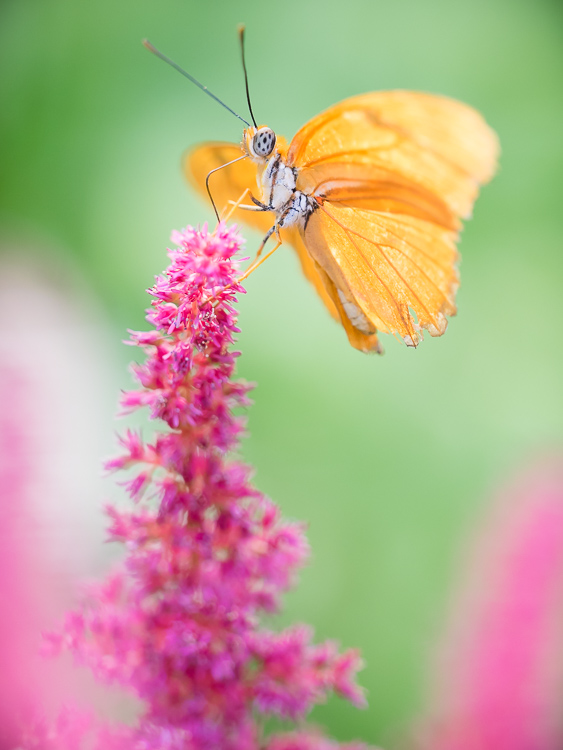
Sharpness is not the only part of this decision, but also the speed in which the lens achieves focus. A constant aperture is also a nice convenience for low light shooting as opposed to slower variable aperture lenses that span from f/3.5 to f/5.6. Finally, if you envision a super shallow depth of field in your images, f/5.6 will not be as desirable as f/2.8. Map out your kit with each manufacturer using your dream scenario. For example, can you build a system with f/2.8 lenses that span from ultra wide to super telephoto? How much would this cost for each manufacturer, and what would it weigh? While it’s true that DSLR users once enjoyed a significant advantage in lens availability, that gap is quickly closing. Most mirrorless systems now offer a complete line of professional quality glass that is of equivalent quality to a DSLR counterpart.
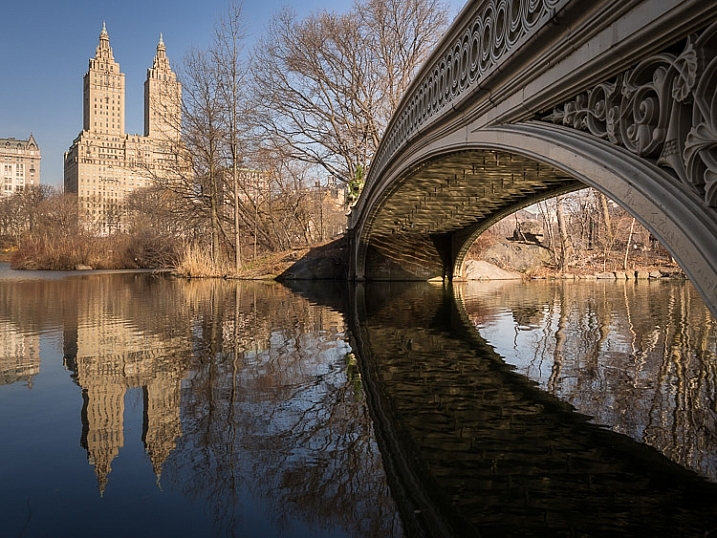
2) Image Quality

Ultimately, the image quality from a camera is only as good as the person controlling it. The best photographers in the world can capture stunning imagery, with the most basic cameras. Simply put, they know how to maximize the potential of any situation, and work around the limitations to get the shot.

Ideally, you want to find a camera that doesn’t get in the way of your creative process. If you’re fumbling with confusing menus and buttons, chances are you will miss a number of fleeting opportunities. Still, photography is also a game of confidence, and you want to feel as if the photo you are capturing will have all of the detail you need it to. I have good news for you! Nearly every DSLR and mirrorless camera today has more than enough resolution for professional work. Whether you are shooting for large prints, billboards, magazine spreads, stock submissions or your own personal satisfaction, today’s modern cameras are up to the task. This is a game changer, as a DSLR is no longer a prerequisite for professional work.

3) Sensor Size

At the same effective focal range and aperture, the actual depth of field each format provides will appear different based on sensor size. For example, a full frame camera at f/2.8 dramatically throws a background out of focus. This is ideal for reducing distractions and bringing attention to the subject. To achieve the same look with an APS-C sensor you would need to open the aperture to f/1.8. With micro 4/3, you’d need f/1.4. Clearly, this makes shallow depth of field easier to achieve with a full frame. Having said that, micro 4/3 users can create similar results with fast lenses like the Voigtlander 42.5mm f/0.95.

While larger sensors enjoy a slight advantage for shallow depth of field, the opposite happens with great depth of field. This means f/5.6 on a micro 4/3 camera provides the equivalent depth of field to f/8 on APS-C and f/11 on a full frame model. This provides the micro 4/3 user with 1-2 extra stops of light while still creating sharp focus from near to far. As a result, the ISO doesn’t need to be as high, providing better image quality. For the same exposure and equivalent depth of field, here is an example of how the sensor size would affect the settings.

  • Micro 4/3: 1/125, f/5.6, ISO 200
  • APS-C: 1/125, f/8, ISO 400
  • Full Frame: 1/125, f/11, ISO 800

This is summed up nicely by Cambridge in Colour who noted, “Larger sensors (and correspondingly higher pixel counts) undoubtedly produce more detail if you can afford to sacrifice depth of field. On the other hand, if you wish to maintain the same depth of field, larger sensor sizes do not necessarily have a resolution advantage.”

4) Features and Functionality

The technology you’ll find, in even the most entry level mirrorless camera, can make a DSLR feel like stepping back in time. This is not solely due to the weight, but the glaring absence of useful features that make simple tasks more convenient. No longer do you need to stand beneath a shaded tree to check your images on the LCD. The quality of EVF in today’s mirrorless cameras is astonishing. It’s similar to using live view, but the image appears in the viewfinder where the display is not affected by harsh sunlight. Without removing your eye from the viewfinder you can check critical focus and exposure while viewing the histogram, highlight alert, and exposure settings.
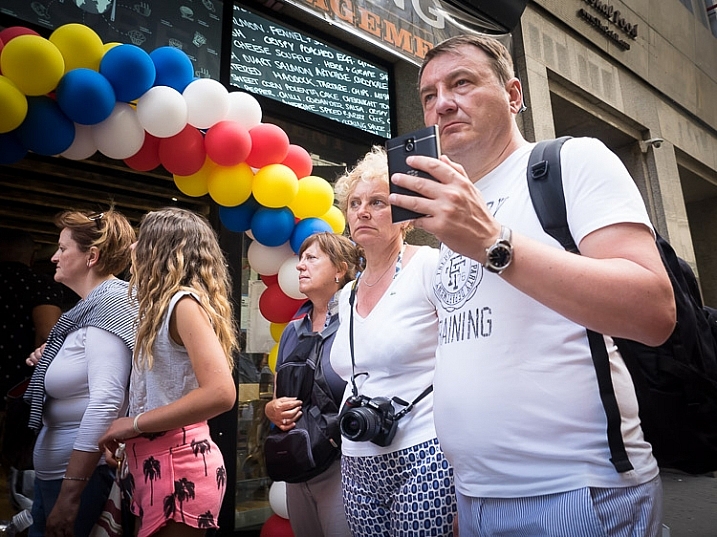
With in-viewfinder image magnification and focus peaking, manual focus has never been easier or more accurate. Tapping the shutter lightly will activate the shooting mode so you’re always ready to capture the action. This can certainly reduce time spent chimping, and helps one remain focused on the subject in front of them. Depending on the model, you may enjoy other features like double exposures, silent electronic shutter, keystone correction, live time, time-lapse, touch screen autofocus that covers most of the frame, and built-in wifi. It’s these little things that ultimately make the shooting experience more enjoyable.
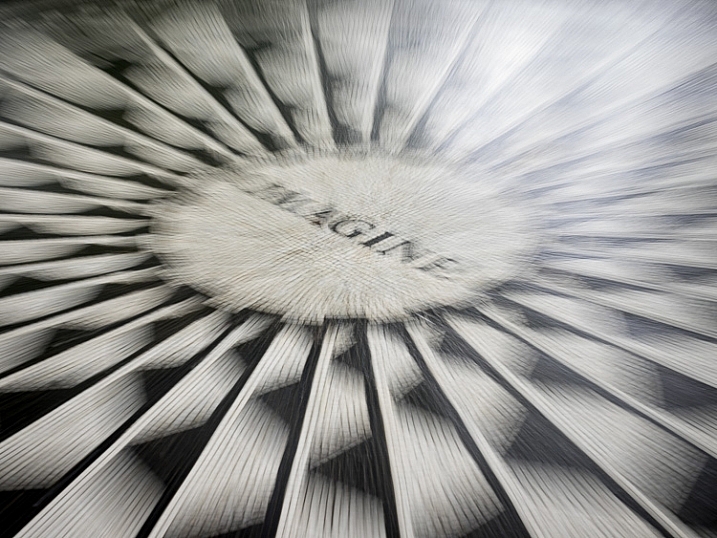
For those who are struggling with depth of field, the EVF on mirrorless cameras offers a huge advantage. As you look through the viewfinder and adjust your aperture, you will see a real-time look at how the depth of field will alter your image. This makes it so convenient to establish your settings for any given shot. In fairness, some DSLRs have a DOF preview button, but its functionality is far from ideal. Using that method the screen gets very dark, and you have to really look hard to determine what will truly be sharp. The EVF simplifies all of this as what you see is what you get.

5) Size and Weight

A DSLR is a commitment. You make a decision to take pictures, pack your gear, and head out. This has proven to be an effective formula for a very long time. Yet, I’ve spoken with countless photographers who leave their DSLR home to avoid carrying extra weight. Some even purchase expensive telephoto zoom lenses only to complain they’re too much of a hassle to bring along. If you do the math, DSLRs are about twice as heavy as mirrorless cameras and approximately 40% bulkier. When you’re traveling to distant places, or hiking deep into the woods, every ounce matters. I’ve been on small international airplanes with a strict 25 pound luggage limit, which included personal items.

Advances in technology can allow us to go places that were previously inaccessible. No longer do you need to leave important things behind. That’s one of the reasons carbon fibre tripods have become the preferred choice for many. Since they are much lighter than aluminum models, you can go further. Couple this with a lighter camera system, and it’s possible to reach remote locations faster, giving you the competitive edge.

6) Familiarity

15 years ago, on countless pages of photography magazines, experts debated the topic of film versus digital. What followed was undoubtedly one of the biggest revolutions in the history of photography. Despite some of the early limitations, digital imaging forged ahead, ultimately winning over many of the initial naysayers. While this current shift in camera gear may not be quite as dramatic, there are many who are still resistant to change. Yet, as George Bernard Shaw said, “Progress is impossible without change, and those who cannot change their minds cannot change anything.” If you’ve never tried a modern mirrorless system, you are short changing yourself. Visit a local camera store and have a look, or better yet, rent one for a weekend photo adventure. It may take a real world test to experience the benefits that don’t translate well on paper.
7) Durability and Battery Life

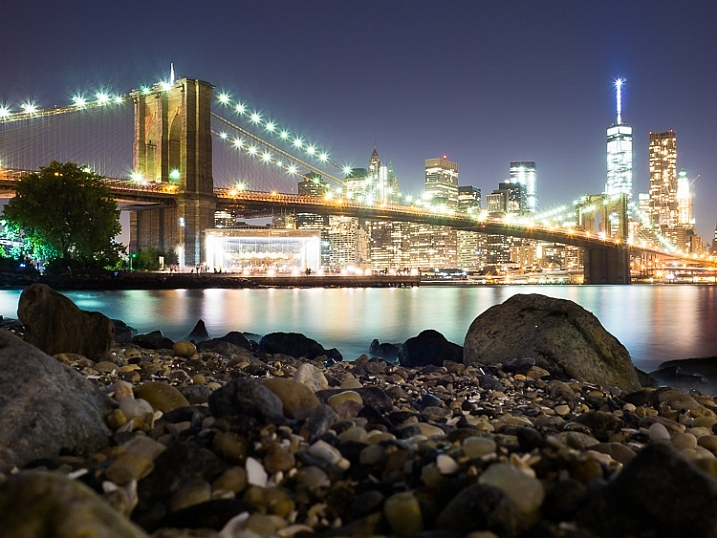
DSLRs take the crown when it comes to battery life. Where one DSLR battery can go a full day with 1000 plus shots, a mirrorless camera will require approximately three batteries. The obvious workaround is to carry several spares, but it’s worth noting as it is one definitive area that requires improvement. The issue is largely due to the heavy power demand from the EVF. As a result, it’s a concern for all mirrorless manufacturers with no one brand having a distinct advantage.
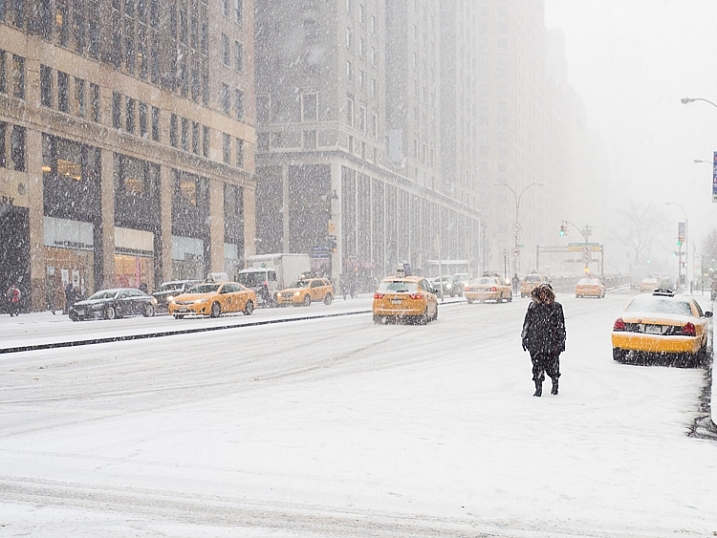
If you’re looking for a camera that’s weather sealed and built like a tank, both types of cameras have models to check out. Still, in order to enjoy a fully weatherproof system, the lenses need to have the same level of durability. With a DSLR this build-type is often reserved for the professional models. These are typically more expensive and heavier than non-sealed lenses. Alternatively, Sony, Fuji and Olympus all have rugged systems that boast features like splash, dust, and freeze resistant. If you find yourself in extreme situations often, this may be the better option for you.

8) Cost Savings

Do you rely on image stabilization as part of your photography routine? With a DSLR, this convenience comes at a significant cost. Lenses with this feature are often priced hundreds of dollars more than a non-stabilized model. Perhaps a more cost effective method would be a camera with built-in 5-axis stabilization. This will work on any lens you mount, making it possible to capture sharp hand held images at 1/15th of a second or slower. If you’re skeptical, as I certainly was, there are a myriad of tests that prove its accuracy.

This is an important development that changes the way you works in low light scenarios. For example, if you’re photographing a dark interior where tripods are not allowed, a typical setting would be around 1/125, f/4, ISO 6400. That same shot with 5-axis IS could be captured at 1/15, f/4, ISO 800. Noise won’t be nearly as prevalent at the lower ISO, and you’ll still have a tack-sharp image. This cutting edge feature gives photographers yet another tool to solve common everyday problems.

Conclusion

There have never been as many viable options as we have right now. It is indeed a great time to be in the market for a new camera. The system you decide on will certainly have a big impact on your work, so do thorough research and choose wisely. Remember, the ideal selection should not be based on what everyone else is doing, but what will allow you to realize your unique vision. This can only be decided by you, not a salesperson, or forum chatter. Above all, your next camera should be one that inspires you to pick it up and use it more often.

As for my gear, I don’t leave the house without my Olympus OMD EM1. Sometimes I also carry an EM10 as a backup body. I recently sold a Canon 40D, retired the old 10D, and am still determining the fate of my Canon 6D.

googletag.cmd.push(function() {
tablet_slots.push( googletag.defineSlot( “/1005424/_dPSv4_tab-all-article-bottom_(300×250)”, [300, 250], “pb-ad-78623” ).addService( googletag.pubads() ) ); } );

googletag.cmd.push(function() {
mobile_slots.push( googletag.defineSlot( “/1005424/_dPSv4_mob-all-article-bottom_(300×250)”, [300, 250], “pb-ad-78158” ).addService( googletag.pubads() ) ); } );

The post 8 Factors to Look at Before You Choose a New DSLR or Mirrorless Camera by Chris Corradino appeared first on Digital Photography School.
Digital Photography School

 
Comments Off on 8 Factors to Look at Before You Choose a New DSLR or Mirrorless Camera

Posted in Photography


Hammock suspension adds extra protection in the Kontrast Pro DSLR Backpack from Case Logic

25 Jul

Bag manufacturer Case Logic has launched a new backpack that features a hammock system, suspending a DSLR with lens attached within the space in the middle of the bag. The company claims this adds extra protection as less of the camera body is in direct contact with the structure of the bag. Read more

Articles: Digital Photography Review (dpreview.com)

 
Comments Off on Hammock suspension adds extra protection in the Kontrast Pro DSLR Backpack from Case Logic

Posted in Uncategorized


How the Switch from DSLR to Mirrorless Changed How I Edit Photos

22 Jul

When I started in photography more than 10 years ago, the only viable option for editing images was Adobe Photoshop. At that time, 100% of my photo editing was done there.

A few years later, Adobe introduced Lightroom and I embraced it right away for its speed and organizational features. I immediately adopted it into my photo processing workflow and it was the first big transition that drastically changed my processing.

The next big change in my processing happened when I discovered HDR photography. As a photographer with a background in graphic design, I quickly saw the potential in the new processing technology and, again, I incorporated it into my workflow.

Images How Switch to Mirrorless Change Photo Edit 1

Canon 60D, HDR processed

By the end of 2014, after 10 years of shooting with a Canon DSLR, I had established my own photo editing workflow – one that I was comfortable with, that reflected my style of photography, and covered different scenarios of travel and landscape photography. Below is a list of four main processing techniques in my editing workflow, with the percentage of the total use for each.

HDR Processing in Photoshop HDR Pro and Lightroom – 50%

The foundation of my natural looking HDR photography style, this technique is based on merging bracketed photos in Photoshop HDR Pro and later editing the new HDR image in Lightroom. The beauty of this method is that Photoshop HDR Pro does not change the pixels (luminosity, contrast, saturation) of the original images. Instead, it combines data from the bracketed photos into one enormous 32-bit TIFF image.

I outlined this technique in detail in one of my previous articles: Natural Looking HDR in Photoshop and Lightroom in 5 Easy Steps.

Images How Switch to Mirrorless Change Photo Edit 2

Canon 60D, HDR processed with Photoshop HDR Pro

HDR Processing in Photomatix – 30%

Photomatix is the most popular, and matured standalone HDR program. It has a completely different approach compared to Photoshop HDR Pro. Besides standard HDR features like image alignment, de-ghosting and merging for HDR, it has unique image editing tools that allow me to create distinctive looks in my photographs.

Images How Switch to Mirrorless Change Photo Edit 3

Canon 60D, HDR processed with Photomatix

Luminosity Blending in Photoshop – 10%

This technique is based on blending multiple images together in Photoshop using transparency masks. It gives me the most flexibility and control over image processing but, at the same time, it is the most involved and time consuming. I use it in the most complex cases when everything else has failed.

Images How Switch to Mirrorless Change Photo Edit 4

Canon 60D, digital blending with Luminosity Masks

Single RAW processing in Lightroom – 10%

When the light is not very dynamic, I use a single image and process it in Lightroom.

Images How Switch to Mirrorless Change Photo Edit 5

Canon Digital Rebel, single RAW image processed in Lightroom

The Switch

The biggest change in my photography happened at the end of 2014 when, after shooting with a Canon DSLR for 10 years, I switched to Sony mirrorless. It was quite an adjustment. After shooting for so long with one brand, I had become extremely comfortable with it. During the switch, I had to learn how to work with something very different (more details on that topic here: 5 Lessons Learned Switching from DSLR to Mirrorless for Travel Photography).

But, I did not expect that the brand switch would dramatically change my editing. I was wrong.

After I returned from my first photography trip to Hawaii and California, where I put my new equipment through the test of real life scenarios of travel photography, I had 3000 brand new photos shot with the Sony a6000.

When I started to edit the new photos, I could see some differences. In general, the images were much cleaner and sharper with a higher amount of detail. These changes did not surprise me because the a6000 has a new generation sensor with a higher pixel count, and in combination with quality lenses from Sony and Zeiss, it could easily resolve a staggering amount of detail.

What surprised me was how the images behaved when I started to edit them. I could immediately see that the images were more responsive, meaning that I could push them much further, with more aggressive editing, and that I could recover more shadows and highlights from a single RAW image. I realized that I could process some images without using HDR techniques, which was not possible before.

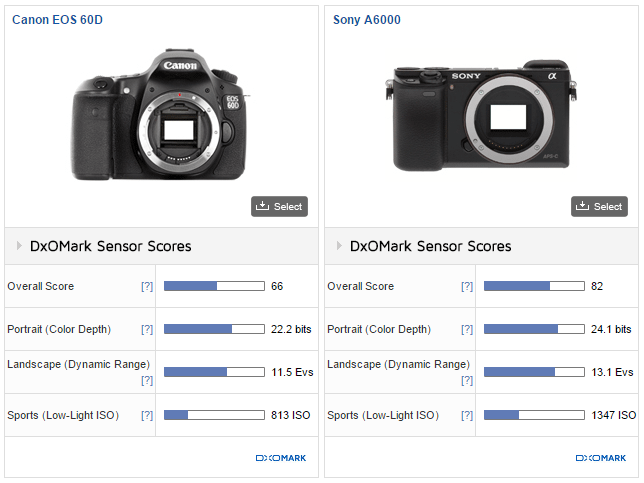
This is when I started to look around trying to find the reason for the different behaviour. I found my answers on the DoX Mark website when I compared camera sensors. The dynamic range of the Sony a6000 sensor is wider by almost 2 stops (11.5EV vs 13.2EV) or 14%.

Images How Switch to Mirrorless Change Photo Edit 6

The difference is probably not a big deal if you are a wedding or street photographer but, for someone like me who specializes in travel and landscape HDR photography, this was a game changer. I saw the opportunity to streamline and optimize my digital techniques once again.

Now, six months later, below is my new modified digital photography workflow.

Single RAW Preset Based Lightroom Processing – 50%

A major shift toward the single RAW Lightroom editing made me realize that it could be the perfect opportunity to optimize my workflow in order to save time on processing. I organized my Lightroom presets into four collections: Landscapes and HDR, Cross Processing, People and B&W. Now, I start the process of editing by applying different presets to the image trying to find the right look. When I find the one I like the best, I tweak it with standard Lightroom and Photoshop editing tools.

Images How Switch to Mirrorless Change Photo Edit 7

Sony A6000, Sony 10-18mm lens, Lightroom Preset Based Processing

HDR Processing in Photoshop HDR Pro and Lightroom – 20%

With Adobe introducing Merge to HDR in Lightroom 6, I find myself using it more and more but I still use Photoshop HDR Pro.

Images How Switch to Mirrorless Change Photo Edit 8

Sony A6000, Zeiss 16-70mm lens, Lightroom 6 HDR Processed

HDR Processing in Photomatix – 20%

Cleaner digital files allow me to push the images even further in Photomatix.

Luminosity Blending in Photoshop – 10%

Nothing has changed here.

Conclusion

The switch from Canon DSLR to Sony mirrorless had unexpected consequences that drastically changed the way I edit my photos. In the end, the change was very positive, it allowed me to save time on processing and editing photos. Also, the extended dynamic range of the new sensor resulted in me taking fewer photos. I do not have to take five or seven bracketed shots anymore; in most cases, three brackets are all that is needed.

Have you made the switch? Have you noticed any changes in your processing workflow? Share with us your thoughts in the comments below.

googletag.cmd.push(function() {
tablet_slots.push( googletag.defineSlot( “/1005424/_dPSv4_tab-all-article-bottom_(300×250)”, [300, 250], “pb-ad-78623” ).addService( googletag.pubads() ) ); } );

googletag.cmd.push(function() {
mobile_slots.push( googletag.defineSlot( “/1005424/_dPSv4_mob-all-article-bottom_(300×250)”, [300, 250], “pb-ad-78158” ).addService( googletag.pubads() ) ); } );

The post How the Switch from DSLR to Mirrorless Changed How I Edit Photos by Viktor Elizarov appeared first on Digital Photography School.

Digital Photography School

 
Comments Off on How the Switch from DSLR to Mirrorless Changed How I Edit Photos

Posted in Photography


Fab Four New Items for Your DSLR!

14 Jul

It’s time to class the place up with new accessories for your DSLR!

We’ve got four brand new items in the shop full of style, sophistication and juuuust a dash of futuristic rainbows.

Everything on your DSLR’s wishlist.

(…)
Read the rest of Fab Four New Items
for Your DSLR! (0 words)


© Erin for Photojojo, 2015. |
Permalink |
No comment |
Add to
for Your DSLR!”>del.icio.us

Post tags:


Photojojo

 
Comments Off on Fab Four New Items for Your DSLR!

Posted in Equipment


Edelkrone launches collapsible PocketSkater 2 for DSLR videographers

23 Jun

Video accessories manufacturer Edelkrone has launched a new dolly for DSLRs that’s designed to fold up and fit in your pocket. The PocketSkater 2 features three wheels and a tilting Flextilt head so photographers can shoot moving footage with the camera angled upwards or down. Read more

Articles: Digital Photography Review (dpreview.com)

 
Comments Off on Edelkrone launches collapsible PocketSkater 2 for DSLR videographers

Posted in Uncategorized


Opinion: The future of DSLR or: how I learned to stop worrying and love the ILC

19 Jun

Despite some sales growth, mirrorless isn’t taking over photography. Equally, DSLRs aren’t flying off the shelves the way they used to. But if you’ve found yourself arguing about whether mirrorless is the future, you’ve probably been addressing the wrong question. DPReview’s Richard Butler argues that convergence is coming and that it’s not the mirrors that matter. Read more

Articles: Digital Photography Review (dpreview.com)

 
Comments Off on Opinion: The future of DSLR or: how I learned to stop worrying and love the ILC

Posted in Uncategorized


Think Tank Photo launches Trifecta 10 DSLR and Trifecta 8 Mirrorless backpacks

17 Jun

Think Tank Photo has launched two new bags, the Trifecta 10 DSLR Backpack and Trifecta 8 Mirrorless Backpack. Both backpacks are designed to hold a photographer’s ‘workhorse’ lenses, including ultra-wide, mid-range, and telephoto zoom lenses. As the names indicate, the bags are designed to accommodate DSLR and mirrorless systems. Read more

Articles: Digital Photography Review (dpreview.com)

 
Comments Off on Think Tank Photo launches Trifecta 10 DSLR and Trifecta 8 Mirrorless backpacks

Posted in Uncategorized


The Best Selling DSLR Lenses With Our Readers

02 Jun

best selling lenses

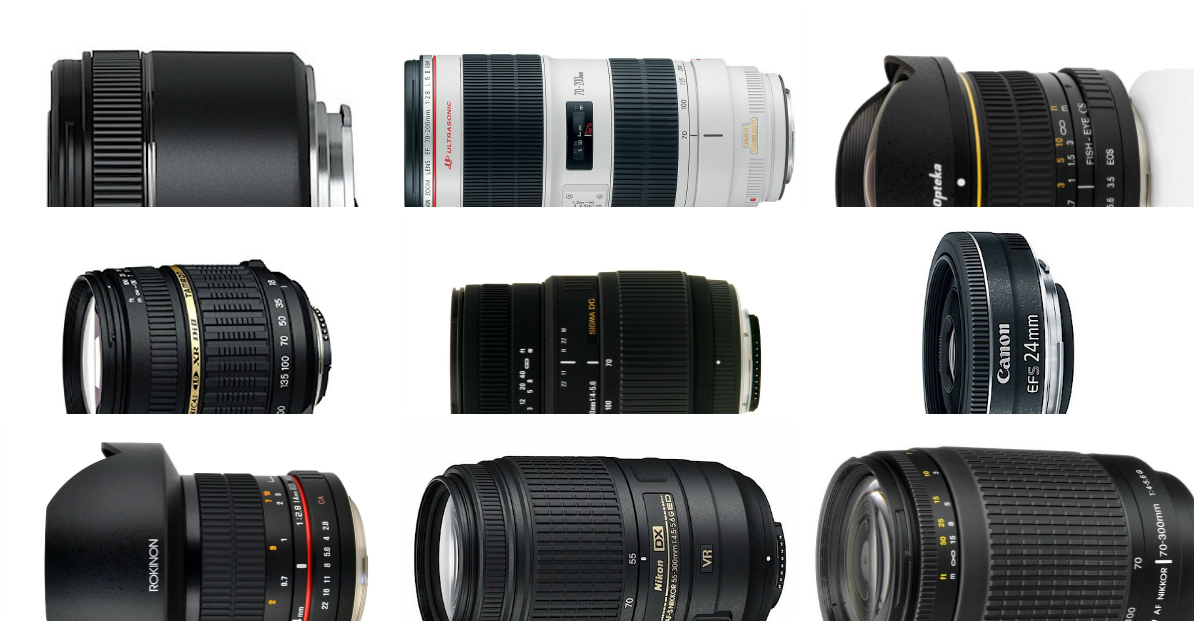
Today we did some analysis of the Best Selling DSLR Lenses with our readers among dPS readers – based upon purchases made in the last 3 months.*

As usual this list is dominated by Canon and Nikon lenses so we’ve again broken those two brands out into two separate lists of lenses and then have put the other best selling lenses from other brands into a third list.

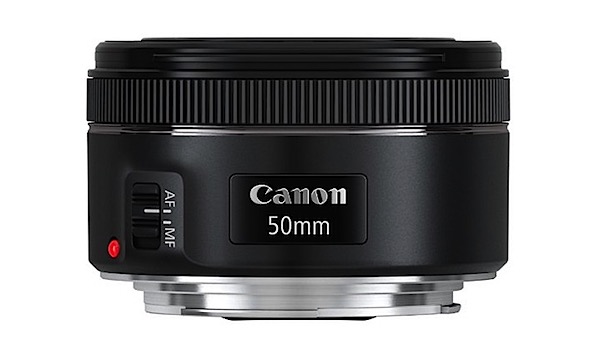
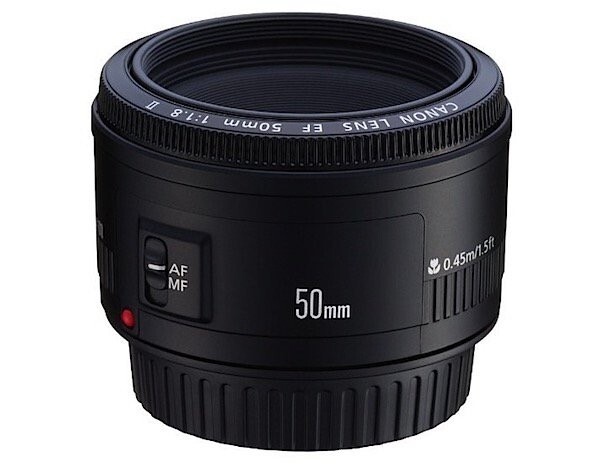
Interestingly by far the #1 lens in the last 3 months has been the Canon EF 50mm f/1.8 STM lens which was released just this last month as a successor to their old Canon EF 50mm f/1.8 Mark II which was released back in 1990 but which has always previously topped our best selling lens lists (it is #2 for the first time ever this month).

Note: at this stage we didn’t see any major trends in lenses for compact camera systems which is why we’ve not featured any hear. We expect this market to grow as the mirroless/compact system cameras continue to grow in popularity.

Best Selling Canon DSLR Lenses

1.Canon EF 50mm f/1.8 STM Lens

Canon EF 50mm f:1.8 STM Lens.jpg

2. Canon EF 50mm f/1.8 II Camera Lens

Canon EF 50mm f1.8 II Camera Lens

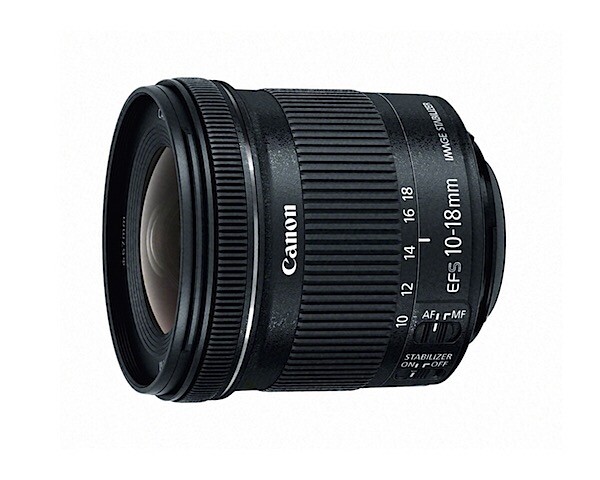
3. Canon EF-S 10-18mm f/4.5-5.6 IS STM Lens

_images_I_81OOhuXQS-L._SL1500_.jpg

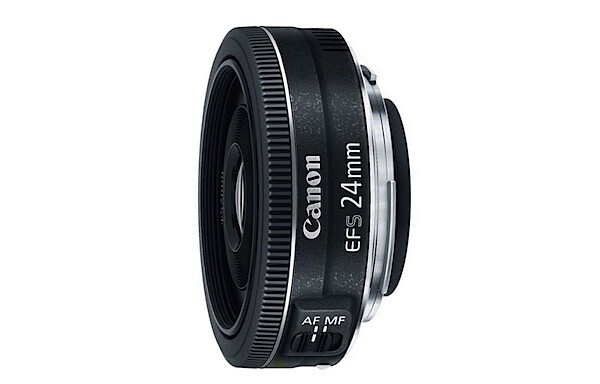
4. Canon EF-S 24mm f/2.8 STM Lens

Canon EF-S 24mm f:2.8 STM Lens.jpg

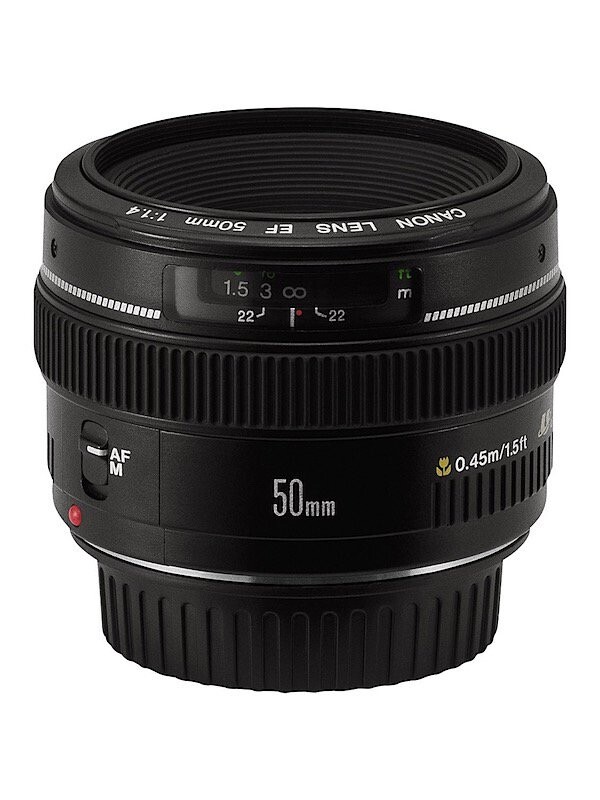
5. Canon EF 50mm f/1.4 USM

201506021444.jpg

  1. Canon EF 85mm f/1.8 USM Medium Telephoto Lens
  2. Canon EF 24-70mm f/2.8L II USM Standard Zoom Lens
  3. Canon EF 100-400mm f/4.5-5.6L IS II USM Lens
  4. Canon EF 75-300mm f/4-5.6 III USM Telephoto Zoom Lens
  5. Canon EF 100mm f/2.8L IS USM Macro Lens
  6. Canon EF 70-200mm f/2.8L IS II USM Telephoto Zoom Lens
  7. Canon EF 40mm f/2.8 STM Lens

Best Selling Nikon DSLR Lenses

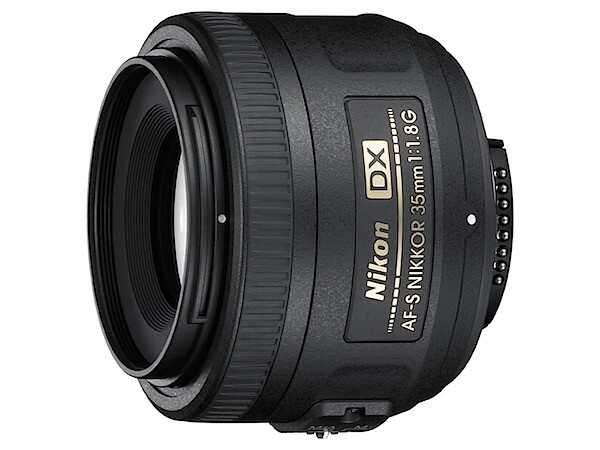
1. Nikon 35mm f/1.8G AF-S DX

201506021458.jpg

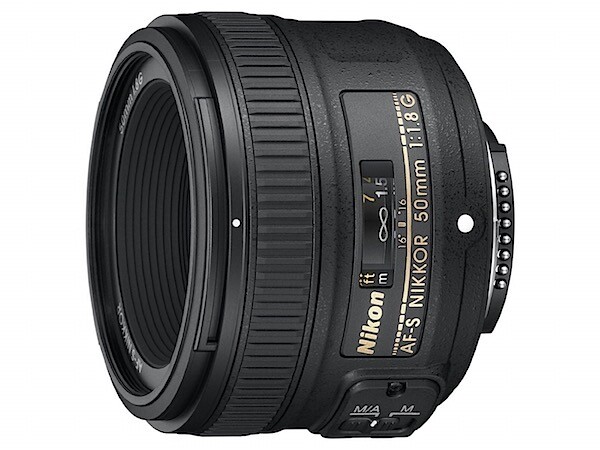
2. Nikon 50mm f/1.8G AF-S NIKKOR FX

201506021516.jpg

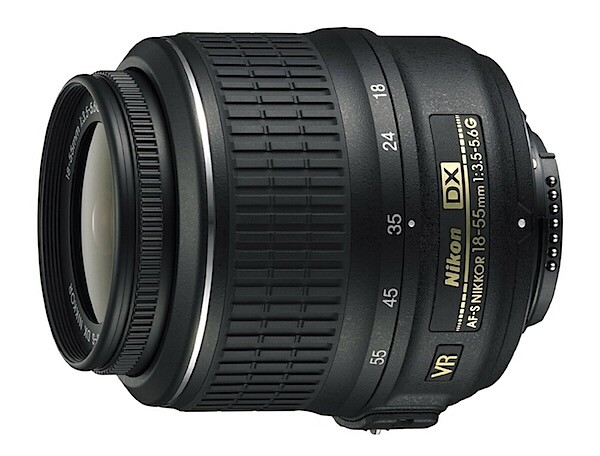
3. Nikon 18-55mm f/3.5-5.6G VR II AF-S

201506021519.jpg

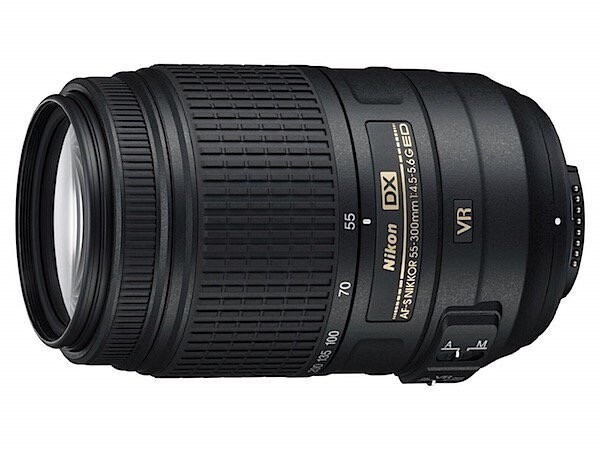
4. 3. Nikon 55-300mm f/4.5-5.6G ED VR

201506021518.jpg

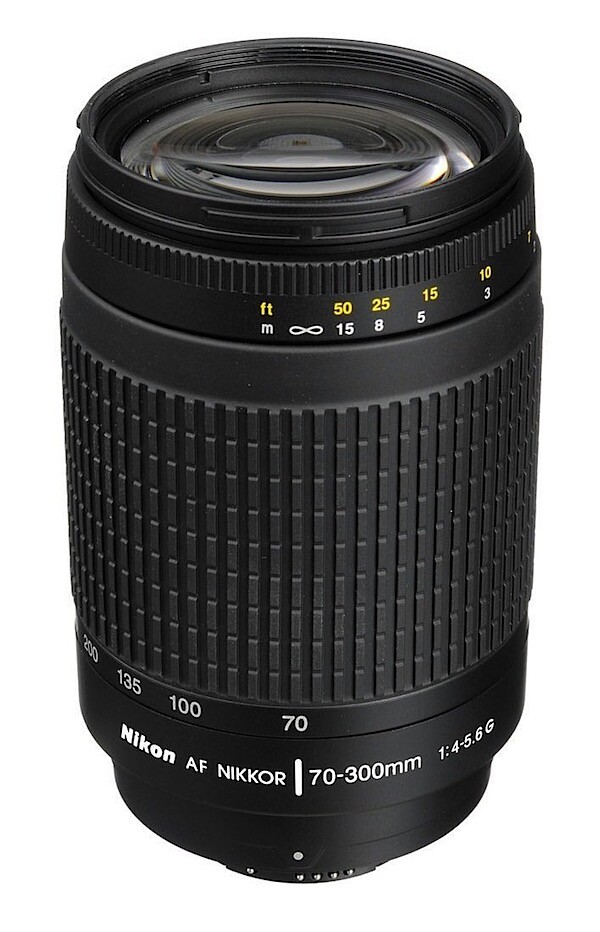
5. Nikon 70-300mm f/4-5.6G AF

201506021521.jpg

  1. Nikon 50mm f/1.4G SIC SW Prime AF-S
  2. Nikon 18-55mm f/3.5-5.6G VR II AF-S
  3. Nikon AF-S VR Micro-Nikkor 105mm f/2.8G IF-ED Lens
  4. Nikon 85mm f/1.8G AF-S
  5. Nikon 70-300mm f/4-5.6G AF
  6. Nikon 18-300mm f/3.5-6.3G ED VR AF-S DX
  7. Nikon 40mm f/2.8G AF-S DX Micro

Best Selling DSLR Lenses from Other Brands

  1. Tokina 11-16mm f/2.8 AT-X116 Pro DX II (for Nikon DSLRs). Also available for Canon and Sony and Minolta cameras.
  2. Rokinon FE14M-C 14mm F2.8 Ultra Wide Lens for Canon (also available for Fujifilm X-Mount, Micro Four-Thirds, Olympus, Sony and Pentax and others)
  3. Sigma 70-300mm f/4-5.6 SLD DG Macro. (for Nikon DSLRs) Also available for Canon,Minolta and Sony and Pentax cameras.
  4. Opteka 6.5mm f/3.5 HD Aspherical Fisheye for Canon DSLRs.
  5. Sigma 340101 35mm F1.4 DG HSM Lens for Canon (also available for Nikon, Pentax and Sony)
  6. Tamron AF 70-300mm f/4.0-5.6 Di LD Macro (for Canon DSLRs). Also available for Nikons, Konica Minolta and Sony and Pentax cameras.
  7. Tamron AF 18-200mm f/3.5-6.3 XR Di II (for Canon DSLRs), Nikon, Konica Minolta and Sony and Pentax.

*Note: as with our previous best seller lists this list was compiled from reports supplied to us from Amazon.com where we are affiliates. One of the ways dPS is able to cover its costs and be a sustainable business is that we earn a small commission when readers make a purchase from Amazon after clicking on our links (including those above). While no personal details are passed on we do get an overall report from Amazon about what was bought and are able to create this list.

googletag.cmd.push(function() {
tablet_slots.push( googletag.defineSlot( “/1005424/_dPSv4_tab-all-article-bottom_(300×250)”, [300, 250], “pb-ad-78623” ).addService( googletag.pubads() ) ); } );

googletag.cmd.push(function() {
mobile_slots.push( googletag.defineSlot( “/1005424/_dPSv4_mob-all-article-bottom_(300×250)”, [300, 250], “pb-ad-78158” ).addService( googletag.pubads() ) ); } );

The post The Best Selling DSLR Lenses With Our Readers by Darren Rowse appeared first on Digital Photography School.

Digital Photography School

 
Comments Off on The Best Selling DSLR Lenses With Our Readers

Posted in Photography


Mirrorless, DSLR or Point and Shoot: Which Camera is Best for Macro Photography?

23 May

Editor’s Note: This is part a series on macro photography this week. Look for a new one each day. The next newsletter will have them all if you miss any!

Cameras

Macro photographers have a plethora of choices when it comes to selecting a camera with this feature. From DSLRs to even cell phones, the macro function is becoming a standard add-on to most forms of digital photography. But, when put to the test, which type of camera will give you the best macro photography results? This article compares the macro photography functions of a DSLR, mirrorless, and point-and-shoot camera to evaluate the pros and cons of using each to shoot extreme close-ups.

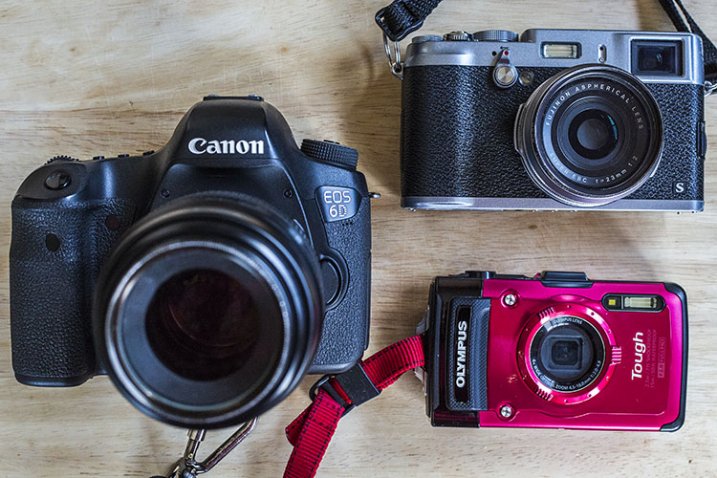
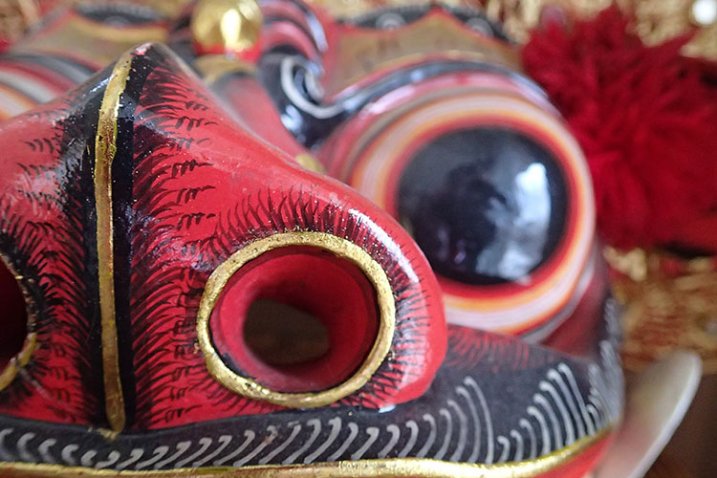
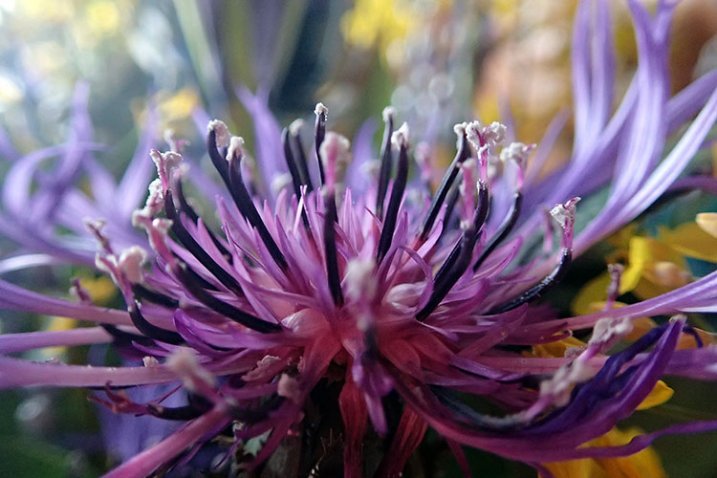
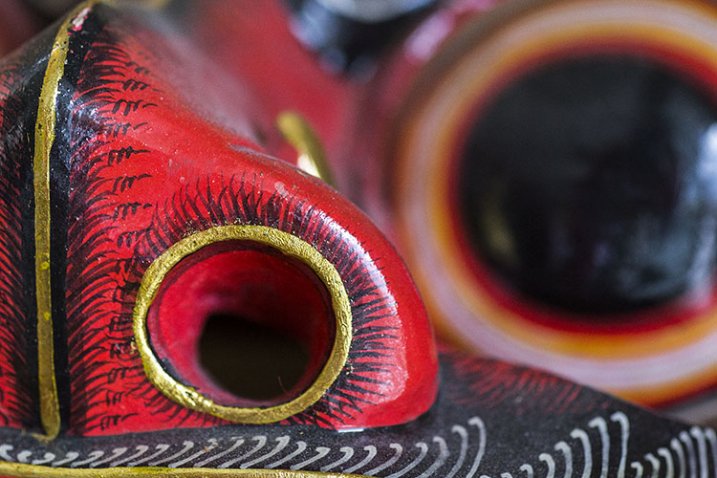
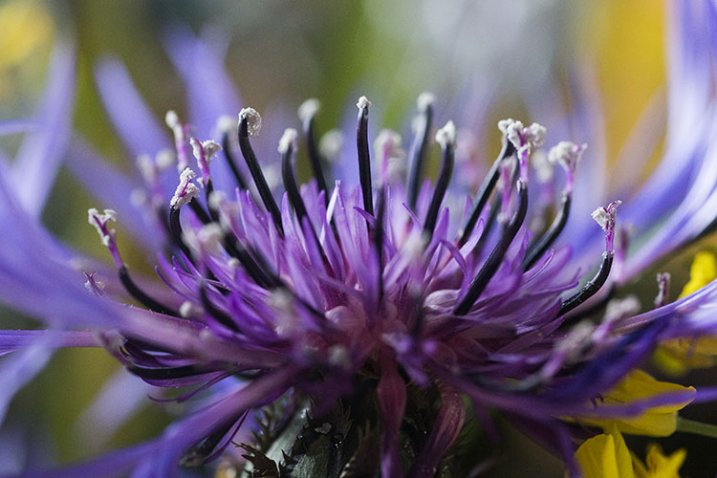
To start, can you tell which of the below images were shot with either a DSLR (Canon 6D with 100mm f/2.8 macro lens), mirrorless (Fujifilm x100s), or point-and-shoot (Olympus Stylus TG-2 Tough)? The answers, listed in sequential order below the image, may surprise you.

Fuj Oly Can

1) Fujifilm x100s

The image on the far left in the above montage was shot using the macro function of the Fujifilm x100s mirrorless camera. The x100s has a macro mode and can shoot images as close-up as 3.9 inches (10 cm). Accessing the macro mode is simple, requiring just a quick dial turn; the results can be seen below.

Fuj Dragon

Pros:

Besides being an attractive camera with its retro body, the x100s has become popular among both professional and amateur photographers, thanks to its high quality features and ability to produce stunning images with its fixed Fujinon 23mm f/2.0 lens. At 15.7oz (445g), this camera is significantly smaller and lighter than a DSLR, yet it is relatively more affordable costing around $ 900. It also offers a unique hybrid viewfinder, meaning shots can be taken using the built-in optical viewfinder, or an electronic one.

Fuj Flowers

Cons:

The fixed lens might bug some photographers since it can’t be swapped out, and the 23mm focal range means you have to get really close to your photo subject. This could produce shadows or block natural lighting, which can’t be overridden without purchasing the optional external flash unit. An additional possible grievance is the 3.9 inch maximum focusing distance. Some of the other cameras mentioned below allow you to get much closer.

These shots were taken at an aperture of f/2.8 using natural lighting, in JPG format (RAW shooting is also available) with no post-processing.

2) Olympus Stylus TG-2 Tough

This little camera shot the middle image in the above photo montage. One of the most sophisticated, prettiest, and most durable point-and-shoots on the market today is the Olympus Tough line. It is your best friend for taking high quality photos while engaging in extreme outdoor adventures, and it has a superb macro mode.

Oly Dragon

Pros:

Waterproof, freeze-proof, crushproof, and shockproof, the TG-2 also has a 12 megapixel BSI CMOS sensor and a high-speed f/2.0 lens. It is pocket-sized, although a little bulkier than most other point-and-shoots, and it only costs around $ 350 (TG-4 is the current model). This camera also has many shooting modes including two macro options: Super Macro and Underwater Macro. Both allow you to get as close as 1 cm to the photo subject, and additional magnification of up to 7x with the optical zoom, and 14x with Super Resolution zoom, which is closer than either the x100s or Canon 100mm f/2.8 macro lens offer. Its unique 5:1 magnification really makes macro photography a joy on this little camera.

Oly Flowers

Cons:

This is the only camera of the bunch that doesn’t offer RAW shooting or an optical viewfinder, but it is the only one that has a built-in flash. While the flash produces a balanced output in most situations, it isn’t helpful when shooting in macro mode since it tends to blow out the image due to being too close to the photo subject. Along those lines, shooting in macro mode on the TG-2 does require the camera to be very physically close to the subject, again making it easy to obstruct lighting.

3) Canon 100mm f/2.8 Macro Lens

The final image on the far right of the montage above was snapped with the Canon 100mm macro lens. A newer version of this lens recently debuted featuring Image Stabilization and extra goodies, but the older model still boasts spectacular, sharp optics at a relatively lower price ($ 549 versus $ 899).

Can Dragon

Pros:

Canon has a small but mighty line of macro lenses, and the 100mm is arguably the best choice. Its longer focal length causes images to be rendered at 1:1 magnification, giving you more working distance so you don’t scare away your living photo subjects, or cast shadows. Since this lens is paired with a DSLR, image resolution can be up to an astounding 50.6 megapixels if it is used with the Canon 5DS. That’s a huge number compared to the 16.3 megapixels on the Fujifilm or 12 megapixels on the Olympus.

Can Flowers

Cons:

At 20.6 oz (584.2 g), the 100mm macro lens is by far the bigger, heavier, option of the three. With a cost of $ 550-899, and the requirement of using it with a Canon DSLR, this is also the most expensive macro photography tool.

Conclusion

So which camera option is the best for macro photography? It truly depends on how you define “best.” In moments when you need a compact option, the Fujifilm x100s or Olympus Tough point and shoot are the better options, the latter being the better deal for budget or extreme sports shooters. However, if high-quality, professional imagery is your goal, a DSLR with a macro lens is your best bet.


macro-coverWant to learn more about macro photography? Check out Ed Versosky’s Introduction to Close-Up & Macro Photography ebook – just $ 10 (over 30% off) this week with coupon code: DPS. You will need to enter the code to apply the discount.

googletag.cmd.push(function() {
tablet_slots.push( googletag.defineSlot( “/1005424/_dPSv4_tab-all-article-bottom_(300×250)”, [300, 250], “pb-ad-78623” ).addService( googletag.pubads() ) ); } );

googletag.cmd.push(function() {
mobile_slots.push( googletag.defineSlot( “/1005424/_dPSv4_mob-all-article-bottom_(300×250)”, [300, 250], “pb-ad-78158” ).addService( googletag.pubads() ) ); } );

The post Mirrorless, DSLR or Point and Shoot: Which Camera is Best for Macro Photography? by Suzi Pratt appeared first on Digital Photography School.

Digital Photography School

 
Comments Off on Mirrorless, DSLR or Point and Shoot: Which Camera is Best for Macro Photography?

Posted in Photography


RAW vs JPEG: Which is Better Shooting on DSLR?

24 Apr

The photography world is constantly rattled by many opinion clashes. Which is the better camera, which is the better photography style and even which format is better to save photos in. These and many more questions keep cropping up and seem like never ending. This discussion will help you in putting an end to at least one of such questions, Continue Reading

The post RAW vs JPEG: Which is Better Shooting on DSLR? appeared first on Photodoto.


Photodoto

 
Comments Off on RAW vs JPEG: Which is Better Shooting on DSLR?

Posted in Photography