RSS
 

Posts Tagged ‘Digital’

Rendering the Digital Physical: 10 Bitcoin Designs & Ideas

12 Apr

[ By WebUrbanist in Gaming & Computing & Technology. ]

bitcoin digital physical designs

The crypto-currency Bitcoin is all over social media, blogs and news sites. But beyond the volatility, speculation and noise there is a fascinating question being asked and answered: from coins to wallets, how does the world’s first widespread digital currency manifest in visual or physical form(top image by cybrbeast)

bitcoin 3d currency variants

The Bitcoin logo is a rather simple affair, borrowing much from traditional currencies (a partial strike-through) and clearly, most of all, the United States dollar. For some, though, seeing is not enough – for emotional and practical reasons alike, many want a physical analogue to their virtual wealth.

bitcoin physical round design

That baseline design, however, has spawned not only 3D renderings approximating solid coins, but actual physical coins themselves for fans of hand-held collectibles. The Casascius series have solid brass, electroplated gold and pure silver variants that ‘contain’ real Bitcoins (an address with a private key hidden below a removable hologram). Like Gold Eagles, the value of these on the secondary market has consistently stayed above the ‘spot’ price for the currency they contain.

bitcoin paper currency notes

And it does not end there. For security purposes, many people prefer to keep copies (in some cases: their only copies) of their virtual Bitcoin ‘wallet’ in offline form. For better or worse, this translates computer-centric risks (hacking and data corruption) back into more familiar ones (physical theft or loss). Designers on that front  have come up with a number of interesting options, from plasticized and paper ‘notes’ to self-printed wallets. In the decentralized, open-source spirit of Bitcoin, many designers (like Doctor 75R) give these designs out freely as well.

bitcoin printable folding wallet

Canton Becker lists off the advantages of his variant, shown above: “(1)Private key is hidden behind folds, so your wallet content is still safe if left out in the open or photographed. (2) Tamper-proof tape indicates when you (or someone else!) has revealed the private key. (3) Folding design obfuscates private keys so they’re hidden even when holding wallet up to a bright light. (4)Reverse side has basic wallet operation instructions and a register for writing down deposits / balance. (5) Private and public keys are replicated (and rotated) in triplicate to maximize chances of recovering keys if paper is damaged / crumpled.”

bitcoin physical ring designs

There is even a movement toward making Bitcoin secret (de)coder rings – like gold or silver ones, they can be stolen, but they also allow you to wear and keep your wealth (literally) close at hand. By engraving the private key on the inside of the band, there is no way to see it unless you (or someone) takes it off.

bitcoin wallpaper digital designs

And, of course, anything with sufficient fans warrants making wallpapers – here are a series of six available at full size on Flickr.

Share on Facebook


[ By WebUrbanist in Gaming & Computing & Technology. ]

[ WebUrbanist | Archives | Galleries | Privacy | TOS ]


WebUrbanist

 
Comments Off on Rendering the Digital Physical: 10 Bitcoin Designs & Ideas

Posted in Creativity


Meet The Photographers Who Write For Digital Photography School ~ Jason Weddington

25 Mar

You’ve been reading their articles for months or years. Have you ever wondered: “Who are the photographers who write for dPS”? Today meet San Diego based photographer Jason Weddington.

The EDF Energy London Eye

1. How long have you been shooting?

My first camera was a Kodak disk camera, similar to the ones shown here. I must have been 8 or 9 at the time. Around the same time, I took a black and white photography course during summer vacation. I learned how to develop black and white film, as well as how to make prints. I remember being very proud of an image of an empty root beer can that I’d photographed in the street. That photo sat in a frame on my dresser for a few years.

Then I went several years without having a camera or being exposed to photography (pun intended). In 1998 I joined the Marines and was stationed in Japan. I bought a Kodak Advantix film camera, because I wanted to be able to capture and share scenes from my time in Japan. I wouldn’t say I was interested in photography per se, I was more interested in ‘taking pictures’, if the distinction makes sense. I was happy to point and shoot, and drop the film off at the lab. I would flip through the prints and say things like “too bad that one didn’t come out.” In those days I thought cameras made photos, not photographers. Pushing the shutter was like rolling the dice, sometimes the pictures came out, sometimes they didn’t. It would be a few more years before my awareness changed.

By 2001, I was really into computers. The Internet was still pretty new, technology was racing forward, and some exciting things were becoming possible. I bought a digital camera, because it was yet another cool thing I could do with my computer. I was more into computers than cameras – digital seemed like the logical camera choice.

In early 2001, I saw some fine art nude photographs on the Internet. I was amazed and inspired. I hadn’t seen much fine art photography before, or maybe I hadn’t given it much notice. But this time my eyes were opened to a whole new world. I became aware of photography as an art form, rather that simply a tool for capturing moments.

I’d just married a beautiful woman, and I had a 1.2 megapixel (!!) digital camera. It seemed so simple. Knowing next to nothing about photography, I asked my wife to model for me. The pictures weren’t very good. Suddenly I became aware that photography is a skill, and a skill that I needed to learn.

2. Do you have a full time job or are you a full time photographer?

The short answer is “neither one.” The long answer is more complicated. I left my full time job as an IT manager at the end of 2012 to start my own business. My goal is spend more time on my personal photography projects, and more time with my family. I’m building a business around my interest in photography, but I don’t plan to work full time as a photographer.

Going forward I hope to make a living from a combination of activities. I’ve just finished a book of my photography, and I’m beginning to market prints on my website. I’m also in the process of launching a software company. We’ll be producing products and services for photographers.

Me!

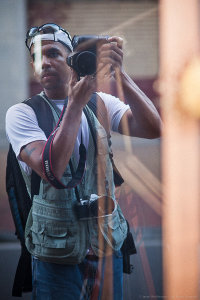
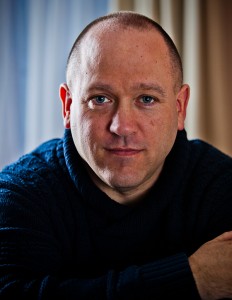
Photographer Jason Weddington

3. If you had to limit yourself to one genre of photography, what would it be and why?

That’s a hard question, I hope I’m never in that position. I guess if I had to, I would limit myself to photographing people. I like portrait work, I’m inspired by the idea of creating a portrait that really captures the sitter’s personality. I love it when people are happy with a photo I’ve made of them, since most people don’t enjoy being photographed.

4. When did you start writing for dPS and why?

I wrote a trial post for dPS in September of 2012, and was accepted as a regular writer in October. I’d already made the decision to leave my full time job to pursue my own business, and I wanted photography to be a big part of that. I genuinely enjoy teaching and sharing, when the topic is something that I am passionate about. So writing for dPS is a good fit, and the timing was perfect.

5. What do you shoot with and what is your favorite lens?

I’m a Canon guy. My main camera is the EOS 5D Mark III. I also have an old Canon AE-1 film body, and a Canon EOS 7s (aka ELAN 7) film body.

I like prime lenses. My favorites are probably the EF 135mm f/2L and the EF 50mm f/1.2L. Is is cheating to pick two?

6. What would be your number one tip to any new photographer?

Become a student of light. Practice visually deconstructing photographs and picturing where the light comes from. Do the same thing in real life, as you walk around your city or neighborhood. Notice what light does to a subject when it comes from above, from the side, from behind, from in front, and from below.

You can learn the technical stuff as you go, and modern cameras will take care of exposure for you most of the time, at least well enough to get you started. But no camera will teach you how to find the good light.

7. What’s your next big project?

I’ve just hired a software and web developer to help me build a social media marketing service for photographers. The goal of the service is to provide a set of online tools to help photographers get more exposure for their work on major social sharing sites like Flickr, 500px, Facebook, and Tumblr. We will start development in March and I hope to launch the first version of the service in May.

I’m also working on my second photography book which will be a collection of photos from Japan.

8. Where can people go to find out more about you and your work?

My Portfolio Site – This site features my portfolio, fine art prints, and my books.

My Blog – This is my personal blog. The focus going forward will be photography tips and tutorials, information about my photography projects, and eventually some premium training materials.

Uncovered Beauty – This is the brand for my fine art nude photography. You can see some of my work here, and later this year I will launch a fine art nude photography training course from this site.

Facebook – Like my Facebook page to get updates when I have something new to share. I post links to my dPS articles here, and also share photos and tips. As my other projects move forward, I’ll post updates from time to time. I try to make sure that the things I share on Facebook are genuinely useful.

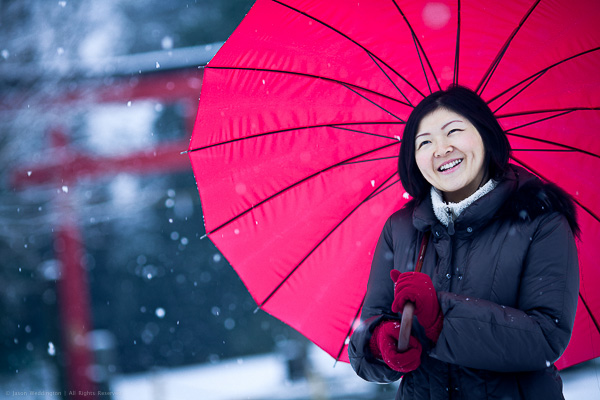
Snowy Day

Joy

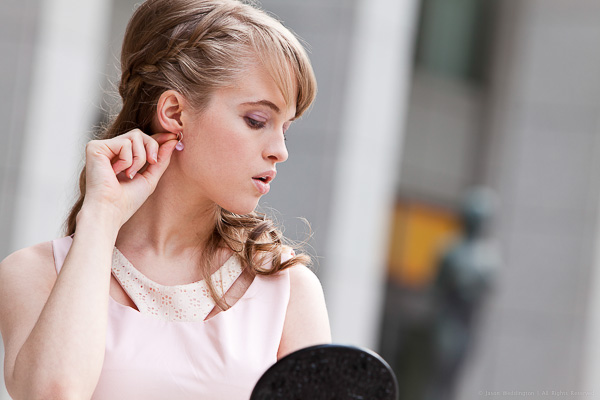
Fashion Shoot

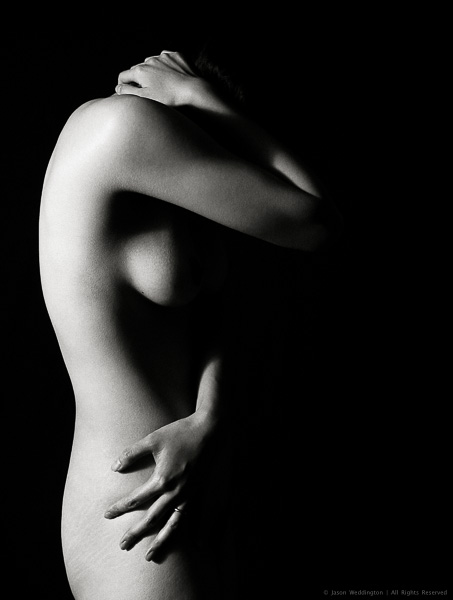
Figure

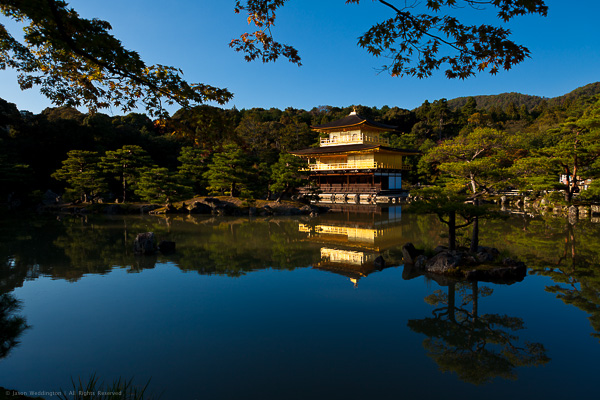
The Golden Pavilion

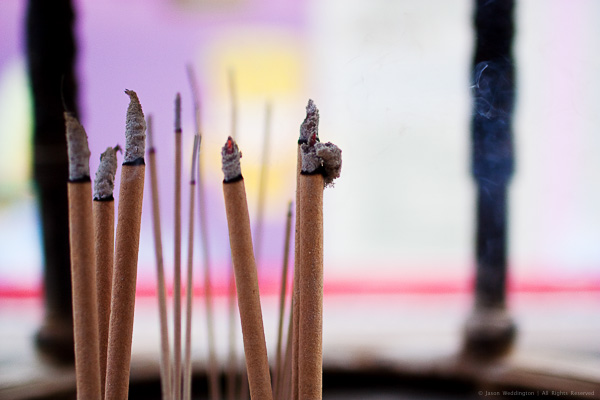
Joss Sticks

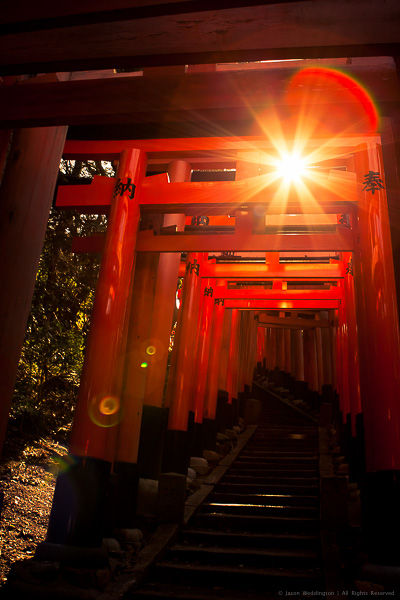
1000 Torii Gates

Post originally from: Digital Photography Tips.

Check out our more Photography Tips at Photography Tips for Beginners, Portrait Photography Tips and Wedding Photography Tips.

Meet The Photographers Who Write For Digital Photography School ~ Jason Weddington


Digital Photography School

 
Comments Off on Meet The Photographers Who Write For Digital Photography School ~ Jason Weddington

Posted in Photography


Meet The Photographers Who Write For Digital Photography School ~ Rick Berk

17 Mar

You’ve been reading their articles for months or years. Have you ever wondered: “Who are the photographers who write for dPS”? Today meet New York State photographer Rick Berk.

05-09-12_Maine_0179

1. How long have you been shooting?

I’ve been shooting since 1992, so about 21 years now.

2. Do you have a full time job or are you a full time photographer?

I have a full time job within the photo industry, but my full time job is not that of a photographer, if that makes any sense.  I photograph for my own creative outlet, and as a part time job on the side.  Part time, I photograph weddings and portraits, and I shoot landscapes as a creative outlet.  I have a website set up to sell my fine art work as well.

Rick-Portrait

Photographer Rick Berk

3. If you had to limit yourself to one genre of photography, what would it be and why?

Probably landscape photography.  I love nature and the outdoors and love capturing nature’s beauty. And mountains never complain that you made them look fat!

4. When did you start writing for dPS and why?

I started writing for dPS in September, 2012.  A friend saw that they were looking for writers and suggested I apply.  I had taught photo seminars as part of my previous job and thought this would be a great way to continue to share my love for photography.

5. What do you shoot with and what is your favorite lens?

I shoot Canon gear. Right now my cameras of choice are the EOS-1D X and the EOS 5D Mark III. I’m not sure I can choose just one lens as my favorite.  My favorite landscape lens is the EF 24mm f/1.4L II, but I also love the EF 14mm f/2.8L II.  For portraits, I always go to the EF 85mm f/1.2L II.

6. What would be your number one tip to any new photographer?

Learn to do as much in camera as possible. I’m all for using Photoshop to complete the thought but there is a difference between “fixing” in Photoshop and enhancing in Photoshop.  I would rather spend more time shooting and less time editing.

7. What’s your next big project?

I haven’t planned anything yet for 2013, but I will have at least one or two trips dedicated to photography.  Right now I’m eyeing the Oregon coast, and possibly the Outer Banks of North Carolina.

8. Where can people go to find out more about you and your work?

My website.

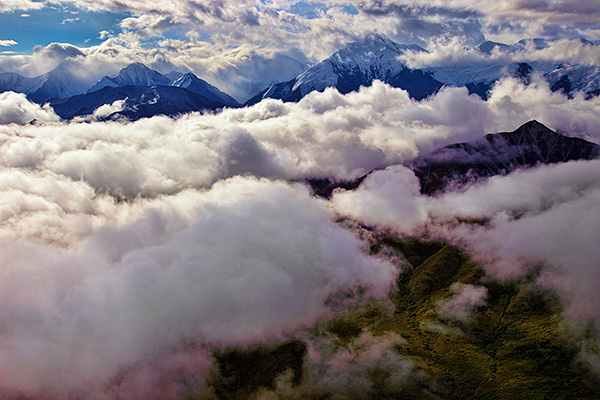
Alaska_2010_08_17_1221

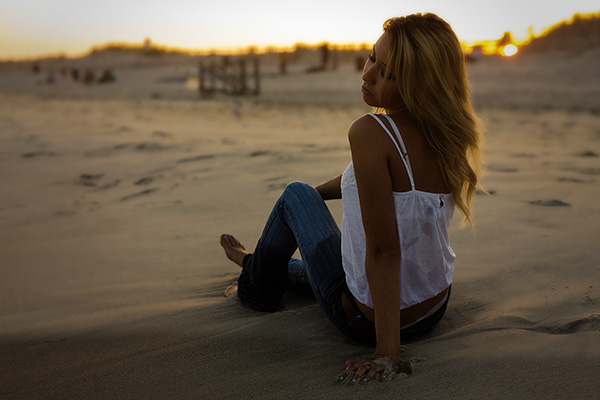
07-31-12_Heather_0278

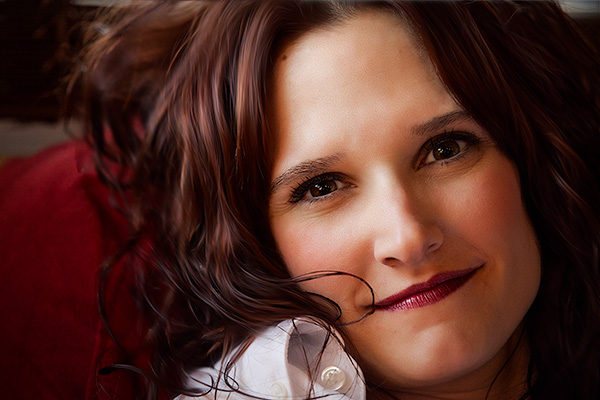
11-29-11_Christina_0237-Edit

Julia_Jyoti_20120323_1286

SG_Live_09-05-10_0600

Post originally from: Digital Photography Tips.

Check out our more Photography Tips at Photography Tips for Beginners, Portrait Photography Tips and Wedding Photography Tips.

Meet The Photographers Who Write For Digital Photography School ~ Rick Berk


Digital Photography School

 
Comments Off on Meet The Photographers Who Write For Digital Photography School ~ Rick Berk

Posted in Photography


Meet The Photographers Who Write For Digital Photography School ~ Alex Smith

10 Mar

You’ve been reading their articles for months or years, have you ever wondered “Who are the photographers who write for dPS”? Today we meet Alex Smith, another of the newer writers brought on to dPS last year.

Boston Trip_043010_0352(sRGB-websize)

1.) How long have you been shooting?

I have been shooting for the past 7 years in some way, shape or form.

Self Portrait-17(sRGB-websize)2.) Do you have a full time job or are you a full time photographer?

Photography for me is a hobby that has gotten out of control. I am not a full time photographer and spend my days as a member of one of the scariest, most fear-inducing professions in the world. I work as a dentist.

3.) If you had to limit yourself to one genre of photography, what would it be and why?

This is a tough one. I really enjoy all aspects of photography and love to push myself into the different genres as I find I always learn something new. If I had to limit myself though, it would be to conceptual portrait/fashion photography. I love pushing my own creativity and it is a blast to come up with an idea and see it through to the final image. Not to mention you get to meet a lot of great people with which to collaborate and create.

4.) When did you start writing for dPS and why?

I am new to dPS as of Oct/Nov 2012. I applied to write for dPS because I feel that I have learned a great deal from the site. I wanted to be able to give back to the site by contributing and communicating what I have learned to others. Also, I hoped to be a good motivational factor and example for all the other self taught hobbyists out there that are working hard to learn photography.

5.) What do you shoot with and what’s your favorite lens?

I started with a Nikon D80 and moved to a Nikon D3s a few years ago. Really, my favorite lens is whatever is on my camera, but if forced to choose it is likely the Nikon 24-70 mm f/2.8. It is extremely versatile and I find that it is on my camera most of the time.

6.) What would be your number one tip to any new photographer?

My number one tip to anyone starting out in photography is not to let fear rule you. This is a craft and skill that takes time to learn and you should approach it as something that you will be continuously learning more about. Don’t be afraid to make mistakes, try new things and get out of your comfort zone. You have to practice and make errors to get better and you can’t let all your blunders stand in the way of your progress. Just remember that all photographers start at the same point…the beginning. Don’t be ashamed of your skill or progress and just continue to work at areas you feel you need to improve.

7.) What’s your next big project?

Currently, I am working on a series of themed or conceptualized portraits in collaboration with a local make-up artist. I have been getting into more styling and planning with each shoot and am excited to see where these shoots are heading.

8.) Where can people go to find out more about you and your work?

You can find out plenty about me here on dPS and also at www.shutterhogs.com which is an ongoing project that I am trying to develop with a colleague. Also, I am on Twitter as @shutterhogs and my portfolio can be seen at 500px.com/alexsmith88.

Brittney Outdoors-34-Edit(sRGB-Websize)

Fire Creative Make-up-293(websize)

Denver Botanic Gardens-36(sRGB-websize)

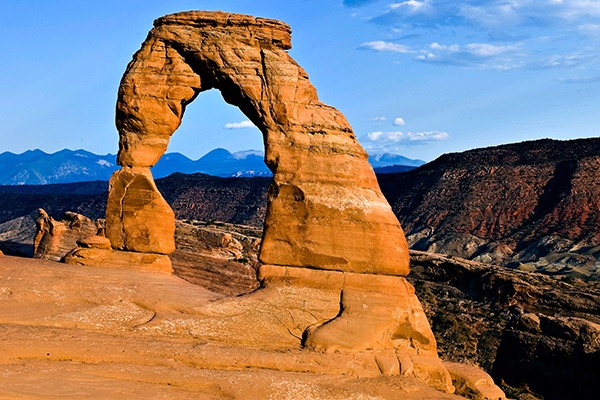
Delicate Arch_073109_0045(sRGB-websize)

Image 7

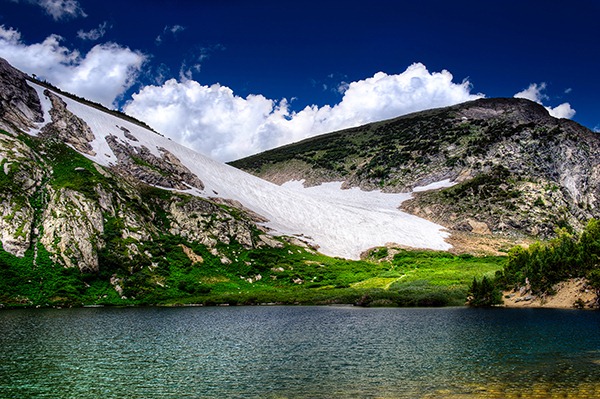
St. Mary's Glacier HDR final (sRGB-websize dPS)

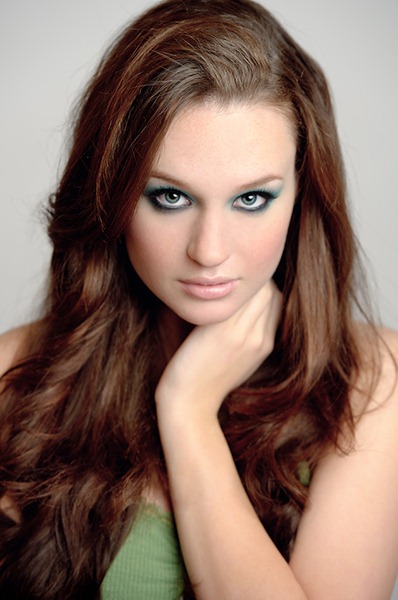
Shayla C-56 (sRGB-DPS)Websize

Natalie-332(sRGB-websize)

Katie Make-up-4(sRGB-websize)

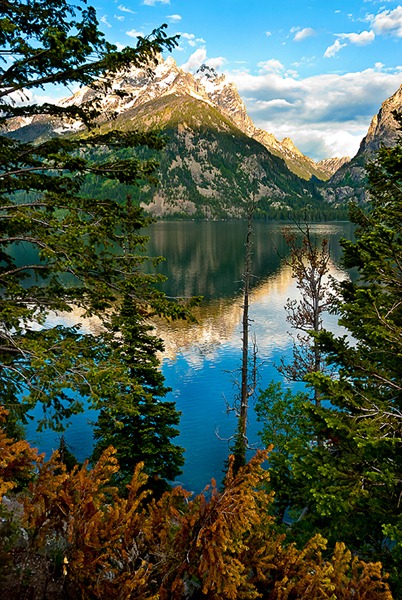
Jenny Lake_Jun302010_0001(sRGB-websize dPS)

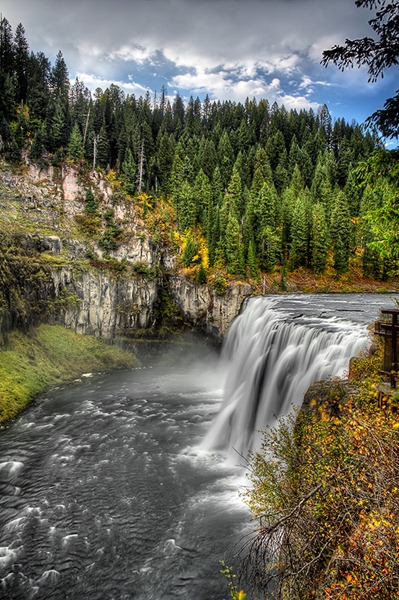
Mesa Falls-HDR(sRGB-websize)

Post originally from: Digital Photography Tips.

Check out our more Photography Tips at Photography Tips for Beginners, Portrait Photography Tips and Wedding Photography Tips.

Meet The Photographers Who Write For Digital Photography School ~ Alex Smith


Digital Photography School

 
Comments Off on Meet The Photographers Who Write For Digital Photography School ~ Alex Smith

Posted in Photography


Understanding Colour on Your Digital Camera

05 Mar

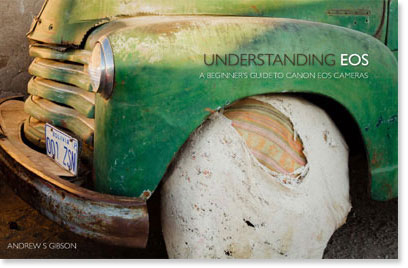
This is the third in a series of articles by Andrew S Gibson, the author of Understanding EOS: A Beginner’s Guide to Canon EOS cameras.
01

Joel Meyerowitz once asked ‘If the world is in colour, why shoot it in black and white?

Okay, I can think of plenty of good reasons for working in black and white, but it seems that most photographers work in colour a great deal of the time. And when you work in colour, you naturally want to configure your camera to give the best possible results. To do so, it’s important to understand how your digital camera records colour.

You may be wondering why this matters. Surely, digital cameras just accurately record the colours of the subject? Well, the truth is it doesn’t work like that. To understand why, we need to look at the nature of digital capture.
02

Digital capture

The creation of a digital photo occurs in two stages.

The first step happens when you take a photo. The shutter opens, light reaches the sensor, and then the shutter closes again. The sensor’s photodiodes react to the light that hits them and this information is converted to electronic form in a series of millions of bits and bytes.

The second step depends on the file format setting you have selected on your camera.

When you select Raw, the data captured by the camera’s sensor is compressed and recorded onto the memory card as a Raw file. The camera also generates a small JPEG file that is embedded in the Raw file so that you can preview it on your camera’s LCD screen.

When you select JPEG, the camera converts the information captured by the sensor into a JPEG file and then ditches the information captured by the sensor. The main aim of the JPEG format is to save memory card space (the file sizes are smaller) and to give you a file that doesn’t need any post-processing.

When the camera creates a JPEG file, it does so using the colour settings that you have dialled into the camera. Changing those settings alters the way the camera records colour.
03

Colour settings

There are two colour related settings you need to know how to use. One is white balance (I’ll tackle that in the next article in this series).

The second setting has a different name depending on the camera you have. It is called Picture Style on my Canon EOS cameras. It’s the term I’m accustomed to so it’s the one I’m going to use in the article.

Nikon calls it Picture Control.

Sony calls it Creative Style.

Pentax calls it Custom Image.

Olympus calls it Picture Mode.

Fuji calls it Film Simulation Mode. I like this name as it describes exactly what the settings do – emulate the look of various Fuji film types.
04

What’s the purpose of Picture Styles?

The purpose of Picture Styles, believe it or not, are to imitate the effects of using different films in the camera. Let me elaborate (I realise that this will seem a little abstract to anybody who hasn’t used a film camera).

If you use film, then you would select a film type that records the subject in a way that suits the subject.

For example, the film of choice for many years for most landscape photographers was Fuji Velvia. This was a high quality slide film that recorded deeply saturated colours. It emphasised hues like green and blue, making it ideal for creating punchy landscape photos.

On the other hand, if you are taking photos of people, Fuji Velvia is a poor choice of film. You would be better off using something like Kodak Portra. This is a colour negative film designed to give a softer, less saturated image with good skin tones.

In digital cameras, the idea that photographers should be able to change the colour settings to suit the subject they are photographing led to the development of Picture Styles. The same principle applies – you set the Picture Style that is most appropriate to the subject that you’re shooting.

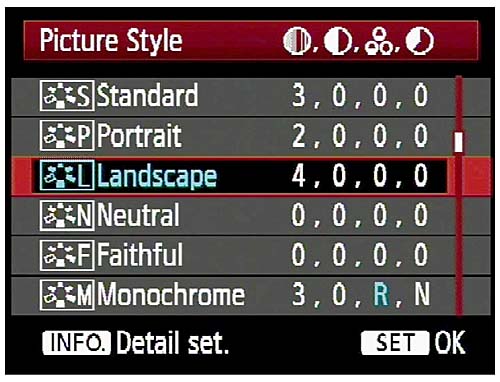
Let’s take a look at the default options on EOS cameras (check your camera’s manual for details if you own a different brand):
05

Out of the six, the three you would use most often are:

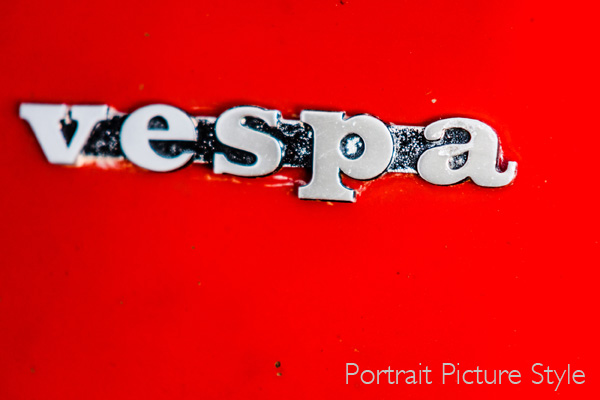
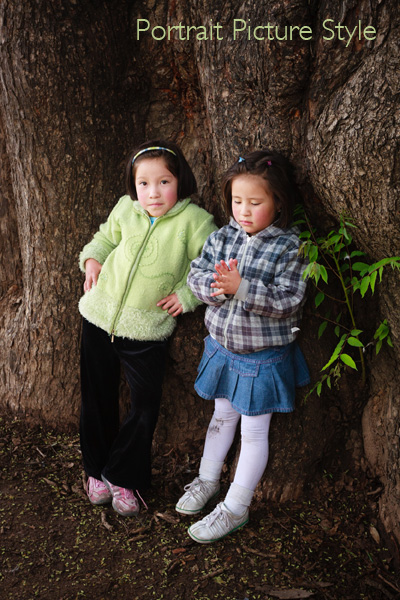
Portrait: For when you’re taking portraits. Obvious enough really. This Picture Style is designed to give warm, flattering skin tones.

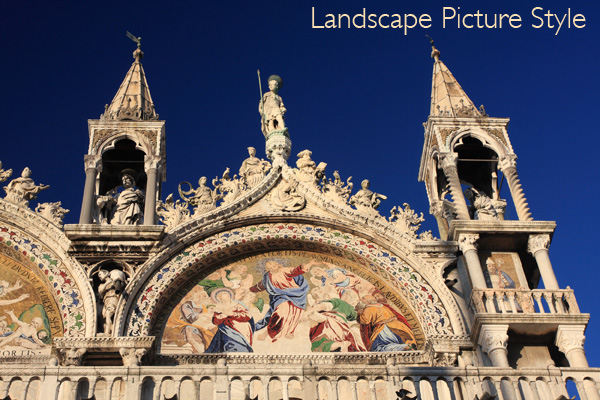
Landscape: Also straightforward. This Picture Style gives slightly sharper images than the portrait Picture Style and deeply saturated blue and green tones. It’s intended for landscape photos.

Standard: This is what you would use for just about every situation that isn’t a portrait or a landscape. It gives deeply saturated reds.

Neutral and faithful: These two Picture Styles are nearly identical and are designed to give soft, neutrally coloured JPEG files that are intended to be processed further in Photoshop. Given that most photographers who want to post-process now shoot Raw, these have virtually become redundant.

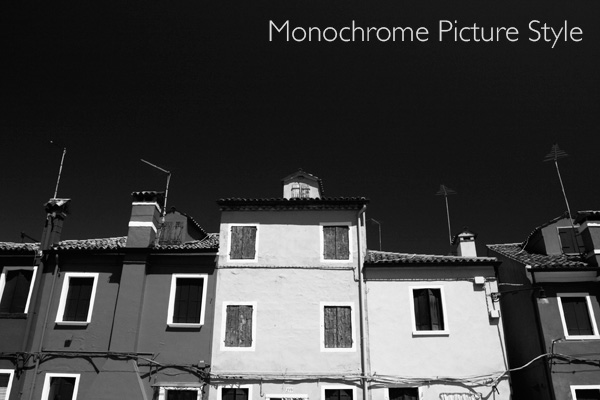
Monochrome: For black and white images. If you’re serious about black and white photography you’ll get much better results by shooting in Raw and converting the colour image to monochrome in post-processing. But, this Picture Style may come in useful if you want to dabble or simply don’t like to process images on a computer (not everybody does).
06

What is a Picture Style?

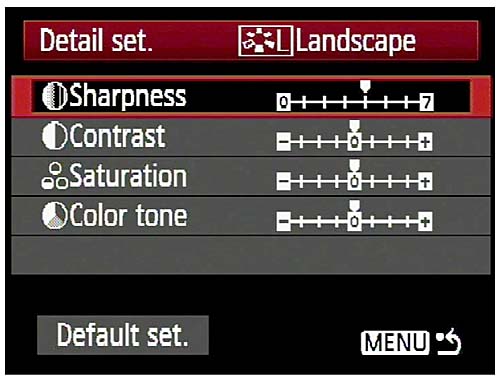
On Canon cameras, a Picture Style is made from four different settings. They are sharpness, contrast, colour saturation and colour tone. You can change any of these in the camera’s menu to alter the way a Picture Style works. This gives you a lot of control over the way your photos turn out.

Moving beyond Picture Styles

The Picture Style control is very useful if you use the JPEG format. But, as I touched on before, a lot of photographers now use the Raw format. Raw processing software has improved over the years to the point where the benefits in terms of image quality are too great to be ignored.
07

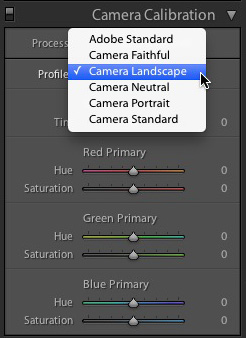
If you shoot Raw you don’t have to select the Picture Style at the time you take a photo. The Raw processing software lets you select the Picture Style at the time you process the file (the screenshot above is from Lightroom 4). That means you can select the Picture Style that most suits the image, and switch between the different options to see which you prefer.

Advanced workflow

If you use a program like Lightroom to process your Raw files, it has so many options for controlling and altering colour that the initial Picture Style you select may become irrelevant if you make lots of changes. If you use Lightroom presets to process your files the Picture Style hardly matters at all.

The same goes for Photoshop if you use Photoshop actions to change the look of your photos. Picture Style is just a starting point, and the result of the actions you use will have a much greater effect on the final result than the Picture Style you started with.

Conclusion

In short, the usefulness of the Picture Style setting depends very much on your shooting style and workflow.

If you use the JPEG format, then Picture Style is very useful as (along with the white balance setting) it determines the way in which your digital camera records colour.

If you use the Raw format, the Picture Style may not be very relevant at all. It provides a starting point and you may choose to use your Raw processing software to create a completely different look.

Did you know that the white balance setting is just as important as Picture Style when it comes to colour photography? I’ll explain why in my next article.

Previous articles

These are the earlier articles in the series:

Introducing the Creative Triangle

Finding Your Way Around the Mode Dial
08

Understanding EOS

Andrew S Gibson is the author of Understanding EOS: A Beginner’s Guide to Canon EOS cameras. The use of Picture Style is one of many topics explored within the ebook.

Post originally from: Digital Photography Tips.

Check out our more Photography Tips at Photography Tips for Beginners, Portrait Photography Tips and Wedding Photography Tips.

Understanding Colour on Your Digital Camera


Digital Photography School

 
Comments Off on Understanding Colour on Your Digital Camera

Posted in Photography


Phase One unveils IQ280, IQ260 and IQ260 Achromatic series digital backs

04 Mar

pjhaseone_IQ280.png

Phase One has unveiled the IQ260, IQ260 Achromatic and Wi-Fi enabled IQ280 medium format digital camera backs. The 60MP IQ260 and IQ260 Achromatic feature minimum shutter speeds of 1/10,000th of a second. The IQ260 Achromatic is a black-and-white version, with no color and IR filter. The 80MP IQ280’s wireless capability allows users to remotely capture and view images from iOS devices. All three backs feature 3.2″ multi-touch rear screens with 1.15m dot resolution, and built-in accelerometers. They will be available from June 2013 at suggested retail prices starting from €29,990 /$ 39,990.

News: Digital Photography Review (dpreview.com)

 
Comments Off on Phase One unveils IQ280, IQ260 and IQ260 Achromatic series digital backs

Posted in Uncategorized


Meet The Photographers Who Write For Digital Photography School ~ Helen Bradley

03 Mar

You’ve been reading their articles for months or years, have you ever wondered “Who are the photographers who write for dPS”? Today we meet Helen Bradley, a long time writer on the site.

helenbradley_image3

1. How long have you been shooting?

I have been shooting seriously for about ten years. I started quite by accident. I needed some slides for an art class so I borrowed a Pentax K-1000 film camera, got some quick instructions on how to use an SLR and headed out shooting. It was love at first click!

hb red hair smaller2. Do you have a full time job or are you a full time photographer?

I am a full time freelance lifestyle writer and part of what I do is to write tutorials, and produce videos and books about photography, Photoshop and Lightroom.

I also write about Microsoft Office and iPad apps so I get to include my photographs in what I do every day. If my photos aren’t the subject of a photography or post production tutorial, they’ll be illustrating a tutorial on some application or other.

3. If you had to limit yourself to one genre of photography, what would it be and why?

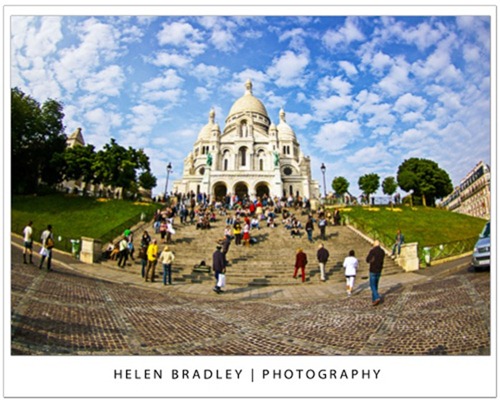
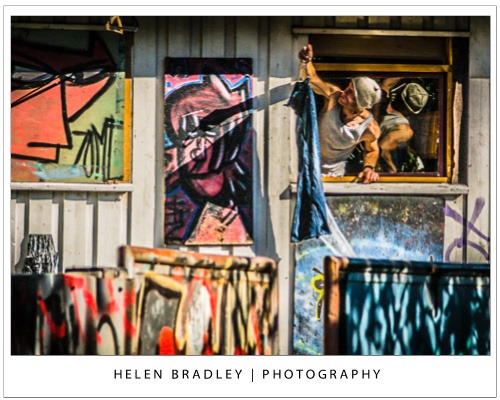
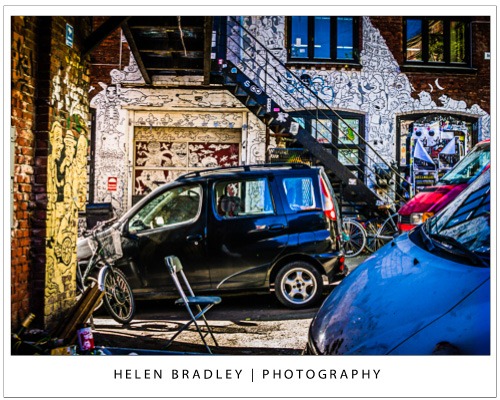
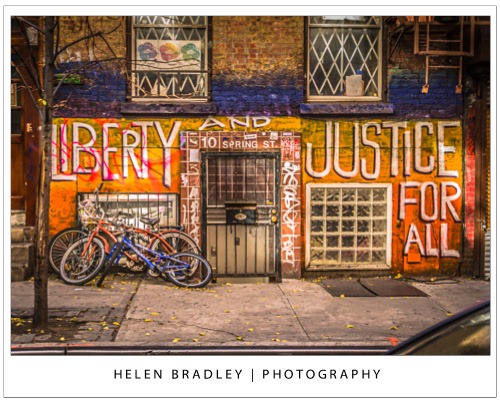
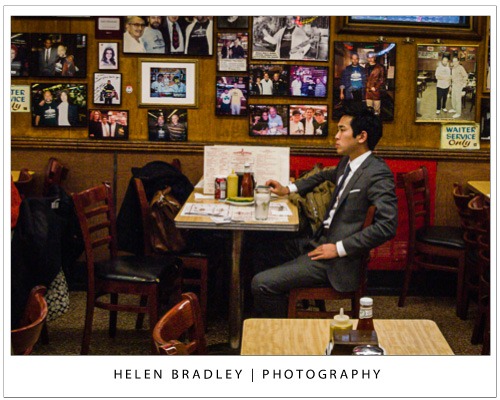
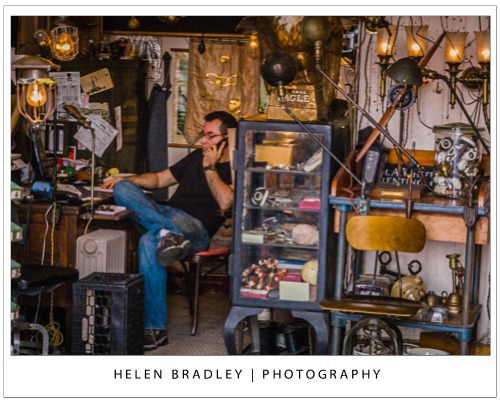
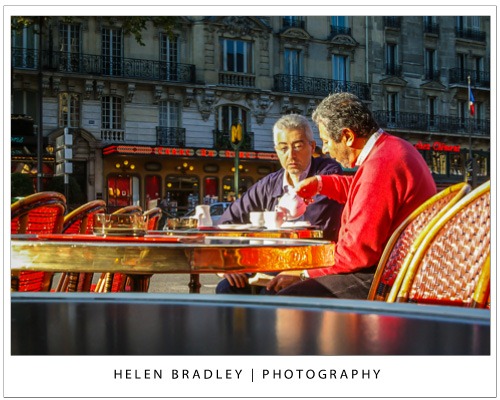
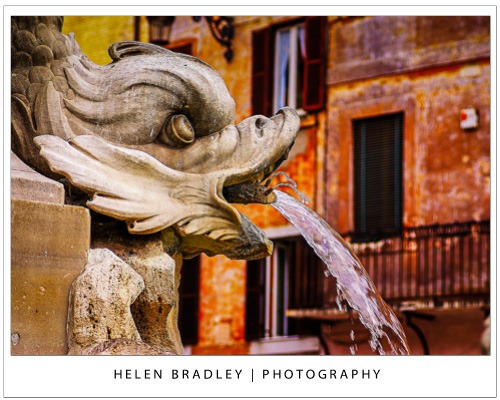
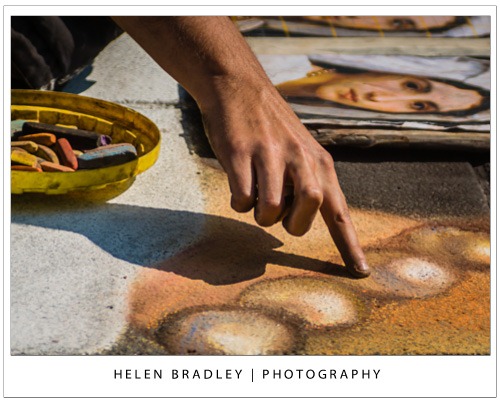
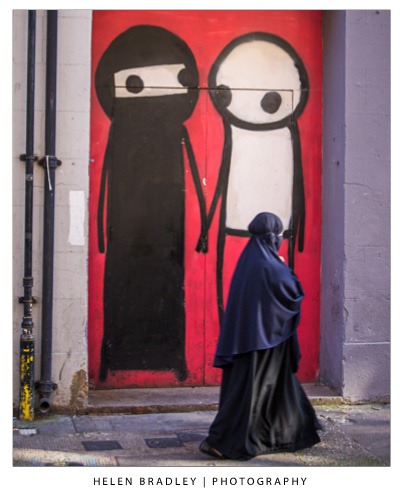
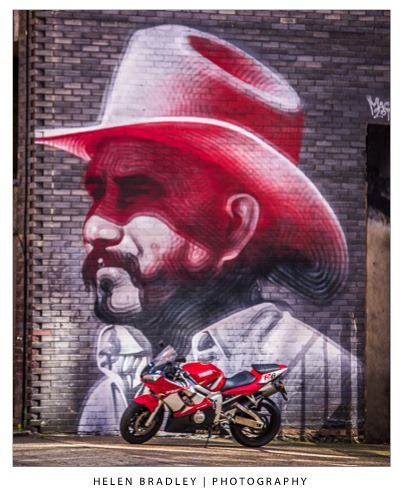
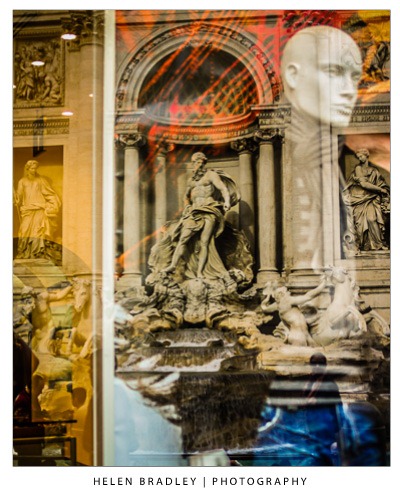
It would have to be street photography. I love city streets and the noise, dirt and bustle of big cities. I get a thrill from finding a really great piece of street art, stencil art or cool person to shoot. I like the buzz of shooting on the streets and interacting with people that I meet. I’ve met some really interesting people whom I’ve either photographed or spent time talking with because they too have a camera in their hand – or a paintbrush.

4. When did you start writing for dPS and why?

I started writing for dPS in December 2008. I’d seen a note saying Darren was looking for writers and being an Aussie I felt that that might tip the balance in my favor. I love writing about fun and interesting stuff. I’m a strong believer in something I once heard Guy Kawasaki say – that you should eat like a bird and poop like an elephant. He meant you should learn and absorb everything you can then spread the information far and wide. This is what I live to do so dPS was a logical fit for me.

5. What do you shoot with and what’s your favorite lens?

I am a camera junkie. I have boxes of film in my fridge, I own a Holga, a refurbished Polaroid land camera, a point and shoot converted for IR capture, a Lens Baby and my trusty Pentax K-7 and a bag of lenses.

My favorite lens is a 28-200 3.8-5.6 Tamron lens. It’s a great everyday lens – it’s the only lens I carry when I am out on the streets, it can capture pretty much anything and it’s not too heavy or awkward to hand hold.

6. What would be your number one tip to any new photographer?

Carry your camera with you. All the time. Everywhere. It’s really, really difficult to take a photograph without one.

7. What’s your next big project?

Thank you for asking! I’ve just launched a book in the 57 Secrets series. The book is 57 Secrets for Working Smarter in Photoshop and you can learn more about it at http://www.57secrets.com/photoshop.htm. It is available as a Kindle ebook and a printed book from Amazon.com http://www.amazon.com/57-Secrets-Working-Smarter-Photoshop/dp/161038010X/ref=sr_1_2?ie=UTF8&qid=1357091649&sr=8-2&keywords=57+secrets+photoshop

8. Where can people go to find out more about you and your work?

My web site and blogs are all at: http://www.projectwoman.com

I have a craft blog at: http://www.craftinggoodness.com

Find me on Facebook: http://www.facebook.com/projectwoman

Twitter: http://www.twitter.com/helenbradley

YouTube channel: http://www.youtube.com/user/HelenLBradley

Google Plus: https://plus.google.com/116149445148279071329/posts

I also offer classes on Photoshop, Photoshop Elements and Lightroom and one on one training. Details here: http://projectwoman.com/articles/44PhotoshopTraining.htm

helenbradley_image1

helenbradley_image2

helenbradley_image4

helenbradley_image6

helenbradley_image5

helenbradley_image7

helenbradley_image8

helenbradley_image9

helenbradley_image10

helenbradley_image11

helenbradley_image12

Post originally from: Digital Photography Tips.

Check out our more Photography Tips at Photography Tips for Beginners, Portrait Photography Tips and Wedding Photography Tips.

Meet The Photographers Who Write For Digital Photography School ~ Helen Bradley


Digital Photography School

 
Comments Off on Meet The Photographers Who Write For Digital Photography School ~ Helen Bradley

Posted in Photography


Digital imaging at the Mobile World Congress 2013

27 Feb

mwc.jpg

It is day two at the Mobile World Congress in Barcelona and the team at connect.dpreview.com are there, covering the newest in smartphone and tablet camera technology. We’ve visited the stands of LG, Samsung, ZTE, Asus and Huawei to cover their latest products and as well as news and commentary we’ve published several brief hands-on articles with the latest new gear. Click through for links to the latest content at connect.dpreview.com.

News: Digital Photography Review (dpreview.com)

 
Comments Off on Digital imaging at the Mobile World Congress 2013

Posted in Uncategorized


Plastic Cameras: Lo-Fi Photography in the Digital Age [Book Review]

27 Feb

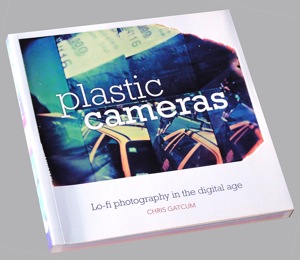
Plastic camerasYears ago a cinematographer friend told me of a dinner he once had in Paris with a Mr Cooke. Mr Cooke of the famed British optical firm Cooke, Taylor and Hobson.

During the meal Mr Cooke explained that he spent most of his waking and working hours designing lenses to perform with maximum sharpness and minimum degrees of aberration to achieve the perfect capture of the photographic image. In spite of these heroic efforts he spoke with some level of bitterness that certain cinematographers persisted in covering his carefully crafted lenses with all sorts of rubbish, grease and diffusers to degrade, soften and generally muck up the performance of these precisely manufactured optics … all in the pursuit of artistic expression!

Just as the plastic cameras described in this book do today!

Author Gatcum is of the opinion that digital photography and the associated image editing software has made it so much easier to produce perfect shots … but there are many enthusiasts out there who don’t necessarily want ‘perfect shots’. It’s at this point in the argument that plastic cameras and their ‘lo-fi’ aesthetic enter the discussion.

You have only to flip through the images in the book to enjoy the thrills and spills that plastic cameras can create! Images with severe vignetting, extreme aberrations, uneven sharpness across the frame, colour that shows that things are definitely not right in the lenses’ colour capture. For not right, read very right in the vocab of the adventurous photographer!

From my own experiences with early Diana cameras and more recent LOMO replicas you have to take a chance, sometimes succeeding with a shot that stuns! Or that doesn’t! Perfection is not on the menu! Chance is the name of the game!

Diana F front

The story really starts with the original Diana, made by the Great Wall Plastics factory in Hong Kong in the 1960s and first sold for about a dollar. By the 1970s the resourceful and wise out there quickly saw the Diana’s potential and snapped them up from junk shops to began using them for creative photography. These days the original $ 1.00 Dianas sell on eBay for $ 50 plus.

By 2007 the Lomography company saw an opportunity and cleverly re-manufactured the Diana and its sub models, selling them for prices approaching $ 100, complete with all their imperfections.

These days we’re spoilt for choice. The book lists dozens of crazy models, all available from companies such as Lomo and the like.

Like the magnificent 120 format Holga and its variations. These include the Holga 120 TLR, the Holgaroid, the Holga 120 3D, Holga PC pinhole camera. Also in 35mm: Holga 135 TLR.

Lomo of course markets a wide variety of models: the 35mm based LC-A, the Lomo Smerna duet of models, with one sporting a flash socket. Plus many, many more.

And a long list from other makers: Blackbird; Recesky TLR; Halina Panorama; Twinkle 2; Split-Cam; Robot 3; Action 4; Agat 18k; Ikinimo 110 … the list goes on.

Then the game got clever: you can now buy Holga lenses that fit current DSLR models such as Olympus and Panasonic Four Thirds format models.

There are even apps that digitally replicate the look and feel of plastic cameras!
The book is a ball of fun and even if you never buy a plastic camera to pursue the path of erratic photographic capture you will enjoy the ride as you thumb through its pages.

Footnote: these days the name Cooke appears on high level lenses used still in feature film and TV series photography. They’re highly regarded and no doubt are frequently plastered with layers of Vaseline, parachute silk, ripstop nylon etc!

Author: G Gatcum.
Publisher: Ammonite Press.
Distributor: Capricorn Link.
Length: 192 pages.
ISBN: 978 1 90770 840 4.
Price: “Get a price on Plastic Cameras at Amazon (currently 22% off)

Post originally from: Digital Photography Tips.

Check out our more Photography Tips at Photography Tips for Beginners, Portrait Photography Tips and Wedding Photography Tips.

Plastic Cameras: Lo-Fi Photography in the Digital Age [Book Review]


Digital Photography School

 
Comments Off on Plastic Cameras: Lo-Fi Photography in the Digital Age [Book Review]

Posted in Photography


Meet The Photographers Who Write For Digital Photography School ~ Anne McKinnell

25 Feb

You’ve been reading their articles for months or years, have you ever wondered “Who are the photographers who write for dPS”? Today we meet Anne McKinnell, one of our brand new, fresh and minty smelling writers.

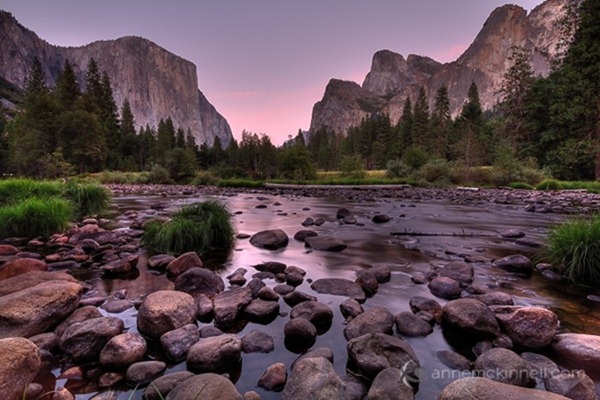
Gates of the Valley

1. How long have you been shooting?

About 6 years if you add it all together.

The first time photography was part of my life was in university 20 years ago. I wrote for the student newspaper and bought a used Canon AE1 so I could take photographs to go with my stories. I used to roll my own film, develop it, and make prints in my bathroom. After university I did some travel photography in eastern Europe.

Back then I lived in a darkness. My images were journalistic in style and focused on problems in the world, sad stories, homeless people, and I even had a whole series on graveyards. It is as if I lived in a world full of only bad things.

I photographed less often during the time I was building my career in software and working to pay for my house. When digital photography came out, I gave up on it all together thinking now anyone could make a perfect photograph.

A decade later I realized that digital photography does not mean anyone can make a perfect image. I renewed my interest in photography and purchased my first DSLR about 4 years ago.

self portrait2. Do you have a full time job or are you a full time photographer?

Well, about a year and a half ago I made a rather huge change in my life. I sold my house in Victoria, BC, closed my software consulting business, bought an RV and hit the road for the life of a nomadic photographer.

I decided that if I ever wanted to be a travel photographer I should just start living that life and see what happens. So I’m a full-time photographer now, it’s my second career, and I’m having a happier and more fulfilling life. I don’t make as much money as I used to but I’m happier.

3. If you had to limit yourself to one genre of photography, what would it be and why?

When I got back into photography four years ago I did it for a specific reason. Photography is the tool I use to become a happier person and so I decided to only photograph beautiful things and leave the darker side of life for other photographers.

I have a tendency to see and focus on all the negative things in the world. I wish I was one of those positive people who see the bright side of life, but I’m not. Being inspired by Dewitt Jones, I try very hard to focus on “what is right with the world” and I use photography to help me do that.  It really works and has changed my perspective greatly.

So my one genre of photography would have to be landscape and nature. When I see something in nature that is beautiful it reminds me that the world cannot be all bad. My favourite thing is to get out in nature and find beautiful things that inspire me and keep me sane. Seascapes at twilight is what really does it for me.

4. When did you start writing for dPS and why?

I’m new! I just starting writing for dPS a couple of months ago. I have always loved writing and I did a lot of teaching in my software business so it seemed natural to combine writing, teaching and photography this way. It also helps me bring my photography to a wider audience.

5. What do you shoot with and what’s your favorite lens?

I have a Canon 7D. My favourite lens is my 24-105L lens, probably because it’s my only L lens and it’s the perfect range for those times when I go out with only one lens. It’s extremely versatile. However I have to say that on a couple of occasions I have rented the 400mm f/5.6L for wildlife photography and I LOVE that lens.

6. What would be your number one tip to any new photographer?

Slow down. You have to change the way you go about photography to progress from making snapshots to making great images that have impact. Spend some time thinking about the scene and what you want to say about it. I like to spend a little time coming up with adjectives that describe the scene and then use those adjectives to decide what kind of image I want to make. For example, if I come up with adjectives like “peaceful, calm, blue” I might use a very different technique then if my adjectives are “dramatic, stormy, gritty.”

7. What’s your next big project?

I’m currently writing a series of eBooks for new photographers that will help them enhance their vision, exercise their creativity, and learn new tools and techniques along the way.

It’s a bit of an unconventional approach because I believe in learning a bit of everything at the same time. When you get your first DSLR it’s no fun to memorize your camera manual until you understand what every single button does without making any images. It’s no fun to study composition endlessly without trying some fun techniques too.

I think of it like a chemistry class in high school. Sure, you have to learn the formulas and memorize some stuff, but you also have to melt things and set stuff on fire or you’ll get bored and start to hate chemistry.

You need to learn a bit of each thing and progress in all areas simultaneously and that’s how I try to guide new photographers in my eBooks.

8. Where can people go to find out more about you and your work?

The best place is on my website where I have a blog about my travels and how I make each of my images. I also have two free photography eBooks available there.

My website: http://annemckinnell.com

I’m also on a bunch of social networks:

Google+: http://gplus.to/annemckinnell

Twitter: https://twitter.com/annemckinnell

Facebook: https://www.facebook.com/AnneMcKinnellPhotography

Pinterest: http://pinterest.com/annemckinnell/

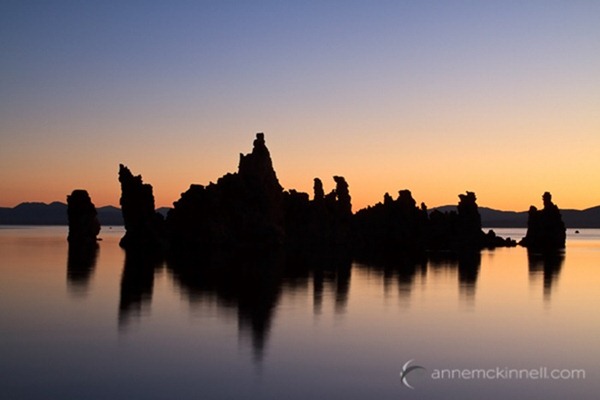
Mono Lake Silhouette

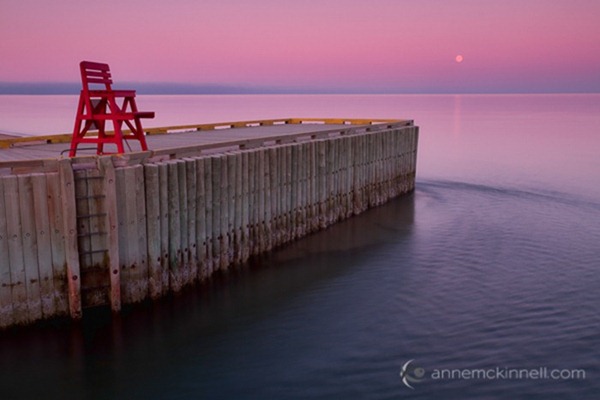
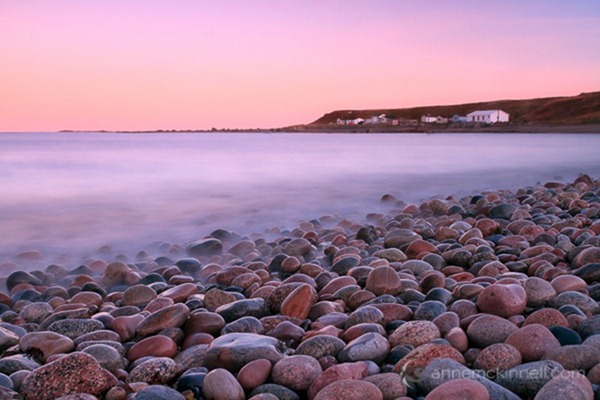
Basin Head

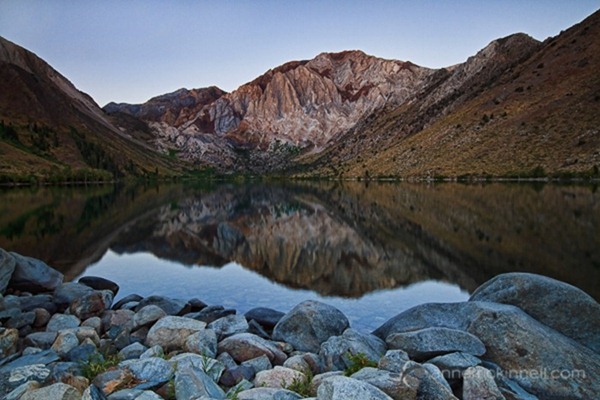
Calm at Convict Lake

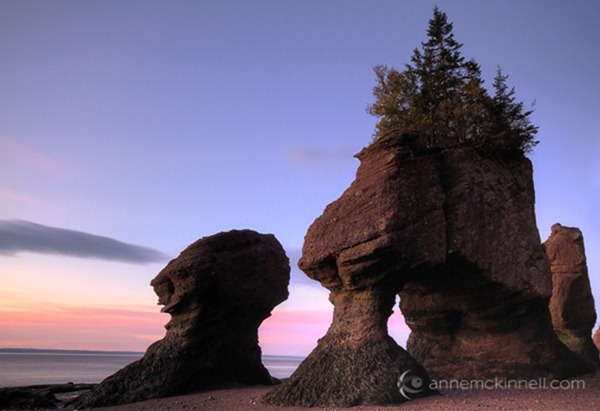
Walking on the ocean floor

Green Point Beach

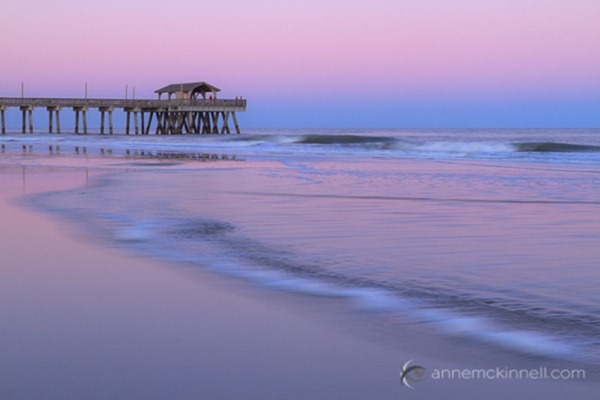
Tybee Pier

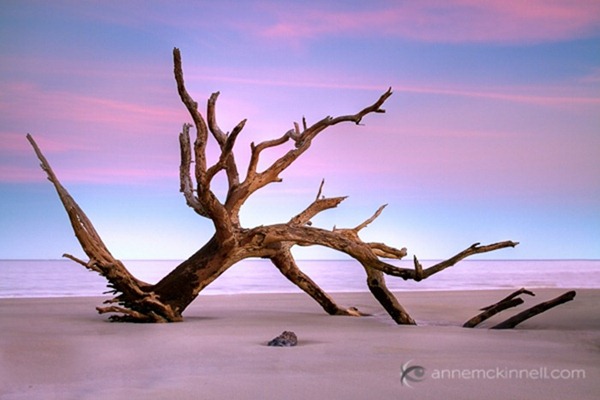
Boneyard

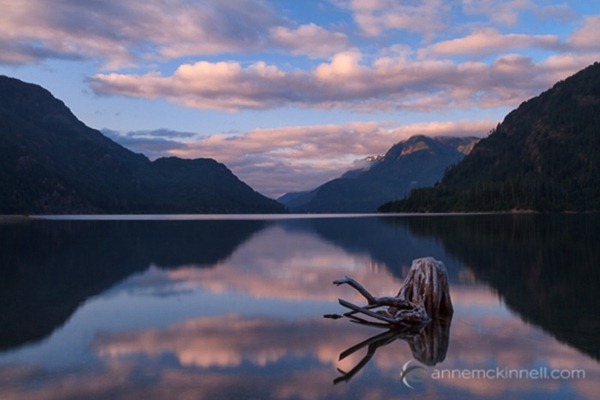
Buttle Lake

Rebecca Spit

Post originally from: Digital Photography Tips.

Check out our more Photography Tips at Photography Tips for Beginners, Portrait Photography Tips and Wedding Photography Tips.

Meet The Photographers Who Write For Digital Photography School ~ Anne McKinnell


Digital Photography School

 
Comments Off on Meet The Photographers Who Write For Digital Photography School ~ Anne McKinnell
Posted in Photography