RSS
 

Posts Tagged ‘Design’

Drone Design: 14 Autonomous Gadgets Taking Tech to New Heights

20 Sep

[ By SA Rogers in Gadgets & Geekery & Technology. ]

drone-design-millennium-falcon-2

Their efficiency in the real world is yet to be established, but if these drone concepts and fully-realized creations are any indication, some of us could be looking at losing our jobs to robots in a range of industries over the net couple decades. From emergency responders to face-recognizing cameras, many of these autonomous flying gadgets take over tasks currently completed by pilots, construction workers, delivery drivers and videographers – but sometimes, they’re just for selfies.

Mercedes-Benz Electric Vision Van with Rooftop Drones

drone-design-mercedes-1

drone-design-ercedes-2

Designed for last-mile delivery in urban and suburban contexts, the all-electric ‘Vision Van’ by Mercedes-Benz is the first of its kind to feature built-in aerial drones that enable multiple package deliveries in a single neighborhood at the same time. This theoretically reduces the number of vehicles in any given residential area and makes the delivery process totally emissions-free. The van also features blue LED lighting on the lower body and slide-out shelving units. It certainly takes windowless vans to another level.

ROAM-e Mini Selfie Drone

drone-design-roam-e

drone-design-roam-e-2

What would have been seen as undeniably dystopian in previous decades is now packaged as a selfie assistance tool. The ROAM-e drone can be programmed with facial recognition technology so it follows you around like a puppy, snapping your photo or streaming live video all the while. Admittedly, the video function could be helpful, standing in for a camera operator in all sorts of settings and going where they can’t go (unless they’re secretly superheroes). The drone can be collapsed and folded to the side of a water bottle an two hours of swappable charging keeps the drone in the air for up to 20 minutes (for longer videos, switch out the battery.)

PowerEgg Drone

drone-design-power-egg

drone-design-power-egg-2

A small egg-shaped device sprouts propellers and turns into a personal camera drone at the push of a button. The PowerEgg by PowerVision is clean, simple and easy to transport, featuring a 360-degree panoramic 4K HD camera, advanced sensors for indoor navigation and real-time, long-range video transmission. You can snag one yourself for $ 1,288.

Drone Ambulance by Argodesign

drone-design-ambulance

drone-design-ambulance-2

Could this Drone Ambulance concept by Argodesign save lives by enabling more flying responders to hit the ground faster than a single helicopter? It’s about the size of a compact car and can land in much smaller areas, and a single pilot can manage an entire fleet of them remotely.

Trident Underwater Drone

drone-design-trident

drone-design-trident-2

Explore bodies of water without ever getting wet thanks to the Trident drone by Berkeley robotics company Openrov. No scuba gear and training is required when you send this portable machine down into the water in your place, and it can dive to a depth of 100 meters, sending live HD video to the surface via a thin buoyant tether. It can be controlled from the surface by a laptop or mobile device. The Trident is set to hit the market in November.

Next Page – Click Below to Read More:
Drone Design 14 Autonomous Gadgets Taking Tech To New Heights

Share on Facebook


[ By SA Rogers in Gadgets & Geekery & Technology. ]

[ WebUrbanist | Archives | Galleries | Privacy | TOS ]


WebUrbanist

 
Comments Off on Drone Design: 14 Autonomous Gadgets Taking Tech to New Heights

Posted in Creativity


Peak Design adds Range Pouch to Everyday lineup

01 Sep

Peak Design has added the Range Pouch to its lineup of versatile Everyday camera bags. The pouch is designed to carry a lens on a belt, in a bag or on a strap, and is available in three sizes. The smallest is designed for kit and prime lenses, and the large will fit up to a 70-200mm. The pouches pack down flat when not carrying a lens, and the larger models can be configured to fit a couple of smaller lenses stacked on top of each other.

Right now the Range Pouch is available as an add-on when you back Peak Design’s current Kickstarter campaign. The small Range Pouch can be added for $ 29, the medium for $ 34 and the large for $ 39. Following the campaign, the small will cost $ 35, the medium $ 40 and the large $ 45.

Articles: Digital Photography Review (dpreview.com)

 
Comments Off on Peak Design adds Range Pouch to Everyday lineup

Posted in Uncategorized


Toasteroid: Print Your Own Custom Toast Design With This App

23 Aug

[ By SA Rogers in Gadgets & Geekery & Technology. ]

toasteroid

You don’t necessarily need skills to be a food artist these days, now that smartphone apps make it possible to do things like print custom designs on your breakfast. A gadget called the Toasteroid (a toaster on steroids?) caters to those who demand more than just the browning of bread from the typically simple kitchen appliance, boasting that it also functions as a personal weather forecaster, private messenger and doodle pad. If Kickstarter is any gauge, there’s been a long-simmering demand for just such a device.

toasteroid 2

The Toasteroid comes with a companion mobile app, and you connect your smart phone to the toaster via Bluetooth. Choose from a collection of templates available within the app or draw your own design, which will have to be fairly simple and pixelated by virtue of the way the toaster works. You can also request that the toaster prints today’s weather right onto your breakfast. There’s a fairly sensitive brownness control, and if you don’t feel like fussing with it, an ordinary lever on the side lets you use it like a normal toaster.

toasteroid 5

toasteroid 4

If you know somebody else who has a Toasteroid, you can send them a private message via toast. Presumably, the app will prompt them to stick a piece of bread into their own toaster so they can receive it. The makers also note that you can leave yourself or a loved one a reminder that’s hard to ignore – at least, until you stuff it into your mouth. Probably the most useful function is pleasing picky kids who demand that their favorite cartoon characters be visible on every conceivable surface.

toasteroid 6

toasteroid 8

If you’re still asking why, Toasteroid is ready with an answer: “Because why not.” Sure, not everything in our homes should be a needlessly complicated smart gadget, but the Toasteroid does have all the same functions as any high-end toaster and costs less than a lot of them if you get in on the pre-sale. 

Share on Facebook


[ By SA Rogers in Gadgets & Geekery & Technology. ]

[ WebUrbanist | Archives | Galleries | Privacy | TOS ]


WebUrbanist

 
Comments Off on Toasteroid: Print Your Own Custom Toast Design With This App

Posted in Creativity


Beyond Chernobyl: 15 Design Concepts for a Post-Nuclear World

26 Jul

[ By SA Rogers in Art & Drawing & Digital. ]

Screen Shot 2016-07-25 at 8.51.52 AM

30 years post-Chernobyl and 5 years after Fukushima, we still haven’t figured out how to deal with lingering radiation in the wake of a nuclear disaster or come up with a foolproof way to protect ourselves from similar incidents in the future. Nuclear disaster-focused concept designs address everything from repopulating Chernobyl and safeguarding against radiation-poisoned seafood from Japan to living in a dystopian post-apocalyptic future where mechanical dogs scout the streets.

Self-Contained Fallout-Absorbing City for Chernobyl

nuclear pripyat-self-contained-city

nuclear pripyat-city-in-a-box

nuclear pripyat-aurora-skyscraper-design

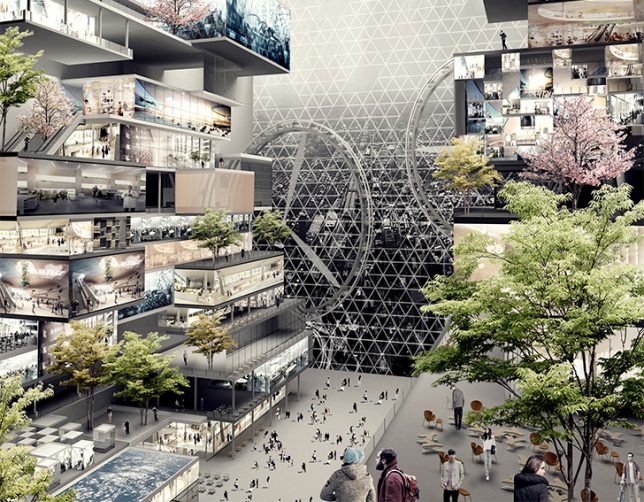
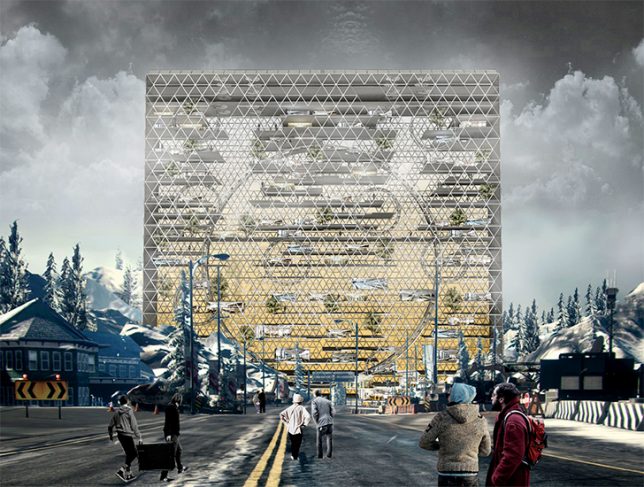
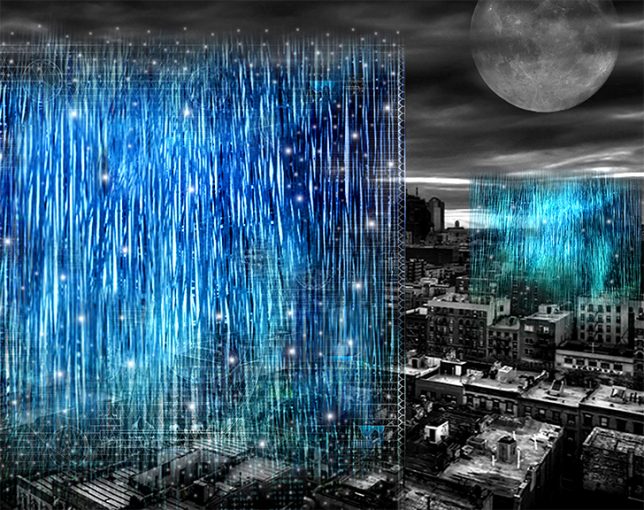
People are beginning to resettle the post-Chernobyl nuclear wasteland surrounding Pripyat, Ukraine whether radiation reaches safe levels or not, and this skyscraper concept is an attempt to minimize harm, creating a sort of self-contained oasis among the fallout. The skin of the building essentially acts as an anti-radiation force field, and the ‘Unexpected Aurora’ building itself filters air and water and harvests solar energy.

HAL Exoskeleton Turned Radiation Suit

nuclear HAL suit 2

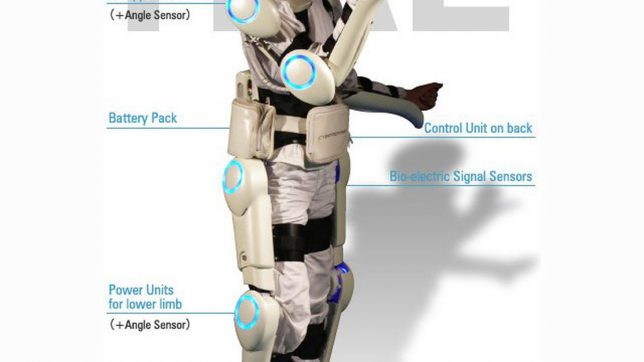
Originally designed to help people with muscle diseases, the Hybrid Assistive Limb (HAL) suit got a post-Fukushima upgrade to make it a radiation-proof suit for emergency responders. A typical anti-radiation tungsten vest weighs up to 132 pounds, making it very difficult to wear for long periods, but the HAL exoskeleton supports its weight, reducing fatigue and allowing greater access to hazardous sites.

Revitalization of the Chernobyl Zone

nuclear chernobyl revitalization

nuclear chernobyl revitalization 2

nuclear chernobyl revitalization 3

nuclear chernobyl revitalization 4

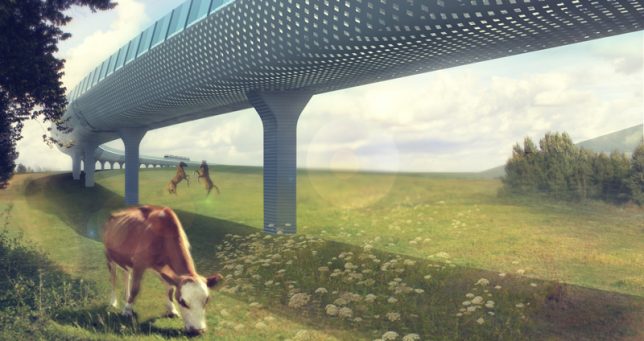
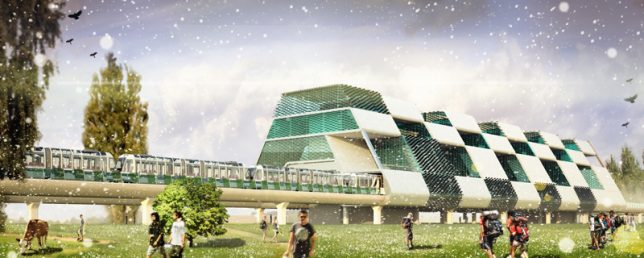
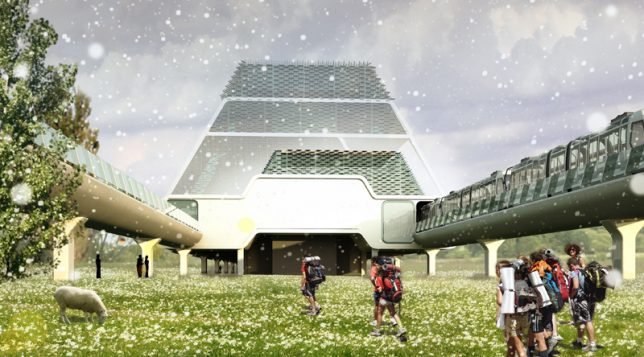
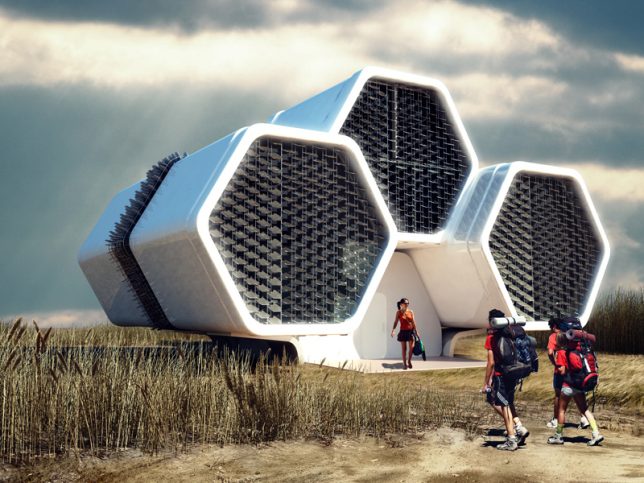
Another proposal for repopulating the Chernobyl exclusion zone seeks not to be entirely self-contained, but act as a framework for further development of human activity in the area, with a mono-railroad as its backbone. This rail line leads to modular train stations with emergency shower cabins and a decontamination zone, as well as honeycomb-shaped modular housing and observation towers. The development accommodates stubborn residents and curious tourists alike, providing plenty of opportunities to observe Pripyat in its new form.

Fukushima Plates Detect Radiation

nuclear radiation plate

nuclear radiation plate 2

nuclear radiation plate 3

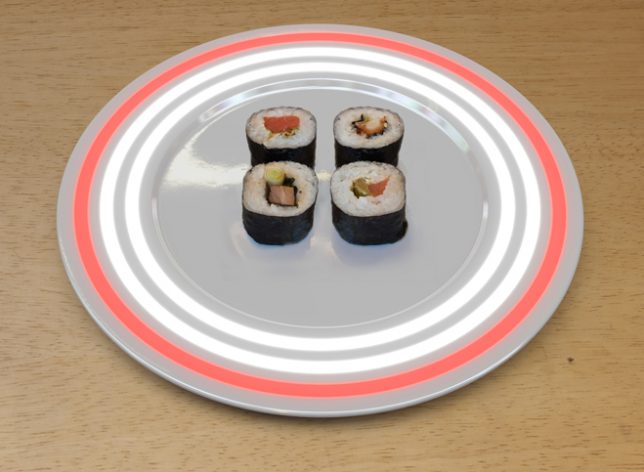
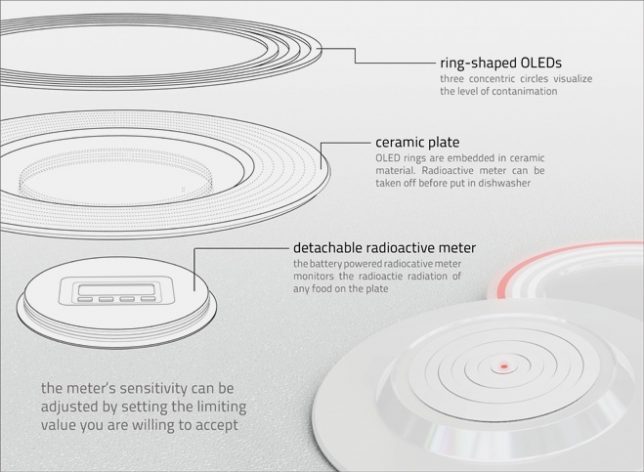
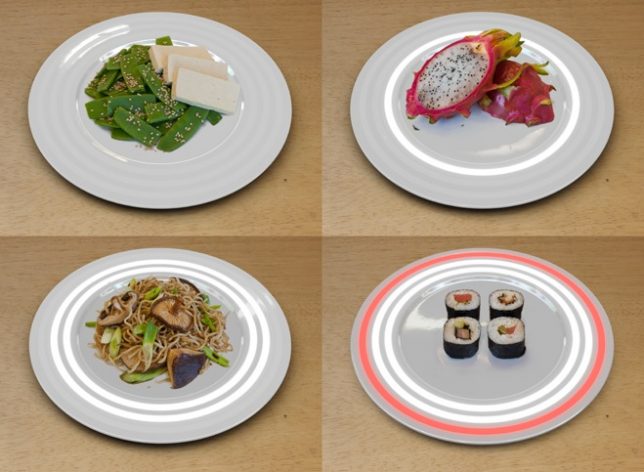
After the Fukushima disaster in Japan, a lot of sushi lovers questioned whether seafood imported from the region was safe, hence this concept by German designer Nils Ferber. There’s a radiation meter built right into each plate, with LED lights to warn you if your food is dangerously radioactive. One glowing white light tells you your food contains low levels of radiation, two white lights advise caution while a large red ring tells you it’s not safe to eat. “In a society that sacrifices reason to profit, security becomes a luxury for those who can afford it,” says the designer. “The plate might become an indispensable tool of survival in the future.”

Mech Suits, Chernobyl Patrol + More by Vitaly Bulgarov

chernobyl black phoenix main

Screen Shot 2016-07-25 at 8.52.41 AM

nuclear bulgarov 1

nuclear bulgarov

nuclear bulgarov 4

nuclear bulgarov 3

nuclear bulgarov 5

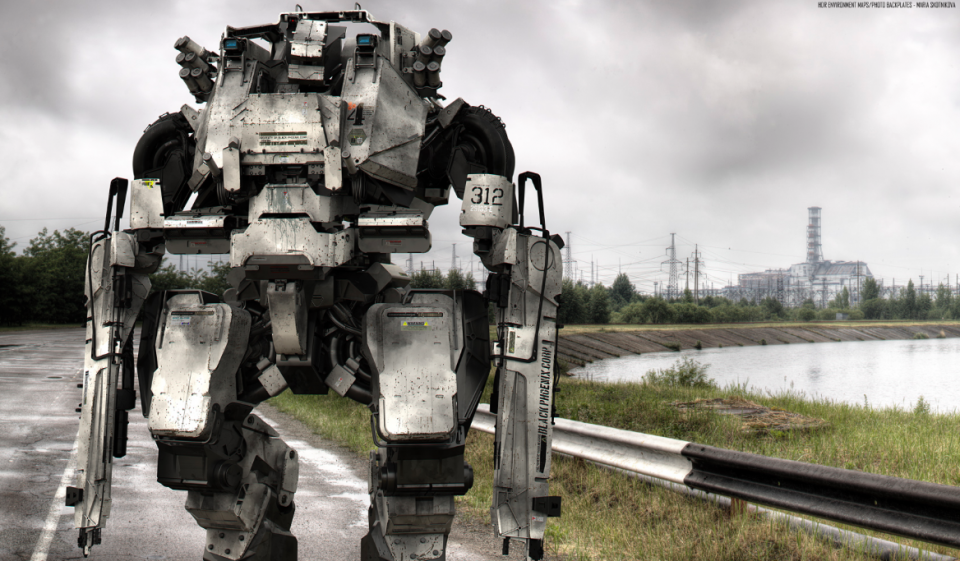
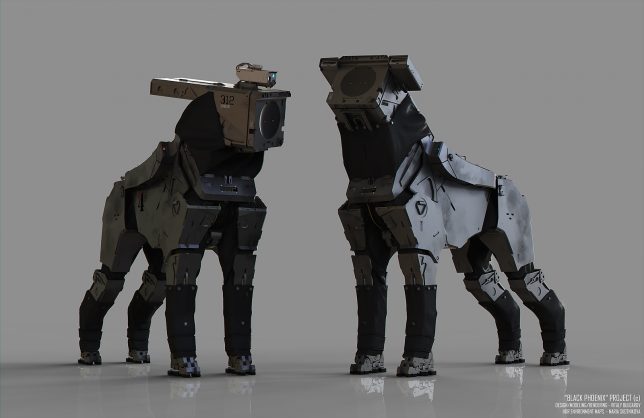
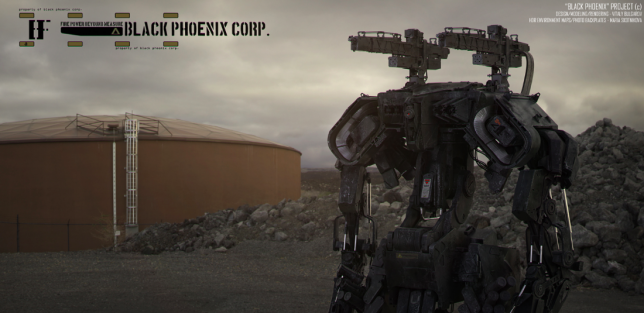
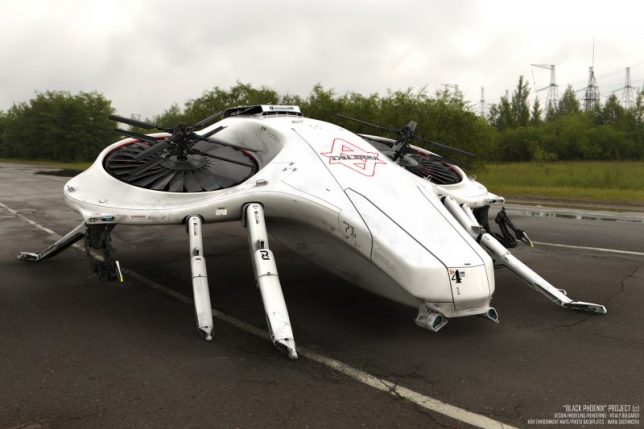
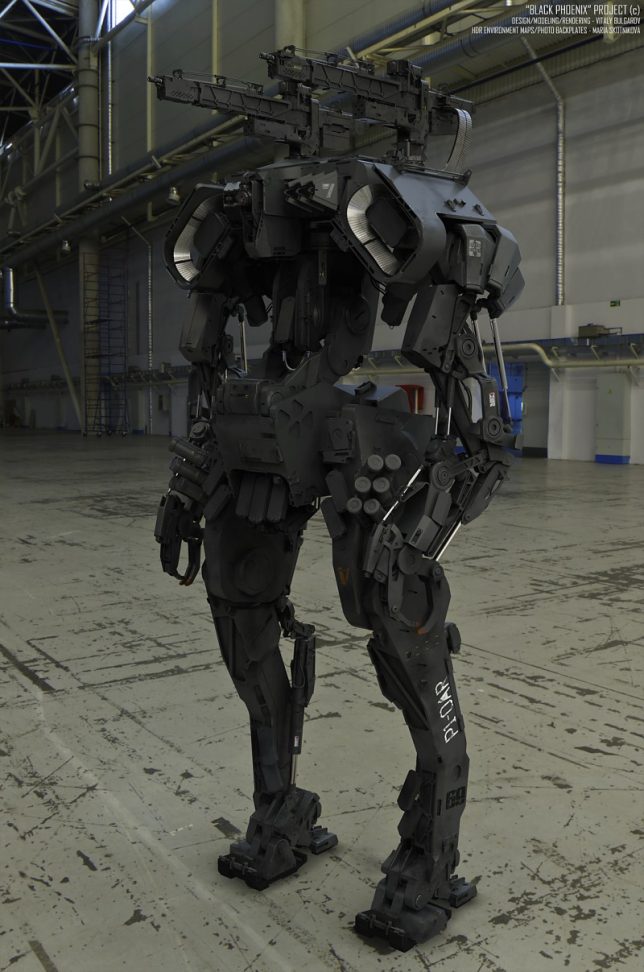
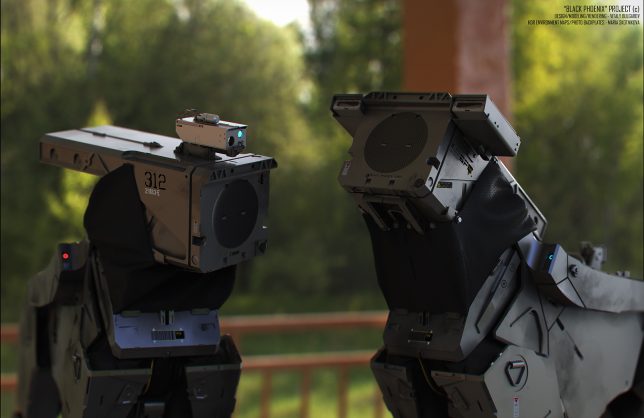
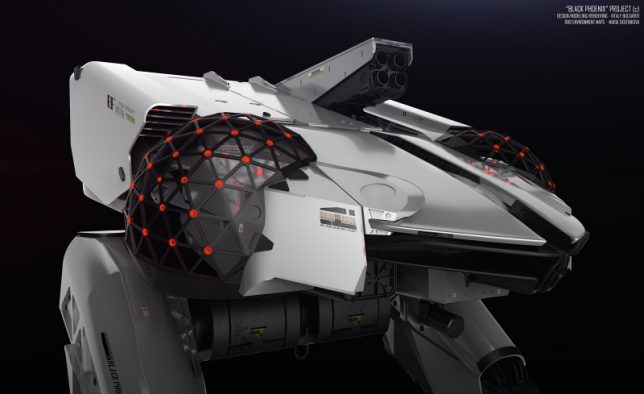
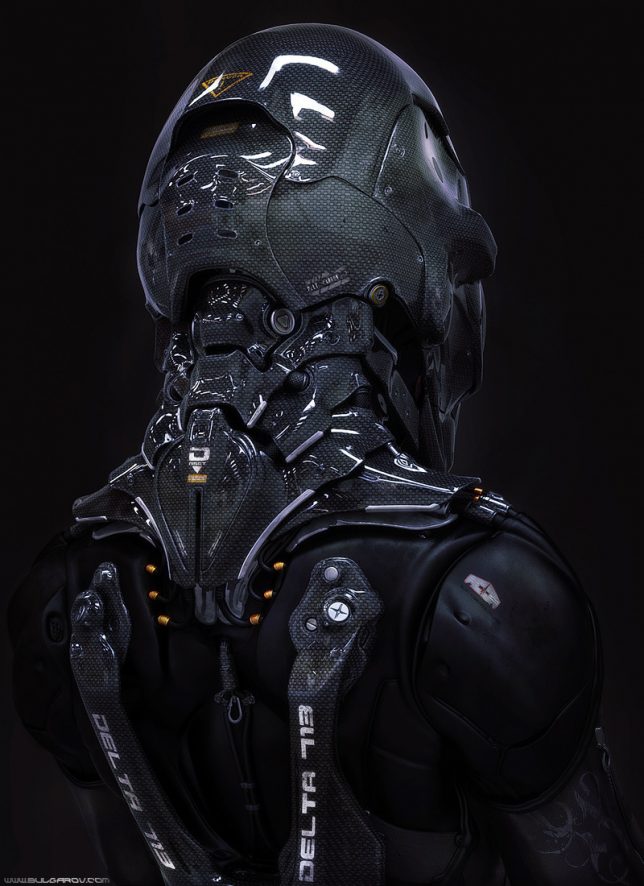
Moscow-based concept designer Vitaly Bulgarov presents a series of digital proposals for ‘The Black Phoenix Project: Chernobyl Patrol,’ ranging from semi-civilian drones to advanced weaponry systems. The artist works for game developer Blizzard and created this 3D visualization as a demonstration on speeding up the process of creating concept art with design software like Brush and SoftImage XSI. The mech designs include robotic Scout Dogs, an ‘Arachnid Tank,’ a missile-launching ‘Public Protector,’ infantry bots and an ambulance/rescue robot, and they’re clearly oriented toward a post-apocalyptic, war-torn scenario in Chernobyl rather than just dealing with radiation.

Next Page – Click Below to Read More:
Beyond Chernobyl 15 Design Concepts For A Post Nuclear World

Share on Facebook


[ By SA Rogers in Art & Drawing & Digital. ]

[ WebUrbanist | Archives | Galleries | Privacy | TOS ]


WebUrbanist

 
Comments Off on Beyond Chernobyl: 15 Design Concepts for a Post-Nuclear World

Posted in Creativity


Wolffepack Capture brings unique swinging access design to a photography backpack

24 Jul

$ (document).ready(function() { SampleGalleryV2({“containerId”:”embeddedSampleGallery_7919834426″,”galleryId”:”7919834426″,”isEmbeddedWidget”:true,”standalone”:false,”selectedImageIndex”:0,”startInCommentsView”:false,”isMobile”:false}) });

Taking your backpack off once to grab your camera gear isn’t a big deal. Having to do it over and over throughout the course of a day is a royal pain. That’s why David Wolffe dreamed up the Wolffepack – a backpack designed so that the user can swing the main compartment in front of themselves while keeping the straps on their shoulders. With a few models already on the market, the company is now looking to produce the Wolffepack Capture, designed specifically for photographers.

Sling and messenger-style bags are easier to swing around and grab gear out of while keeping your bag on your shoulder, but they don’t offer the even weight distribution of a backpack. Hence, the Wolffepack Capture employs a release cable that attaches to one of the straps. Pulling and releasing the cord lowers the pack while the straps stay fixed – the wearer can then swing the bag around front and grab their gear. Wolffepack calls this its ‘orbital trapeze technology.’

The Wolffepack Capture includes a removable, padded ‘pod’ designed to hold a DSLR with lens as well as two additional lenses. The bag also makes room for a 15″ laptop and can hold a tripod in either of its two side pockets. The Capture is made of water-resistant polyester and a nylon waterproof rain cover is included. The cord attaching the main pack to the rest of the bag is made of Kevlar, carbon fiber and Dyneema, a combination that Wofflepack calls ’15x stronger than steel.’

The Wolffepack Capture has launched on Kickstarter, where the company is looking for funding before putting the bag into production. They estimate the Capture will ship to customers in November. Currently, a pledge of $ 152/£115 will get you a Capture with camera pod – full MSRP is expected to be about $ 225/£170. 

What do you think – a great idea or kind of wacky? Let us know in the comments.

Press release:

Wolffepack Capture: The Ultimate Backpack for Cameras and Access launches on Kickstarter

July 20th 2016

The award-winning team from Wolffepack have just adapted their unique Wolffepack access system for photography, and are now launching the Wolffepack Capture, the ultimate backpack for cameras and access.

This follows their successful Kickstarter in November 2014 with their first concept, Wolffepack, the world’s first Orbital Backpack.

Wolffepack Capture is a revolutionary new camera bag that allows you to swing your gear round to your front whilst still strapped to your back. It offers groundbreaking gains in easier access, better workflow and greater security.

This innovation comes with a unique set of features:

  • Rapid Access: Wolffepack’s unique system swings your camera bag swiftly round to your front without unstrapping, for rapid and easy access.
  • Padded Carry: a custom-designed and removable padded pod to hold camera, lenses and accessories that sits inside the top of the backpack. Removing the pod converts the Capture into an access backpack for everyone.
  • Ergonomic Workflow: the top of the bag opens in a clean one-handed single movement, allowing the pod entrance to naturally open in an ‘aperture action’. This presents the camera in the perfect position to grab, shoot and replace.
  • Hands-free Platform: Wolffepack’s system allows you to stow the bag on your front, creating an ideal platform to work cleanly and hands-free on shooting, lens changes, or reloading storage.
  • Customisable Loading System: with a moveable internal shelf, there are spaces for both camera equipment and everyday gear in 3 different configurations

Wolffepack’s radical new concept in backpack design has won an ISPO Award 2016 for product excellence, following its December 2015 Good Design Award from the Chicago Athenaeum Museum of Design, and its Good Design Award 2015 from the Japan Institute of Design Promotion in November. It has also been nominated for a prestigious 2017 German Design Council Award.

Wolffepack Capture takes camera backpack design to a whole new level. The custom-designed padded pod includes all the pouches and compartments you need to safely carry and organise your camera, lenses and accessories. The customisable loading system stores away your belongings exactly how you need them – the camera pod docked and locked safely in one section, your day gear and belongings tucked away in the other. Alternatively, the 2 compartments can be converted into one large space. Stowing the bag to your front means you can work cleanly and safely without ever needing to put your backpack down on wet or dirty ground.

The ingenious expetoSYSTEM®, a patented orbital trapeze technology that frees the bag to rotate around the body on a super-strong cord system, is now available to the world of photography. It incorporates durable, high-performance materials such as Dyneema cords (15 times stronger than steel), Kevlar and carbon fibre componentry, as well as the latest magnetic catches.

David Wolffe, founder and inventor, said: “Since our Kickstarter success in 2014, we’ve been inundated with enquiries and requests to design a camera bag. As a photographer myself I always thought we’d produce a design for cameras. Now the Wolffepack Capture is finally here it has come out even better than I imagined.“

The Wolffepack Capture provides fast and easy access, comfort and convenience, not just for photographers but for everyone. It has been crafted with cameras in mind, but offers an innovative hands-free advantage for anyone on-the-go, from the commuter to the hiker, the parent to the traveller. With the camera pod removed, it’s the perfect backpack for access for everyone.

The Wolffepack story started with a seed in the mind of David Wolffe, a former Finance Director who quit his corporate career to develop the Wolffepack® backpack. A successful initial campaign on crowdfunding website Kickstarter to boost the first production run of the Wolffepack® reached 157% of its funding goal and generated preorders in 28 countries.

Some of the international acclaim the Wolffepack® has earned includes coverage on Channel 4 Television, in The National Geographic Traveller Magazine, The Independent, The Daily Express, The Daily Mail, The Telegraph, Der Spiegel and in many technology reviews including Neuerdings and Gizmag.

Wolffepack Capture- The Ultimate Backpack for Cameras and Access

Articles: Digital Photography Review (dpreview.com)

 
Comments Off on Wolffepack Capture brings unique swinging access design to a photography backpack

Posted in Uncategorized


Double-Helix Bridge Design for Beijing Based on Abstracted Olympic Symbol

23 Jul

[ By SA Rogers in Architecture & Public & Institutional. ]

double helix bridge 1

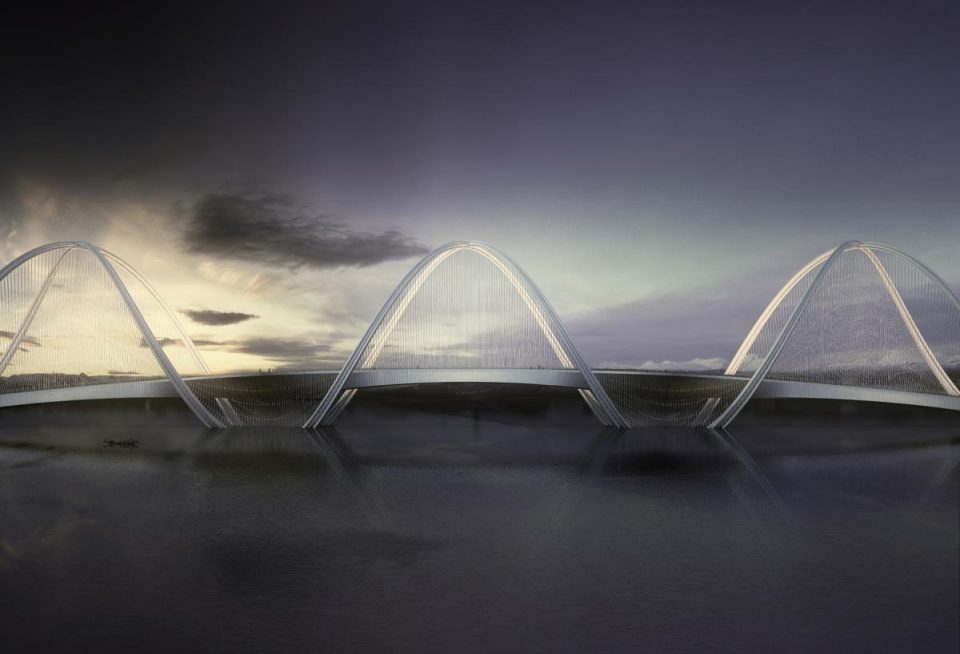
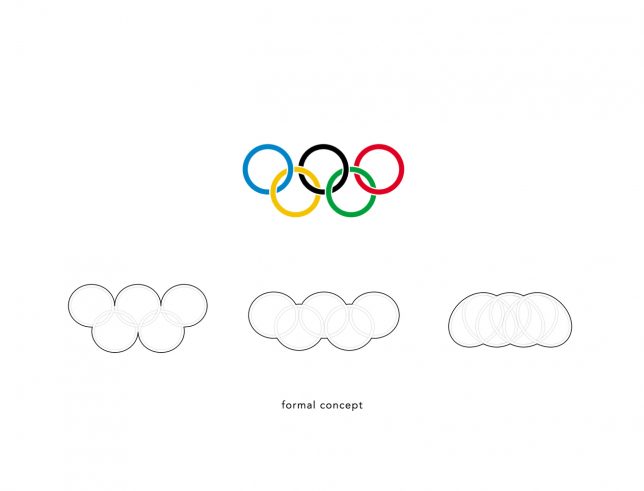
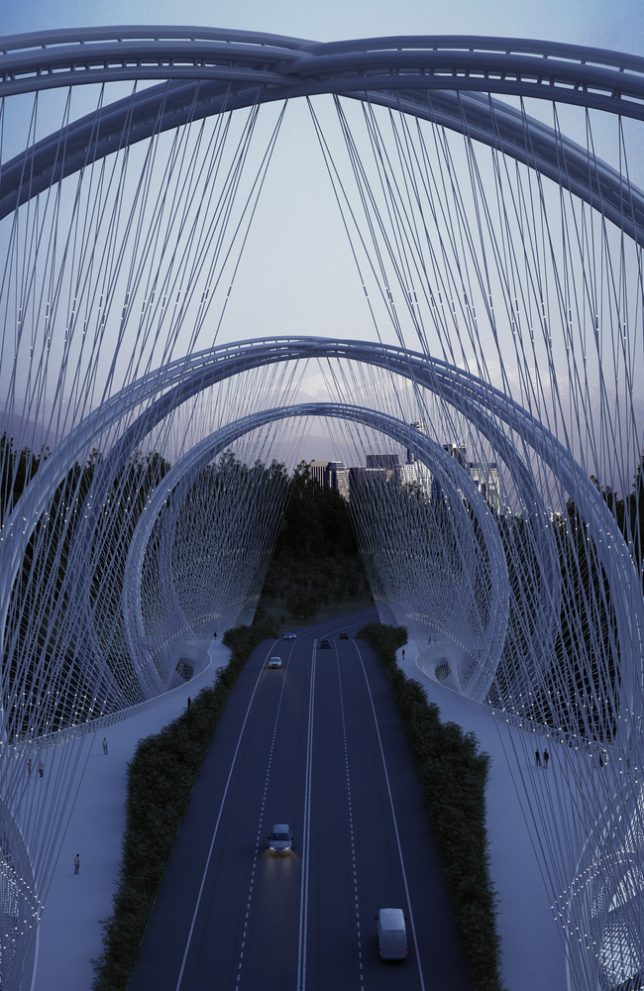
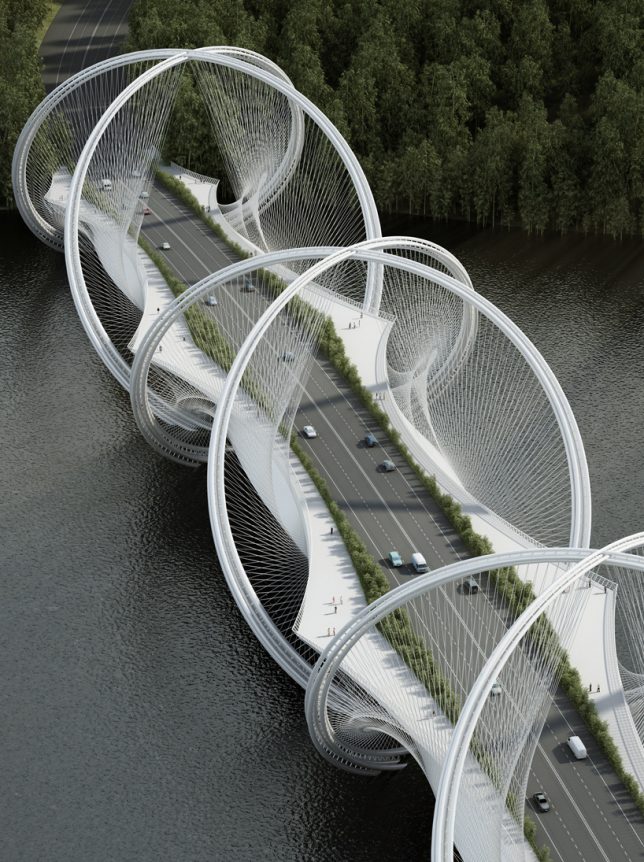
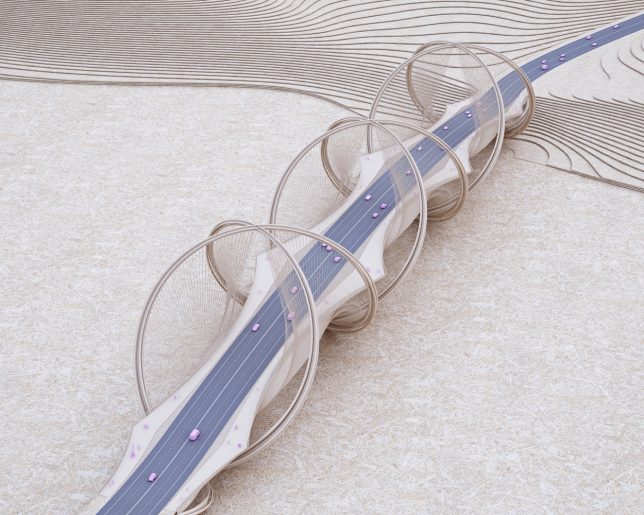
The Olympic symbol consisting of five interlinked circles is stretched out and rotated until the links create a three-dimensional double helix formation in this bridge design, which is scheduled to become reality in Beijing in time for the Olympic Winter Games in 2022. China has already made it clear that it’s willing to go big when it comes to Olympic architecture, filling Beijing with a series of massive structures for the 2008 Summer Olympics, and it aims to make its next turn hosting just as memorable. The San Shan Bridge (3 Mountains Bridge) by architecture firm Penda will connect Beijing with the city of Zhangjiakou, where most of the outdoor events for the Games will take place.

double helix bridge 8

160612_SanShanBridge_structure diagram


double helix bridge 5

bridge 2

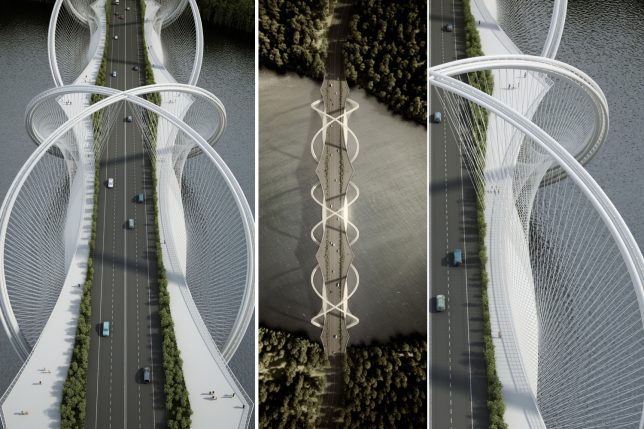
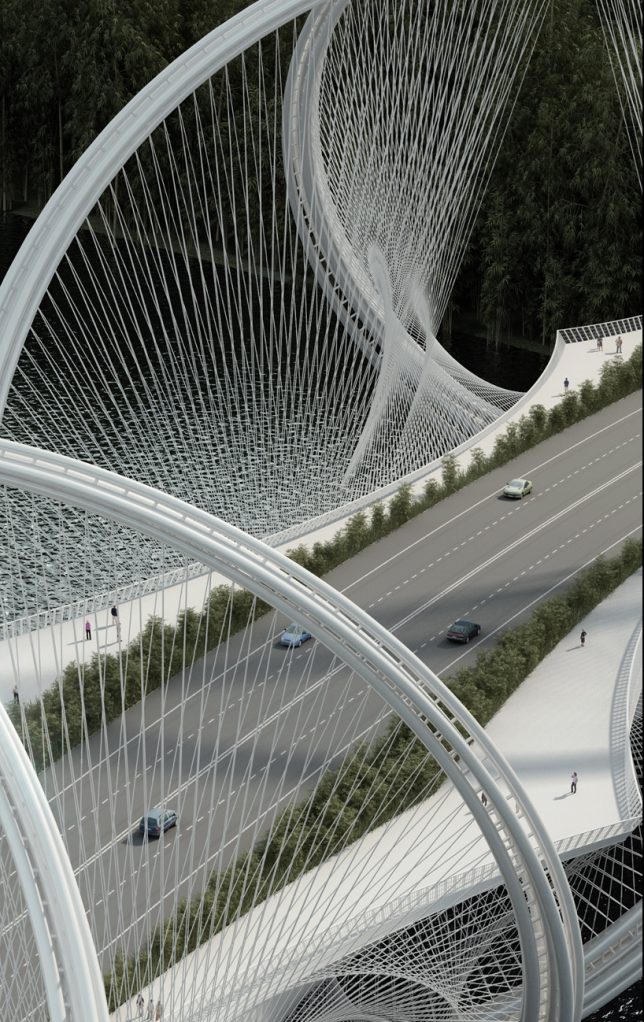
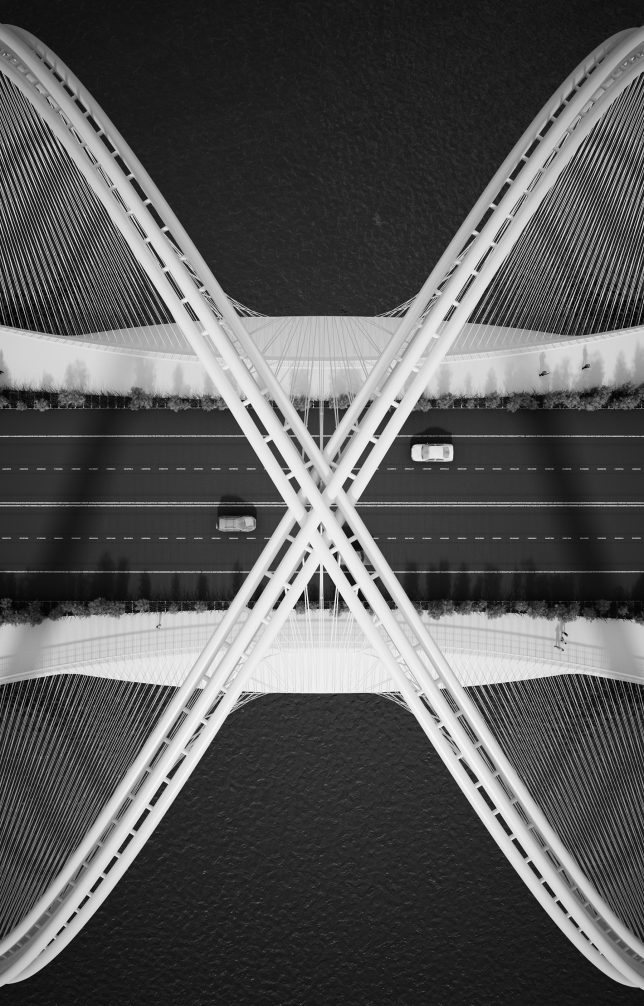
Spanning China’s Gui River, the San Shan Bridge is supported by the double-helix structure made up of three sets of undulating steel arches that cross above and below the road surface, dipping into the water. The deck is suspended from the higher arches using high-strength steel cables in a woven pattern. Four vehicular lanes are edged with greenery, which separates the cars from pedestrian paths on either side. Using up to 5 times less steel than a conventional box girder bridge, the design is slim and lightweight in appearance despite its big visual impact.

bridge 1

double helix bridge 7

double helix bridge 2

The region surrounding the bridge is a popular recreation spot for locals and tourists alike, with booming growth leading to a need for more infrastructure. The bridge will not only provide a crucial (and highly memorable) artery from the city to the Olympic events, it’ll be a central component of the Beijing Expansion Masterplan. Nearly 1500 feet long, the bridge will take a few years to construct, but should be done by the time the Beijing Horticultural Expo 2019 rolls around.

Share on Facebook


[ By SA Rogers in Architecture & Public & Institutional. ]

[ WebUrbanist | Archives | Galleries | Privacy | TOS ]


WebUrbanist

 
Comments Off on Double-Helix Bridge Design for Beijing Based on Abstracted Olympic Symbol

Posted in Creativity


Peak Design launches Everyday backpack, tote and sling bags on Kickstarter

14 Jul

Peak Design has launched four new bags in its Everyday product line: the Everyday Backpack in 20L and 30L sizes, the Everyday Tote, and the Everyday Sling. All four bags are offered in two different configurations, one Charcoal in color with black trim and red accents, the other Ash with black trim, blue accents, and leather accents. 

Peak Design says its new bags, while ideal for photographers, ‘ain’t just camera bags,’ hence the Everyday moniker. The array of bags are made from weather-resistant materials and integrate protective design elements including both ultra-thick felt and high-density compression-molded EVA materials. The Everyday bags can be customized via the removable FlexFold dividers, are ‘loaded’ with storage spaces, and offer expanding internal structures with a system for attaching items to the bags’ exteriors.

The new Everyday bags are currently being funded on Kickstarter where the campaign has reached nearly double its $ 500k funding goal with 58 days remaining. Peak Design estimates it will deliver bags to backers this coming December.

Via: Kickstarter

Articles: Digital Photography Review (dpreview.com)

 
Comments Off on Peak Design launches Everyday backpack, tote and sling bags on Kickstarter

Posted in Uncategorized


10 Pro Tips to Design a Killer Mood Board to Present Your Work

28 Jun

When you’re working on a design or photography project for a client, a mood board can be one of the best ways to get your vision across. A mood board is essentially a collage of things that inspired you for this particular project. They can help you really nail down the look and feel of your work, and make sure Continue Reading

The post 10 Pro Tips to Design a Killer Mood Board to Present Your Work appeared first on Photodoto.


Photodoto

 
Comments Off on 10 Pro Tips to Design a Killer Mood Board to Present Your Work

Posted in Photography


10 Pro Tips to Design a Killer Mood Board to Present Your Work

20 Jun

When you’re working on a design or photography project for a client, a mood board can be one of the best ways to get your vision across. A mood board is essentially a collage of things that inspired you for this particular project. They can help you really nail down the look and feel of your work, and make sure Continue Reading

The post 10 Pro Tips to Design a Killer Mood Board to Present Your Work appeared first on Photodoto.


Photodoto

 
Comments Off on 10 Pro Tips to Design a Killer Mood Board to Present Your Work

Posted in Photography


Pop Arch: Improbable Design Illustrations Made with Autocad

14 Jun

[ By WebUrbanist in Art & Drawing & Digital. ]

impossible architecture

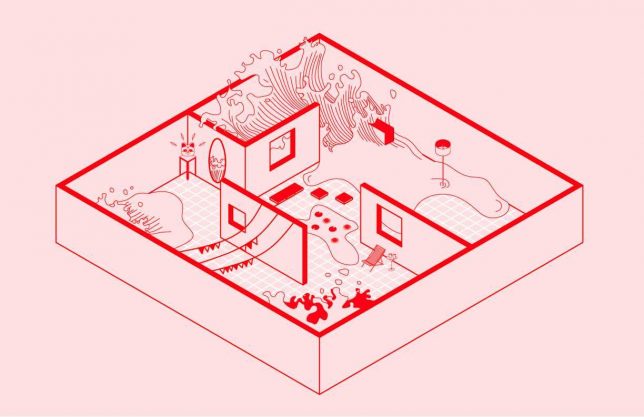
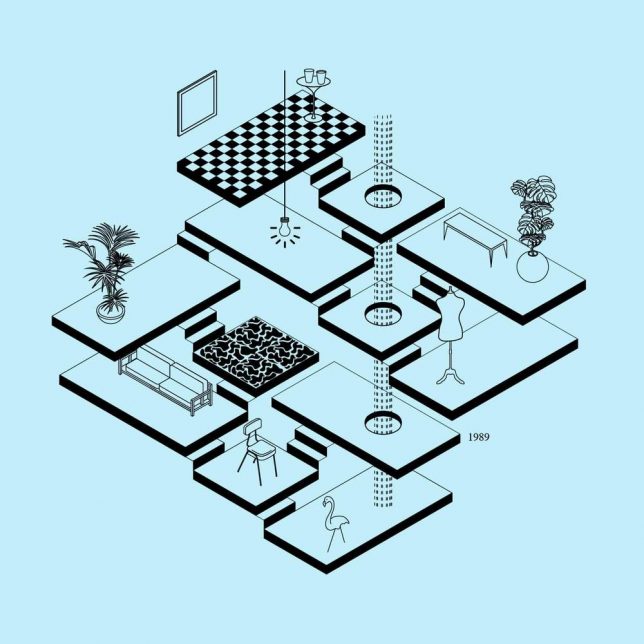
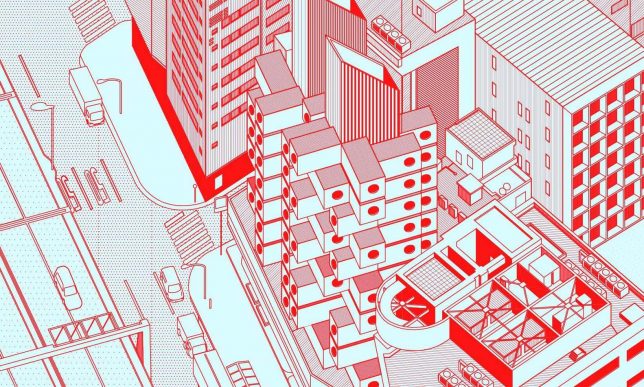
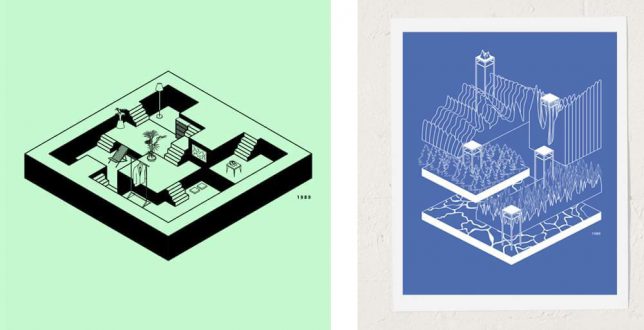
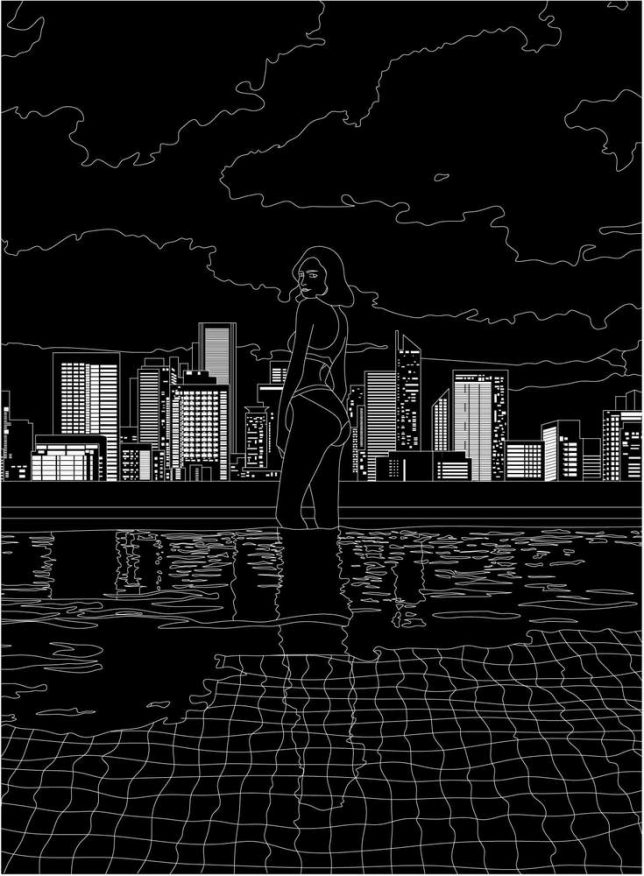
Used by architects and engineers, Autocad and other computer-aided design (CAD) programs have a long history as boring and blunt instruments of drafting, but this architectural illustrator has breathed new life into these drawing and rendering tools.
house on fire

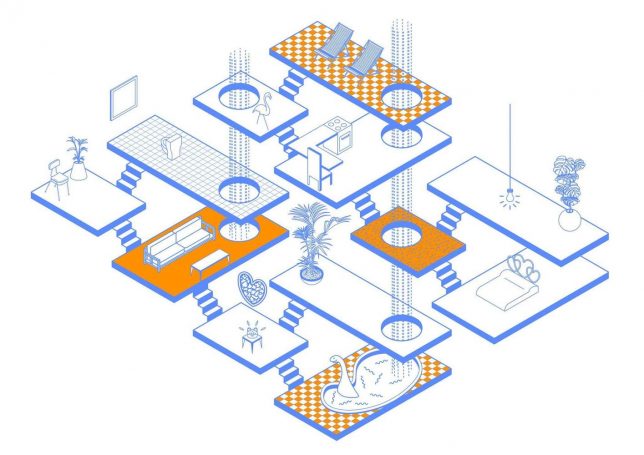
Fabiola Morcillo Núñez is a young Chilean architect who builds imaginary landscapes inspired by exotic architecture and pop art, a sort of modern-day Escher intent on blurring the improbable with impossible.

water world

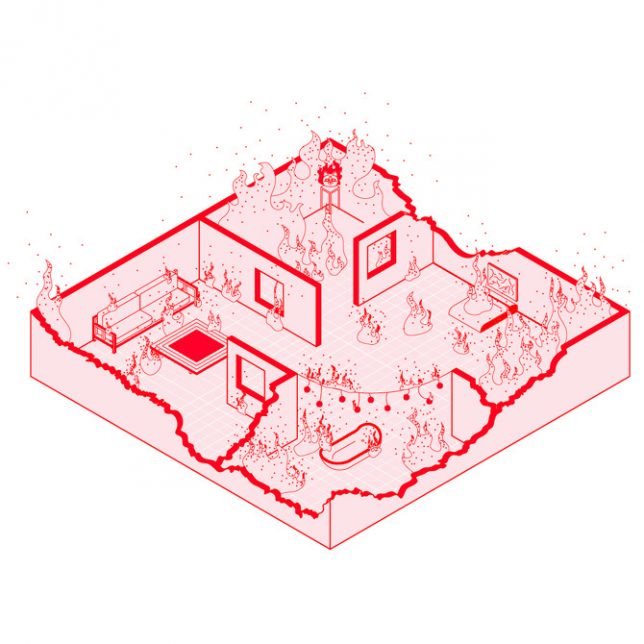
Many of her scenes play on elements believable at first look, like a deconstructed isometric or axonometric drawing of a house … but on fire, or flooded or featuring an impossible room or staircase.

stacked scene

“Architecture as a discursive tool has helped me a lot in constructing my own form of representation,” she says of her work. She is interested in deconstruction, spatial limitations, layers and multiplicity.

view from above

posterized

MADERA

Her pieces borrow from various sources of inspiration in the media and world around her: “I like to take several references, be alert to life itself, be very observant and have a broad sense of understanding of beauty and the tools of creation that are presented throughout the day, for example; the internet, books, movies, the street, travel, personal stories, aesthetic preferences, dreams, philosophy etc.”

artistic landscape

human figure

Beyond her artistic explorations, Fabiola’s work is an implicit statement about how the tools we use, even the ones with less-rich histories of creative expression, can be turned to new and inspiring purposes.

Share on Facebook


[ By WebUrbanist in Art & Drawing & Digital. ]

[ WebUrbanist | Archives | Galleries | Privacy | TOS ]


WebUrbanist

 
Comments Off on Pop Arch: Improbable Design Illustrations Made with Autocad

Posted in Creativity