Nikon’s prosumer line gets an update today in the form of the D7200. With a 24.2MP APS-C CMOS sensor it offers a very slight resolution increase over its 24.1MP D7100 predecessor, and like that model it lacks an optical low-pass filter. But the D7200’s primary enhancements include a next-generation 51-point AF module with increased low-light sensitivity, built-in Wi-Fi with NFC and an improved 100-shot buffer depth when shooting JPEGs or Raw files at 6 fps. Read more
Tag: Depth
-
24 Uber Sharp Images with Huge Depth of Field to Focus Your Attention
Over the last few weeks on dPS we’ve had some collections of images that demonstrate some of the basic photography principals. Last week it was using a large aperture for shallow depth of field. This time we’re going the other way and looking for images with a lot of depth of field, ones that utilize small apertures like f/16 or even smaller.
These are usually images with a lot of depth and focus from near to far. Landscape photographers use this technique often as do, surprisingly, macro shooters. When you get up close the depth of field is really slim so you need that added focus from the smaller apertures (if not using focus stacking techniques).
As a neat side effect if you include a light source like direct sunlight – smaller apertures will turn those into starbursts – a telltale sign you know a small aperture was used.
So here are some images that exemplify maximum sharpness and large depth of field:
True Grit by Sean Bagshaw on 500px
Golden Gate In Chains by Robert Schmalle on 500px
From Above by Dylan Gehlken on 500px
Taillante by Gabriele Mannelli on 500px
Exuberance I by Julia Anna Gospodarou on 500px
Happy Holidays from the Bay Bridge by Aaron M on 500px
Darkroot Grotto by Alex Noriega on 500px
Arch Angel Falls, Zion National Park by Don Smith on 500px
Under the Bridge by Dariusz Klimczak on 500px
Mr. Robber & Prey by Donald Jusa on 500px
f by Martin Brown on 500px
Macro Snail by Enrico Salvati on 500px
rose by Guido Schulze on 500px
Pipevine Swallowtail Butterfly Eggs by Douglass Moody on 500px
canon 5d mark 2 by maxime nadeau on 500px
Gdansk by ?ukasz Derangowski on 500px
Portland Head Light by Joseph Rossbach on 500px
Only Three Left in Our Care… by Dana Allen on 500px
Crystalline Chamber by Justin Grimm on 500px
Keizersgracht – Amsterdam by Iván Maigua on 500px
Winter Chapel Dobratsch 2159m by Reinhold Samonigg on 500px
BMW 2002 by Ivan Barinov on 500px
Echoes of Light by Adrian Borda on 500px
Highest Mountain In Indochina by Por Pathompat on 500px
googletag.cmd.push(function() {
tablet_slots.push( googletag.defineSlot( “/1005424/_dPSv4_tab-all-article-bottom_(300×250)”, [300, 250], “pb-ad-78623” ).addService( googletag.pubads() ) ); } );googletag.cmd.push(function() {
mobile_slots.push( googletag.defineSlot( “/1005424/_dPSv4_mob-all-article-bottom_(300×250)”, [300, 250], “pb-ad-78158” ).addService( googletag.pubads() ) ); } );The post 24 Uber Sharp Images with Huge Depth of Field to Focus Your Attention by Darlene Hildebrandt appeared first on Digital Photography School.
-
Depth of Field and the Importance Distance to Subject Plays
Let’s say that perhaps you’ve been taking photos for a while now. You’ve gotten yourself a good DSLR camera and have recognized that the standard 18-55mm kit lens that comes with your camera is nice, but just doesn’t give you the shots that you are looking for.
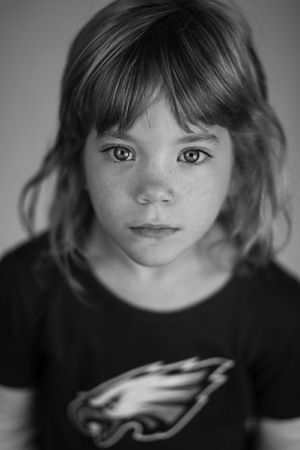
So you plunk down your money on the ever-popular 50mm f/1.8 prime lens that everybody is talking about, mount in on your camera, change your aperture to its widest (f/1.8) setting and start shooting. You spend all day shooting with this wonderful little lens and then you get home and put them on your computer and realize that 80% of your shots are out of focus.
In the past, when this used to happen to me, I would reason that shooting wide open was just not possible, because I ended up with too many shots that were out of focus. I incorrectly reasoned that I always needed to close down my aperture when shooting portrait subjects, or they would end up out of focus because the shallow depth of field was just too unusable wide open. For a while, I only used my 50mm 1.8 lens at f/4 because it was the widest aperture that I trusted to get the shot in focus. Crazy yes, I know. But then I figured out something that has changed my use of wide-aperture lenses forever.
Before we continue, let’s break down the meaning of “wide open” and “fast prime lenses”. To shoot “wide open” means that you are choosing to photograph at your lens’ widest aperture setting or f-stop. On a lot of lenses, the widest aperture is listed somewhere on the lens itself with Canon usually listing it on the front of the lens, and Nikon listing this information on the body of the lens. Generally the ration looks something like this: 1:2.8 or 1:1.8. (See photos)
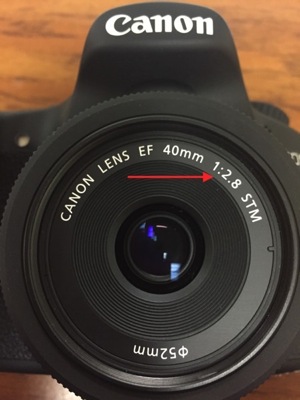
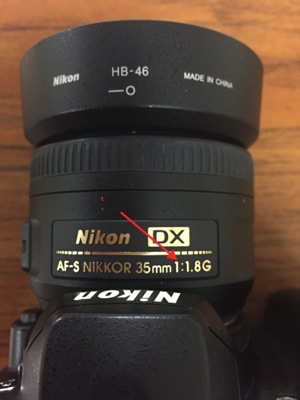
A “fast prime lens” is one that has one focal length (does not zoom) and has “fast” light-gathering ability (due to its wider apertures). Most photographers consider a fast lens to be one with an aperture number of f/2.8 or wider (the smaller the number, the wider the aperture). Two of the most popular features of fast prime lenses are their ability to obtain beautiful out of focus backgrounds and shallow depth of field, as well as their ability to handle low-light conditions because of the aforementioned large apertures.
Let me let you in on a little secret about shooting wide open – it’s about the distance to your subject. Most people learn that wide-aperture lenses blur the background and let in more light, but they never understand that the really neat shallow depth of field created by their lens is also affected by another factor; how close they are to the subject.
You won’t find many manuals on subject to camera distance. It’s kind of an assumed topic that doesn’t get enough attention. Let’s look at it as simply as possible: the closer you are to your subject, the shallower the depth of field is relative to your chosen aperture. In other words, if you are shooting at f/1.8 and you are 20 feet away from your subject, you will have MORE depth of field than you will if you are shooting 2 feet away from your subject.
To get more mathematical, if you’re using a 50mm lens at f/1.8 and photographing something at 4 feet, your depth of field will be around 1.5 inches deep. But if you photograph that same subject from 10 feet, you will have a depth of field of just under 10 inches deep.
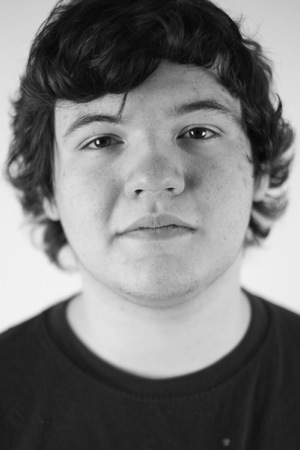
Shot at 2ft with a 35mm lens at f/1.4.
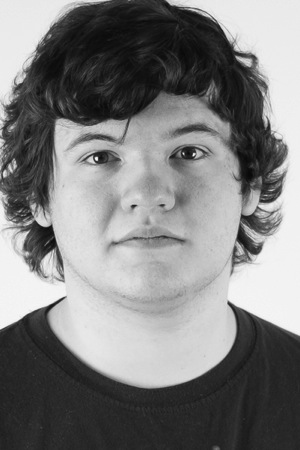
Shot at 9ft with a 35mm lens at f/1.4.
The right image cropped to similar framing as the left. Notice the increase in depth of field on the hair and ears, and also the reduction in lens distortion.

Shot at 2 ft with a 35mm lens at f/1.4.

Shot at 9ft with a 35mm lens at f/1.4. Cropped to similar framing. Notice how the pencils in the back row come into focus.
With this information, it is also very important that you get to really know your lens and its abilities. For instance, if you happen to know that you shoot a lot of portraiture close to your subjects, be aware of how much depth of field your lens gives you at three feet, four feet, and so on, when shooting wide open. In time, with experience, you will be able to immediately predict the depth of field your lens will give you based on the distance you are away from your subject.
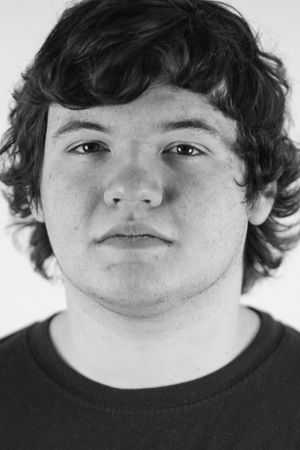
Shot at 5ft with an 85mm lens at f/1.4.
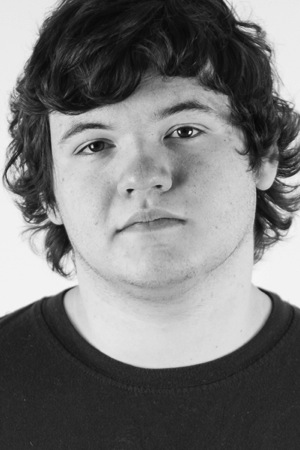
Shot at 12ft with an 85mm lens at f/1.4.
The depth of field does increase slightly in the right image, but not as dramatically as the 35mm lens due to the 85mm longer focal length.
In conclusion, you can see that the reason your photos might be coming out blurry would be because of your distance to your subject when shooting wide open. So the next time you find yourself frustrated at your results shooting with that wide-aperture lens at its widest aperture, take a step or two back. You might like the results.
googletag.cmd.push(function() {
tablet_slots.push( googletag.defineSlot( “/1005424/_dPSv4_tab-all-article-bottom_(300×250)”, [300, 250], “pb-ad-78623” ).addService( googletag.pubads() ) ); } );googletag.cmd.push(function() {
mobile_slots.push( googletag.defineSlot( “/1005424/_dPSv4_mob-all-article-bottom_(300×250)”, [300, 250], “pb-ad-78158” ).addService( googletag.pubads() ) ); } );The post Depth of Field and the Importance Distance to Subject Plays by Al Jurina appeared first on Digital Photography School.
-
The Ultimate Guide to Depth of Field in Photography
Depth of field basically means how much of your picture, from foreground to background is sharp. So there you have it, see you next week, bye, byeeeeee….Oh, are you still here? That wasn’t enough? Ok, so depth of field depends on several things, all centering arount the f stop of your camera, one of a triumvirate of things that allow Continue Reading
The post The Ultimate Guide to Depth of Field in Photography appeared first on Photodoto.
-
Understanding Depth of Field for Beginners
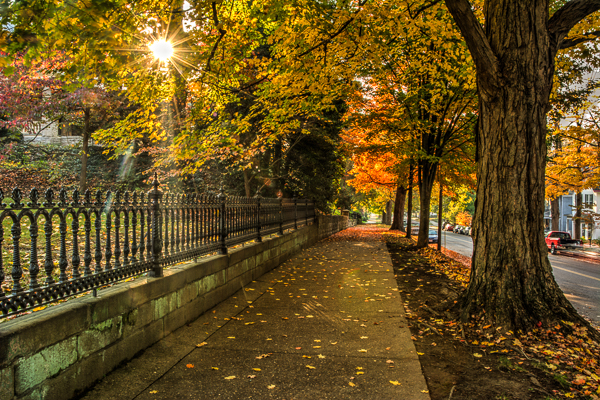
You may have heard the term depth of field (DoF), but if you are new to photography you may not yet be taking advantage of how DoF can enhance your photos. A basic definition of depth of field is: the zone of acceptable sharpness within a photo that will appear in focus. In every picture there is a certain area of your image in front of, and behind the subject that will appear in focus.This zone will vary from photo to photo. Some images may have very small zones of focus which is called shallow depth of field. Others may have a very large zone of focus which is called deepdepth of field. Three main factors that will affect how you control thedepth of field of your images are: aperture (f-stop), distance from the subject to the camera, and focal length of the lens on your camera. Here are some explanations and answers to other common questions concerningdepth of field.
How does aperture control depth of field?
Aperture refers to the access given to light from the lens to the camera sensors. The size of your aperture (the diameter of the hole through which light enters the camera) controls the amount of light entering your lens. Using the aperture (f-stop) of your lens is the simplest way to control your depth of field as you set up your shot.
Large aperture = Small f-number = Shallow (small) depth of field
Small aperture = Larger f-number = Deeper (larger) depth of fieldIt may be easier to remember this simple concept: The lower your f-number, the smaller your depth of field. Likewise, the higher your f-number, the larger your depth of field. For example, using a setting of f/2.8 will produce a very shallow depth of field while f/11 will produce a deeper DoF.
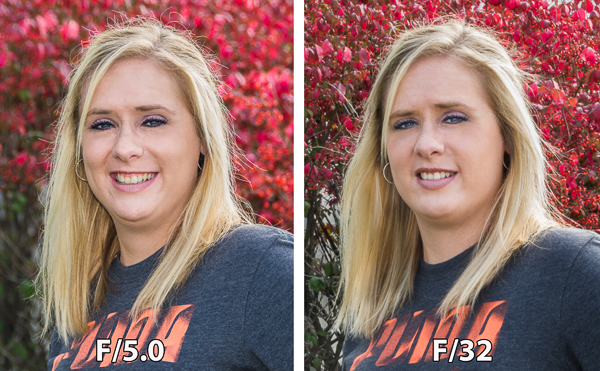
The image on the left was captured at 250th of a second at f/5.0 which resulted in a very shallow depth of field. Because of this the background is out of focus allowing the subject to stand out. The image on the right was captured at 1/5th of a second at f/32 which created a deep depth of field and a sharper background.
How does distance control depth of field?
The closer your subject is to the camera, the shallower your depth of field becomes. Therefore, moving further away from your subject will deepen your depth of field.
How does the focal length of a lens control depth of field?
Focal Length refers to the capability of a lens to magnify the image of a distant subject. This can get complicated, but the simple answer is that the longer you set your focal length the shallower the depth of field. Example: Your subject is 10 meters (33 feet) away, using a focal length of 50mm at f/4; your depth of field range would be from 7.5 -14.7 meters (24.6-48 feet) for a total DOF of 7.2 meters (23.6 feet). If you zoom into 100mm from the same spot, the depth of field changes to 9.2-10.9m (30.1-35.8′) for a total of 1.7m (5.7′) of depth of field. But if you move to 20m (66′) away from your subject using the 100mm lens, your depth of field is almost the same as it would be at 10 meters using a 50mm lens.
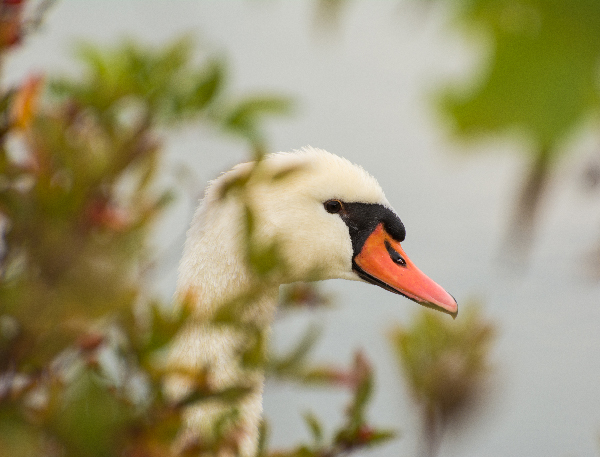
This image of a swan hiding in the tall foliage was captured from about 5m (16′) with a 300mm focal length lens. This combination of focal length and distance created a depth of field of approximately 5cm (2″).
What if I just have a point and shoot camera, or don’t know how to change those settings?
Even with a point and shoot camera, there are ways to control your depth of field. In the Scene Modes menu, look for a symbol of a human head, which is the setting for portraits. This will give you a narrow depth of field. In the same menu there is also a mountain symbol, which is a setting for landscapes, which will give you a deeper depth of field.
If you are a beginner with a DSLR there are some simple ways you can control depth of field and still use and automatic shooting mode. By choosing Aperture Priority mode you can set your aperture to get the depth of field that you want, and the camera will automatically set the shutter speed.
Can I set the depth of field exactly for each situation?
Yes, but because changing your aperture affects your shutter speed, the result may not meet the needs of your image. For instance, if you are trying to increase your depth of field by reducing aperture size you will also need to increase (slow down) your shutter speed which could make your image blurry. Understanding how all these settings work together can increase your control over depth of field.
Is depth of field equally distributed in front and back of my focus point?
No, it’s usually about one third in front and two thirds behind your focal point, but as your focal length increases it becomes more equal.
How will understanding depth of field improve my images?
Managing depth of field is one of the most important tools at your disposal, because having tack sharp images is one of the most important factors to getting that great shot. Knowing how to make the parts of your image you want sharp and the parts you want to be out of focus, is a great artistic tool to create great images.
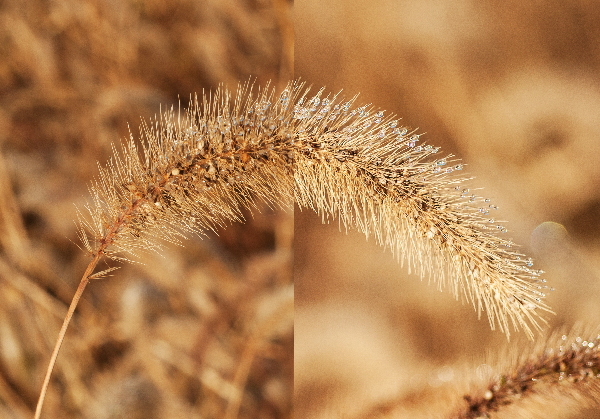
Getting the right depth of field for your shot can make all the difference.
When should I use a shallow depth of field?
Using a shallow depth of field is a good way to make your subject stand out from its background and is great for portrait photography. Shallow DoF can also be useful in wildlife photography, where you want the subject to stand out from its surroundings. This is also useful because many wildlife photo opportunities are low light situations, and increasing your aperture size will give you more light. Shallow depth of field is also effective for sports photography where many times you want to separate the athlete from the background to bring attention to them. The result of this should also help give you a fast enough shutter speed to freeze the action.
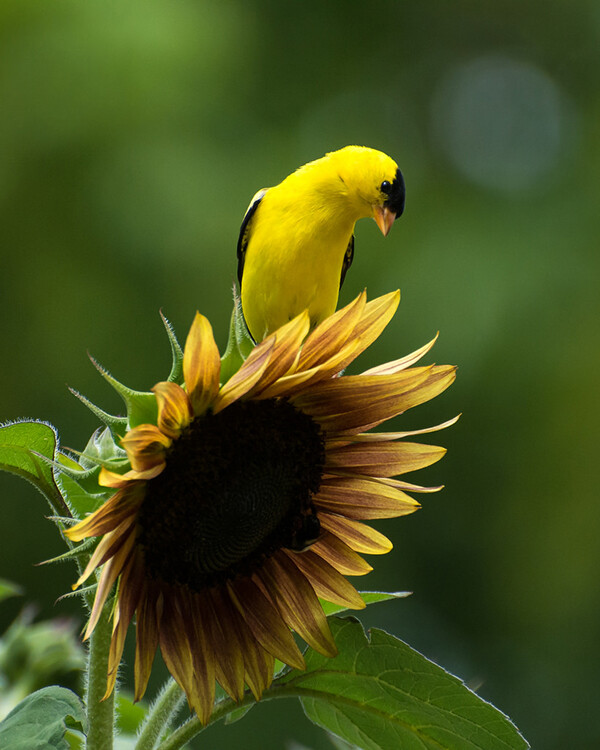
This image captured at 300mm focal length and f/5.6 produced a very shallow depth of field. Because of this, it is important to set your focal point on the subject’s eye. Notice how the bird pops out from the background.
When should I use deeper depth of field?
In landscape photography it is important to get as much of your scene in focus as possible. By using a wide angle lens and a small aperture you will be able maximize your depth of field to get your scene in focus.
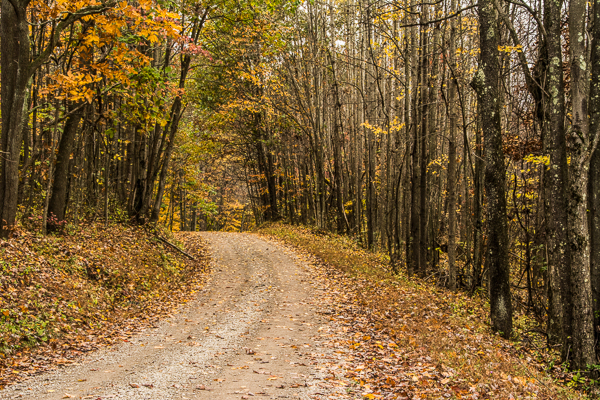
This landscape was captured with a 50mm focal length at f/16. The focus point was set at 8 meters, which made everything from 4 meters to infinity in focus.
How can you determine depth of field?
There are several on-line sites that will provide depth of field charts for your camera and lenses. Also, there are a number of apps available for smart phone users that can calculate it for you while you’re in the field. Most cameras have a DoF preview button which will give you a preview as you look through the eye piece. (This is probably the easiest and most under-utilized method.) Using this button may cause your image to appear darker as you view it through the eye piece, but not to worry. Your image will be properly exposed as long as you have the correct exposure settings.
Can depth of field be adjusted to get everything in focus?
Yes, using what is called the hyperfocal distance. When you are focused at the hyperfocal distance, your depth of field will extend from half the distance to your focal point to infinity. Use a DOF calculator to find your hyperfocal distance. If you don’t have a DoF calculator, a good rule of thumb is to focus a third of the way into the scene. Using an aperture of about f/11 or higher with a wide angle lens will maximize your depth of field.
What about depth of field in macro photography?
Because most macro images are produced in low light and with a longer focal length, the depth of field is often very shallow. Adjust your lens to the smallest aperture that the light will allow. It may also be necessary to increase your ISO to allow you to properly expose the image and to maximize your depth of field. Still, in many macro images your DoF may be very minute. With this very narrow focus it becomes necessary to use a tripod, because even the slightest movement of the camera will move your macro subject outside your depth of field.
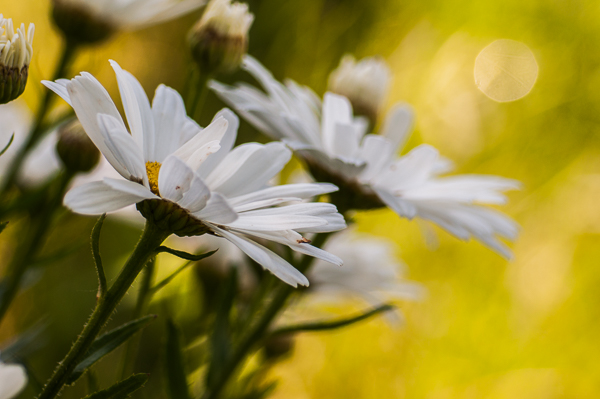
This 120 mm macro even at f/8 still has a very shallow depth of field.
What is bokeh?
Bokeh (boh-ke) comes from the Japanese word meaning blur. This effect is produced by the out-of-focus areas in your image that are beyond the depth of field. Bokeh commonly refers to the pleasing circle shapes caused by the shape of the lens aperture. Usually created when shooting with your aperture wide open, such as f/2.8, bokeh can also be created with smaller apertures if the background is distant enough.
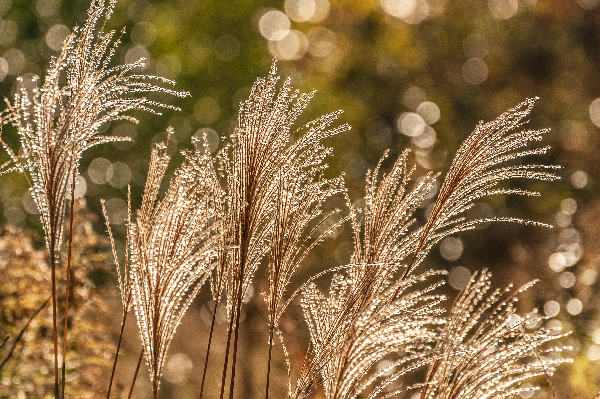
Bokeh in this image was created by the distance of the subject to the background, which fell well beyond the depth of field.
To summarize controlling depth of field:
Increase depth of field
- Narrow your aperture (larger f-number)
- Move farther from the subject
- Shorten focal length
Decrease depth of field
- Widen your aperture (smaller f-number)
- Move closer to the subject
- Lengthen your focal length
Take control of your depth of field. Understanding how these adjustments control your it will greatly improve your photography. What questions do you have about depth of field? Please share your photos and comments.
The post Understanding Depth of Field for Beginners by Bruce Wunderlich appeared first on Digital Photography School.
-
4 September, 2014 – The Pentax 645Z – In Depth Review

There has been a lot of talk about major camera companies possibly taking steps into the medium format digital marketplace. Till now these have just been rumors. But this is a market segment that is not going away, regardless of what some people say. One of the relative newcomers to this market is Pentax. Over the last few years the Pentax line has evolved, and recently Pentax introduced the Pentax 645Z as a major upgrade to their previous 645D. Did they get it right:? The Pentax 645Z – In Depth Review by Michael will try and answer these questions for you.
Have you wanted to travel to the bottom of the world and experience one of the most incredible photographic environments there is? Well you can this January and February with the Fly Over The Drake – Antarctica Workshop. Don’t hesitate register today.
The Ultimate Iceland Workshop. See the Iceland others don’t.
Michael’s Phlog was updated on September 3rd
-
Using Depth of Field as a Compositional Tool
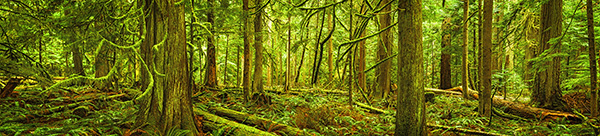
In a scene like this, you want all the trees in focus, a deep depth of field is necessary
There are many written and unwritten “rules” in Photography. Mostly, they are guidelines, I am not sure that there are rules about any art form, but some guidelines help us out. You have probably heard of the rule of thirds as it relates to composition. You have heard about the golden mean for composition, but have you thought about how depth of field affects your composition?
Composition is one of the easiest techniques to use to improve your images, it is also one of the most overlooked. You may never think about it, but perhaps you really should. Your composition can make a mediocre image strong, just by moving your camera.
Composition has been used by painters for hundreds of years. Many of our current composition tools come from the art world. The master painters worked out how people look at a painting and put a system together that would cause people to stare into their paintings. They used techniques like leading lines, S-curves, symmetry and pattern, repetition and other techniques, to make their paintings more dramatic and compelling. Something they also used was perspective. Perspective gave a three dimensional feel to the painting and made a two dimensional scene seem three dimensional. Leonardo da Vinci mastered this technique and used it to great effect in some of his masterpieces, most notably, The Last Supper and the Mona Lisa. In some ways, Leonardo used depth of field to compose his paintings.
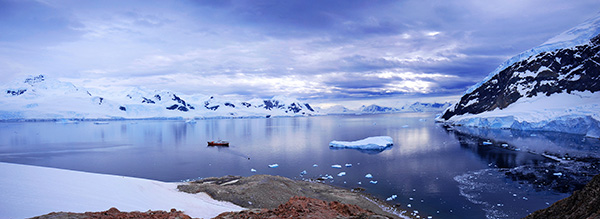
A deep depth of field emphasizes the large vista of the scene
1. What is depth of field?
Depth of field is the transition from sharp focus to soft, out of focus areas in the image. The zone of sharp focus, and how much is in focus, is known as the depth of field. You will hear photographers speak of a shallow depth of field or a deep depth of field. The latter means that most or all of the image is in sharp focus. A shallow depth of field means that a small portion of the image is in focus.
How does this work? If you are photographing a landscape scene, you will likely want all of that scene to be in sharp focus. This is called a deep depth of field, and means that the whole scene is in focus. This is good for some forms of photography. At other times you will want only a small portion of your overall image to be in focus. For example, in a close up shot of a flower, you will want the flower to be in focus and everything else to be softly out of focus, this is called a shallow depth of field.
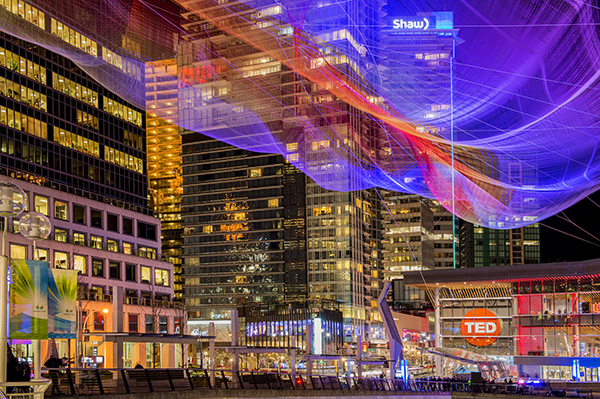
In a city scene, a deep depth of field is good as you want everything in focus.
2. How does depth of field impact your image?
You have seen images where the one part of the flower is in super sharp focus and the rest is soft and blurry. Some portrait shots also look like this, the person is in sharp focus and the background is out of focus. Why would you want to do that?
The biggest reason is that your eye will naturally go to whatever is in focus in a photograph. So, if you are shooting a wedding and you have a photo of the bride and groom, but they are out of focus and the people behind them are in focus, where do you think viewers will look? They will look at the people behind the couple of course. We assume that if something is out of focus, that we aren’t supposed to look at it. So you can use shallow depth of field to force your viewer to look at your subject. Make sure that whatever your subject is (flower, rock, insect, bride etc) that it is sharp and in focus. If the rest of the image is out of focus, that part of the image will stand out and people will immediately look there.
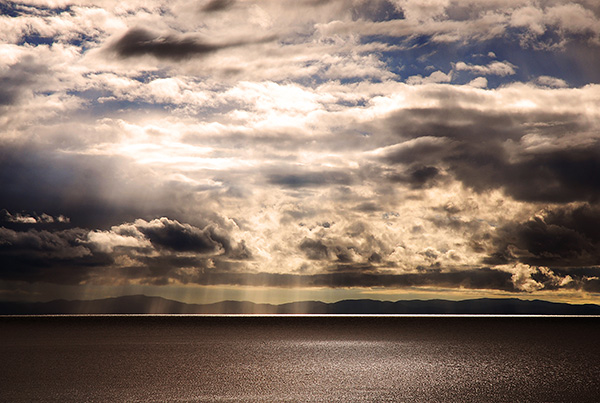
Everything in focus makes this scene compelling
3. How do I get a shallow depth of field?
Depth of field is determined by the aperture setting on your camera. Your aperture setting is called the F-Stop. Technically speaking, the F-Stop is the focal ratio of the lens. It is the ratio of the lens’s focal length to the diameter of the entrance pupil. Technical, I know, but not critical.
What is critical is that you need to know how the “F” number works. The basic rule of thumb is as follows, the lower the number (i.e. f/2.8, f/4) the shallower the depth of field or only a small amount of your image will be in focus. If you have a higher number (i.e. f/8, f11) the more of your image will be in focus. So if you want the look of having a small part of your image in focus then use an F-Stop of 2.8 or 4. If you have a lens that goes down to f/2.8 or even f/4 give this a try:
- Set your camera in manual mode
- Put your camera on a tripod so that it will be easy to take the shots without moving the camera
- Focus on a flower or something that will be perfectly still
- Compose your image, get in as close as you can
- Set your aperture to f/2.8 and take a shot
- Then set your aperture to f/4, take a second shot,
- Then f/5.6 and take a third shot
- Then two final images, one at f/8 and one at f/11
- Adjust the shutter speed accordingly to make sure you expose them all correctly
Now take a look at the images, what you will notice is that the f/2.8 image will have a small part of the image in focus, the f/8 and f/11 images will have most of the scene in focus. This now becomes a compositional choice. You can decide on every image what should be in focus and what can be blurred.

Shallow depth of field isolates the grass and makes it the focal point
4. How is this a compositional tool?
As a photographer you have the ability to determine what you want people to look at. By using a shallow depth of field and having only part of the scene in focus, you will make sure that there is no doubt about what the subject is and where you want your viewers to look. A deep depth of field is also important in some images. In landscape photography, you will want a deep depth of field, a shallow depth of field in a landscape image might be confusing. Use your depth of field to determine where you want your viewers to look. Once again, with lots of practice and seeing the results, depth of field will be come an invaluable compositional tool.
I find that the most well known “rules” of composition are a good place to start. Once I have a scene set up, I then think about what I want to be in focus and what I want out of focus, or more precisely, what is my subject or focal point. From there I look at exposure, light, etc., and then I make the image. For me, depth of field has become an important creative tool that I use as often as I can to define my subject. Let me know what you think? Do you use depth of field as a compositional tool or not? If not, will you try it out? Let me know your comments below.
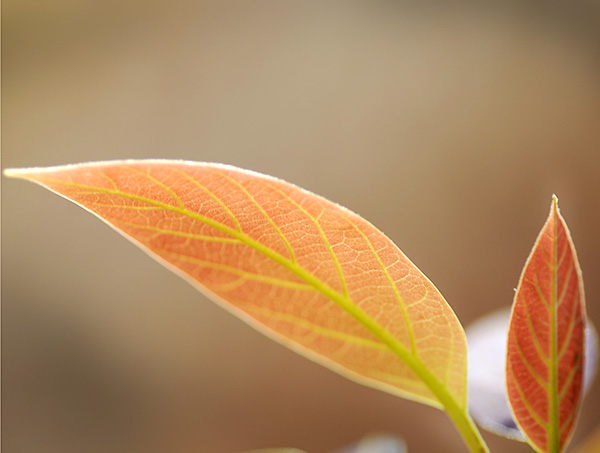
A shallow depth of field isolates the leaves from the soft background
The post Using Depth of Field as a Compositional Tool by Barry J Brady appeared first on Digital Photography School.
-
Get Intimate With Depth of Field: Using Depth of Field Creatively
Controlling your camera’s exposure is not only a fundamental topic to achieve good photographs, but it also becomes essential knowledge to be able to explore the creative possibilities of photography. You might have heard of aperture, shutter speed and ISO. These are the camera controls that directly affect exposure and, finally, how the picture turns out. You can use many Continue Reading
The post Get Intimate With Depth of Field: Using Depth of Field Creatively appeared first on Photodoto.
-
Using Depth of Field and Perspective for Better Composition
We all know this problem. You take a picture of a beautiful scene but it just doesn’t turn out the way you want. Something is missing. It usually isn’t a matter of your camera or the settings you are applying. But what is it then? The question at hand is how do you get from a snapshot to an interesting, unique, and well composed photograph.
To answer this, we have to move away from the technical aspects and go more into the creative and artistic aspects of photography. You might say that this is a very subjective matter and that beauty is in the eye of the beholder, but there are a few building blocks that will help to improve your photography and also develop your own unique visual language.
Depth of field for a more three-dimensional Look
An important aspect of photography is that we want to capture a three-dimensional reality by taking a two-dimensional image. When we are out in the field, our eyes in collaboration with our brain create very complex images within split seconds. The most important factor in this context is that our eyes are constantly moving while focusing on different subjects. The focal plane is shifting with a subject in focus and everything in front or behind appearing to be blurred. This “Depth of Field” is one the most important techniques we can utilize to simulate depth and three-dimensionality.
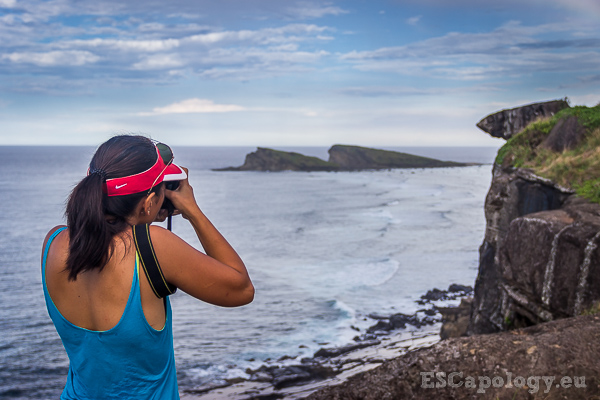
Utilizing depth of field to create a more three-dimensional look
In order to play with depth of field, we need a scene with a defined foreground and a background. Whereas the background is usually a given, a lot of images lack foreground which makes an image appear flat and boring. Choosing a defined foreground will enable us to actively compose an image and become creative.
Once you have chosen a background and a foreground you like (ideally both complementing each other), you have to find the right position for you and your camera in order to combine both for an appealing overall image. To find the right position, you should try different angles, move around, get low to the ground and don’t solely rely on your zoom. By using a large aperture (small f-stop number) and a selective focusing, we can isolate the foreground from the background by making the foreground objects sharp and the background blurry (or vice versa). This will convey a sense of depth and three-dimensionality.
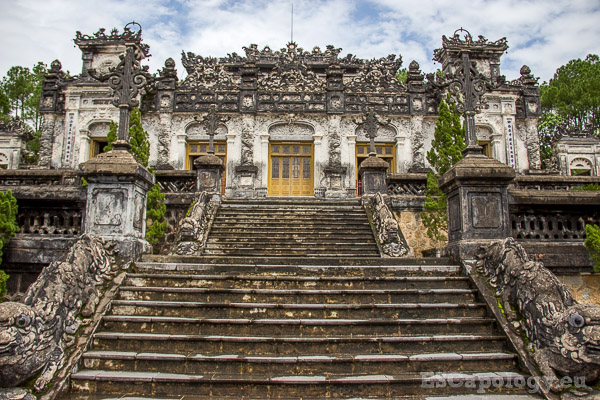
No foreground. Lack of depth and composition.
This image (above) of one of the ancient tombs around Hue, Vietnam looks flat. There is no depth, no three-dimensionality and it lacks a clear composition. Because a foreground is missing, the image is too busy and distracting.

Foreground and background nicely isolated to create a sense of depth.
Above an image of the same subject but with a much better composition. The focus is on the eye of one of the dragons, making it our foreground. The rest of the tomb is our background, slightly blurred and nicely separated. It generates a sense of depth and also appears much calmer and structured than the first image. The viewer is being led into the picture. You can use this technique when photographing very popular places like for example the Eiffel Tower, Angkor Wat or other monuments. Instead of taking the same shot as every other tourist, experiment with different backgrounds and foregrounds, get creative, move, and I am sure you will end up with an original and authentic image.

Cambodian Fighter. Focus on the subject, still including the environment.
You can also apply this technique to your people and portrait photography. It not only helps to really put emphasis on your subject, but also to incorporate some of the environment, which will help to tell a story. In the picture above, the focus is on the weary fighter, catching his breath during a fierce Khmer Boxing fight in Cambodia. We are at eye level with the fighter and again, the foreground is nicely separated from the rather blurry background. Yet, we can still see parts of the surrounding environment which is the ring and the crowd in the back. The focus however always remains on the main subject.
Leading lines for a sense of perspective
Of course depth of field is not the only means to create a sense of depth and three-dimensionality. The concept of leading lines is another one of those building blocks that you can apply. The viewer of a photograph usually associates diagonal lines which are leading into an image, to a vanishing point perspective. This means that objects which are farther away also appear smaller. This context automatically and unconsciously gives the viewer an impression of three-dimensionality.
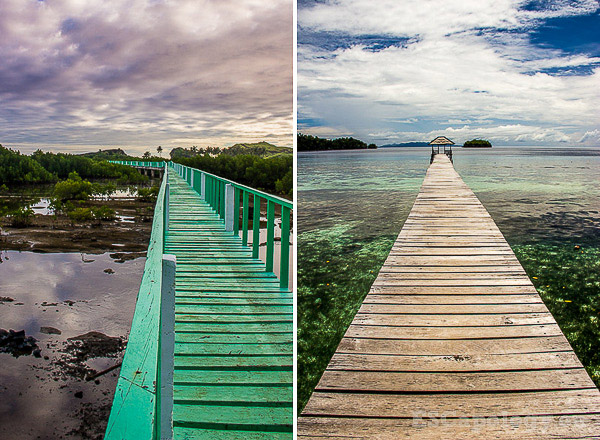
Two images with a clear vanishing point perspective.
As you can see in the images above, a shallow depth of field is not necessarily needed to convey that sense of depth we are looking to achieve. Here it’s all done by using a jetty as lines, which connect different layers of the picture – the image becomes much more plastic and complex.
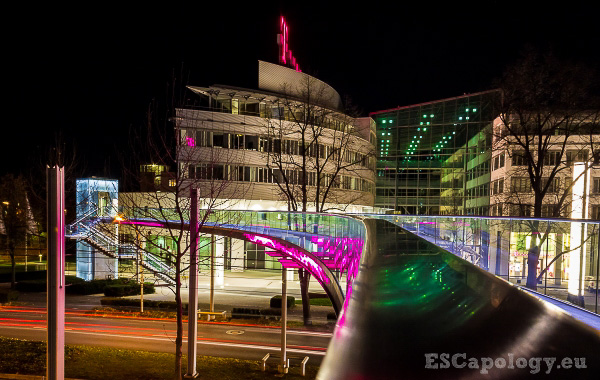
Night Scene: The bridge leading into the picture.
Similarly the image above becomes three-dimensional because the pedestrian bridge is leading into the image. It also appears to become smaller and smaller as it leads into the background. This way the image has that sense of depth even without applying a low depth of field. The bridge as a leading line is connecting our different layers, the foreground and the background.
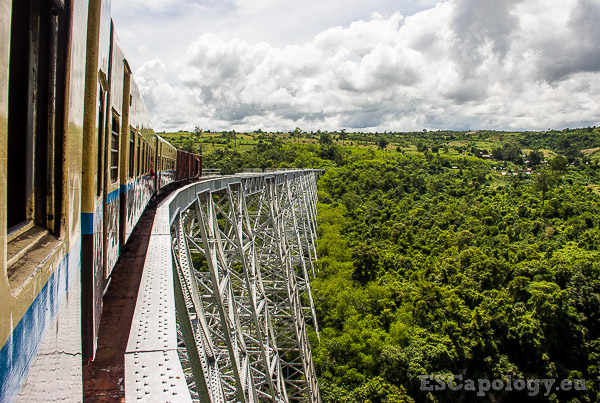
The bridge and the train convey a sense of depth.
Providing a relationship in size
When regarding a picture, the viewer often needs a reference point in order to correctly interpret the information our two-dimensional images provide. We can do this by establishing proportions and providing a relationship in size. Often this isn’t needed as we know a lot of the subjects we are capturing. In the image above we were dealing with familiar objects like a pedestrian bridge, a street and a commercial building. It was easy to put everything into context. But a lot of times, when we are confronted with unfamiliar things, this isn’t as easy.
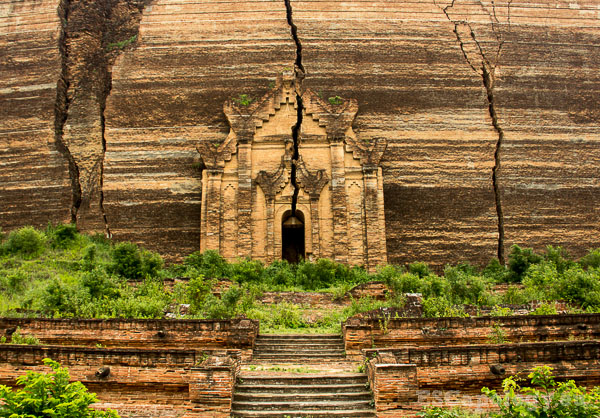
Mingun Pahtodawgyi in Mingun, Myanmar. Can you tell how big it actually is?
In the picture above is Mingun Pahtodawgyi, a temple in Mingun, Myanmar. Left unfinished, this huge construction was planned to become the world’s biggest stupa with a height of 150 meters. It is huge and impressive but the picture above somehow doesn’t manage to convey this. Just by looking at this image it is impossible to gauge the sheer size of the temple. A reference is missing.
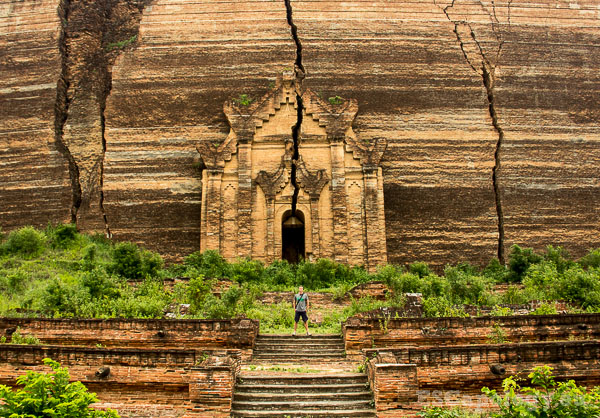
Mingun Pahtodawgyi. Are you getting a better sense of dimension?
Here I have added myself to the picture and despite my rather stupid pose, it instantly provides a point of reference. This relationship in size helps to categorize the stupa and establishes a sense of dimension. To achieve this effect and to provide a relationship in size, you can also use other elements which help the viewer to better comprehend an image.
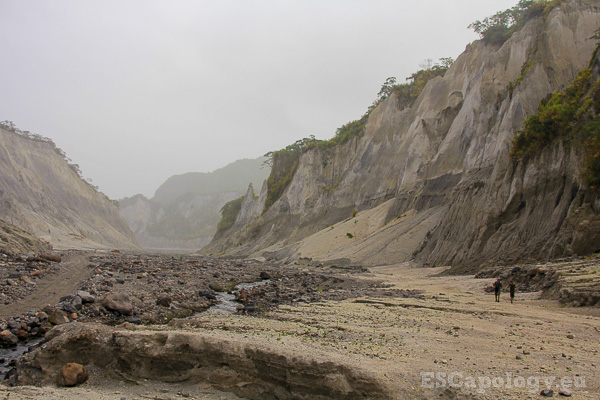
The hike up Mt. Minatubo, Philippines. Another example of relationship in size.
Try to practice, and utilize, these three building blocks to improve your photography. You can also try combining two of these techniques to generate an even greater sense of depth. Of course these concepts are by far not the only factors that make for a good and well composed image. There are many more things to take into account but for now, it should give you a good starting point.
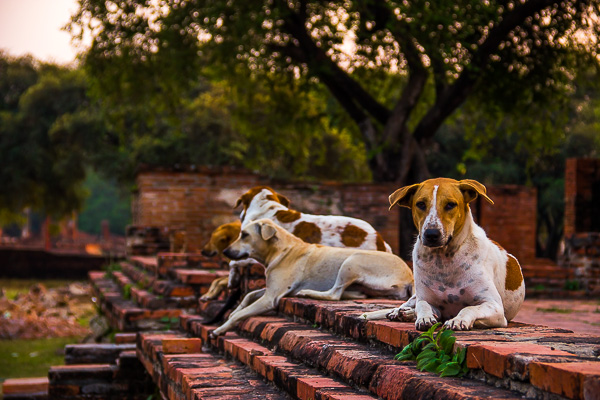
Temple dogs – a shallow depth of field and leading lines combined.
I hope you liked this article. Feel free to comment below and let us know what other techniques or concepts you found helpful on your quest of becoming a better photographer.
The post Using Depth of Field and Perspective for Better Composition by Philipp Dukatz appeared first on Digital Photography School.
-
How to use a Gobo to add Depth to Your Portraits with Subtractive Lighting

It’s our responsibility as photographers to use the interplay of light and shadow on our subjects to create the third dimension in our two-dimensional media. When the shadows are absent, we should do our best to craft the direction of natural light with tools that do this organically–tools that do not call attention to themselves.
One tool that I often see photographers using outdoors, typically in an attempt to counteract the effects of ambient light on a subject rather than simply crafting existing light, is flash fill. The problem, however, is that the use of flash fill outdoors (especially on-camera flash) frequently results in a very unnatural look and flat lighting—where all of the shadows are gone—which means that they lose the three-dimensional effect that we as artists seek to make our subjects look real. Very rarely is flash used in this manner subtle enough not to call attention to itself.
The answer is subtractive lighting
Subtractive lighting simply involves the blocking of unwanted natural light to create a natural three-dimensional quality to the lighting of people outside. The tools used to block unwanted light are called gobos or flags. Both terms are used in the world of cinematography, but are not used much the still photography world today.
A flag is generally black, opaque, flat, and refers to something you could hold by hand or mount to a stand. As shown in the images below, this tool is used when you have placed your subject in a less than desirable, very open location with flat lighting.

Image with no gobo used
This is typically the lighting you’ll see with your subject out in the open. There’s strong light on both sides of his face, even though the sun is setting behind him. This is what’s referred to as flat lighting and it’s not very interesting.
In the next image you see how this can be corrected. Kathi, my wife and partner, is holding a 42″ flag close to the subject to create a dimensional shadow on the subject’s face.
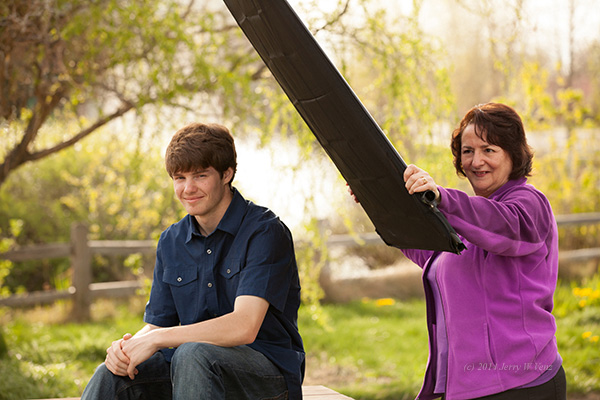
Showing how the gobo is used
As you can see, just that simple modification of the natural light creates beautiful three-dimensionality.

Image with gobo used (notice the deeper shadow on his left cheek, camera right)
In this next example, we have our high school senior model, Jasmine, in the popular “Freak Alley” in downtown Boise. The sun is setting on camera left and is reflecting off a tall, distant, mirrored building to camera right. We blocked the direct sunlight on the left with our 42″ black flag, creating a nice shadow side on her face. Removing the much brighter sunlight coming from camera left (over 2 stops brighter than the reflected light on the right) also meant that I could open up the lens and slow down the shutter enough to record the dim light in the doorway behind her.

ISO 400, F/5.0 at 1/125th
If you don’t have a flag, you can accomplish similar results using a small natural light blocker, like a tree. This is where the generic term “gobo: (from go-between) comes into use. Gobos can be man-made things like buildings, houses, or a porch and they can also be something natural like a tree, forest, or hedges. Really, just about anything used to block light can be referred to as a gobo. The nice thing about a tree is that it can be in the picture, and act as a gobo to create the same type of lighting (called short lighting, where the shadowed side of the face is nearest the camera) that we used on Jasmine above.
Nick, in the image below, is a big athletic guy so I wanted to create some short lighting to trim down his face. To accomplish this, I leaned him into a small tree for its gobo effect which created a nice shadow on his face. The key to making this work is finding a tree with a small canopy. Since he must be very close to the tree for it to make a shadow on his face, the tree can’t have a big canopy or it will block the main light (the sky) and eliminate my nice deep background bokeh (those nice de-focused specular highlights, that will be a topic for a future article).

200mm lens, f/4.5 at 1/250th, ISO 400
Group portraits using subtractive lighting – more difficult but worth the effort
The hand held flag or small tree works great on individuals, but you need a much larger light blocker when photographing groups. To this end, scout your location for any large groups of trees, hedges, buildings, etc., which could serve as your gobo and help add three-dimensionality to your group portrait.
Again, to be effective, you must place your subject fairly close to the gobo so that you can see its effect (the shadow) on your subjects’ faces. Some photographers may have difficulty seeing this rather subtle effect with the naked eye, so I suggest to my students that they meter for the highlights on the subject’s face and take a test photo. It will be very obvious, when viewing the camera’s rear screen, if you have the shadows you’re looking for. How close, you ask, should the nearest member of your group be to the gobo? Usually about ten feet works for me. If you have a really big, tall tree line, then twenty feet may work beautifully.
In this last example, which was taken about two hours before sunset, the family was placed about fifteen feet away from a large stand of trees on the right. On the left, serving as the main light, is a large patch of clear blue sky with no sun in it. The only direct impact of the sun should be in creating backlight for the background.

145mm lens, f/6.3 at 1/100th, ISO 400
Important caveat: Don’t stress if you can’t find the ideal location that will create the subtractive part of the natural lighting for groups, it’s not always possible. It’s perfectly acceptable to use soft, flat lighting when working with groups, especially large groups, one or two hours before sunset. Just make sure you have the other elements mentioned: keep the entire group in the shade, with the sun only touching the background, and that large patch of blue sky as your main light. We’ve used this technique to create many great portraits over the years.
Using true natural light, modified with the subtractive lighting technique, will produce superior portraits that will always look more natural than any flash technique. In addition, with the money you save not buying speed lights, soft-boxes, stands, weights, and radio triggers, you can invest in a really nice portrait lens. How’s that for a win-win?
If you have any other portrait lighting tips leave a comment below.
For more portrait lighting tips try out these articles:
- Lighting Ratios to Make or Break your Portrait
- 5 Reasons for Doing Natural Light Portraits
- Let’s Talk About Light – 3 Types of Lighting Conditions and how to Use Them
- Portraits – Lighting the Shot – a dPS ebook
The post How to use a Gobo to add Depth to Your Portraits with Subtractive Lighting by Jerry W Venz appeared first on Digital Photography School.


