RSS
 

Posts Tagged ‘City’

Get Booked: ‘A Burglar’s Guide to the City’ by Geoff Manaugh

03 Apr

[ By WebUrbanist in Travel & Urban Exploration. ]

burglars guide

Take a break and enter the world of urban villains, who see and seek out hidden opportunities in built environments, forever on the lookout for architectural workarounds and infrastructural escape routes.

In his latest book, A Burglar’s Guide to the City, architecture expert Geoff Manaugh of BLDGBLOG explores everyday spaces through the lens of criminals and criminologists, unearthing uncanny stories at the intersection of buildings and crime.

His research led the author down elevator shafts, into panic rooms and through buried vaults; the resulting tales are a combination of true-crime pieces and architectural philosophy, equal parts entertaining and educational.

abandoned roofman hideout

From the perspective of perpetrators, consider the strange case of Jeffrey Manchester, AKA Roofman, a burglar responsible for dozens of break-ins and hold-ups, primarily at fast-food joints. His signature strategy was to drop down into establishments from above, catching workers and managers unawares. This approach worked precisely because of an architectural flaw in the system: nearly identical structures used by chains make each theft quite like the last, so each incursion doubled as a practice round for the next.

In another architectural twist, when he was finally captured, Roofman’s secret lair turned out to be a customized void between a Toys”R”Us store and an adjacent abandoned Circuit City. He outfitted his abode with working plumbing and electricity, using baby monitors from the Toys”R”Us to monitor employee activity.

capture house thief

From the other side of the law, enforcement officials and criminal investigators have likewise fascinating tales to tell, including the UK police practice of creating “capture rooms.” The cops reverse-engineer ideal targets for breaking and entering, then fill a selected vacant house with tempting electronics and other expensive merchandise, then use it to capture thieves breaking an entering on tape.

Points of entry (doors and windows) as well as the goods strewn throughout the fake homes (such as TVs and video cameras). These are sprayed with a special tracer chemical, helping police confirm with clear physical evidence that suspects were on the premises. Once caught, the would-be burglars are shown videos of their exploits, much like stars on some twisted reality television show.

bldgblog book

And these are just two teaser examples; the book is filled with many more, with subjects ranging from urban guerrilla warfare strategies to the work of theory-minded architects like Bernard Tschumi.

The real magic of Manaugh’s work is in the subtle way it reshapes the reader’s understanding of the built world, causing you to look at architecture with a criminal mindset. Suddenly, trap doors, abandoned shafts, sewer systems, escape ladders, and other oft-overlooked features take on new meaning. The true stories that serve as foils for this exploration are also fully engaging in their own right, real tales genuinely stranger than (and often the basis for) fictional crime dramas.

Readers who enjoy this book will also want to pick up a copy of BLDGBLOG: The Book, a collection of fascinating “architectural conjecture, urban speculation and landscape futures,” a great compilation of stories that expand on Manaugh’s past articles

Share on Facebook


[ By WebUrbanist in Travel & Urban Exploration. ]

[ WebUrbanist | Archives | Galleries | Privacy | TOS ]


WebUrbanist

 
Comments Off on Get Booked: ‘A Burglar’s Guide to the City’ by Geoff Manaugh

Posted in Creativity


Top Secret City: Oak Ridge, Birthplace of the Atomic Bomb

18 Feb

[ By Steph in Culture & History & Travel. ]

atomic oak ridge 1

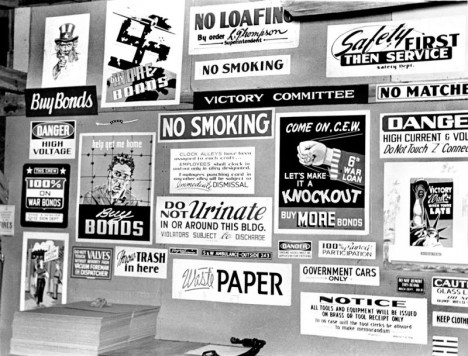
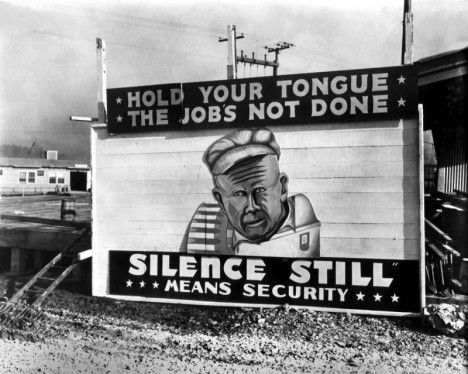
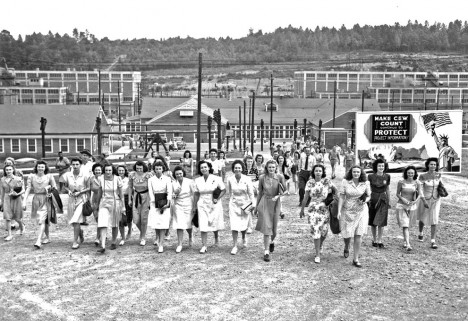
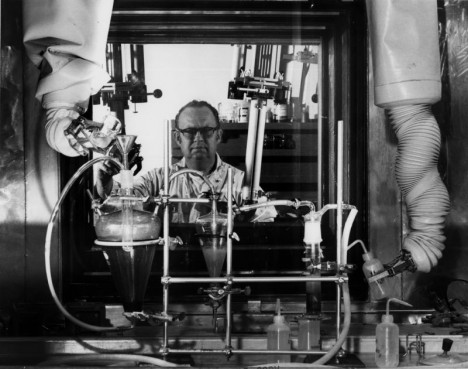
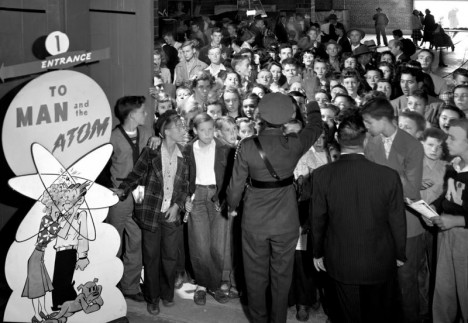
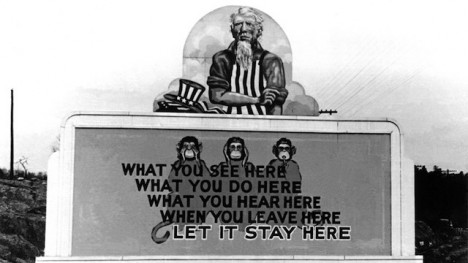
Thousands of people who lived and worked in Oak Ridge, Tennessee during the 1940s had no idea what they were actually doing every day, performing their tasks as directed without asking questions, surrounded by constant reminders that they needed to keep their traps shut or else. It wasn’t until the United States bombed Hiroshima in 1945 that they learned they were processing uranium as part of The Manhattan Project, many of them exposed to radiation for years.

atomic oak ridge 3

atomic oak ridge 2

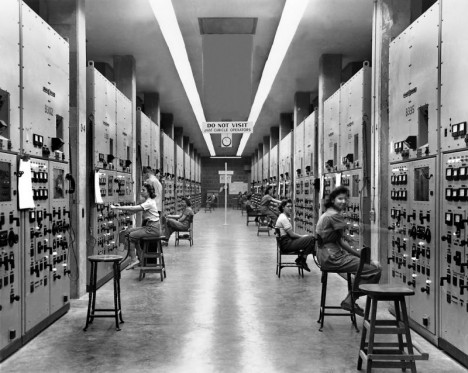
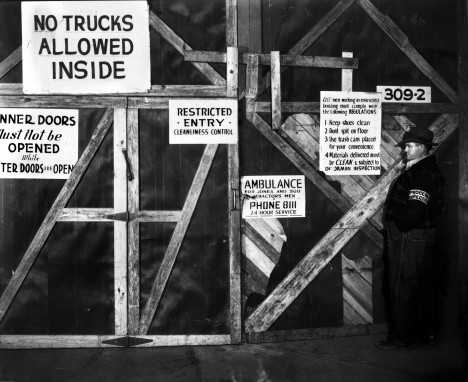
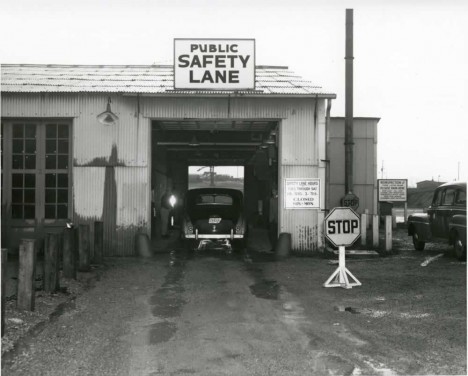
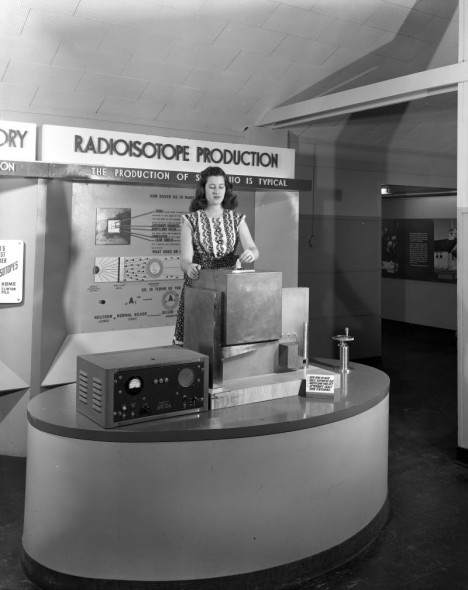
Nicknamed the Secret City, the Atomic City and the City Behind the Fence, Oak Ridge was developed by the government on 56,000 acres of former farmland and remains a center of nuclear research and development today. In photos from the World War II era, published by the U.S. Department of Energy and taken by Oak Ridge’s only authorized photographer Ed Westcott, we see the many signs reminding residents that their discretion was paramount, even if they didn’t exactly know what they were keeping secret.

atomic oak ridge 4

atomic oak ridge 5

atomic oak ridge 6

atomic oak ridge 7

While part of the city was open to the public, all visitors were required to go through military checkpoints on their way in and out. Other areas were strictly restricted. If anyone asked too many questions, they were out of a job and a home.

atomic oak ridge 8

atomic oak ridge 10

atomic oak ridge 11

atomic oak ridge 12

In the decades that have passed since then, some workers have spoken publicly about their experience, talking about the strange clicking instruments they had to wave over all sorts of objects, including uniforms. That instrument, of course, was checking for radiation.

atomic oak ridge 13

atomic oak ridge 14

atomic oak ridge 15

In addition to its many official facilities, Oak Ridge became home to ten schools, seven theaters, 17 restaurants and cafeterias, 13 supermarkets, 17 churches, a symphony orchestra and enough prefabricated modular homes for its 75,000 residents.

atomic oak ridge 17

atomic oak ridge 18

atomic oak ridge 16

Two years after World War II ended, Oak Ridge transitioned to civilian control, but retains the Oak Ridge National Laboratory, where the supercomputer Titan was developed in 2012. Tours of the original facility are offered, but there’s so much interest, you have to add your name to a waiting list if you want to get in.

Share on Facebook


[ By Steph in Culture & History & Travel. ]

[ WebUrbanist | Archives | Galleries | Privacy | TOS ]


WebUrbanist

 
Comments Off on Top Secret City: Oak Ridge, Birthplace of the Atomic Bomb

Posted in Creativity


Wearable RIP: Coffin Hood Helps You Relax Among City Chaos

31 Dec

[ By Steph in Design & Products & Packaging. ]

wearable RIP 7

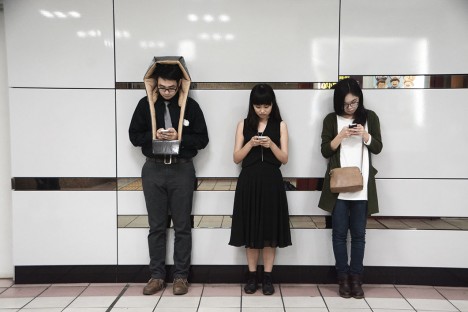
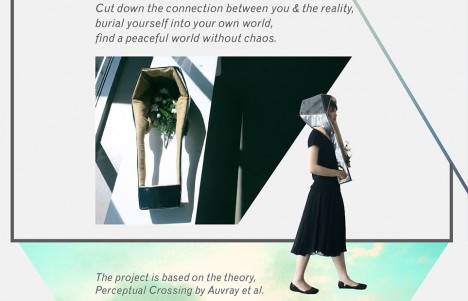
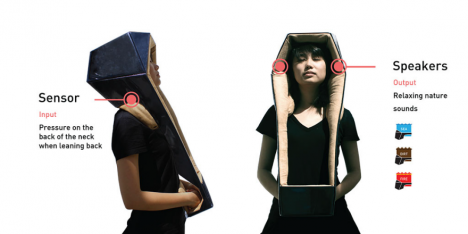
There’s no peace quite like death, a fact that seems to have inspired this coffin-shaped, sensory-dampening hood encouraging you to “say goodbye to everything” no matter how chaotic your environment may be. The ‘Wearable RIP’ fits around your head, with padding for your shoulders and a kangaroo pocket for your hands, so you can get some (hopefully not eternal, just yet) shuteye, even in airports or on the bus.

coffin 10

wearable RIP 8

wearable RIP 9

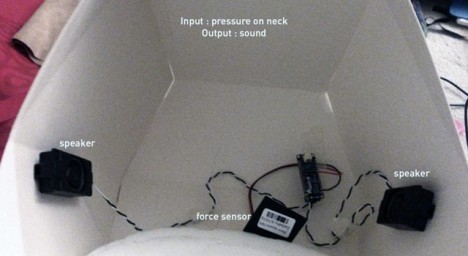
What kind of burial do you want? That’s a serious question, because the hood will give you three options that change the type of music that auto-plays when you lean back enough to activate the sensor behind your head. Select the glory of a burial by fire, go deep into the silent earth, or float with the echo of the ocean in your ears.

wearable RIP 3

wearable RIP 4

wearable RIP 6

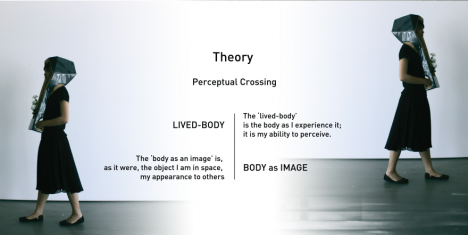
Designers Ting Wu and Yu Ting Chang want you to “cut down the connection between you and reality,” burying yourself in a world of your own choosing. There’s some heavy philosophy in their description of the project: “‘Lived-body’ is the alive body that you can perceive; ‘body as image’ is just the object, the shape of the body. If you can perceive the object, does that mean the object is alive to you? In contrast, if you can’t perceive someone, is he/she still alive?”

wearable RIP main

The Wearable RIP hood: for when you just want to be a little bit dead.

Share on Facebook


[ By Steph in Design & Products & Packaging. ]

[ WebUrbanist | Archives | Galleries | Privacy | TOS ]


WebUrbanist

 
Comments Off on Wearable RIP: Coffin Hood Helps You Relax Among City Chaos

Posted in Creativity


Urban Rainbows: 14 Colorful Art Installations in the City

08 Dec

[ By Steph in Art & Street Art & Graffiti. ]

rainbow light rails 1

Nighttime rainbows shimmer across the skies in cities from Istanbul to New York, traversing rivers, illuminating underpasses and highlighting monuments. Bringing splashes of ultra-saturated color to gray concrete scenes in urban areas as well as historic structures and even waterfalls, these rainbow light art installations seem to symbolize the ability to look on the bright side.

35-Mile Laser Rainbow
rainbow 35 mile 1

rainbow 35 mile 2

rainbow 35 mile 3

‘Global Rainbow, After the Storm’ by Yvette Mattern shone from the rooftop of the Standard High Line Hotel in New York City to 35 miles in the distance, symbolizing hope after Hurricane Sandy in 2012. Despite their incredible range of visibility, the lasers used for the installation required the equivalent of two hairdryers’ worth of electricity.

100 Colors by Emmanuelle Moureaux
rainbow 100 colors 1

rainbow 100 colors 2

rainbow 100 colors 3

Lay down on a tatami mat and watch a rainbow of colors shift, swirl and change at the ‘100 Colors No.9’ installation by Emmanuelle Moureaux. Set against Tokyo’s Zojoji Temple, the work has a big impact for its size, with the colorful strands rustling in the wind.

LightRails by Bill FitzGibbons
rainbow light rails 2

rainbow light rails 3

A neglected Art Deco railroad underpass gets the attention it deserves with the addition of a network of computerized rainbow LEDs. LightRails by artist Bill FitzGibbons illuminates the passageway for safety, and to encourage its use as a gateway between downtown Birmingham, Alabama and a new urban space called Railroad Park.

Reflective Palace of Rainbows
rainbow palace

rainbow palace 2

rainbow palace 3

Built in the late 19th century, Madrid’s stunning Palacio de Cristal feels even more magical and otherworldly with the addition of iridescent panels by Kimsooja. The installation, entitled ‘To Breathe – A Mirror Woman,’ created the feel of stepping inside a rainbow by reflecting the lighting effects on the windows with mirrors installed on the floors.

Night Rainbow
rainbow night trafalgar

rainbow night trafalgar 2

A ghostly-looking rainbow stretched 100 feet across London’s Trafalgar Square even after dark as part of a promotion for three new LGBT shows on British television in January 2015.

Next Page – Click Below to Read More:
Urban Rainbows 14 Colorful Art Installations In The City

Share on Facebook


[ By Steph in Art & Street Art & Graffiti. ]

[ WebUrbanist | Archives | Galleries | Privacy | TOS ]


WebUrbanist

 
Comments Off on Urban Rainbows: 14 Colorful Art Installations in the City

Posted in Creativity


Urban Ant Farm: Colony Encouraged to Hack City of Glass & Sand

15 Nov

[ By WebUrbanist in Art & Installation & Sound. ]

ant farm hybrid

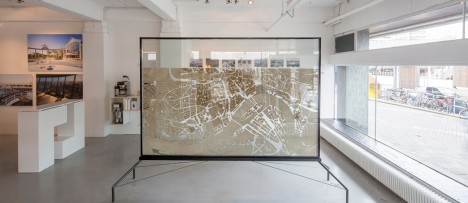
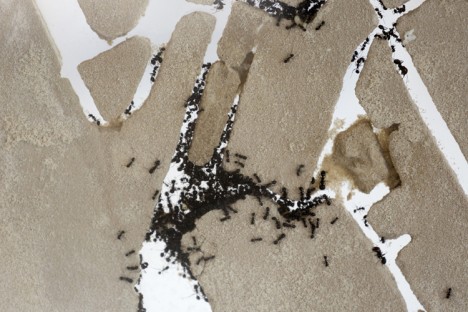
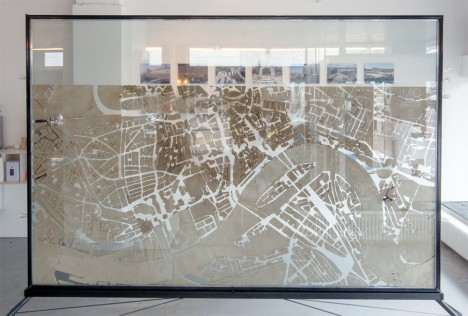
In this Urban Ant City installation, hundreds of Spanish ants were set loose in a scale model of Rotterdam, allowed to navigate the existing street and carve their own paths and tunnels.

ant city angle

Using the same basic principles of a tabletop ant farm, STUDIO 1:1 (images by  Ossip van Duivenbode) added a twist to their approach, giving the sandy landscape sandwiched between glass panels an initial shape.

ant city display

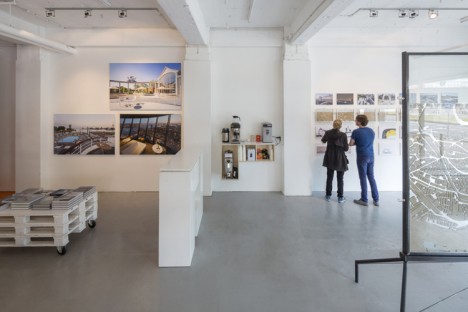
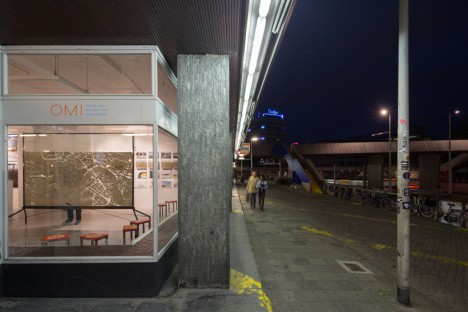
The ants, in turn, are following their instincts, creating custom routes that evolve the existing cityscape, all set prominently on display at the the Office for Metropolitan Information.

ant farm closeup

The pending project results have potential to show how nature takes its course with cities over time, highlighting the intersection of planning and organic forces, and may add a new layer of meaning to EUsociality. It also just looks awesome.

urban ant farm

“OMI is an initiative of UrbanGuides, Perplekcity and Ossip Architecture Photography. These organizations offer city explorations, urban planning and photography combined in one place.”

ant farm urbanism

“In addition, an array of books and city guides have been collected and are presented at OMI, in collaboration with NAi Booksellers. Urban Ant City installation of STUDIO 1:1 is realized together with AIR, the architectural centre of Rotterdam.”

Share on Facebook


[ By WebUrbanist in Art & Installation & Sound. ]

[ WebUrbanist | Archives | Galleries | Privacy | TOS ]


WebUrbanist

 
Comments Off on Urban Ant Farm: Colony Encouraged to Hack City of Glass & Sand

Posted in Creativity


Blooming Street Lights: Giant Flowers Interact with the City

03 Nov

[ By Steph in Art & Street Art & Graffiti. ]

flower lights 1

Step beneath these massive red flowers in Jerusalem’s Vallero Square and they’ll bloom before your eyes, offering light after dark and shelter from the rain. The interactive installation by HQ Architects reacts to pedestrians and traffic, their crimson textile petals filling with air when motion is sensed nearby.

flower lights 2

flower lights 3

Standing 30 feet tall in two pairs on opposite ends of the square, the flowers can be seen from afar, providing an eye-catching visual for visitors to a busy nearby market. In addition to functioning as public art and street lights, the flowers provide cover to commuters getting on and off the tram.

flower lights 4

flower lights 5

flower lights 6

flower lights 7

When the square is full of action, the flowers billow, creating a sense of movement. They go still when all is quiet late at night, their petals closing. An air compressor is built into the top of each one. Named the ‘Warde Project,’ the installation is part of an effort to revitalize a square that felt a little shabby. [Photos by Dor Kedmi]

Share on Facebook


[ By Steph in Art & Street Art & Graffiti. ]

[ WebUrbanist | Archives | Galleries | Privacy | TOS ]


WebUrbanist

 
Comments Off on Blooming Street Lights: Giant Flowers Interact with the City

Posted in Creativity


Tips for Pre-Planning City Photography When Travelling

26 Oct

You have finally arrived. After all the planning and decisions you are in one of the most beautiful places in the world. You have rested, and now you’re ready to go out to see what you can photograph.

You look around and realize you’re overwhelmed, and you’re experiencing sensory overload. You can’t figure out what to photograph, as there are too many options, and you don’t know what will make a good image.
leannecole-city-manhattan-skyline

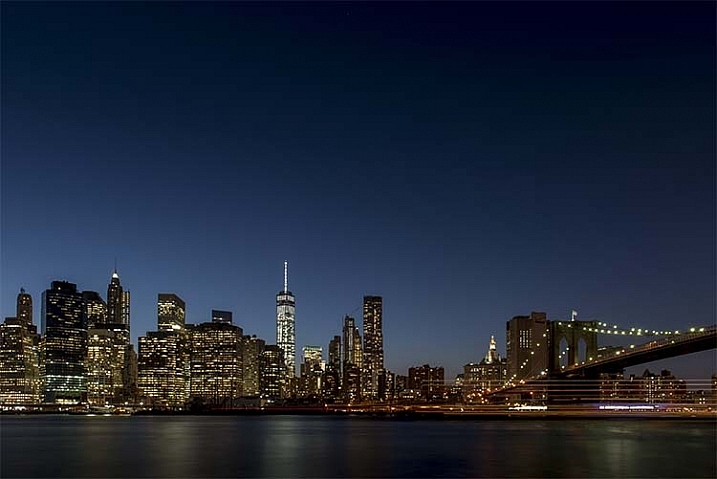
Manhattan at dusk from Brooklyn Park

This is a common problem when you find yourself somewhere that has so many amazing places to look at, and to photograph. It happened recently in New York to someone I was travelling with. She couldn’t work out what to do and how to approach where she was. She felt lost in a world of so many beautiful things to take photos of.

If you find yourself in a similar situation, here are some tips to help you get past that.

Figure out what you want to see

Think about why you have travelled to this destination. There have to be reasons why you wanted to go there. It might be a good idea to do some research and get an idea of what you would like to see ahead of time.

Make a list

Once you have that, the next thing to do is to make a list of the places you want to visit. For example let’s say you are in New York City. Some examples of places to visit and things to do include:

  • Empire State Building
  • The Flatiron Building
  • Walk over the Brooklyn Bridge
  • Times Square
  • Take a ride on the subway
  • Explore Central Park
  • Pay your respects at the 9/11 Memorial

Of course a city like New York is full of amazing places to go and photograph, these are just a few.

Work out on a map, or, if you have internet access, Google Maps, where they all are and how many of them are near one another. You don’t want to see them all on the same day, so divide them up over a few days.

What is the best time of day to shoot your chosen locations?
leannecole-newyork-flatiron-whole

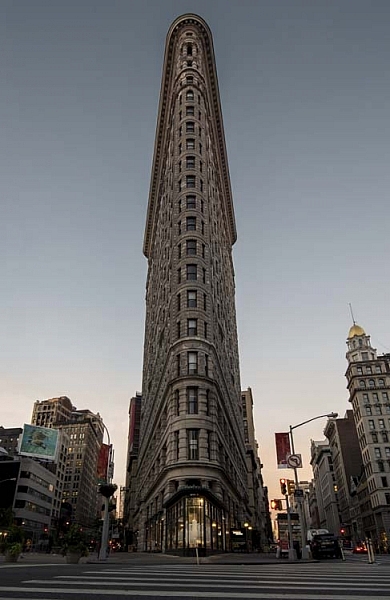
The Flatiron Building in New York just after sunrise.

It’s good to see where they are on the map as well for orientation. Can you see where they will be according the position of the sun each day? Take the Flatiron Building for example, would it be better to photograph it in the early morning, or in the late afternoon. Early morning during the sunrise could give you a lovely colour in the sky, but it will also mean that there will be less people around. If you are anything like me and don’t like people in your photos, then early morning can be the best time to see and photograph places.

Then again, if you want to photograph Manhattan after walking over the Brooklyn Bridge then late afternoon is going to be a better time. You get the sunset and then the lights coming on in the city.

The number of people at these places is also something to consider. New York is full of tourists, though many popular cities around the world are the same, so you need to think about whether or not you want them in your images. You can get photos without them, but that can take patience.

How are you going to photograph your chosen spots?

This is the part that can baffle a lot of people. Once you have narrowed down what you want to take photos, next you have to decide how to do it. There are several options, these might help you decide.

It is very easy to walk up to a building, hold the camera up to your face, click, and then you’re done. That is often what you see tourists doing, the “I’ve been here and done that” type of image, but as photographers we usually want more than that. You can get a lot more from a location- here are some tips to help you get better images:

1 – Photograph everything
leannecole-city-grand-central-station

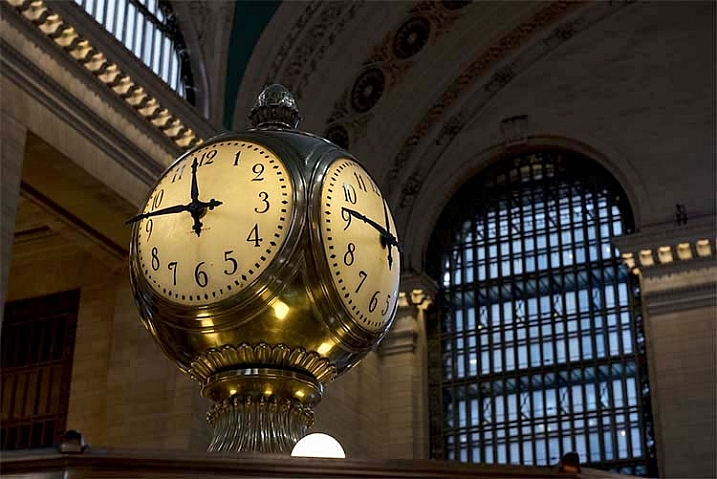
A close-up of the clock at Grand Central Station or Terminal

With the age of digital, not having to worry about how much film is going to cost to buy or process, you really can photograph everything. If something catches your eye, then take a photo of it.

Don’t analyze why, just do it. You can think about things too much, but keep in mind that you are there to take photos and it doesn’t matter, just snap away.

2 – Focus on the details
leannecole-newyork-flatiron-detail

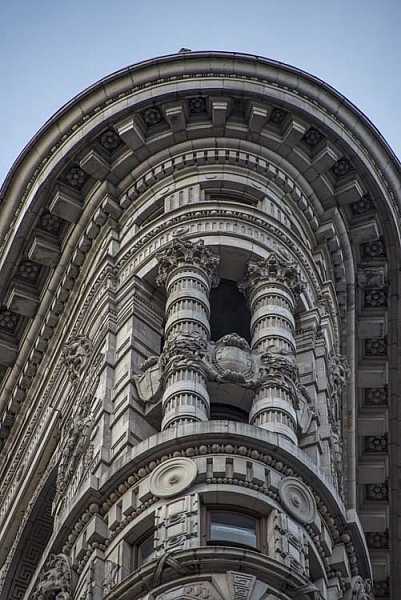
Detail of the Flatiron Building in New York.

Sometimes if you just look for the little things, the shape of a door, or some ornate decoration above a window, it can make a big difference.

Old buildings are great for giving you lots of details. They were often built using heaps of ornamental decorations around doors or windows. Besides taking photos of the whole building or location, think about smaller things, and how a close-up of a certain aspect can help give more of an idea of what it looks like.

If you look at the Flatiron Building, first you see the oddity of its shape, how it is placed within its environment, and then you start to see the stonemason’s work on the sides. It is covered in lacework and small sculptures.

New buildings don’t have the type of stonework as the older ones, but you can still get some interesting images. Often instead of small things, the buildings themselves are one large shape. It can be good to find that shape and the best way to take an image of it.

Take the new World Trade Centre, or, as it is commonly called, the Freedom Tower. It is an incredible shape which stands out all over the city. There is no denying it when you see it. Look at its form, and see if there is anything unique about it.

3 – Consider its position in the environment
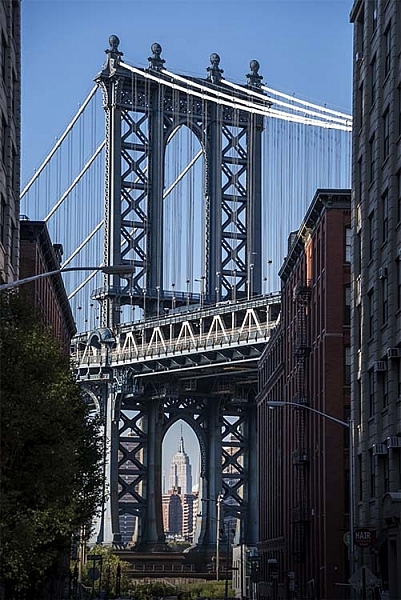
leannecole-manhattan-bridge-empire-state

Looking through Manhattan Bridge to the Empire State Building.

The situation of the object you are photographing can help tell the story of it. Look around and see what else is there. Is it a busy street? Do people use it a lot? Is there a strange juxtaposition of what it is and where it is located?

Central Park is so big, yet it seems almost a contradiction to see it inside a city of steel and glass. It can be seen as an escape, yet in certain places you can see the city above the line of trees.

4- Look inside
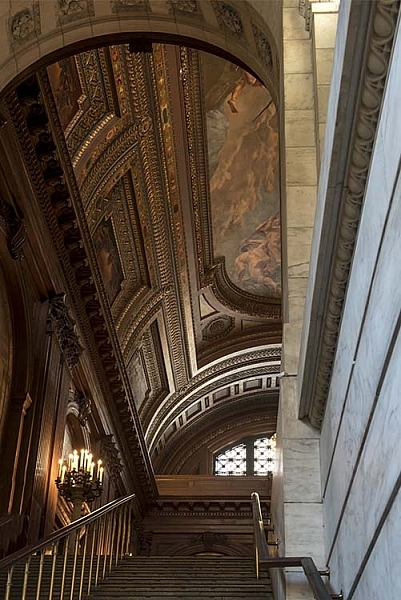
leannecole-city-newyork-public-library

The staircase and ceiling in the New York Public Library.

There are many buildings that you can also photograph inside. Just make sure you have permission to do so first.

Once inside don’t use the flash on your camera, it will give your a strange look and, if it is a big room, will have little affect. Most public buildings frown on the use of flash as well.

Once you go into a building you will need to make your ISO higher, so don’t forget to raise it when you go inside.

Staircases are wonderful to photograph in both directions. Old buildings often have wonderful light fittings and very ornate ceilings, try to capture those.
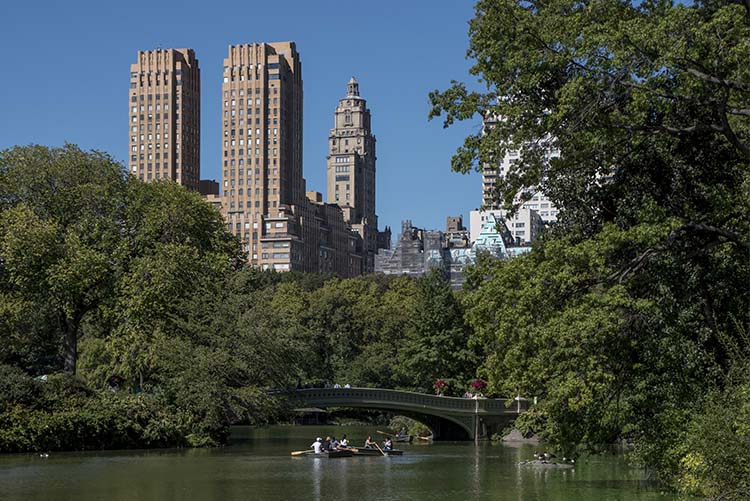
leannecole-city-central-park

New York appearing above the trees in Central Park and the Bow Bridge.

Before you head out the door

Remember what you want to do when you are out taking photos. If you make a list of what you want to photograph, or a summary of this list, then you will get what you want.

If you are going to the Flatiron Building your list might look like this:

  • From across the street and straight on
  • From the left looking down the side street
  • Do the same on the right
  • Stand at the bottom and look straight up
  • Zoom-in on some of the different details on the building
  • Move to one side and have the building on the left or right and then show the street it is on

This can be a good way to get the shots you want. You don’t want to get back home and wish you had done something else.

If you think about all of these aspects of travel photography then it should help you to get over your feelings of being overwhelmed. It will help you focus on what you want to photograph, and how you want to see the city through your camera.

googletag.cmd.push(function() {
tablet_slots.push( googletag.defineSlot( “/1005424/_dPSv4_tab-all-article-bottom_(300×250)”, [300, 250], “pb-ad-78623” ).addService( googletag.pubads() ) ); } );

googletag.cmd.push(function() {
mobile_slots.push( googletag.defineSlot( “/1005424/_dPSv4_mob-all-article-bottom_(300×250)”, [300, 250], “pb-ad-78158” ).addService( googletag.pubads() ) ); } );

The post Tips for Pre-Planning City Photography When Travelling by Leanne Cole appeared first on Digital Photography School.


Digital Photography School
 
Comments Off on Tips for Pre-Planning City Photography When Travelling

Posted in Photography


Audiovisual Trikes: Portable Projections Animate City Streets

26 Oct

[ By WebUrbanist in Art & Installation & Sound. ]

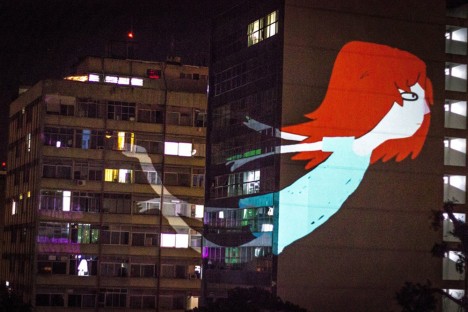
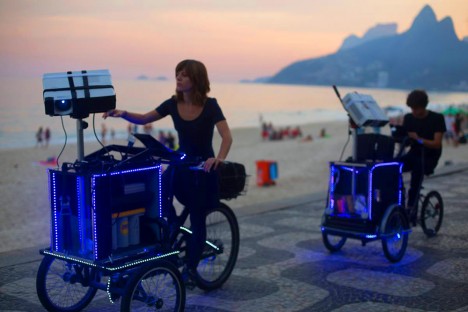
audiovisual tricycle performance art

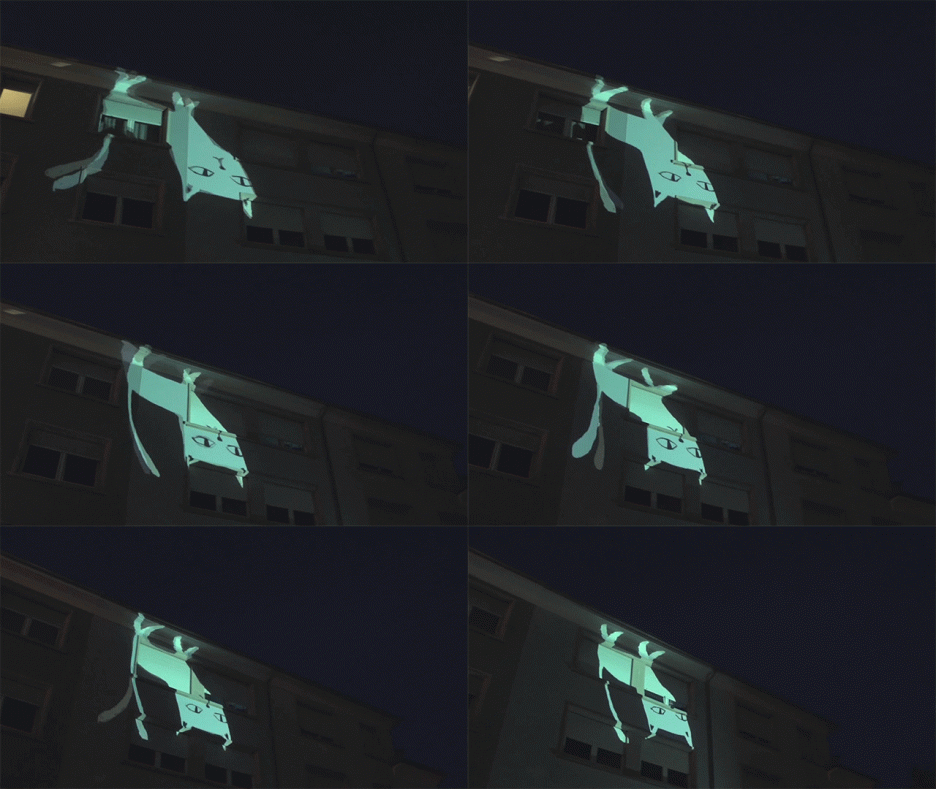
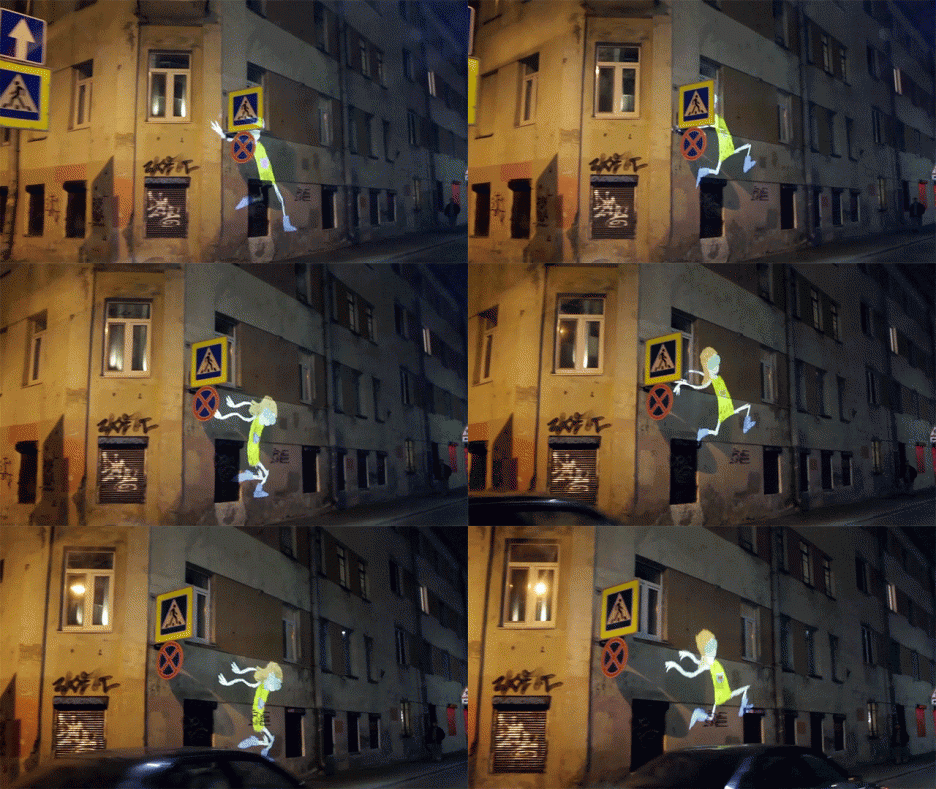
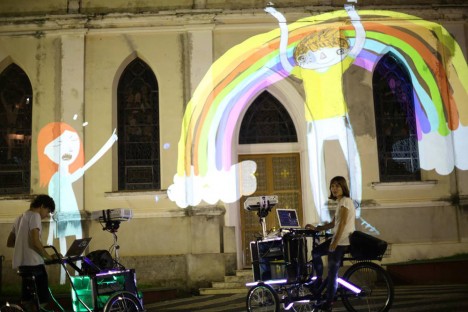
Lighting up streets and sidewalks of Rio de Janeiro, these mobile animation units utilize the movement of tricycles and available city surfaces to create amazing and interactive works of art.

interactive wall installation projection

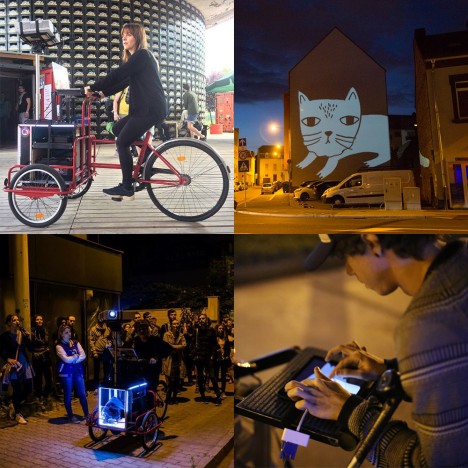
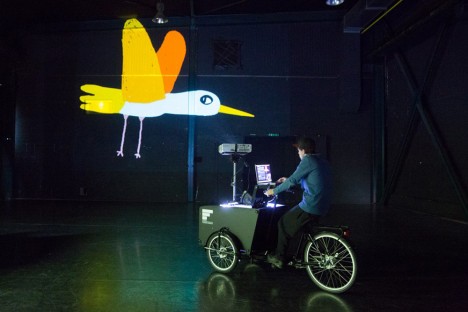
The so-called Suaveciclos were designed by artists Ygor Marotta and Ceci Soloaga of VJ Suave from São Paulo, combining batteries, laptops, projectors and speakers to create a multimedia experience.

portable programmable light art

portable projection wall art

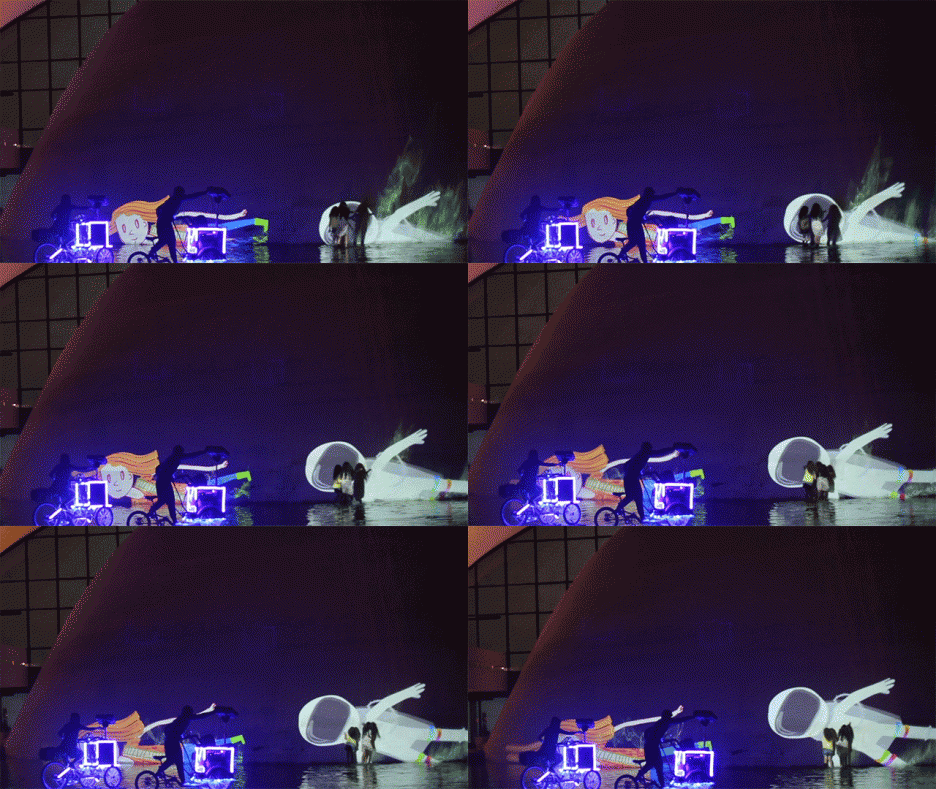
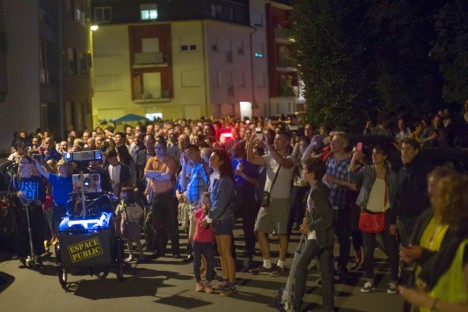
While some of the works are projected up high, those aimed at human-accessible surfaces (roads, sidewalks or low walls) are remarkably engaging, sparking children to start playing with the live projections.

portable light art demo

portable swimming mermaid wall

The versatility of these stop-and-go projection systems (tweakable to context) make it easy for the artists to react to crowds, stopping where popular or pressing on when their work at one site has run its course. They have pedaled their act in cities in Russia, Luxembourg, Slovakia Germany and Switzerland as well.

portable vj sound and light

portable speakers projectors

portable public art

From the artists: “small narratives with characters and poetry can travel open spaces, lighting walls on a large scale. The projections illuminate walls, trees, lakes, sidewalks and propose a playful interactivity with the public. With the video manipulated in real time, Suaveciclos bring art to all audiences and create unique moments between the city and the viewer.
In their playful universe, vjsuave deals with current themes with ambient sound accompanying the performance” (h/t Colossal and  Prosthetic Knowledge).


Share on Facebook


[ By WebUrbanist in Art & Installation & Sound. ]

[ WebUrbanist | Archives | Galleries | Privacy | TOS ]


WebUrbanist

 
Comments Off on Audiovisual Trikes: Portable Projections Animate City Streets

Posted in Creativity


Phantom City: Thousands Spot Towers Floating in the Clouds

20 Oct

[ By Steph in Architecture & Cities & Urbanism. ]

Screen Shot 2015-10-19 at 3.54.54 PM

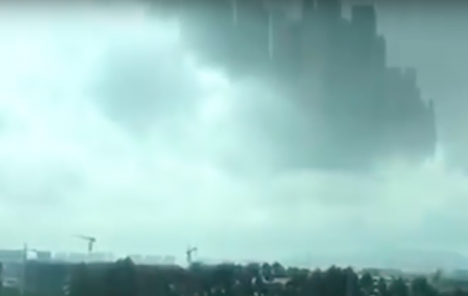
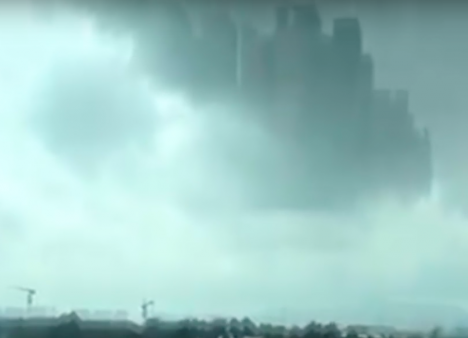
When thousands of residents of the Chinese cities of Jiangxi and Foshan reported seeing a ‘floating city’ in the clouds earlier this month, theories attempting to explain it ran wild, speculating everything from experimental holographic technology to glimpses of an alternate reality. A shaky video captures what appears to be the silhouette of a city skyline high above the horizon, at a larger scale than that of the real skyscrapers on the ground.

Naturally, conspiracy theorists are having a field day with this one, even going so far as to wonder aloud whether NASA is attempting to establish a new world order through something called the ‘Blue Beam Project.’ The most likely explanation may not be quite as exciting, but it’s still a fascinating phenomenon that has mystified people for centuries.

Screen Shot 2015-10-19 at 3.54.44 PM

Screen Shot 2015-10-19 at 3.56.53 PM

As Wired explains, a Jesuit priest named Father Domenico Giardina swore that he saw a crystal city floating in the air over Siciily in 1643, which quickly transformed into a garden and a forest crawling with armies before it all disappeared. You might think he’d claim he had a mystical vision sent from God, but he actually mused that perhaps minerals and salts were rising up into vapors in the clouds and condensing to become a sort of moving mirror. That may not be entirely accurate, but it’s relatively close to the truth.

Fata_morgana_of_the_ships

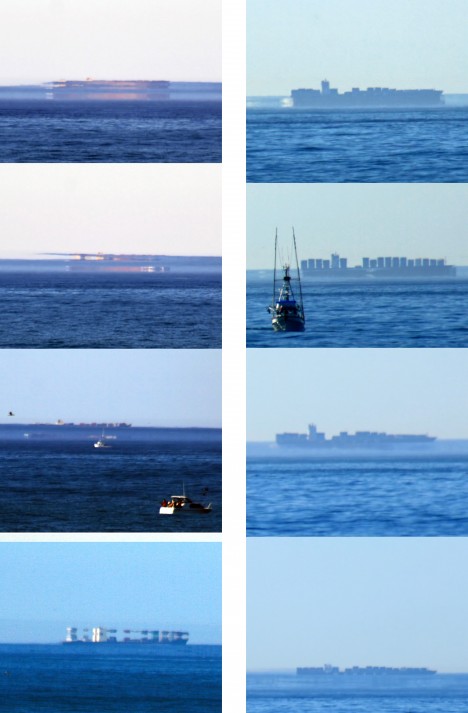
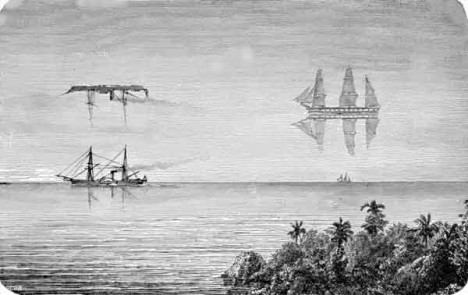
What we’re actually seeing in the video from China is most likely a ‘Fata Morgana,’ a rare type of mirage caused by a certain set of weather conditions bending light rays in just the right way. The clouds are essentially reflecting the nearby city. It’s most often seen above bodies of water, which explains the origins of the legendary ship the Flying Dutchman and hundreds of other age-old sailor stories about disappearing castles.

Superior_mirage_of_the_boats_painting

The images above show how two ships appear to change shape from one second to the next as well as an illustration of the Flying Dutchman, and a video of a ‘ghost boat’ that looks awfully similar to it. In the second video, what looks like a landscape becomes an amorphous, dissipating blob.


Share on Facebook


[ By Steph in Architecture & Cities & Urbanism. ]

[ WebUrbanist | Archives | Galleries | Privacy | TOS ]


WebUrbanist

 
Comments Off on Phantom City: Thousands Spot Towers Floating in the Clouds

Posted in Creativity


NYC Secrets: 10 Hidden Sights in The City That Never Sleeps

08 Oct

[ By Steph in Destinations & Sights & Travel. ]

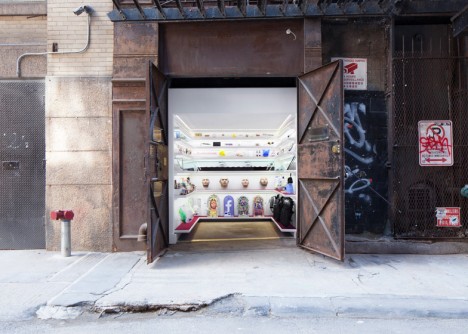
NYC secrets mmuseumm 1

Even if you’re sick of the surface-level, tourist-friendly version of New York City, there are still many sights to be seen, including fun little secret installations right under your nose in busy places like Grand Central Terminal and subway platforms. These 10 unexpected and little-known attractions in the New York City area include a tiny gallery in an elevator shaft, a slice of punk history, an actual piece of Berlin and a scenic tram ride straight to a stunning abandoned hospital on an island in the East River.

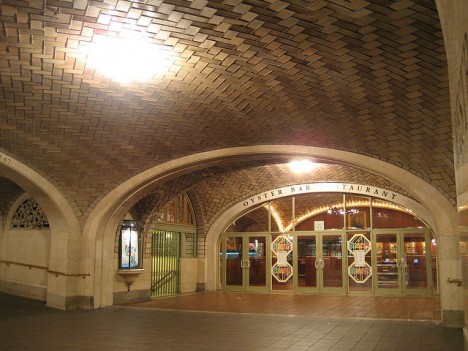
Whispering Gallery, Grand Central Terminal

NYC secrets whispering

If you see someone with their face in a corner and their lips nearly touching the walls in the middle of Grand Central Terminal, don’t worry – they’re not acting out the last scene of Blair Witch Project. They’re just whispering. The ‘Whispering Gallery’ is an unofficial attraction created by the acoustic properties of the ceiling between two diagonal corners between the archways. Whisper, and the person standing at the opposite end can hear what you’re saying as if you’re talking into a megaphone. Have a friend stand on the other side, or just freak out random passersby, as seen in the video above. It’s located just outside the Oyster Bar.

Pedestrian Shortcut with Waterfall View
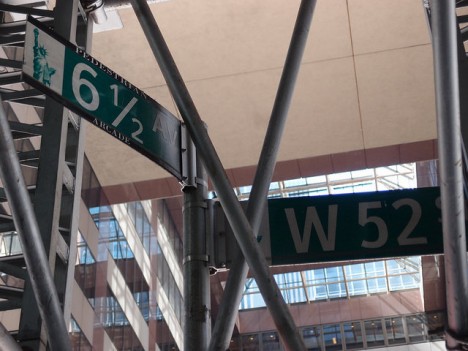
NYC secrets 6 1:2 Ave

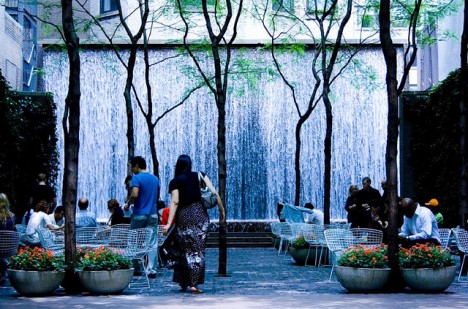
NYC secrets 6 1:2 Paley

Like something out of Harry Potter, a street marked 6 1/2 Ave offers a semi-secret shortcut from 51st to 57th, and it’s only open to pedestrians. Take a break from screaming cabbies as you stroll (or whatever the New York City version of strolling would be called) down a slightly-slowed-down path through Midtown Manhattan, adjacent to the beautiful 20-foot waterfall in Paley Park. There’s another waterfall at Midtown East’s Greenacre Park at 217 East 51st St., as well as the five located within Central Park.

Remnants of the Berlin Wall

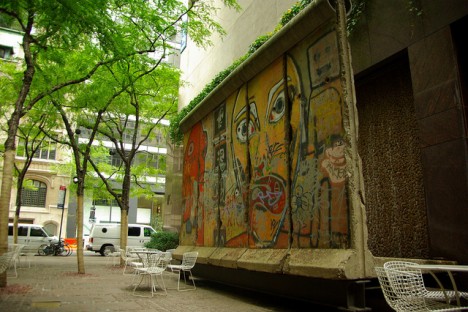
NYC Secrets Paley Park Berlin Wall

Speaking of Paley Park, this little pocket recreation space in the heart of Midtown at 3 East 53rd also boasts five sections of the Berlin Wall, originally located along the Waldemarstrasse and decorated by German artists Thierry Noir and Kiddy Citny in 1985.

C-Squat: Punk History in the East Village
NYC Secrets C-Squat 2

NYC Secrets C-Squat
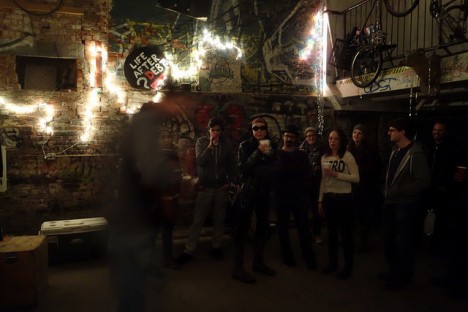
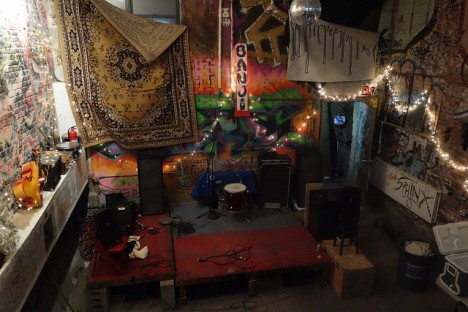
A little bit of New York City’s legendary punk heritage can still be found at 155 Avenue C, nicknamed C-Squat. Squatters claimed the abandoned space in the ‘80s, rebuilding it to make it habitable, and started throwing punk shows in the basement in the ‘90s. The city hammered out an agreement with the long-term residents, allowing them to stay as long as they bring it up to code, so it will soon officially pass into the hands of a bunch of artists and musicians. The walls are still covered in decades’ worth of graffiti and murals. One of the last holdouts of old school punk culture in the city, it’s still used as a location for underground parties.

Musical Subway Installation
strange new york reach 1

OLYMPUS DIGITAL CAMERA

OLYMPUS DIGITAL CAMERA

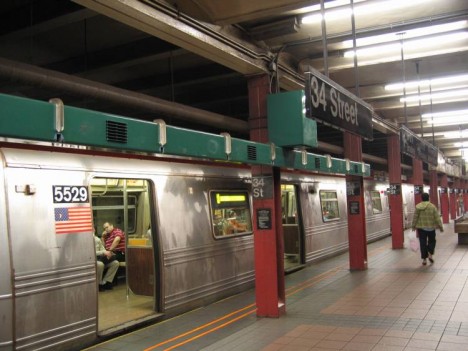
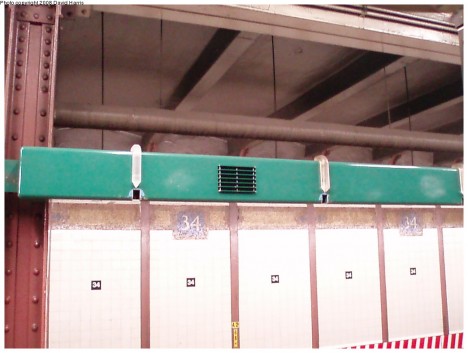
An unassuming pair of green metal bars blend into the walls of New York City’s 34th Street Subway Station, but pay closer attention and you’ll notice a sign alerting transit riders to an installation called REACH: New York. Created by Christopher Janney in 1995, this weird interactive exhibit features speakers embedded with motion sensors so that when you place your hand in front of one of the holes in the bars, you’ll trigger a sound. Move from one sensor to another to compose your own musical sequence. The artist changes out the sounds every year.

Roosevelt Island Smallpox Hospital
NYC Secrets Roosevelt Island Hospital

NYC Secrets Roosevelt Island Tram

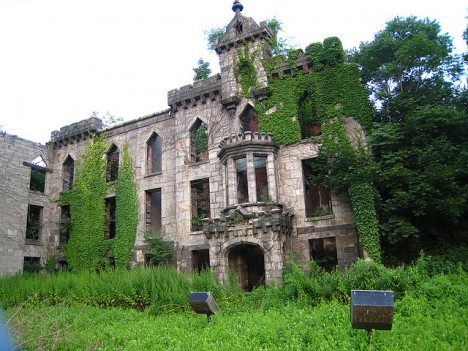
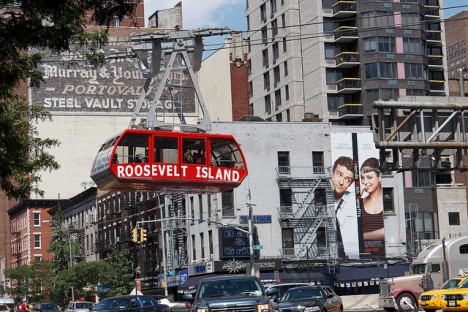
Patients infected with smallpox, leprosy and other highly infectious diseases were once kept quarantined in a hospital on New York City’s Roosevelt Island, which treated about 7,000 people per year between 1856 and 1875. It was abandoned altogether by the 1950s and fell into disrepair before the Landmark Preservation Commission declared it an important part of the city’s heritage, reinforcing the walls. The island has also been home to insane asylums and prisons, and is now a great place to take a riverside walk and get a nice view of the Upper East Side. For the swipe of a MetroCard, you can take a scenic tram to gaze up at the hospital facades, check out a lighthouse and view some public art.

Next Page – Click Below to Read More:
Nyc Secrets 10 Hidden Sights In The City That Never Sleeps

Share on Facebook


[ By Steph in Destinations & Sights & Travel. ]

[ WebUrbanist | Archives | Galleries | Privacy | TOS ]


WebUrbanist

 
Comments Off on NYC Secrets: 10 Hidden Sights in The City That Never Sleeps

Posted in Creativity