RSS
 

Posts Tagged ‘Camera’

Flickr for iOS update brings camera roll look and feel

08 May

Image sharing service Flickr has released a major update to its mobile app for iOS devices. In the new design images are displayed in a similar way to Apple’s own Photos app, with images grouped by capture date. The new version of the app also emphasizes the auto upload feature, trying to convert Flickr from an image-based social network into everybody’s go-to photo app. Read more

Articles: Digital Photography Review (dpreview.com)

 
Comments Off on Flickr for iOS update brings camera roll look and feel

Posted in Uncategorized


CyPhy’s LVL 1 camera drone features six rotors for stability

06 May

CyPhy Works, a company helmed by iRobot co-founder Helen Greiner, has introduced a camera drone with a few unique features. Called the CyPhy LVL 1, its six-rotor design promotes better stability over common quadcopters and its camera is integrated into the body of the drone. Read more

Articles: Digital Photography Review (dpreview.com)

 
Comments Off on CyPhy’s LVL 1 camera drone features six rotors for stability

Posted in Uncategorized


Apple Digital Camera Raw 6.04 extends support to Canon EOS 5DS / 5DS R and Panasonic CM1

05 May

Apple has extended system-wide Raw support for 14 additional cameras, including Canon’s newest flagship DSLRs. Digital Camera Raw 6.04 also brings Raw support to OS X Yosemite for the Panasonic Lumix DMC-CM1 smartphone, Nikon D7200 and Olympus OM-D E-M5 Mark II among others. Read more

Articles: Digital Photography Review (dpreview.com)

 
Comments Off on Apple Digital Camera Raw 6.04 extends support to Canon EOS 5DS / 5DS R and Panasonic CM1

Posted in Uncategorized


LG G4 puts focus on the camera

30 Apr

LG’s new flasgship smartphone, the LG G4, takes over some of the G3’s design details, but from a hardware point of view it’s an all-around new device. Specifically, it puts a lot of emphasis on camera specifications. Its 16MP 1/2.6-inch CMOS sensor is larger than the 1/3-inch sensors in many other phones, and the F1.8 aperture is the fastest among the current crop of high-end mobile devices. Read more

Articles: Digital Photography Review (dpreview.com)

 
Comments Off on LG G4 puts focus on the camera

Posted in Uncategorized


5 DIY Hacks to Have in Your Camera Bag

29 Apr
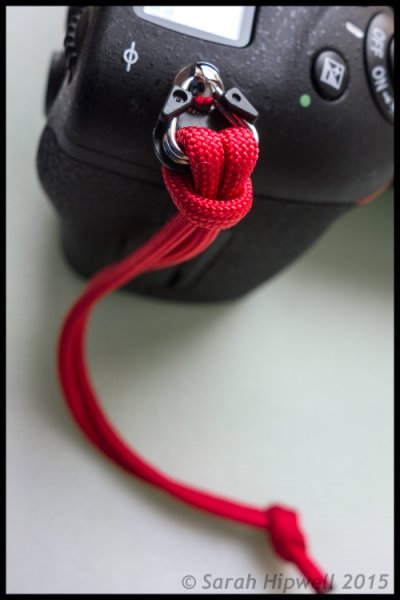
Paracord-wrist-strap-close-up

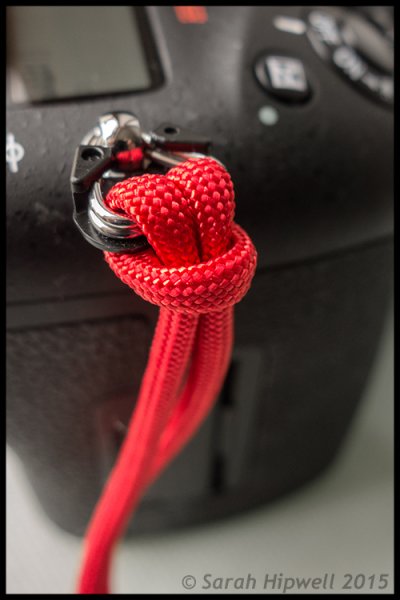
Close up of a DIY camera wrist strap made from paracord

1. Camera strap(s)

I stopped using the camera strap that comes with the camera (DSLR) quite awhile ago now. My fundamental gripes were as follows:

  • Not at all comfortable to wear around the neck, especially if you have a long lens attached to the camera.
  • Didn’t particularly like the camera brand name in bright colors screaming out to potential camera thieves that you have a nice camera worth taking!
  • The strap was a nuisance when the camera was mounted on a tripod.
  • Because of the strap length, it was irksome and fussy putting the camera back into the camera bag.
Paracord-wrist-strap

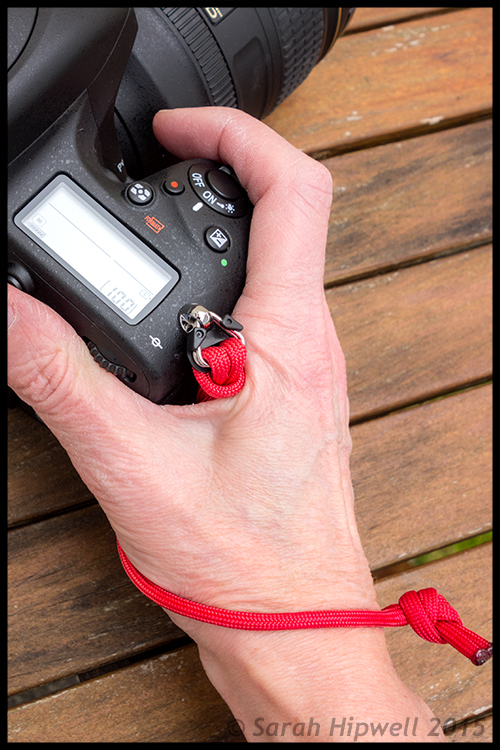
DIY paracord camera wrist strap

I like to switch from handheld to mounting the camera on a tripod when I shoot. I do however, like the security of a strap when holding my camera. Some years back, I found a useful DIY tutorial online, outlining how to make a camera wrist strap using paracord. Take a piece about 27 inches long and make a loop about 7-7.5 inches long by tying both ends together into knot. I used a simple overhand  knot but you could use a more sophisticated knot such as a Lanyard knot. You will need to burn the ends of the cord, after the knot, to stop it from fraying.

Paracord-wrist-strap-on-hand

Depending on the size of your hands, you want enough slack to be able to adjust the buttons on the camera.

This paracord is strong and really inexpensive to purchase. It comes in a variety of colors. There are a multitude of uses for this cord, it’s a dream for most DIY enthusiasts. However, this configuration of strap isn’t a fail safe option should you let your camera fall out of your hand.

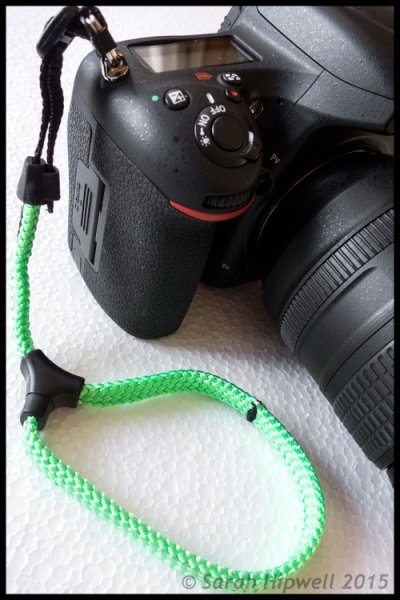
Joby have a corded strap, specifically for DSLRs that is designed to automatically tighten around the wrist if the camera is dropped. Out of curiosity, I purchased one to try it out. It’s not expensive and does tighten around the wrist if the camera falls or drops out of your hand. It is very comfortable and I love the green color.

Joby-wrist-strap

The Joby DSLR wrist strap

However, for you DIY hackers out there, you can fashion a similar wrist strap with a built-in wrist tightener from paracord using a slip-knot. Just do a google search to get a tutorial online.

2. Wrist rubber band to prevent zoom creep

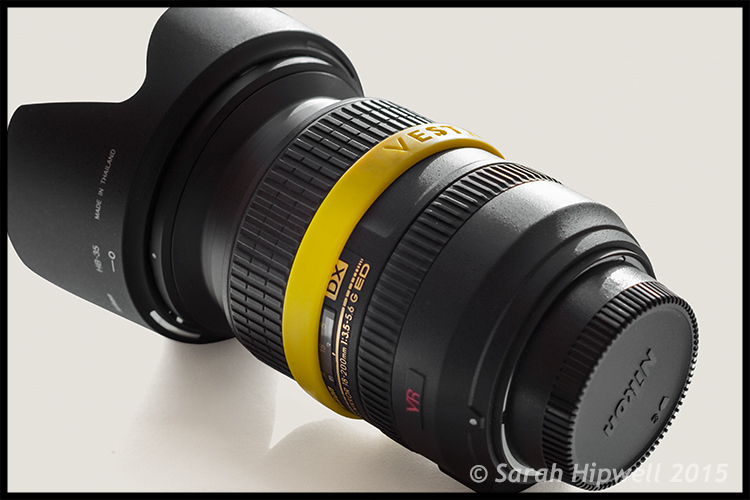
I used to own a Nikon 18-200mm VR lens. It was a great versatile lens. But after some time, when I would take macro or overhead shots, where the camera is at 45 angle or more, I’d notice the lens would creep (move slightly due to gravity). I found this neat solution online to put a wrist rubber band around the zoom ring and the barrel of the lens. It worked and was a perfect solution to prevent the lens from creeping.

Wrist-rubber-band-lens-creep

A wrist rubber band to stop lens creep.

This rubber band can also act to secure the Ziploc bag around the lens if safeguarding against the rain. See tip below.

3. Ziploc bags and cable ties

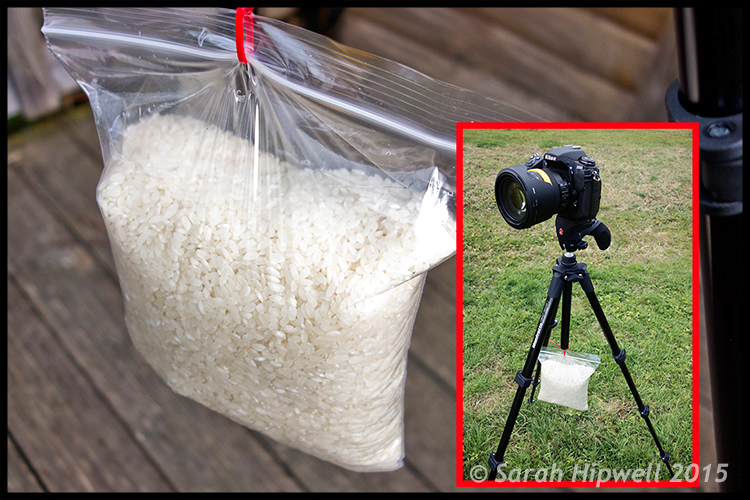
Sandbag(s) are great for adding stability to your lightstand or tripod. But they are not practical to bring with you on vacation or on a day trip. This is where having a couple of Ziploc baggies with you in your camera bag are ideal.

If you are away on vacation, purchase a bag of dried beans, rice, or soup mix. Make a small hole near the top of the bag, place a cable tie through the hole and create a plastic ring. Depending on the type of tripod that you have, place this on the hook or use another cable tie to create second ring that will secure the bag to the centre column of the tripod.

DIY-sandbag-on-tripod

A Ziploc bag filled with 1kg of rice suspended from the tripod using cable ties adds stability.

A Ziploc bag filled with dried beans etc., can be also used as an alternative bean bag tripod. If you are out and about shooting on a day trip, and there are no convenience stores nearby – use soil or sand to fill the Ziploc bags.

A large Ziploc bag can even be a turned into a quick rain guard. Make a hole for the lens and use the rubber wrist band to secure the bag around the lens.

4. Vaseline

This small tin of petroleum jelly is small to put in your camera bag and weighs practically nothing. If you are shooting portrait shots and your subject or model forgets to bring their lipstick, the vaseline gives sparkle to lips and helps catch some specular highlights.

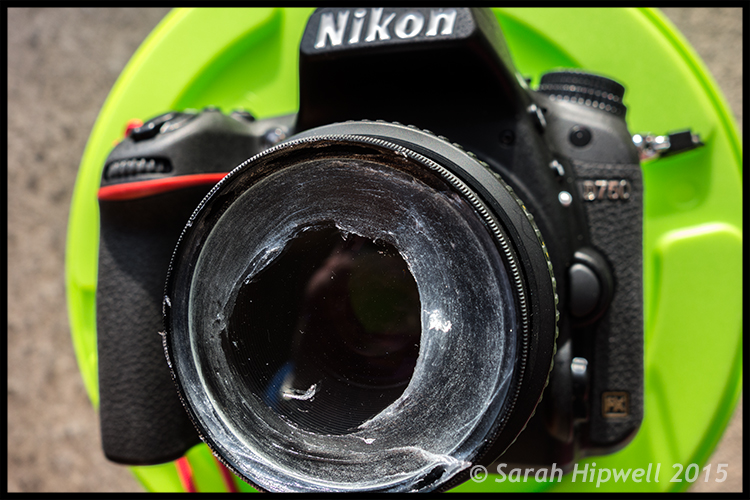
You can get creative by applying some vaseline to an old UV filter, rather than on the lens itself, to create a dreamy retro look. It’s a bit messy, so use a Ziploc bag to put the UV filter in when you’re done and clean it when you get home.

Vaseline-plus-other-items

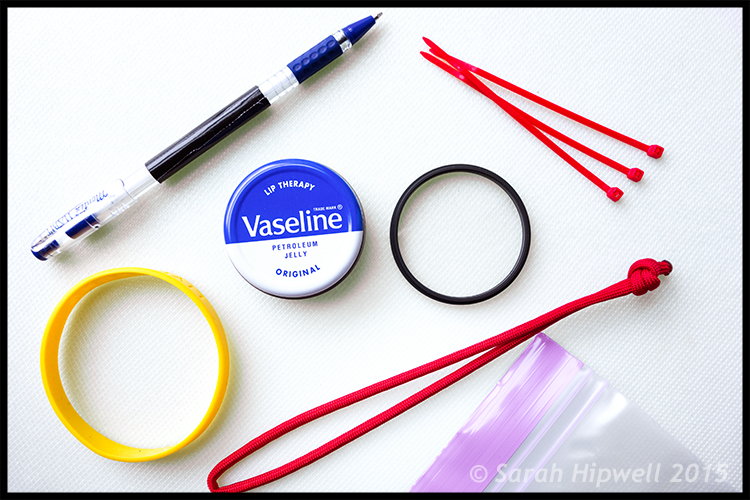
Vaseline, pen with gaffer tape plus other items to have in your camera bag.

If you are a landscape or street photographer, the elements can play havoc with your lips. Nothing worse than chapped lips. Apply some vaseline to protect them.

Vaseline-on-UV-filter

Petroleum jelly (Vaseline) smeared on the UV filter.

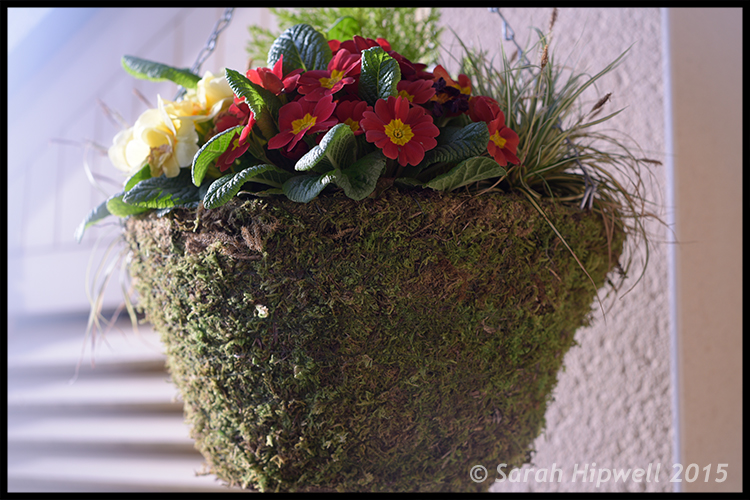
hanging-basket-flowers

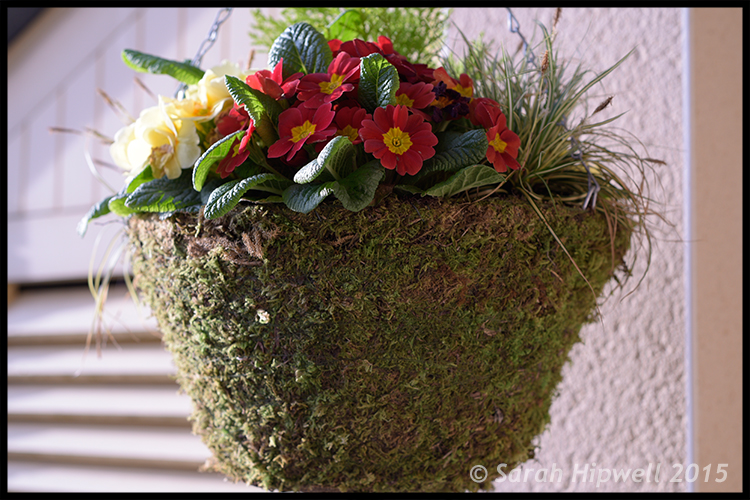
Before shot without Vaseline.

flowers-vaseline-on-UV-filter

After shot with Vaseline on the UV filter.

I could have smeared more Vaseline to allow for a smaller opening, which would have created an even more dreamy effect. That is the beauty of this technique, just experiment.

5. A Bic pen or any plastic disposable pen

This inexpensive pen should be an automatic addition to your camera bag. After all, you never know when your smartphone or tablet might lose power and you will need to write down some specifics. A pen and paper always comes in handy. Wrap some gaffer or duct  tape around the middle of the pen rather than carry a big roll of it around. You never know when you may need a bit of tape.

All of these items are so small and compact that you won’t know that they are in your camera bag. Sometimes it is the small things that can make a BIG difference!

Do you have any hacks or tips that you would like to share?

googletag.cmd.push(function() {
tablet_slots.push( googletag.defineSlot( “/1005424/_dPSv4_tab-all-article-bottom_(300×250)”, [300, 250], “pb-ad-78623” ).addService( googletag.pubads() ) ); } );

googletag.cmd.push(function() {
mobile_slots.push( googletag.defineSlot( “/1005424/_dPSv4_mob-all-article-bottom_(300×250)”, [300, 250], “pb-ad-78158” ).addService( googletag.pubads() ) ); } );

The post 5 DIY Hacks to Have in Your Camera Bag by Sarah Hipwell appeared first on Digital Photography School.


Digital Photography School

 
Comments Off on 5 DIY Hacks to Have in Your Camera Bag

Posted in Photography


Free Pennant Party w/ Every Instant Camera!

27 Apr

Let’s get your pennant party started, hip-hip-huzzah!

Today only, we’re giving you a pennant pack FREE when you buy any one of seven incredible instant cameras. If you’ve been waiting to pull the trigger on buying your favorite instant camera, today is the day!

Use the pennants for an impromptu photo booth and pop off prints instantly. Insta-fun, right?

Get Your Pennant Party Here!
(…)
Read the rest of Free Pennant Party w/ Every Instant Camera! (0 words)


© Erin for Photojojo, 2015. |
Permalink |
No comment |
Add to
del.icio.us

Post tags:


Photojojo

 
Comments Off on Free Pennant Party w/ Every Instant Camera!

Posted in Equipment


Apple patent hints at super resolution camera mode

24 Apr

Olympus and Pentax have introduced cameras with sensor-shift-driven resolution modes designed to maximize the amount of information collected by their sensors. Apple has also patented a similar system, using an optical image stabilization system to create and combine multiple exposures into a higher resolution image. Read more

Articles: Digital Photography Review (dpreview.com)

 
Comments Off on Apple patent hints at super resolution camera mode

Posted in Uncategorized


Adobe Camera Raw 9 released with Merge to HDR and Panorama features

23 Apr

With the launch of Lightroom 6 and Lightroom CC, Adobe has released Camera Raw 9 with some of the some added features. Merge to HDR and Panorama are now available in ACR, using Raw image data to automatically assemble HDR and panoramic images, which are output as DNG files. This eliminates the need to edit files before merging them in Photoshop. Read more

Articles: Digital Photography Review (dpreview.com)

 
Comments Off on Adobe Camera Raw 9 released with Merge to HDR and Panorama features

Posted in Uncategorized


How Your Camera Gets in the Way of Creating Great Photos

21 Apr

I am the kind of person who loves nothing more than to read a new camera manual back to front. When the Canon 5d MK3 came out the manual was over 200 pages, YUM! It was the thickest Canon manual yet, heaven!
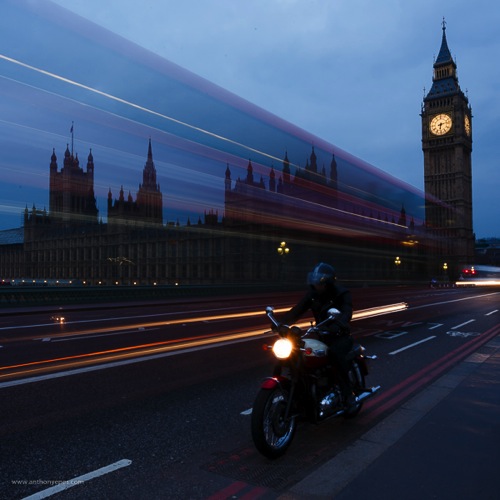
Anthonyepesphotography dps2 1

I love my kit and I love finding out how it works, what cool tricks I can do with it and what every single button does plus custom settings, autofocus modes, etc. I still use film (and digital of course), print my own work (which I keep detailed records of) so you can see that I am a solid tech nerd.

Yet, I see all the time how distracting the camera can be when we are taking photos. This statement probably seems like a massive contradiction so let me explain. We expect this piece of kit to take great photos for us – even though the camera is an inert and emotionless device with no brain or heart. Thinking, seeing and feeling are what create great photographs.

Sound technical knowledge is just the springboard – don’t get stuck there. Use it to launch your work to the next level by spending the majority of your time improving your ability to see, and I don’t mean just taking photos.

Anthonyepesphotography dps2 4

Good technique will only improve the quality of your shots – it will not help you create awesome images, it will not help you tell a story, communicate the feelings of a subject, or show the viewer how a place feels to be standing right there. Only you, the photographer can do that. This is where I think many photographers get a bit lost.
Diane Arbus, one of my favourite photographers, and one of the most revered portrait photographers we’ve ever had, had a brilliant relationship with her camera:

“I think the camera is something of a nuisance in a way. It’s recalcitrant….I mean I can work it fine, although I’m not so great actually. Sometimes when I’m winding it it’ll get stuck or something will go wrong and I’ll just start clicking everything then suddenly, very often, it’s alright again.”

For her the camera was just a tool that helped her execute her vision. To create her famous portraits, she spent the most amount of time on finding subjects she was fascinated by, creating a relationship and connecting with them. It’s that connection, and the ease at which her subjects felt with her that created the power of her work. The expressions that she obtained from her subjects are often very moving and they tell the story about what it was like to be them.

Once you’ve learned the fundamentals of how to use your camera, then you are obligated, in my opinion, to focus on seeing, truly looking and truly feeling what’s going on in this world. That is how you will create truly unique and original images.
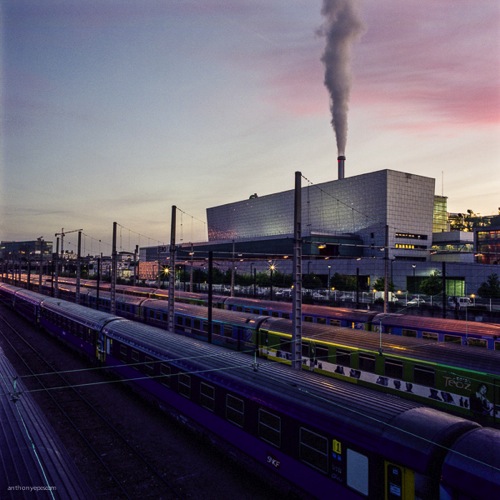
Anthonyepesphotography dps2 2

Seeing is a state of mind

Learning to really see, is learning to be in a state of mind where you notice everything around you. Not just visually, but with every sense, because all of your senses feed into each other. You’re wandering around one morning and you smell fresh bread baking; it leads you to the back door of a bakery where the door is propped open and the bakers are laughing as they bake trays of bagels. It’s intriguing. It is making you smile.

You are not taking photos. But you are practicing seeing by noticing, by having the intention to notice. All of this is fuel for your photography. It stokes the flames of your creativity, it creates a discipline that you are becoming more and more aware in this world. At first it is a very active practice. It’s like becoming a child again. You have to keep paying attention rather than get lost in your thoughts, your to-do list, your future. But the more you do it the more it comes naturally and you start to see the impact that it has on your photography.
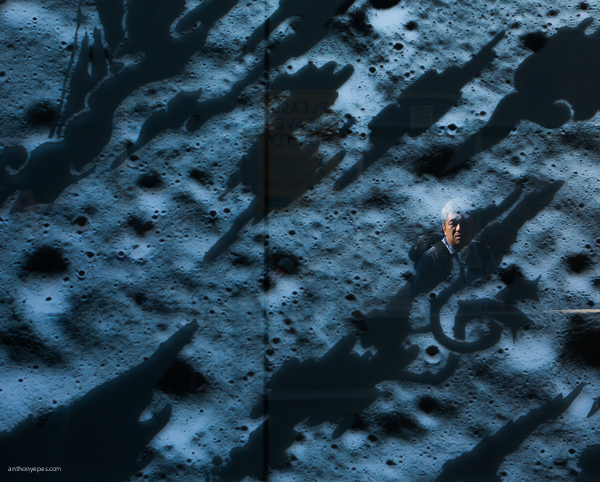
Anthonyepesphotography dps2 3

Chase the light

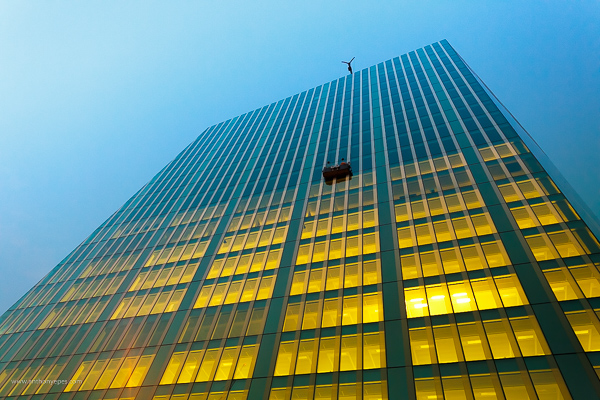
A great way to develop your eye is to always be chasing the light. Light diffracts, reflects, is filtered, and bounces off of things in a myriad of ways. If you see a shadow, think about where is that light coming from. I’ve spent a lot of my life looking for the sources of reflected light; off building windows, puddles. It’s like a light puzzle and when I’ve found the incident angle, I’ve solved it, and sometimes get a good shot as a prize.

Return to the same places

We miss most of the things that are happening around us because our brain blocks out what it considers to be unnecessary stimuli. So we are essentially fighting our brain and retraining ourselves to notice. I find going back to a place is a good way to see new things. Ask yourself, “What can I see in this place today that I didn’t see yesterday? How can I show something new that I haven’t photographed before? How has this new light changed the scene?”.
Anthonyepesphotography dps2 5

Create seeing projects for yourself

One fantastic way to start training your eye is to create a seeing project for yourself. Pick a subject, then look for that subject wherever you go. I’ve done snail-trails; my friend did red-jack playing cards. It could be tabby cats, purple cars, the colour yellow. Lots of people like shooting doors. You get the idea.

Choose something that is not that rare, but rare enough that you’ll be challenged, and it will help you to develop your eye. It’s like when your mate gets a new car and suddenly you see that car everywhere. The reality is that there aren’t more of those cars but your attention has been focused, honed to it. I’m always taking photos of things embedded in the street, purely for my own satisfaction (looking down is as important as looking up!)

Feel

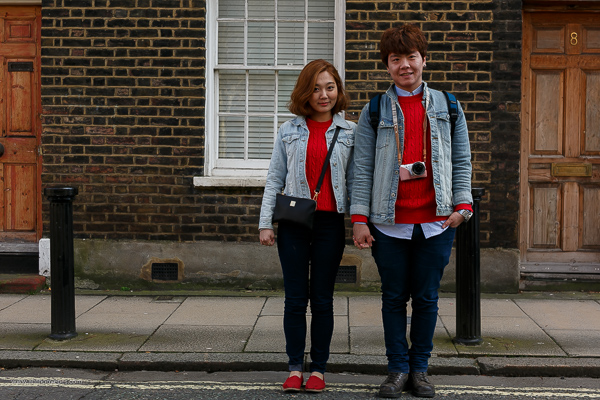
Our senses all work together, and heightening one sense will heighten the others. Having an emotional reaction to your subject will help your photos because you will imbue those feelings in your photos. I loved what travel photographer Steve McCurry said in an interview:

“A picture of a guy in the street in New Guinea, with a bone through his nose is interesting to look at. But for it to be a really good photograph; it has to communicate something about what it is like to live with a bone through your nose. It is a question of the moment to reveal something interesting and profound about the human condition.” Steve McCurry
Anthonyepesphotography dps2 6

Shoot the third thing

A few years back Victoria Coren wrote about some advice her father, the late writer Alan Coren, had given. I thought this was a brilliant idea that could be applied to taking photos:

“Don’t write the first thought that comes into your head, because that is what everyone will write. And don’t write the second thought that comes into your head, because that is what the clever people will write. When you hit on a third thought, pick up the pen. That one is just yours.”

That first thought is the photo everyone sees and takes (the tourist shot). The second photo is one you thought over and shot. But the third photo is one where you stopped and really examined everything around you. When you start taking that third shot you will see your style come through. This third way of shooting will come quicker as you practice.

Don’t underestimate the power of looking in a different direction

I’ve found that photographers are often drawn to the same places. I have had so many situations like this one – where I’ve stood with banks of photographers on Westminster Bridge and they are all shooting in one direction:

Anthonyepesphotography dps2 7

But then, if you turned around, there was a very different style of photo behind us, which everyone was ignoring:

Anthonyepesphotography dps2 8

Seeing is a lifelong journey that will open up tremendous opportunities for your photography. Commit to improving your ability to see, and it will transform your photos. Push yourself always to see more, experience more and feel more.

googletag.cmd.push(function() {
tablet_slots.push( googletag.defineSlot( “/1005424/_dPSv4_tab-all-article-bottom_(300×250)”, [300, 250], “pb-ad-78623” ).addService( googletag.pubads() ) ); } );

googletag.cmd.push(function() {
mobile_slots.push( googletag.defineSlot( “/1005424/_dPSv4_mob-all-article-bottom_(300×250)”, [300, 250], “pb-ad-78158” ).addService( googletag.pubads() ) ); } );

The post How Your Camera Gets in the Way of Creating Great Photos by Anthony Epes appeared first on Digital Photography School.


Digital Photography School
 
Comments Off on How Your Camera Gets in the Way of Creating Great Photos

Posted in Photography


Columbia University researchers create self-powered video camera

17 Apr

Columbia University researchers have created a self-powered video camera featuring a sensor that both captures images and powers the device. Although it can only record low-resolution 30×40 pixel images at 1fps, the photodiodes on the camera’s sensor can switch between being photoconductive, and photovoltaic. In the latter mode – given enough light – the photodiodes supply enough power to a built-in supercapacitor to keep the camera operating indefinitely. Click through for more information

Articles: Digital Photography Review (dpreview.com)

 
Comments Off on Columbia University researchers create self-powered video camera

Posted in Uncategorized